Tudor is down

Where Tudor/Science used to be
We’ve returned from Easter to open skies where the old Tudor/Science block used to be. The light is pouring in where the old building used to overshadow the playgrounds and the Sixth Form. This space – when it is cleared – will become a new car park for staff and Sixth Form. It’s now possible to visualise how the Academy’s site will take shape over the coming year.
The Tech Block is going

Just before Easter, we received the news that we had been granted funding to demolish the final original building, this single-storey Technology block. It will be replaced by a two-storey extension to the Athene Donald Building. The architects had planned the Donald Building with the extension in mind, so the process should be smooth and completed in a year!
Reception is moving

Reception, administration, finance, HR, and First Aid will all move down to Hanover from September 2019. Access to reception will be from the main sports centre car park, which will be the only car park available for public access. My office will also be relocated down to this new hub, just next to the main reception.
The current reception area will become a new social space for students, just next door to the Academy Hall. I have been working with the House Captains of Hanover, Stuart, Tudor and Windsor to help design this space, which we plan to open in September for students of all houses to use.
Green Team redevelopment

The new broadwalk pathway in development
The Academy’s student-led Green Team has been working with local landscape architects and suppliers to ensure that our new site is a beautiful and environmentally sustainable place to learn and work. Over Easter, volunteers began clearing spaces alongside the new central broadwalk path for planting, which will take place over the summer terms. There are also plans for a Sixth Form garden and a vegetable garden behind the Donald building to supply Food and Nutrition lessons. This is alongside the Green Team’s wider work to promote sustainability and reduce the Academy’s carbon footprint, including the solar panels project and the introduction of a car-share incentive scheme.
Change is afoot!
With so much change happening, it can be difficult to keep track! The Academy is very fortunate to have a dedicated team, led by Deputy Headteacher Mr Branch, overseeing this work. We are also grateful for our partnership with building contractors Mealings, who are completing the works, alongside our fantastic site team of Mr White, Mr Butler and Mr Winstanley. By this time next year, the site will be very different indeed – and a much-improved space for our students to enjoy for many years to come.
 Firstly, brains need fats! But no ordinary fats, it needs superstar fatty acids Omega 3 and 6. These essential fatty acids are linked to preventing a decline in mental skills and memory loss, and must come from what we eat and drink. Eating nuts, seeds, oily fish or drinking fish oil supplements (like cod liver oil) are all seen to be crucial to the creation and maintenance of brain cells. Those who consume more of these fats in their diet have sharper minds and do better at mental skills tests.
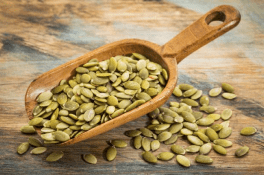 The brain needs a steady supply of other micronutrients, and without powerful vitamins B6 and B12 our brains are susceptible to brain disease and mental decline. Also, small amounts of the minerals iron, copper, zinc and sodium are fundamental to brain health and cognitive development. All dairy foods are packed with protein and the B vitamins needed for the growth of brain tissue and neurotransmitters; milk and yogurt are a great source. Lean beef is one of the best absorbed sources of iron, and also contains zinc, which helps with memory. For vegetarians, beans are a good choice of iron (plus they contain yet more omega-3 fatty acids). For zinc, the mineral vital for enhancing memory and thinking skills, pumpkin seeds are richer than many other seeds.
 To enable the brain to efficiently perform it needs lots of the right type of fuel, most of which comes from carbohydrates, but specific carbohydrates effect how the brain responds. What we call ‘high glycemic’ food like white breads cause a rapid release of glucose into the blood followed by a big dip as blood sugar shoots down – and with it, your attention span. On the other hand, oats, wholemeal bread, and ‘brown’ rice and pasta have far slower glucose release enabling a steadier level of attentiveness. Low-fat popcorn, switching bread to wholemeal and oats make for cheap, easy options. Oats also are good sources of vitamin E and B, as well as potassium and zinc – which make our bodies and brains function at full capacity. You could also try dry oats in a fruit smoothie to thicken it.
 For sustained brain power opting for a varied balanced diet of nutrient rich foods in three separate meals a day is critical. So is drinking the equivalent of between 6-8 glasses of water a day (between 1.9 and 2.25 litres) to avoid suffering dehydration, tiredness, and lack of concentration and short-term memory. Our brains are 73% water! Avoid caffeinated drinks as they can leave you irritable, sleepless, and anxious, and they have diuretic properties that can leads to further dehydration. Instead try un-caffeinated relaxing herbal chamomile tea, which has been shown to improve cognitive function.
 The Headteacher's Blog