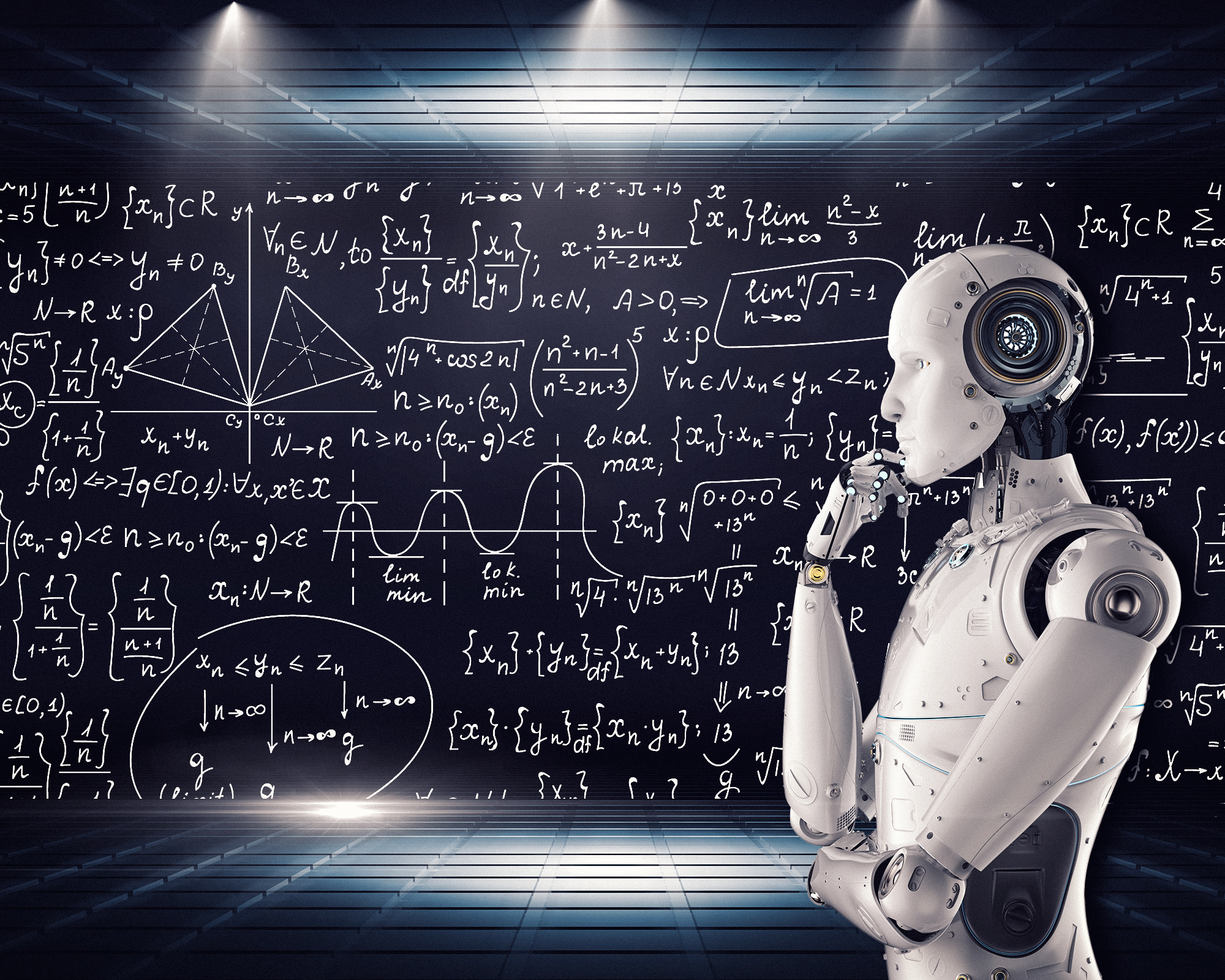
The world of education is evolving at an unprecedented pace, and technology is playing a significant role in shaping the learning landscape. In recent years, the integration of artificial intelligence (AI) and ChatGPT, powered by OpenAI’s advanced language model, has become a topic of interest in English secondary schools. These innovations have the potential to greatly benefit students, but it is also essential for us to understand both their usefulness and the potential pitfalls. In this blog post, we’ll explore how AI and ChatGPT can be useful tools for students while highlighting some crucial warnings about their appropriate use, especially in terms of plagiarism.
The Advantages of AI and ChatGPT
- Personalized Learning: AI-powered educational tools can adapt to students’ individual needs, offering tailored learning experiences. ChatGPT can provide instant feedback and explanations to help students grasp complex concepts, making it an excellent resource for homework and assignments. For example, if you are struggling to understand or remember a concept or idea, asking ChatGPT to explain it may help jog your memory.
- Enhancing Creativity: ChatGPT can assist students in brainstorming ideas, refining their writing skills, and generating creative content. It can be a valuable companion for assignments and projects by suggesting starting points, topics for exploration, or other ideas.
- Access to Information: ChatGPT provides students with a vast amount of information at their fingertips. It can help students with research, giving them access to a wide range of sources and references to enrich their understanding of various topics.
Warnings and Risks
While AI and ChatGPT offer numerous advantages, they should be used judiciously, and parents and students need to be aware of the potential pitfalls:
- Plagiarism: One of the most significant concerns is the risk of plagiarism. ChatGPT can generate text quickly, but it’s essential for students to understand that simply copying and pasting the AI-generated content into their assignments is not acceptable. Parents should emphasize the importance of original work and proper citation. Work generated by AI is not the student’s own and attempting to pass it off as such could result in disqualification from examination courses.
- Overreliance: While AI can be a valuable resource, students should not become overly reliant on it. They need to develop critical thinking and problem-solving skills on their own. Encourage your child to use AI as a supplementary tool rather than a crutch.
- Accuracy and Credibility: Not all information available through AI is accurate or credible. Parents should teach their children to critically evaluate the sources and information provided by AI, just as they would with any other research method.
- Privacy and Safety: Parents should be aware of privacy and safety concerns. It’s essential to ensure that children are using AI tools in a secure and responsible manner. Discuss online safety practices, including not sharing personal information.
- Ethical Use: AI can sometimes generate content that may be inappropriate or offensive. Parents should educate their children about ethical behaviour and discourage any harmful use of AI.
Conclusion
AI and ChatGPT are valuable tools that can enhance the learning experience for students in English secondary schools. However, they must be used responsibly, with a focus on promoting creativity, critical thinking, and originality. Parents play a crucial role in guiding their children’s use of AI and helping them avoid pitfalls like plagiarism and overreliance. By understanding the advantages and limitations of AI in education, parents can support their children in harnessing the power of technology for their academic growth.
The blog post was written with help from ChatGPT3.5.
 The Headteacher's Blog
Pingback: Using AI: be careful! | The Headteacher's Blog