We know that reading really matters. Research suggests that reading for pleasure can influence a child’s academic success, vocabulary development, mental health, ability to empathise and to accept other cultures, and even life expectancy!

Reading is an essential life skill. The ability to read fluently and skilfully enables us to navigate street signs, fill in forms, interpret medicine labels, order from a menu, and get a job. And it also enables us to understand what is going on in the world around us, and to understand it better.

Reading also helps students to achieve across the curriculum. The Institute of Education’s research (2013) shows that children who read for pleasure are likely to do significantly better at school than children who do not. Their report highlighted a positive impact on results in spelling, vocabulary and other areas of the curriculum too, including maths. We know that wider reading improves vocabulary, and enhances critical thinking skills, problem-solving abilities, and comprehension – all essential components for success in school and beyond. A child who reads regularly is more likely to excel in exams and develop a lifelong love for learning.
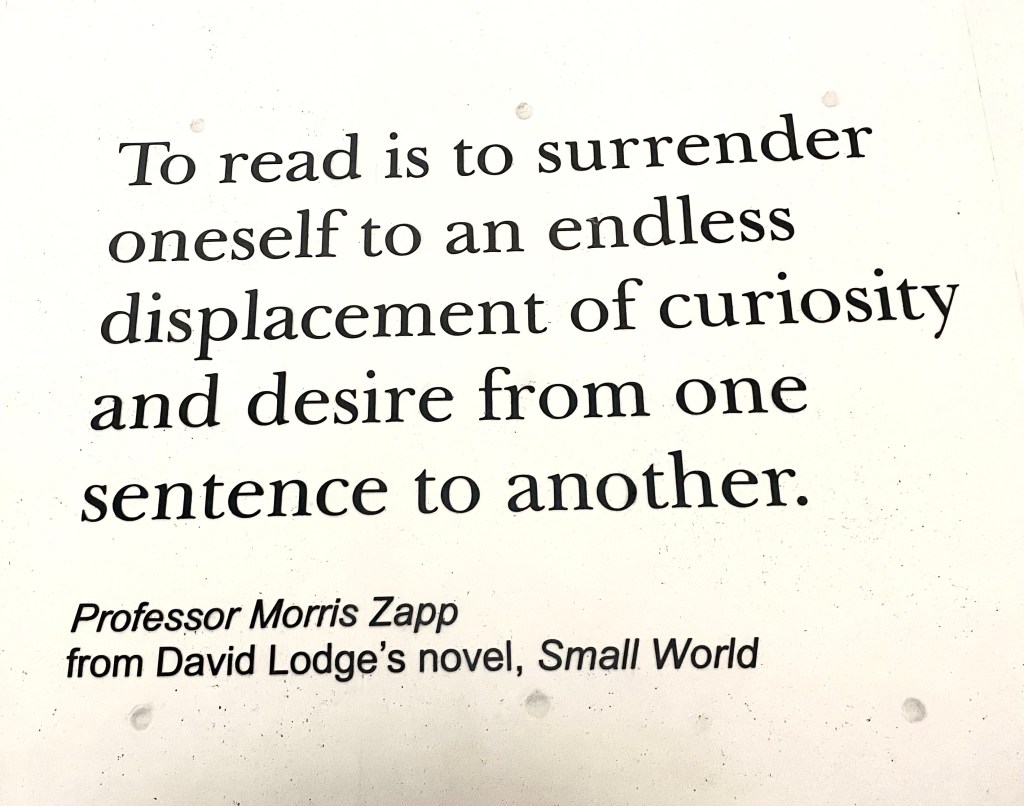
Beyond the functional benefit of reading, the ability to decode squiggly lines, shapes and loops on a page unlocks a world of discovery. It can take us on journeys to far-off lands and worlds of the imagination. Through reading, we can learn about the past and imagine the future; we can learn to understand characters and experiences from the familiar to the fantastical; we can learn to empathise, sympathise and live lives other than our own.
A reader lives a thousand lives before he dies
George RR Martin
Reading is also beneficial to wellbeing. The Reading Agency’s 2015 report shows that reading for pleasure links to increased empathy, social cohesion, knowledge of other cultures, cultural capital and the ability to regulate moods and relax. The report also found that reading brings about “increased empathy, improved relationships, reductions in symptoms of depression… and improved well being”. This is also reflected in the National Literacy Trust’s findings from a survey of nearly 50,000 UK school children showing those who enjoy reading and writing are significantly less likely to have mental health problems.

In summary, the importance of reading widely and often cannot be overstated. Fostering a love for reading is one of the greatest gifts we can give our children. It not only lays the groundwork for academic success but also nurtures their personal growth, empathy, creativity, and resilience. We need to do all we can to encourage our students to pick up a book, explore new worlds, and embark on a journey of lifelong learning. This is why we insist that all our students have a reading book with them at all times, and why we are beginning every school day with reading in tutor time: the benefits are boundless, and the impact is immeasurable.

 The Headteacher's Blog