Young Musician 2025: practice doesn’t make perfect

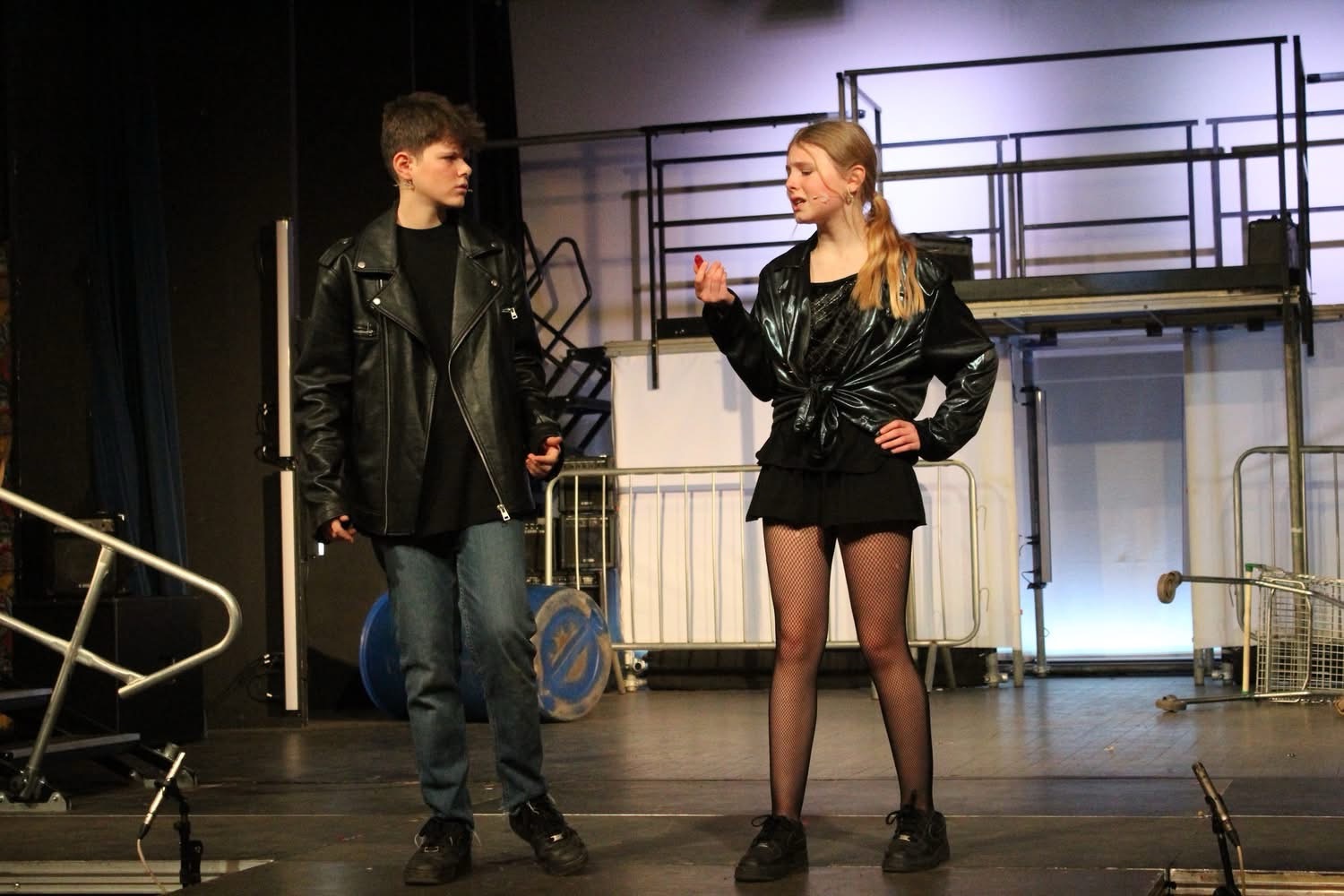
On Monday of this week I was honoured to be present at Churchill Music!’s annual Young Musician of the Year Competition. The standard was incredibly high, with prizes going to Molly Blundell (Junior Prize), Toby Wilson (Audience Prize), Maisie Vowles (Raymond Hayter Song Prize) and Freddie Maitland-Round (Young Musician of the Year). You can read the report on the Academy website here. To close proceedings, I gave a speech on the theme of “practice doesn’t make perfect,” which is reproduced here.

Practice doesn’t make perfect

I’d like to start by thanking Churchill Music! for all they do to support the music education at our Academy. How lucky we are to have them working alongside us. Thank you, as ever, for all you do.

We’ve been treated tonight to some wonderful performances by some of our finest young musicians. As I’ve been watching these assured, technically skilful performances, bursting with emotive musicality, I’ve been aware that what we are seeing here is really only the tip of the iceberg. What I would like to do this evening, if you will permit me, is to think for a moment about what lies beneath.

In 1992 psychologist K. Anders Ericsson undertook a landmark study at the Music Academy of West Berlin. He asked the music professors at the Academy to select the very best violinists studying there – those that the professors thought had a strong chance of careers as international soloists. He also asked them to identify a group of “good” violinists in the same department – those who were impressive musicians, but perhaps not of the calibre of the “best” group. Finally, he also asked for a group of violinists who were not studying the violin at the Academy – they were specialising in music education – but who also played. So he selected the best, the good, and the teachers.

He asked all the participants in the study to keep a practice diary and also carefully studied the amount of practice they had completed in the years before they had joined the Academy, as well as interviewing them about their practice routines, their love of playing, and their leisure activities.

The findings of the study were quite remarkable. The stories of the “good” and the “best” violinists, and the “music teachers” who also played the violin, started out very similar. They all talked of a love of playing, the joy of music-making, and the feeling of exhilaration they got from performing with their instrument. In fact, there was very little to distinguish between the stories and approaches of the three groups, except in one vital area – the amount of practice they had done. Over their lifetimes prior to joining the Academy, the music teachers had averaged 5,000 hours of practice in total. The “good” violinists averaged 7,500 hours. But the very best – those that had a future ahead of them as soloists – had averaged 10,000 hours of practice. Each.

Ericsson and his colleagues were able to replicate the findings of this study for pianists, and others like Matthew Syed and others have found a similar pattern for elite sportsmen and women. What they have found over and over again is that talent can only get you so far in your chosen field. What marks the true expert out from the enthusiastic amateur actually has very little to do with talent – it’s practice. And tons of it.

The family and friends of the performers here tonight will bear witness to the hard work, the hours of toil that have gone into the performances tonight – the huge bulk of ice sitting beneath the surface of the glittering peaks that we’ve witnessed. But practice isn’t usually – in and of itself- enjoyable. Running through that C# minor arpeggio again can actually – I apologise if I’m breaking a big secret here – be a little bit boring. But what marks out the truly great performers from the enthusiastic amateurs is the grit and determination to keep going when it gets tough, knowing that by really nailing down the fingering and timing in that arpeggio, they will help themselves to be a better, stronger, more accurate and flexible performer. And, as we’ve seen tonight, that perseverance and determination has paid off.

Practice won’t make you perfect – but it will make you better

Mark Sanborn

I’d like to finish tonight, however, with one final reflection on performance, whether it be in music or sport, or drama or dance, or painting or sculpture or literature. In any of these fields, it’s not actually as if we’re striving for perfection. Because – and this is certainly true in music – there is no such thing as a “perfect” performance. Two performances of exactly the same piece will never be the same. They will be subtly – and sometimes dramatically – different from one another, and they can be equally good. The musician’s interpretation of the piece, the sound of the room, the atmosphere and feeling of the audience, will all exert their influence on every performance and make it unique. Practice doesn’t make perfect. As the author Mark Sanborn said, “practice won’t make you perfect – but it will make you better.” The musician, or the artist, or the sculptor, or the gymnast, is not actually striving for perfection. They are striving to be the very best that they can be – and that work is never done. There’s always room to improve. And that’s what makes the practice worth it.

I’d like to thank all the performers here for all the hours of practice they’ve put in, not just to the pieces they performed tonight, but to making sure their technique, their musicality and their understanding of their instrument has reached such impressive levels. I’d also like to thank all the families who have supported them – and, I suspect, occasionally nagged them – to get that practice done. Because, as we’ve seen tonight, all those scales and arpeggios were worth it in the end.

We Will Rock You!

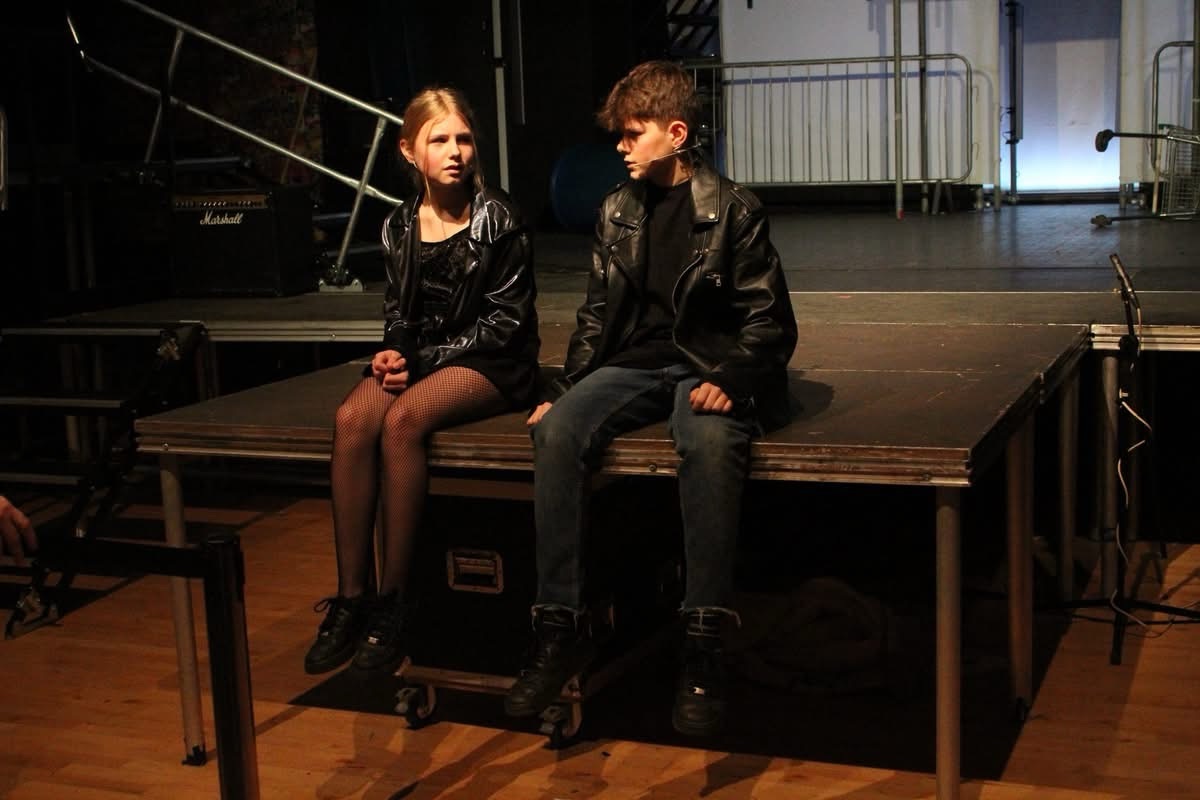
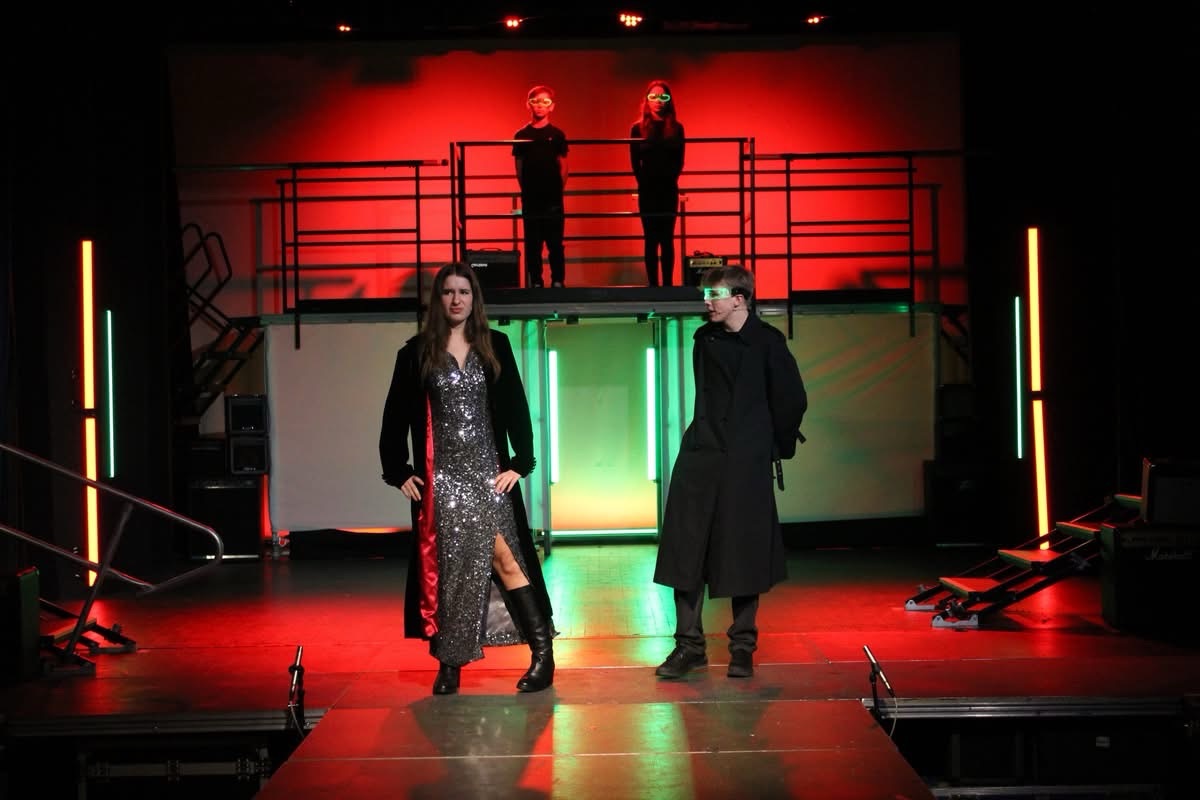
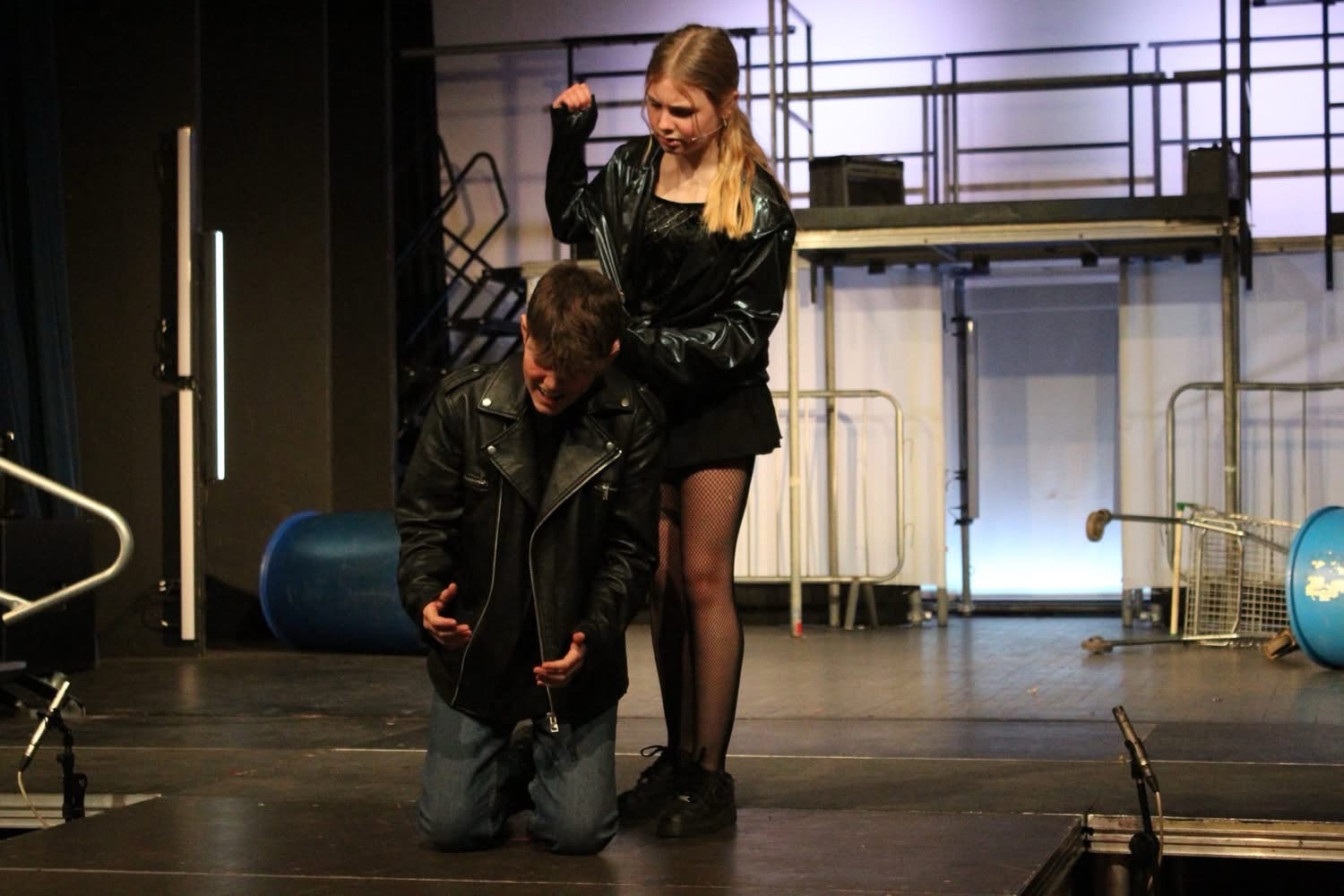
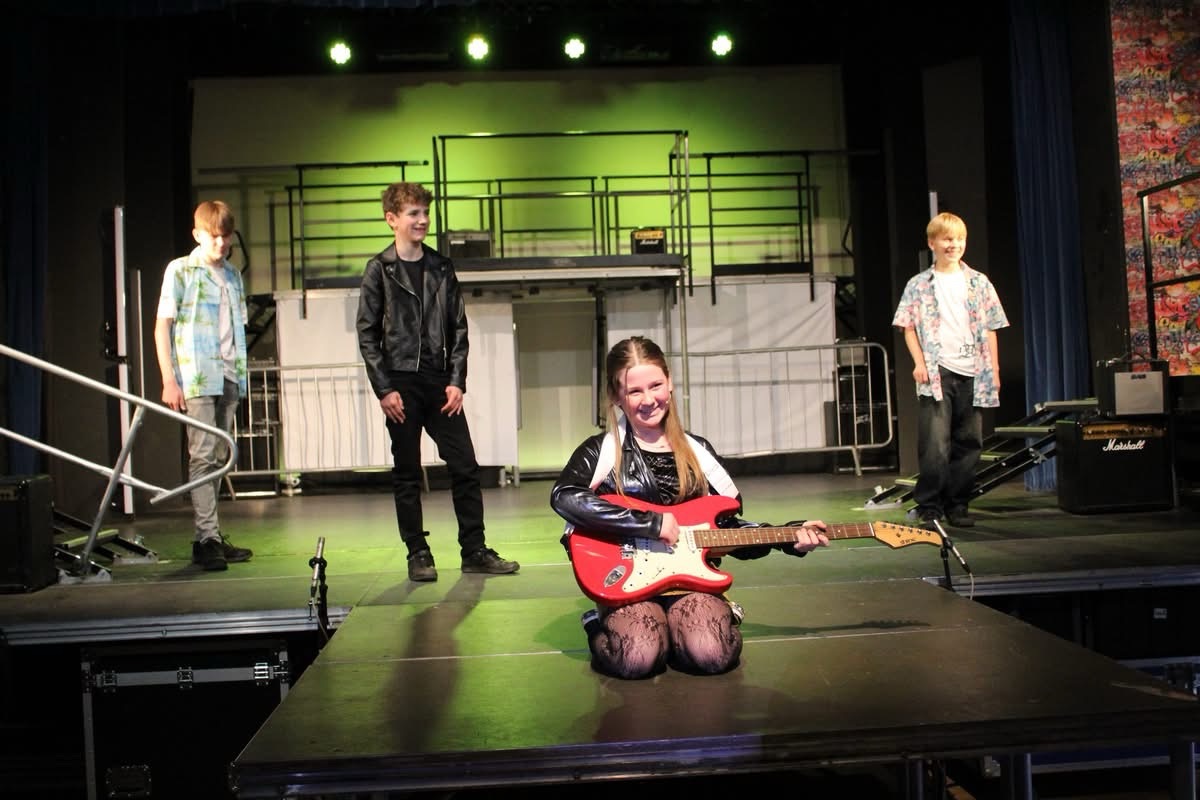
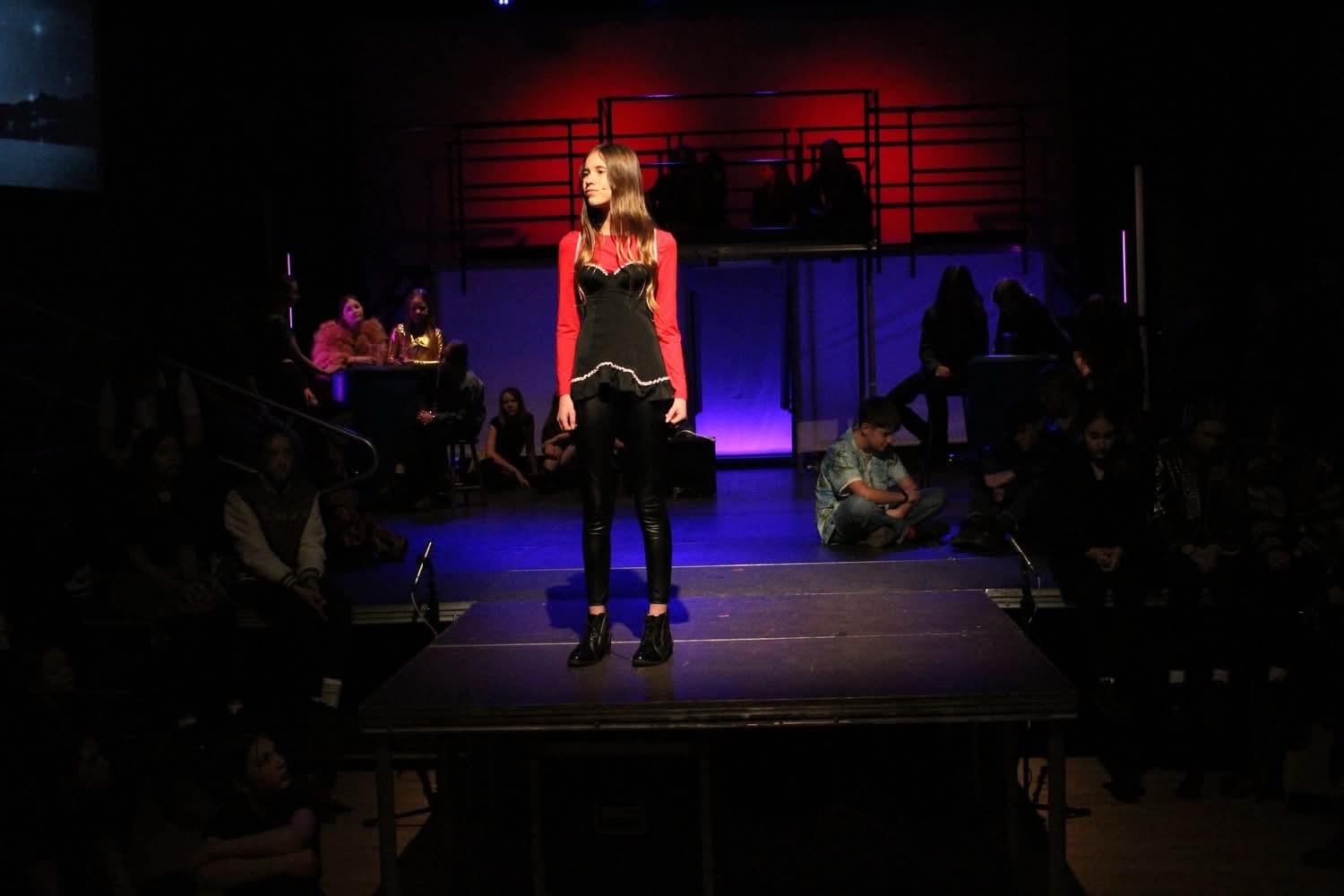
What. A. Show! The casts, crew and team behind our Key Stage 3 musical, We Will Rock You, have been working hard for months, and it certainly paid off. Over four stunning performances, the two casts, live band, and hard-working behind-the-scenes crew thrilled audiences in the Academy Hall with a hilarious, moving and exciting show that everyone involved will remember for a lifetime!

The musical uses the songs of Queen and Freddie Mercury to tell a story of a dystopian future world under the ruthless control of the Killer Queen, where musical instruments are outlawed and only manufactured, pre-programmed pop is allowed. Against this background, rebel Galileo Figaro teams up with no-nonsense Scaramouche and a ragtag team of Bohemians to reclaim “real” music and set everyone free.

The performers gave their all on stage, performing words and music with real confidence and assurance. The script was full of great humour and the audience was laughing along with them all the way through. There were also moments of real poignancy, and Oz’s solo of No One But You (Only the Good Die Young) moved me to tears. The lead performers – Joey Clausen, April Cashman, Billy Cargill and Brooke Austin – were stunning, and special mention must go to Isabelle Gilbert-Avison who stole the show as Brit! But every single performer on stage had a moment to shine, and they took it with both hands. It was a true ensemble performance.

We Will Rock You was directed and produced by our Sixth Form Performing Arts students. Directors Betty Clarke, Ash Shipton and James Hart, musical director Lily Spry, producer Gemma Seymour, dance director Bela Bradshaw, Chorus Lead Ceci Brumby and Stage Manager Adam Corke deserve a huge credit for their leadership, vision and commitment in bringing the show to the stage, and giving our younger students the opportunity to shine so brightly. They capture the essence of what student leadership at Churchill is all about!

My final word of praise must go for the live band. You would be forgiven for thinking you were listening to a professional pit orchestra, but these were Churchill students without a member of staff in sight! From face-melting guitar solos to chopping rhythms and delicate moments of tenderness, the band – under Lily Spry’s excellent direction – matched the action on stage and supported the performers brilliantly.

Many of these young performers will now be looking forward to the much anticipated Legally Blonde, our full school musical which is hitting the stage in 2026. Judging by the talent on show here, it’s going to be quite the show!

Putting it all together

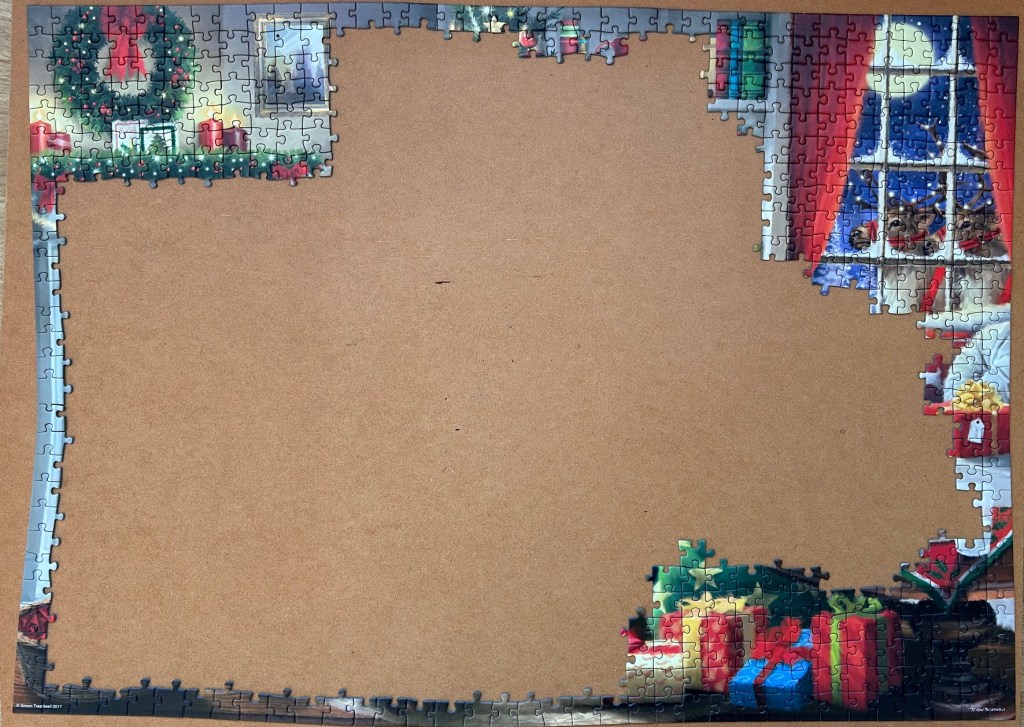
Over the Christmas holidays, my family and I always like to complete a Christmas jigsaw. We have a few 1000 piece sets that we’ve been given over the years, and it’s always a fun challenge to try and put them together to make the complete picture. You can see our progress below!

As we were putting the jigsaw together this Christmas, I was thinking about the Academy: how every piece is different and unique, but every piece needs to be in the right place, to fit, to belong, in order to make the complete picture. We work really hard every day to help ensure that students and staff are slotted in to help make the whole thing work.

But I was also thinking about how every individual is made up of thousands of tiny pieces. These micro-decisions, little things that make up our daily lives in school. I spoke to students in assembly last week about some of these component parts:

  • Lessons: including our favourite lessons and those that we find more challenging. Our curriculum is made up of lots of component parts which all work together to make a strong, deep and broad understanding of our world. Every single piece counts.
  • Social times: ensuring that the Academy is and feels safe, welcoming and friendly for everyone in it, is everyone’s responsibility.
  • Punctuality: we are particularly focused on this important life skill at the moment, and our students are working really hard to make sure that they are on time, every time.
  • Attendance: similarly, we have been really impressed by our students’ efforts to ensure that they attend school every day, every lesson that they are able to.
  • Extra curricular: both within school and beyond, the activities our students are involved in all add up to build their skills, knowledge, character and confidence.
  • Values: our values of kindness, curiosity and determination underpin everything we do, and work together to support character development in our students
  • Wellbeing: linked to last week’s assembly on sleep, we know that looking after ourselves is important. Diet, exercise, sleep and a balanced approach to health and wellbeing are all important.

In our school, and in ourselves, every single piece matters.

A good night’s sleep

Happy New Year! In this week’s “welcome back” assemblies I have been talking to students about the importance of getting a good night’s sleep.

Sleep is an important part of our physical, mental and social wellbeing, just like eating well and being active. A recent study showed that on average, people in the UK had six and a half hours of sleep a night. Doctors and researchers recommend between 7-9 hours of sleep for adults and it’s even more for children and young people. This shows that lack of sleep is an issue for us as nation and a society, and building good habits early can help set us up for life.

Less sleep and poor sleep quality can have a real impact on people’s health, but there is lots of information out there to help us get better rest. This information is especially important for students and young people.

Sleep facts and myths

In the assembly, students reflected on a series of sleep facts and myths:

  1. You can still get a good night’s sleep even if you wake up: this is a sleep fact. Waking up during the night is completely normal and expected. During sleep we cycle through different sleep stages, moving from lighter sleep stages to deep sleep.
  2. We all need 8 hours of sleep: this is a sleep myth. Although some people might find that 8 hours of sleep at night suits them, we’re all individuals and have different sleep needs.
  3. Waking in the morning and still feeling dozy is a sign of a poor night’s sleep: this is a sleep myth. Very few of us probably wake up in the morning and immediately spring out of bed ready for the day. It’s more likely that people wake and take a few minutes to shake off sleepiness.
  4. You can catch up on the sleep you’ve missed: this is a sleep myth. Scientific studies show that you can’t make up lost sleep by having more on the weekends or in school holidays.

Good sleep habits

We then thought about ways that we could help to build good sleep habits, with techniques that are proven to help with getting a good night’s sleep:

  • Follow the same daily bedtime routine: having the same bedtime and the same routine before bed helps prepare the mind and body for sleep. For example, reading a chapter or two of your current reading book every night is a good way to help settle yourself before sleep.
  • Avoid screens for at least an hour before bed: a phone, laptop, tablet or TV screen tricks our brain into thinking it’s still daytime, making it more difficult to get to sleep. Avoiding screens for at least an hour before bed helps the brain to realise it’s night time and prepare for sleeping. Since 2019 I have charged my mobile phone downstairs, rather than on my bedside table, and it has transformed my sleep quality! You can read about this here.
  • Drink a glass of warm milk before bed: I actually thought that this was a myth, but it turns out that a cup or warm milk genuinely can help your body prepare for sleep – it’s something to do with an amino acid called tryptophan, apparently!
  • Keep your bedroom tidy: a tidy and orderly bedroom helps you to relax and feel calm and ready for bed. So tidy your room!
  • Get plenty of daylight: our bodies follow a pattern called the circadian rhythm that keeps us alert and awake during the day, and allows us to fall asleep at night. The circadian rhythm is regulated by daylight during the day, and darkness at night – so getting sunlight during the day helps us to fall asleep at night.
  • Wind down before going to sleep: ensuring that we are as calm and relaxed as possible before bed is another great tip. That’s why reading can be a great before-sleep activity – getting lost in a good story prevents the mind from wandering and ensures that we are ready for the land of nod.

Instant impacts?

It has been great talking to students about my assemblies this week. Several students have tried out some of the top sleep tips and reported that it really helped. So, for once, I’m taking: “Mr Hildrew, your assembly sent me to sleep” as a compliment!