M Stars!

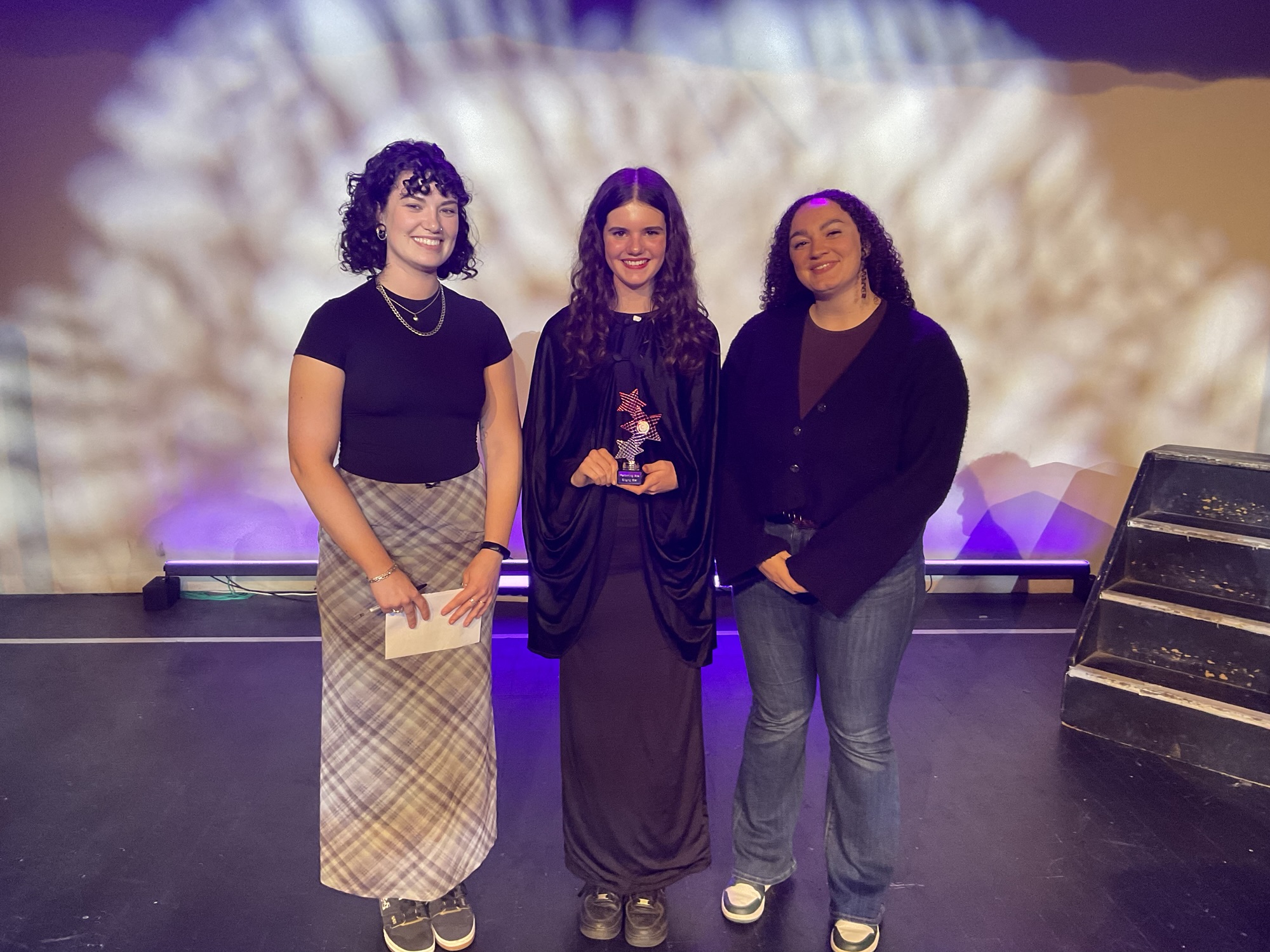
What a night! Following on from the stunning performance of our dancers at Dance Live! with their Let Her Speak piece, Team Performing Arts hit the stage again with the annual celebration of musical theatre that is M Stars!

Expertly hosted by Max, Betty and Madison, the sold-out evening showcased dance, singing and acting; solo, duets, trios and groups; songs from stage, screen and stadium; and students from Year 7 to 13. As a big musicals fan myself, M Stars really hit the spot, including songs from Hamilton, Wicked, Matilda, Grease, Mary Poppins, Tick Tick Boom, Tangled and Frozen amongst many more.

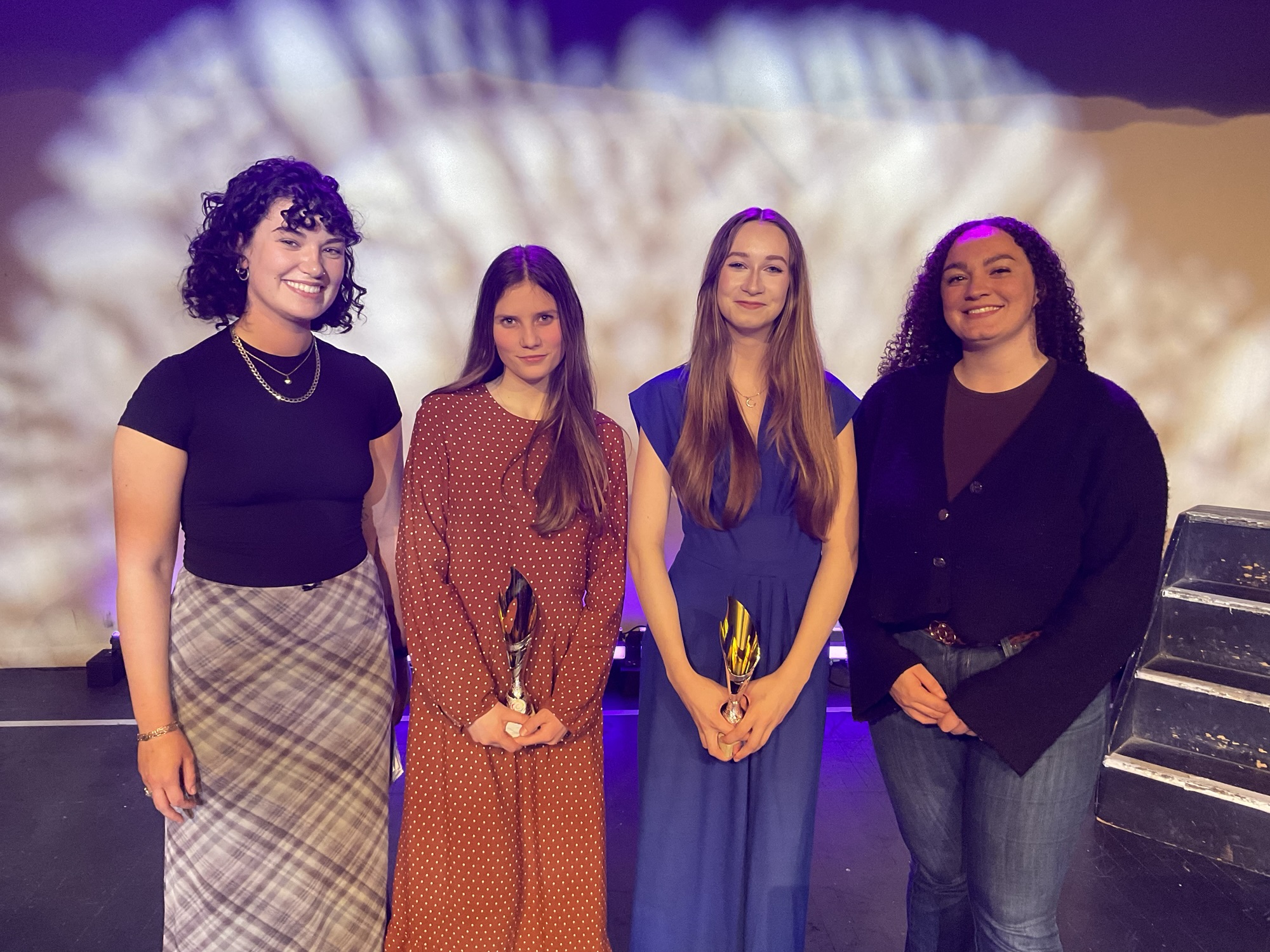
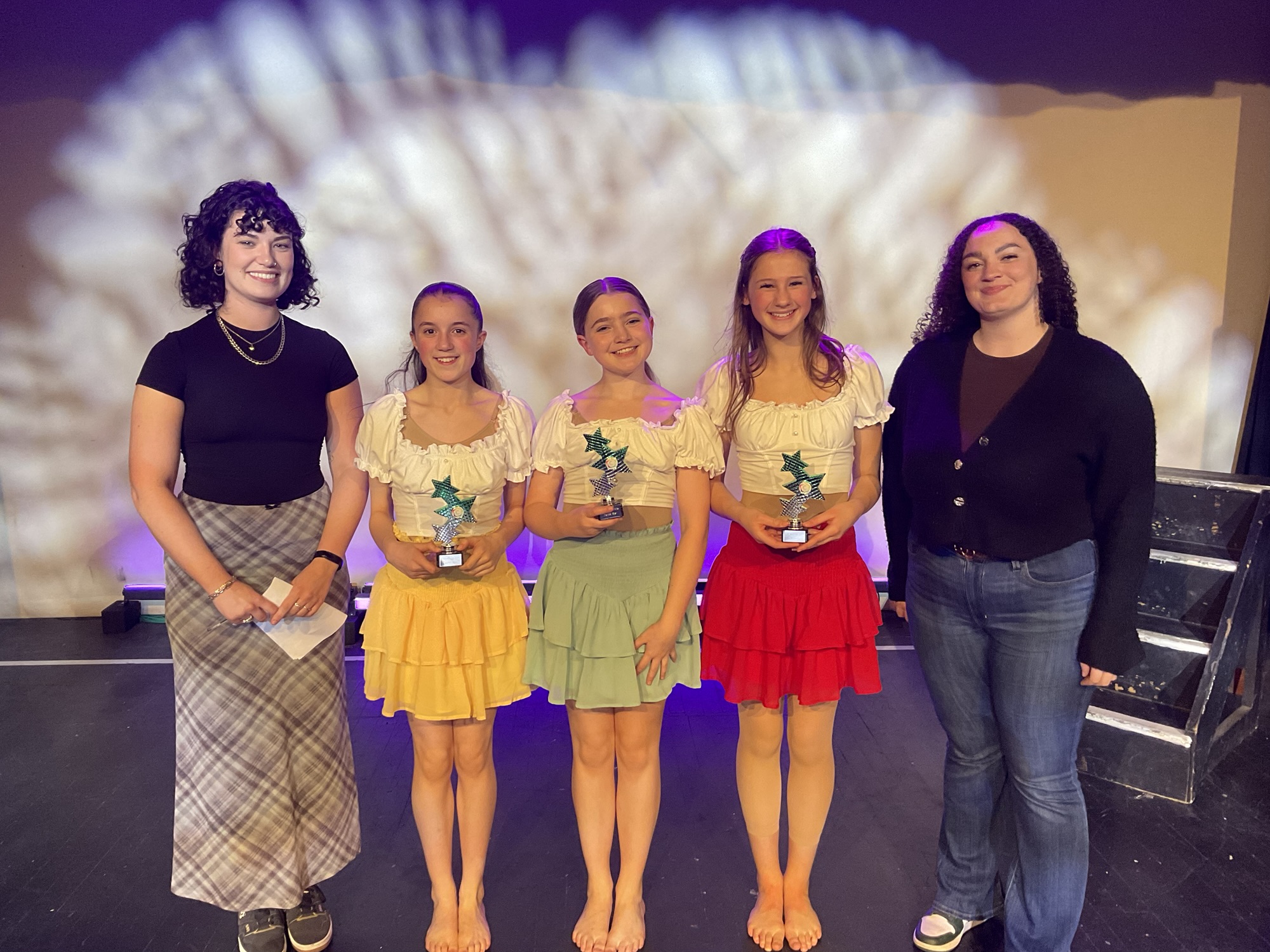
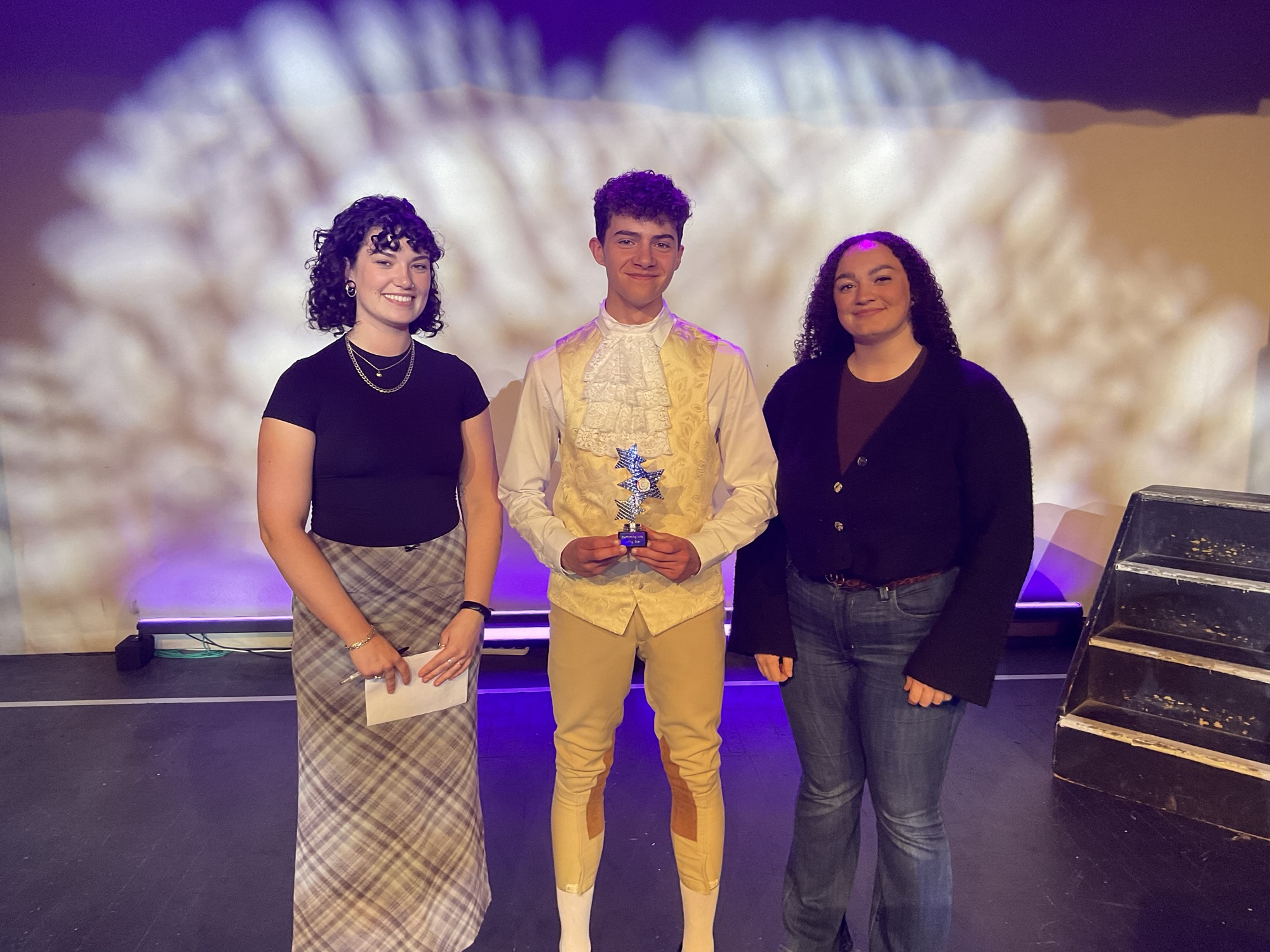
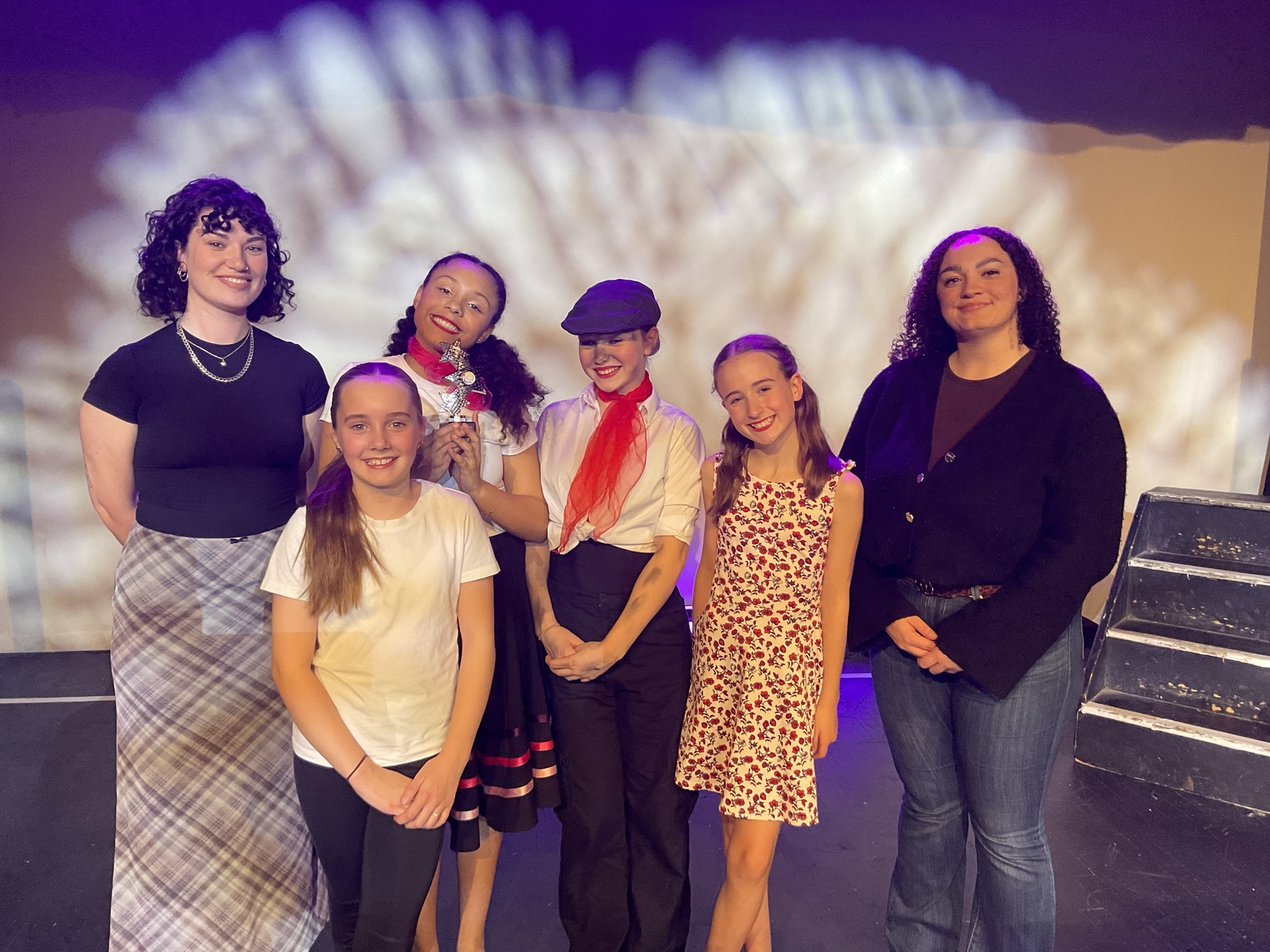
We welcomed back Churchill performing arts alumni Lorin and Tia as our expert guest judges, who awarded the prizes. It really was an impossible choice, such was the array of talent on show – but choose they did! The deserving winners were:

  • Superstar Winners: Anna and Mia
  • Dance Star: Leah, Mati and Flo
  • Rising Star & Audience Award Winners: Billy, Joe and Joey
  • Acting Star: Will
  • Group Star: The Year 7 Dance Club
  • Singing Star: Maisie
  • Music Star: YUNC (The Band)

Thank you to all the performers for a great evening of entertainment!

And, if you haven’t had a chance to see the Dance Live! extravaganza, feast your eyes on this:

The link between attendance, attainment and lifetime earnings

We have long understood the importance of good attendance at school: every moment matters. Over the past week, new research has been published which shows just how much every day at school counts.

The link between attendance and attainment

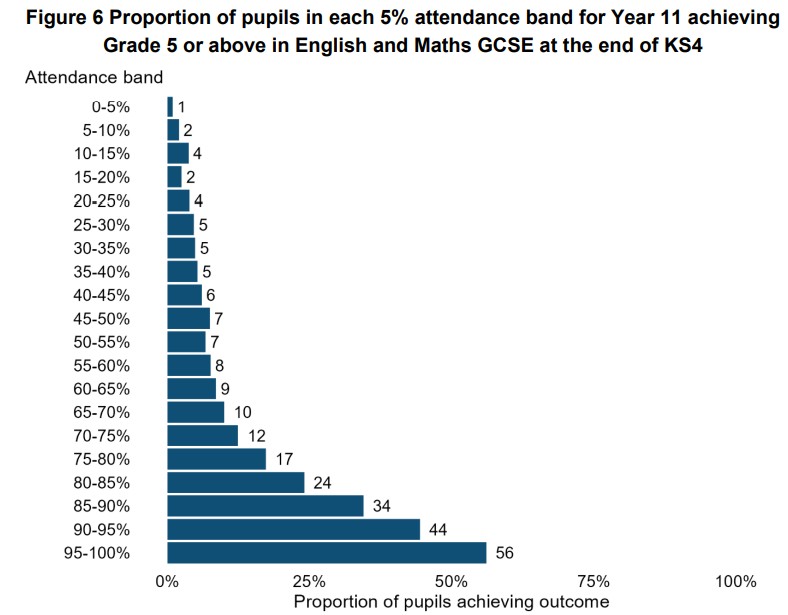
The link between attendance and attainment is at its strongest in secondary school. Year 11 students with near-perfect attendance are almost twice as likely to achieve grade 5 in English and Maths GCSE, compared to similar students attending 90-95% of the time. In other words, missing just 10 extra days a year reduces the likelihood of achieving these grades by around half.

At lower attendance levels, pupils who only attend between 50 and 55% of the time are 1.6 times more likely to achieve 9-5 in Maths and English GCSE than students who are severely absent and attend less than 50% of sessions. Increased attendance from severely absent to 60-65% (equating to approximately an extra 4-6 weeks in school) is associated with double the likelihood of the expected outcome compared with pupils who attend less than 50% of the time.

Improving attendance by just 5% makes a significant difference to academic attainment, as you can see in the chart below:

You can view the full research report here.

The link between school attendance and lifetime earnings

Missing school doesn’t just affect exam results and a child’s time in education. The impact of poor attendance has an impact on future earnings too. Related research has found that, for every day of absence between Years 7 to 11, the typical pupil could miss out on an average of £750 in future lifetime earnings. That’s £750 less for every single day missed.

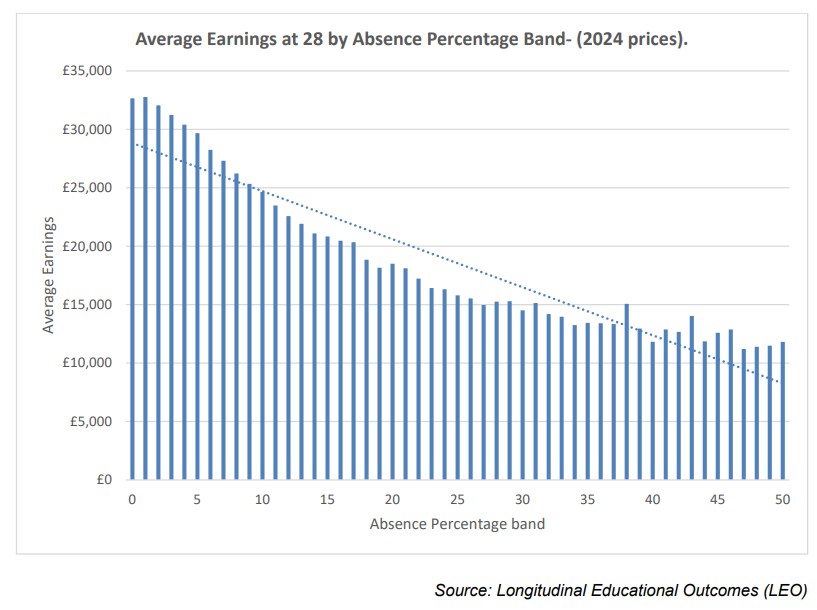
The research also found that a one day increase in absence in Years 10 and 11 alone is associated with a 0.8% decrease in total yearly pay-as-you-earn earnings and declared self-employed earnings at age 28.

Persistently absent pupils in secondary school could earn £10,000 less at age 28 compared to pupils with near-perfect attendance. The likelihood of being in receipt of benefits increases by 2.7 times for
pupils who are classified as persistently absent (more than 10% absence). This rises to 4.2 times for those who are classified as severely absent (more than 50% absence).

As with attainment, it is clear to see the direct relationship between good attendance at school and higher earnings at the age of 28. You can see the full research report here.

Every day matters

We need to make sure that good attendance at school remains a high priority. We already ask that families only keep children off school when they are genuinely too ill to attend. We ask that you book medical appointments and holidays outside of school time whenever possible. And we ask that you talk to us if you’re having difficulties with attendance. Because every day at school gives you a better chance of good attainment, and greater earning power in adulthood.

Good attendance is an investment in the future. Let’s make it count.

Talking education policy

I am proud to be a member of ASCL – the Association of School and College Leaders. This is a trade union and professional association that represents over 25,000 school and college leaders across the United Kingdom. I was elected to represent the south west region on ASCL’s Council in 2019, and I am also part of ASCL’s Executive Committee as the association’s Honorary Treasurer.

This is a fascinating part of my job, as we think about how best to represent the interests of school and college leaders to those in government and other positions of authority, to influence policy and systems. In this work I have been fortunate to have met with three different Education Secretaries, including meeting with Bridget Phillipson MP, Secretary of State for Education, four times. She has always listened carefully to the representations we make, although the challenges of government are certainly limiting what can be achieved currently.

I have also met with Sir Martyn Oliver, the Chief Inspector at Ofsted, to discuss reforms to the accountability and inspection system. There is a consultation currently open as Sir Martyn is working on “Improving the way Ofsted inspects education.” I have made my views known, but the consultation is open to everyone with an interest in education, including parents and carers, and is open until 28th April.

This weekend I will be in Liverpool with ASCL for further conversations with Bridget Phillipson and Sir Martyn Oliver, and I am also looking forward to hearing from Professor Becky Francis CBE, who is Chair of the Curriculum and Assessment Review. This review is looking at curriculum and assessment in the English school system from reception to Year 13, which is a vital piece of work to refresh and renew the very busy and intensive system that is currently in place. I look forward to hearing what Professor Francis has to say!

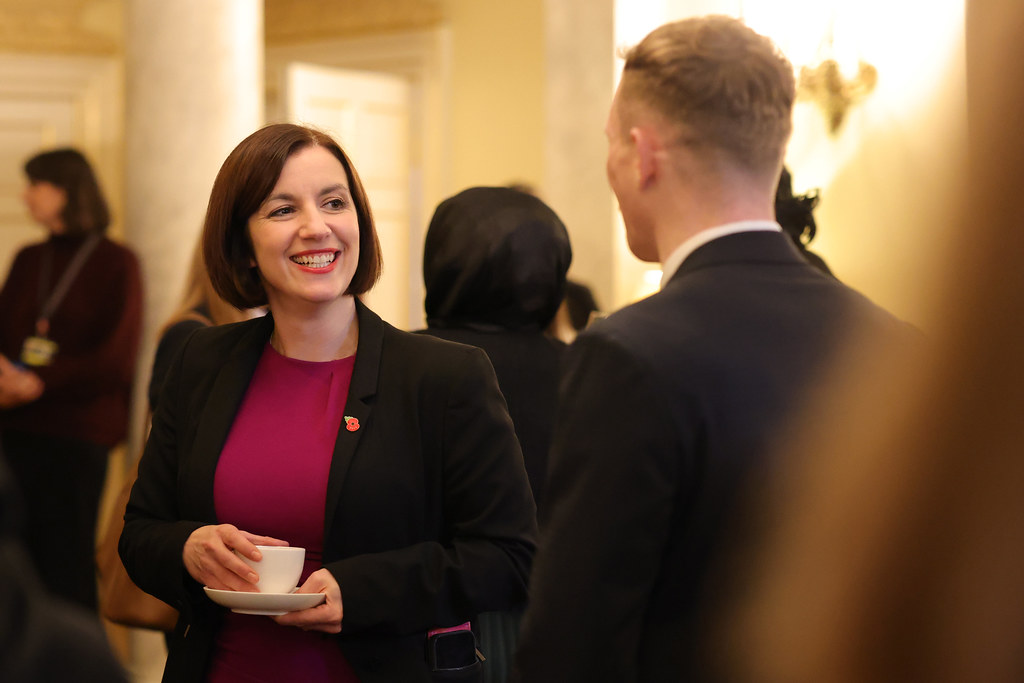
At a recent meeting with Secretary of State Bridget Phillipson and members of ASCL’s Council and policy team

World Book Day 2025

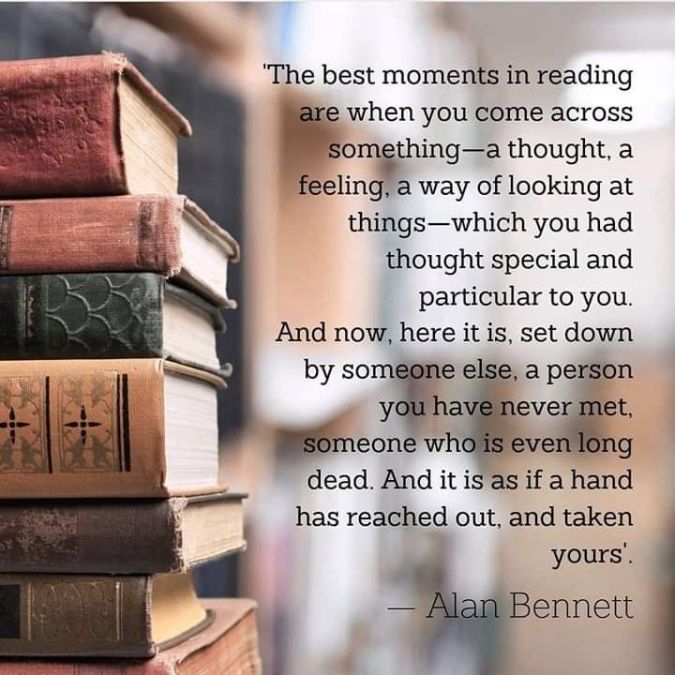
I love reading, and this World Book Day I have been thinking about this quotation from publisher Helen Exley, about how books can change your life. In truth, everything I’ve ever read has woven itself somewhere into the fabric of “me,” shaping my understanding of the world and its people. But a few stand out as having certainly changed my life.

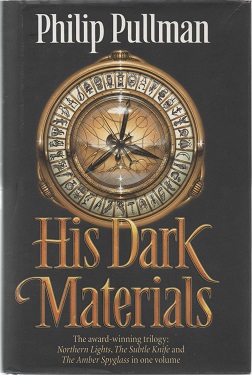
His Dark Materials by Phillip Pullman

When I was studying for a Masters in Children’s Literature at Nottingham University, these books blew my mind. The story of Lyra and Will, young people from two different worlds, brought together to save the universe, is unlike anything I’ve ever read. Passionate, clever, gripping, exciting and thrilling, this is a trilogy I could return to again and again and never get bored. It’s the book that reminds me that children and young people are the hope for us all.

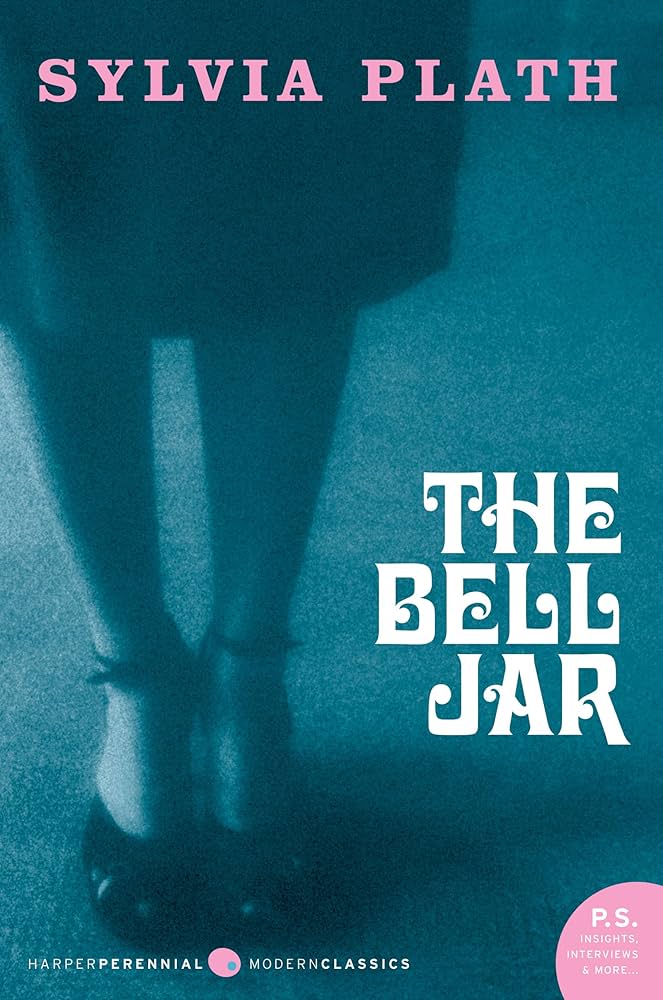
The Bell Jar by Sylvia Plath

I first read The Bell Jar when I was in the Sixth Form, and it changed everything for me. Sylvia Plath’s astonishing semi-autobiographical tale of her struggles with her mental health, her breakdown and subsequent recovery, was a revelation. Not only was the subject matter revolutionary – not least the barbaric treatment of mental health difficulties in the 1950s – but Plath’s writing fizzes off the page in images and phrases that has stuck with me forever.

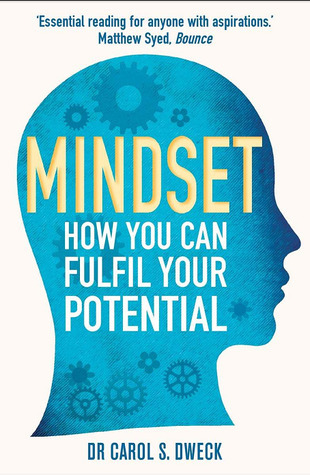
Mindset by Carol Dweck

This book changed the path of my teaching career. Dr Carol Dweck outlines the research that is her life’s work, into how what we think about our own abilities determines the outcomes that we achieve. It has informed my teaching and leadership ever since, and continues to resonate with me today.

Emma by Jane Austen

“Emma Woodhouse, handsome, clever, and rich, with a comfortable home and happy disposition, seemed to unite some of the best blessings of existence; and had lived nearly twenty-one years in the world with very little to distress or vex her.” So begins Jane Austen’s tale of a spoilt girl who learns that she is not quite as brilliant as she thinks she is – and is so much the better for it. I love Jane Austen’s writing so much: she works with infinite delicacy on “the little bit (two inches wide) of Ivory on which I work with so fine a Brush, as produces little effect after much Labour.” My favourite novel of hers is actually Mansfield Park, but even I must admit that Emma shows her at the height of her powers.

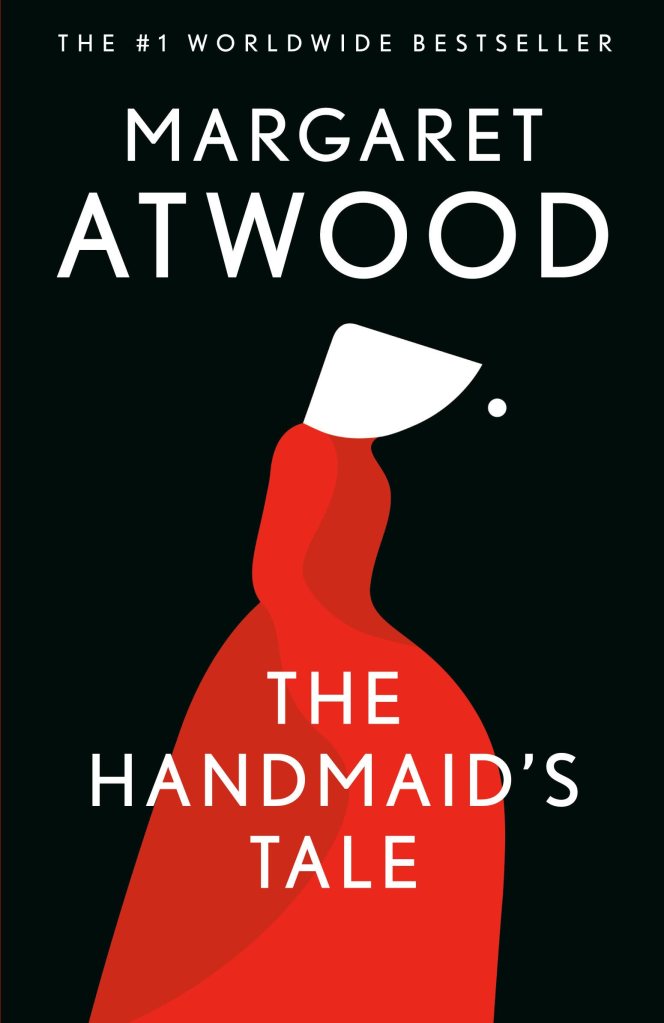
The Handmaid’s Tale by Margaret Atwood

Margaret Atwood’s dystopian novel pushed the boundaries of what a novel could be, and could do. Told in fragments, apparently “discovered” after the collapse of a dystopian civilisation, it pieces together the story of Offred, a “handmaid” in the land of Gilead, where patriarchal ideology has run to extremes. It is an absolutely gripping and terrifying book, and a valuable lesson in how fragile our society is – and how vulnerable to those who seek to divide and rule.

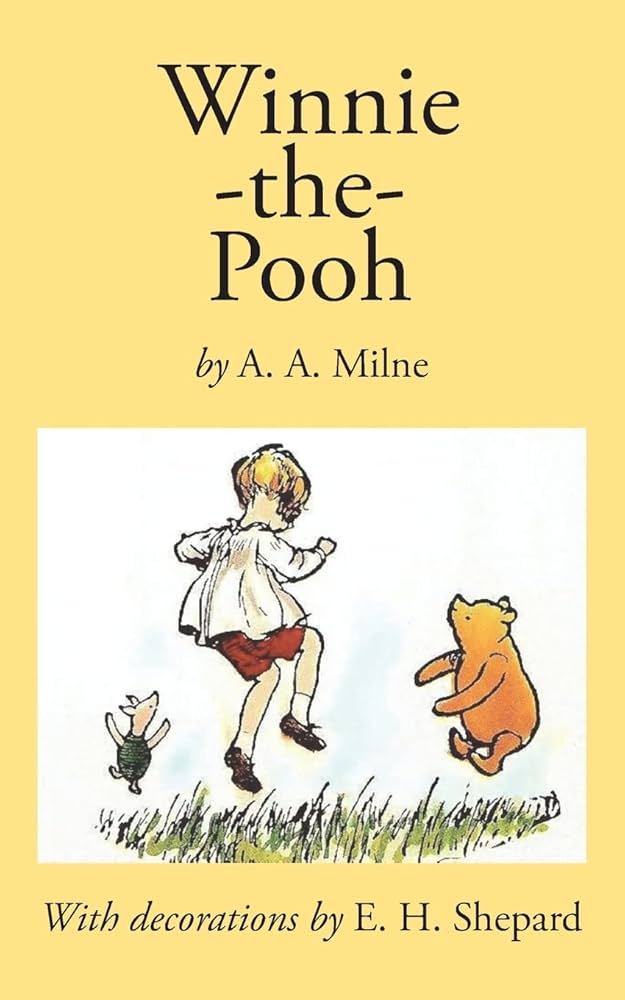
Winnie-the-Pooh by A.A. Milne

The tales of Christopher Robin and his collection of stuffed animals were favourites of mine as a small child, and have stayed with me throughout my life. Sweet, funny, and occasionally profound, I enjoyed reading them to my own children just as much as I enjoyed them myself as a child.

No matter what books you enjoy, reading is a rare and exciting pleasure. And a good book will stay with you for the rest of your life.