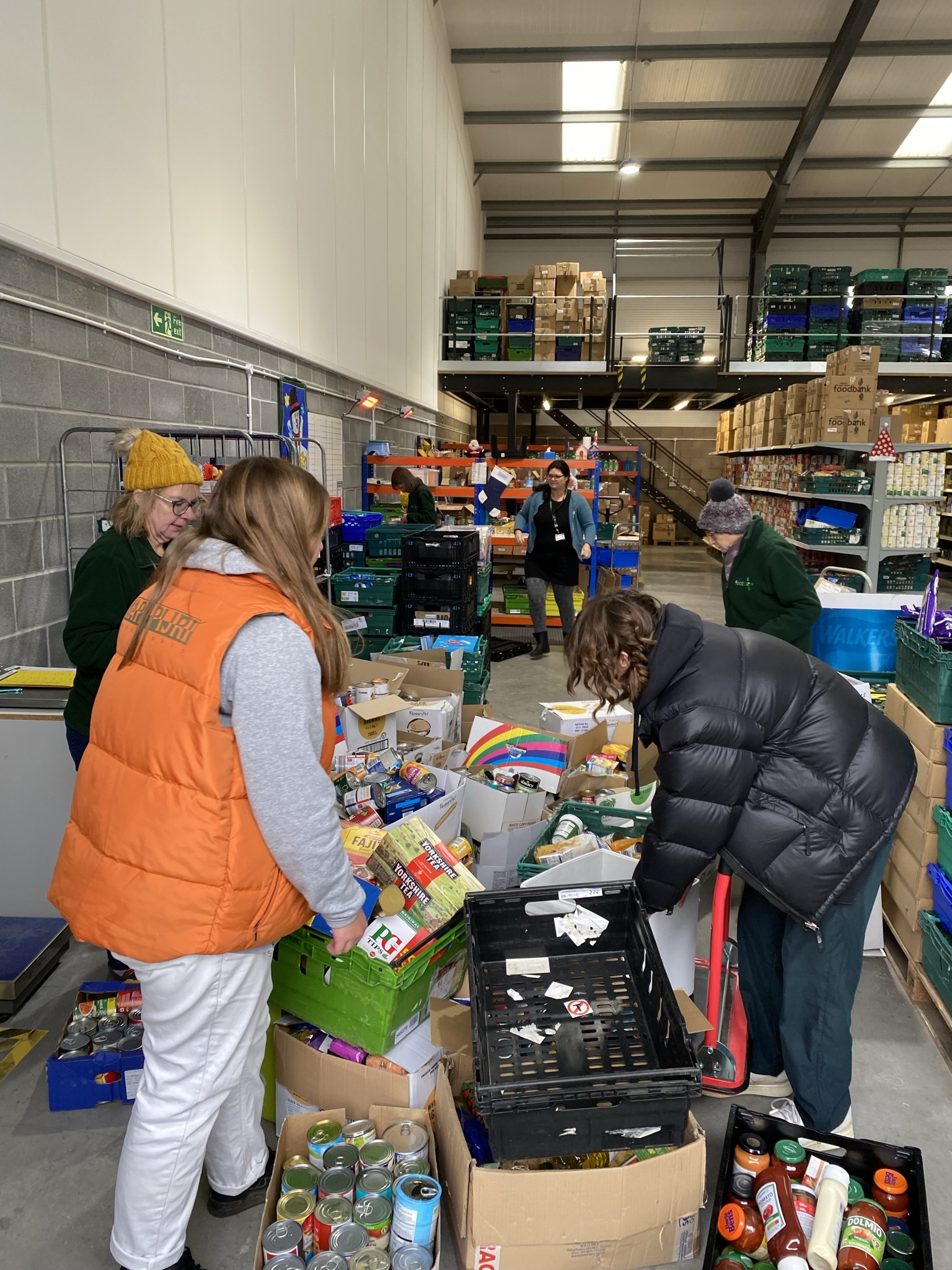
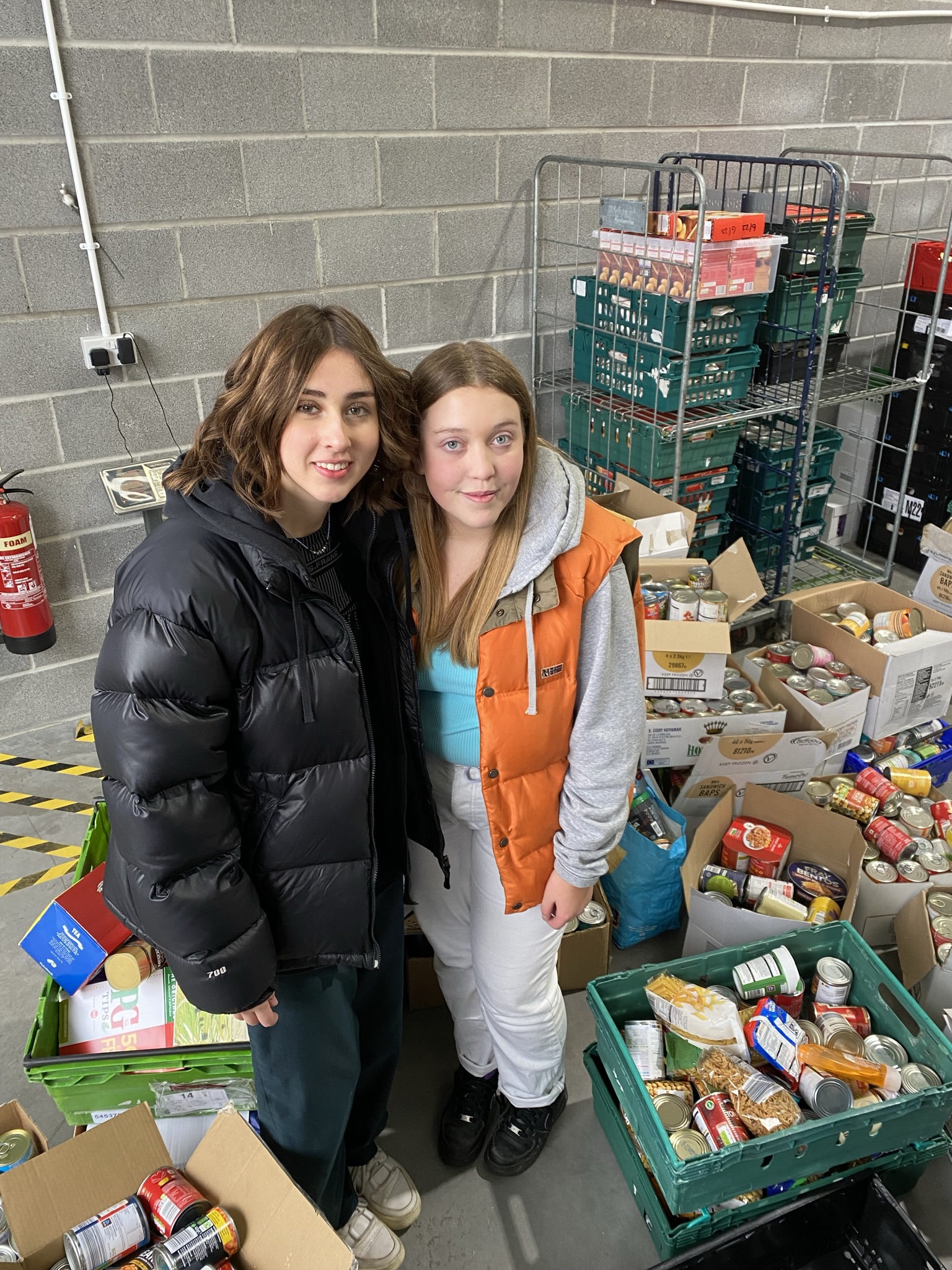
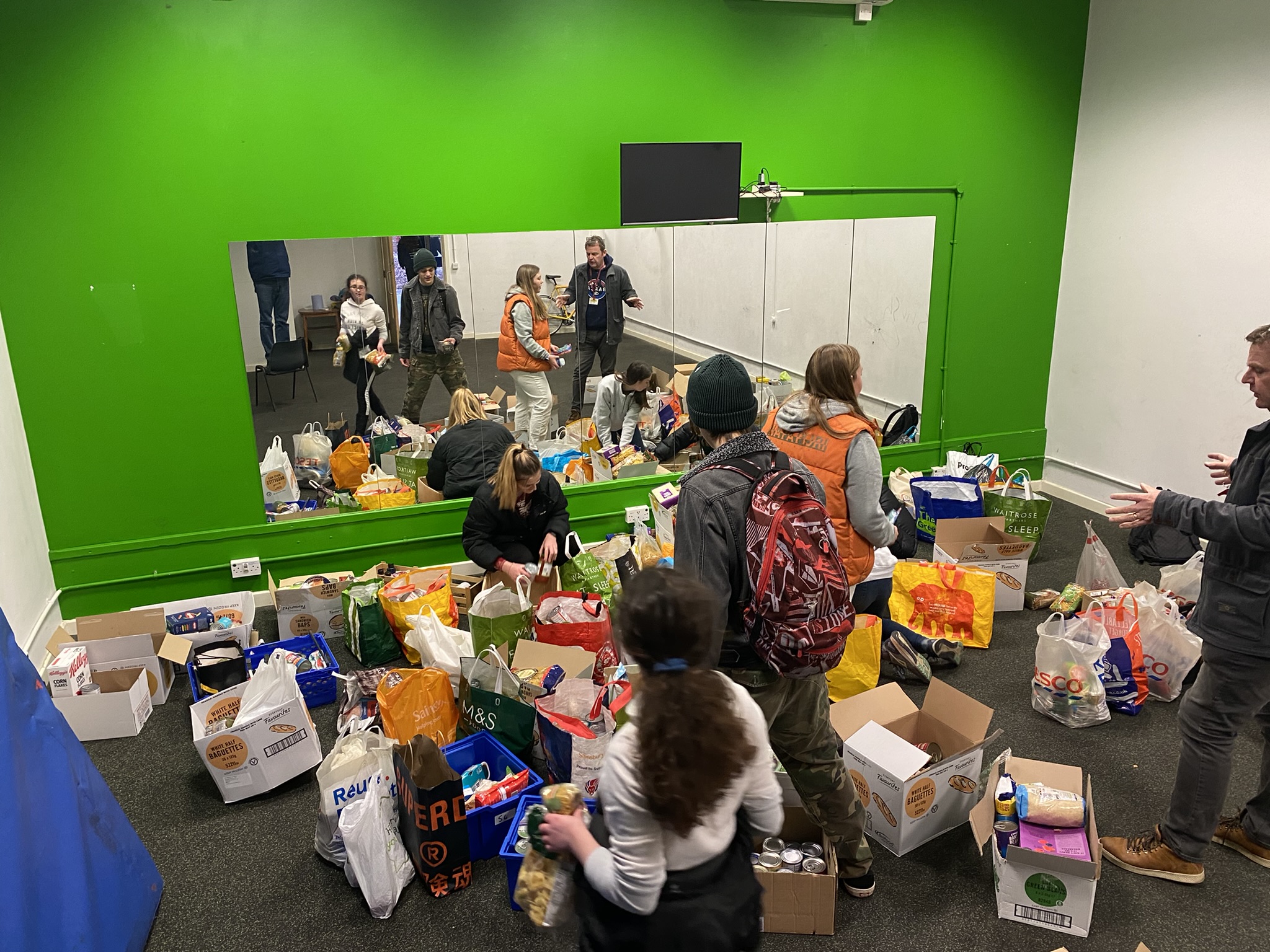
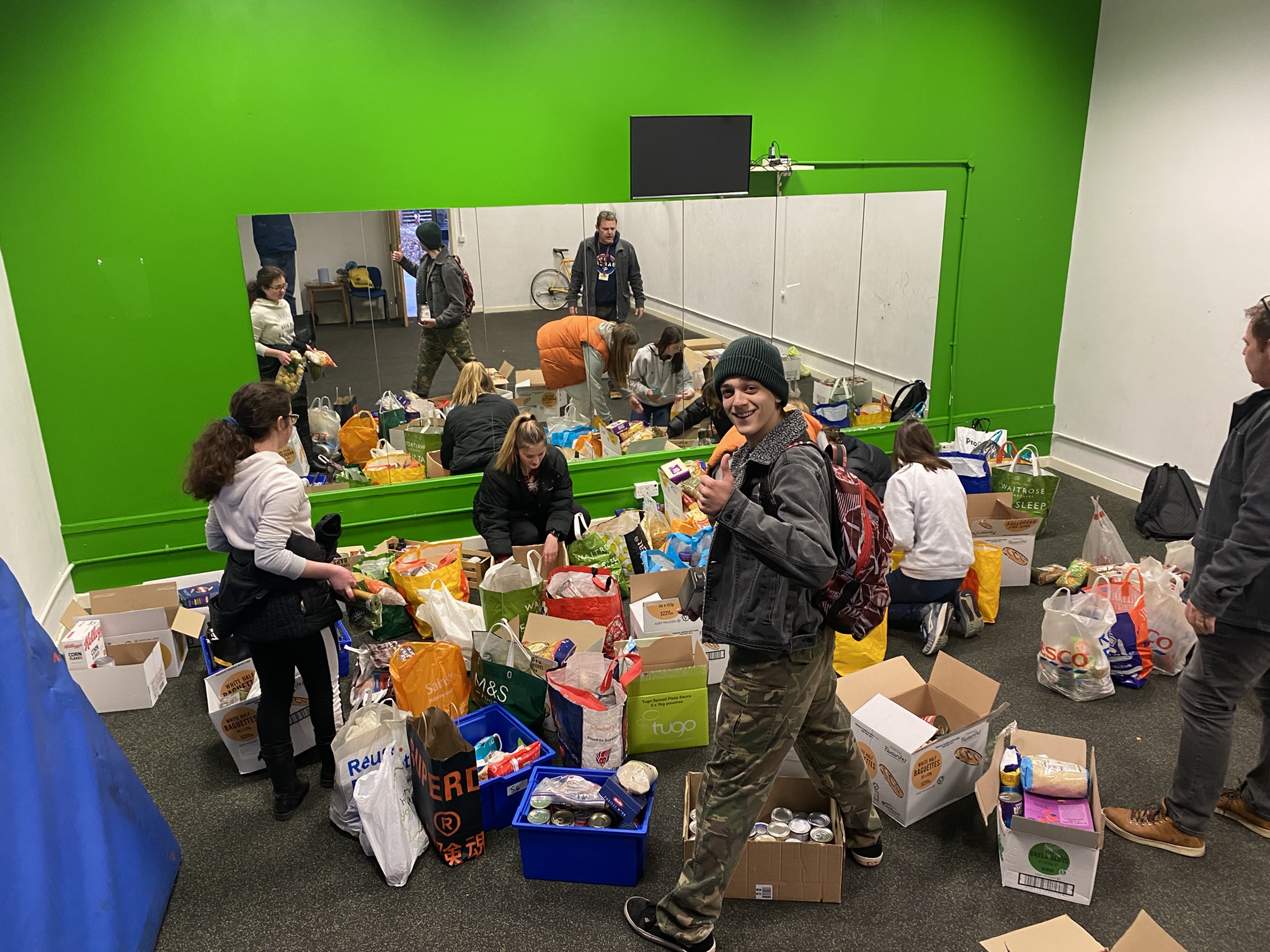
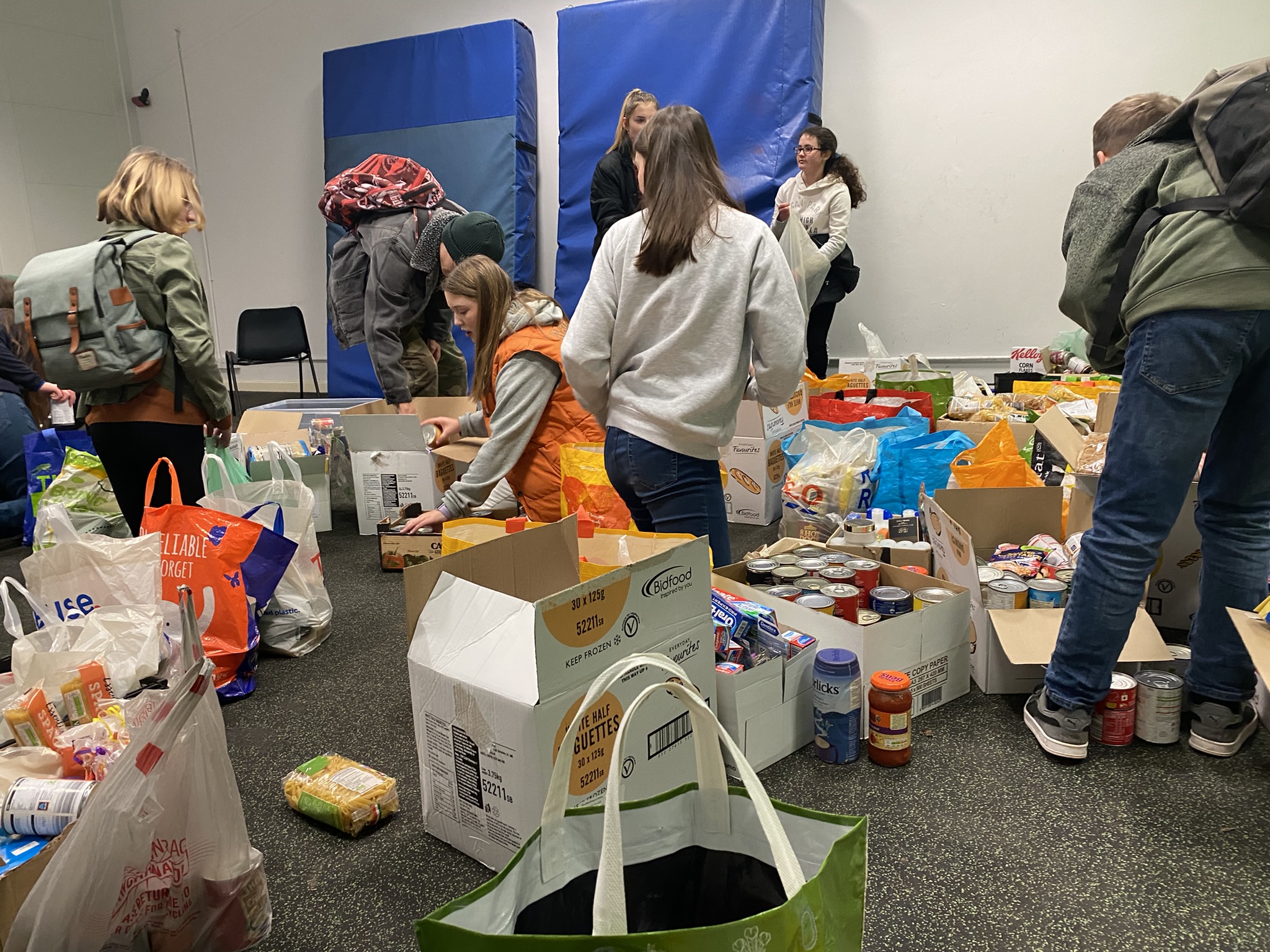
There are many fantastic Christmas traditions at Churchill – and this year we have added a couple of new ones into the mix! Firstly, hats off to our Hanover House Captains, who organised a whole-school non-uniform day on Monday with donations to food banks instead of money for charity. The Academy community responded with characteristic generosity, bringing in over 800kg of donations which were delivered on the same day to the Weston Foodbank Warehouse. Well done team!
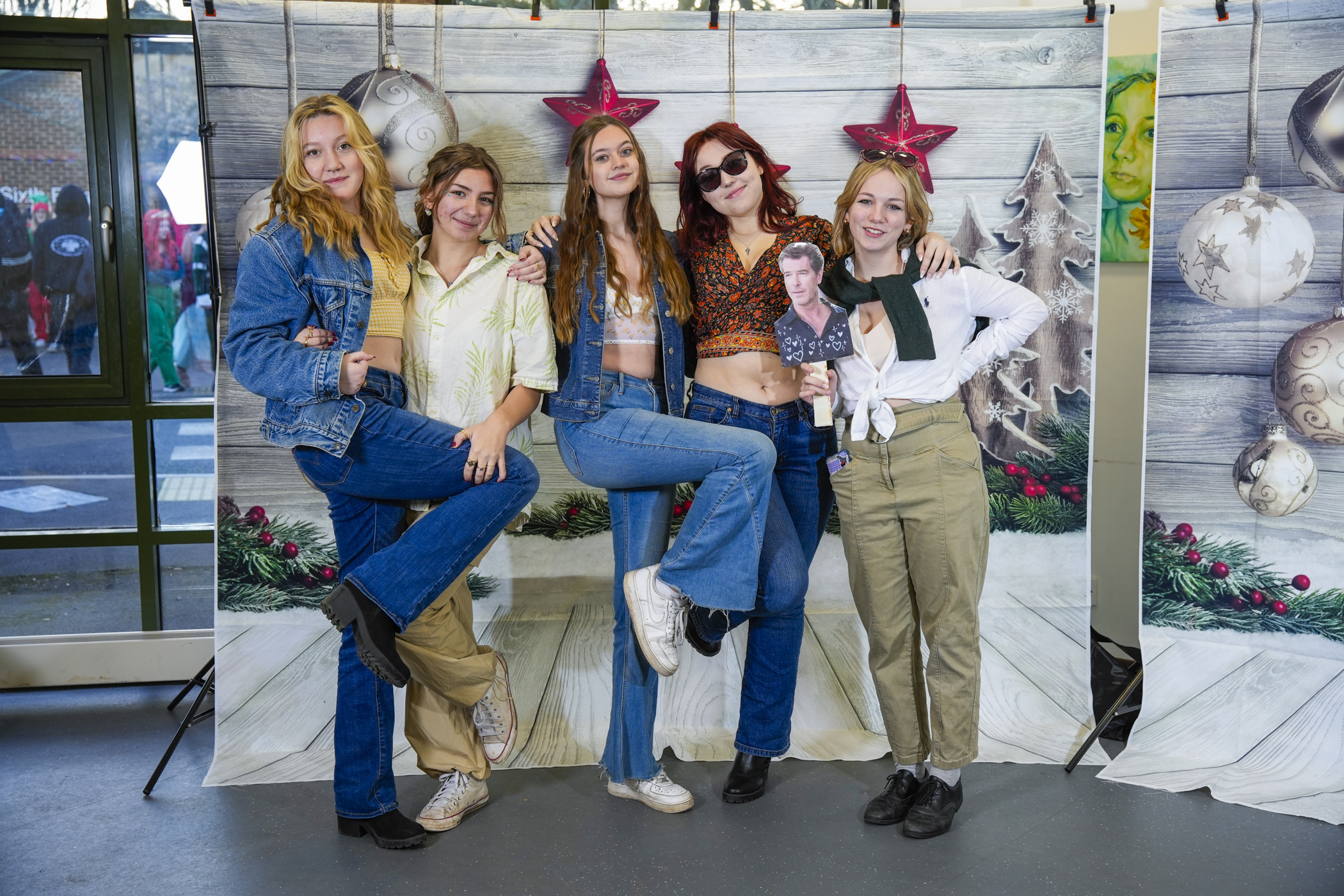
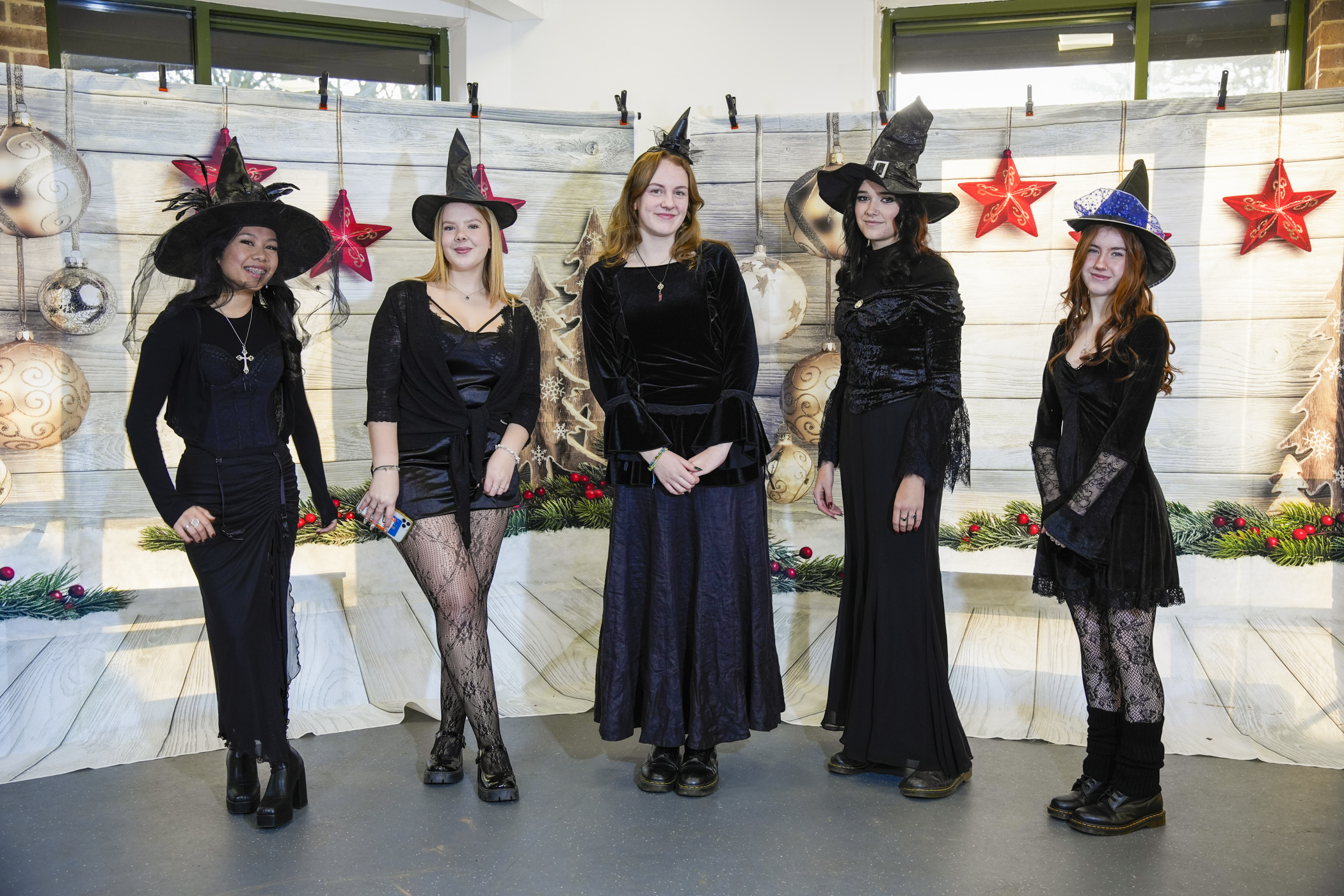
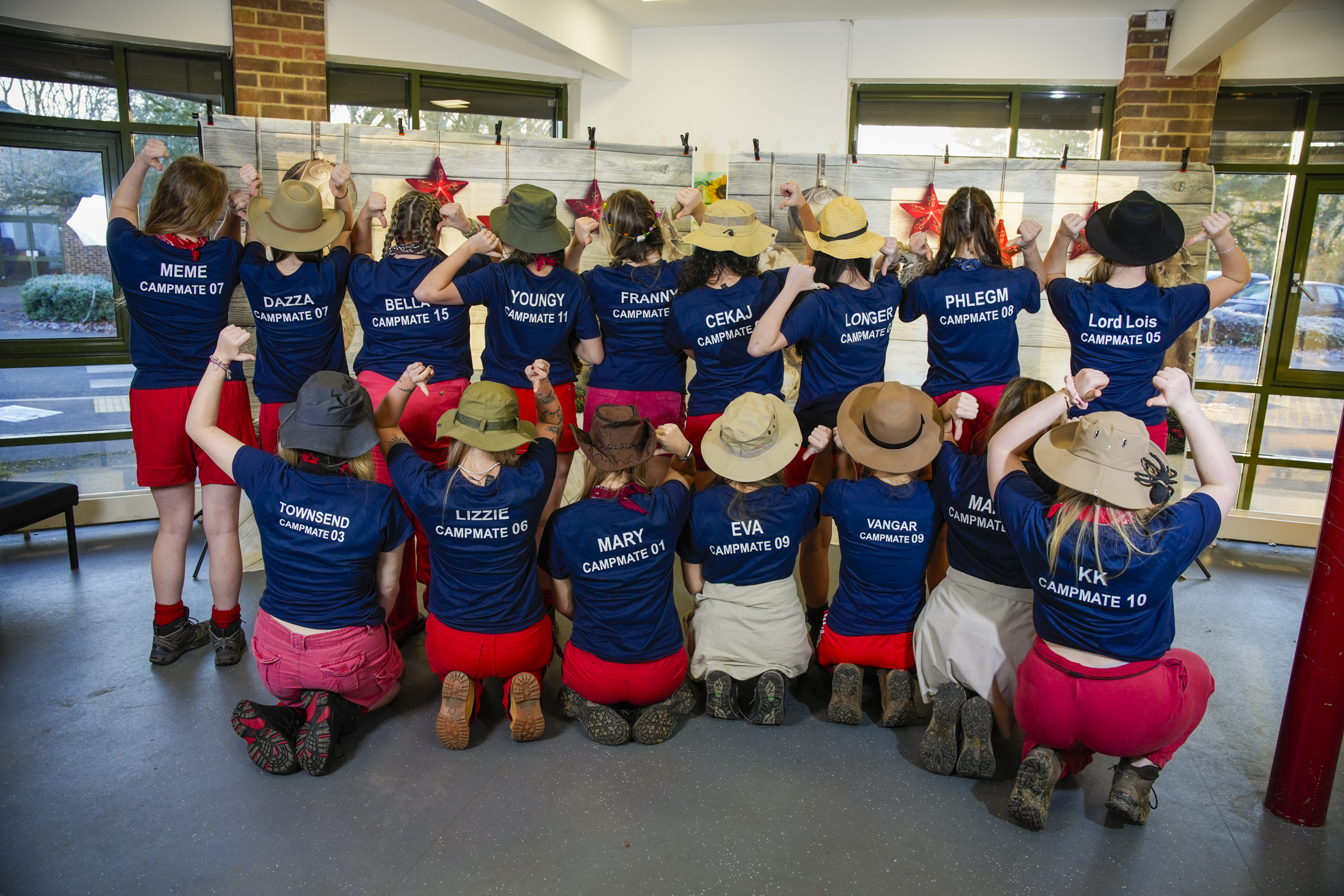
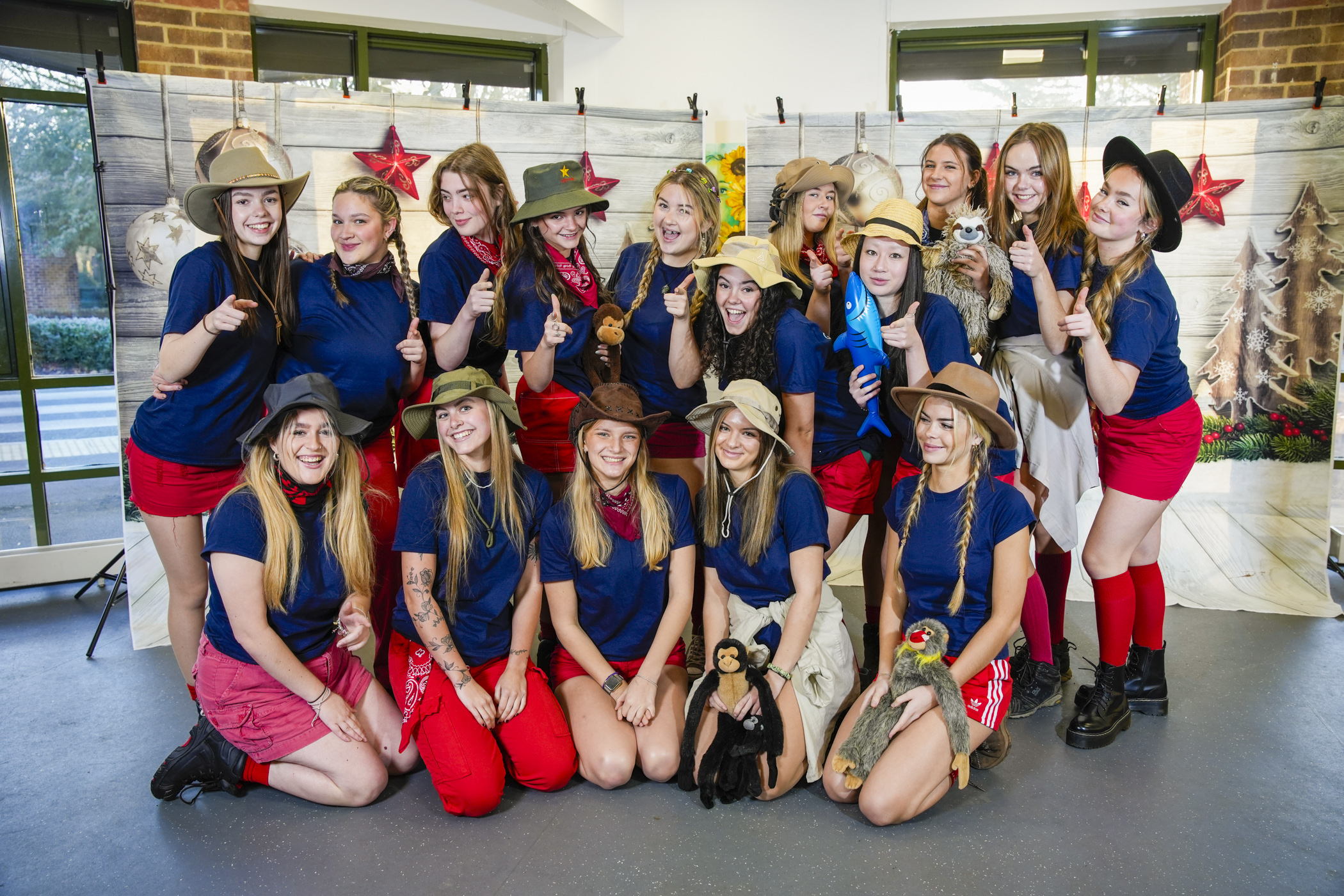
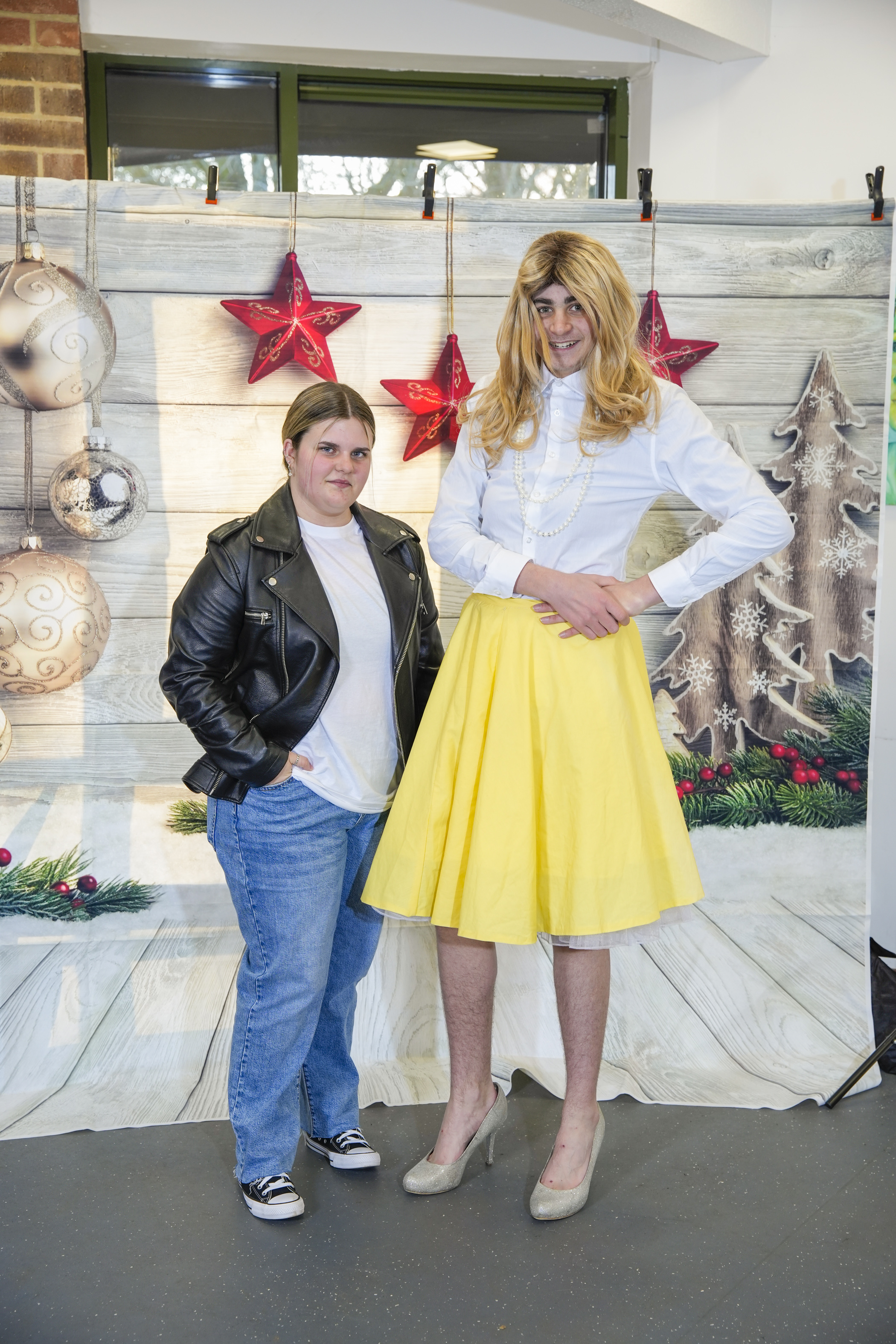
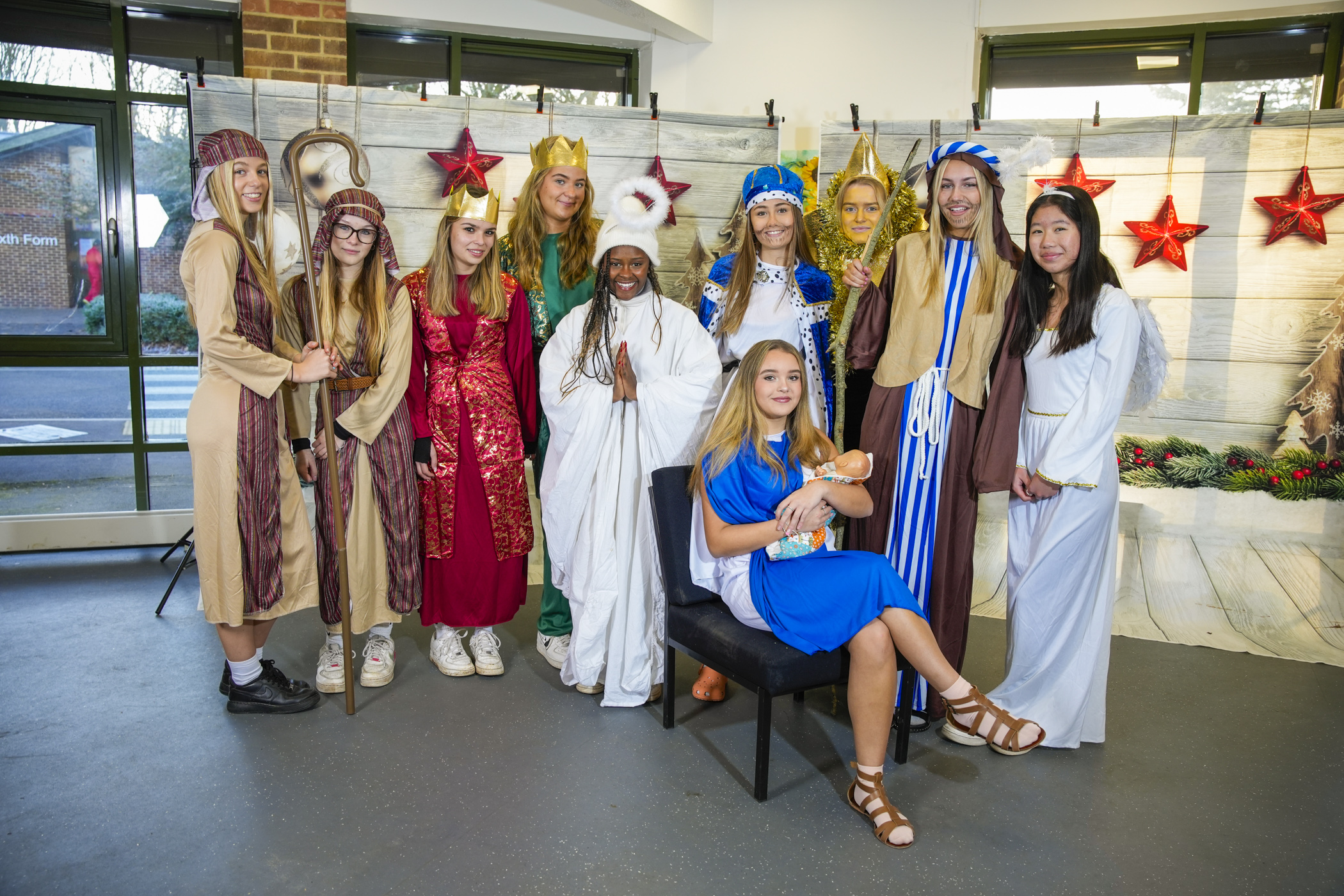
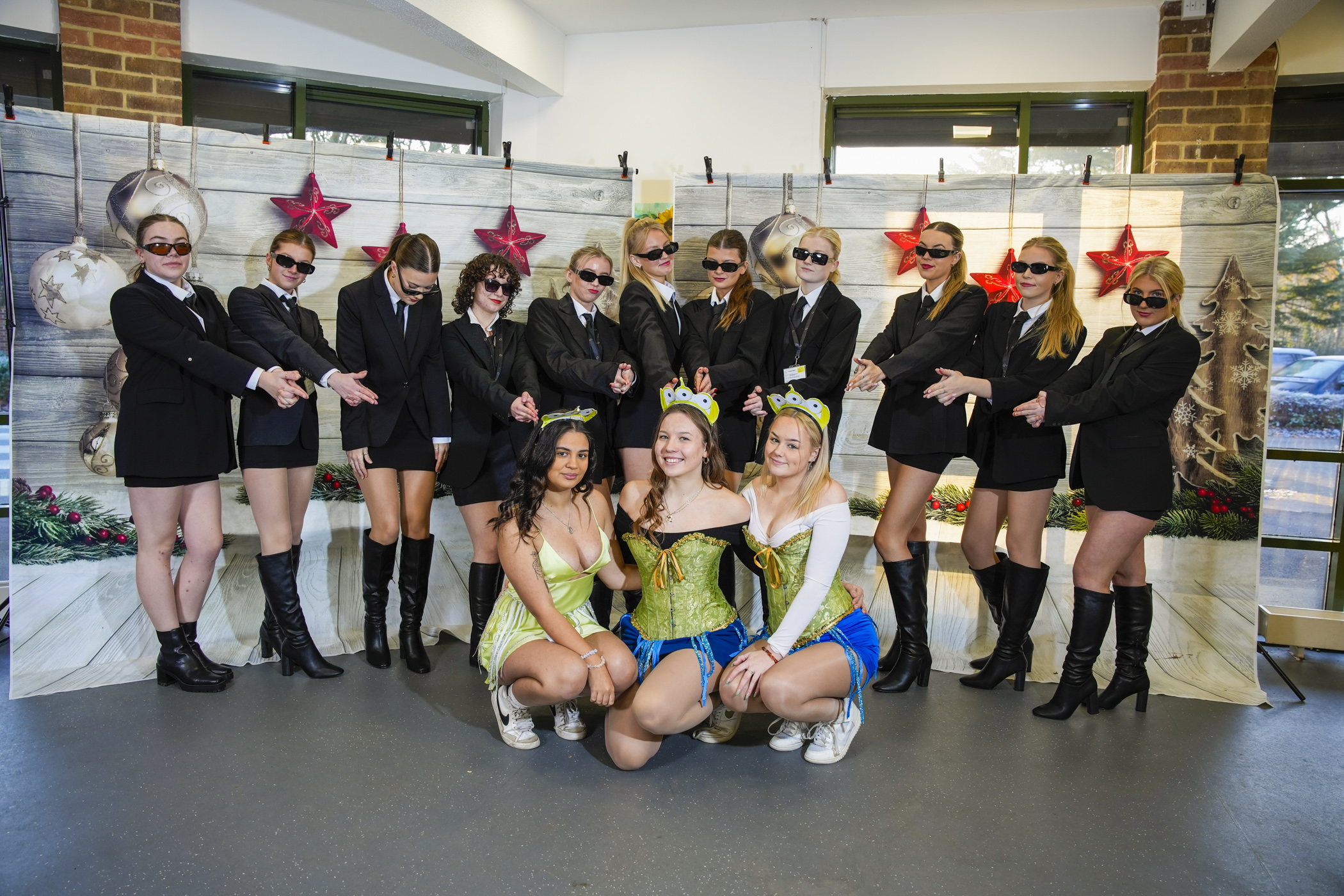
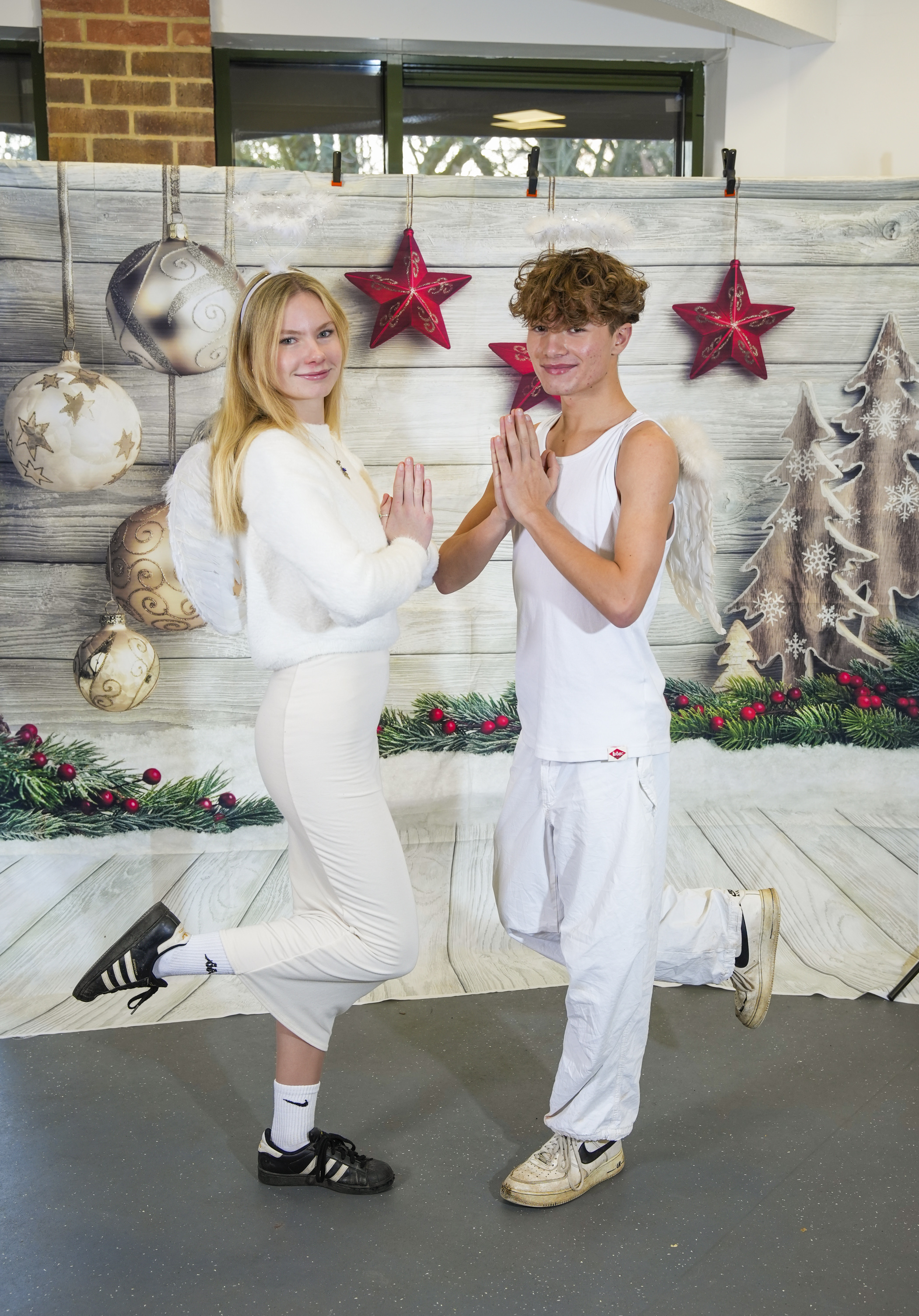
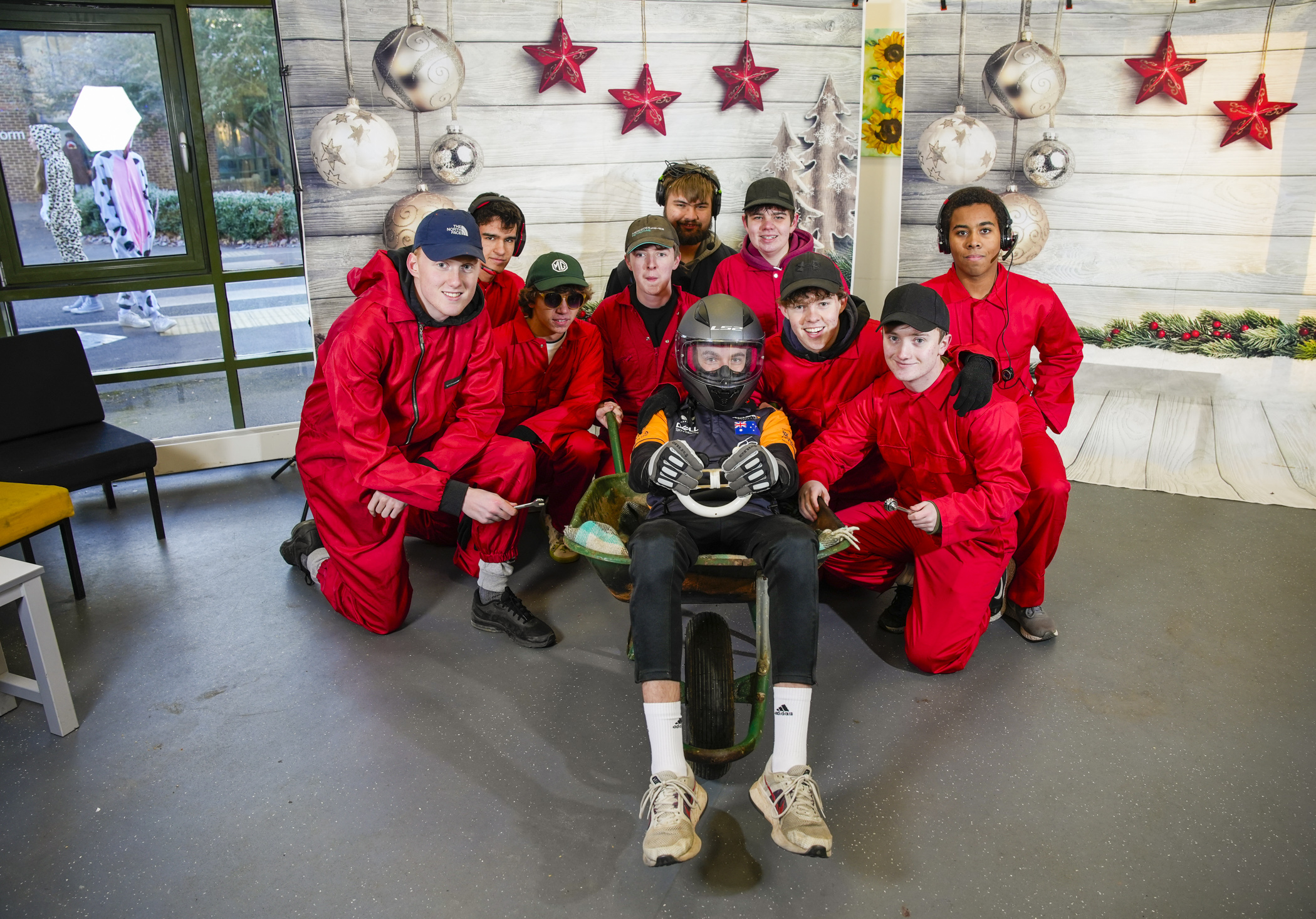
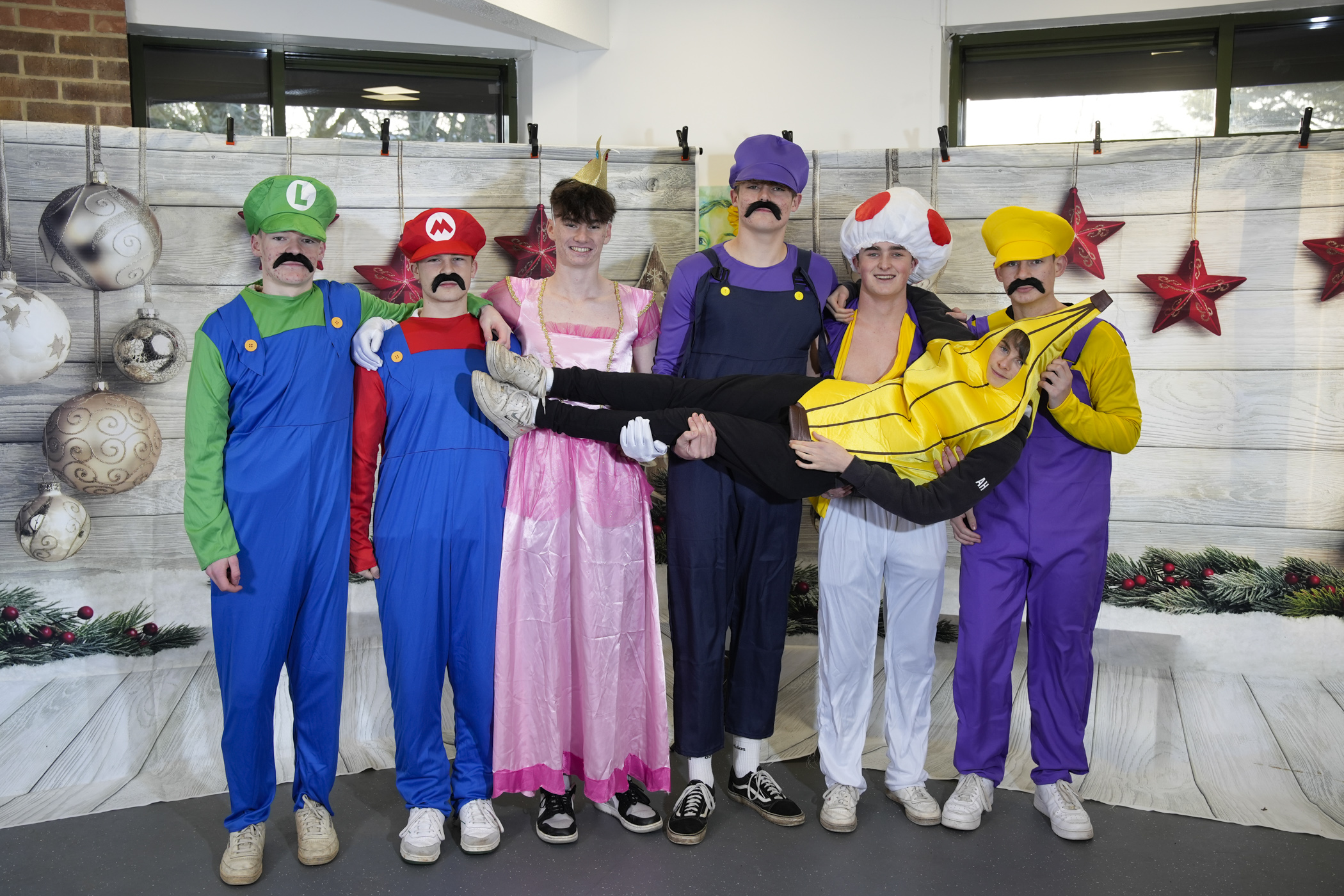
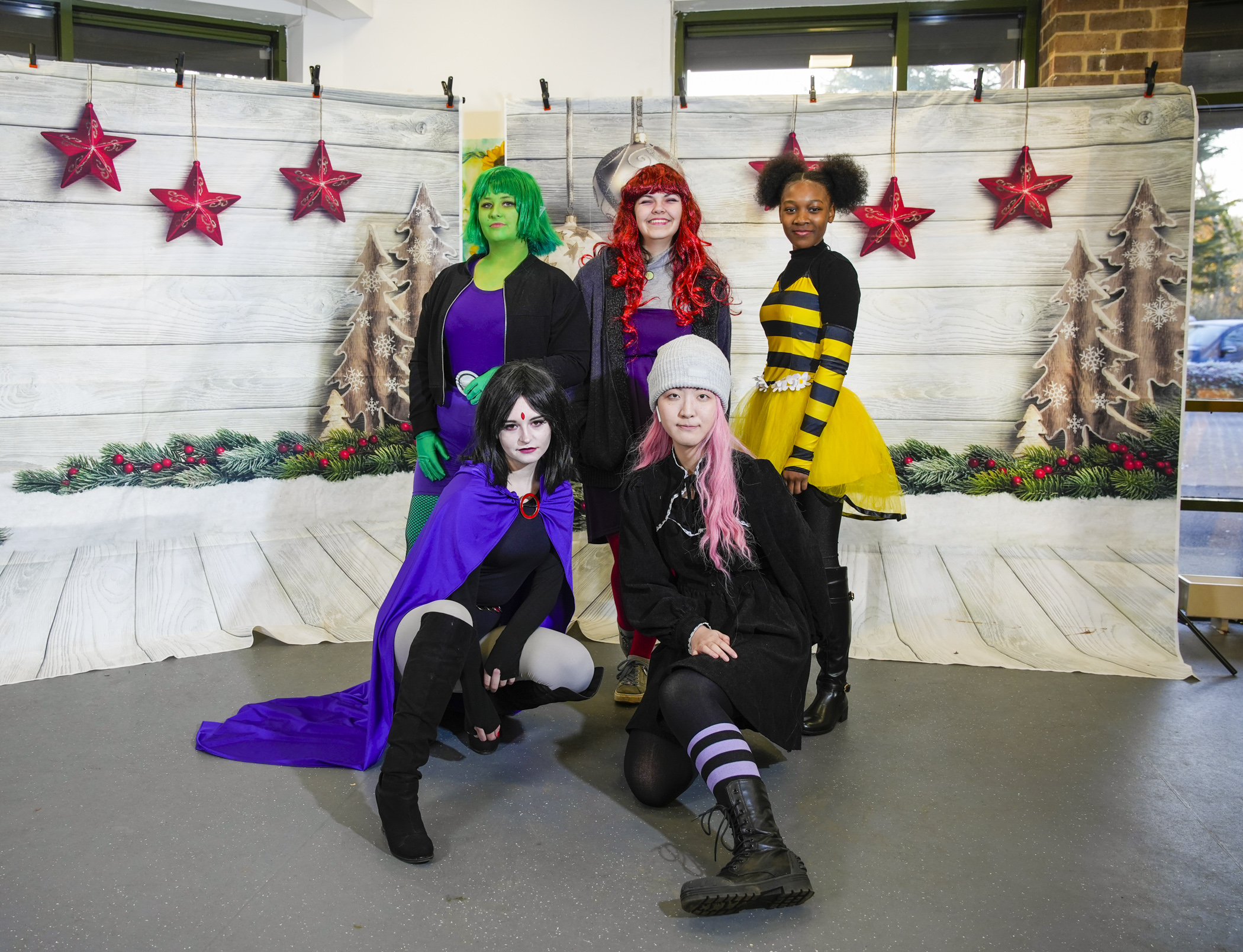
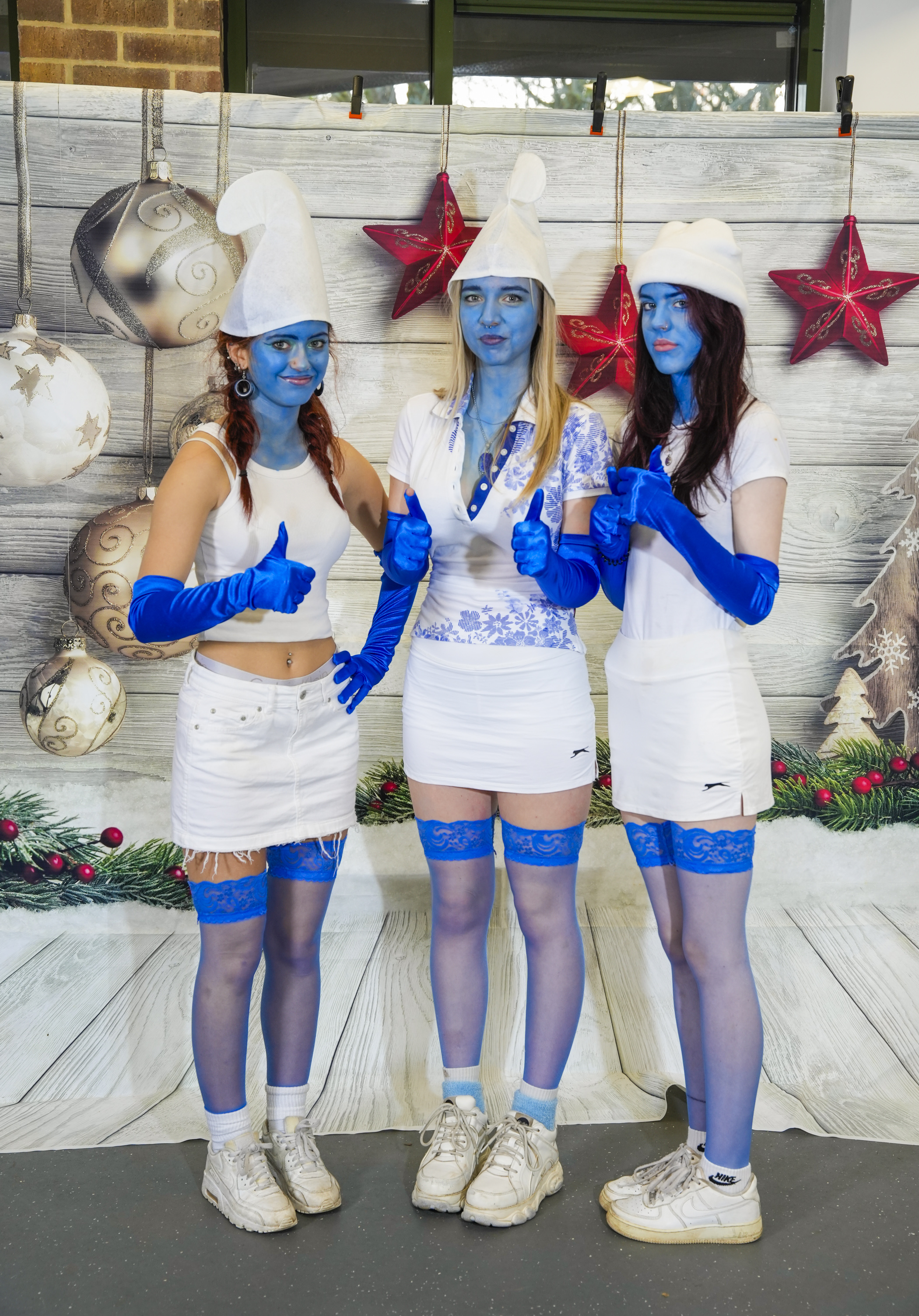
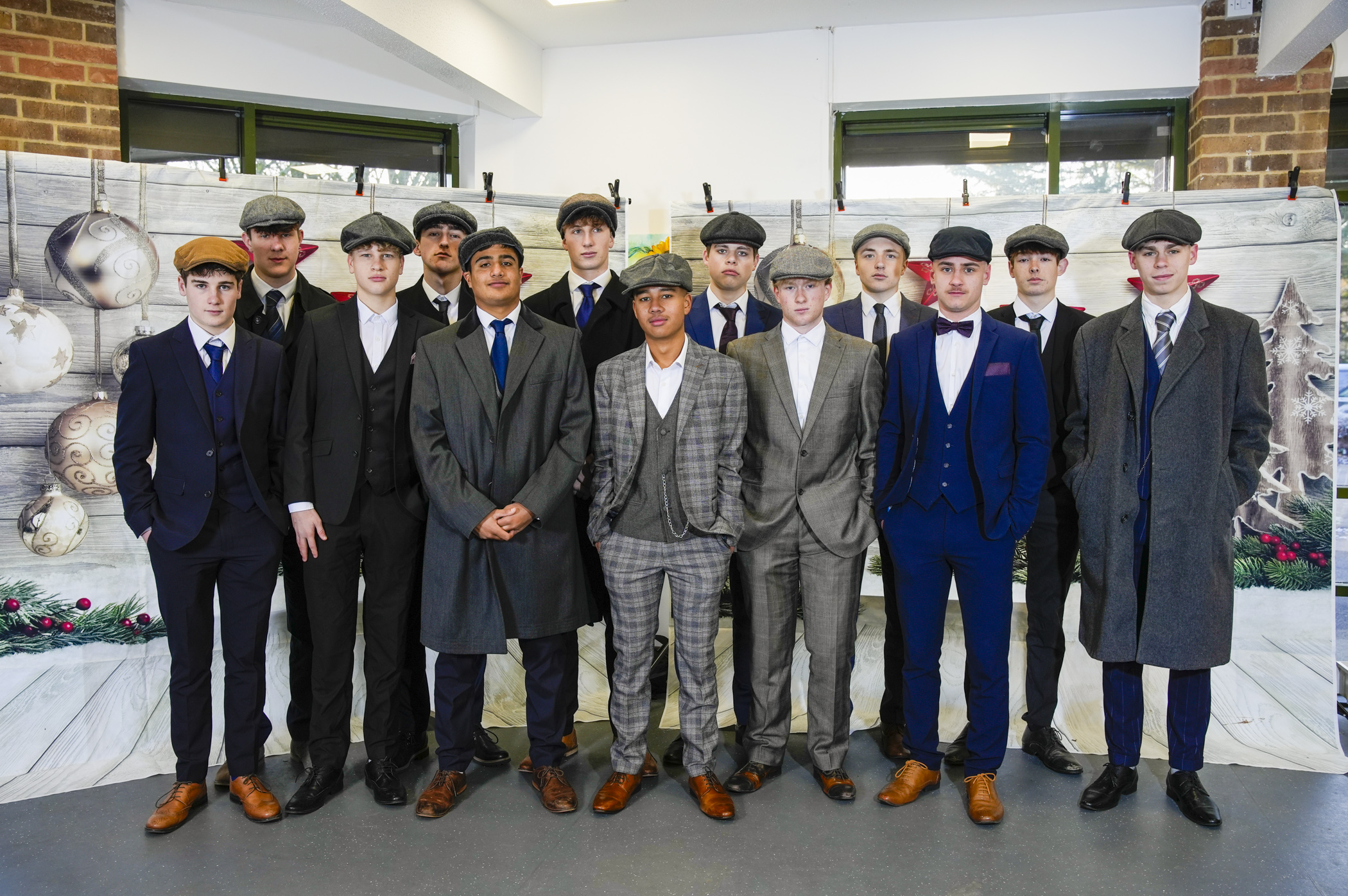
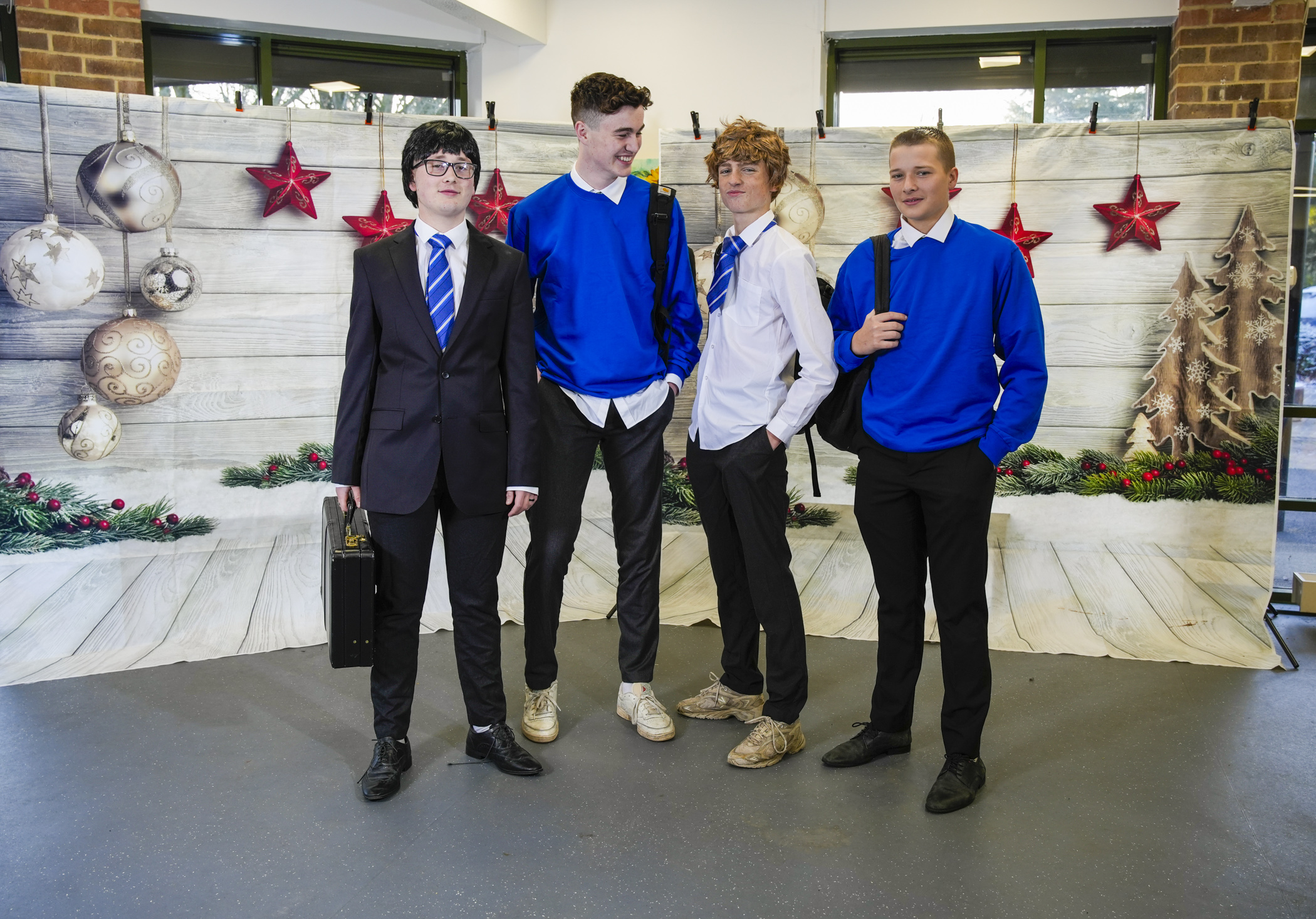
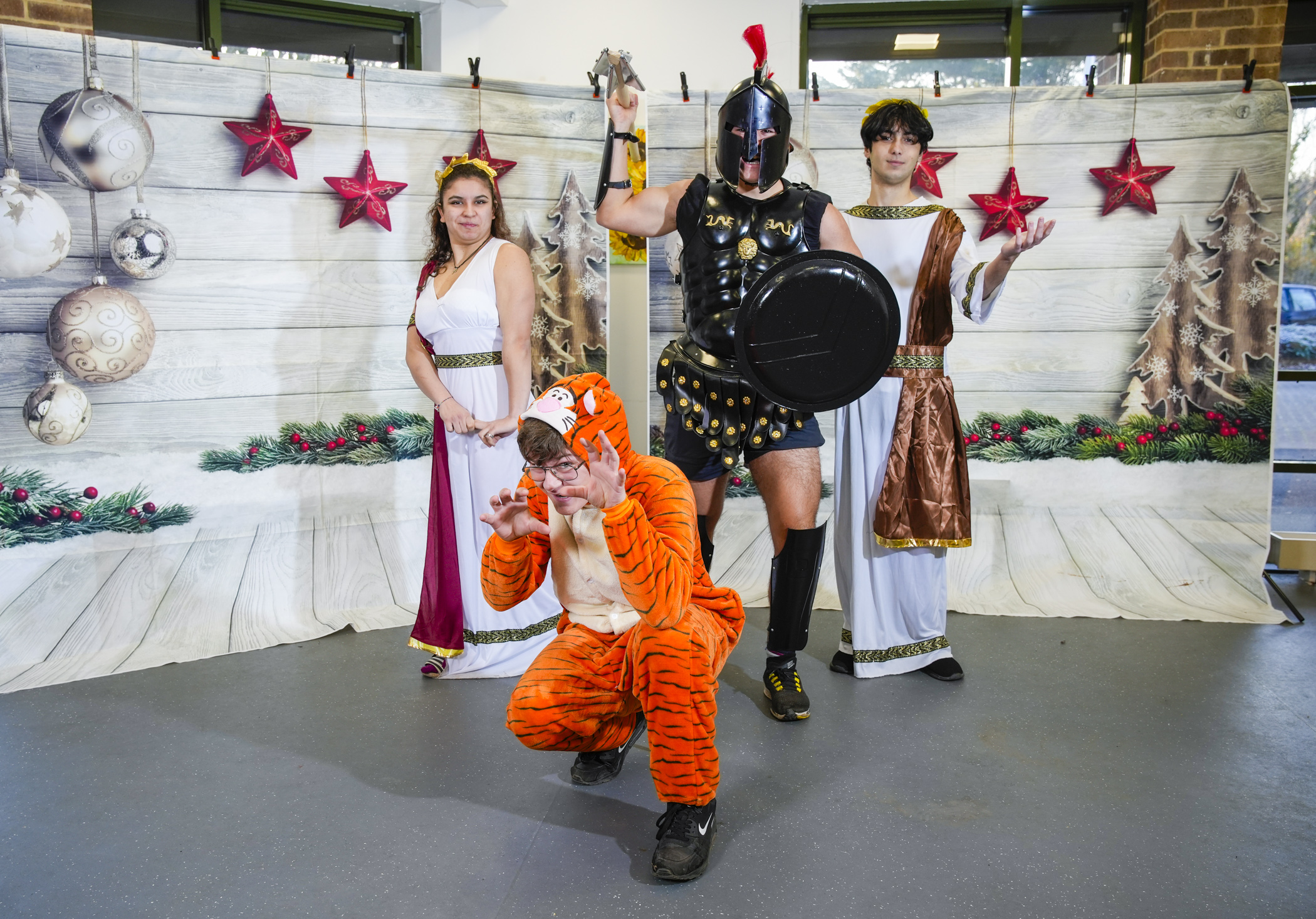
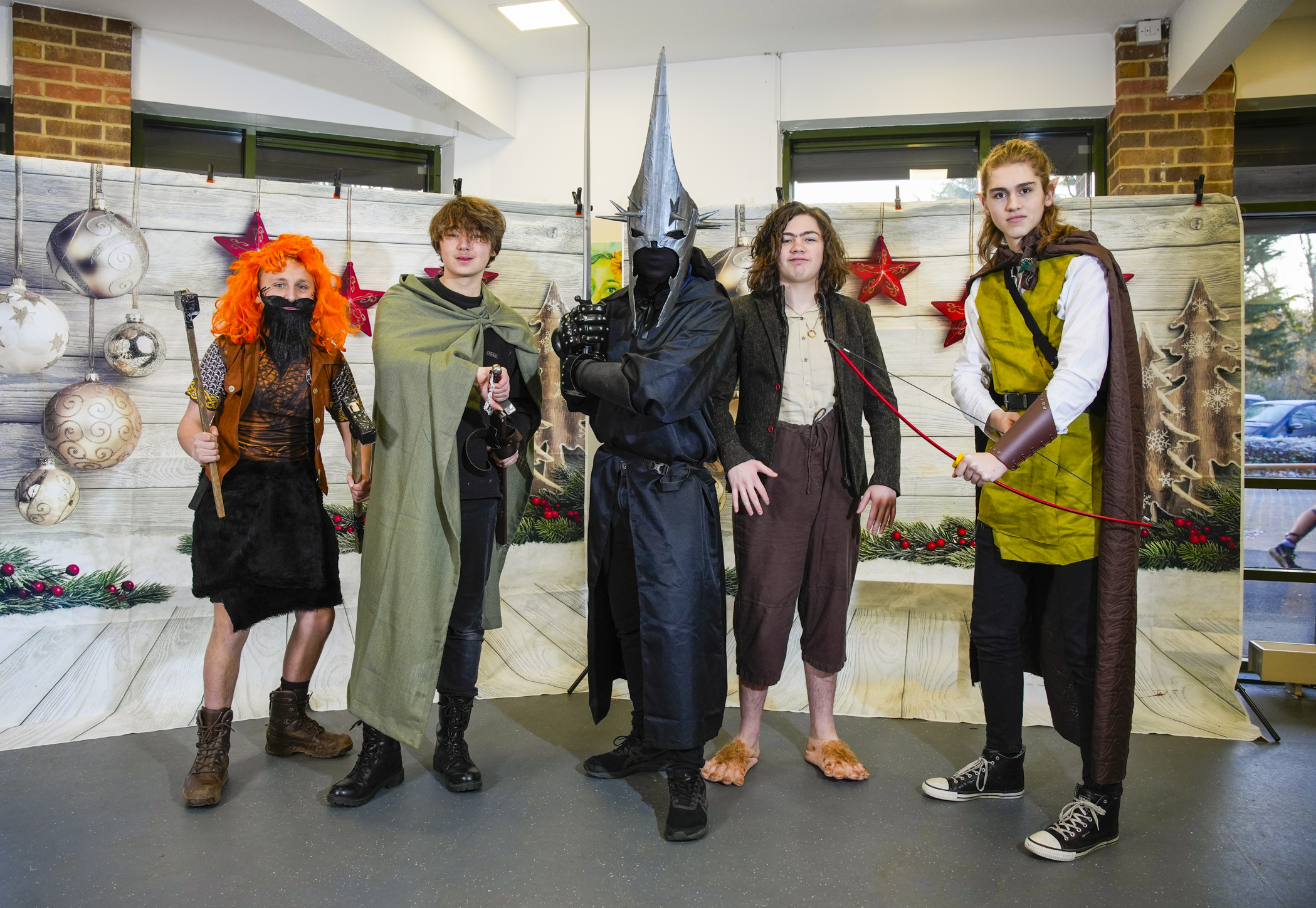
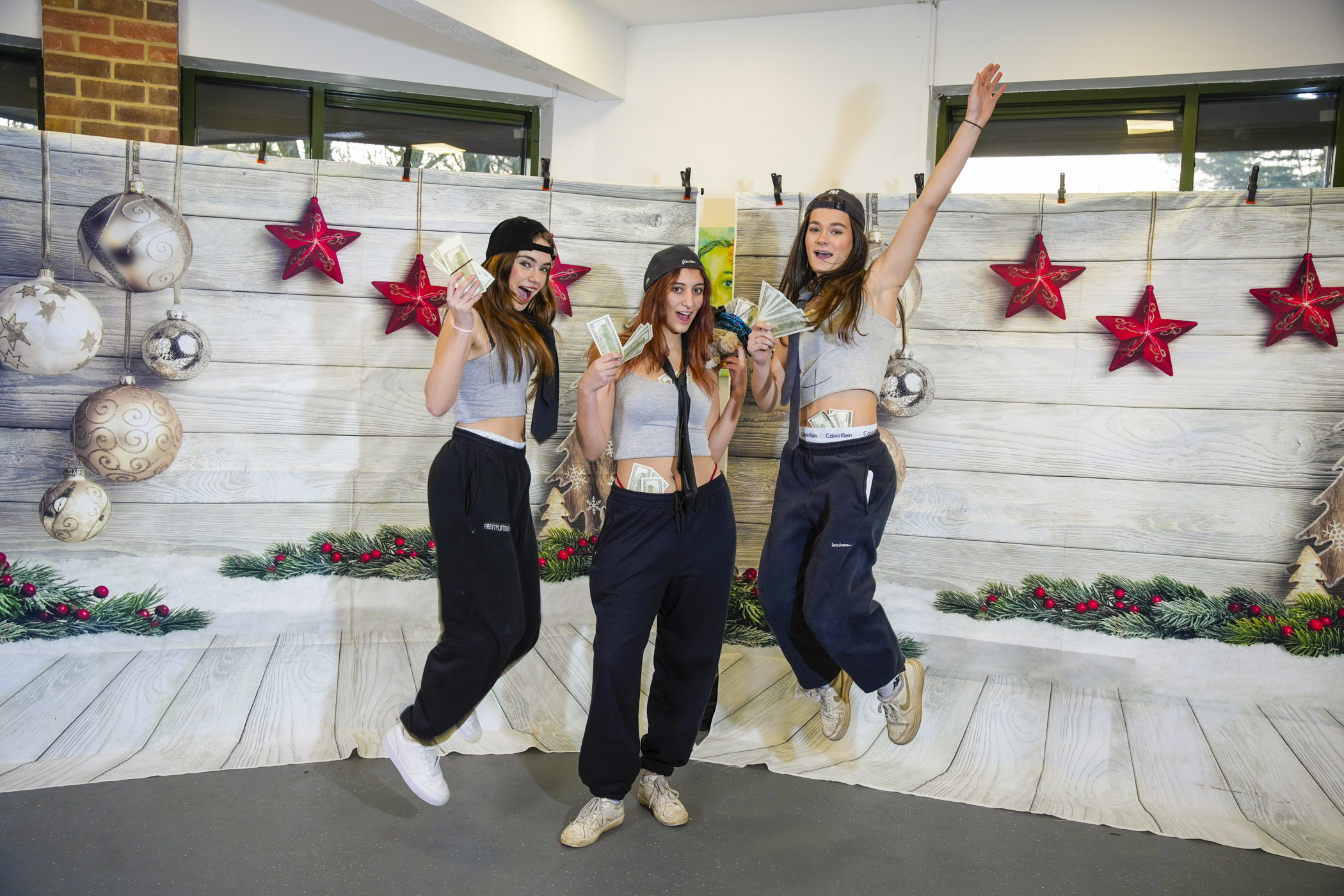
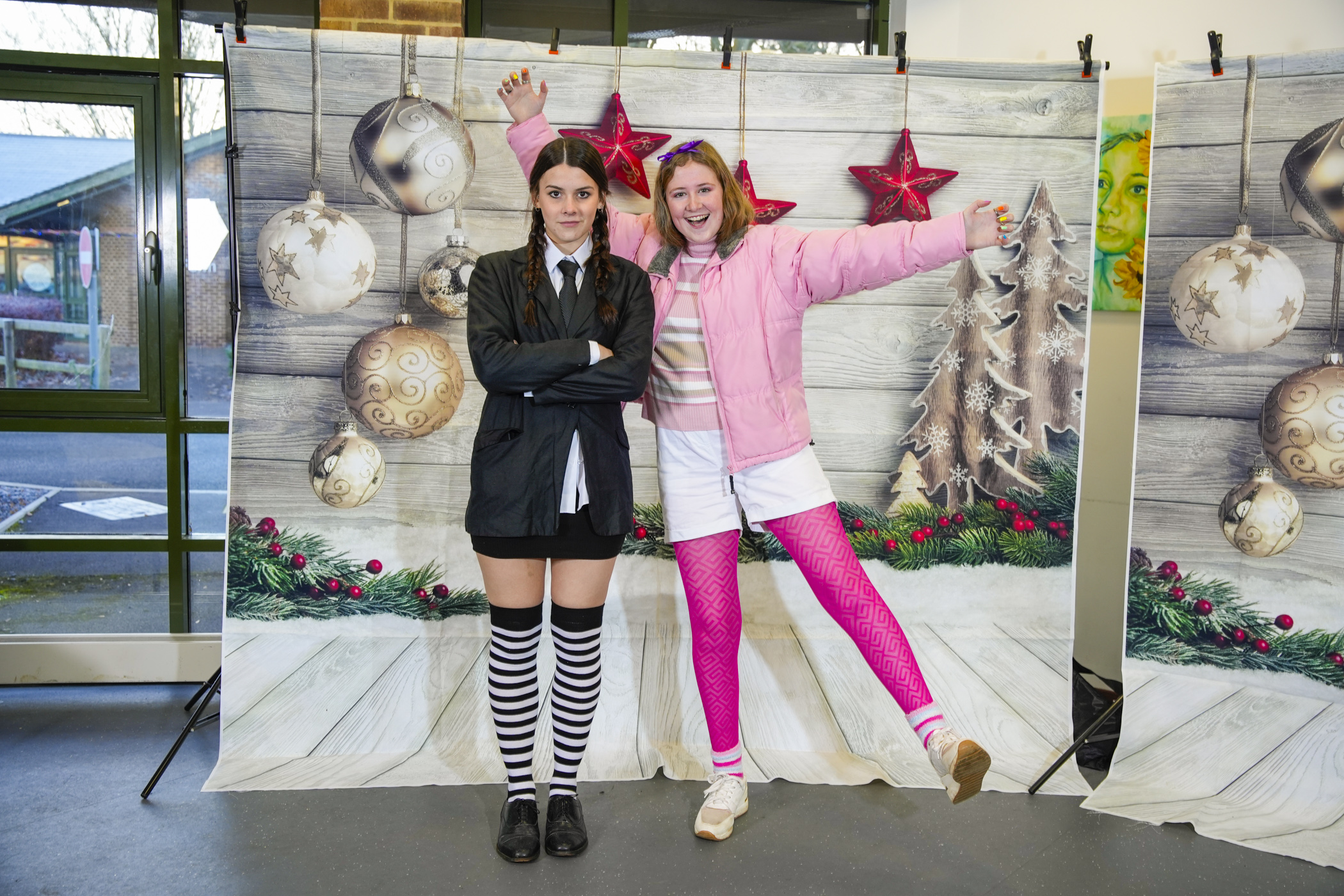
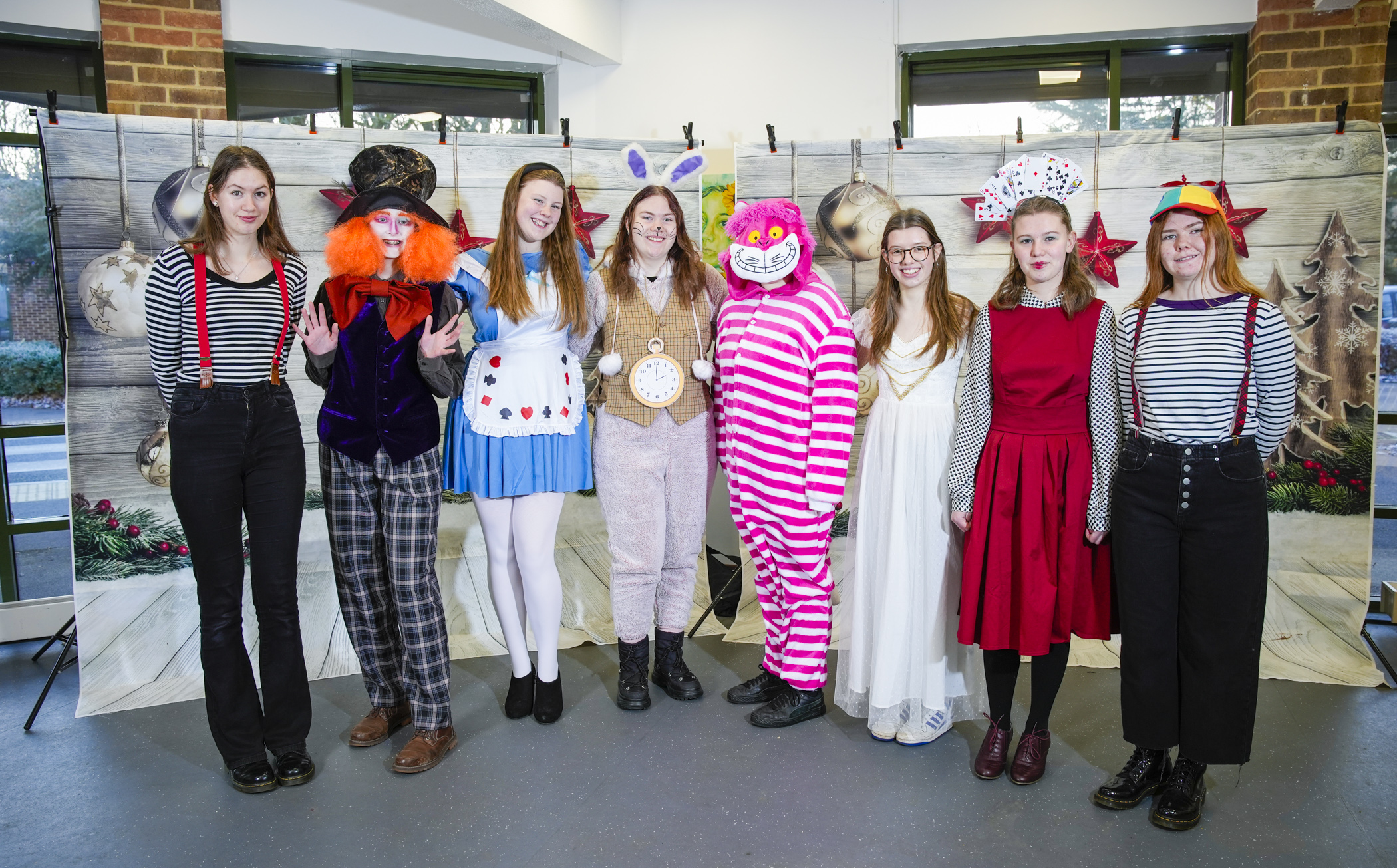
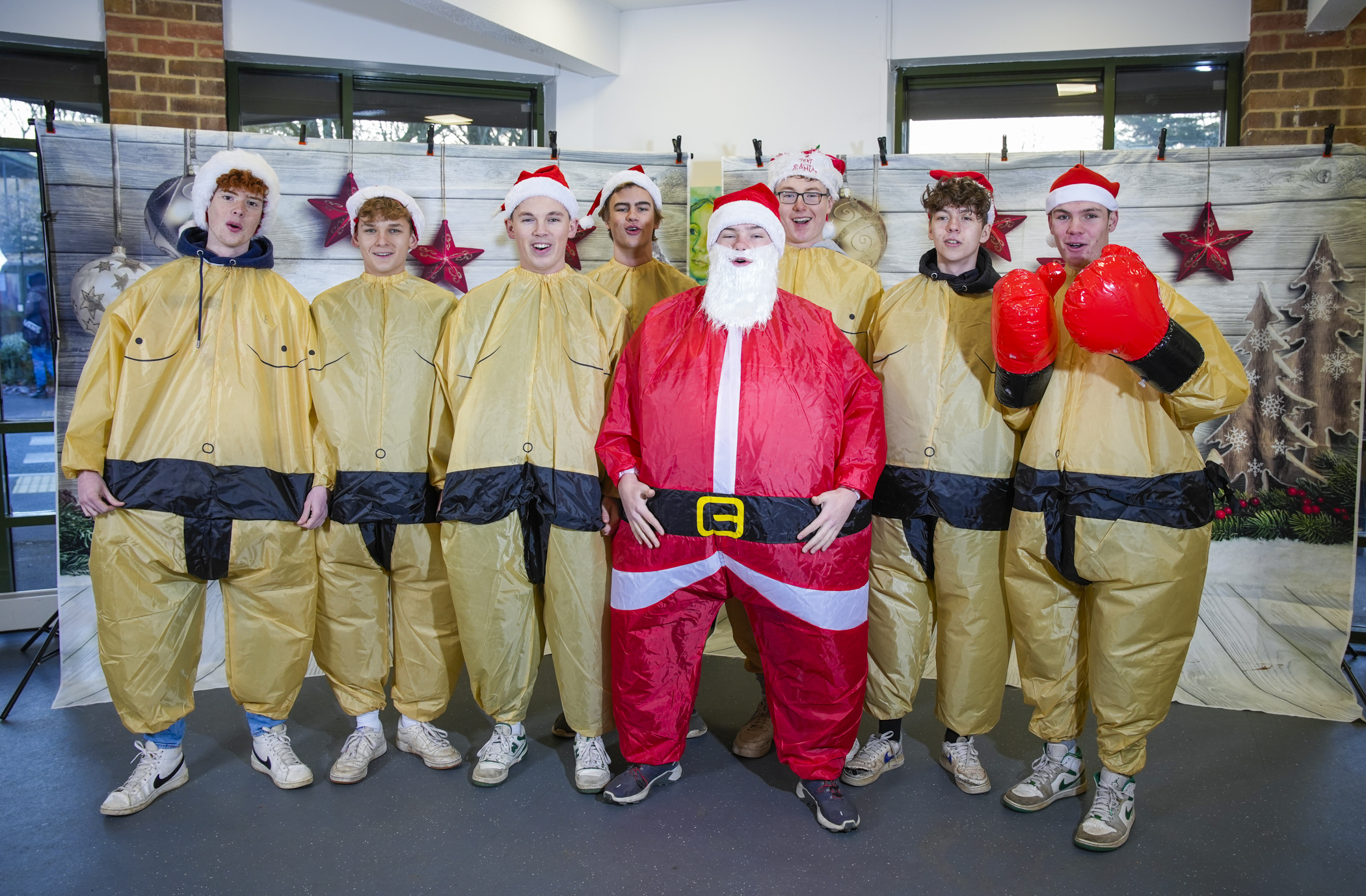
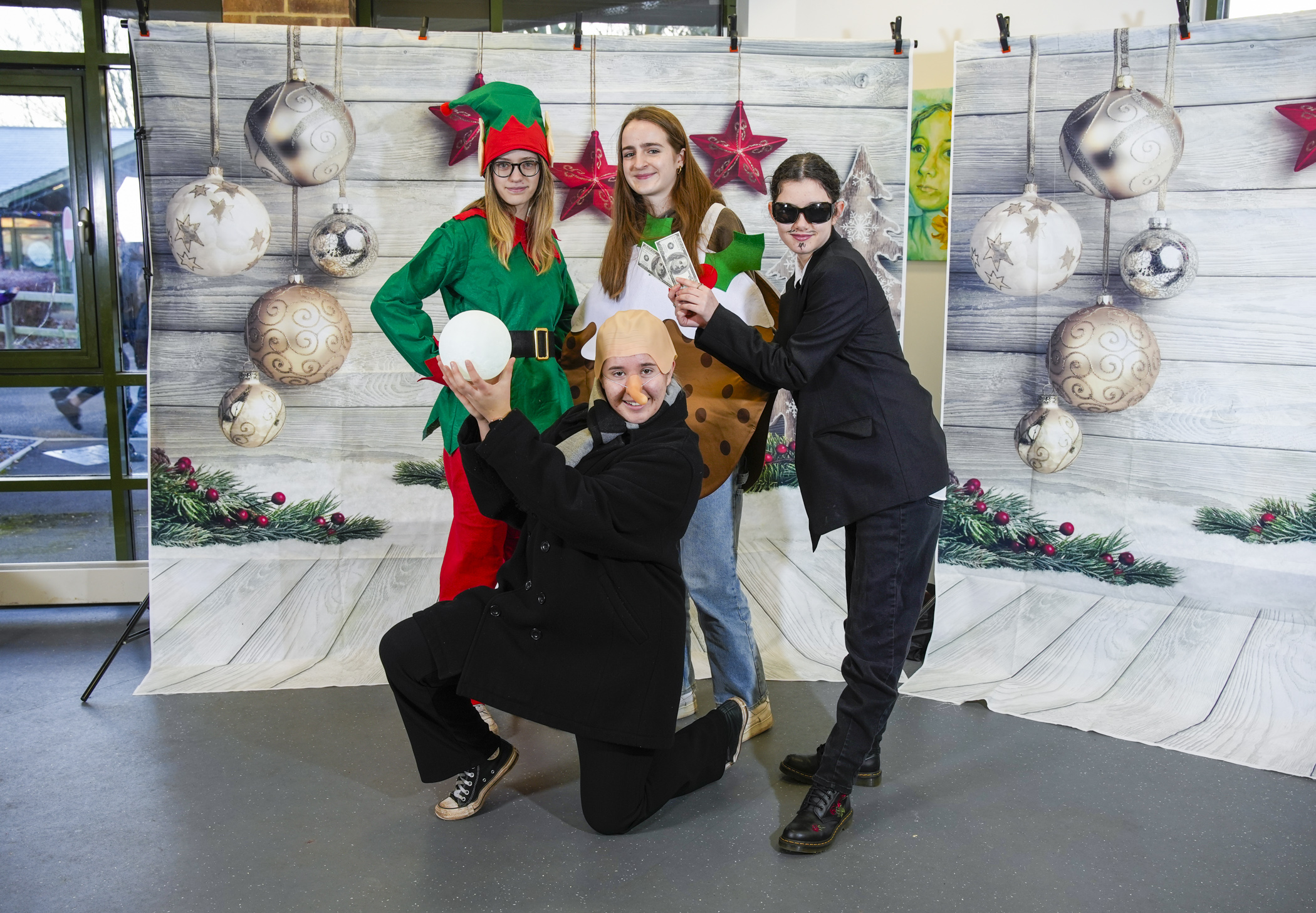
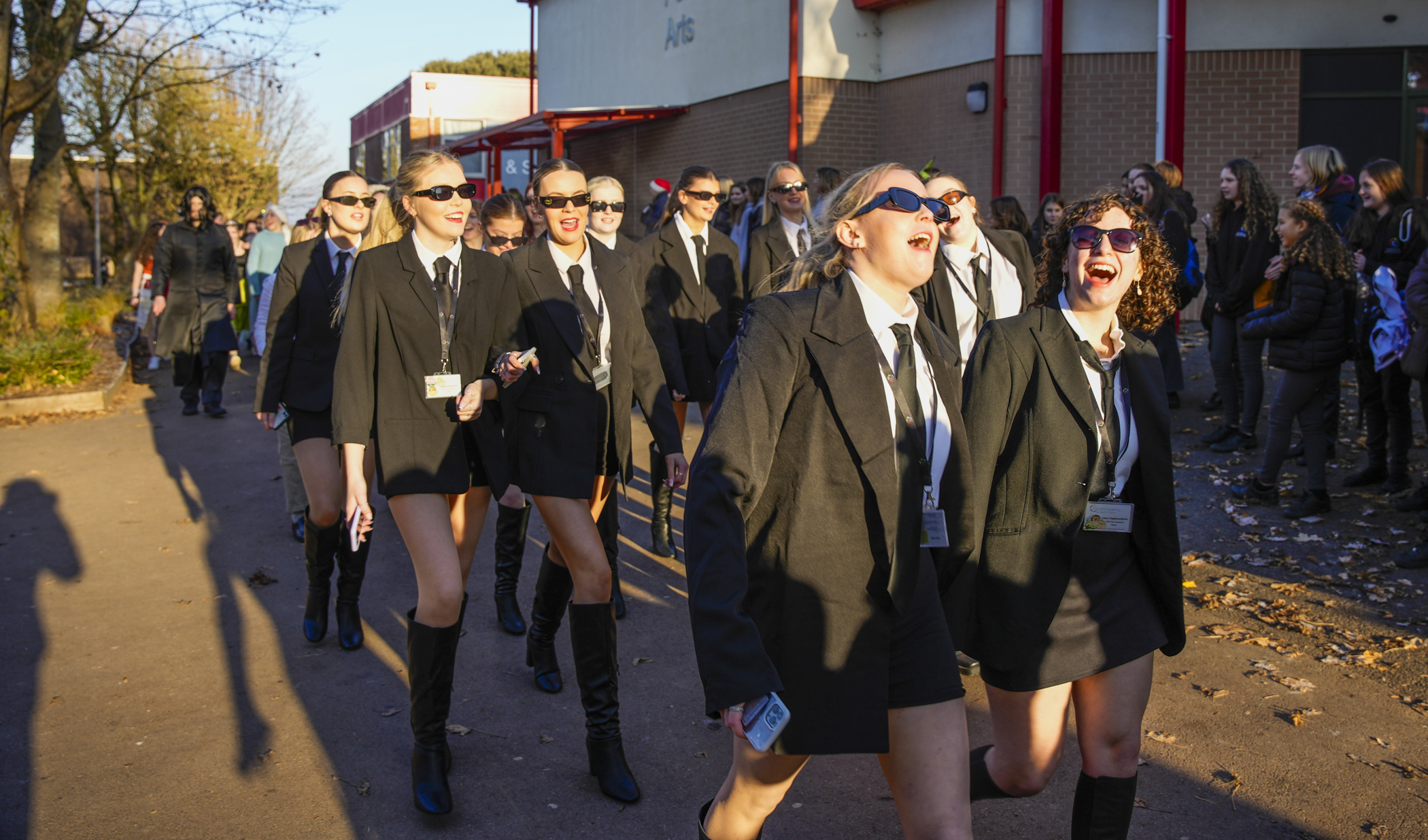
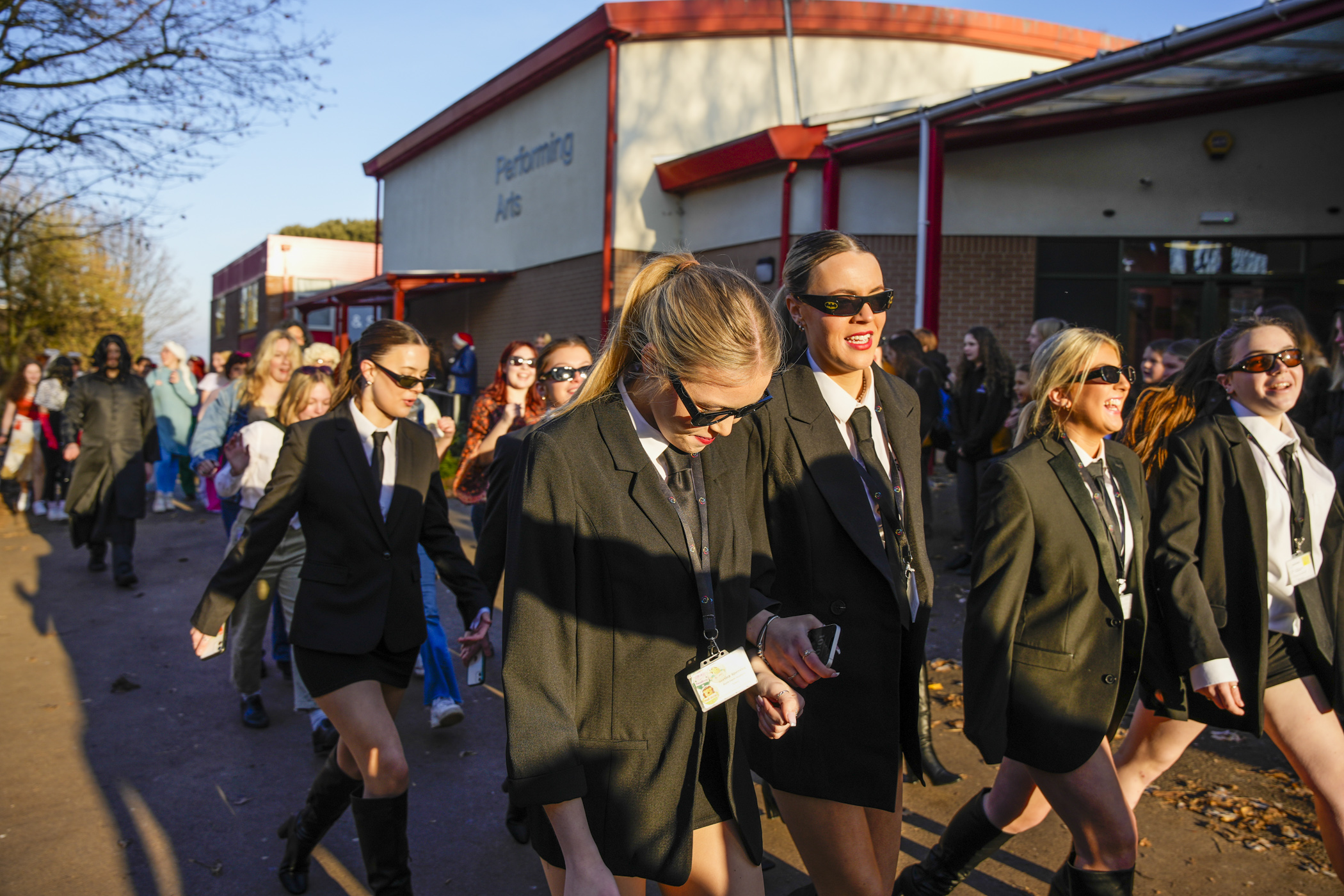
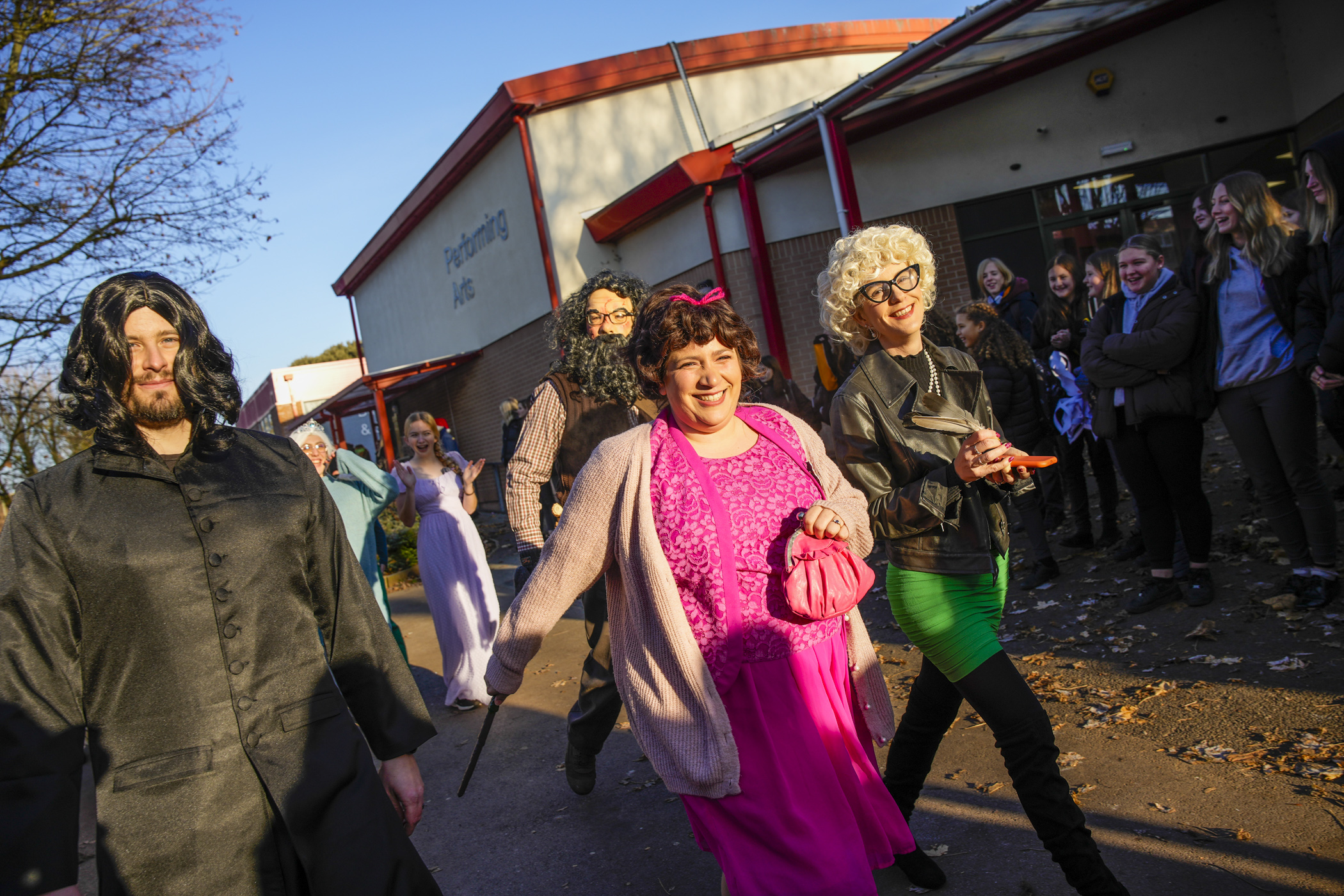
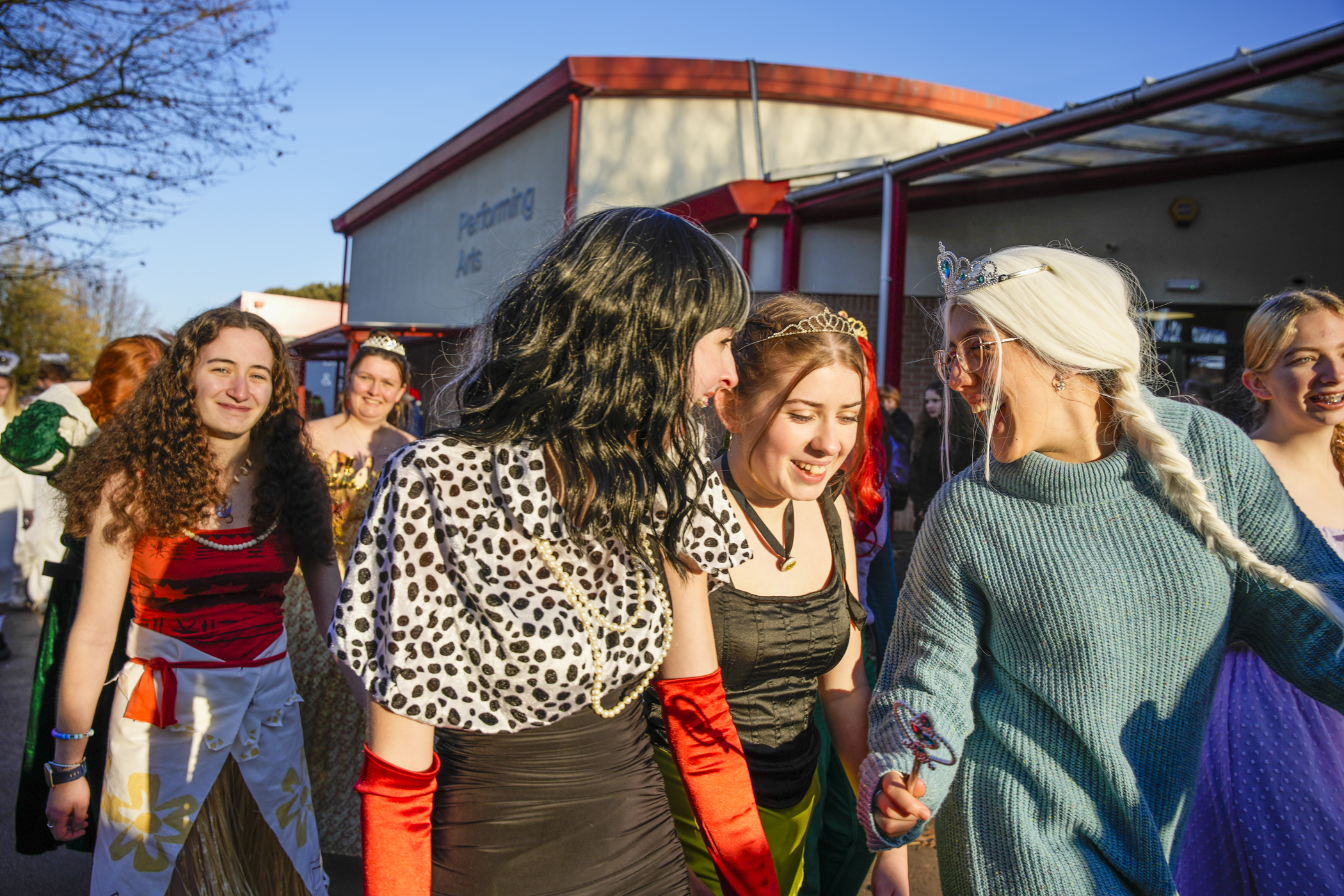
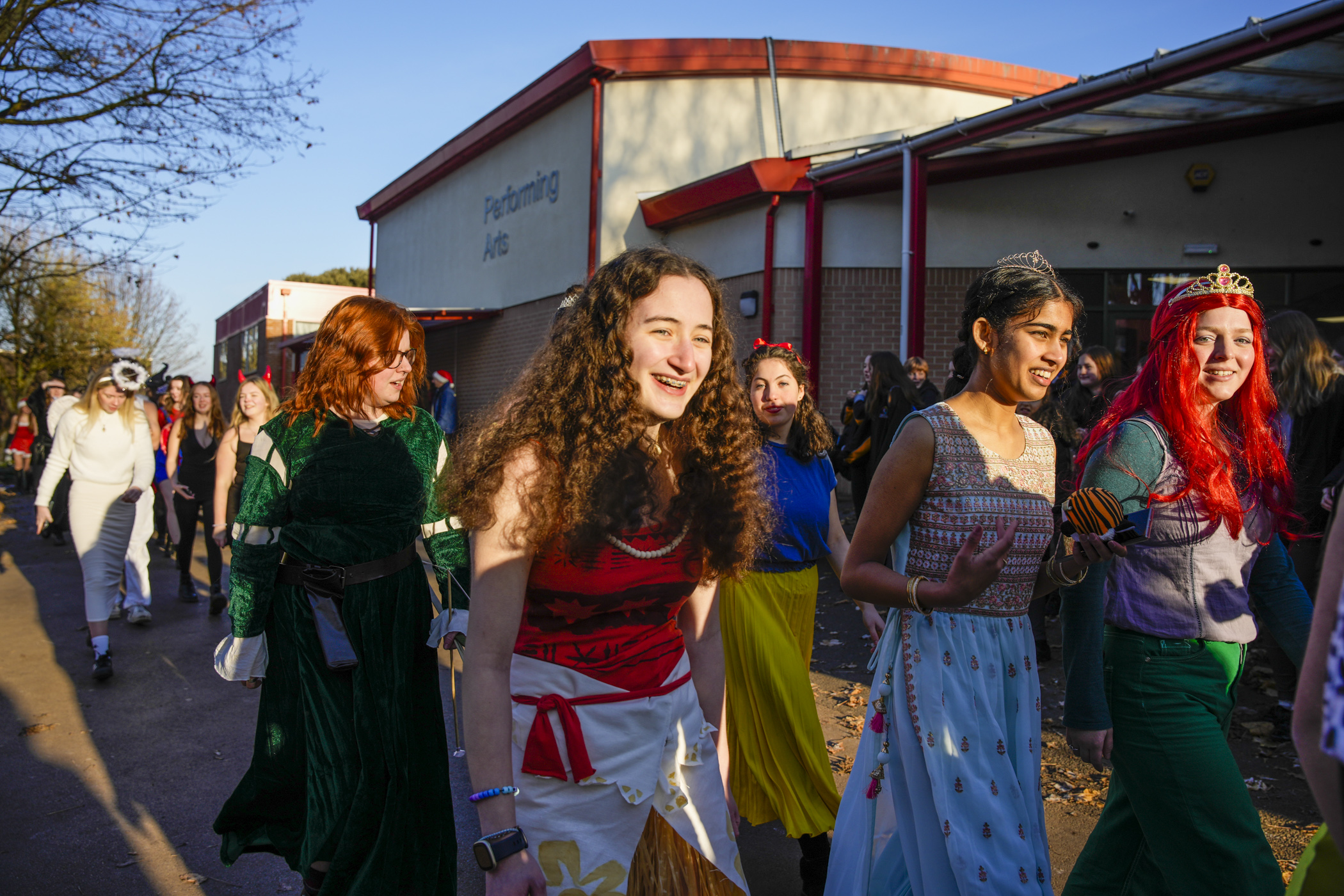
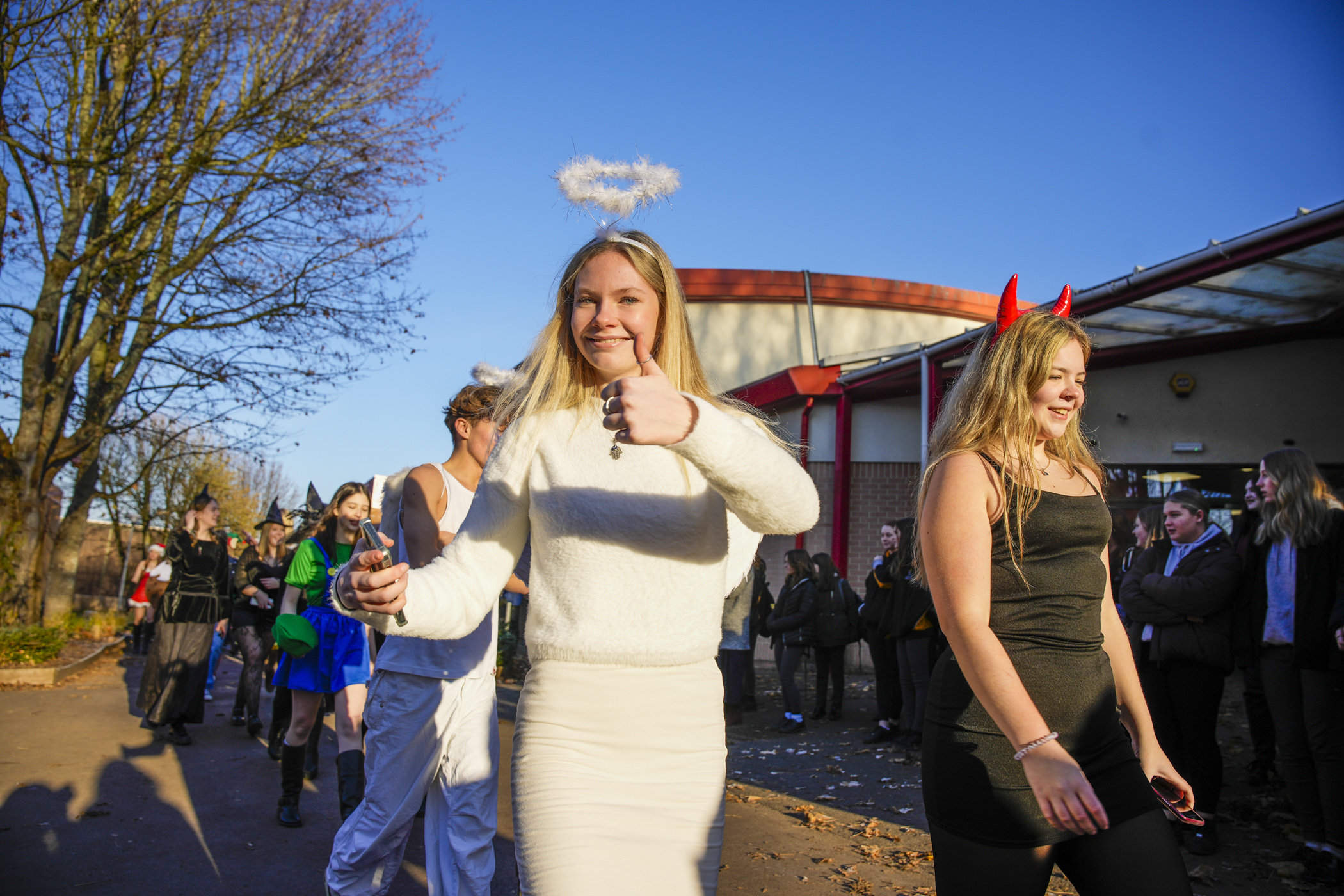
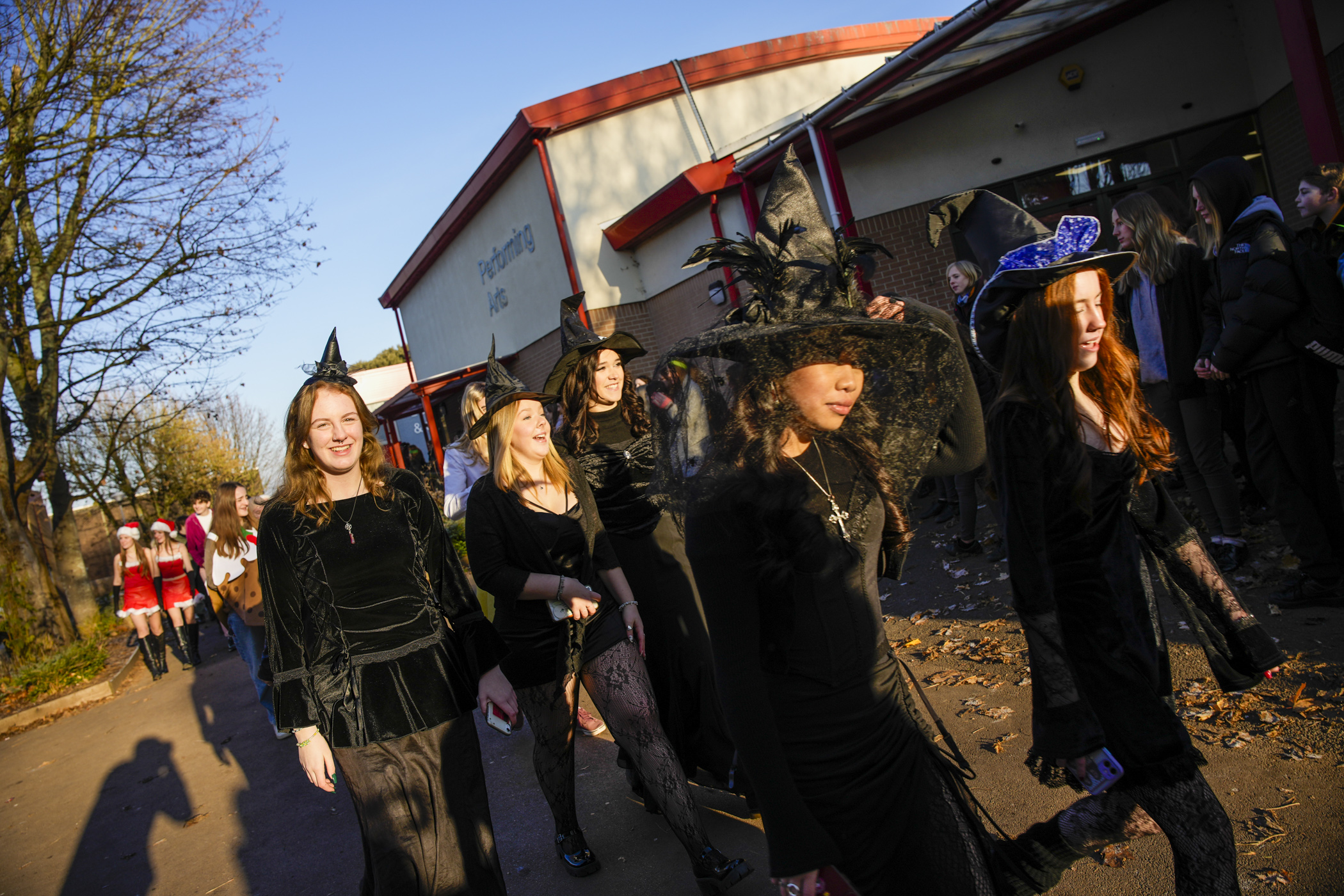
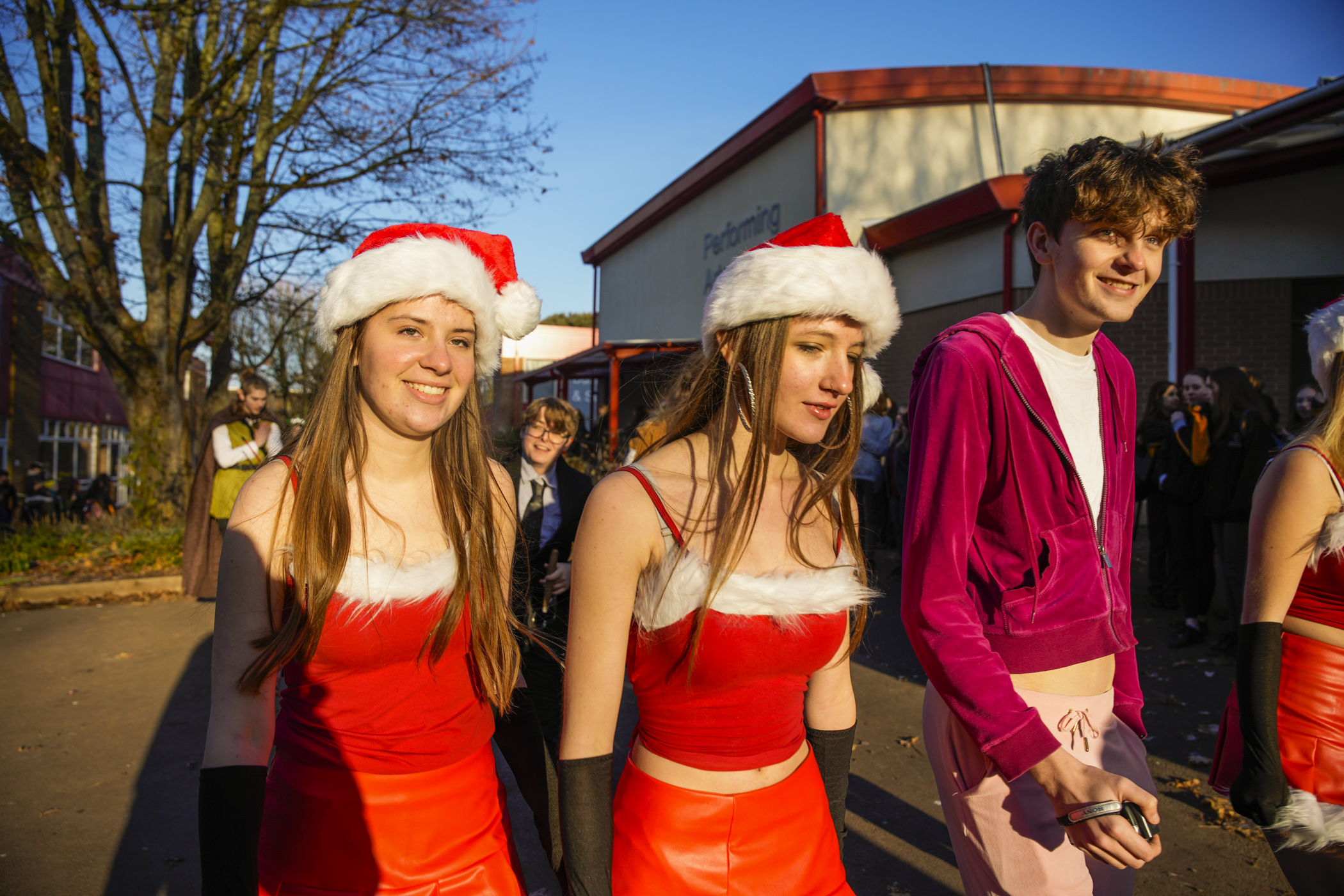
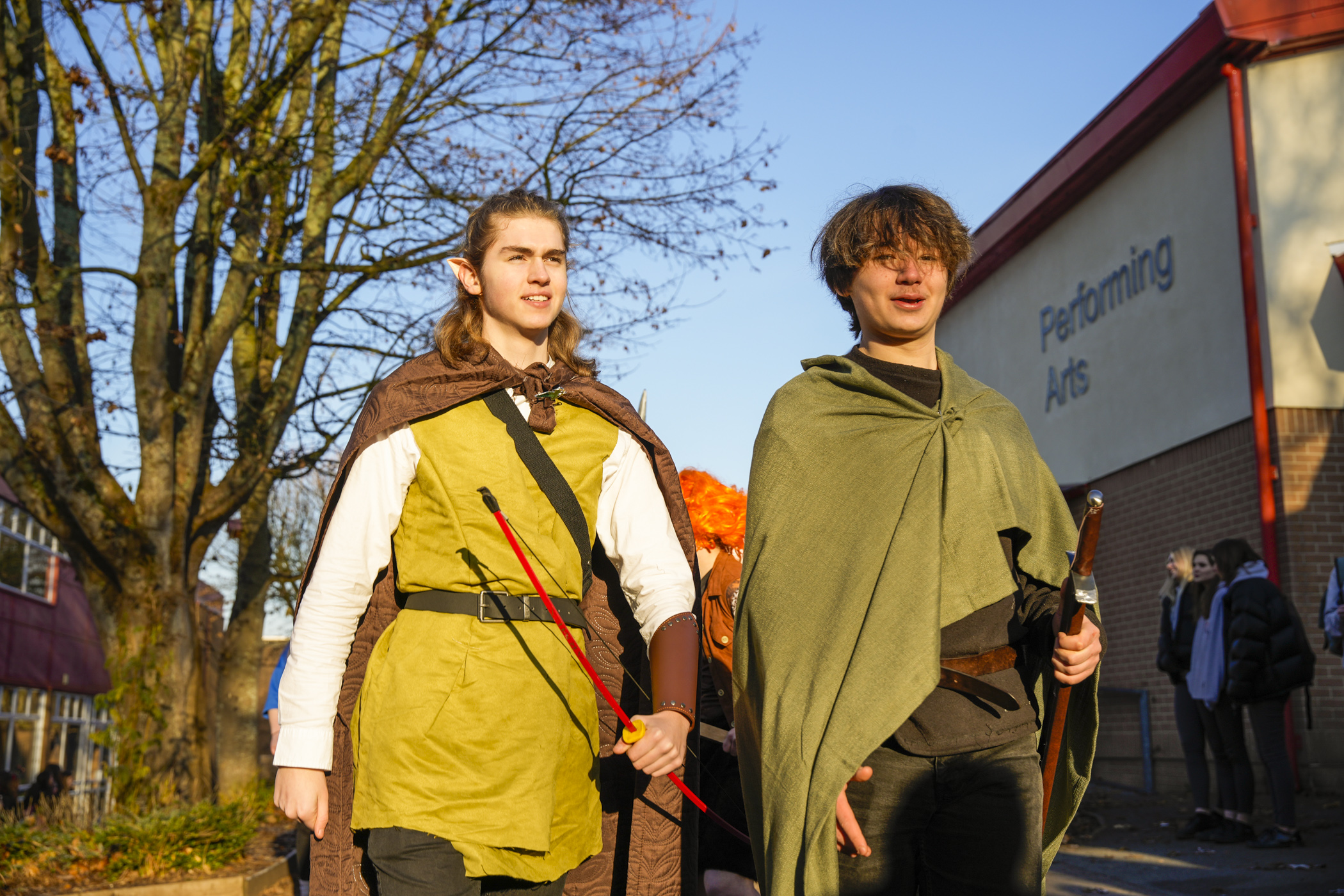
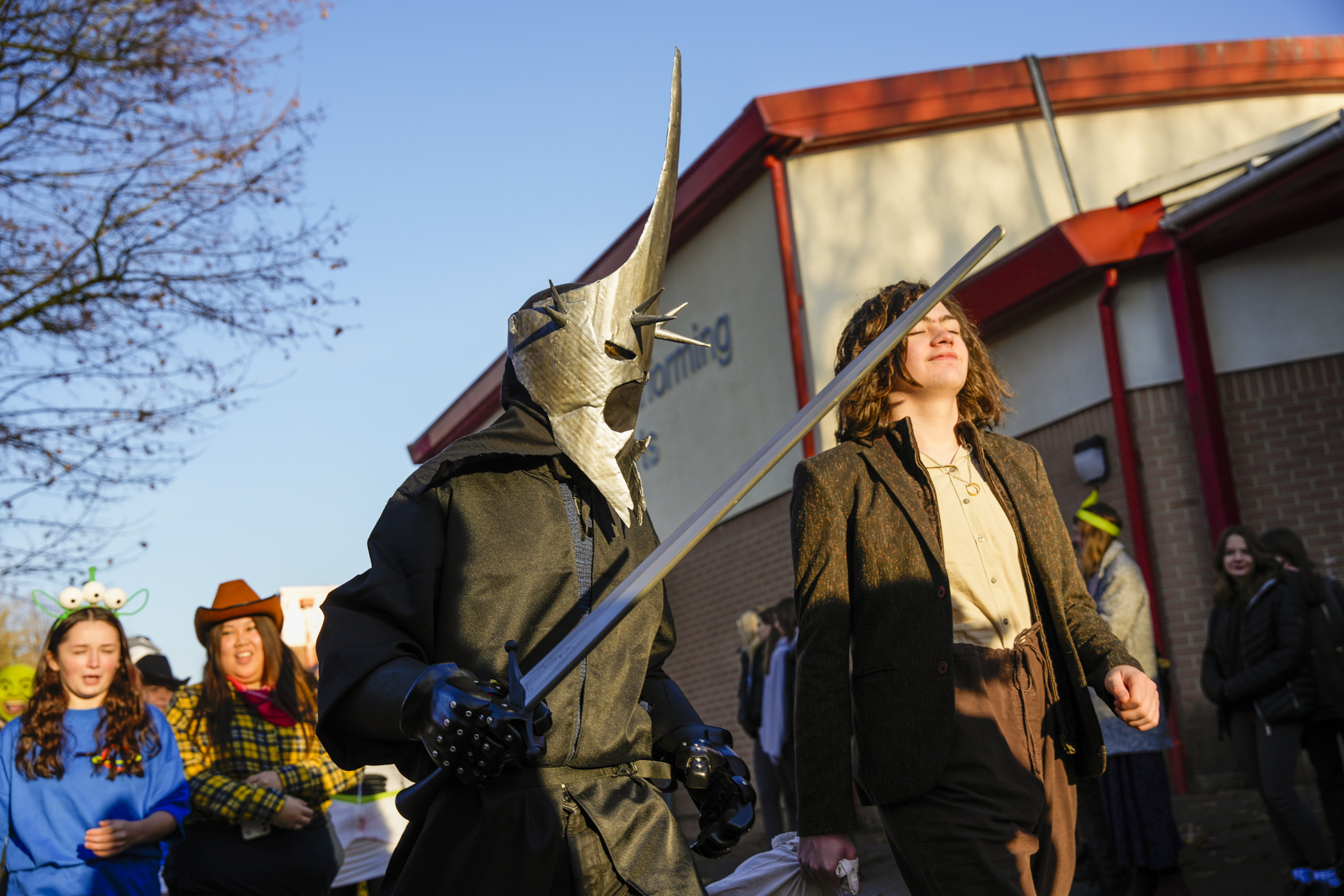
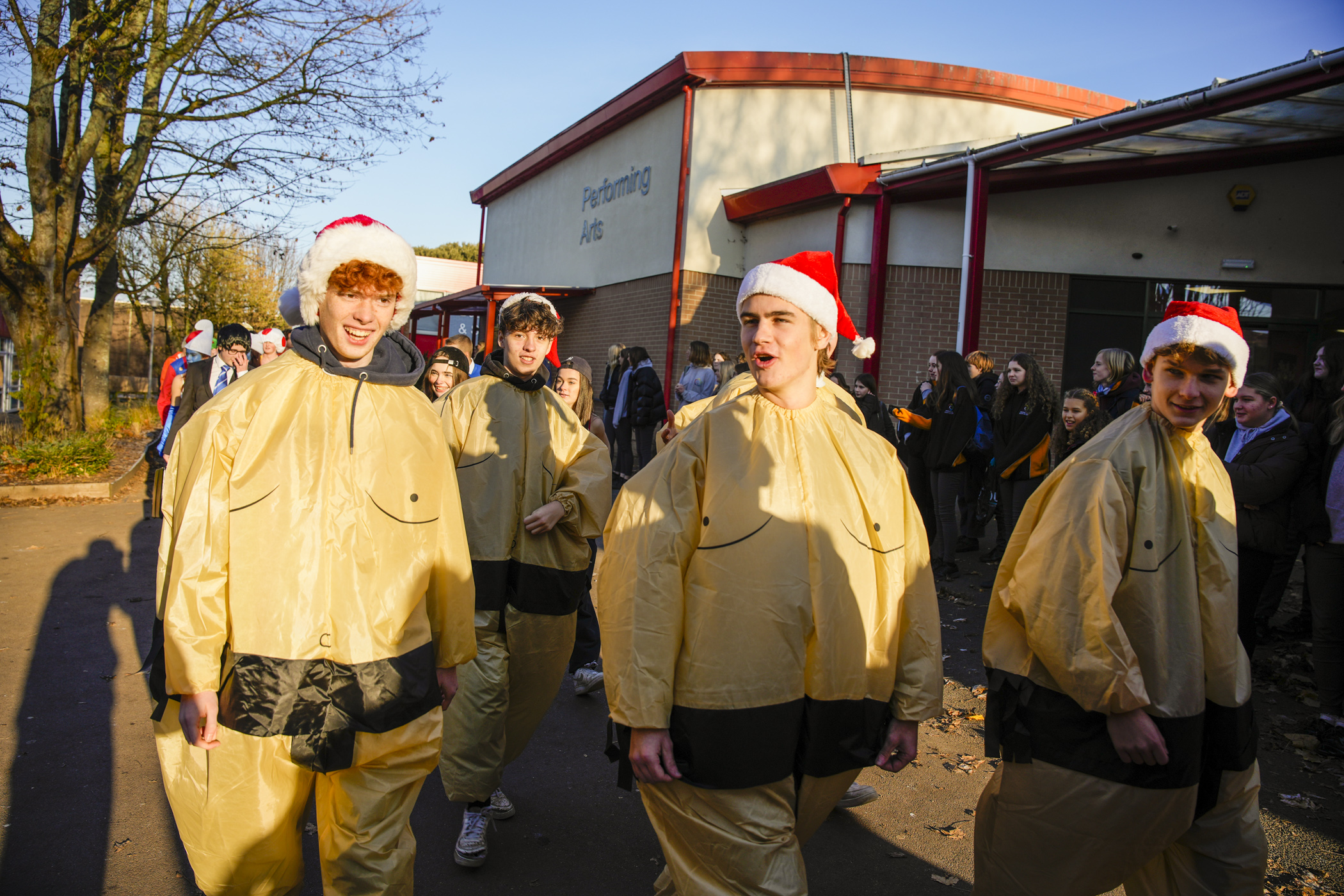
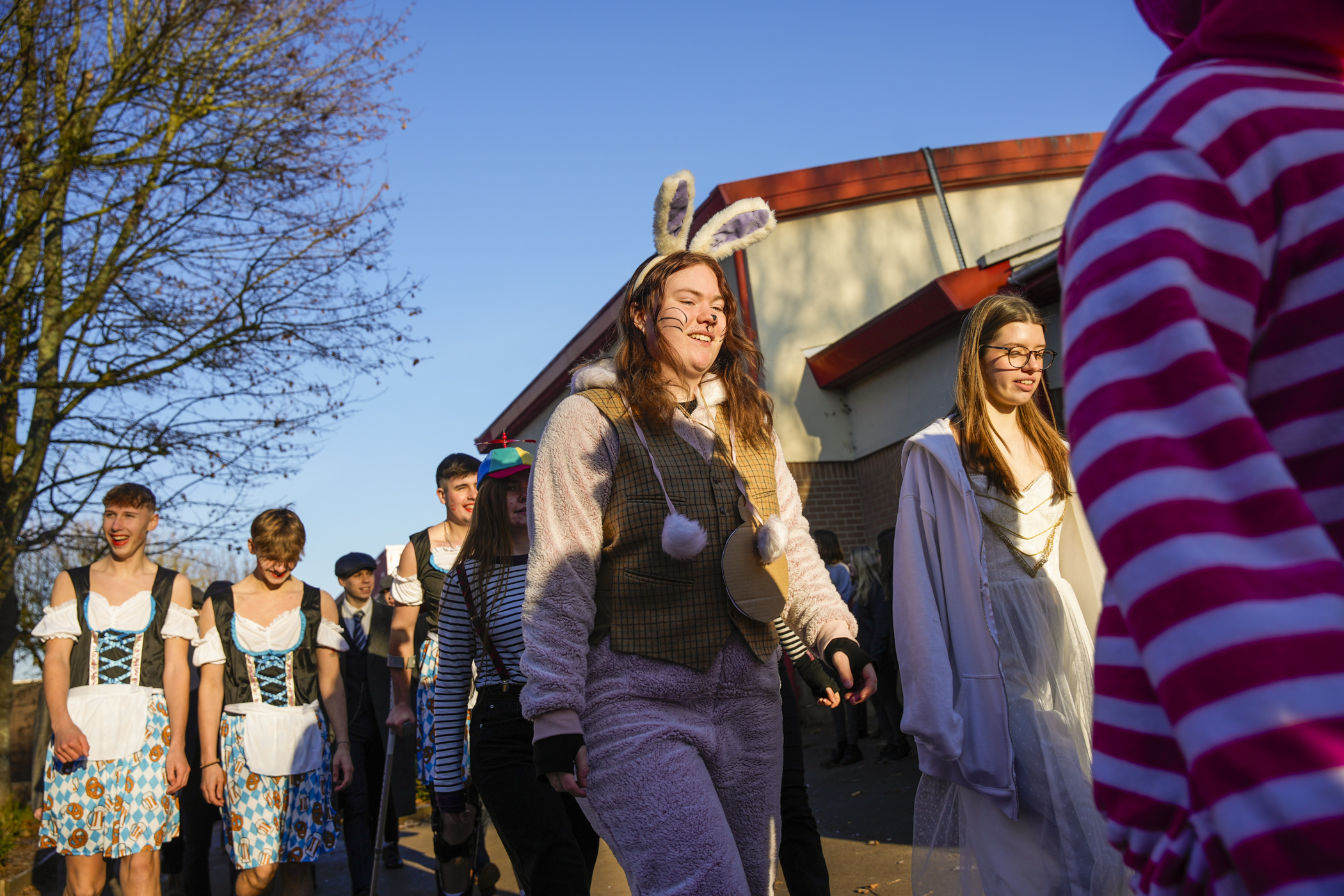
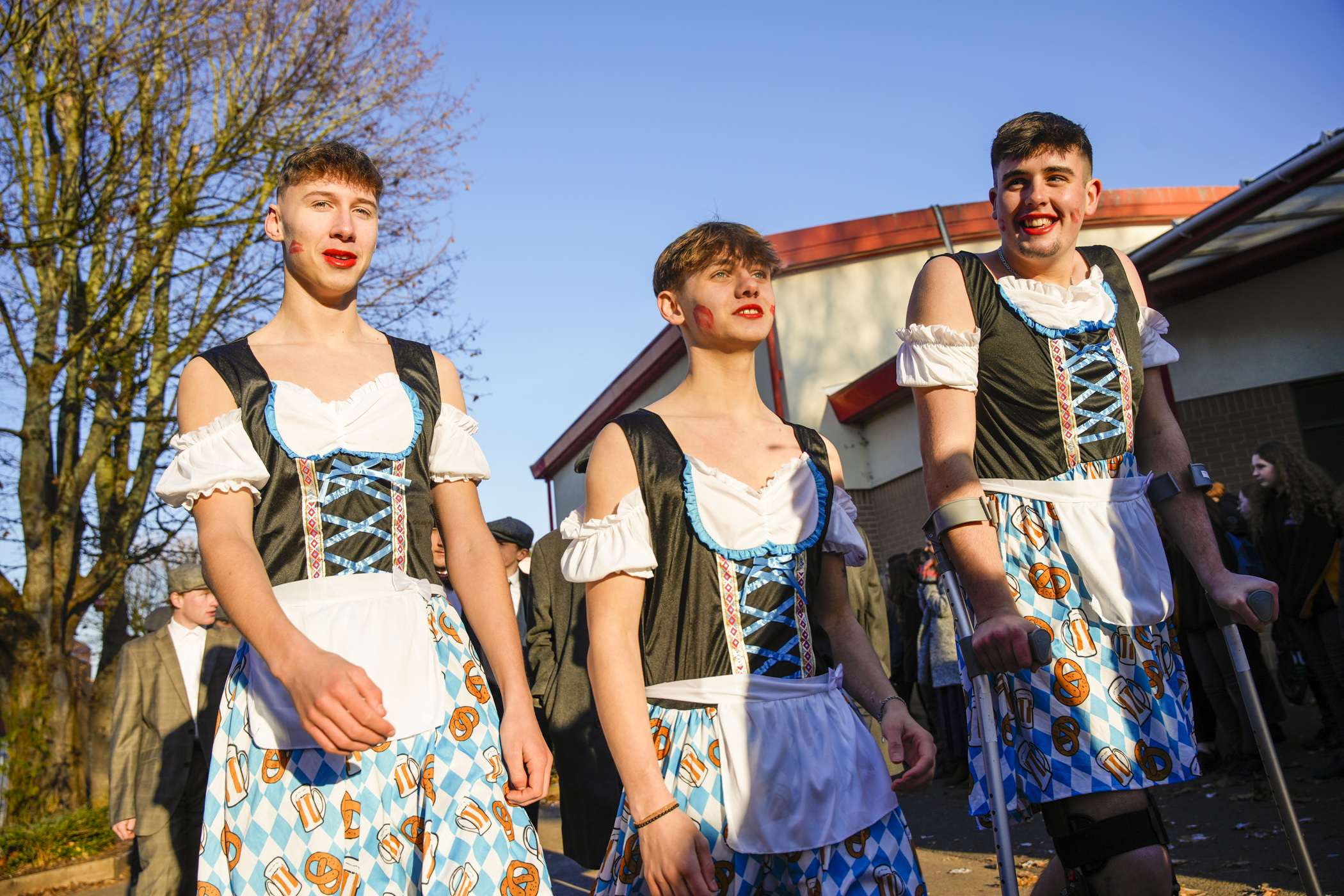
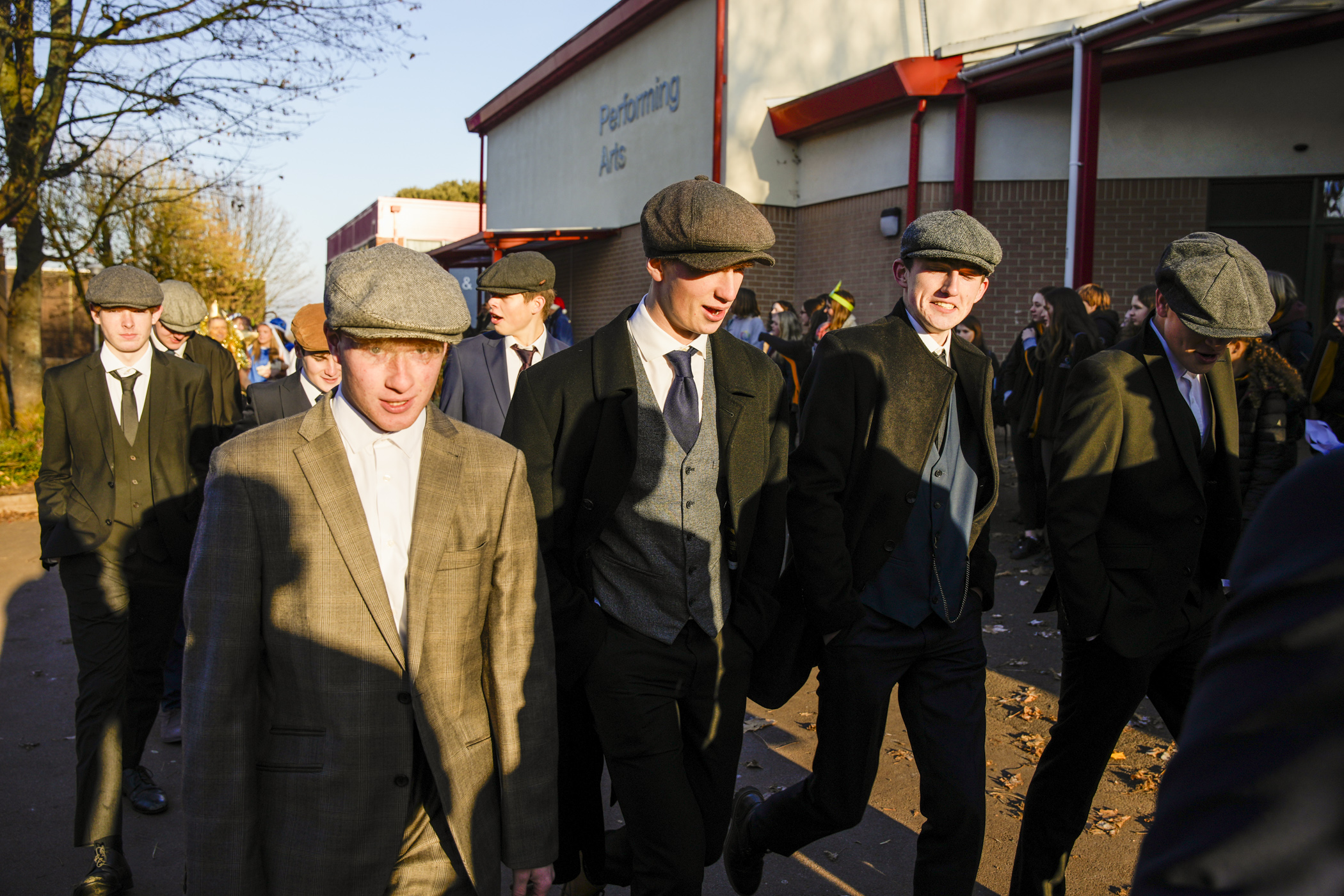
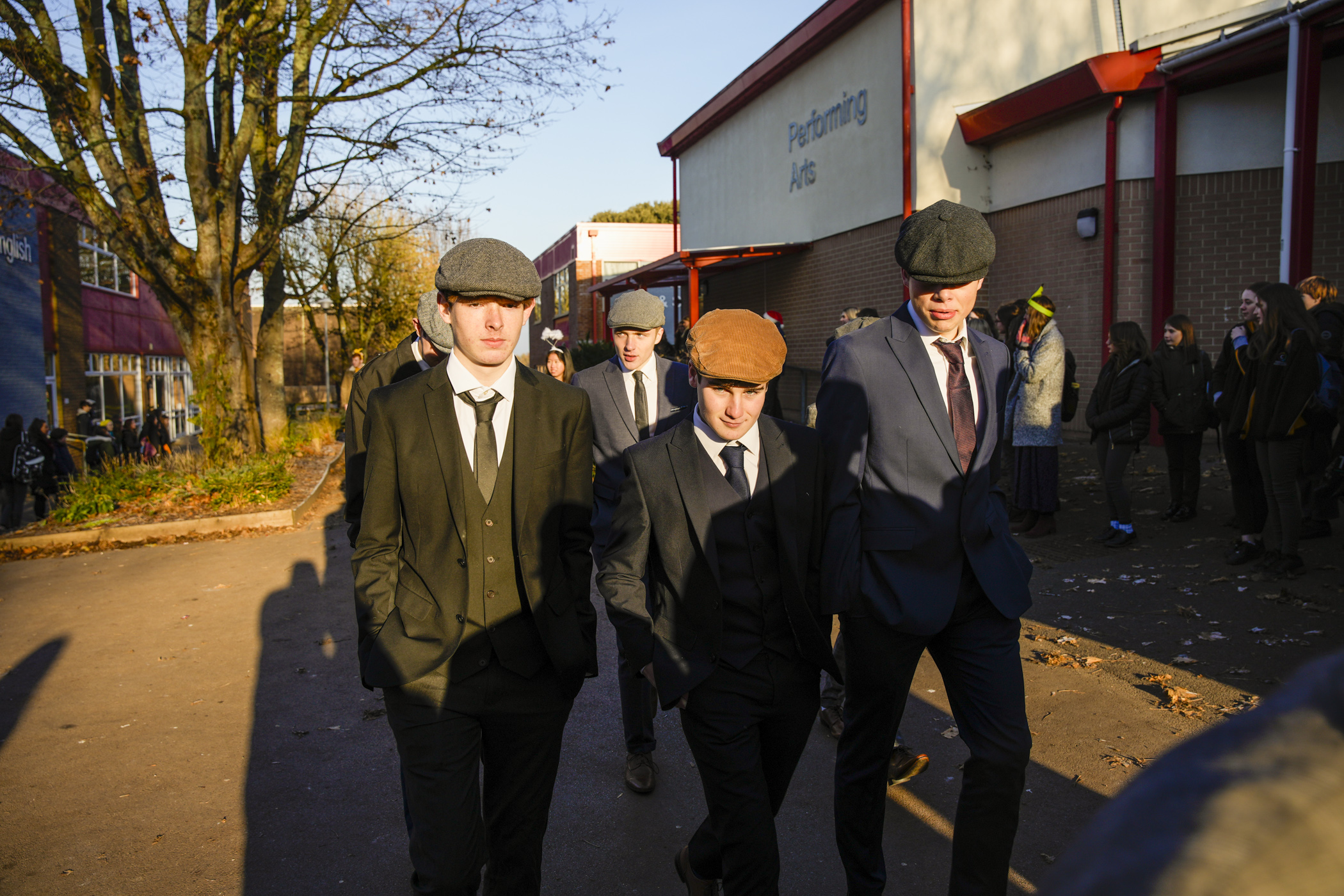
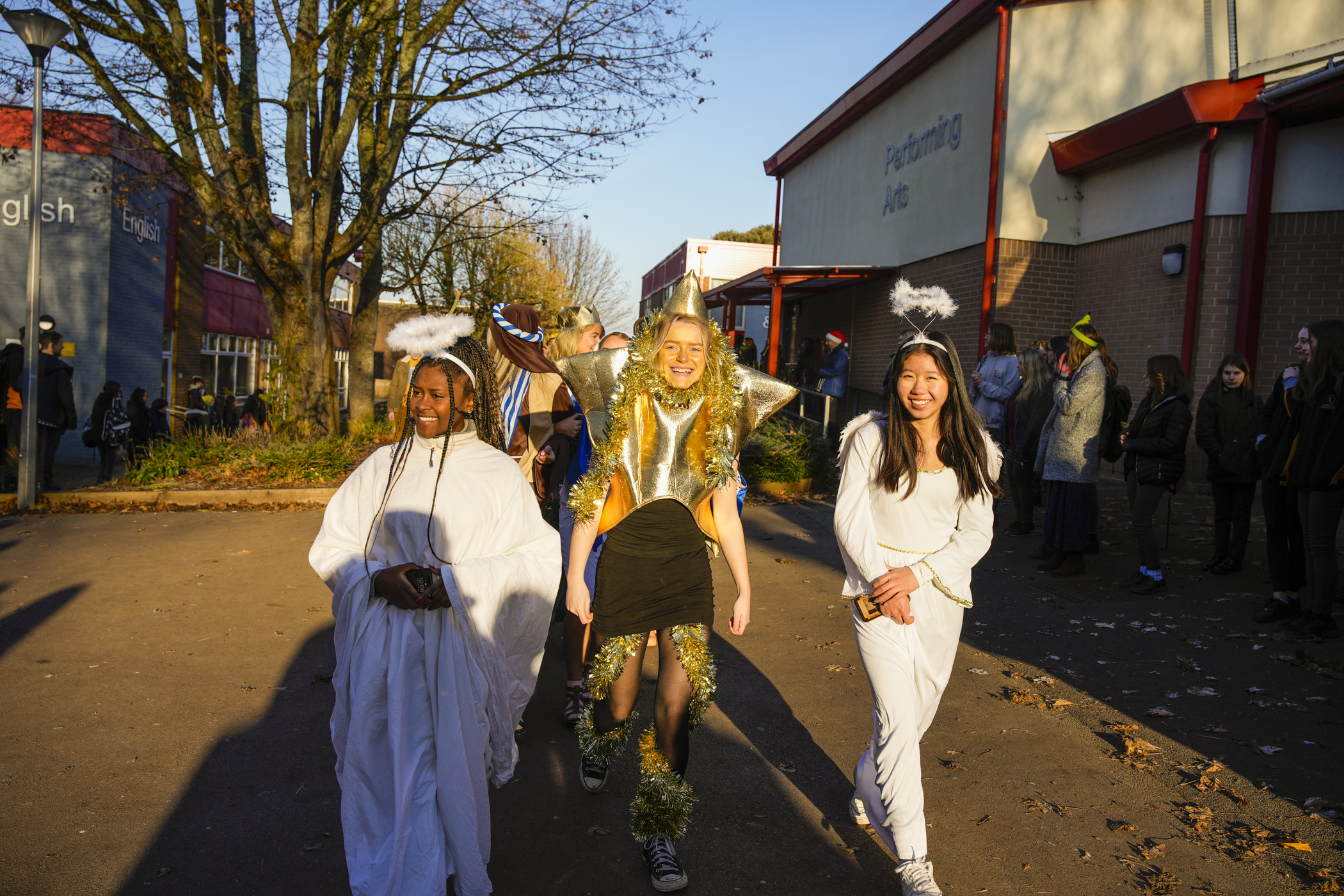
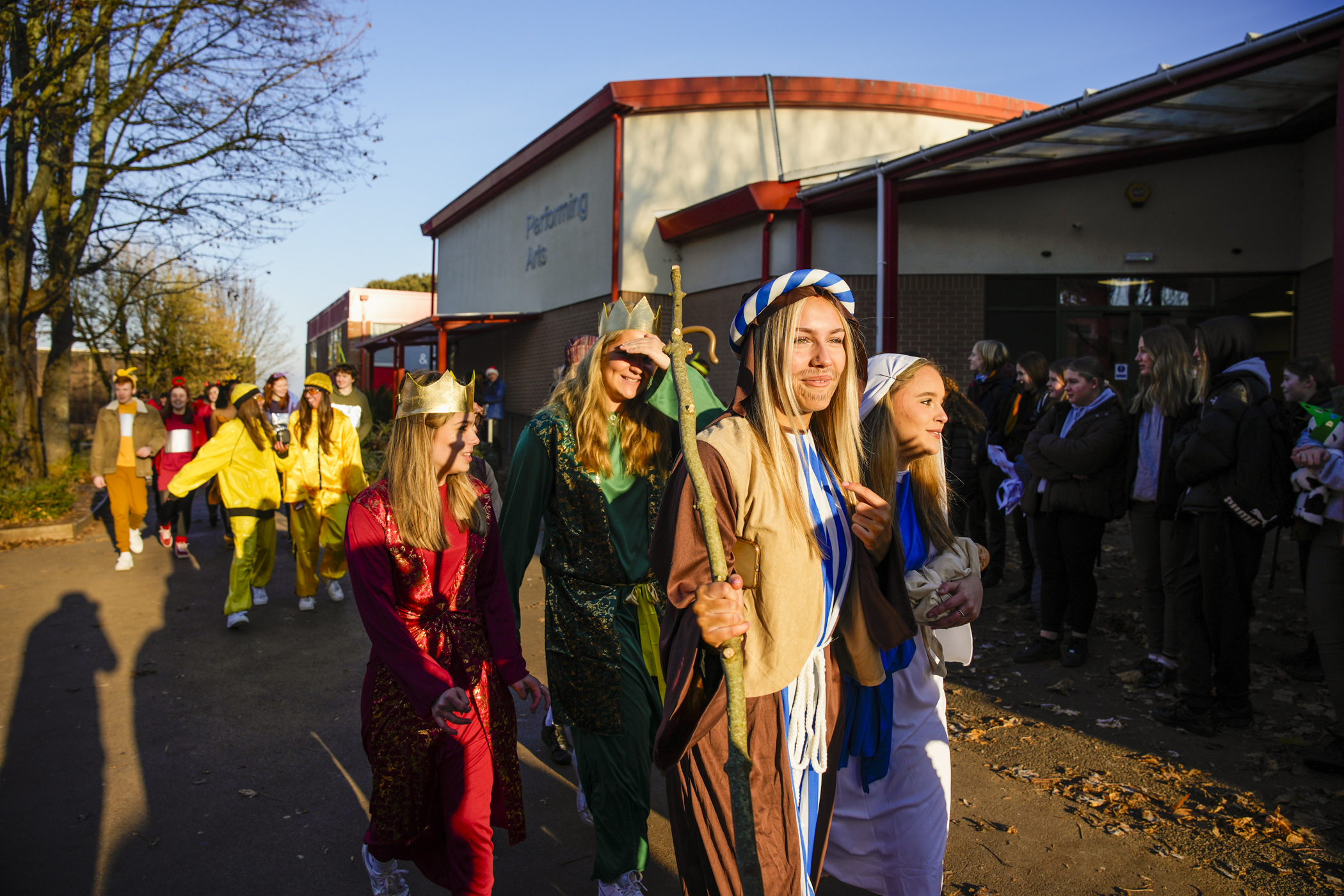
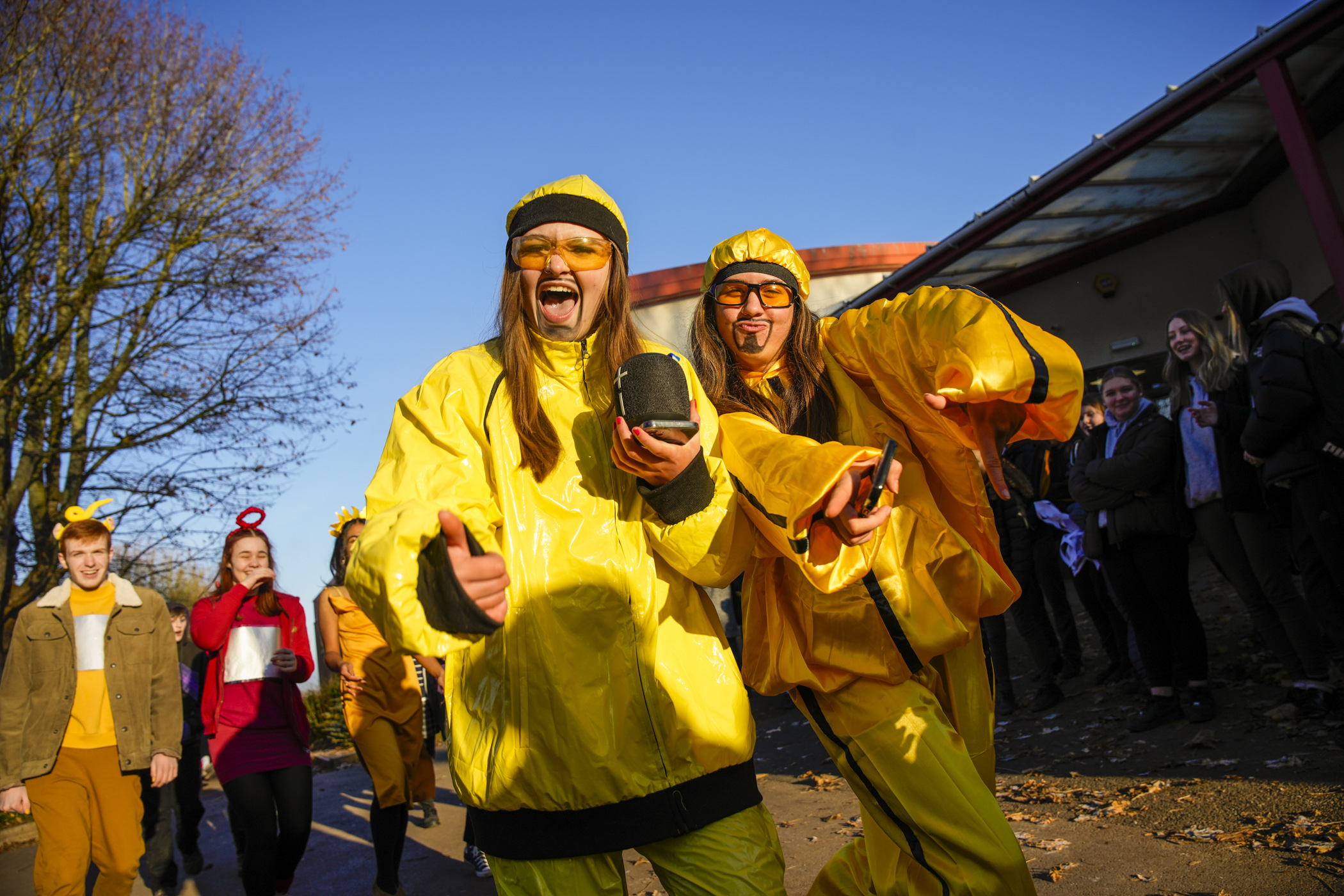
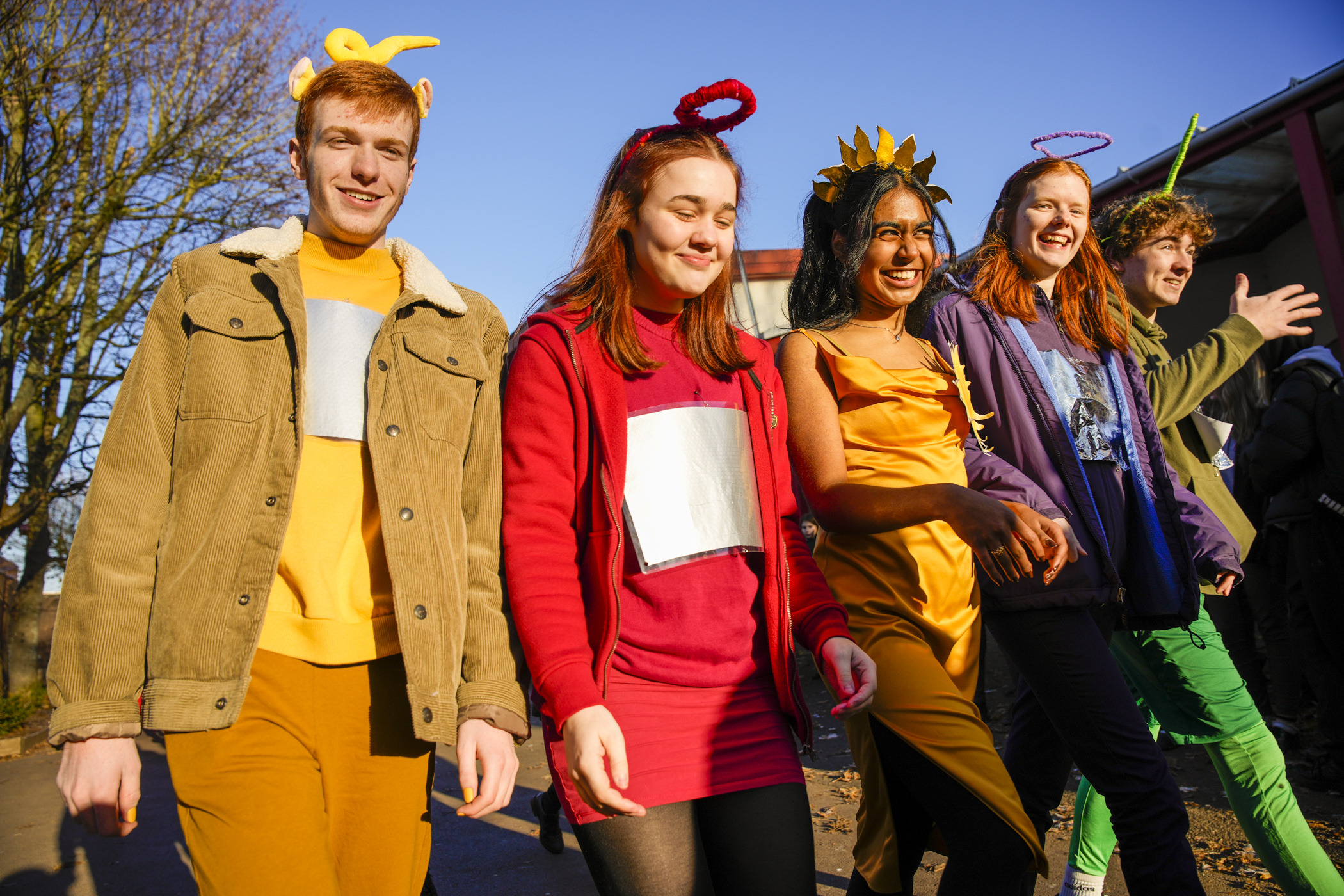
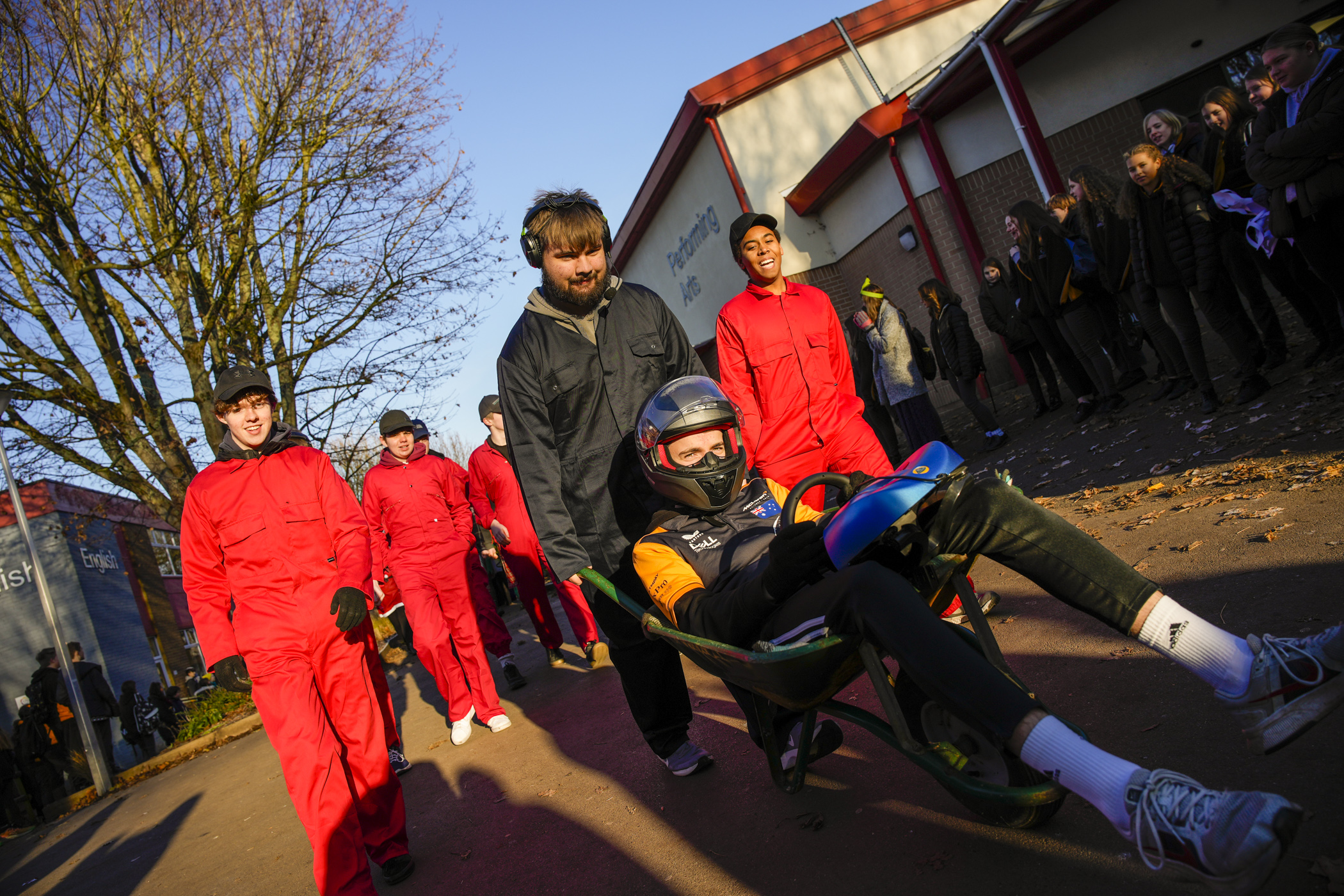
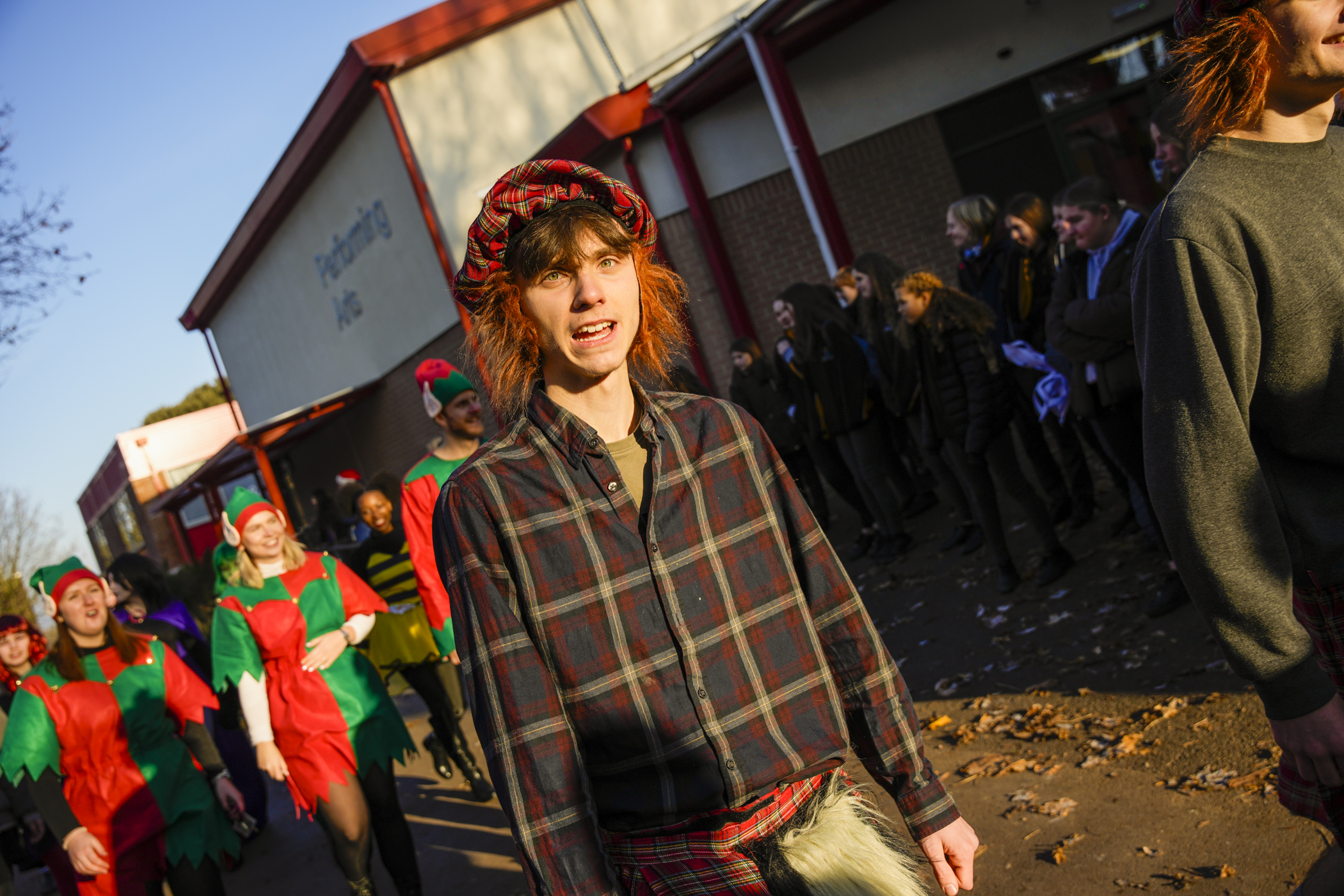
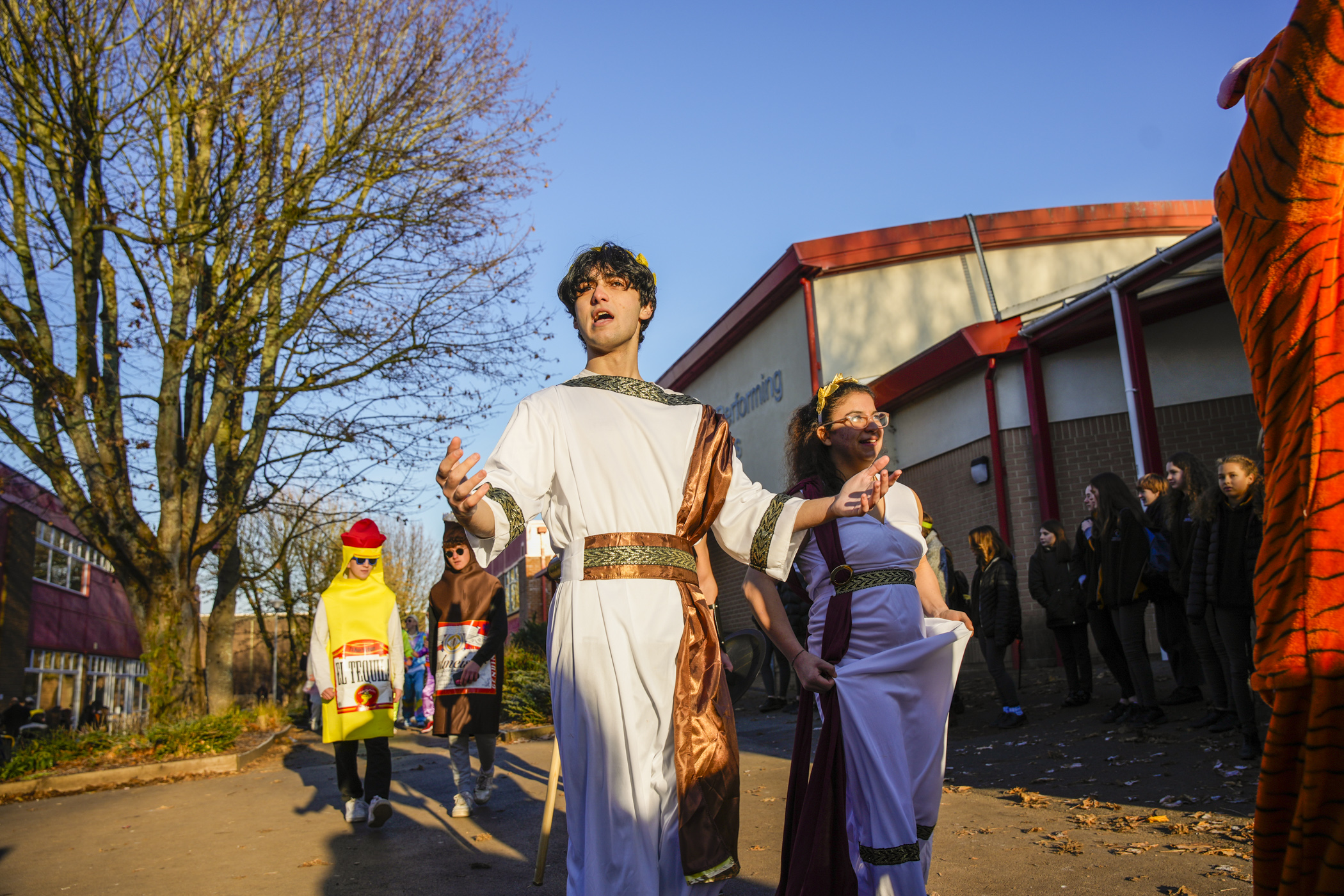
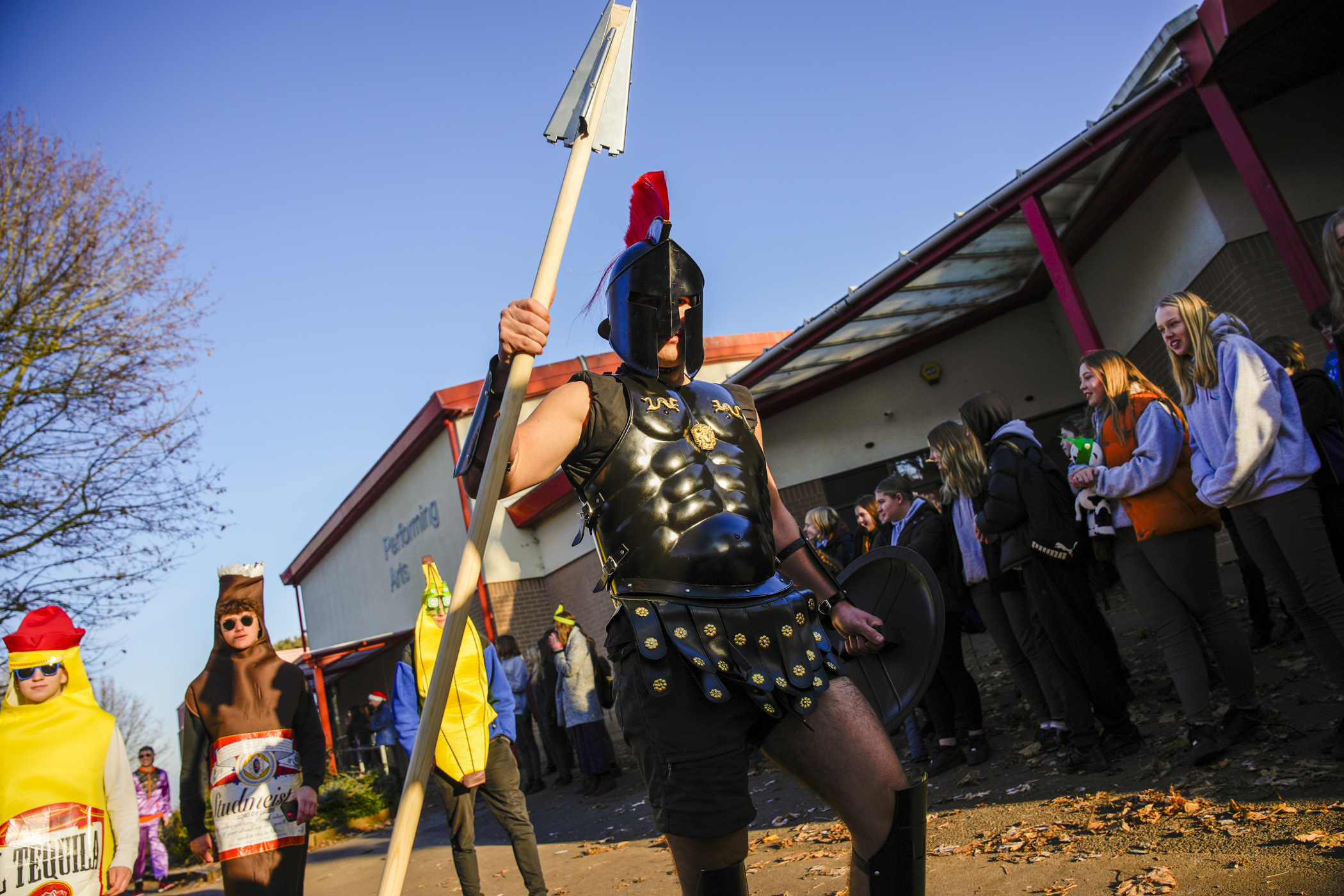
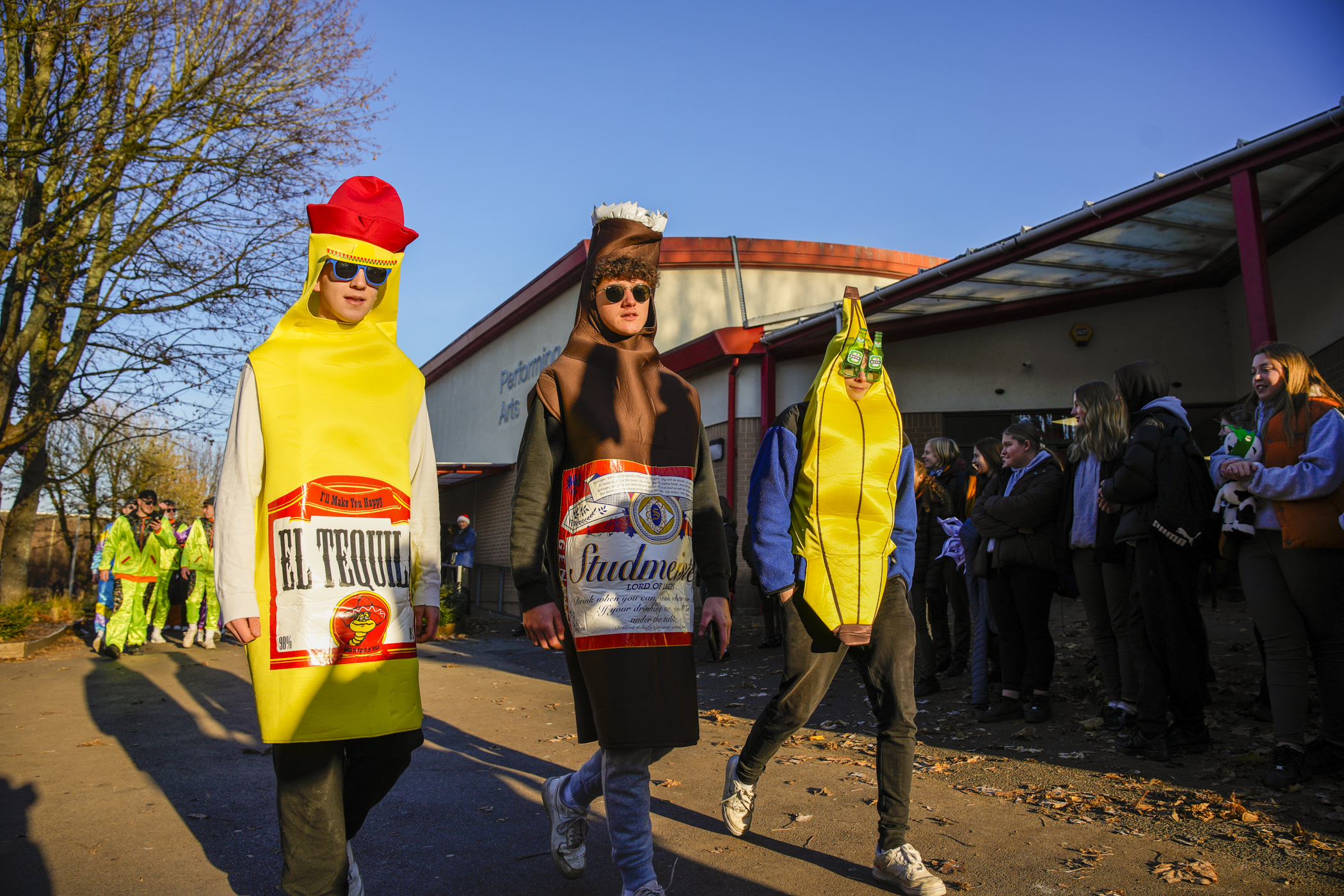
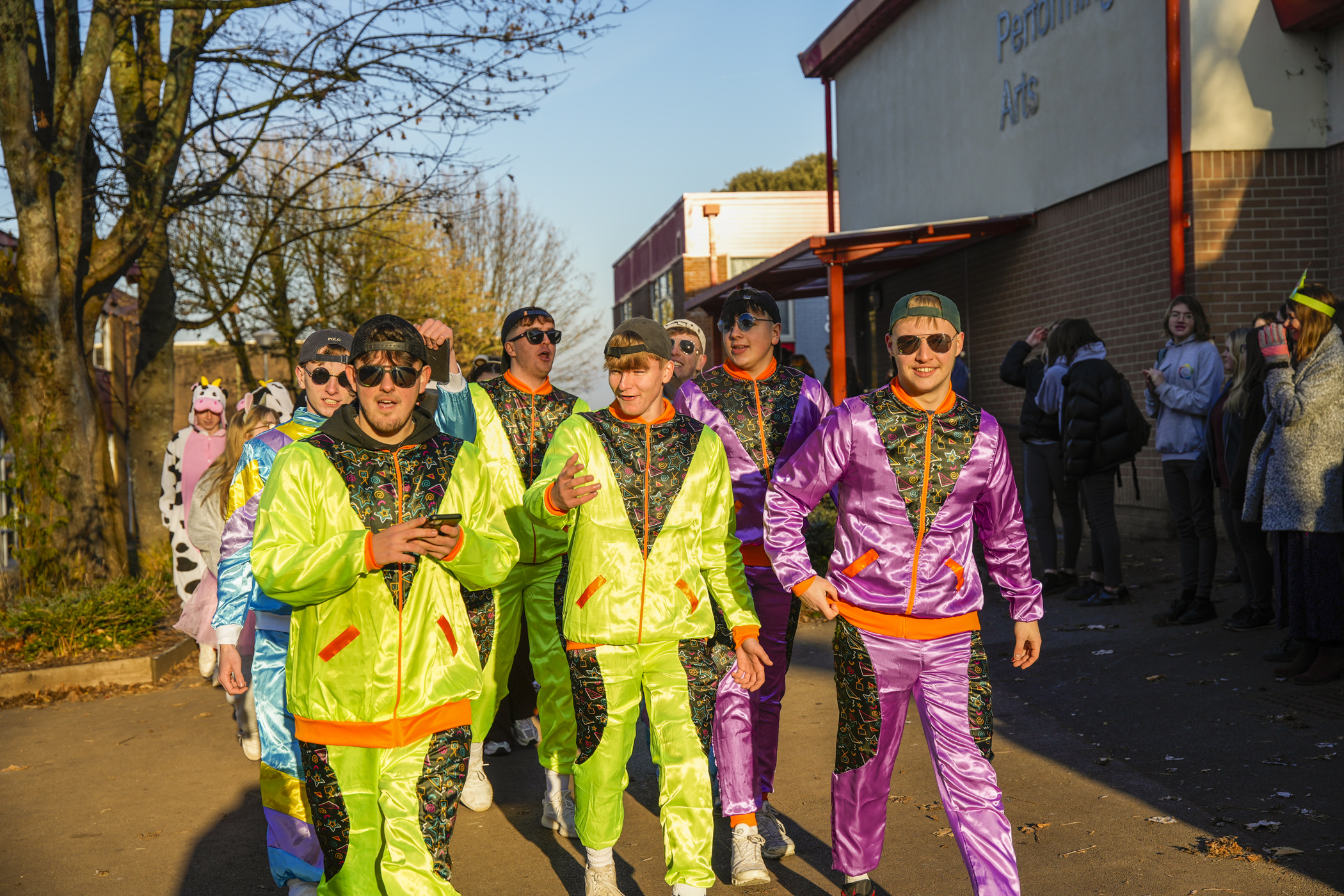
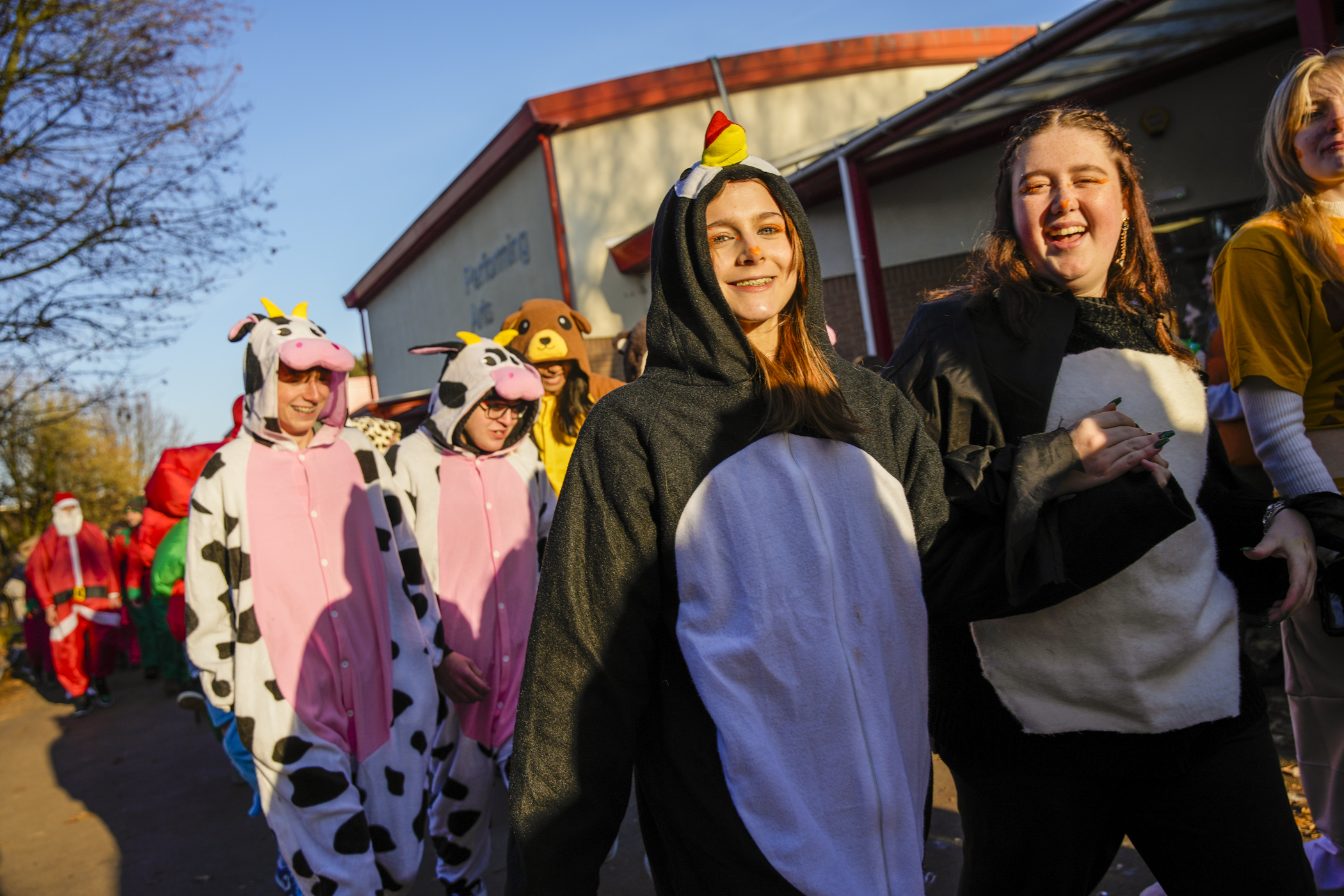
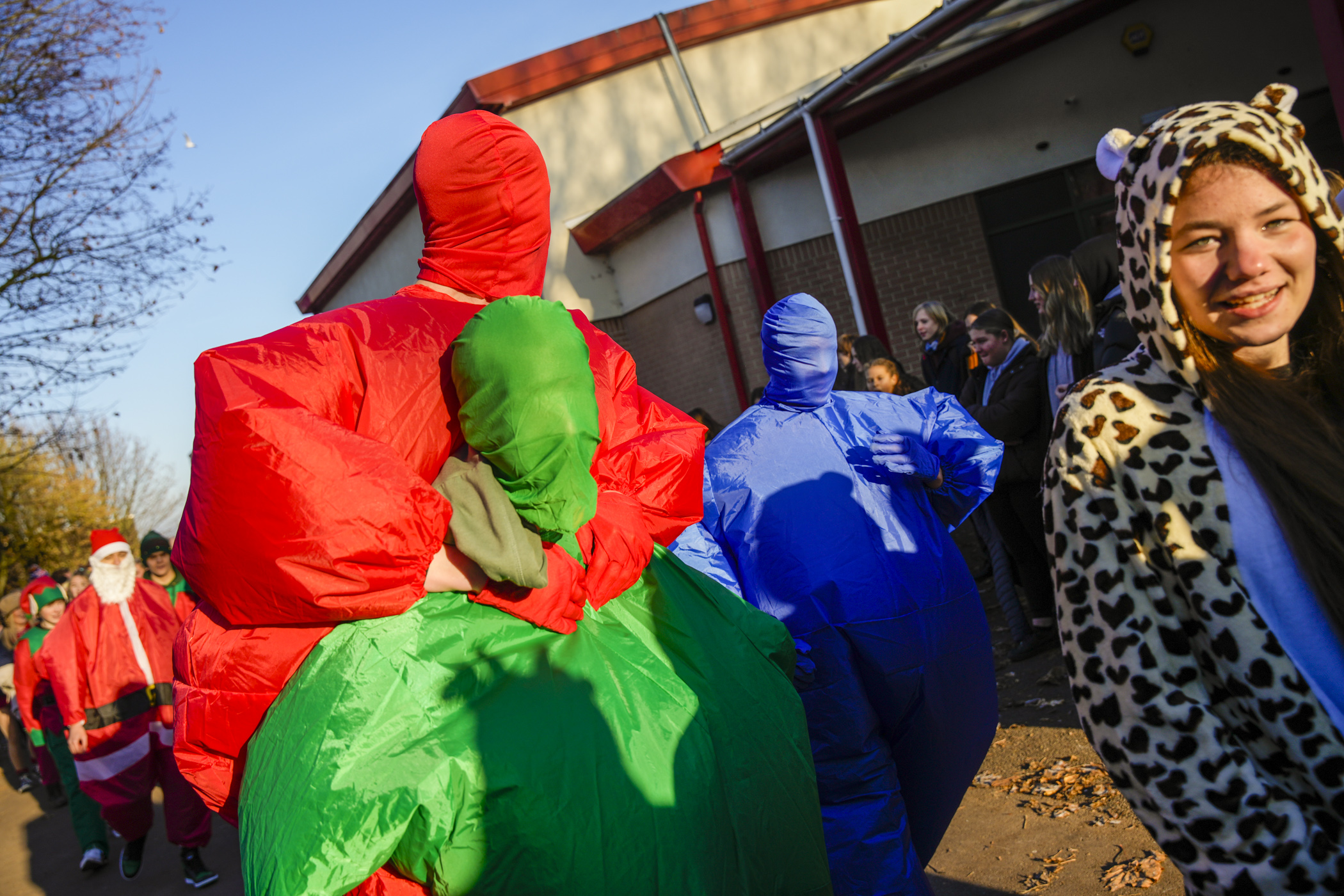
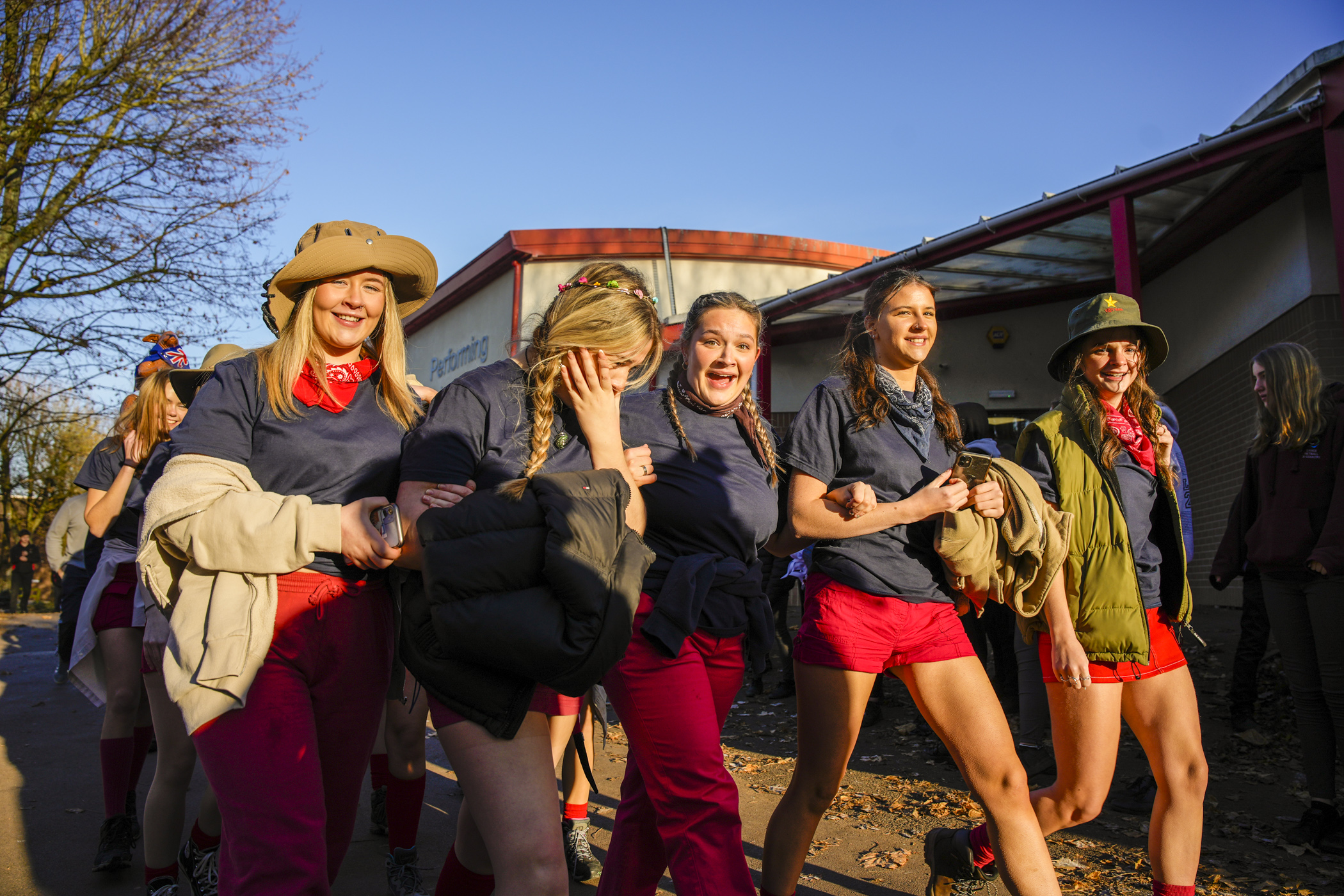
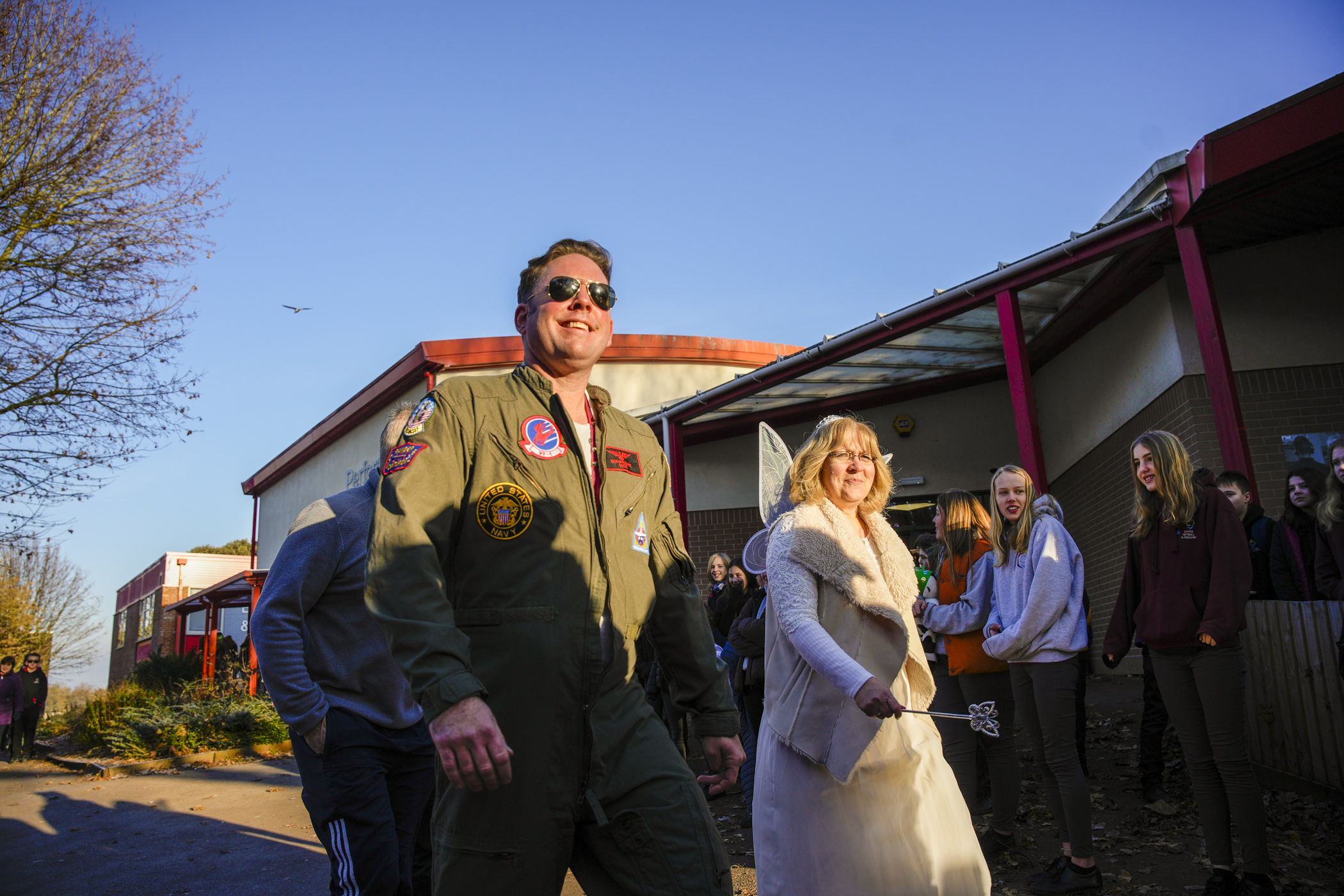
Students remained focused and attentive in lessons, as we ran up towards the last day celebrations. The Sixth Form outdid themselves with their traditional fancy dress parade and revue.
The main school enjoyed celebrations and competitions within their houses, as well as making the trip to local churches for our Christmas assemblies.
The annual Headteacher’s Quiz also went down a storm – congratulations to winning tutor group SRS and the winning house: Stuart. If you fancy a go yourself, you can find the quiz here.
This has been a bumper year for books! I have really enjoyed exploring new works by familiar authors, as well as some by writers new to me. Here’s my rundown of some of the titles I’ve found particularly exciting in 2022 – have you read any of them? Let me know if you do, and what you think of them – there’s very little I like more than talking about books!
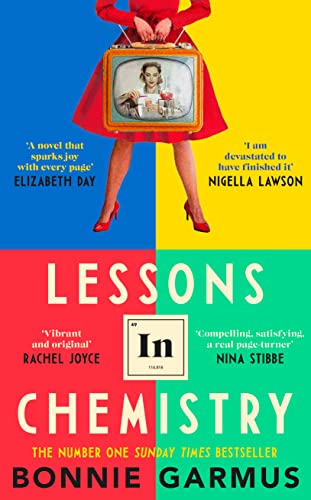
Lessons in Chemistry by Bonnie Garmus
This was a simply wonderful book! Bonnie Garmus’s novel tells the story of brilliant chemist Elizabeth Zott, battling against sexism and social prejudice in 1960s America. Along the way, she accidentally becomes a hugely popular – if reluctant – TV chef with her show Supper at Six, as well as a rower and a mother. The novel also features the most amazing canine character I’ve ever read about.
The novel deals with themes of grief, identity, and a search for truth, all in an arch, wry style which keeps a vein of light in amongst the darkness. The odds are stacked against her – but Elizabeth Zott never gives up.
Gone by Michael Grant
I love a good young adult dystopia, and Michael Grant’s Gone series had me gripped this summer. Set in the fictional town of Perdido Beach, California, the story begins when, without warning, the town is suddenly surrounded by an impenetrable dome which seals it off from the outside world. Inside the dome, every person over the age of 15 has vanished – “gone.”
What follows is reminiscent of Lord of the Flies, as the young people attempt to survive without adult supervision. But there’s a sci-fi twist, as several of the young people begin to develop strange superpowers – the ability to cancel gravity, to create visions, to heal, to teleport and to shoot light from their hands. Are the powers and the dome connected? And what lurks at the bottom of the abandoned mine?
Michael Grant doesn’t pull any punches in the pages that follow. His unflinching style takes in mental health issues, violence, religion and sex; and although it’s a young adult series, there are some horrific moments of brutality and gore. If you can manage those moments, it’s a thought-provoking, page-turning read. I enjoyed it – and devoured the other five books in the series (Hunger, Lies, Plague, Fear and Light) as hungrily as a flesh-eating caterpillar.
To Paradise by Hanya Yanagihara
Hanya Yanagihara’s previous novel, A Little Life, is one of the most unforgettable books I have ever read. I was really excited to read her follow-up, To Paradise – and although I wasn’t sure what to expect, it certainly wasn’t this! The novel tells three separate stories, all set in and around the same building in Washington Square Park, in Greenwich Village, New York. The stories – set in fictionalised and imagined versions of America in 1893, 1993 and 2093 – all feature characters with the same names, weaving themes of love, loyalty and family through the ages.
It’s a novel of breath-taking ambition and scope. The characters didn’t quite land as memorably as those from A Little Life, and I found the fact that they were all called the same names a bit confusing. Having said that, the story was compelling and bold, and the sheer imagination of the invented pasts and future was staggering.
Fire and Blood by George RR Martin
I am a big Game of Thrones fan – both the books and the TV series (except the last season – the less said about that the better). I was very excited about the new House of the Dragon TV series this autumn, and stole this book from my eldest son to try and catch up on the history of Westeros from the arrival of Aegon the Conqueror, through the Dance of the Dragons and beyond.
The story is told through the voice of an imaginary maester of the Citadel, attempting to piece together the history from sources of various reliability and bias. This is almost as much fun as the story itself, with its dragonlords and warrior queens, scheming, intrigue and corruption. The narrative voice gives an extra layer of realism to Martin’s fantasy world, and you still find yourself rooting for the various horrible (and occasionally not-so-horrible) characters who live there.
I found myself reading along with the events of House of the Dragon, and enjoyed both the book and series equally fantastic.
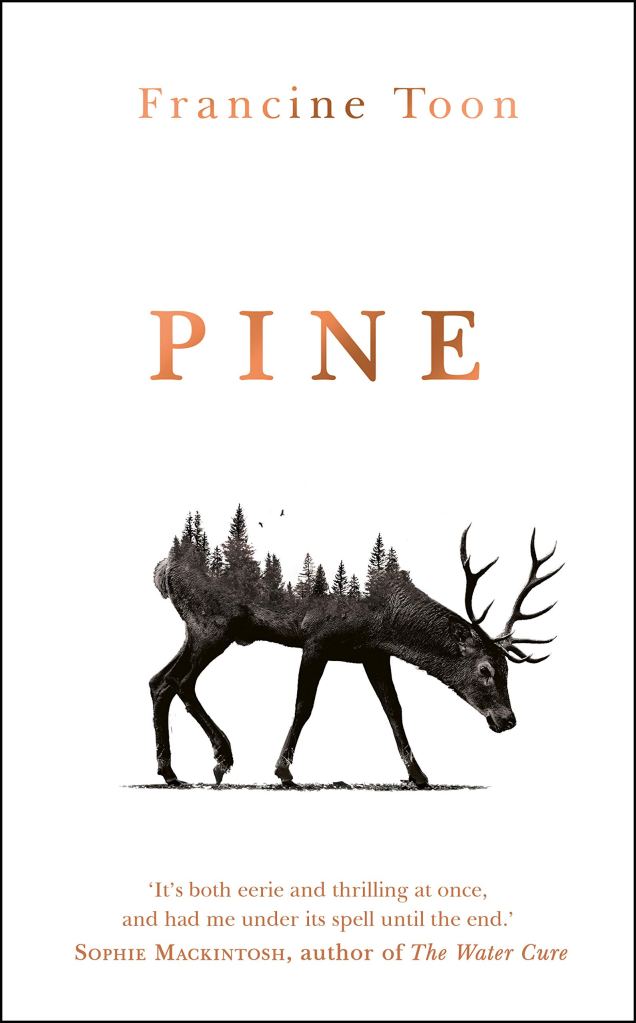
Pine by Francine Toon
I didn’t know what to expect from this book. I didn’t know the writer (I later discovered this is her debut novel) but my daughter had read an extract and I was intrigued. I was rewarded with a spooky ghost story, coupled with a murder mystery, set in the freezing, snowy wilds of the Scottish highlands.
The story is told through the eyes of Lauren, a young girl trying to manage the trials of growing up. She lives with her father, Niall, who has turned to drink in the absence of Lauren’s mother, who disappeared a decade earlier.
Mysterious figures appear and vanish, doors lock and unlock, and stones arrange themselves into patterns. When a local teenager goes missing, the mysteries and secrets in this small rural community assume a frightening urgency.
I found this story haunting and compelling in equal measure. I’ll look out for what Toon writes next!
The Promise by Damon Galgut
I always like to see what the Booker Prize judges see in the novels on their shortlist – and especially those they choose to win each year. Damon Galgut’s The Promise was a gem of a read. The novel spans four decades as the Swart family gather for four successive funerals at their farmstead in Pretoria, South Africa. Ma Swart, the mother of the white family, makes a promise to the black woman who has served her family on her deathbed – that she will own the house and land she has lived in. As the years roll by, and South Africa changes in the background, death takes further members of the family and the promise goes unfulfilled.
The younger memories of the family, Anton and Amor, reject the old, racially segregated South Africa their white family stands for, breaking with the past with a determination to right the wrongs of their predecessors.
What struck me most about this novel was the free-flowing prose style, which flows and follows the thoughts of the characters in twisting flights of fancy and imagination. The plot frequently hangs suspended and unresolved as the characters’ thoughts take us on pages-long detours – but, in the end, it is Amor’s story that stayed with me.
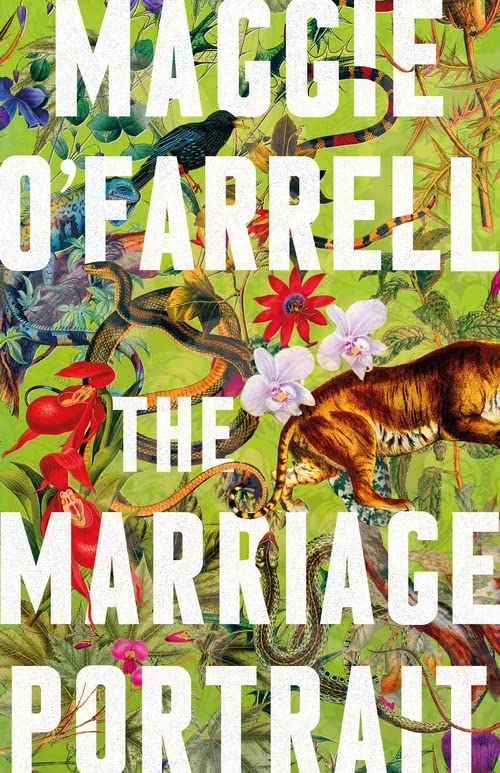
The Marriage Portrait by Maggie O’Farrell
Maggie O’Farrell’s Hamnet was one of my favourite reads of 2021, so I was really looking forward to her next novel when I unwrapped it on my birthday this September. This novel, set in Renaissance Italy, is shaped around the lady described by the callous and powerful Duke in the Robert Browning poem “My Last Duchess.” O’Farrell wonders who this Duchess might have been, how did she end up being the Duke’s “last” Duchess, and who painted this portrait that now hangs, behind a curtain, in his gallery?
The result is a compelling character – Lucrezia – herself a gifted artist, whose impassioned and ferocious inner life is rendered all the more powerful by the fact that she has to hide it to survive, before and after her marriage to Alfonso, Duke of Ferrara. She is an unreliable narrator, so you are always left wondering whether her perception of events and characters around her is accurate or not, as she is never in possession of the full picture.
I found O’Farrell’s style in this novel even more spectacular than her previous work, with the passages early in the book describing Lucrezia’s wedding some of the most stunning I have read this year. The narrative is controlled with a subtlety and deftness of touch of a true genius, the imagery is rich and layered, and I could feel the heat of the seventeenth century Italian sun beating up at me off the pages. Brilliant.
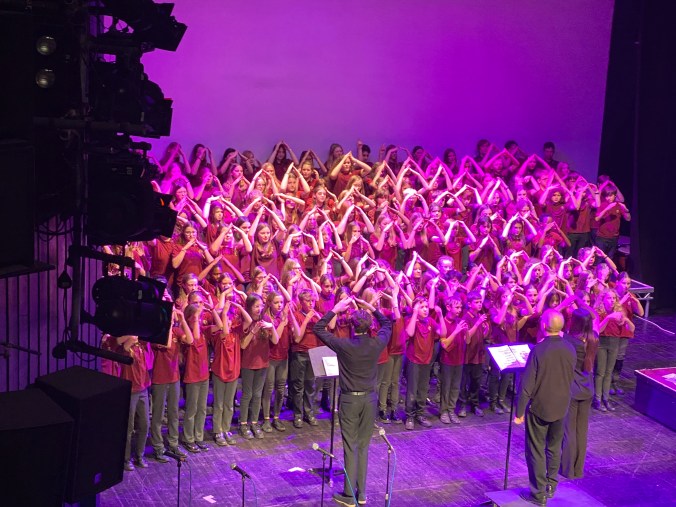
Despite the fact that my TV has been full of Christmas ads since what feels like mid-October, it’s the Churchill Academy & Sixth Form Christmas Concerts that always mark the start of the festive season for me. The tinsel-wrapped instruments, a few festive tunes and (of course!) the nativity story told in song by the massed Junior Choir all help bring the Christmas cheer. It’s the first time I allow my Christmas jumper an outing (I have a new Taylor Swift themed number for 2022!), and our Academy tree is always decked in reception once the concerts have taken place.
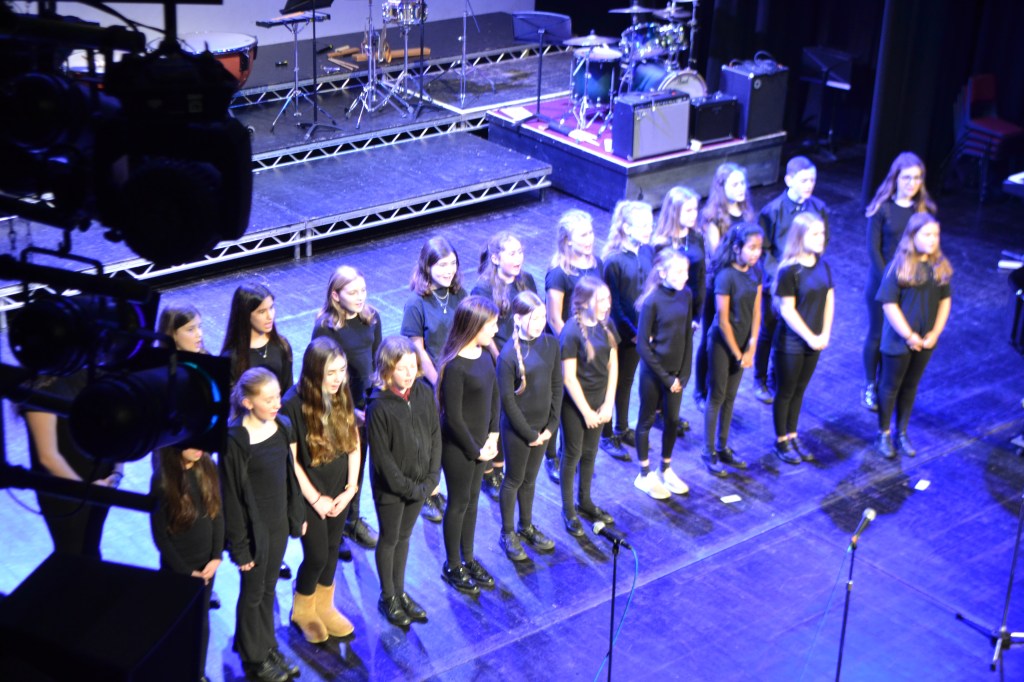
One of my favourite things about this year’s Christmas Concerts was the growing role of student leadership in the performing arts. The show was compered brilliantly by Year 13 students Lois and Will, and the acts included orchestras led and conducted by students, playing music arranged by students. We had a sneak preview of next week’s Year 7-9 production of Grease – the musical, which is completely led by our Sixth Form performing arts students – direction, choreography, musical direction, and organisation. I was privileged to be backstage this year, to see the backstage crew running an exceptionally tight ship under the direction of Year 13 student, Megan. And, of course, the 200+ strong Junior Choir were singing songs written by our youngest students, choreographed expertly (and enthusiastically!) by Sixth Form leaders Oliver and Mair.
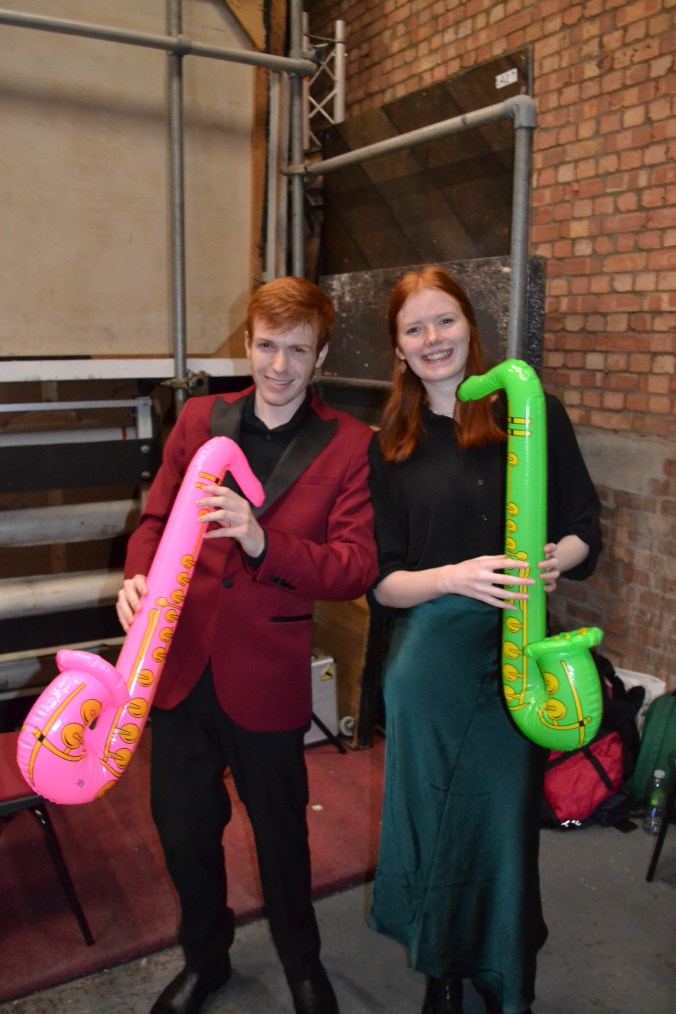
Our comperes beyond compare backstage at the Christmas Concert
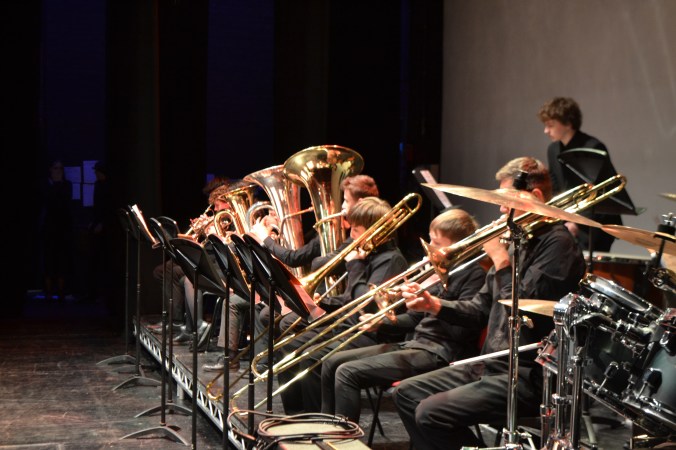
It wasn’t too long ago that singing in schools was limited by public health guidance, which severely disrupted our ability to run choirs and ensembles. We are delighted to see the music performance pathways opened up again, with the new Soul Band wowing the crowd and the Year 7-9 choir making a beautiful sound. Instrumental music continues to be a strength, with two orchestras, Concert Band, flute group, our Brass Monkeys brass group, a saxophone quartet, Jazz Band and the Sixth Form Band all giving great performances, alongside solos from the three finalists from the Junior Young Musician of the Year earlier this term: Lucas, Emilia and the overall winner, Olivia.
We were pleased to pack out the Playhouse for two nights – even though FIFA had scheduled the England vs Wales World Cup tie to clash with the first night – and we hope that audiences were left as uplifted and festive as our staff and students were. I’m still singing the incredibly catchy Junior Choir songs…and I’m sure I’m not the only one!
Over the October half term break, I was delighted to be invited back to New College at Oxford University. I studied English Language and Literature at New College between 1993 and 1996, before going on to train as an English and Media Studies teacher at Nottingham University in 1996-7.
The Chapel of New College, Oxford
New College is, ironically, one of the oldest colleges at Oxford University. Founded in 1379 by William of Wykeham, it was “new” at the time and the name has stuck!
I was invited back to record a podcast called 72 Weeks – so called because that is the average length of time it takes to study for an Oxford University degree (three terms of eight weeks over three years). The podcast brings together two people with a connection through New College, or Oxford more widely, to discuss their experiences and how it has shaped them, in the hope of “demystifying” the Oxford experience and encouraging more people, from more diverse backgrounds, to apply.
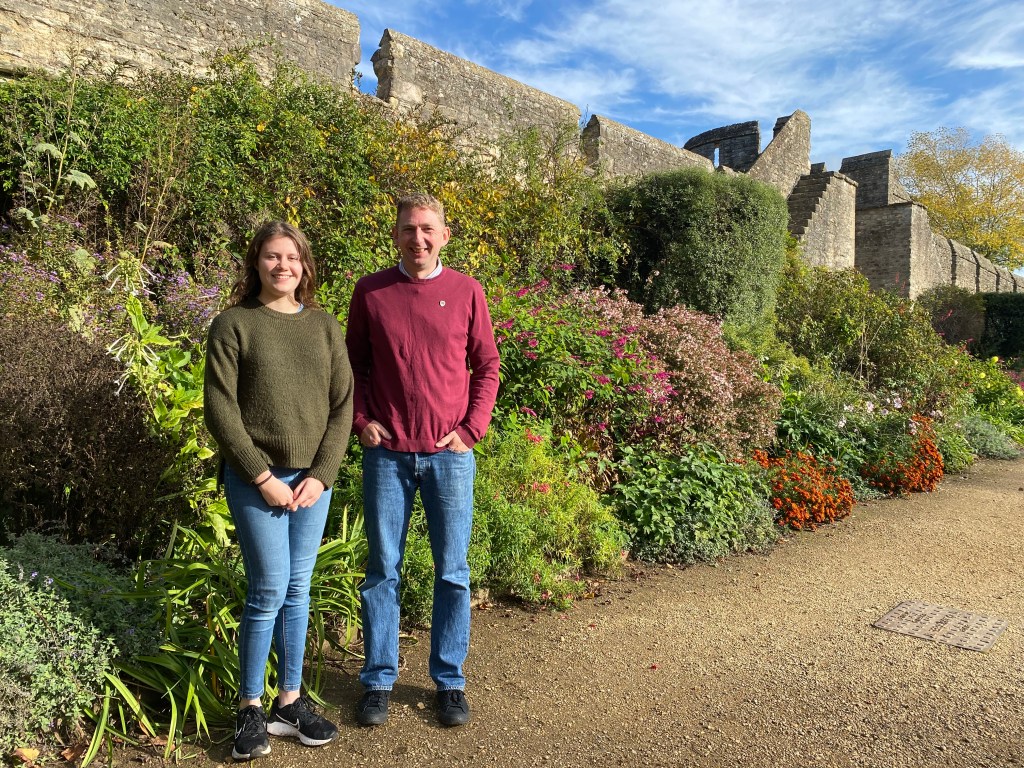
With ex-Churchill student Sarah in the gardens of New College, Oxford, October 2022
It was my great honour to record the podcast with Sarah, who successfully gained a place to read Chemistry at New College from the Sixth Form at Churchill in the summer of 2022. Just three weeks into her Oxford experience, Sarah was already thriving and getting her teeth into some serious Chemistry, as well as playing in the College Orchestra and working to start up a New College Ultimate Frisbee Team! It was lovely to hear Sarah reflecting on her first few weeks at university, as well as her time at Churchill and how that had prepared her for the experience.
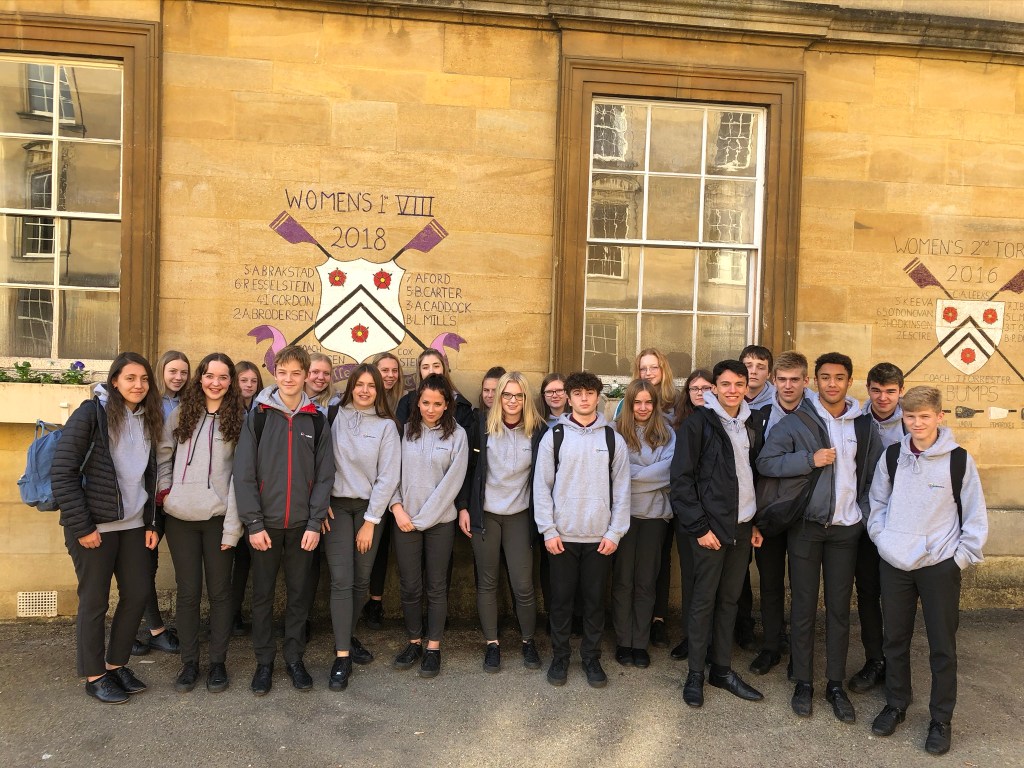
Sarah (and classmates!) visiting New College in October 2019
Exactly three years earlier (almost to the day!) Sarah was part of a group of twenty three high-attaining Year 11 students that I had taken to New College to help them begin the process of thinking about university applications. We had no way of knowing, at the time, that it would be one of the last school visits we did before the pandemic hit, and that these students would not be able to sit their GCSEs the following summer. But Sarah spoke, in the podcast, about how the experience of spending the day at New College helped her to think: “why couldn’t I study here?” and to visualise herself as part of the community. The visit was one small part in helping her along the way of aiming high and putting her application in. Exceeding her offer of A*A*A? That was down to excellent teaching, a love of her subject, and buckets of hard work from Sarah herself!
One of my great driving passions throughout my career, and especially as a Headteacher, is to encourage students to aim high. The elite universities are not, and should not be, the exclusive domain of the independently educated – but the only way the balance of representation is going to shift is if more state-educated students apply. I’m delighted to say that the trends are positive, and I will do all I can to ensure that this continues.
You can listen to the conversation Sarah and I had with Daniel Powell, Outreach and Marketing Officer at New College, at the link below – or search for “72 Weeks” on Spotify, Apple Podcasts, or your favourite podcast platform. I hope you enjoy listening as much as we enjoyed recording it!
Last Friday, we held our first Student Leadership Conference at the Food Works SW centre on the outskirts of Weston-super-Mare. Following pandemic disruption, it was great to finally realise the vision of this event, which was a great success!
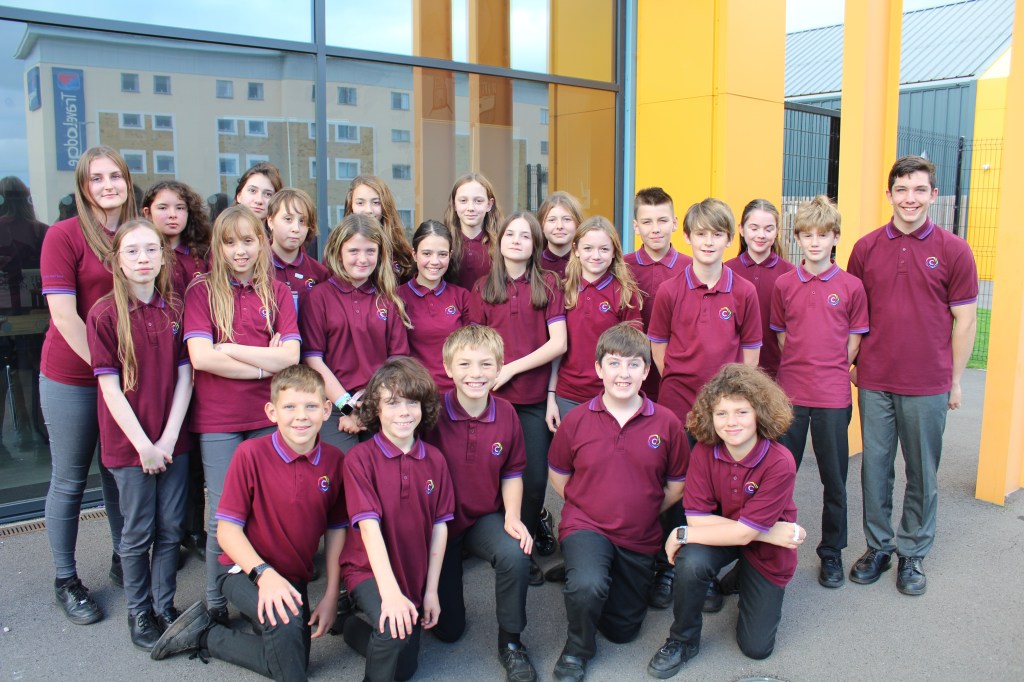
Lancaster House Council outside Food Works SW on our Student Leadership Conference, Friday 11th November 2022
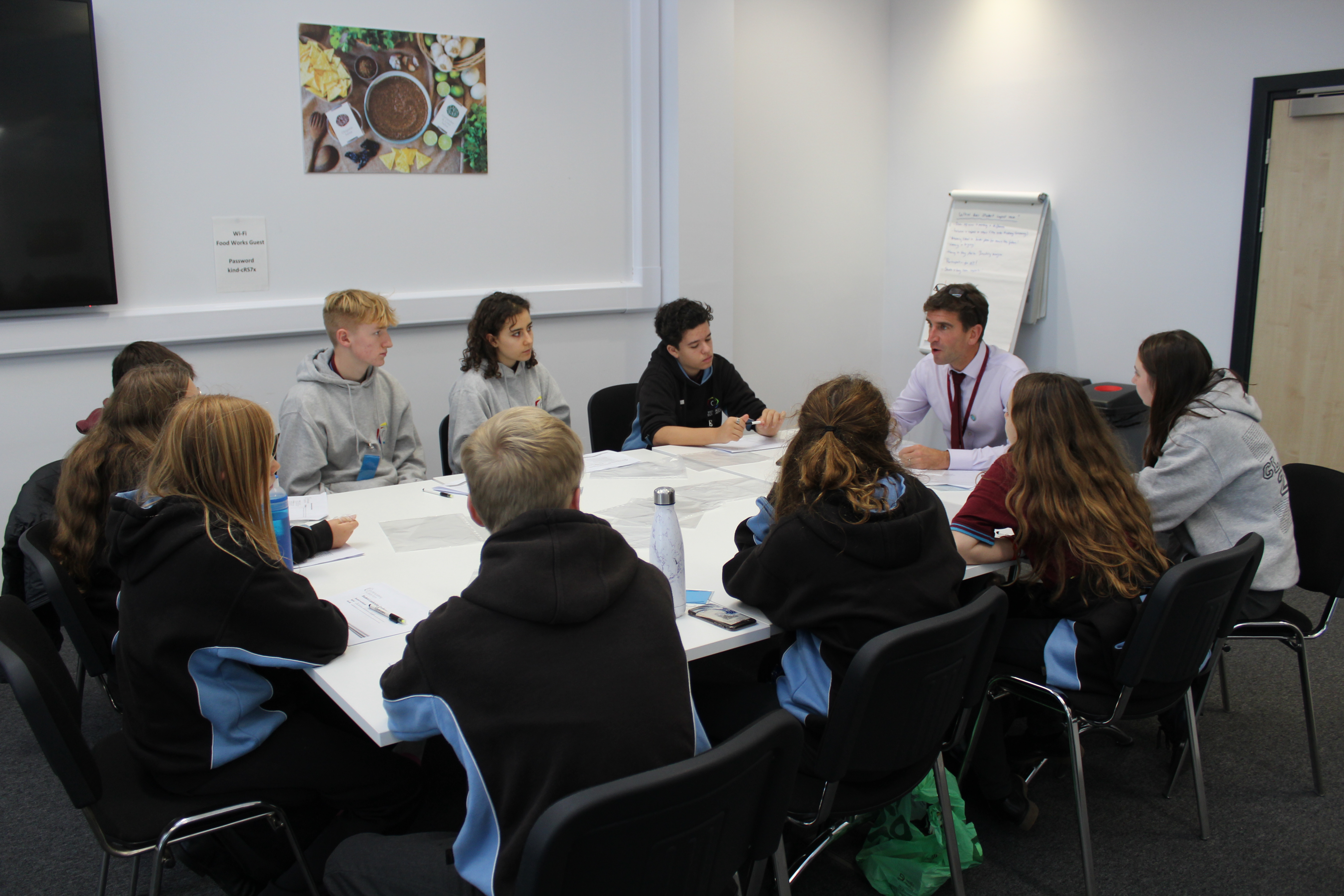
In total, almost ninety student leaders were able to join us in the plush conference meeting rooms of the Food Works SW. On the agenda was a morning of training, to help our student leaders understand more about their role and to build their skills and confidence in delivering on their leadership ambitions. This included sessions on understanding the concept of leadership, and thinking about the best ways to bring about change, as well as training on communication skills and team building.
The afternoon session involved the House Councils working with the Heads of House to develop their plans for the year ahead. These sessions were about taking the theory from the morning and putting it into practice. What did they want to achieve? And how would they go about achieving it?
It was a full day of challenging thinking and participation, but our student leaders rose to the occasion and showed their commitment to their roles. I feel confident that, with their leadership, the Academy will continue to go from strength to strength.
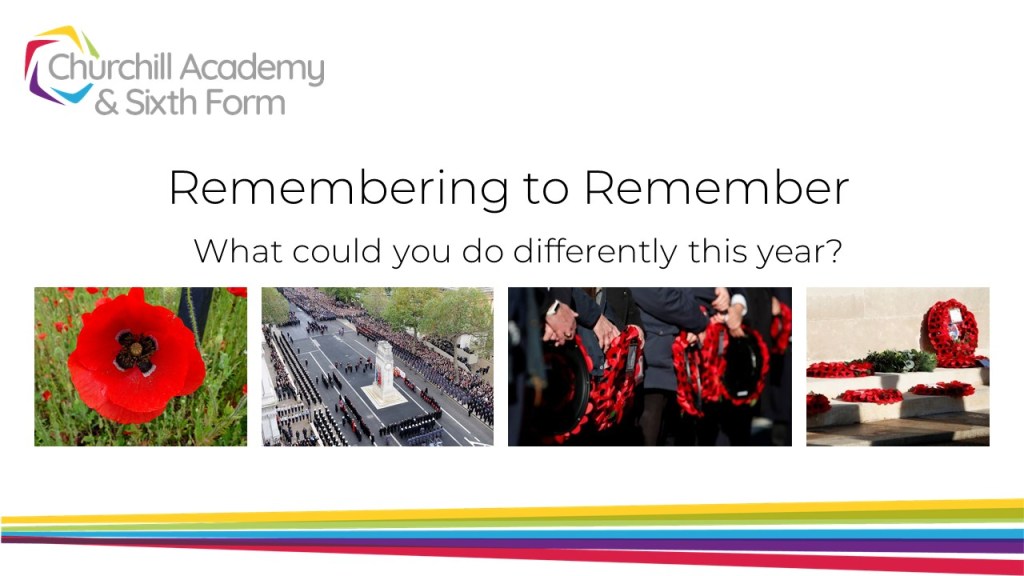
This week, Mr Slater and Mr Waller have led assemblies on the theme of remembrance, reminding us of the importance of this annual act during the two minutes’ silence at the 11th hour of the 11th day of the 11th month.
The assembly began and ended with a reading of John McCrae’s famous poem, In Flanders Fields, with its poignant plea from “the dead”:
To you from failing hands we throw The torch; be yours to hold it high. If ye break faith with us who die We shall not sleep, though poppies grow In Flanders fields.
We were reminded of how Remembrance Day, and the two minutes’ silence, began in 1919 to remember those who had lost their lives in the First World War. Since then, the act of remembrance has expanded to include all those who have sacrificed in conflict, so that we may continue to live in freedom.
The poppy itself was a symbol of peace, as the bright red flowers began to grow from the churned up lifeless battlefields of France and Belgium within days of the ceasefire in 1918. Mr Slater and Mr Waller reminded us of the work of the Royal British Legion, who are supported through the purchasing of poppies for remembrance. The Legion supports former members of the Armed Forces and their families to cope with the impact of their service, which can often be life-changing. Their work, in support of those who served, and their families, is truly remarkable.
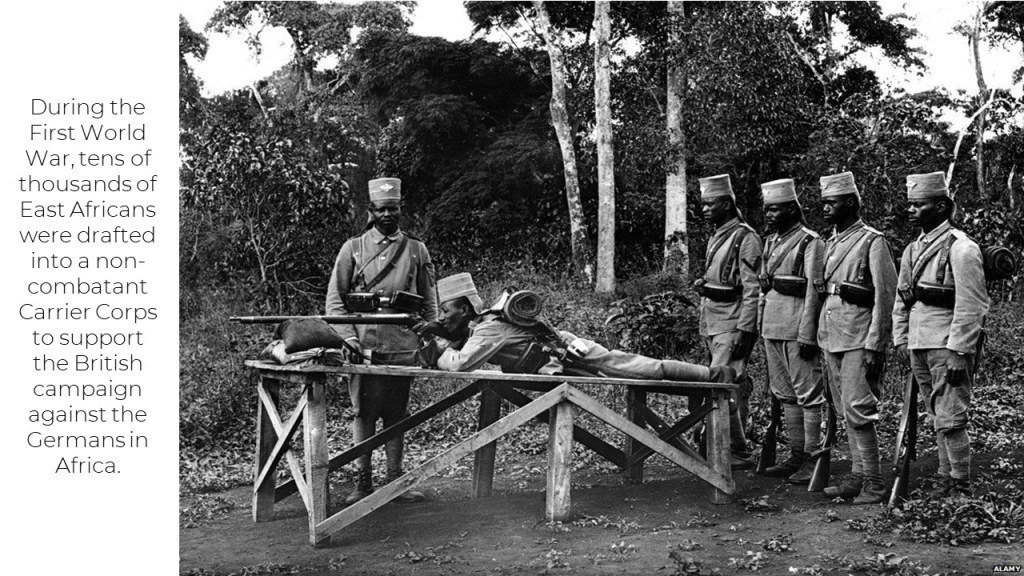
We were also reminded to remember those who are sometimes forgotten – those non-white, non-British servicemen and women who gave their lives for our country in the two World Wars. These people made sacrifices for a country they had often never been to, thousands of miles away, so that we can live in freedom today. For example:
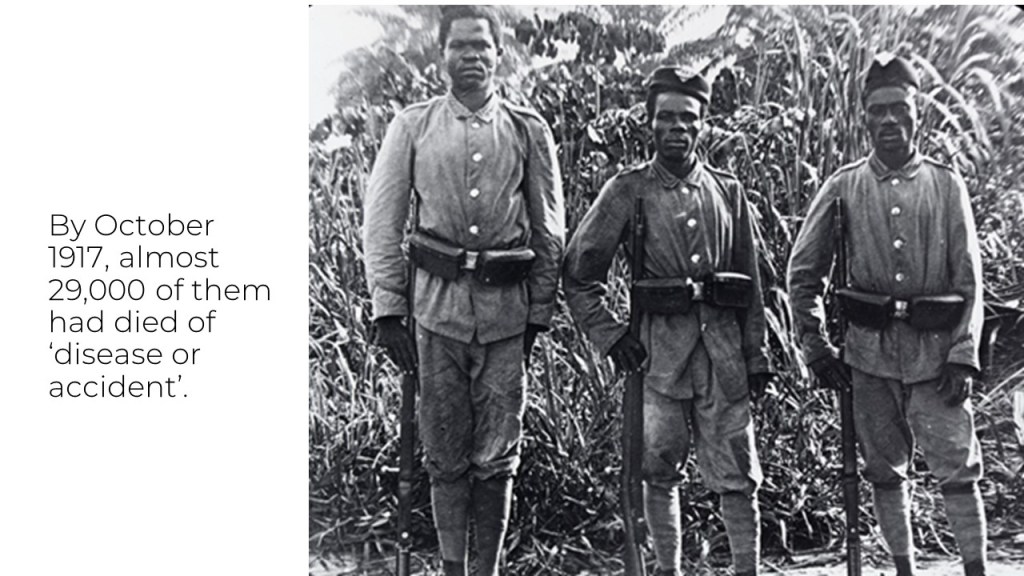
Tens of thousands of East Africans were drafted into a non-combatant Carrier Corps to support the British campaign against the Germans in Africa during the First World War. By October 1917, almost 29,000 of them had died.
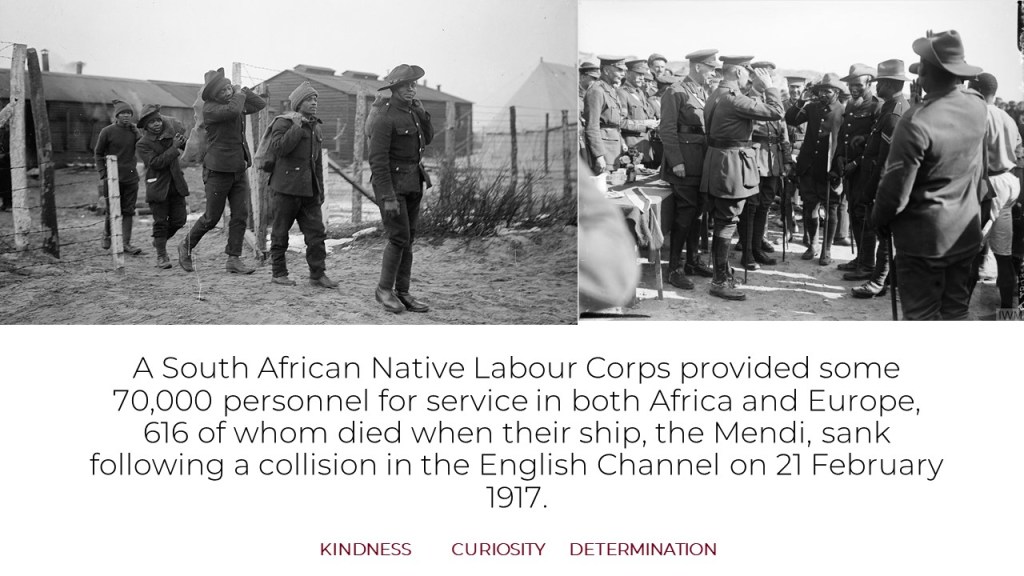
A South African Native Labour Corps provided some 70,000 personnel for service in both Africa and Europe, 616 of whom died when their ship, the Mendi, sank following a collision in the English Channel on 21 February 1917.
During the Second World War, some 90 West Indian men serving as aircrew with the RAF were decorated for bravery, including 64 DFCs and 7 DSOs
90,000 West African soldiers travelled more than 6,000 miles to fight in the Burma campaign against the Japanese in WWII
By the end of the Second World War the Indian Army, with a strength of over 2.5 million, had become the largest volunteer army in history, and had served on three continents
W e also reflected on those who make sacrifices for us today, in peacetime. The heroic healthcare workers who saw us through the COVID-19 pandemic; the armed forces and emergency services who turn out whenever there is need; those volunteers who give their time and energy to help make our communities better places. You don’t have to give your life for your effort to be remembered.
Finally, our students were asked to think about three things as they mark the two minutes’ silence on Friday:
Think of something/someone who has sacrificed something for you
Think of something/someone who has sacrificed something for this country
Think of something/someone who has sacrificed something for our world
Thank you to Mr Slater and Mr Waller for a really powerful assembly. This remembrance day, who or what will you remember?
I attended an 11-18 school, where the Sixth Form was a natural extension of the main school. At the end of Year 11, it was a smooth transition for me to straight on to the Sixth Form: I knew the teachers, I knew the school, and my friends were all staying on. It made sense!
When I moved into Year 12, however, I was struck by how different the experience felt. The relationship with the teachers shifted significantly: there was still a clear professional respect, but somehow it felt more personalised and connected. The only teacher from my school days that I am still in touch with (thirty years later!) is my A-level English teacher.
I also found a new niche in the Sixth Form as a student leader, working with groups of younger students both in English but also in Drama, where I ended up in charge of the technical theatre team to design and operate lighting for school productions. Whilst I had already been interested in teaching, this experience of working with younger children to help them achieve and deliver a project together really firmed up my career plans.
This is why, in my teaching career, I have always taught in 11-18 schools which have a Sixth Form attached to them. There is something about the presence of the Year 12 and 13 students in the school community that creates a tangible sense of destination and aspiration for our younger students: the Sixth Formers are positive role models. And, for the Sixth Formers themselves, there is that sense of the familiar but also the distinctly different that provides a natural extension of their 11-16 education, on the same site and with the same staff, but seen through a new lens.
There is also the added incentive of A-level teaching, which I have always found fulfilling. The depth, breadth and challenge of the additional subject knowledge required to teach at advance level brings additional subject expertise to the faculty. I have always found that this strengthens the teaching in the main school, as teachers know and teach the next steps beyond GCSE, enabling further stretch and challenge.
We are really proud of our Sixth Form at Churchill. As with the main school, we put achievement at the heart of our provision – but we recognise that an education is about more than just the exam results. That is why the wider offer which being part of a school can provide – leadership and enrichment opportunities, involvement with the community, and the extended curriculum – is so important to us, and such a strong feature of our Sixth Form. The video below really captures how our Sixth Form students feel about this:
2023 Sixth Form Video
We are a Level 3 Sixth Form, offering A-level or equivalent qualifications. The minimum entry requirement to get into Churchill Sixth Form is at least three GCSEs at grade 5 and above and at least two GCSEs at grade 4 and above. Many of the courses also have subject-specific entry criteria. We strongly believe that the vast majority of our main school students can reach the threshold to access this provision, but we also recognise that there are other destinations locally which provide strong alternatives. We provide detailed careers and application advice for students interested in progressing to colleges or other providers for vocational, technical and other post-16 offers: our primary interest is ensuring that students get to the right destination for them. However, if students meet the entry criteria and want to study A-levels or the other Level 3 qualifications we offer, we believe that there is no better place to do it than at our Sixth Form.
This week, our current Year 11 students have had a taster experience on our “Be A Sixth Former For A Day” programme, ahead of our Sixth Form Open Evening next week. We would urge all Year 11 students – whether they currently attend Churchill Academy & Sixth Form or not – to come and find our what our Sixth Form has to offer. We look forward to seeing you!
This week I have had the pleasure of attending two great events to celebrate our students’ achievements – the Future Chef Competition, and our annual Sports Awards Evening.
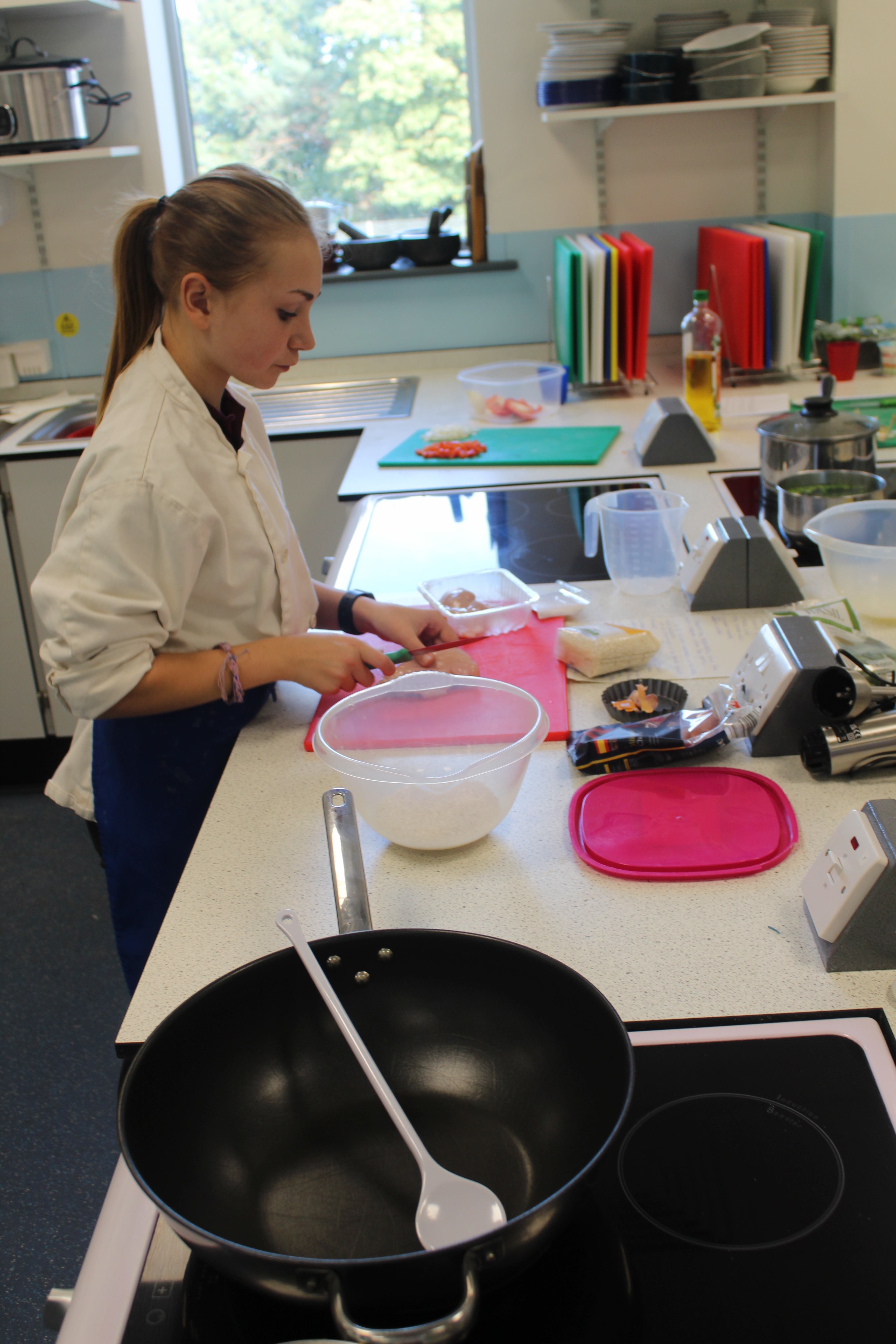
Future Chef 2022
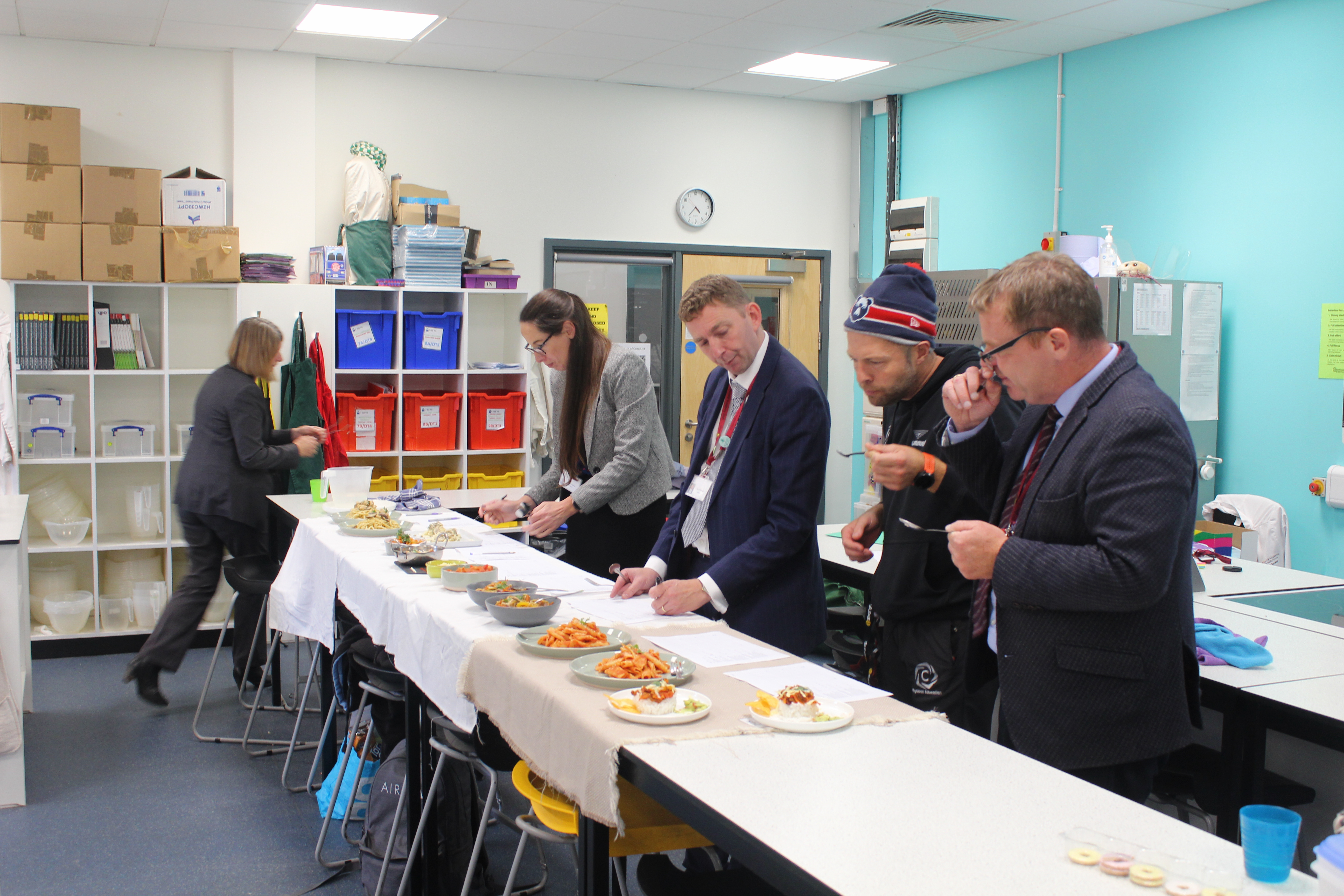
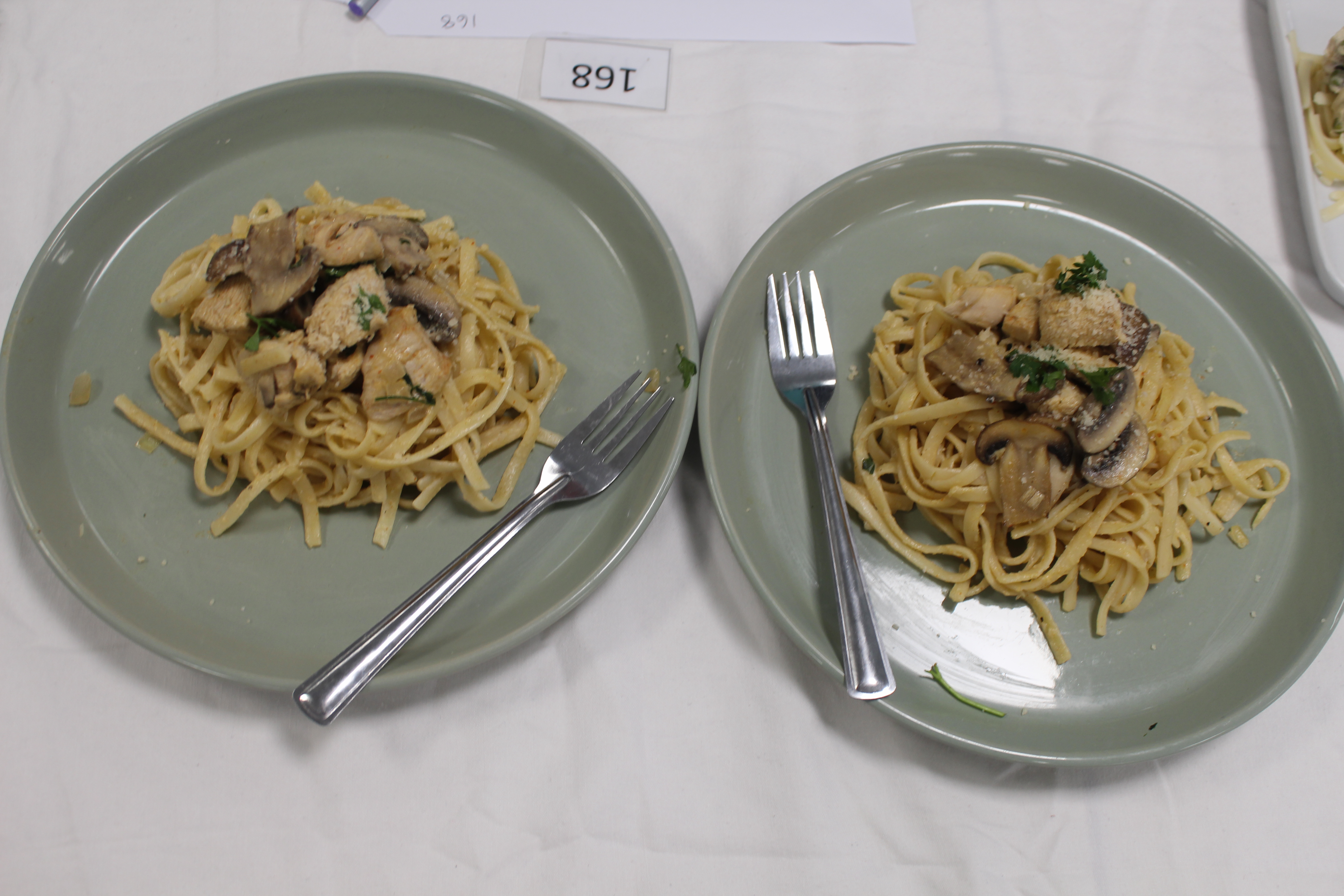
In this competition, our Future Chefs had to plan and cook a main course dish for two people in under one hour, with a maximum budget of five pounds. The students, from Years 9 and 10, worked miracles with the brief, and produced plates of delicious food for the judging panel. Hot foot from our Senior Leadership Team meeting, myself and Deputy Head Mrs James, along with Assistant Heads Mrs Gill and Mr Davies, were joined by Director of PE Mr Hayne to assess the presentation and taste of the dishes, whilst Food specialist Mrs Coman judged the workmanship that went on behind the scenes.
The overall winner was Annabel Isgrove, whose guacamole was a triumph (I’d still like the recipe please, Annabel!), but every dish was delicious and really well presented. One of the real pleasures of Headship!
Sports Awards Evening
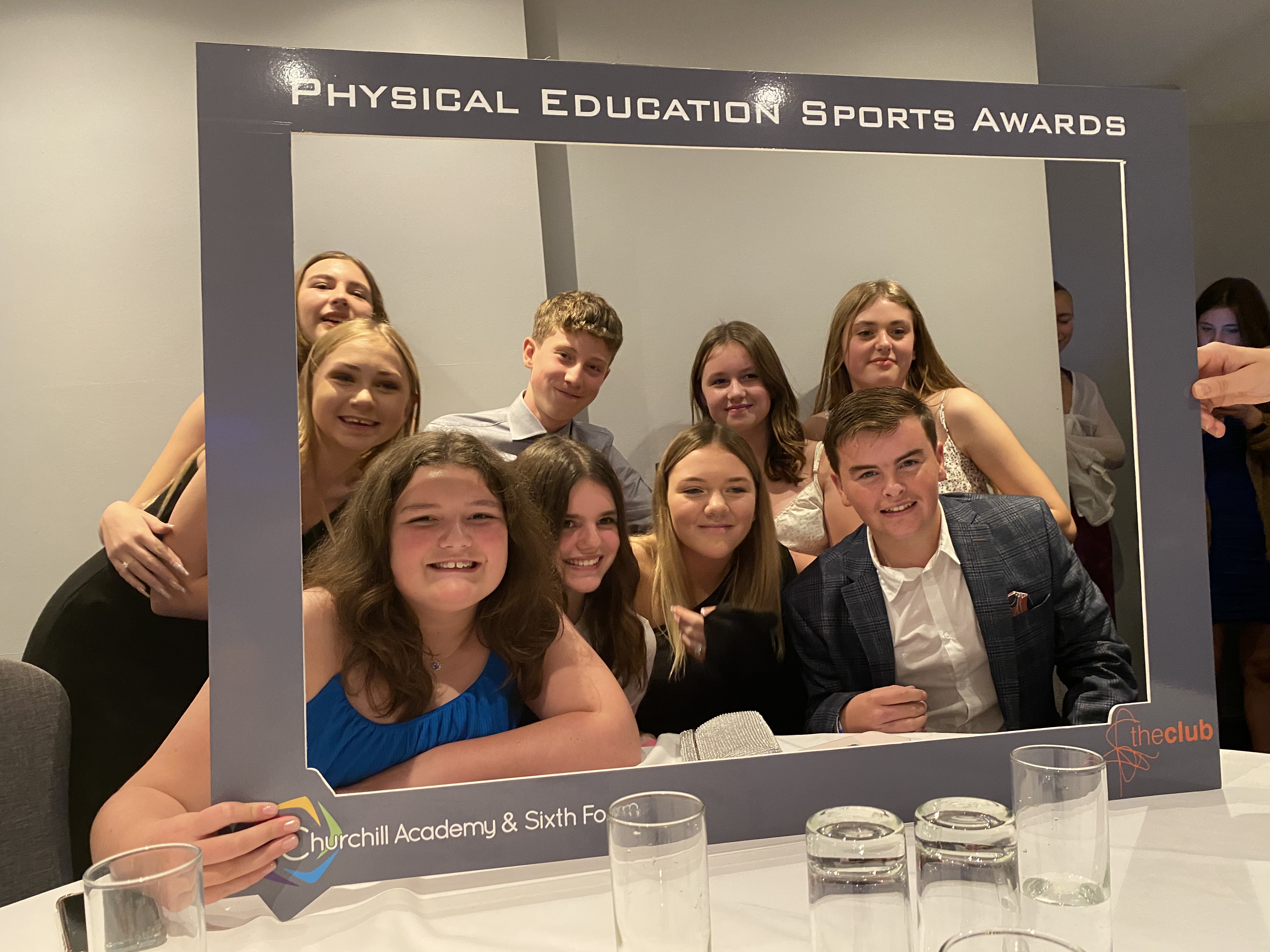
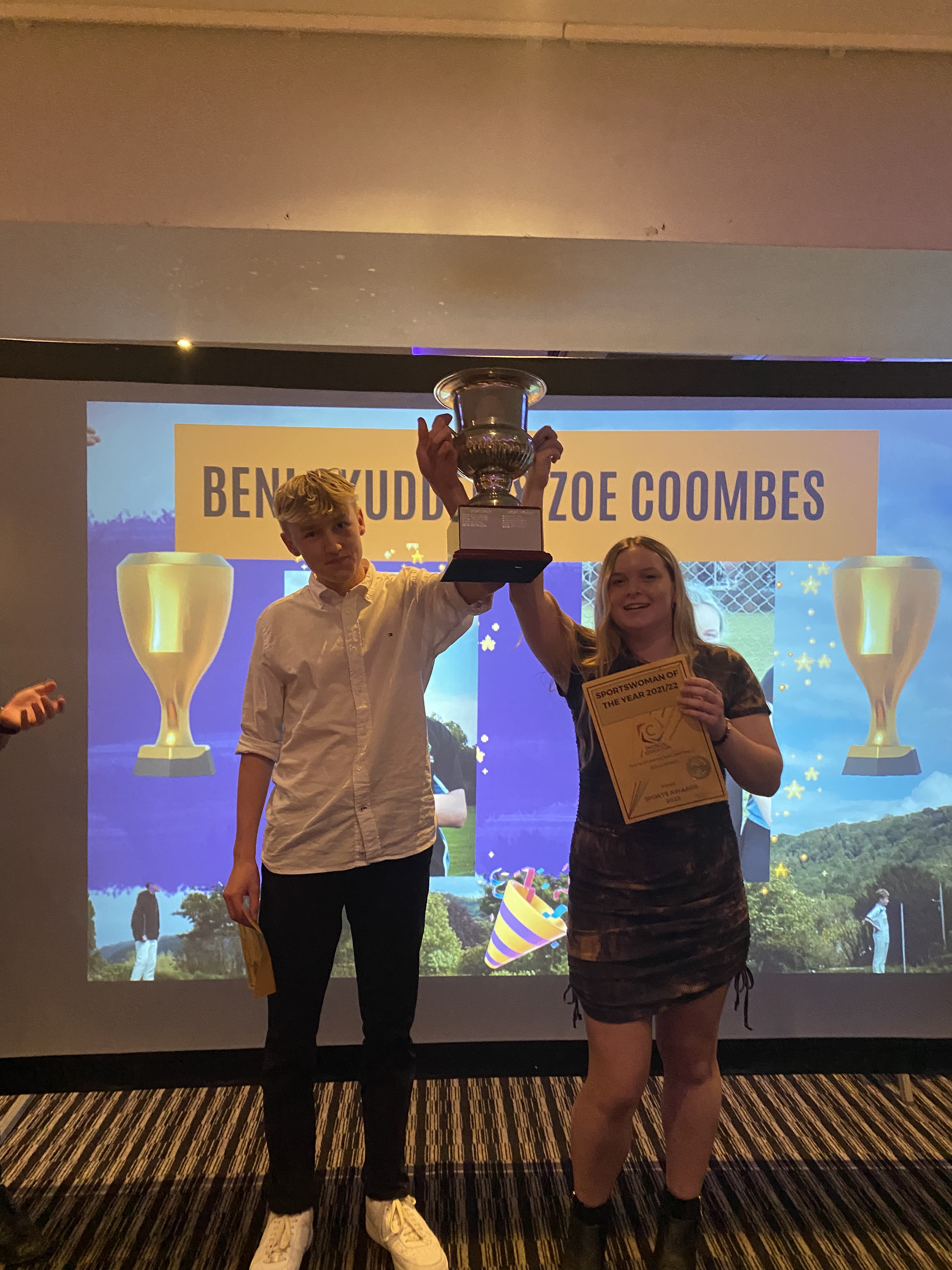
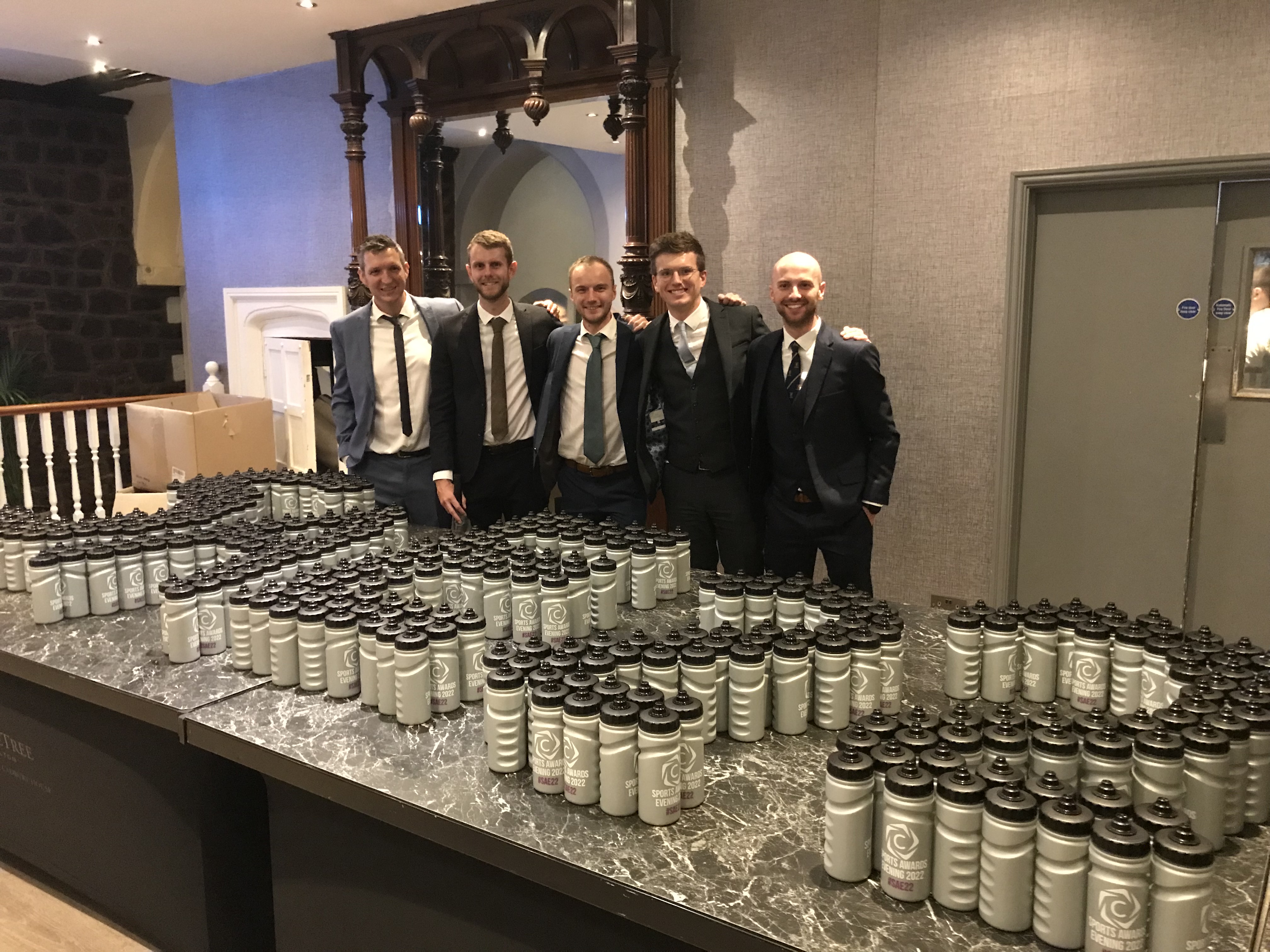
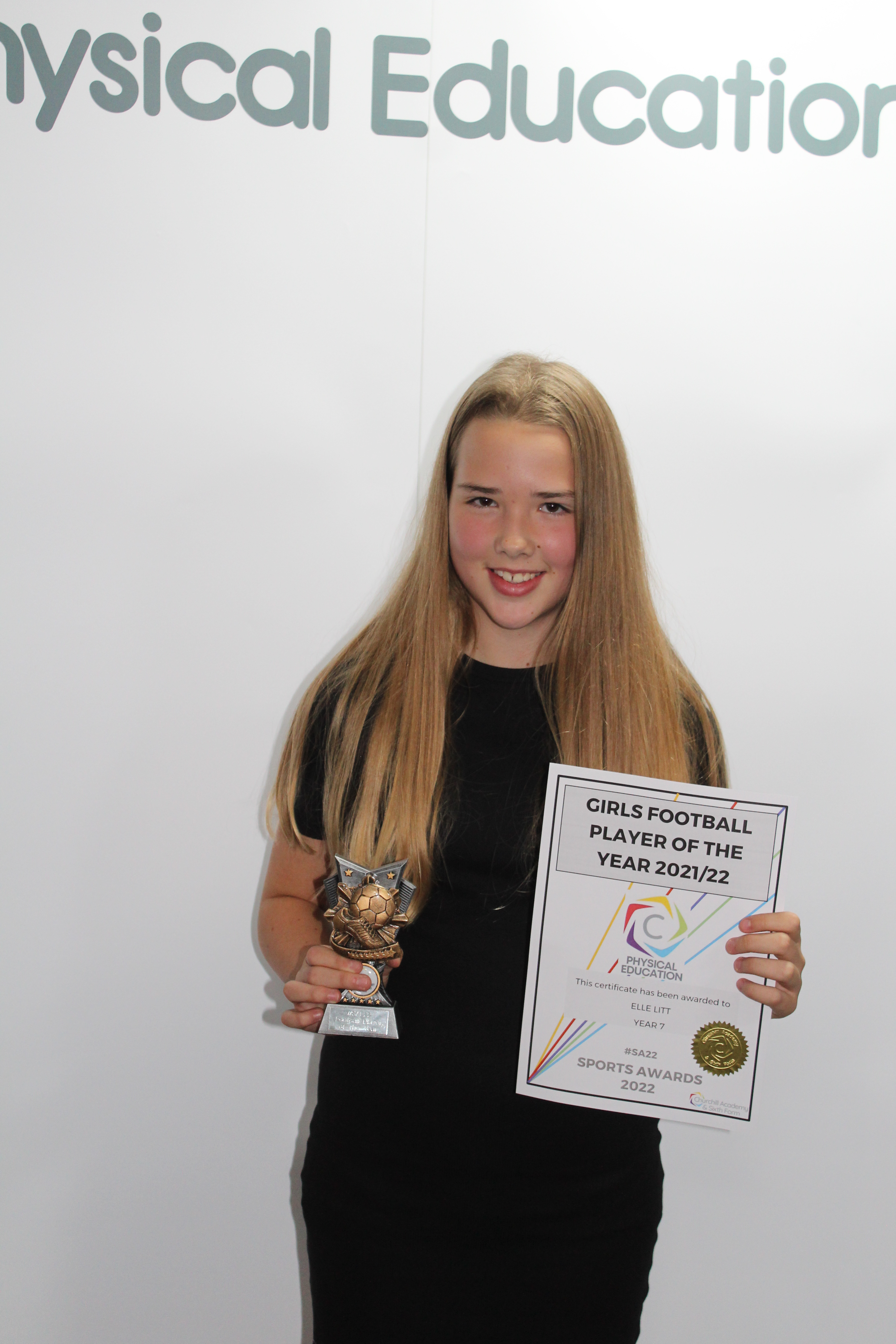
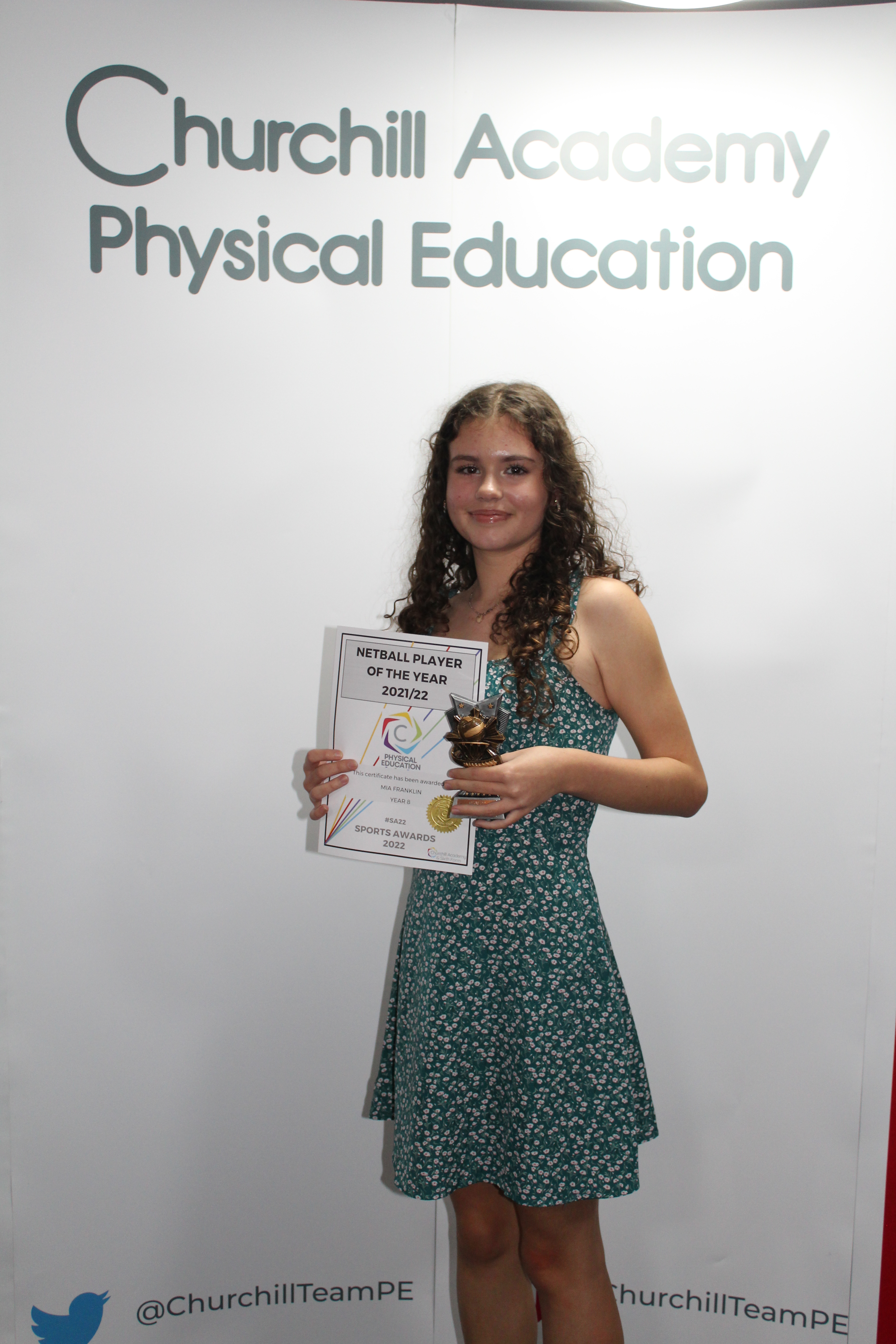
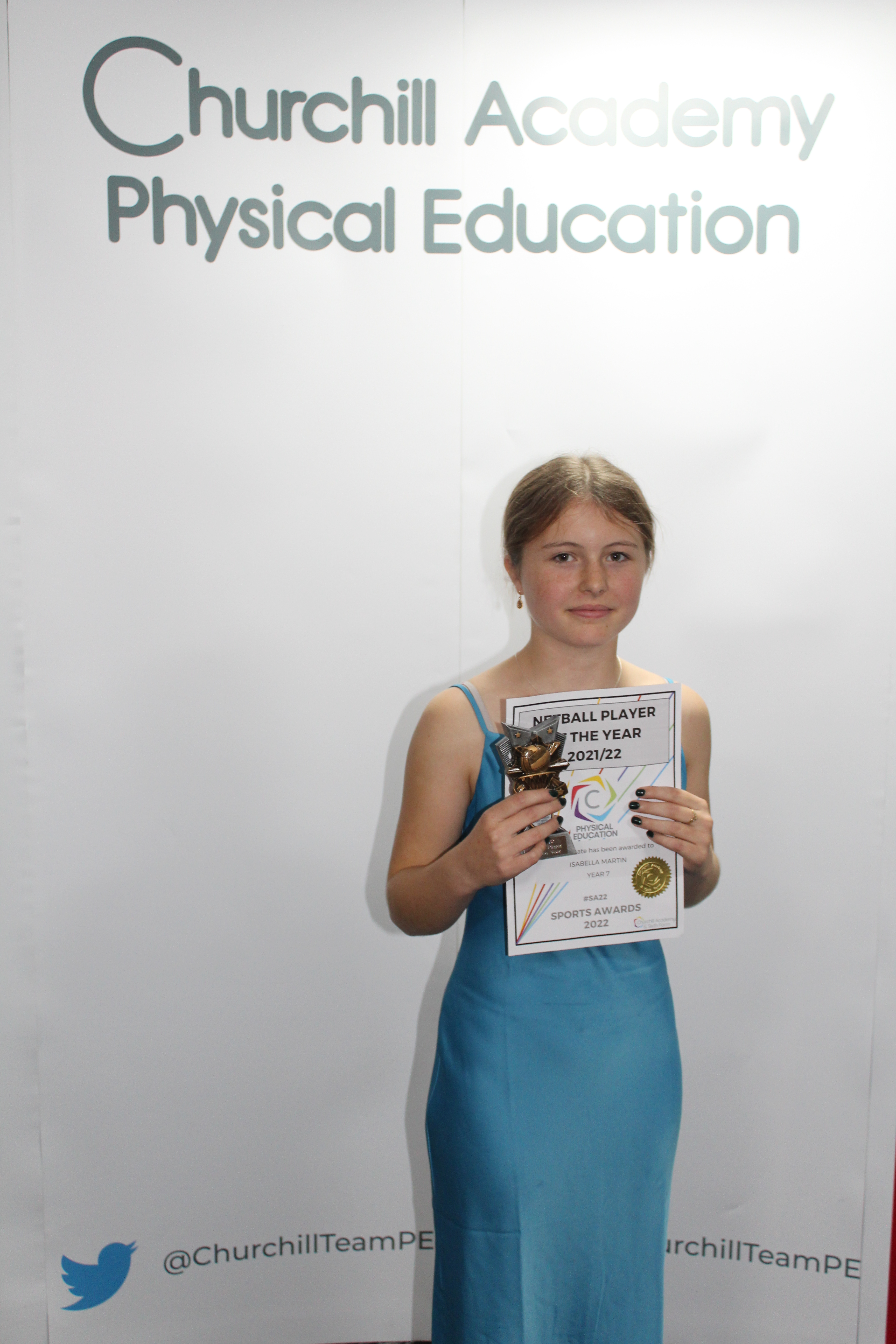
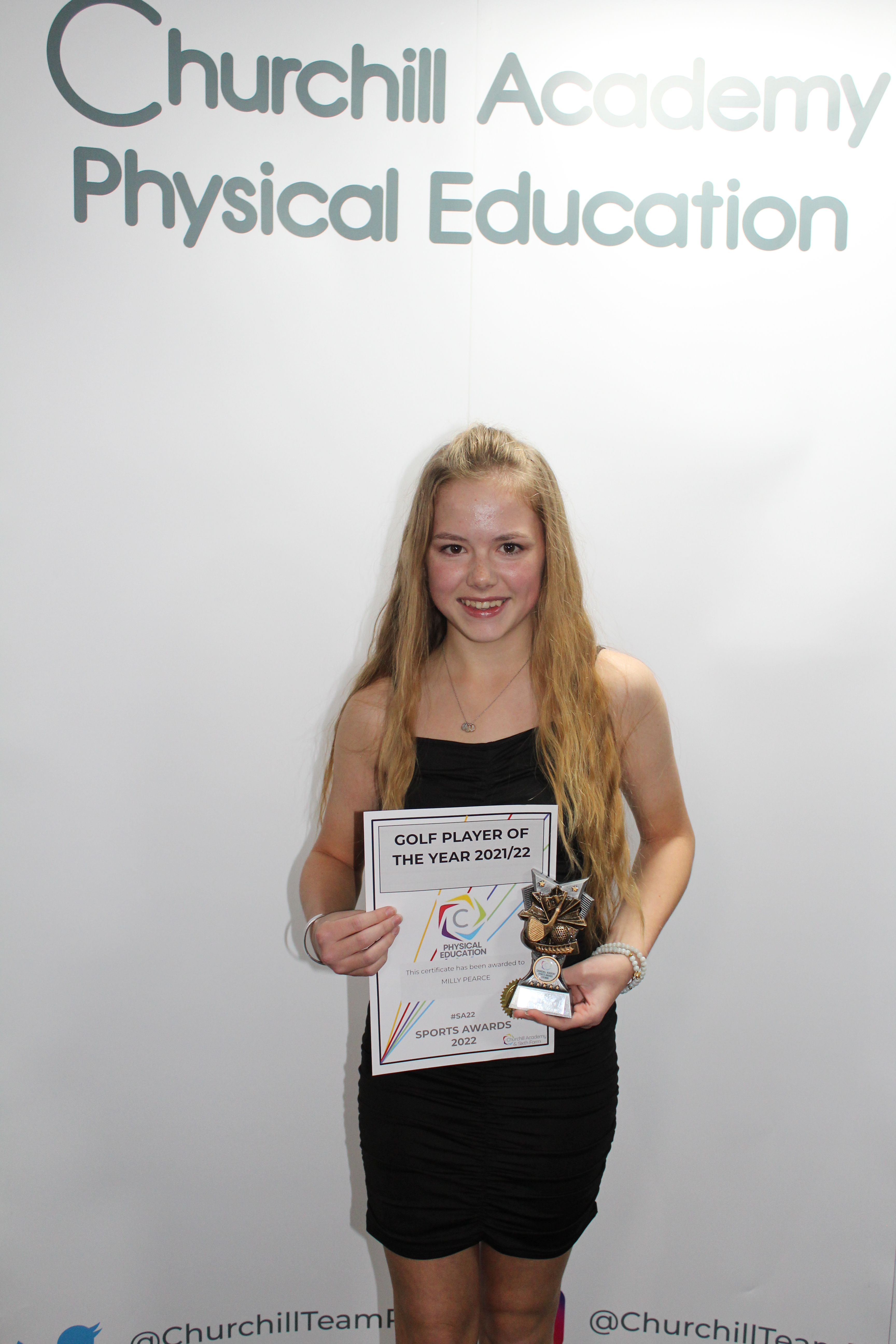
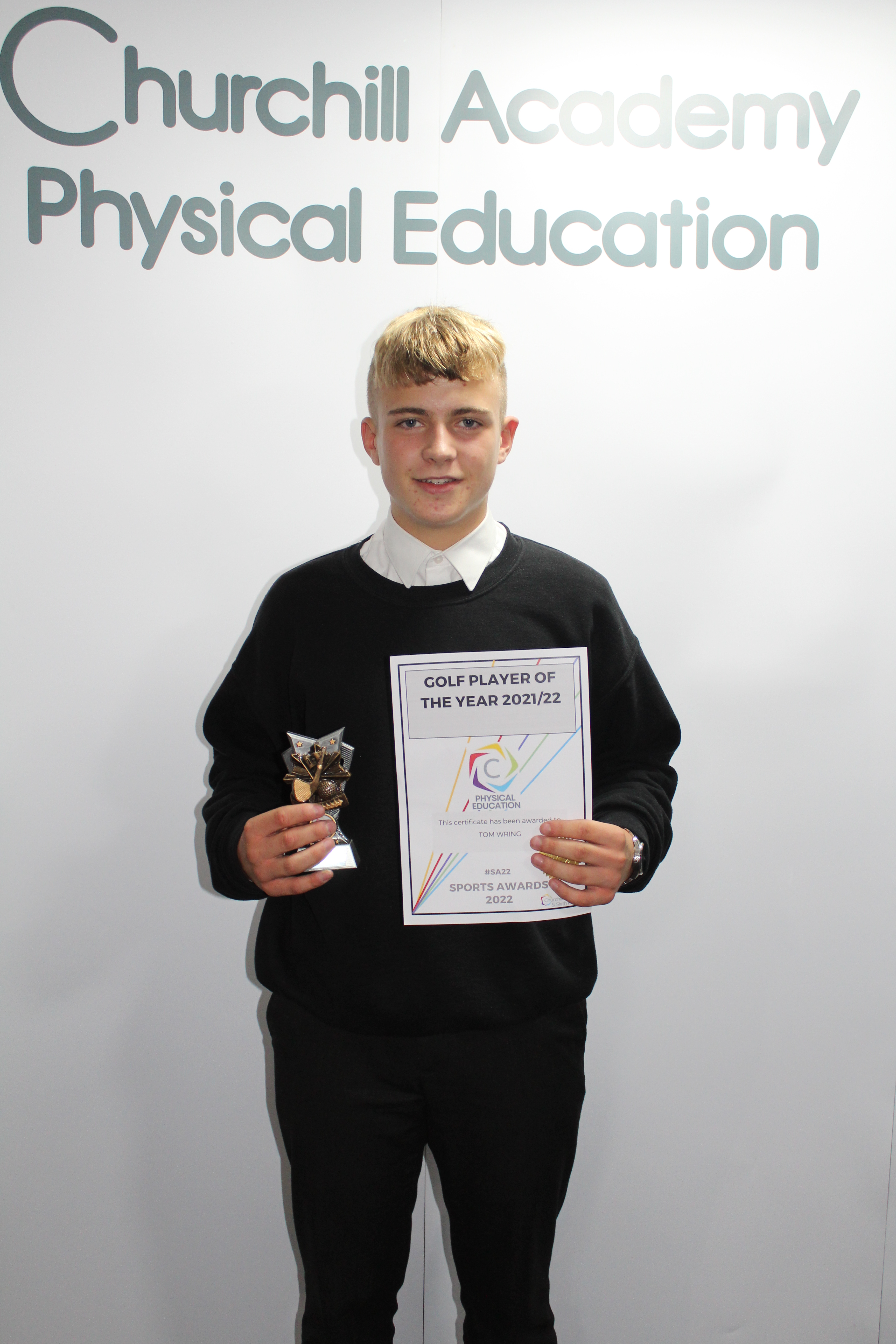
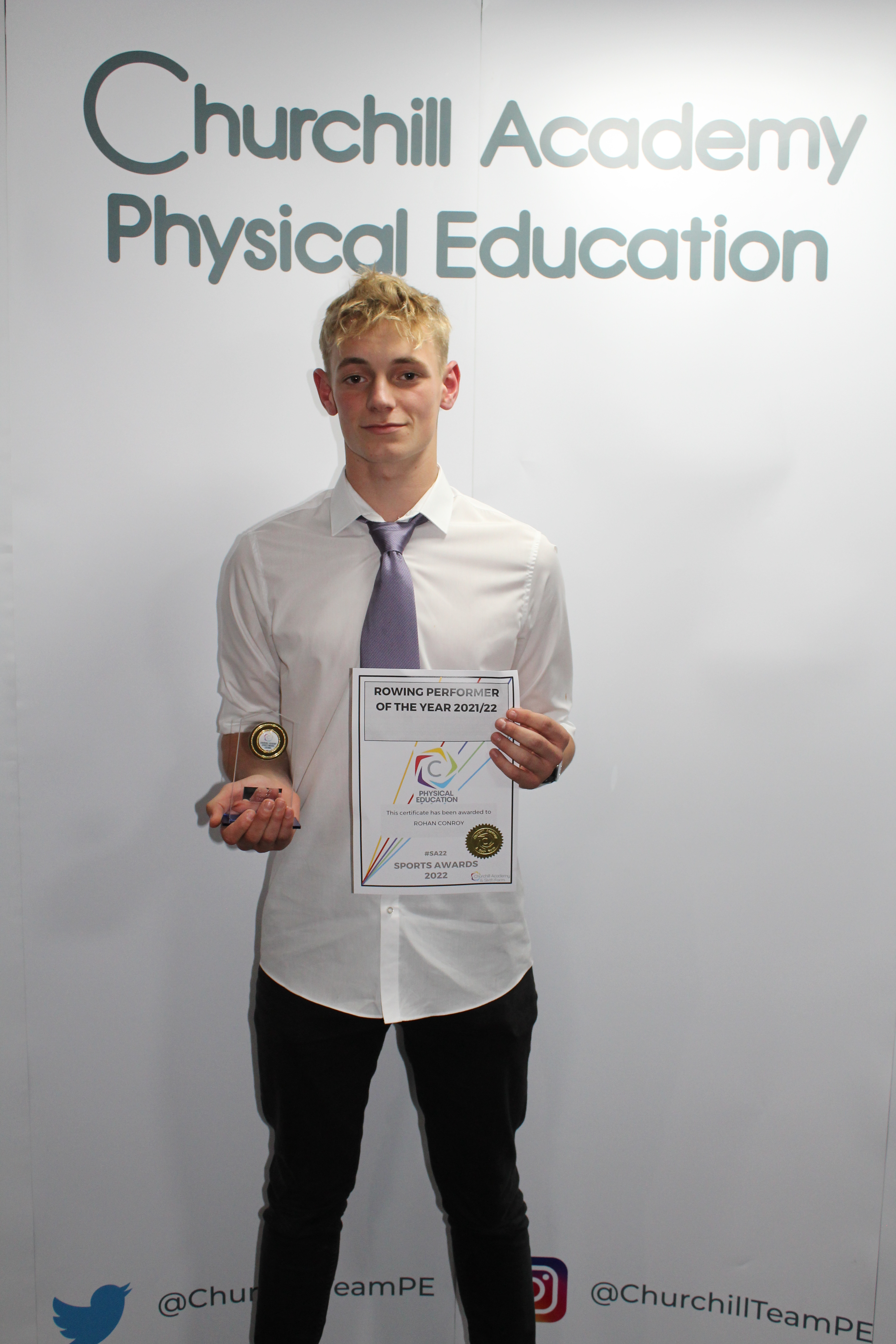
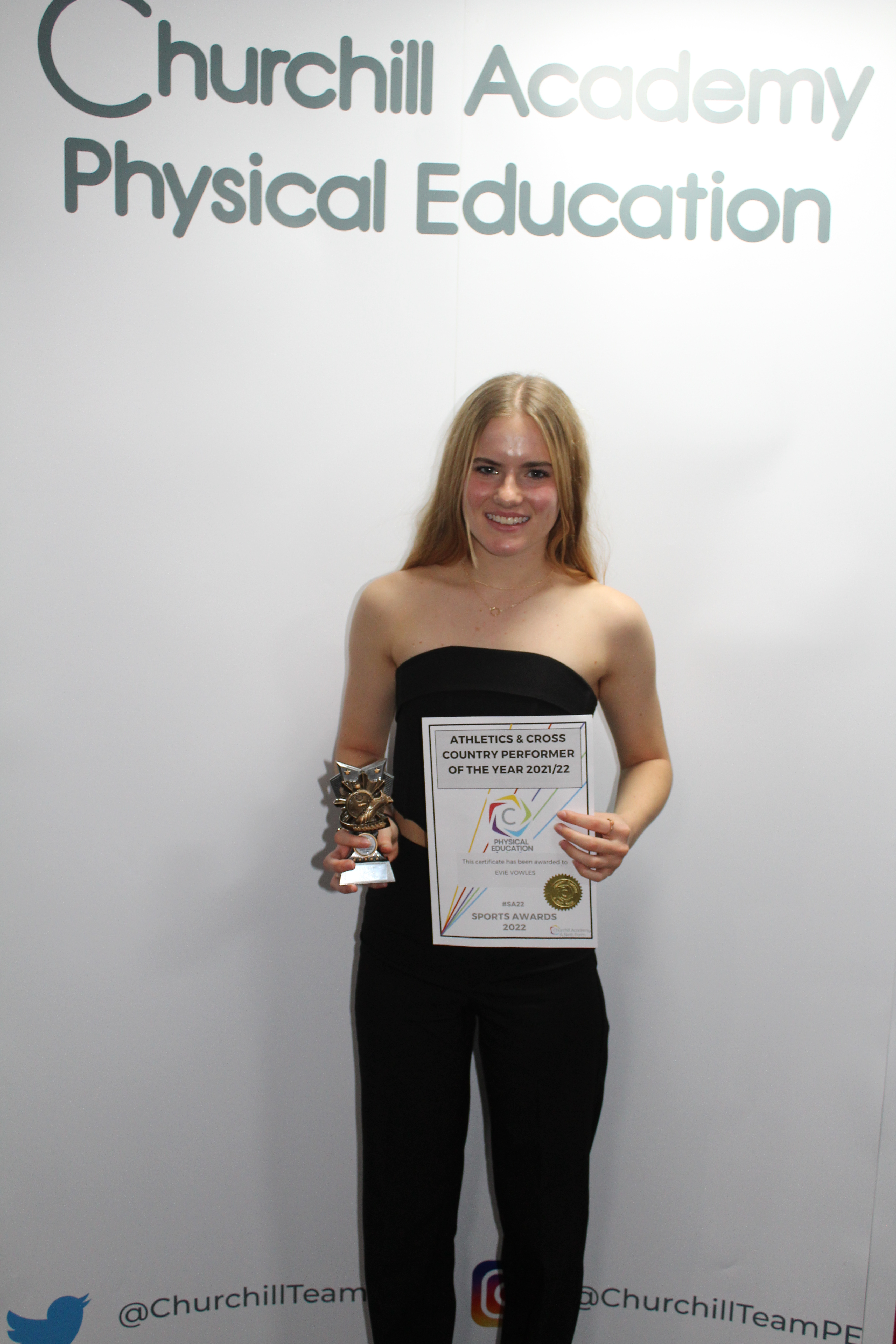
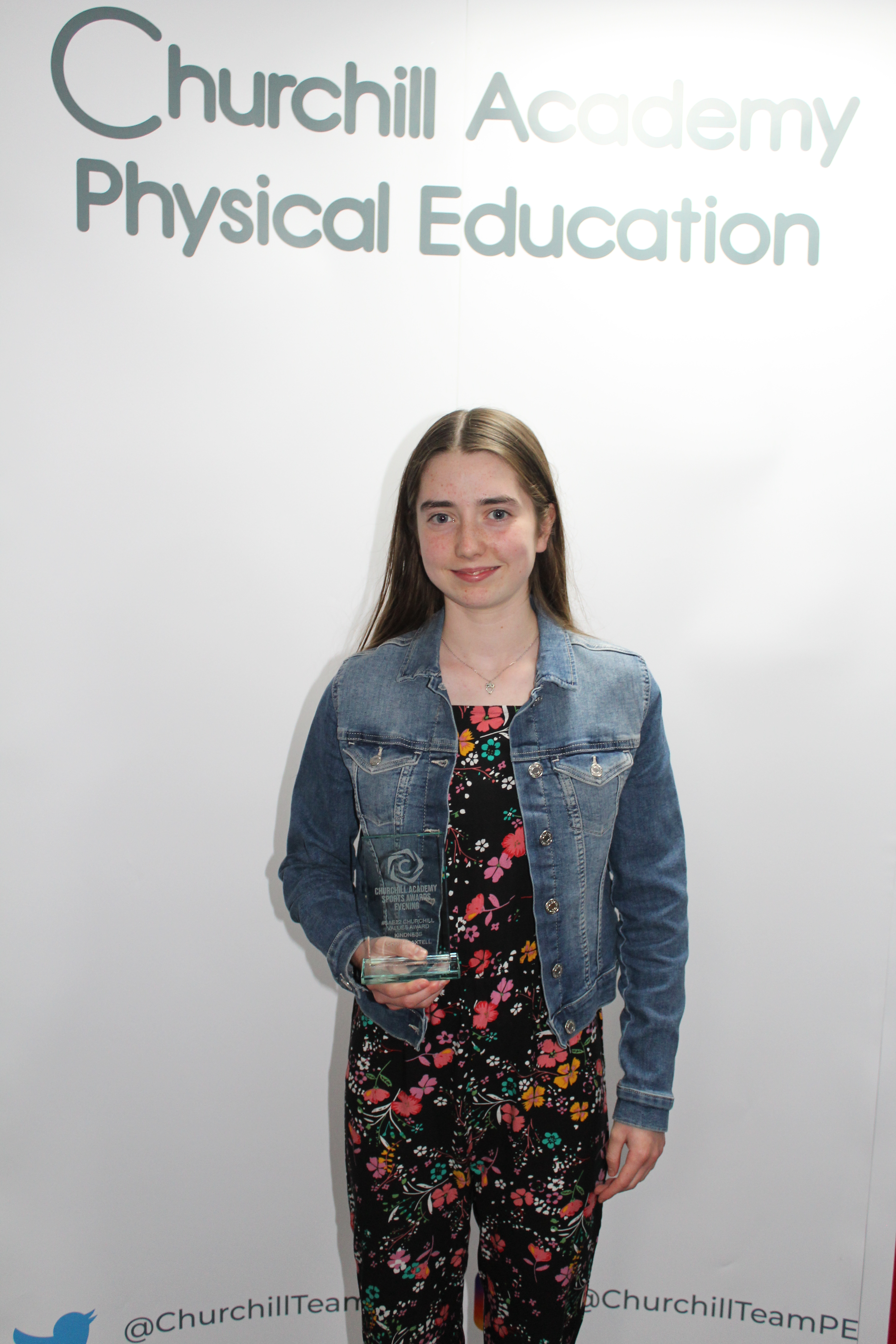
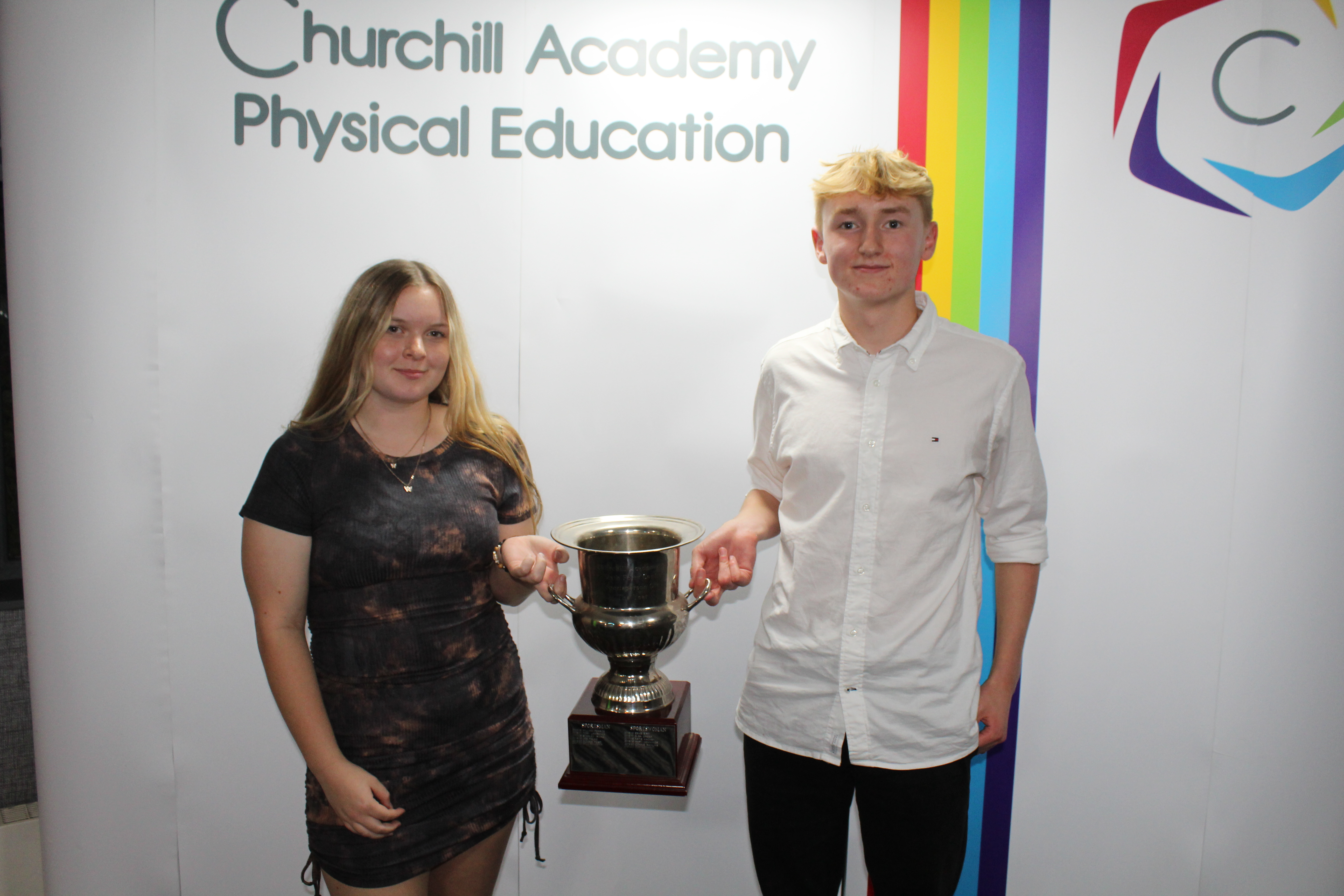
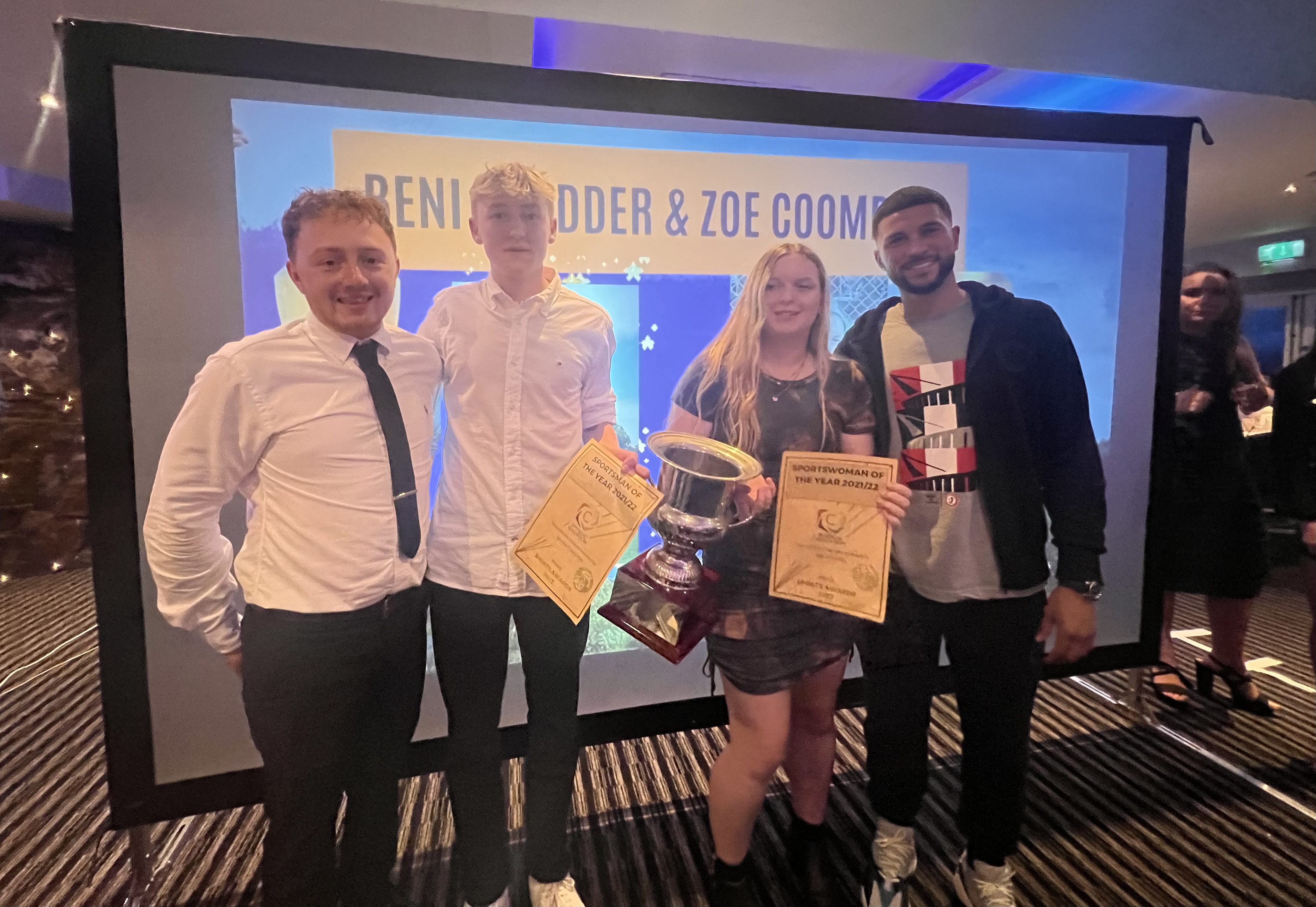
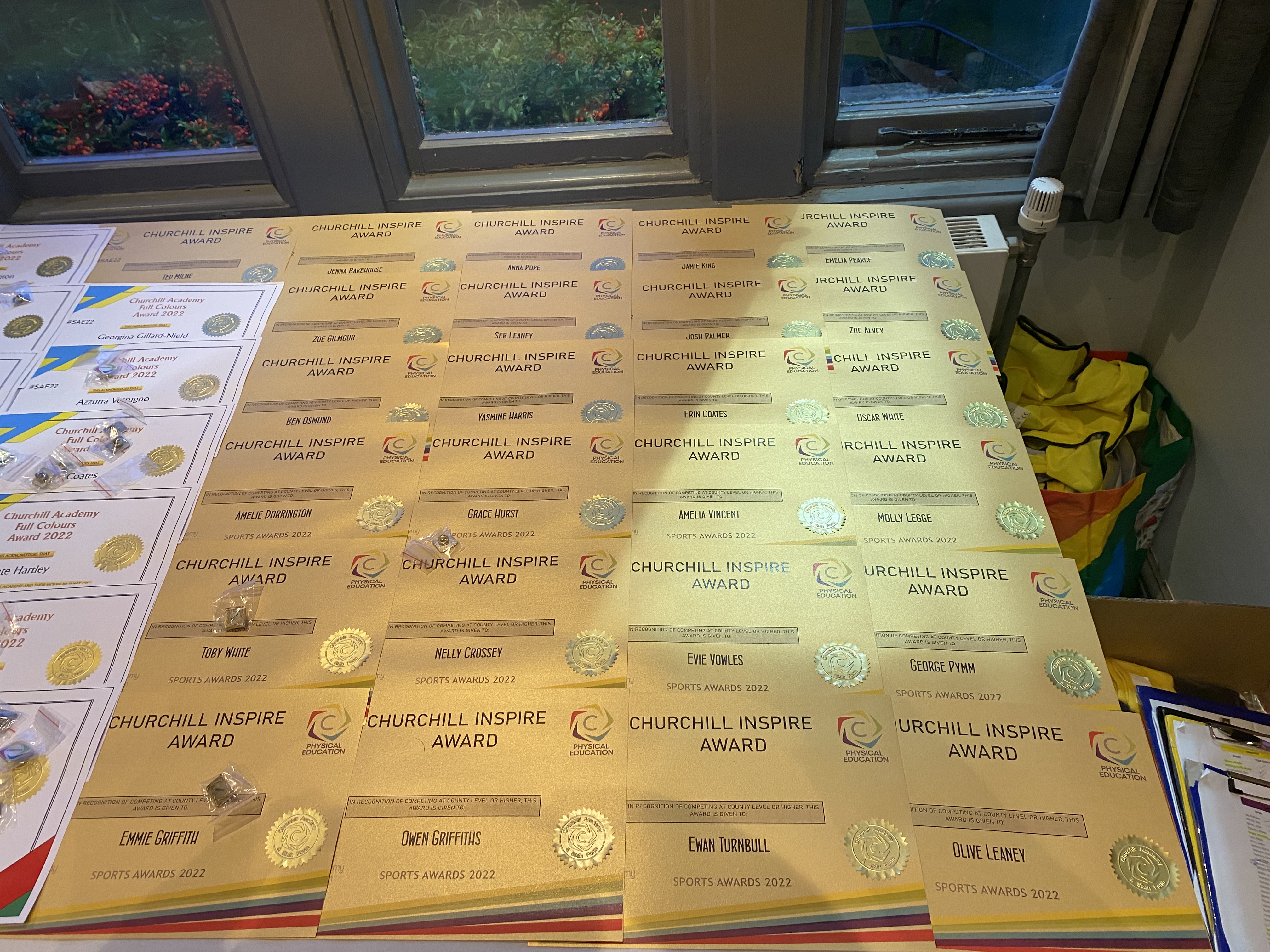
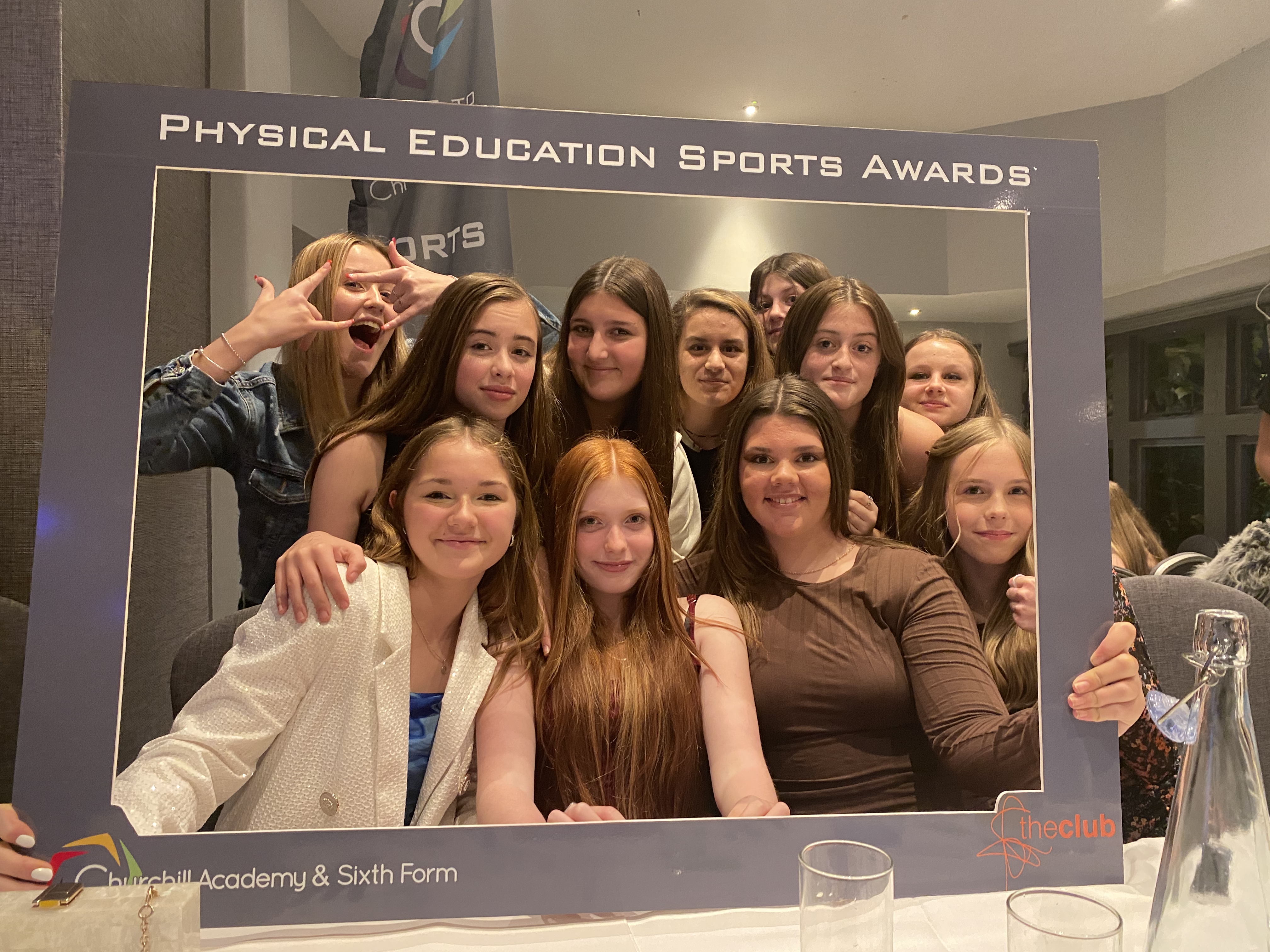
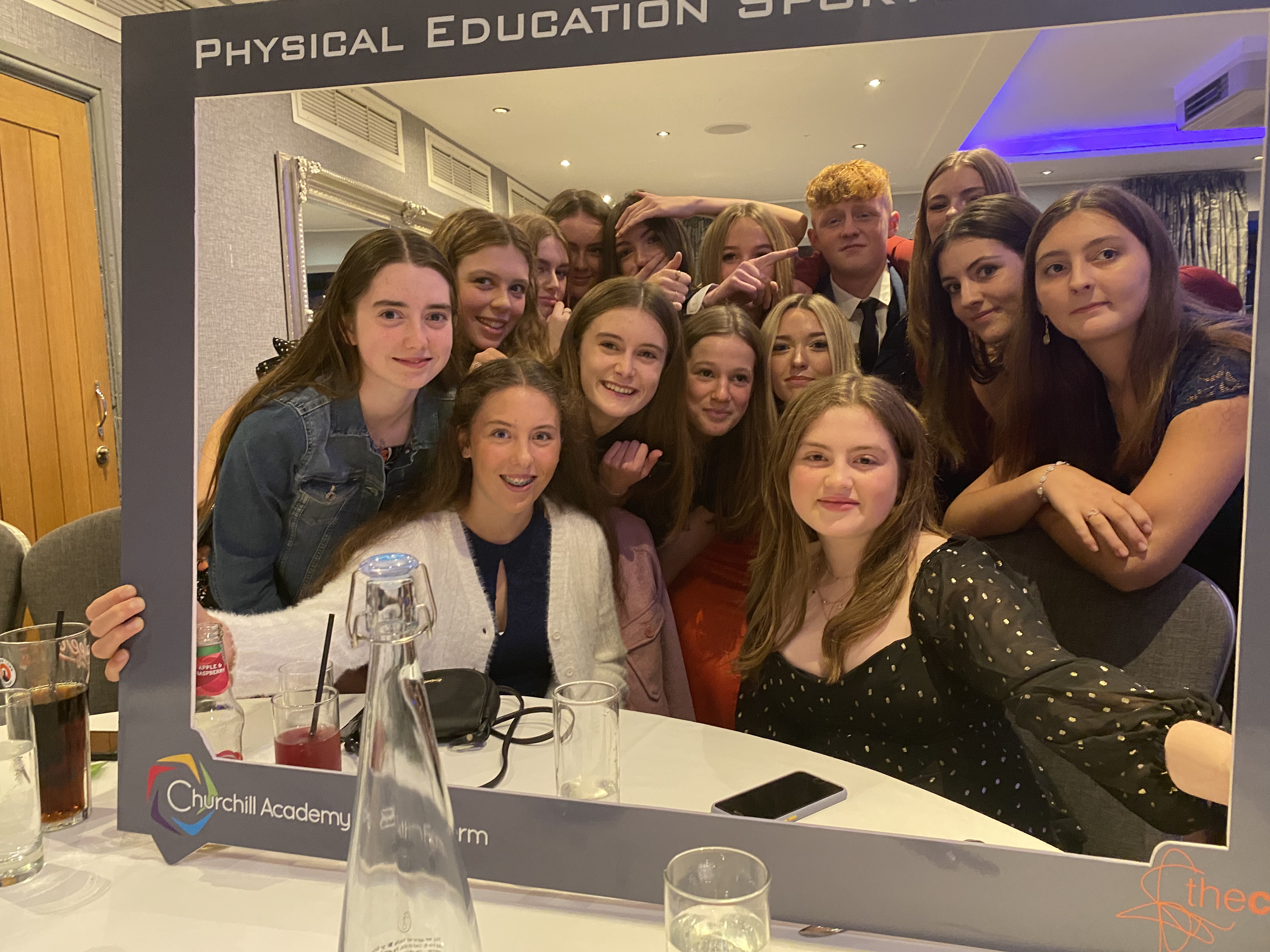
It was great to have Sports Awards Evening back in the calendar again! This fabulous, glamorous event is a great way to end term 1, celebrating the sporting successes of our students from the past year. The students scrubbed up well to join Team PE and a host of staff to eat well and enjoy the evening. Guests of honour Tom Stabbins (competitive climber and ex-Churchill student) and Bristol City striker Nakhi Wells helped hand out the awards, with the coveted Sportspeople of the Year trophies being awarded to Zoe Coombes and Benedict Skudder. A full report, with all the photos, is on the Academy website now.
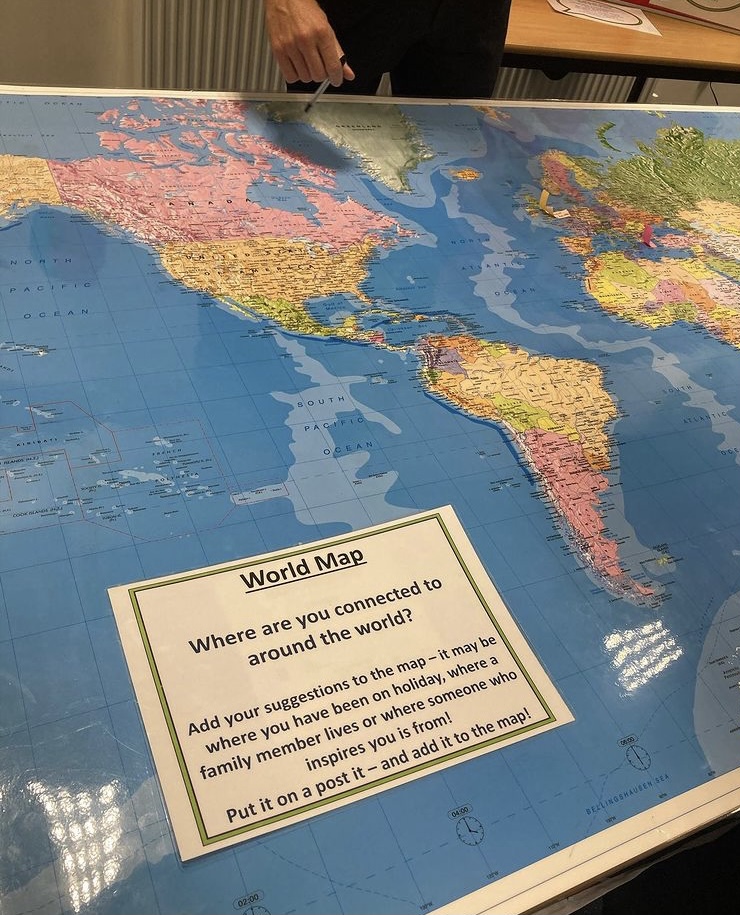
October is Black History Month. The month is marked to honour the contributions made to society by people of Black heritage and their communities. It is a time to educate and enrich the world with the importance of Black history.
At Churchill, we mark Black History Month with resources for our tutors to use with tutor groups, to help our students understand the importance of Black history. For example:
And:
We also encourage our students to be critical and independent thinkers. The American actor, Morgan Freeman, has criticised Black History Month as “ridiculous.” “I don’t want a black history month,” he said, “black history is American history.“ So, whilst we do mark Black History Month, we also ensure that our curriculum is rich, broad and diverse all year round – and not just in History.
From our studies in history, geography and RE, to the selection of texts in English, the examples of scientists in Science, artists in Art and beyond, we think carefully about our choices to challenge our students to look at a range of diverse experiences and perspectives. Our learning groups in Years 7-9, are named after significant figures from the fields of different faculties, from a range of diverse backgrounds. These include Mary Seacole, who was named as the greatest black Briton in a 2004 BBC poll, and civil rights campaigner Paul Stephenson. In tutor time this week, students have been looking at the contributions of Martin Luther King Jr, Rosa Parks, Harriet Tubman, Maya Angelou, Chinua Achebe, Marcus Rashford and Diane Abbott to their respective fields and contexts.
We remain completely committed to being an inclusive school which celebrates diversity. At Churchill, we want to ensure that everybody feels like they belong – no matter their background, heritage or identity. It’s therefore important to bring people together around events like Black History Month to get people to come together to continue to make change for the better – even if it is just one part of our overall strategy.
We encourage all our students to adopt an anti-racist approach, and to ensure that they are allies to their fellow students, who may be different to themselves. Educating ourselves about discrimination and prejudice, and speaking out against injustice, is an essential part of that approach.
Over the past two weeks, we have opened up our school to children in Year 5 and 6 – and their families – as they weigh up their options for secondary education. The transition from primary to secondary school is a big change, so it’s really important that families can make informed decisions. Whilst we are naturally keen to show off Churchill at its best, we also want families to understand what it’s really like to come to our school.
And that’s where our students come in!
We hold two types of open events. The Open Evening is our showcase, where we put on activities and open up the whole site for visitors to tour, speak to staff, ask questions, and understand our values, our vision and our purpose. The Open Evening is complemented by Open Mornings, where visitors look round the school whilst it is “in action” on a normal school day, so they can get a sense of what it’s like when over 1600 students are in class – or when they move from one lesson to another.
What both events have in common is that they are led by our students. From Year 7 to Year 13, students act as tour guides on both Open Evening and Open Mornings, guiding groups of children and their families around the Academy to show them all we have to offer, whilst answering questions on the way. Our students also work with our faculties on Open Evening, demonstrating Science experiments, rehearsing in Performing Arts, or running activities in English, Humanities, PE, Art and beyond!
We believe that families will get a more honest and realistic impression from our students of what it is actually like to attend Churchill Academy & Sixth Form. We know that they are proud to come to Churchill – and we know that they love to tell people about it! But we also know that they will tell it like it is, from a student’s perspective, which is far more valuable to a family than hearing a grown-up’s sales pitch. We trust our students; they are our greatest asset.
Of course, there will be some questions that our students can’t answer, and we always have staff available to cover those. And the children and their families will want to hear from me about what we stand for, our ethos and philosophy of education, and the practical arrangements for transition. We do this with a video presentation, which plays in the hall on Open Evening, is posted on the website, and emailed out to everyone who books a place on either event. But, even in the video, we want the voices of students to come through. This is why my presentation is preceded by students from the Sixth Form and Year 11 (this year, Stan and House Captain Lauren), and concludes with our newest students, our Year 7s (this year, Evelyn and Nat).
I am always really proud to be Headteacher of Churchill Academy & Sixth Form. But when I see literally hundreds of students staying until 8pm to show off how wonderful our school is, to persuade younger children to come and join us – well, I allow myself to feel even prouder than ever.













































 The Headteacher's Blog