A man came across three stone masons who were working at chipping chunks of granite from large blocks. The first mason seemed unhappy at his job, chipping away and frequently looking at his watch. When the man asked what it was that he was doing, the first mason responded, rather curtly, “I’m hammering this stupid rock, and I can’t wait ’til 5 when I can go home.”
A second mason, seemingly more interested in his work, was hammering diligently and when asked what it was that he was doing, answered, “Well, I’m moulding this block of rock so that it can be used with others to construct a wall. It’s not bad work, but I’ll sure be glad when it’s done.”
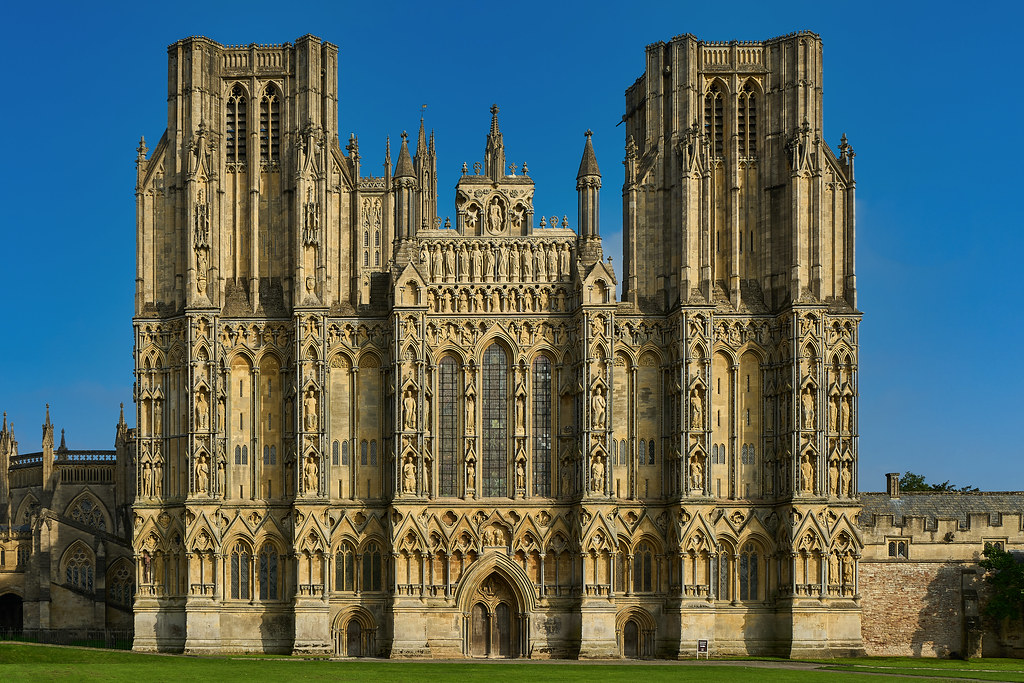
A third mason was hammering at his block fervently, taking time to stand back and admire his work. He chipped off small pieces until he was satisfied that it was the best he could do. When he was questioned about his work he stopped, gazed skyward and proudly proclaimed, “I…am building a cathedral!”
(parable courtesy of Bill von Achen)
The parable of the three stonemasons reminds us always to keep in mind the larger endeavour that we are engaged in. Every lesson, every new piece of knowledge, every task, is adding a new block to our own individual cathedral. The effort we put in as we shape that new knowledge, as we fit it into our wider understanding of the world, and the way that we secure that new block so it stays in place; this is the process of learning. Every quiz, practice question, homework and class discussion is another block the cathedral of our understanding. How we sculpt and finesse that block is up to us.
We all make mistakes. We get things wrong all the time!
It’s natural to feel frustrated after making a mistake, whether it’s in class or beyond. But the truth is, mistakes are often the best way to learn.
It’s a common belief that success means getting everything right the first time, but that’s simply not true. The most successful people in the world – from scientists and inventors to athletes and musicians – have all made countless mistakes. The difference is that they didn’t let those mistakes stop them. Instead, they learned from them and improved.
This is known as having a growth mindset. A growth mindset is the belief that your abilities can develop with effort, practice, and persistence. People with a growth mindset don’t see mistakes as failures; they see them as opportunities to grow.
How Mistakes Help Us Learn
They Show Us What We Need to Improve: When you get a question wrong in class, it highlights an area you don’t fully understand yet. Take it as a chance to focus on that topic and get better.
They Build Resilience: Mistakes can be frustrating, but they also teach you how to keep going despite setbacks. If you give up every time something goes wrong, you won’t make progress. But if you push through, you’ll develop resilience – a key skill for success in life.
They Encourage Creativity: Some of the world’s greatest discoveries came from mistakes: penicillin, microwave ovens, and even crisps were all created by accident. Mistakes can lead to new ideas and perspectives that you wouldn’t have considered otherwise.
They Help You Develop Problem-Solving Skills: When you make a mistake, you have to figure out what went wrong and how to fix it. This kind of problem-solving is an essential skill in school and in life.
Changing How You Think About Mistakes
Next time you make a mistake, don’t panic or feel discouraged. Instead, ask yourself:
What can I learn from this?
How can I improve next time?
What steps can I take to get better?
By embracing mistakes and adopting a growth mindset, you’ll become a stronger, more confident learner. So go ahead – make mistakes, learn from them, and keep getting better.
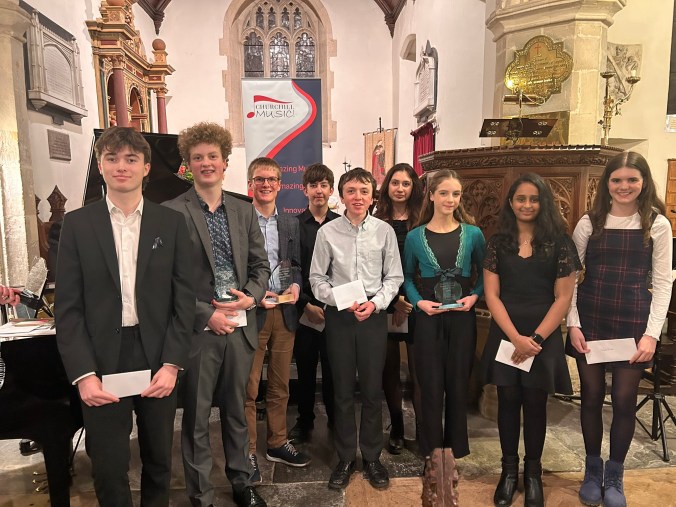
On Monday of this week I was honoured to be present at Churchill Music!’s annual Young Musician of the Year Competition. The standard was incredibly high, with prizes going to Molly Blundell (Junior Prize), Toby Wilson (Audience Prize), Maisie Vowles (Raymond Hayter Song Prize) and Freddie Maitland-Round (Young Musician of the Year). You can read the report on the Academy website here. To close proceedings, I gave a speech on the theme of “practice doesn’t make perfect,” which is reproduced here.
Practice doesn’t make perfect
I’d like to start by thanking Churchill Music! for all they do to support the music education at our Academy. How lucky we are to have them working alongside us. Thank you, as ever, for all you do.
We’ve been treated tonight to some wonderful performances by some of our finest young musicians. As I’ve been watching these assured, technically skilful performances, bursting with emotive musicality, I’ve been aware that what we are seeing here is really only the tip of the iceberg. What I would like to do this evening, if you will permit me, is to think for a moment about what lies beneath.
In 1992 psychologist K. Anders Ericsson undertook a landmark study at the Music Academy of West Berlin. He asked the music professors at the Academy to select the very best violinists studying there – those that the professors thought had a strong chance of careers as international soloists. He also asked them to identify a group of “good” violinists in the same department – those who were impressive musicians, but perhaps not of the calibre of the “best” group. Finally, he also asked for a group of violinists who were not studying the violin at the Academy – they were specialising in music education – but who also played. So he selected the best, the good, and the teachers.
He asked all the participants in the study to keep a practice diary and also carefully studied the amount of practice they had completed in the years before they had joined the Academy, as well as interviewing them about their practice routines, their love of playing, and their leisure activities.
The findings of the study were quite remarkable. The stories of the “good” and the “best” violinists, and the “music teachers” who also played the violin, started out very similar. They all talked of a love of playing, the joy of music-making, and the feeling of exhilaration they got from performing with their instrument. In fact, there was very little to distinguish between the stories and approaches of the three groups, except in one vital area – the amount of practice they had done. Over their lifetimes prior to joining the Academy, the music teachers had averaged 5,000 hours of practice in total. The “good” violinists averaged 7,500 hours. But the very best – those that had a future ahead of them as soloists – had averaged 10,000 hours of practice. Each.
Ericsson and his colleagues were able to replicate the findings of this study for pianists, and others like Matthew Syed and others have found a similar pattern for elite sportsmen and women. What they have found over and over again is that talent can only get you so far in your chosen field. What marks the true expert out from the enthusiastic amateur actually has very little to do with talent – it’s practice. And tons of it.
The family and friends of the performers here tonight will bear witness to the hard work, the hours of toil that have gone into the performances tonight – the huge bulk of ice sitting beneath the surface of the glittering peaks that we’ve witnessed. But practice isn’t usually – in and of itself- enjoyable. Running through that C# minor arpeggio again can actually – I apologise if I’m breaking a big secret here – be a little bit boring. But what marks out the truly great performers from the enthusiastic amateurs is the grit and determination to keep going when it gets tough, knowing that by really nailing down the fingering and timing in that arpeggio, they will help themselves to be a better, stronger, more accurate and flexible performer. And, as we’ve seen tonight, that perseverance and determination has paid off.
Practice won’t make you perfect – but it will make you better
Mark Sanborn
I’d like to finish tonight, however, with one final reflection on performance, whether it be in music or sport, or drama or dance, or painting or sculpture or literature. In any of these fields, it’s not actually as if we’re striving for perfection. Because – and this is certainly true in music – there is no such thing as a “perfect” performance. Two performances of exactly the same piece will never be the same. They will be subtly – and sometimes dramatically – different from one another, and they can be equally good. The musician’s interpretation of the piece, the sound of the room, the atmosphere and feeling of the audience, will all exert their influence on every performance and make it unique. Practice doesn’t make perfect. As the author Mark Sanborn said, “practice won’t make you perfect – but it will make you better.” The musician, or the artist, or the sculptor, or the gymnast, is not actually striving for perfection. They are striving to be the very best that they can be – and that work is never done. There’s always room to improve. And that’s what makes the practice worth it.
I’d like to thank all the performers here for all the hours of practice they’ve put in, not just to the pieces they performed tonight, but to making sure their technique, their musicality and their understanding of their instrument has reached such impressive levels. I’d also like to thank all the families who have supported them – and, I suspect, occasionally nagged them – to get that practice done. Because, as we’ve seen tonight, all those scales and arpeggios were worth it in the end.
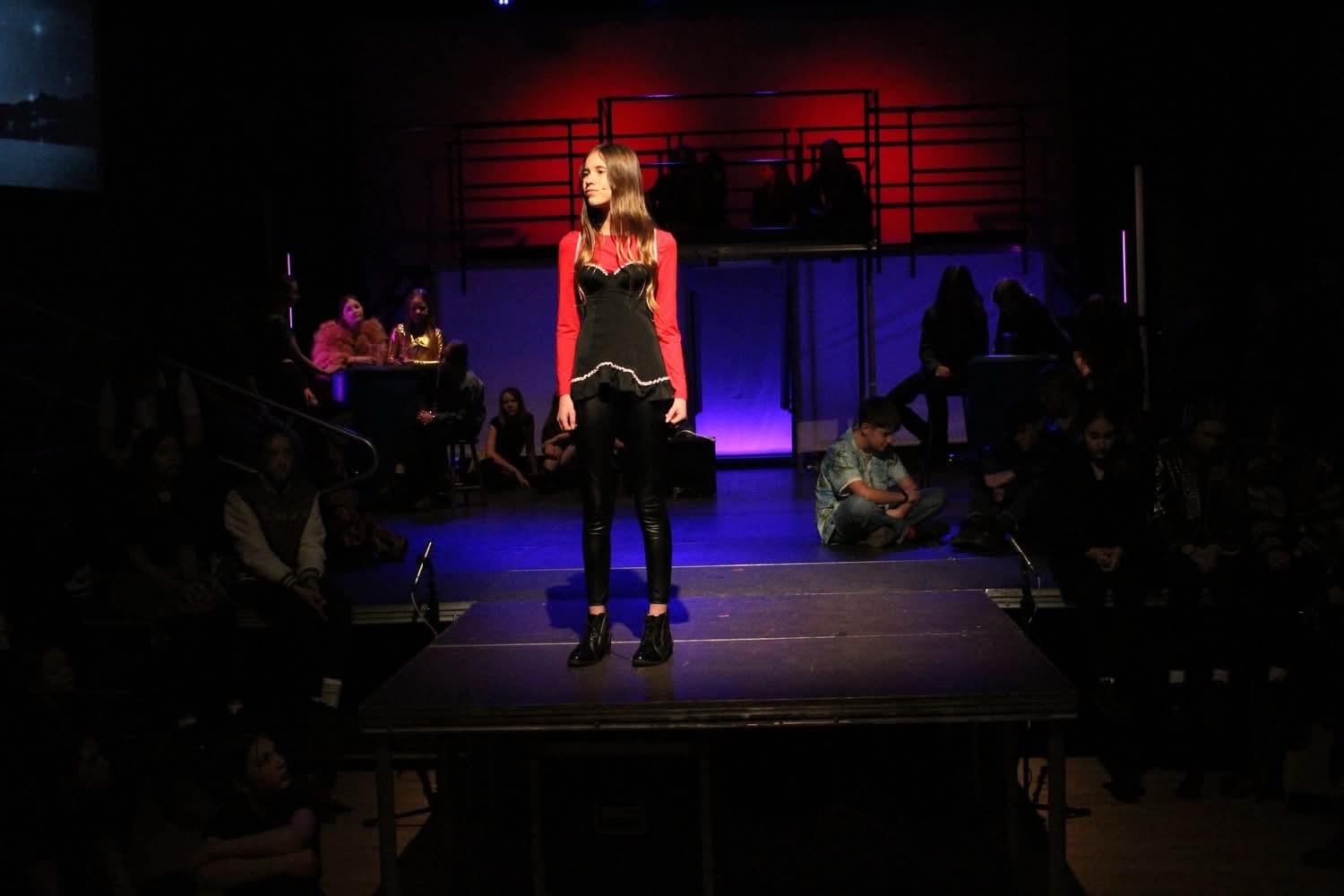
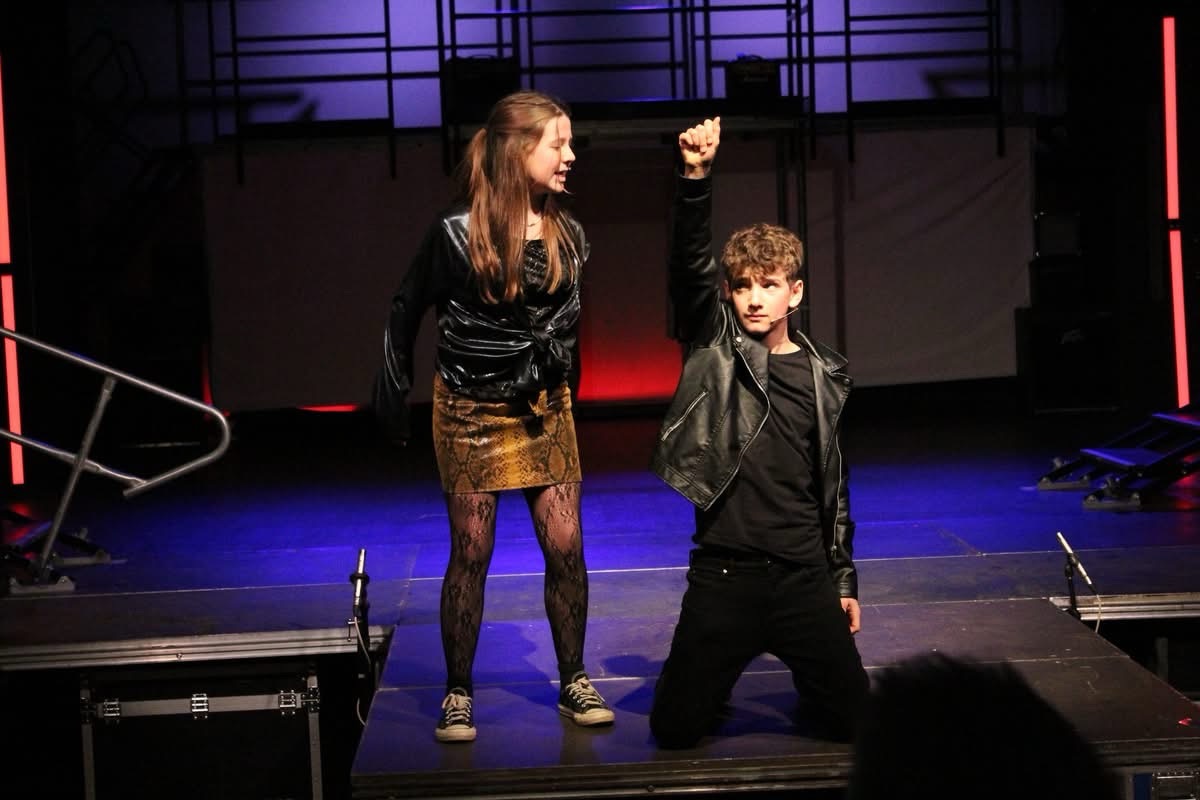
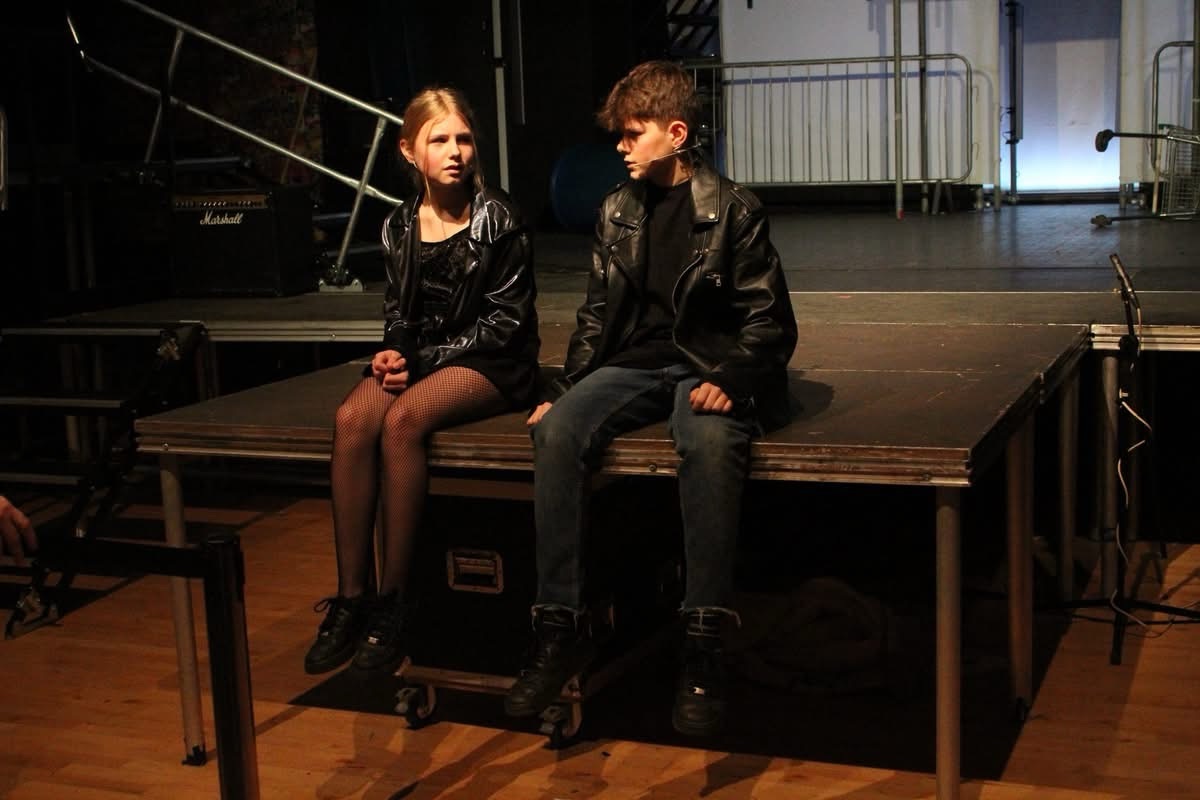
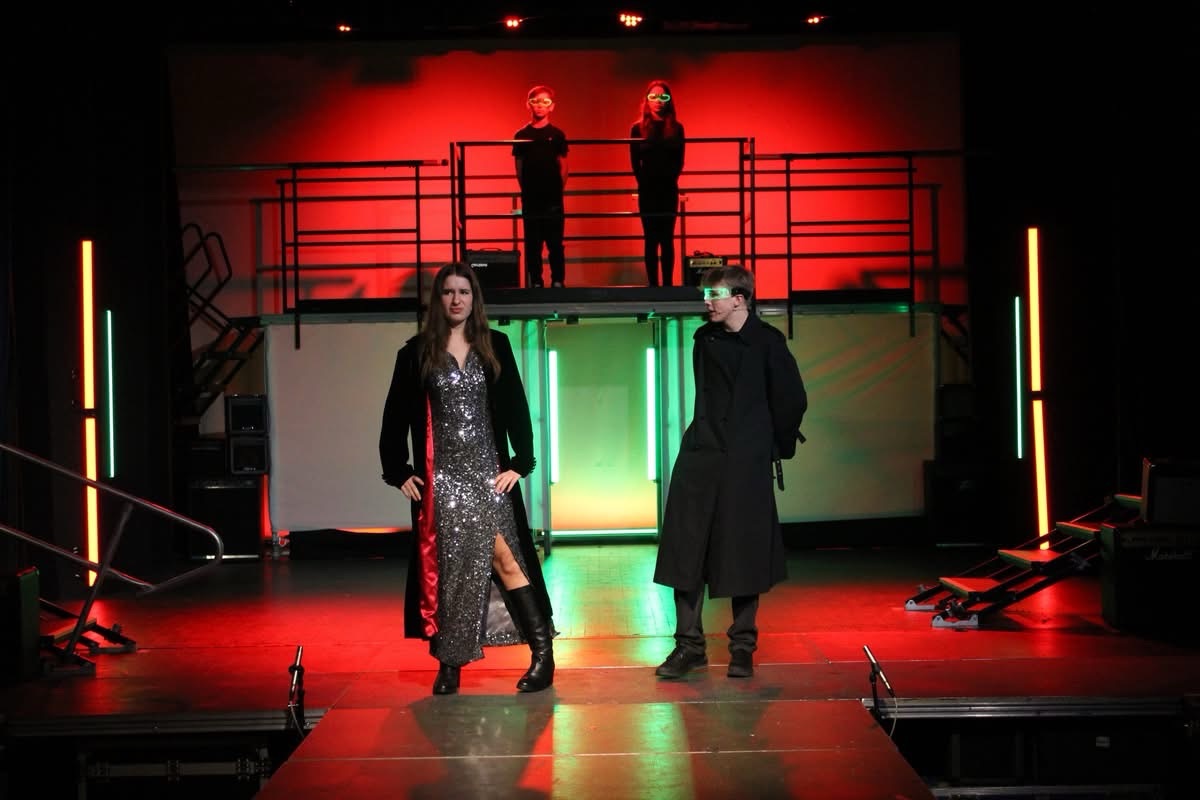
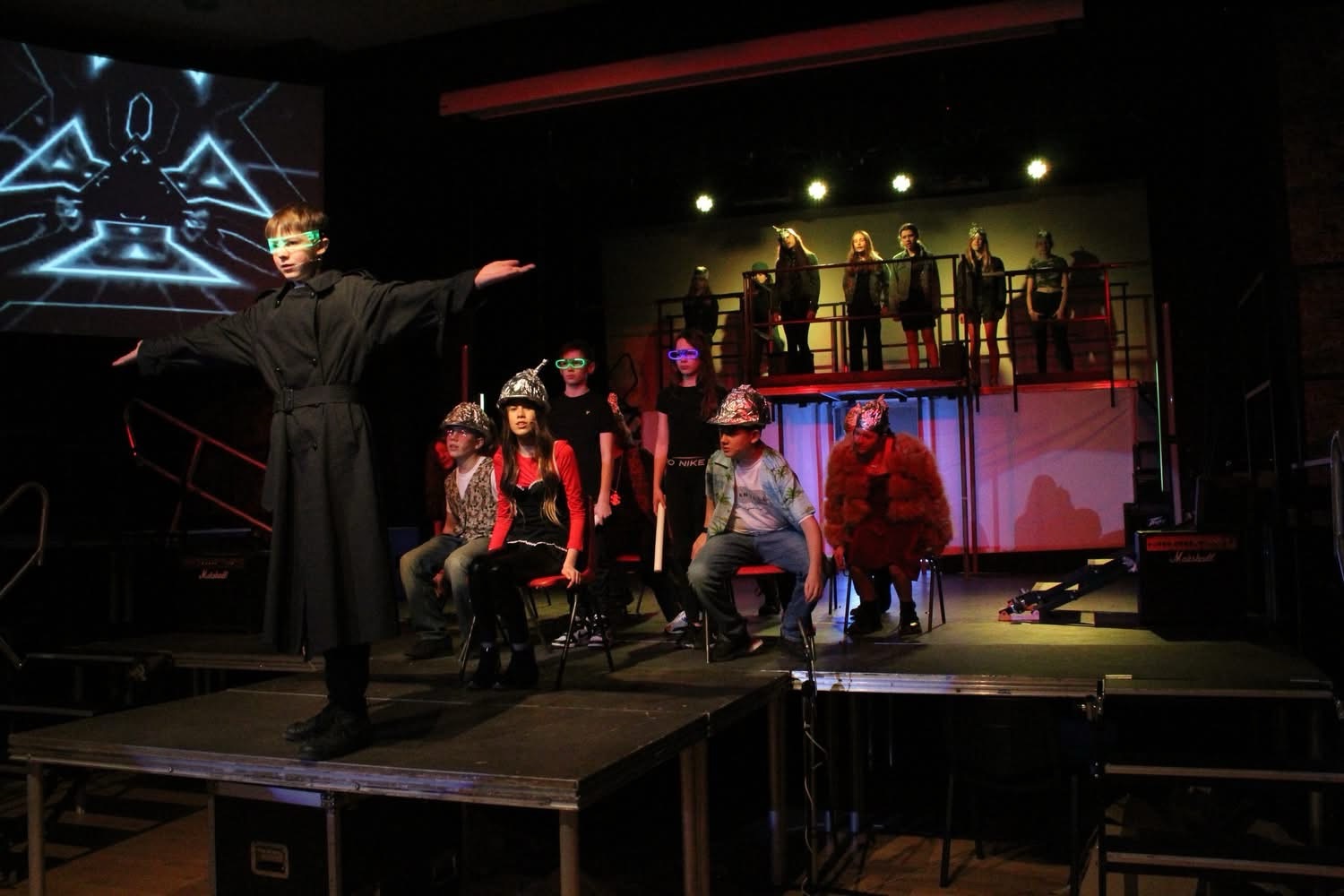
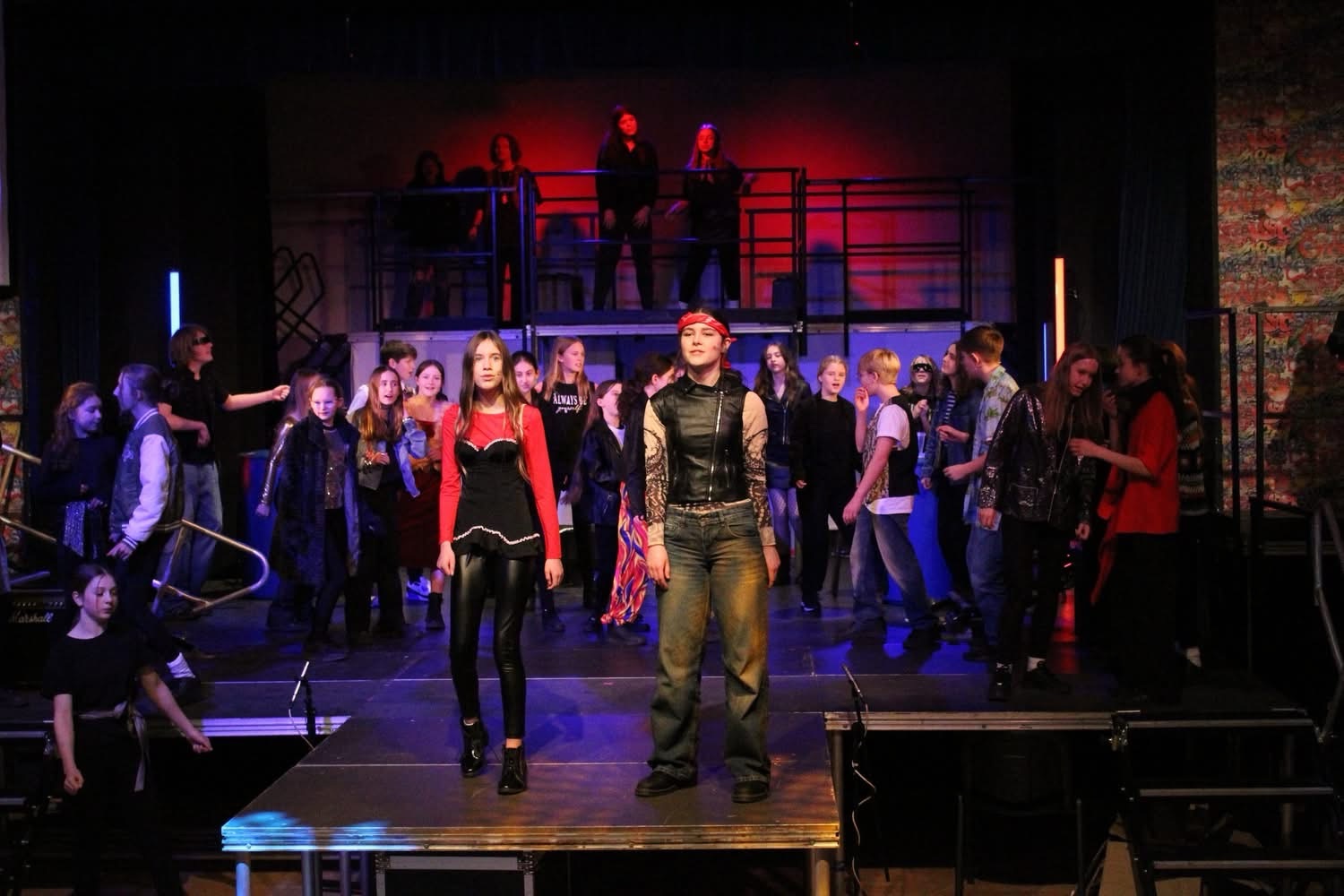
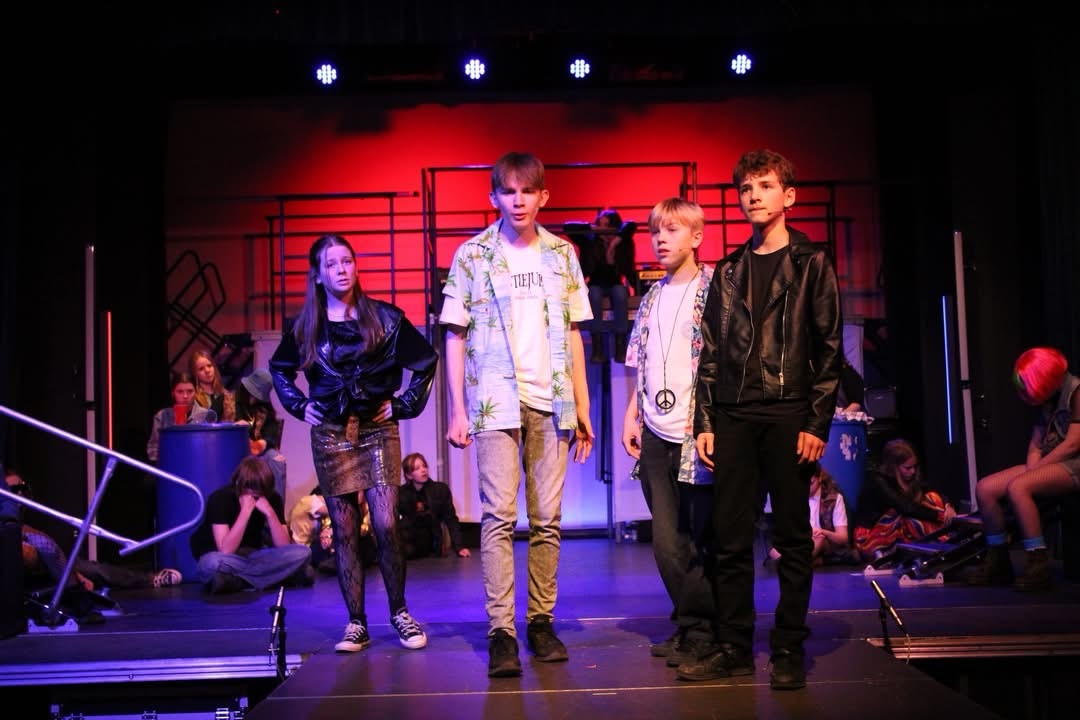
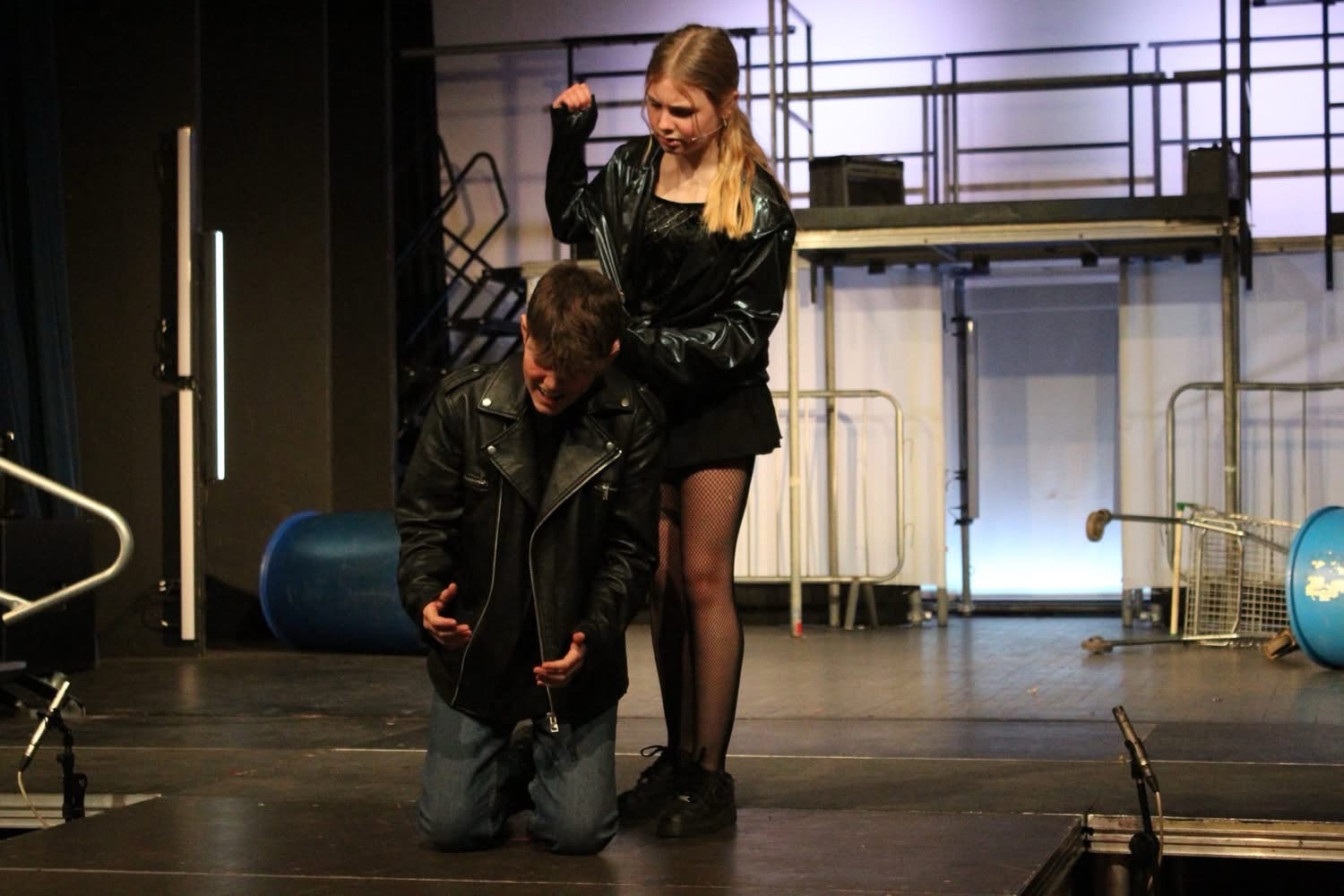
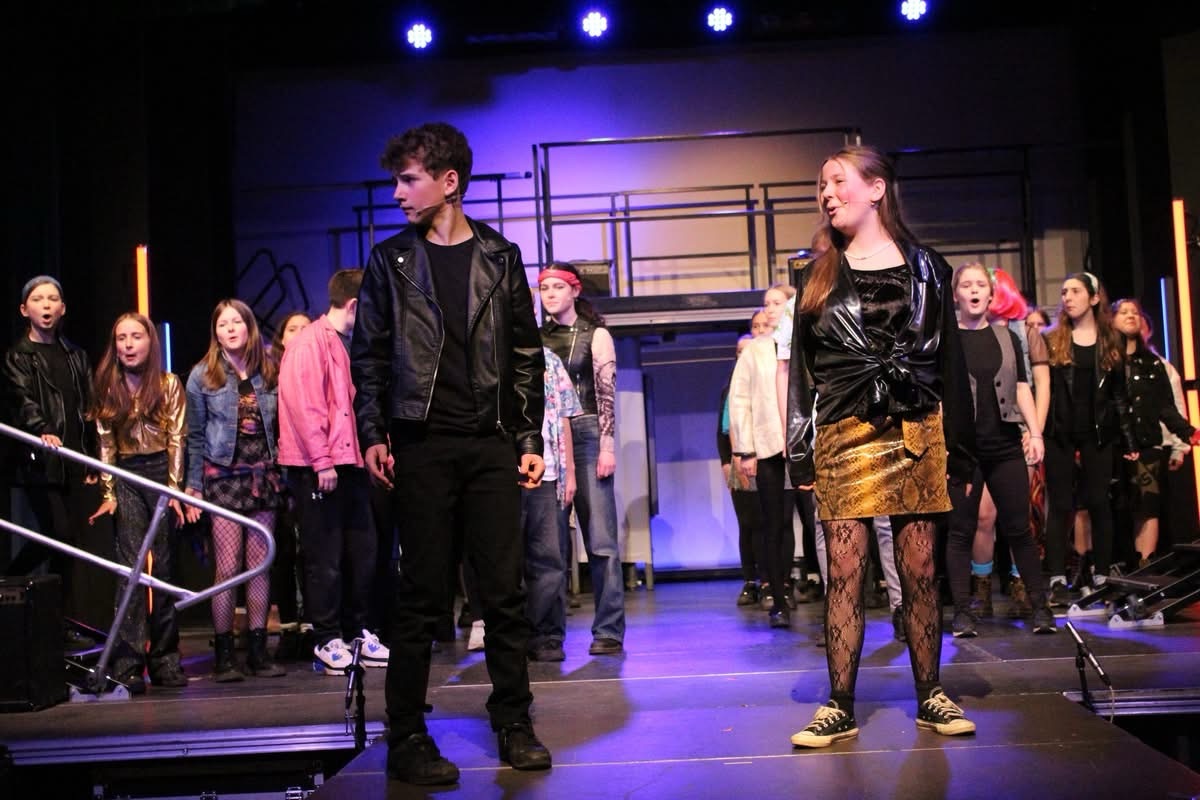
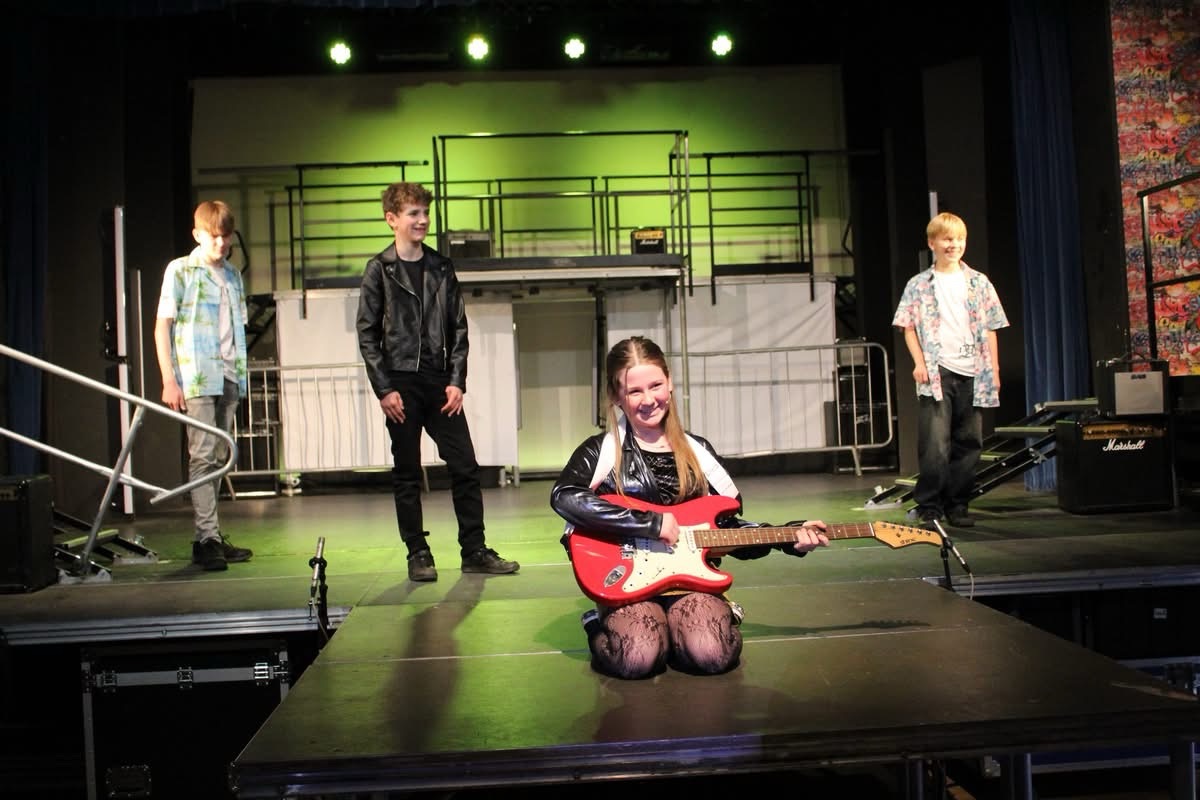
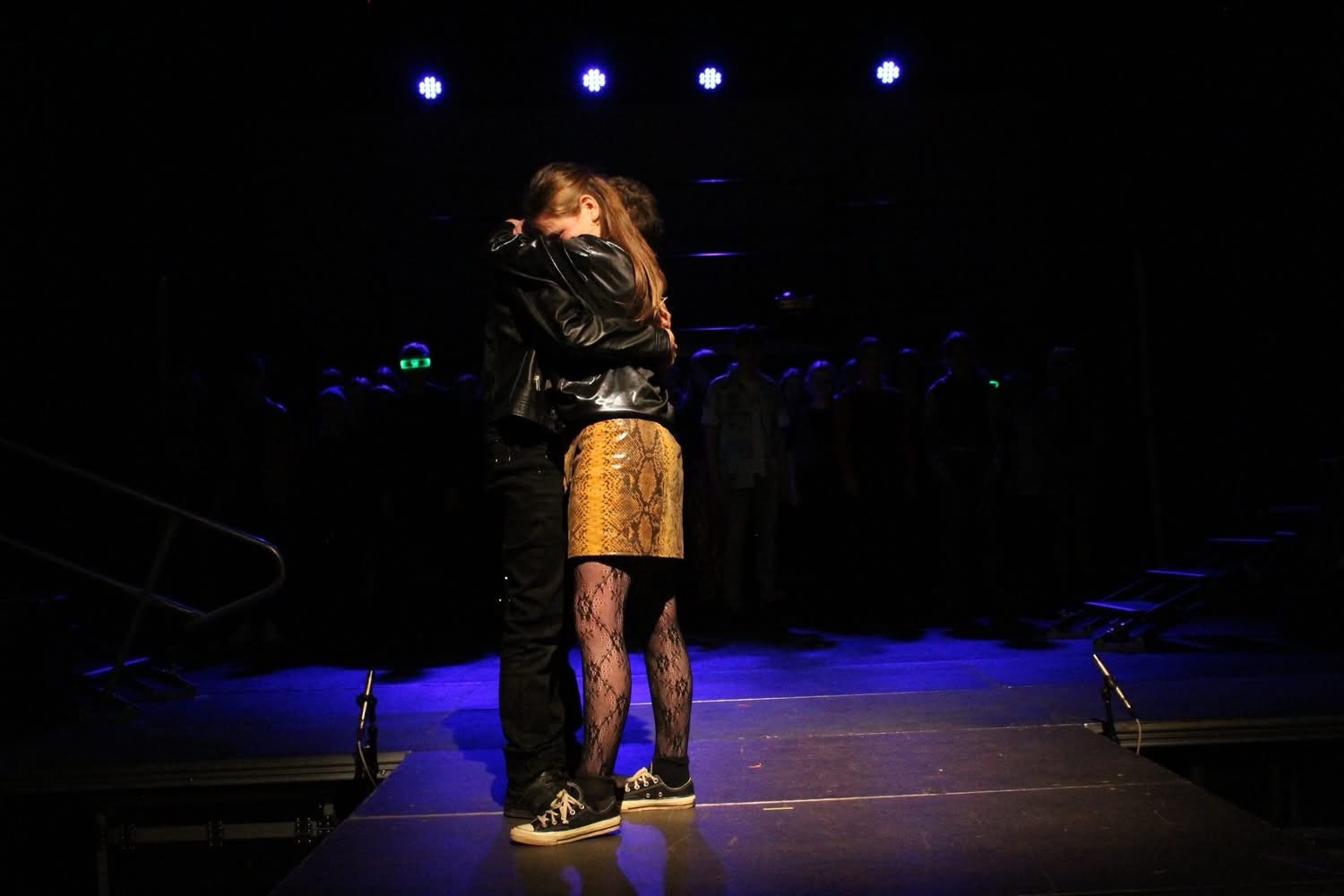
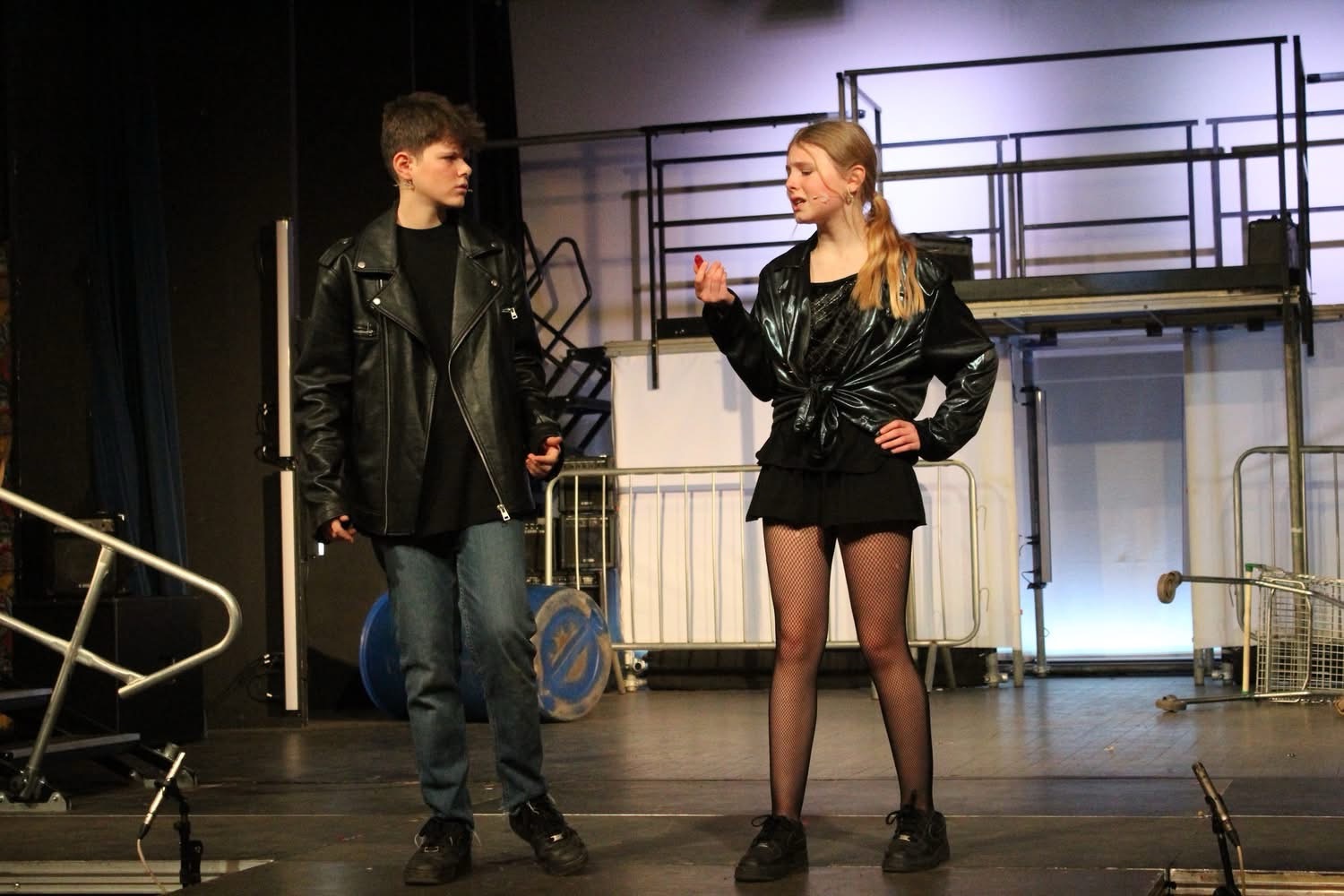
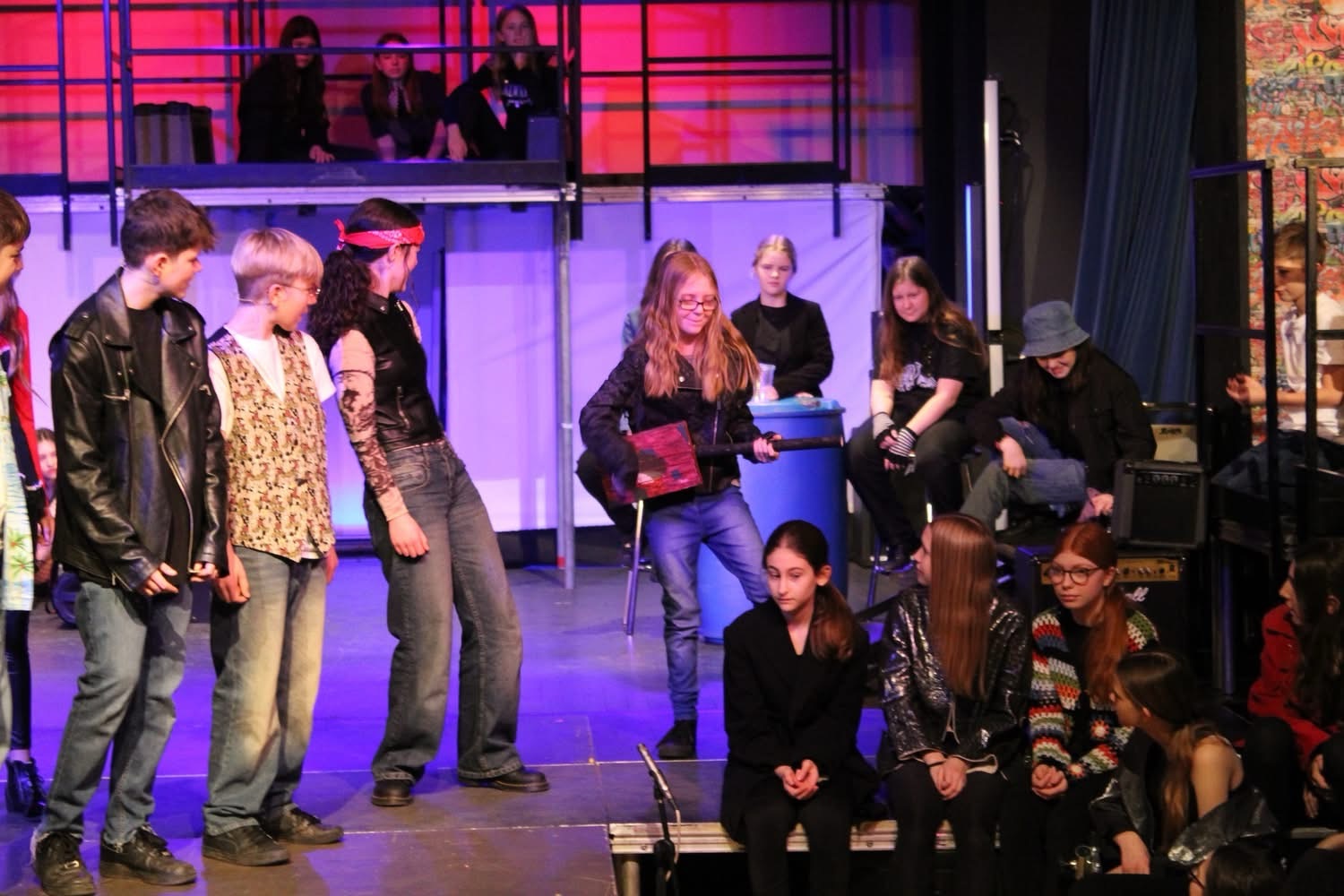
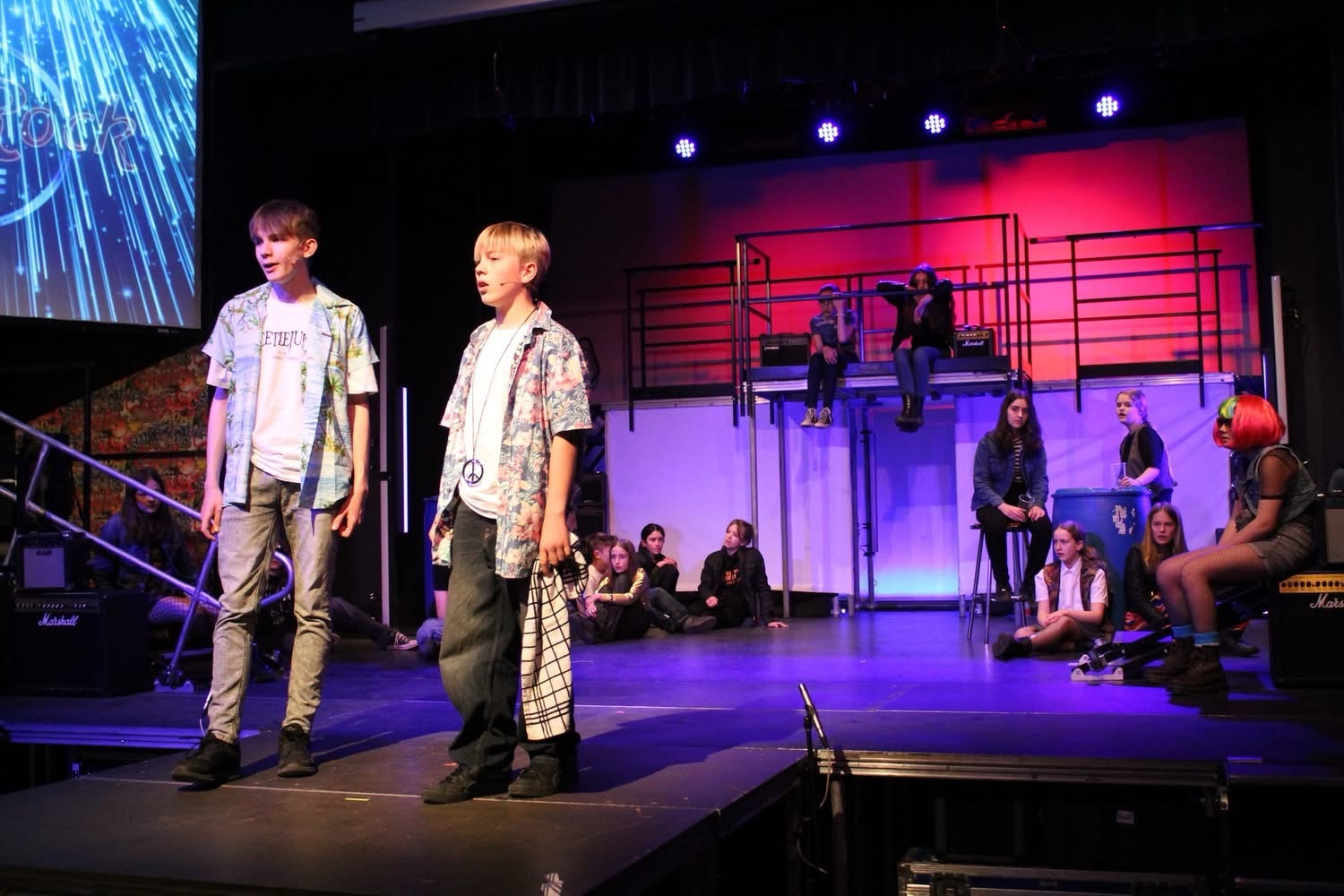
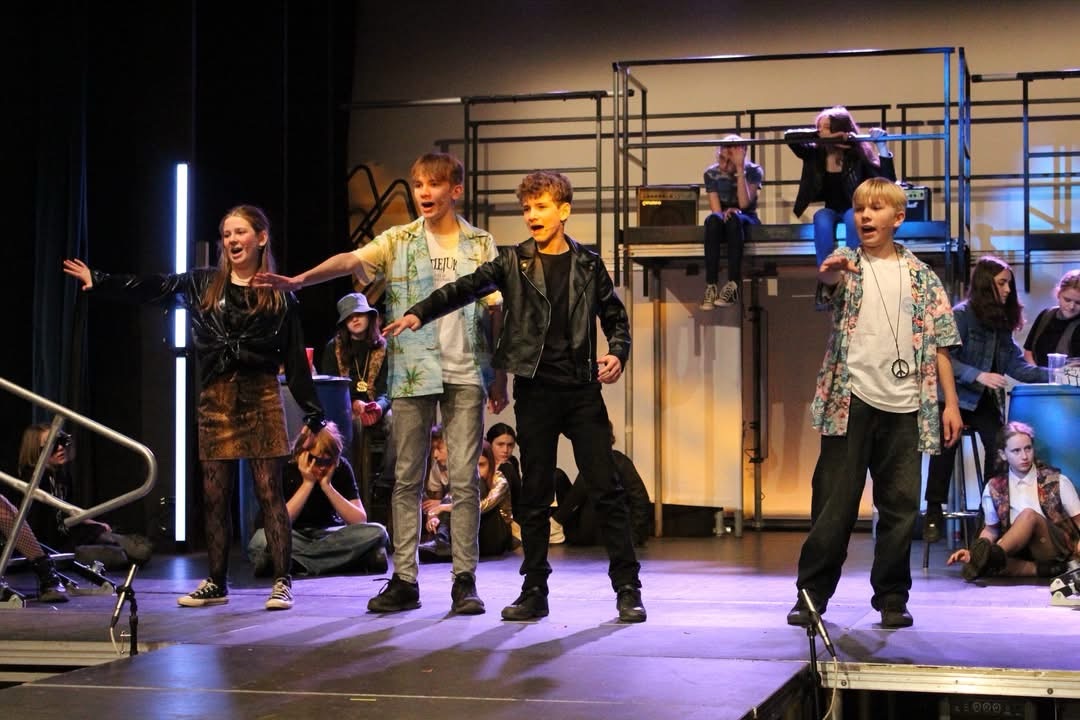
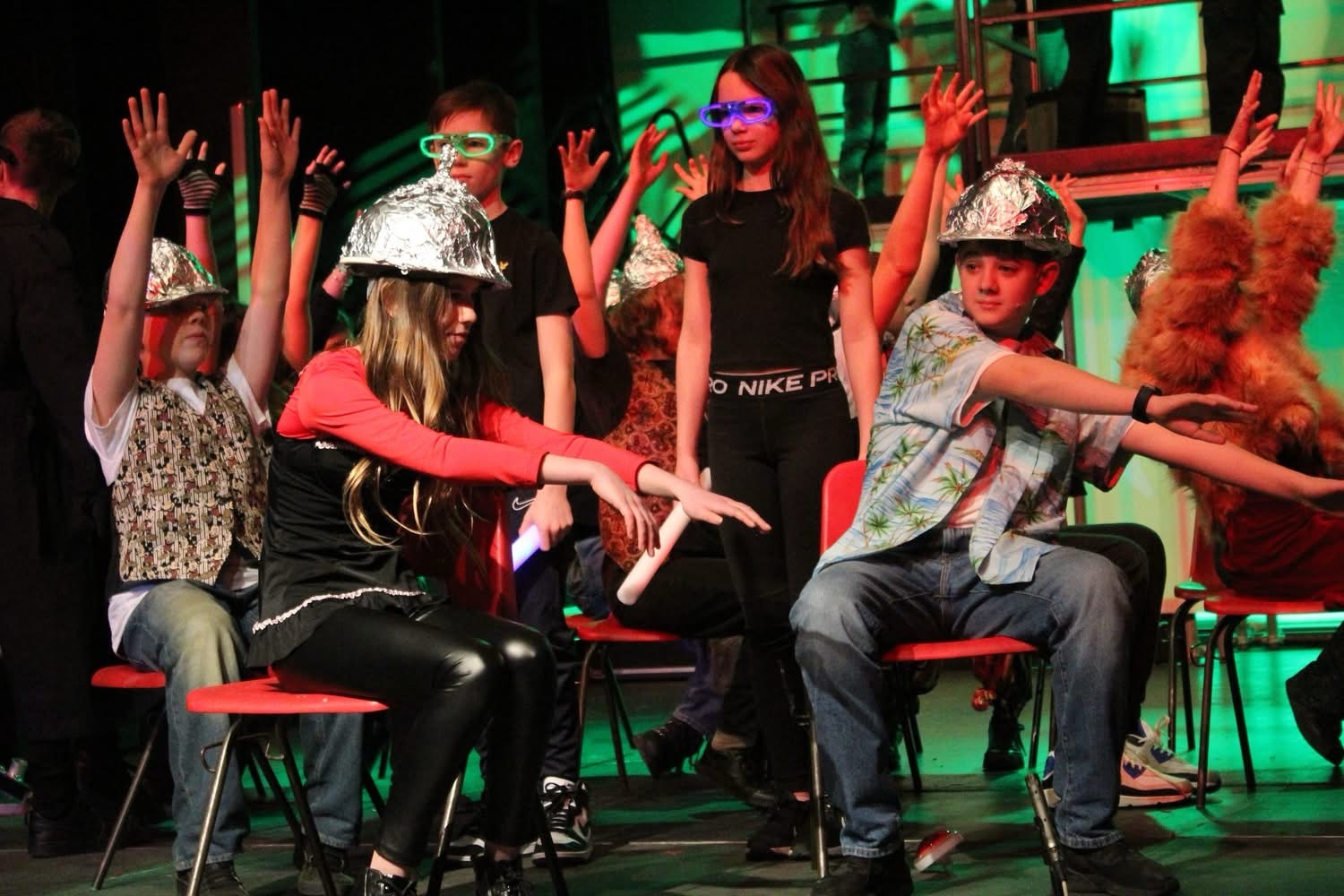
What. A. Show! The casts, crew and team behind our Key Stage 3 musical, We Will Rock You, have been working hard for months, and it certainly paid off. Over four stunning performances, the two casts, live band, and hard-working behind-the-scenes crew thrilled audiences in the Academy Hall with a hilarious, moving and exciting show that everyone involved will remember for a lifetime!
The musical uses the songs of Queen and Freddie Mercury to tell a story of a dystopian future world under the ruthless control of the Killer Queen, where musical instruments are outlawed and only manufactured, pre-programmed pop is allowed. Against this background, rebel Galileo Figaro teams up with no-nonsense Scaramouche and a ragtag team of Bohemians to reclaim “real” music and set everyone free.
The performers gave their all on stage, performing words and music with real confidence and assurance. The script was full of great humour and the audience was laughing along with them all the way through. There were also moments of real poignancy, and Oz’s solo of No One But You (Only the Good Die Young) moved me to tears. The lead performers – Joey Clausen, April Cashman, Billy Cargill and Brooke Austin – were stunning, and special mention must go to Isabelle Gilbert-Avison who stole the show as Brit! But every single performer on stage had a moment to shine, and they took it with both hands. It was a true ensemble performance.
We Will Rock You was directed and produced by our Sixth Form Performing Arts students. Directors Betty Clarke, Ash Shipton and James Hart, musical director Lily Spry, producer Gemma Seymour, dance director Bela Bradshaw, Chorus Lead Ceci Brumby and Stage Manager Adam Corke deserve a huge credit for their leadership, vision and commitment in bringing the show to the stage, and giving our younger students the opportunity to shine so brightly. They capture the essence of what student leadership at Churchill is all about!
My final word of praise must go for the live band. You would be forgiven for thinking you were listening to a professional pit orchestra, but these were Churchill students without a member of staff in sight! From face-melting guitar solos to chopping rhythms and delicate moments of tenderness, the band – under Lily Spry’s excellent direction – matched the action on stage and supported the performers brilliantly.
Many of these young performers will now be looking forward to the much anticipated Legally Blonde, our full school musical which is hitting the stage in 2026. Judging by the talent on show here, it’s going to be quite the show!
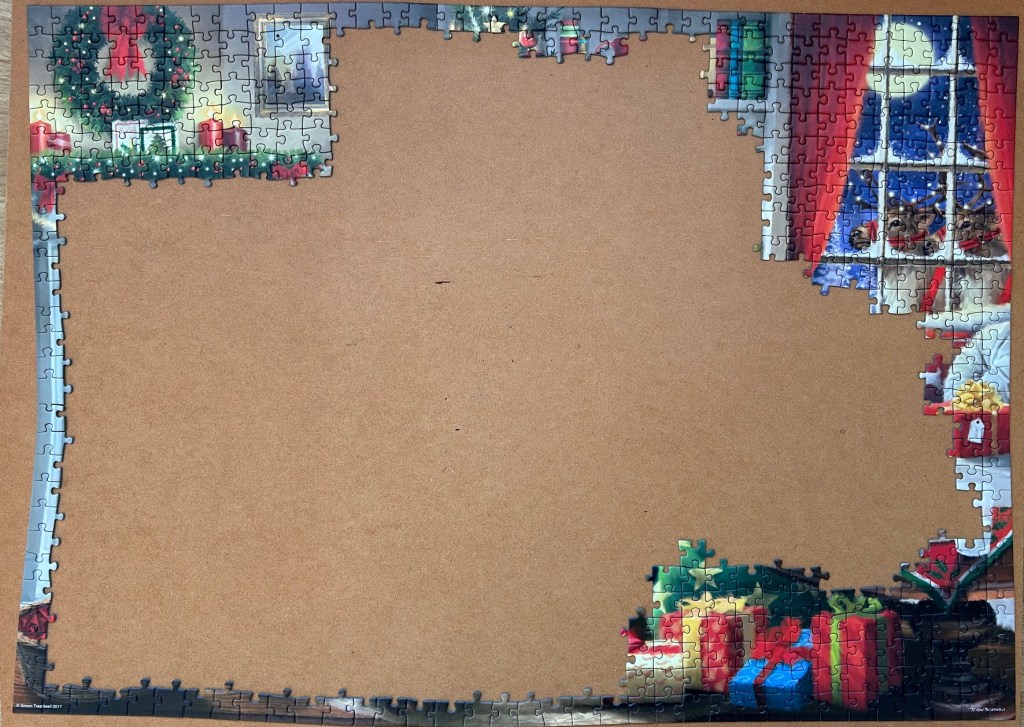
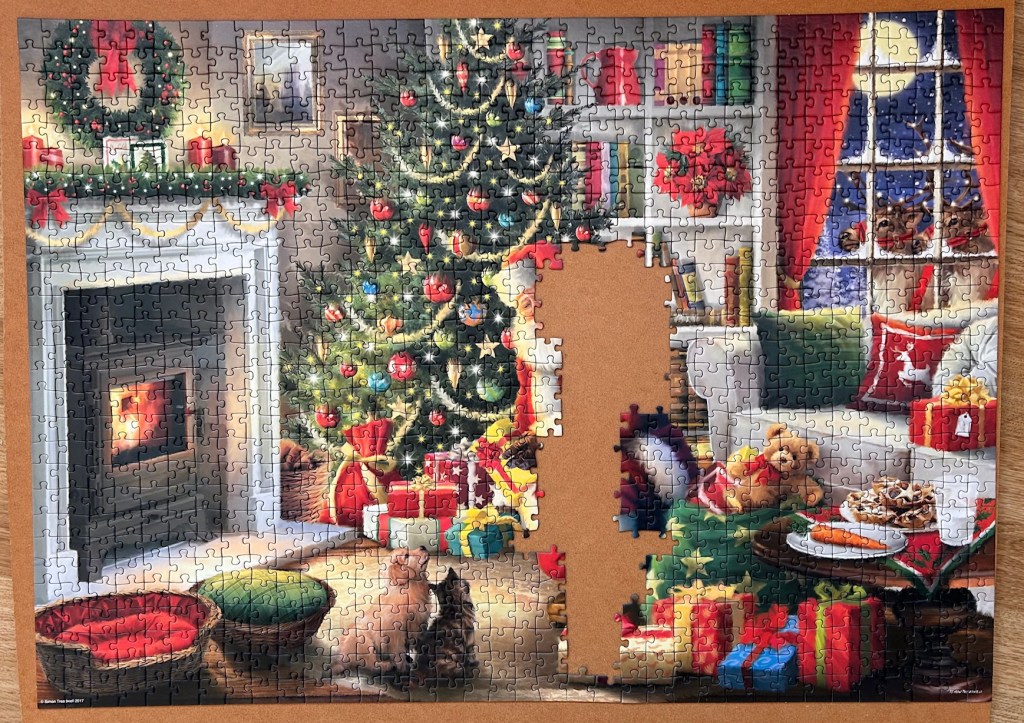
Over the Christmas holidays, my family and I always like to complete a Christmas jigsaw. We have a few 1000 piece sets that we’ve been given over the years, and it’s always a fun challenge to try and put them together to make the complete picture. You can see our progress below!
As we were putting the jigsaw together this Christmas, I was thinking about the Academy: how every piece is different and unique, but every piece needs to be in the right place, to fit, to belong, in order to make the complete picture. We work really hard every day to help ensure that students and staff are slotted in to help make the whole thing work.
But I was also thinking about how every individual is made up of thousands of tiny pieces. These micro-decisions, little things that make up our daily lives in school. I spoke to students in assembly last week about some of these component parts:
Lessons: including our favourite lessons and those that we find more challenging. Our curriculum is made up of lots of component parts which all work together to make a strong, deep and broad understanding of our world. Every single piece counts.
Social times: ensuring that the Academy is and feels safe, welcoming and friendly for everyone in it, is everyone’s responsibility.
Punctuality: we are particularly focused on this important life skill at the moment, and our students are working really hard to make sure that they are on time, every time.
Attendance: similarly, we have been really impressed by our students’ efforts to ensure that they attend school every day, every lesson that they are able to.
Extra curricular: both within school and beyond, the activities our students are involved in all add up to build their skills, knowledge, character and confidence.
Values: our values of kindness, curiosity and determination underpin everything we do, and work together to support character development in our students
Wellbeing: linked to last week’s assembly on sleep, we know that looking after ourselves is important. Diet, exercise, sleep and a balanced approach to health and wellbeing are all important.
In our school, and in ourselves, every single piece matters.
Happy New Year! In this week’s “welcome back” assemblies I have been talking to students about the importance of getting a good night’s sleep.
Sleep is an important part of our physical, mental and social wellbeing, just like eating well and being active. A recent study showed that on average, people in the UK had six and a half hours of sleep a night. Doctors and researchers recommend between 7-9 hours of sleep for adults and it’s even more for children and young people. This shows that lack of sleep is an issue for us as nation and a society, and building good habits early can help set us up for life.
Less sleep and poor sleep quality can have a real impact on people’s health, but there is lots of information out there to help us get better rest. This information is especially important for students and young people.
Sleep facts and myths
In the assembly, students reflected on a series of sleep facts and myths:
You can still get a good night’s sleep even if you wake up: this is a sleep fact. Waking up during the night is completely normal and expected. During sleep we cycle through different sleep stages, moving from lighter sleep stages to deep sleep.
We all need 8 hours of sleep: this is a sleep myth. Although some people might find that 8 hours of sleep at night suits them, we’re all individuals and have different sleep needs.
Waking in the morning and still feeling dozy is a sign of a poor night’s sleep: this is a sleep myth. Very few of us probably wake up in the morning and immediately spring out of bed ready for the day. It’s more likely that people wake and take a few minutes to shake off sleepiness.
You can catch up on the sleep you’ve missed: this is a sleep myth. Scientific studies show that you can’t make up lost sleep by having more on the weekends or in school holidays.
Good sleep habits
We then thought about ways that we could help to build good sleep habits, with techniques that are proven to help with getting a good night’s sleep:
Follow the same daily bedtime routine: having the same bedtime and the same routine before bed helps prepare the mind and body for sleep. For example, reading a chapter or two of your current reading book every night is a good way to help settle yourself before sleep.
Avoid screens for at least an hour before bed: a phone, laptop, tablet or TV screen tricks our brain into thinking it’s still daytime, making it more difficult to get to sleep. Avoiding screens for at least an hour before bed helps the brain to realise it’s night time and prepare for sleeping. Since 2019 I have charged my mobile phone downstairs, rather than on my bedside table, and it has transformed my sleep quality! You can read about this here.
Drink a glass of warm milk before bed: I actually thought that this was a myth, but it turns out that a cup or warm milk genuinely can help your body prepare for sleep – it’s something to do with an amino acid called tryptophan, apparently!
Keep your bedroom tidy: a tidy and orderly bedroom helps you to relax and feel calm and ready for bed. So tidy your room!
Get plenty of daylight: our bodies follow a pattern called the circadian rhythm that keeps us alert and awake during the day, and allows us to fall asleep at night. The circadian rhythm is regulated by daylight during the day, and darkness at night – so getting sunlight during the day helps us to fall asleep at night.
Wind down before going to sleep: ensuring that we are as calm and relaxed as possible before bed is another great tip. That’s why reading can be a great before-sleep activity – getting lost in a good story prevents the mind from wandering and ensures that we are ready for the land of nod.
Instant impacts?
It has been great talking to students about my assemblies this week. Several students have tried out some of the top sleep tips and reported that it really helped. So, for once, I’m taking: “Mr Hildrew, your assembly sent me to sleep” as a compliment!
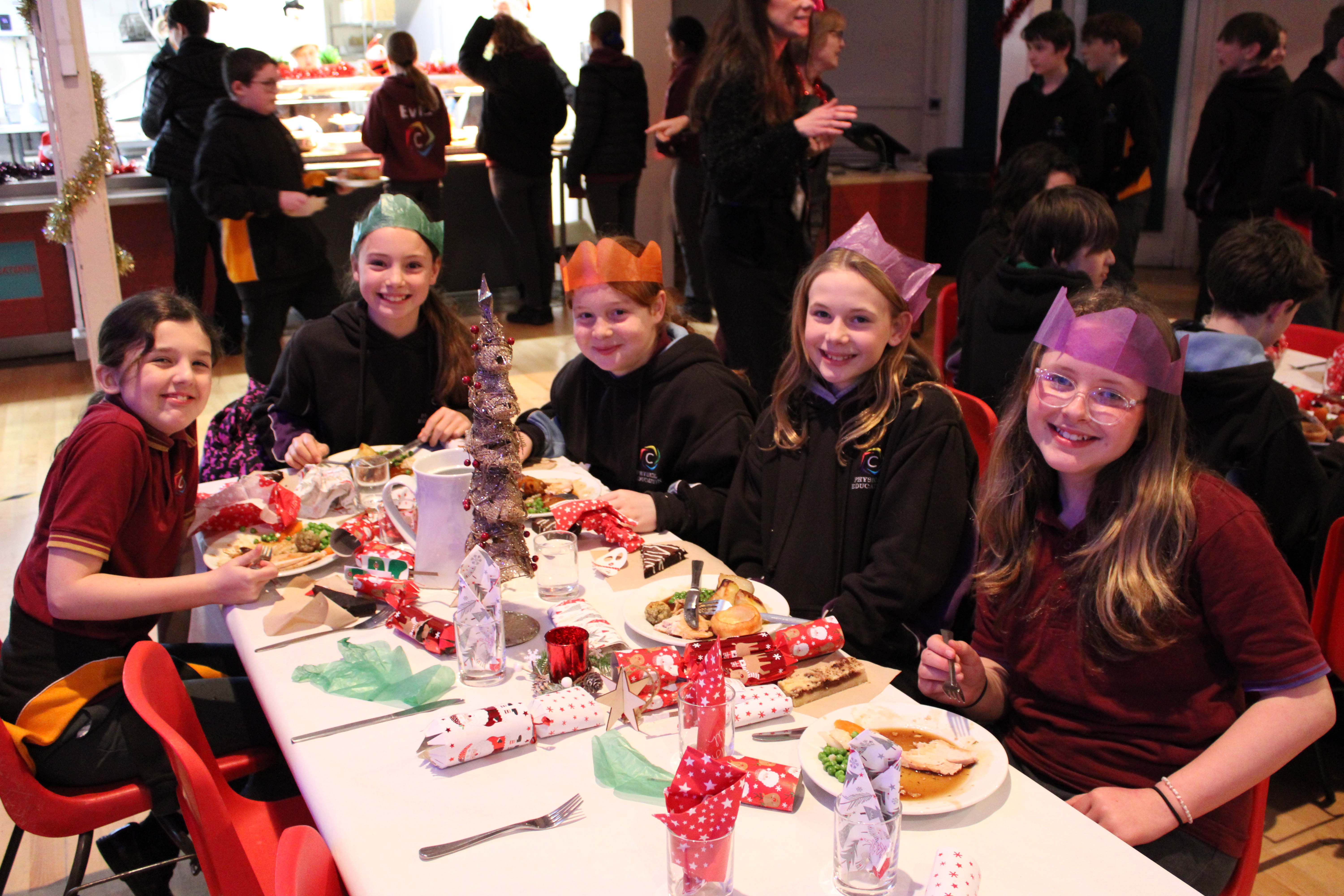
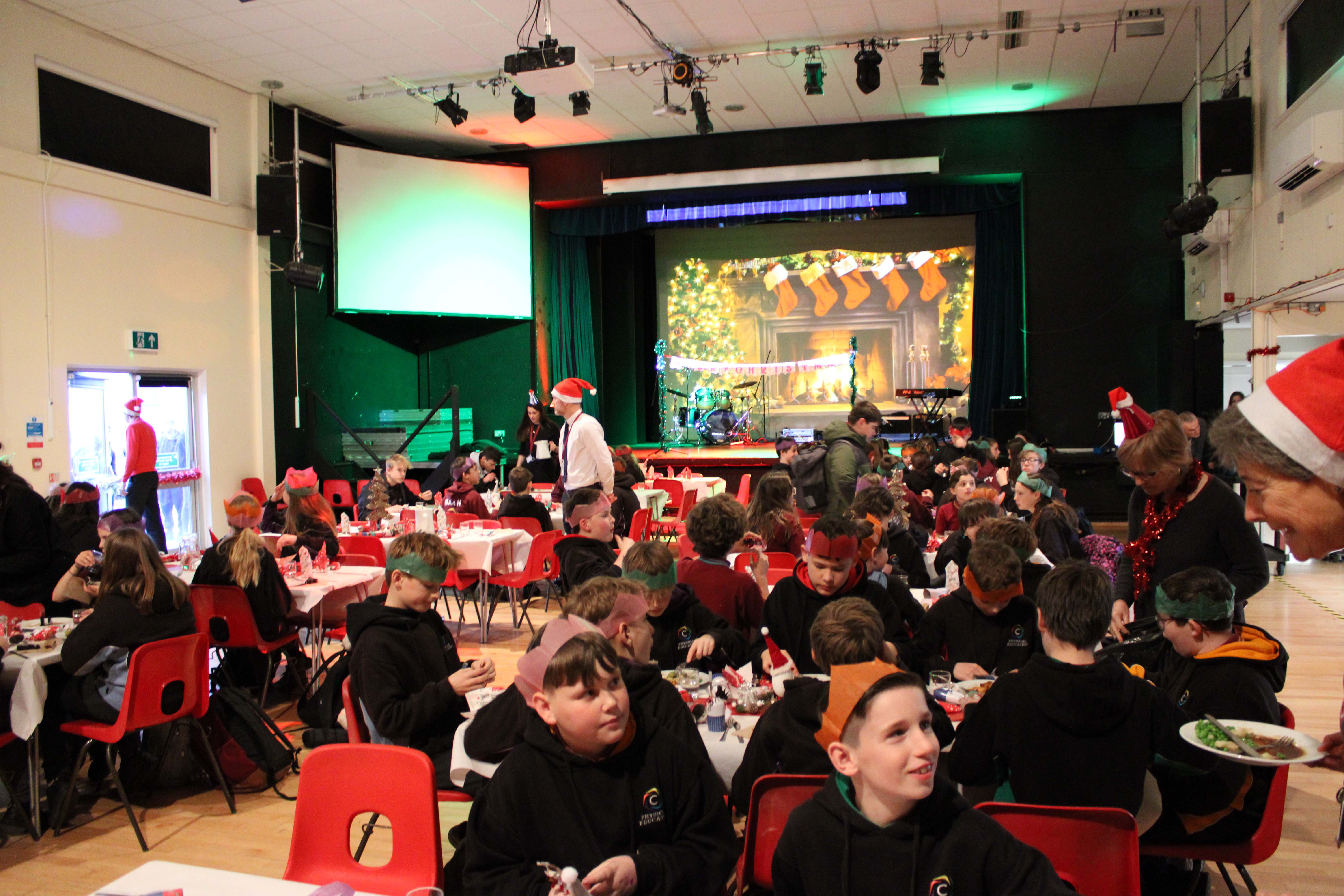
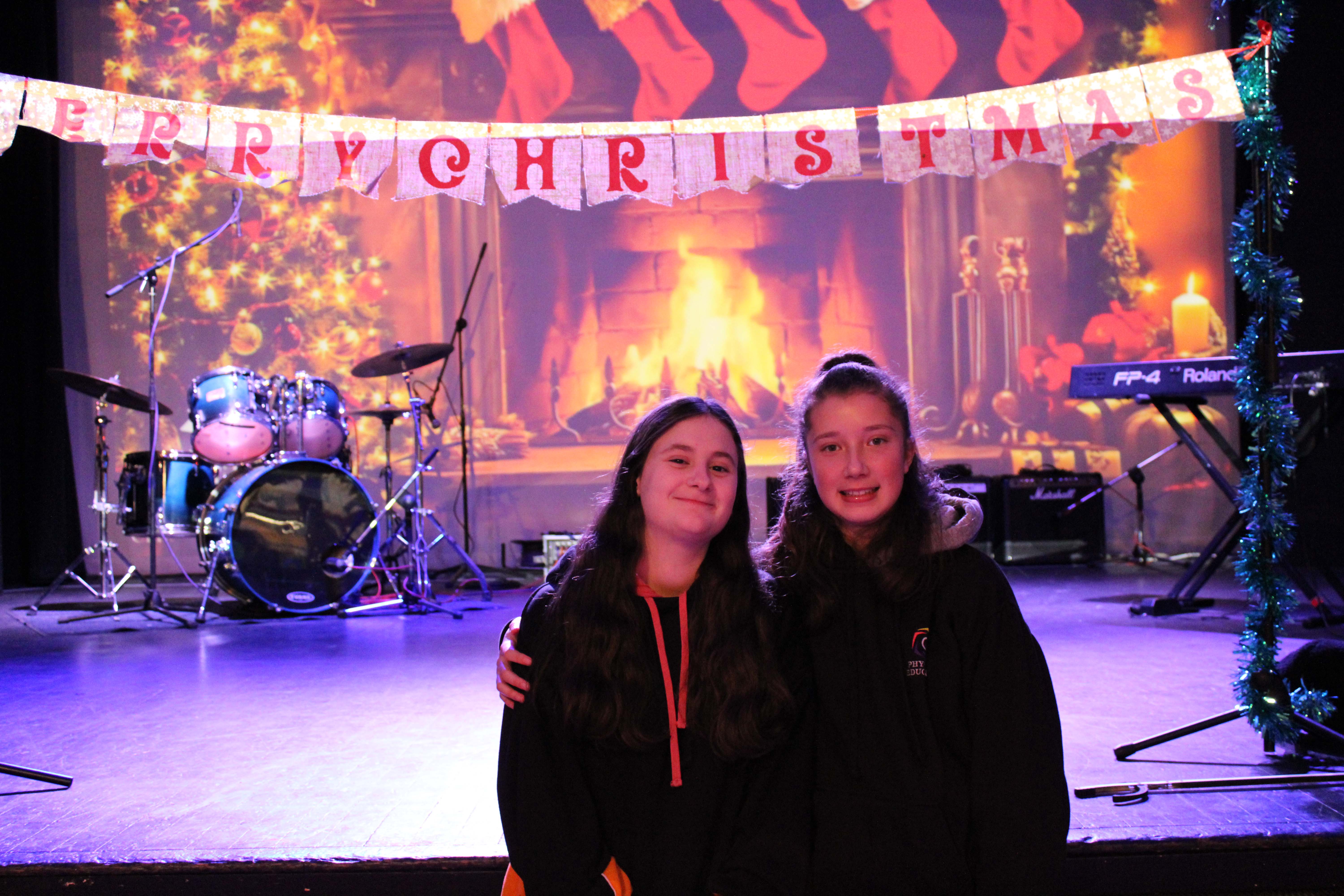
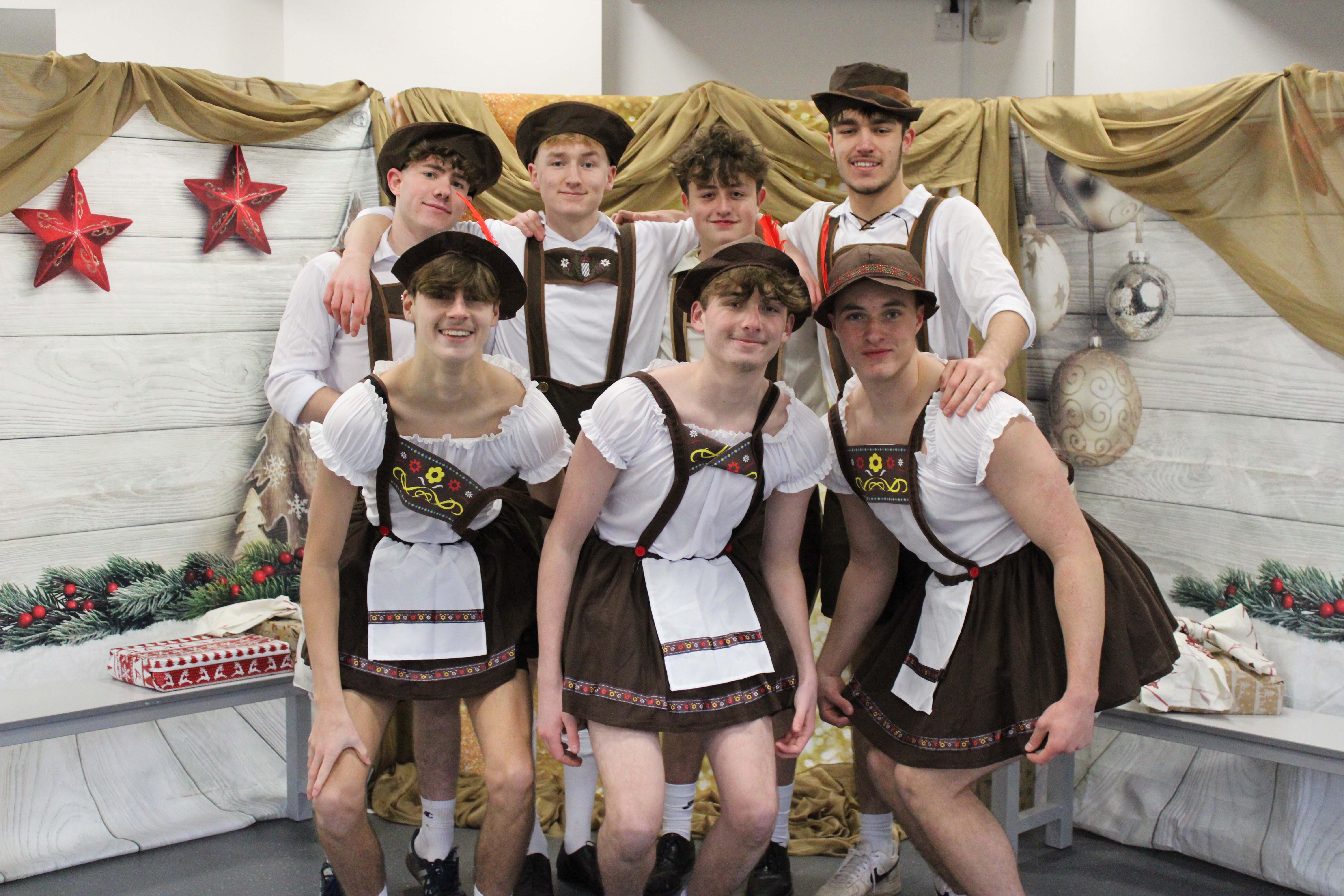
Merry Christmas! We’ve been enjoying our final week of 2024, with a very popular Christmas Dinner on Thursday lunchtime. The last day of term began – as always – with the senior leadership team cooking breakfast for our hardworking staff to say “thank you” for their efforts over the year just gone. The Site Team helped get students into the Christmas spirit by converting their van into a tinsel-festooned mobile disco unit, ensuring that everyone was feeling suitably festive!
After lesson 1, the main school began their festive activities including a house assembly, tutor group activities and challenges, and the all-important Headteacher’s Quiz. Many congratulations to this year’s winners: joint winners SSOM and SHA in the tutor group competition meant that Stuart House triumphed in the inter-house competition!
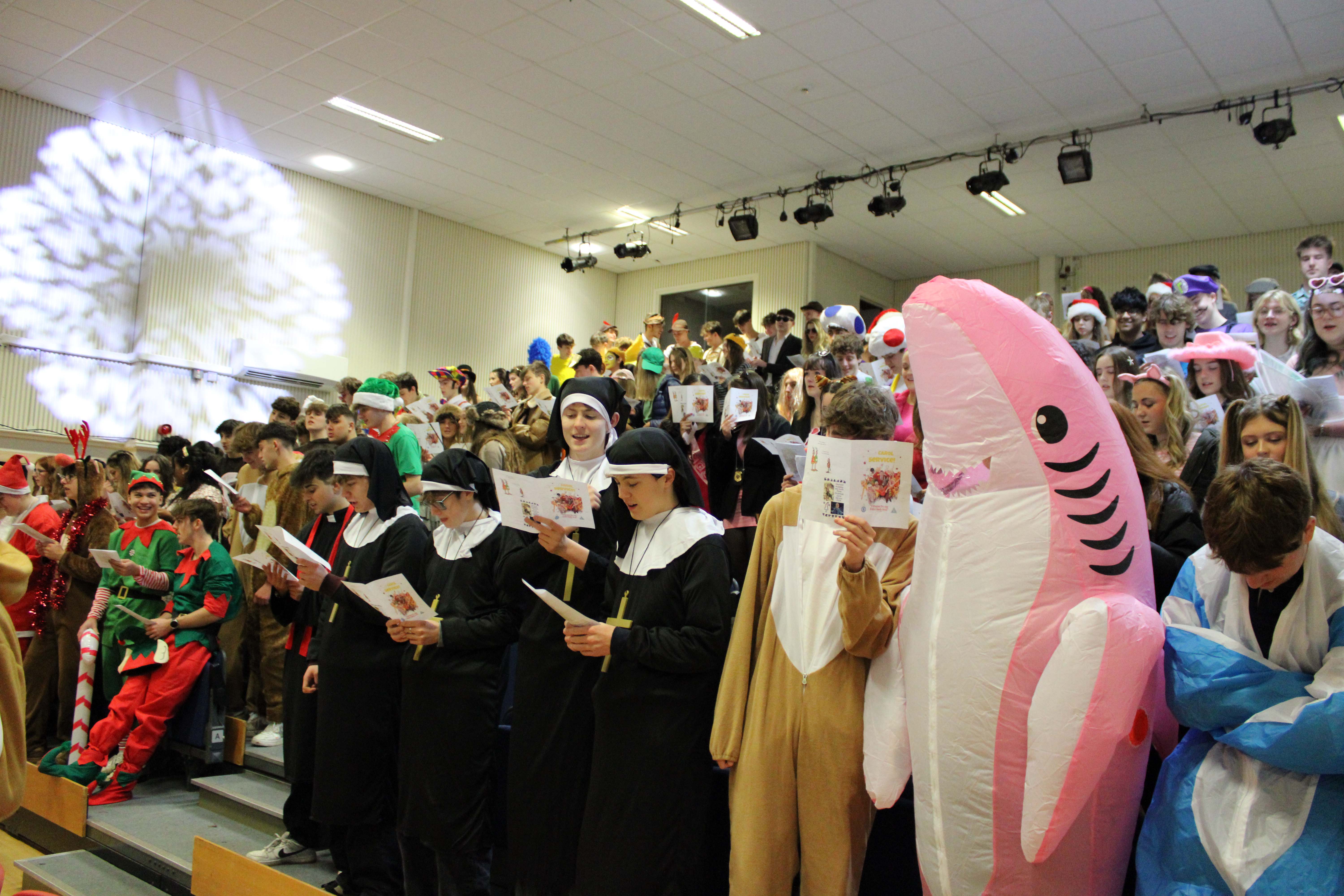
The Sixth Form, meanwhile, excelled in their fancy dress efforts. They enjoyed a carol service, a photo booth, and the Sixth Form revue which featured some great performances this year!
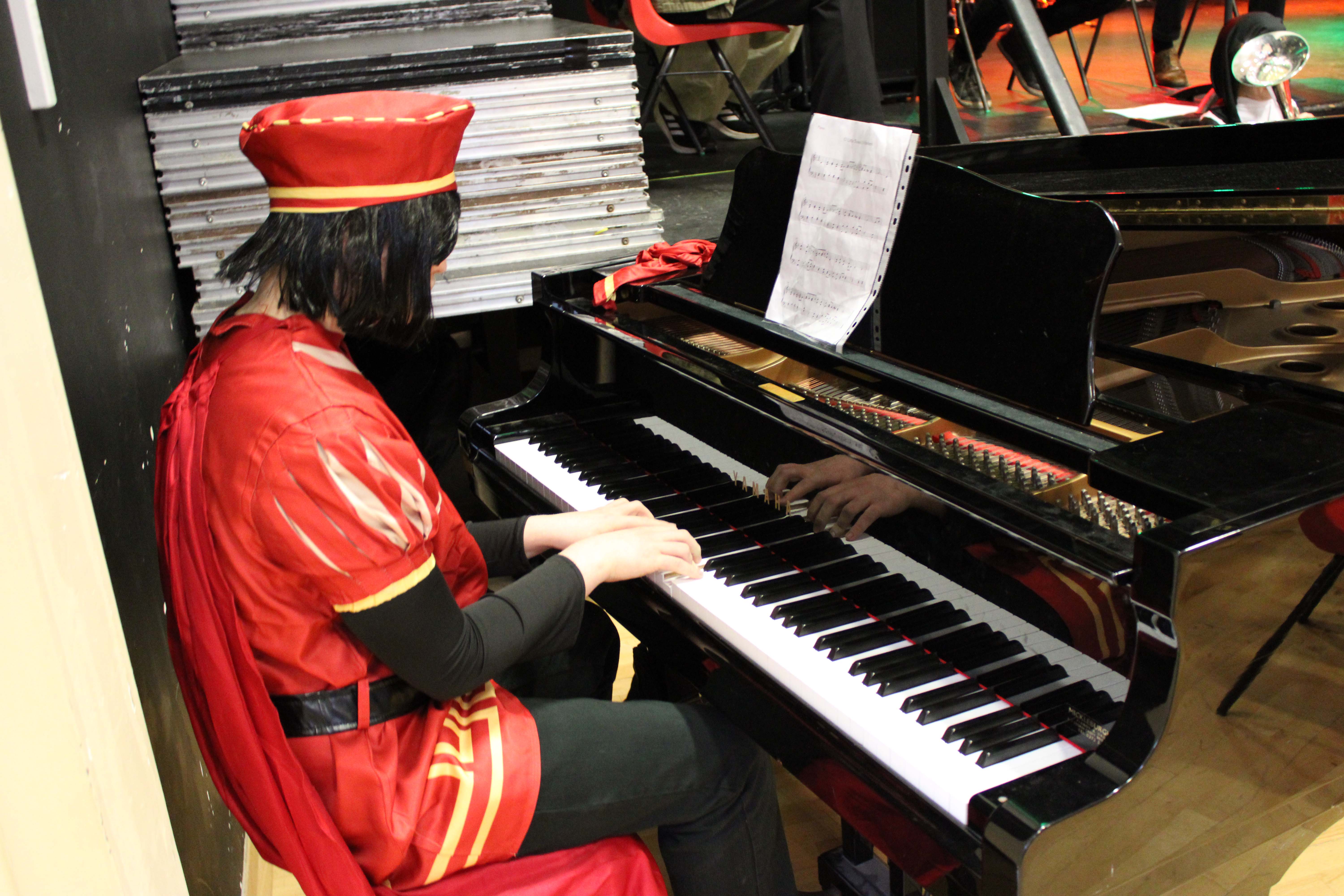
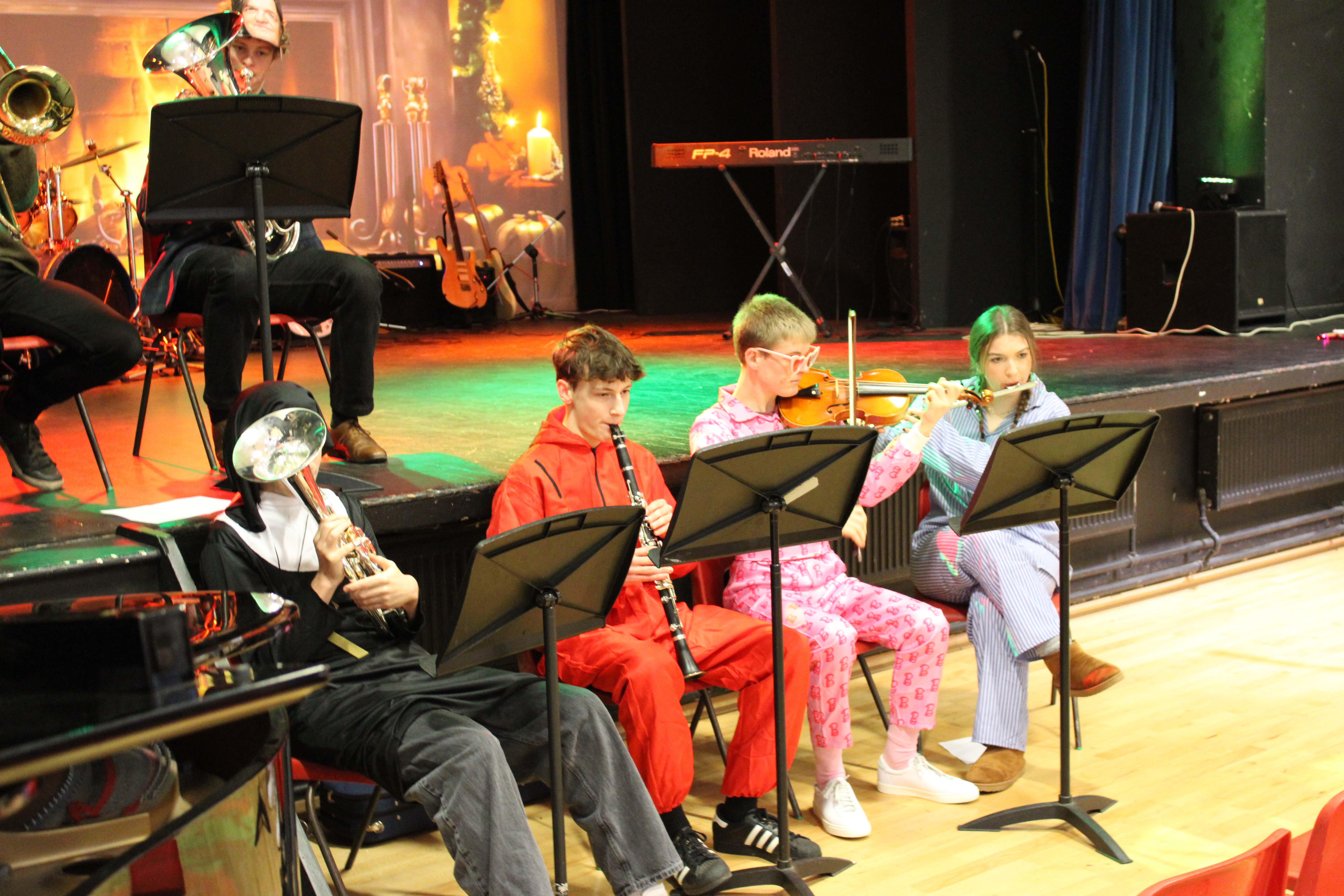
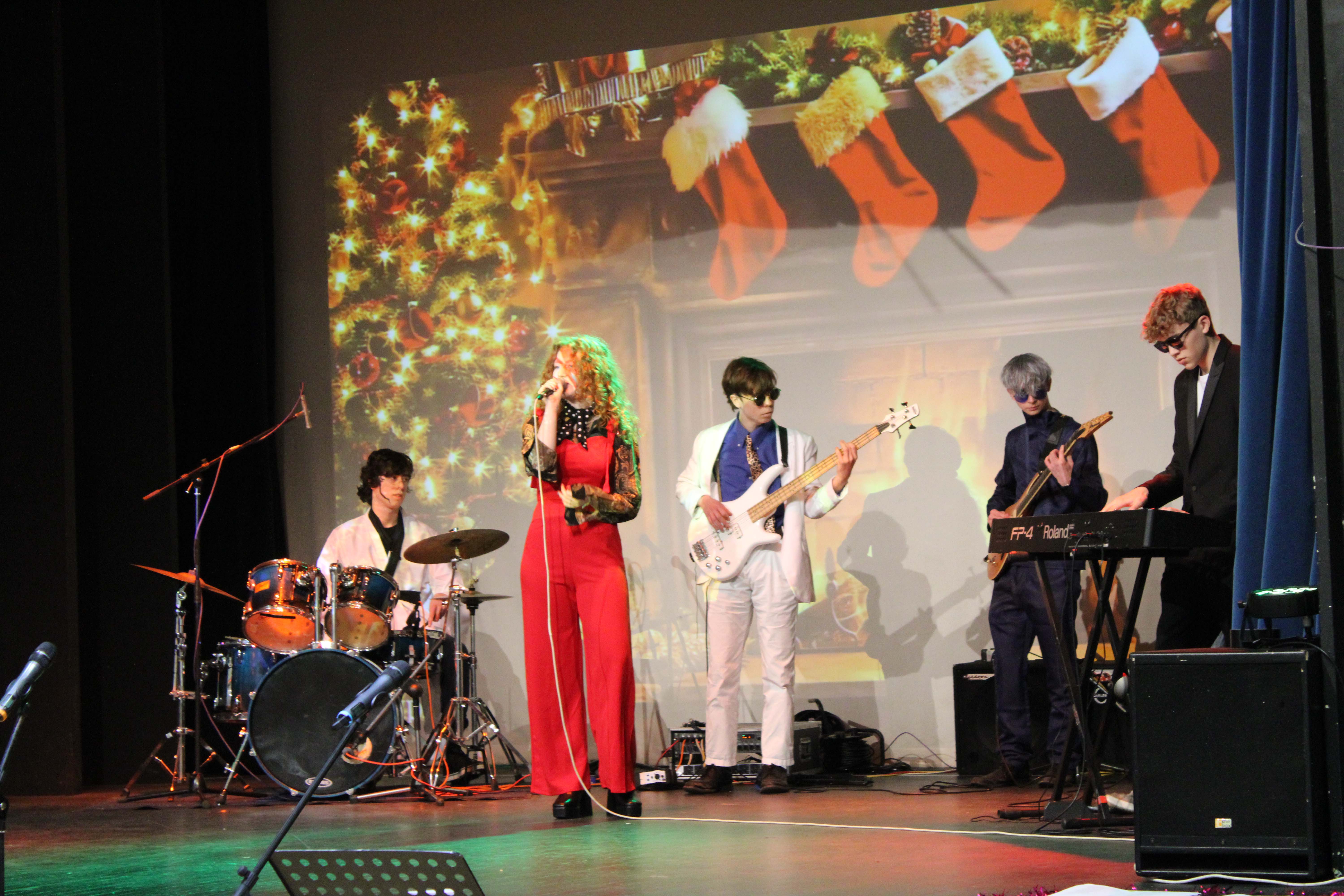
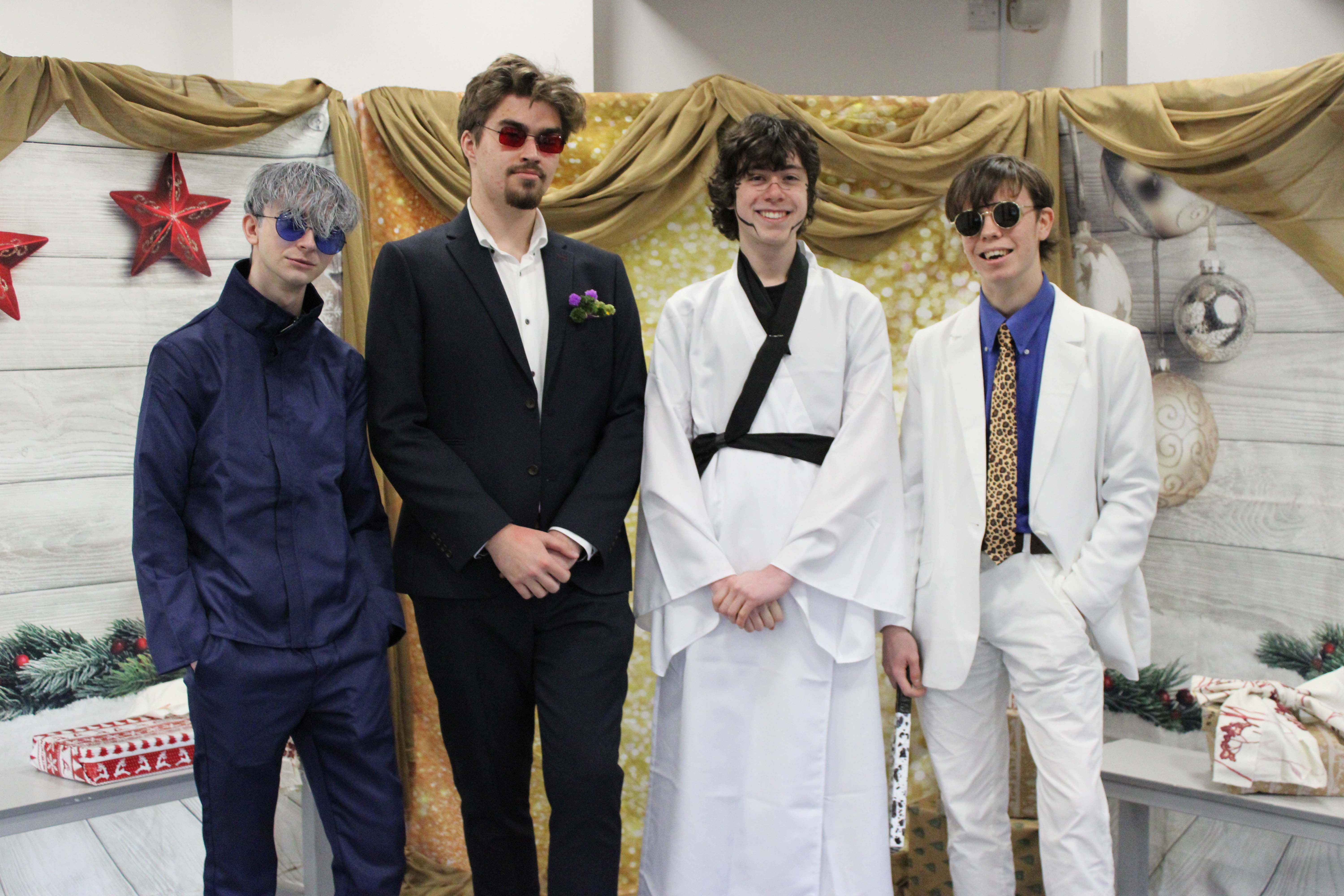
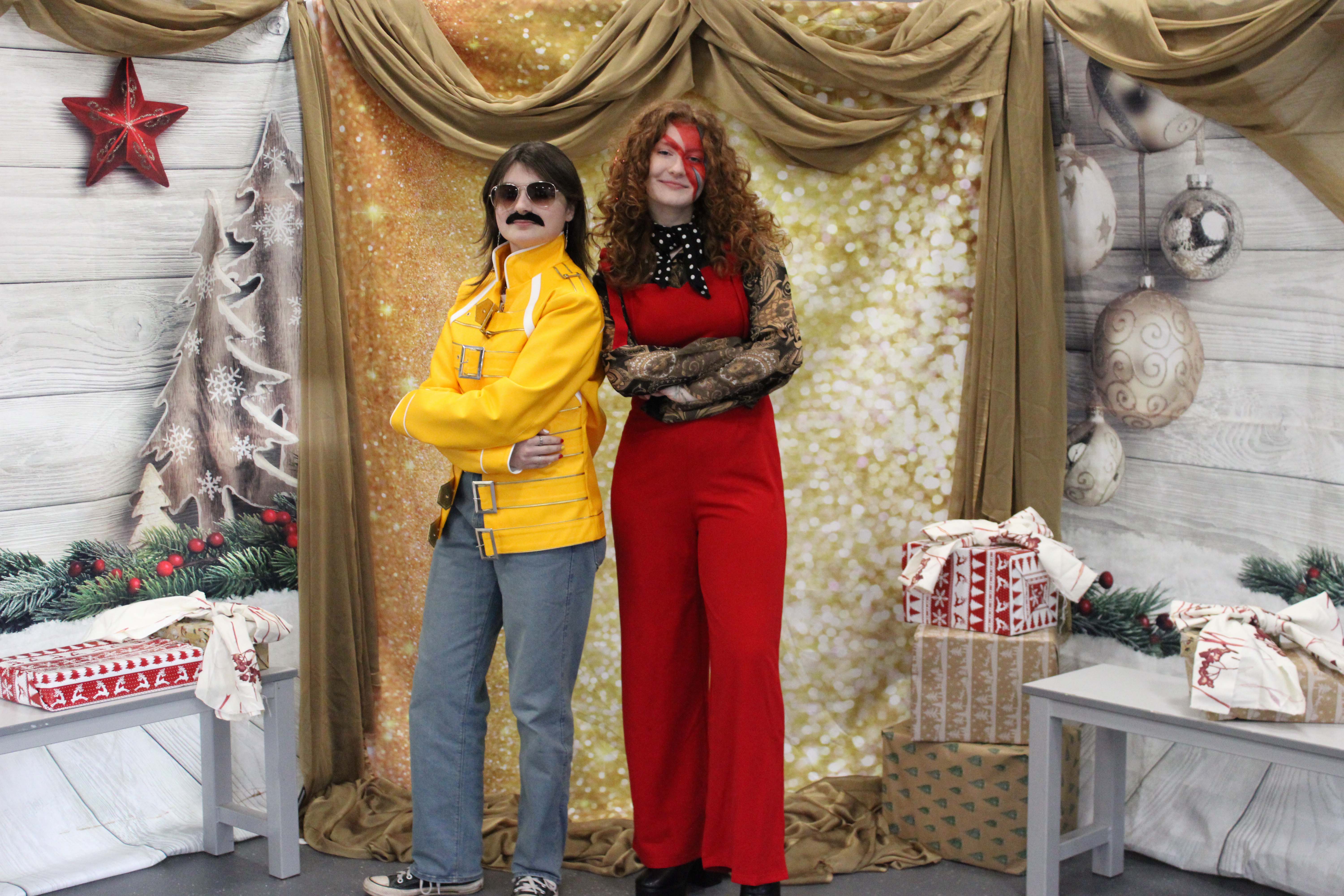
Please enjoy the photos below, which give you a flavour of Christmas at Churchill 2024.
I wish you all a very merry Christmas and a happy new year. See you in 2025!
As the year draws to a close, I look back on another year on the Headteacher’s Blog. Over 100,000 views, over 20,000 visitors to the blog – it’s been a busy year!
January
January began with a welcome back assembly thinking about resolutions, and an update on the work going on in the Sports Centre to get it ready for our use. The old swimming pool had been drained, and work was underway to get a floor laid as part of the Pool Hall conversion.
January is also the time of year when Year 9 are making choices as part of their options process, which is very nearly upon us once again! And I concluded the month with a blog on the influence of social media, and how we are working with our students to help them manage the online space.
February
February began with a focus on attendance as part of the government’s moments matter: attendance counts campaign. The month was dominated, however, by the preparation for and four barnstorming performances of High School Musical: On Stage at the Playhouse in Weston-super-Mare!
This fantastic production produced memories for life for the casts, crew, band, and everyone in the audiences. I will never forget it!
March and April
In March I wrote three blogs based on assemblies and ideas we had been discussing in school. I wrote about the Academy’s value of curiosity, the theme of my assembly that month, followed by a discussion of neurodiversity which was the theme of Miss O’Malley’s assembly. This was followed by a reflection on the nature of equality, and how we balance the differences between us with the need for equal opportunities. It was a very thoughtful month!
This was followed, in April, by a celebration of our successful Challenge Partners review which emphasised the huge progress we had made over the preceding year.
May
Inevitably, as the summer begins, schools turn their focus onto exams. It was no surprise, therefore, that May began with a reflection on top tips for exam technique. The sunshine also made me think about how, in the end, we make the weather as we set the climate for learning in our school. There was then the opportunity to celebrate the work of our students finding real audiences, in their artwork on display as part of an exhibition celebrating Ukrainian artist Maria Prymachenko and creating podcasts as part of North Somerset’s violence reduction partnership. The month of May ended with the traditional farewells to the Class of 2024.
June and July
The summer term began with the 80th Anniversary of D-Day, before we were into the political upheaval of the general election campaign. The summer solstice came and went and, before we knew it, we were into transition days as we welcomed our newest students to the Academy.
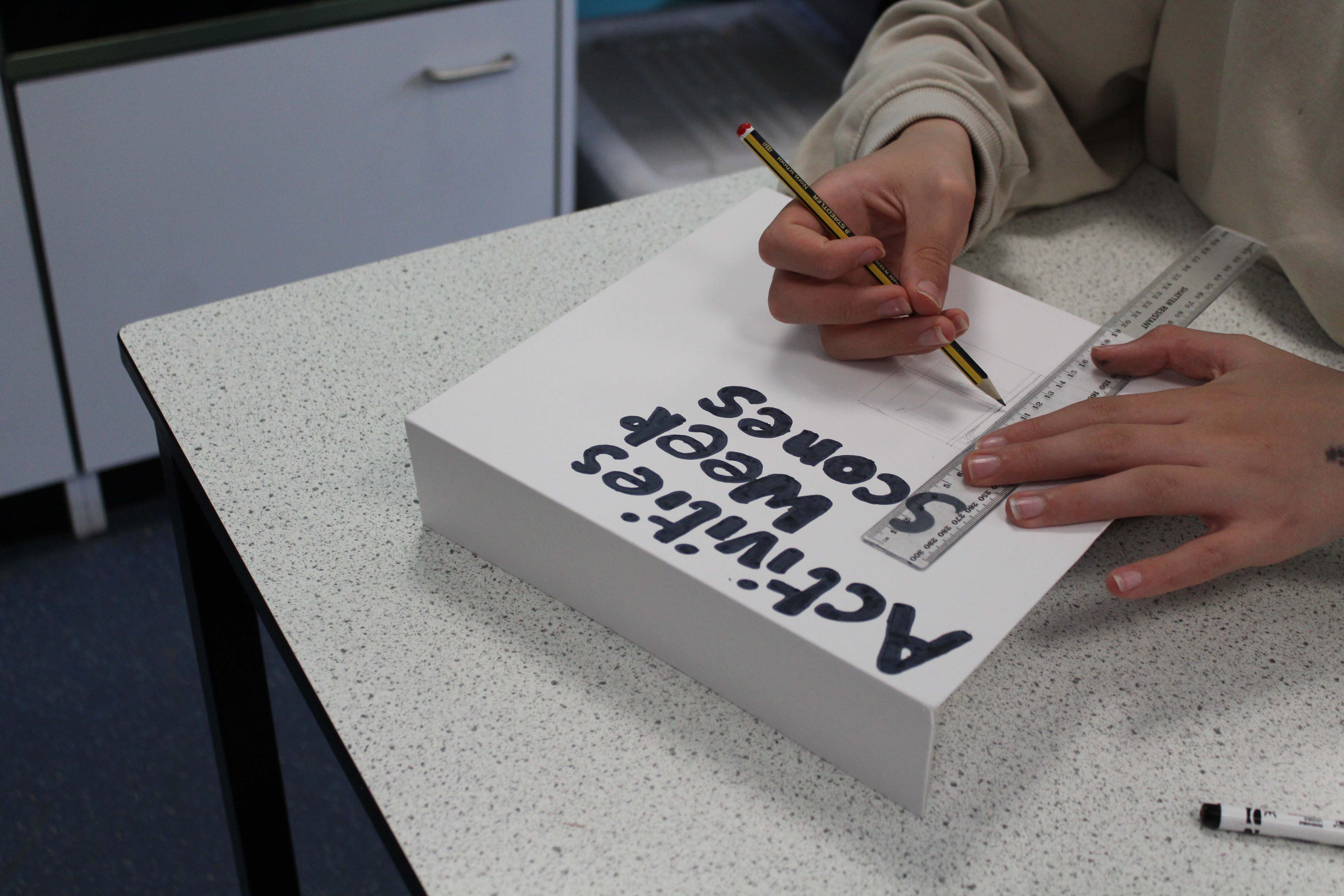
The final month of the academic year was spent celebrating the success of our students at their prom and ball, and in our Academy events. We also had a wonderful activities week, abroad and at home.
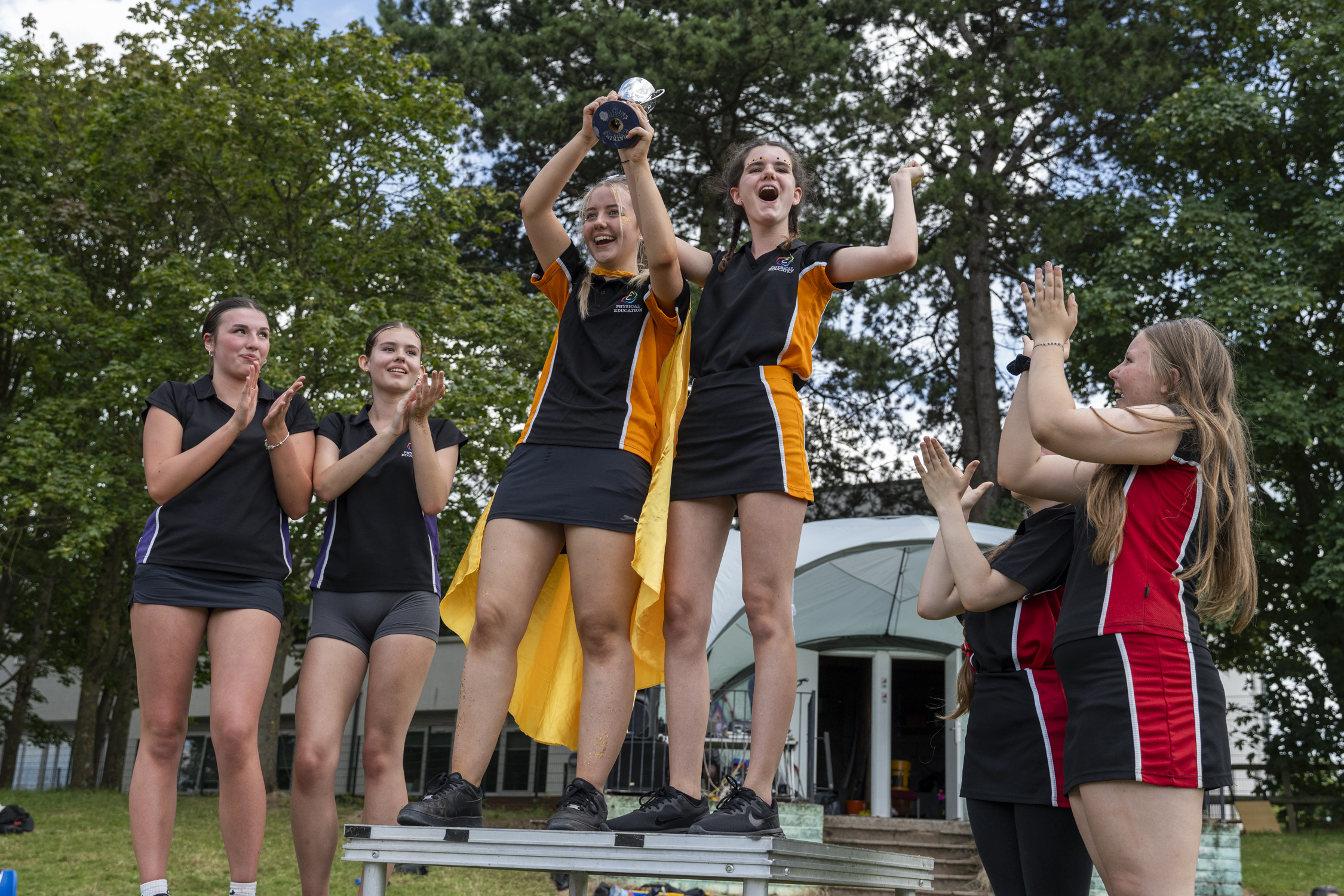
Then we were into the final stretch of the year, with a hard-fought Sports Day (congratulations Hanover!) and an even harder-fought House Cup (congratulations Tudor!)
Later in term 1, I was reflecting on continuity through change as I looked back on the history of the school, what has changed and what remains the same. I also gave information about the Votes for Schools programme we are using, and backed up my Headteacher’s update letter with a post giving information about our curriculum – including the wider personal development programme beyond the curriculum.
And so we come right up to date, with last week’s blog post: my annual summary of books I have read this year! We are all looking forward to Christmas, and next week’s final blog post of the year will be a look inside our end of term celebrations with the traditional sixth form fancy dress parade, the eagerly-anticipated Headteacher’s quiz, and much, much more as we see the year out in style!
Thank you for visiting and reading the Headteacher’s blog this year – here’s to another bumper year in 2025!
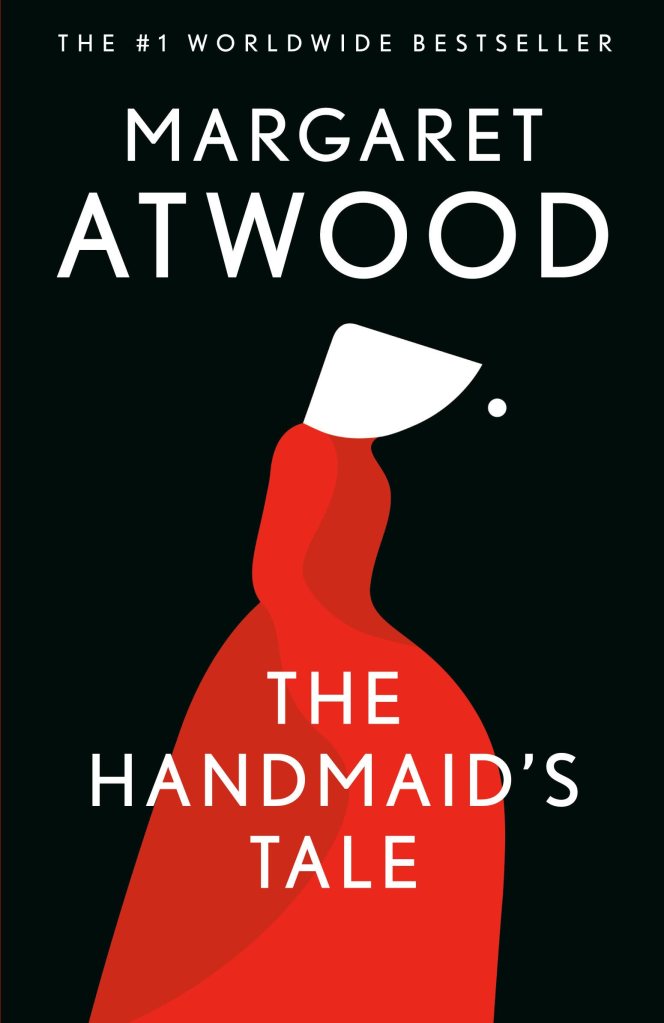
I love to read! Every December I look back at the books I have read over the course of the year, and do a run-down of my favourites. If you’ve read any of these, let me know what you thought – and if you like the sound of any of them, please give them a go. I also love getting book recommendations from students – so please let me know if there’s a book you think I’d enjoy!
Babel by R F Kuang
This was an incredible book. Set in a fictionalised past, the novel explores the legacy of colonialism through the imaginative idea that the gap in meaning between translated words in different languages generates powerful magic. Those that control words, control the world. It’s hard to explain – you have to read it to believe it – but I was totally gripped by the whole thing. It was stunning.
Recommended for KS4 and 5 or adults.
The Goldfinch by Donna Tartt
This book has been on my “to read” list for ages – and in 2024 I finally managed it! It didn’t disappoint. It tells the compelling story of Theodore Decker, who is caught up in a terrorist attack at the age of 13 with life-changing consequences. His life spirals out from this event, as his fate becomes intertwined with a famous painting – the Goldfinch of the title – with unexpected, funny, and tragic consequences. It’s a love story, a coming-of-age story, a thriller, a mystery, and a novel about the far-reaching impact of grief. A tour de force of brilliant writing.
Recommended for KS4 and 5 or adults.
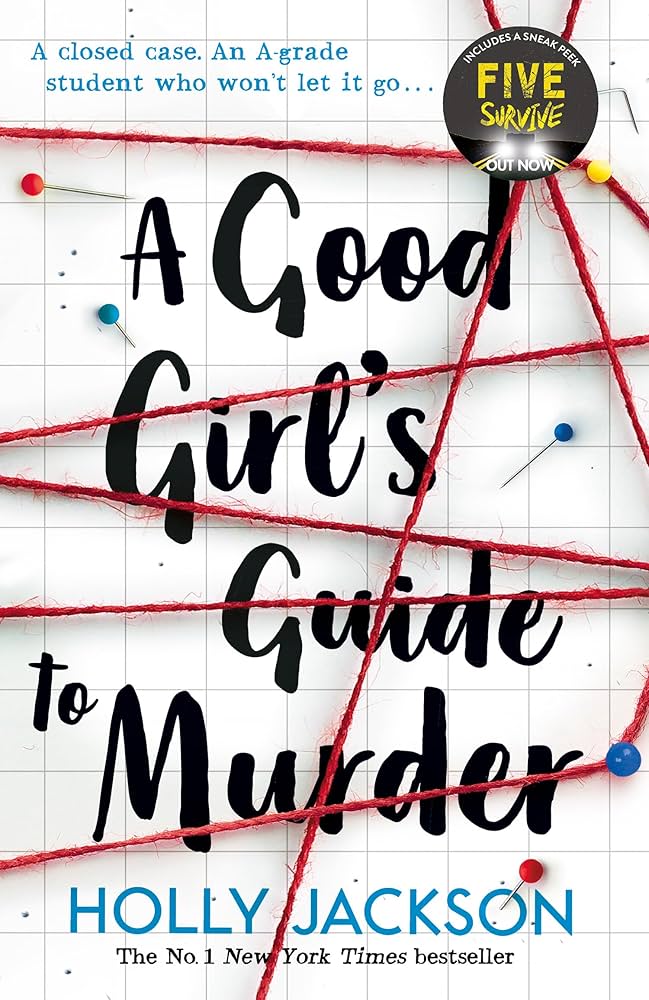
A Good Girls’ Guide to Murder by Holly Jackson
I really enjoyed the BBC adaptation of Holly Jackson’s novel this year, starring Emma Myers (from Wednesday), so I picked up the book – which was even better than the series! It was so good, I read the two sequels (Good Girl, Bad Blood and As Good As Dead) immediately afterwards. It tells the story of Pip Fitz-Amobi, the “good girl” of the title, who sets out to investigate the disappearance of a girl from her school five years earlier. Everyone thinks they know what happened – but Pip’s investigations reveal that things aren’t always as they seem.
Recommended for KS3 and above.
Grace by Cody Keenan
Cody Keenan was President Barack Obama’s chief speech writer. In this incredible memoir, he tells the story of ten crucial days with the President in June 2015, as the United States tried to come to terms with a mass shooting in a church and huge votes on marriage equality and healthcare reform. Between them, Keenan and Obama have to write the words to celebrate America’s progress and capture the nation’s grief and divisions. But nobody expected that, as he delivered the eulogy for Reverend Clementa Pinckney, the President would start to sing.
This unforgettable book gives a peek inside Obama’s White House, and made me cry!
Recommended for anyone interested in politics or writing or history.
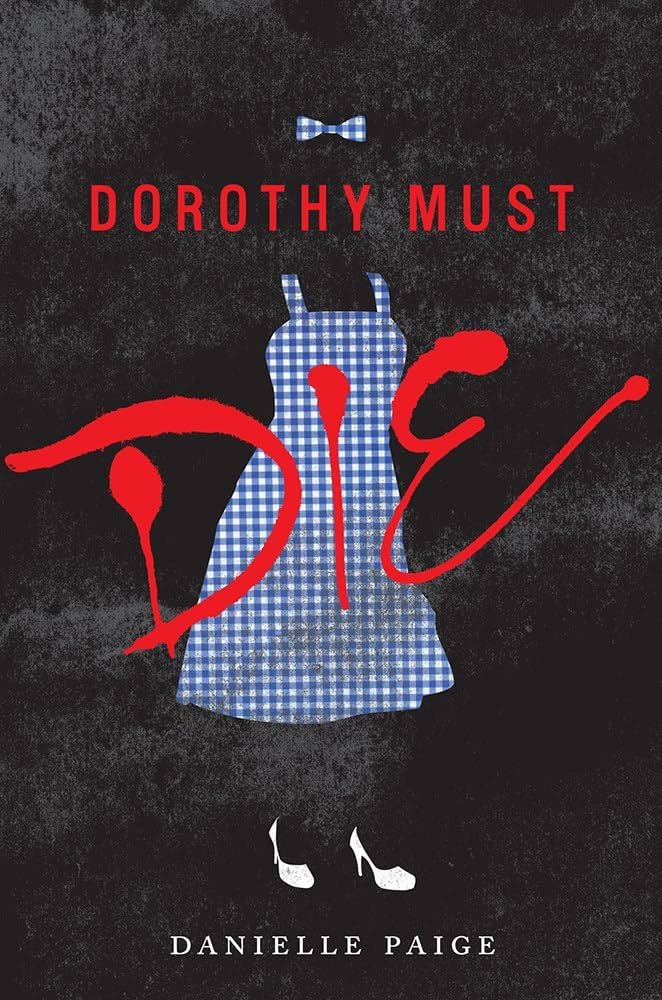
Dorothy Must Die by Danielle Paige
I was gripped by Wicked fever this winter, and in preparation for the movie of my favourite musical I picked up another re-imagining of the events of the Wizard of Oz. Danielle Paige’s book, the first of a trilogy, tells the story of Kansas teenager Amy Gumm, who is caught in a tornado and whisked off to Oz. She’s seen the Judy Garland film, but the land she finds herself in, and the Dorothy she meets, are not at all what she was expecting. Before long, she is in training to harness the magic of Oz to accomplish a terrible mission: to assassinate Dorothy Gale.
This was a fun read – not as good as Wicked, but Amy Gumm is a great narrator.
Recommended for KS3 and above.
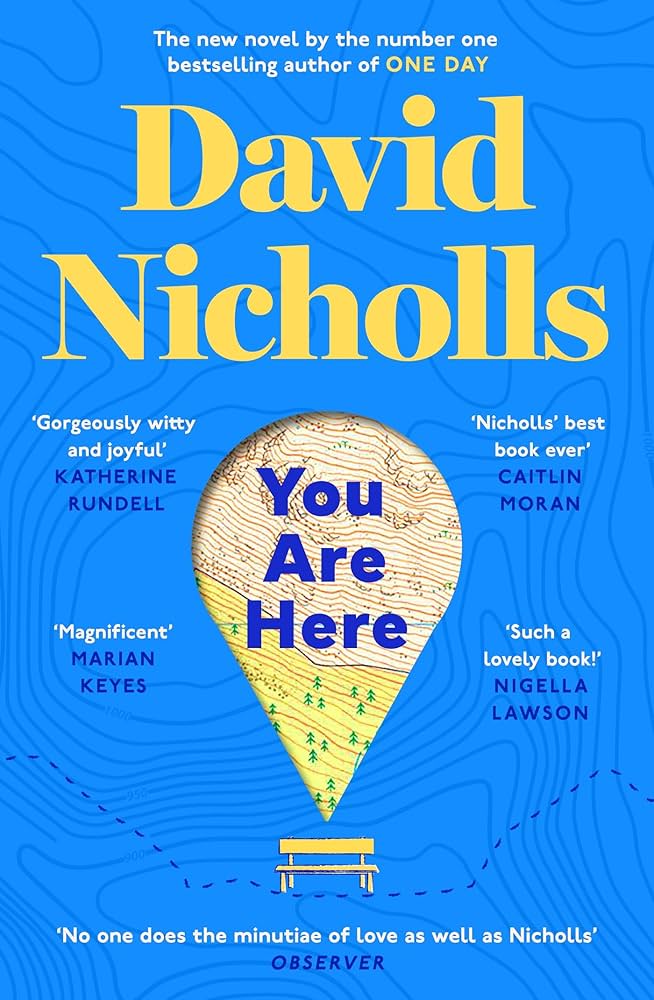
You Are Here by David Nicholls
David Nicholls writes brilliant love stories. I really enjoyed his previous books, especially One Day and Sweet Sorrow, and his latest didn’t disappoint. It follows Marnie and Michael as they set out with a group of mutual friends on a coast-to-coast walk across the north of England. The story is funny, sad, beautiful, poignant and utterly believable – his characters and their journey is absorbing and just wonderful to read. Another triumph!
Recommended for KS4 and above
The Buried Giant by Kazuo Ishiguro
This was a really unusual book! Set in a version of ancient Britain, it follows the journey of married couple Axl and Beatrice as they set off to see their son. But their memories, and those of everyone around them, are patchy and fragmented. Why can they not remember their past? What have they forgotten? Part fable, part allegory, part folk tale, this is a haunting and puzzling story which hints at huge, universal ideas through veil of enigma. For a book about amnesia, it was oddly memorable!
This evening we held our Careers Convention at the Academy. We had over 50 providers on site, to inspire and talk to students and their families about careers and future pathways. These providers included further and higher education providers, and employers representing construction, engineering, manufacturing, business, law, finance, digital, health, social care, the Armed Forces, automotive, property, veterinary, catering and many more!
This was a great event, but it is really the tip of the iceberg in terms of our careers education programme. At Churchill we develop the skills, character and experience that students need to succeed in later life and make a positive difference to our society. Surrounding our curriculum, extra-curricular activities, behaviour system and our pastoral care are core values of kindness, curiosity and determination that help to develop our students, along with their families and the wider community, into the citizens of tomorrow.
These elements of character education are intrinsically linked with career readiness. In addition to this network of personal development there are explicit events, activities and programmes that provide the ‘lightbulb’ moments for our students. Over the course of seven years, from Year 7 to 13, there is a wide range of activities, events and core skills that knit our Careers Programme together.
These events include our Careers Convention but also our World of Work Day for Year 10, Careers to Curriculum Day for Year 9, and work experience weeks for students in Year 10 and the Sixth Form.
As well as these events, careers learning is embedded across our curriculum from Years 7 to 13. This happens through explicit links to career choices, through the development of skills that are needed for a student’s future and the breadth of wider curriculum opportunities available. All subjects teach how their subjects lead to different career pathways, supported by the PSHE and pastoral programmes.
All students have access to our qualified and independent careers advisor, Suzie McGonigal. Suzie’s background is in industry, including BUPA, Capita, working with private and public sector clients in the healthcare, retail, construction and transport sectors. As an ex Clubman rally driver and a horse rider, she can usually find something of interest to connect with our students!
To find out more about Careers Education at Churchill, visit our website.