What happens on an inset day? November 2024

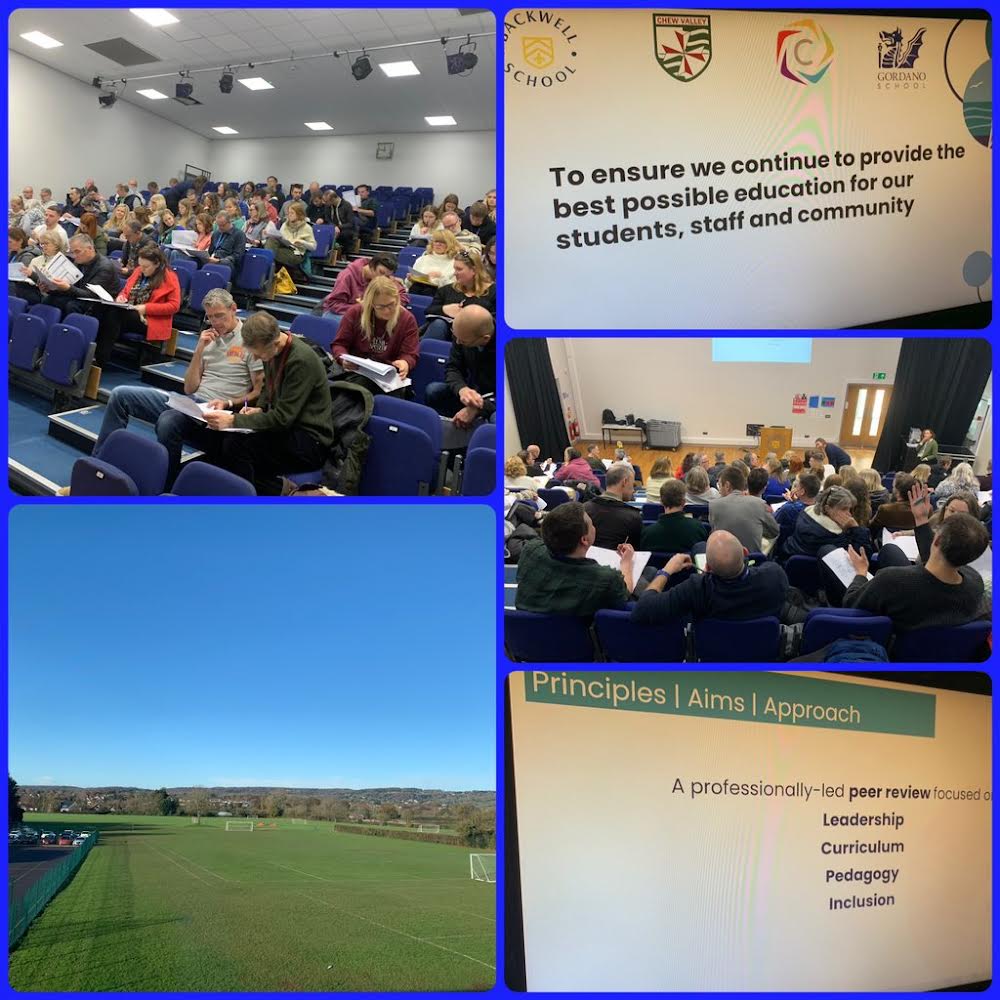
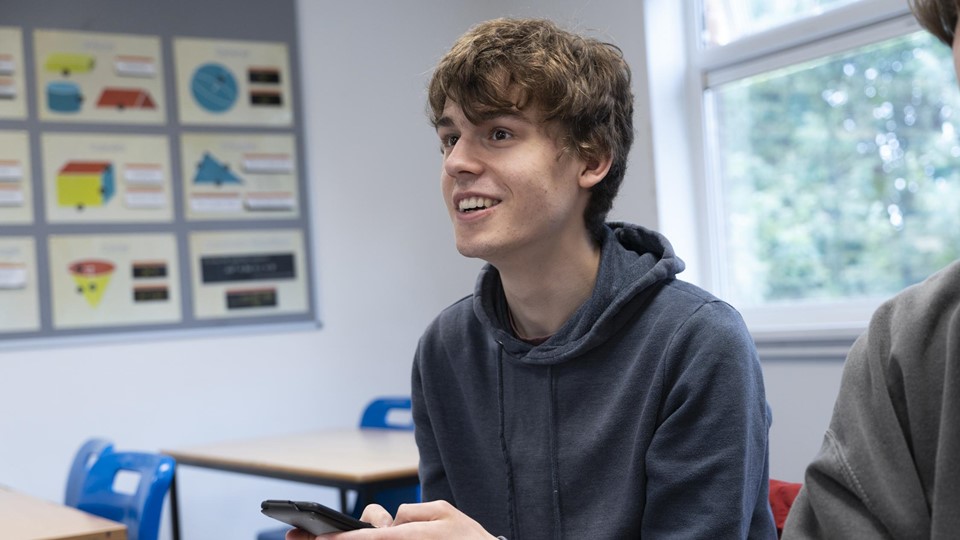
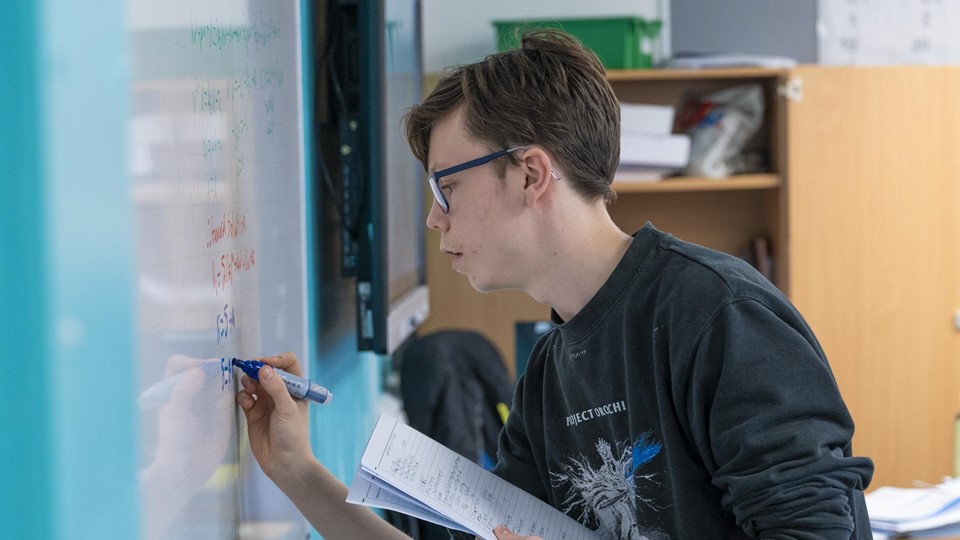
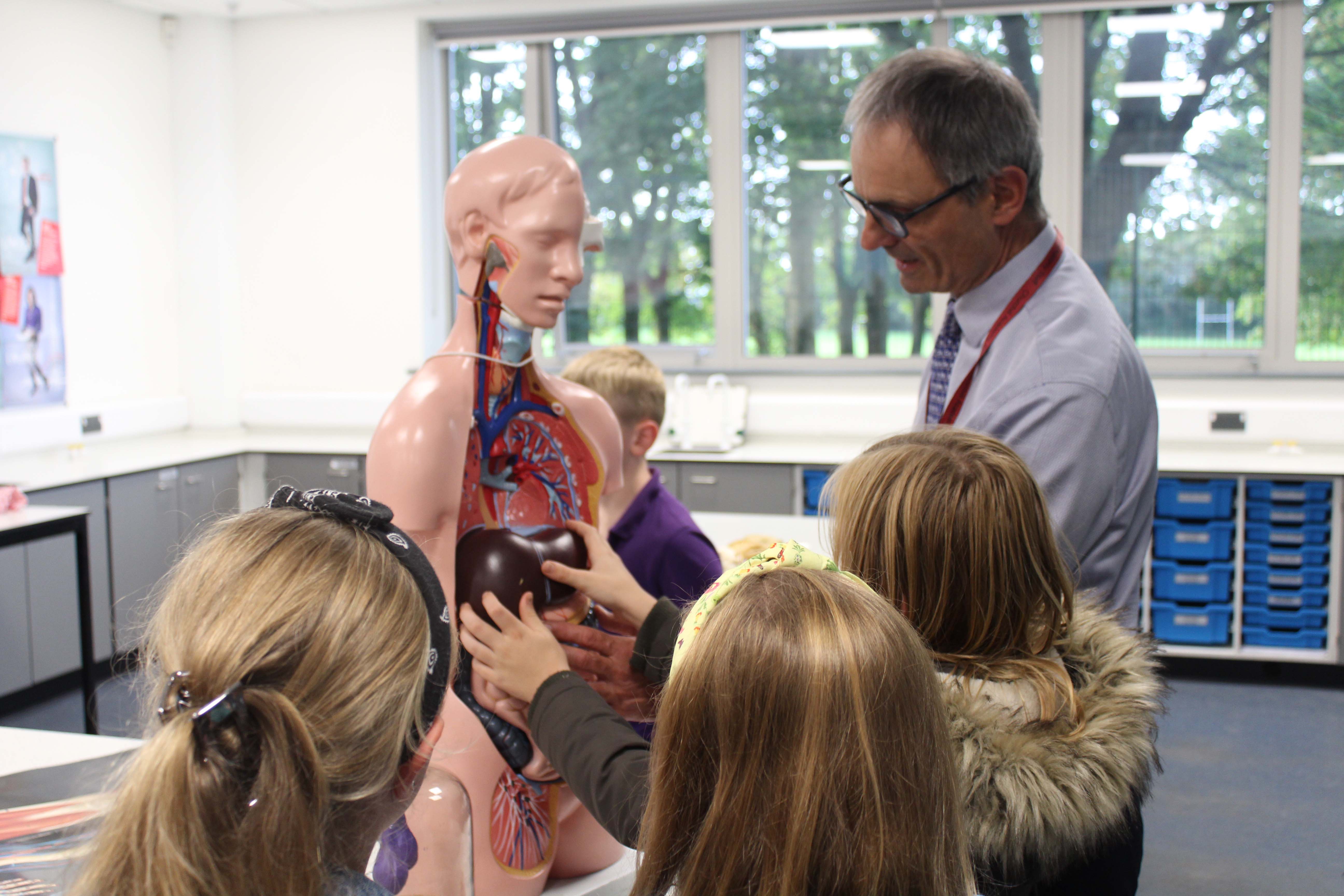
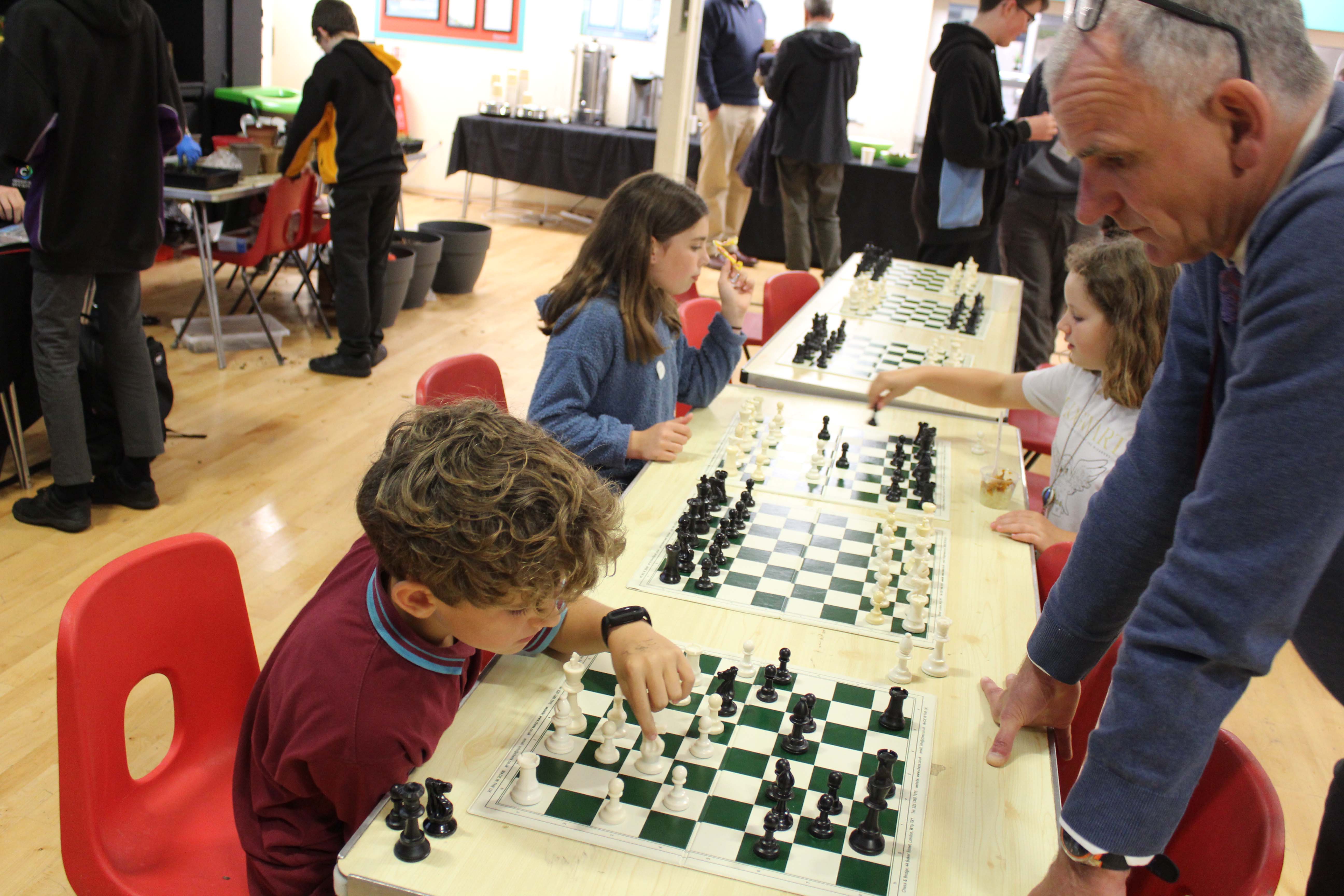
On Wednesday of this week, the four secondary schools in the Lighthouse Schools Partnership shared an inset day. Inset, which stands for “in-service training,” is a valuable opportunity for staff to refine their practice, collaborate, and develop their craft to ensure we provide the best possible education to our students. With staff from Gordano, Backwell, Chew Valley and Churchill all taking part, the day was a great success.

Subject and faculty leaders from across the trust all met at Backwell School. They met in subject groups to share lessons from analysing the summer’s GCSE, A-level and vocational exams results, to share strategies and techniques for ensuring the best possible outcomes for this year’s cohorts. This sharing of subject-specific expertise is invaluable, and all the schools in the trust benefit from these opportunities.

Later in the day, the subject and faculty leaders all came together for training in carrying out middle leadership reviews. This process sees subject experts from across the trust visiting one another’s schools to offer constructive critique, help identify areas of strength and development, and share practice to the benefit of all concerned. It is in these collaborations that the benefit of being part of a bigger trust are really apparent.

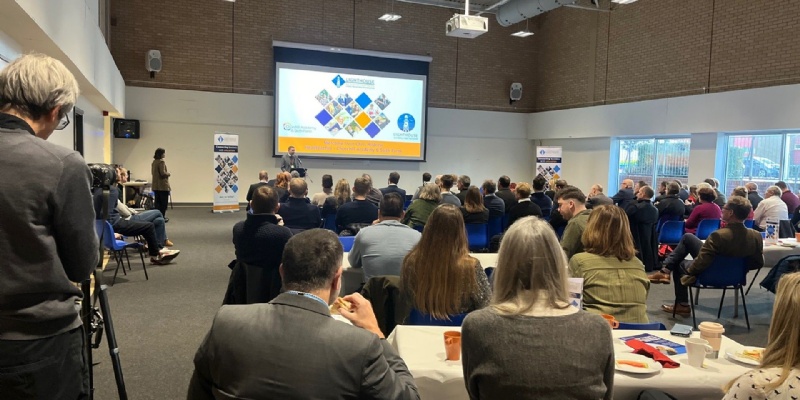
Meanwhile, back at Churchill, the day began early as we hosted the LSP’s business breakfast in the Pool Hall. Over 100 Business Partners and education colleagues attended to network, make connections, and collaborate. The main speaker at the event – Simon Lawrence OBE, General Manager of the National Trust Bristol Portfolio – provided an interesting and insightful reflection on the principles and values of ‘Servant Leadership’ that he has learnt throughout his military and diplomatic career.

Visitors also heard from Chew Valley School Headteacher, Gareth Beynon, who spoke about the importance of the outdoors when it comes to educating our children and young people. The event was closed by Sofia and Toby, from our own Churchill Sixth Form, sharing details of their upcoming trip to Madagascar.

Meanwhile, teaching staff were working on developing their questioning skills using resources from the Lighthouse Schools Partnership’s Pedagogy Framework. Questioning is fundamental teaching strategy, so getting the details right can be really significant in helping students to develop their thinking, practice key skills, and to help check for understanding. This was followed by a series of workshops on different aspects of SEND, to help us work more effectively with students with additional needs.

It was a packed day, with the importance of learning for staff at its heart: a great opportunity to refine and develop our practice across the trust to the benefit of our students. The next trust day – in February 2025 – will bring together all teaching staff from 33 primary and secondary schools in another day of collaborative learning. We can’t wait!

Anti-bullying week 2024: choose respect

The theme of this year’s anti-bullying week is Choose Respect. We have been working with our students on this theme using assemblies and our tutor programme, using the Votes For Schools resources I outlined last term.

In 2018, 98% of young people told the Anti-Bullying Alliance that showing respect to each other is important and that it is possible to be respectful even if you disagree with someone else. Students have been working together to think about how to resolve conflict respectfully.

We have been teaching our students that respectful behaviour is accepting, recognising or admiring another person’s behaviour, achievements or values. It is important to show respectful behaviour to everyone in our world. Displaying respectful behaviour can feel easy when everyone agrees and has the same plans. But when there is conflict, it can be much more challenging.

Facing and dealing with conflict in our lives is part of growing up. But if we don’t resolve issues, they can affect our relationships with other people. Without resolution, behaviours can quickly become toxic or unhealthy. Learning how to handle disagreements respectfully can help you to have more positive relationships. It can also improve your mental health and wellbeing.

Sometimes, when we experience conflict, it can lead to us acting or speaking in a disrespectful way towards someone else. This is often because we feel strongly about something or someone. his can cause further conflict. In the most extreme cases, it could even lead to bullying. While we might not behave this way on purpose, it is important that we recognise when we haven’t chosen to be respectful.

We have been working with our students on the importance of learning to agree to disagree. This is a way of showing respect for someone’s values or ideas, even if you do not agree with them yourself. We have been thinking about different scenarios, and how to approach them respectfully.

Even though conflict might make us feel uncomfortable, it’s a normal part of life. The main thing we need to know is how to respond to conflicts or disagreements and make sure we feel confident we can resolve them. We’ve then encouraged our students to vote in the weekly Votes for Schools poll: “do you know how to resolve conflict respectfully?”

What our students say: the student statement form

We continue to promote kindness to everyone in our community. However, part of growing up is learning how to manage relationships with peers and how best to handle conflicts. Our stance of bullying is clear (see our Anti-Bullying Policy), and we encourage students to let us know when they have worries and concerns.

We introduced our online “Student Statement Form” in 2023 so that students could share their concerns discreetly either in school or from home. This year we have also introduced a system for making sure that all students making a statement receive an email to confirm that their concern has been followed up and appropriate action taken.

In Term 1 this year there were 118 statements submitted about 57 different concerns. This was a mixture of statements from students with a concern and those who had witnessed an incident and wished to support their peers.

All of these reports were followed up by staff and have resulted in a range of follow up work including further monitoring, conversations with the students and their parents , supported mediation, completion of materials to teach about wider issues such as managing friendships, inappropriate language, racism, or homophobia. We have also issued Time Out detentions, Refocus Room sanctions, and Internal or External Suspensions in more serious cases.

Our most recent “Our School” Student Survey showed that students have a good awareness of the Student Statement Form and are confident to use it. We want to make sure that parents and families also know about this system, and how well it is working. If you have a child at Churchill, please can you check that your child knows about the Student Statement Form and encourage them to report any concerns? This will help us to ensure that all our students continue to feel confident and safe in school. Thank you!

Remembrance 2024

Remembrance Sunday is an important annual event in the nation’s calendar. We remember people from the past and the present whose service and sacrifice keeps us safe.

We have been remembering the British Armed Forces and their Commonwealth allies for hundreds of years. In 1921 the Royal British Legion was formed, and they became the leaders of UK Remembrance. Over 100 years later, the RBL and many other charities, groups and individuals remember the service of the Armed Forces in lots of different ways.

Since 1914, our Armed Forces have served in conflicts such as the First and Second World Wars, the Korean War and the wars in Afghanistan and Iraq. They have also provided support and aid during humanitarian emergencies like natural disasters, civil conflicts and the Covid-19 pandemic.

Remembrance is also about those the emergency and civilian services – our doctors, police officers, paramedics, firefighters and charity workers who serve to keep as safe at home in our communities. These people do difficult and dangerous jobs, sometimes risking their own safety, spending time away from their friends and families – all to keep us safe.

I am proud to wear a poppy each November to symbolise my own act of remembrance. During the silence on 11th November I will be thinking about all those people who served – and continue to serve – to keep us safe and preserve our freedom and liberty.

We will be marking remembrance on Monday 11th November with a two minute silence at the end of period 2. Cadets, Scouts and Guides are permitted, if they wish, to wear their uniforms in place of Academy uniform on remembrance day.

The curriculum and beyond

In the parent survey conducted in April and May of this year, we received some really helpful feedback to help us shape our work. Families were very positive about the improvements we have made to behaviour over the last eighteen months, with a 30% improvement in families agreeing or strongly agreeing that behaviour in the Academy was good or better. 

Parental feedback also suggested that you would like more information about what your child will learn during the year. We have taken this on board and provided much more detail through our information evenings over the course of September. We have also fully updated the information on our website: if you visit https://www.churchill-academy.org/curriculum you will find an overview of our curriculum plan. At the bottom of that page, you will also find a series of curriculum booklets, one for each year group in the main school, giving detailed information about the programme of study in each subject across the course of this academic year. Information about the Sixth Form curriculum can be found on the Sixth Form Course List page. 

The wider curriculum

Lessons at Churchill are supplemented, supported and broadened by a wider curriculum which sits across and around our taught lessons. This includes our programme for PSHE (personal, social, health and economic education) and personal development, and our thriving extra-curricular and enrichment programme. These aspects of education are threaded through our lessons, and also inform our assembly and tutor programme, as well as feeding into extra-curricular activities including our summer activities week. 

PSHE roadmap

To make it easier for families to understand this programme, we have produced a couple of new documents for you. Firstly, our PSHE roadmap shows how the various aspects of our wider curriculum in this area are delivered through lessons, assemblies, tutor times and some off-timetable activities through Year 7 to 11.  You can download a copy of our roadmap from the Academy website by clicking the image above, or via this link.

Personal Development Programme

The second new document is our programme for personal development. There are so many opportunities for our students to develop their skills, knowledge, character and confidence throughout their time at Churchill, and this document is our attempt to draw those threads together to provide an overview for students, staff and families. The document shows how our curriculum, student leadership, house cup, extra-curricular, assembly and PSHE programmes mesh together to support our students as they develop and grow through their time at Churchill. You can download a copy of our personal development programme here.

We hope you find this information useful!

Sixth Form Open Evening 2024

This week we have held our Sixth Form Open Evening, inviting Year 11 students and their families from Churchill and further afield to think about their post-16 destinations. I am really proud of our Sixth Form, which balances the importance of academic study with pastoral care and guidance, personal development and independence, and a rich wider curriculum to broaden and deepen students’ knowledge, skills, character and confidence. We really believe that Sixth Form is more than just the courses you study; it’s the whole experience of a Sixth Form that makes it special.

I have always taught in 11-18 schools which have a Sixth Form attached to them. There is something about the presence of the Year 12 and 13 students in the school community that creates a tangible sense of destination and aspiration for our younger students: the Sixth Formers are positive role models and student leaders. And, for the Sixth Formers themselves, there is that sense of the familiar but also the distinctly different that provides a natural extension of their 11-16 education in a school, but seen through a new lens.

There is also the added incentive for teachers of being able to teach up to A-level. The depth, breadth and challenge of the additional subject knowledge required to teach at advanced level brings additional subject expertise to the faculty. I have always found that this strengthens the teaching in the main school, as teachers know and teach the next steps beyond GCSE, enabling further stretch and challenge. And, for many staff, the opportunity to teach post-16 students alongside the main school curriculum is a great incentive to work at an 11-18 school.

In short, the Sixth Form is the jewel in the crown of our Academy’s offer. You can hear more from our students in the video above, and you can find out more on the Academy website. We look forward to hearing from you!

Votes for Schools

This year we are using a new national programme to help structure some of our assemblies and tutor times: Votes for Schools.

Votes for Schools is a weekly current affairs-based voting platform designed to engage young people in political and social issues. Through weekly discussion and voting, not only are voters learning about the world around them, but they are also becoming active citizens and preparing for participating in our democratic processes as adults.

We have already had some good discussions about cultural appreciation vs cultural appropriation, linked to Black History Month. Families can get involved too – here are some great ways for you to get involved in the conversation!

Check the website

At 4PM every Friday, the latest Vote Topic goes live! Anyone can check the Votes for Schools website – www.votesforschools.com – to see what students across the country will be debating and voting on in the coming school week.

Discuss the topic at home

Ask your child to give arguments for each side of the debate to encourage critical thinking. Votes for Schools produces a weekly Home Information Sheet that can help you with this, which you can download from their website.

Discuss the results

When the new Vote Topic is available, the national results of the previous topic will be too! Why not ask your child how they voted and why, and discuss how the rest of the country voted?

Brush up on your knowledge

You can read up on any topics your child is discussing, or has discussed, to see what your take on it is. For more sensitive topics, Votes for Schools also provide a list of useful resources and organisations where you or your child can find out more or seek support.

Share your ideas and find out more

Please talk to your child about which issues they would like to see discussed at Votes for Schools. You can let them know their thoughts, or encourage them to reach out to Votes for Schools directly. You can email them directly at secondary@votesforschools.com, or visit the website www.votesforschools.com to make suggestions or to find out more.

Continuity through change

There has been a school on our site since 1956. Churchill Secondary Modern School opened on Friday, 20 September 1957. In 1969, the school became a comprehensive. In 1996, it became Churchill Community School, before adopting foundation status in 2007 as Churchill Community Foundation School and Sixth Form Centre. The school became an academy on 1 August 2011 as Churchill Academy & Sixth Form, the name it retains to this day.

This aerial shot from 1970 shows the original Tudor block in the right of the picture.

And it’s not only the name that has changed. The buildings have evolved, with old ones being demolished and new ones built to replace them; other buildings have been gutted and rebuilt from the inside out. We have embraced new technology, new developments in teaching and learning, and new approaches for our students.

The people in the school constantly change. Every year we bid farewell to one group of students, and welcome in the new. They grow through the school, joining us a children in Year 7 and leaving us as young adults from Year 13. It’s a constant cycle of growth and renewal which is one of the real joys of teaching. And, of course, the staff also change. I am the ninth Headteacher of the school on this site, with the longest-serving being Desmond Foster who was Head here from 1964 to 1983!

Aerial view of the Academy site from 2022

What doesn’t change is the commitment of the people who work here to the education of the young people who attend. Their dedication to do the very best they can for the students who are with us today is something that marks out the staff at Churchill from 1957 to 2024. So, although the buildings, the name, the people and the world around us might change, our school stays true to its purpose: to inspire and enable young people to make a positive difference, and to set no limits on what we can achieve.

Open Evening 2024

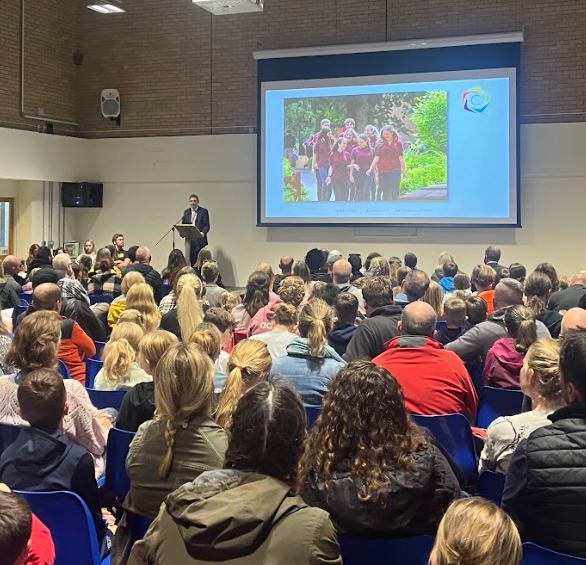
It was great to open up our Academy to visitors on Wednesday for our annual open evening. The rain held off (mostly!) and we welcomed several hundred families onto site to visit our faculties, hear from our students, see our facilities and hear from me about our vision, values and purpose.

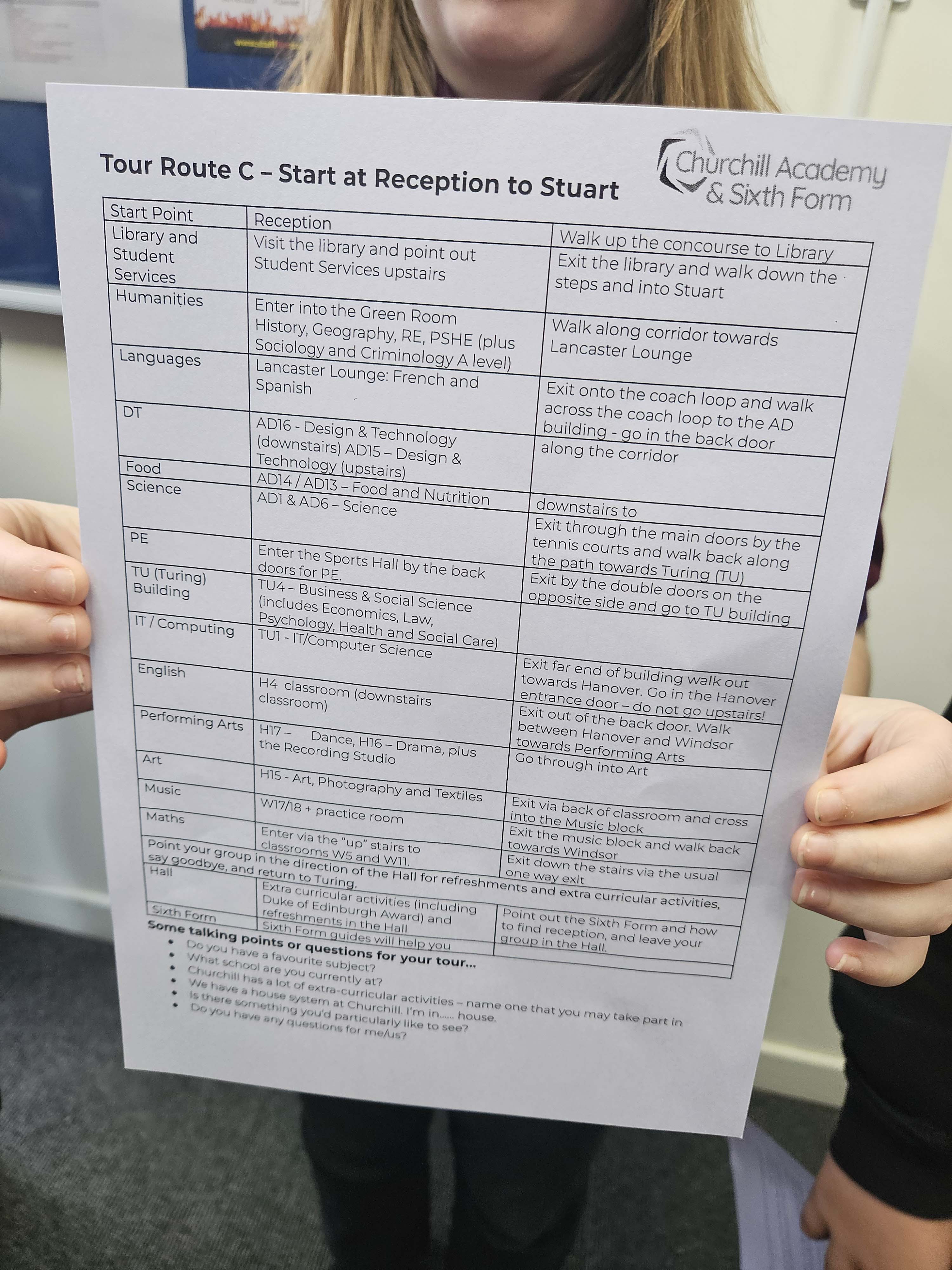
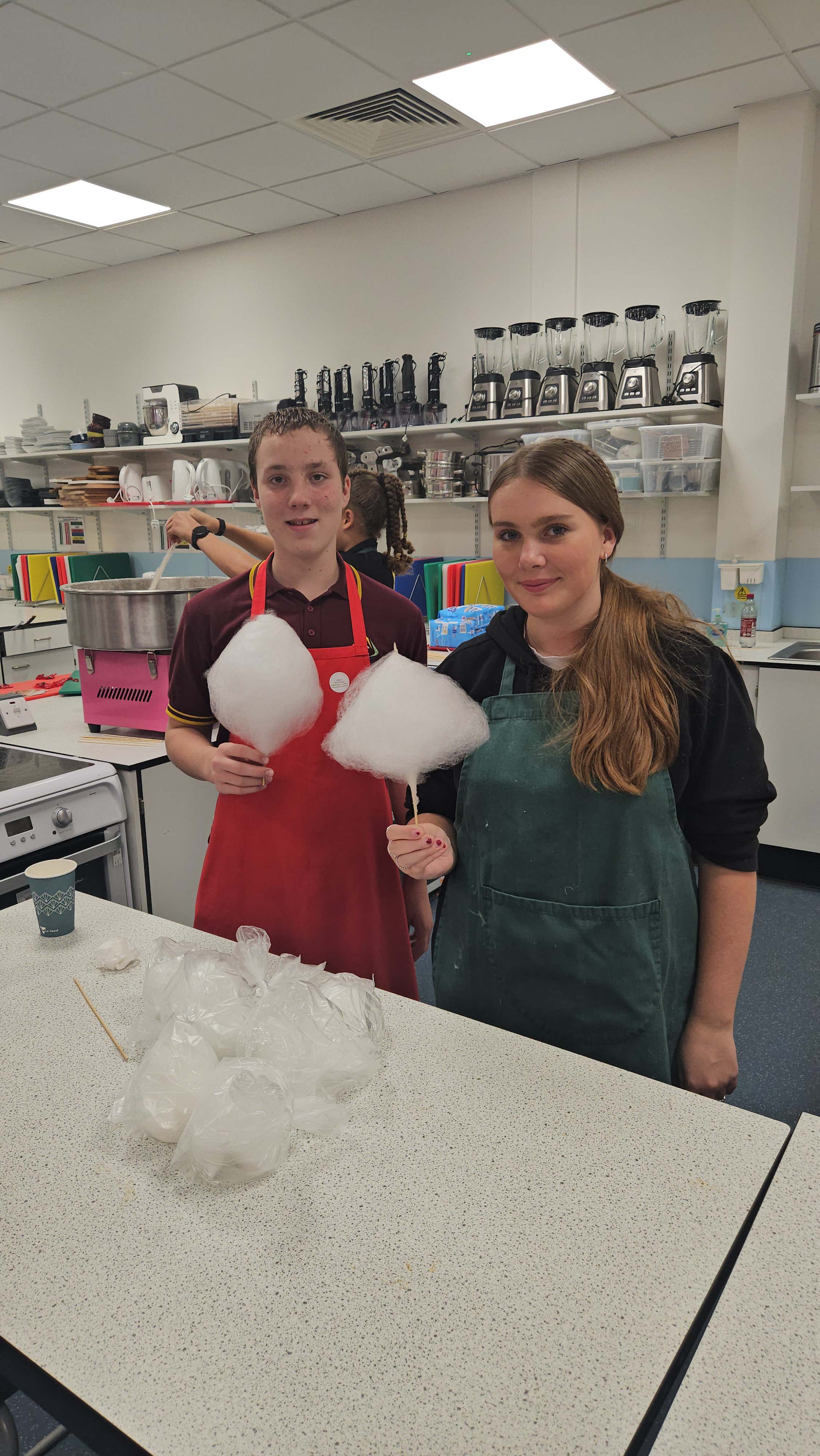
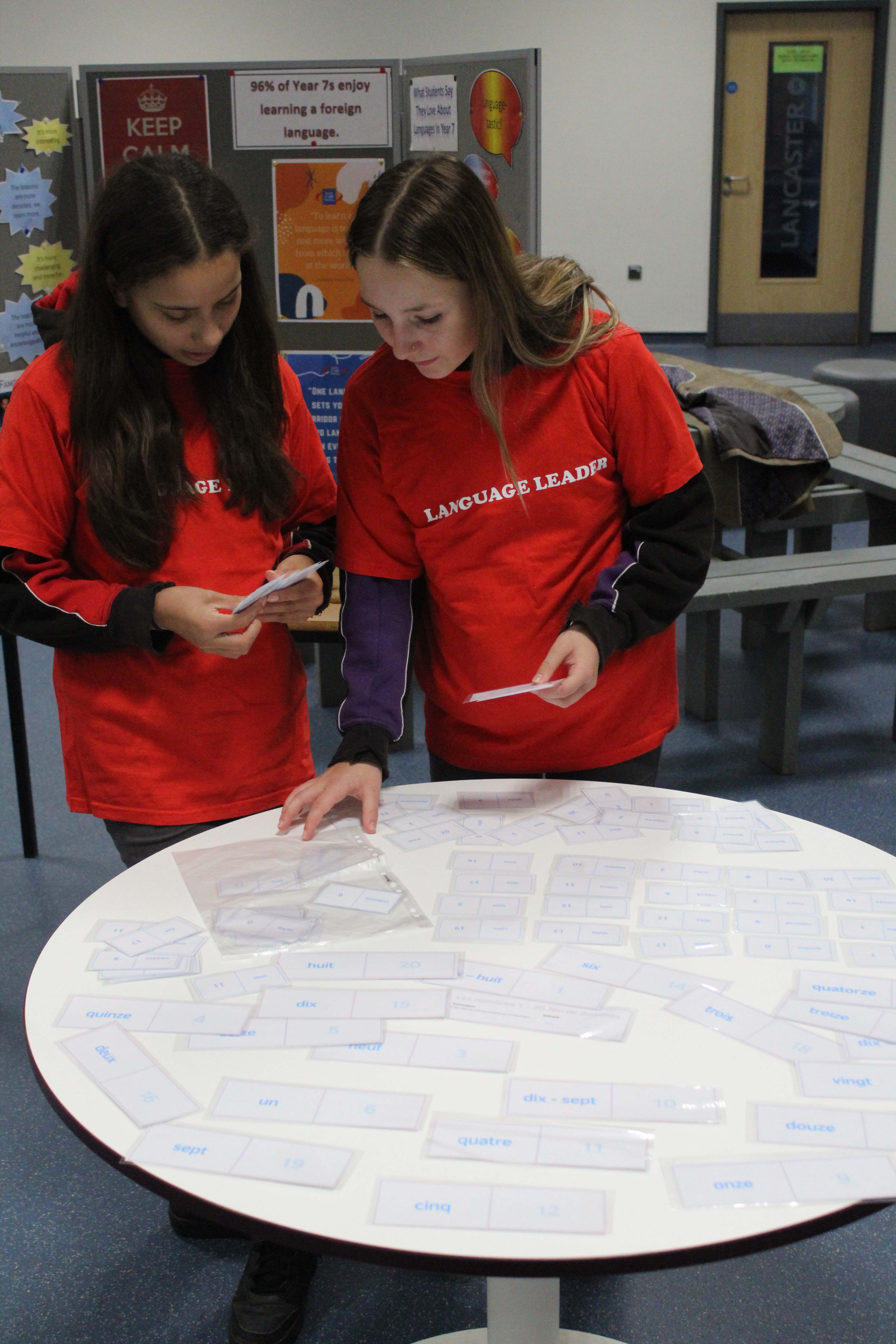
We have had some wonderful feedback from families who visited on our student helpers, who are the backbone of open evening. They are tour guides who take families around the Academy, explaining about all the different buildings and what it is like to be a student at Churchill. They are helpers in faculties, running demonstrations and helping our visitors engage in the activities. They run stalls in our extra-curricular showcase. They are performers, working in drama, dance, music and art to show their work in progress. And Hannah, Kristupas, Maisie, Anna, Lexi and Caitlin were speakers, showing great confidence and poise in addressing the audience in the pool hall during the presentations.

Open evening is a great opportunity to show off the school that we are all so proud of. Even an unplanned fire alarm didn’t put us off! It was great to meet so many future students – we look forward to seeing you all next year.


Applications for place in Year 7 at Churchill Academy & Sixth Form for September 2025 are open now. The North Somerset applications page is here. If you live outside North Somerset you should apply to the local authority where you live – if you enter your home postcode here it will take you to the correct website for you to apply from. We look forward to hearing from you!

Making a positive difference

At Churchill our purpose is “to inspire and enable young people to make a positive difference.” The primary way our students do this is by making a positive difference to themselves through the process of self-improvement: learning new things, building their knowledge, enhancing their skills, developing their confidence and character. Every day, in every way, we all get better.

As staff working at Churchill, our goal is inspire and enable those young people to make those positive differences. Every day, I look back on the events of the day and reflect on the things that we have done which have helped students (and staff) to improve. What have we taught them? How have we helped? What problems have we been able to solve? It’s a good way to stay positive, because every day we know we have made a difference.

As the Headteacher, my role is about school improvement: making a positive difference to Churchill Academy & Sixth Form. As I look back over the time that I have worked at the school, I am really proud of the positive differences I can see. I see this in the fabric of the Academy: the Alan Turing Building, the Athene Donald Building, the rebuilt Stuart and Lancaster block, the redecorated Sports Hall, the new Pool Hall and facilities in the sports centre building, even the resurfaced coach loop! All these things make a positive difference to the daily experience at school.

I also see it in the positive differences we’ve made to our processes, policies and approaches. The improvements we’ve made in teaching and learning; the improvements we’ve made in behaviour; the improvements we’ve made in our systems. And we continue that work every day, looking to keep on getting better.

And finally, I see it in the people who work here – those who’ve been here longer than me, and those who have been appointed under my watch. We have an amazing team of staff, all of whom are dedicated to the Academy’s mission and purpose. It’s a privilege to work alongside such dedicated professionals, all of whom are striving to make children’s lives better.

Improvement is a work in progress, and it always will be: but I am proud to think that the Academy is continuing that work every day. We will never be perfect – and that is what keeps the job interesting. There is always more to learn. We can always get better. And we will.

Prize Winners 2024

On Wednesday evening we held our annual Presentation Evening to award our Academy prizes. We were joined by Gary Lewis, Chief Executive Officer of the Lighthouse Schools Partnership, and Ben Hardy, the Chair of the Academy’s Local Governing Body. We also welcomed John Buckler, whose family continues to sponsor the Wildlife Prize in memory of Jean Buckler, and Vikki Caldwell who kindly donated the Soaring High, Going Further Prize for Geography in memory of her daughter Fiona Braidwood.

Presentation Evening is a very special event in the Academy’s busy calendar. This evening celebrates the achievements of our highest-performing students, the crème-de-la-crème of Churchill’s excellent student body. Quite rightly, the main focus of the evening is on academic success, and in particular those students who distinguished themselves in their public examinations, both at GCSE and at A-level. But at Churchill we recognise that a school is about more than just the examination results that young people achieve, so we were really proud also to be awarding prizes for service to the community, for progress and improvement, for compassion, for resilience, and for attitudes to learning, all of which often go hand in hand with academic success.

I often speak to our students about why we are here; why our school exists; what our purpose is. Based on our three core values of kindness, curiosity and determination, we have set ourselves the goal of inspiring and enabling all our young people to make a positive difference both in their time at the Academy and, perhaps more importantly, when they leave us. If we have done our job properly, our young people will go out into the world with the knowledge, skills, character and confidence to make the world a better place. Some of them will do it in small ways, others will change it in ways we can’t even imagine yet.

We live in an uncertain world, where many of the certainties that previous generations have taken for granted are in flux, and the way things have always been done doesn’t seem to cut it any more. To older people like me, this can be worrying; but to the younger generation, it presents an opportunity to make things anew, and to do them better. The young people we celebrated on Presentation Evening – and so many of their peers – should fill us all with hope for the future.

Click here to view the list of Prize Winners for 2024 and click here for past winners.