Assembly: British Values

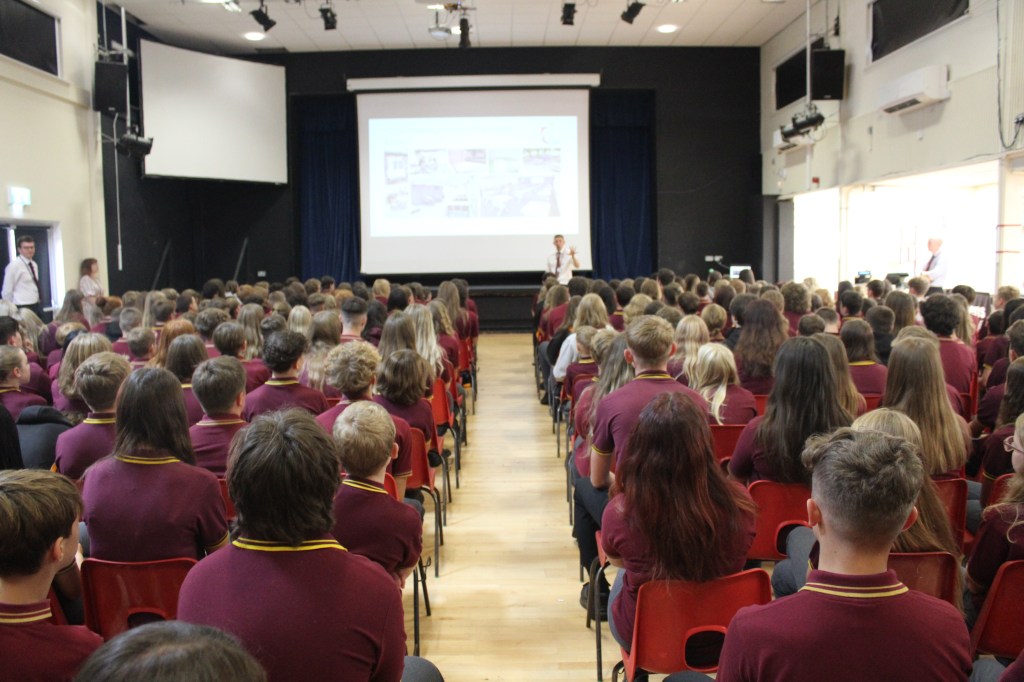
In this week’s assemblies I have been discussing British values with our students. All schools should promote the fundamental British values of democracy, the rule of law, individual liberty, and mutual respect and tolerance of those with different faiths and beliefs – and we are no exception.

Democracy

The idea of democracy has its origins in Ancient Greece, where the concept of Δημοκρατία or dēmokratía originated from the compounding of the words and ideas dēmos (‘people’) and kratos (‘rule’). The Greeks’ idea was that power was vested in the people of a state, where the voice of the people decided the laws of the land. This idea has evolved into the representative democracy we have today, where the people of state have a say through their vote, to elect a representative who will carry their views forward into the government of the country.

In our case, our representatives sit in the Houses of Parliament in the Palace of Westminster. I spoke to students about how our representative democracy works, and how our elected representatives make the laws our country is governed by. I also discussed some of the challenges of democracy, including the difficulty of reaching consensus or agreement when people have different views.

“Democracy is the worst form of government – except for all the others that have been tried.”

Winston Churchill

We moved on with a discussion of Winston Churchill’s famous description of democracy, having lost the general election immediately after leading the nation to victory in the Second World War. Despite its flaws and challenges, democracy is still the best form of government our species has found.

We concluded this section of the assembly with a discussion of the voting age. In our country, people under the age of 18 are not permitted to vote. However, at Churchill we encourage students to engage in the principles of representative democracy through the house and school councils, which are up and running already this term. We also aim, through the education we provide, to ensure that students can make their own minds up about how to cast their vote, when they are old enough, from a position of wisdom and knowledge, based on the ability to distinguish truth and fact from lies and misinformation.

The rule of law

Our elected representatives make the laws that we have to follow. I discussed representations of justice, including the famous statue of Lady Justice on top of the central criminal court at the Old Bailey in London. Lady Justice carries a sword to symbolise that justice should be swift and final; but she also carries scales, to symbolise that justice must weigh up the rights and wrongs of each case to make a fair and balanced decision. These are helpful reminders for all of us in school.

Liberty

There is no better symbol of “liberty” than the Statue of Liberty which stands at the mouth of the harbour in New York City. The statue represents the idea that those people arriving in America were coming to the land of the free, where people were free to live their lives as they chose, and to make their own destiny. This idea of individual liberty – where citizens are free to make choices about how they live their lives, within the bounds of the laws of the land – is central to the UK’s national character. Many countries around the world do not allow their citizens the same degree of liberty that our country does so we must ensure that we do not take this for granted.

Mutual respect and tolerance of those with different faiths and beliefs

As part of our liberty, we must also be tolerant of those with different faiths and beliefs. As a nation we are welcoming to those from different cultures and backgrounds; in Britain people can love who they choose to love; they can follow a religion of their choosing, or they can have no religious faith; we respect those with different abilities or disabilities, hidden or visible, and afford everyone equal rights; in Britain people are free to choose their own identities. This is a luxury not afforded to citizens of all countries on our planet; as with our liberty, we must never take this for granted.

I concluded the assembly with a discussion of the difference between diversity and inclusion. We are all different, but in order to be a successful community we must work together. Individually we are all odd-shaped jigsaw pieces; through collaboration and mutual support, we can bind together in to a coherent and cohesive whole. This is a principle we hold dear in our Academy; through this, we hope to secure Britain’s future as a land which upholds those four key values of democracy, the rule of law, individual liberty, and mutual respect and tolerance of those with different faiths and beliefs – not just now, but forever.

Churchill Sixth Form

This week we have held our Sixth Form Open Evening, inviting Year 11 students and their families from Churchill and further afield to think about their post-16 destinations. I am really proud of our Sixth Form, which balances the importance of academic study with pastoral care and guidance, personal development and independence, and a rich wider curriculum to broaden and deepen students’ knowledge, skills, character and confidence. We really believe that Sixth Form is more than just the courses you study; it’s the whole experience of a Sixth Form that makes it special.

I have always taught in 11-18 schools which have a Sixth Form attached to them. There is something about the presence of the Year 12 and 13 students in the school community that creates a tangible sense of destination and aspiration for our younger students: the Sixth Formers are positive role models and student leaders. And, for the Sixth Formers themselves, there is that sense of the familiar but also the distinctly different that provides a natural extension of their 11-16 education in a school, but seen through a new lens.

There is also the added incentive for teachers of being able to teach up to A-level. The depth, breadth and challenge of the additional subject knowledge required to teach at advanced level brings additional subject expertise to the faculty. I have always found that this strengthens the teaching in the main school, as teachers know and teach the next steps beyond GCSE, enabling further stretch and challenge. And, for many staff, the opportunity to teach post-16 students alongside the main school curriculum is a great incentive to work at an 11-18 school.

In short, the Sixth Form is the jewel in the crown of our Academy’s offer. You can hear more from our students in the video above, and you can view our prospectus and find out more on the Academy website. We look forward to hearing from you!

Marginal Gains

This week Mr Davies has been taking assemblies, and helping our students reflect on the importance of marginal gains.

“The aggregation of marginal gains” was part of the success of British Cycling in the run up to the London 2012 Olympic Games and beyond. The philosophy was to look at every aspect of performance, and to look for any tiny improvements that could be made. Heat pads to warm up cyclists’ muscles to the optimum temperature; tiny savings in weight from each pedal crank; cyclists travelling with their own pillows to reduce the chance of catching a virus from hotel pillows – these were just some of the examples of marginal gains made by the cyclists.

On their own, each tweak to the programme might only make a millisecond of difference to the cyclist’s overall time around the track. But, the philosophy said, if you made lots and lots of those tiny gains, they would all add up and might give you the edge over a competitor.

Mr Davies then asked students to consider the marginal gains they could make at school to improve their educational performance. He gave three examples:

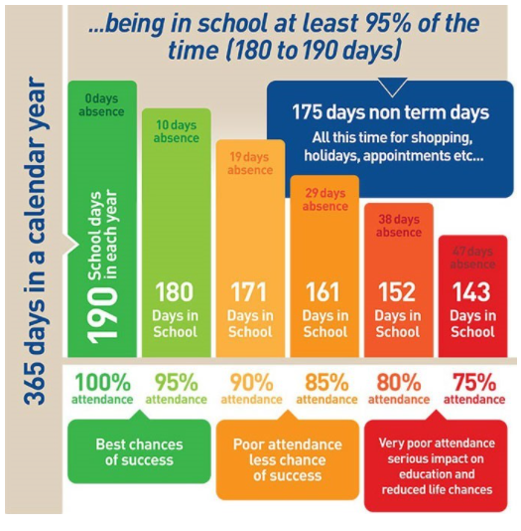
  1. Attendance: Mr Davies explained the difference that attendance makes. He asked: is 90% attendance good enough? 90% means that you miss one day in every ten – that’s one per fortnight. If you have 90% attendance over a school year, that means you have missed four weeks of education. If you have 90% attendance over five years at school, you would have missed half a year’s worth of lessons. We know that many students struggle with health issues and can’t achieve 100% attendance. But the point Mr Davies was making was that every day of attendance is a day of education – and every little bit matters.
  2. Punctuality: We are really insistent that students are punctual to their lessons. You might not think that being five minutes late to a lesson matters – but it does. It disrupts the learning of others. It means the teacher has to re-start and re-explain the beginning of the lesson, wasting the time of those that were punctual. Then Mr Davies did some sums: if you were five minutes late to every lesson, you would miss 25 minutes a day, which adds up to two lessons a week, or 79 lessons a year – that’s three weeks in a school year. So that five minutes matters.
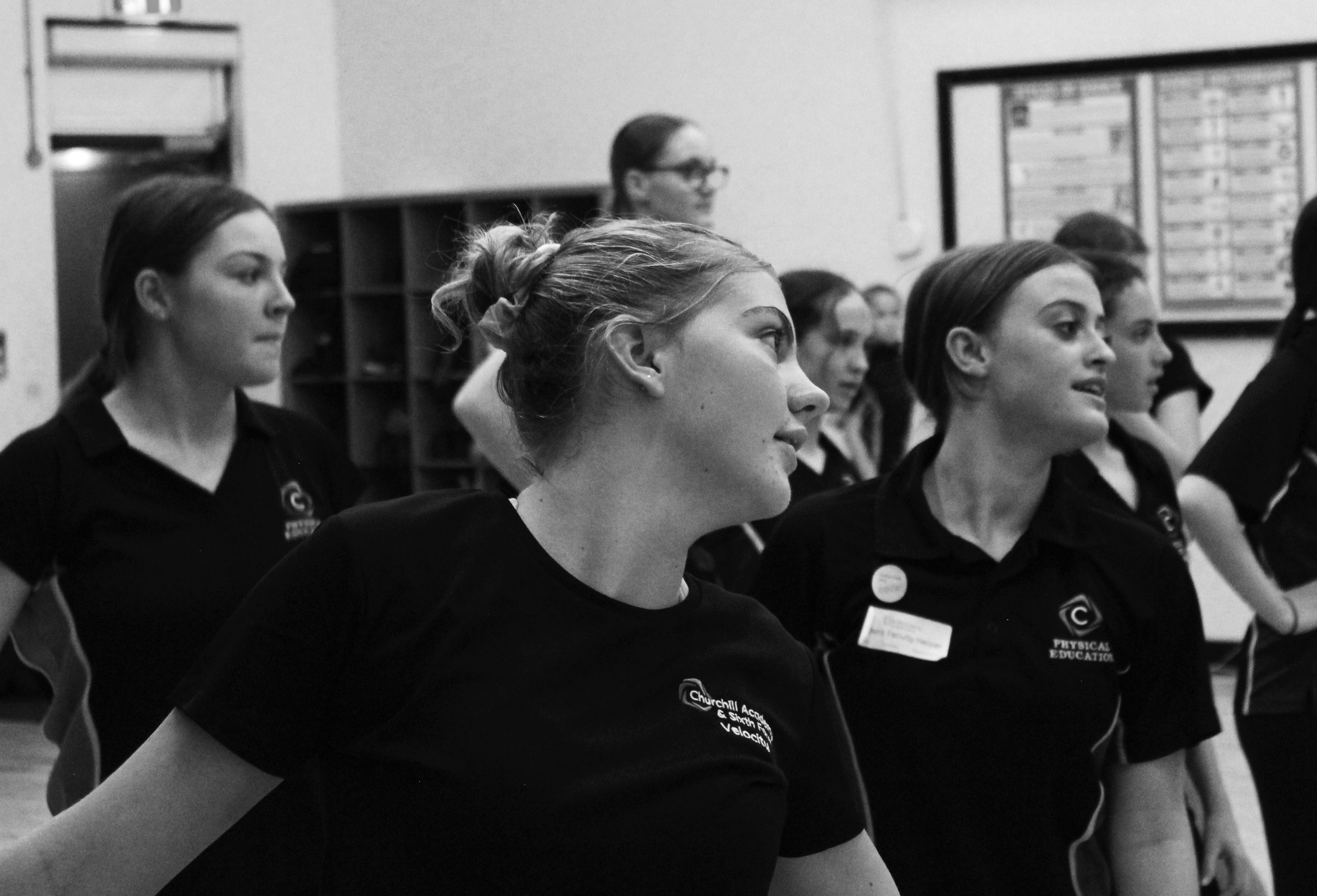
  3. Attention: when called to attention, we require our students to be silent straight away and show they are listening by tracking the speaker with their eyes. Again, this is about the aggregation of marginal gains, ensuring that transitions between tasks are swift and that as little time is wasted as possible. These tiny differences will all add up, over time, to significant gains in learning time.

Mr Davies then challenged the students to think about their own marginal gains as they went about their lessons this term. It might be that little extra effort on a classwork or homework task. It may be that final check through a piece of work before declaring it “finished.” It may be that little bit of initiative to push learning further, ask a question, or take on an extension or challenge task. It may just be sitting up straight and paying that extra bit of attention to an explanation or a demonstration. On its own, no single action is going to make the difference: added up, they will definitely help.

Finally, Mr Davies reinforced the importance of good, safe behaviour at social time. Injuries and accidents can happen at any time, and sometimes they can’t be helped. However, students need to ensure they are minimising the risk of accidents happening by playing safely; injuries, if they do happen, are painful and distressing – but they can also lead to lost learning time.

So, what marginal gains will you make?

Open Evening 2023

Our open evening is a great opportunity for us to show off our school to children in primary school who are thinking about their choices for secondary education – and their families! We strongly believe that our students are our greatest ambassadors, and this year we had over 300 of them on site acting as tour guides, ambassadors for faculties, or taking part in rehearsals for our upcoming production of High School Musical – on stage. As ever, our students were amazing, and I want to thank them all for their brilliant contribution.

There was a real buzz around the Academy site as families came to visit us. Thankfully Storm Agnes, which was forecast to hit on Wednesday evening, only provided a strong breeze on what was otherwise a lovely autumn evening. Visitors got to sample all of our subject areas and a range of our extra-curricular activities across the site, as our future students collected stickers in their passport books with the promise of a “future student” badge from the Sixth Form if they collected them all!

My part in the proceedings was to present our vision, values and purpose to assembled visitors in the hall. I was delighted we had full houses for both presentations! As ever, I wanted the students’ voices to come through strongly, as they are able to “tell it like it is” from their perspectives. I have to say, I was bursting with pride a I listened to Bruce and Oliviya in Year 13, and Katie and Erin from Year 11, describe their experiences at Churchill and how it has shaped them into the wonderful young adults they have become. But it was Lola, Henry, Grace and Edward from Year 7 who stole the show: only at Churchill for three weeks, and already with the confidence to stand up and speak to an audience of nearly 400 people about their experience of transition from primary to secondary, and starting at Churchill. It was wonderful!

Next week we have two open mornings, on Tuesday 3rd and Wednesday 4th October, for parents and children to come and see the school in action on a normal day and to see what it’s really like at Churchill. Tickets can be booked on Eventbrite via our website.

The deadline for submitting applications to join Churchill Academy & Sixth Form in Year 7 is 31st October. All the links you need can be found on our admissions page. We look forward to seeing you soon!

The House System at Churchill

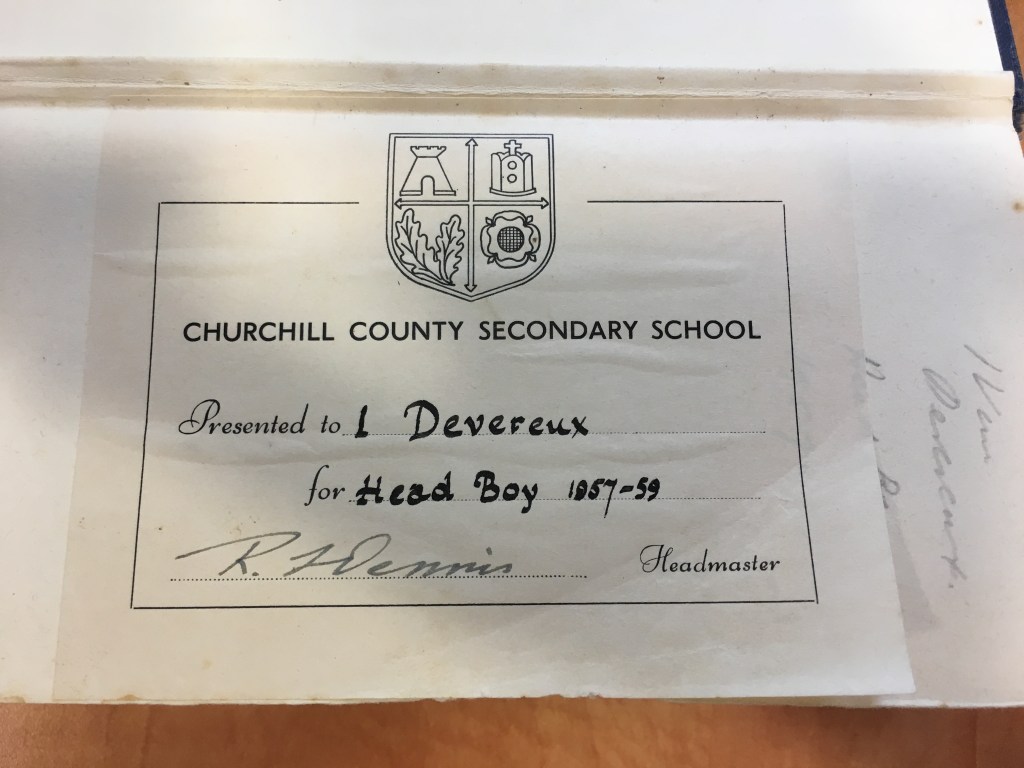
The house system has always been integral to the identity of Churchill Academy & Sixth Form. When the school was founded in 1956, as Churchill County Secondary School, it was founded with four “houses” at the very core of the school, named after royal houses of England – Hanover, Stuart, Tudor and Windsor. You can see the original school logo, with the four houses on four corners of a shield, on this bookplate presented to the school’s very first Head Boy, Ivan Devereux, in 1957:

The idea of “houses” in a school goes back to boarding school traditions, when children at a school would literally live in different houses around the school grounds, going to the school building for their lessons and returning to their boarding house for meals, “prep” (or homework) and to sleep in their dormitories. My uncle was actually the housemaster at a boarding school in Yorkshire for many years, and lived in the boarding house permanently with his family. This meant that – in the school holidays – we had the run of the whole, empty place!
My own secondary school was not a boarding school – although it had been historically. This meant that my school also had houses, named after the original housemasters who first took charge of them. There were six houses, and I was in Calverts House – named after Mr Calvert, I presume. I still feel a really close affinity to my school house, and I am still proud to be a Calverts student all these many years later! I know the same is true at Churchill, because many families have a long tradition of grandparents, parents and children being in the same house. This feeling of belonging cannot be manufactured; it is grown and developed over years and years of careful nurturing.

In September 2020, we added Lancaster House to the four original houses at Churchill. Despite the fact that we made the announcement the week before schools went into lockdown, we still managed to implement the change when students returned to face-to-face education following the first round of pandemic closures. Lancaster is now fully established within the Academy, and even managed their first victory in the House Cup in summer 2023!

Pictured above: Lancaster winning the House Cup and Sports Day; Hanover winning the tug of war trophy; Tudor winning the Academics Cup; and Windsor winning the Head of House Challenge Cup and the Senior Trek shield. It must be Stuart House’s turn to win something this year!

Being part of a house is about more than just competitions and trophies (although those are great too!) It is about belonging to something bigger than yourself – your “team” within the larger school. We ensure that students’ behaviour, attendance, and contribution to the Academy all made a difference to their house, as well as to them individually; but it is also the house that is the first stop for pastoral care, student welfare, communication with home and behaviour, through the team of tutors and the fantastic Heads of House. And, even more importantly, the house councils are a vital engine of student leadership within the Academy, driving real change and making a positive difference to our community.

This year’s house captains

At the head of that student leadership effort is our team of house captains. This year’s crop of ten are an exceptional group of students, who are already making a big impact in their leadership of their houses. Heads of House have been running assemblies this week, and it has been great to see the house captains taking their role in that. Their photos are also now up in reception!

As I said at the start, the house system is at the core of Churchill Academy & Sixth Form. The current staff and students are just the stewards of something much bigger than themselves – something that stretches back to the school’s foundation, and which we will pass on – stronger than ever – to those who come after us.

Presentation Evening 2023

Our annual presentation evening is a great event in the Academy’s calendar. The evening celebrates the achievements of our highest-performing students, the crème-de-la-crème of Churchill’s excellent student body. Quite rightly, the main focus of the evening is on academic success, and in particular those students who have distinguished themselves in their public examinations, both at GCSE and at A-level. But we recognise that a school is about more than just the examination results that young people achieve, so we were also really proud award prizes for service to the community, for progress and improvement, for compassion, for resilience, and for attitudes to learning, all of which often go hand in hand with academic success. This dedication to developing the whole person, academically and personally, is at the heart of our mission and purpose here at Churchill Academy & Sixth Form.

I often speak to our students about why we are here; why our school exists; what our purpose is. Based on our three core values of kindness, curiosity and determination, we have set ourselves the goal of inspiring and enabling all our young people to make a positive difference both in their time at the Academy and, perhaps more importantly, when they leave us. We aim that the young people who go through Churchill Academy & Sixth Form will go out into the world with the knowledge, skills, character and confidence to make the world a better place. Some of them will do it in small ways, others will change it in ways we can’t even imagine yet, but we are incredibly proud of the young people who attend our Academy and who are celebrated at Presentation Evening.

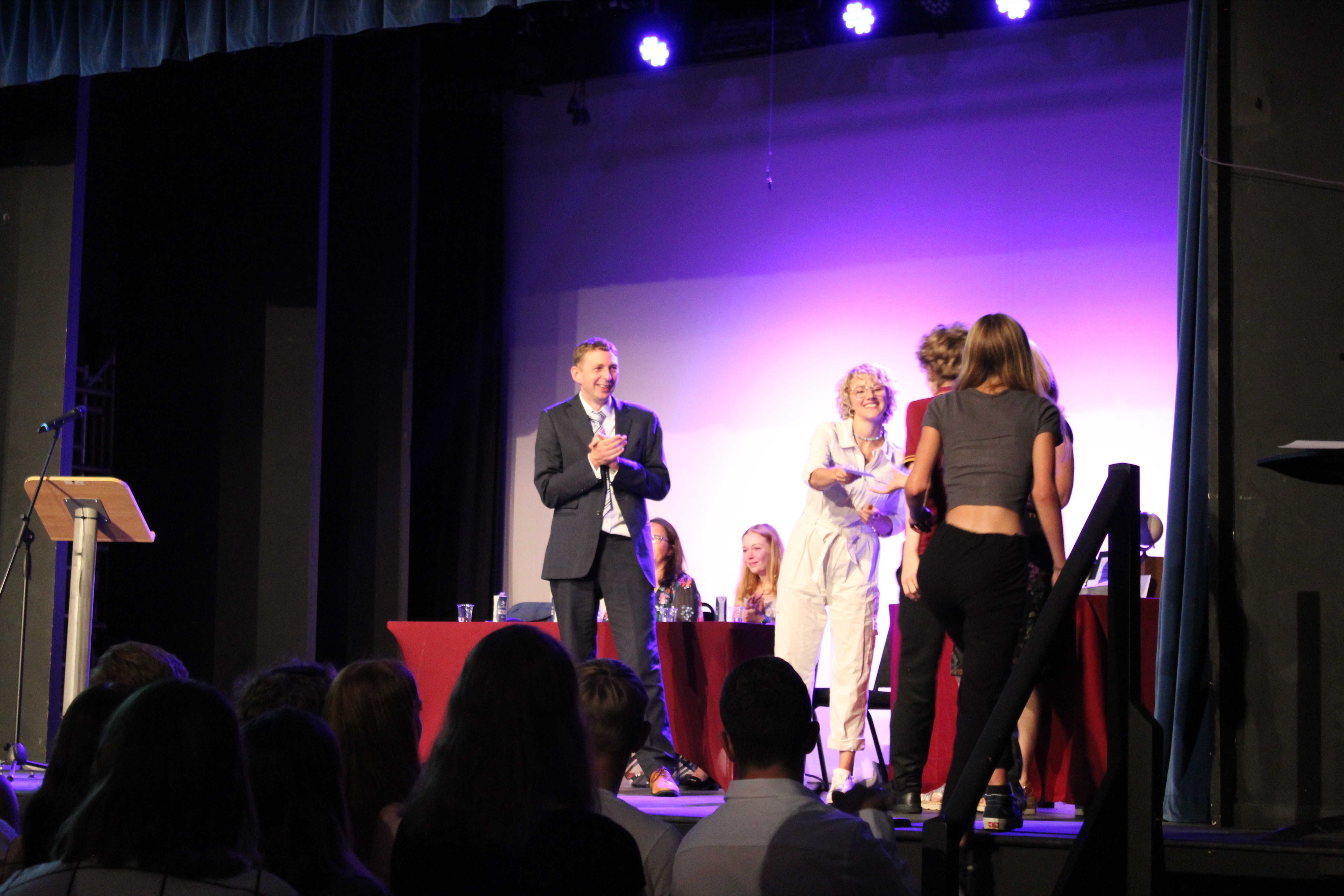
I was absolutely delighted to be joined this year by two guest presenters on stage, to help me hand out the prizes. Both of them gave fantastic speeches to inspire our audience of prize winners and supporters.

Our first guest of honour was Meg Abernethy-Hope. I taught Meg A-level Media Studies in my final years as Deputy Headteacher at Chew Valley School. Meg was always a wonderful student, with the kind of confident fearlessness that inspires everyone around her. Meg was already modelling when she was at school, and has gone on to a successful career as a model and an actress. But it is Meg’s activism that has come to define her work. As co-founder of The Billy Chip, she turned a personal and family tragedy into a force for social good. Meg presented the Academy & Community prizes, before giving a fantastic account of her experiences at school and beyond, and how the Academy’s values of kindness, curiosity and determination helped her through the many challenges which she has faced, and guided her to the incredible achievements she has already accomplished. We look forward to her forthcoming TED talk!

Our second guest was Anna Jones. Anna was a recipient of a prize at Presentation Evening 2016, when she was a student at Churchill. Anna went on to study Natural Sciences at Cambridge, and is now studying for a Doctorate at Wolfson College, Oxford in the long term Ecology lab. Anna is investigating how ground level ozone exposure affects tree health and growth, using a combination of satellite data, spectroscopy and individual tree physiology to understand how ozone damage scales from local to global vegetation. Anna joined me to present the academic prizes and awards based on this year’s exam results, before giving a wonderful speech of her own about her time at Churchill and in academia, where she now climbs into forest canopies to collect data on the impact of ozone on tree health – relying on skills she first encountered on work experience in Year 10 at the Academy!

It was wonderful to see our students celebrated in this way, and I look forward to the bright futures they all have ahead of them. You can see a full list of this year’s prize winners, and the Celebration of Success Roll of Honour, alongside an archive of past winners, on the prize winners page of the Academy website.

Welcome Back

Welcome to a new school year! It has been wonderful to see our staff and students back at the Academy this week. Our inset day on Monday was focused on staff training and development to ensure that all colleagues were properly prepared. It was a packed agenda, with an exam results review followed by sessions on our strategic planning, working within the Lighthouse Schools Partnership, behaviour management, safeguarding, and SEND (special educational needs and disabilities), before faculties and houses met with their own specific agendas.

On Tuesday, we welcomed Year 7 and 12 into school – our two “new starter” year groups. Both settled immediately into the routine, with really positive feedback and some excellent learning taking place. Having the Academy to themselves for the day ensured that new students could find their way around and get properly settled, before the rest of the school returned on Wednesday and Thursday.

In my “welcome back” assembly on Wednesday, I explained all the work that had gone on over the summer. Our site team and the IT network team have been busy, as have contractors completing projects across the site including improved dining facilities in Windsor, with new flooring and additional seating; the completion of our decarbonisation project in Sixth Form, Hive, Hall & Gymnasium, which means that these areas are all now running air conditioning from a low-carbon air source heat pump. New paving was laid outside the Turing building, additional new social area furniture has been placed around the site (inside and outside), the Windsor and Hanover toilets have been refurbished, the Sports Centre has been emptied with works starting on the roof, windows, doors and the heating system, and there has been lots and lots of painting! As a result the student social areas and circulation space in Lancaster, Stuart and Turing all look fantastic as our students have returned.

As always at the start of each term, I also outlined our expectations of student behaviour, including the new approaches we are taking this academic year. It was fantastic to see such a positive response from the students – and I am very grateful to families for their support in ensuring correct uniform for school.

Although it has been very warm this week, we have got off to a very good start!

And the winner is…

This year’s House Cup competition has been fiercely contested! The House Cup is the trophy of trophies, with every other competition across the year feeding into Mr Davies’ super-computer to arrive at the final result. Every day’s attendance, every reward point, house match, inter-house competition, participant in Sports Day, commendation and contribution ultimately counts towards the House Cup total.

Sports Day is a big part of the House Cup, and this year Tudor’s dominance was finally broken! Hanover won the tug of war competition, thanks to dominant performances from their girls’ teams across the year groups. House captains Zoe and Beth lifted that trophy on Wednesday afternoon, before the final result was announced. It came down to the final two relay races for Lancaster to overhaul Tudor’s lead – by only three points! – but Katie and Erin were delighted to raise the Sports Day cup.

You can read more about Sports Day (with photos, our student newspaper, the scores and the records) on the Academy website

Following Sports Day, we were able to calculate the House Cup totals. Several other competitions had already concluded: Windsor were victorious in the Head of House Challenge and the Senior Trek, so House Captains Evie and Joe were able to receive the trophy and the shield on Thursday morning, followed by Theo and Liam for Tudor in the Academics Cup.

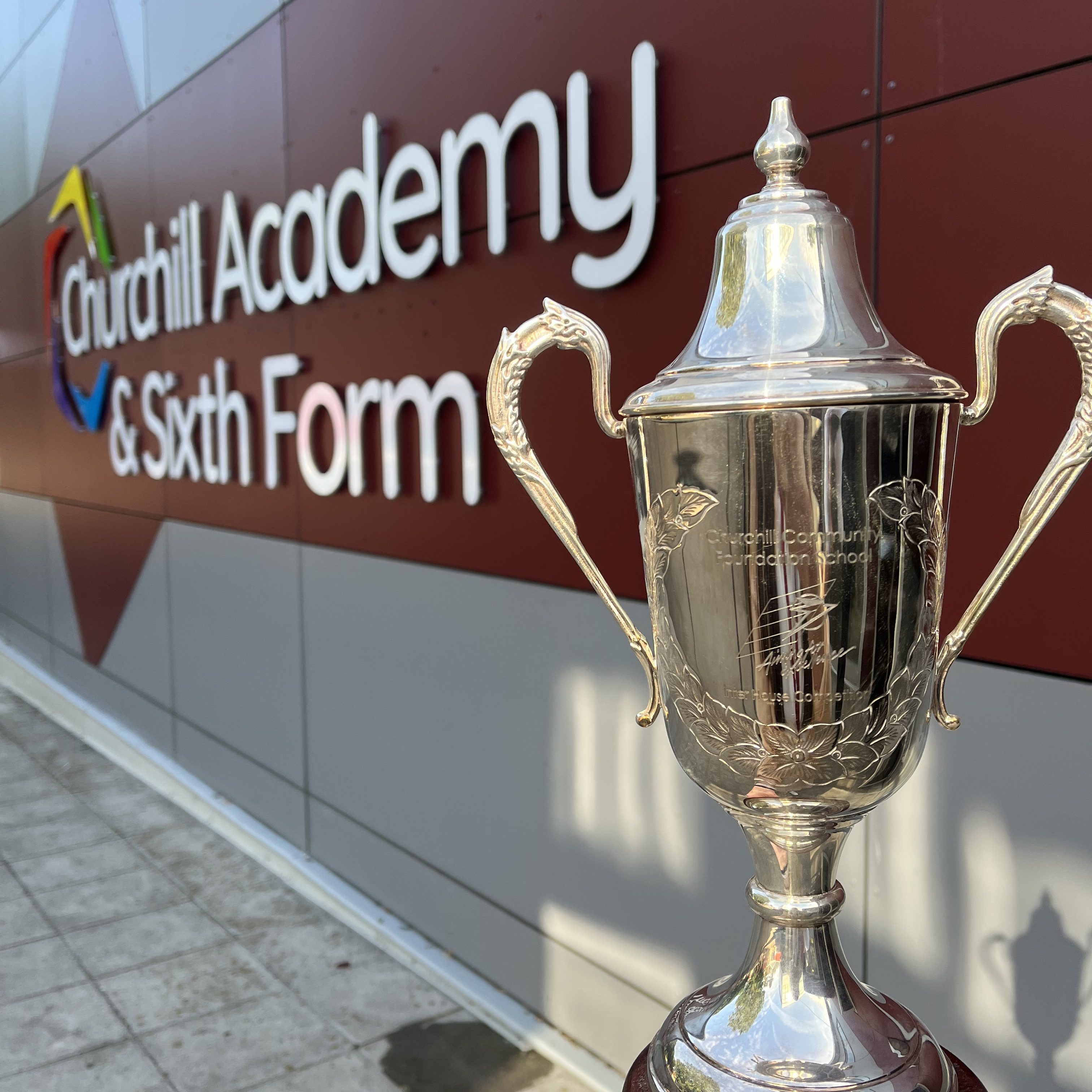
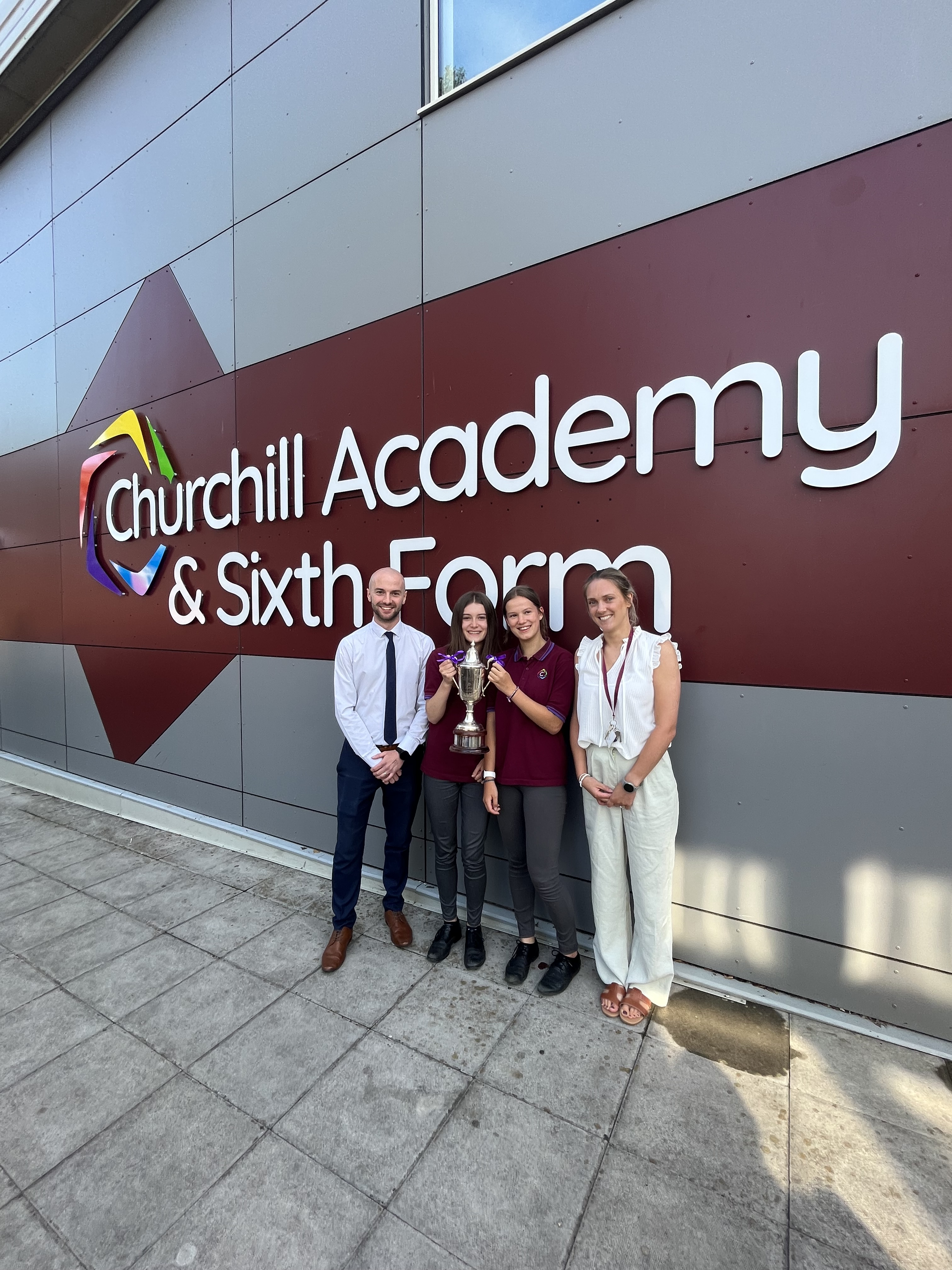
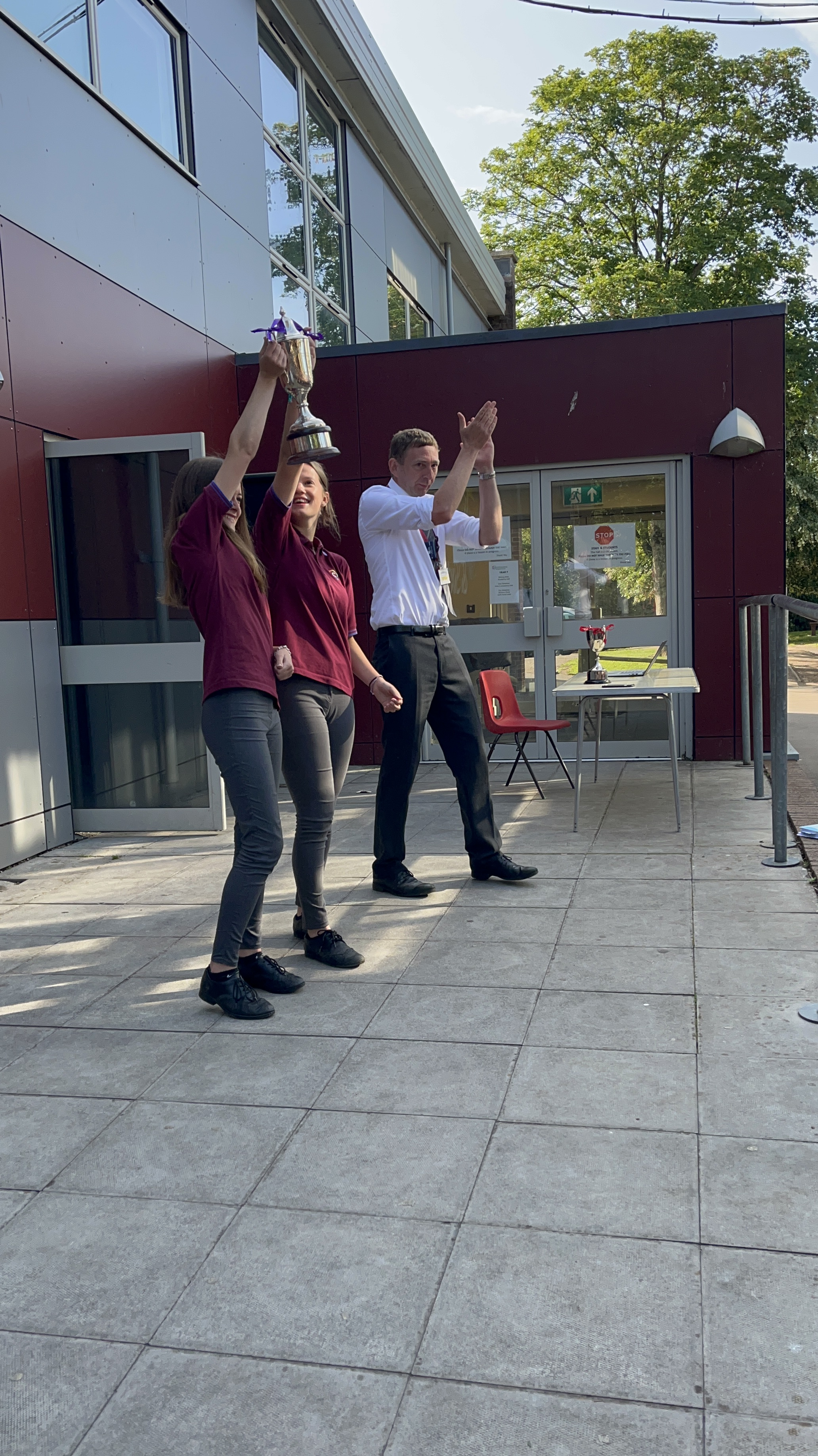
Finally, it was time for the main event. This year, I typed the results live into our Daily Notices Google Doc, with the students in their tutor rooms watching eagerly for the result, knowing that the winning house would process through the Academy to the Hall to receive the cup. It was a real thrill for me to actually hear the “oohs” and “aahs” coming from Windsor and Stuart as I typed into my laptop outside the Hall! But that was nothing to the cheer that went up as Lancaster House were announced as the winners, and gathered in the July sunshine to hold the cup aloft and celebrate with Mr Thomas and the returning Mrs Taylor. A great way to celebrate the end of the year!

The next three years: looking ahead

This week, in my Headteacher’s Update letter, I announced the publication of the Academy’s new strategic plan.

The plan is designed to take us from September 2023 to August 2026, mapping our journey as a school over the coming three years. It is the result of lengthy and painstaking discussions with the governing body, built into the framework from the Lighthouse Schools Partnership and supported by our school improvement partner.

The plan has five aims:

  1. All students demonstrate excellent behaviour, effort and attitudes to learning
  2. Every student enjoys the highest quality of education
  3. The personal development programme ensures that students embody the Academy’s
    vision, values and purpose
  4. Leadership and management is ambitious and persistent in pursuit of our goals
  5. We are fully integrated into the vision, ethos, systems and structures of the Lighthouse
    Schools Partnership to the mutual benefit of the Academy and the Trust

The plan is designed around our existing vision, to set no limits on what we can achieve; our purpose, to inspire and enable young people to make a positive difference; and our values of kindness, curiosity, and determination. It focuses on the young people in our Academy not just in terms of their academic outcomes, but how we can develop them as fully rounded individuals. We plan to focus on their personal development, their behaviour and attitudes, and their wellbeing and mental health by ensuring that they feel a strong sense of safety and belonging in our learning community.

At the same time, we are also looking to our employees. We aim to ensure that our staff are well-trained so they can be the very best that they can be in their roles. We want to focus on their professional development and their wellbeing as part of our People Strategy, so that we can continue to recruit and retain the best staff to support us on our journey.

We are also looking to our role within the Lighthouse Schools Partnership. As a new school in the trust, we have much to do over the coming years to ensure we enjoy the full benefits of being part of this wider family of schools, whilst using our expertise to further strengthen the work of the trust to the mutual benefit of all involved.

As we say in the introduction to the plan, this September marks the beginning of a new phase for Churchill Academy & Sixth Form. We are excited about the future.

Activities Week 2023

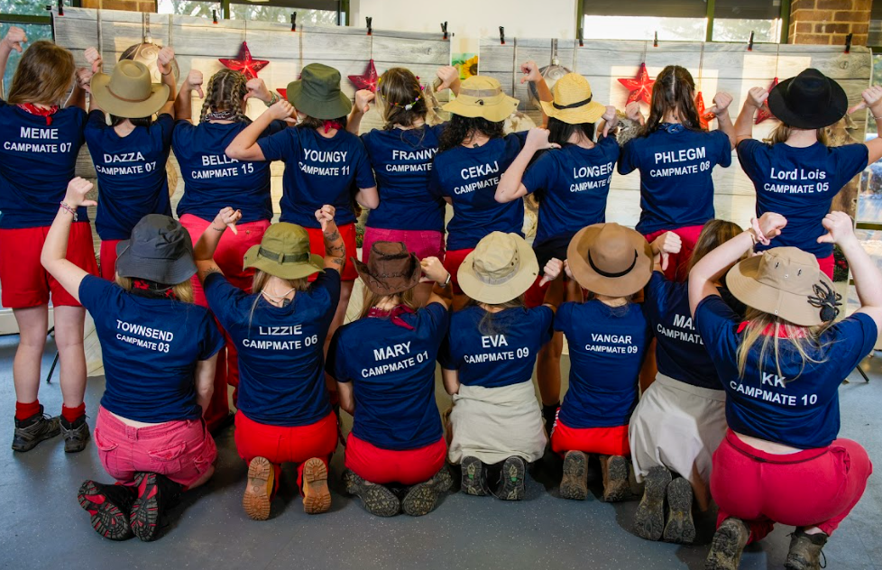
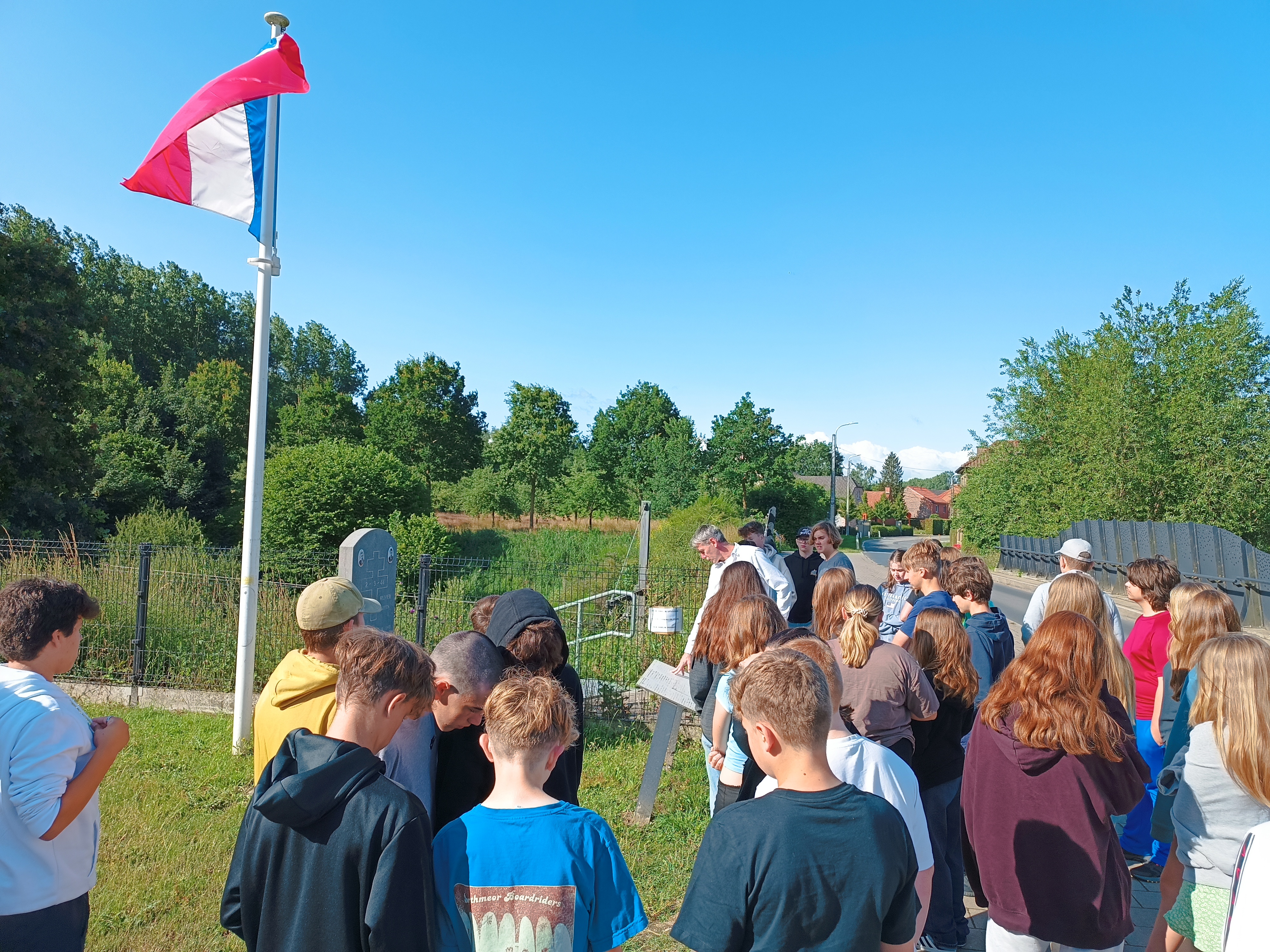
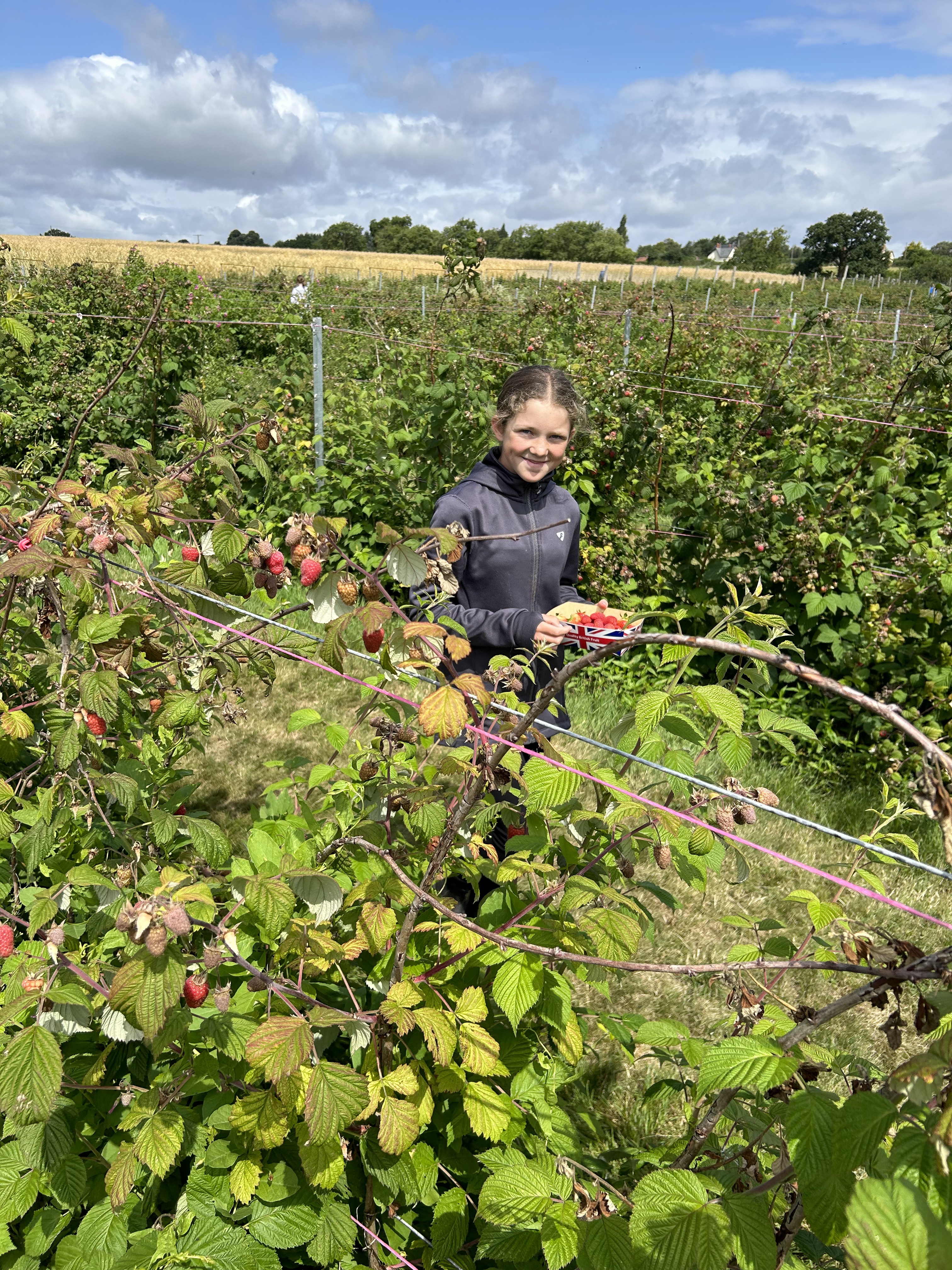
Activities Week is an important date our calendar, and a vital part of our curriculum. The week gives our students opportunities to broaden their horizons, try new experiences, develop their skills, and build their character and confidence in new settings and different environments. Through a combination of “basecamp” activities in school, day trips and residentials we provide a huge range of opportunities that students can personalise by selecting the range of activities that fit their interests and enthusiasms. We hope that students will make memories for a lifetime.

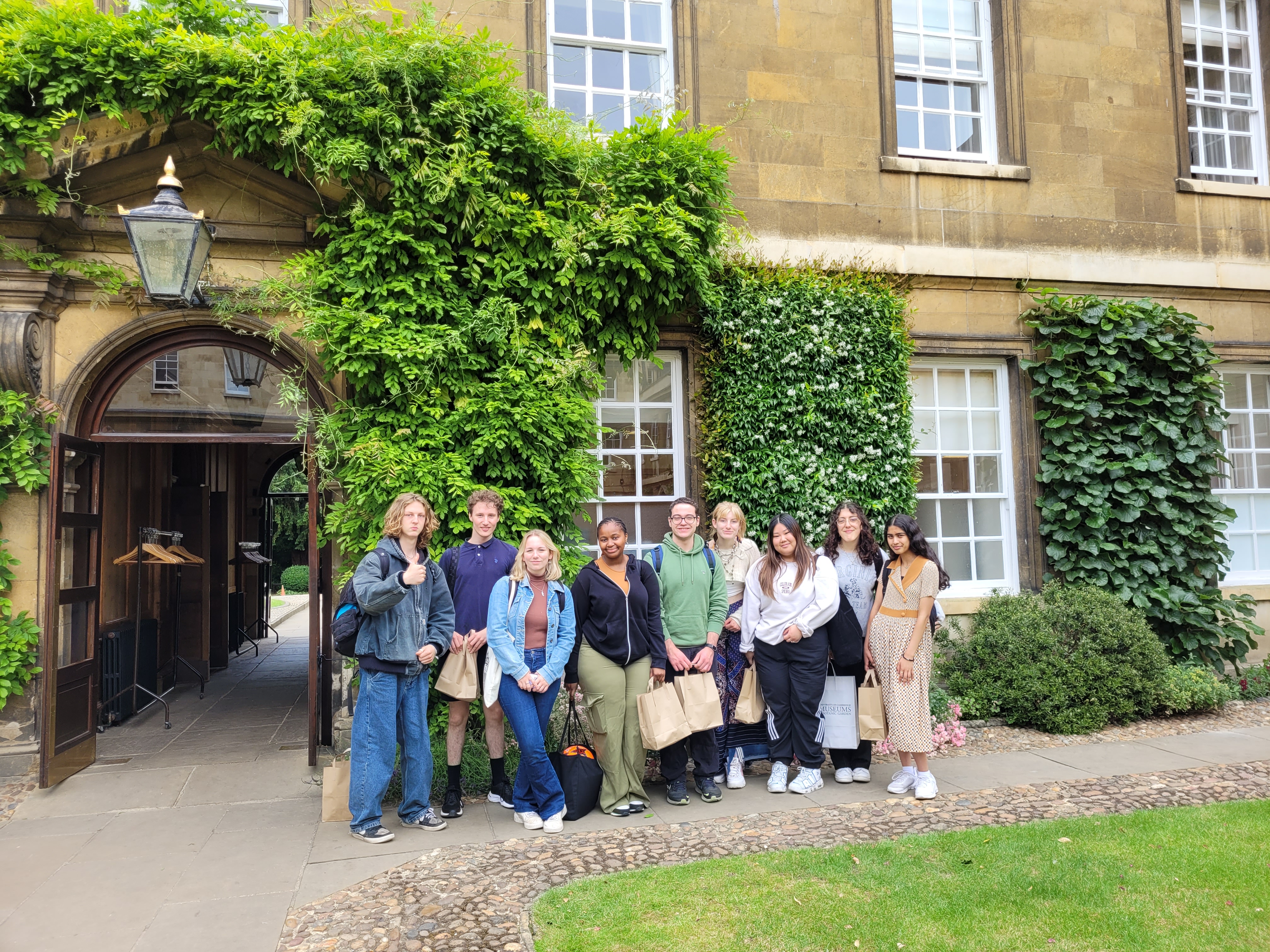
At the same time, Year 10 and some sixth form students were out on work experience, whilst a group of Year 12 students were in Cambridge getting a taste of University life with HE+ and our Duke of Edinburgh Silver participants were out completing their expeditions. These adventures extend the vision for Activities Week, by continuing to build students’ skills, experience and confidence in new contexts. As ever, we are so proud of our students for the way in which they rise to the challenges and represent the Academy so positively.

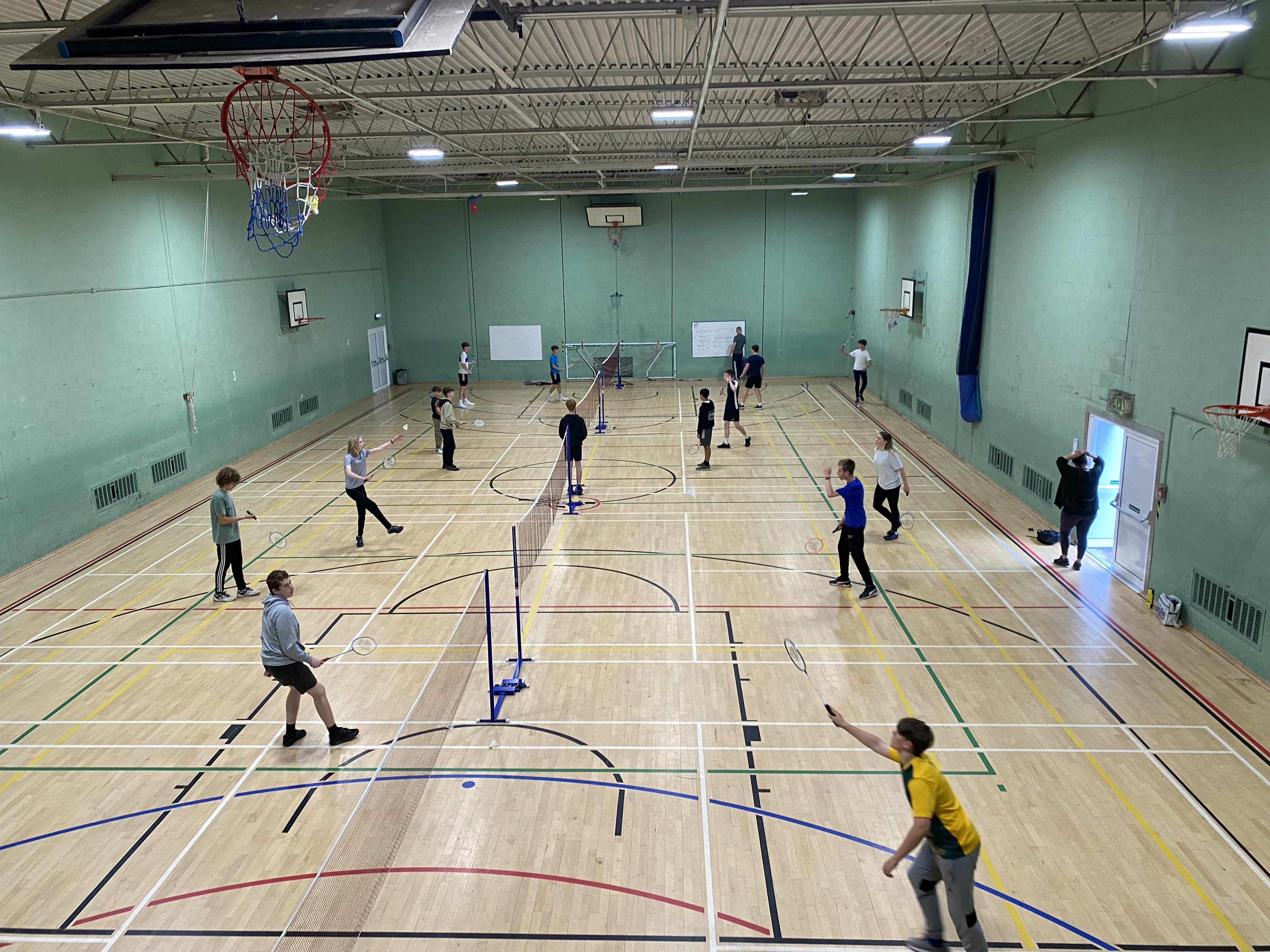
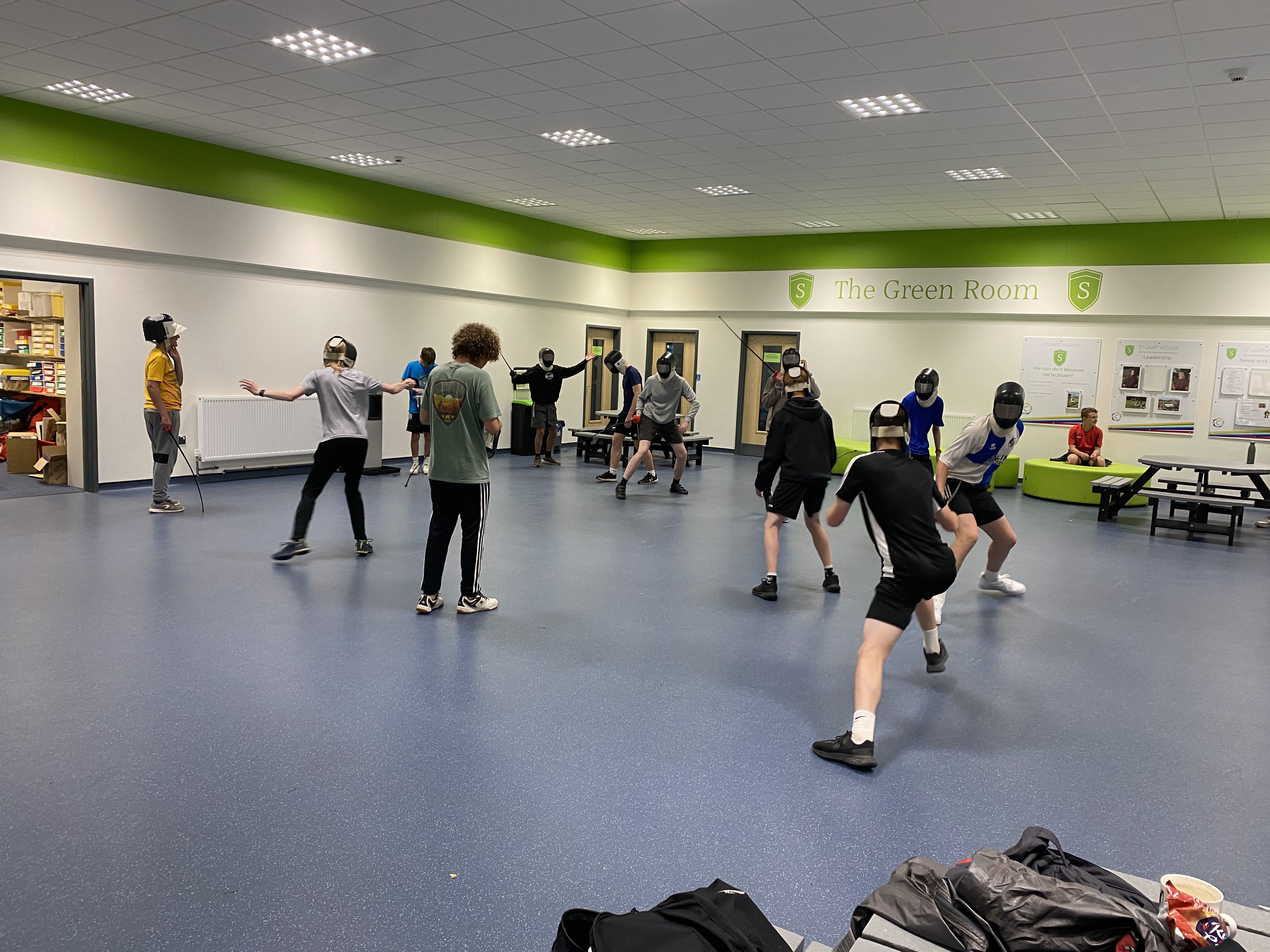
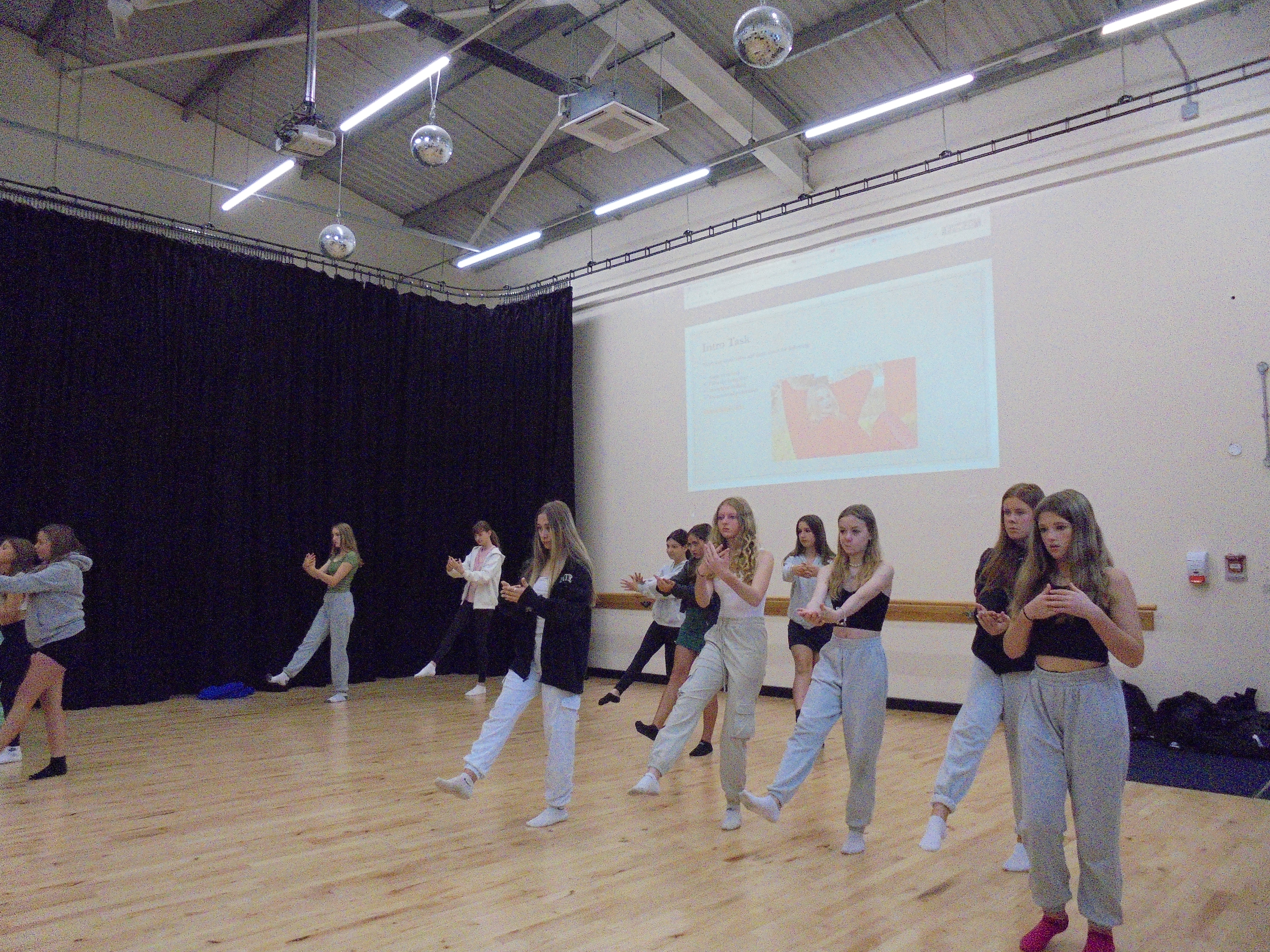
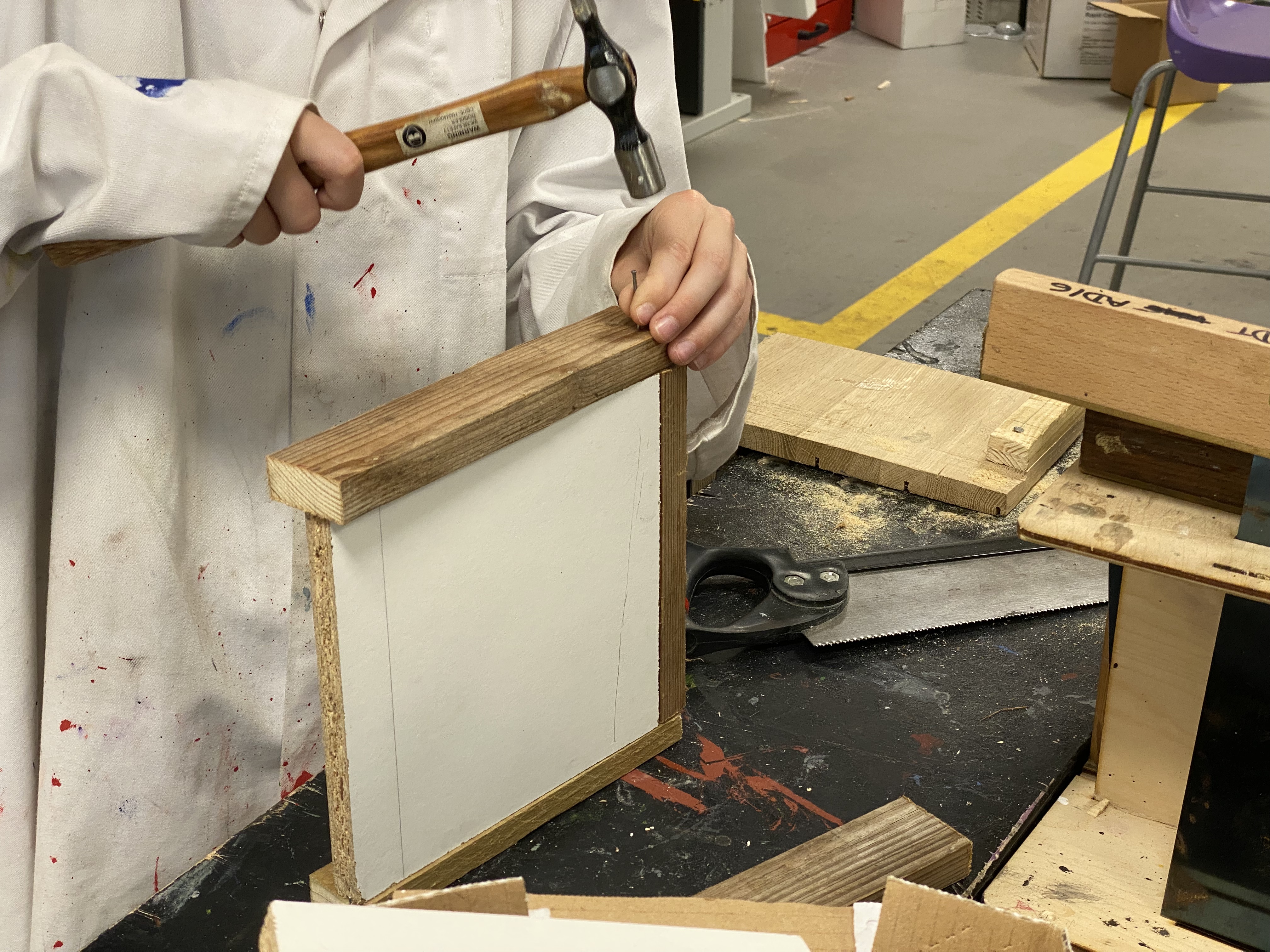
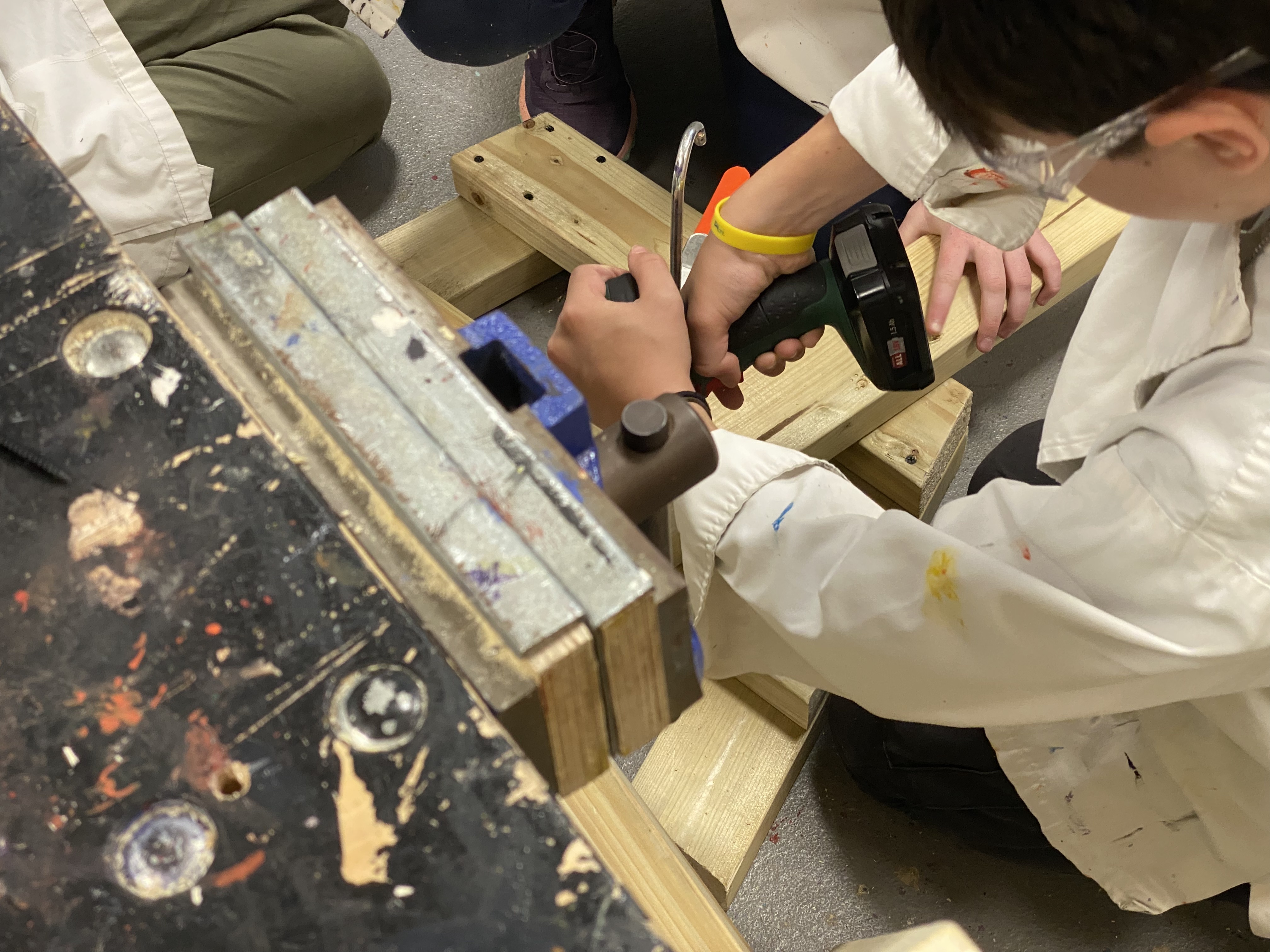
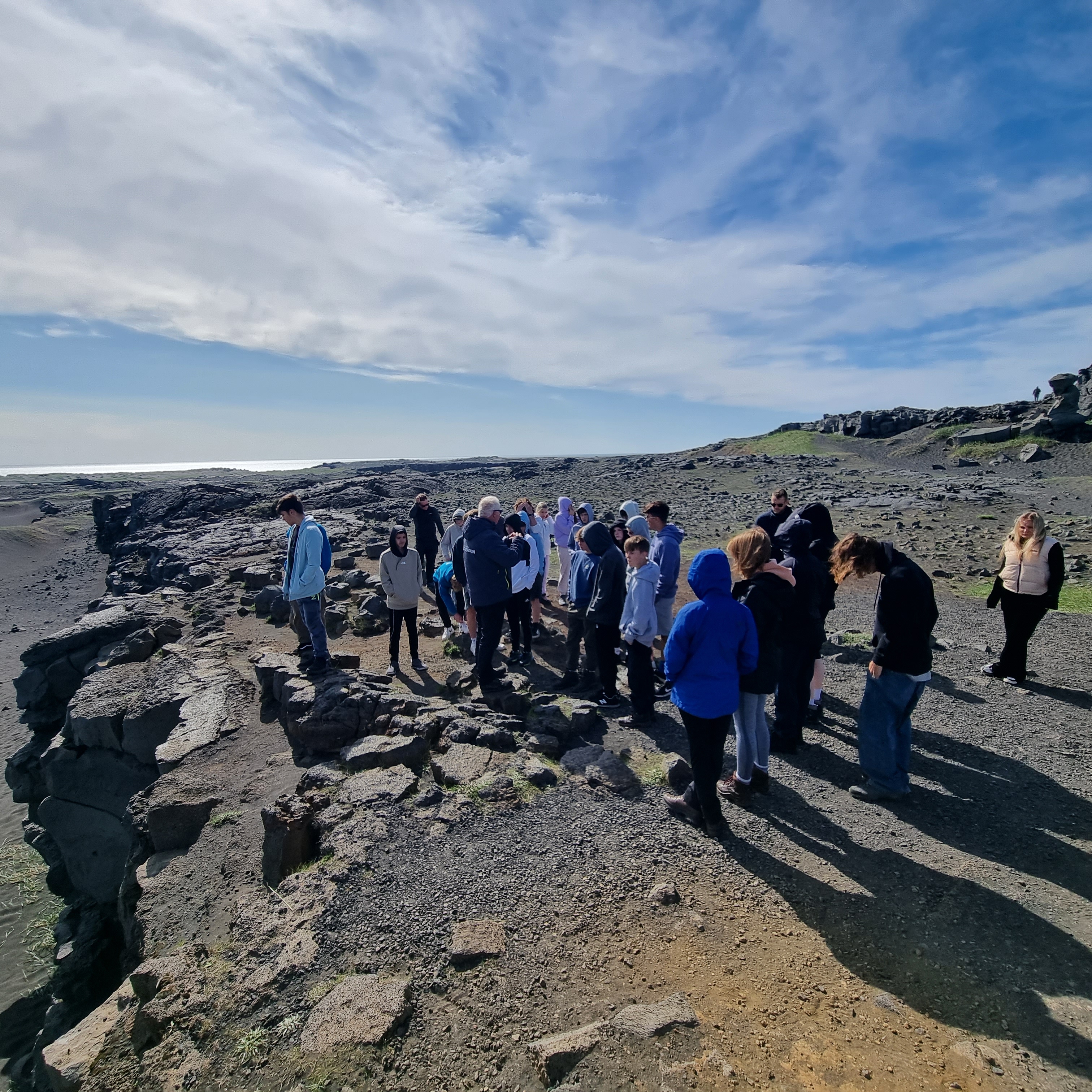
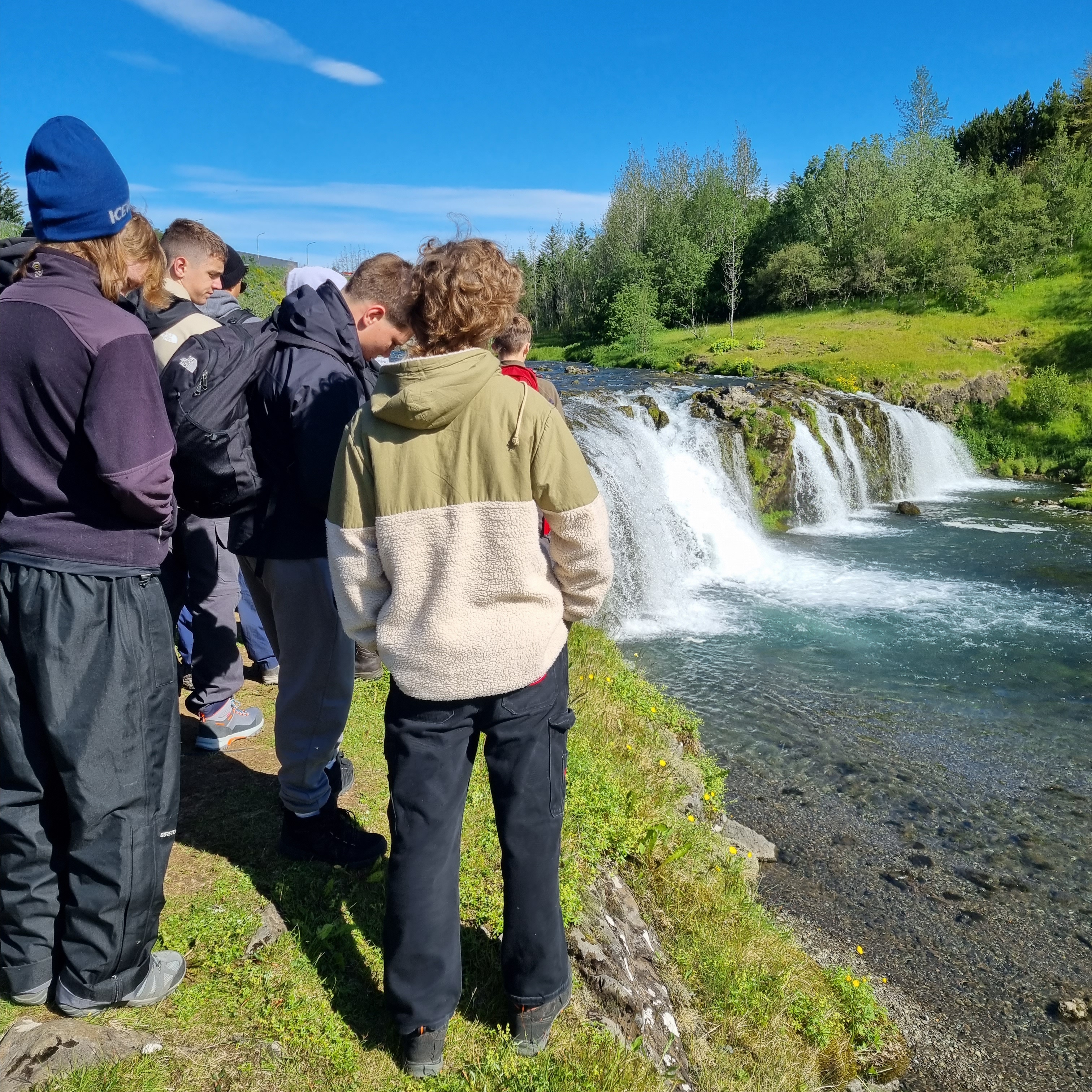
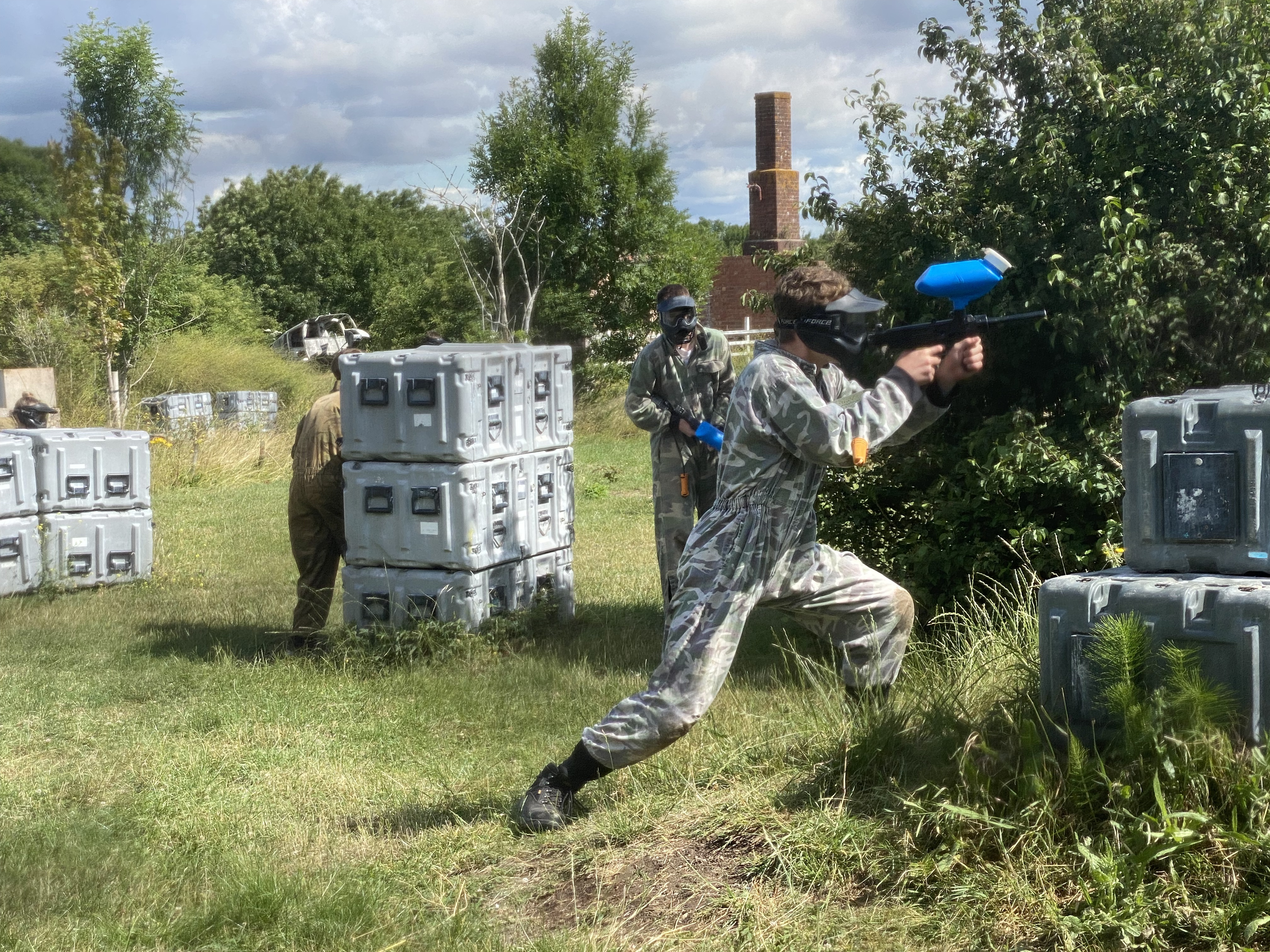
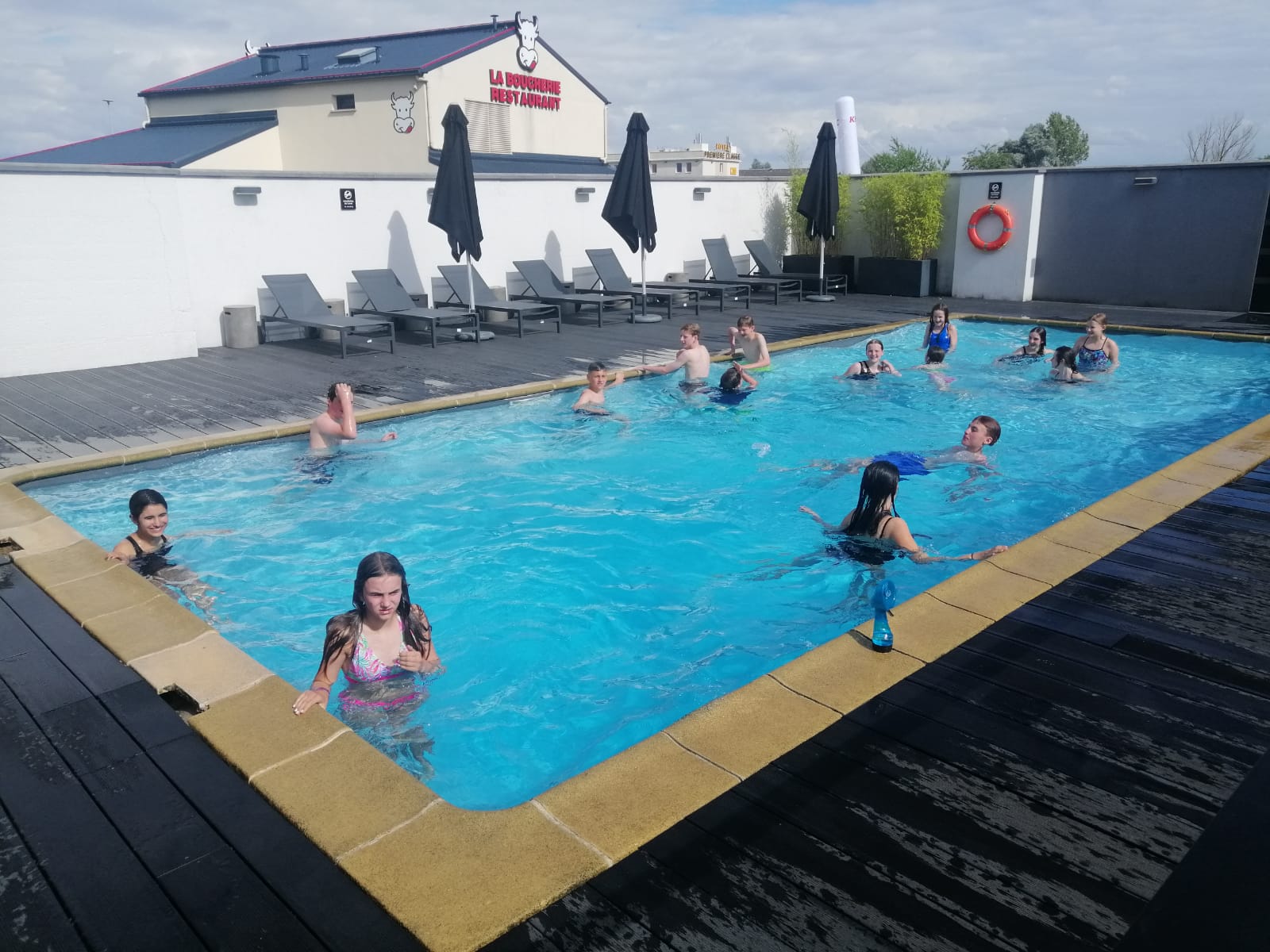
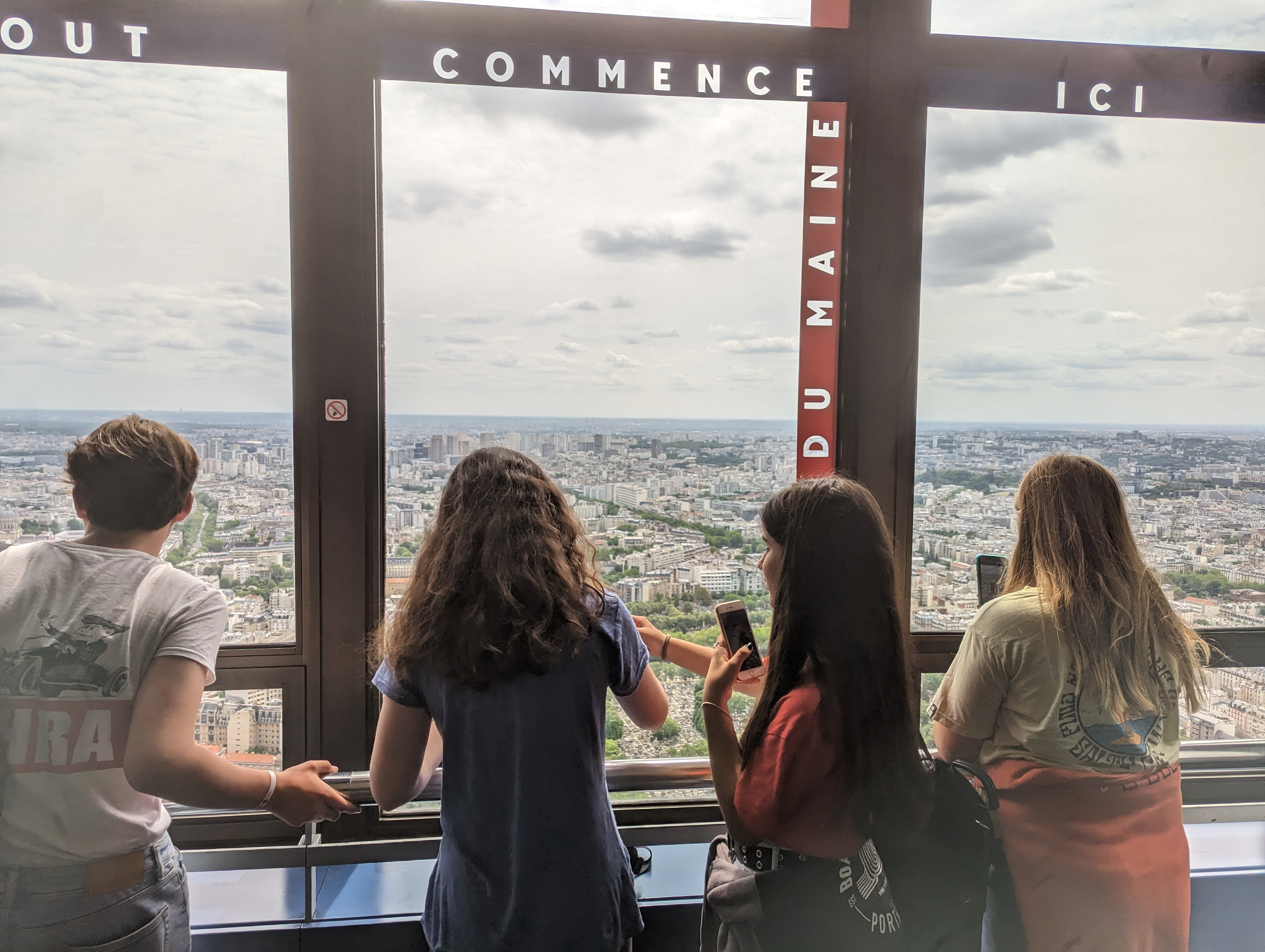
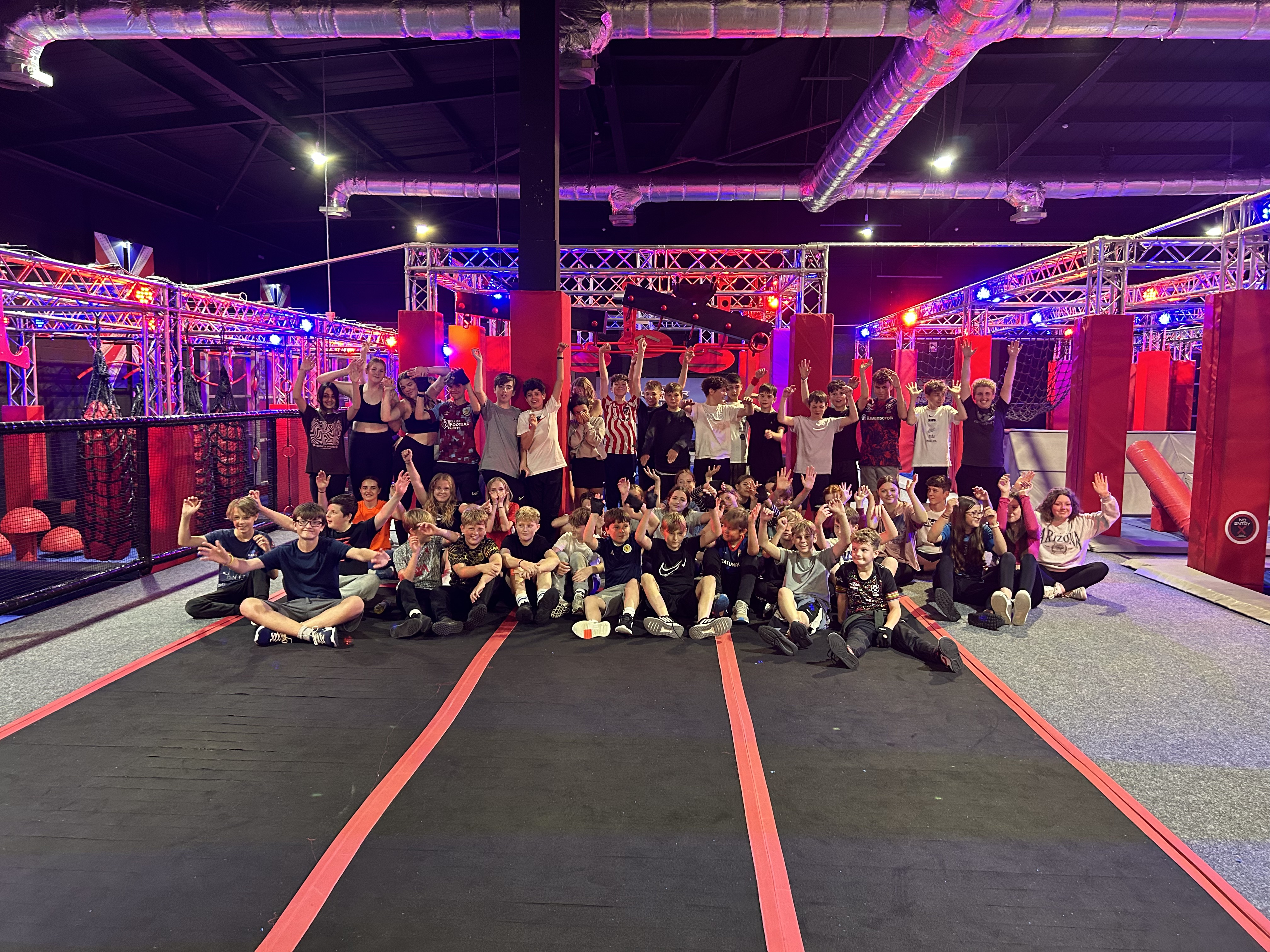
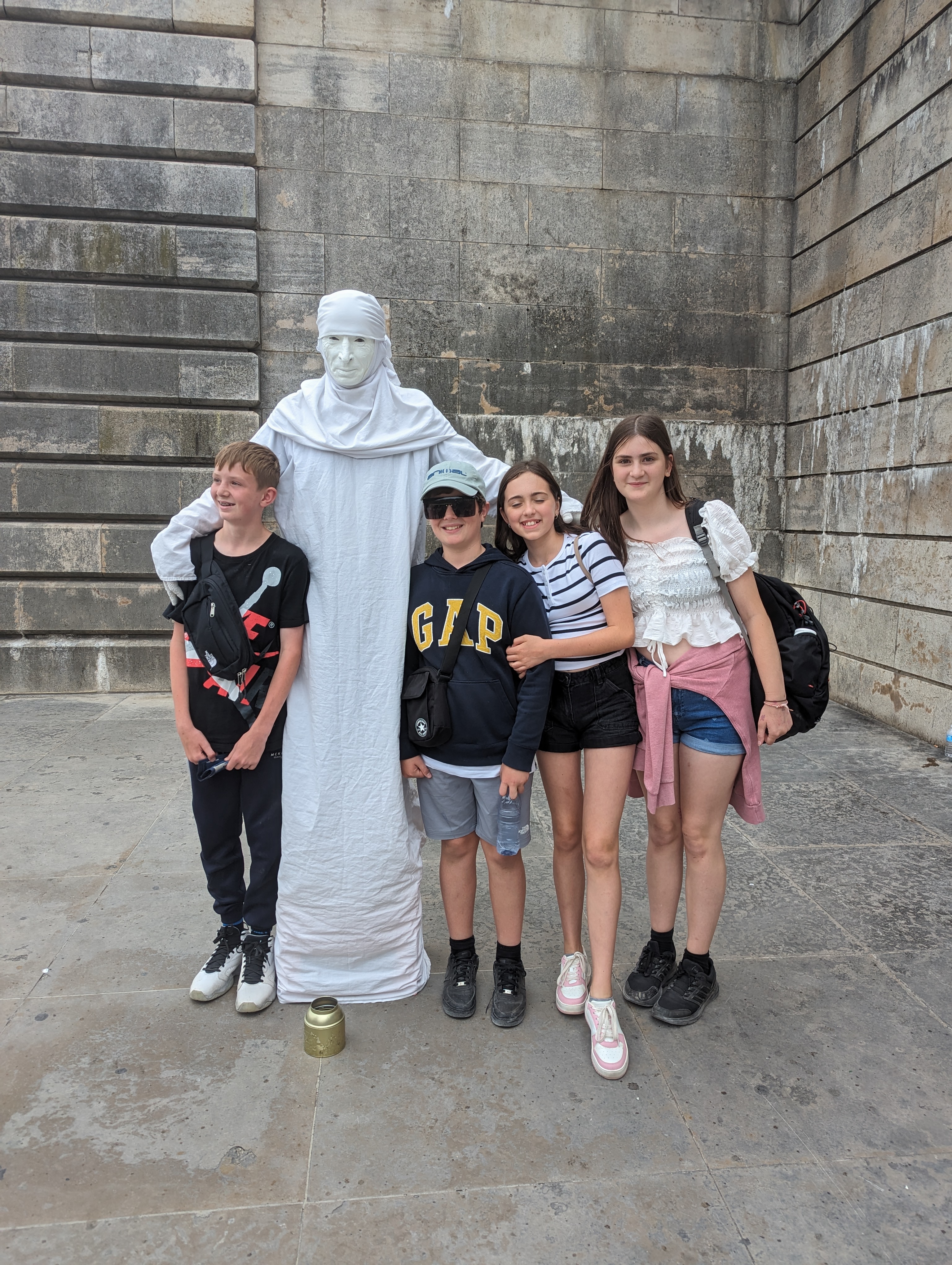
The photos below give just a sample of some of the things our students got up to over the course of the week!

This year’s Activities Week was threatened by the two days of industrial action announced by the NEU. We are hugely grateful to the teaching and support staff who made the decision to support Activities Week over the legitimate strike action, which enabled all of our planned activities to go ahead uninterrupted.