Transition

One of the great privileges of being a secondary school teacher is seeing students arrive at our school as children, and leave it as young adults. This week, I have seen both the beginning and the end of that journey – and had a glimpse of the world beyond.

This week we have welcomed next year’s Year 7 students to Churchill on their transition day, and their families for the new parents’ information evening. I always love this time of year, as we see the future of Churchill Academy & Sixth Form in front of us.
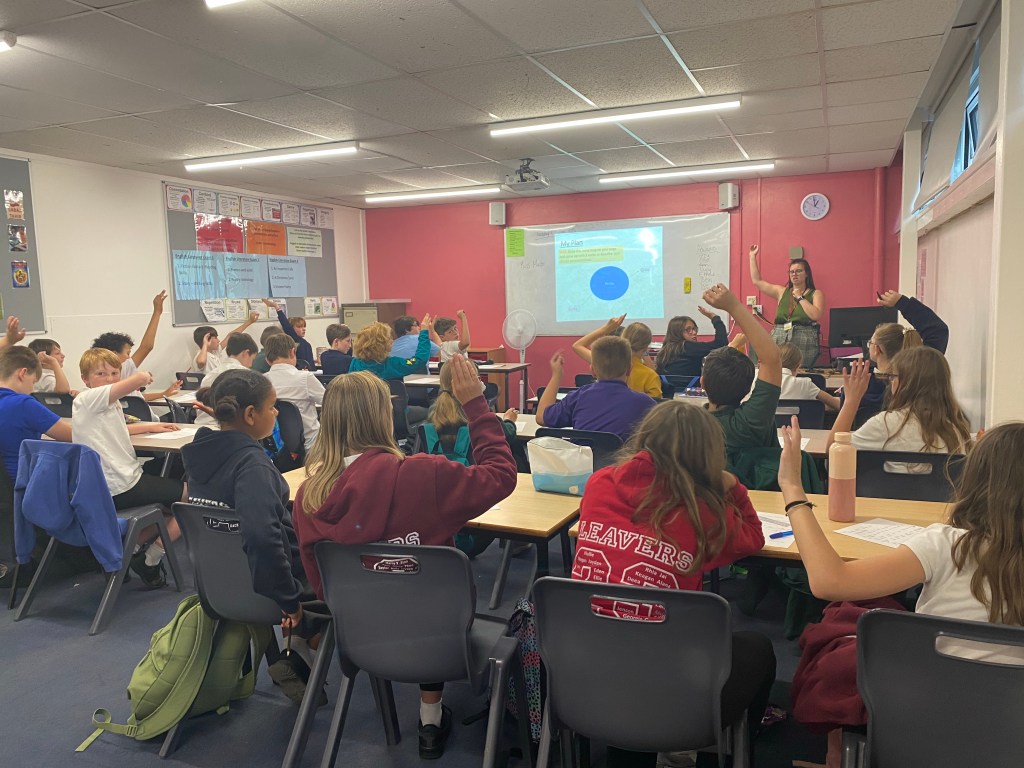
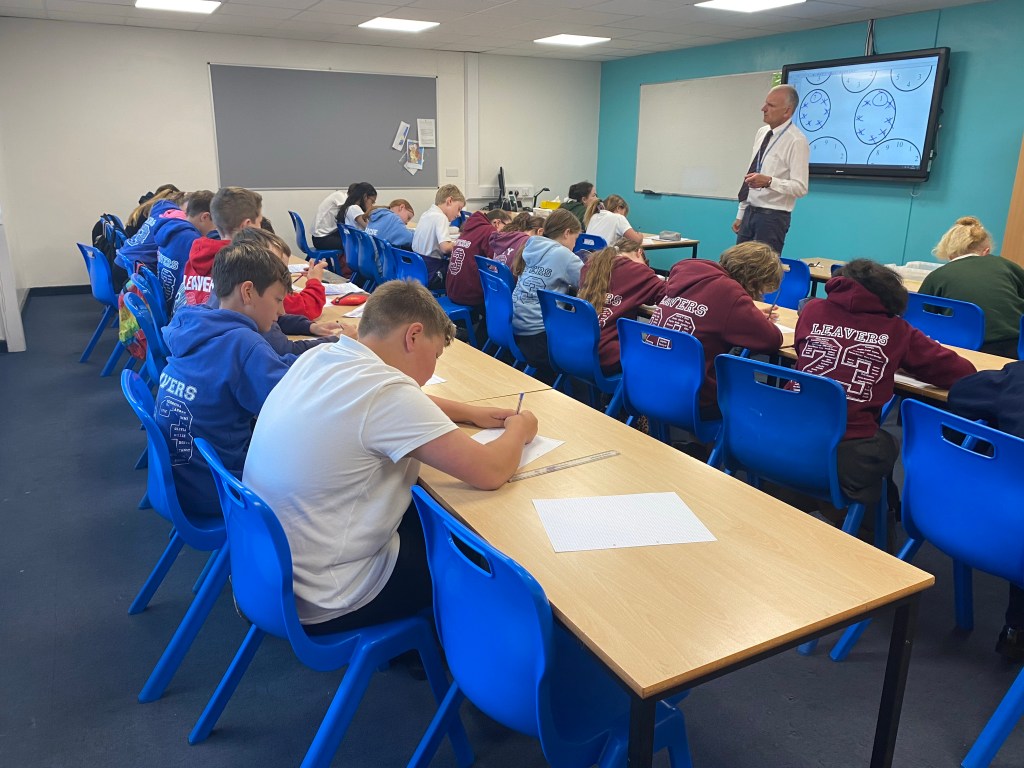
I spoke to the Year 6 students in their first assembly about making a positive difference. I spoke to them about making a positive difference to themselves, through the things that they learn and the improvements they make in their confidence, knowledge and skills every day. I spoke to them about the positive difference they will make to our Academy through the unique personalities, abilities, interests and enthusiasms they will bring with them. And I spoke to them about the positive difference we hope they will go on to make in the world as adults, as a result of the education they have received at Churchill.

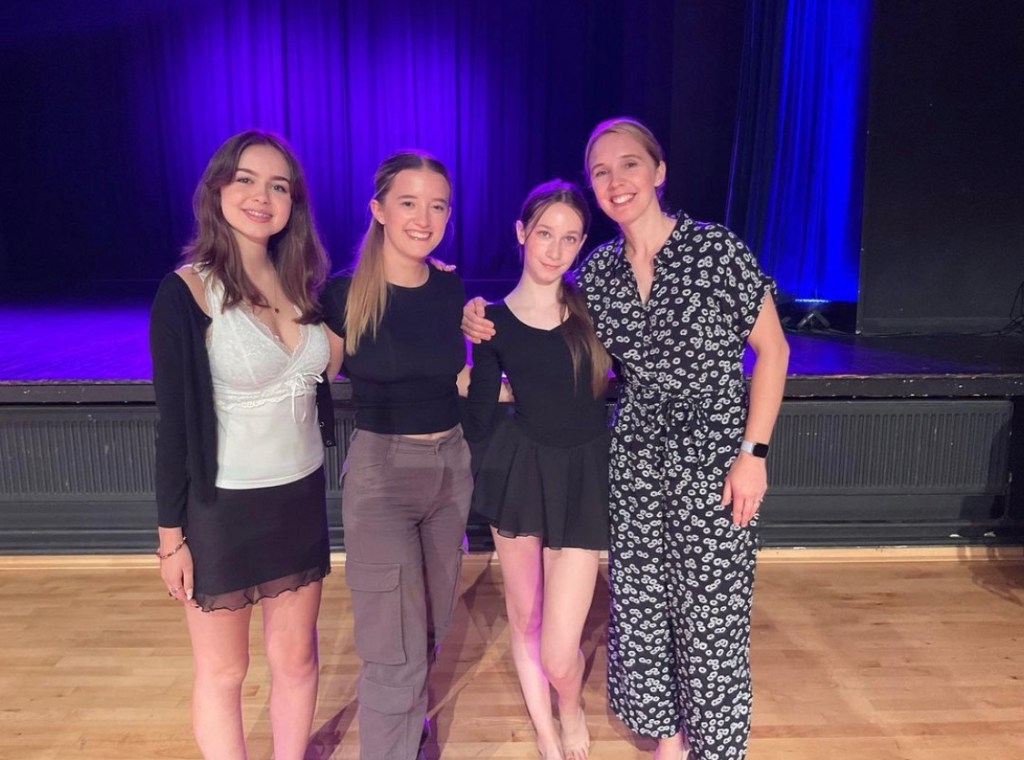
Each aspect of that positive difference was underlined on Thursday evening this week, when I attended the annual Strictly Dance Fever competition in the Academy Hall. I saw the positive difference our students had made in the development of their dance skills, with the incredible performances from Year 7 right through to Sixth Formers. It was clear what a positive difference these students were making to our Academy, bringing their talent and enthusiasm to bear in and beyond the curriculum. As ever, student leadership was at the forefront, with Dance Captain Lilah joining the judging panel of Mrs Lippe and Miss Sanderson, whilst next year’s captains were appointed on the night: Mair and Ollie for the Sixth Form, Sadie for key stage four, and Charlotte for key stage 3.
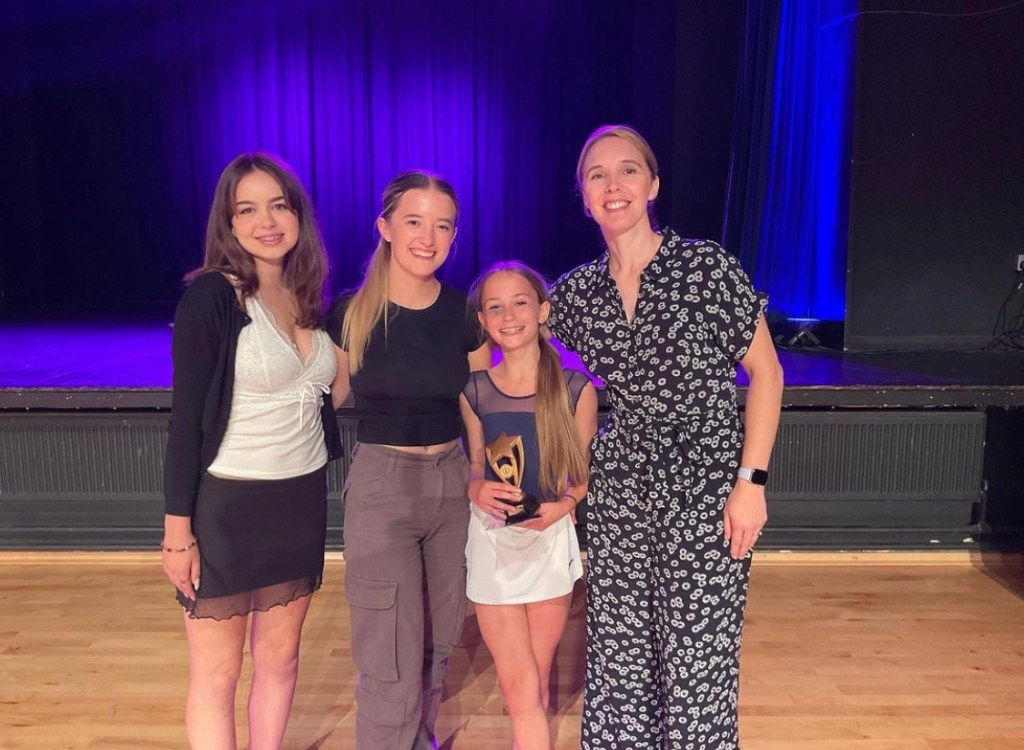
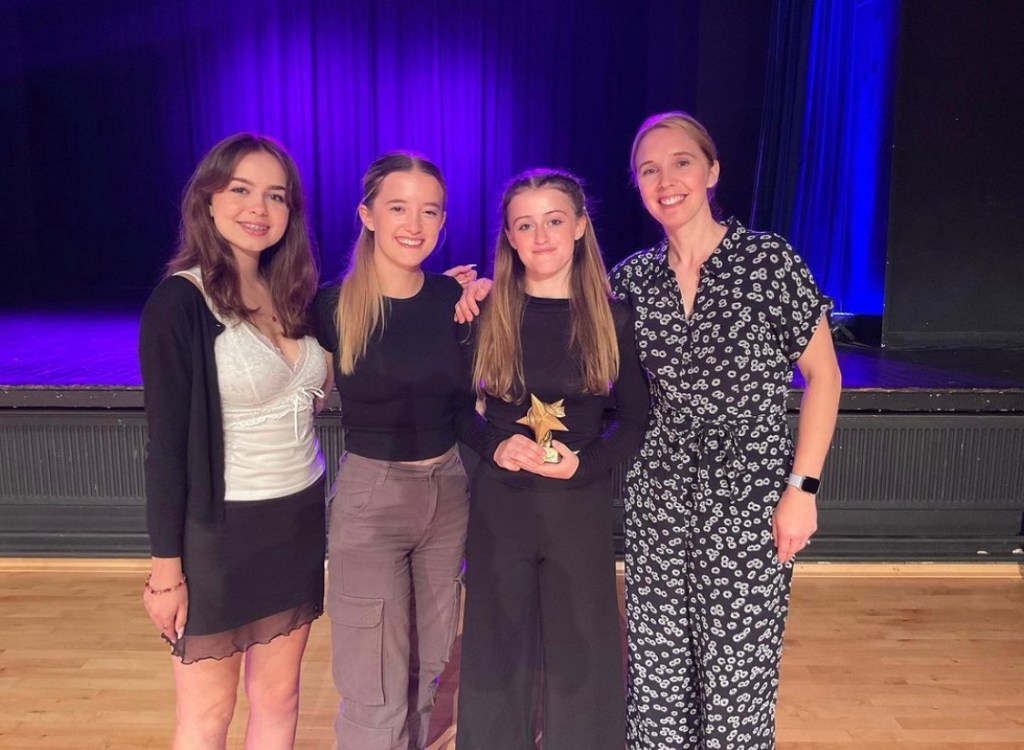
Finally, at the end of the night I was surrounded by ex-students who had come back to watch – some of them in work, some at university, and some having finished their graduate studies. All of them were happy and excited and brimming with the possibility that being on the brink of the future brings; and all of them had previously been Year 6 students, on their own transition days at Churchill Academy & Sixth Form. Seeing the beginning, the end, and glimpsing the life of our students beyond the Academy, has made me prouder than ever of the work we do at Churchill.

Raising aspirations: Year 11 at Oxford University

I have just returned from a fantastic day with 26 of our Year 11 students visiting Oxford University. Fresh from completing their GCSEs and Sixth Form induction day, we headed off to the dreaming spires on a sunny Thursday, ahead of the Year 11 Ball tomorrow!

Our host for the day was the wonderful Evie from Exeter College’s Outreach team. She gave the students an introduction to Oxford, including some myth-busting, followed by a tour of Exeter College, including the beautiful chapel. This was followed by a fascinating taster session for English Literature, looking at some eighteenth-century satire. The students engaged brilliantly with the text and the session, exploring concepts such as the authorial contract, and making links with contemporary political rhetoric as well as their knowledge of Dickens and Victorian literature. Evie said it was one of the best discussions she’d ever had in response to the session!

We were ready for a delicious lunch in Exeter College’s Hall, followed by a second taster session. This time, Ben from Brasenose College gave the students an experience of the sort of things they might learn about on an Experimental Psychology course. Again, our students excelled as they engaged with the interrelation of classical conditioning and the placebo effect – even suggesting an interesting new area of research into whether the placebo effect could be used in the fight against antibiotic resistance!

The day finished with a visit to New College, the college I studied at for my undergraduate degree and which is now home to ex-Churchill student Sarah, who has just finished her first year studying Chemistry. Sarah was part of the last group of Year 11 students I took to Oxford back in 2019 – we recorded a podcast together at New College earlier in the year reflecting on the impact of that experience. As our current Year 11 students took in the New College Chapel, Cloisters and the famous tree where Draco Malfoy was turned into a ferret by Mad-Eye Moody in Harry Potter and the Goblet of Fire, I hope some of them were similarly inspired to think about applying. Based on their performance in the taster sessions, they are more than capable of getting in!

The Future of Churchill Sports Centre

We are delighted this week to be able to publish the news that the future of the Sports Centre building has finally been secured.

The Sports Centre, as many of you know, sits within the Churchill Academy & Sixth Form site. When Churchill first became an Academy in 2011, all the land within the site boundary transferred over to the Academy trust – except for the Sports Centre, which remained in the ownership of North Somerset Council and operated as a leisure centre for the local community.

When the pandemic hit in March 2020, the leisure centre closed – and it has not reopened. For the past three years it has remained closed, whilst extensive discussions have taken place between the Academy, the council and the local community about its future. We have all been desperate to find a way to preserve the centre as an asset for the local community, and for the Academy. Since we joined the Lighthouse Schools Partnership on 1st April, the multi-academy trust has also been able to lend its expertise and resources to the discussions.

We are now able to confirm that the Council has agreed to transfer the sports centre building to the Lighthouse Schools Partnership (subject to approval by the executive member), along with a contribution of just over £600,000 towards repairs and building maintenance works that are essential to bring the building back into a fully usable condition. The full cost of these works is over a million pounds; the remainder of the money will come from the Lighthouse Schools Partnership, of which we are now a part.

In January, the council announced that the swimming pool would not reopen, and it has now been drained. This space will be turned into a multi-purpose hall, which we hope to be able to use flexibly for teaching, assemblies, and exams. This will mean that we will no longer have to shut the Academy’s own Sports Hall – and associated changing rooms – during exam seasons, reducing disruption to the PE curriculum and ensuring that we will have changing rooms available for students all year round!

The centre will also provide us with studio space for performing arts, and will become the new base for the PE department. We hope to use the additional space to free up existing Academy resources for much-needed student welfare facilities as well.

Community use has been at the heart of all our discussions over the past three years. An active and engaged group of local residents has been instrumental in campaigning and lobbying for the centre to remain a community resource, and we have been supportive of this ambition. Our Academy sits at the heart of our community, and we are keen to continue to play our part. Once the building is operational again, the facilities will be available to community groups just as our 3G pitch and sports hall have been throughout.

We are grateful to everyone involved in getting us to this point. Council officers have worked with us, as have the local community groups. Mrs Franklin and Mr Bigwood have spent hours locked in talks and discussions, and latterly Louise Malik, Chief Financial and Operating Officer for the Lighthouse Schools Partnership, has devoted many hours to delivering an agreement.

We now have quite a task ahead of us in planning the extensive building works required to repair, refurbish and redecorate the centre, to bring it up to standard for use by our staff, students and the community after three years of uncertainty. We are fortunate that the Lighthouse Schools Partnership will manage this project with us, freeing up valuable time for Academy staff to focus on our students. We anticipate that the centre will re-open in the early part of 2024. We will keep you posted!

Kindness, Curiosity and Determination

It has been great to welcome the students back to term 6. It’s always a term of transition; with our Year 11 and 13 students off on study leave, the Academy feels a bit emptier. The tutor groups are missing their year elevens, so our year tens are now the senior main school students. The applications for the new house captains are coming in, and everyone is getting ready to welcome our new Year 7 and 12 students on the induction days coming up soon.

In my “welcome back” assemblies this week, I started with a bit of housekeeping. The Site Team and our contractors have been busy over the half term break: putting in replacement fencing, repainting classrooms and toilet areas, relocating one of our food pods, replacing windows, and making sure that everything is looking great for the students’ return. I thanked the students for their much improved use of the facilities, and urged them to ensure that they continue to look after them. There was also an opportunity for reminders about our classroom and social time expectations – and I never miss an opportunity for those!

My assembly this week focused mainly on our three Academy values: kindness, curiosity and determination. As I said in my end-of-term-5 Headteacher’s Update letter, over recent weeks I have been working with our governors on a review of our strategic planning and direction. This has taken us right back to the Academy’s vision, purpose and values, as we have reaffirmed our commitment to being a school in which we inspire and enable young people to make a positive difference, and to set no limits on what we can achieve. All of this work is underpinned by our three values.

This quotation, from aviator Amelia Earhart, guides our thinking about kindness. Kindness adds value because its impact is cumulative: the kinder we are, the kinder others become. The idea of “paying it forward” to create a positive community culture is a key part of this value.

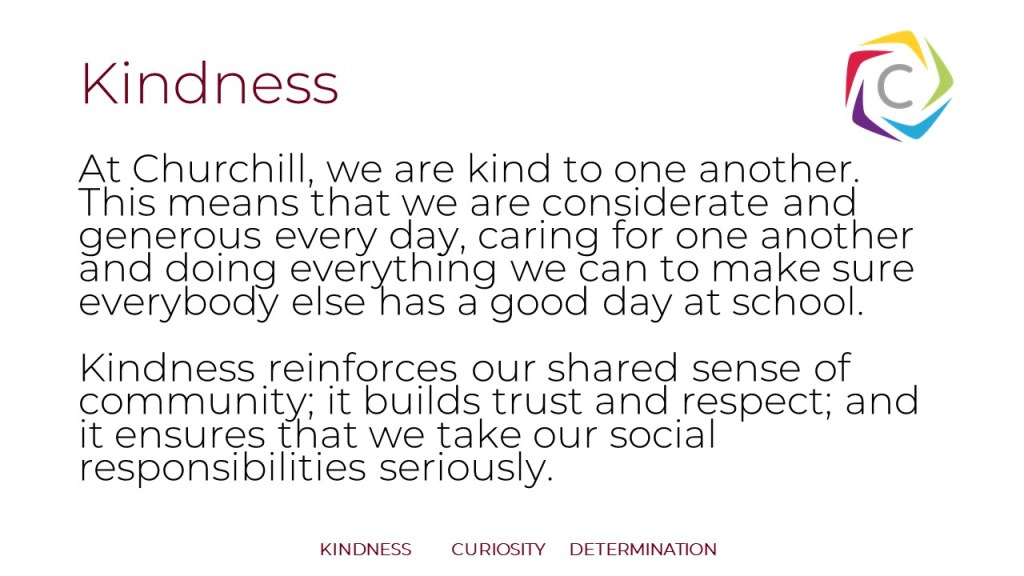
When we first introduced our values, the students articulated what they meant for our behaviour in and around the Academy. Their description of kindness, cited above, captures that key element of our Academy community. It also underlines the fact that we all have a responsibility to that community – a responsibility to keep it healthy by maintaining the values which lie at its heart.

Curiosity is a strength of the mind. The quotation from Plutarch in the slide above emphasises the importance of taking an active role in learning, in seeking out new knowledge and skills: you can’t just wait for knowledge to come to you. You have to go out and get it. We can teach you: but only you can learn.

The students captured this spirit of curiosity in their values statement, which informs our approach to learning, which expects:

  • Determined and consistent effort
  • A hunger to learn new things
  • Challenging ourselves to go beyond what is comfortable
  • Viewing setbacks and mistakes as opportunities to learn and grow
  • Seeking and responding to feedback
  • Encouraging others to succeed

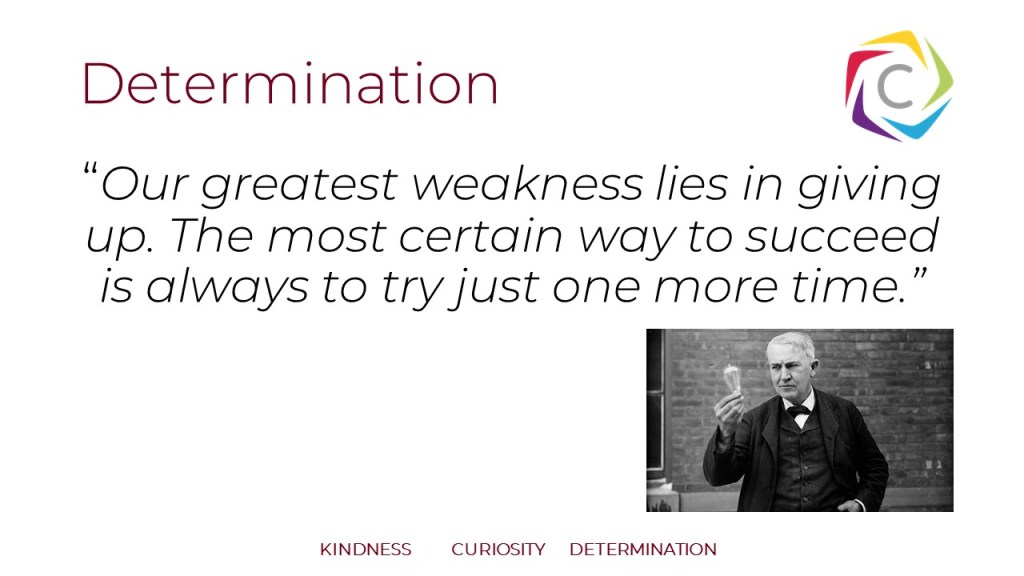
Determination is summed up in this quotation from inventor Thomas Edison, who achieved so much through constant trial and error, refinement and development, prototype after prototype. I have found Edison’s words of huge value to me in my own professional career as an adult: we all face challenges and struggles. If we give up, we are certain to fail. The only way to succeed is to keep trying.

These values form three sides of a character triangle: kindness, a strength of the heart; curiosity, a strength of the mind; determination, a strength of the will. Churchill students, who show all three values, will be well equipped to go out into the world and make a positive difference, setting no limits on what they can achieve.

I concluded the assembly with all the things we have to look forward to over the course of the rest of this term: it’s going to be a busy one!

The Class of 2023

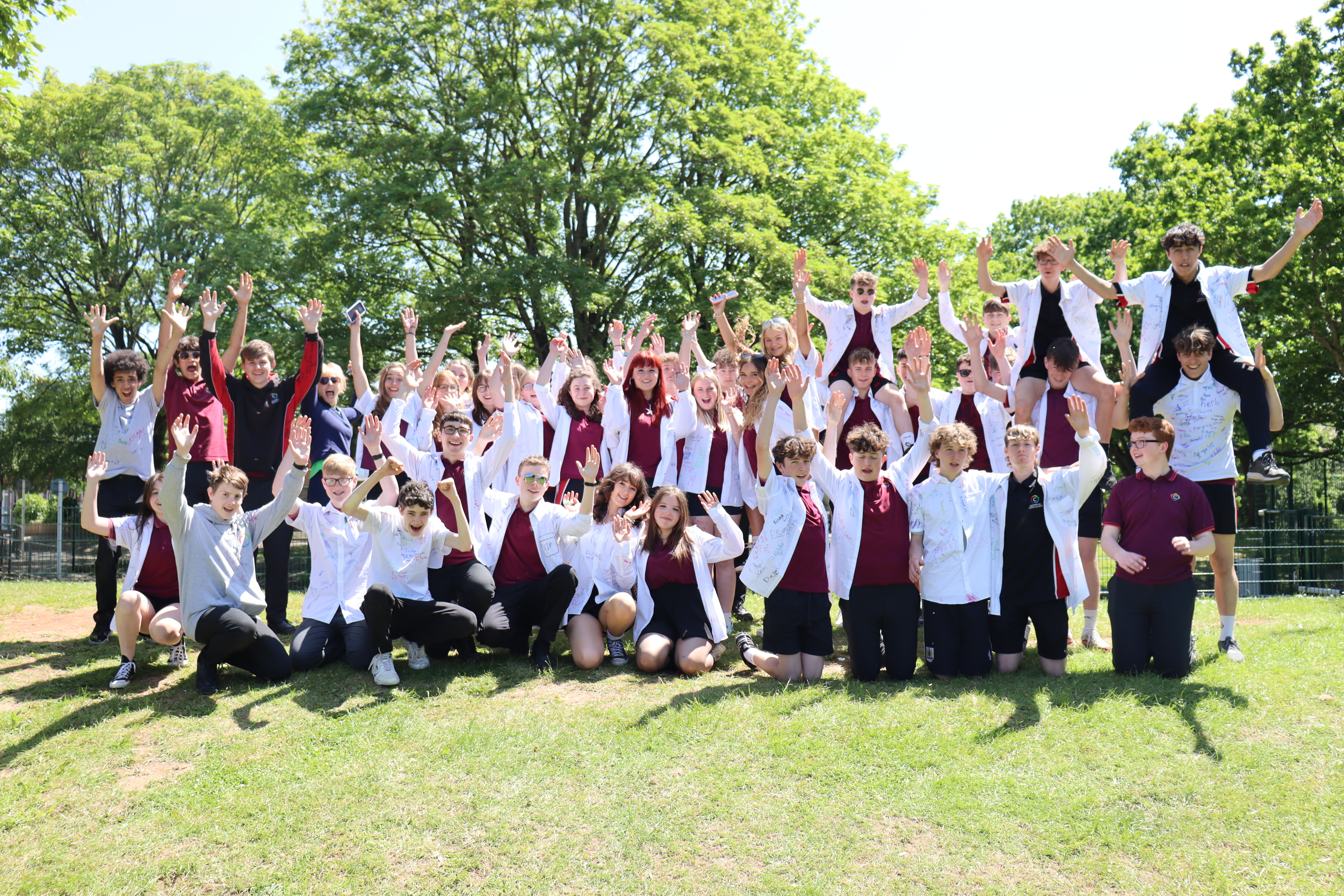
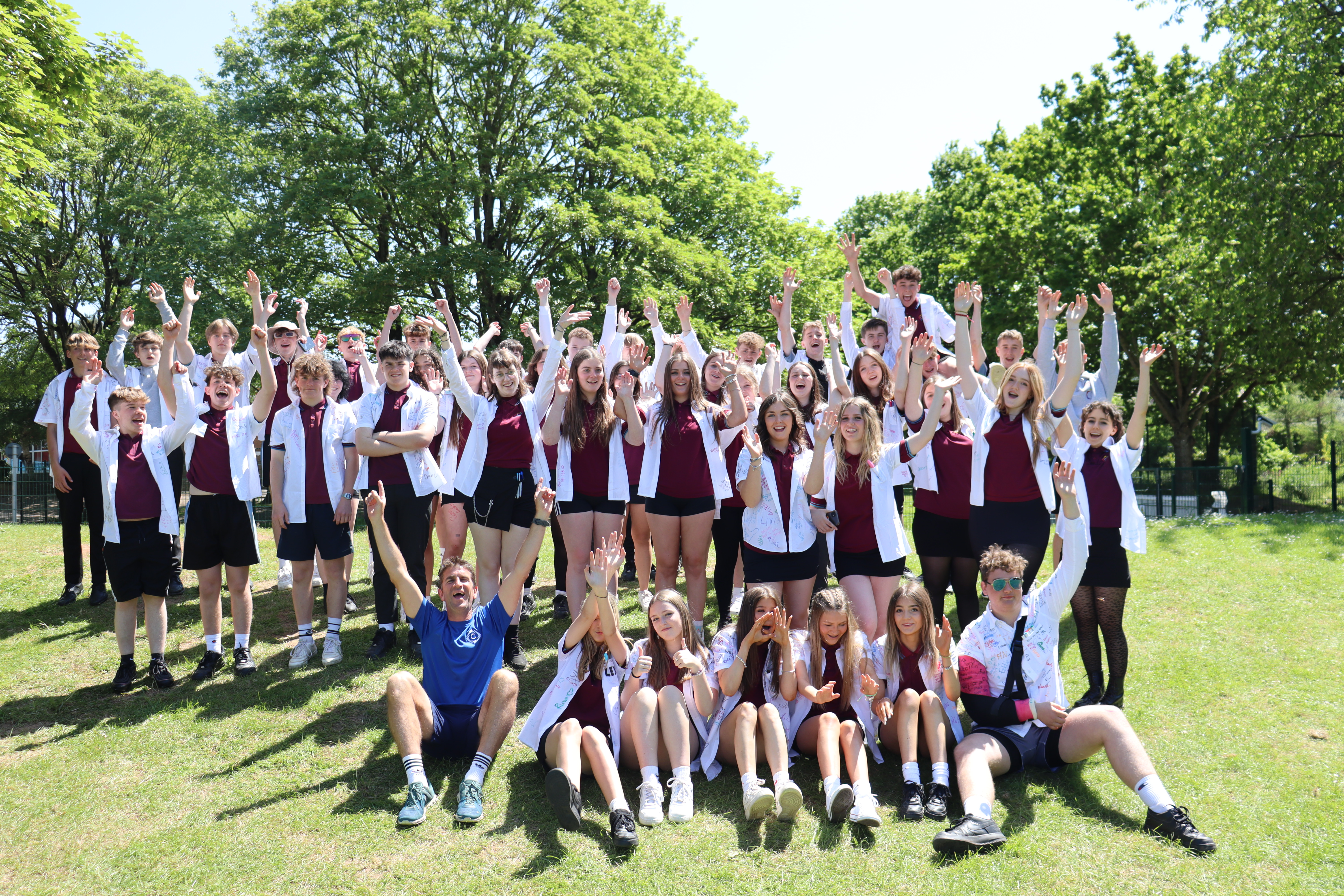
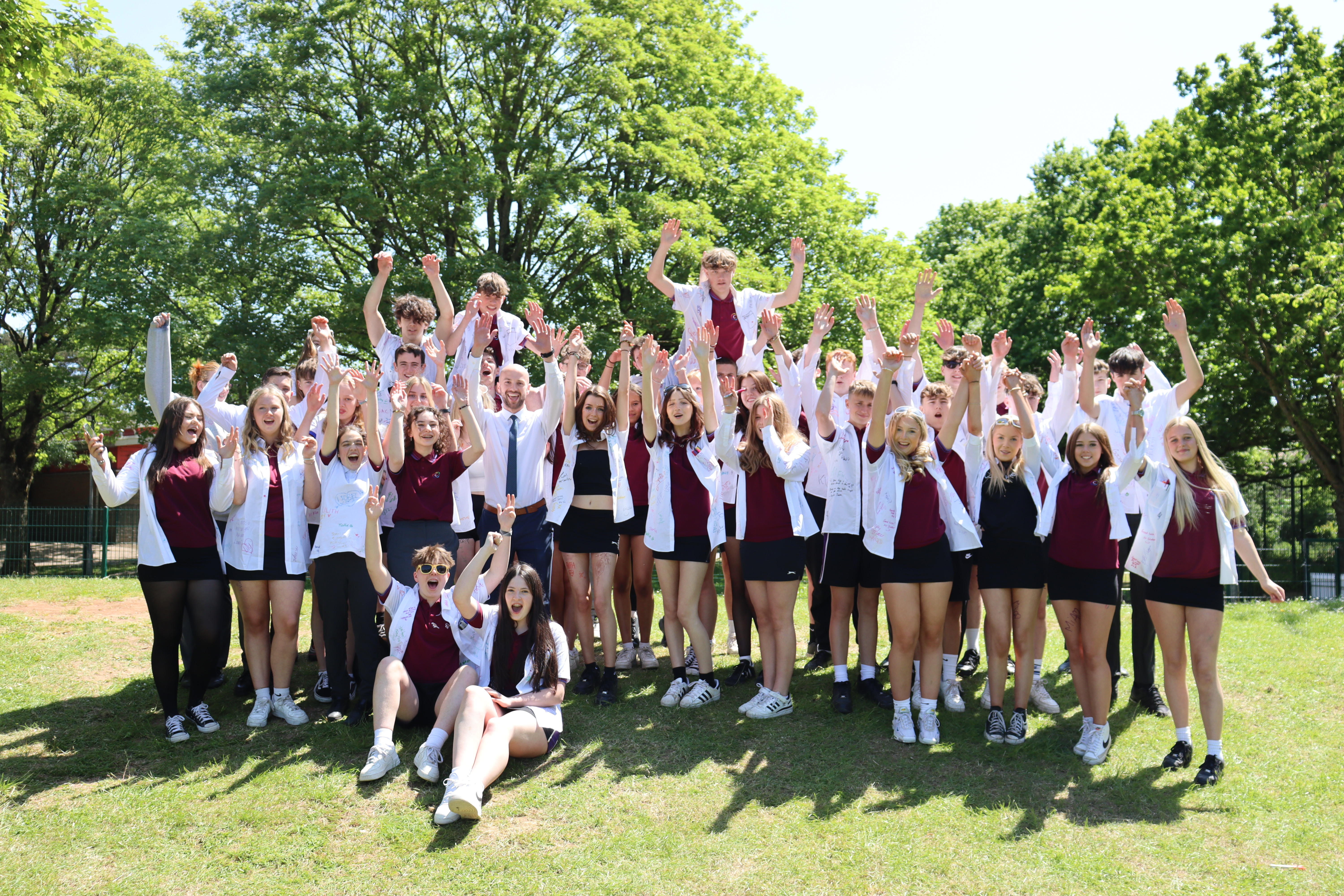
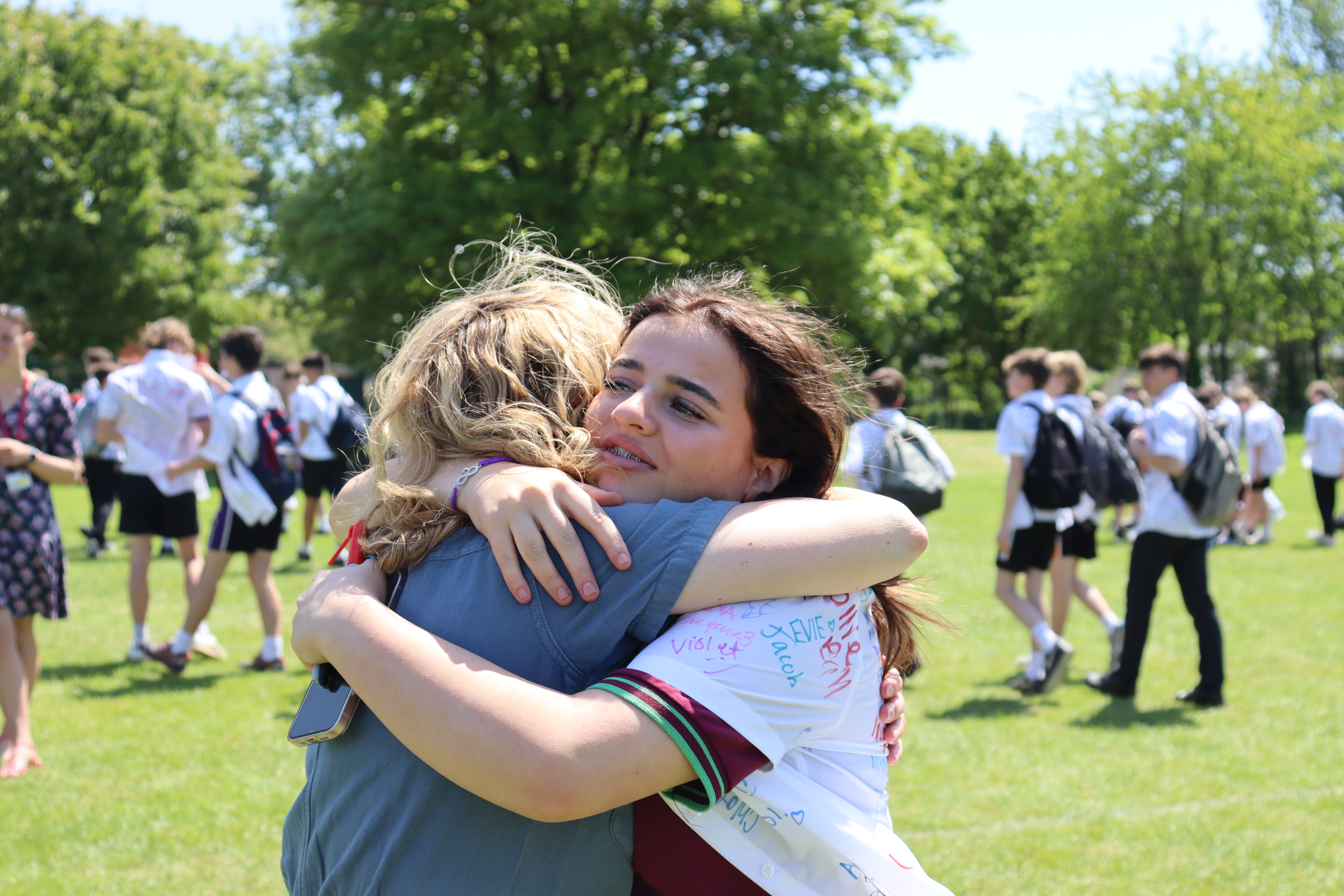
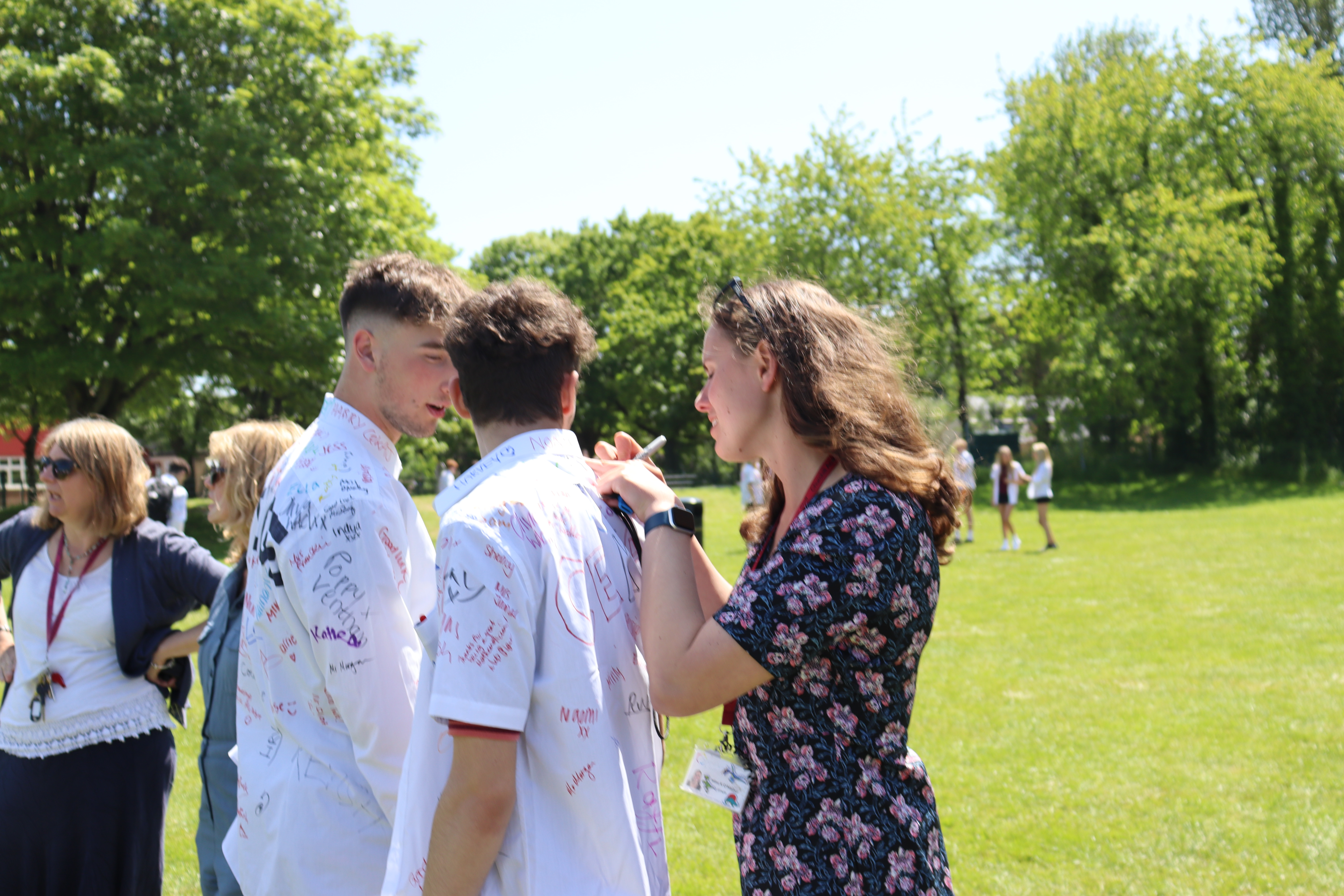
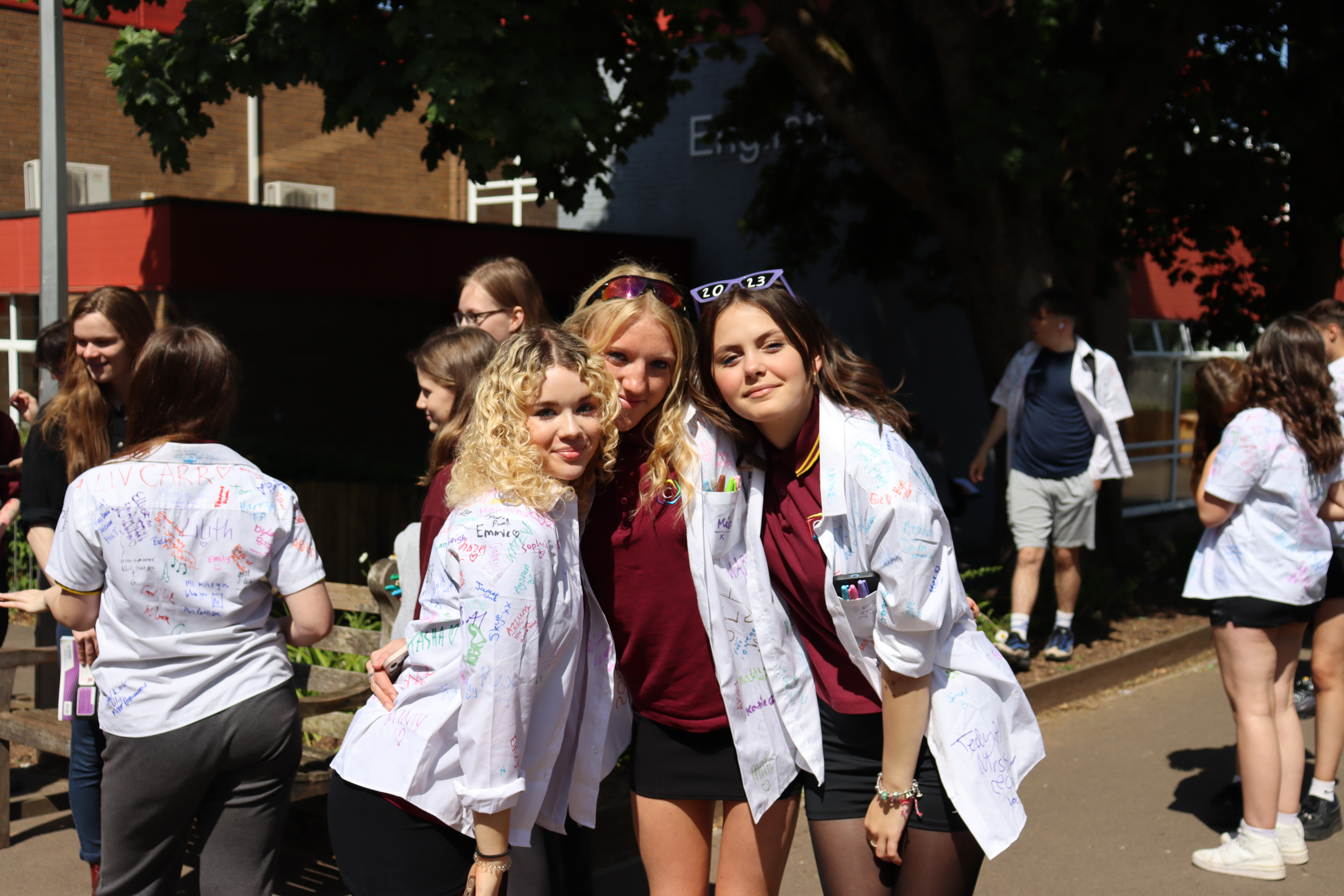
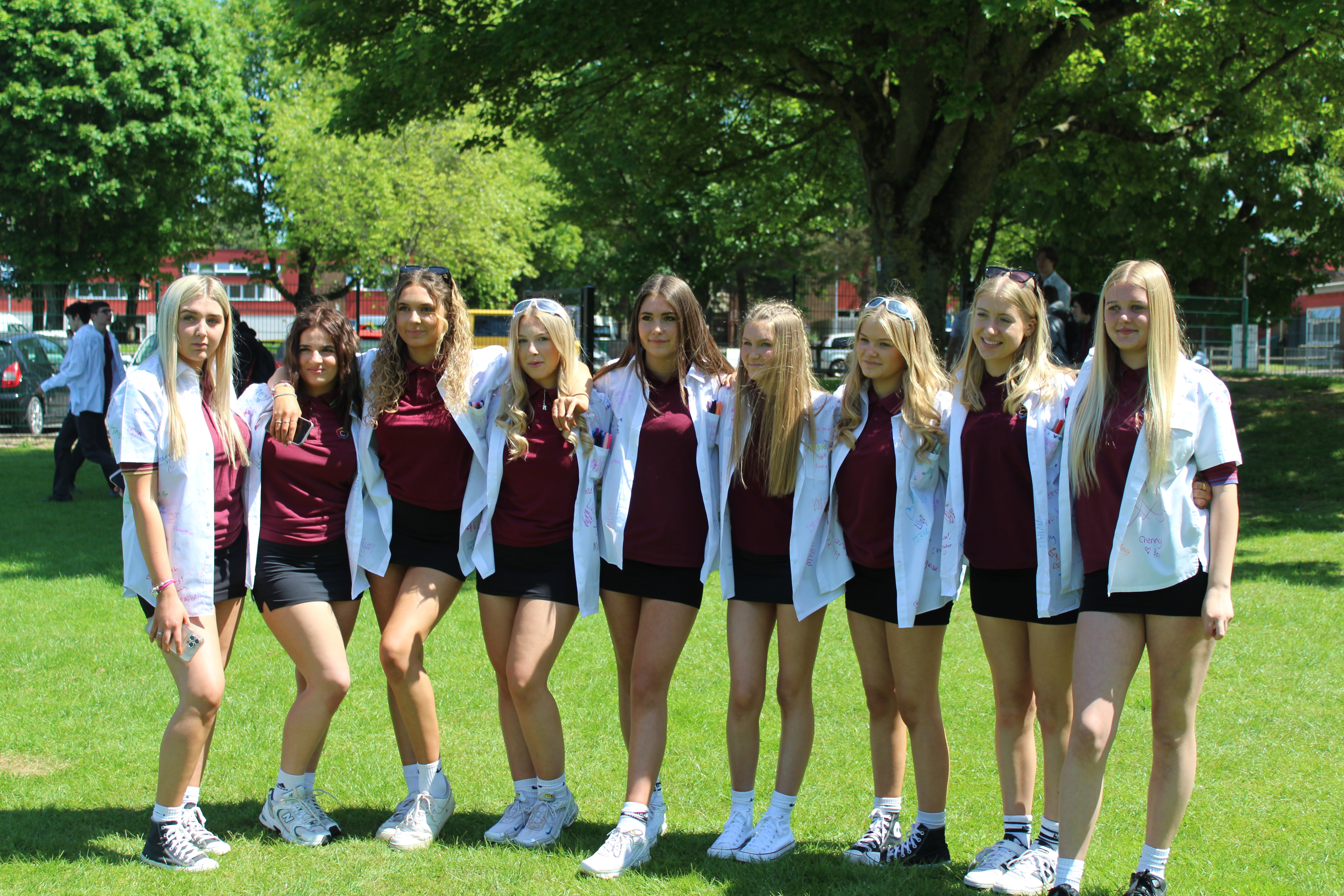
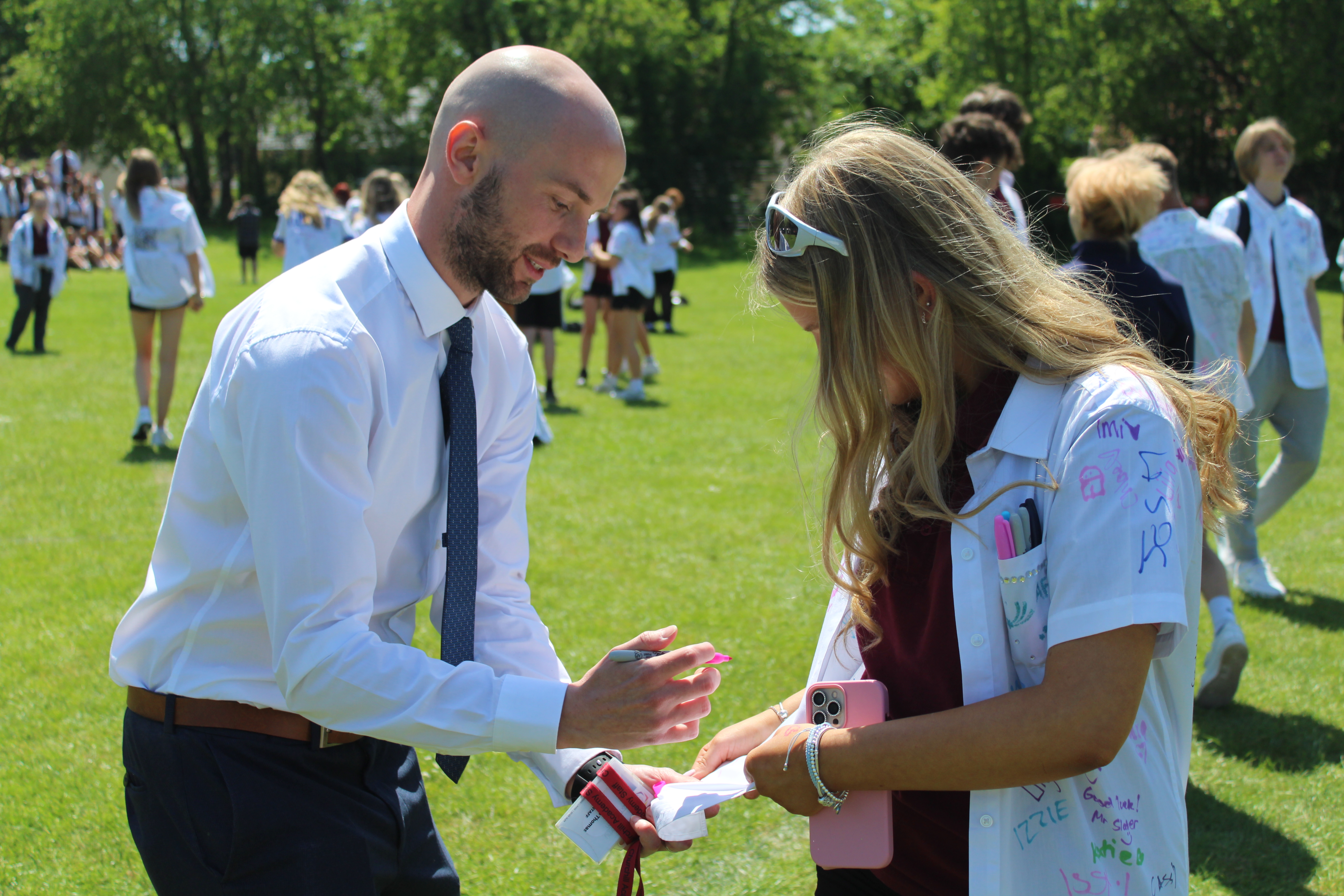
Today we have said “farewell” to the Year 13 and Year 11 Class of 2023 as they both head off for study leave around their exams.

The journey of these young people through education has been disrupted on an unprecedented scale by the global pandemic. Although those lockdown days are already fading into memory, it’s important to remember that Year 13 did not sit GCSE exams, as they were cancelled due to COVID. Both these year groups undertook a significant proportion of their secondary education remotely. Whilst many of them continue to feel the impact of this disruption, their resilience and determination is to their huge credit.

The Year 13 Class of 2023

It is also a challenging world that these young people are inheriting. The cost of living crisis, war in Ukraine, political and economic instability and uncertainty, and climate change have an impact on all of us – and that’s only scratching the surface. But our mission at Churchill is to empower and enable our young people to make a positive difference, and – looking at the young adults in the class of 2023 – I feel very hopeful and optimistic about the future. If anyone can make that positive difference, it is them.

The Year 11 Class of 2023

I would like to pay tribute to all those who have supported the class of 2023 on their journey. Their families and friends, and the staff at the Academy, have all helped to shape these young people and guide them on their way. But ultimately it is the students themselves that deserve the credit: their hard work, their kindness, curiosity and determination have enabled them to overcome the barriers in their way and achieve all that they have so far – and this will continue to carry them forward into the future. We’re proud of them: they should be proud of themselves.

National Numeracy Day: the Maths of Life

This week (on 17th May) was National Numeracy Day – a day designed to help raise low levels of numeracy among both adults and children in the UK, and to promote the importance of everyday maths skills. The day aims to challenge negative attitudes towards maths and numbers, influence public policy and offer practical ways to help adults and children improve their numeracy.

We share the vision of the National Numeracy Trust. We also want to enable all our students to be confident and competent with using numbers and data, so they can make good decisions in their daily lives. Our strong Maths curriculum is testament to this, as is the fact that Maths is currently the most popular subject in our Sixth Form.

Understanding numbers and data is more important now than ever. The advent of ChatGPT this year, and the announcement that Google will be using AI within its search function, has highlighted the fact that we are entering a new era of partnership between humans and computers. Machine learning and artificial intelligence, driven by algorithms and the analysis of stupendously large datasets, will be an ever-increasing feature of all our lives over the coming years. The children we are teaching now will grow up in that world: we need to teach them to be ready.

Data is a massive part of all our lives, and it moves quickly. I can remember, when I started teaching in 1997, that we got the first computer in our English Department, and we used it to collect the exam results in a spreadsheet. It was an absolute revelation that we were able to show which students had done well in specific questions at the click of a mouse, and work out which bits of the curriculum to revise with them. Such analysis is now taken completely for granted, and it is layered with masses of additional information to enable us to make informed decisions about our work.

And this is not, of course, unique to education: every industry relies on data to help make sensible decisions, whatever the inputs and outputs – from healthcare to finance, engineering to retail, entertainment to research. Understanding that data, spotting and interpreting the patterns within it, and being able to manipulate it to reach informed conclusions, is an essential employability skill for a whole range of occupations.

Dr Hannah Fry shows why spotting patterns in data is essential for car racing, space exploration, government and more

But, at Churchill, we don’t see maths as purely utilitarian. We strongly believe that maths should be enjoyable for its own sake – for its elegance, its complexity and simplicity, for the stories that it can tell about our world, and for its quirky fun. I remember, for example, Mr Gale telling me about Belphegor’s Prime – a bizarre palindromic prime number which is a 1, followed by thirteen zeroes, followed by 666, followed by another thirteen zeroes and a final 1: 1000000000000066600000000000001. This number reads the same forwards as backwards; it is only divisible by itself and one; it contains 31 digits (which is 13 backwards). No wonder, with all these traditionally bad luck numbers layered into it, that the number was named after Belphegor, one of the seven princes of Hell, who is known primarily for tempting mortals with the gift of discovery and invention! What I find even stranger that 1000000000000077700000000000001 is also a prime number…

I have always been grateful to my maths education – even as an English Language and Literature graduate. It taught me to look for patterns, to analyse and try to understand the deeper structure of the thing that I was looking at – whether a poem, a play, a novel or, in my teaching career, a dataset, a budget or a behaviour or attendance record. This is what we aim for in our maths curriculum at Churchill – and, looking at our thriving sixth form uptake, it looks like it’s paying off.

“Storms make oaks take deeper root”

There will be times in all our lives when things get difficult. This is an inevitable part of being human. Over the past few years we have all faced huge challenges: the pandemic; political and economic turmoil; the cost of living; war in Ukraine. We all face challenges ahead: the climate crisis; the role of technology in society; overcoming social inequality.

None of these things are easy. I have often spoken to our students about taking on challenges, about pushing yourself. I have said – countless times! – “when you’re struggling, you’re learning.” It’s important that we, as adults, practise what we preach.

I often rely on the wisdom of others to illustrate these ideas. One of my favourite quotes, usually attributed to Thomas Edison, is: “our greatest weakness lies in giving up. The most certain way to succeed is to try just one more time.” And, after all, he should know – he invented the lightbulb!

Another inspirational figure is President John F. Kennedy. In 1962, announcing the intention to put a man on the moon, Kennedy spoke about taking on a difficult task precisely because it was challenging: “we choose to go to the Moon in this decade and do the other things, not because they are easy, but because they are hard.” He would not live to see the realisation of this vision, but his ambition led to Neil Armstrong setting foot on another world in July 1969.

Over this past month, I have also taken comfort in the words of the great Maya Angelou, who said: “you may not control all the events that happen to you, but you can decide not to be reduced by them.” There is great wisdom here. Whilst much that happens around us – and, in some cases, to us – is beyond our control, we are in charge of the way that we respond. We can let ourselves be ground down by the challenges, or we can rise to them. It’s up to us. And I choose to rise.

Finally, a colleague shared some new words of wisdom with me recently. Well, they are new to me, but the words themselves are old: their author, George Herbert, lived 1593-1633:

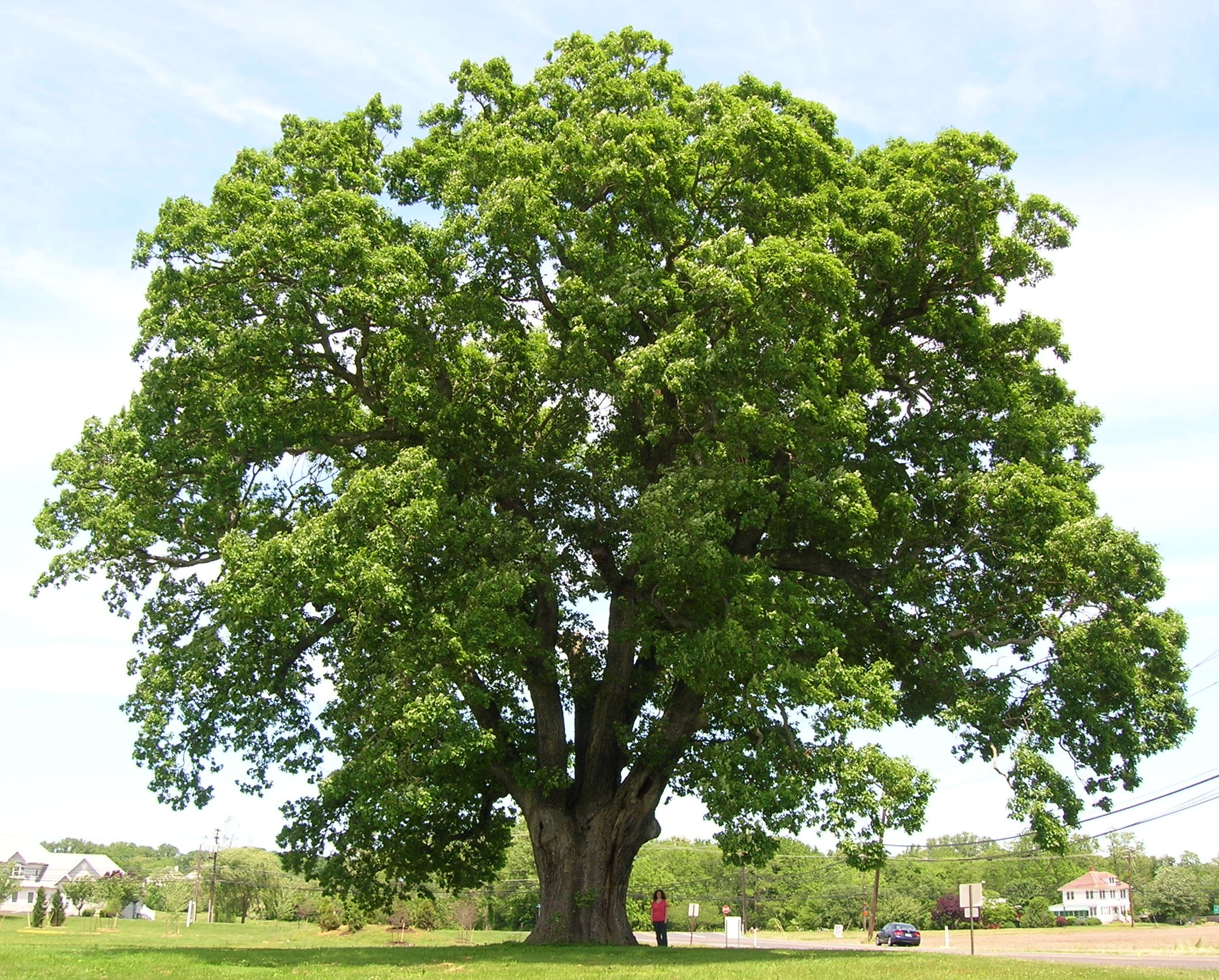
Storms make oaks take deeper root

George Herbert, 1593-1633

These are the words that I have looked to throughout the past months. When the storm rages, we will not be uprooted. The turmoil around us will make us more resilient, more determined. And, when the storm clears and the sun shines in a clear blue sky, we will be stronger for having weathered it.

The Coronation

This weekend we have the second bank holiday in a row – this time, for the coronation of the King. I know that people in our Academy community will have a range of views on the monarchy, and on the coronation itself, from fervent monarchists to staunch republicans, and everything in between.

For me, the monarchy represents a tangible connection with the history of our country. It’s a ceremony which has been carried out forty times in Westminster Abbey, and the first time I will have the chance to see it – my parents were only five or six when Queen Elizabeth was crowned! I will be watching out for the connections to the past, as well as the signs of the future, when I watch the ceremony on Saturday.

Westminster Abbey

The English coronation service was drawn up by St Dunstan, Archbishop of Canterbury, for the coronation of Edgar, first King of All England, in 973 at Bath Abbey, but Westminster Abbey has been Britain’s coronation church since 1066. King Charles III will be the 40th reigning monarch to be crowned at the Abbey this weekend. The first documented coronation at Westminster was that of William the Conqueror on 25th December 1066. It is likely that Harold Godwinson was also crowned in the Abbey following the death of Edward the Confessor’s, but there is no evidence to confirm that this happened. William probably chose the Abbey for his coronation to reinforce his claim to be a legitimate successor of Edward the Confessor, having defeated Harold at the Battle of Hastings.

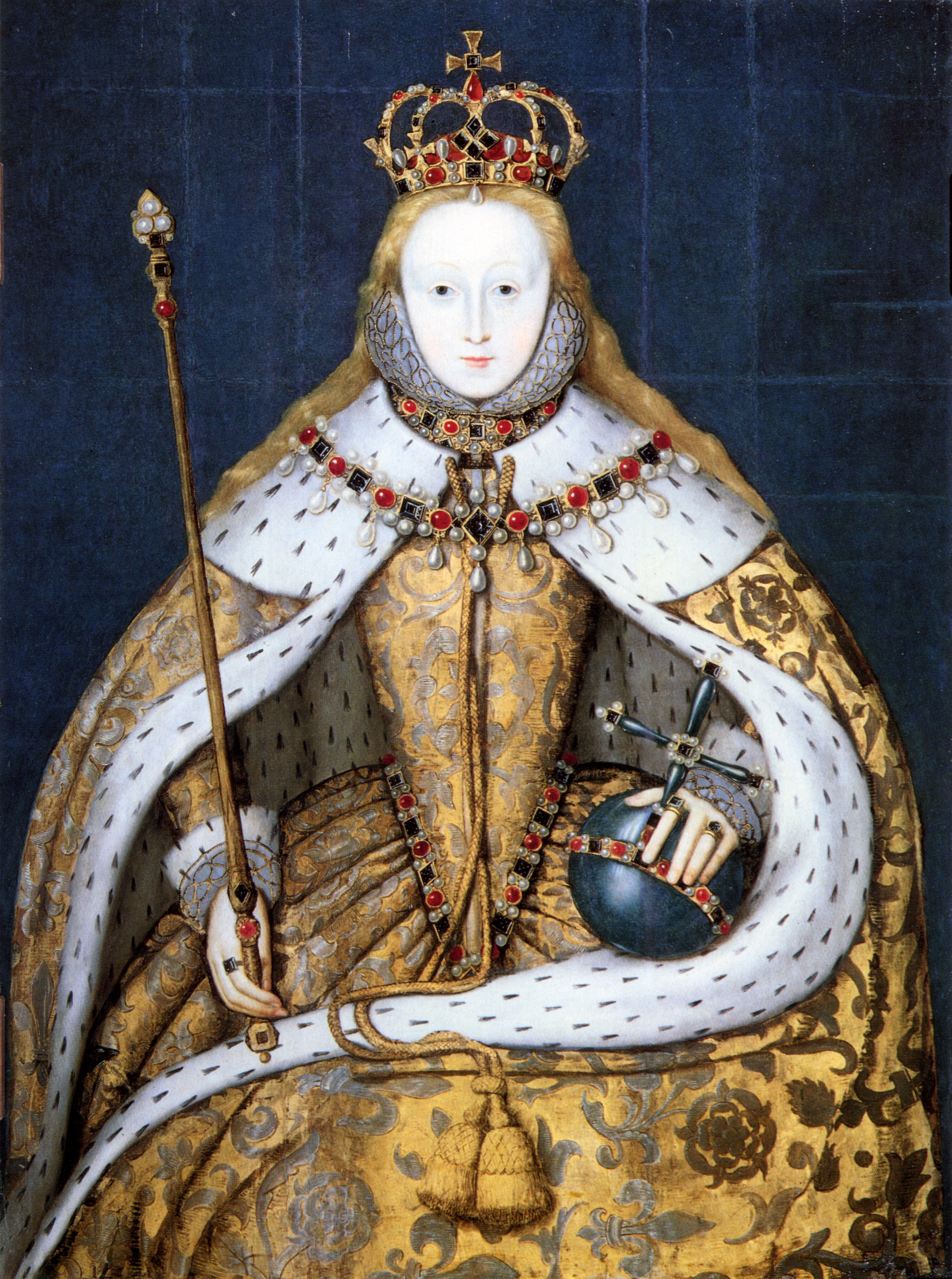
Queen Elizabeth I in her coronation robes

The two monarchs who did not have any coronation were Edward V (the boy king), who was presumed murdered in the Tower of London before he could be crowned, and Edward VIII who abdicated 11 months after succeeding his father and before the date set for his coronation. William III and Mary II were the only joint monarchs to be crowned.

In the 18th and 19th centuries, public spectacle sometimes overshadowed religious significance. At George III’s coronation some of the congregation began to eat a meal during the sermon. George IV’s coronation was a great theatrical occasion but he flatly refused to allow his estranged wife Caroline to enter the Abbey. William IV had to be persuaded to have a coronation at all and spent so little money on it that it became known as ‘the penny coronation’. With Queen Victoria’s coronation in 1838 came a renewed appreciation of the true religious meaning of the ceremony.

Coronation portrait of Queen Victoria from 1838

By the time Queen Elizabeth II was crowned in 1953 millions around the world were able to witness her coronation on television.

Coronation portrait of Queen Elizbeth II, 1953

King Charles will travel to the Coronation in the Diamond Jubilee State Coach – a fully modernised coach with heaters, air conditioning and electric windows! But his journey back will be in the Gold State Coach, which has no mod cons, and which Queen Elizabeth famously described as “horrible.” I suppose it’s all relative!

St Edward’s Crown

The crown that will be used is the St Edward’s crown, which was made in 1661 for King Charles II. It is a copy of an earlier crown, thought to have been used since the 11th century – but it is believed that Oliver Cromwell had that one melted down when the monarchy was abolished between 1653 and 1658.

As part of the ceremony, we will see the Crown Jewels in action. This includes the orb, a golden, jewelled ball with a cross on top to symbolise that the monarch’s power comes from God. The orb is accompanied by sceptres – jewelled golden sticks – which symbolise the monarch’s power and rule.

The ritual, ceremony and regalia of the coronation will not be to everyone’s taste – but, for me, they are a connection to our nation’s history, and I will be watching with interest.

Self-expression: finding your voice

I have been really proud this week to see our Academy’s vision – “to inspire and enable young people to make a positive difference” – manifesting in our students’ achievements.

We often talk about the education we provide at Churchill helping our students to make a positive difference to themselves, to our Academy community, and to the wider world around them. This week, I have seen this in three wonderful examples of our students building their confidence, pushing themselves out of their comfort zone, and finding a way to express themselves – finding their voice – through the opportunities offered at Churchill.

Dance Live!

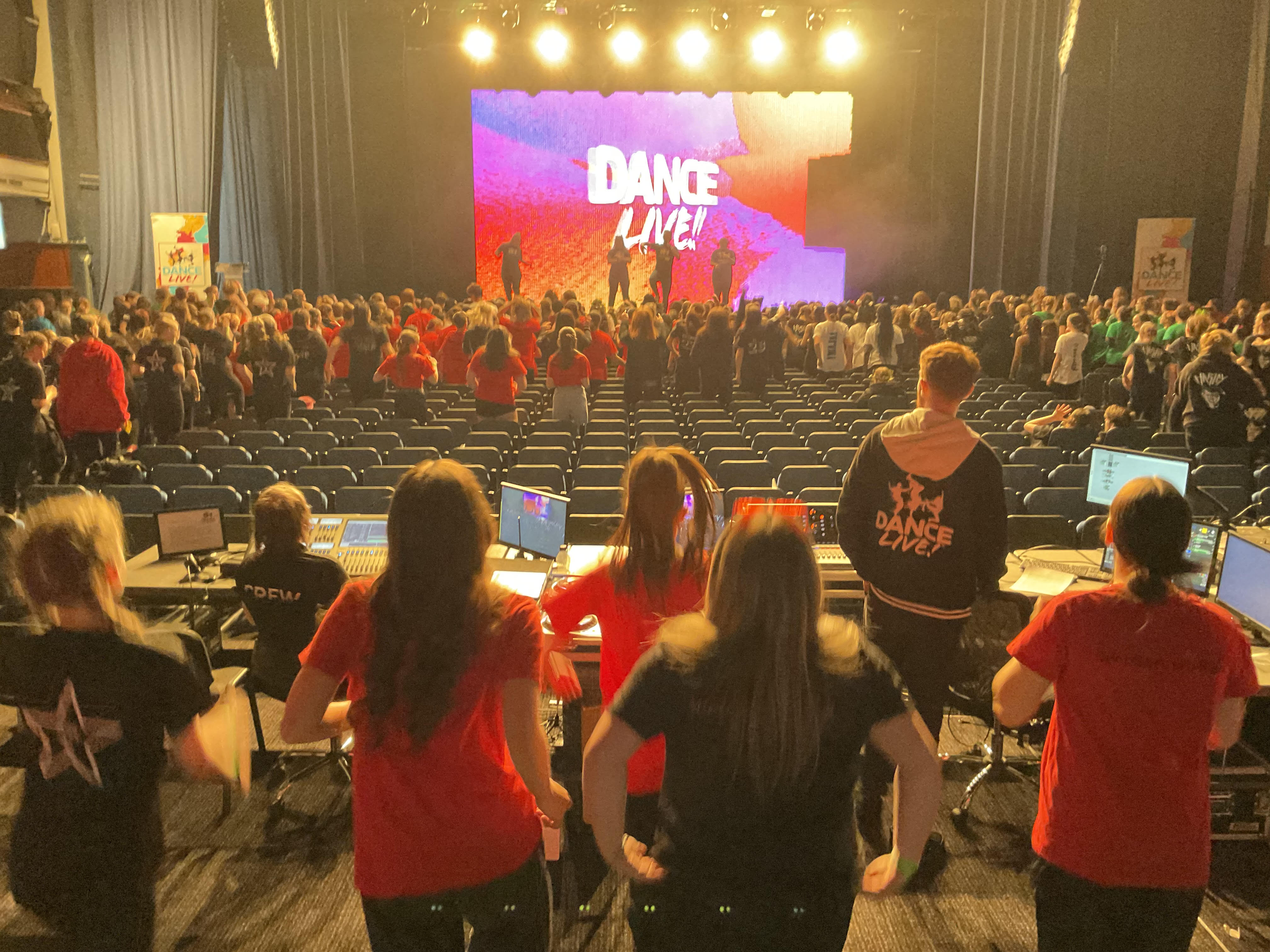
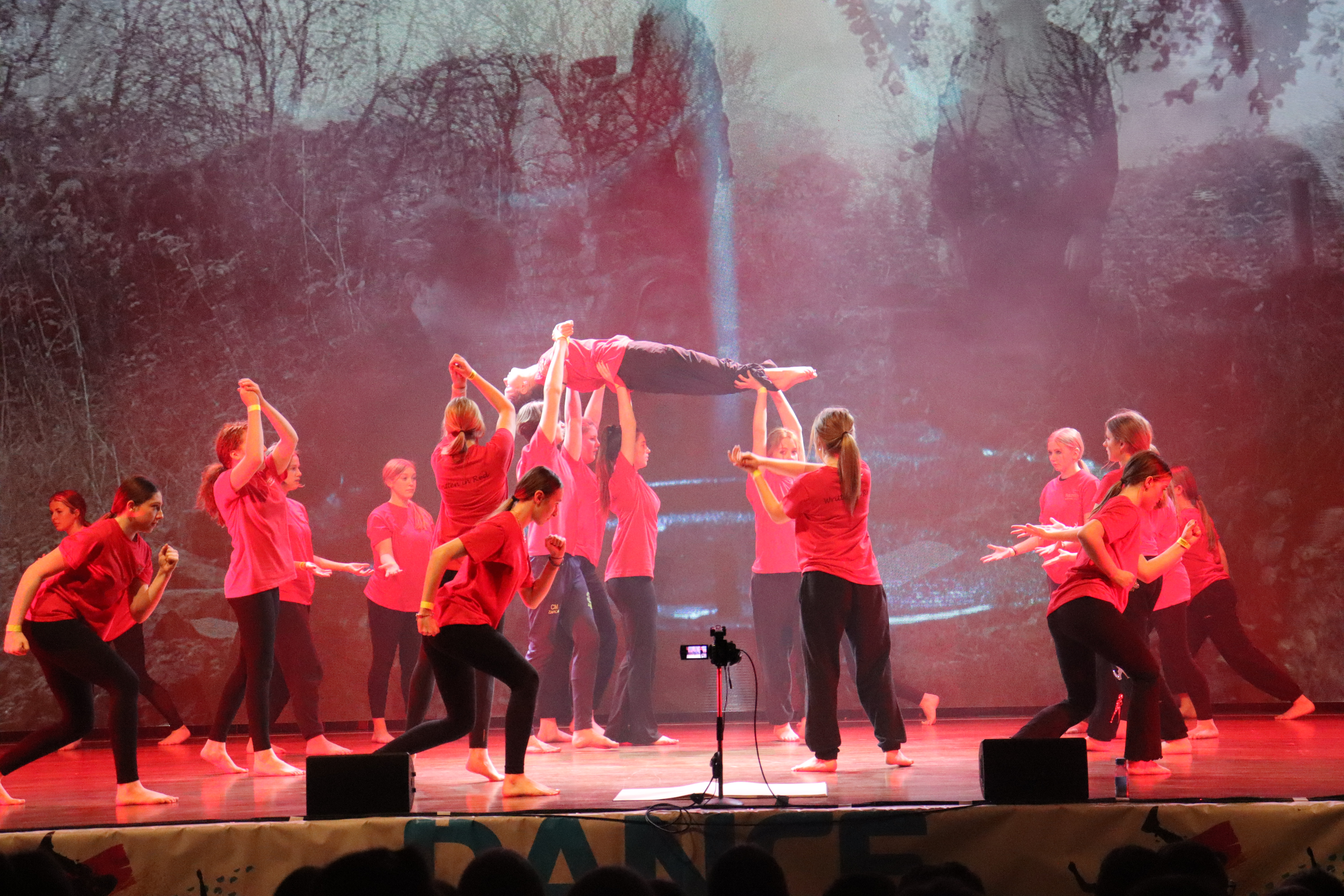
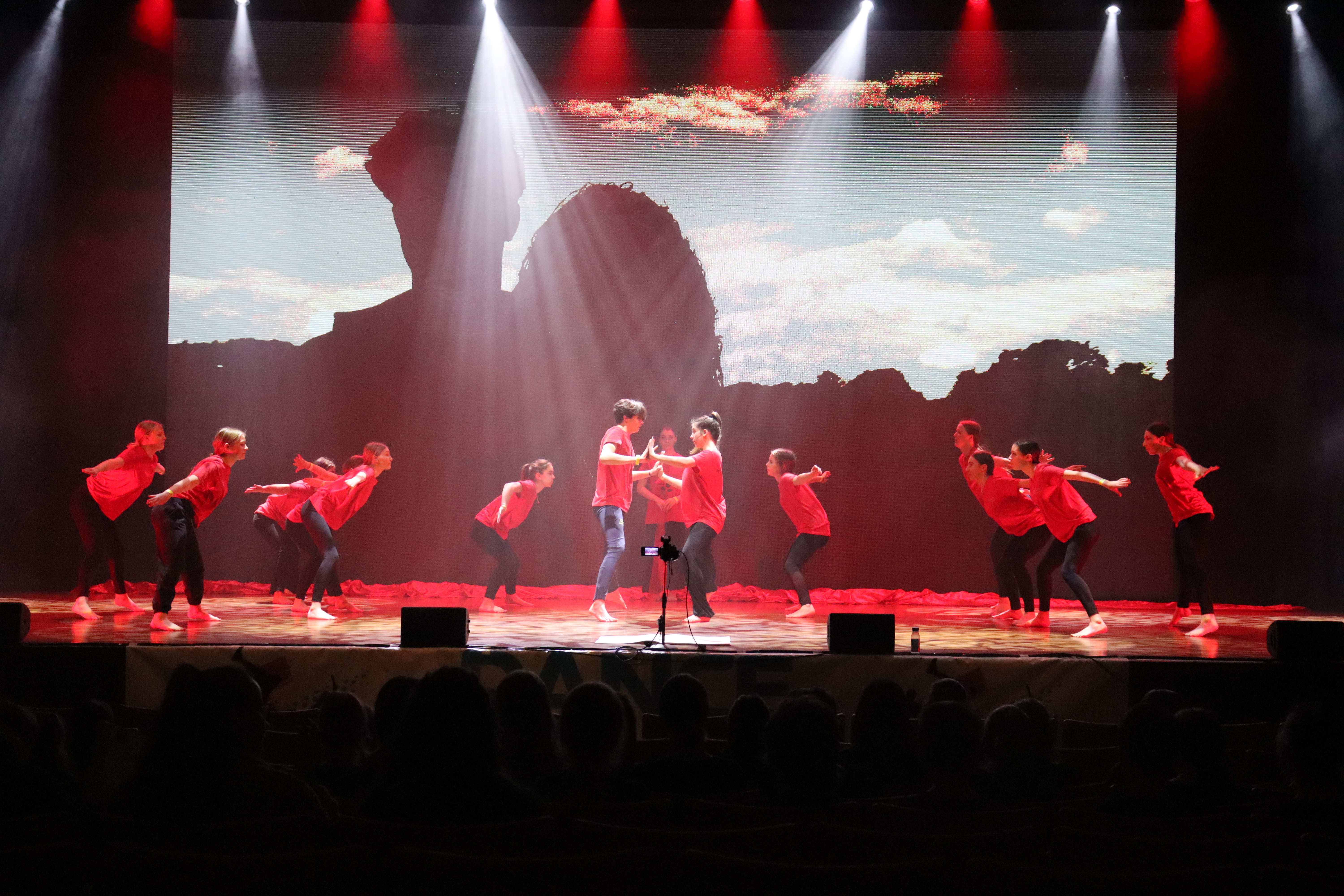
On Wednesday night, our dancers and their support crew were in Portsmouth for the national finals of Dance Live! Having won the semi-finals, we knew our ensemble would now be up against the very best in the country. Since that triumph, they had listened carefully to the feedback and honed their performance to perfection, synchronising their movement to the huge video display screen behind them. I was following – along with hundreds of others – the Instagram Story updates as they rehearsed and prepared in the prestigious Guildhall auditorium. And then…it all went quiet. Until an email from Mr Buckley confirmed that their incredible performance had won them second place – and top state school in the finals! This amazing achievement was accompanied by a healthy £500 prize for Team Performing Arts.

Video of the semi-final performance

We know, from long experience, that the arts are essential for enabling students to find a way to express themselves. Whether it be through dance, or drama, or music, or painting, or sculpture, or installations, or film, we do all we can to help our students give expression to their ideas. To see that come together, in such a triumphant way as this, is breath-taking. I am so proud of the students, and the staff, who helped put this together.

Poetry Competition

Also this week was the final of the inter-house poetry competition. In this event, our students found their voices through the language and layout of poetic forms, expressing themselves using the rhythms, rhymes and interplay of words. The themes of this year’s competition were social media, and Churchill Academy & Sixth Form, and our students found new and unusual angles on both subjects. You can read more on our website, but here is the winning poem:

You Only Get One Life
By Melissa Otero-Zambrzycka

Open the app, shut the door,
Time after time, coming back for more,
Another swipe, another scroll,
Another notification on the phone,
A nagging need to know every hit,
Every detail, every bit,
“What are they saying?”
“What do they think?”


The need to feel that acceptance,
From a group of strangers, you don’t even know,
The feeling when that comment,
Makes you hit an all time low,
The toxicity of the fact,
“They don’t care how you feel,”
Putting your heart out there is a gamble,
Yet you chose to spin that wheel.


And so you isolate, compensate,
For people you’ll never meet again,
When in reality, waiting outside that door,
Is only the truest friends,
But your eyes cannot leave that screen,
It’s a vortex you cannot reverse,
You cannot leave, even if you plead,
And every hateful comment hurts,


But you’re stuck in this matrix,
And “Who cares, you’re all alone,”
But it only takes one move to escape it all,
Go on, turn off your phone.


Get out into the real world,
Write your own story in colourful ink,
You’ve only got one life,
“Who cares what people think?”

I just love what Melissa has done with her poem here. The use of the “who cares what people think” refrain at the beginning and the end, with the twist in meaning from the changed context, helps to reinforce the message of the poem: that it’s all about perception. Your own attitude towards things is what really matters – not what other people think. I think it’s fantastic that our students have these opportunities to hone their craft and get their words out into the world in this way.

The Gabblers Club

On Monday, I returned to the Bristol Hotel for the finals of the Gabblers Club competition for the first time since the COVID pandemic. Gabblers is a long-standing tradition across Bristol schools, where Sixth Form students meet together to practise the art of after-dinner speaking. There were twenty competitors from state and independent schools, with our entrant – Gemma Partridge – dazzling the audience with her witty and thought-provoking speech on the topic of “Soaps.” Gemma – who won the Raymond Hayter Song Prize in the Churchill Young Musician of the Year competition in January, and was part of the crew for Dance Live! – is a shining example of a student who has made the most of the opportunities offered to her, and thrived as a result.

It makes me so proud to see our students achieving such highs across this range of disciplines – with the confidence to express themselves. This is exactly the positive difference our vision statement talks about.

Assembly: Values and Behaviours

As we return for Term 5, I have taken assemblies for each of the five houses. In my assembly, I have talked about values, and how our values inform our behaviours.

To start with, I discussed the fact that our coins are changing. For the first time in my life, we will have coins with the King’s head on the back rather than the Queen’s head. Yet, despite the coronation of a new monarch, the coins still have the same value; although they look different, they are worth the same.

The same is not true of these coins. The “one pound” coin on the left is no longer legal tender – it is worth less than the one pound coin on the right. Why is this? Simply – we have all been told that this is the case, and we all accept it. The one on the left is worthless, despite it saying “one pound” on the front, because we’ve all been told it’s worthless and we all accept this.

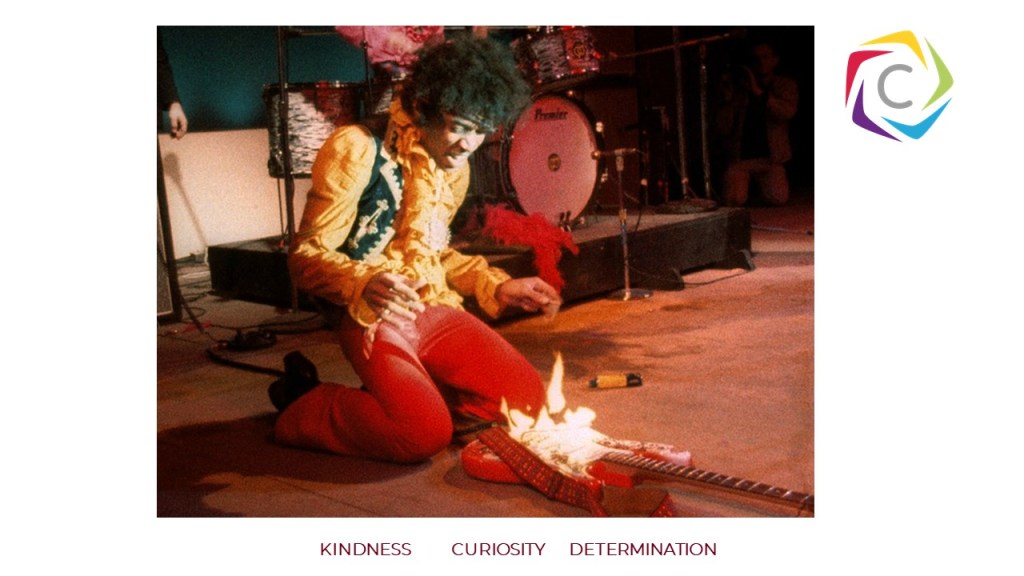
The value of something isn’t always obvious by its appearance. I would love the guitar on the left – a brand new Fender Stratocaster. But the old Fender Stratocaster on the right has no strings, the strap is on the wrong side, and it has been damaged in a fire. The surface is badly scorched and the wood underneath is burnt. It is unplayable – but somebody paid $380,000 for it. Its value is not as a musical instrument, but as a part of rock history.

The guitar was famously doused in lighter fluid and set on fire by Jimi Hendrix at the Monterey festival in 1967. This is what gives it its value – it is an artefact, not an instrument.

Swipe to see the change in value of a Ferrari

The same is not true of a Ferrari however. A brand new Ferrari, whilst worth less than a burnt Hendrix guitar, is worth a lot more new than it is when wrapped around a lamp post. The damage to this valuable asset has not increased its value – it has diminished it. This is not a part of history or culture – it is a testament to someone who needs to drive more carefully and hope they have a good insurance policy. 

So, the value something has is not intrinsic to itself. Rather, it is a shared idea, or a common belief that something has value. At Churchill, our values of kindness, curiosity and determination govern all our actions and inform our behaviours. We work hard to inspire and enable young people to make a positive difference to themselves, to the Academy community, and to the wider world, and to set no limits on what we can achieve.

Professor Carol Dweck picks up this idea of setting no limits on what we can achieve in her work on mindsets. She explains through her research how it is the effort that we put in that ensures we achieve, not our ability. As she says: “no matter what your ability is, effort is what ignites that ability and turns it into accomplishment.”

This idea of effort is something that we think has tremendous value. It is why it is the first of our six “learning values” at Churchill Academy & Sixth Form – the research-informed principles that inform our approach to pedagogy.

The things we value inform the way that we behave. At the start of every long term, in September, January, and now after Easter, I always remind students about our classroom behaviour expectations: the Top 5. This term is no exception. The students are very familiar with these expectations now, but it is no less important that they stick to them if we are to make the most of every moment of lesson time.

We also have a set of five expectations for social time behaviour, and I used this start of term assembly to run through these in detail. In particular, I explained the ways in which we have responded to student feedback with amendments to our uniform policy this year, and changes to the toilets, following student leadership initiatives – and how it is now the students’ responsibility to uphold those standards now that they are established.

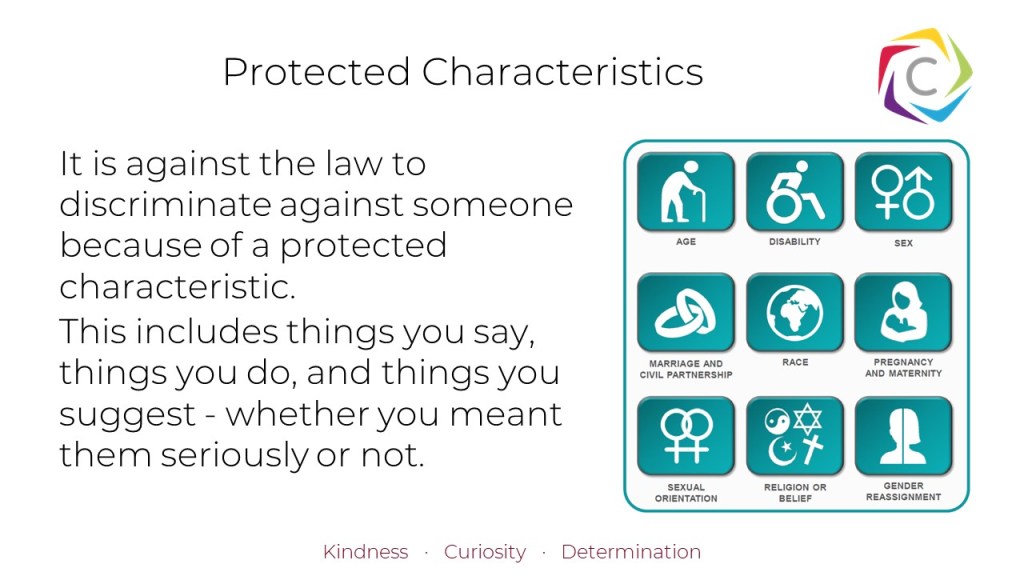
As we moved towards the conclusion of the assembly, I talked about bullying. I explained that, if you say anything that makes anyone feel uncomfortable about who they are, this is wrong and unacceptable – and may also be illegal if it references a protected characteristic. I explained that saying or doing something “as a joke” or as “banter” normalises unacceptable behaviour by making it seem okay in certain situations – but it is never okay. If we see people doing or saying unkind things again and again over time – even “as a joke” – these behaviours can become normalised. And we are all susceptible to normalisation. 

Normalisation refers to social processes through which ideas and actions come to be seen as ‘normal’ and become taken-for-granted or ‘natural’ in everyday life. There are different behavioral attitudes that humans accept as normal, such as grief for a loved one, avoiding danger, and not participating in cannibalism. Our perception of what is ‘normal’ can transform over time – and this can be a force of good and ill.

The video above gives a great example of how bizarre and unusual behaviour, that someone would never normally display, can be influenced by the behaviour of people around you and very quickly become “normal.” Although this is a light hearted example, this principle can be much more serious.
In Nazi Germany in the 1930s we saw hateful, discriminatory and abhorrent attitudes and beliefs “normalised” by society. Pastor Niemoller’s poem shows what can happen if we sit by and let things that we know to be wrong happen around us. We must stand up for what we know to be right. 

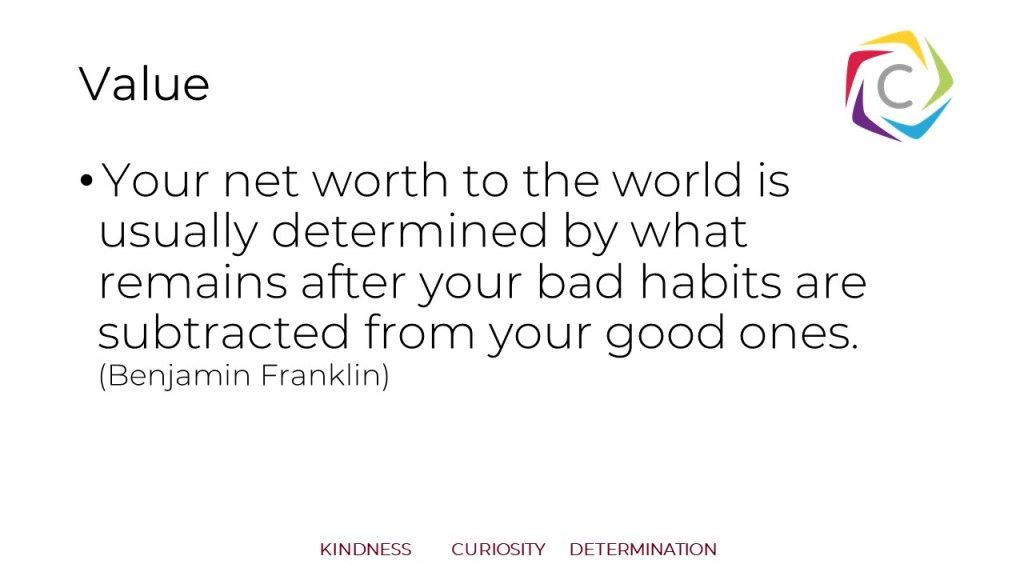
I finished the assembly – as I like to do – with a quotation. This one, from Benjamin Franklin, shows how values and behaviours are interlinked one with the other. Our values inform our behaviours, and our behaviours shape our values.