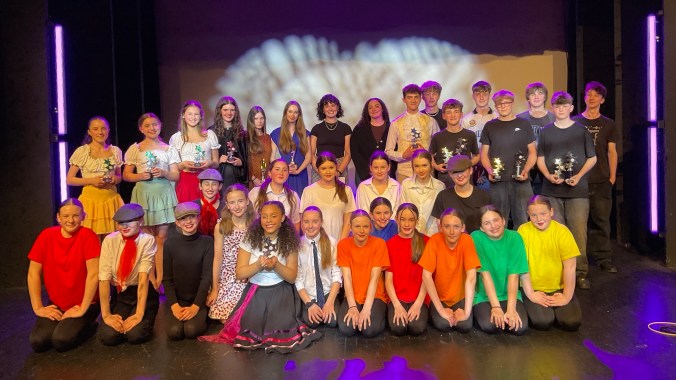
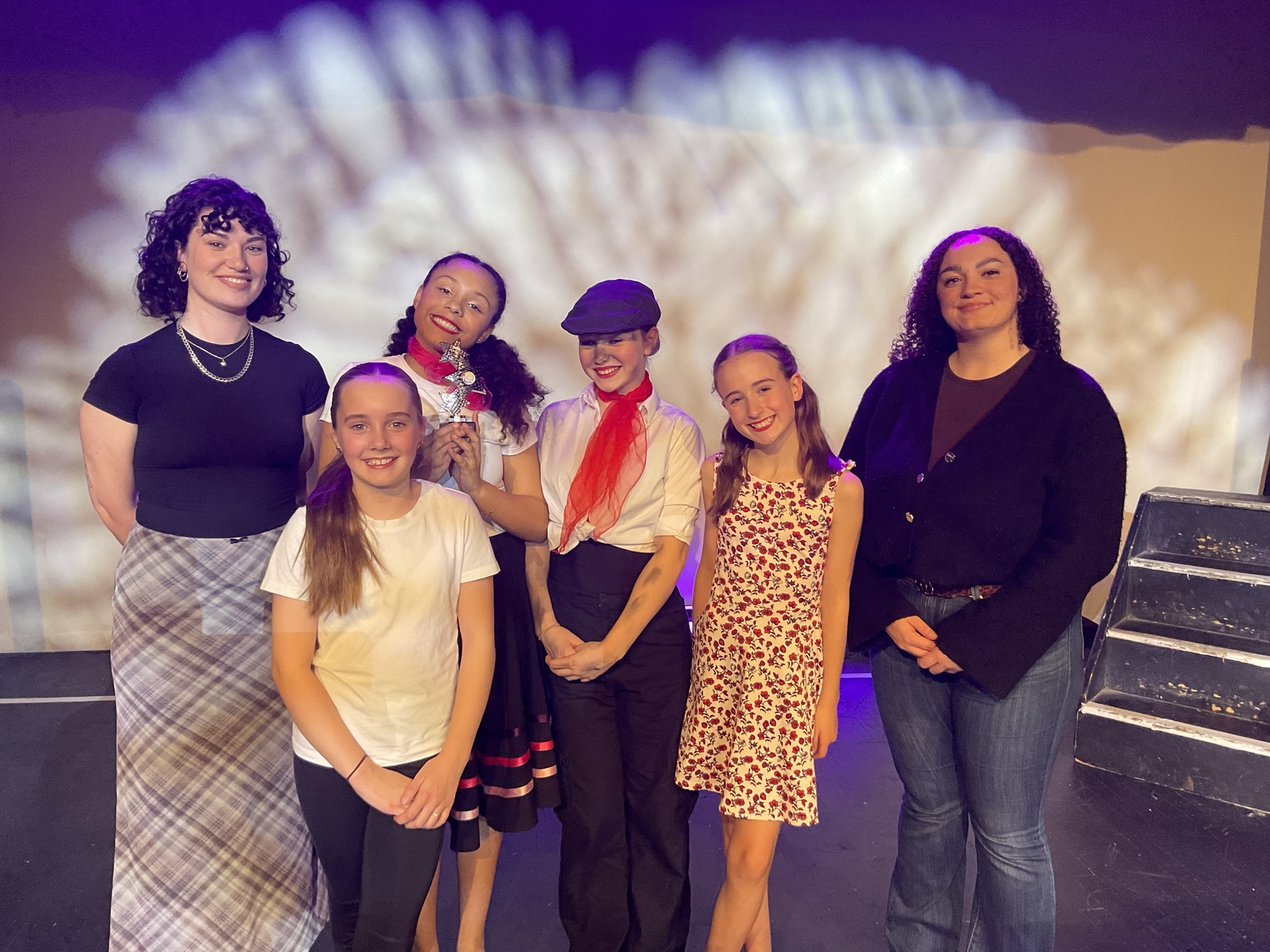
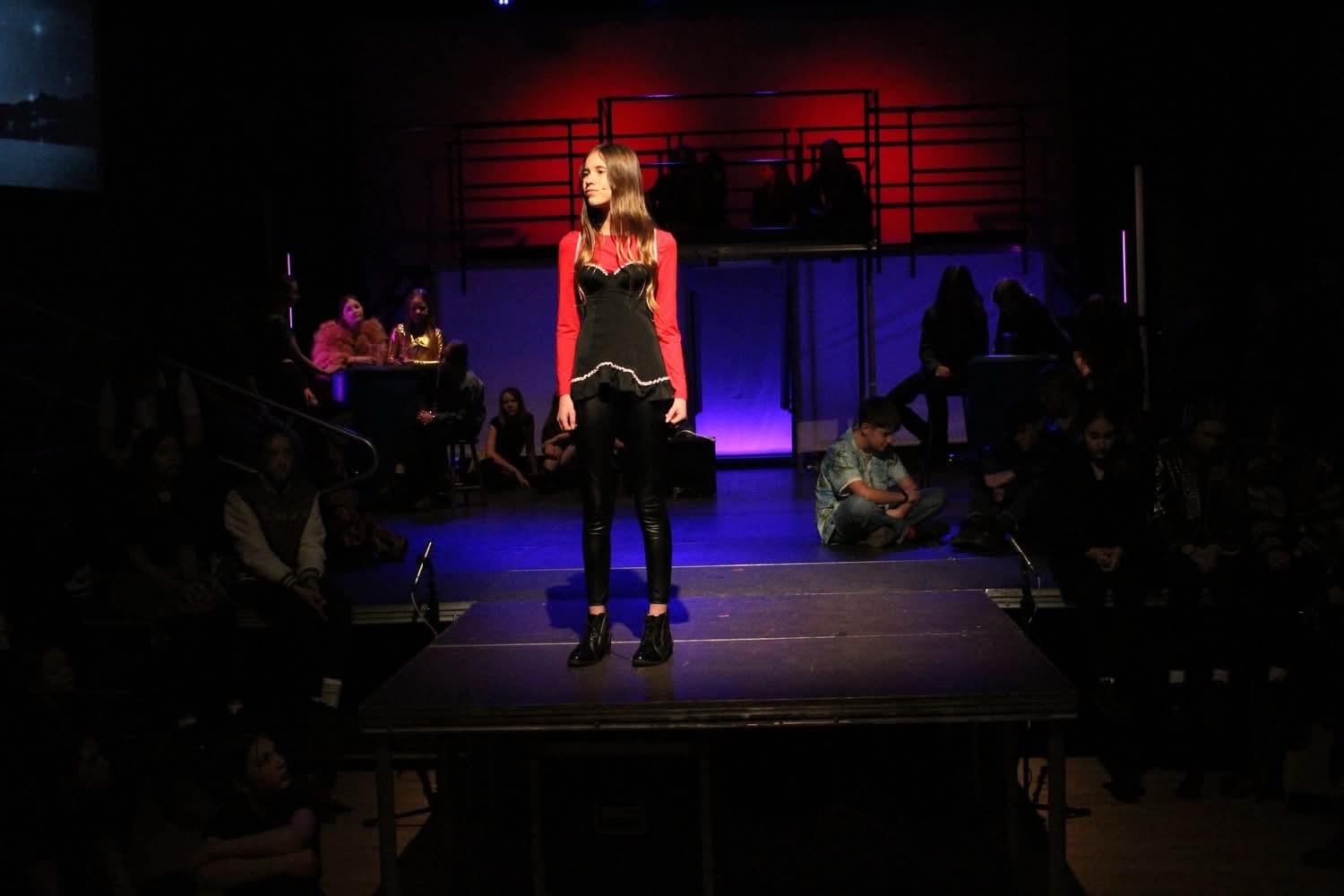
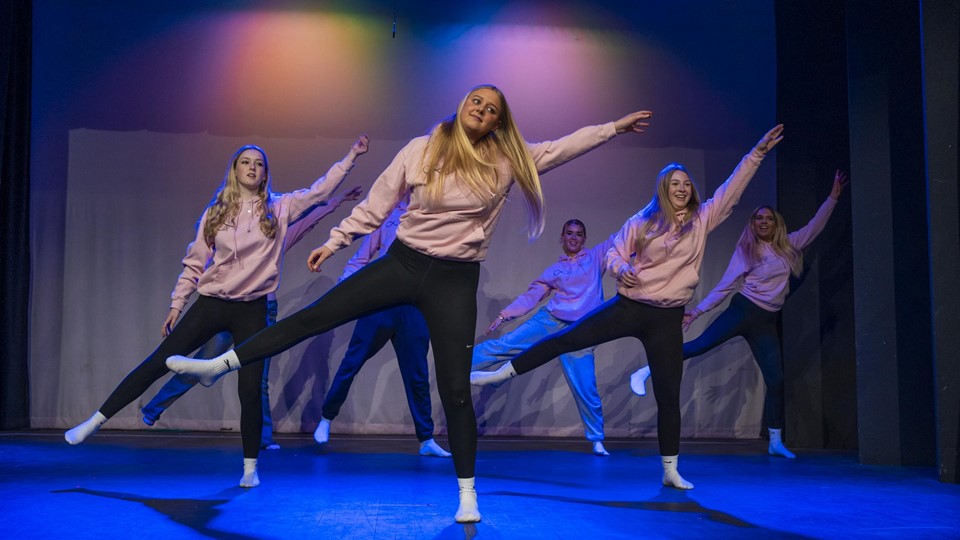
What a night! Following on from the stunning performance of our dancers at Dance Live! with their Let Her Speak piece, Team Performing Arts hit the stage again with the annual celebration of musical theatre that is M Stars!
Expertly hosted by Max, Betty and Madison, the sold-out evening showcased dance, singing and acting; solo, duets, trios and groups; songs from stage, screen and stadium; and students from Year 7 to 13. As a big musicals fan myself, M Stars really hit the spot, including songs from Hamilton, Wicked, Matilda, Grease, Mary Poppins, Tick Tick Boom, Tangled and Frozen amongst many more.
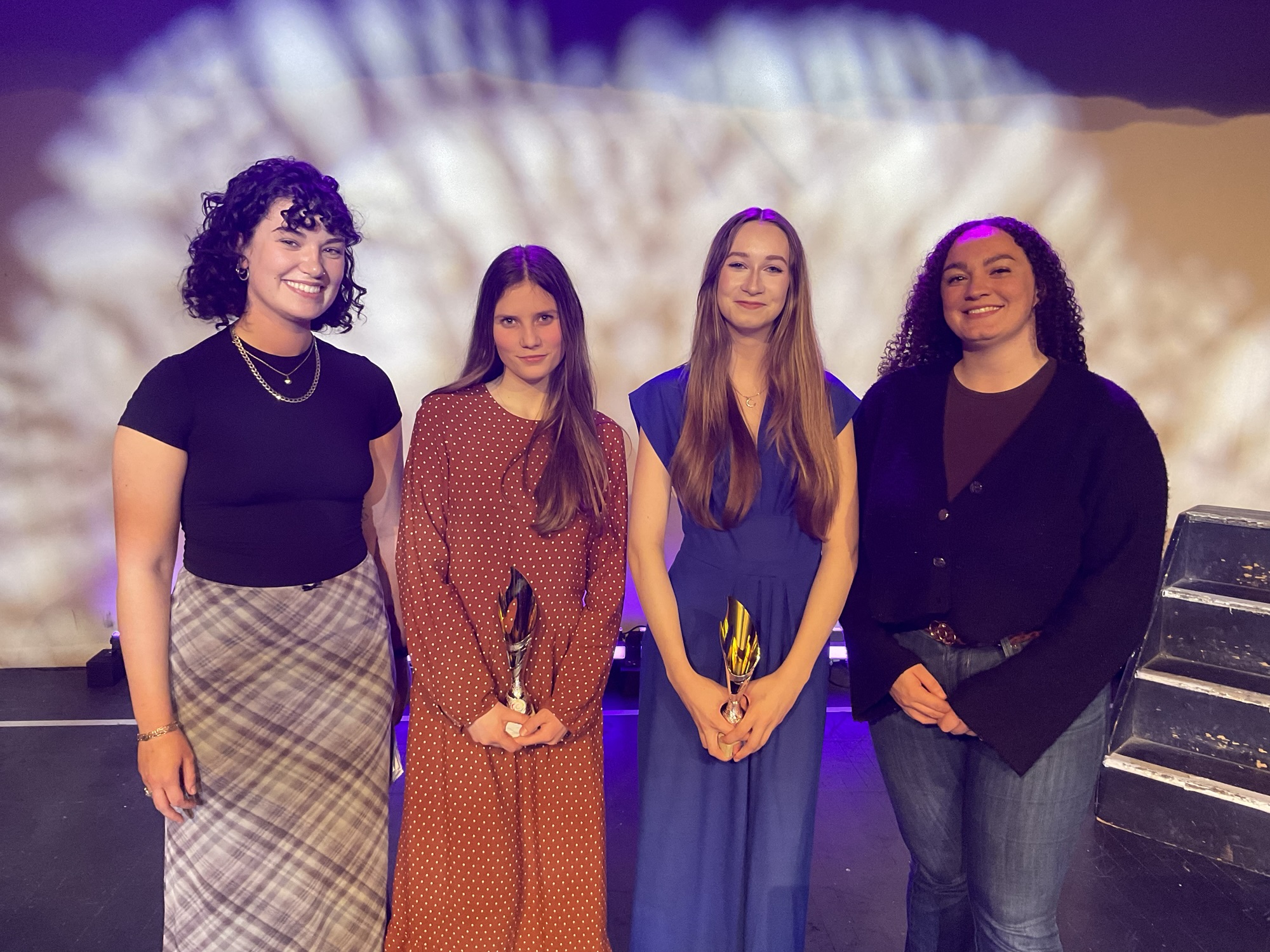
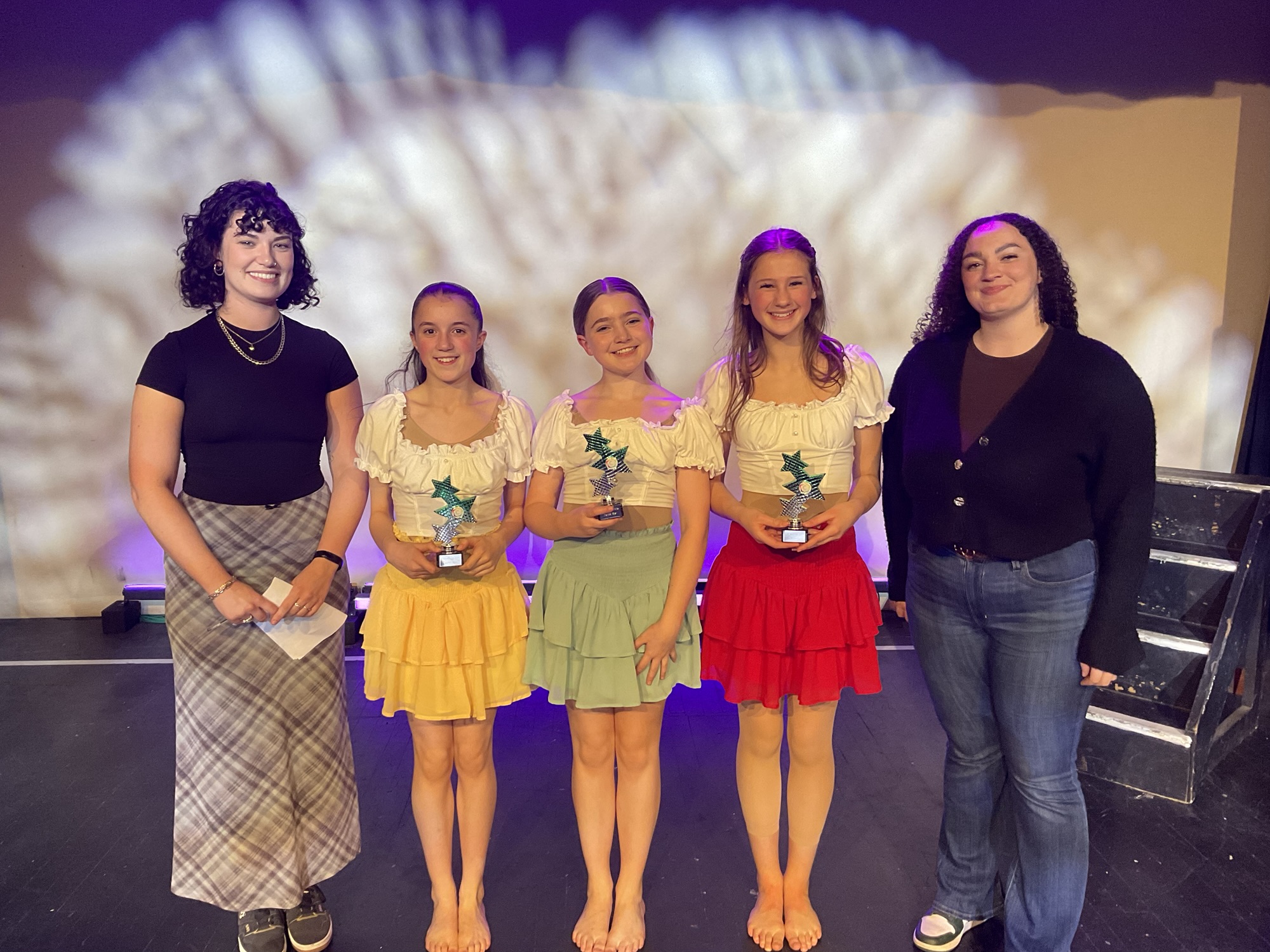
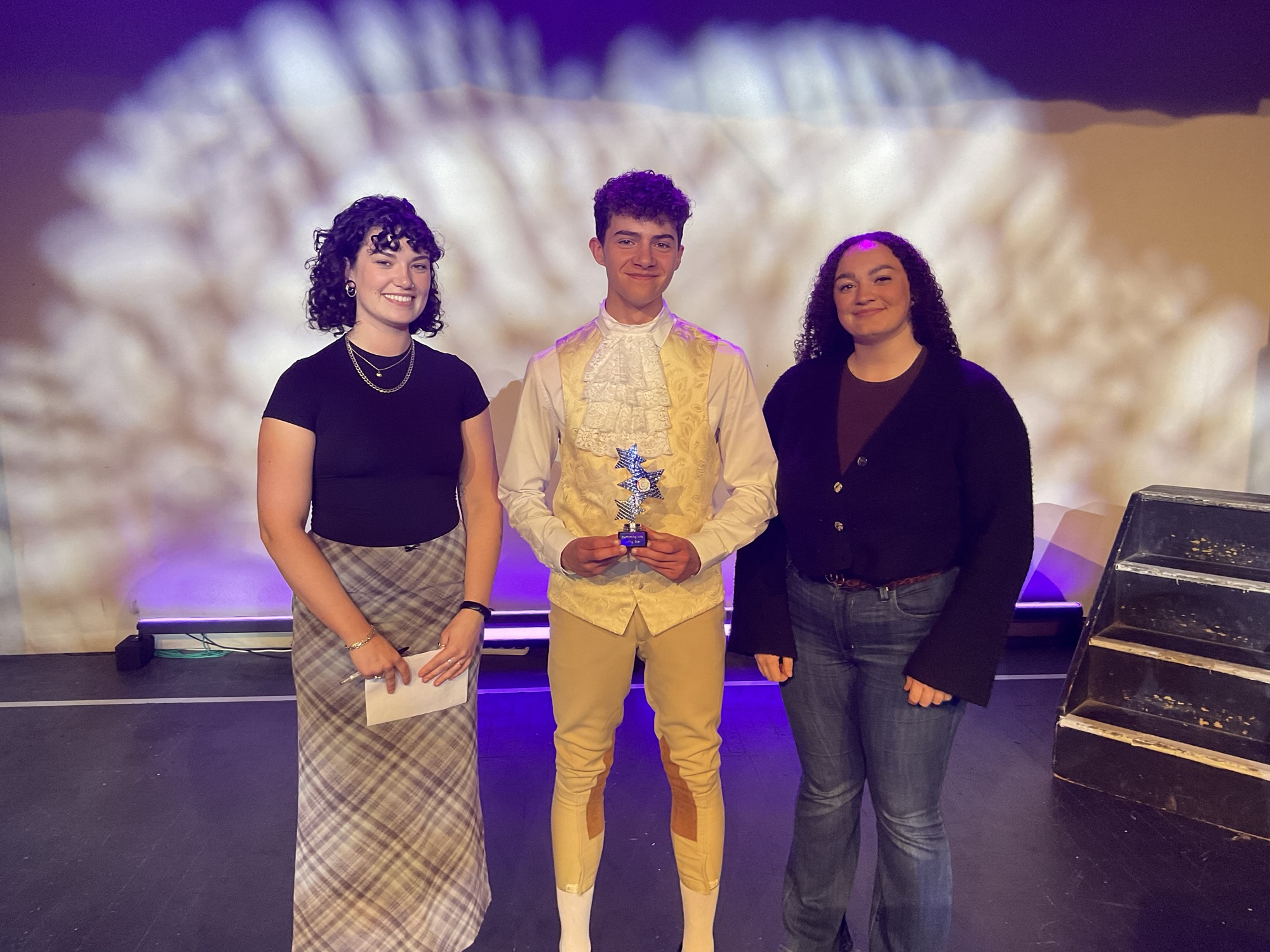
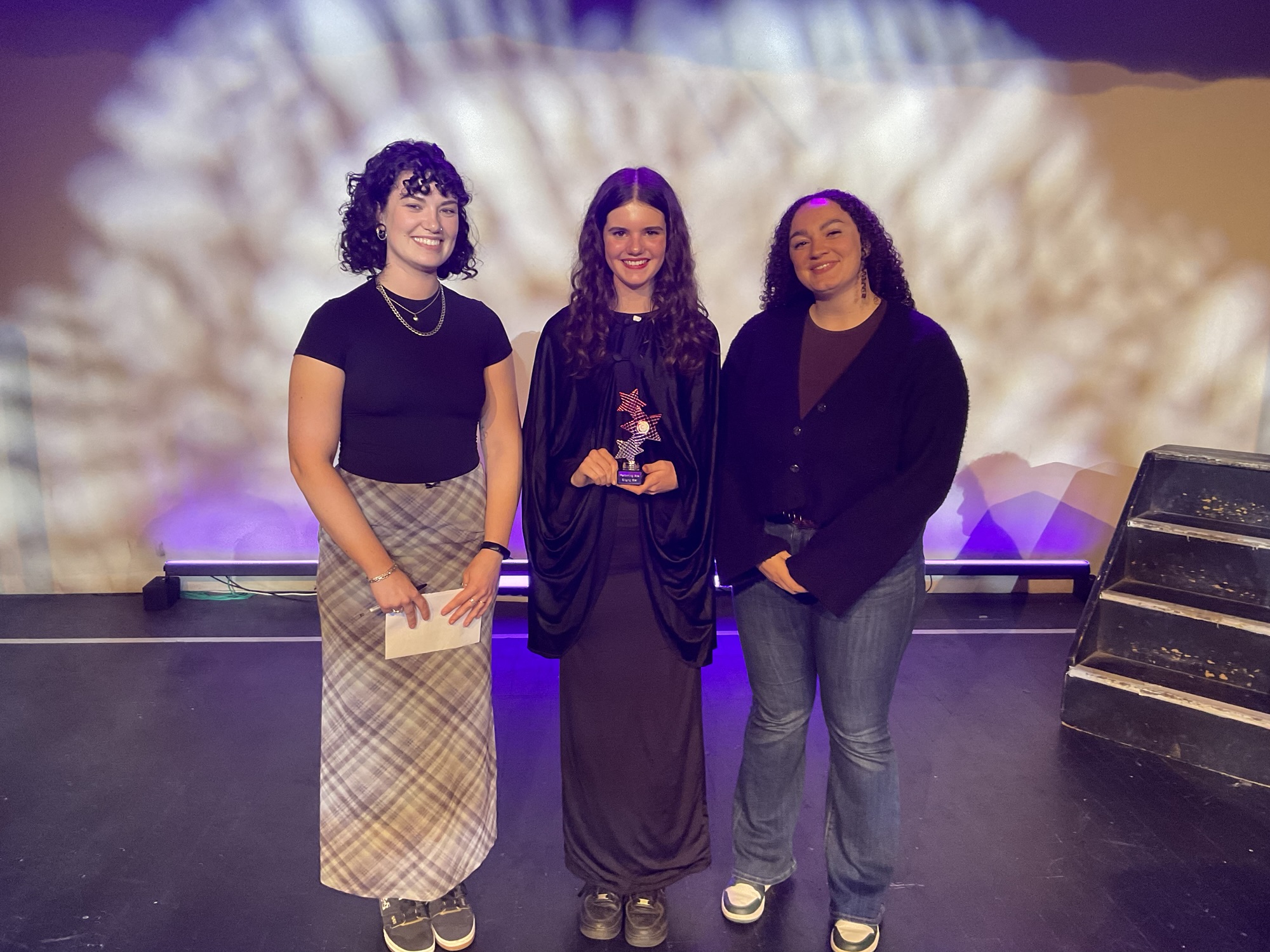
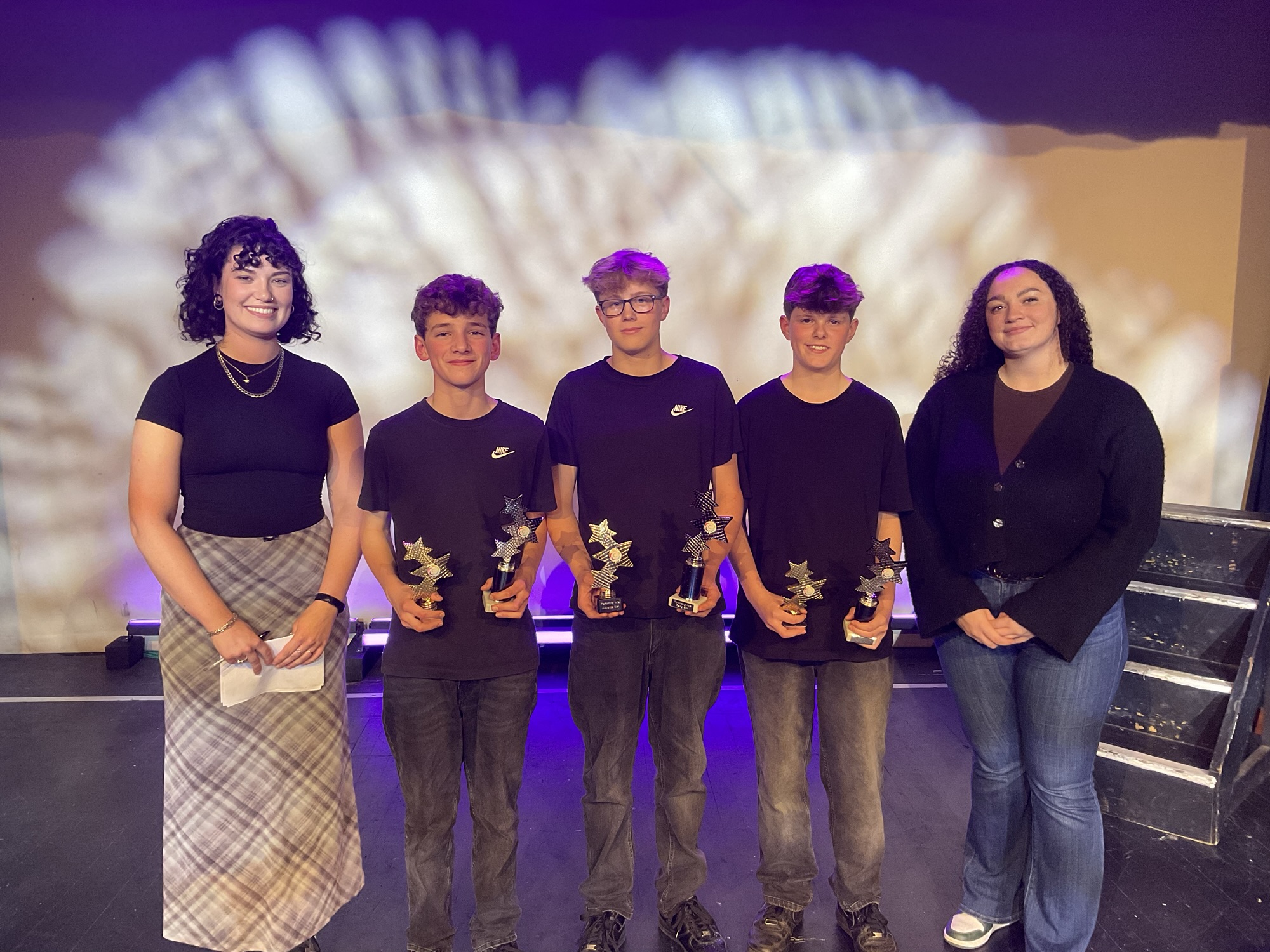
We welcomed back Churchill performing arts alumni Lorin and Tia as our expert guest judges, who awarded the prizes. It really was an impossible choice, such was the array of talent on show – but choose they did! The deserving winners were:
Superstar Winners: Anna and Mia
Dance Star: Leah, Mati and Flo
Rising Star & Audience Award Winners: Billy, Joe and Joey
Acting Star: Will
Group Star: The Year 7 Dance Club
Singing Star: Maisie
Music Star: YUNC (The Band)
Thank you to all the performers for a great evening of entertainment!
And, if you haven’t had a chance to see the Dance Live! extravaganza, feast your eyes on this:
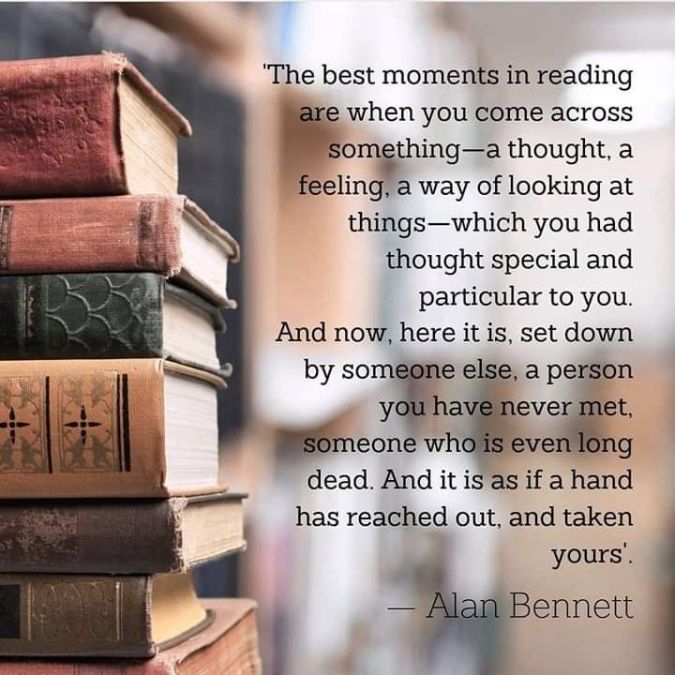
I love reading, and this World Book Day I have been thinking about this quotation from publisher Helen Exley, about how books can change your life. In truth, everything I’ve ever read has woven itself somewhere into the fabric of “me,” shaping my understanding of the world and its people. But a few stand out as having certainly changed my life.
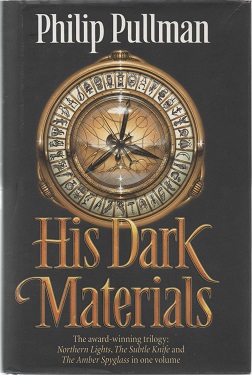
His Dark Materials by Phillip Pullman
When I was studying for a Masters in Children’s Literature at Nottingham University, these books blew my mind. The story of Lyra and Will, young people from two different worlds, brought together to save the universe, is unlike anything I’ve ever read. Passionate, clever, gripping, exciting and thrilling, this is a trilogy I could return to again and again and never get bored. It’s the book that reminds me that children and young people are the hope for us all.
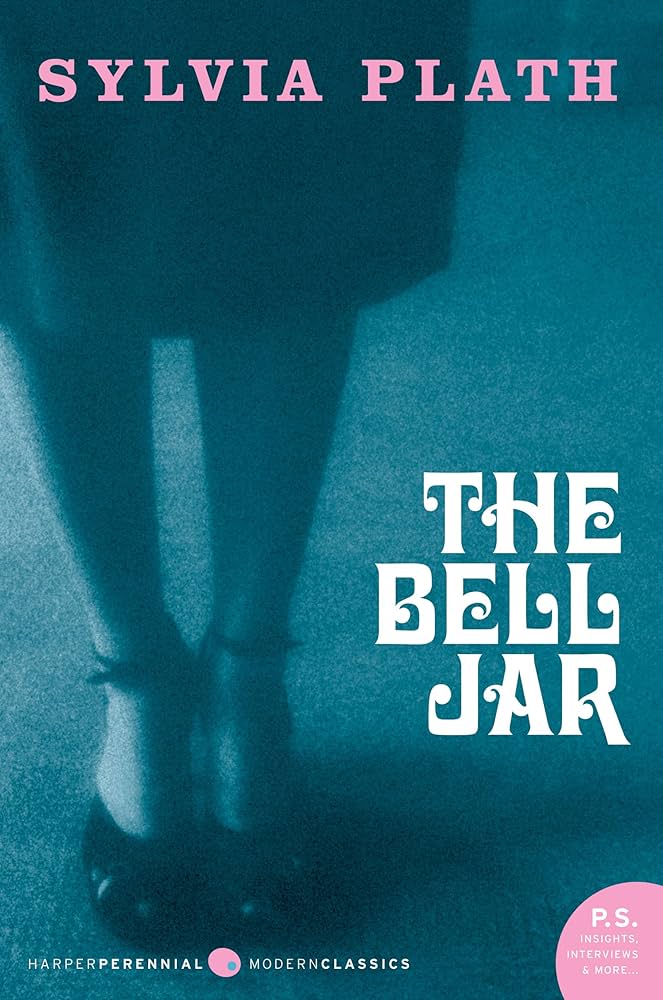
The Bell Jar by Sylvia Plath
I first read The Bell Jar when I was in the Sixth Form, and it changed everything for me. Sylvia Plath’s astonishing semi-autobiographical tale of her struggles with her mental health, her breakdown and subsequent recovery, was a revelation. Not only was the subject matter revolutionary – not least the barbaric treatment of mental health difficulties in the 1950s – but Plath’s writing fizzes off the page in images and phrases that has stuck with me forever.
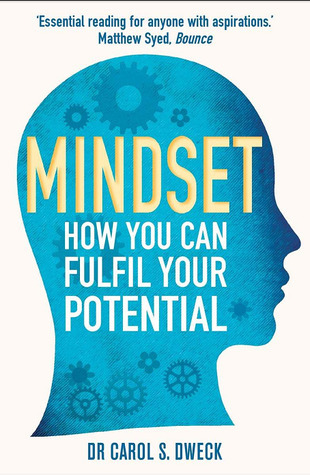
Mindset by Carol Dweck
This book changed the path of my teaching career. Dr Carol Dweck outlines the research that is her life’s work, into how what we think about our own abilities determines the outcomes that we achieve. It has informed my teaching and leadership ever since, and continues to resonate with me today.
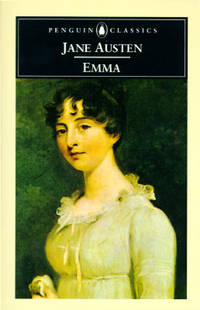
Emma by Jane Austen
“Emma Woodhouse, handsome, clever, and rich, with a comfortable home and happy disposition, seemed to unite some of the best blessings of existence; and had lived nearly twenty-one years in the world with very little to distress or vex her.” So begins Jane Austen’s tale of a spoilt girl who learns that she is not quite as brilliant as she thinks she is – and is so much the better for it. I love Jane Austen’s writing so much: she works with infinite delicacy on “the little bit (two inches wide) of Ivory on which I work with so fine a Brush, as produces little effect after much Labour.” My favourite novel of hers is actually Mansfield Park, but even I must admit that Emma shows her at the height of her powers.
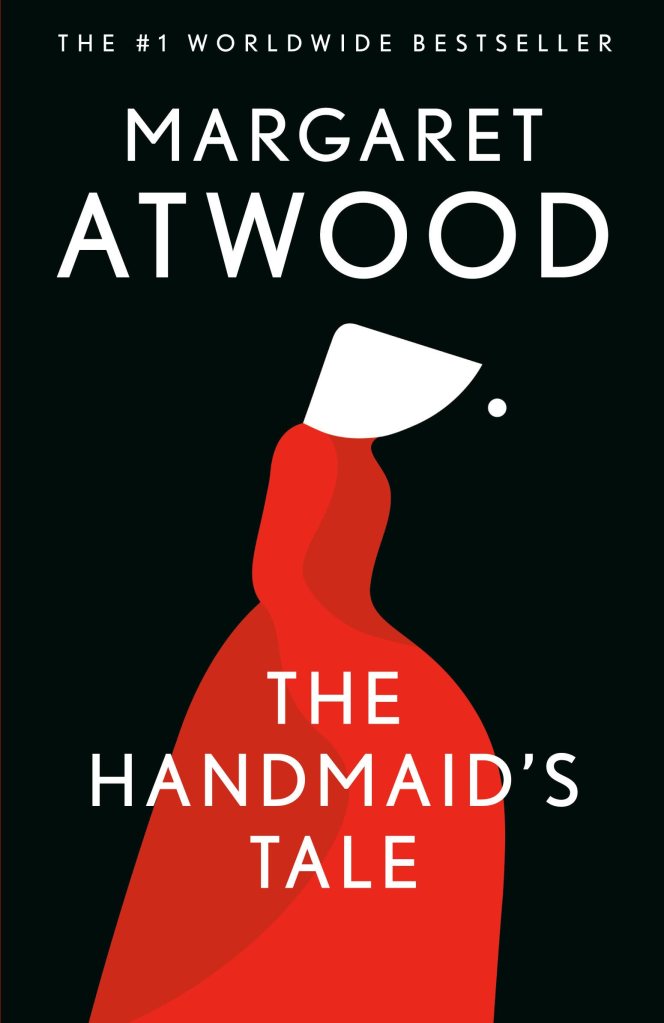
The Handmaid’s Tale by Margaret Atwood
Margaret Atwood’s dystopian novel pushed the boundaries of what a novel could be, and could do. Told in fragments, apparently “discovered” after the collapse of a dystopian civilisation, it pieces together the story of Offred, a “handmaid” in the land of Gilead, where patriarchal ideology has run to extremes. It is an absolutely gripping and terrifying book, and a valuable lesson in how fragile our society is – and how vulnerable to those who seek to divide and rule.
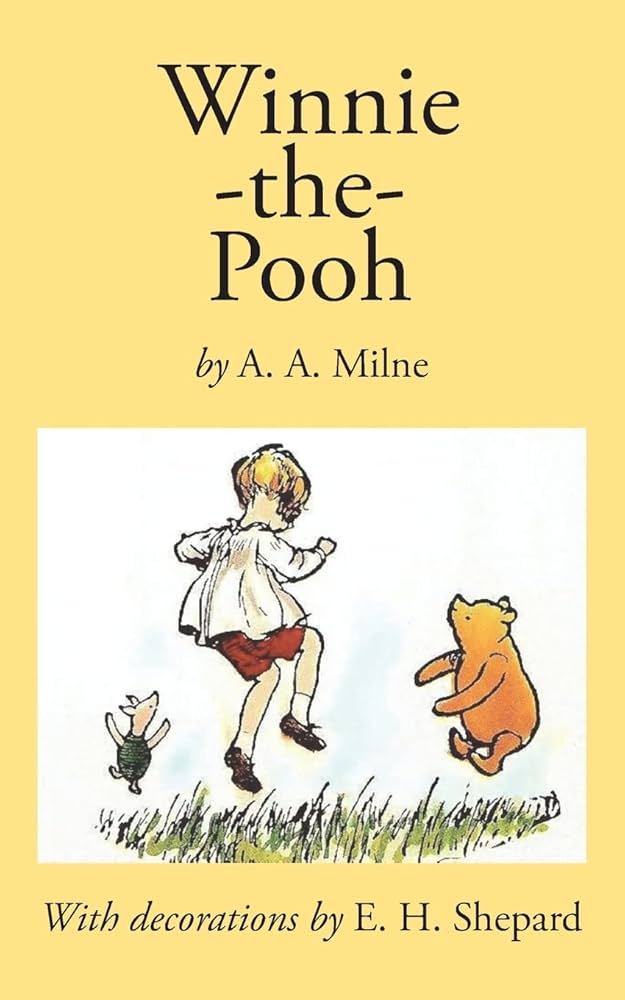
Winnie-the-Pooh by A.A. Milne
The tales of Christopher Robin and his collection of stuffed animals were favourites of mine as a small child, and have stayed with me throughout my life. Sweet, funny, and occasionally profound, I enjoyed reading them to my own children just as much as I enjoyed them myself as a child.
No matter what books you enjoy, reading is a rare and exciting pleasure. And a good book will stay with you for the rest of your life.
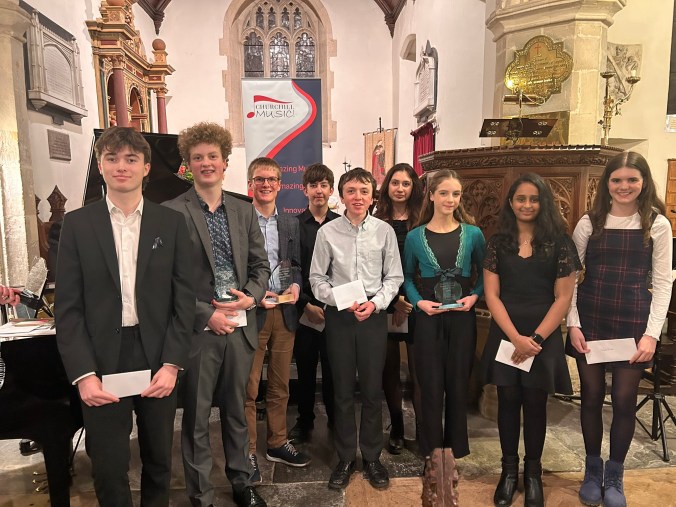
On Monday of this week I was honoured to be present at Churchill Music!’s annual Young Musician of the Year Competition. The standard was incredibly high, with prizes going to Molly Blundell (Junior Prize), Toby Wilson (Audience Prize), Maisie Vowles (Raymond Hayter Song Prize) and Freddie Maitland-Round (Young Musician of the Year). You can read the report on the Academy website here. To close proceedings, I gave a speech on the theme of “practice doesn’t make perfect,” which is reproduced here.
Practice doesn’t make perfect
I’d like to start by thanking Churchill Music! for all they do to support the music education at our Academy. How lucky we are to have them working alongside us. Thank you, as ever, for all you do.
We’ve been treated tonight to some wonderful performances by some of our finest young musicians. As I’ve been watching these assured, technically skilful performances, bursting with emotive musicality, I’ve been aware that what we are seeing here is really only the tip of the iceberg. What I would like to do this evening, if you will permit me, is to think for a moment about what lies beneath.
In 1992 psychologist K. Anders Ericsson undertook a landmark study at the Music Academy of West Berlin. He asked the music professors at the Academy to select the very best violinists studying there – those that the professors thought had a strong chance of careers as international soloists. He also asked them to identify a group of “good” violinists in the same department – those who were impressive musicians, but perhaps not of the calibre of the “best” group. Finally, he also asked for a group of violinists who were not studying the violin at the Academy – they were specialising in music education – but who also played. So he selected the best, the good, and the teachers.
He asked all the participants in the study to keep a practice diary and also carefully studied the amount of practice they had completed in the years before they had joined the Academy, as well as interviewing them about their practice routines, their love of playing, and their leisure activities.
The findings of the study were quite remarkable. The stories of the “good” and the “best” violinists, and the “music teachers” who also played the violin, started out very similar. They all talked of a love of playing, the joy of music-making, and the feeling of exhilaration they got from performing with their instrument. In fact, there was very little to distinguish between the stories and approaches of the three groups, except in one vital area – the amount of practice they had done. Over their lifetimes prior to joining the Academy, the music teachers had averaged 5,000 hours of practice in total. The “good” violinists averaged 7,500 hours. But the very best – those that had a future ahead of them as soloists – had averaged 10,000 hours of practice. Each.
Ericsson and his colleagues were able to replicate the findings of this study for pianists, and others like Matthew Syed and others have found a similar pattern for elite sportsmen and women. What they have found over and over again is that talent can only get you so far in your chosen field. What marks the true expert out from the enthusiastic amateur actually has very little to do with talent – it’s practice. And tons of it.
The family and friends of the performers here tonight will bear witness to the hard work, the hours of toil that have gone into the performances tonight – the huge bulk of ice sitting beneath the surface of the glittering peaks that we’ve witnessed. But practice isn’t usually – in and of itself- enjoyable. Running through that C# minor arpeggio again can actually – I apologise if I’m breaking a big secret here – be a little bit boring. But what marks out the truly great performers from the enthusiastic amateurs is the grit and determination to keep going when it gets tough, knowing that by really nailing down the fingering and timing in that arpeggio, they will help themselves to be a better, stronger, more accurate and flexible performer. And, as we’ve seen tonight, that perseverance and determination has paid off.
Practice won’t make you perfect – but it will make you better
Mark Sanborn
I’d like to finish tonight, however, with one final reflection on performance, whether it be in music or sport, or drama or dance, or painting or sculpture or literature. In any of these fields, it’s not actually as if we’re striving for perfection. Because – and this is certainly true in music – there is no such thing as a “perfect” performance. Two performances of exactly the same piece will never be the same. They will be subtly – and sometimes dramatically – different from one another, and they can be equally good. The musician’s interpretation of the piece, the sound of the room, the atmosphere and feeling of the audience, will all exert their influence on every performance and make it unique. Practice doesn’t make perfect. As the author Mark Sanborn said, “practice won’t make you perfect – but it will make you better.” The musician, or the artist, or the sculptor, or the gymnast, is not actually striving for perfection. They are striving to be the very best that they can be – and that work is never done. There’s always room to improve. And that’s what makes the practice worth it.
I’d like to thank all the performers here for all the hours of practice they’ve put in, not just to the pieces they performed tonight, but to making sure their technique, their musicality and their understanding of their instrument has reached such impressive levels. I’d also like to thank all the families who have supported them – and, I suspect, occasionally nagged them – to get that practice done. Because, as we’ve seen tonight, all those scales and arpeggios were worth it in the end.
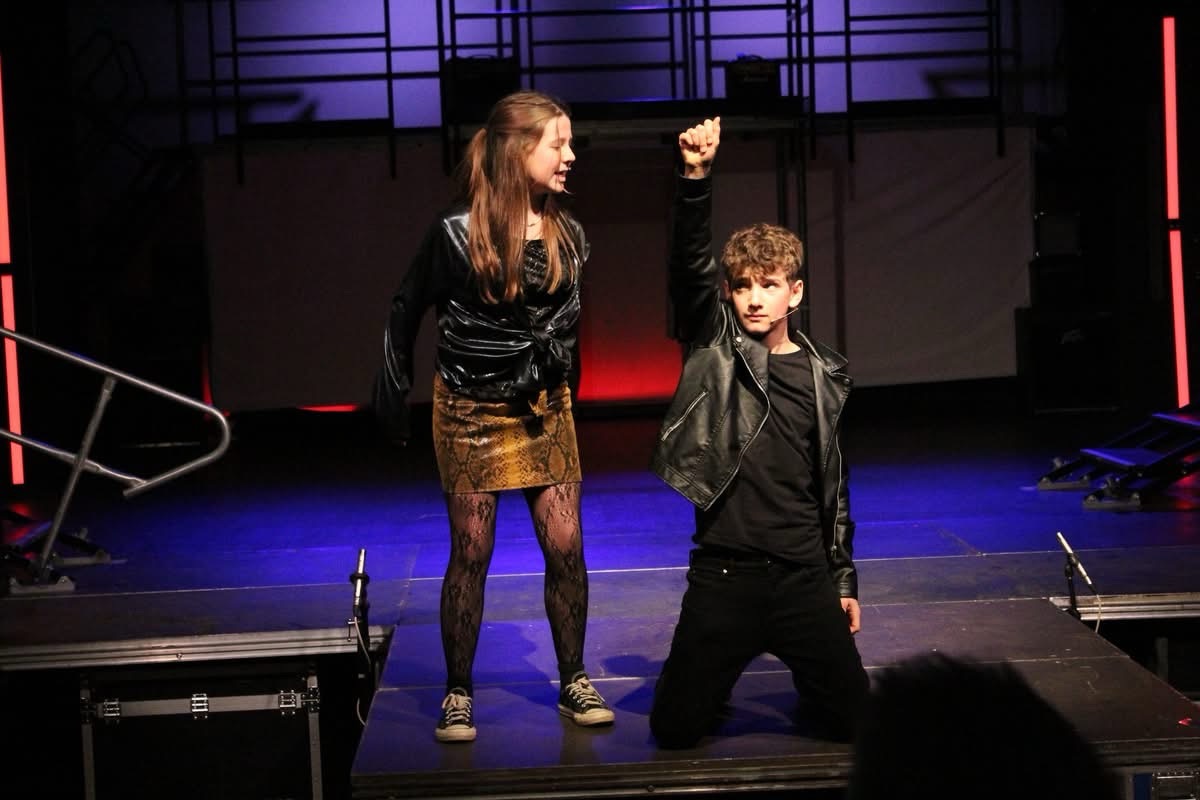
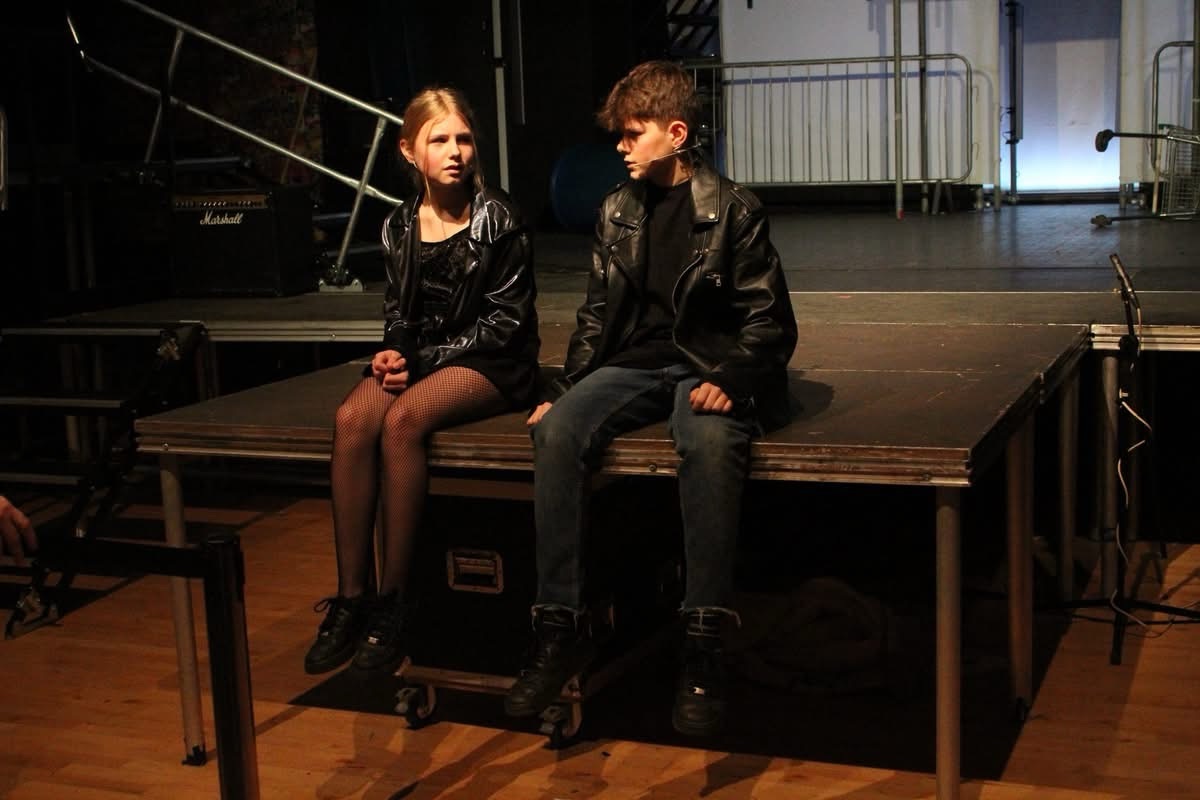
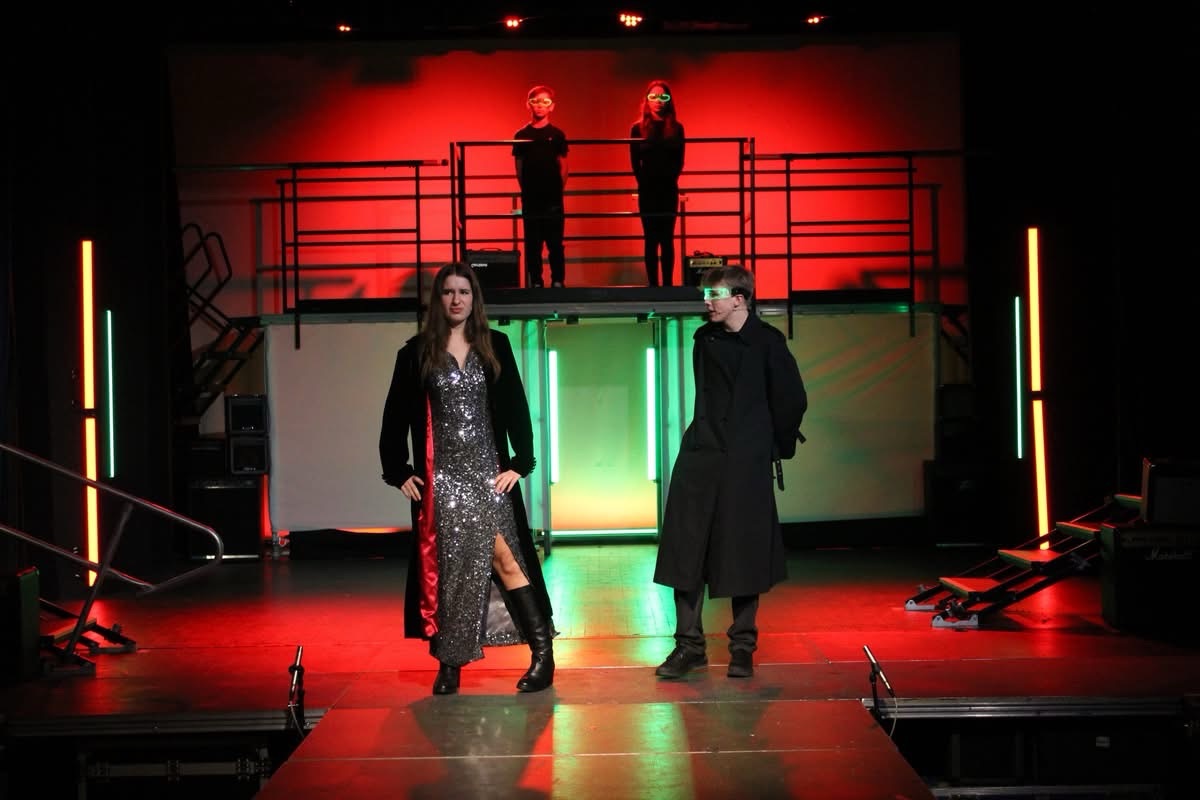
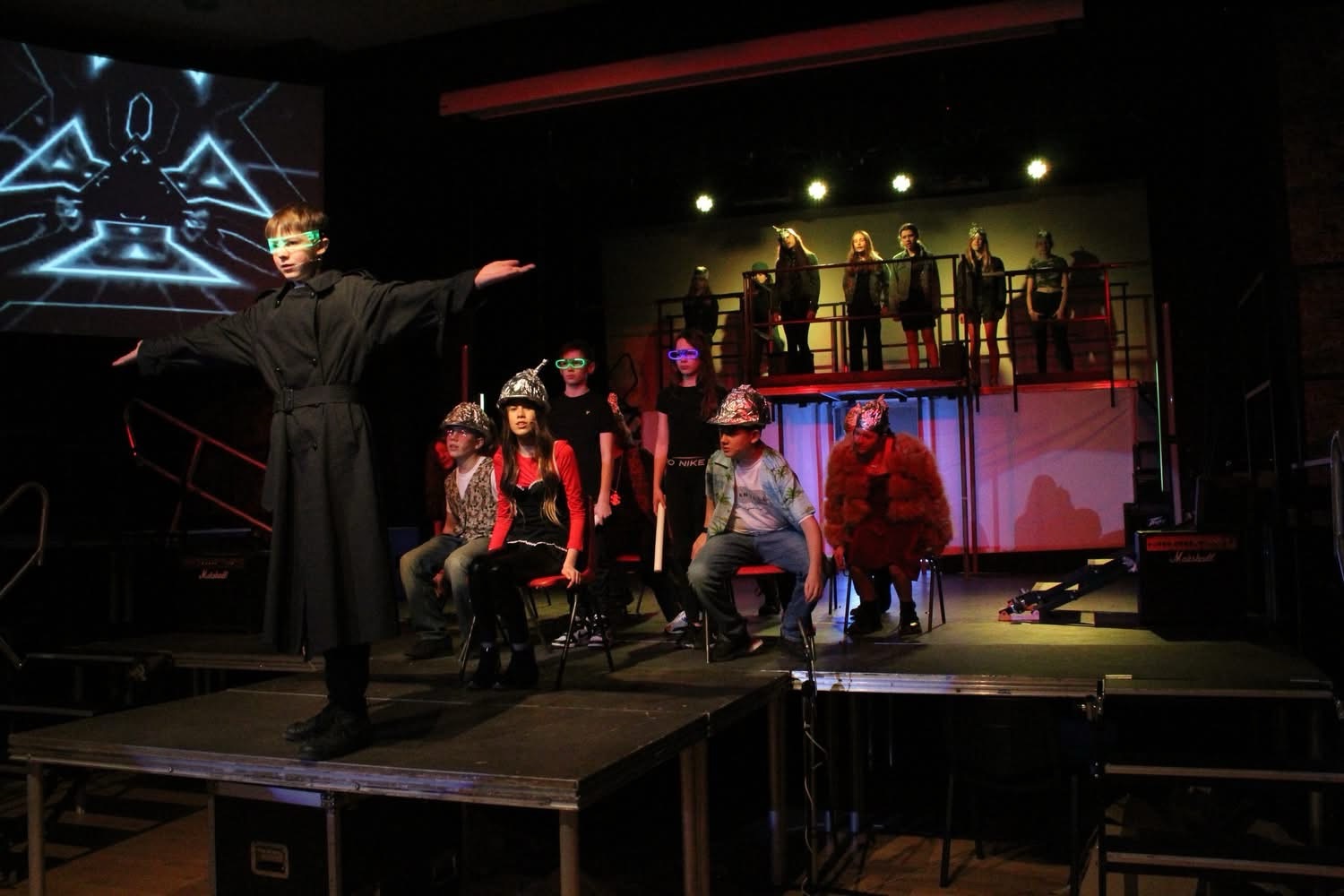
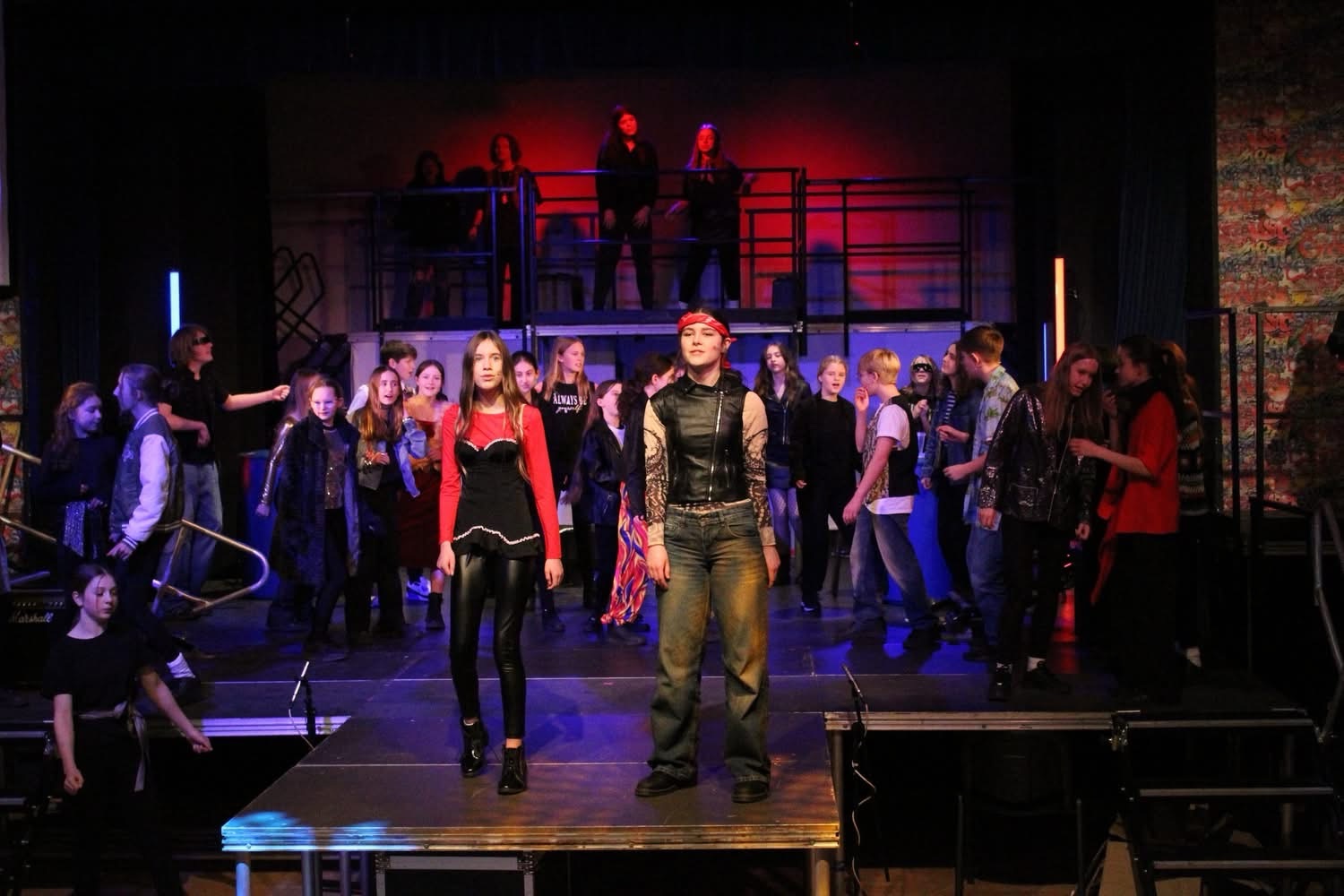
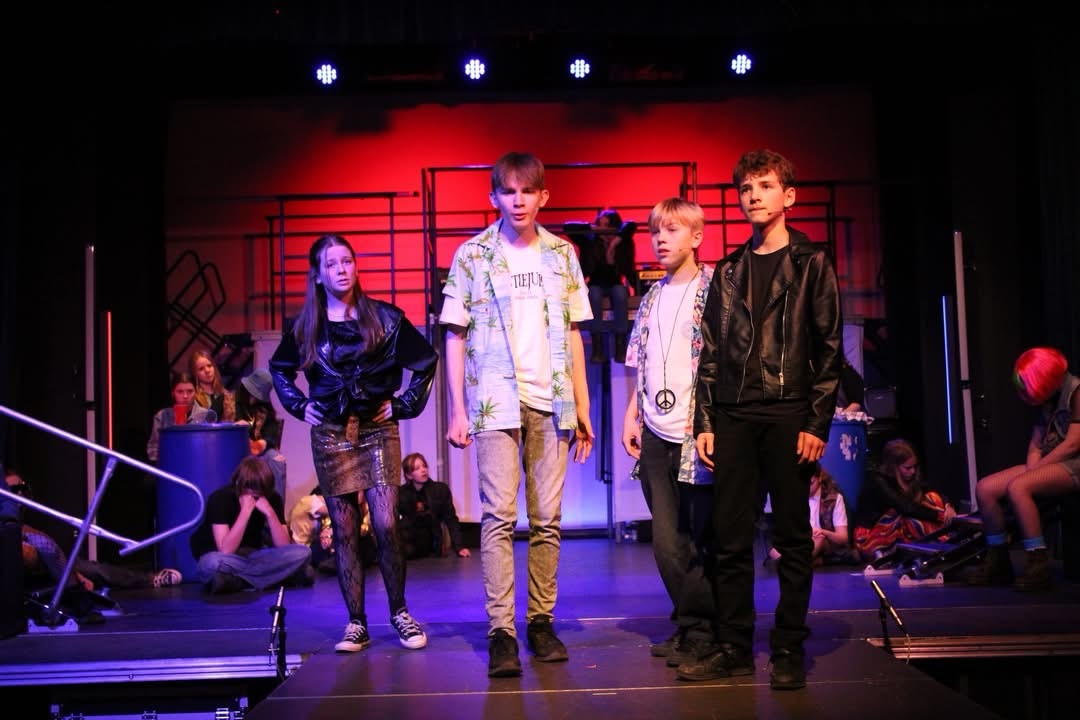
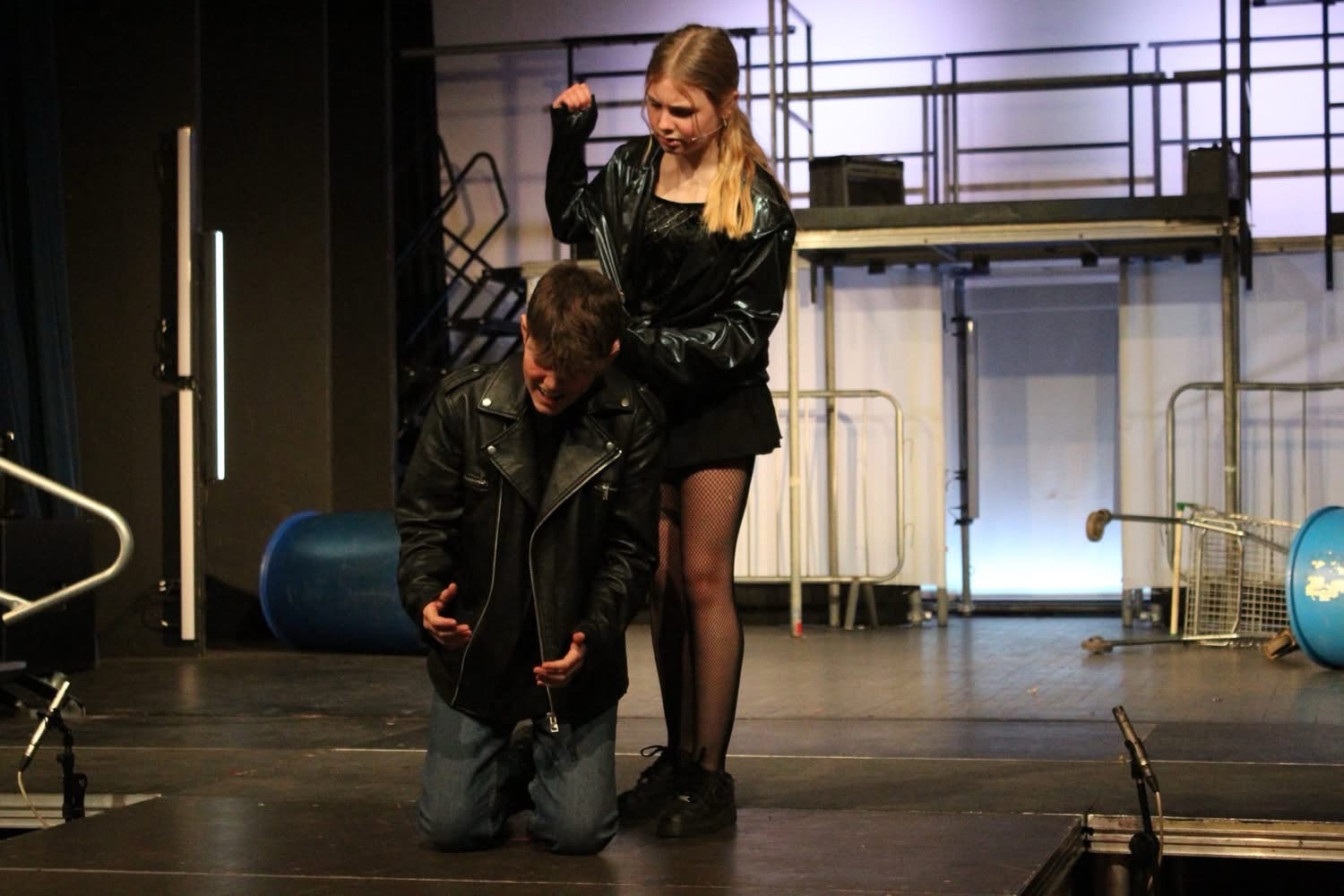
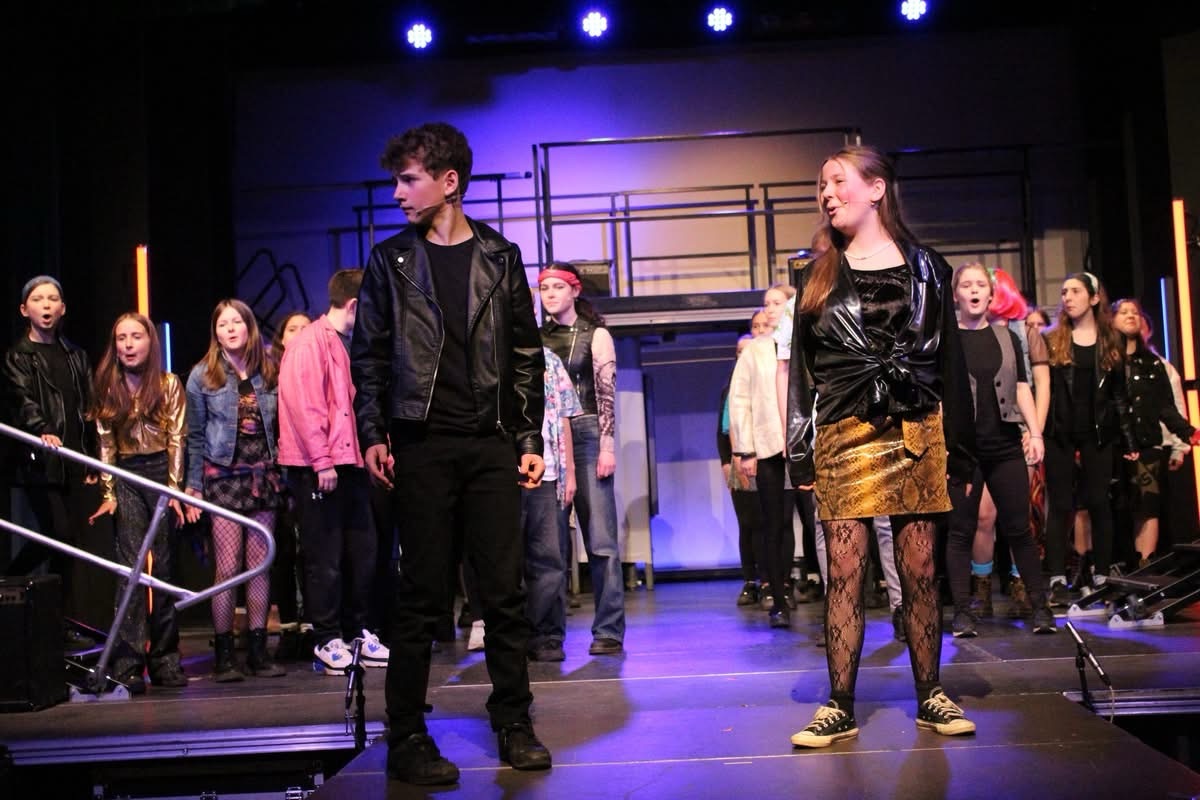
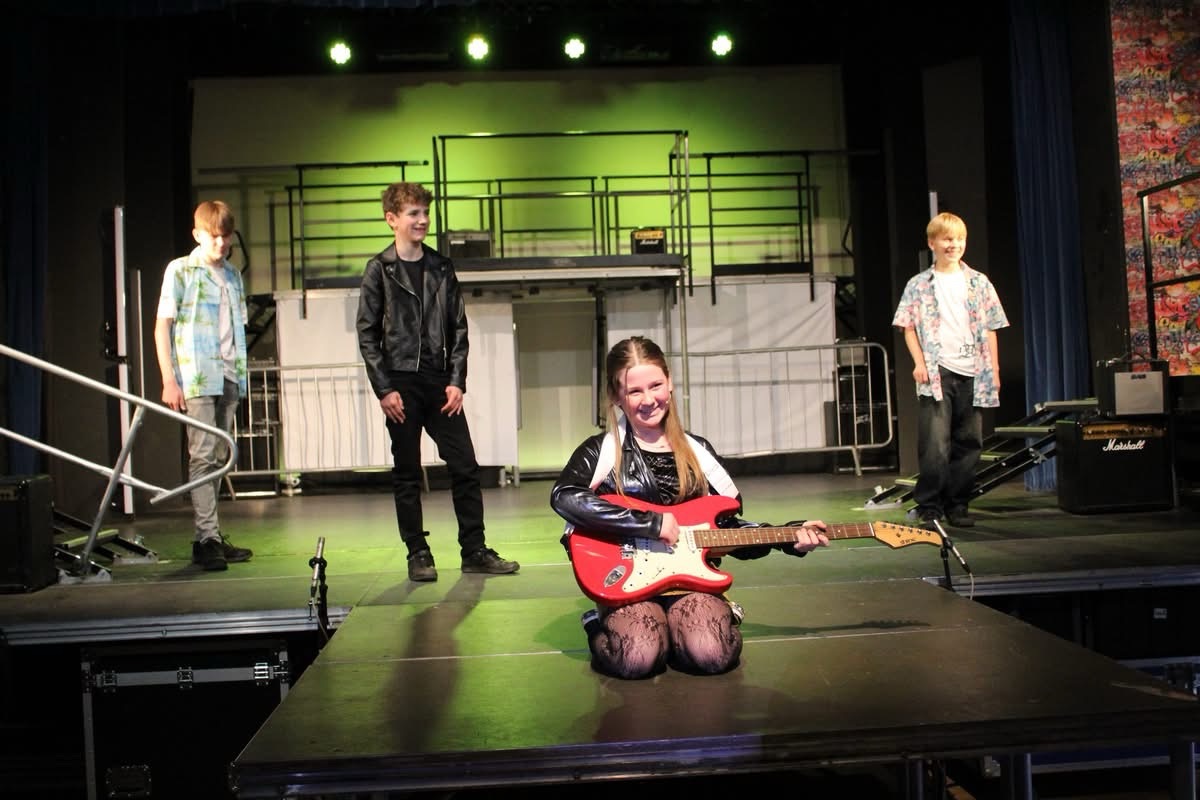
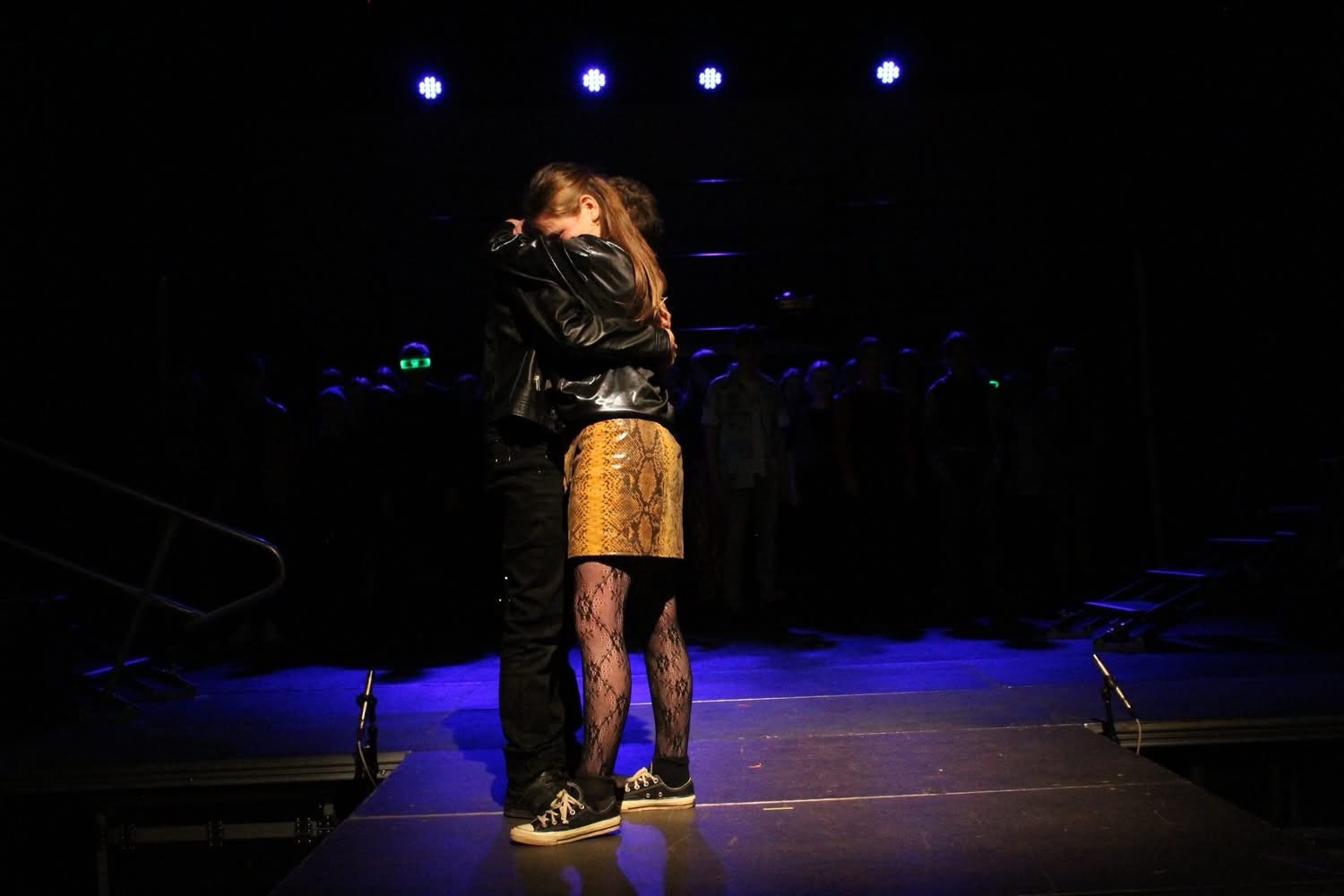
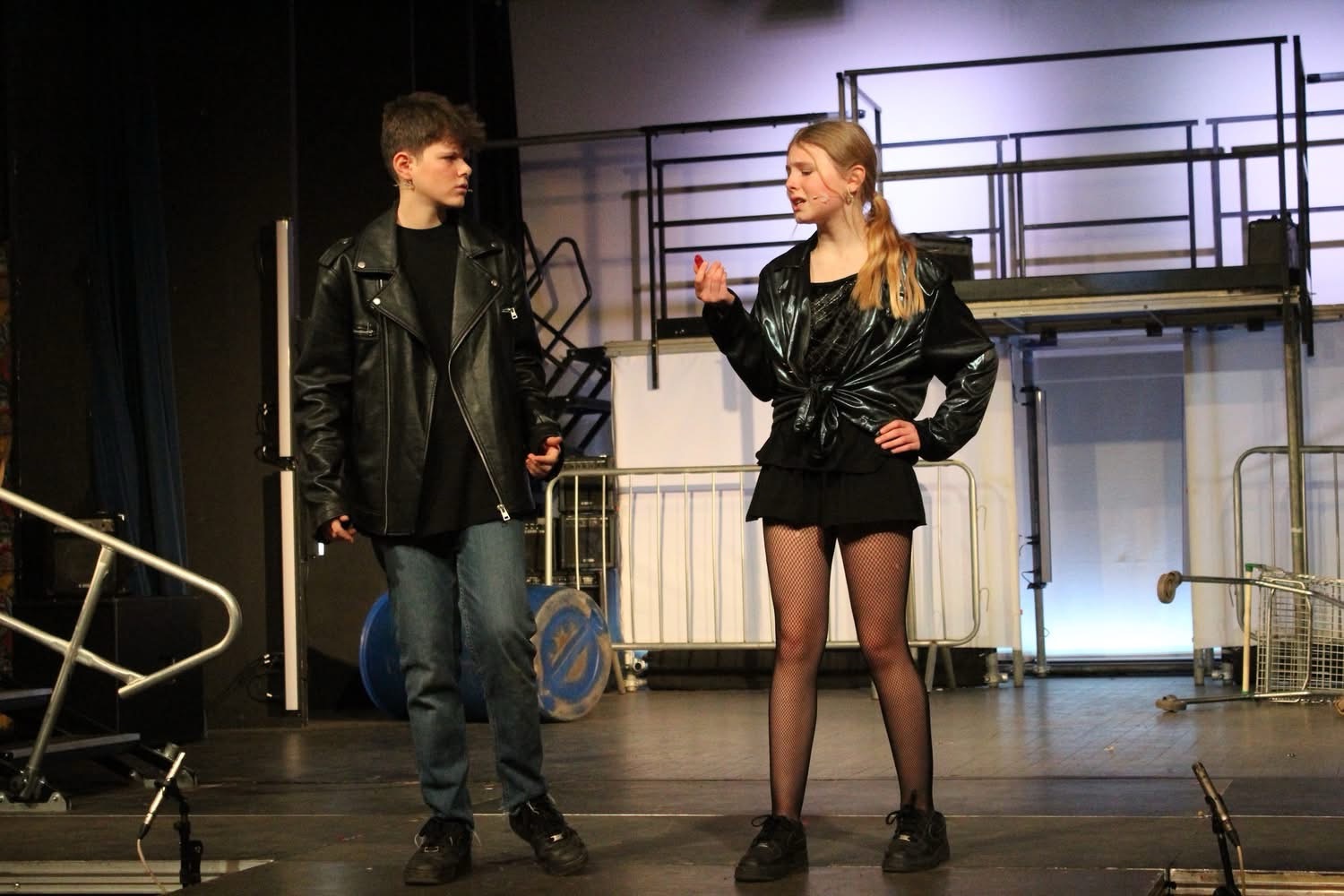
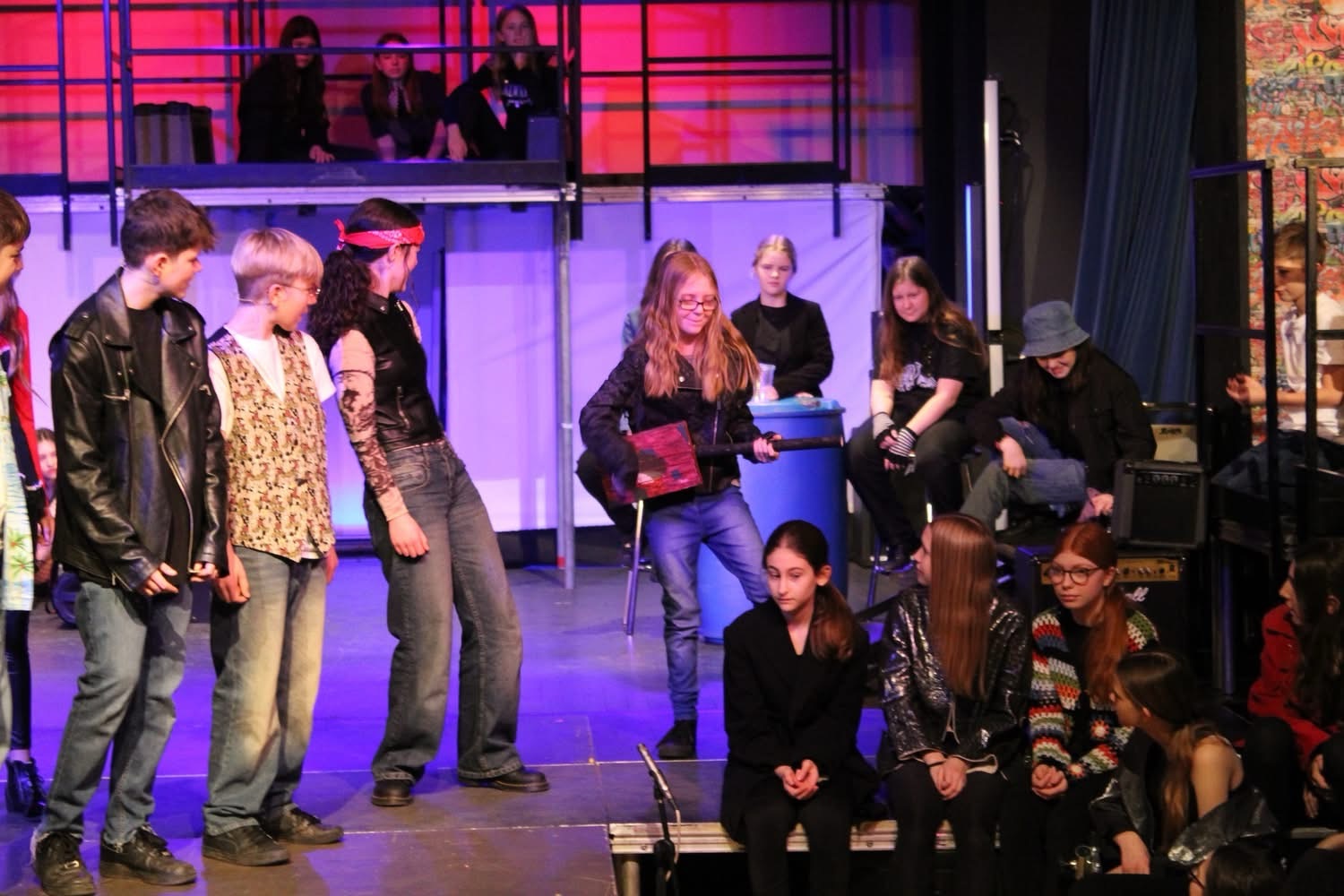
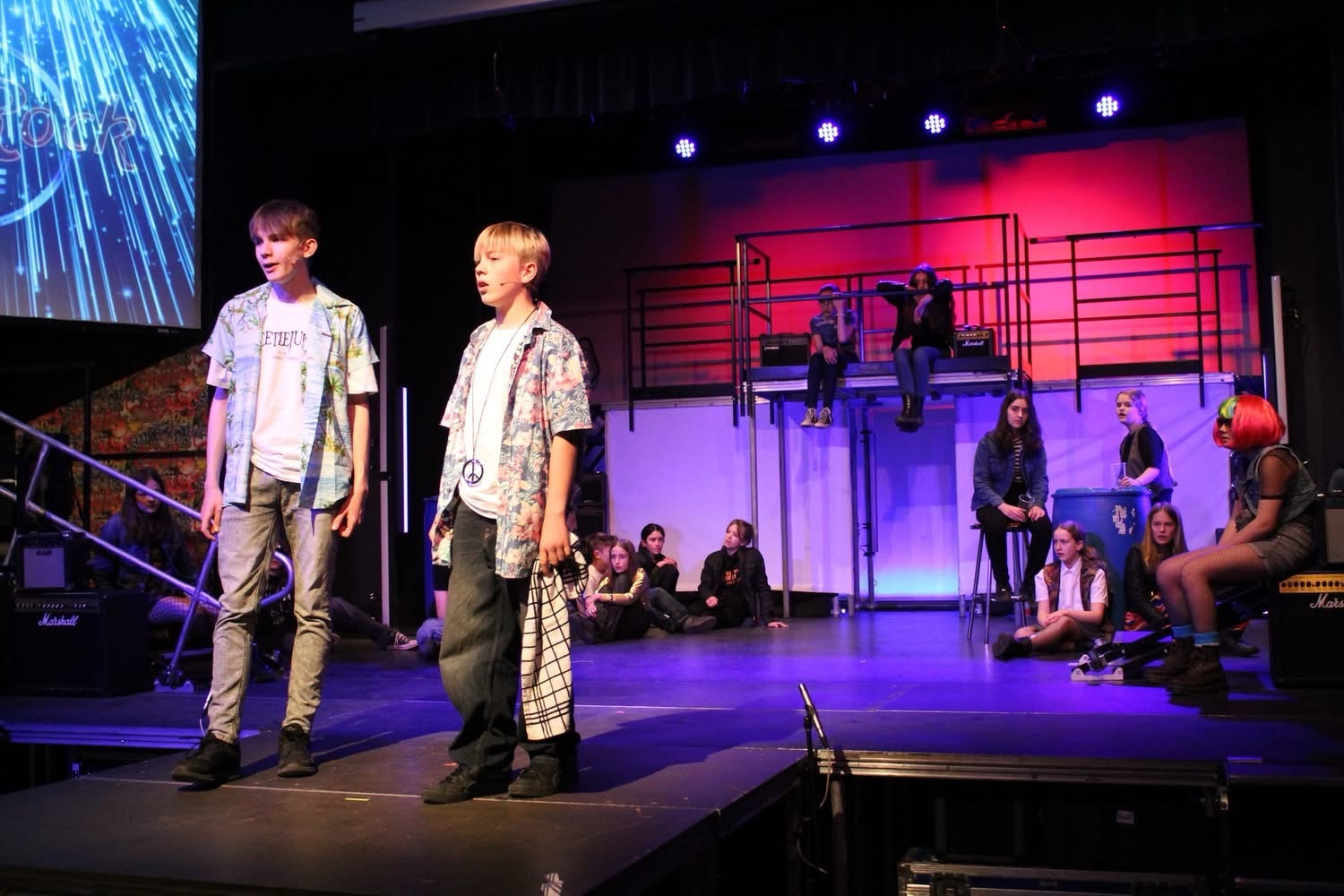
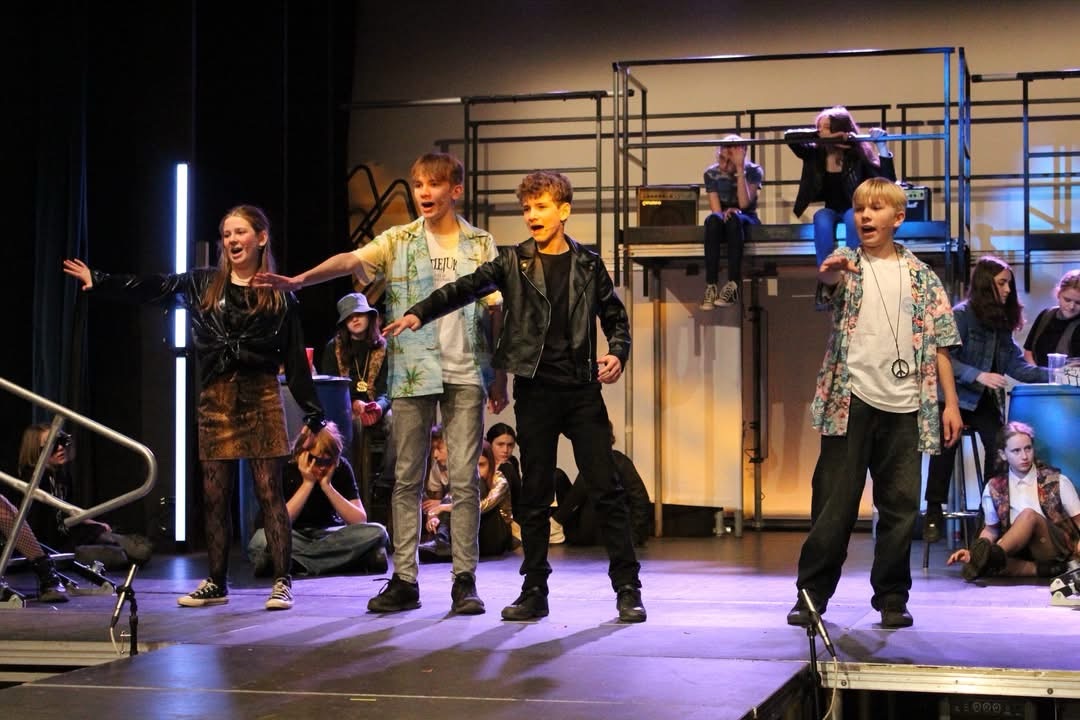
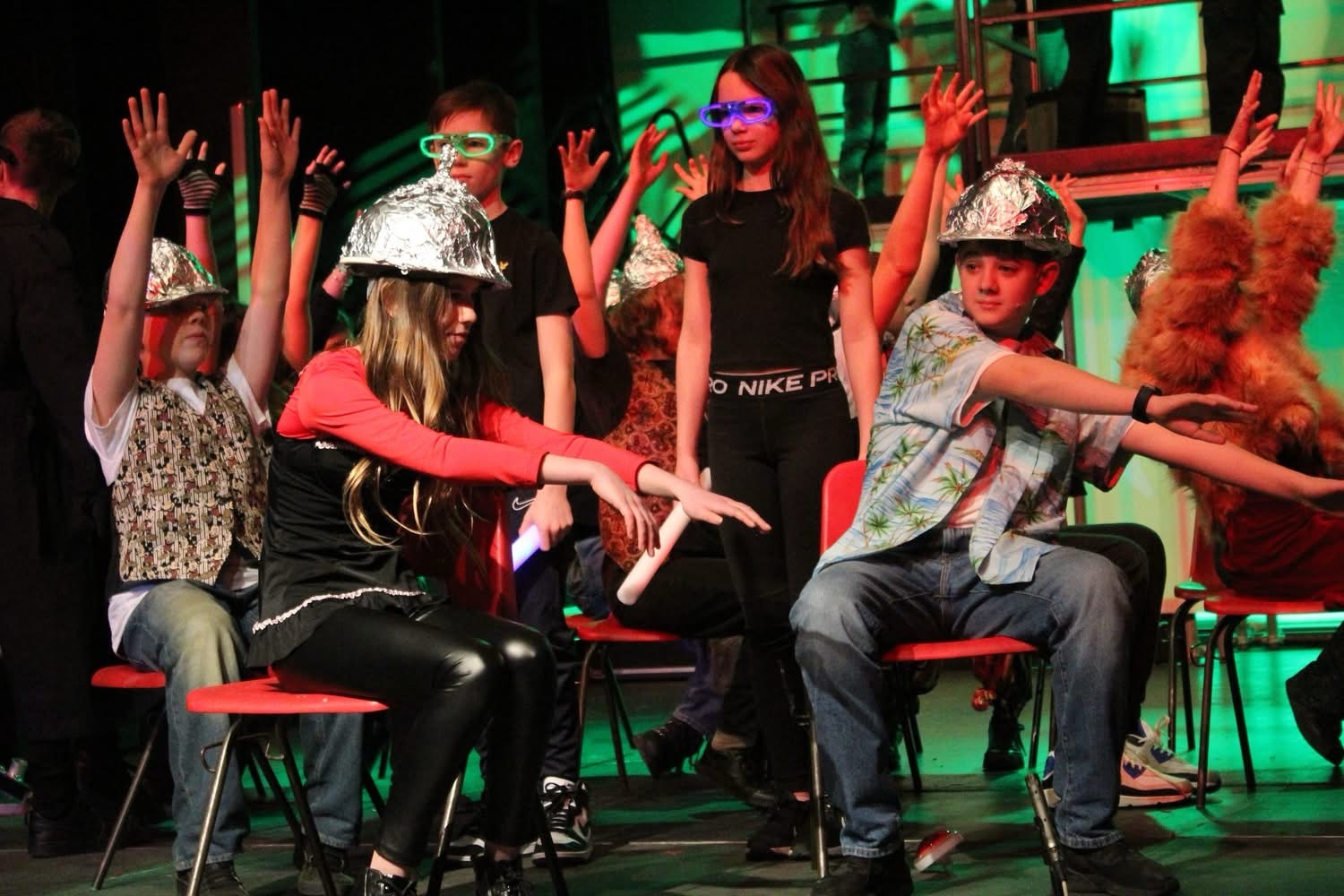
What. A. Show! The casts, crew and team behind our Key Stage 3 musical, We Will Rock You, have been working hard for months, and it certainly paid off. Over four stunning performances, the two casts, live band, and hard-working behind-the-scenes crew thrilled audiences in the Academy Hall with a hilarious, moving and exciting show that everyone involved will remember for a lifetime!
The musical uses the songs of Queen and Freddie Mercury to tell a story of a dystopian future world under the ruthless control of the Killer Queen, where musical instruments are outlawed and only manufactured, pre-programmed pop is allowed. Against this background, rebel Galileo Figaro teams up with no-nonsense Scaramouche and a ragtag team of Bohemians to reclaim “real” music and set everyone free.
The performers gave their all on stage, performing words and music with real confidence and assurance. The script was full of great humour and the audience was laughing along with them all the way through. There were also moments of real poignancy, and Oz’s solo of No One But You (Only the Good Die Young) moved me to tears. The lead performers – Joey Clausen, April Cashman, Billy Cargill and Brooke Austin – were stunning, and special mention must go to Isabelle Gilbert-Avison who stole the show as Brit! But every single performer on stage had a moment to shine, and they took it with both hands. It was a true ensemble performance.
We Will Rock You was directed and produced by our Sixth Form Performing Arts students. Directors Betty Clarke, Ash Shipton and James Hart, musical director Lily Spry, producer Gemma Seymour, dance director Bela Bradshaw, Chorus Lead Ceci Brumby and Stage Manager Adam Corke deserve a huge credit for their leadership, vision and commitment in bringing the show to the stage, and giving our younger students the opportunity to shine so brightly. They capture the essence of what student leadership at Churchill is all about!
My final word of praise must go for the live band. You would be forgiven for thinking you were listening to a professional pit orchestra, but these were Churchill students without a member of staff in sight! From face-melting guitar solos to chopping rhythms and delicate moments of tenderness, the band – under Lily Spry’s excellent direction – matched the action on stage and supported the performers brilliantly.
Many of these young performers will now be looking forward to the much anticipated Legally Blonde, our full school musical which is hitting the stage in 2026. Judging by the talent on show here, it’s going to be quite the show!
As the year draws to a close, I look back on another year on the Headteacher’s Blog. Over 100,000 views, over 20,000 visitors to the blog – it’s been a busy year!
January
January began with a welcome back assembly thinking about resolutions, and an update on the work going on in the Sports Centre to get it ready for our use. The old swimming pool had been drained, and work was underway to get a floor laid as part of the Pool Hall conversion.
January is also the time of year when Year 9 are making choices as part of their options process, which is very nearly upon us once again! And I concluded the month with a blog on the influence of social media, and how we are working with our students to help them manage the online space.
February
February began with a focus on attendance as part of the government’s moments matter: attendance counts campaign. The month was dominated, however, by the preparation for and four barnstorming performances of High School Musical: On Stage at the Playhouse in Weston-super-Mare!
This fantastic production produced memories for life for the casts, crew, band, and everyone in the audiences. I will never forget it!
March and April
In March I wrote three blogs based on assemblies and ideas we had been discussing in school. I wrote about the Academy’s value of curiosity, the theme of my assembly that month, followed by a discussion of neurodiversity which was the theme of Miss O’Malley’s assembly. This was followed by a reflection on the nature of equality, and how we balance the differences between us with the need for equal opportunities. It was a very thoughtful month!
This was followed, in April, by a celebration of our successful Challenge Partners review which emphasised the huge progress we had made over the preceding year.
May
Inevitably, as the summer begins, schools turn their focus onto exams. It was no surprise, therefore, that May began with a reflection on top tips for exam technique. The sunshine also made me think about how, in the end, we make the weather as we set the climate for learning in our school. There was then the opportunity to celebrate the work of our students finding real audiences, in their artwork on display as part of an exhibition celebrating Ukrainian artist Maria Prymachenko and creating podcasts as part of North Somerset’s violence reduction partnership. The month of May ended with the traditional farewells to the Class of 2024.
June and July
The summer term began with the 80th Anniversary of D-Day, before we were into the political upheaval of the general election campaign. The summer solstice came and went and, before we knew it, we were into transition days as we welcomed our newest students to the Academy.
The final month of the academic year was spent celebrating the success of our students at their prom and ball, and in our Academy events. We also had a wonderful activities week, abroad and at home.
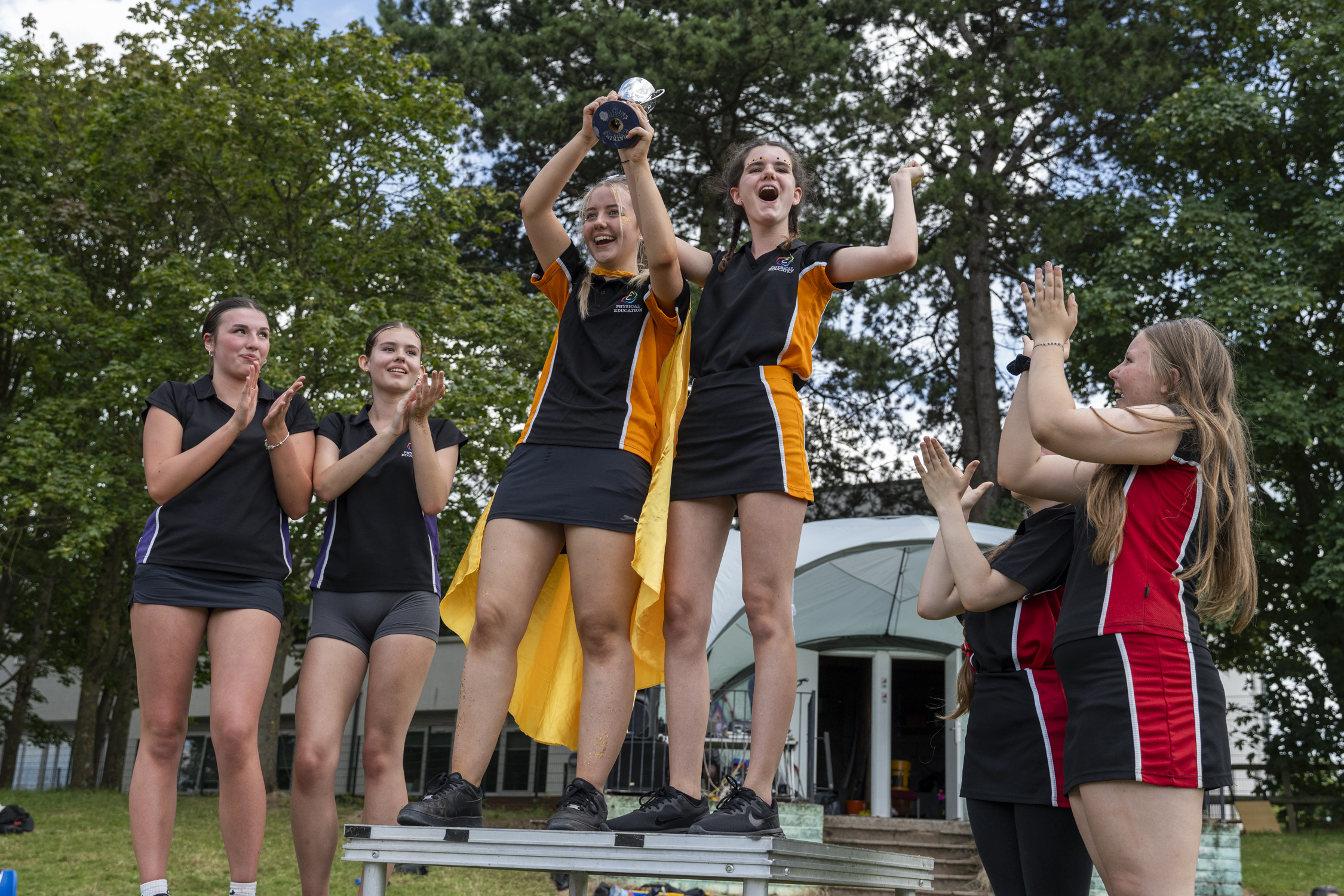
Then we were into the final stretch of the year, with a hard-fought Sports Day (congratulations Hanover!) and an even harder-fought House Cup (congratulations Tudor!)
Later in term 1, I was reflecting on continuity through change as I looked back on the history of the school, what has changed and what remains the same. I also gave information about the Votes for Schools programme we are using, and backed up my Headteacher’s update letter with a post giving information about our curriculum – including the wider personal development programme beyond the curriculum.
And so we come right up to date, with last week’s blog post: my annual summary of books I have read this year! We are all looking forward to Christmas, and next week’s final blog post of the year will be a look inside our end of term celebrations with the traditional sixth form fancy dress parade, the eagerly-anticipated Headteacher’s quiz, and much, much more as we see the year out in style!
Thank you for visiting and reading the Headteacher’s blog this year – here’s to another bumper year in 2025!
Remembrance Sunday is an important annual event in the nation’s calendar. We remember people from the past and the present whose service and sacrifice keeps us safe.
We have been remembering the British Armed Forces and their Commonwealth allies for hundreds of years. In 1921 the Royal British Legion was formed, and they became the leaders of UK Remembrance. Over 100 years later, the RBL and many other charities, groups and individuals remember the service of the Armed Forces in lots of different ways.
Since 1914, our Armed Forces have served in conflicts such as the First and Second World Wars, the Korean War and the wars in Afghanistan and Iraq. They have also provided support and aid during humanitarian emergencies like natural disasters, civil conflicts and the Covid-19 pandemic.
Remembrance is also about those the emergency and civilian services – our doctors, police officers, paramedics, firefighters and charity workers who serve to keep as safe at home in our communities. These people do difficult and dangerous jobs, sometimes risking their own safety, spending time away from their friends and families – all to keep us safe.
I am proud to wear a poppy each November to symbolise my own act of remembrance. During the silence on 11th November I will be thinking about all those people who served – and continue to serve – to keep us safe and preserve our freedom and liberty.
We will be marking remembrance on Monday 11th November with a two minute silence at the end of period 2. Cadets, Scouts and Guides are permitted, if they wish, to wear their uniforms in place of Academy uniform on remembrance day.
This week we have held our Sixth Form Open Evening, inviting Year 11 students and their families from Churchill and further afield to think about their post-16 destinations. I am really proud of our Sixth Form, which balances the importance of academic study with pastoral care and guidance, personal development and independence, and a rich wider curriculum to broaden and deepen students’ knowledge, skills, character and confidence. We really believe that Sixth Form is more than just the courses you study; it’s the whole experience of a Sixth Form that makes it special.
I have always taught in 11-18 schools which have a Sixth Form attached to them. There is something about the presence of the Year 12 and 13 students in the school community that creates a tangible sense of destination and aspiration for our younger students: the Sixth Formers are positive role models and student leaders. And, for the Sixth Formers themselves, there is that sense of the familiar but also the distinctly different that provides a natural extension of their 11-16 education in a school, but seen through a new lens.
There is also the added incentive for teachers of being able to teach up to A-level. The depth, breadth and challenge of the additional subject knowledge required to teach at advanced level brings additional subject expertise to the faculty. I have always found that this strengthens the teaching in the main school, as teachers know and teach the next steps beyond GCSE, enabling further stretch and challenge. And, for many staff, the opportunity to teach post-16 students alongside the main school curriculum is a great incentive to work at an 11-18 school.
In short, the Sixth Form is the jewel in the crown of our Academy’s offer. You can hear more from our students in the video above, and you can find out more on the Academy website. We look forward to hearing from you!
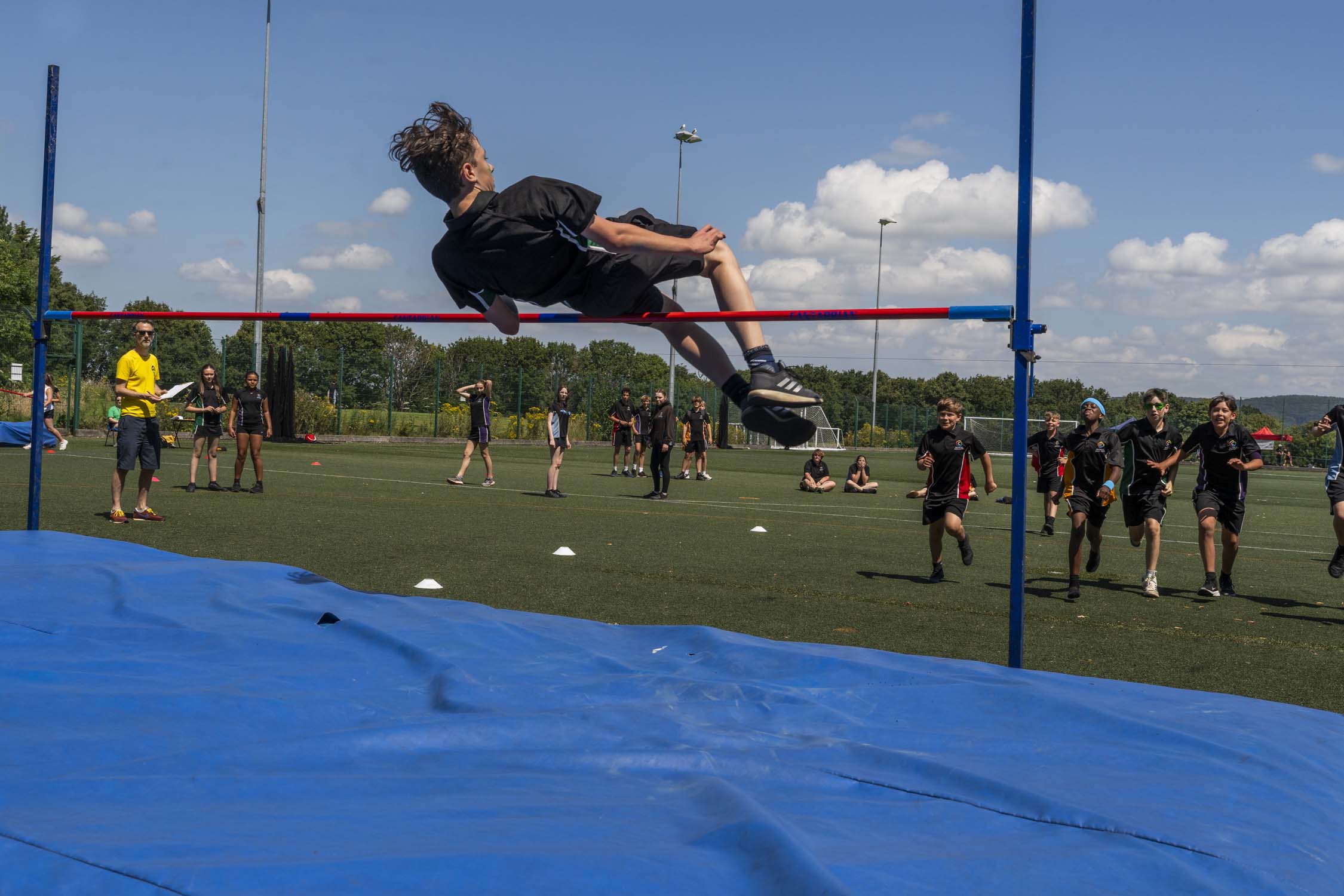
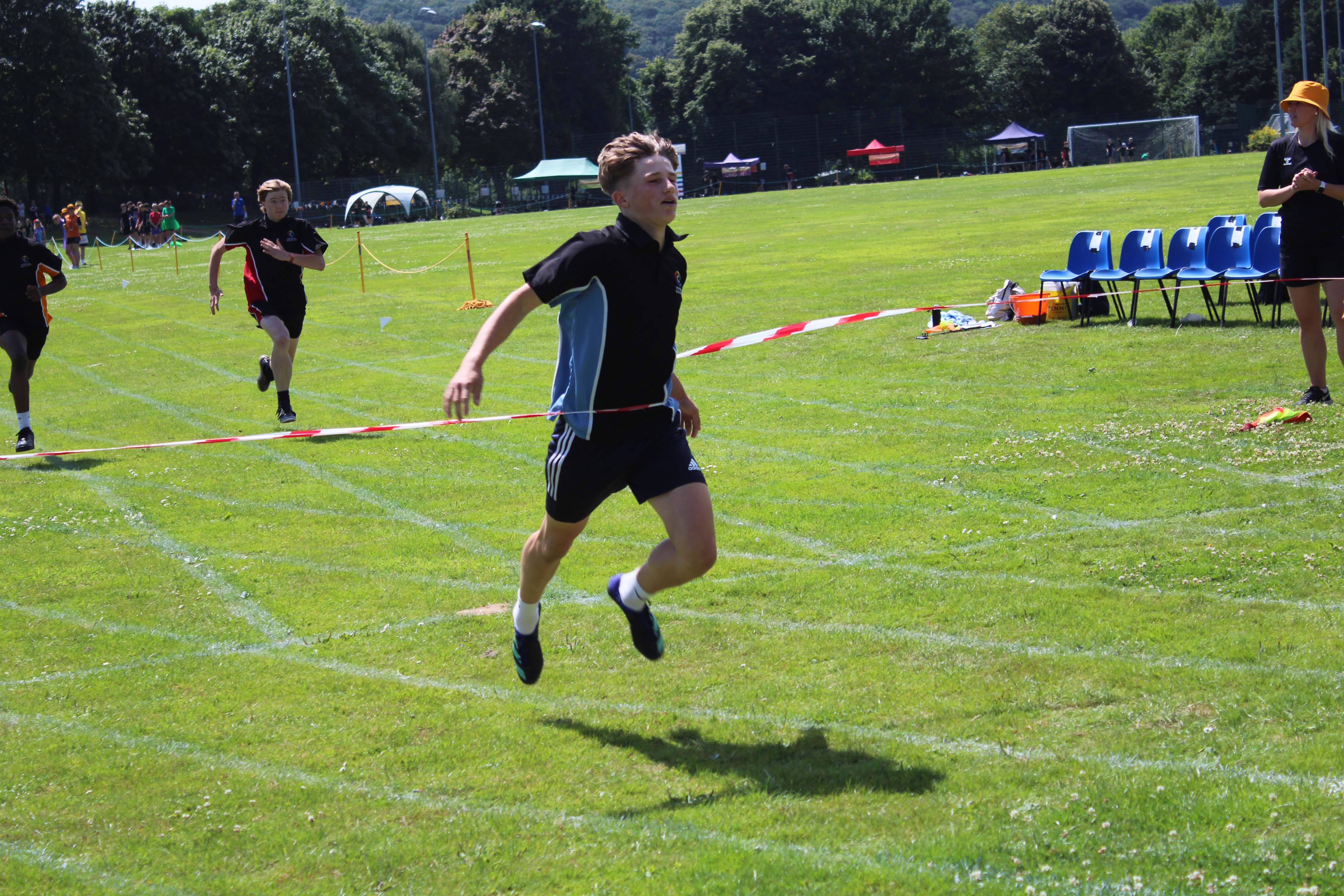
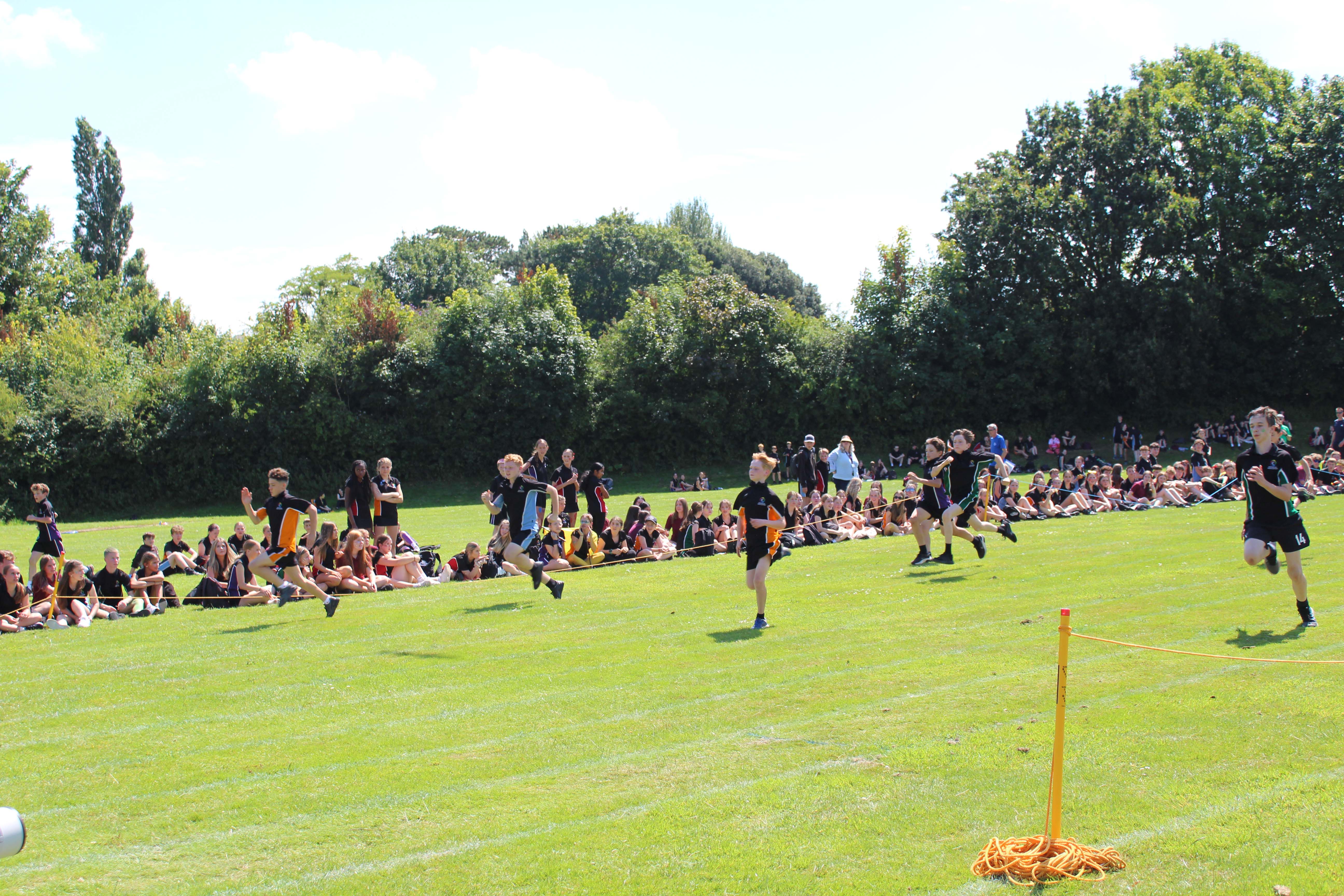
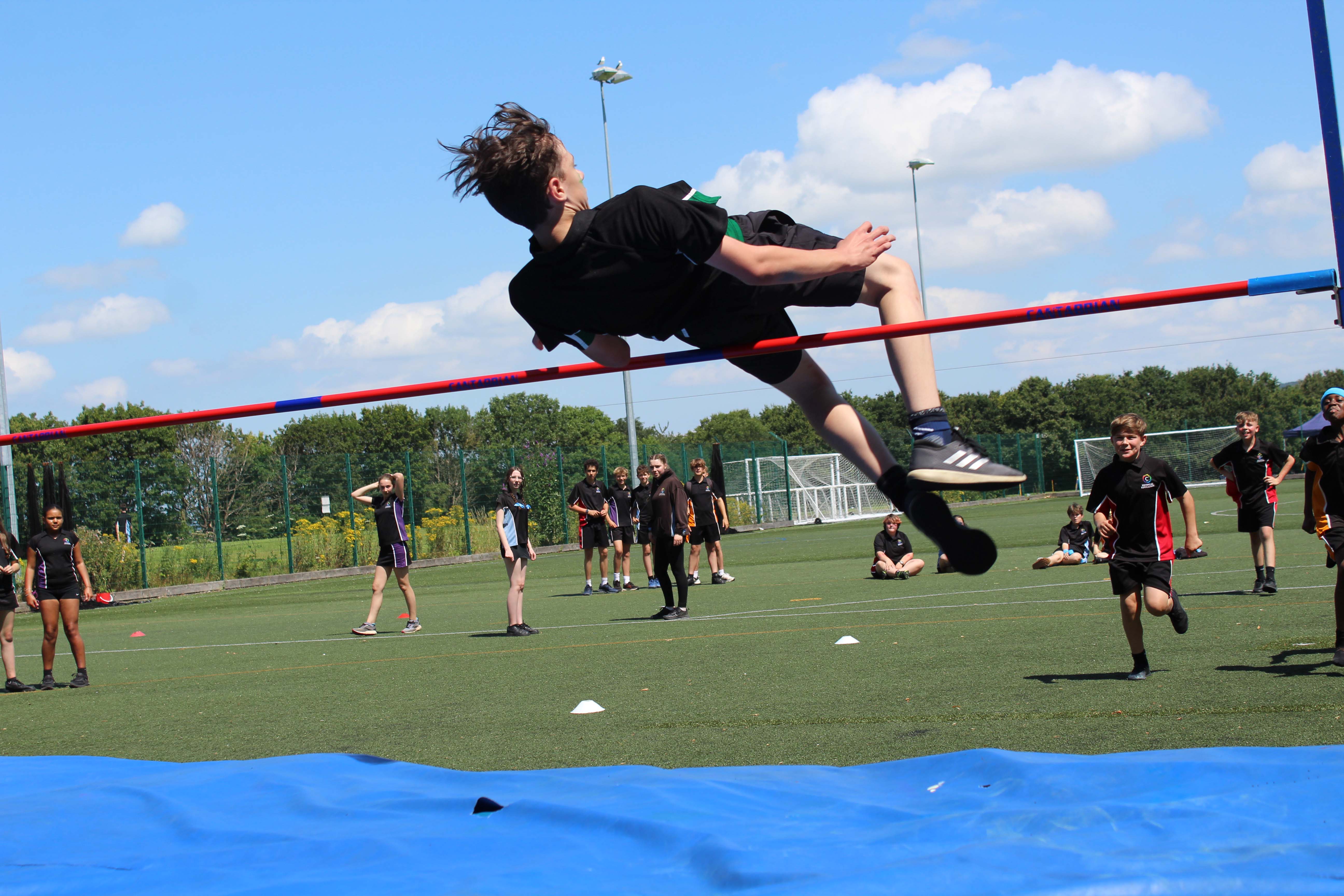
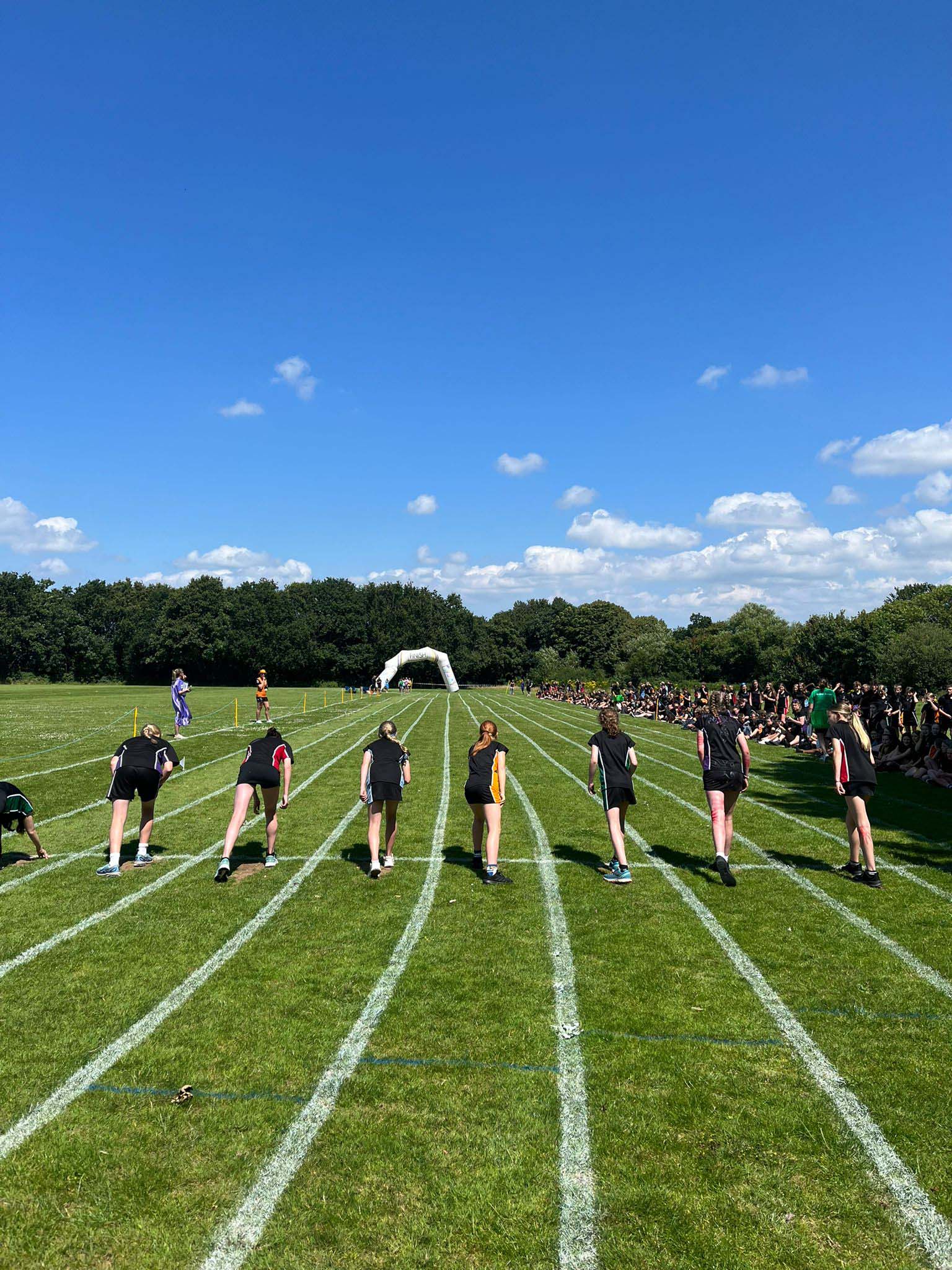
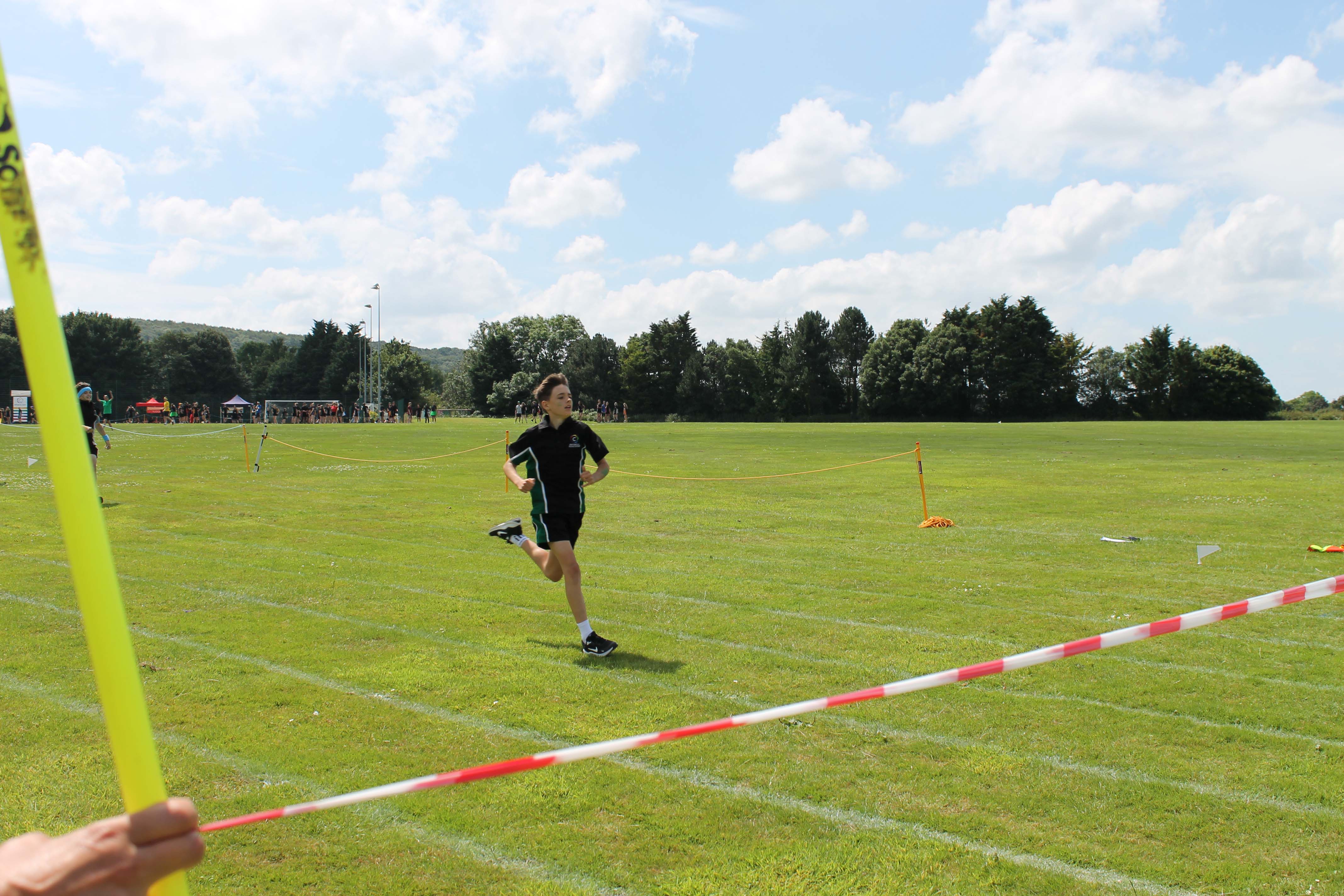
What a way to end the term! The sun shone on our postponed Sports Day on Thursday, with records tumbling and house pride in full effect. Three school records fell:
Isaac Roper took the Year 7 boys’ high jump record with a height of 1m50cm
Gabriel Kordys took the Year 9 boys’ 100m record in a time of 11.51, beating a record which had stood since 1999 (11.74, set by B Handy, also of Stuart House)
Olive Leaney took the Year 9 girls’ 800m record
The full list is below:
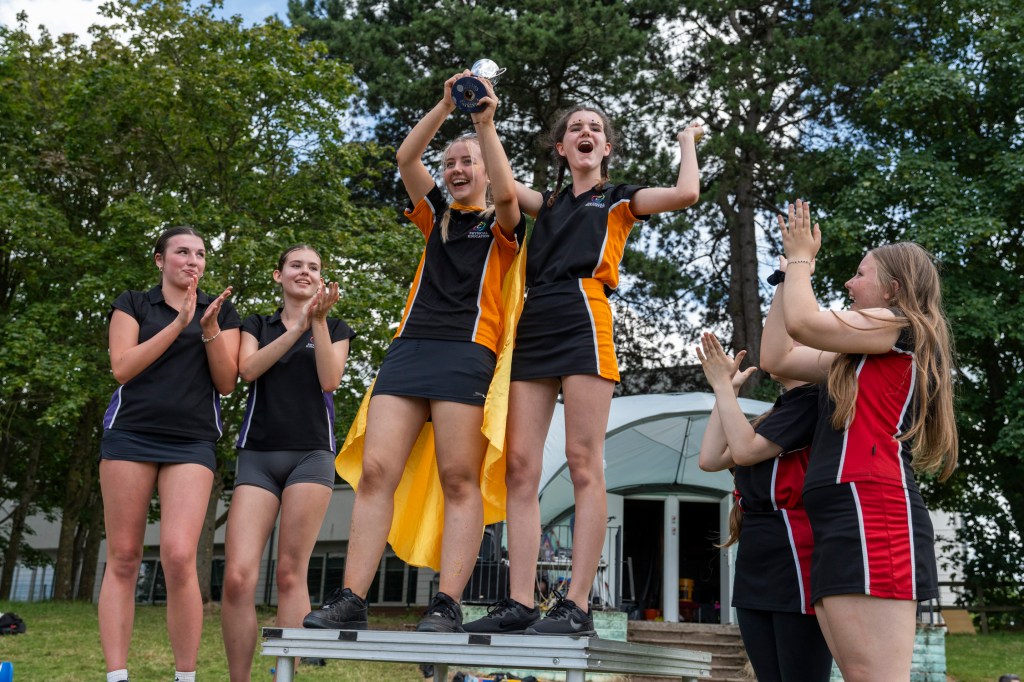
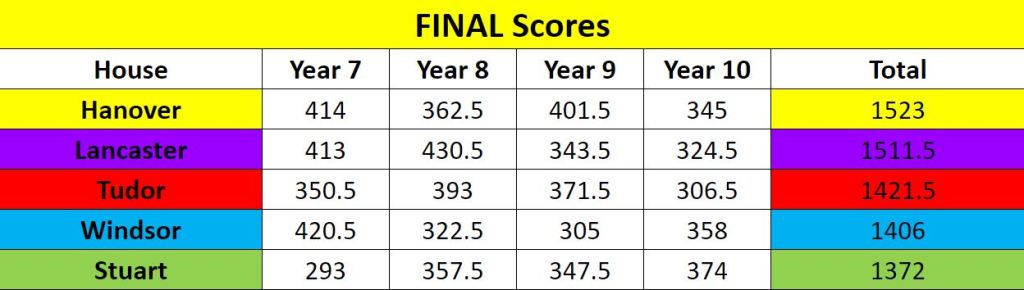
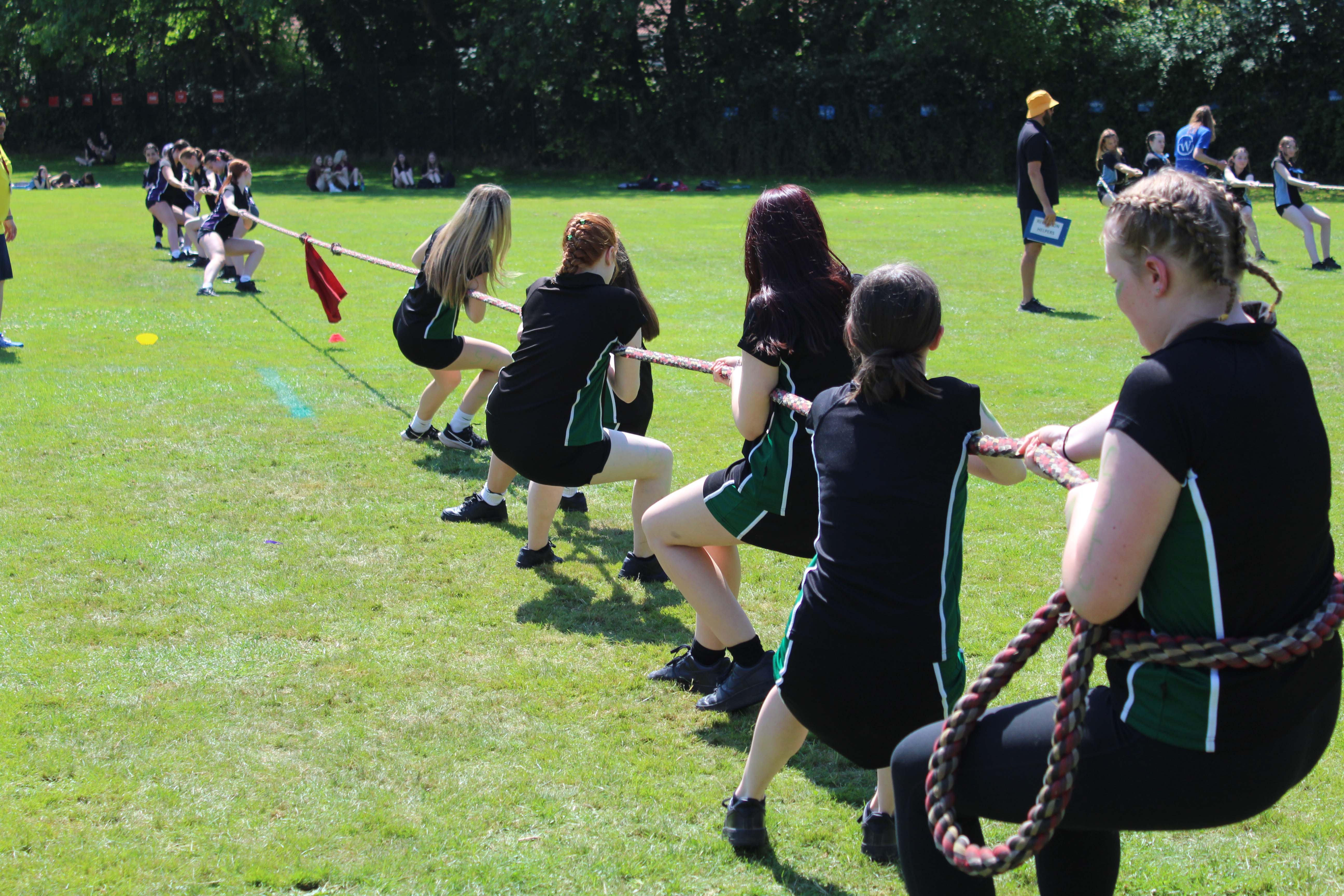
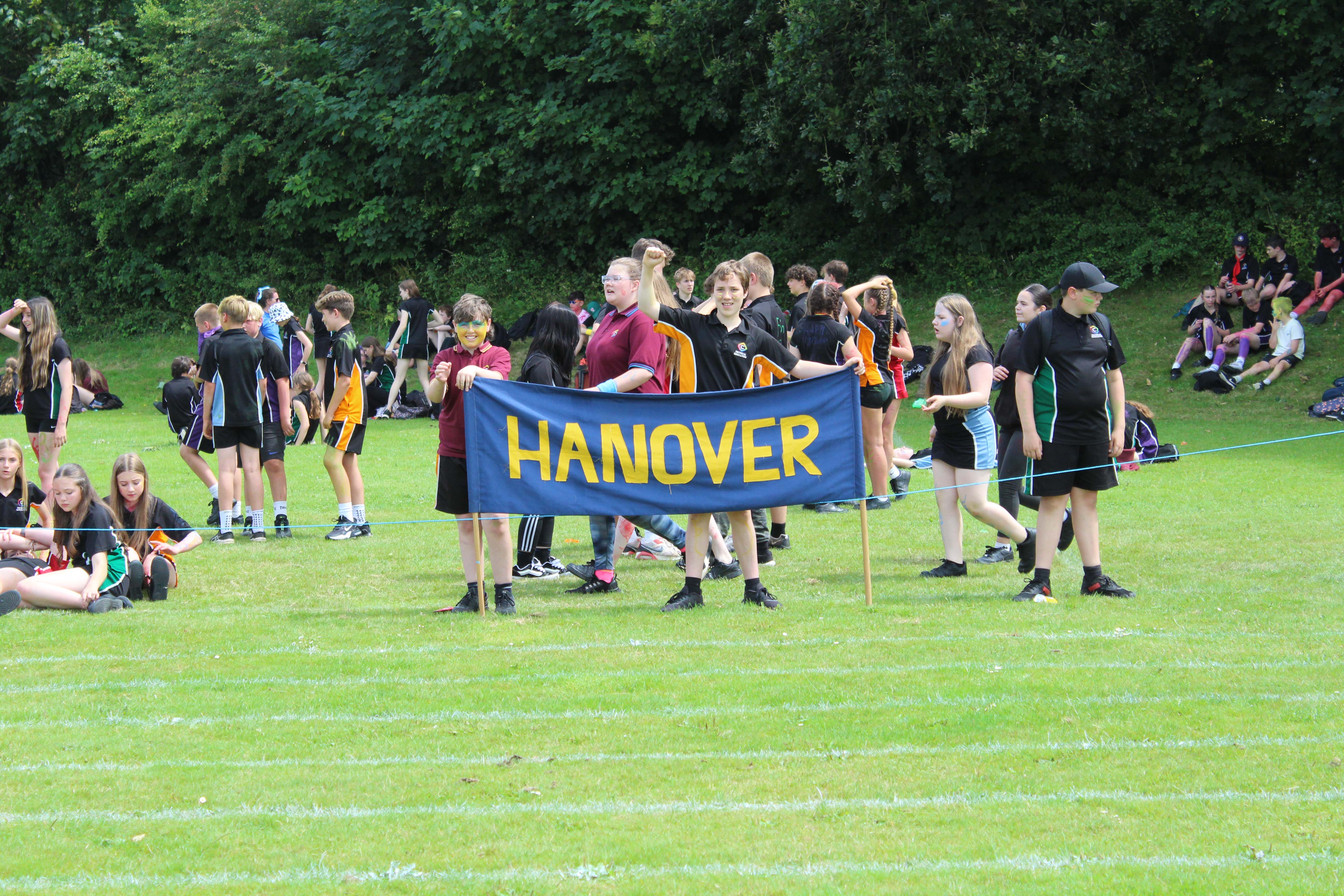
To accompany the record-breaking, it was HANOVER HOUSE who triumphed, retaining the Tug of War Trophy and lifting the Sports Day Cup for the first time since 2010!
It was a close-run thing though, with 2023 winners Lancaster pushing all the way, and Tudor making a late surge in the afternoon events. The final results were as follows:
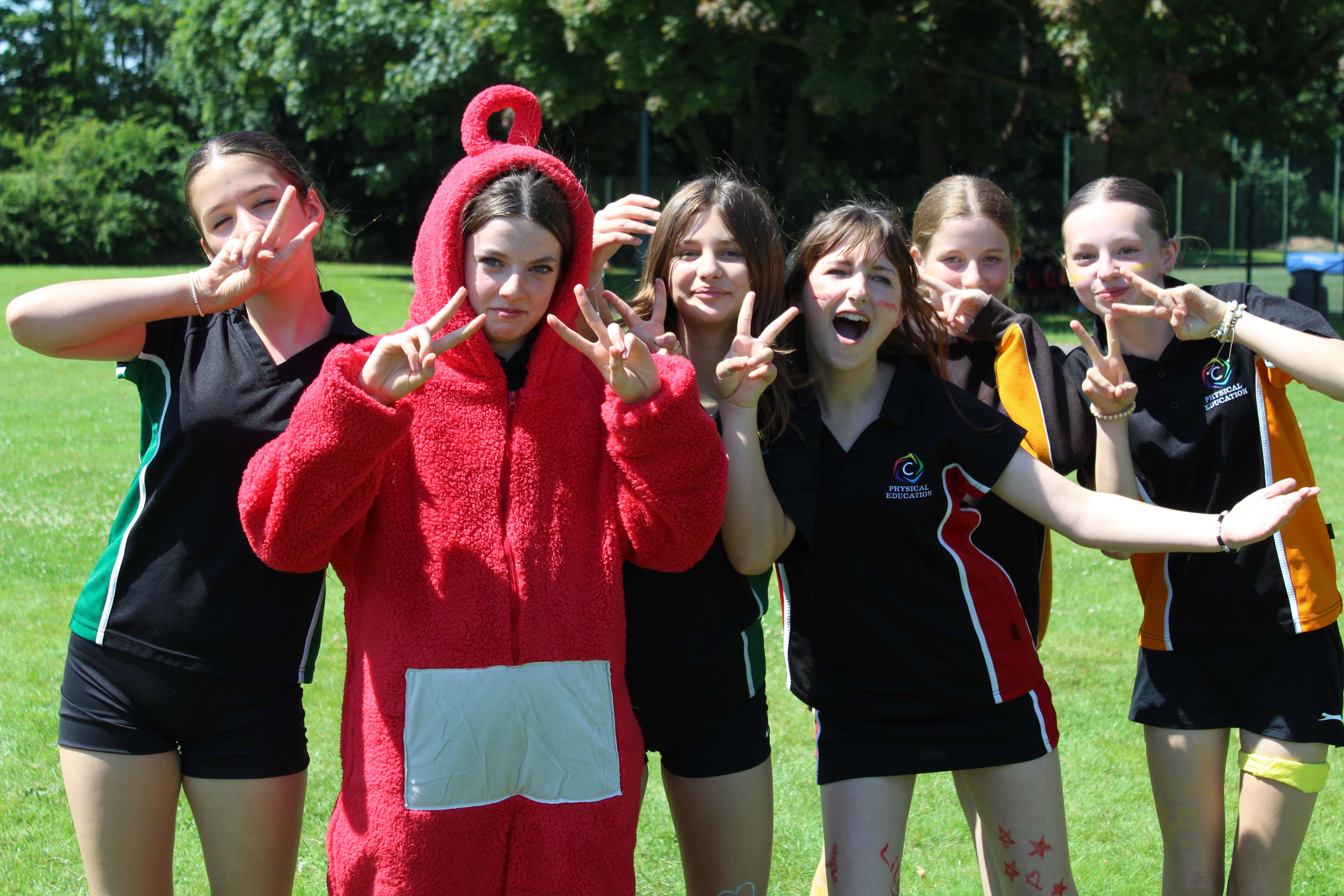
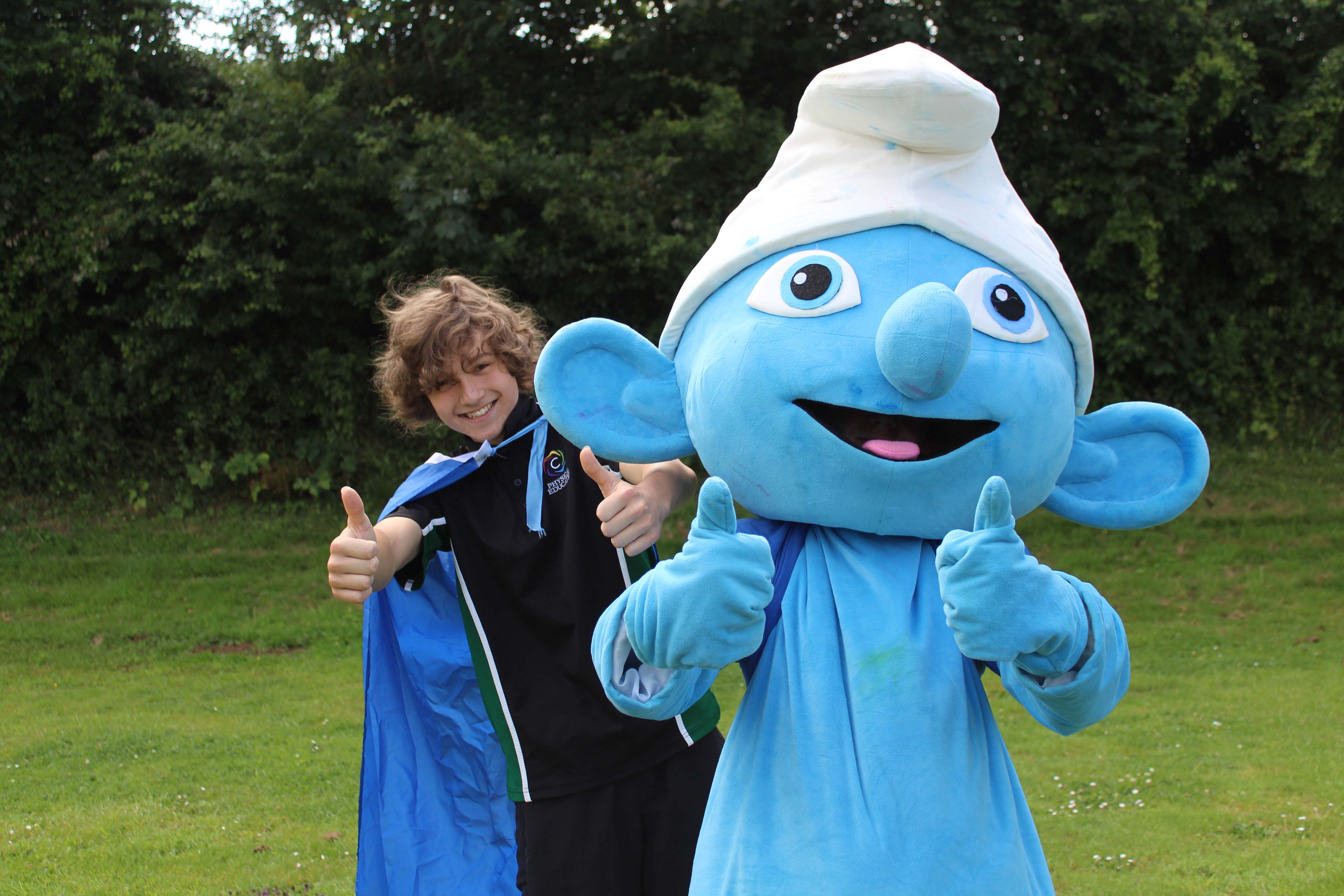
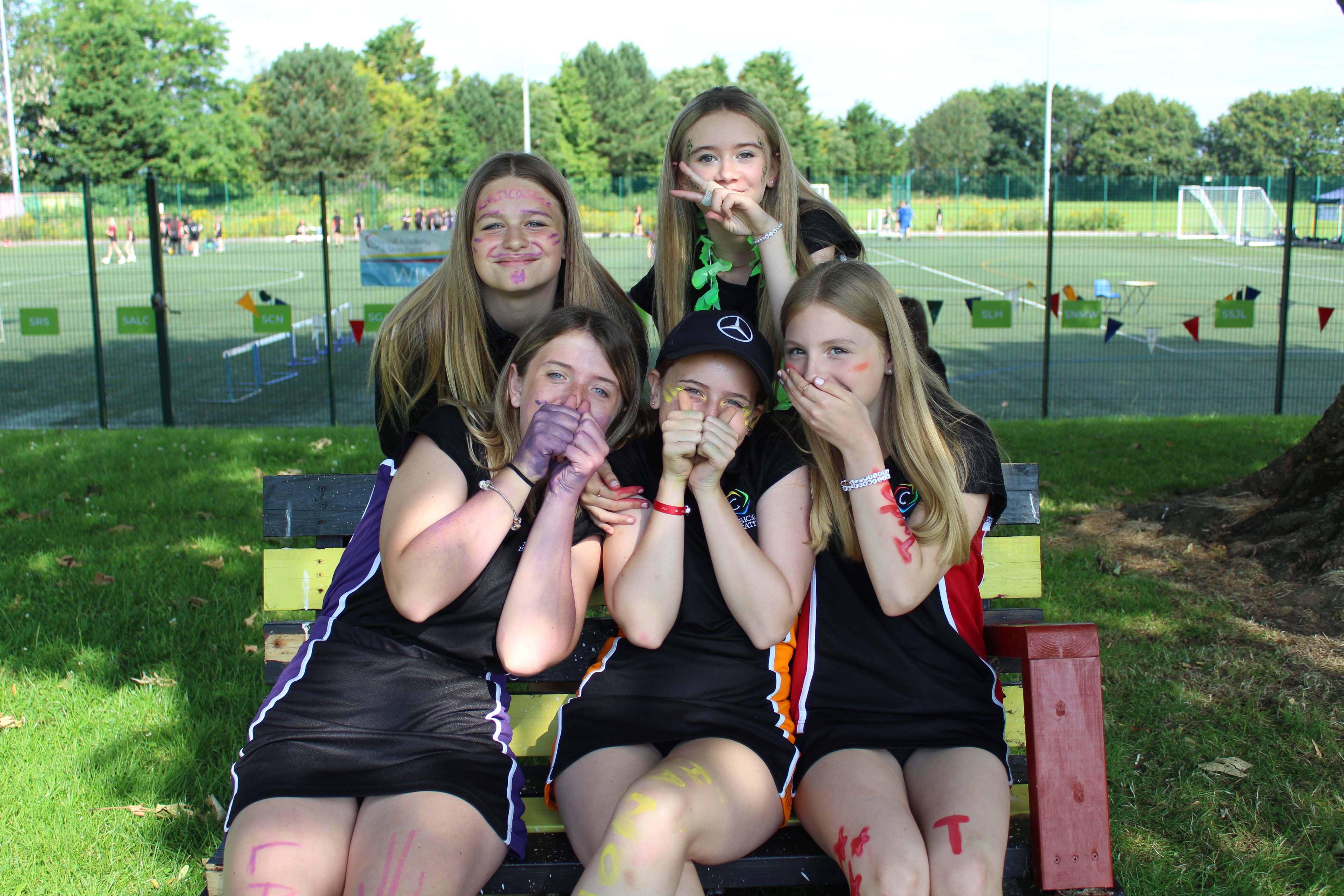
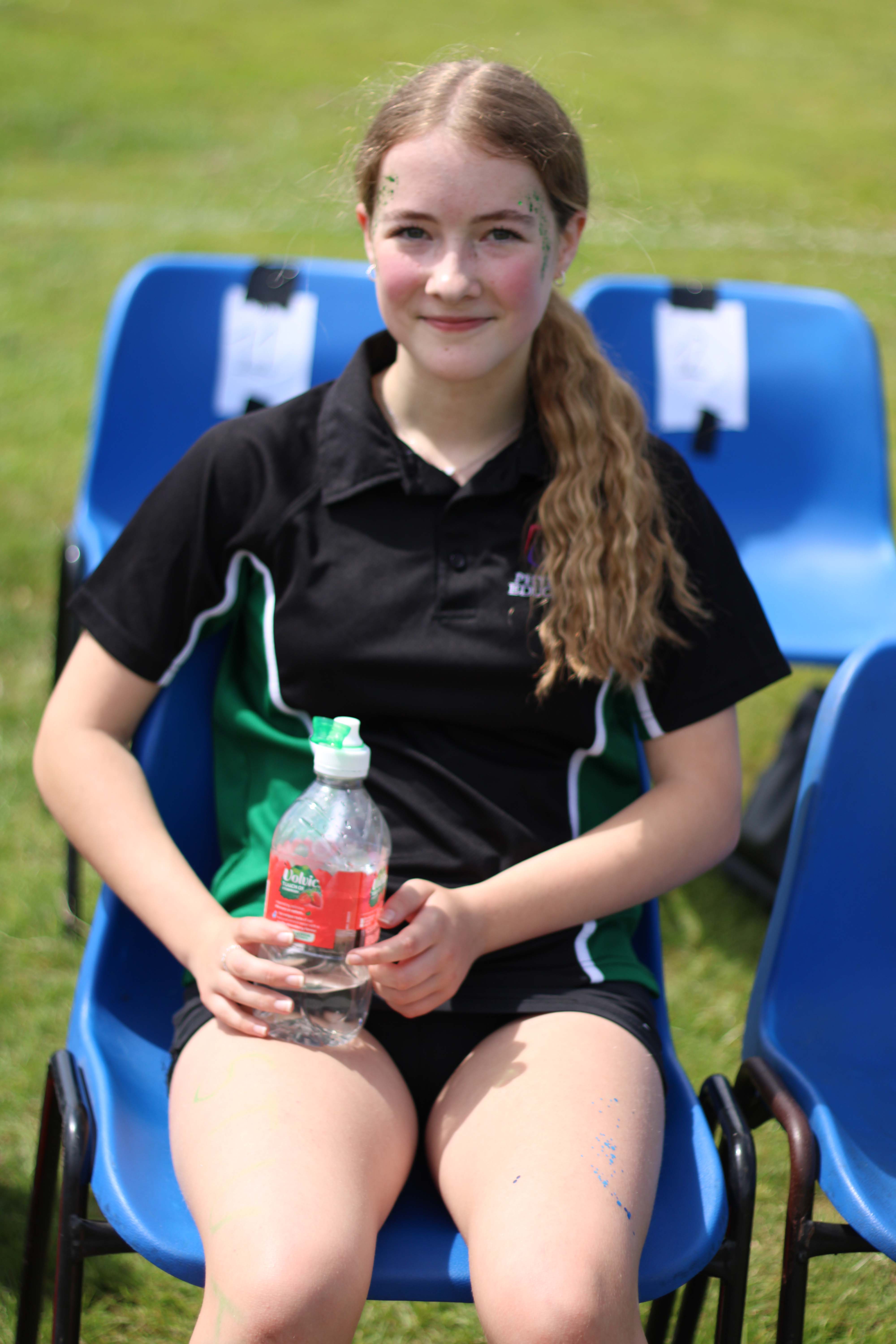
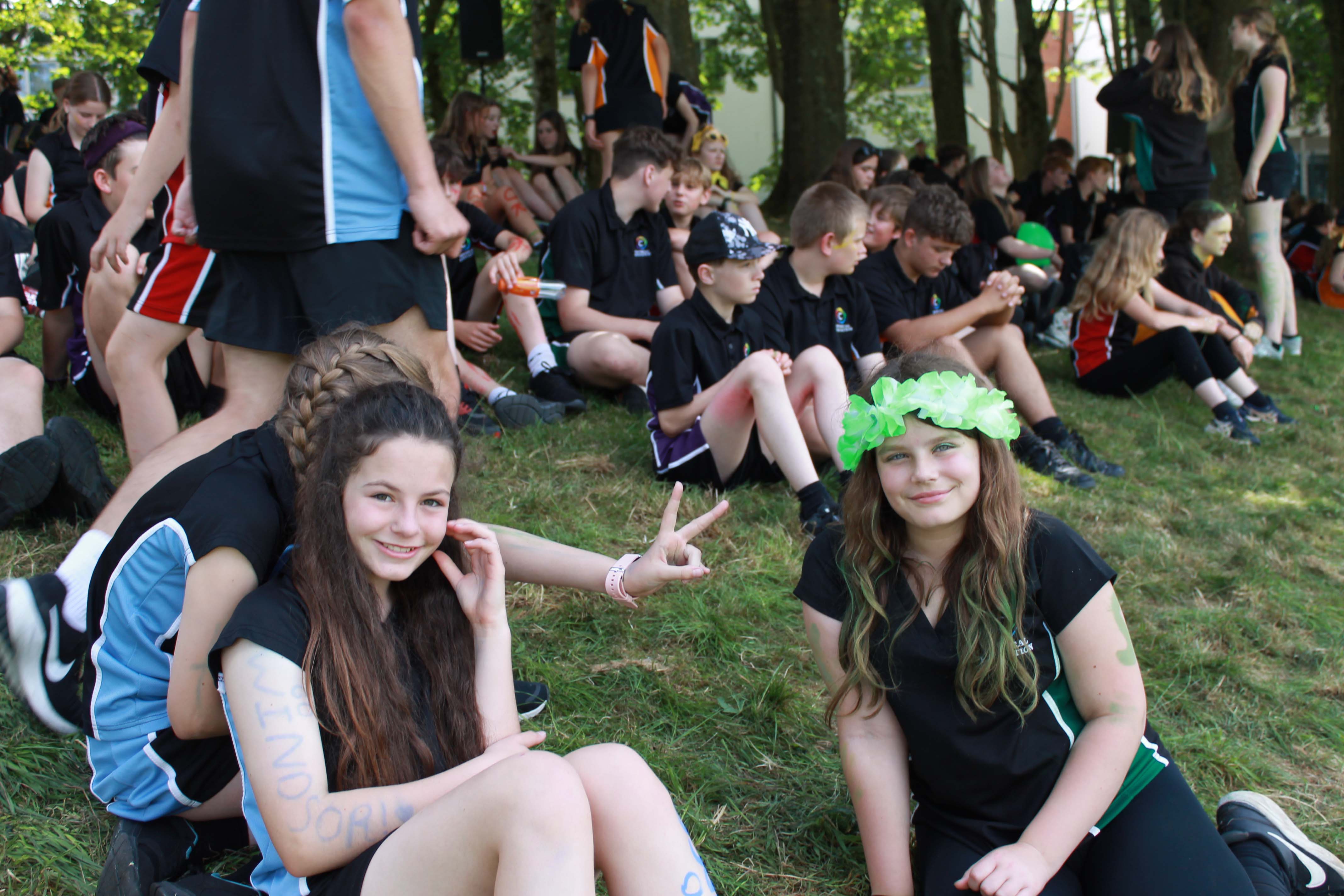
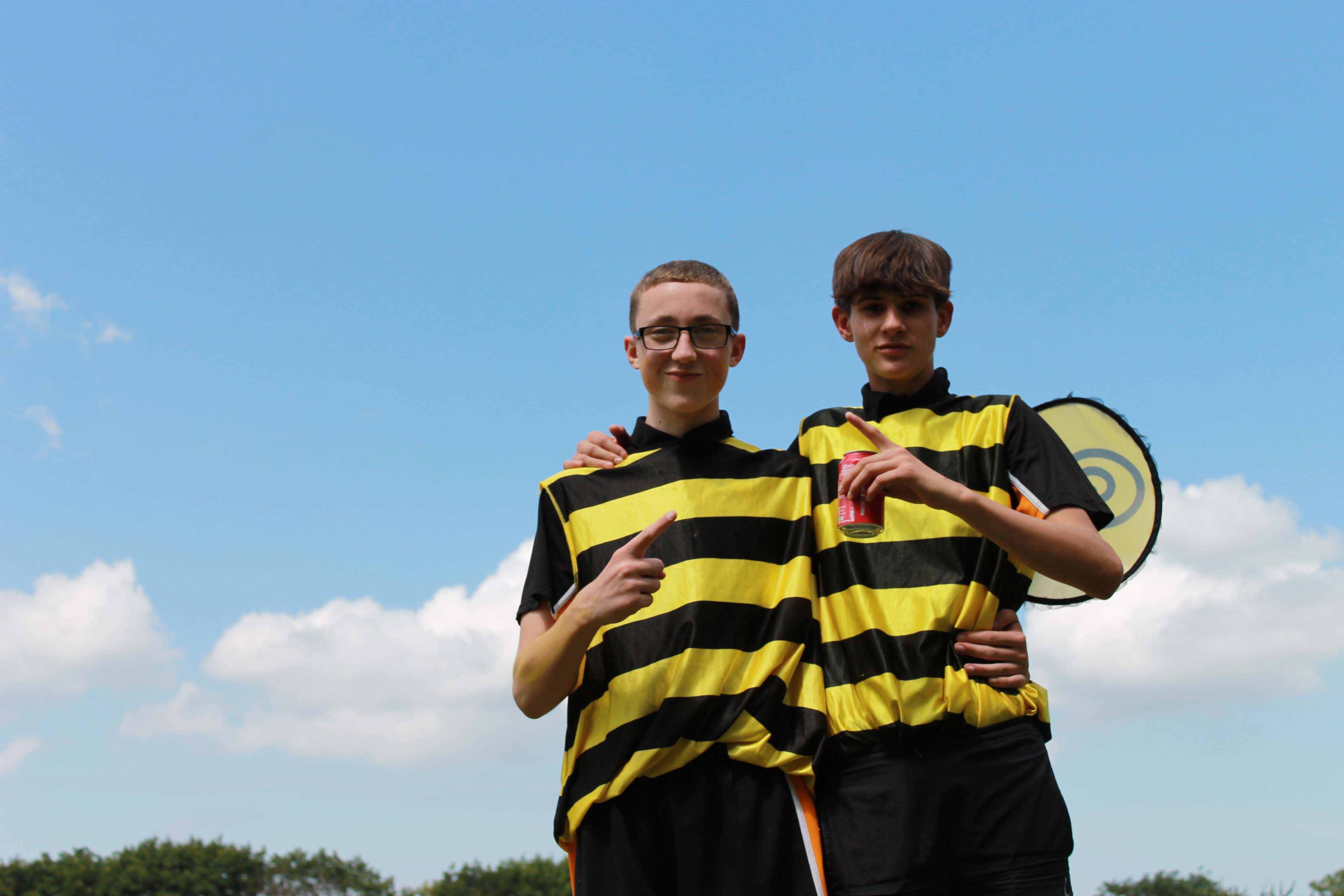
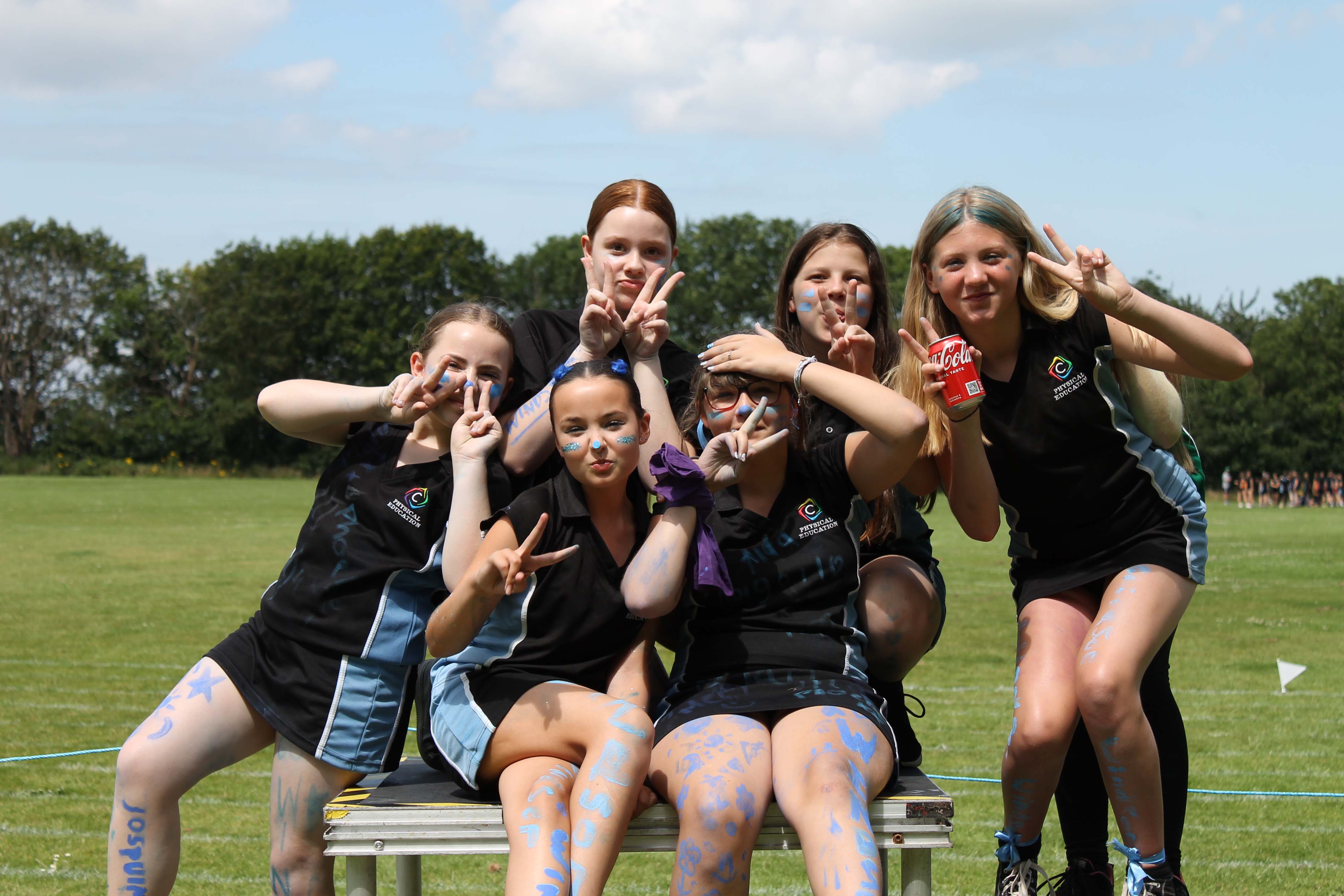
You can read the Sports Day newspaper, written and compiled by our student journalism team, online here, and below you can see some photos from a brilliant day:
The House Cup 2024
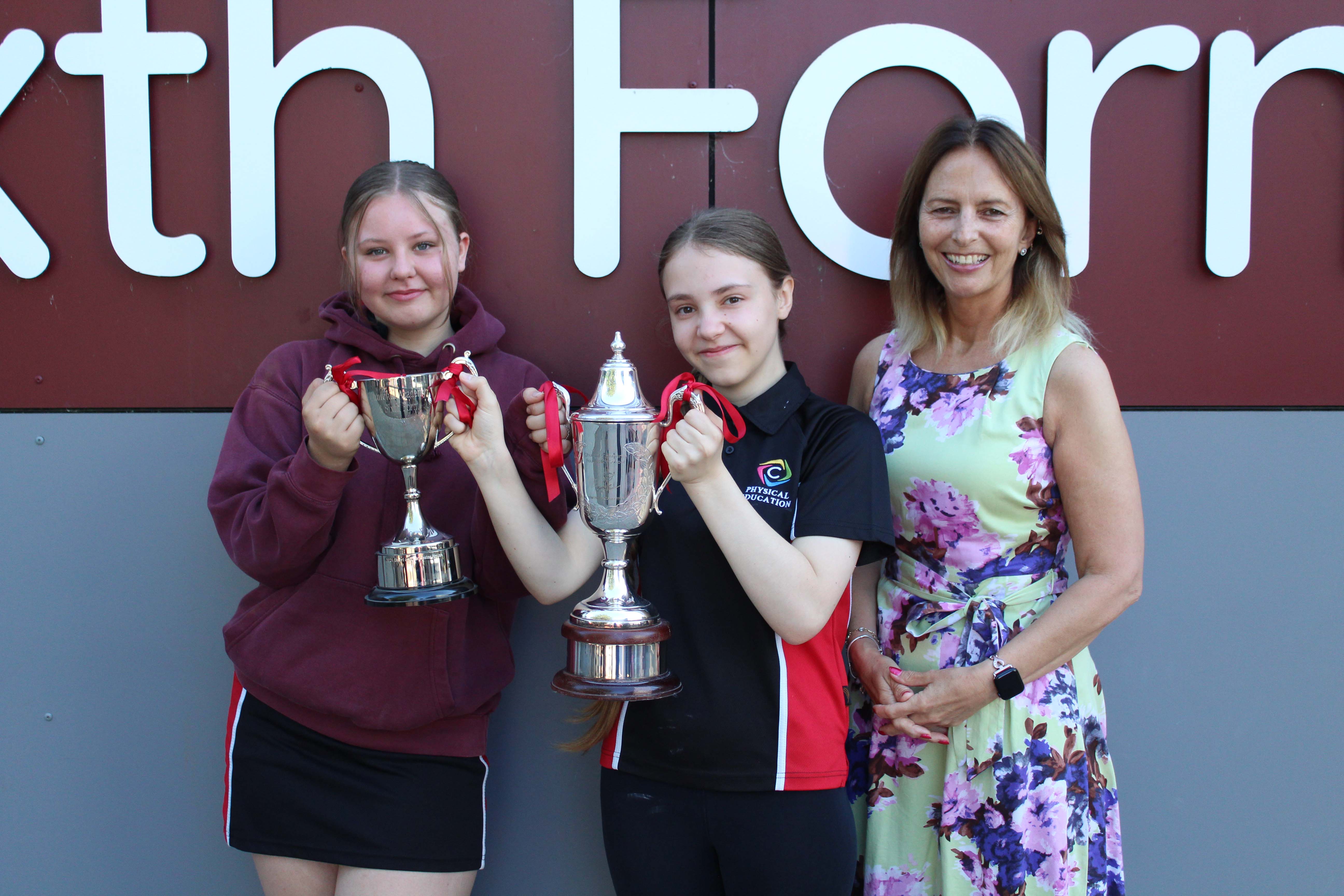
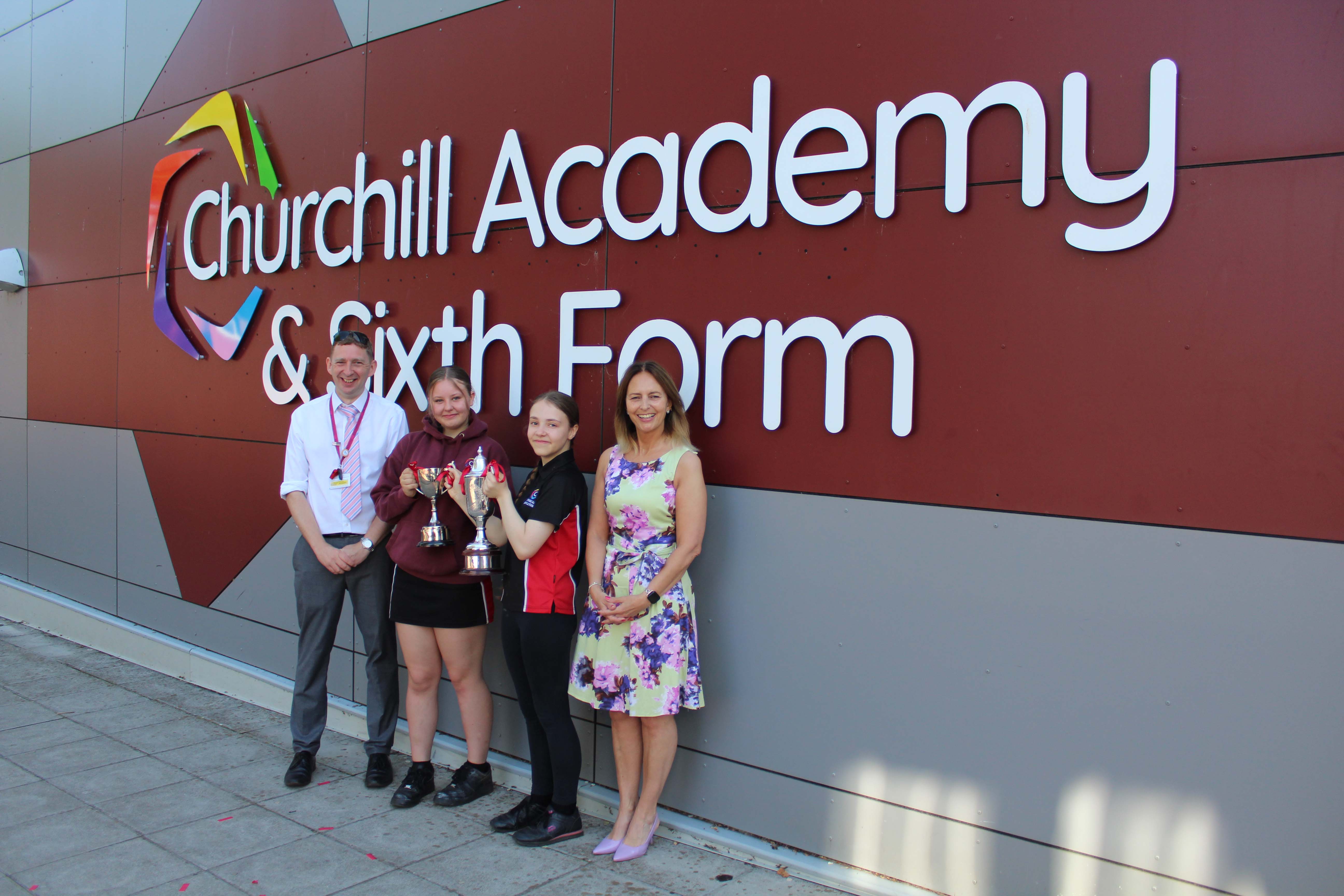
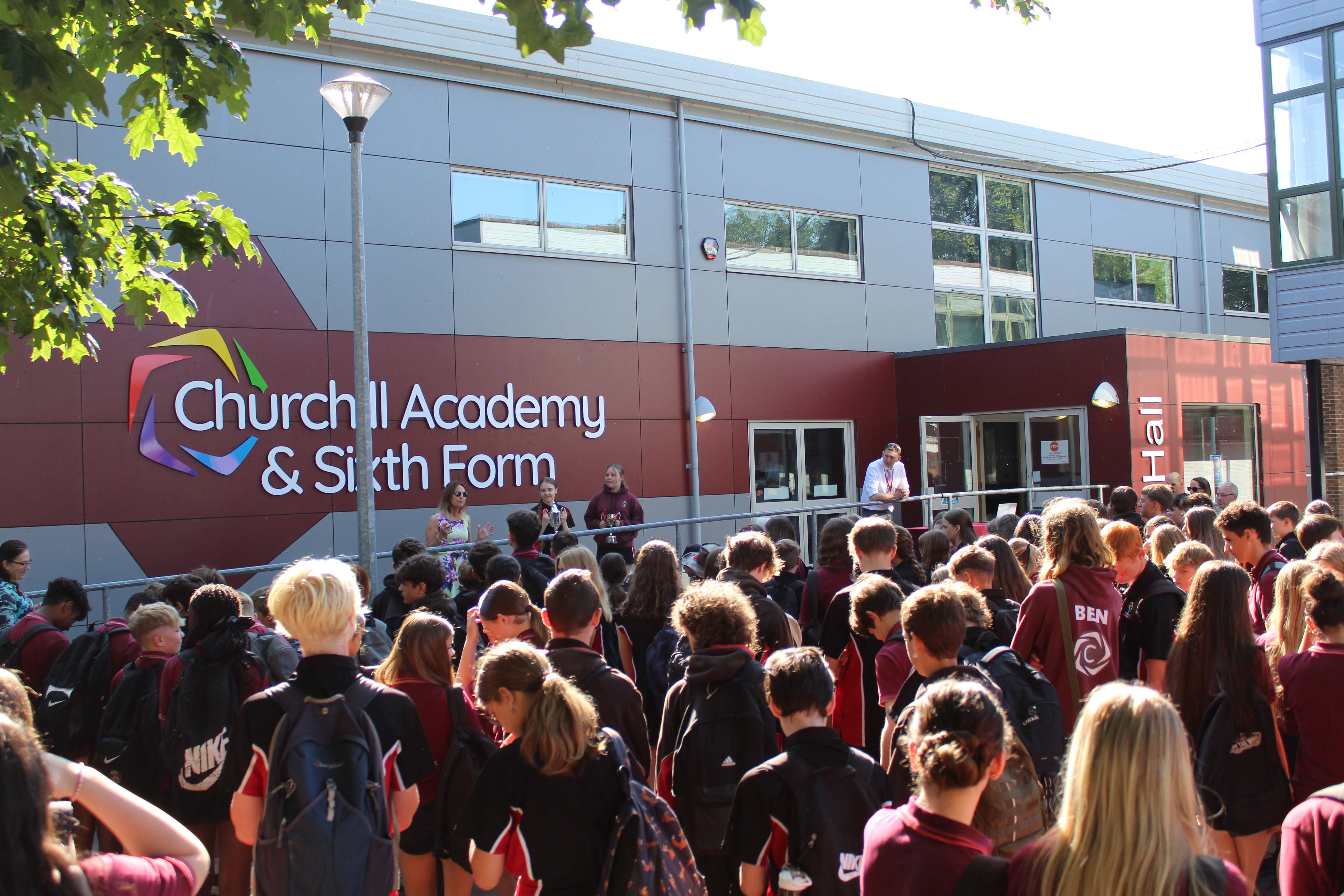
On the last day of term, we awarded the other inter-house trophies. The results were:
Head of House Challenge Cup: for inter-house competitions (2023 holders: Windsor House)
5th: Stuart House
4th: Tudor House
3rd: Hanover House
2nd: Windsor House
1st: Lancaster House
Academics Cup: for house points, attendance, academic competitions (2023 holders: Tudor House)
5th: Hanover House
4th: Windsor House
3rd: Stuart House
2nd: Lancaster House
1st: Tudor House
The House Cup: overall trophy combining everything (2023 holders: Lancaster House)
5th (214 points): Windsor House
4th (240 points):Stuart House
3rd (290 points): Hanover House
2nd (308 points): Lancaster House
1st (318 points): Tudor House
Congratulations to all the students for their tremendous efforts.
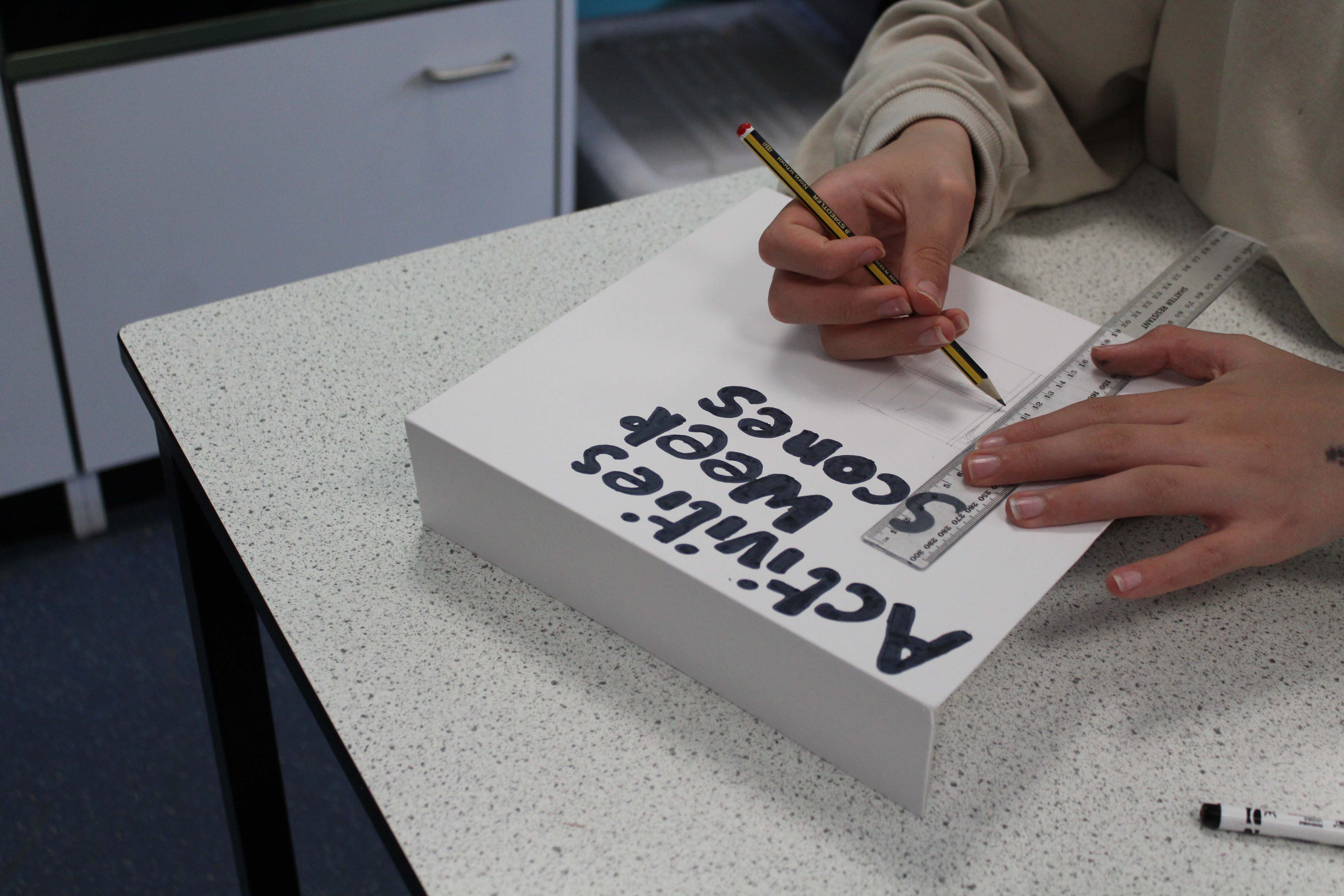
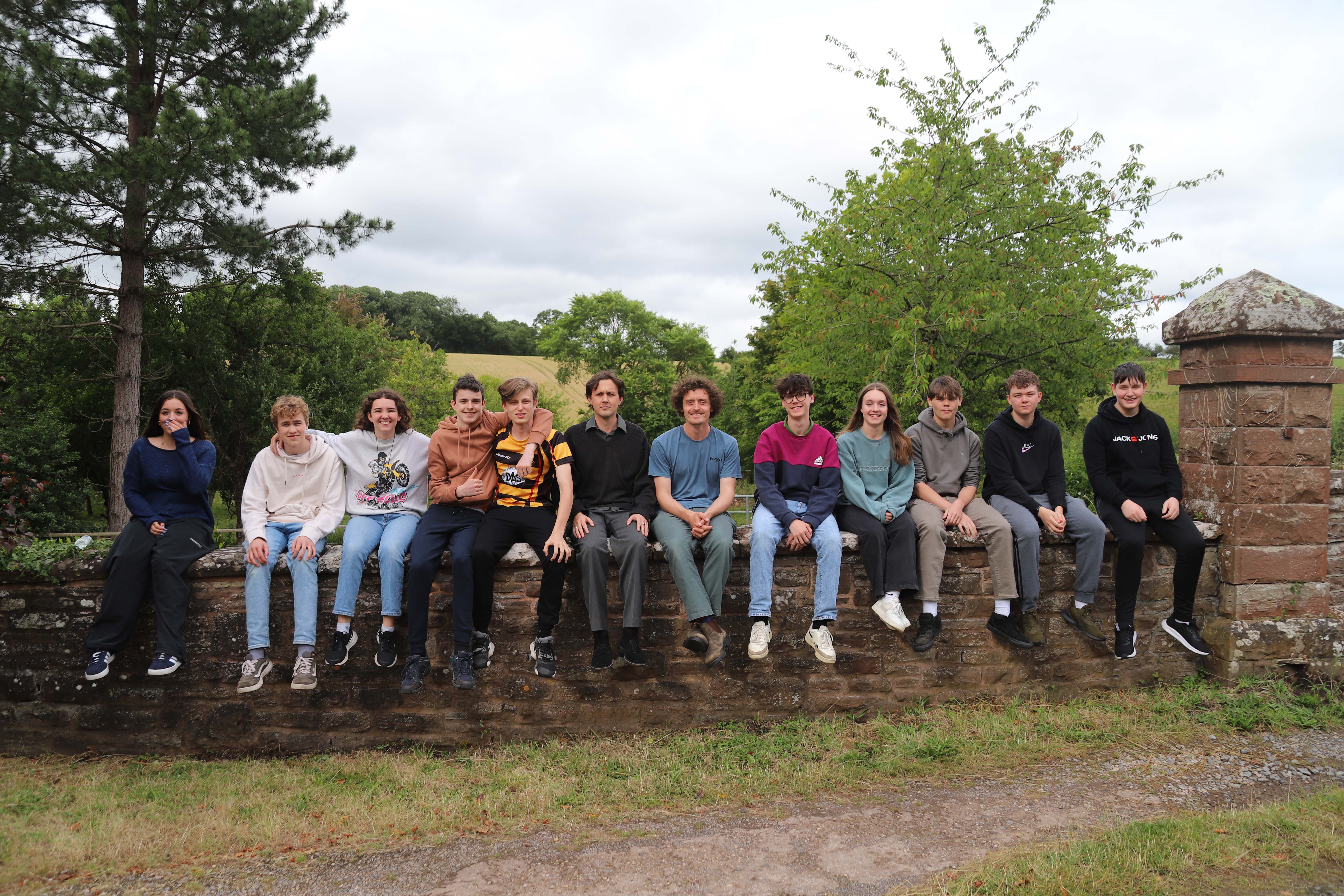
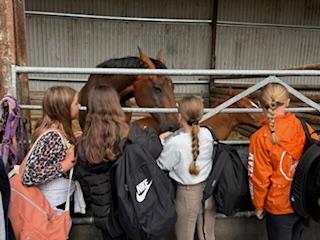
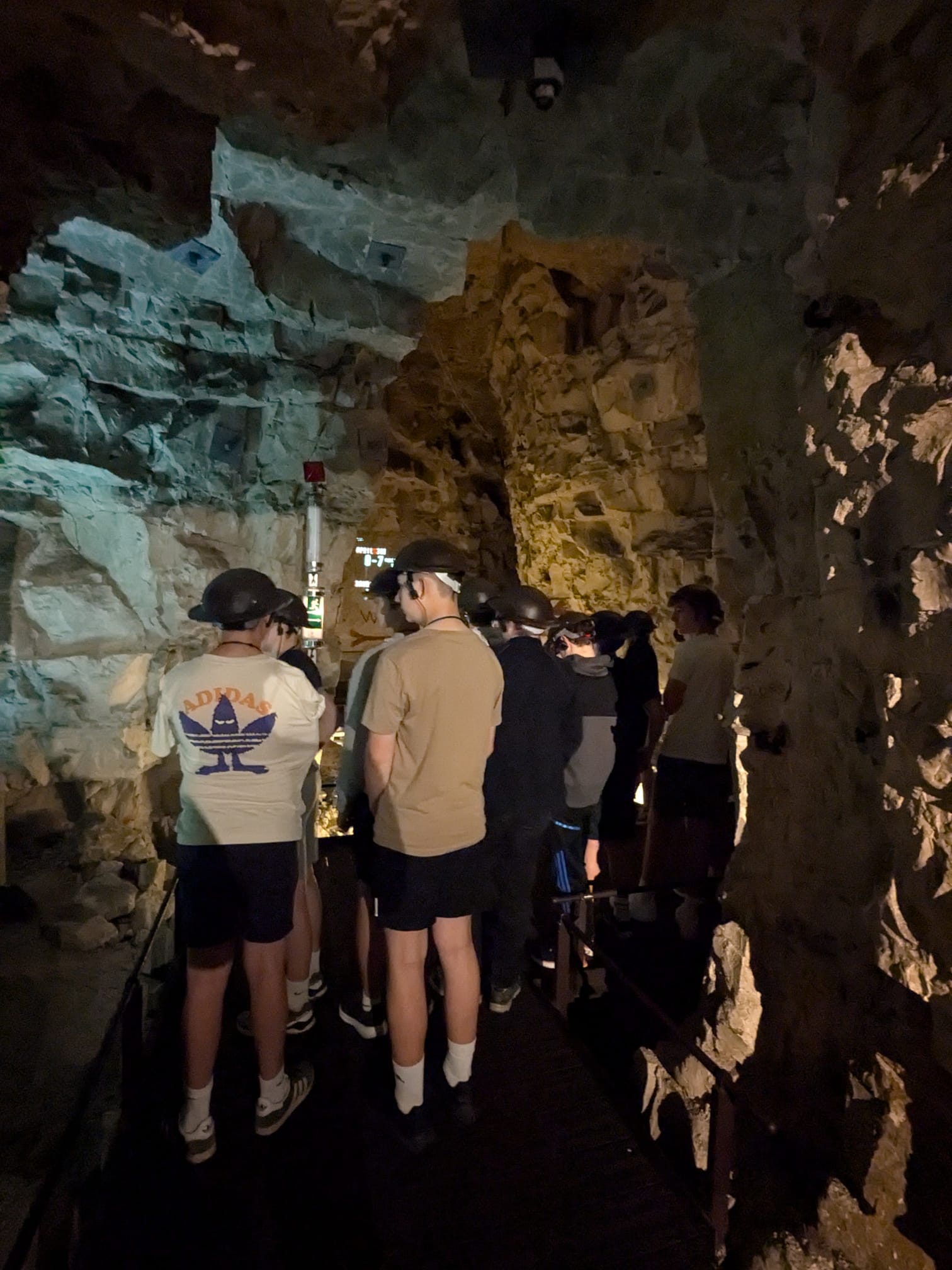
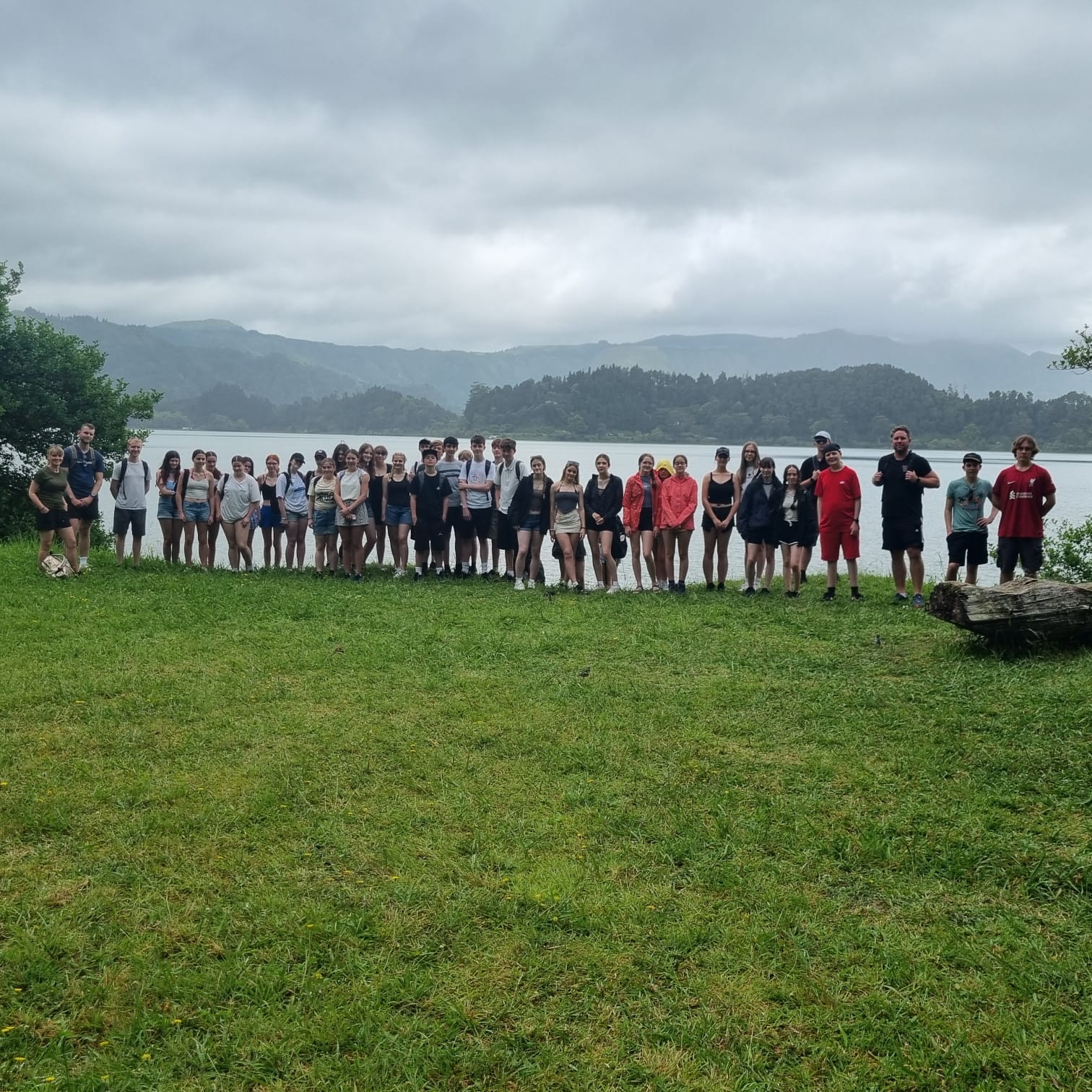
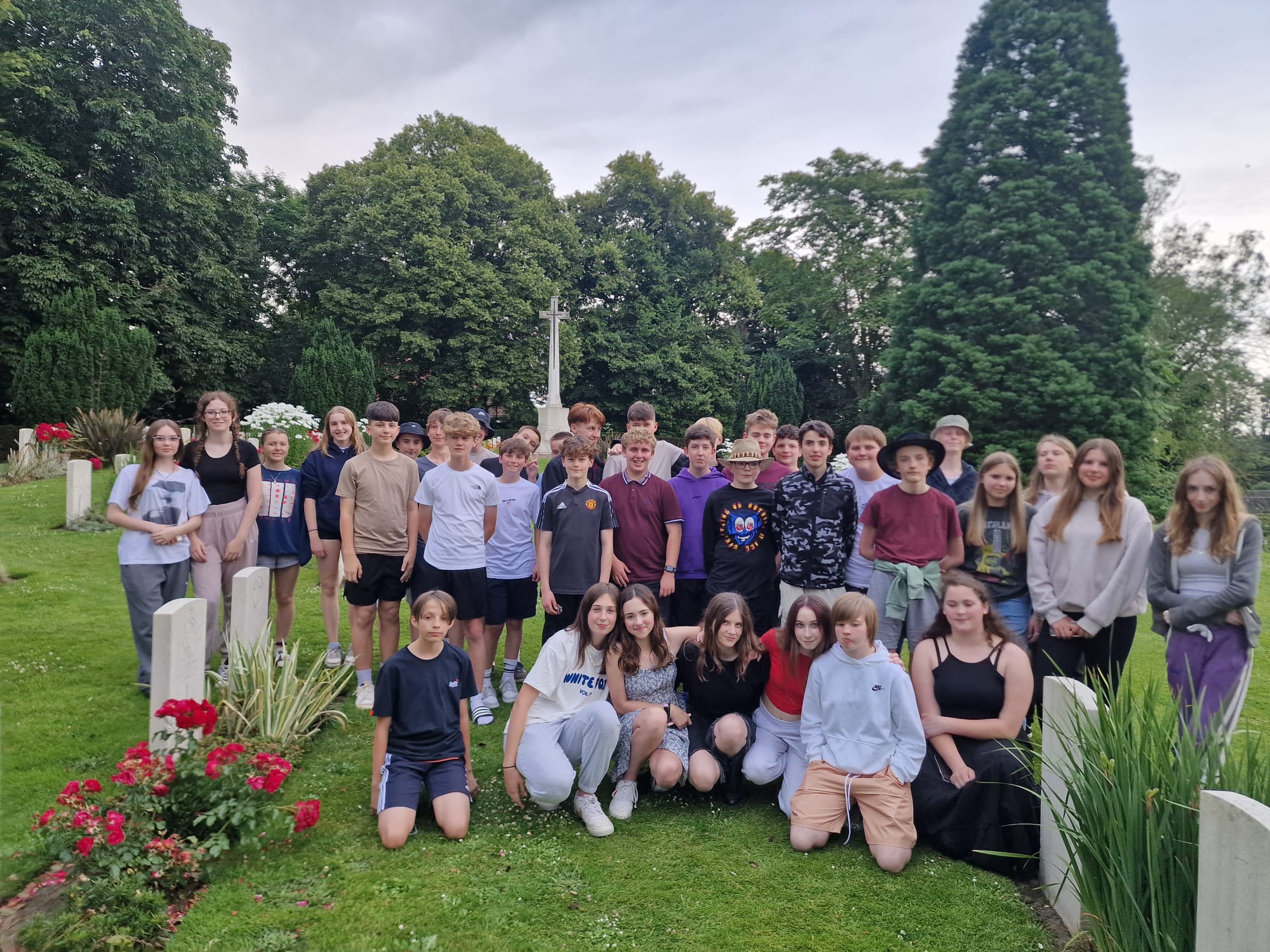
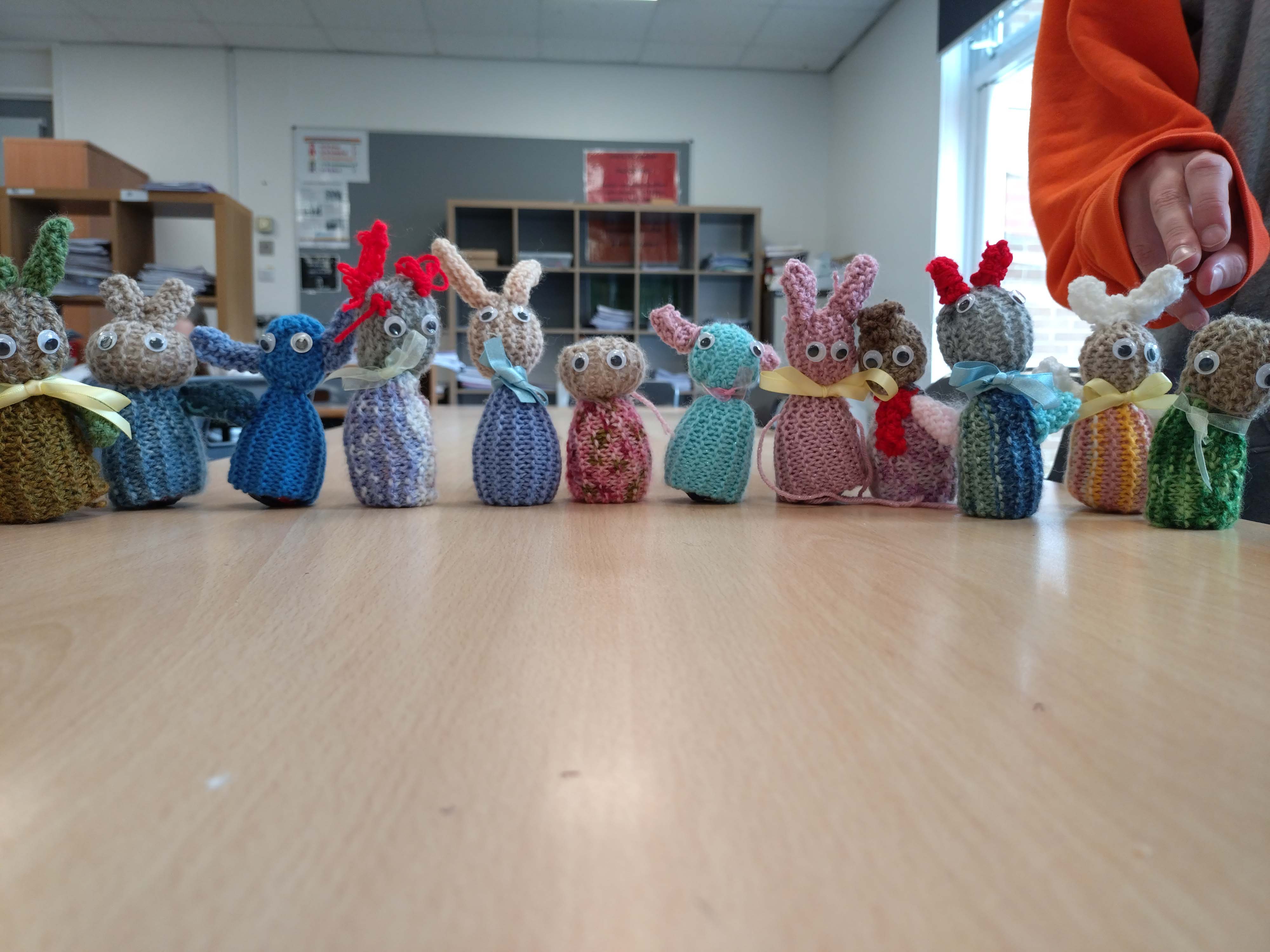
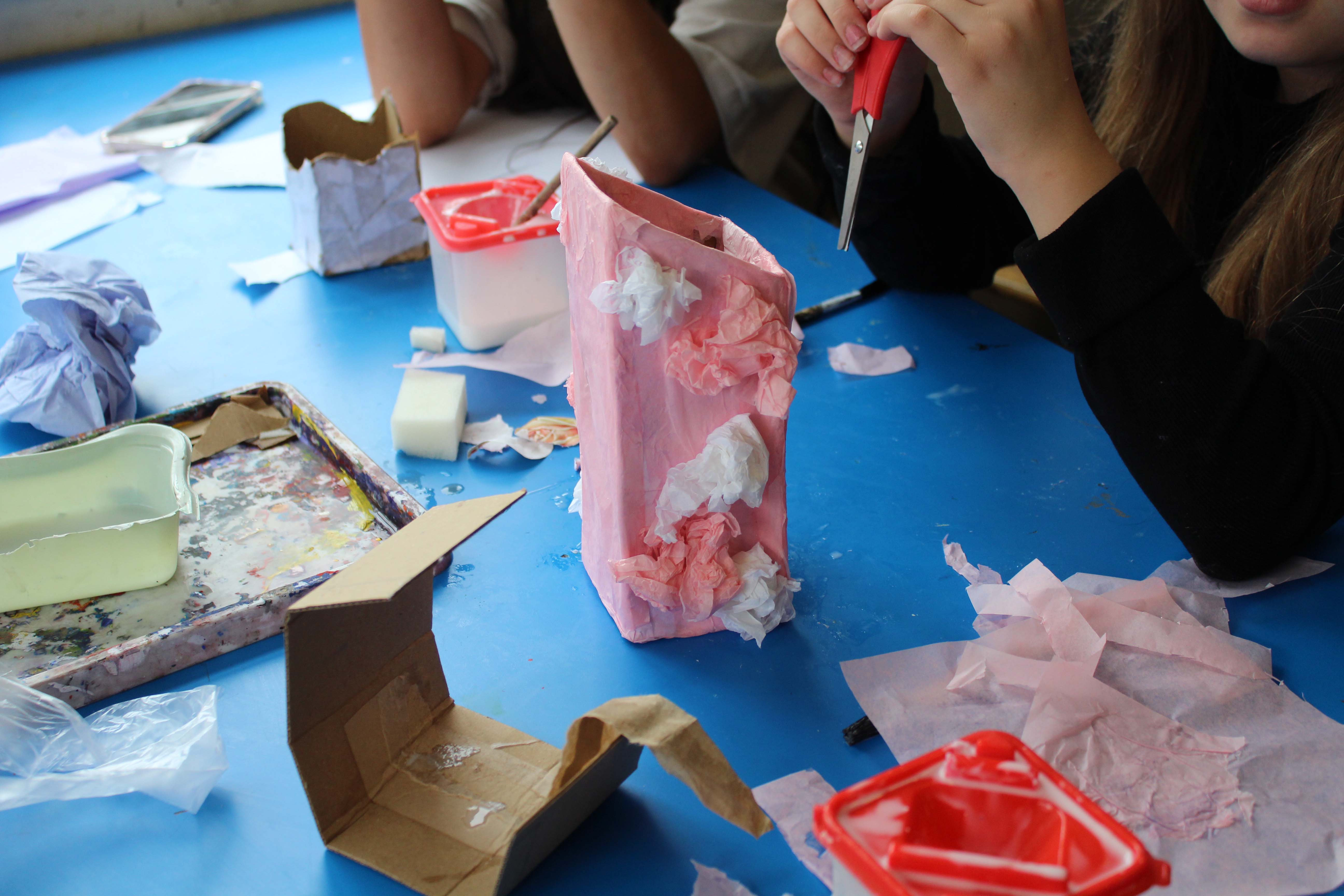
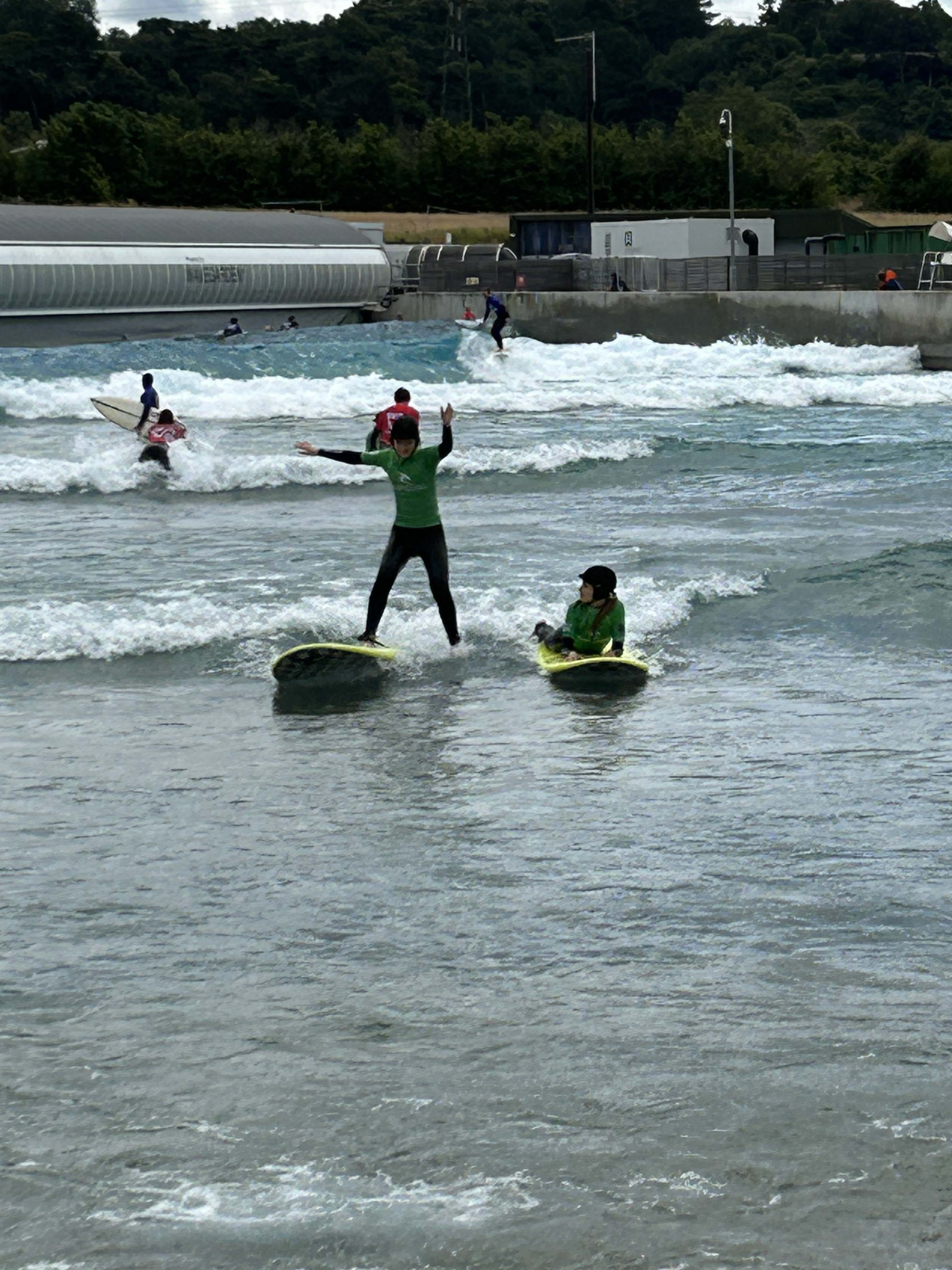
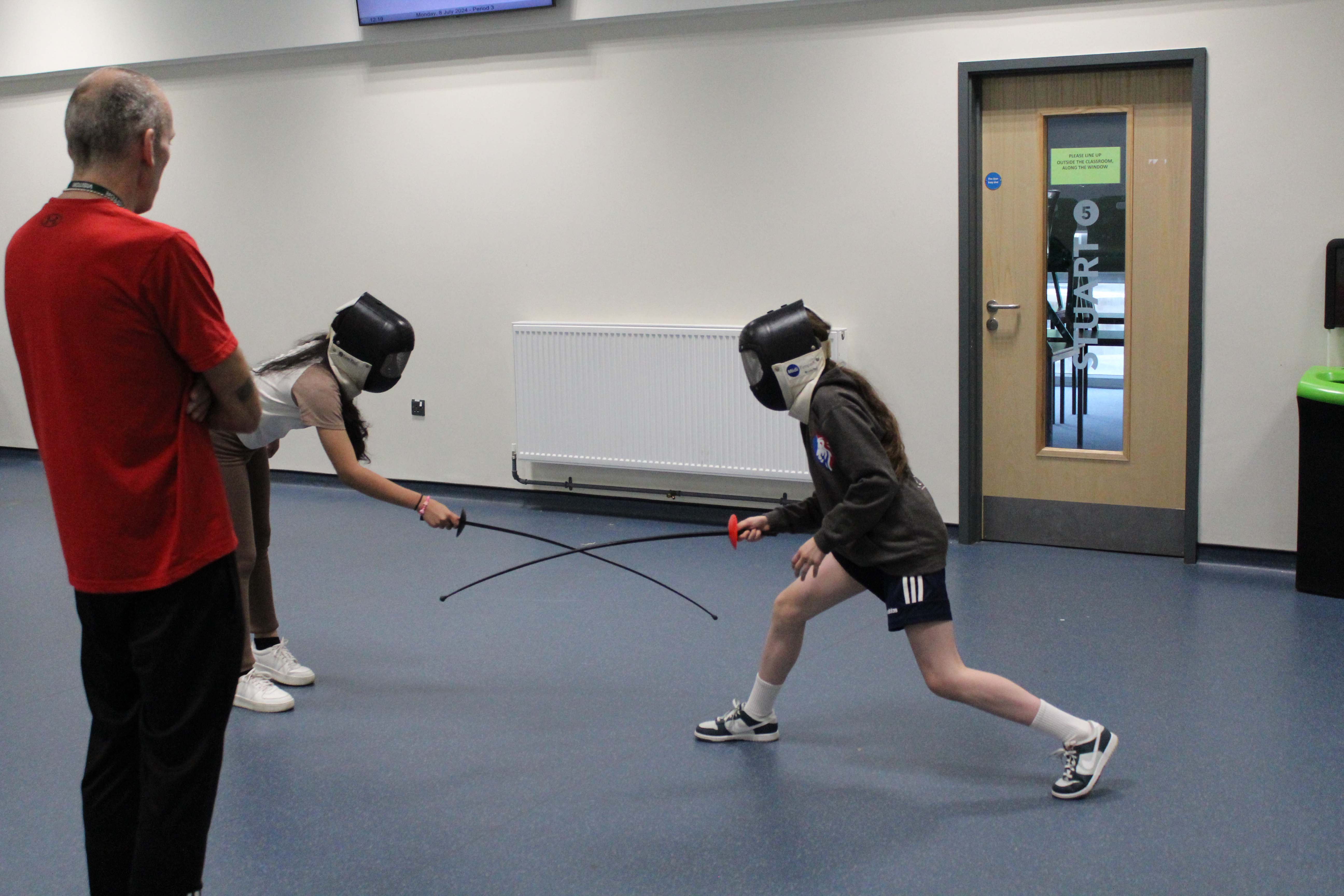
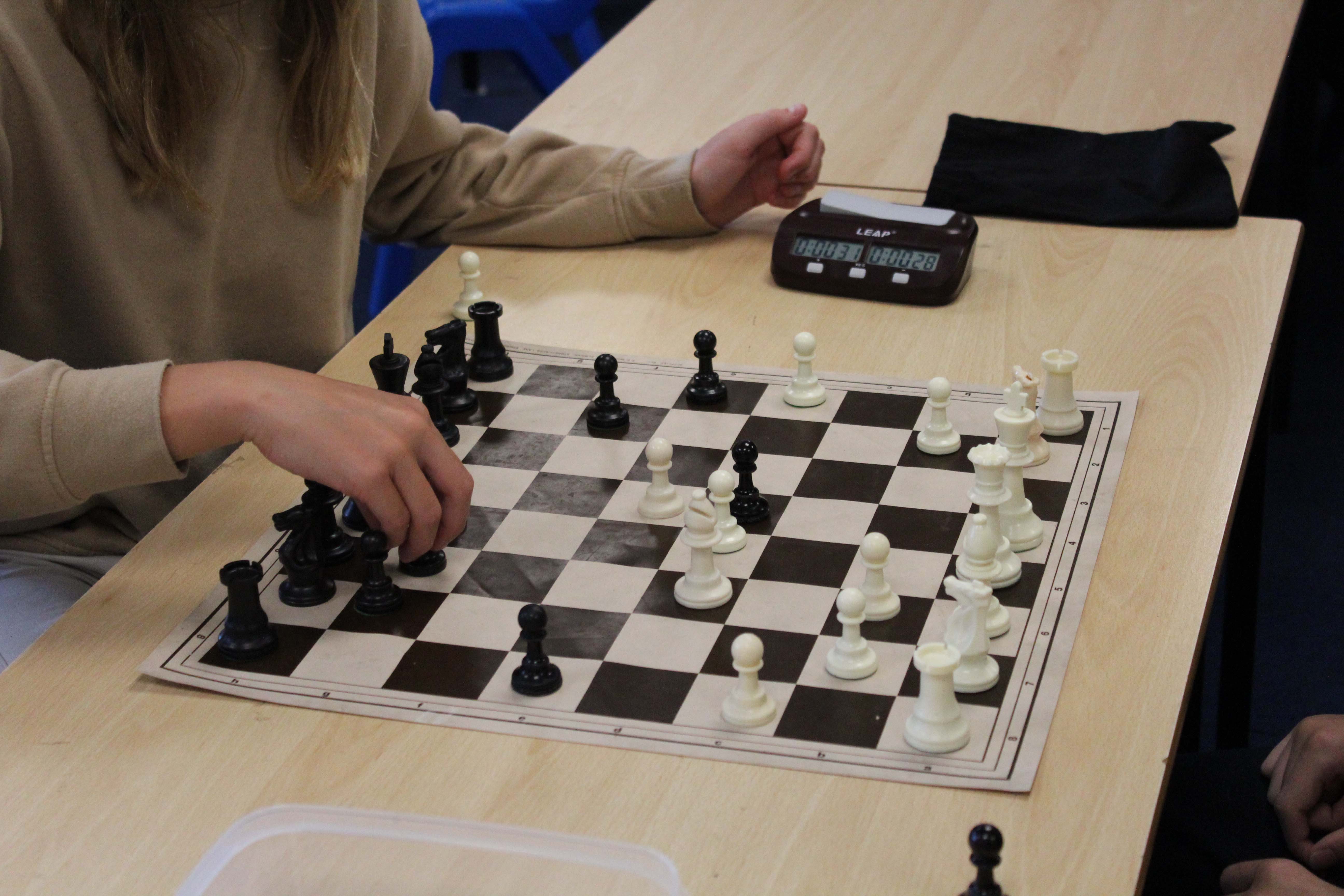
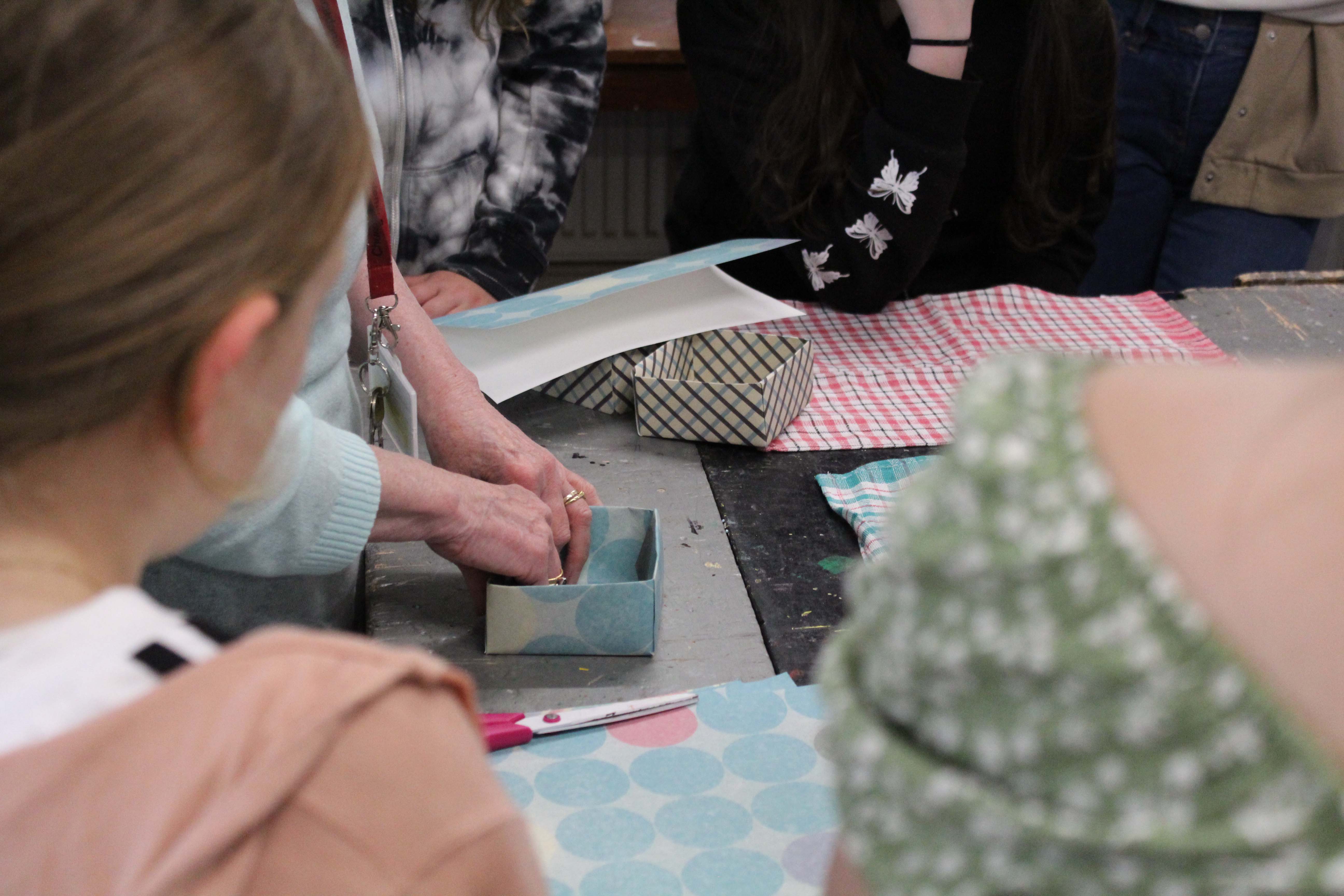
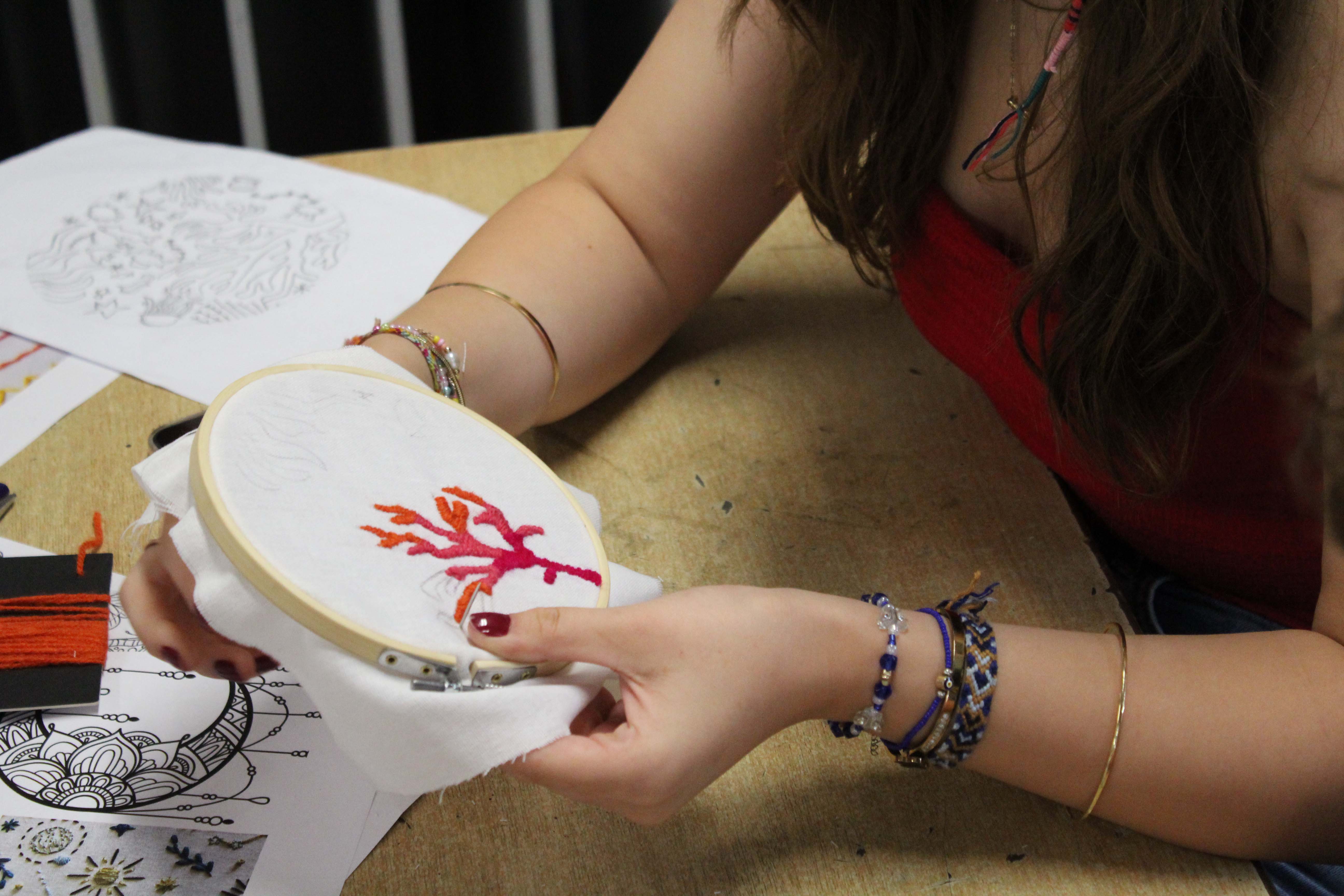
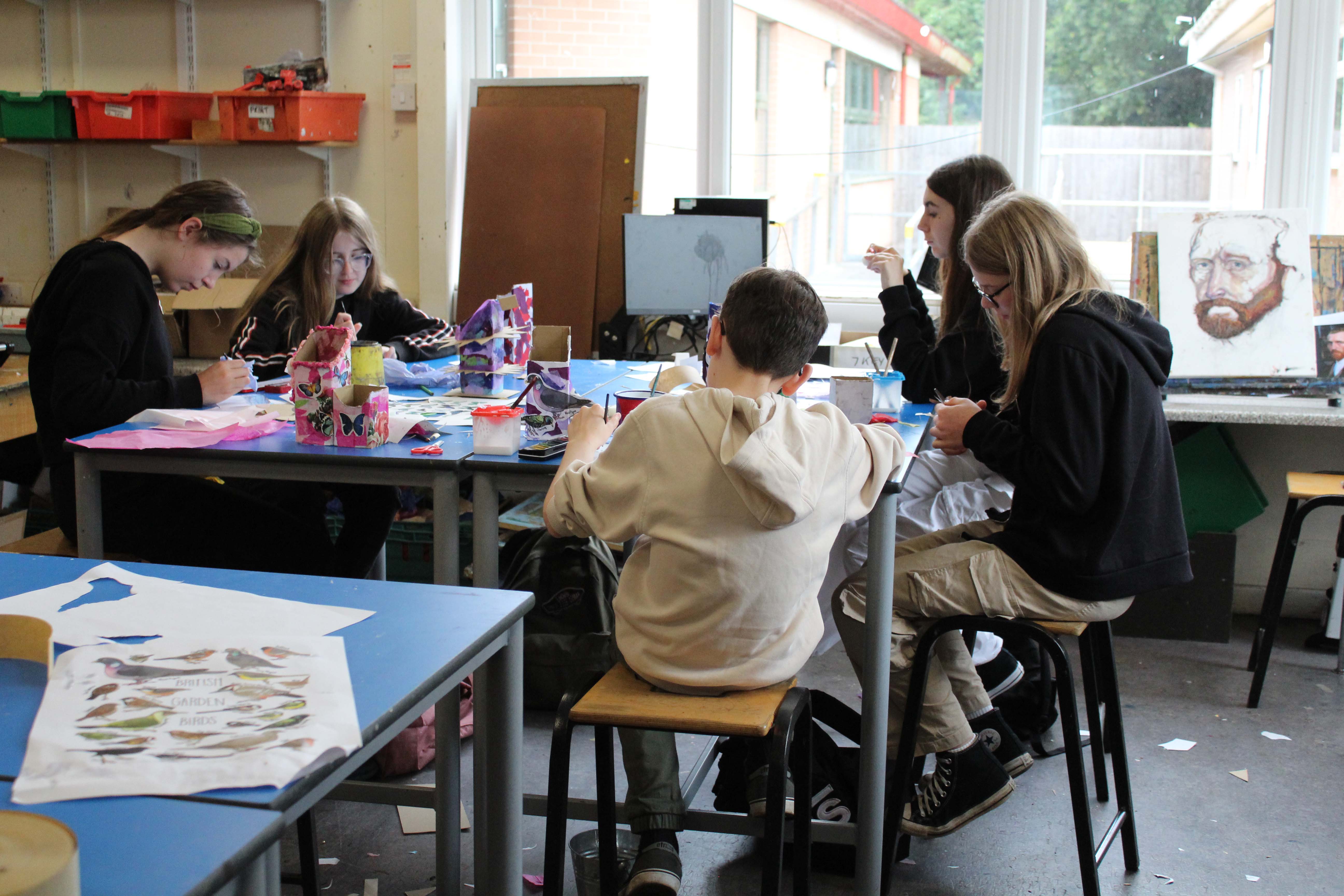
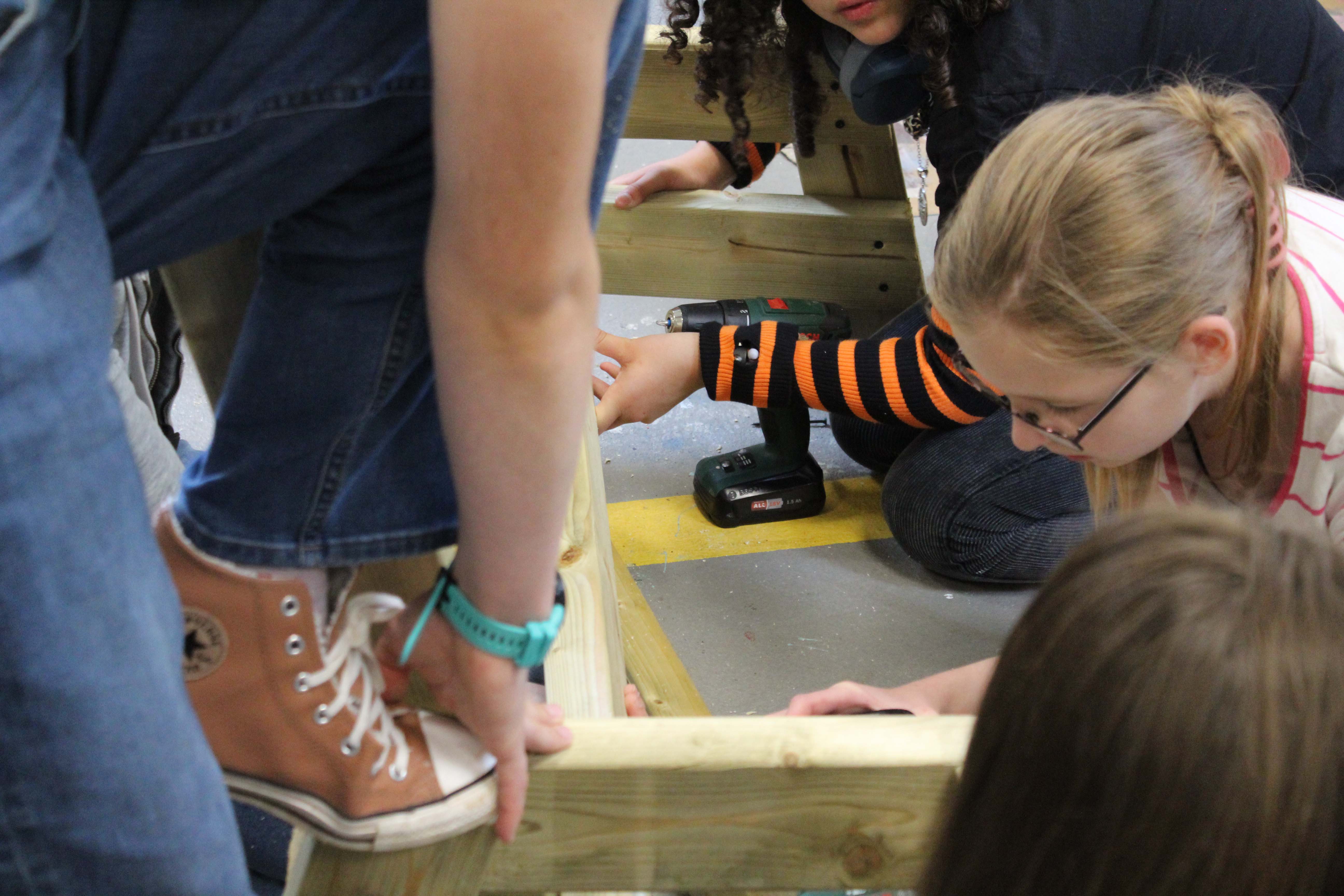
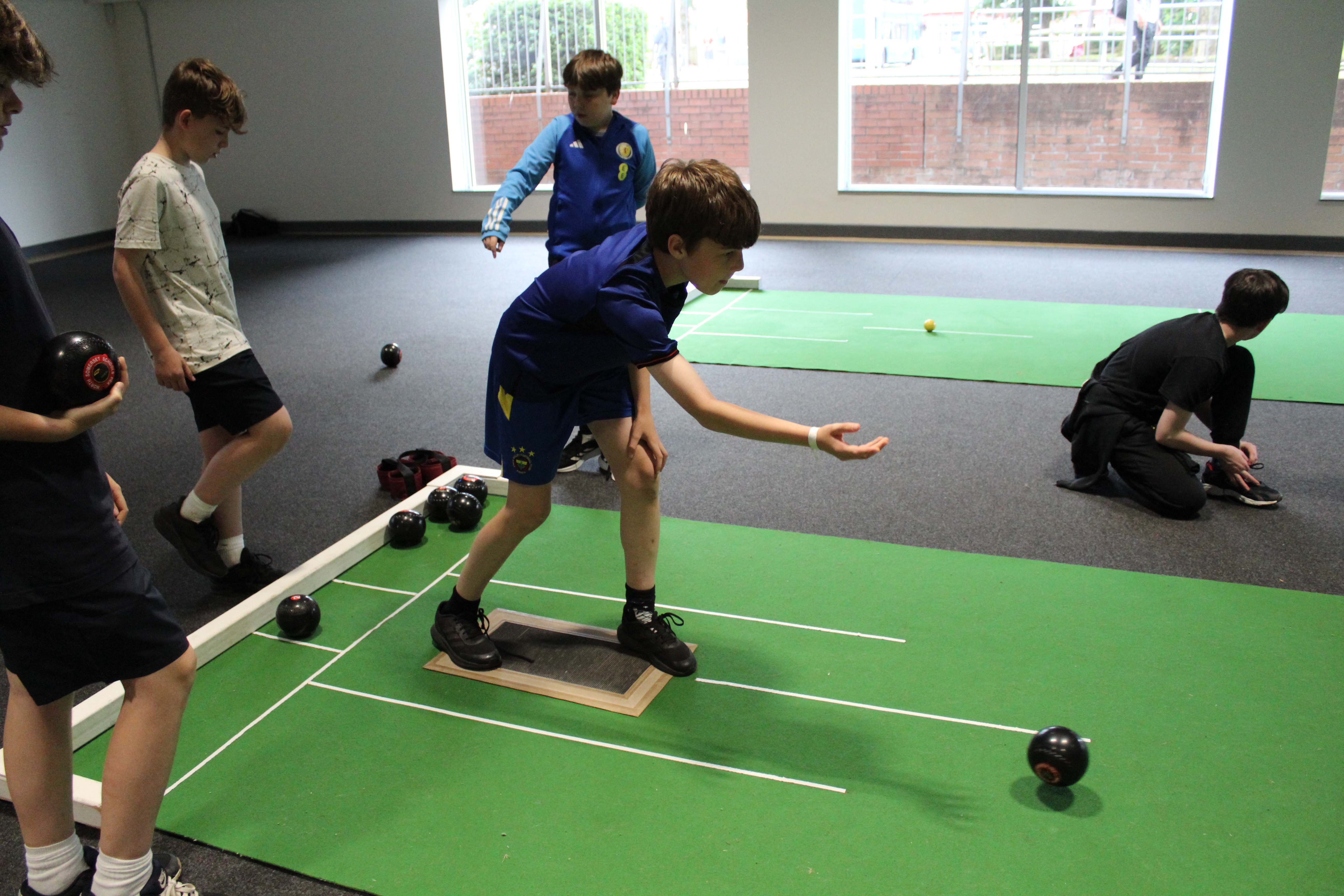
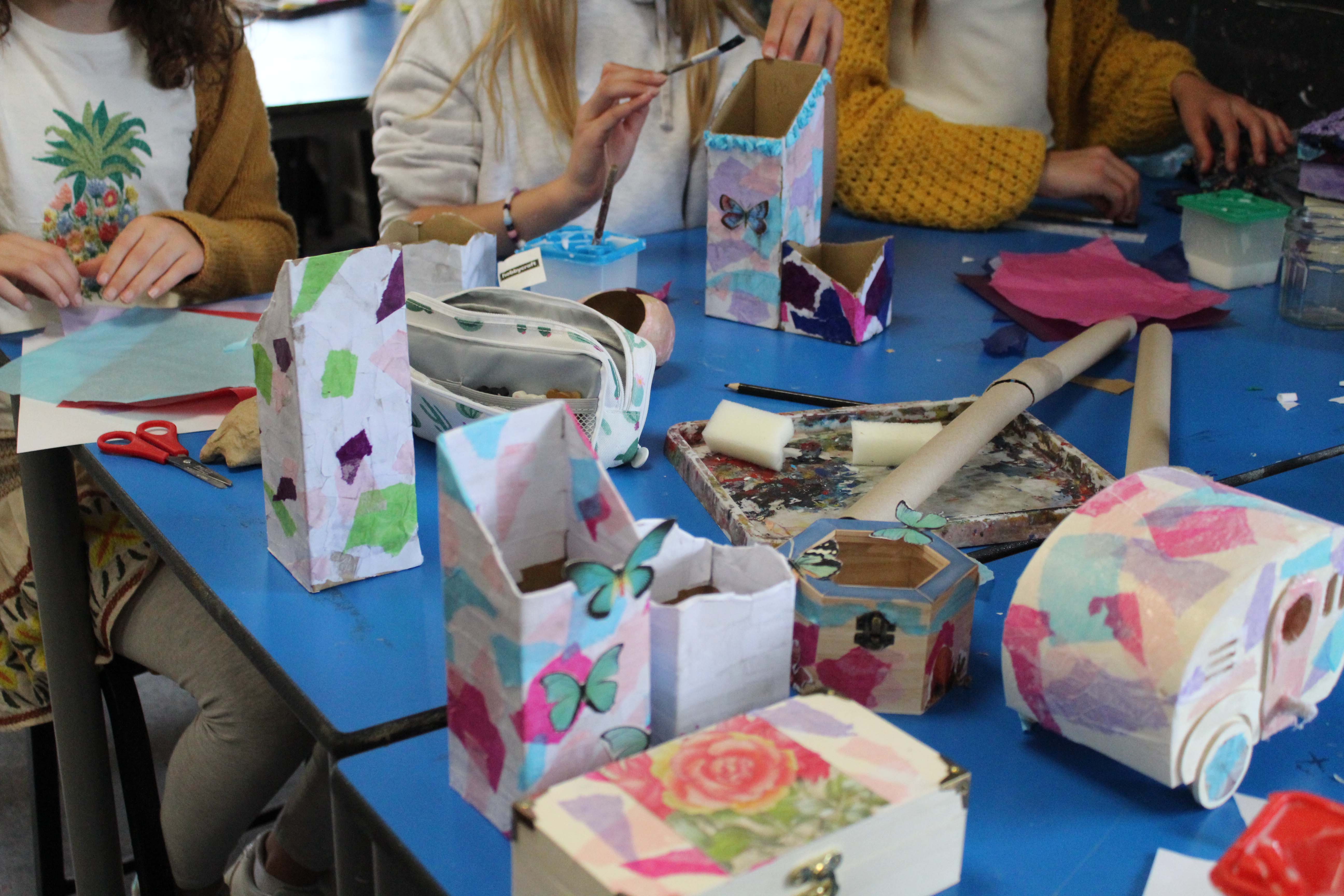
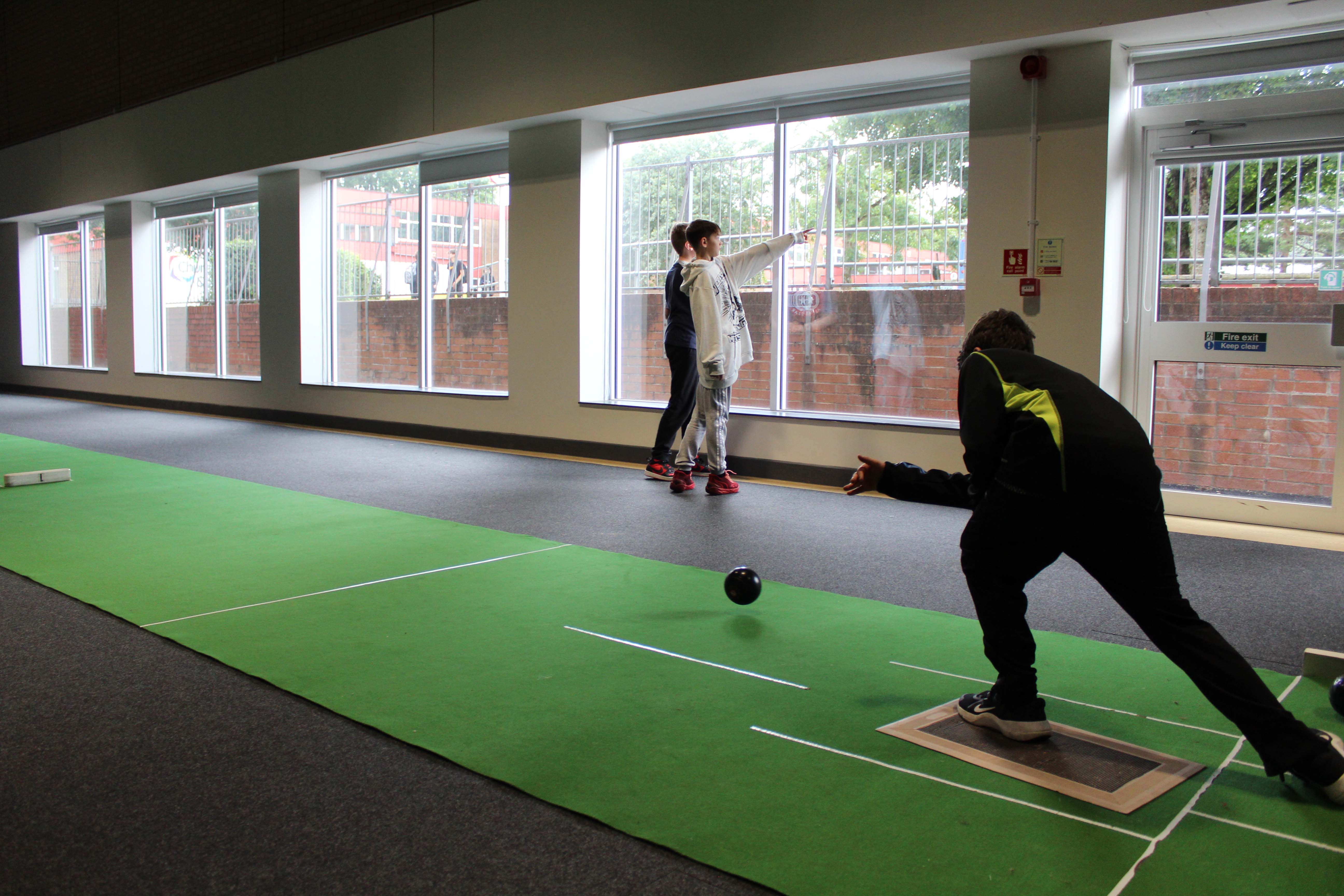
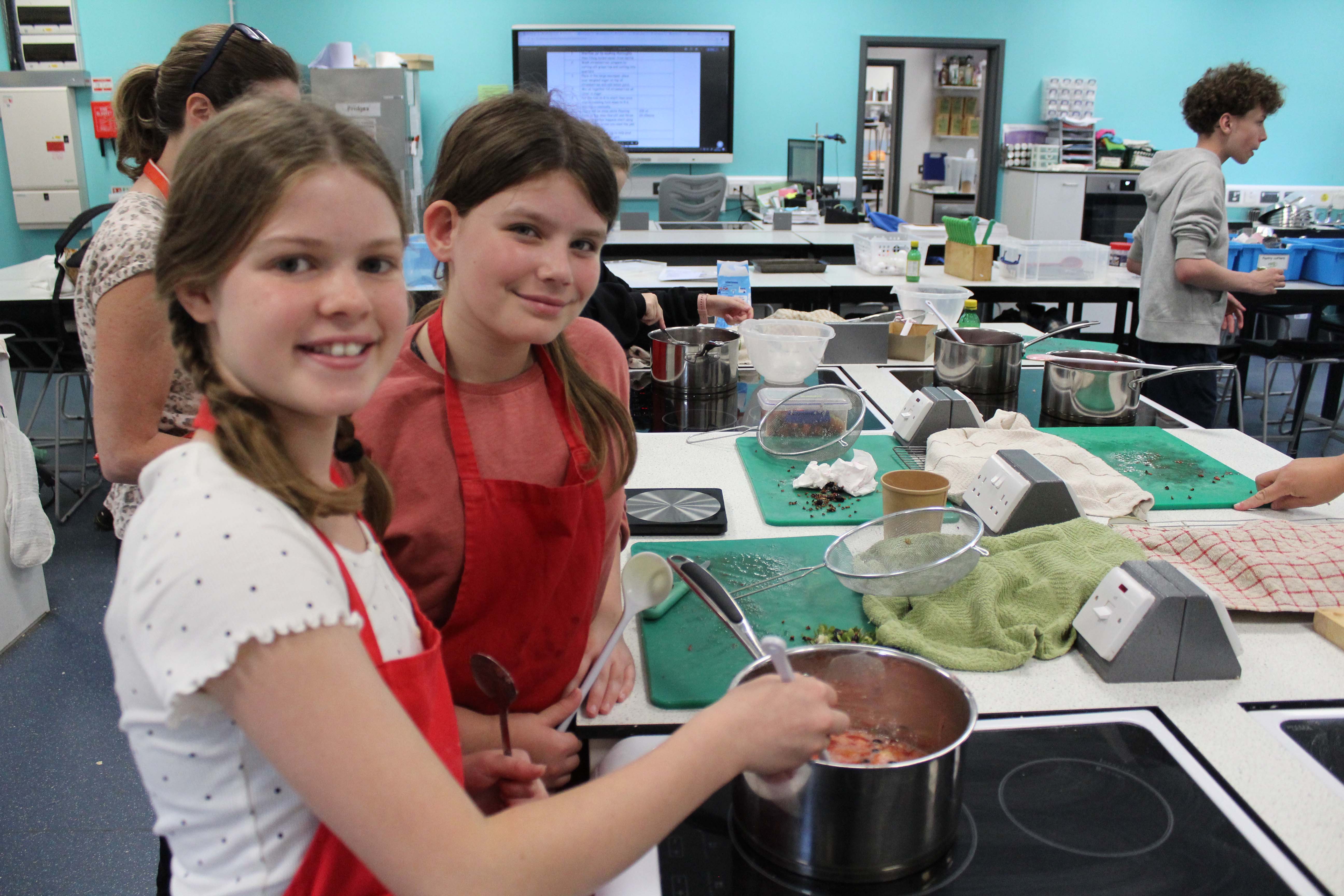
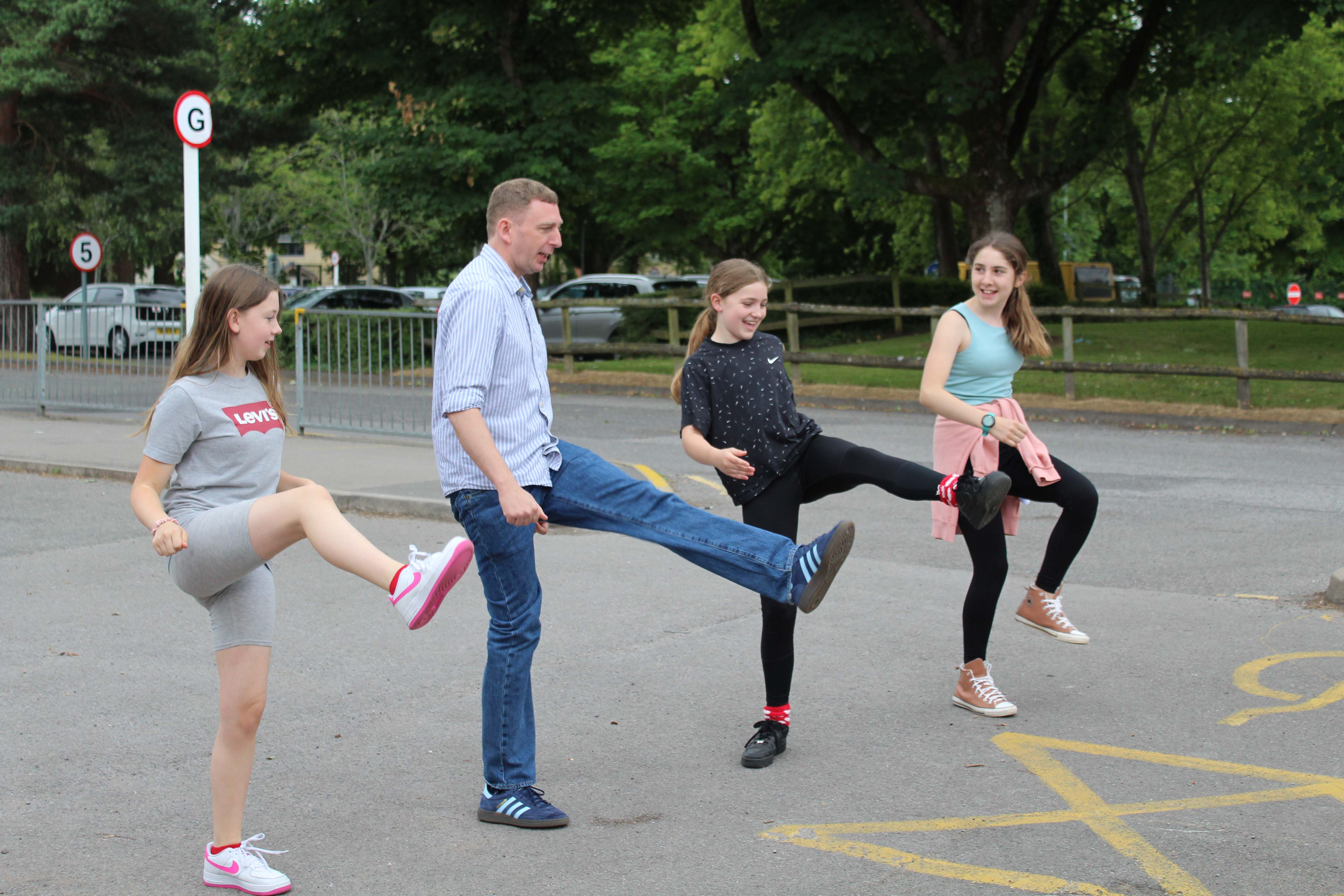
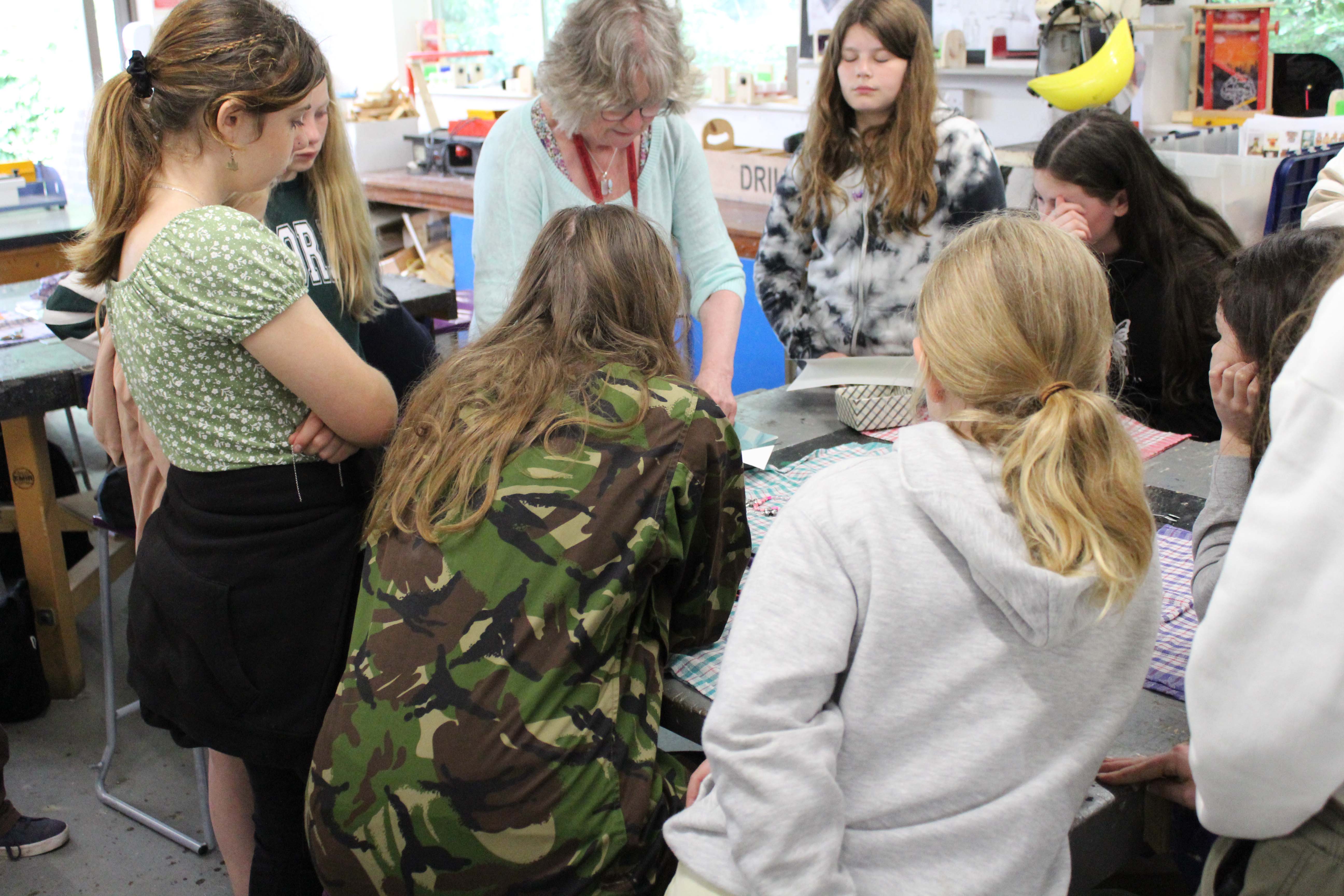
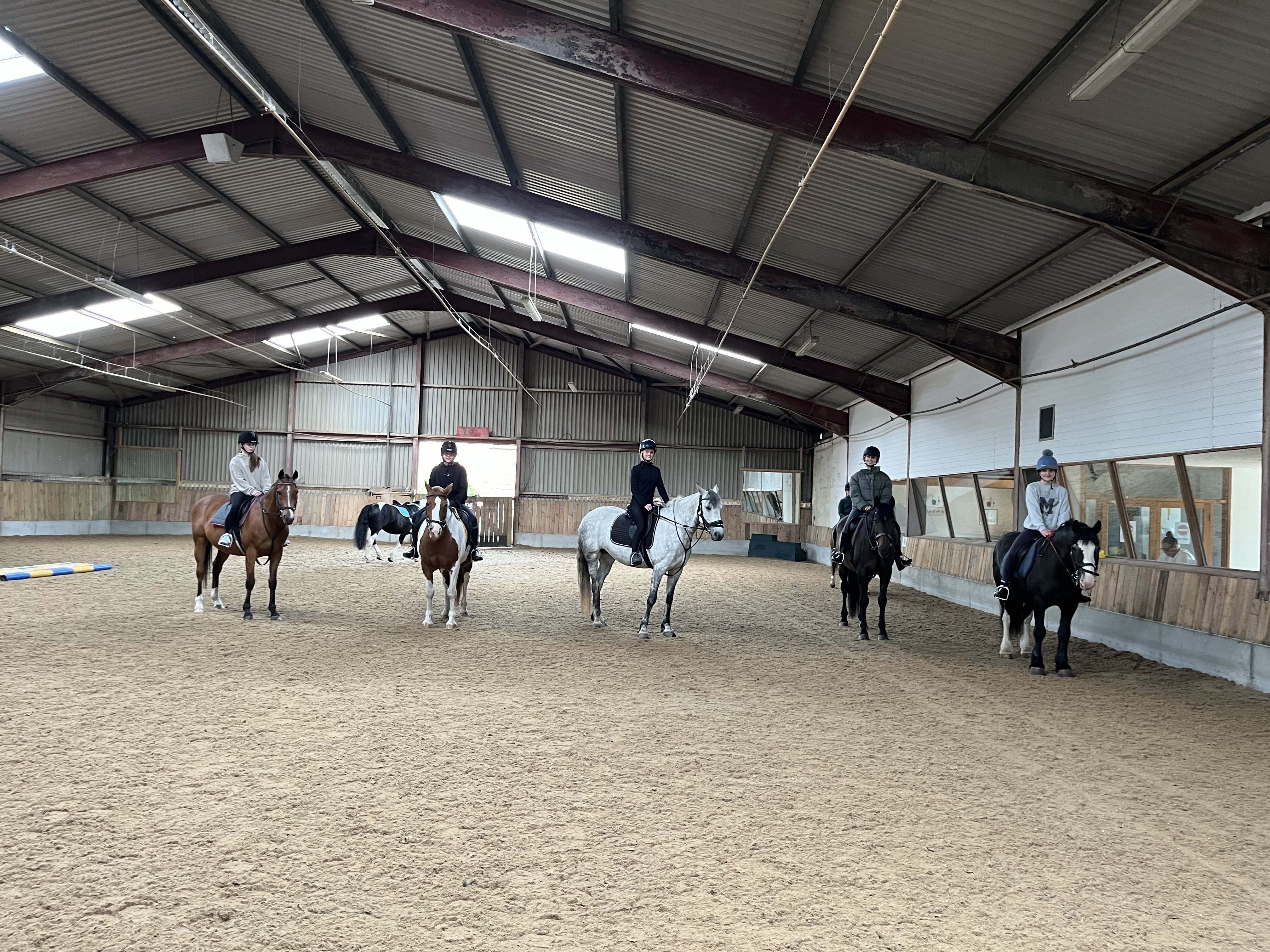
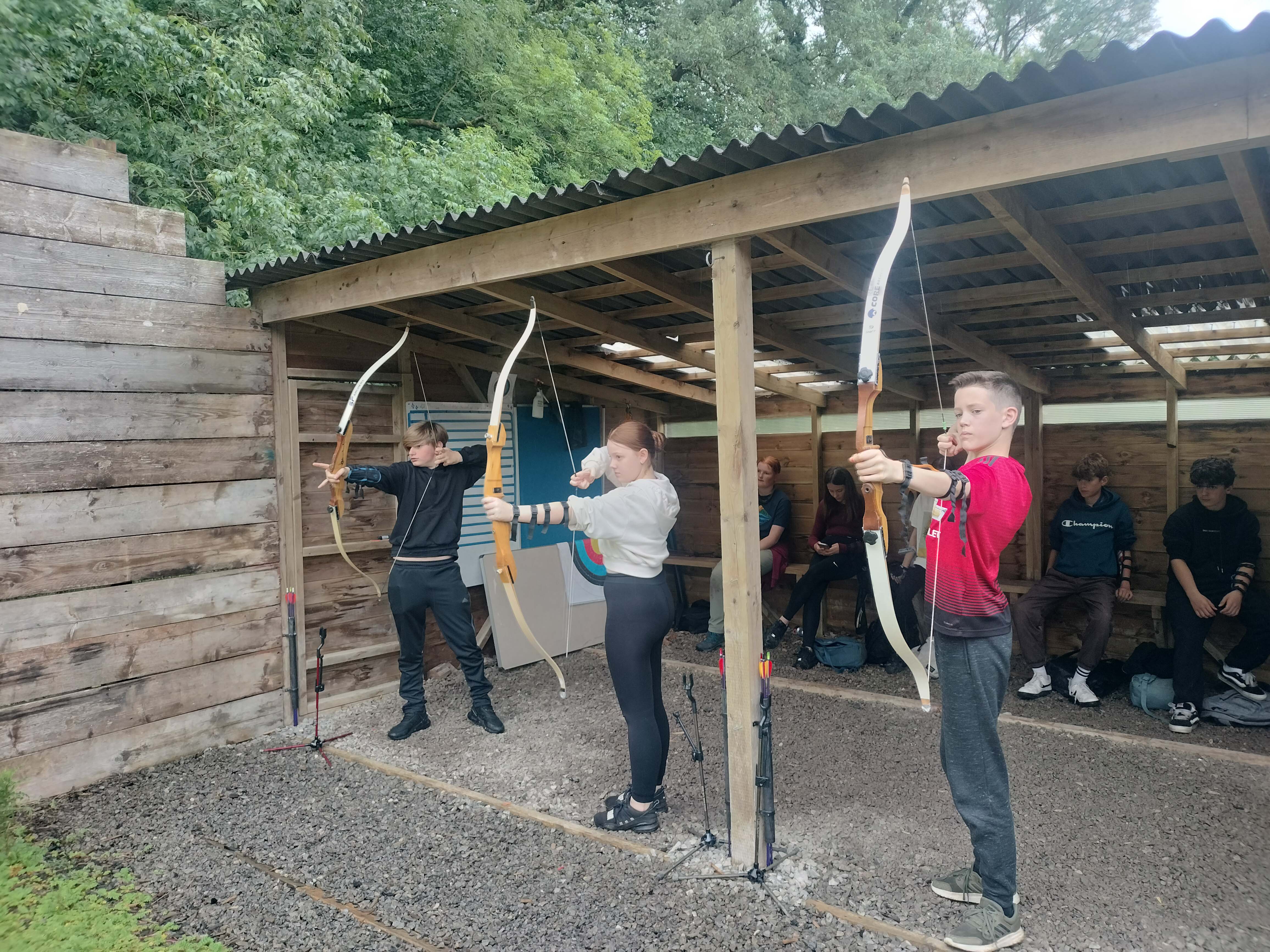
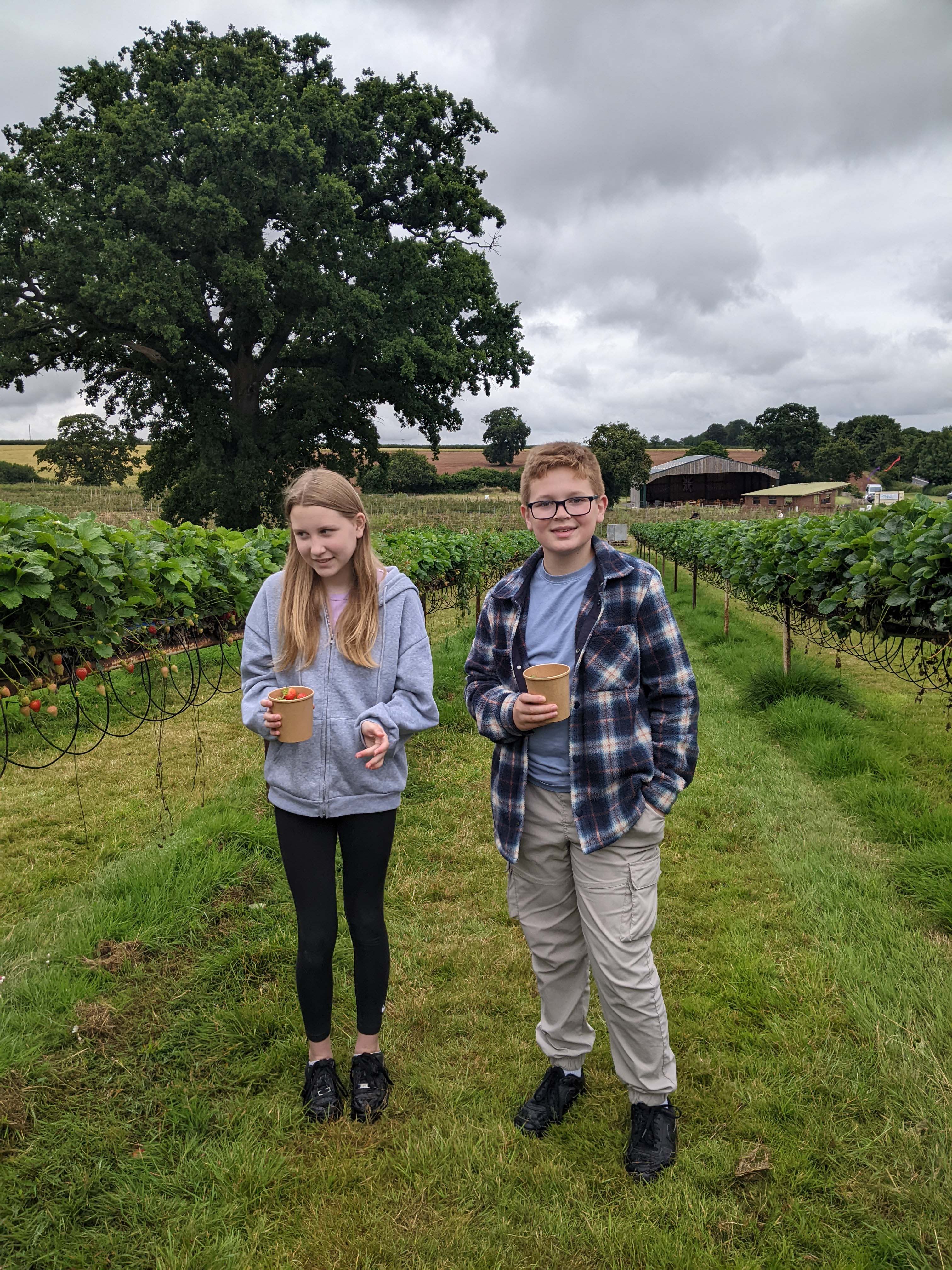
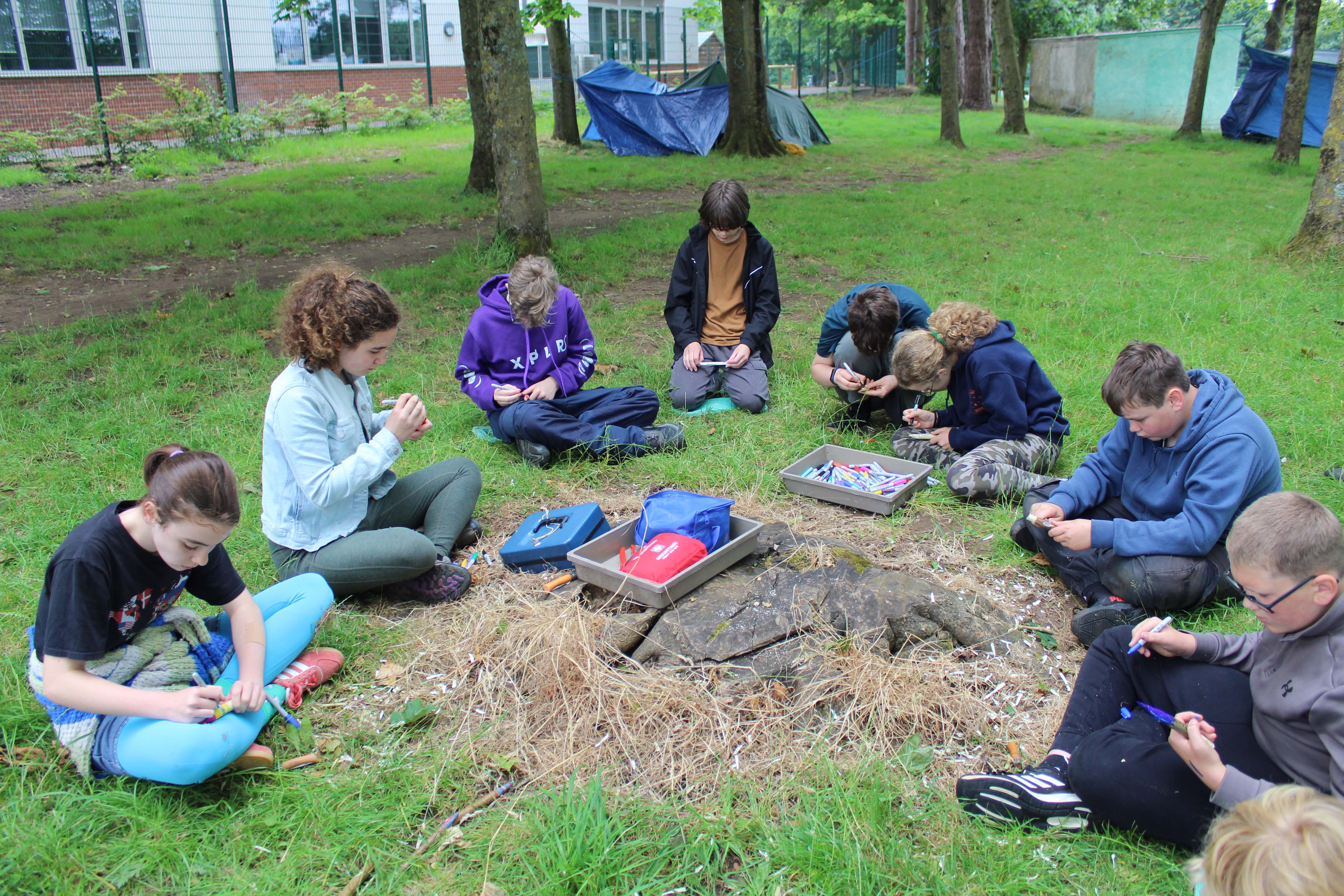
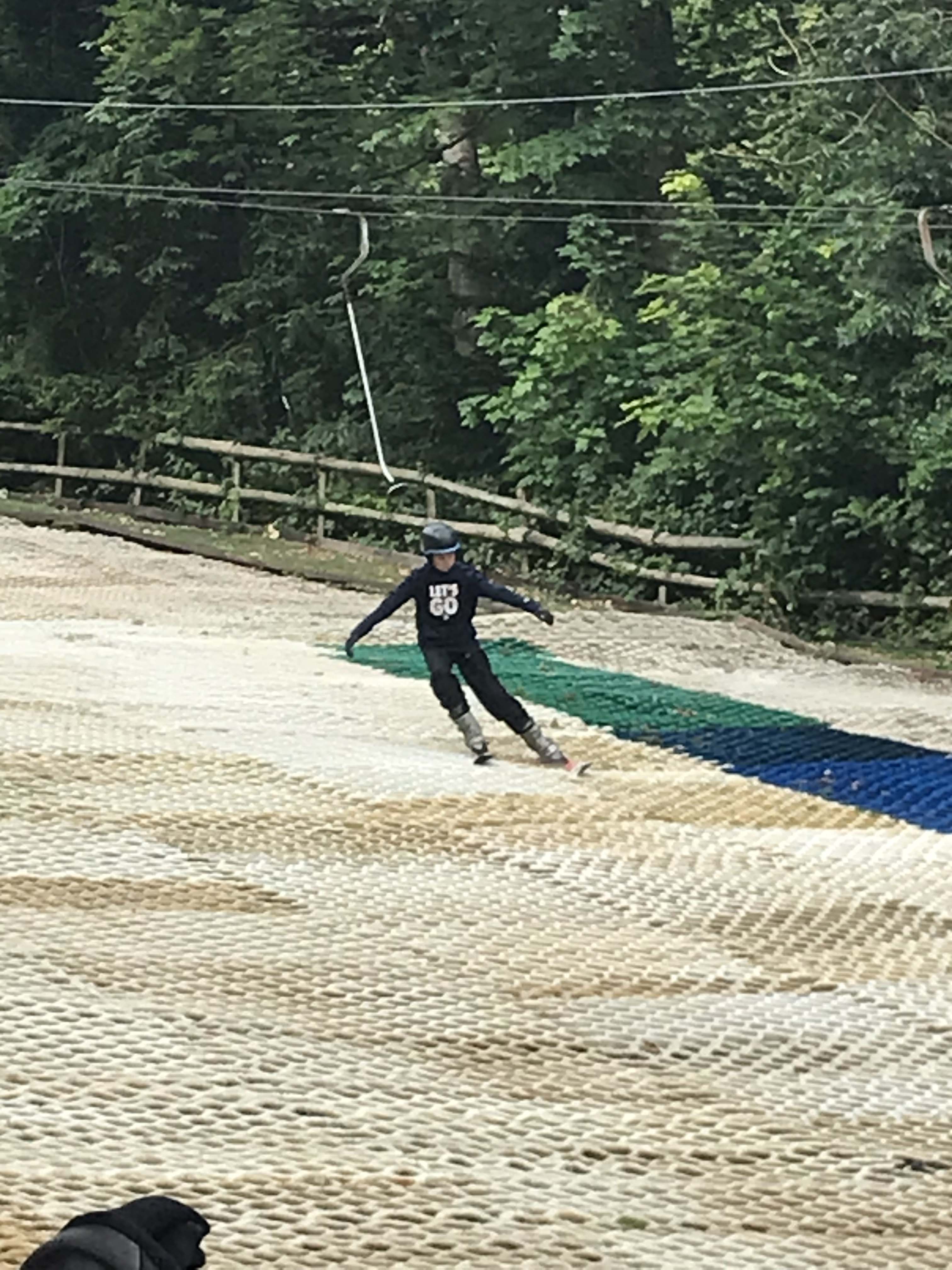
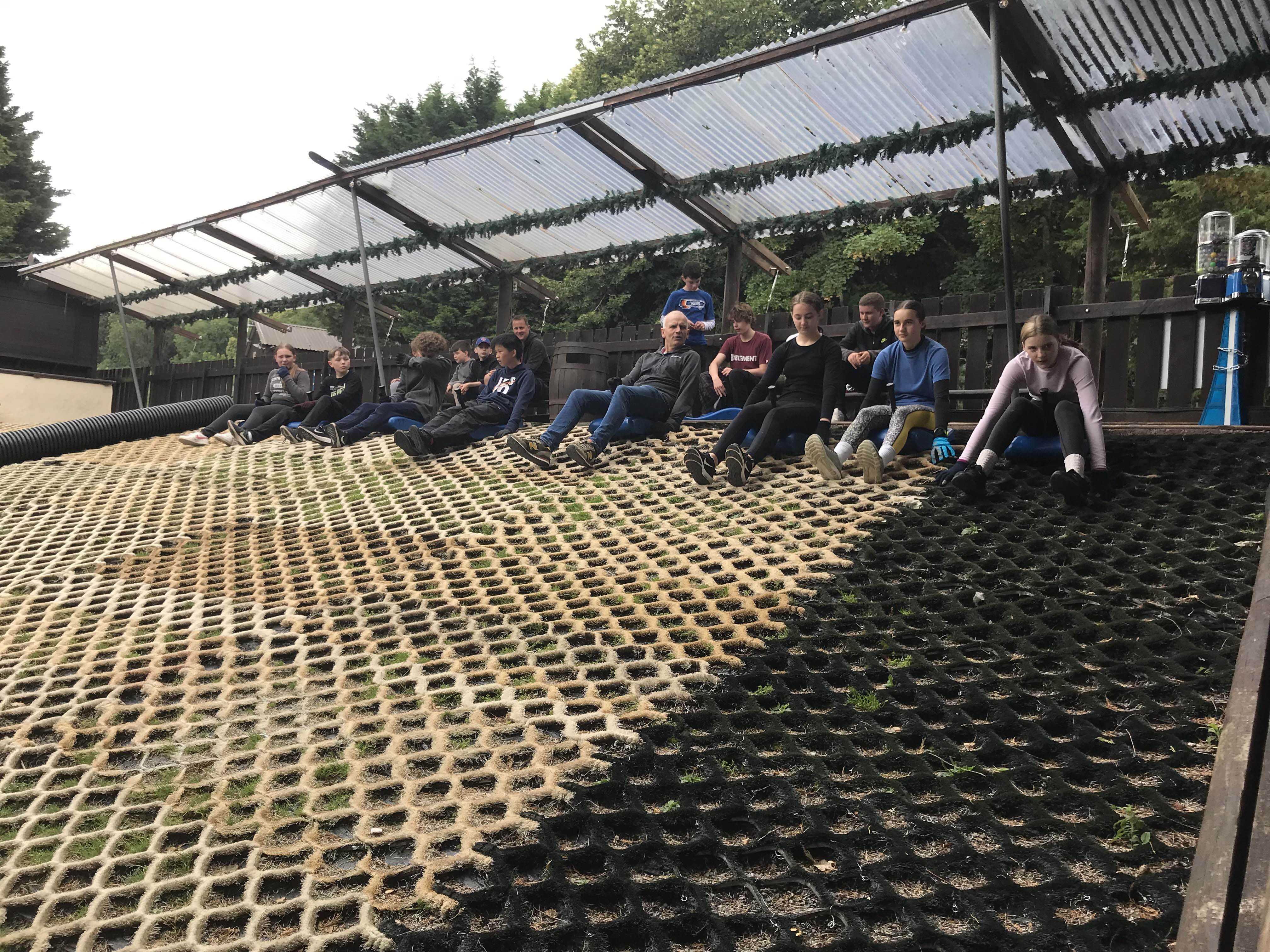
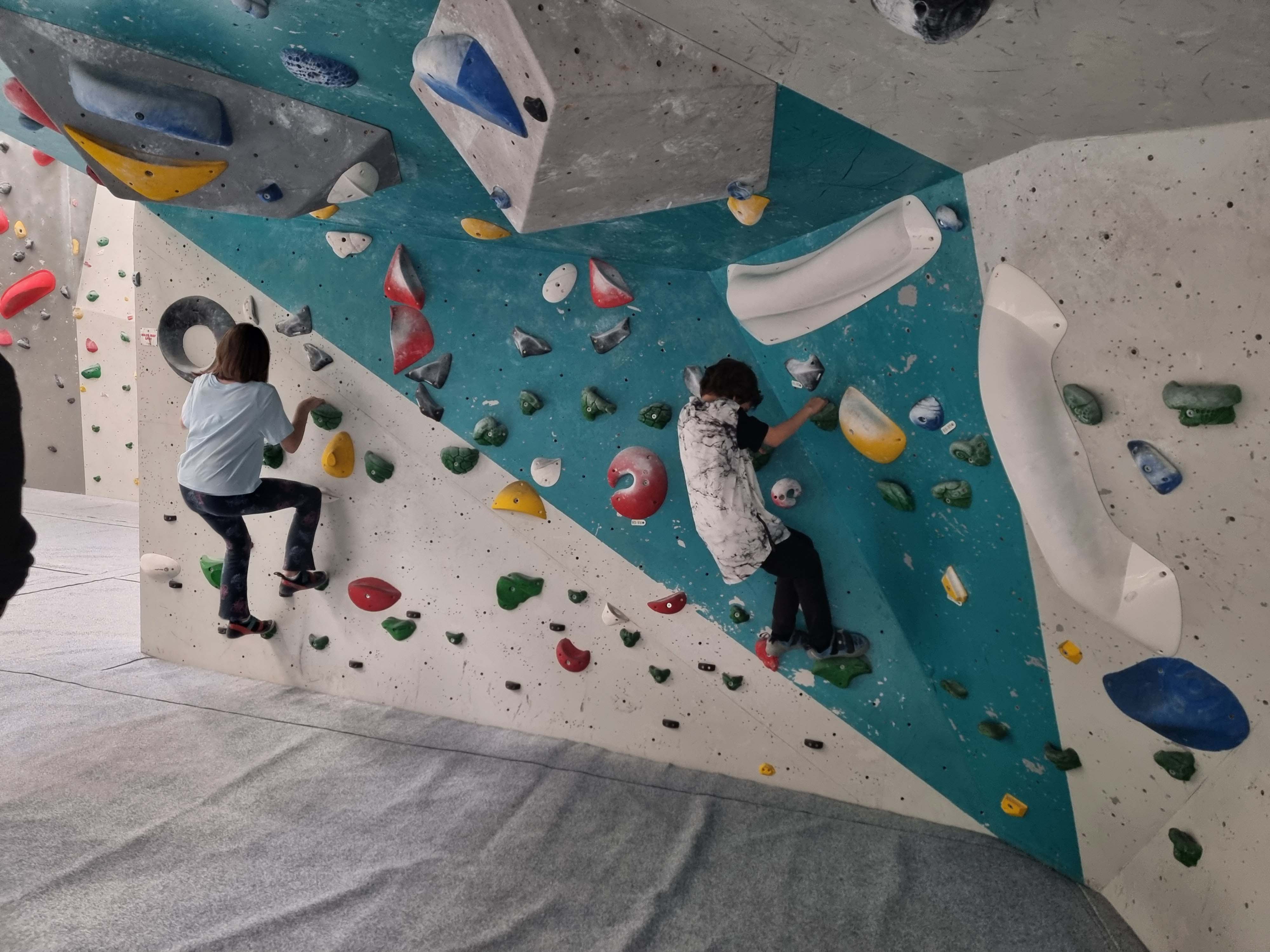
What a week! We’ve had a series of great activities going on, from residential trips to day visits to in-school activities. The activities on offer are educational and enjoyable and can provide new challenges and opportunities for your child to develop the skills gained during their time at Churchill Academy & Sixth Form. We encourage students to try something new for the first time and hope they will discover an interest that they will want to continue in their own time. Students can develop their skills in teamwork, listening, problem solving, leadership, creativity and innovation, as well as trying something completely new and pushing themselves out of their comfort zone.
Staff work really hard for months – even years! – in advance to get everything organised so our students have a fantastic, safe and educational experience, and we are rewarded by the amazing behaviour, engagement and enjoyment of our students.
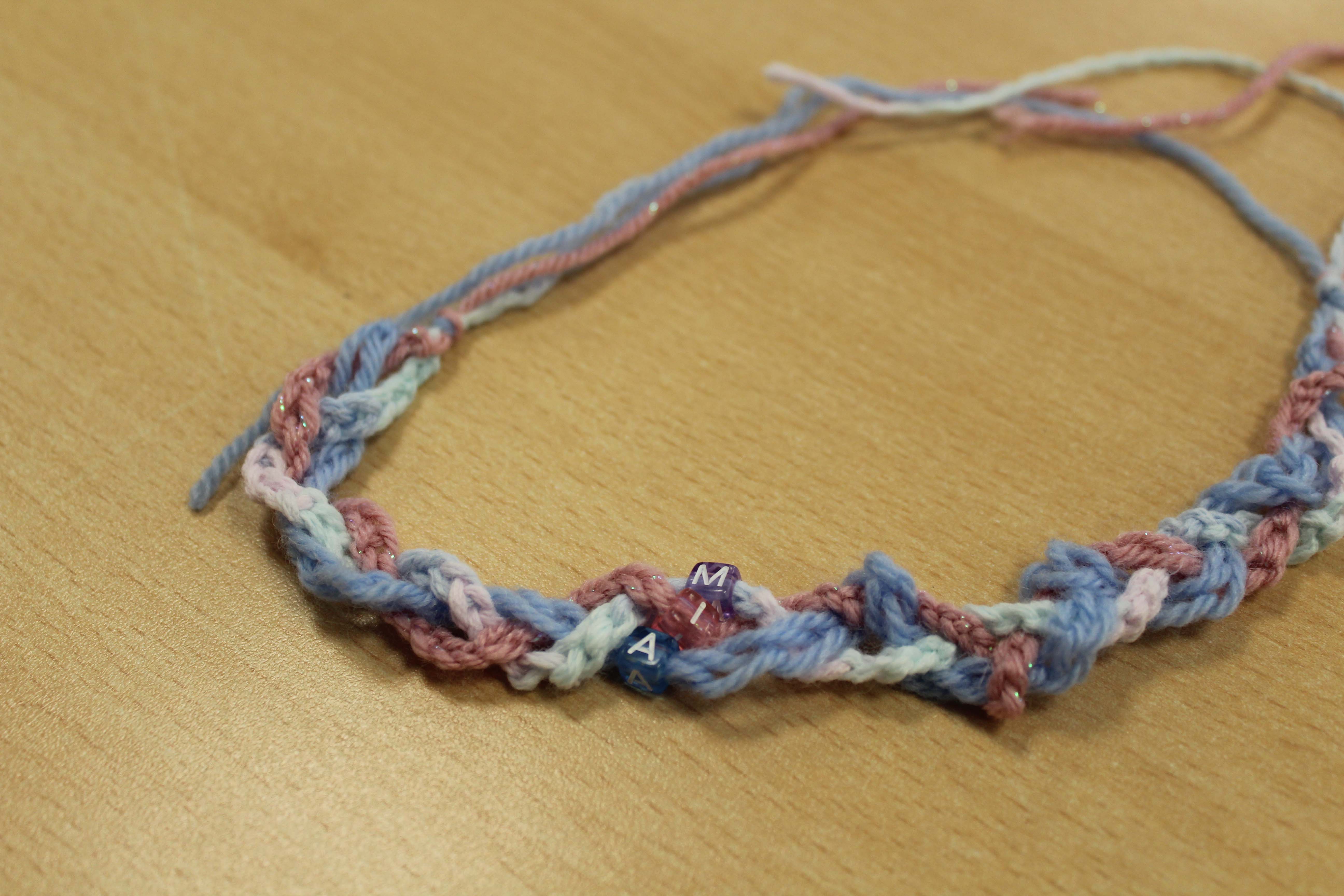
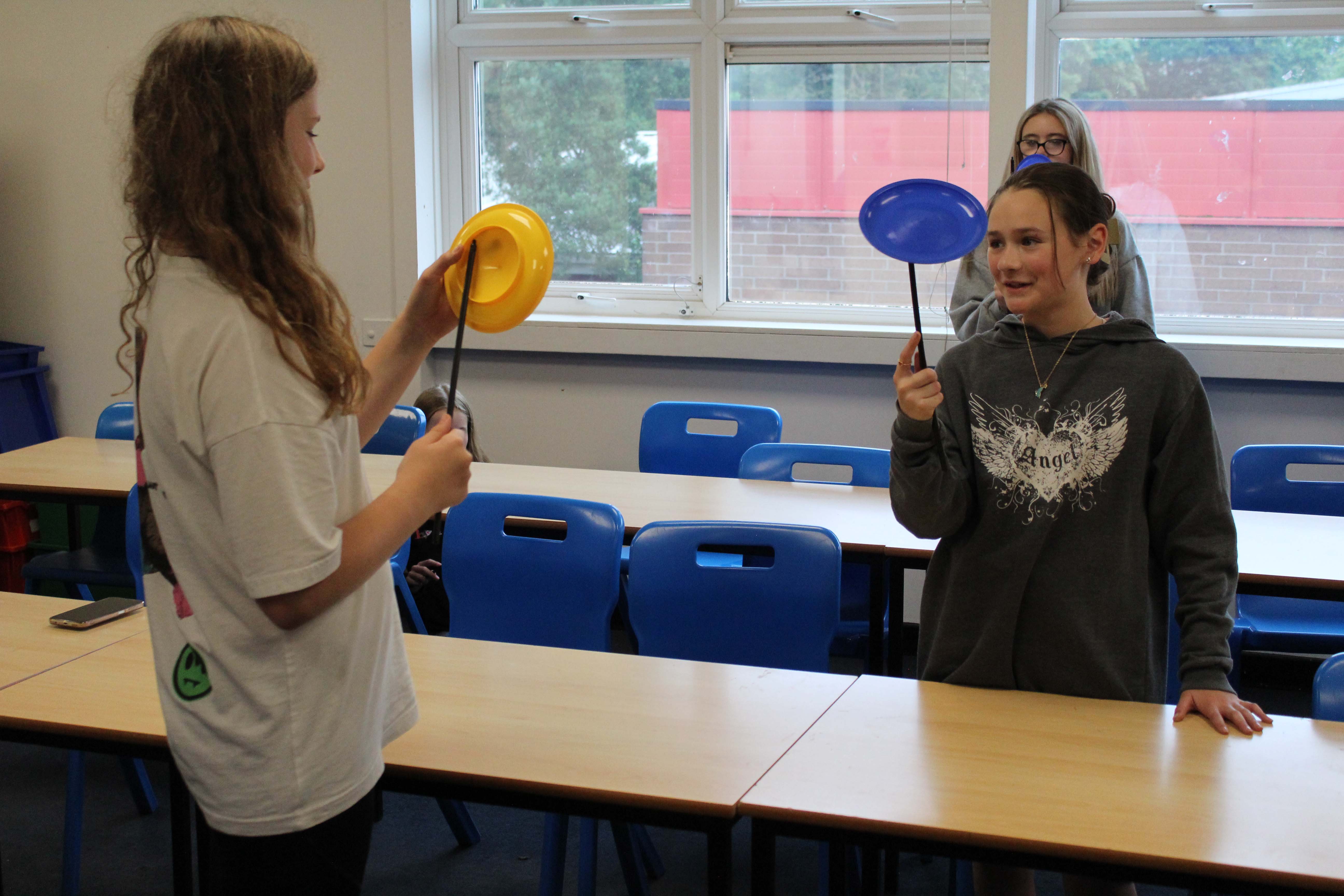
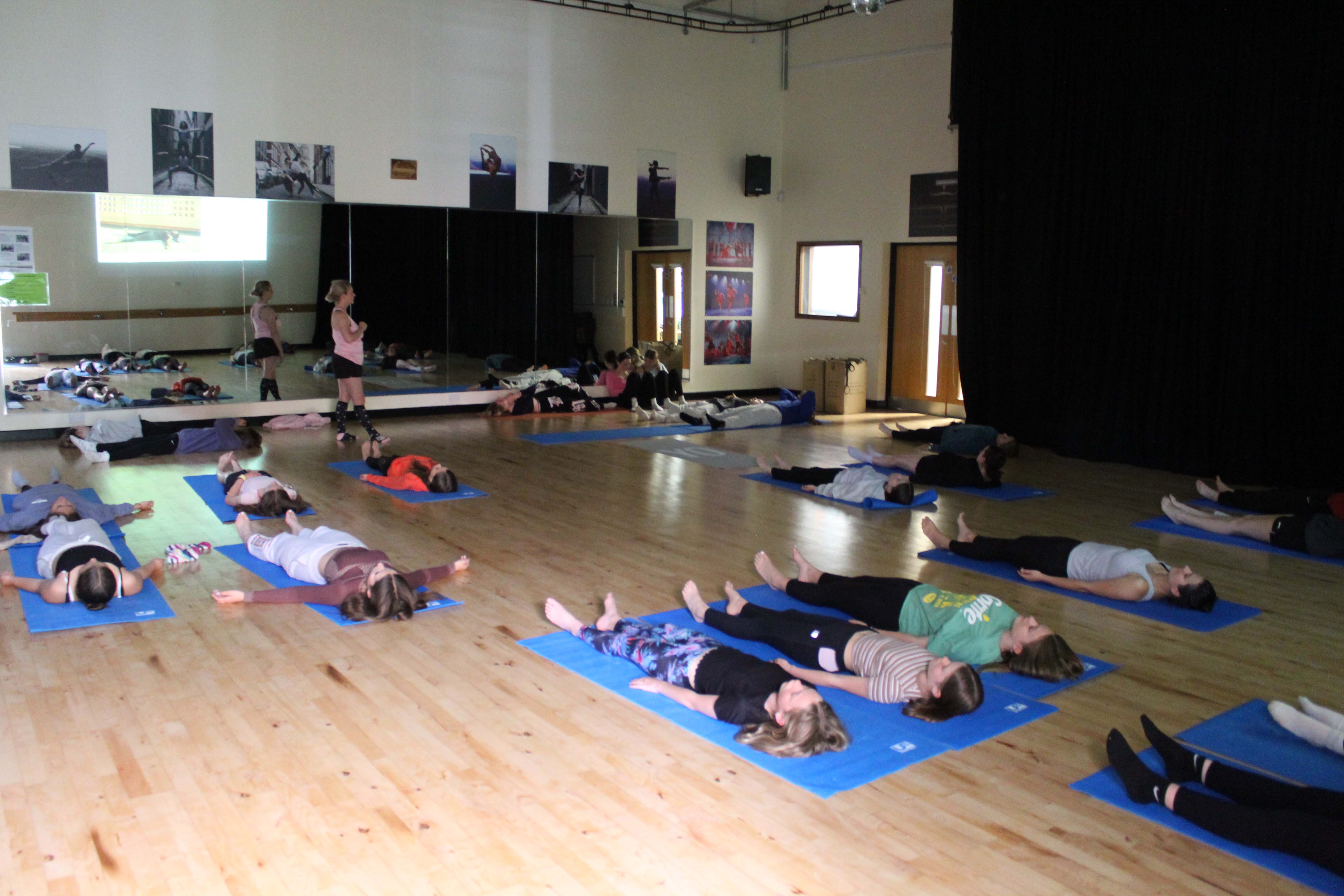
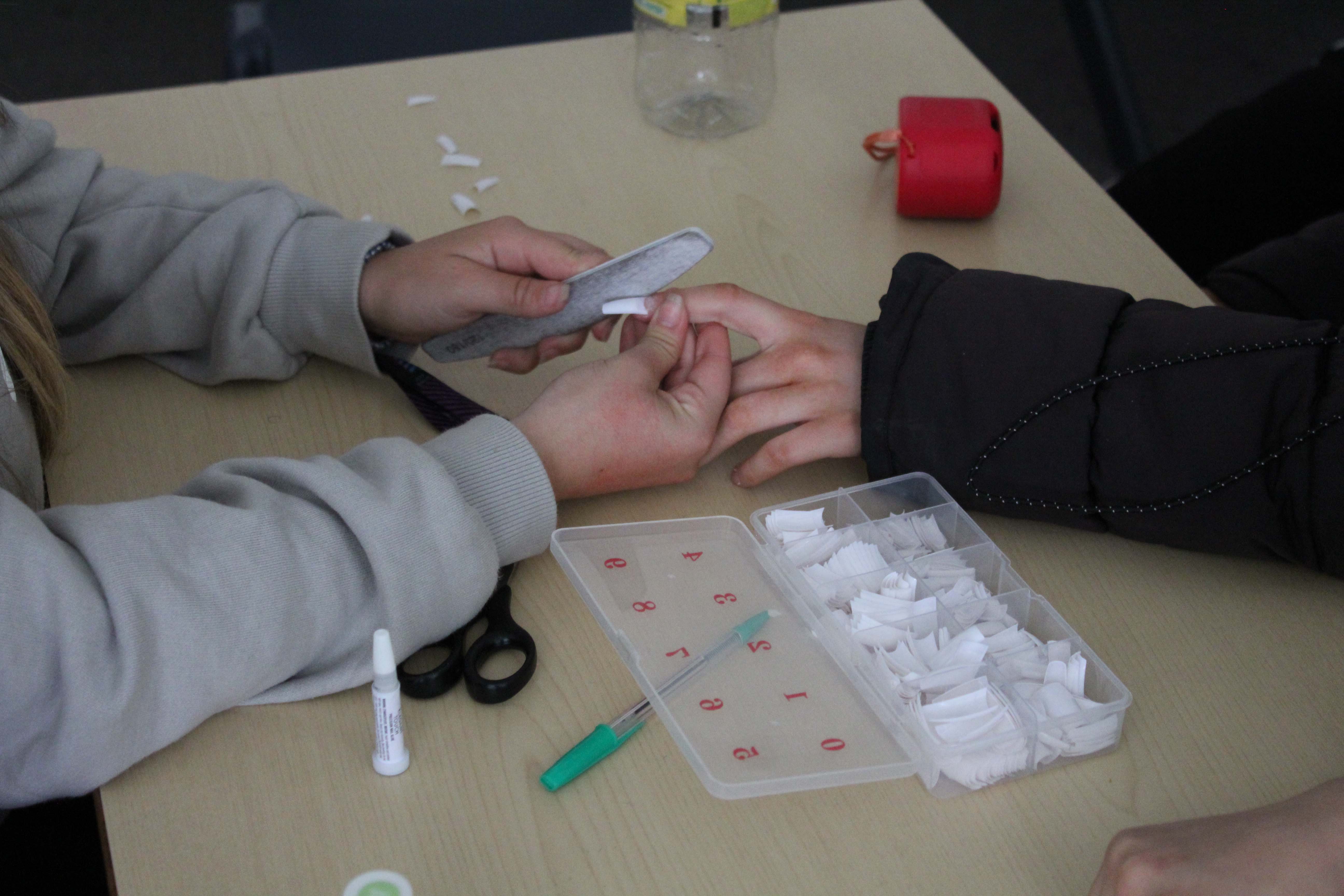
So, from A to Z (the Azores to the Zoo Project), here are some highlights from Activities Week 2024!
This week I have really enjoyed celebrating the successes of our students. This included a fabulous Year 11 Ball on Friday evening, with our students in their finery really letting their hair down after a long and tiring exam season!
It continued into the new week with two of our five houses’ Celebration of Success events, handing out certificates to students who have been nominated by their teachers for their exceptional attitude to learning, effort, or their embodiment of the Academy’s vision and values. Celebrating these successes is a great way to round off the end of the academic year.
I even managed to squeeze in the final of this year’s Spelling Bee, with some terrific spelling on display. This year I fell down on the spelling of “serrefine” (a small forceps for clamping a blood vessel, apparently) but fortunately I was still able to tie the staff competition!
Next week we look forward to Activities Week, with all the excitement that brings! Then we have the final week of term where we celebrate the final three houses, award the Sports Day trophy (weather permitting…) and finalise the House Cup for award on the last day of term. I can’t wait!










































































































 The Headteacher's Blog