Continuity through change

There has been a school on our site since 1956. Churchill Secondary Modern School opened on Friday, 20 September 1957. In 1969, the school became a comprehensive. In 1996, it became Churchill Community School, before adopting foundation status in 2007 as Churchill Community Foundation School and Sixth Form Centre. The school became an academy on 1 August 2011 as Churchill Academy & Sixth Form, the name it retains to this day.

This aerial shot from 1970 shows the original Tudor block in the right of the picture.

And it’s not only the name that has changed. The buildings have evolved, with old ones being demolished and new ones built to replace them; other buildings have been gutted and rebuilt from the inside out. We have embraced new technology, new developments in teaching and learning, and new approaches for our students.

The people in the school constantly change. Every year we bid farewell to one group of students, and welcome in the new. They grow through the school, joining us a children in Year 7 and leaving us as young adults from Year 13. It’s a constant cycle of growth and renewal which is one of the real joys of teaching. And, of course, the staff also change. I am the ninth Headteacher of the school on this site, with the longest-serving being Desmond Foster who was Head here from 1964 to 1983!

Aerial view of the Academy site from 2022

What doesn’t change is the commitment of the people who work here to the education of the young people who attend. Their dedication to do the very best they can for the students who are with us today is something that marks out the staff at Churchill from 1957 to 2024. So, although the buildings, the name, the people and the world around us might change, our school stays true to its purpose: to inspire and enable young people to make a positive difference, and to set no limits on what we can achieve.

Open Evening 2024

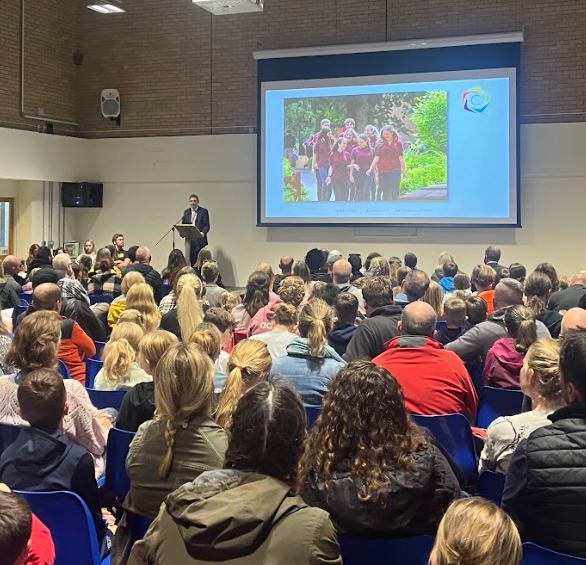
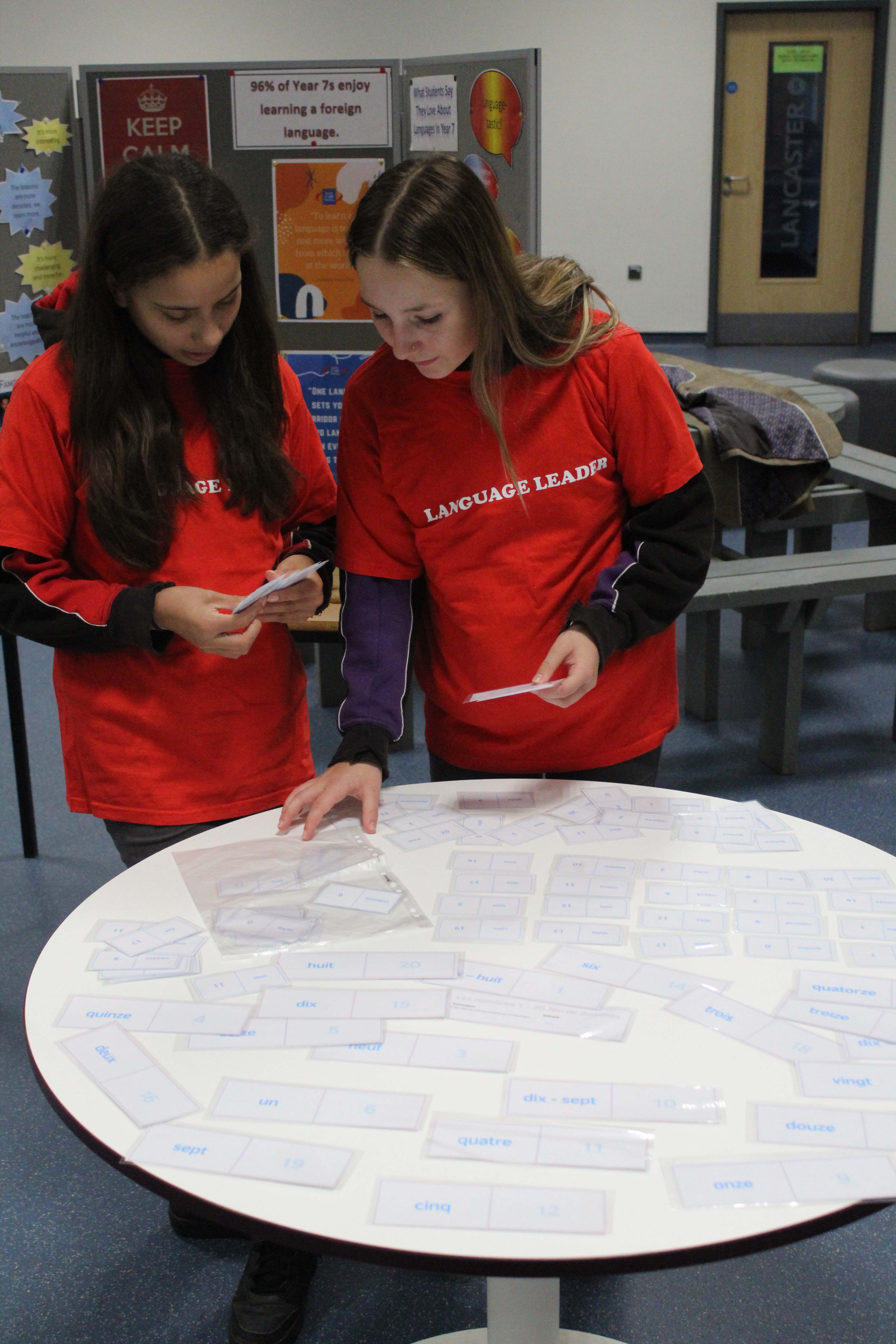
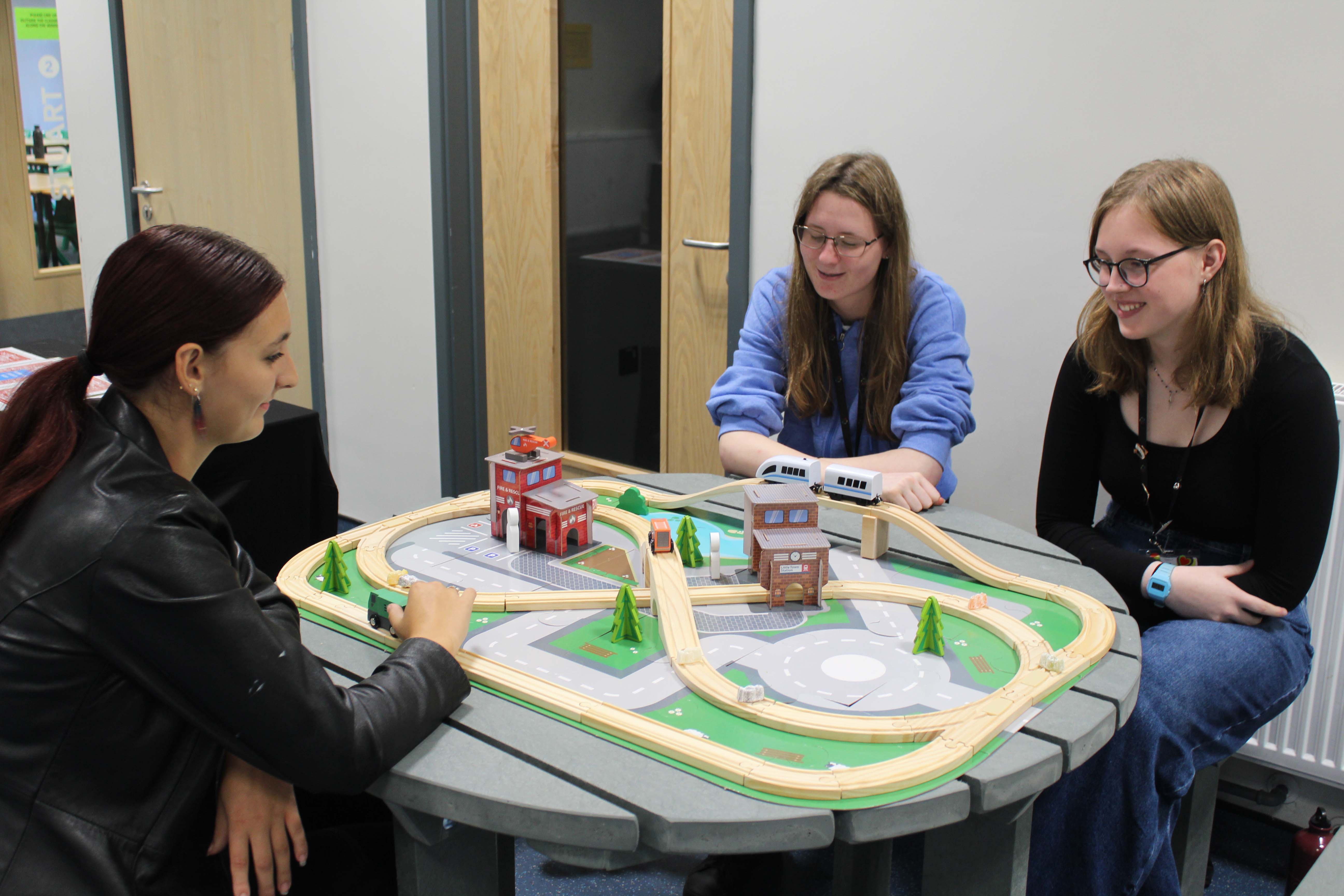
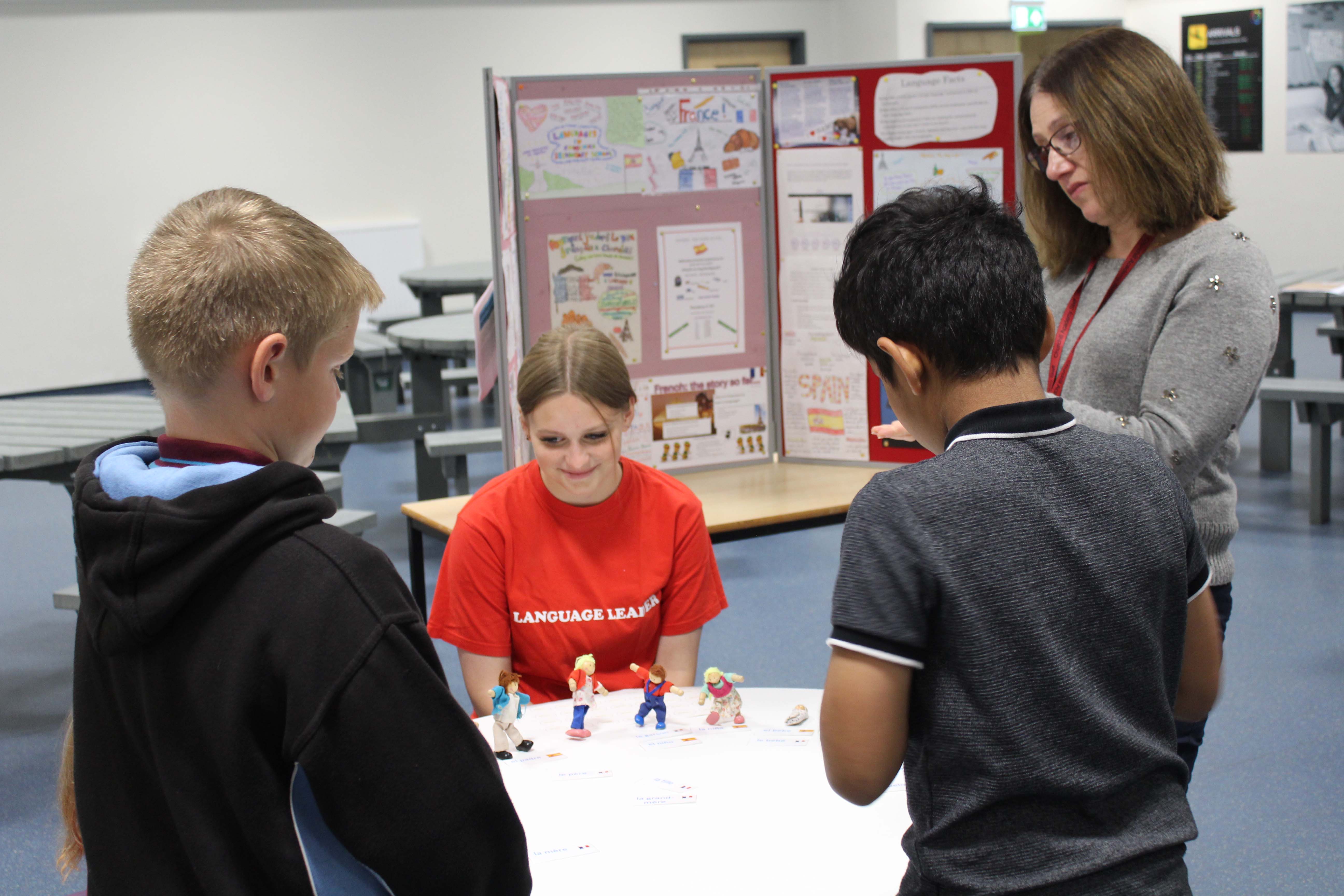
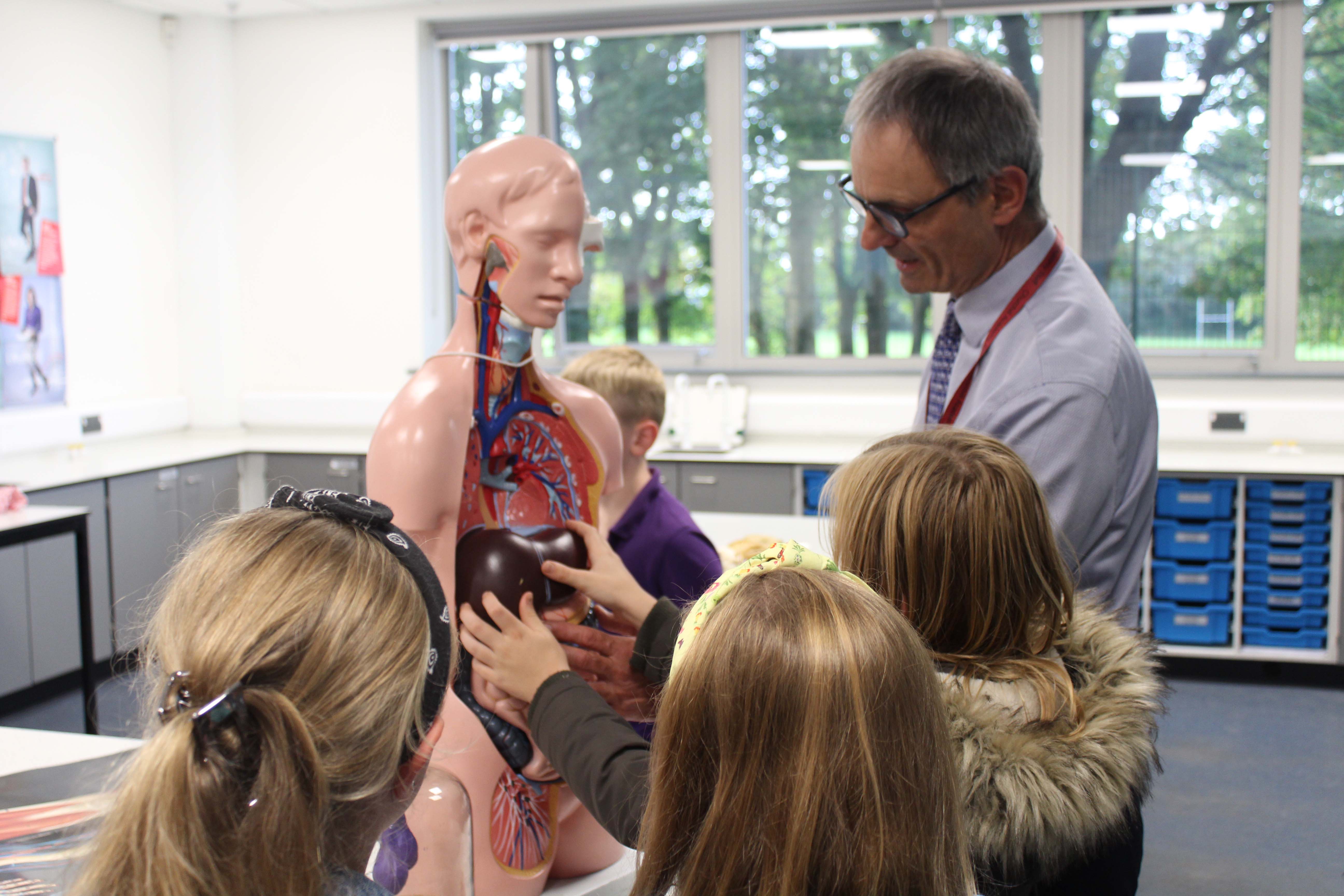
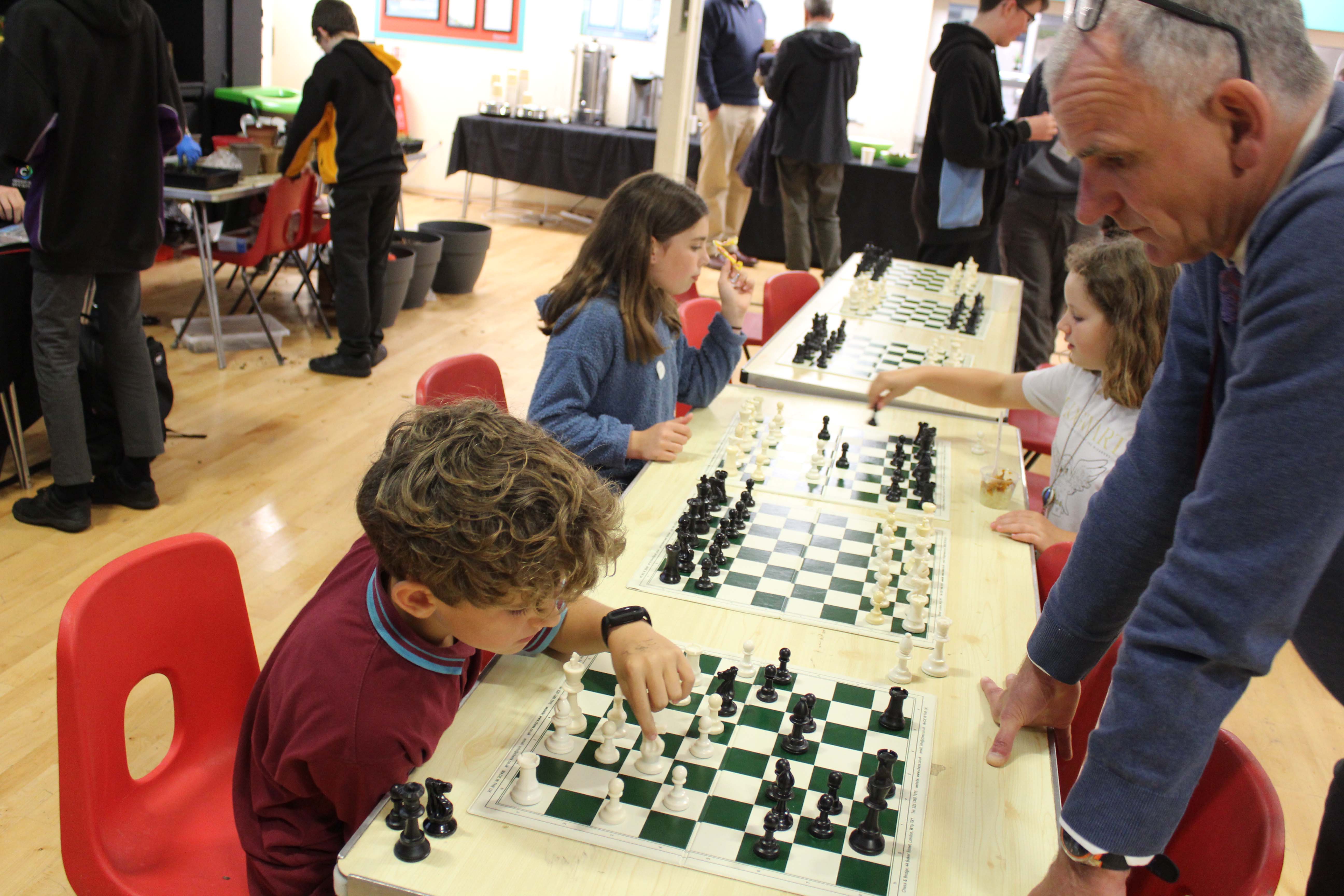
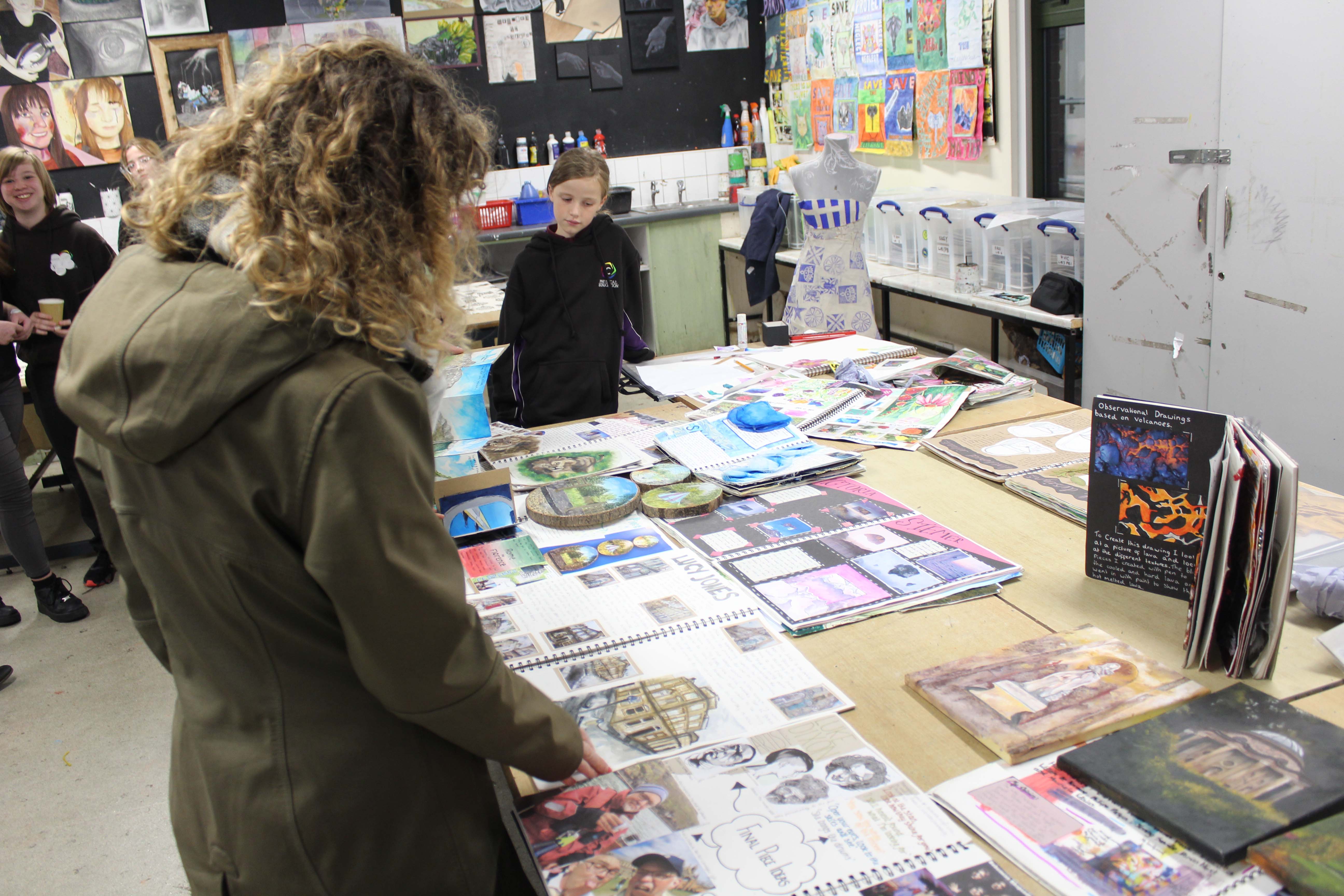
It was great to open up our Academy to visitors on Wednesday for our annual open evening. The rain held off (mostly!) and we welcomed several hundred families onto site to visit our faculties, hear from our students, see our facilities and hear from me about our vision, values and purpose.

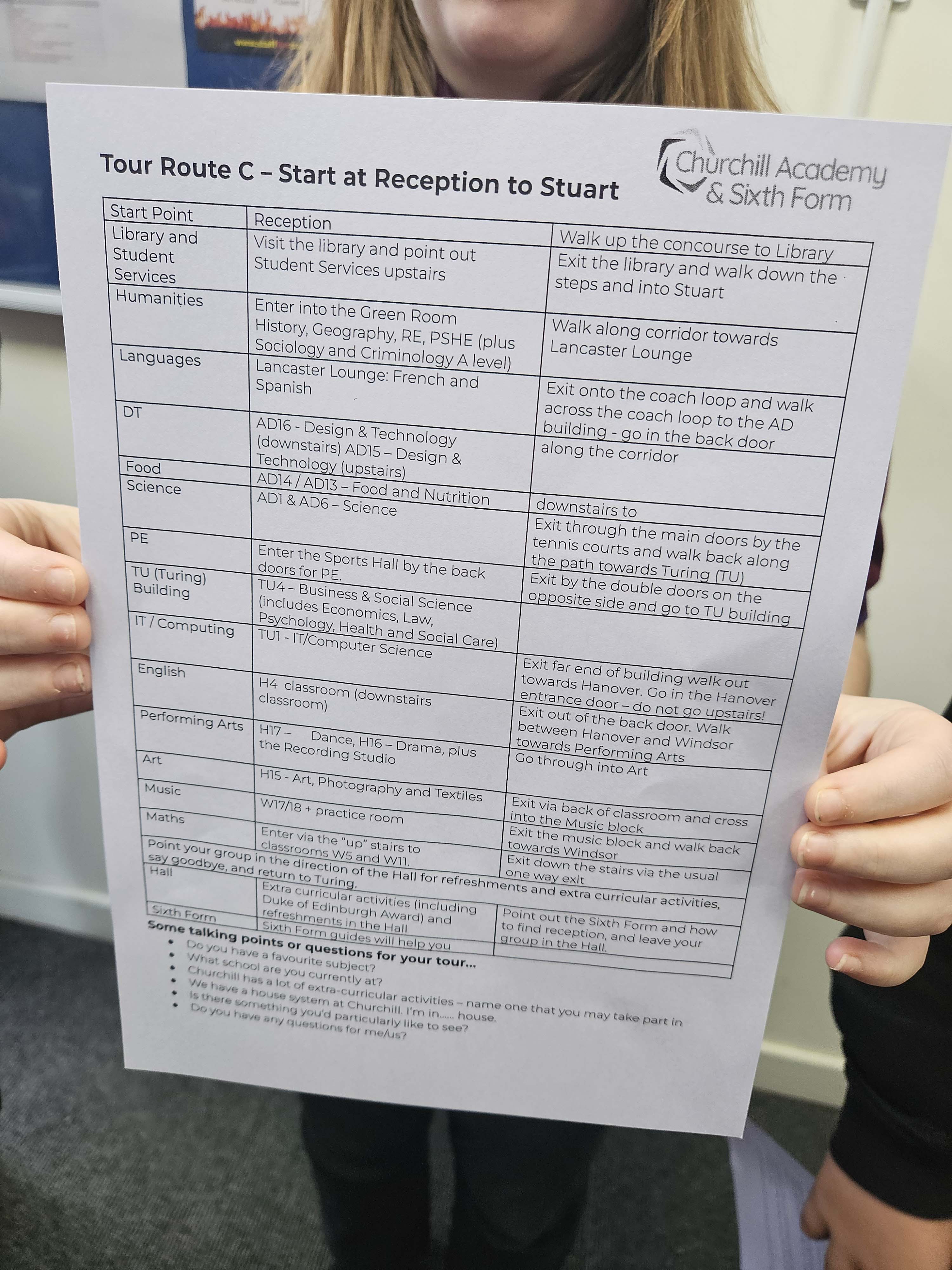
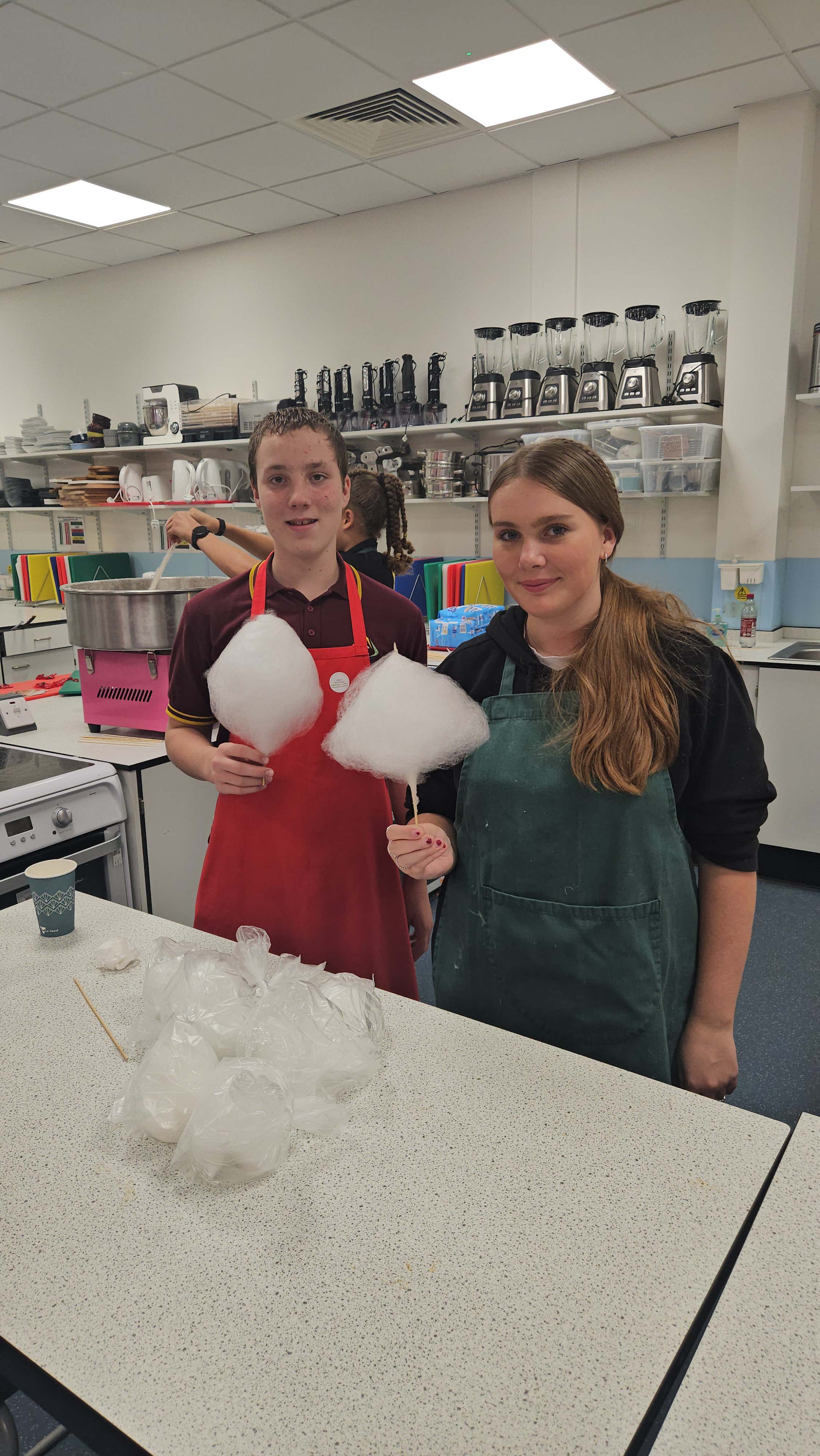
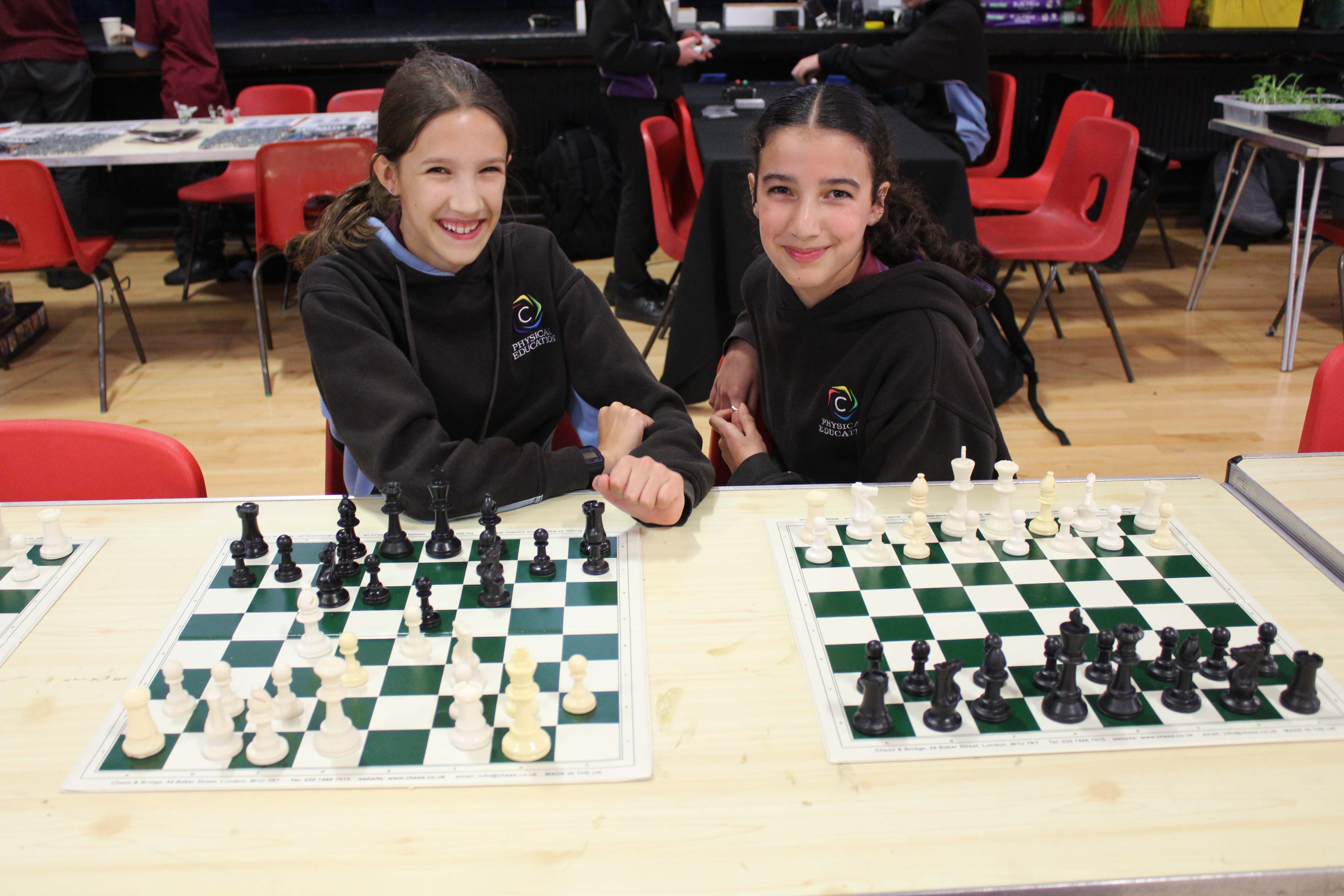
We have had some wonderful feedback from families who visited on our student helpers, who are the backbone of open evening. They are tour guides who take families around the Academy, explaining about all the different buildings and what it is like to be a student at Churchill. They are helpers in faculties, running demonstrations and helping our visitors engage in the activities. They run stalls in our extra-curricular showcase. They are performers, working in drama, dance, music and art to show their work in progress. And Hannah, Kristupas, Maisie, Anna, Lexi and Caitlin were speakers, showing great confidence and poise in addressing the audience in the pool hall during the presentations.

Open evening is a great opportunity to show off the school that we are all so proud of. Even an unplanned fire alarm didn’t put us off! It was great to meet so many future students – we look forward to seeing you all next year.


Applications for place in Year 7 at Churchill Academy & Sixth Form for September 2025 are open now. The North Somerset applications page is here. If you live outside North Somerset you should apply to the local authority where you live – if you enter your home postcode here it will take you to the correct website for you to apply from. We look forward to hearing from you!

Welcome back – September 2024

Welcome back to a new academic year at Churchill! It has been great to see our staff and students as they have returned this week. Our new Year 7 and 12 students have settled really well, and our returning students have come back with a really positive attitude. It’s been a really calm start to the term – long may it continue!

Looking back over the summer, we have much to celebrate and be proud of. Our site team, IT network team, cleaners and a range of contractors have been hard at work upgrading and developing the Academy’s infrastructure.

The Sports Hall has been completely repainted and refurbished, including the changing rooms; our coach loop has been resurfaced; new site security features have been enabled; and every room in the Academy has been cleaned, refreshed, and prepared for the new term. Lots of work has also gone on behind the scenes in IT, improving WiFi, refreshing our systems, and making sure we are ready to go with the best possible hardware and software for our students.

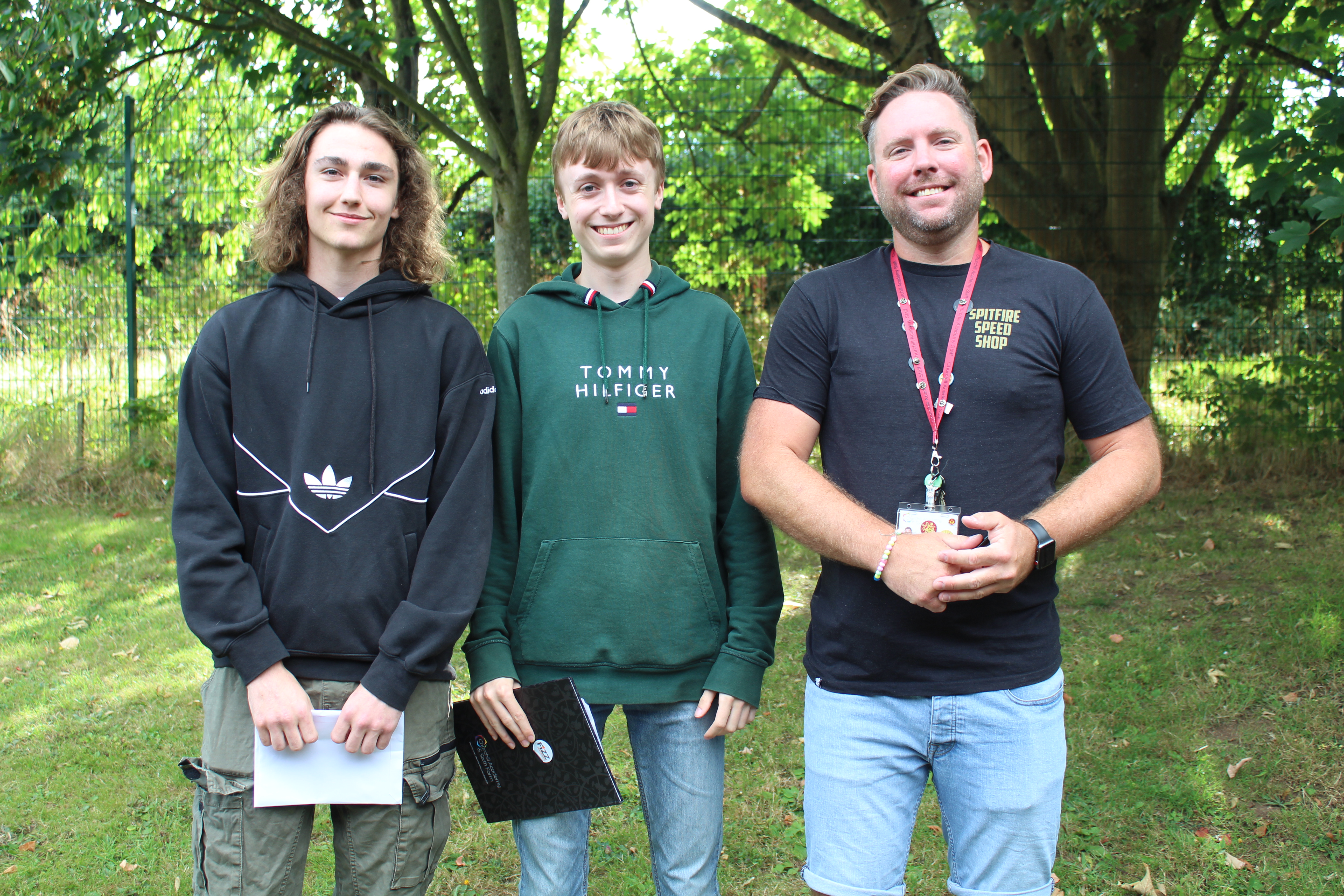
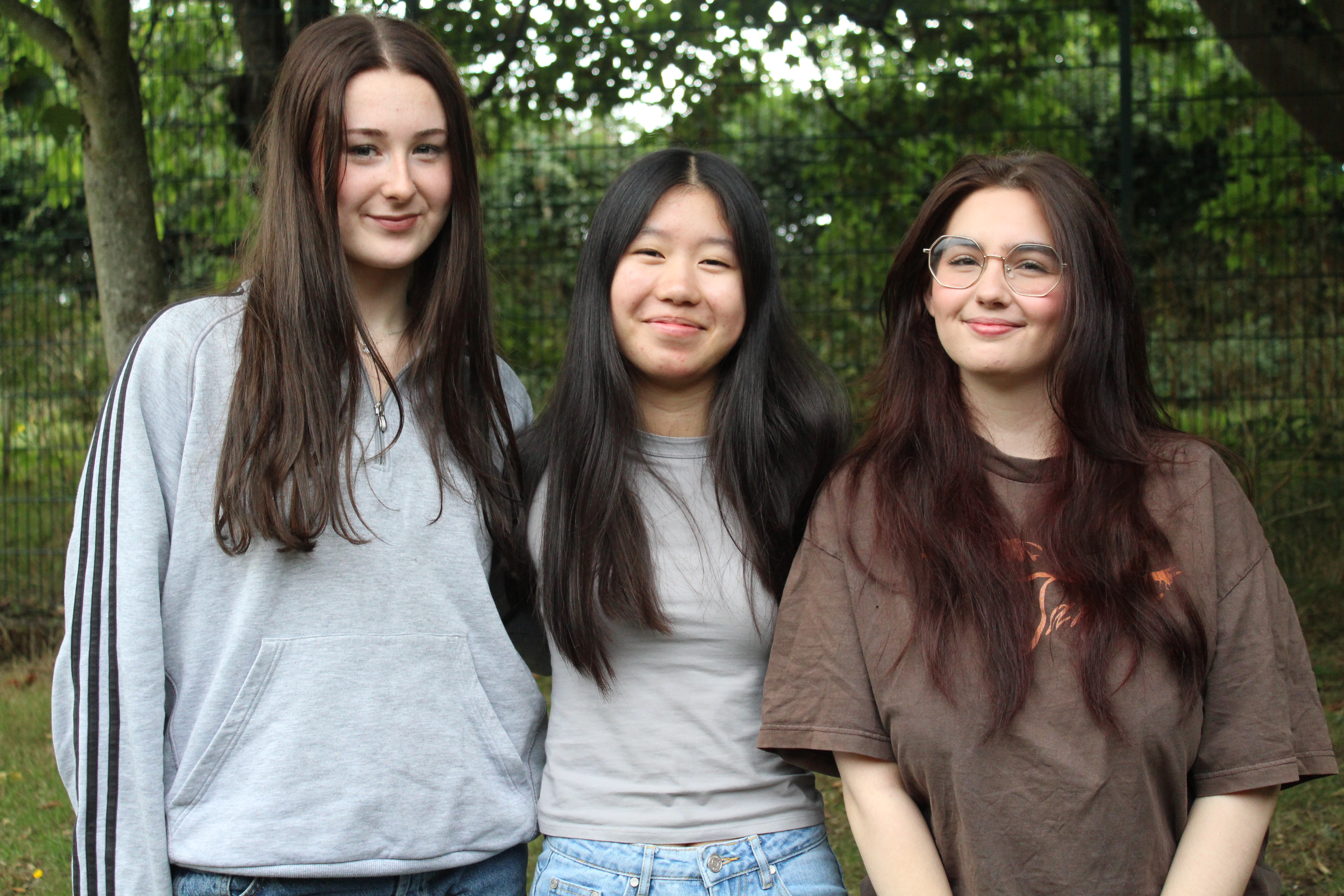
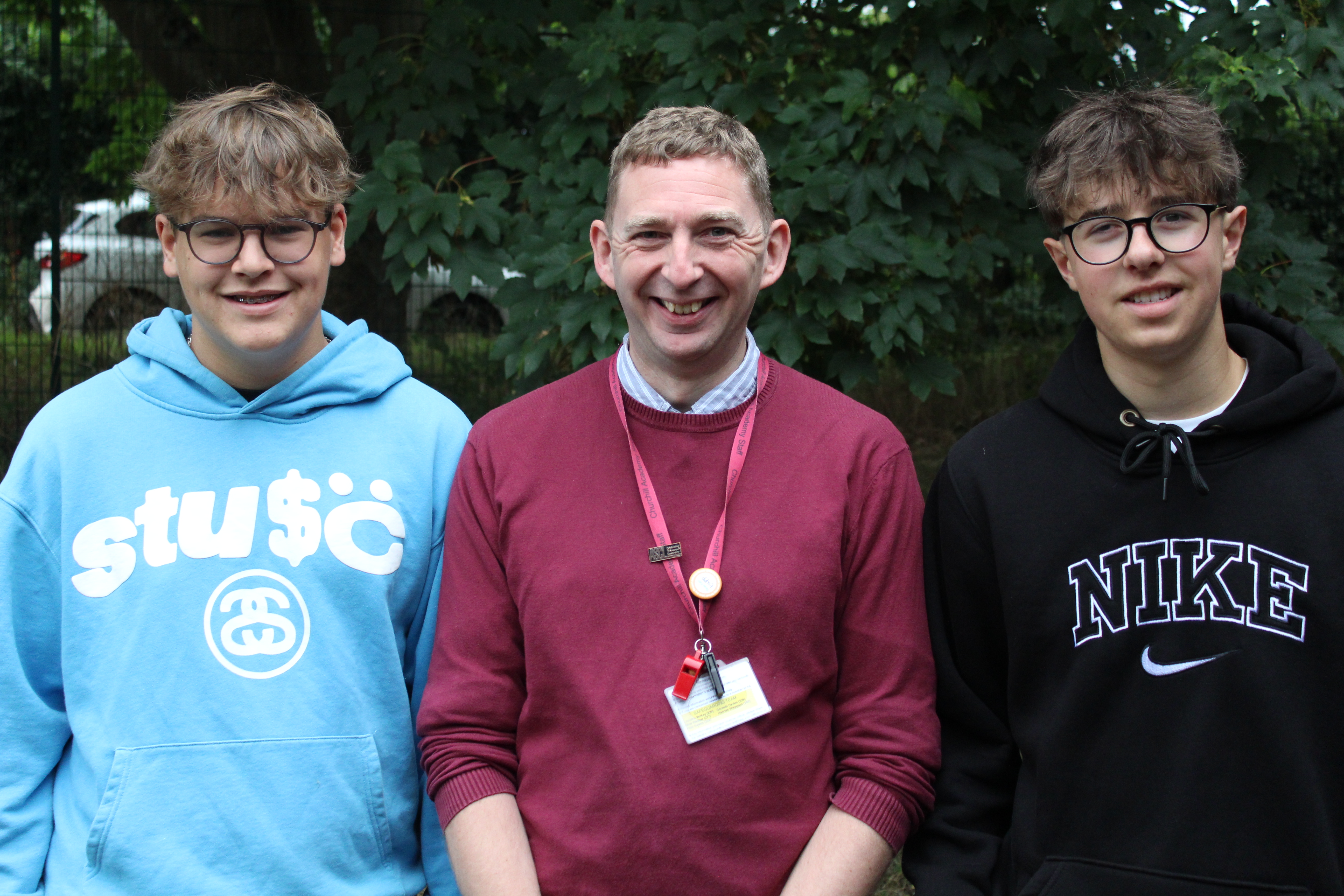
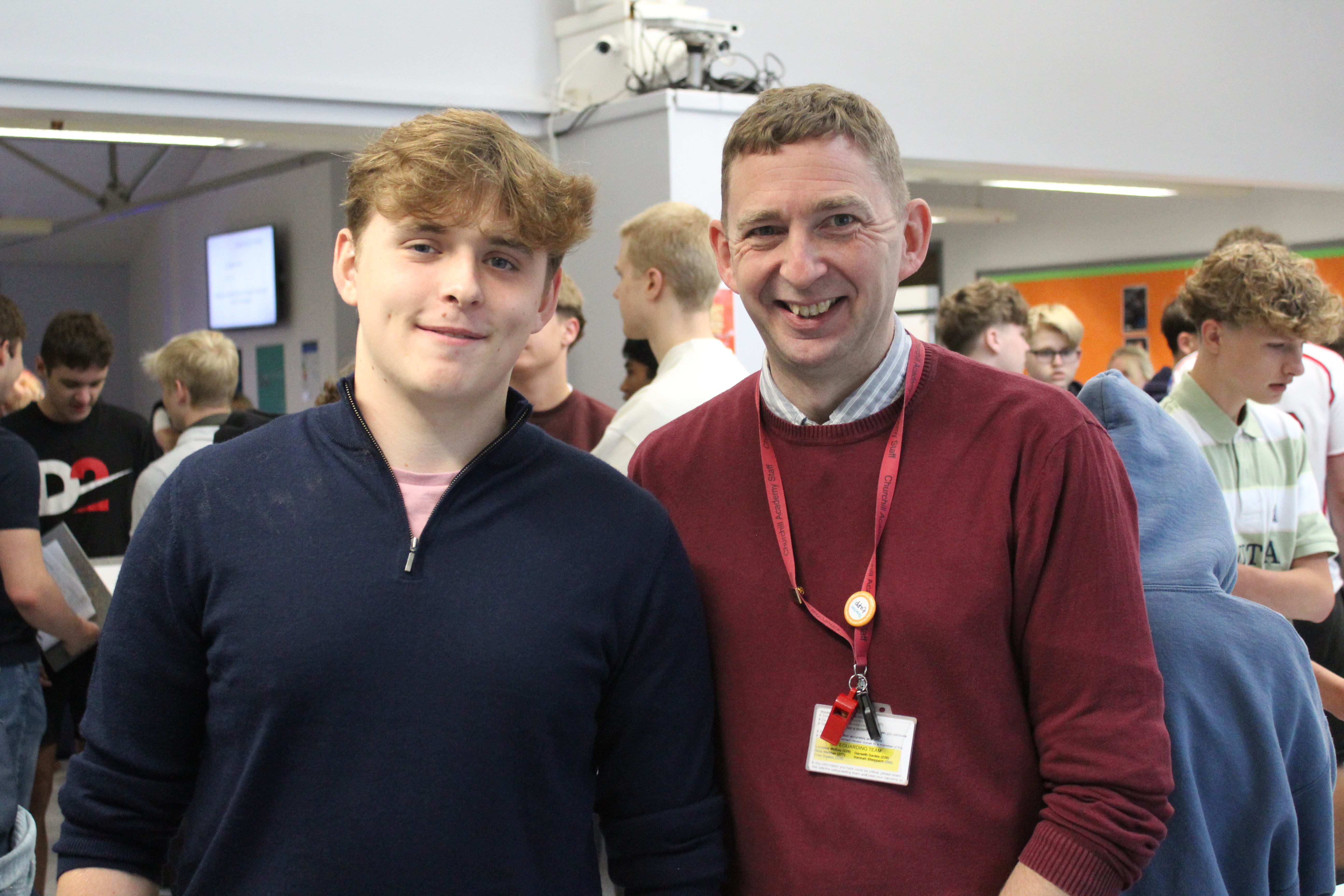
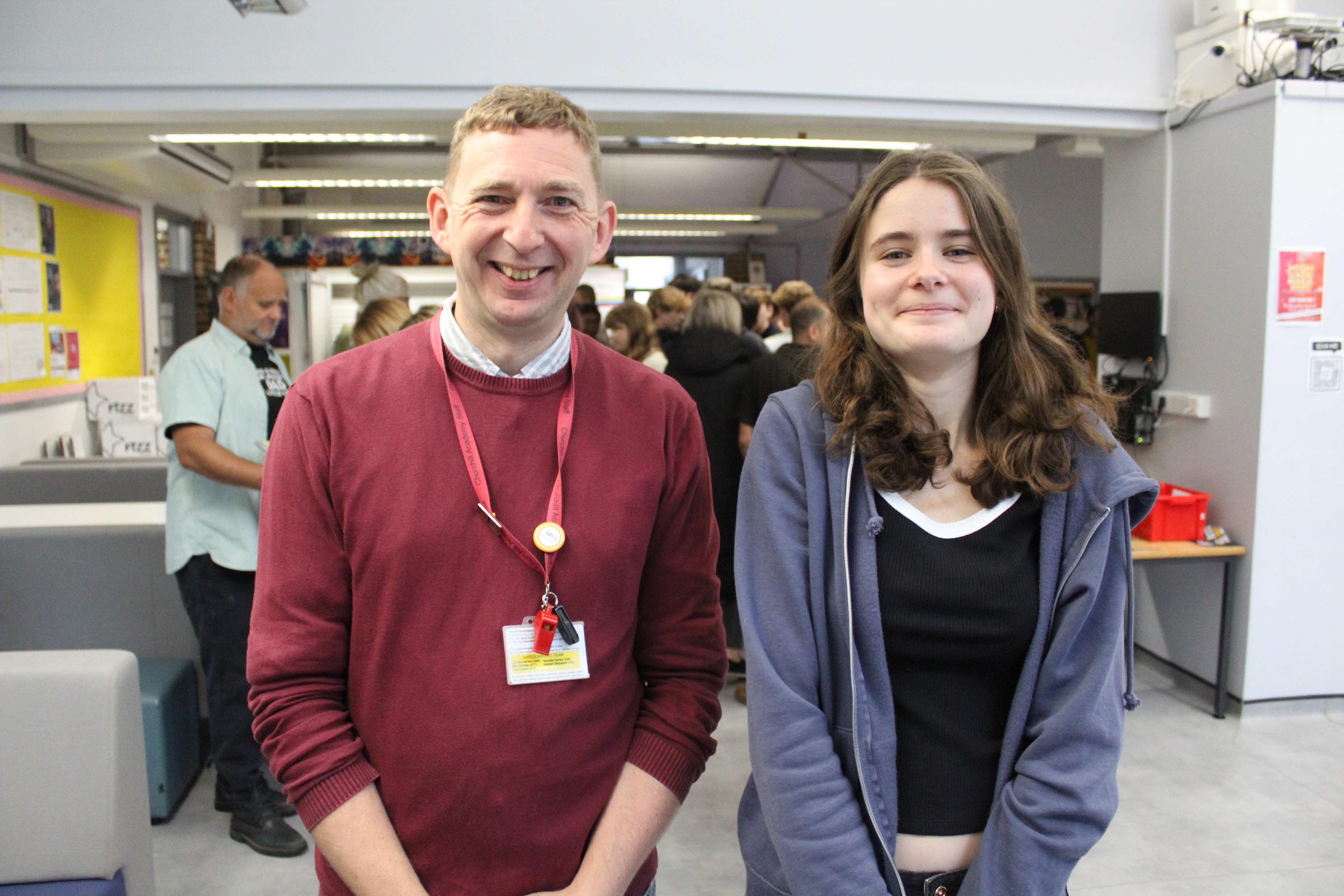
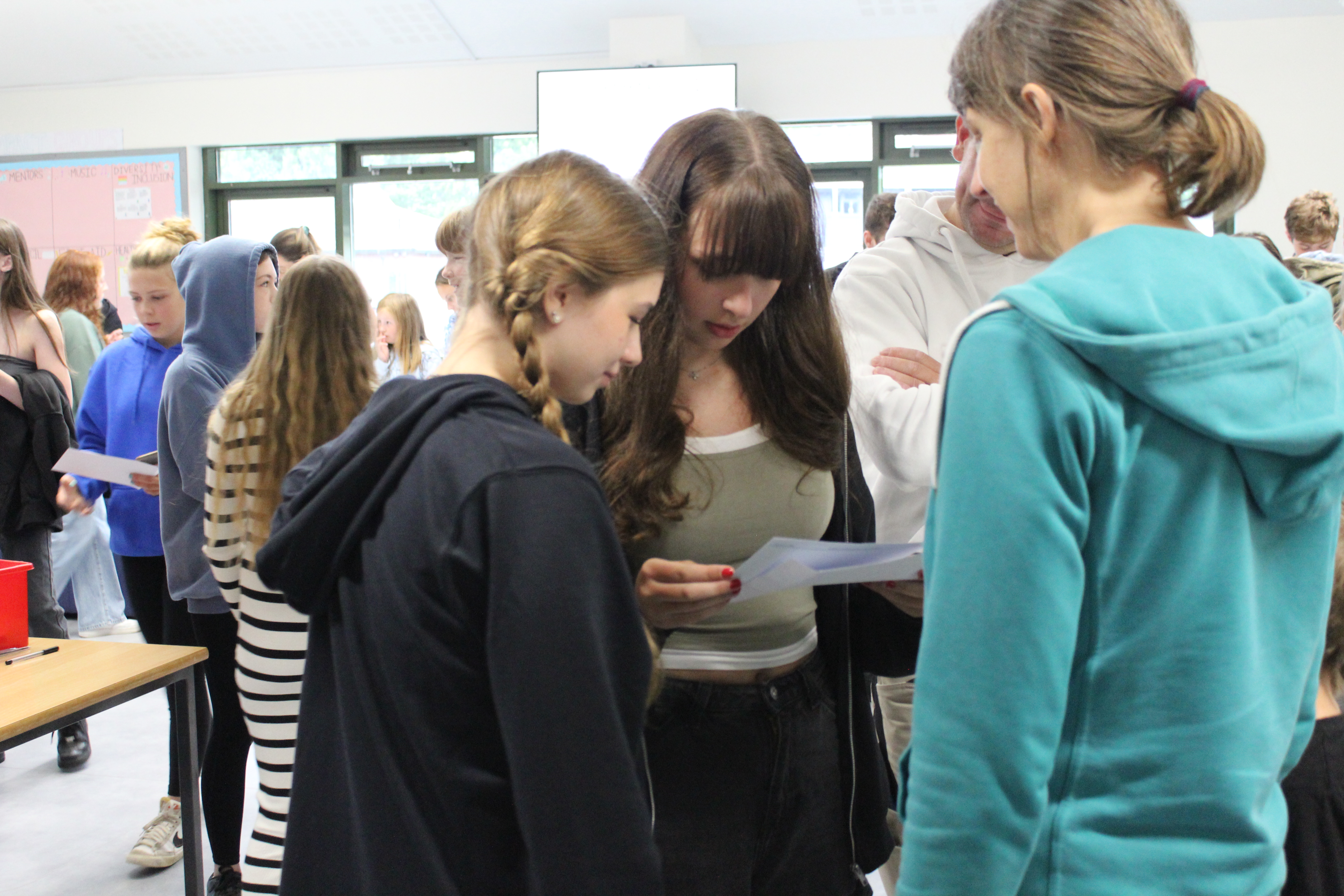
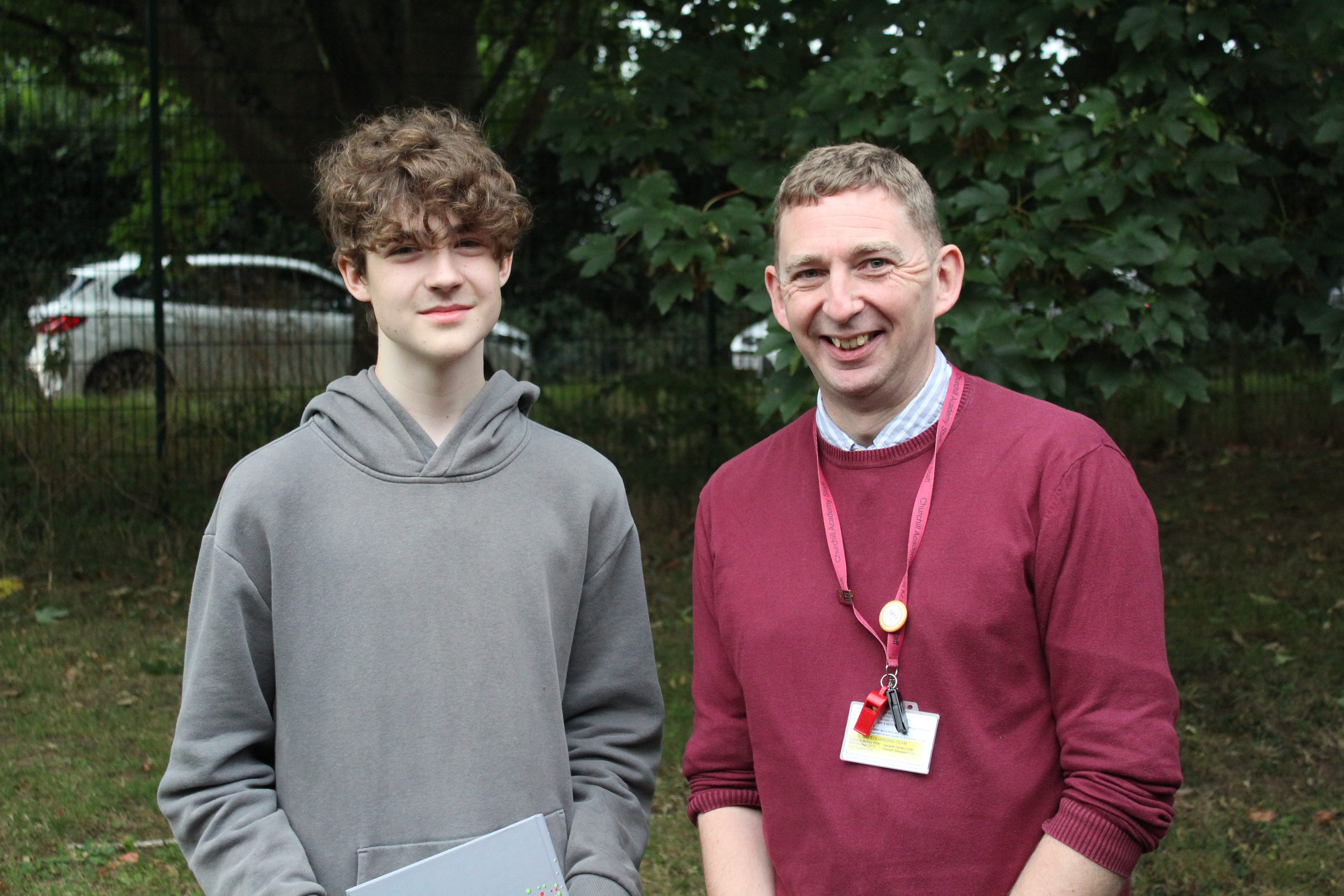
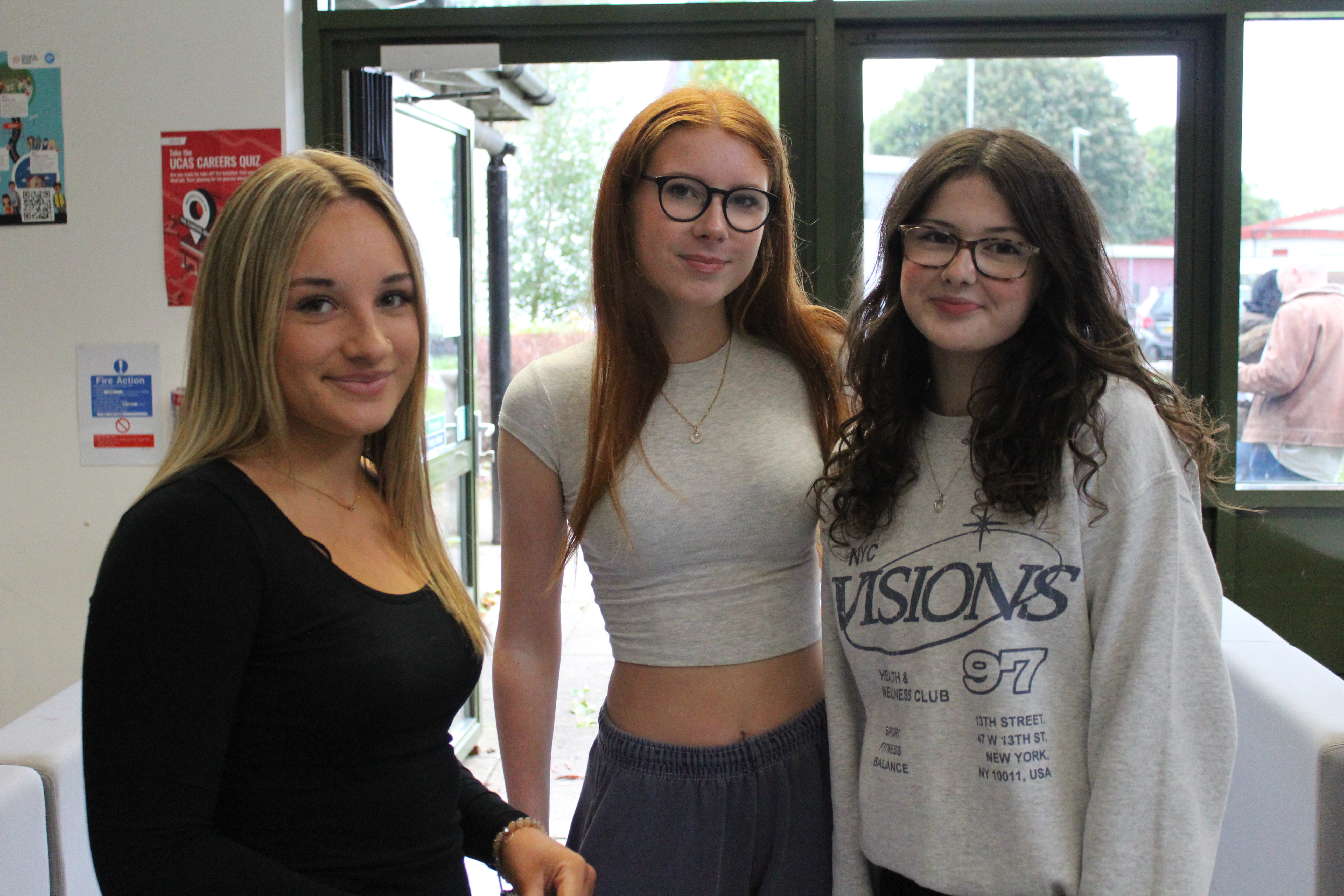
We also celebrated some excellent exam results over the summer, with A-level and GCSE students reaping the rewards of their hard work and dedication with proud smiles – as you can see below. You can read more about the results days on the website: GCSE results and Sixth Form results.

As I write this blog, the summer holiday is already vanishing in the rear-view mirror as we are up and running for the new academic year. Over the next few weeks we have our parent information evenings for each year group as follows:

  • Monday 9th September – Year 11
  • Tuesday 10th September – Year 8
  • Monday 16th September – Year 10
  • Tuesday 17th September – Year 9
  • Wednesday 18th September – Year 12
  • Monday 23rd September – Year 7
  • Tuesday 24th September – Year 13

The evenings will take place in the Academy Hall at 6:00pm. We also have our Presentation Evening next week, and we are looking forward to our Open Evening for future students on Wednesday 25th September. It’s going to be a busy term!

Celebrating Success

Welcome drinks awaiting the Year 11 class of 2024

This week I have really enjoyed celebrating the successes of our students. This included a fabulous Year 11 Ball on Friday evening, with our students in their finery really letting their hair down after a long and tiring exam season!

It continued into the new week with two of our five houses’ Celebration of Success events, handing out certificates to students who have been nominated by their teachers for their exceptional attitude to learning, effort, or their embodiment of the Academy’s vision and values. Celebrating these successes is a great way to round off the end of the academic year.

I even managed to squeeze in the final of this year’s Spelling Bee, with some terrific spelling on display. This year I fell down on the spelling of “serrefine” (a small forceps for clamping a blood vessel, apparently) but fortunately I was still able to tie the staff competition!

Next week we look forward to Activities Week, with all the excitement that brings! Then we have the final week of term where we celebrate the final three houses, award the Sports Day trophy (weather permitting…) and finalise the House Cup for award on the last day of term. I can’t wait!

Transition 2024

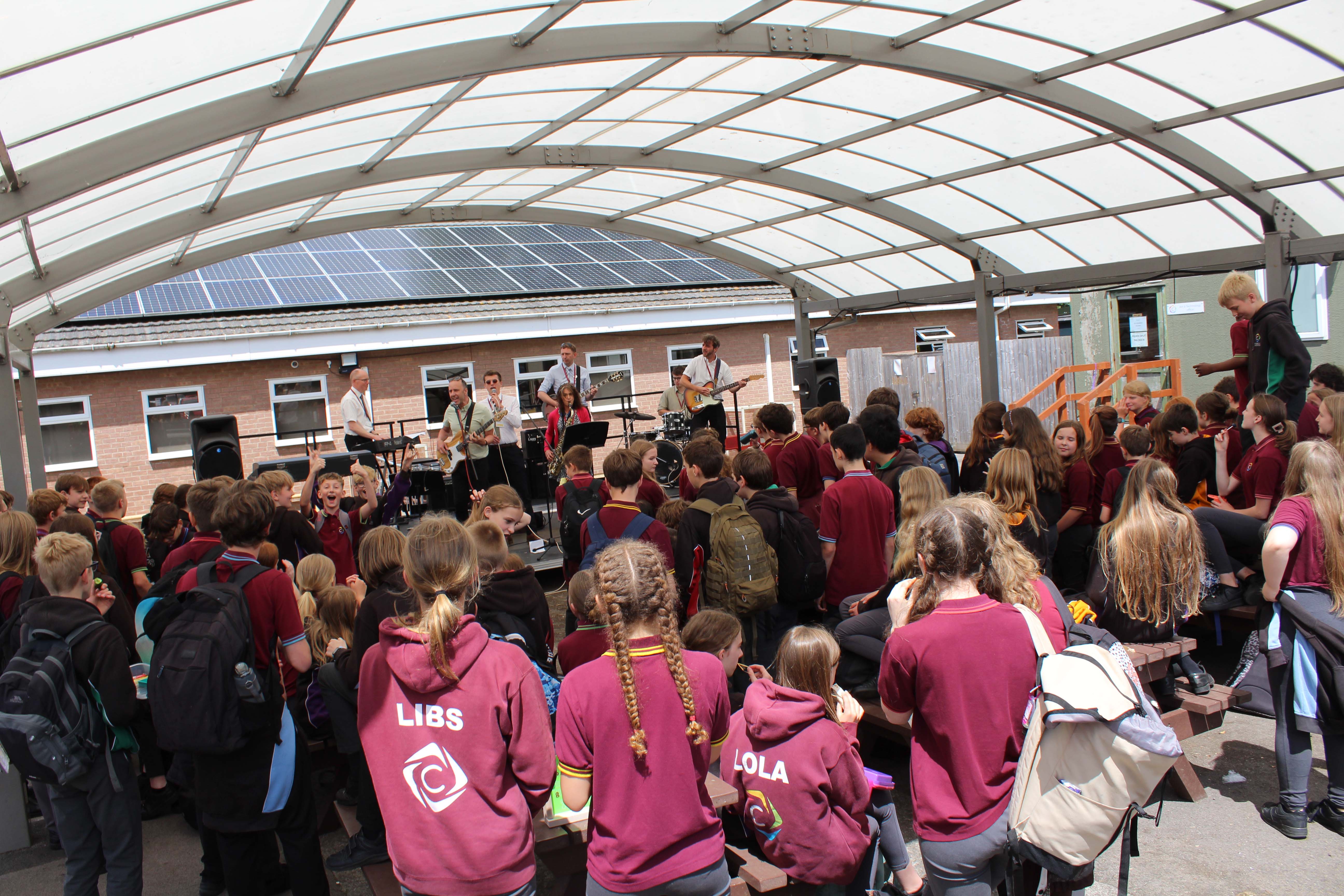
The music festival under the canopy has kept us entertained this week – including a guest spot from the staff band!

It has been a week of transitions at the Academy. We welcomed current Year 6 students – next year’s Year 7 – for their induction day on Tuesday and their drama day on Wednesday. The new cohort really impressed staff and students alike with their kindness, curiosity and determination as they overcame any lingering nerves to settle in well to the Academy. The threw themselves into their lessons and activities with real enthusiasm and certainly made a great first impression!

The drama day was also really impressive. Our Year 10 student leaders did a terrific job of guiding our newest students through their activities as they developed their skills and completed their devising task, leading to some really impressive performances.

On the same day, we also welcomed new staff into Churchill for their induction. We have some fantastic colleagues joining us in September, and I’m delighted to confirm that all teaching vacancies have filled with fully qualified, expert teachers who will be a great asset to the school and to our students. Many of them were able to stay on and meet the parents of next year’s Year 7s at our parent information evening the same night – despite the warm evening, we had a fabulous turn-out and really lovely feedback from families.

Finally, on Thursday, we welcomed next year’s Year 12 students for their induction. Now in their well-deserved post-exam relaxation season, it was a helpful reminder for our new Sixth Form students of the expectations and preparation required for a positive start to A-levels in September. Needless to say, they were an impressive bunch!

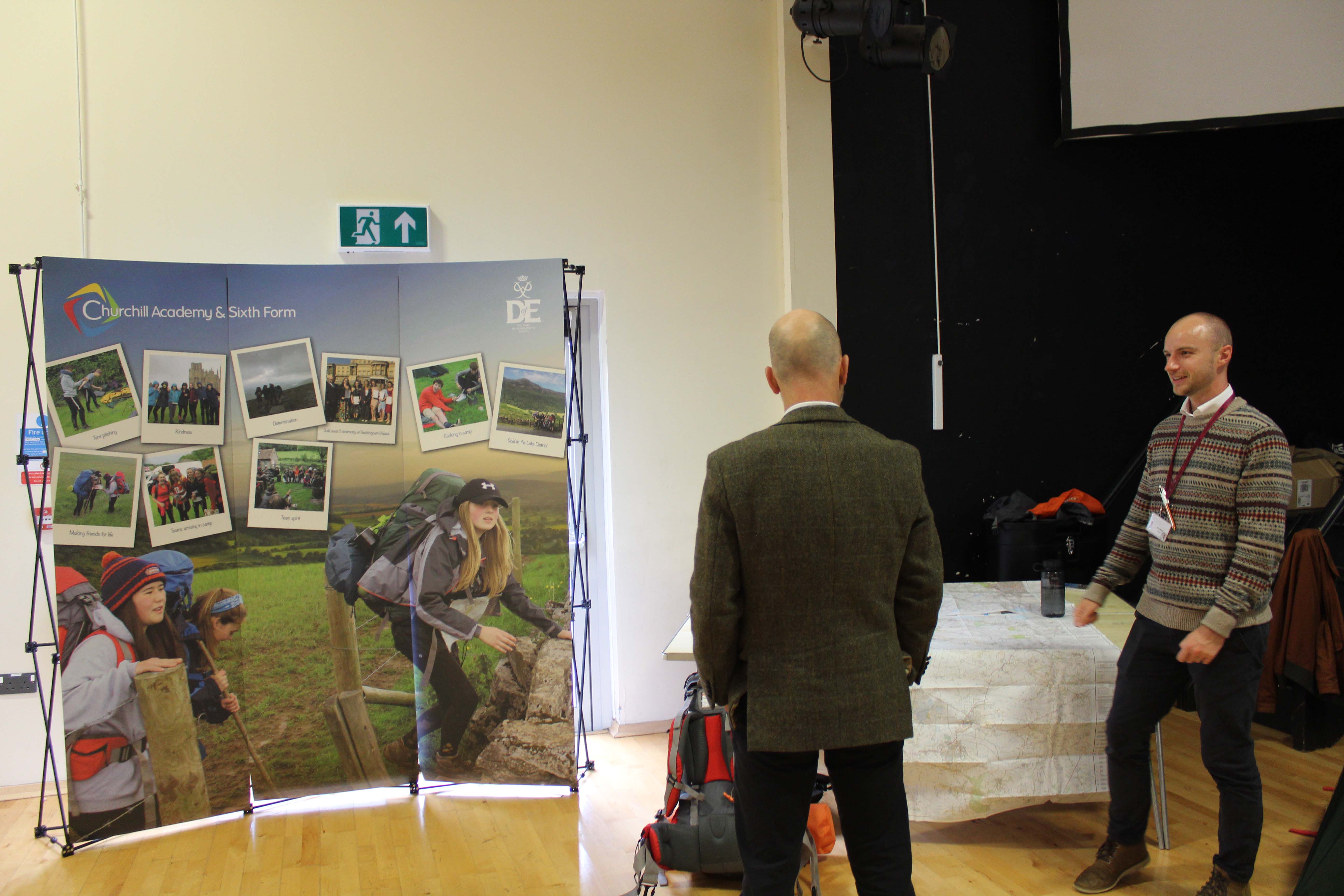
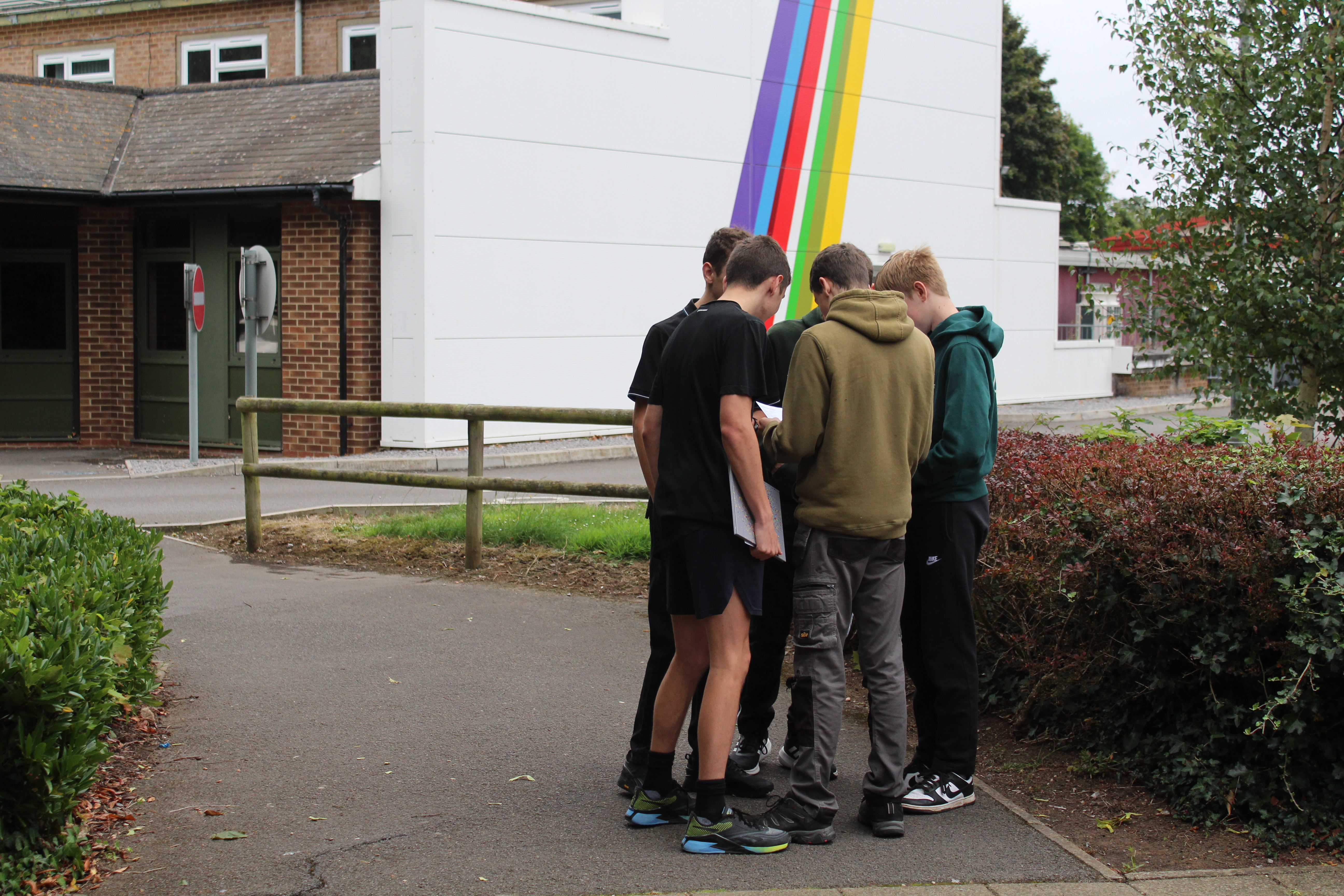
Meanwhile, our current students were excelling themselves with three days of summer music in the festival under the canopy, Duke of Edinburgh teams out on their expeditions, and Strictly Dance Fever wowing the crowds on Thursday evening. Our future staff and students have so many great opportunities to look forward to! And after this week of transitions, I feel like I have a really good understanding of the students and staff who will be joining us in September, enriching and strengthening our Academy even further.

Summer solstice

Today (20th June) is the summer solstice. The summer solstice is the day with the longest period of daylight and shortest night of the year, when the Sun is at its highest position in the sky. From this date until the winter solstice (on 21st December), days will shorten and nights will lengthen, before the cycle begins again. It is a day of transition, when we move from one phase to another.

The date also marks a transition in the school year. The final public exam took place this week, on 19th June, marking the end of the exam season for another year. Next week, we welcome our new Year 7 and 12 students for their induction days at the Academy, as we look forward to the new cohorts of students joining us. We are already planning ahead for September, moving the Academy forward with our developments and improvements.

Before that, we plan to make the most of our long summer days. We have Sports Day, Activities Week, our work experience week, Duke of Edinburgh expeditions, and our celebrations of success to look forward to before we get to the end of this term. We can’t wait!

General Election 2024 – education matters

You will all be aware, I am sure, that the Prime Minister has called a general election which will take place on 4th July 2024. Here in school, we will be helping students to engage with the issues at stake, including running a mock election to give all students the opportunity to cast a vote. Canvassing for all the major political parties will be managed by our A-level politics students, giving them a great opportunity to put their learning into practice.

In this blog, however, I am writing to all those eligible to vote in the “real” election on July 4th – all those who are registered voters. We recognise that we serve a rich and diverse community which will encompass the full range of political views, and you will all have issues which matter to you that will influence your vote.

I would ask all voters – no matter your political persuasion – to consider education issues as part of your decision-making. Please ask your local candidates how their parties will support schools with the key challenges facing our sector at the moment: insufficient funding for schools, a fractured and under-resourced system for students with special educational needs and disabilities (SEND), an overstretched system to support child and adolescent mental health (CAMHS), and a national teacher recruitment and retention crisis. If you meet your candidates, please ask them: 

  • The nation’s children should be provided with a broad curriculum, great support and enriching activities. Is your party willing to fund schools properly so our children have the same opportunities as previous generations?
  • What evidence is there that the education policies in your manifesto will make a positive difference to all children, especially those experiencing disadvantage?
  • What will your party do to ensure that children and young people with special educational needs and disabilities are properly supported in their education and care? 
  • What will your party do to ensure that mental health services for young people are properly funded and able to cope with demand?
  • The current government has consistently missed the targets for teacher recruitment over recent years. What are you going to do to ensure your party will hit the teacher recruitment targets in the future?

I have also been involved with the Association of School and College Leaders (ASCL) who have designed a manifesto to promote education issues to all political parties under the banner #EducationMatters. You can read the manifesto here.

Finally, it is worth remembering that we are fortunate to live in a democracy where every citizen has the right to help choose representatives to govern us in parliament. I would urge every member of our school community who is eligible to exercise their democratic right and responsibility to vote on July 4th.

D-Day: 80th Anniversary

Today is the 80th anniversary of the D-Day landings, which took place on 6th June 1944. D-Day was a pivotal Allied invasion during World War Two, marking the start of the liberation of Western Europe from Nazi occupation. Over 150,000 troops from the United States, Britain, Canada, and other nations landed on five beaches in Normandy, France, facing intense German resistance.

D-Day was the first day of Operation Neptune, a naval assault on the Normandy beaches,
and was part of the larger Operation Overlord – the largest sea and airborne invasion in history. Operation Overlord involved extensive planning, deception tactics (the Germans were misled into thinking the Allies would attack further east, near Calais), and airborne assaults. Despite heavy casualties, D-Day was a crucial success, leading to the eventual defeat of Nazi Germany.

Map of the D-Day landings

Alongside the naval assault, paratroopers landed behind the enemy lines to seize key roads and bridges to support the operation. In total, the operation included 11,000 aircraft as well as thousands of ships.

Into the jaws of death: allied troops landing on Omaha Beach on 6th June 1944

By the end of the day on 6th June 1944, the Allies had landed 156,000 troops ashore, but historians estimate that around 2,500 Allied troops had been killed.

Lieutenant James William Rollo Hildrew

I have a personal connection to D-Day, as my grandfather, James (Jim) Hildrew supported D-Day as part of the Royal Navy. He was involved in Operation Pluto, which stood for “pipe line under the ocean,” an operation to build submarine oil pipelines under the English Channel to support Operation Overlord. These pipelines supplied fuel from the south coast of England to the tanks, trucks and transports landed in France – an incredible engineering operation.

Every year I remember his contribution to the war effort and the freedom we now enjoy. He – amongst the thousands of others involved on the beaches, in the air, at sea and behind the scenes – helped to turn the tide of the war and bring an end to hostilities. When peace was eventually declared, my grandfather returned to his job as a teacher and, ultimately, headteacher – a family tradition I am proud to uphold.

We make the weather

This week we have been bathed in glorious early summer sunshine. Everything seems better when the sun shines! This positive feeling reminded me of a phrase that I read in Vic Goddard’s book about headship: The Best Job in the World. He had the phrase “you make the weather” displayed in his office, to remind him that he set the tone for his school as its leader. I certainly agree with him. As a leader, your interactions, your tone, your behaviour, your manner and your outlook influence the interactions, tone, behaviour and manner of those you lead – and, by extension, the whole organisation.

But I think we all make the weather. Whether it is sunny or rainy, windy or still, dark or bright, we can choose how we relate and respond to one another. We can choose to lift one another up, or drag one another down. We can choose to bring sunshine or gloom in our interactions and behaviour. A smile, a cheerful greeting, being helpful and kind; these behaviours spread happiness and positivity through our community. As another wise headteacher once said: we should be radiators, not drains.

And so, whatever the weather outside is doing, I will always choose to look on the bright side. I will always do my best to bring the sunshine.

Challenge Partners

Challenge Partners carries out school evaluation work across the UK. School leaders are trained to carry out review activities in one another’s schools. Leaders from Churchill Academy & Sixth Form have visited five different schools across England to carry out reviews, and in return we had five reviewers from schools across the country visit us just before Easter to review our Academy. 

The review took place over three days at the end of Term 4, and involved thorough scrutiny of documentation and data, visits to lessons and tutor times, meetings with staff and students, and discussions with governors. It was a testing and searching process, but very helpful to us in providing external scrutiny on our provision. 

Unlike Ofsted, Challenge Partners does not reduce the school to unhelpful single word or phrase judgements. Instead, they provide a narrative report designed to help the school’s continued development and improvement. 

We are delighted with the findings. Some highlights include: 

  • On behaviour: “The school now has established routines that support the calm and purposeful environment. Key Stage 3 pupils said about behaviour, ‘Quite a big change … it’s better now because it means you can do more learning and focus more…classes are quieter and more concentrated.’” 
  • On relationships: “Across the school, the very positive relationships between staff and pupils create a safe, purposeful and welcoming culture. Teachers know pupils as individuals. They celebrate achievement and effort.”
  • On tolerance: “Leaders ensure that tolerance, difference and inclusivity are promoted through curriculum design across the school. Pupils’ voice, related to their perceptions and experiences, is valued and used to inform [professional development]. The school has developed cultural celebrations to further recognise diversity, including neurodiversity and LGBTQ+.”
  • On curriculum and progress: “The curriculum is continually reviewed to ensure that it is broad and challenging for all pupils…In 2023, pupils at the school made better than national rates of progress.”
  • On disadvantaged pupils and pupils with additional needs: “Vulnerable pupils are known as ‘priority learners’ to represent the intention for them to be placed foremost when creating the universal provision. Leaders take a strategic approach to planning for pupils’ needs…A group of ‘priority learners’ who were spoken to appreciate the levels of support provided to them and they felt they could ask for help.”

These are just some of the highlights of an overwhelmingly positive report, which confirms our view that the Academy is in a strong position and that we are continuing to improve. I would urge you all to read the full report, which is published on our website here.