Books I have read in 2025

Things have been a bit quieter on the Headteacher’s Blog this year, as I’ve prioritised the weekly newsletter, the Academy website and my termly Headteacher’s Update letters. But I couldn’t let the year end without my annual “what I’ve read” post! Here are the best books I’ve read this year:

Sunrise on the Reaping by Suzanne Collins
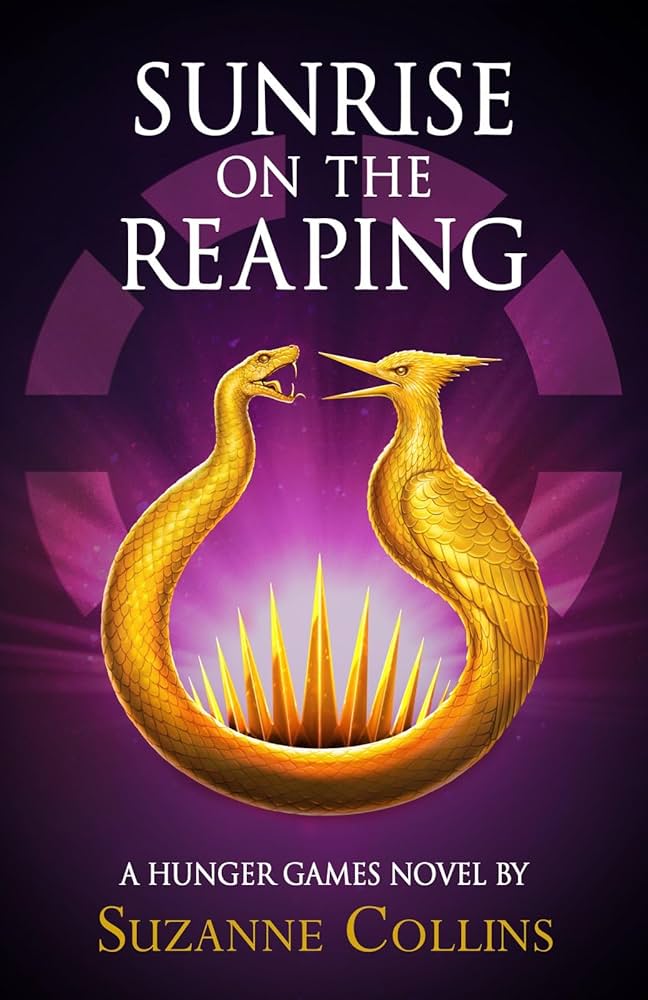
I just love the world of “The Hunger Games” and I’m delighted that Suzanne Collins has chosen to dip into the history of Panem to give us snippets of the world that led up to the events of the original trilogy. I thought The Ballad of Songbirds and Snakes was just brilliant, and this latest instalment, telling the story of Haymitch’s Hunger Games, was a gripping page-turner. The fact that I already knew what happened, as Katniss and Peeta watch the video of the games in Catching Fire, meant that it wasn’t quite as gripping as Ballad of Songbirds and Snakes, but still a really enjoyable read. And I’m looking forward to the film next year!

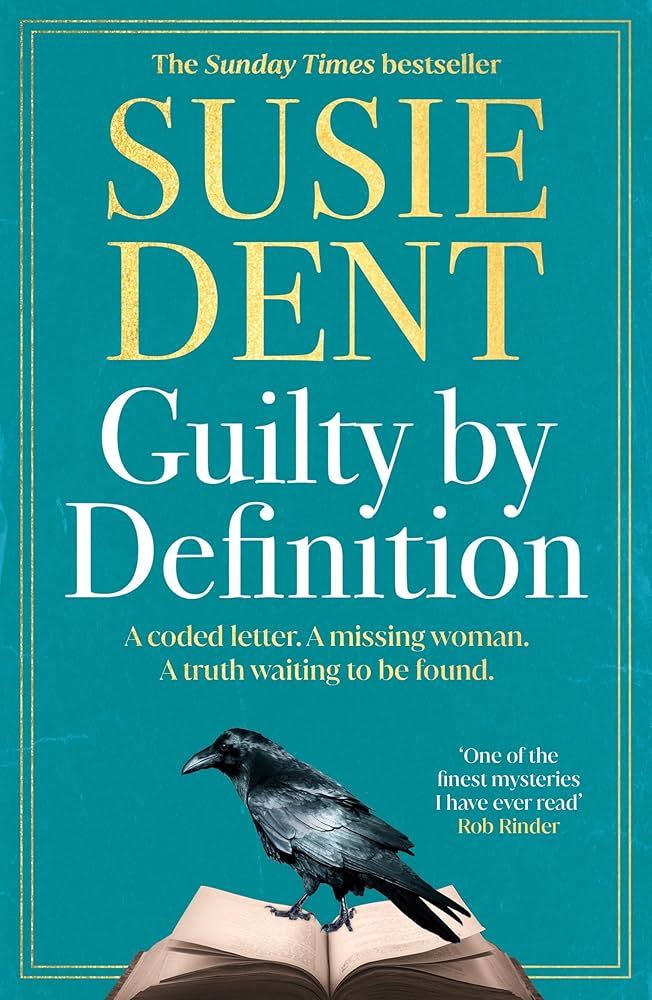
Guilty by Definition by Suzie Dent

As an English teacher, the prospect of a murder mystery written by the resident lexicographer from Countdown where the clues to the crime are all coded in language, etymology and literary references was too exciting to miss! The novel itself was really rewarding, but there are slightly awkward moments where the characters – all of whom are professional linguists – explain the references and meanings of words to one another for the reader’s benefit, in a way that didn’t feel true to how they would actually speak to one another. That aside it was a terrific read!
The Painter’s Daughters by Emily Howes
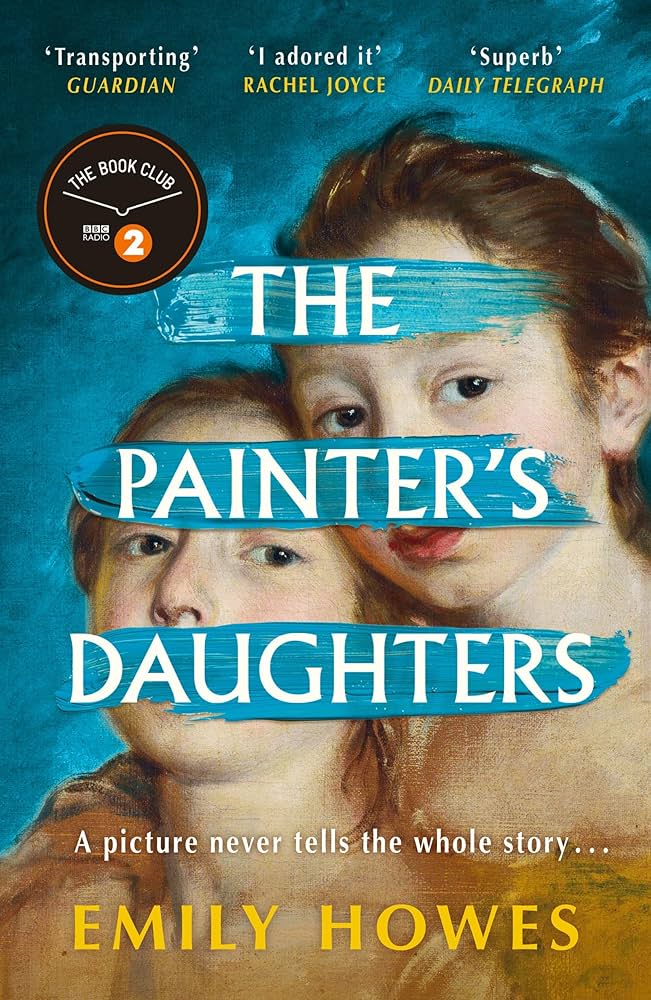
Emily Howes has found a really rich idea for a historical novel, imagining the lives of the two daughters of celebrated eighteenth-century portrait artist Thomas Gainsborough. Gainsborough painted six portraits of his two daughters, and Howes uses these portraits as staging posts to tell their story. The novel deals with mental illness in a time where such conditions were not recognised, the pressures of high society, and the challenges for women to have their voices heard in a world dominated by men. I loved the depiction of Regency Bath as well as Howes’ vivid re-imagining of what might have happened to Peggy and Molly.

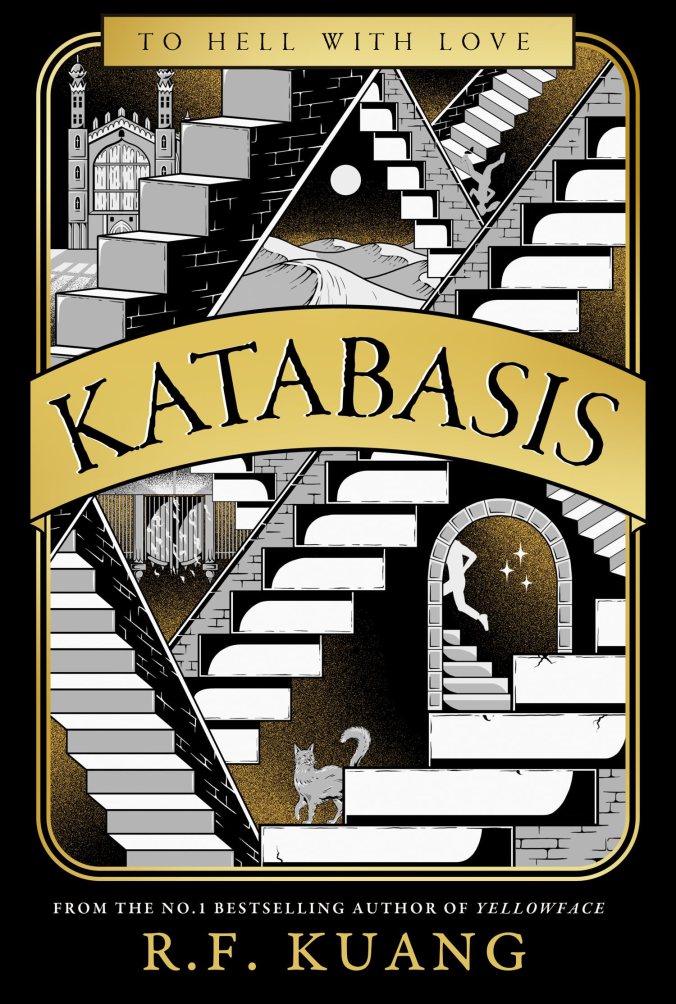
Katabasis by R.F. Kuang

I was looking forward to this one, as I absolutely loved reading Babel when it came out – and Kuang’s latest novel didn’t disappoint. She imagines a world where you can study magic at university. Within the pressurised world of this academic field, two postgraduate students – desperate to complete their doctorates – journey to hell in an attempt to find their Professor, who unfortunately exploded when a spell went wrong. If you’re thinking it sounds absolutely crazy, you’d be right! But Kuang draws the reader into the increasingly frenzied and frantic quest with such skill that it all, somehow, seems quite believable. Brilliant!
Wolf Hall by Hilary Mantel
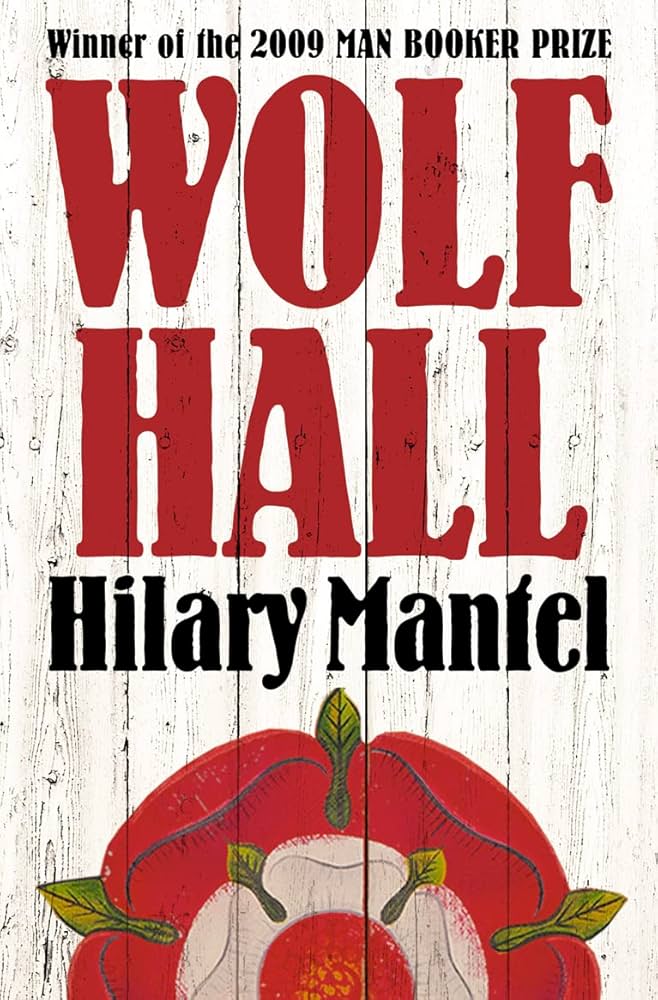
I know, I’m late to the party on this one, but it’s been on my “to read” list for ages and, this summer, I finally got around to reading the book that everyone was talking about a decade ago! You don’t need me to tell you just how brilliant Mantel’s depiction of Thomas Cromwell, advisor to Cardinal Wolsey and, later, King Henry VIII is. Accurate to the historical events of the Tudor period, Mantel fills in the blanks with incredible realism, conjuring the characters with such skill that they live and breathe on the page. Needless to say, I went straight on after this one to read the equally brilliant sequel, Bring up the bodies, which deals with Henry’s marriage to Anne Boleyn.

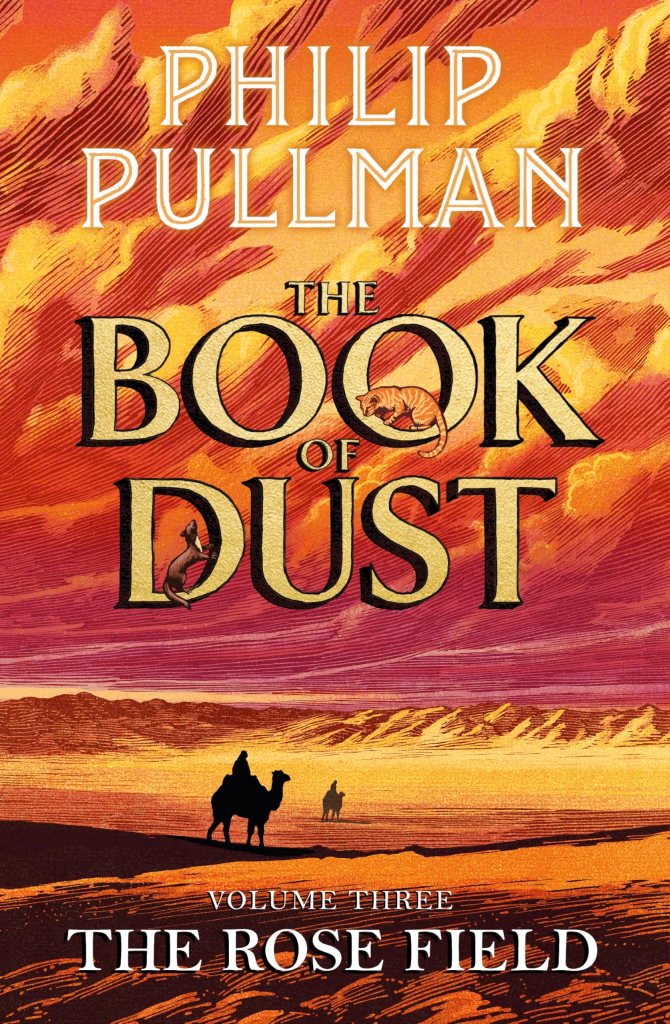
The Rose Field by Phillip Pullman

I think the His Dark Materials trilogy would be a strong contender for my “best books ever written for young adults” award, and I was so excited when Phillip Pullman decided to continue the story of Lyra and her daemon (soul-animal) Pantalaimon in the Book of Dust trilogy. If I’m honest, I found La Belle Sauvage a bit baffling, but The Secret Commonwealth really picked up the pace and I read this final instalment voraciously. Pullman’s imagination brings in gryphons, witches, and lodestone resonators to great effect, but the fantasy elements are really just a background to an exploration of what it is that makes humans human. It is no spoiler to say that the answer is, ultimately, our imagination. Just brilliant.
White Nights by Fyodor Dostoevsky
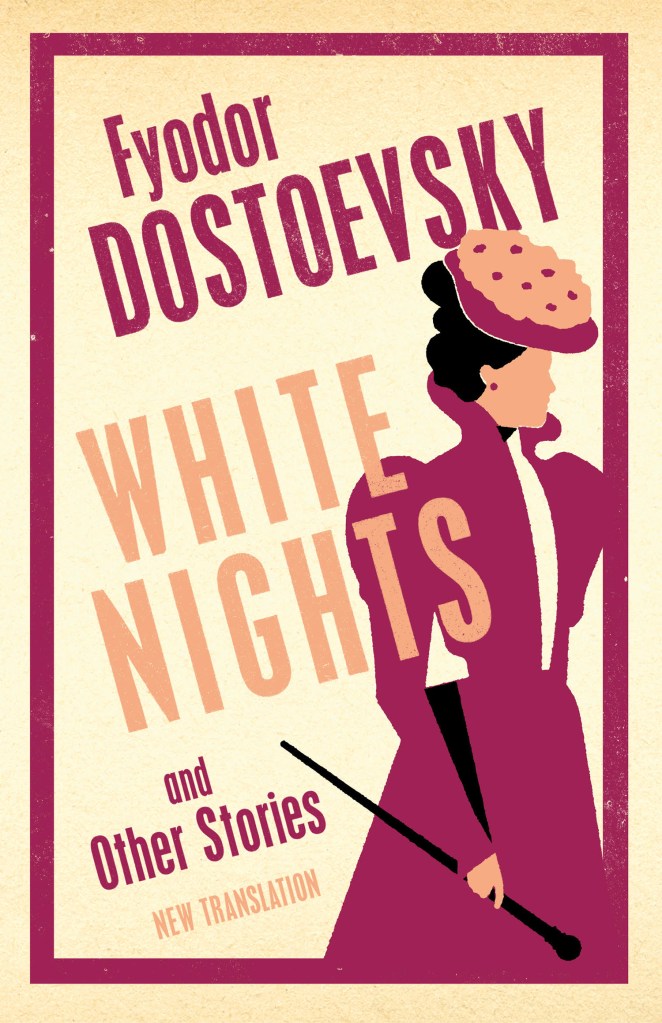
This short novel was recommended to me by a Year 11 student in a Sixth Form interview, who reviewed it very enthusiastically! I admitted that I haven’t read as much Russian literature as maybe I should have done, so set about correcting that with this tale of thwarted love, youthful passion, and frustrated desire. It was every bit as good as my interviewee said it was!

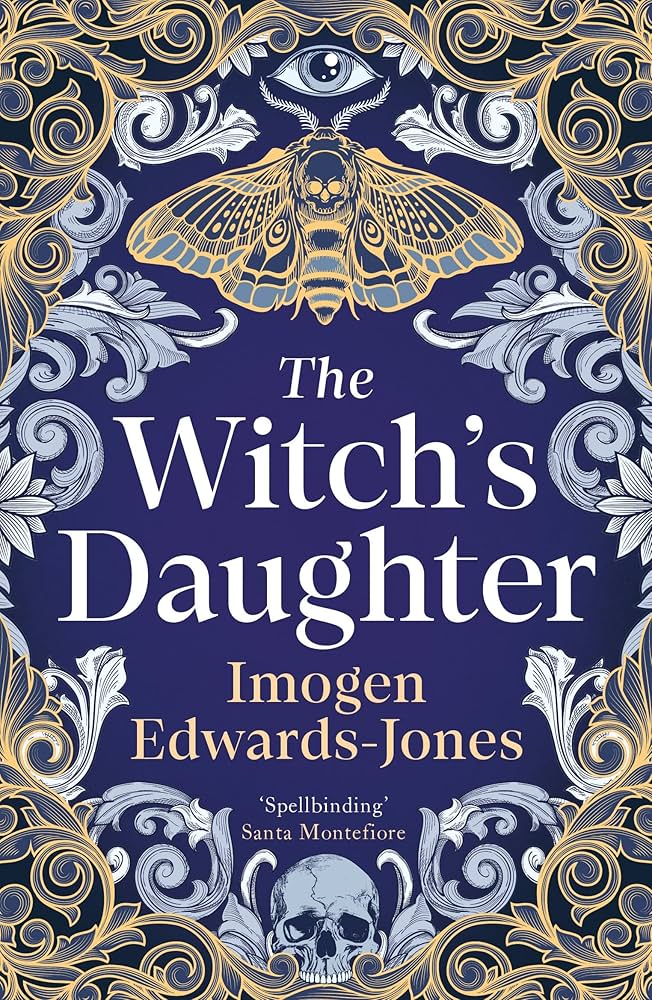
The Witch’s Daughter by Imogen Edwards-Jones

Although my knowledge of Russian literature may be lacking, I did read this historical novel earlier in the year. Set against the backdrop of the 1917 Russian Revolution, this novel tells the story of Nadezhda, whose links to Rasputin and the soon-to-be deposed Romanov family give her a close-up view of the collapse of Tsarist Russia and the formation of the new communist state. I found it a fascinating read and a great insight into a vital period of history.
Looking back, I’ve majored in historical fiction and fantasy this year! Who knows what 2026 will bring. Happy reading!

Careers Education at Churchill

This evening we held our Careers Convention at the Academy. We had over 50 providers on site, to inspire and talk to students and their families about careers and future pathways. These providers included further and higher education providers, and employers representing construction, engineering, manufacturing, business, law, finance, digital, health, social care, the Armed Forces, automotive, property, veterinary, catering and many more!

This was a great event, but it is really the tip of the iceberg in terms of our careers education programme. At Churchill we develop the skills, character and experience that students need to succeed in later life and make a positive difference to our society. Surrounding our curriculum, extra-curricular activities, behaviour system and our pastoral care are core values of kindness, curiosity and determination that help to develop our students, along with their families and the wider community, into the citizens of tomorrow.

These elements of character education are intrinsically linked with career readiness. In addition to this network of personal development there are explicit events, activities and programmes that provide the ‘lightbulb’ moments for our students. Over the course of seven years, from Year 7 to 13, there is a wide range of activities, events and core skills that knit our Careers Programme together.

These events include our Careers Convention but also our World of Work Day for Year 10, Careers to Curriculum Day for Year 9, and work experience weeks for students in Year 10 and the Sixth Form.

As well as these events, careers learning is embedded across our curriculum from Years 7 to 13. This happens through explicit links to career choices, through the development of skills that are needed for a student’s future and the breadth of wider curriculum opportunities available. All subjects teach how their subjects lead to different career pathways, supported by the PSHE and pastoral programmes.

All students have access to our qualified and independent careers advisor, Suzie McGonigal. Suzie’s background is in industry, including BUPA, Capita, working with private and public sector clients in the healthcare, retail, construction and transport sectors. As an ex Clubman rally driver and a horse rider, she can usually find something of interest to connect with our students!

To find out more about Careers Education at Churchill, visit our website.

Prize Winners 2024

On Wednesday evening we held our annual Presentation Evening to award our Academy prizes. We were joined by Gary Lewis, Chief Executive Officer of the Lighthouse Schools Partnership, and Ben Hardy, the Chair of the Academy’s Local Governing Body. We also welcomed John Buckler, whose family continues to sponsor the Wildlife Prize in memory of Jean Buckler, and Vikki Caldwell who kindly donated the Soaring High, Going Further Prize for Geography in memory of her daughter Fiona Braidwood.

Presentation Evening is a very special event in the Academy’s busy calendar. This evening celebrates the achievements of our highest-performing students, the crème-de-la-crème of Churchill’s excellent student body. Quite rightly, the main focus of the evening is on academic success, and in particular those students who distinguished themselves in their public examinations, both at GCSE and at A-level. But at Churchill we recognise that a school is about more than just the examination results that young people achieve, so we were really proud also to be awarding prizes for service to the community, for progress and improvement, for compassion, for resilience, and for attitudes to learning, all of which often go hand in hand with academic success.

I often speak to our students about why we are here; why our school exists; what our purpose is. Based on our three core values of kindness, curiosity and determination, we have set ourselves the goal of inspiring and enabling all our young people to make a positive difference both in their time at the Academy and, perhaps more importantly, when they leave us. If we have done our job properly, our young people will go out into the world with the knowledge, skills, character and confidence to make the world a better place. Some of them will do it in small ways, others will change it in ways we can’t even imagine yet.

We live in an uncertain world, where many of the certainties that previous generations have taken for granted are in flux, and the way things have always been done doesn’t seem to cut it any more. To older people like me, this can be worrying; but to the younger generation, it presents an opportunity to make things anew, and to do them better. The young people we celebrated on Presentation Evening – and so many of their peers – should fill us all with hope for the future.

Click here to view the list of Prize Winners for 2024 and click here for past winners.

Transition

One of the great privileges of being a secondary school teacher is seeing students arrive at our school as children, and leave it as young adults. This week, I have seen both the beginning and the end of that journey – and had a glimpse of the world beyond.

This week we have welcomed next year’s Year 7 students to Churchill on their transition day, and their families for the new parents’ information evening. I always love this time of year, as we see the future of Churchill Academy & Sixth Form in front of us.

I spoke to the Year 6 students in their first assembly about making a positive difference. I spoke to them about making a positive difference to themselves, through the things that they learn and the improvements they make in their confidence, knowledge and skills every day. I spoke to them about the positive difference they will make to our Academy through the unique personalities, abilities, interests and enthusiasms they will bring with them. And I spoke to them about the positive difference we hope they will go on to make in the world as adults, as a result of the education they have received at Churchill.

Each aspect of that positive difference was underlined on Thursday evening this week, when I attended the annual Strictly Dance Fever competition in the Academy Hall. I saw the positive difference our students had made in the development of their dance skills, with the incredible performances from Year 7 right through to Sixth Formers. It was clear what a positive difference these students were making to our Academy, bringing their talent and enthusiasm to bear in and beyond the curriculum. As ever, student leadership was at the forefront, with Dance Captain Lilah joining the judging panel of Mrs Lippe and Miss Sanderson, whilst next year’s captains were appointed on the night: Mair and Ollie for the Sixth Form, Sadie for key stage four, and Charlotte for key stage 3.

Finally, at the end of the night I was surrounded by ex-students who had come back to watch – some of them in work, some at university, and some having finished their graduate studies. All of them were happy and excited and brimming with the possibility that being on the brink of the future brings; and all of them had previously been Year 6 students, on their own transition days at Churchill Academy & Sixth Form. Seeing the beginning, the end, and glimpsing the life of our students beyond the Academy, has made me prouder than ever of the work we do at Churchill.

Should everyone study maths to 18?

In his first speech of 2023, Prime Minister Rishi Sunak announced that he was looking at plans to ensure that all students study maths in some form until the age of 18. It’s fair to say that his announcement was light on detail. He did not say what this would look like; he did not say what (if any) qualification students would be studying towards; he did not say how this would be delivered. Even more worryingly, he did not say who would teach it: there is already a shortage of maths teachers nationally, and the government has missed its own target for recruiting trainee teachers (not just in maths) year on year.

His announcement also seemed to lack a rationale. Currently, students who do not get a grade 4 or above in GCSE maths are required to continue with the subject until they get the grade 4 – so these students already do maths post-16. Many students take A-level maths or further maths in the Sixth Form – it is one of the most popular subjects on offer. And still more students take Core Maths, a level 3 post-16 qualification designed to provide students with mathematical, statistics and data skills that they will need for study in most subjects and for future employment. This is a really popular option for students at Churchill to support the mathematical content of subjects such as geography, sciences, economics and others.

All of these students already take maths post-16. So, the Prime Minister can’t be talking about them. He must, instead, be talking about students who have already achieved at least a grade 4 in maths – so they have proved they have a good grasp of the subject and are able to perform at a good level – but have decided not to take it further. These are competent mathematicians who have opted not to continue with the subject, and decided to specialise in a different area instead. Why would the Prime Minister feel that this group of students should have to continue with a subject they have “passed” and decided not to take further?

There is no question that maths is important. Nobody would seriously argue that students should be able to drop maths at the age of 11, or 14. It seems perfectly reasonable that all students should study maths, English and science until the age of 16, then decide what to specialise in. There is also some logic to the idea that students who do not pass maths or English at GCSE with at least a grade 4 should continue to study the subject, as the skills of literacy and numeracy are so important to future success and underpin the ability to access so many other subjects and fields.

There will always be a point in the education journey where young people opt for a more specialised, tailored curriculum. In the English system, young people make their first options at 14 for Level 2 qualifications (including GCSE), then specialise further at 16 Level 3 qualifications (including A-levels). Lots of other countries do things differently, with greater breadth or greater specialisation at earlier or later stages. The case could be made that children in England specialise too early, and that we should carry on with a broad curriculum for as long as possible. But, if you want to gain a deep understanding of a subject, you need to spend time on it – and that means specialising. And there aren’t enough hours in the day to do everything!

There are plenty of experts in curriculum giving serious thought to a better way of providing breadth and depth in our qualifications system up to the age of 18. The National Baccalaureate Trust published a report in May 2022, following a year-long consultation, with a fascinating proposal for an alternative to our current examination system. ASCL have published proposals for a passport-style qualification in English and maths to take away the cliff-edge pass/fail of GCSE grade 3 and 4 in those subjects. Way back in 2004, the Tomlinson Report proposed wide-ranging reform of 14-19 education to provide a unified framework for curriculum and qualifications – but the Labour government of the time did not have the courage to implement it. If Rishi Sunak wanted to look, there are plenty of credible, thoughtful and workable policy options out there.

I suppose we should be grateful that this Prime Minister sees education as a priority – something that has not been the case for his predecessors. We might have hoped for policies to address a consistently underfunded education system facing an existential recruitment and retention crisis, industrial unrest, serving a cohort of young people working hard to overcome the legacy of the pandemic in a fractured and frightening world where global temperatures continue to rise…but no. We got “everyone needs to do maths till they’re 18” instead. For me, it just didn’t add up.

Books I have read in 2022

This has been a bumper year for books! I have really enjoyed exploring new works by familiar authors, as well as some by writers new to me. Here’s my rundown of some of the titles I’ve found particularly exciting in 2022 – have you read any of them? Let me know if you do, and what you think of them – there’s very little I like more than talking about books!

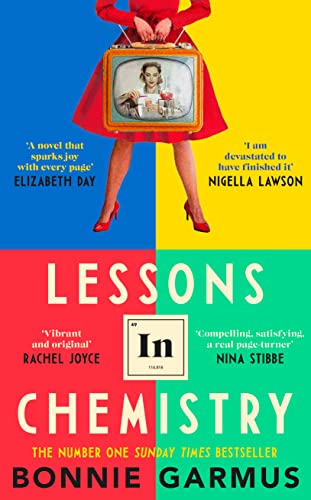
Lessons in Chemistry by Bonnie Garmus

This was a simply wonderful book! Bonnie Garmus’s novel tells the story of brilliant chemist Elizabeth Zott, battling against sexism and social prejudice in 1960s America. Along the way, she accidentally becomes a hugely popular – if reluctant – TV chef with her show Supper at Six, as well as a rower and a mother. The novel also features the most amazing canine character I’ve ever read about.

The novel deals with themes of grief, identity, and a search for truth, all in an arch, wry style which keeps a vein of light in amongst the darkness. The odds are stacked against her – but Elizabeth Zott never gives up.

Gone by Michael Grant

I love a good young adult dystopia, and Michael Grant’s Gone series had me gripped this summer. Set in the fictional town of Perdido Beach, California, the story begins when, without warning, the town is suddenly surrounded by an impenetrable dome which seals it off from the outside world. Inside the dome, every person over the age of 15 has vanished – “gone.”

What follows is reminiscent of Lord of the Flies, as the young people attempt to survive without adult supervision. But there’s a sci-fi twist, as several of the young people begin to develop strange superpowers – the ability to cancel gravity, to create visions, to heal, to teleport and to shoot light from their hands. Are the powers and the dome connected? And what lurks at the bottom of the abandoned mine?

Michael Grant doesn’t pull any punches in the pages that follow. His unflinching style takes in mental health issues, violence, religion and sex; and although it’s a young adult series, there are some horrific moments of brutality and gore. If you can manage those moments, it’s a thought-provoking, page-turning read. I enjoyed it – and devoured the other five books in the series (Hunger, Lies, Plague, Fear and Light) as hungrily as a flesh-eating caterpillar.

To Paradise by Hanya Yanagihara

Hanya Yanagihara’s previous novel, A Little Life, is one of the most unforgettable books I have ever read. I was really excited to read her follow-up, To Paradise – and although I wasn’t sure what to expect, it certainly wasn’t this! The novel tells three separate stories, all set in and around the same building in Washington Square Park, in Greenwich Village, New York. The stories – set in fictionalised and imagined versions of America in 1893, 1993 and 2093 – all feature characters with the same names, weaving themes of love, loyalty and family through the ages.

It’s a novel of breath-taking ambition and scope. The characters didn’t quite land as memorably as those from A Little Life, and I found the fact that they were all called the same names a bit confusing. Having said that, the story was compelling and bold, and the sheer imagination of the invented pasts and future was staggering.

Fire and Blood by George RR Martin

I am a big Game of Thrones fan – both the books and the TV series (except the last season – the less said about that the better). I was very excited about the new House of the Dragon TV series this autumn, and stole this book from my eldest son to try and catch up on the history of Westeros from the arrival of Aegon the Conqueror, through the Dance of the Dragons and beyond.

The story is told through the voice of an imaginary maester of the Citadel, attempting to piece together the history from sources of various reliability and bias. This is almost as much fun as the story itself, with its dragonlords and warrior queens, scheming, intrigue and corruption. The narrative voice gives an extra layer of realism to Martin’s fantasy world, and you still find yourself rooting for the various horrible (and occasionally not-so-horrible) characters who live there.

I found myself reading along with the events of House of the Dragon, and enjoyed both the book and series equally fantastic.

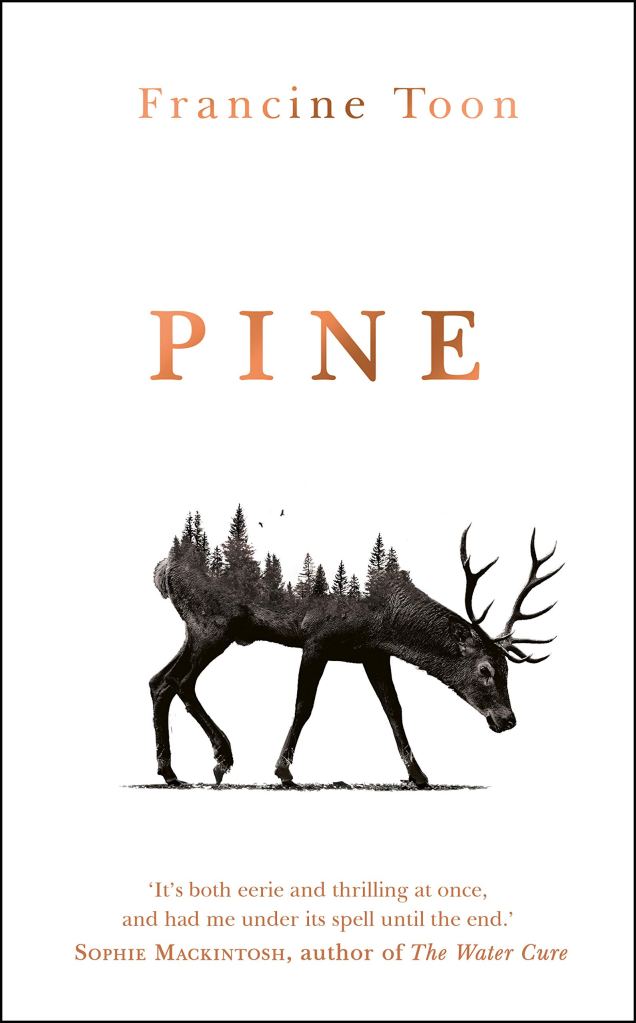
Pine by Francine Toon

I didn’t know what to expect from this book. I didn’t know the writer (I later discovered this is her debut novel) but my daughter had read an extract and I was intrigued. I was rewarded with a spooky ghost story, coupled with a murder mystery, set in the freezing, snowy wilds of the Scottish highlands.

The story is told through the eyes of Lauren, a young girl trying to manage the trials of growing up. She lives with her father, Niall, who has turned to drink in the absence of Lauren’s mother, who disappeared a decade earlier.

Mysterious figures appear and vanish, doors lock and unlock, and stones arrange themselves into patterns. When a local teenager goes missing, the mysteries and secrets in this small rural community assume a frightening urgency.

I found this story haunting and compelling in equal measure. I’ll look out for what Toon writes next!

The Promise by Damon Galgut

I always like to see what the Booker Prize judges see in the novels on their shortlist – and especially those they choose to win each year. Damon Galgut’s The Promise was a gem of a read. The novel spans four decades as the Swart family gather for four successive funerals at their farmstead in Pretoria, South Africa. Ma Swart, the mother of the white family, makes a promise to the black woman who has served her family on her deathbed – that she will own the house and land she has lived in. As the years roll by, and South Africa changes in the background, death takes further members of the family and the promise goes unfulfilled.

The younger memories of the family, Anton and Amor, reject the old, racially segregated South Africa their white family stands for, breaking with the past with a determination to right the wrongs of their predecessors.

What struck me most about this novel was the free-flowing prose style, which flows and follows the thoughts of the characters in twisting flights of fancy and imagination. The plot frequently hangs suspended and unresolved as the characters’ thoughts take us on pages-long detours – but, in the end, it is Amor’s story that stayed with me.

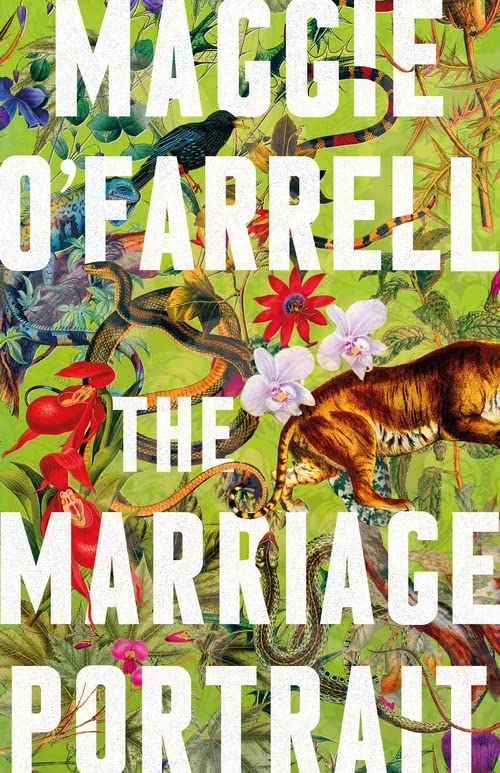
The Marriage Portrait by Maggie O’Farrell

Maggie O’Farrell’s Hamnet was one of my favourite reads of 2021, so I was really looking forward to her next novel when I unwrapped it on my birthday this September. This novel, set in Renaissance Italy, is shaped around the lady described by the callous and powerful Duke in the Robert Browning poem “My Last Duchess.” O’Farrell wonders who this Duchess might have been, how did she end up being the Duke’s “last” Duchess, and who painted this portrait that now hangs, behind a curtain, in his gallery?

The result is a compelling character – Lucrezia – herself a gifted artist, whose impassioned and ferocious inner life is rendered all the more powerful by the fact that she has to hide it to survive, before and after her marriage to Alfonso, Duke of Ferrara. She is an unreliable narrator, so you are always left wondering whether her perception of events and characters around her is accurate or not, as she is never in possession of the full picture.

I found O’Farrell’s style in this novel even more spectacular than her previous work, with the passages early in the book describing Lucrezia’s wedding some of the most stunning I have read this year. The narrative is controlled with a subtlety and deftness of touch of a true genius, the imagery is rich and layered, and I could feel the heat of the seventeenth century Italian sun beating up at me off the pages. Brilliant.

Welcome back – September 2022

Term has started really smoothly at Churchill. Our staff training day on Thursday 1st September focused on expectations and priorities for the year ahead – with the same messages emphasised to students through the start of term assemblies in the first full week back. Our new Year 7 and Year 12 students had the school to themselves on Friday 2nd September, to acclimatise to their new surroundings and prepare for their “step up.”

Priorities for the year ahead

As a school we are focused on three priorities for this academic year:

  1. Challenge: to ensure that the highest expectations of behaviour, learning and progress are evident in every experience that students have at Churchill
  2. The role of the tutor: to ensure that tutoring engages students in the values, ethos and purpose of the Academy, developing the inclusion, diversity and sustainability agendas and providing exemplary pastoral and academic support and guidance
  3. Assessment: to ensure that assessment provides valuable and accurate formative and summative information which accurately reflects students’ learning and progress, to inform next steps

There is more detail on these in the Academy Priorities and Development Plan on our website. The three priorities have been identified to ensure that our students continue to make the best possible progress through the curriculum at the Academy, with the right balance of challenge and support around them.

Expectations

In the start of year house assemblies, we introduced the Senior Leadership Team to the students and laid out our expectations. These included the six learning values which underpin our systems at Churchill Academy & Sixth Form. We believe in the value of:

  • Determined and consistent effort
  • A hunger to learn new things
  • Challenging ourselves to go beyond what is comfortable
  • Viewing setbacks and mistakes as opportunities to learn and grow
  • Seeking and responding to feedback
  • Encouraging others to succeed

These values – especially the first – inform the effort grades we include on each student’s progress report, so we took the opportunity to run through the criteria teachers use to award “Good” or “Excellent” effort grades. We emphasised the fact that any student, no matter their ability, can meet the criteria for “Good” or “Excellent” effort – and it is effort that will ensure the best possible progress and attainment.

We also took the opportunity to run through the Top 5 Classroom Behaviour expectations that we established last year, to ensure that students know what is expected of them – every lesson, every time.

  1. Strong start: We arrive on time, line up and enter the classroom calmly
  2. Full attention: We are immediately silent and face the speaker when called to attention 
  3. Full effort: We apply ourselves with our full effort to the learning tasks set
  4. Full focus: We focus all our attention on the learning tasks set
  5. Calm finish: At the end of the lesson we wait in silence for the member of staff to dismiss us

We also reminded students of the Code of Conduct and the Academy’s mobile phone policy. It has been fantastic to see students stepping up to these expectations in this first week, starting the term in just the right frame of mind. But a school year is a marathon, not a sprint – and we expect our students to maintain their high standards consistently throughout the year.

Sustaining Sustainability

This week Mrs Franklin (the Academy’s Sustainability and Marketing Manager) joined me to present to a national conference of School Business Leaders. We were asked to present our work on reducing the Academy’s carbon footprint towards our goal of net-zero by 2030, and we also took the opportunity to look more broadly at our sustainability priority.

Many of the things we spoke about in our presentation are captured in the blog post I wrote around the #COP26 summit in Glasgow last November – Going Green: Churchill and #COP26. We emphasised how important it is to us that sustainability is one of the five priorities in the Academy’s five-year strategic plan, and that sustainability is driven by our students – as we owe it to them to protect the planet they will grow up on. In fact, I will be judging the students’ Seeking Sustainability competition entries next week!

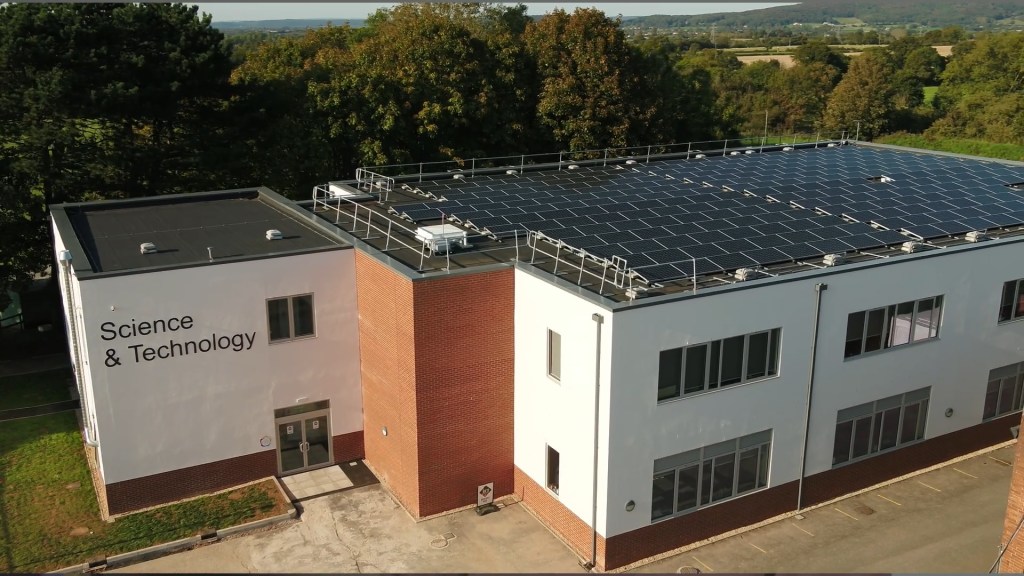
Solar PV array on the roof of the Athene Donald Building

Mrs Franklin was able to update the conference delegates on the impact of some of our carbon reduction work:

  • Reviewing our controls and boiler optimisation so that boilers are only on when they are absolutely needed has saved 22,000 kWh of energy
  • The replacement of our lighting with LED units has saved 150,000 kWh on electricity
  • The solar panels (or photovoltaic cells as they’re more properly called) which cover much of our roof space across the site can deliver up to 40% of the Academy’s electricity needs in peak summer weather
  • The introduction of point-of-use hot water heaters mean that our boilers can be completely switched off for long periods of time in warm weather, saving 300,000 kWh in gas

Finally, Mrs Franklin was able to present an updated carbon emissions chart which shows we have reduced our carbon footprint by 70% since 2015 – a further 20% reduction since the 2020 figures.

This presentation wasn’t all celebration however. As a school, we have picked almost all of the “low hanging fruit” in our battle to reduce our carbon footprint. The next stage of our journey to net zero involves the bigger challenge: reducing or removing our dependence on natural gas completely. As we look at heating and cooling solutions across the Academy’s estate, to replace our ageing gas boilers, we really want to find low-carbon solutions. Our Trustees last week commissioned work to explore how best to achieve this.

What we already know is that we will need additional funding to enable this work. We also know that the Department for Education is facing an estimated £11.4 billion bill just to bring the school building estate up to standard across the UK – and that’s before they begin to think about decarbonising that estate. And so, whilst we are grateful for the existence of the DfE’s Sustainability and climate change: a strategy for the education and children’s services systems – we feel that it doesn’t go far enough. If we are serious about net zero, we need to tackle the big ticket items which contribute to our carbon footprint: gas-fired heating systems, and emissions from transport. Whilst we can make progress on these issues ourselves, we’re going to need help if we’re going to solve them for good – and that means investment to back up the sentiments.

We know our students are ambitious for a greener future – and we owe it to them to deliver it.

What makes a home? Gypsy, Roma and Traveller History month

Every June since 2008, people from across the UK have celebrated Gypsy, Roma and Traveller History Month (GRTHM). With celebration, education and efforts to raise awareness of the histories and experiences of Gypsy, Roma and Traveller people, GRTHM helps to tackle prejudice, challenge myths and to amplify the voices of Gypsy, Roma and Traveller people.

At Churchill we are proud to have students from Gypsy, Roma and Traveller communities and heritage as part of our Academy. We work hard to ensure that our school is inclusive to students of all backgrounds, and this means understanding the context and history of their communities. I found the video “Roads From The Past” informative and useful in helping me to understand more about the history of the Gypsy, Roma and Traveller communities.

I also found this timeline poster fascinating, tracing the history of the communities from 998AD to the present day. I was struck but the long history of persecution and discrimination faced by Gypsy, Roma and Traveller people, including in the holocaust of the Second World War and right up to the present day.

Under our Academy value of “curiosity,” we expect our students to be hungry to learn and to seek to fill in gaps in their knowledge. We can all do more to help ensure that everybody – no matter their background, identity or culture – is welcome at Churchill, but making sure we understand each other better. I found the materials around Gypsy, Roma, and Traveller history month really interesting, as they helped me close gaps in my understanding of this often misunderstood culture. I hope that you find the same.

To find out more visit the Gypsy, Roma and Traveller History Month 2022 website here.

The Maths Challenge

Guest post by Mr Thomas, Maths teacher

One of the most rewarding parts of my job as a maths teacher is watching students prepare for and participate in the various Maths Challenges that take place throughout the academic year.

At Churchill Academy & Sixth Form, there is a proud and long-standing tradition of entering students to sit these extra-curricular mathematics competitions, and participation numbers are on the up!

Having coordinated the Maths Challenge competitions at Churchill for the last two years, I felt it was time to write this blog. Why? Mainly – to celebrate the successes of our fantastic mathematicians, but also to share the Maths Challenge experience with students who may not have competed in one (yet), as well as parents, carers, grandparents and other members of the Academy community…. there’s even a chance for you to put your maths skills to the test with some questions from the latest Maths Challenges.

So, what is a Maths Challenge?

Each year, we enter students to sit the UKMT Mathematics Challenges. The UKMT (United Kingdom Mathematics Trust) is a national charitable organisation that was founded in 1996. Their headline aim is to “to advance the education of young people in mathematics” by organising and promoting enrichment events involving problem solving and team work. Papers are completed with no calculator, no measuring equipment – just a pencil, some paper and 5 possible answers to choose from.

There is no doubt that the Maths Challenges are aimed at high-attaining mathematicians – the competitions are designed to stretch the most able mathematicians across the country. But in our opinion – a good work ethic, willingness to take on a challenge and a positive bond with mathematics are equally important attributes.

There are 3 main Maths Challenges throughout an academic year are:

  • Senior Maths Challenge (SMC) – aimed at Sixth Formers and selected high attaining students in Years 10 and 11.
  • Intermediate Maths Challenge (IMC) – aimed at students in Years 9, 10 and 11.
  • Junior Maths Challenge (JMC) – aimed at students in Years 7 and 8.


As I have already mentioned, one of the most satisfying parts of my jobs is seeing the sheer number of students putting themselves forward to take part in these optional competitions, which are designed to challenge them on problem solving mathematics that is often far beyond the scope of their studies within lessons in school.

So far this year, students have taken part in the senior and intermediate challenges in November and February, respectively. I am proud to say that we have had more participants in these two competitions than ever before, with 178 entries across both challenges. This is purely down to our current cohort of students showing huge levels of determination and perseverance, and these stats are a credit to them!

The Junior Maths Challenge takes place later this year on 27th and 28th of April.

How do the results work?

In each Maths Challenge, students are competing to obtain a Gold, Silver or Bronze certificate.

It is worth stressing that at Churchill, we are not solely focussed on ‘who did the best’ – it is an achievement in itself to take part. In our eyes, a successful challenge is one where a group of determined and enthusiastic students push themselves with some challenging mathematics. We were thrilled this year when students outside of our top sets put themselves forward to take part in the IMC. Two-thirds of the students who took part from Miss Morris and Miss Piper’s set 2 classes went on to achieve a certificate – a fantastic feat, and proof that maths challenges at Churchill Academy are not solely for our top set students.

In our eyes, a successful challenge is one where a group of determined and enthusiastic students push themselves with some challenging mathematics.

In the most recent competition (the Intermediate Maths Challenge) 74% of students that participated scored high enough to receive a gold, silver or bronze certificate – another record-breaking figure for Churchill students in this event! When you consider that the national ‘certificate rate’ is 50%, you can see why we as a Maths Department are so impressed with our students and so keen to celebrate their outstanding results.

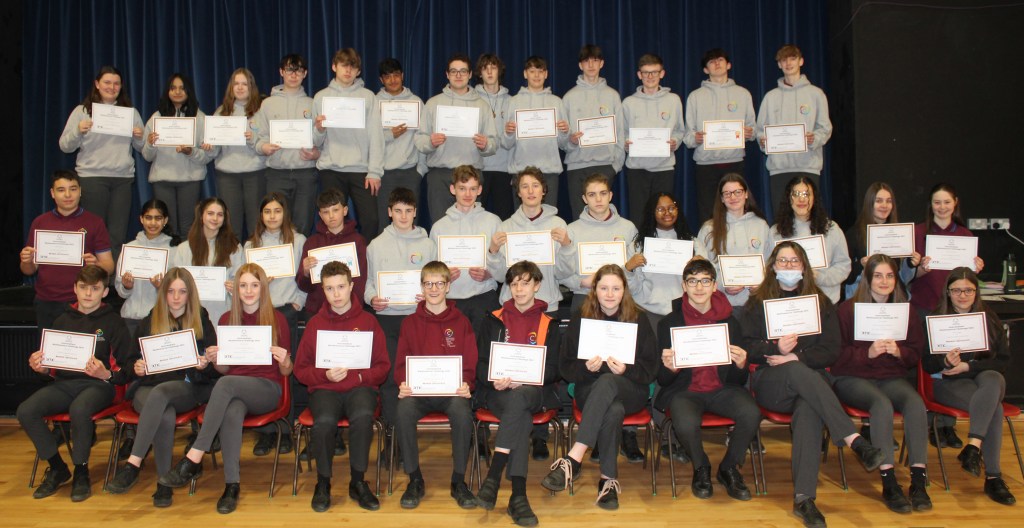
On Tuesday 15th March, students met for an assembly where I was able to share some of these statistics with them. Students received their gold, silver and bronze certificates from Mr Hildrew and had their photos taken, as you can see.

What happens after a Maths Challenge?

For students that perform exceptionally well, follow-on rounds await. Several thousand students across the UK are invited by the UKMT to sit the ‘Kangaroo’ paper, following each of the three challenges during the year. Invitations and the paper sat depends on each students’ year group.

At Churchill, 11 pupils qualified for this year’s Kangaroo paper following the IMC. You guessed it – another Churchill record!

Going one better is Bruce Butson, a Year 11 student who has qualified for an Olympiad follow-on round – the UKMT’s most prestigious challenge. Bruce is one of only around 600 pupils across the country to have qualified this year, based on his outstanding score in the IMC.

Bruce has agreed to share his thoughts and experiences of sitting various maths challenges during his five years at Churchill:

I have really enjoyed participating in the maths challenge each year. The challenge gives you the opportunity to push yourself and build upon your classroom learning, in a different style to traditional exams. The problem solving aspect means you have to apply yourself to each question and really focus when you get to the later questions. Having done this each year and competed in all of the different challenges (junior, intermediate and senior), I have always been able to find some interest and entertainment whether that be through the added difficulty or new understanding to answer tough questions I couldn’t answer before. In addition to this, I was able to see how I did against the rest of the country which was really motivating.

How would you get on?

Each Maths Challenge consists of 25 questions. Multiply that by 3 and that means 75 different questions across the Senior, Intermediate and Junior competitions in one academic year (no surprise that the maths involved in each competition is slightly trickier!). I have chosen 5 of them.  

Take a look at the questions below and see if you can work out the correct answer (remember – pen and pencil only!). Just a reminder that the JMC is aimed at 11-13 year olds, the IMC aimed at 13-16 year olds and SMC sat by students aged 15-18.

Maths challenge try-at-home questions

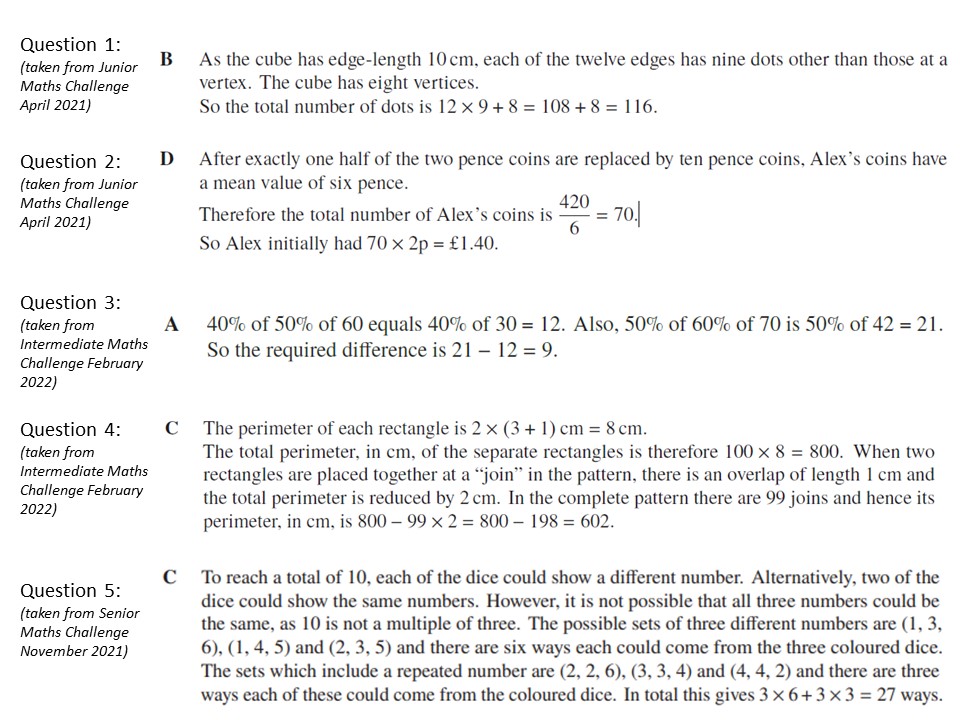
At the bottom of the blog, you will find the solutions, along with an explanation as to why each particular answer is correct. No peeking!

If you’ve got this far, hopefully you now know a little more about the Maths Challenges at Churchill than you did at the beginning of this post. You have seen our fantastic gold, silver and bronze mathematicians, you have heard from one of our best also had a little taste as to what it is like to sit a Maths Challenge yourself.

This is completely optional, but we would love to know how you did on the five questions above. If you’re happy to tell us how many you got correct, please fill in an extremely short questionnaire by clicking here (you can do this anonymously if you like!).

If you ever have any queries about the Maths Challenges sat here at Churchill Academy & Sixth Form, please feel free to get in touch. We hope these upward trends continue over the months and years to come!

Mr Thomas (DAT@churchill-academy.org)

Maths Challenge try-at-home solutions