2023: the year in review

2023 has been an eventful year! It has brought challenges and changes: we have joined a multi-academy trust, weathered industrial action and inspection, seen a new monarch crowned, one school year end and another begin, and changes to the way we manage behaviour; but the success of our students, and our values of kindness, curiosity and determination have stayed consistent throughout.

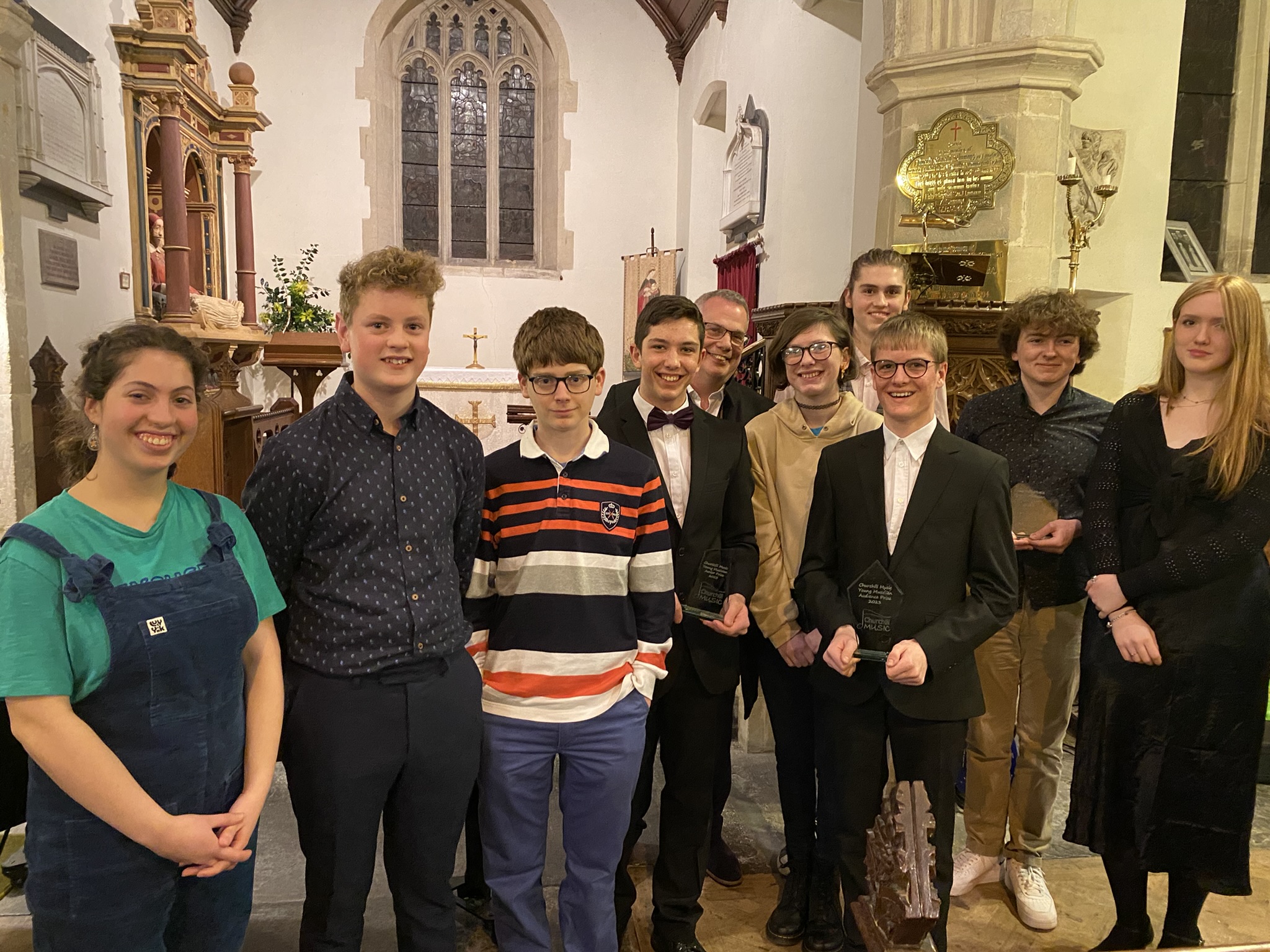
At the start of 2023, the Headteacher’s Blog covered the importance of making informed choices, the power of music to change lives, and the importance of language and why our words matter. In the spring came the challenge of industrial action and inspection, and the first of our major changes as we became part of the Lighthouse Schools Partnership multi-academy trust.

This transition into the trust has been an exciting part of our development, and the partnership working between schools is already benefitting the education of our students. This collaboration has been woven into our new three-year strategic plan, which has been guiding our work since September as we move our Academy forward. The trust has also supported the acquisition of the Churchill Sports Centre building which will be a great resource for our students and the community from 2024 onwards.
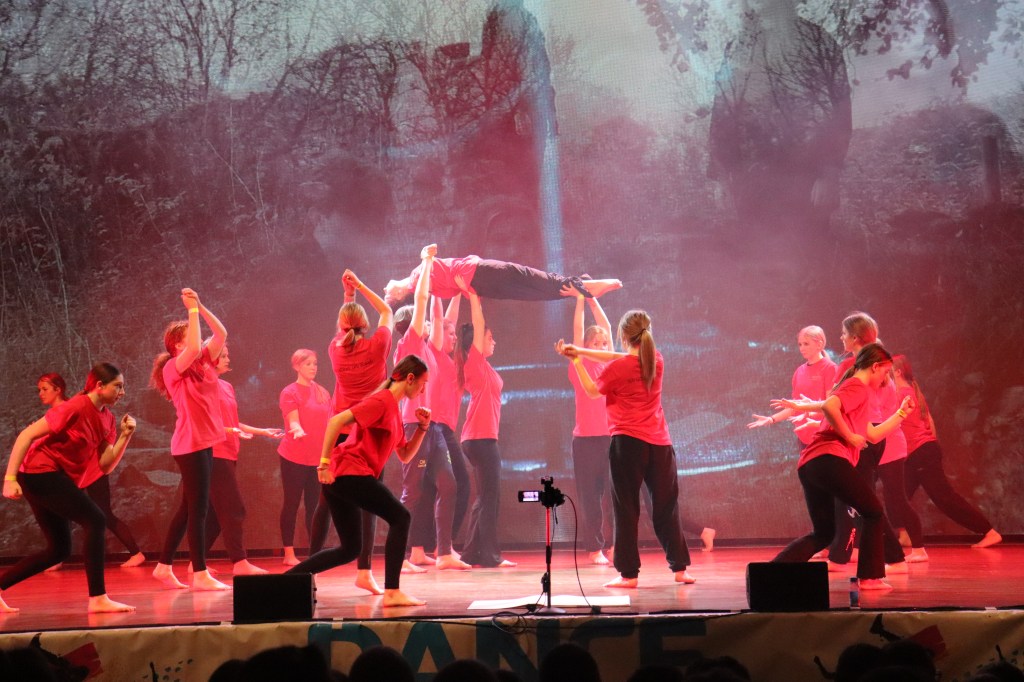
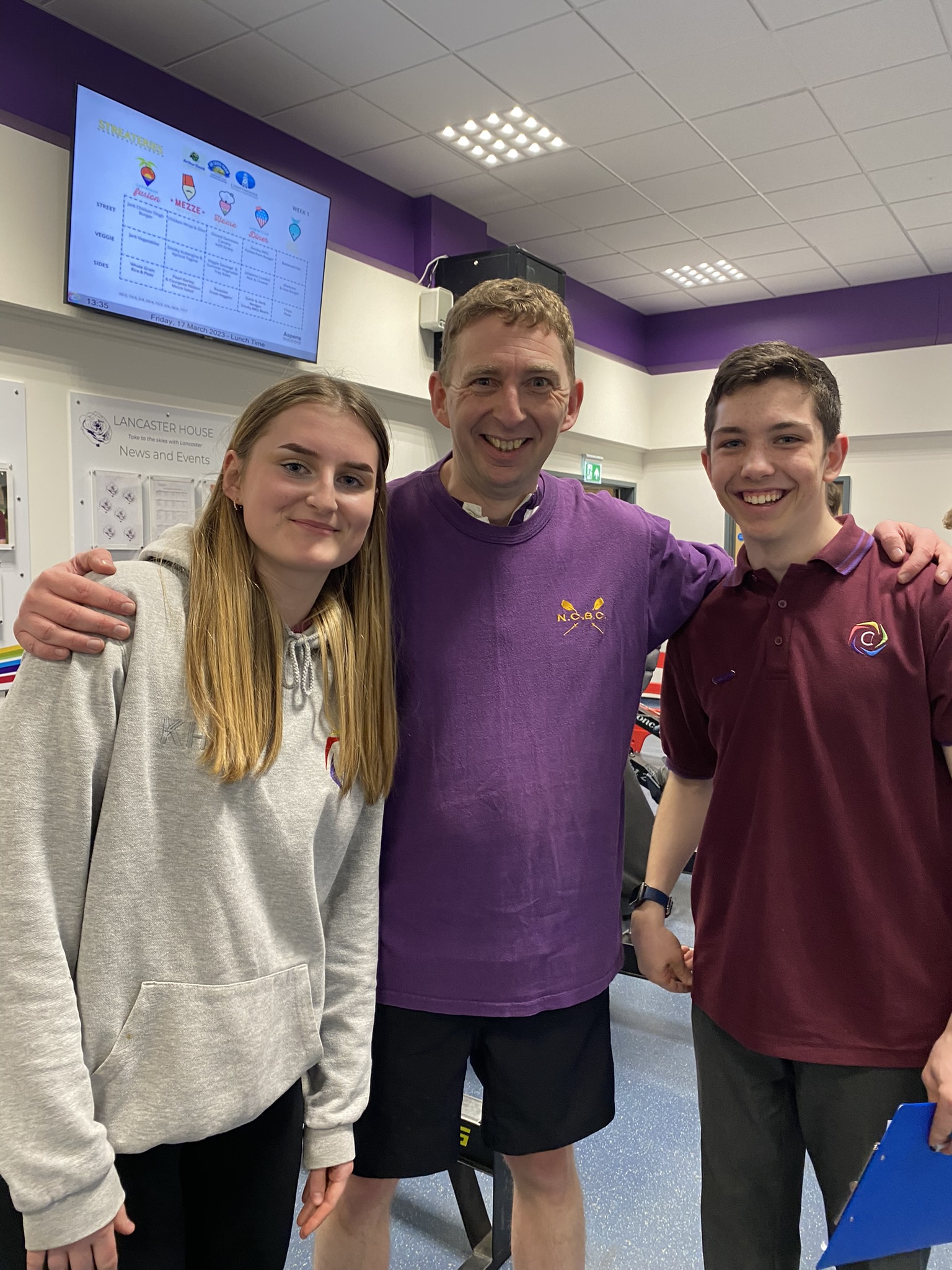
Also in the spring, we had the fantastic “to Lancaster and back” indoor rowing challenge, as well as the incredible performance in the Dance Live national finals. Before too long, we were bidding farewell to the class of 2023 and welcoming our new incoming year 7 students.

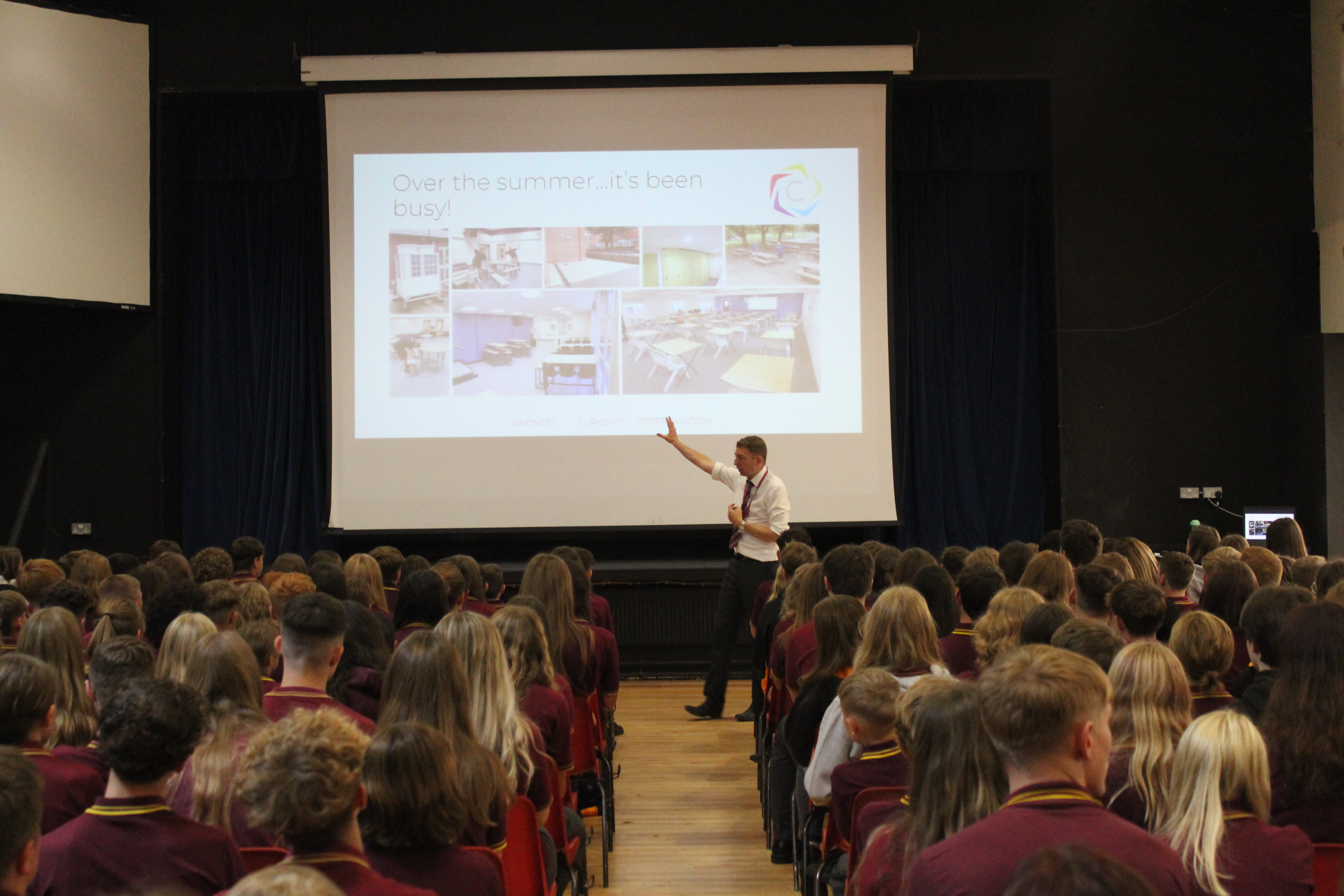
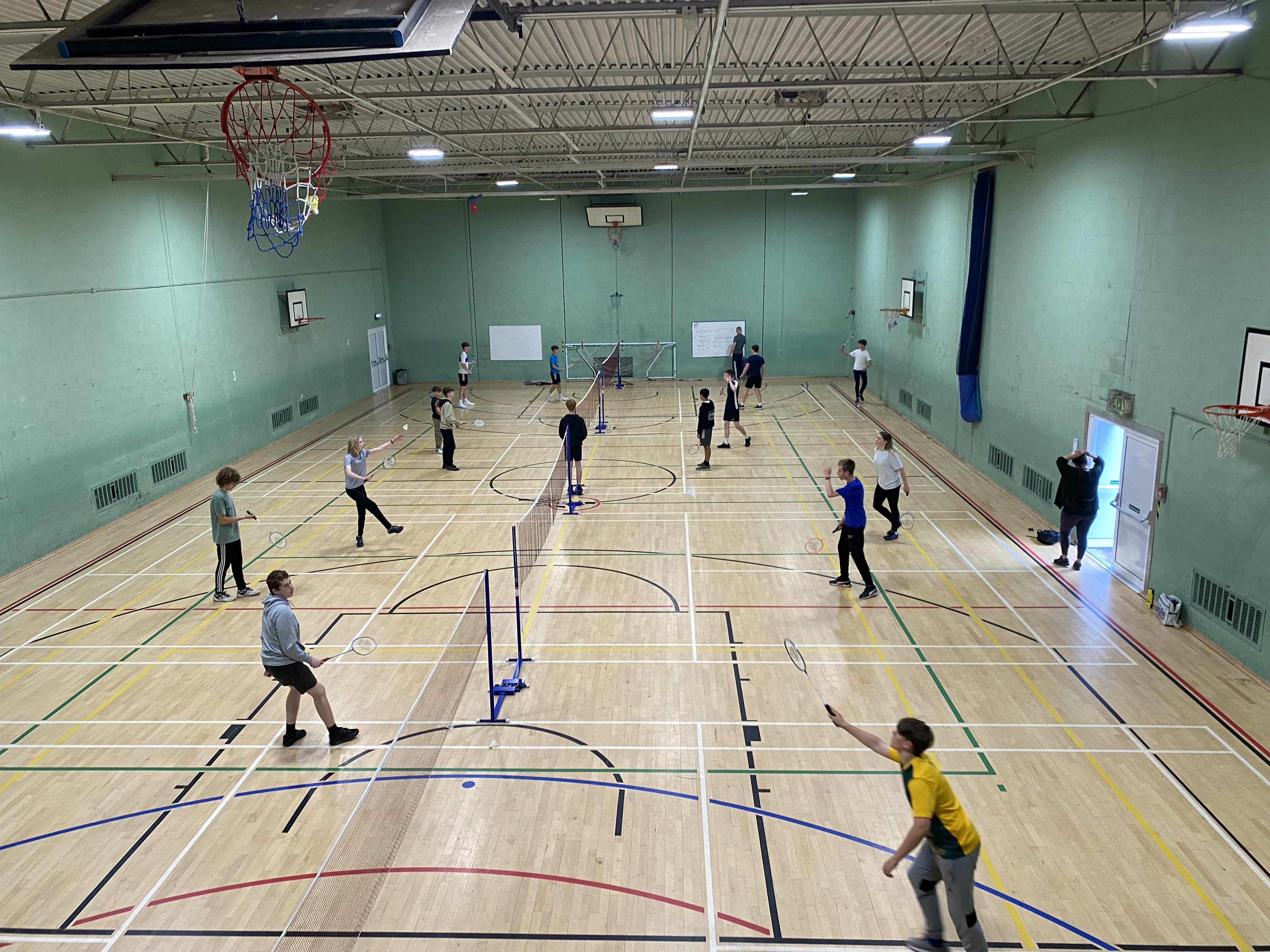
Summer arrived, and with it Activities Week 2023 – back and better than ever after the pandemic! – Sports Day and the award of the House Cup to Lancaster, before a much-needed summer break.

Almost before we knew it, we were back at school with some new systems and approaches, a new set of House Captains, and our open evening for main school and for the Sixth Form. It has been heartening and encouraging to see the positive improvements in student behaviour, and the powerful impact this is having on learning and progress in the classroom.

I have also used the Headteacher’s Blog this year to capture some of the assemblies I have given or seen. Assemblies have included how our words matter, marginal gains, our values and the British values, as well as a vital message for anti-bullying week. With everything else that has been going on, there hasn’t been room on the blog for the assemblies on safeguarding, mental health, remembrance and all the countless celebrations that have taken place!

And so, we we reach the end of 2023, we can look back on a year that has been testing and difficult at some times, rewarding and exciting at others – but the constant throughout has been the positivity and the kindness, curiosity and determination of our Academy community – staff, families, and, above all, our students.

Books I have read in 2023

It’s that time of year again! I am an avid reader, and I like to do an end-of-year round up of the best books I have read each year. In no particular order, this year’s list includes:

Children of Icarus by Caighlan Smith

This was recommended to me by a Year 10 student and I absolutely loved it. Set in an imagined future world of strange high-rise cities, the society has a religion based on Greek myths including Icarus and the Minotaur in the labyrinth. Young people long for the privilege of being chosen for the privilege of entering the labyrinth for the chance to become Icarii…but all is not as it seems. The mysterious narrator of the novel is a fascinating character, who I was endlessly intrigued by. There are more books in this series that I am definitely going to check out!

The Secret History by Donna Tartt

This has been on the shelves at home for a while, and I finally got around to reading it this summer after it was recommended to me. It did not disappoint! It’s one of those books that gives away the main event – a murder – at the very beginning, and then jumps back in time and shows you how that event came to pass. The sense of impending doom therefore seeps into every line, every exchange, as the moment gets closer and closer – and the aftermath is completely unknown. A dark, gripping, thrilling, read.

Femina by Janina Ramirez

I mostly read fiction, and when I read non-fiction it tends to be about education, so this book on medieval history was a departure for me. I found it fascinating as Janina Ramirez told the story of the role of women in the middle ages, pieced together from archaeology and medieval literature. Some of the stories were incredible – and gave me a whole new perspective on this period of history and how we see it.

The Seventh Son by Sebastian Faulks

I have read a lot of Sebastian Faulks’ books and always enjoyed them – Birdsong being my favourite! His latest is a really fascinating idea, weaving in surrogacy and genetic engineering with big tech billionaire who thinks his wealth enables him to push the boundaries of ethics beyond the breaking point in the name of “science.” Despite these big ideas, Faulks makes this a profoundly human story, which left me wondering: what does it mean to be a human being? A great read.

Jamaica Inn by Daphne du Maurier

Daphne du Maurier is a new discovery for me over the past couple of years – but I think she’s terrific! Jamaica in is one of her finest. The heroine, Mary Yellan, is a powerful figure – placed in terrifying situations by circumstance, she has the strength of character to stand up against villains and outlaws when all around her seems hopeless. But du Maurier’s evocation of the wild Cornish landscape is what stays with me the most.

Three Poems by Hannah Sullivan

I wanted to read more poetry this year, and this book has been on my list for a while. Hannah Sullivan won the TS Eliot Prize for this debut collection of autobiographical poems. Part narrative, part exploration of self, the poems explore big themes like mortality, motherhood, place, and the passage of time. The poetry itself fizzes with wonderful descriptions and some seemingly effortless rhymes. I loved it.

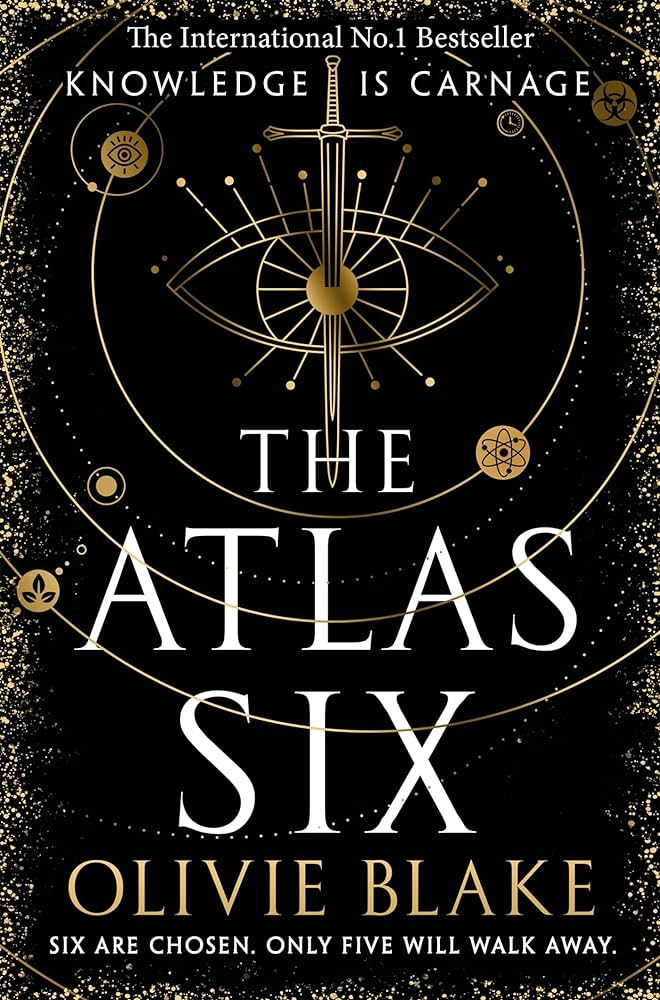
The Atlas Six by Olivie Blake

This is a bit of a cheat, because I haven’t actually finished reading this one yet! I am only part way through – but it is absolutely brilliant. Set in an imagined version of our world where magic is real, six special individuals are invited to try out for membership of a secret society. Mystery and tensions run deep as the magic unfolds…I am totally hooked!

Have you read any of my picks for this year? Or have you got any recommendations for me? I’m always on the look out for my next read!

Improving behaviour

We implemented a new behaviour policy in September 2023. The aim of that policy is to improve behaviour in lessons and around the Academy, so that our students can learn in classrooms free from disruption and feel safe and confident in their learning environment.

Our new approach required a significant adjustment from staff, students and families. It was a big change. But has it worked? Is it working?

We asked the Lighthouse Schools Partnership to commission an independent school improvement partner (SIP) to find out. The SIP worked with the Trust’s Director of Secondary Education to undertake a whole-school behaviour review on Wednesday 15th November. The review included visits to lessons in Year 7, 8, 9 and 10 (Year 11 were doing mock exams), visits to tutor time, discussions with students and staff, observations of transitions between lessons and social times, and visits to the Refocus Room. It was a thorough and detailed review of all we are doing to improve behaviour.

We received the report last week, and the findings are overwhelmingly positive. Some findings include:

  • Behaviour in all lessons seen was improved on previous visits.
  • Teachers have communicated and used the new behaviour system and expectations well to establish positive learning climates.
  • Transitions are smoother between lessons and the increased presence and vigilance of staff is a factor in keeping students moving to their next lessons.
  • Strong practice was evident in the work of heads of house and some other staff in a ‘warm-strict’ approach.
  • Students’ behaviour at unstructured time has improved. The cafeteria was orderly, with students queuing sensibly with seemingly little need for any adult supervision.
  • Students were polite and respectful when speaking with unfamiliar adults, yet not afraid to give their views…the group of Year 11 boys spoken with at breaktime recognised that the new behaviour system was working well and that behaviour had improved across the school.
  • Visits to the tutor times in two houses found much improved student attitudes and a purposeful start to the day. Silent reading for pleasure for ten minutes is settling students ahead of lessons and all students had a book of choice. Strong relationships were evident at all levels.
  • The visits to the Refocus Room found a calm, purposeful environment and numbers entering the room have reduced.
  • All students in a broad range of informal discussions commented that they like the fact that there is a reset system to start each term afresh.

It is heartening to see the views that we have, working in the Academy every day, reflected back from visitors offering an independent, expert perspsective. Behaviour has significantly improved – and students are learning more as a result.

Of course, we are not done – there is always more to do. Our next priorities are on punctuality to school and to lessons, to ensure that students don’t miss out on valuable learning time, and on orderly entry to the classroom, focused on line-ups and the “strong start.”

We will also continue to work with students who are struggling with their behaviour to help them to improve. We have seen great strides with many of our young people, with some dramatic improvements in their conduct points scores over the course of the first two terms of this year, and a huge reduction in the frequency of their visits to Refocus.

I feel very proud of the improvements that we have seen. I want to thank my colleagues for their wholehearted commitment to our new approach, and their tireless efforts in implementing our new system – which is really paying off. I also want to thank the families in our Academy community for supporting our new policy, and for opening up constructive dialogue with us where they have had questions. These conversation have helped us to continue to improve.

But, above all, I want to thank our students. They have really grasped the message that disruptive behaviour affects everyone, and that our efforts to eliminate it are a shared endeavour. I have always been so impressed by our students who consistently behave well; but I also want to pay tribute to those students who have really pushed themselves to improve their behaviour, to avoid being sent to refocus – and, in doing to, to avoid disrupting the learning of others. This effort to make a positive difference is exactly what our Academy is set up for. I could not be more impressed by what I have seen.

What happens on a joint inset day?

On Wednesday of this week, the Lighthouse Schools Partnership held its first joint secondary inset day. Inset is short for “in-service training” and is a day set aside for staff development and learning. Teaching and student-facing support staff from all four LSP secondary schools – Churchill Academy & Sixth Form, Chew Valley School, Backwell School and Gordano School – gathered together at Gordano in Portishead. This was the first time that the 400+ staff from the four schools had been together in the same place in the trust’s history.

The day began with a presentation from Chief Executive Gary Lewis, who outlined the trust’s vision under the heading “flourishing in partnership.” Being together in the same space enabled and allowed the partnership to flourish as connections were made and strengthened, common ground established, and sharing of practice enabled. There was a real buzz in the room as colleagues got together!

The rest of the morning was spent in workshops developing classroom pedagogy, with sessions on questioning, retrieval, scaffolding, checking for understanding, increasing participation ratio and modelling of example answers for colleagues to choose from. These key elements of teaching and learning are common across all our schools, and sharpening and honing our practice in them is essential for the continued success of our students.

Meanwhile, English and Maths leads were taking full advantage of the fact that the Lighthouse Schools Partnership also has 26 primary schools within the family, by spending the morning looking at key stage 2 curriculum and pedagogy in the Whiteoak Academies in Nailsea. This experience enabled leaders to get “under the skin” of the upper primary curriculum, to ensure that the transition into Year 7 is smooth and effective – and that the expectations we have of our youngest students are consistent with the expectations our primary colleagues have of their oldest.

After a lunch in which networks were formed and strengthened, subject-specific teams got together to reflect on the learning from the morning and how to implement the day’s learning back in their home schools. Subject leads were also working together to plan the next joint inset day, in February 2024, when staff will work together on subject-specific priorities at locations across the LSP’s secondary sites.

As relative newcomers to the multi-academy trust, Churchill staff are still getting used to being part of this larger organisation. Wednesday’s inset was a great opportunity to realise the benefits of collaboration across the wider trust. We look forward to continuing to flourish in partnership.

Anti-Bullying Week 2023

This week students at the Academy have been thinking about bullying and “banter.” We started by defining our terms. What is bullying?

The repetitive, intentional hurting of one person or group by another person or group, where the relationship involves an imbalance of power. Bullying can be physical, verbal or psychological.
It can happen face to face or online.

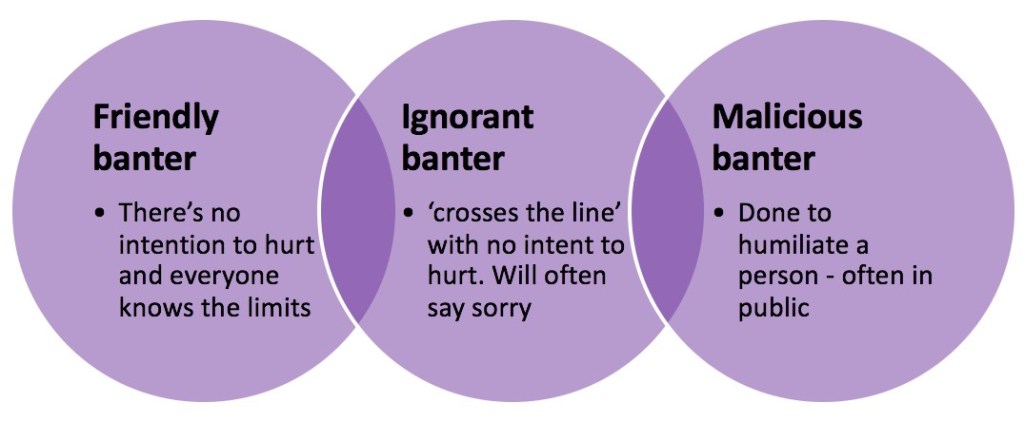
Banter, on the other hand, is defined as “the playful and friendly exchange of teasing remarks.” This makes it seem like banter is okay, but bullying is not. However, it can be very difficult to draw a line where the “exchange of teasing remarks” tips over into “intentional hurting.” It is also the case that what someone intends as “playful and friendly” may not always be received in the same manner. So – where is the line?

We asked students to explore different statements about bullying, and to discuss whether they agreed or disagreed with them:

  • If someone is my friend, we can banter about whatever we like – agree or disagree?
  • People should lighten up and know when to take a joke – agree or disagree?
  • Saying “it’s just banter” or ending a message with “LOL JKZ” makes it okay – agree or disagree?

We discussed how there is no such thing as simple banter. It’s a complicated thing, where there may be large gaps between the intention and the receipt of words and actions. This is illustrated below, in the intersections between the circles, where it is impossible to tell whether someone is being friendly, ignorant or malicious:

And so, because it is so complicated, we concluded that we should always err on the side of caution. If there is a risk that our words or actions might hurt or upset someone, we should not say or do those things. Banter is not okay – because once the damage is done, no amount of apology can undo it. A culture where banter is permitted is one where bullying can easily take root.

Banter allows bullying to exist in plain sight

We also gave students tips on what to do if they are concerned about banter or bullying:

If students are concerned they should speak to their tutor, Head of House, or a trusted adult in school – if bullying is reported, any member of staff at the Academy will take it seriously and pass it on to make sure it is thoroughly investigated. But prevention is better than a cure, and if we all think carefully about our words and actions before we say or do things, everyone’s lives will be better.

Reading Matters

We know that reading really matters. Research suggests that reading for pleasure can influence a child’s academic success, vocabulary development, mental health, ability to empathise and to accept other cultures, and even life expectancy!

Reading is an essential life skill. The ability to read fluently and skilfully enables us to navigate street signs, fill in forms, interpret medicine labels, order from a menu, and get a job. And it also enables us to understand what is going on in the world around us, and to understand it better.

Reading also helps students to achieve across the curriculum. The Institute of Education’s research (2013) shows that children who read for pleasure are likely to do significantly better at school than children who do not. Their report highlighted a positive impact on results in spelling, vocabulary and other areas of the curriculum too, including maths. We know that wider reading improves vocabulary, and enhances critical thinking skills, problem-solving abilities, and comprehension – all essential components for success in school and beyond. A child who reads regularly is more likely to excel in exams and develop a lifelong love for learning.

Beyond the functional benefit of reading, the ability to decode squiggly lines, shapes and loops on a page unlocks a world of discovery. It can take us on journeys to far-off lands and worlds of the imagination. Through reading, we can learn about the past and imagine the future; we can learn to understand characters and experiences from the familiar to the fantastical; we can learn to empathise, sympathise and live lives other than our own.

A reader lives a thousand lives before he dies

George RR Martin

Reading is also beneficial to wellbeing. The Reading Agency’s 2015 report shows that reading for pleasure links to increased empathy, social cohesion, knowledge of other cultures, cultural capital and the ability to regulate moods and relax. The report also found that reading brings about “increased empathy, improved relationships, reductions in symptoms of depression… and improved well being”. This is also reflected in the National Literacy Trust’s findings from a survey of nearly 50,000 UK school children showing those who enjoy reading and writing are significantly less likely to have mental health problems.

In summary, the importance of reading widely and often cannot be overstated. Fostering a love for reading is one of the greatest gifts we can give our children. It not only lays the groundwork for academic success but also nurtures their personal growth, empathy, creativity, and resilience. We need to do all we can to encourage our students to pick up a book, explore new worlds, and embark on a journey of lifelong learning. This is why we insist that all our students have a reading book with them at all times, and why we are beginning every school day with reading in tutor time: the benefits are boundless, and the impact is immeasurable.

AI and ChatGPT: friend or foe?

The world of education is evolving at an unprecedented pace, and technology is playing a significant role in shaping the learning landscape. In recent years, the integration of artificial intelligence (AI) and ChatGPT, powered by OpenAI’s advanced language model, has become a topic of interest in English secondary schools. These innovations have the potential to greatly benefit students, but it is also essential for us to understand both their usefulness and the potential pitfalls. In this blog post, we’ll explore how AI and ChatGPT can be useful tools for students while highlighting some crucial warnings about their appropriate use, especially in terms of plagiarism.

The Advantages of AI and ChatGPT

  1. Personalized Learning: AI-powered educational tools can adapt to students’ individual needs, offering tailored learning experiences. ChatGPT can provide instant feedback and explanations to help students grasp complex concepts, making it an excellent resource for homework and assignments. For example, if you are struggling to understand or remember a concept or idea, asking ChatGPT to explain it may help jog your memory.
  2. Enhancing Creativity: ChatGPT can assist students in brainstorming ideas, refining their writing skills, and generating creative content. It can be a valuable companion for assignments and projects by suggesting starting points, topics for exploration, or other ideas.
  3. Access to Information: ChatGPT provides students with a vast amount of information at their fingertips. It can help students with research, giving them access to a wide range of sources and references to enrich their understanding of various topics.

Warnings and Risks

While AI and ChatGPT offer numerous advantages, they should be used judiciously, and parents and students need to be aware of the potential pitfalls:

  1. Plagiarism: One of the most significant concerns is the risk of plagiarism. ChatGPT can generate text quickly, but it’s essential for students to understand that simply copying and pasting the AI-generated content into their assignments is not acceptable. Parents should emphasize the importance of original work and proper citation. Work generated by AI is not the student’s own and attempting to pass it off as such could result in disqualification from examination courses.
  2. Overreliance: While AI can be a valuable resource, students should not become overly reliant on it. They need to develop critical thinking and problem-solving skills on their own. Encourage your child to use AI as a supplementary tool rather than a crutch.
  3. Accuracy and Credibility: Not all information available through AI is accurate or credible. Parents should teach their children to critically evaluate the sources and information provided by AI, just as they would with any other research method.
  4. Privacy and Safety: Parents should be aware of privacy and safety concerns. It’s essential to ensure that children are using AI tools in a secure and responsible manner. Discuss online safety practices, including not sharing personal information.
  5. Ethical Use: AI can sometimes generate content that may be inappropriate or offensive. Parents should educate their children about ethical behaviour and discourage any harmful use of AI.

Conclusion

AI and ChatGPT are valuable tools that can enhance the learning experience for students in English secondary schools. However, they must be used responsibly, with a focus on promoting creativity, critical thinking, and originality. Parents play a crucial role in guiding their children’s use of AI and helping them avoid pitfalls like plagiarism and overreliance. By understanding the advantages and limitations of AI in education, parents can support their children in harnessing the power of technology for their academic growth.

The blog post was written with help from ChatGPT3.5.

Assembly: British Values

In this week’s assemblies I have been discussing British values with our students. All schools should promote the fundamental British values of democracy, the rule of law, individual liberty, and mutual respect and tolerance of those with different faiths and beliefs – and we are no exception.

Democracy

The idea of democracy has its origins in Ancient Greece, where the concept of Δημοκρατία or dēmokratía originated from the compounding of the words and ideas dēmos (‘people’) and kratos (‘rule’). The Greeks’ idea was that power was vested in the people of a state, where the voice of the people decided the laws of the land. This idea has evolved into the representative democracy we have today, where the people of state have a say through their vote, to elect a representative who will carry their views forward into the government of the country.

In our case, our representatives sit in the Houses of Parliament in the Palace of Westminster. I spoke to students about how our representative democracy works, and how our elected representatives make the laws our country is governed by. I also discussed some of the challenges of democracy, including the difficulty of reaching consensus or agreement when people have different views.

“Democracy is the worst form of government – except for all the others that have been tried.”

Winston Churchill

We moved on with a discussion of Winston Churchill’s famous description of democracy, having lost the general election immediately after leading the nation to victory in the Second World War. Despite its flaws and challenges, democracy is still the best form of government our species has found.

We concluded this section of the assembly with a discussion of the voting age. In our country, people under the age of 18 are not permitted to vote. However, at Churchill we encourage students to engage in the principles of representative democracy through the house and school councils, which are up and running already this term. We also aim, through the education we provide, to ensure that students can make their own minds up about how to cast their vote, when they are old enough, from a position of wisdom and knowledge, based on the ability to distinguish truth and fact from lies and misinformation.

The rule of law

Our elected representatives make the laws that we have to follow. I discussed representations of justice, including the famous statue of Lady Justice on top of the central criminal court at the Old Bailey in London. Lady Justice carries a sword to symbolise that justice should be swift and final; but she also carries scales, to symbolise that justice must weigh up the rights and wrongs of each case to make a fair and balanced decision. These are helpful reminders for all of us in school.

Liberty

There is no better symbol of “liberty” than the Statue of Liberty which stands at the mouth of the harbour in New York City. The statue represents the idea that those people arriving in America were coming to the land of the free, where people were free to live their lives as they chose, and to make their own destiny. This idea of individual liberty – where citizens are free to make choices about how they live their lives, within the bounds of the laws of the land – is central to the UK’s national character. Many countries around the world do not allow their citizens the same degree of liberty that our country does so we must ensure that we do not take this for granted.

Mutual respect and tolerance of those with different faiths and beliefs

As part of our liberty, we must also be tolerant of those with different faiths and beliefs. As a nation we are welcoming to those from different cultures and backgrounds; in Britain people can love who they choose to love; they can follow a religion of their choosing, or they can have no religious faith; we respect those with different abilities or disabilities, hidden or visible, and afford everyone equal rights; in Britain people are free to choose their own identities. This is a luxury not afforded to citizens of all countries on our planet; as with our liberty, we must never take this for granted.

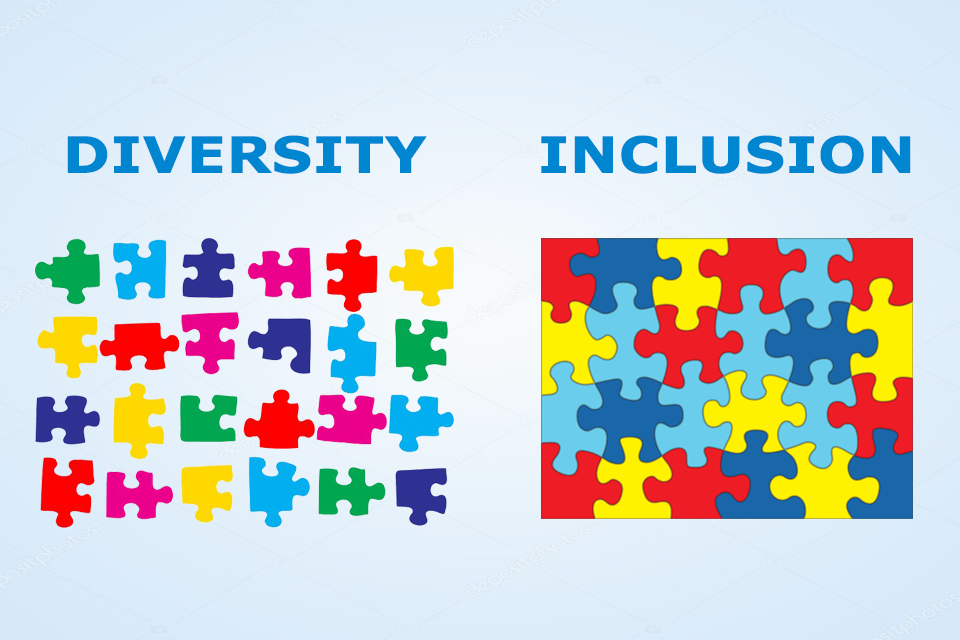
I concluded the assembly with a discussion of the difference between diversity and inclusion. We are all different, but in order to be a successful community we must work together. Individually we are all odd-shaped jigsaw pieces; through collaboration and mutual support, we can bind together in to a coherent and cohesive whole. This is a principle we hold dear in our Academy; through this, we hope to secure Britain’s future as a land which upholds those four key values of democracy, the rule of law, individual liberty, and mutual respect and tolerance of those with different faiths and beliefs – not just now, but forever.

Churchill Sixth Form

This week we have held our Sixth Form Open Evening, inviting Year 11 students and their families from Churchill and further afield to think about their post-16 destinations. I am really proud of our Sixth Form, which balances the importance of academic study with pastoral care and guidance, personal development and independence, and a rich wider curriculum to broaden and deepen students’ knowledge, skills, character and confidence. We really believe that Sixth Form is more than just the courses you study; it’s the whole experience of a Sixth Form that makes it special.

I have always taught in 11-18 schools which have a Sixth Form attached to them. There is something about the presence of the Year 12 and 13 students in the school community that creates a tangible sense of destination and aspiration for our younger students: the Sixth Formers are positive role models and student leaders. And, for the Sixth Formers themselves, there is that sense of the familiar but also the distinctly different that provides a natural extension of their 11-16 education in a school, but seen through a new lens.

There is also the added incentive for teachers of being able to teach up to A-level. The depth, breadth and challenge of the additional subject knowledge required to teach at advanced level brings additional subject expertise to the faculty. I have always found that this strengthens the teaching in the main school, as teachers know and teach the next steps beyond GCSE, enabling further stretch and challenge. And, for many staff, the opportunity to teach post-16 students alongside the main school curriculum is a great incentive to work at an 11-18 school.

In short, the Sixth Form is the jewel in the crown of our Academy’s offer. You can hear more from our students in the video above, and you can view our prospectus and find out more on the Academy website. We look forward to hearing from you!

Marginal Gains

This week Mr Davies has been taking assemblies, and helping our students reflect on the importance of marginal gains.

“The aggregation of marginal gains” was part of the success of British Cycling in the run up to the London 2012 Olympic Games and beyond. The philosophy was to look at every aspect of performance, and to look for any tiny improvements that could be made. Heat pads to warm up cyclists’ muscles to the optimum temperature; tiny savings in weight from each pedal crank; cyclists travelling with their own pillows to reduce the chance of catching a virus from hotel pillows – these were just some of the examples of marginal gains made by the cyclists.

On their own, each tweak to the programme might only make a millisecond of difference to the cyclist’s overall time around the track. But, the philosophy said, if you made lots and lots of those tiny gains, they would all add up and might give you the edge over a competitor.

Mr Davies then asked students to consider the marginal gains they could make at school to improve their educational performance. He gave three examples:

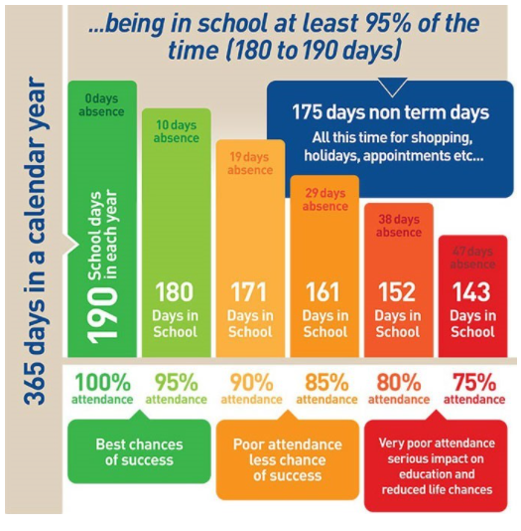
  1. Attendance: Mr Davies explained the difference that attendance makes. He asked: is 90% attendance good enough? 90% means that you miss one day in every ten – that’s one per fortnight. If you have 90% attendance over a school year, that means you have missed four weeks of education. If you have 90% attendance over five years at school, you would have missed half a year’s worth of lessons. We know that many students struggle with health issues and can’t achieve 100% attendance. But the point Mr Davies was making was that every day of attendance is a day of education – and every little bit matters.
  2. Punctuality: We are really insistent that students are punctual to their lessons. You might not think that being five minutes late to a lesson matters – but it does. It disrupts the learning of others. It means the teacher has to re-start and re-explain the beginning of the lesson, wasting the time of those that were punctual. Then Mr Davies did some sums: if you were five minutes late to every lesson, you would miss 25 minutes a day, which adds up to two lessons a week, or 79 lessons a year – that’s three weeks in a school year. So that five minutes matters.
  3. Attention: when called to attention, we require our students to be silent straight away and show they are listening by tracking the speaker with their eyes. Again, this is about the aggregation of marginal gains, ensuring that transitions between tasks are swift and that as little time is wasted as possible. These tiny differences will all add up, over time, to significant gains in learning time.

Mr Davies then challenged the students to think about their own marginal gains as they went about their lessons this term. It might be that little extra effort on a classwork or homework task. It may be that final check through a piece of work before declaring it “finished.” It may be that little bit of initiative to push learning further, ask a question, or take on an extension or challenge task. It may just be sitting up straight and paying that extra bit of attention to an explanation or a demonstration. On its own, no single action is going to make the difference: added up, they will definitely help.

Finally, Mr Davies reinforced the importance of good, safe behaviour at social time. Injuries and accidents can happen at any time, and sometimes they can’t be helped. However, students need to ensure they are minimising the risk of accidents happening by playing safely; injuries, if they do happen, are painful and distressing – but they can also lead to lost learning time.

So, what marginal gains will you make?