Spring

The news headlines are pretty bleak in the world of education at the moment. Industrial action by members of the National Education Union is disrupting schools up and down the country. They are taking action because of the significant financial challenges facing schools – as with every sector of the economy – in the face of skyrocketing energy bills and insufficient funding to raise staff salaries in line with high inflation. A further slap in the face was the revelation of WhatsApp messages from former Secretary of State for Education, Gavin Williamson, denigrating teachers as lazy and workshy at the height of the pandemic. I remember our staff working with students throughout that time – without vaccines or PPE – and moving heaven and earth to deliver education in unprecedented circumstances, so this is particularly galling.

There have also been shocking scenes on social media of schools around the country in disorder as students stage “protests” against rules and approaches taken by staff. I’m not going to get into the rights and wrongs of individual cases elsewhere, but I am very glad that our Academy is a school with strong student leadership and voice; a school where staff listen to students and where students are able to make positive changes to the Academy in partnership with staff – as one community. We have revised uniform rules and systems as a result of this kind of feedback from students through councils and student voice, and those groups are continuing to work hard to improve many aspects of school. We will continue to listen as our students express their views through the channels designed for this purpose – and I am grateful for the good sense and maturity that they have shown, despite the trends of social media.

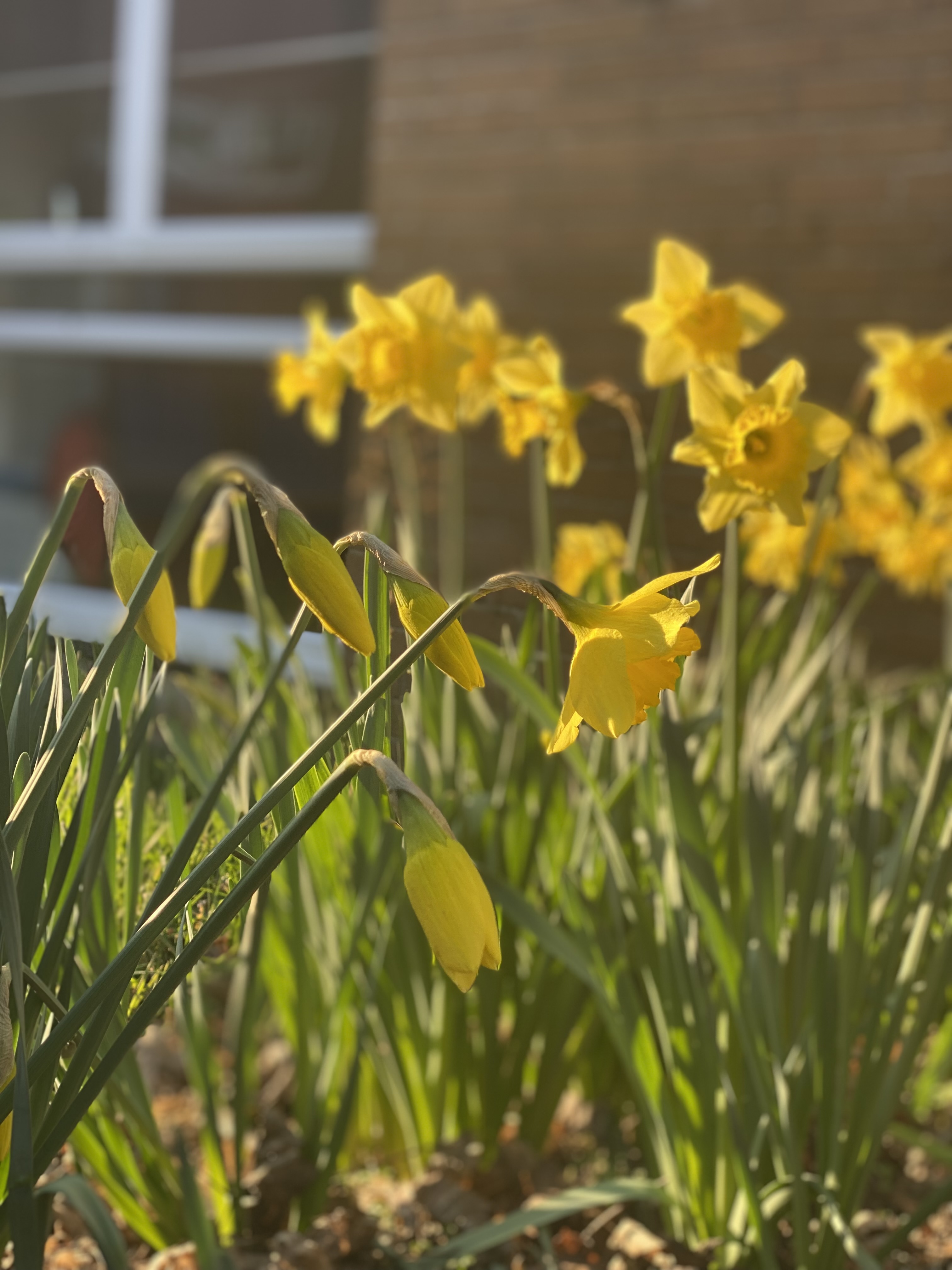
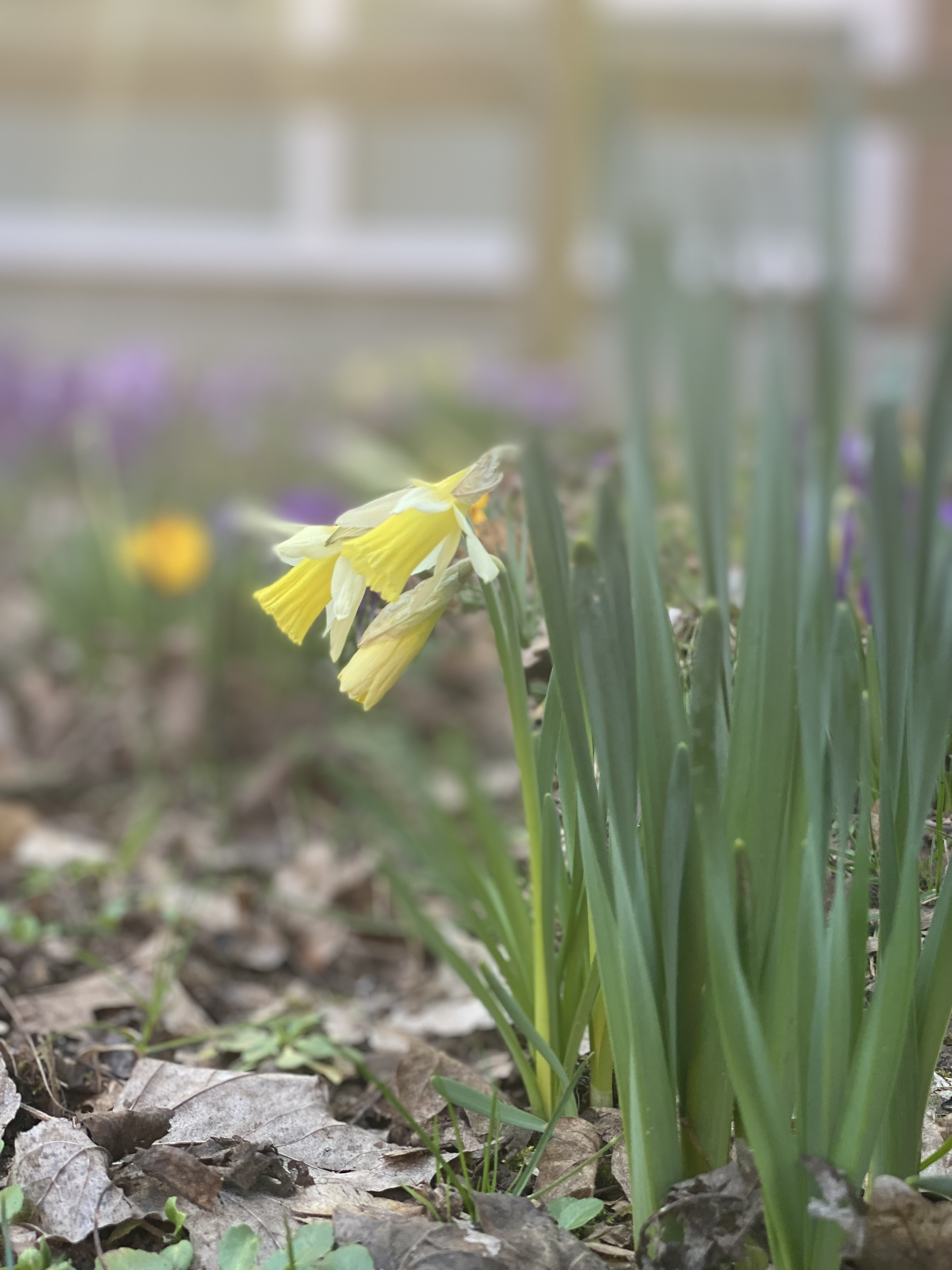
As I was leaving school at the end of the day this week, I saw the carpet of crocuses and daffodils blooming again, as they do every spring. They reminded me – as they always do – that out of the cold and dark, brightness always returns. Working in schools, we are in the business of optimism. Every day, we work with the young people who have the potential to go out and make the world better, to solve its problems, to make a positive difference. No matter how difficult things are, the positivity and potential of our students make the job worthwhile.


50 days to go

When we returned to school on Monday, there were 50 school days left until the first public examinations in the summer. Our Year 11 and 13 students are now on the final run-in towards their exams.

All our Year 11 students have been issued with a pre-exams booklet to guide them through the revision process. The booklet includes guidance on effective revision strategies, as well as helpful tools to enable them to plan their revision and monitor its effectiveness. Students will also find the exam dates, links to revision materials, exam specifications and practice papers in the electronic version of the booklet, which is available to all students in Google Classroom.

We expect all students to be completing independent revision. To help support this process, all students are receiving weekly supervisions from their tutors, Heads of House, key workers or members of the Academy’s leadership team. These supervision sessions are designed to support students with their revision, discussing the techniques from the booklet, helping structure revision planning, and reviewing the effectiveness of revision completed in the previous week. Conversations with tutors this week have been positive and productive, and our Year 11 students are focused and determined to do well.

Meanwhile, our Year 13 students are receiving their mock results from the practice exams taken just before half term. The feedback from these mocks is the key to identifying where to focus work over the coming critical weeks, as those with non-examined assessments (NEA) put the finishing touches to their submissions.

There is naturally a degree of anxiety in our students as they approach their exams. This is entirely normal and understandable: the stakes are high, and the results matter. This is why we will also be talking to students about managing their emotions, wellbeing, and ensuring that they stay healthy during this vital period of time. We know that students who don’t revise enough will underperform, but we also know that students who overwork themselves into a panic are also at risk of underperforming. A balance is essential: work hard, but stay healthy.

Good luck to all our exam students!

The power of music to change lives

Last summer, the government published “A National Plan for music education.” Whilst schools are crushed under the weight of non-statutory guidance from the Department for Education, telling schools they should be doing this, or they should be doing that, this was one plan that I could fully support. The ministerial foreword says:

Excellent music education opens opportunities, but it is not simply a means to an end: it is also an end in itself. It gives children and young people an opportunity to express themselves, to explore their creativity, to work hard at something, persevere and shine. These experiences and achievements stay with them and shape their lives.

From The Power of Music to Change Lives: a national plan for music education, June 2022

I found myself in the unusual position of being inspired by a piece of government guidance!

I grew up playing instruments, having lessons on the piano and guitar throughout my school days. I was in bands and ensembles from primary school, through university and beyond. When I completed my newly qualified teacher year, I bought myself a saxophone as a “congratulations” present to myself, alongside a challenge to learn to play it well enough to be in the band for my school’s production of Bugsy Malone in the next academic year.

Since then I have played in pit bands for school productions of Grease, Little Shop of Horrors, Godspell, Return to the Forbidden Planet (three times!) and more. I’ve directed – and even written! – musicals. I’ve played in big bands, covers bands, rock bands and jazz groups. There’s nothing quite like playing with others, sharing never-to-be-repeated moments in live performance, where the interactions and interplay between the musicians and the audiences create that unique moment in time for all involved.

This is why I am pleased to see the Department for Education prioritising music education. There is a recognition of the contribution that music makes to the economy, and the careers that can be pursued within the music industry; this is, after all, a government document. But it is also clear that a good quality music education is a right for all our young people.
We are fortunate at Churchill to be building on a firm foundation, with an established strength in the musical life of the school, supported by the North Somerset music service and, more locally, the amazing support of Churchill Music. Our partnership with Churchill Music continues to thrive, not least in the Churchill Young Musician of the Year competition which took place on Monday.

This competition, along with the wealth of musical activities across the school, shows that music is at the very heart of our education at Churchill – and will continue to be there, whether or not the government issues non-statutory guidance to tell us that it should be.
Making informed choices

This term our attention has been focused on the Year 9 options process. The options evening this week was a good opportunity to meet with students and their families to discuss the choices that they are making as they seek to personalise their curriculum for years 10 and 11. As I said to the assembled parents, carers and students in the hall alongside Mrs Dawes on Wednesday evening, the aim of the whole process is to provide as much information as possible, so that students can make good decisions about their next steps.
The same philosophy governs our whole “choices” programme – whether it be advice and guidance to Year 11 students making decisions about post-16 education; or sixth formers exploring their options for higher education through universities, apprenticeships, employment or gap years; or the wider careers inspiration, advice and guidance programme that covers all our students; the aim is to ensure that our students are well-informed about their choices, so they can make the right decisions for them.

An example of this was our “Careers to Curriculum Day” for Year 9 students on the day after options evening this week. Year 9 students followed an adapted timetable to learn more about how the subjects they follow on their curriculum apply to the real world of work. From the applications of maths to climate science, the use of economics and law, the life of an actor, product design, illustration, journalism, financial trading, medical ethics and food sciences, our students got to think about how their classroom work could serve them in a future career.

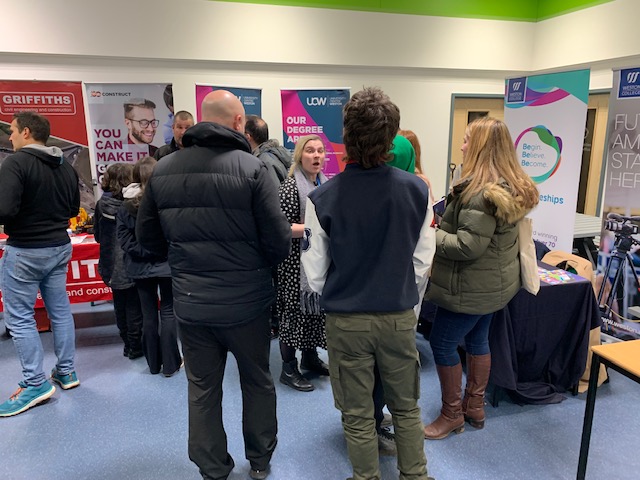
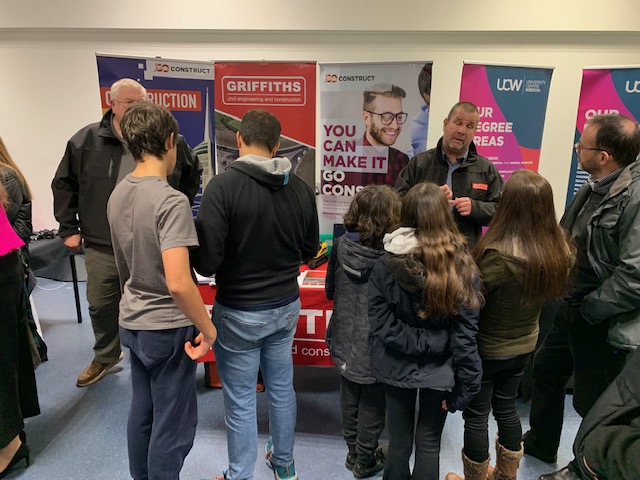
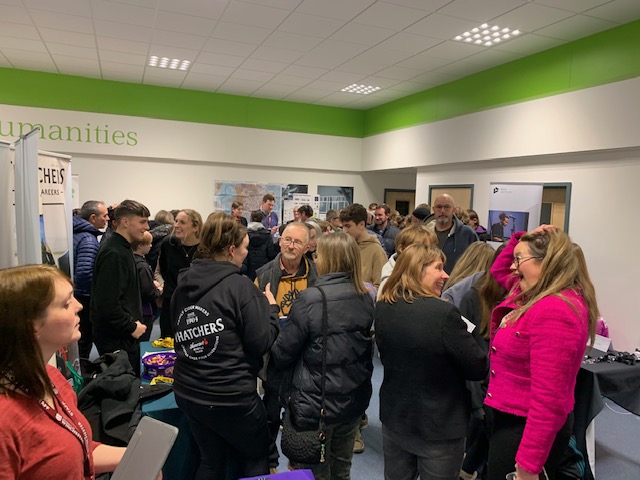
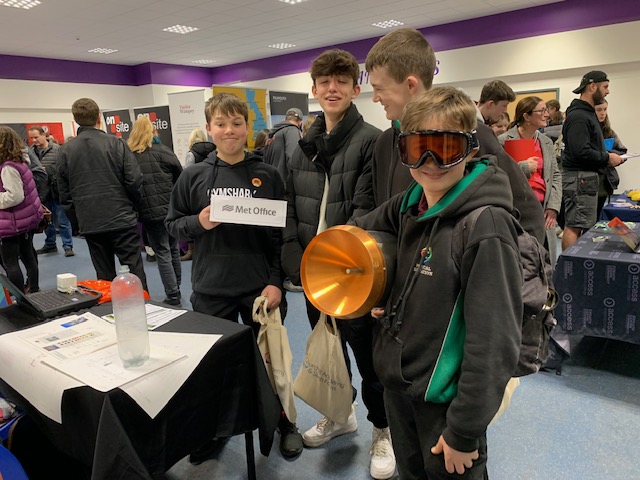
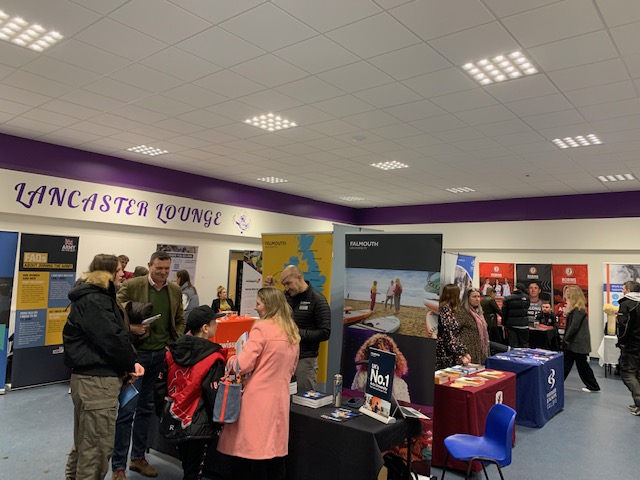
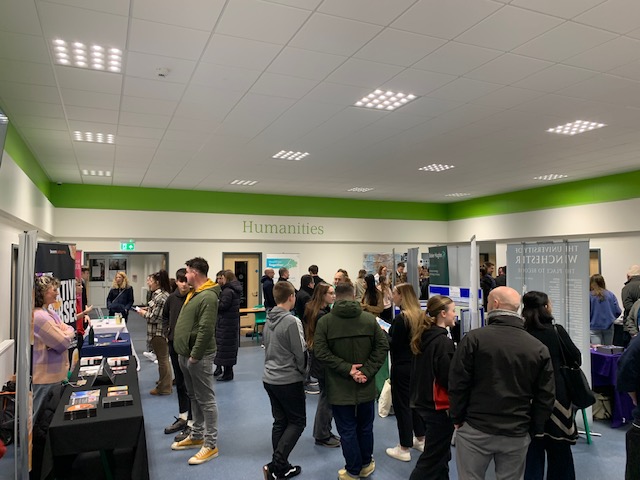
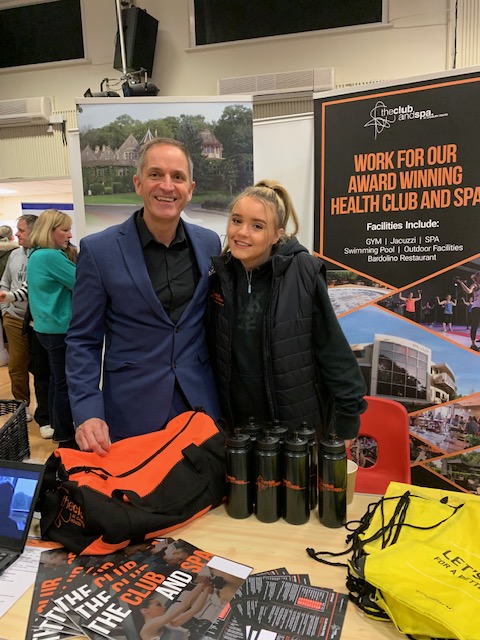
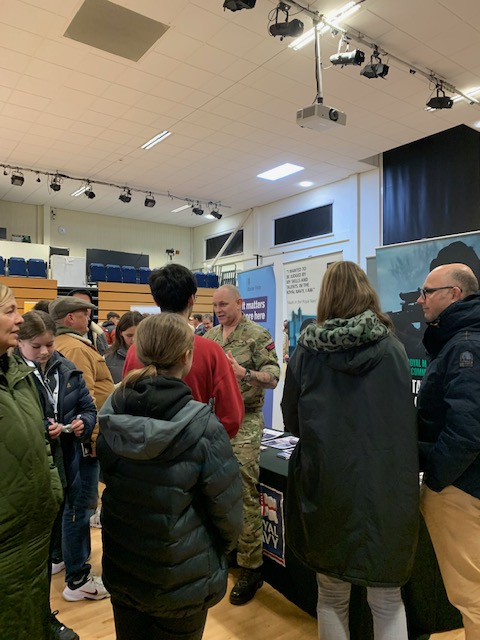
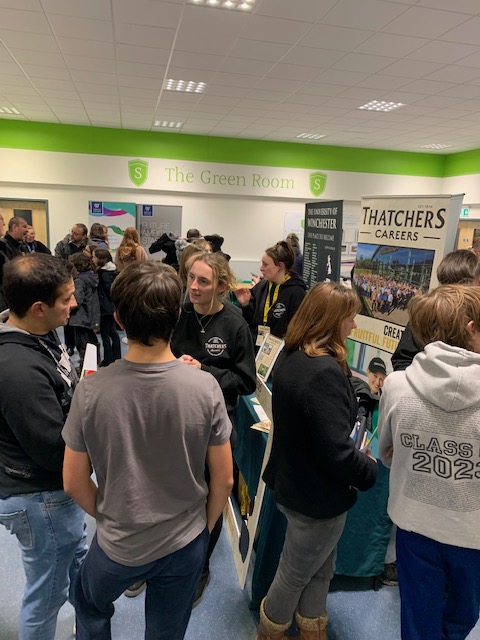
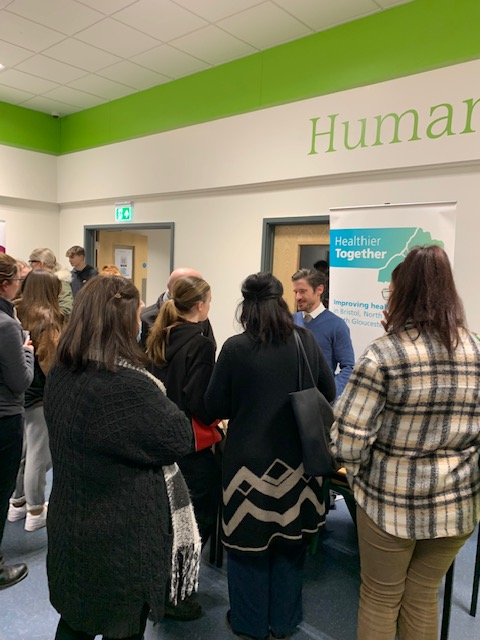
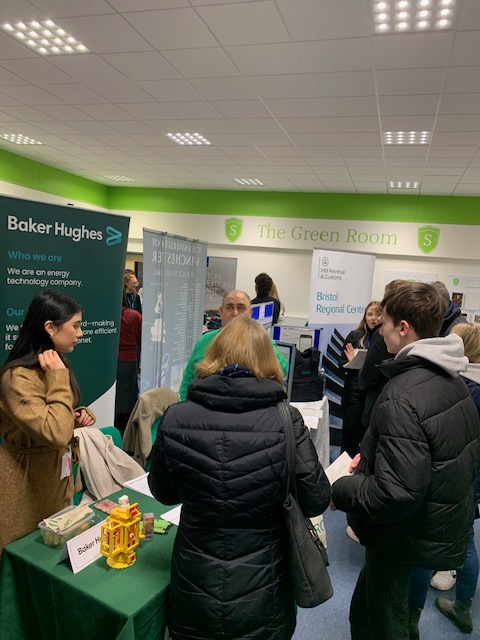
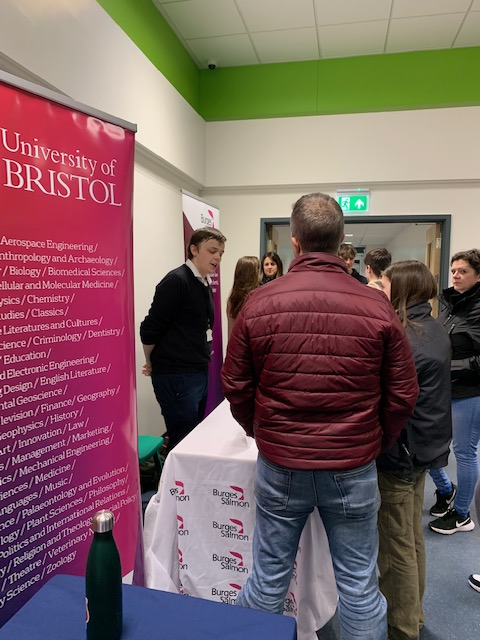
This was supported by our annual Careers Convention on Thursday evening. We welcomed representatives from businesses both local, national and international to the Academy. We had employers including Airbus, GKN Aerospace, Rolls Royce and Taylor Wimpey; Civil Service Careers and HMRC; the Army, Royal Navy and Border Force; the NHS and St Monica Trust; Virgin Atlantic and Easyjet; the Met Office, Thatchers, Wessex Water, the National Grid Electricity Distribution, Burges Salmon, Motorbodies Weston and more. They were joined by further and higher education providers including colleges, apprenticeship providers, and universities with the aim of raising student aspirations, broadening their horizons, and encouraging them to think about what may be possible in their future.

Throughout their time at Churchill, students also have access to the Unifrog system. Unifrog helps young people find and apply for the best opportunities for them after school. It gives students a wealth of information and tools to use to help them navigate the array of options open to them. From interest and personality profiling, to information about a wide variety of careers and education pathways, Unifrog also gives students a space to record their wider activities to build a profile of their skills and competencies. This can help to guide them as they consider their next steps, by enabling them to reflect on what they are good at and what they enjoy – not just in their lessons, but beyond.

All this is just scratching the surface of our careers inspiration, advice and guidance programme, led by Mr Morgan and coordinated by Mrs McGonigal. We do our very best to make sure that our students’ choices about their next steps – whatever and whenever they may be – are informed, thoughtful and the best possible choice for them.

Welcome back assembly: why our words matter

In this week’s assembly, I welcomed our students back after the Christmas break. After a quick reminder of our behaviour expectations, Mrs McKay and I focused our assembly on the key topic of ensuring that our Academy community is a safe and inclusive one.

My part of the assembly focused on the way we use our words. I was inspired by talking to our Year 11 House Captains, who said that one of the things they wanted to concentrate on during their their year in post was on language used by their fellow students which can offend, upset, provoke or disturb them. This echoed the work of last year’s inclusion and diversity group, who presented to our Trustees on the impact that micro-aggressions can have on students’ feelings of belonging and inclusion.

There are occasions when students use words deliberately to be unkind, to upset others, to provoke them, or to offend. This is always wrong. But we can also use words thoughtlessly or carelessly, and we can offend, upset, exclude or alienate others through our ignorance or lack of consideration. Perhaps we didn’t fully understand the language we were using, or its implications, or perhaps we didn’t think carefully enough before opening our mouths. We need to be clear that this is just as problematic: our words can hurt, whether we intended them to or not.

I therefore asked our students to use the “THINK” acronym above – and to “THINK” before they speak. I used a little bit of audience participation to demonstrate this principle in the assembly. A willing volunteer from the audience donned the important safety equipment, before attempting to squirt all the toothpaste out of a tube as quickly as possible (Stuart were the best at this so far, with a time of just under 7 seconds). The second part of the experiment saw the volunteers try to put the toothpaste back into the tube. This proved much more difficult.

The experiment was designed to show that squeezing the toothpaste is like blurting something out without thinking about it. It’s easy to do – the work of a moment – and actually feels pretty good in that moment! But once it’s out, there’s no putting it back, and any attempt to do so actually creates a worse mess than you started with.

It’s also important to think about the way we “speak” online. Mrs McKay has already spoken to students this year about the importance of e-safety, but we often see how people “say” things online they would never say in person. I used this quote from the film The Social Network to demonstrate this principle:

Our words – or the images, videos, gifs and emojis we post, and the posts we like, re-post and share – define us online. Employers (including schools, under new safeguarding guidance) conduct checks on candidates’ online presence, and there are plenty of examples of thoughtless online behaviour landing people in trouble – including losing their jobs.

As well as the risk to ourselves of thoughtless online behaviour, the damage to others can be significant. Words can hurt just as much – if not more – delivered online than in person, and there is a lot of evidence to suggest that people will “say” things online – often to complete strangers – that they would never dream of saying to someone’s face. This means that we should all be even more careful with our behaviour online, as you never know the damage that you could be doing.

Mrs McKay concluded our assembly with a reminder of the things we all need to do to make sure our Academy stays a safe, inclusive environment, and how we can all work together to make sure that Churchill continues to be a supportive community – for everyone.

Christmas at Churchill 2022

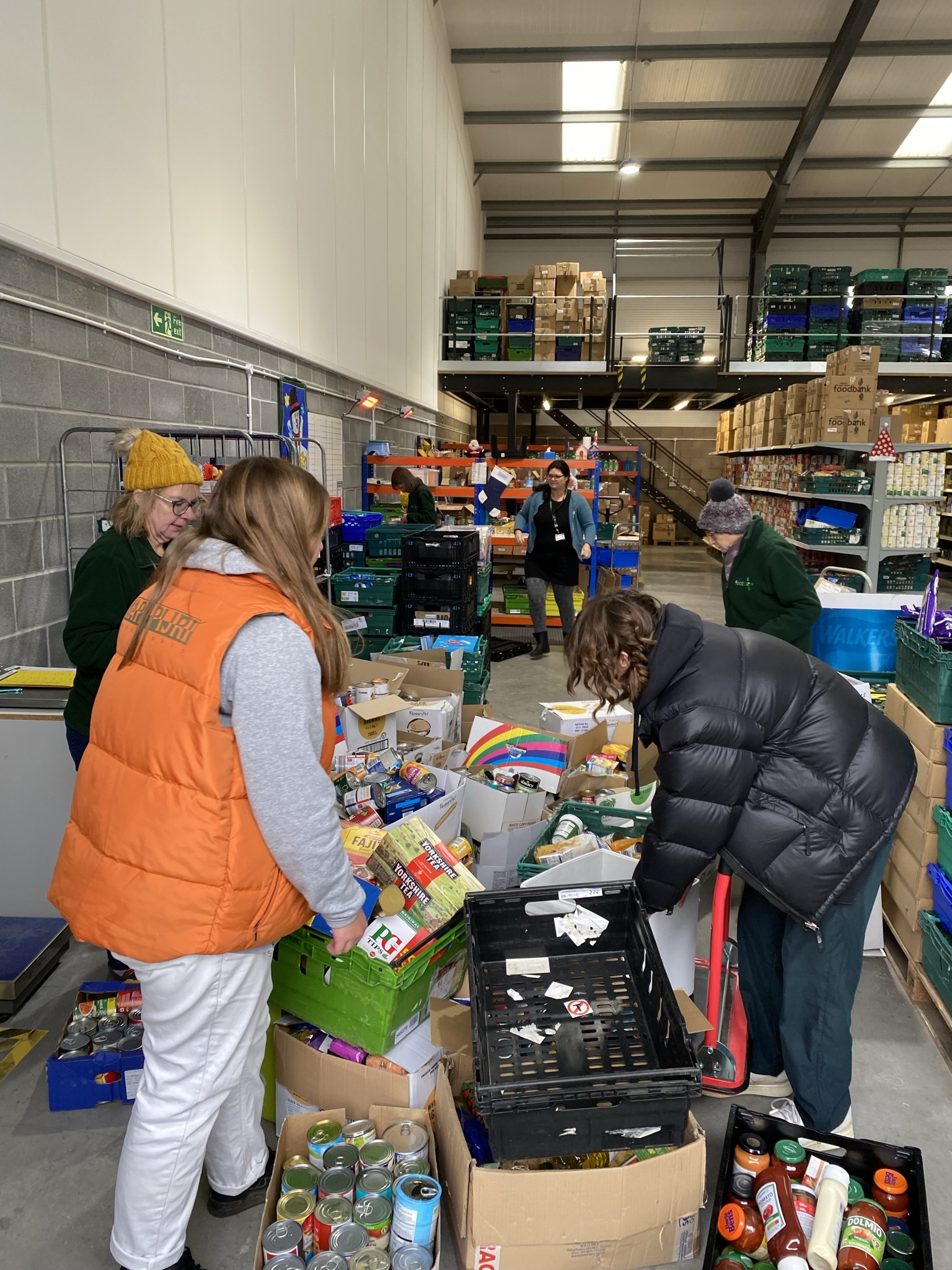
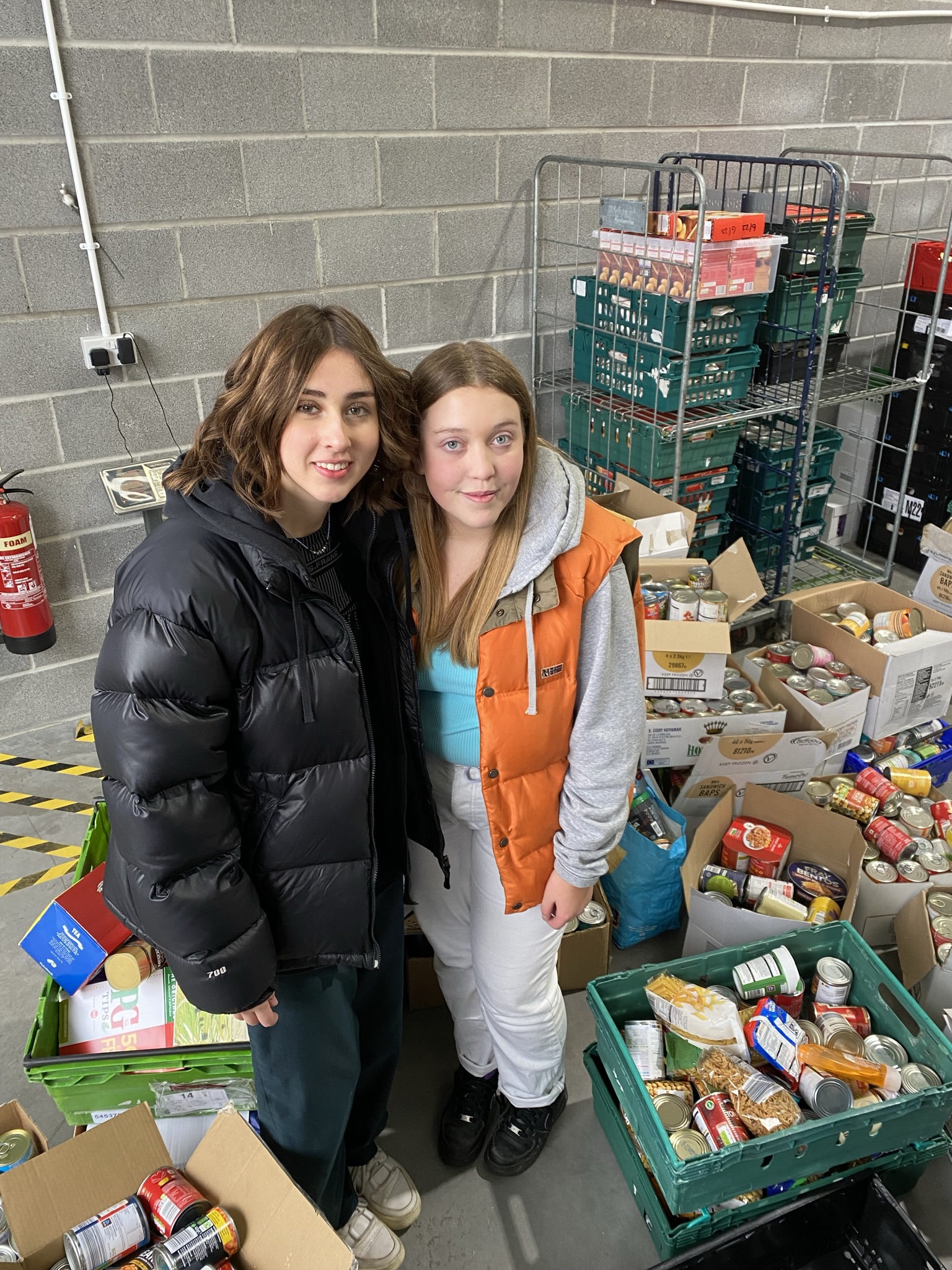
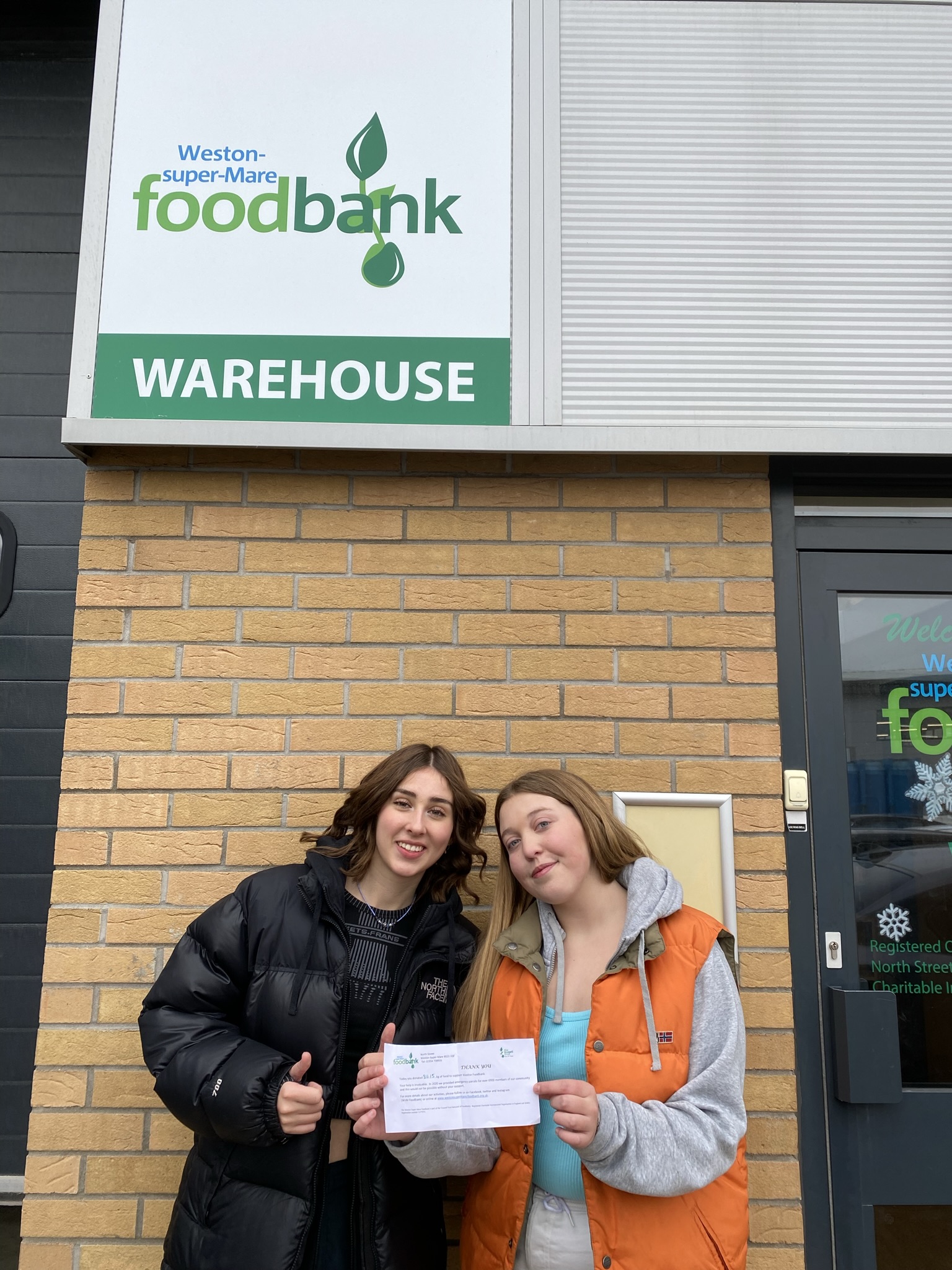
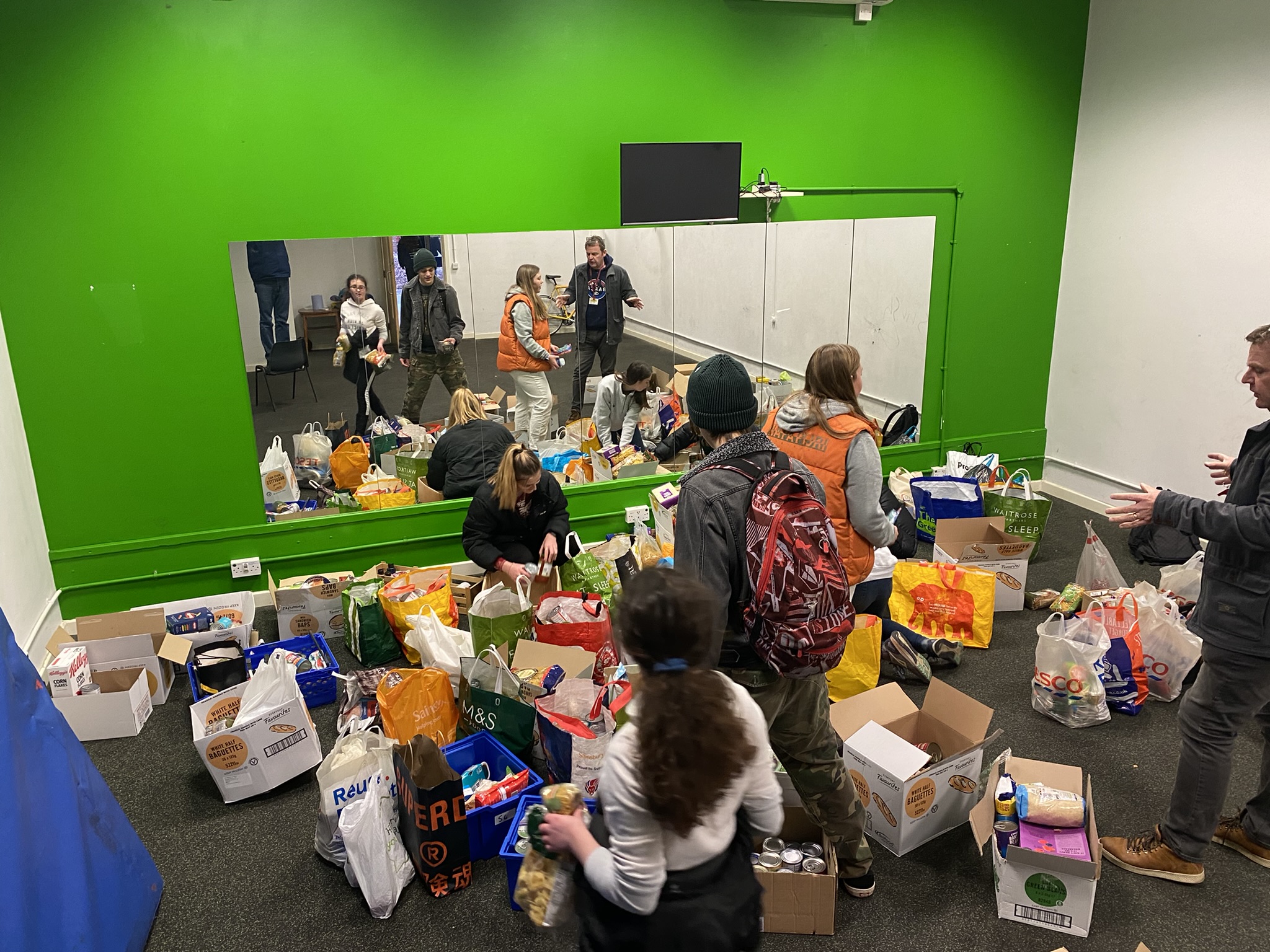
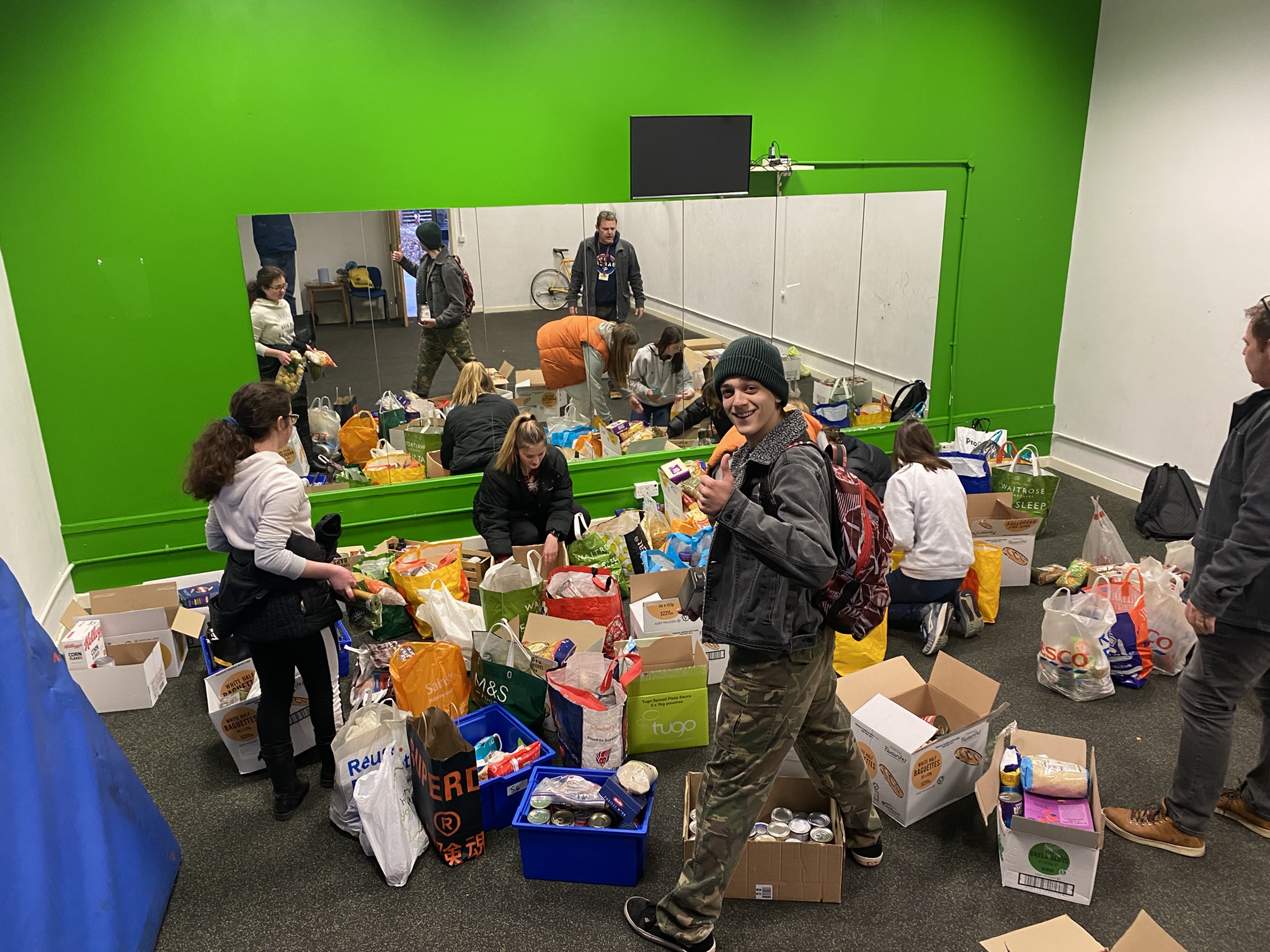
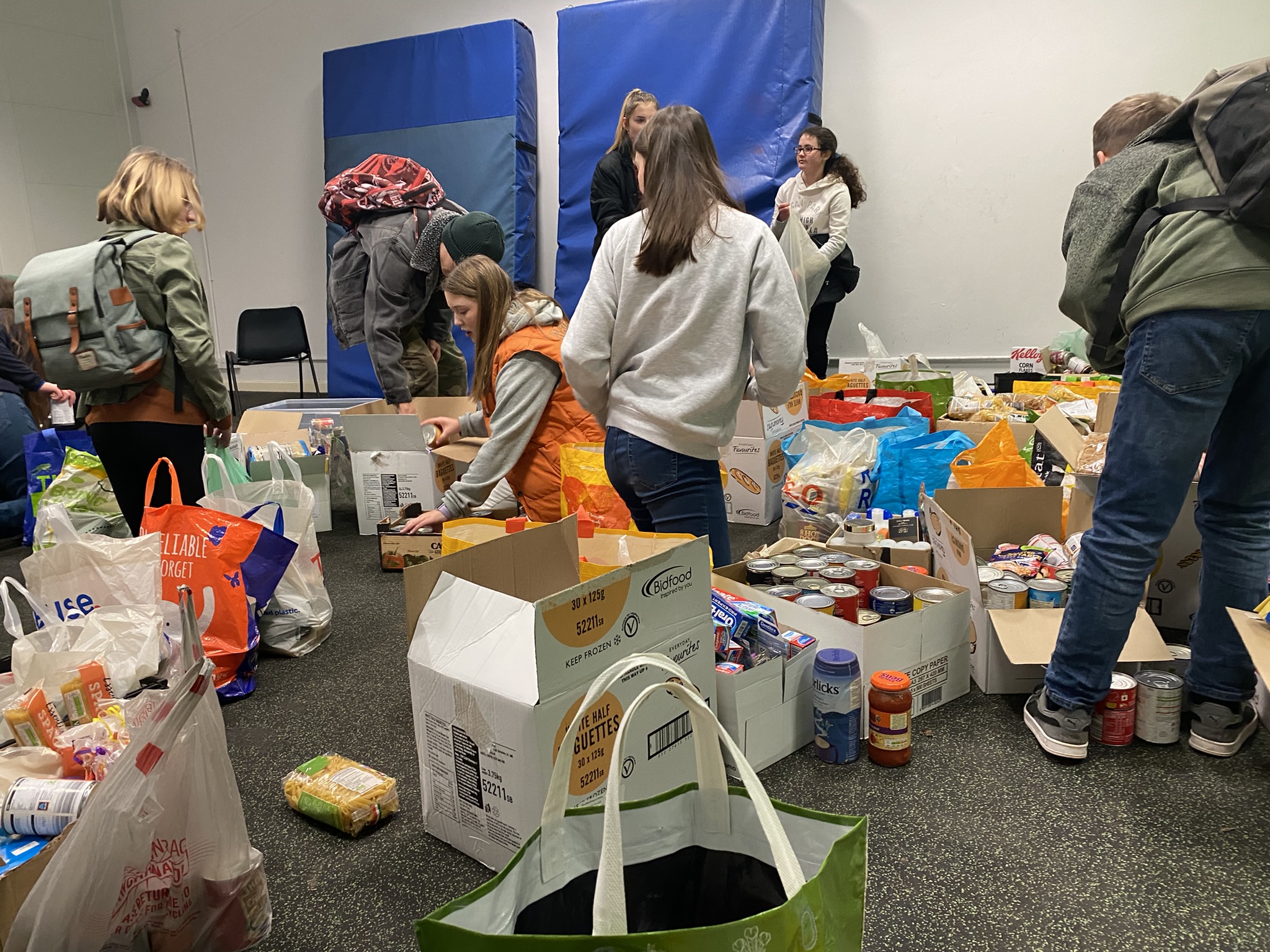
There are many fantastic Christmas traditions at Churchill – and this year we have added a couple of new ones into the mix! Firstly, hats off to our Hanover House Captains, who organised a whole-school non-uniform day on Monday with donations to food banks instead of money for charity. The Academy community responded with characteristic generosity, bringing in over 800kg of donations which were delivered on the same day to the Weston Foodbank Warehouse. Well done team!

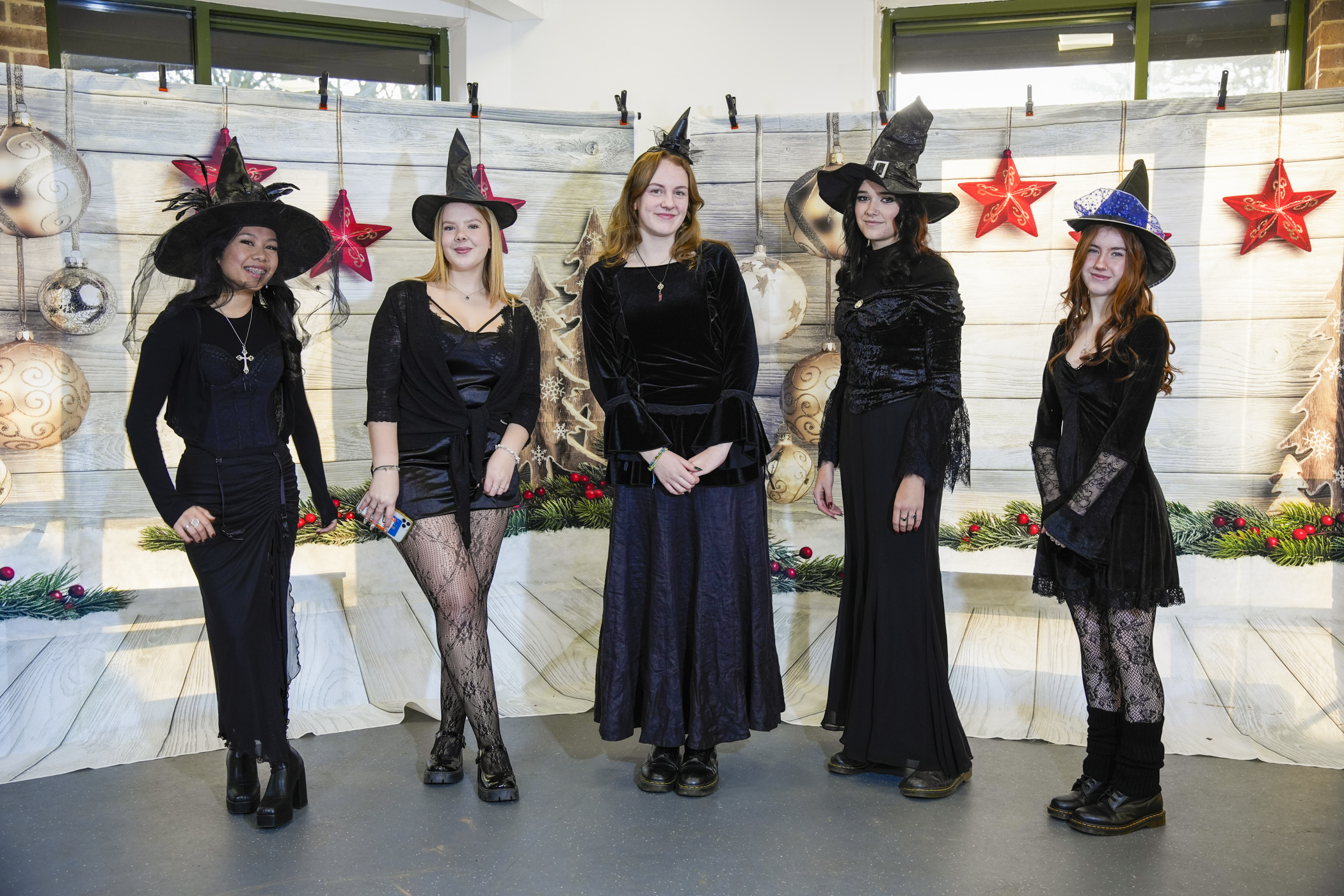
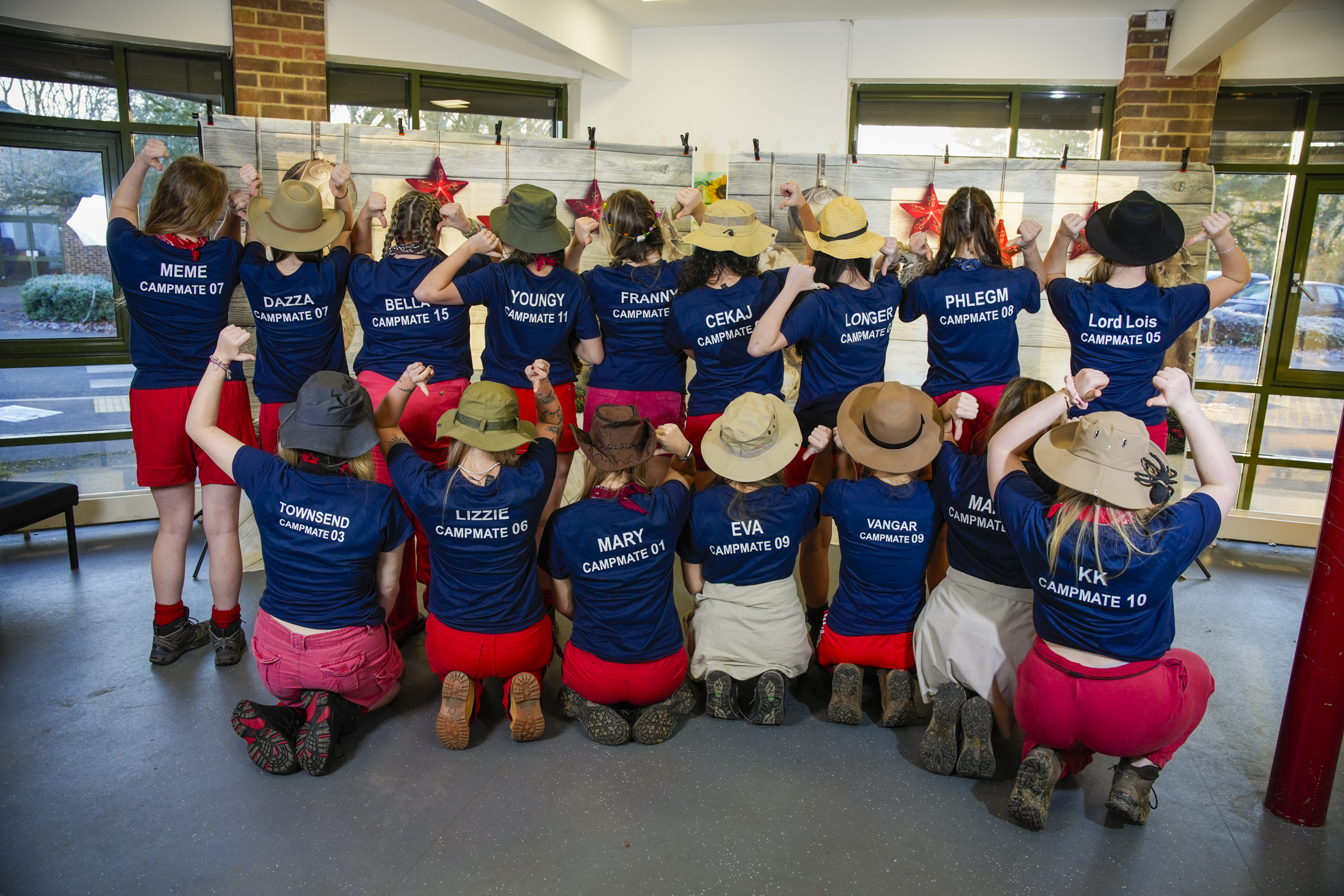
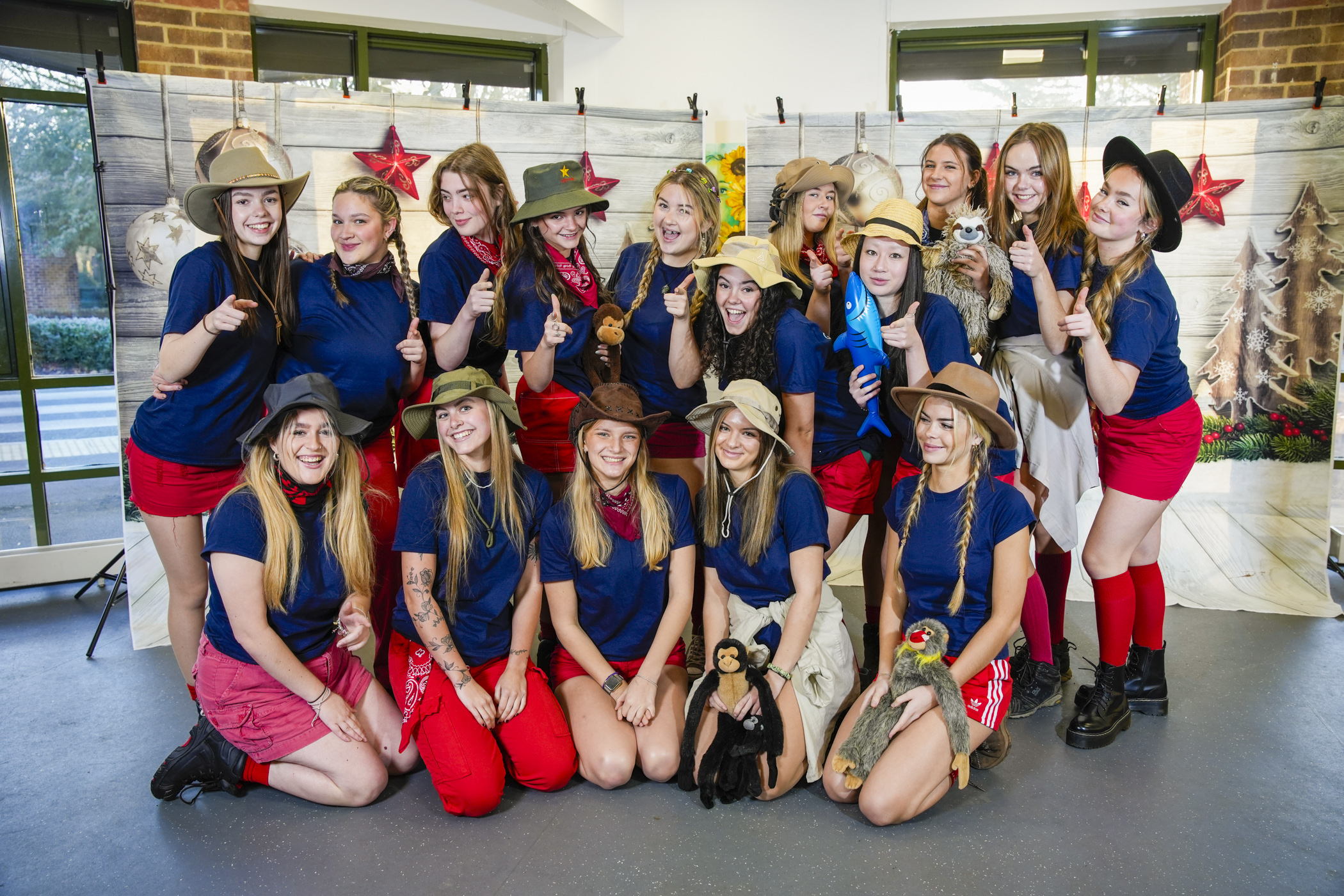
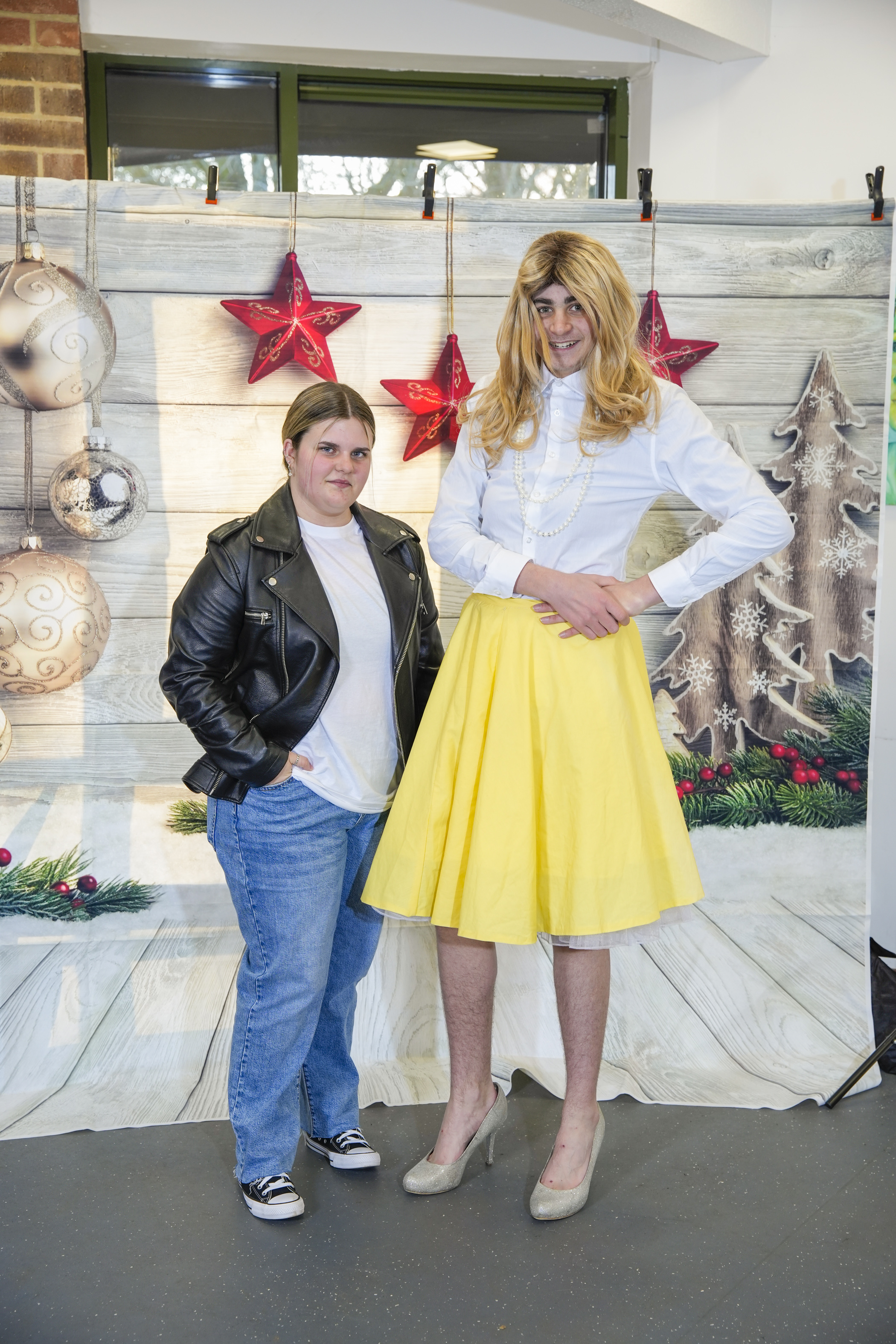
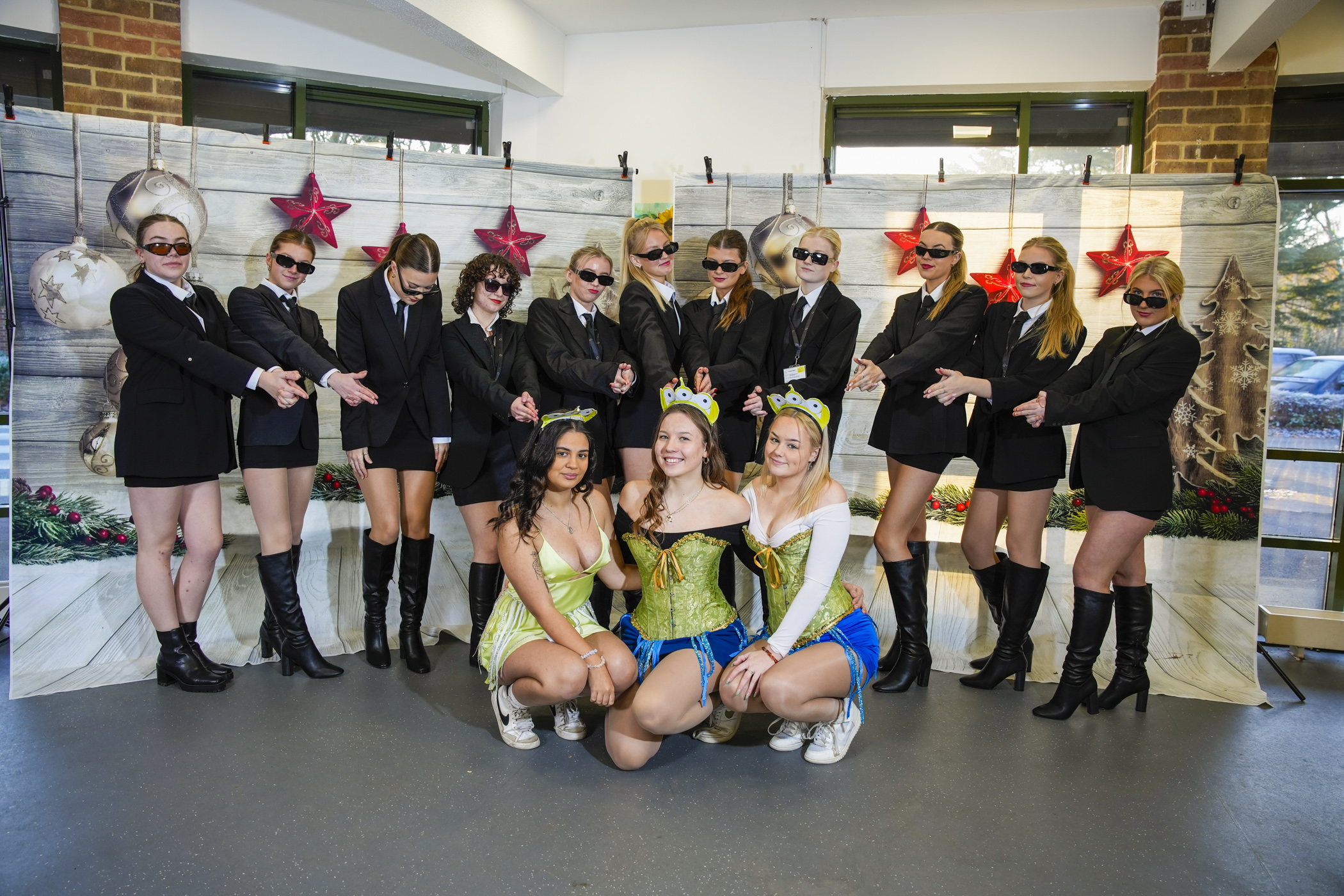
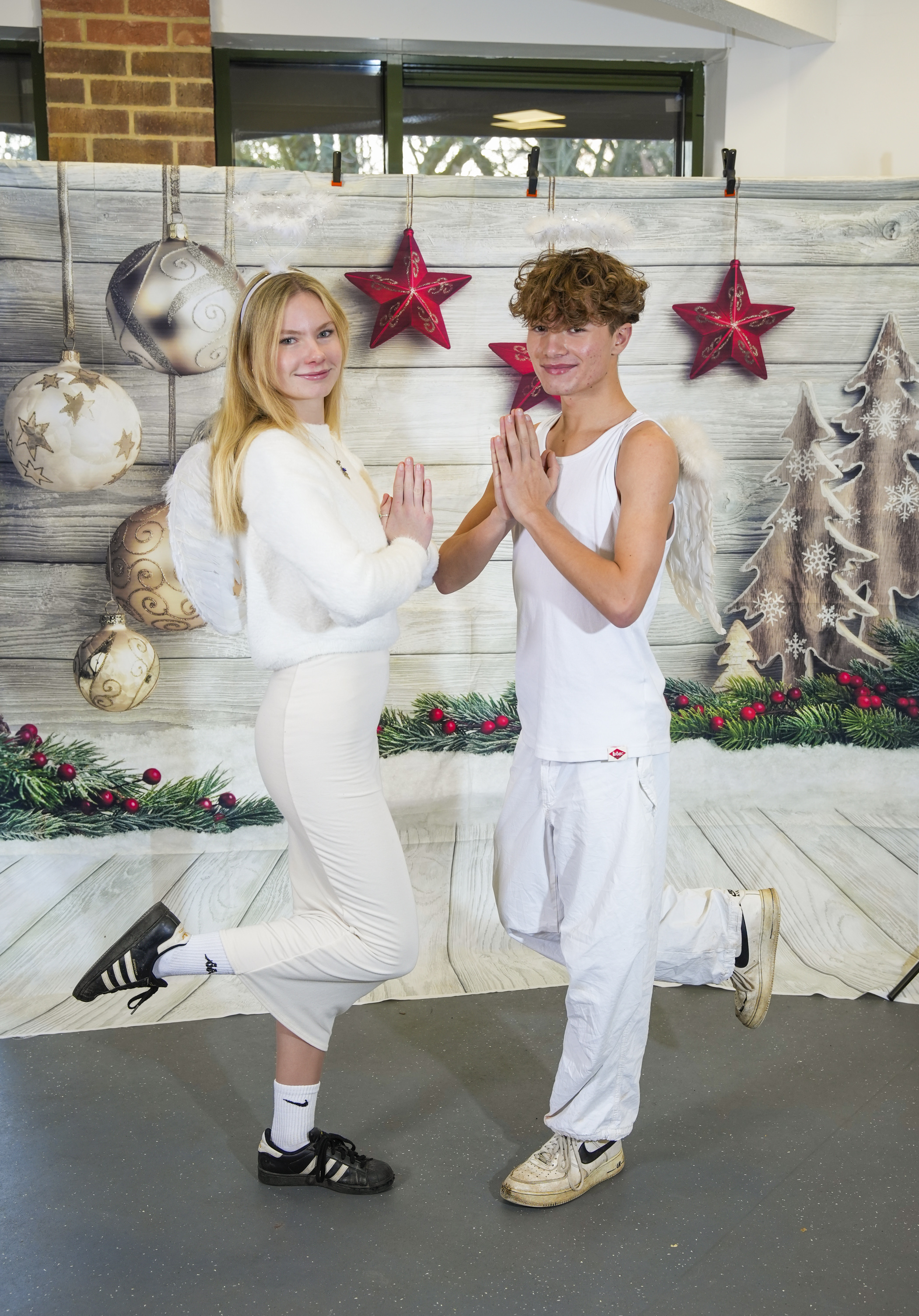
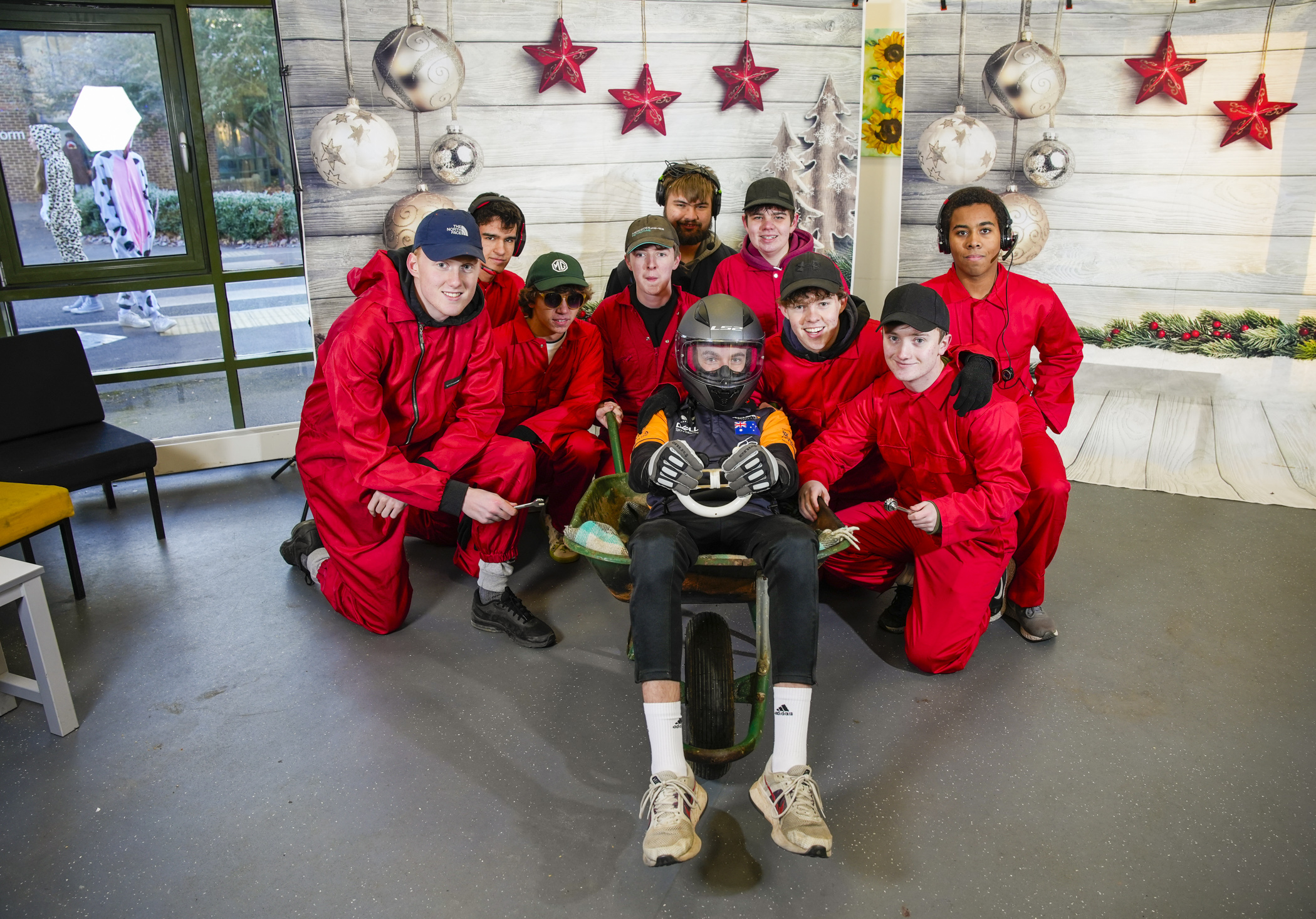
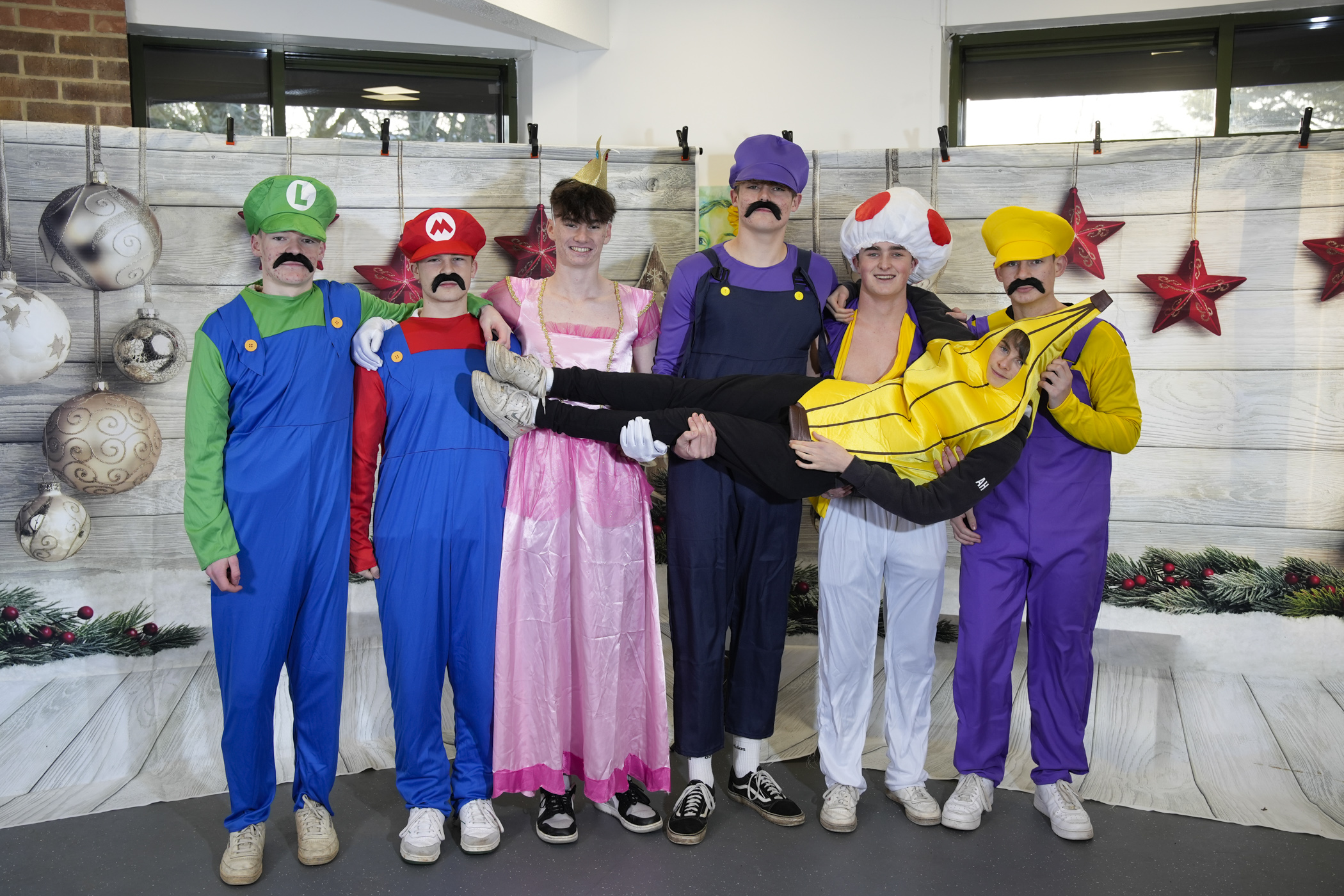
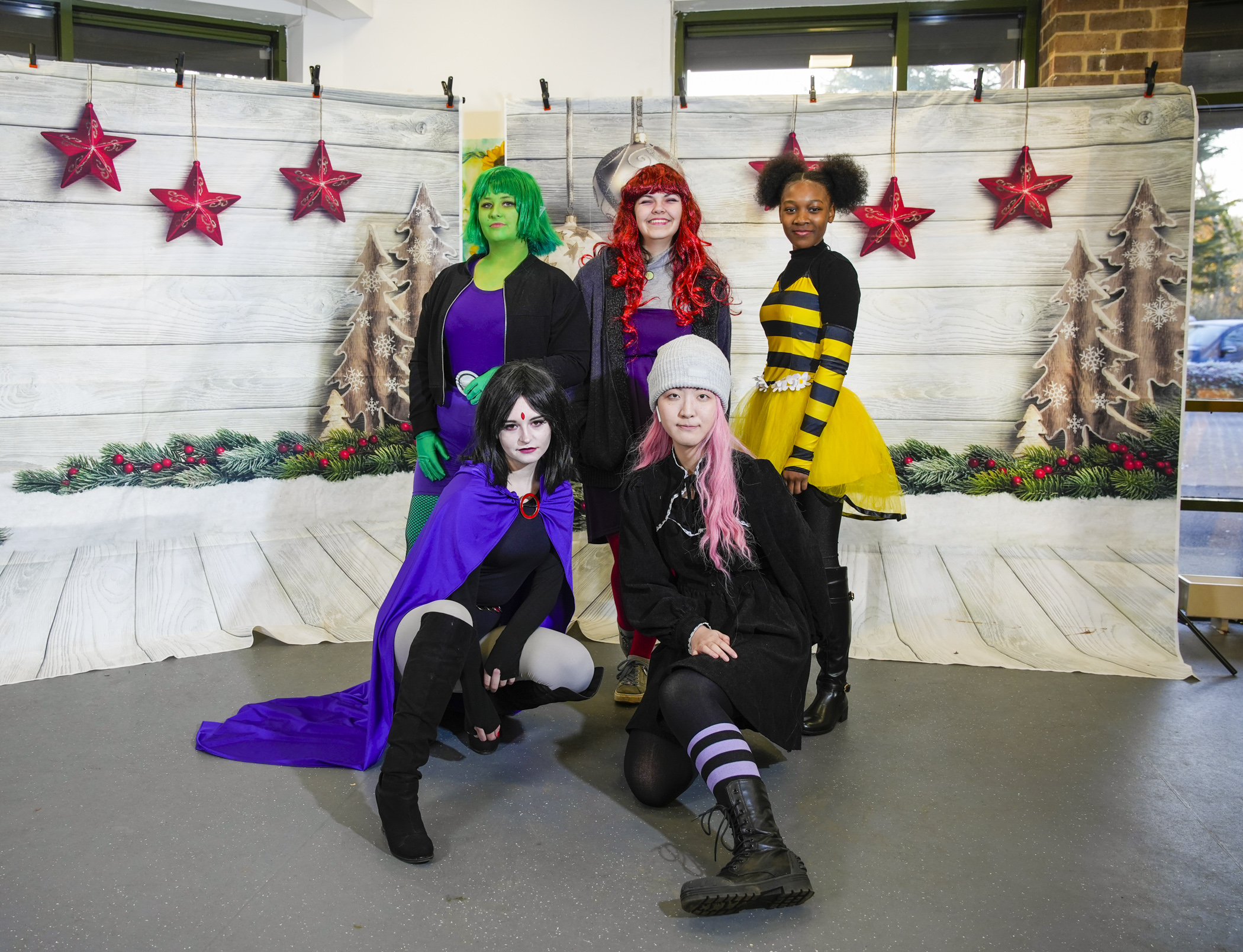
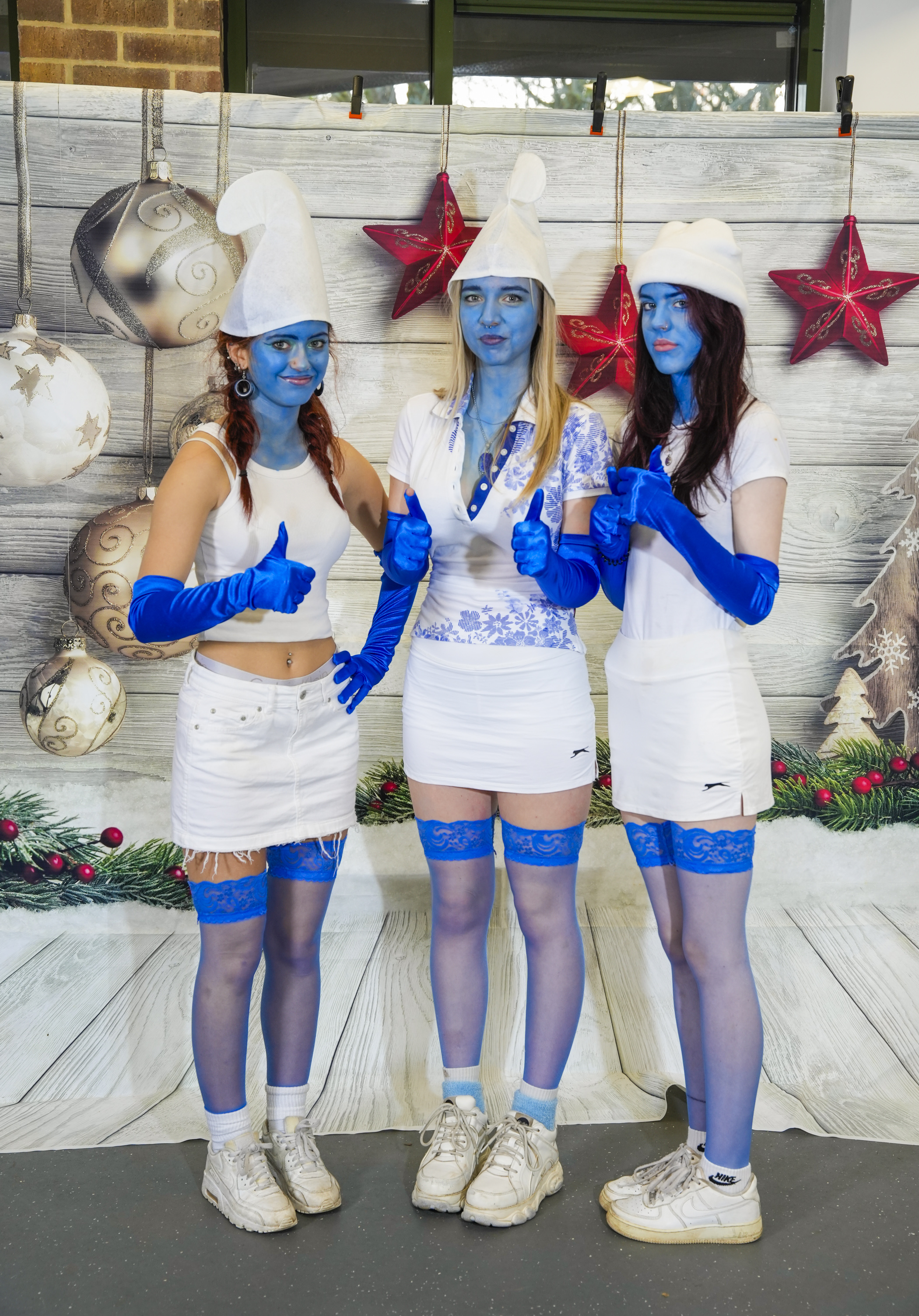
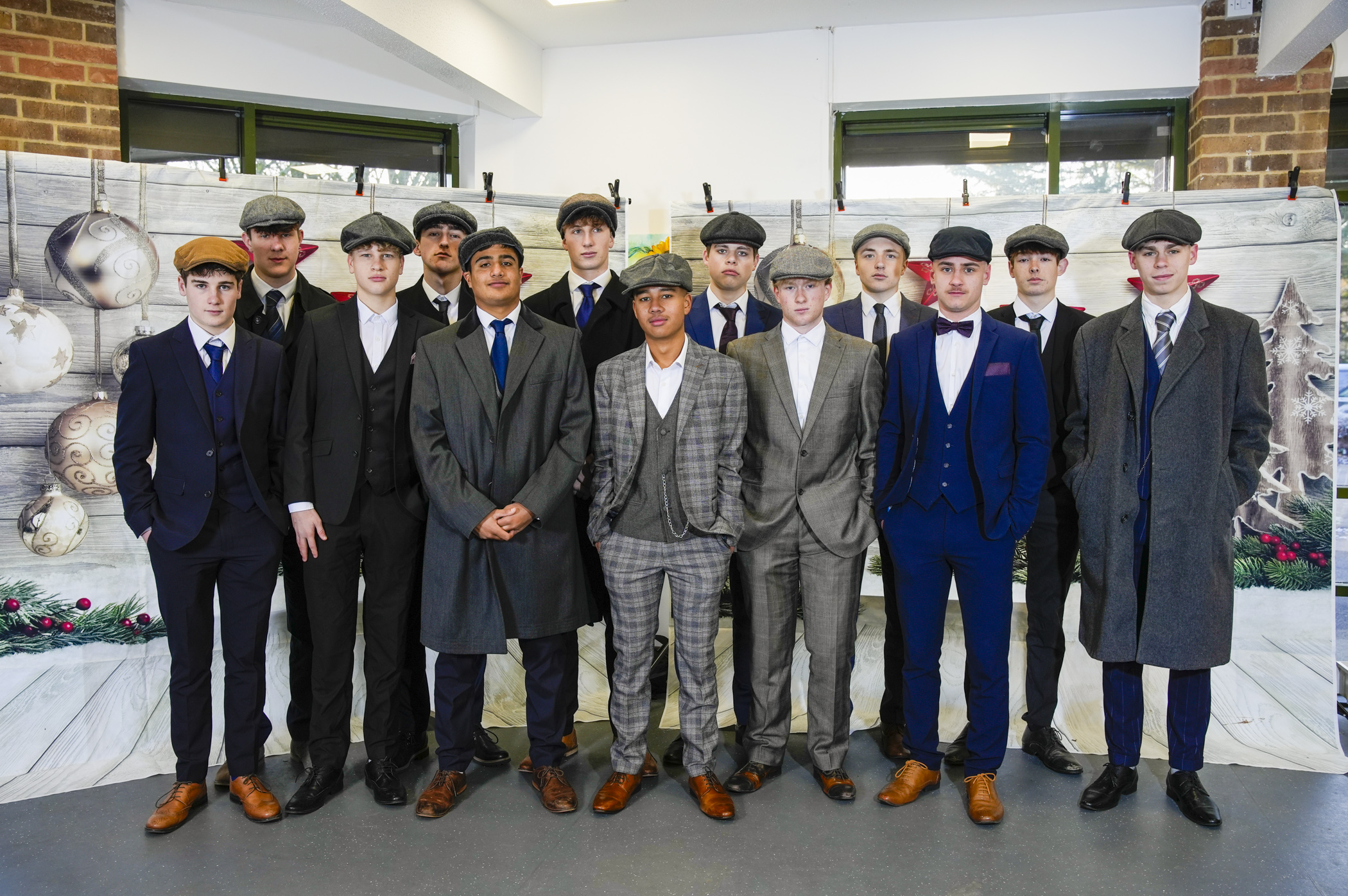
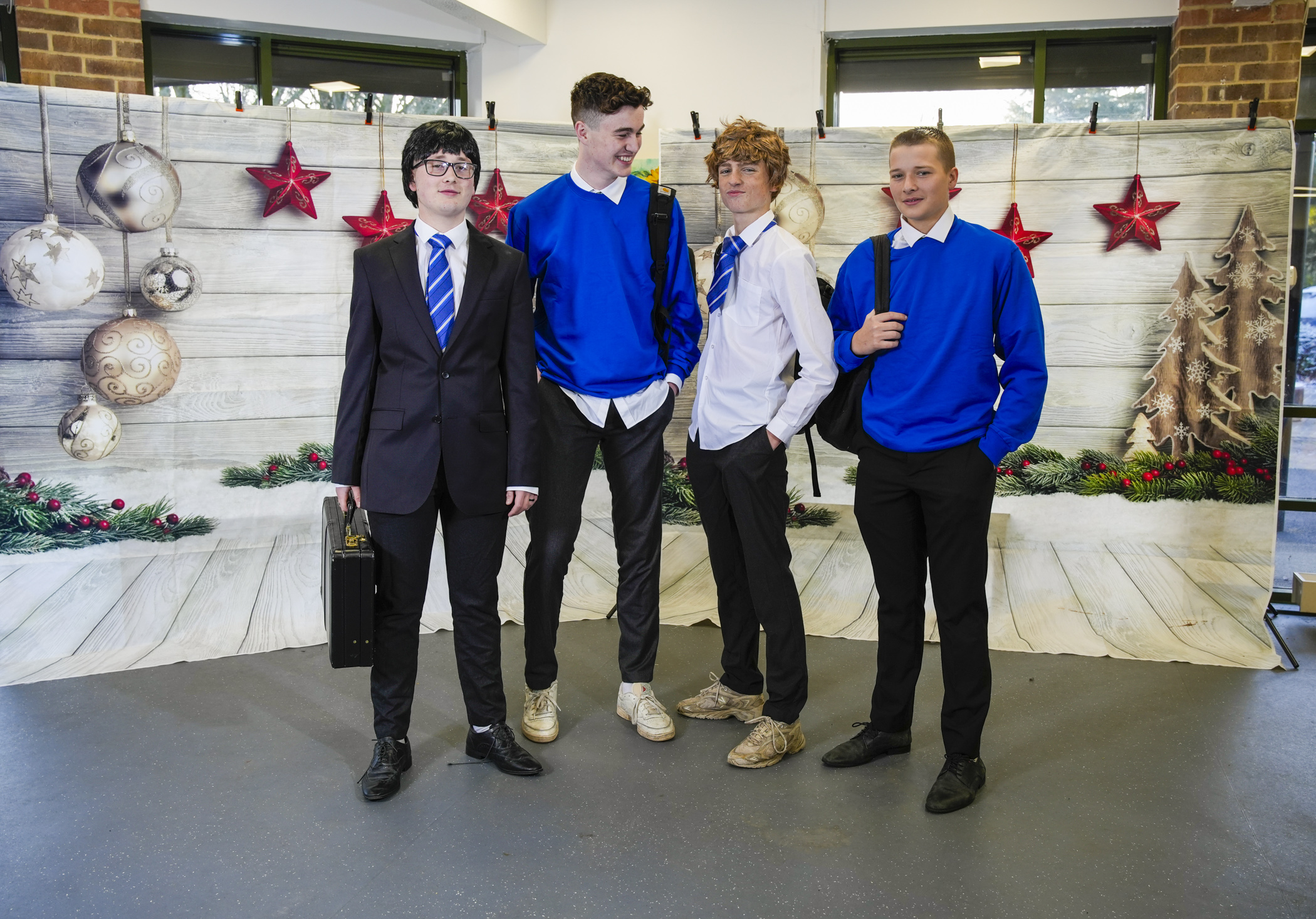
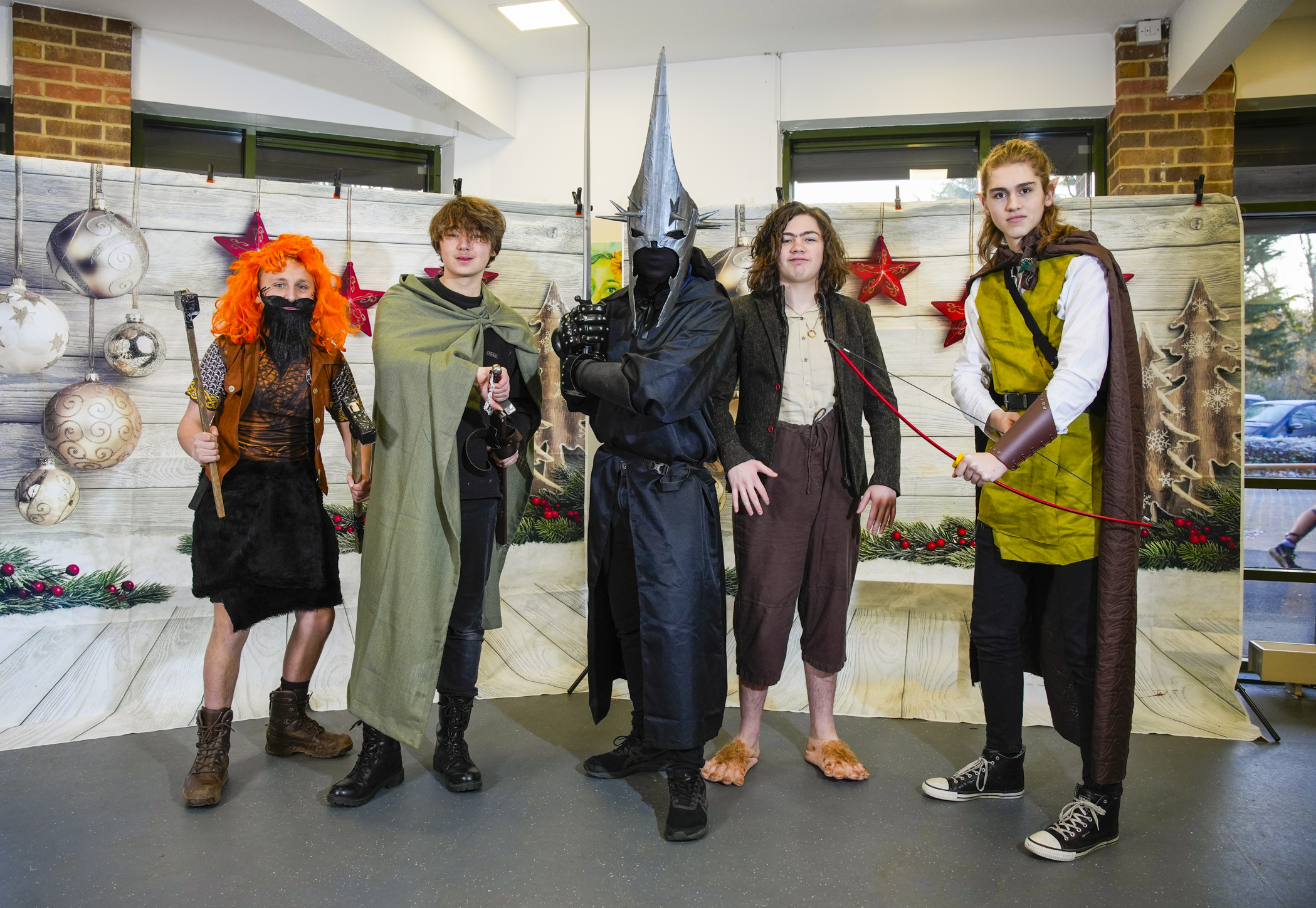
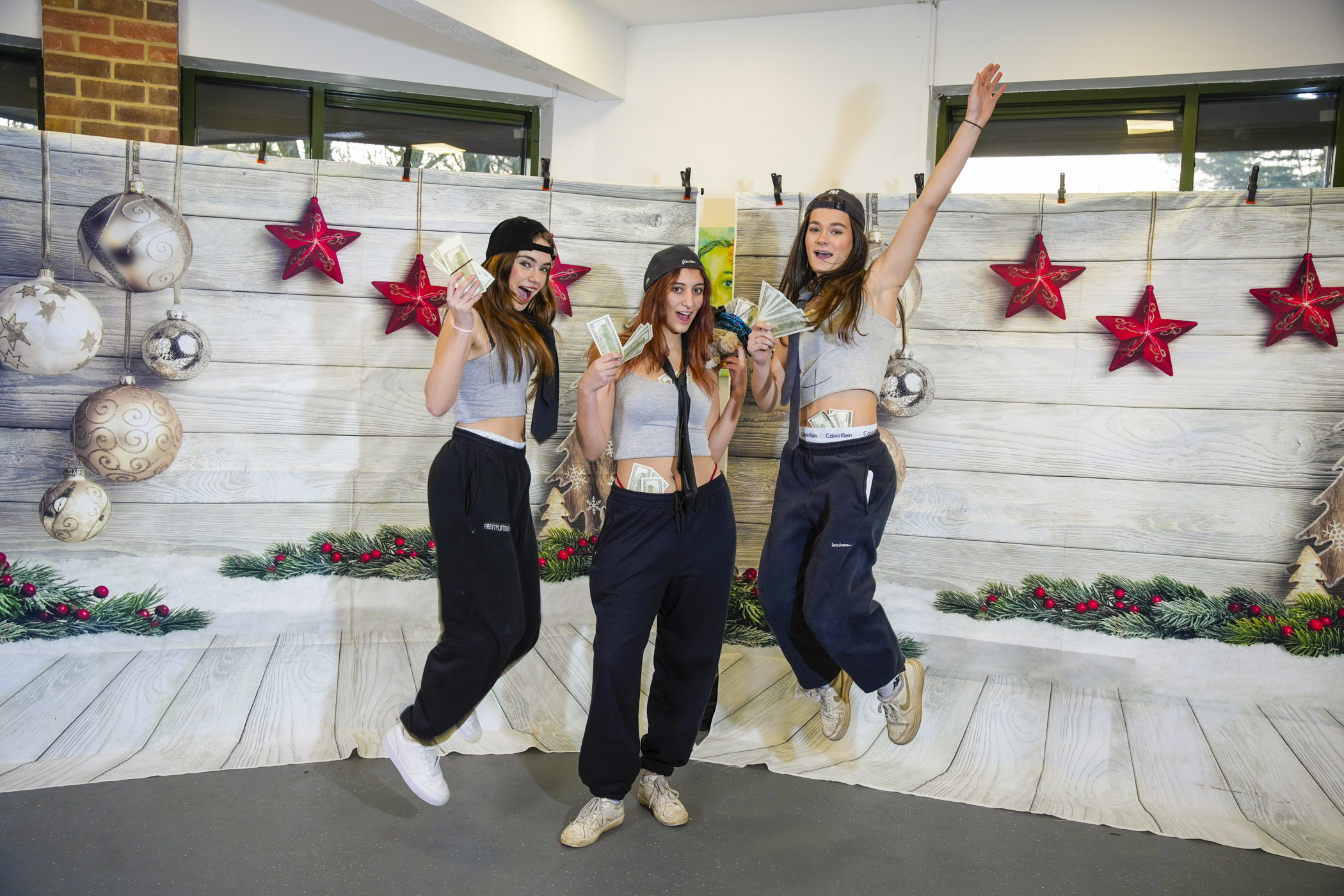
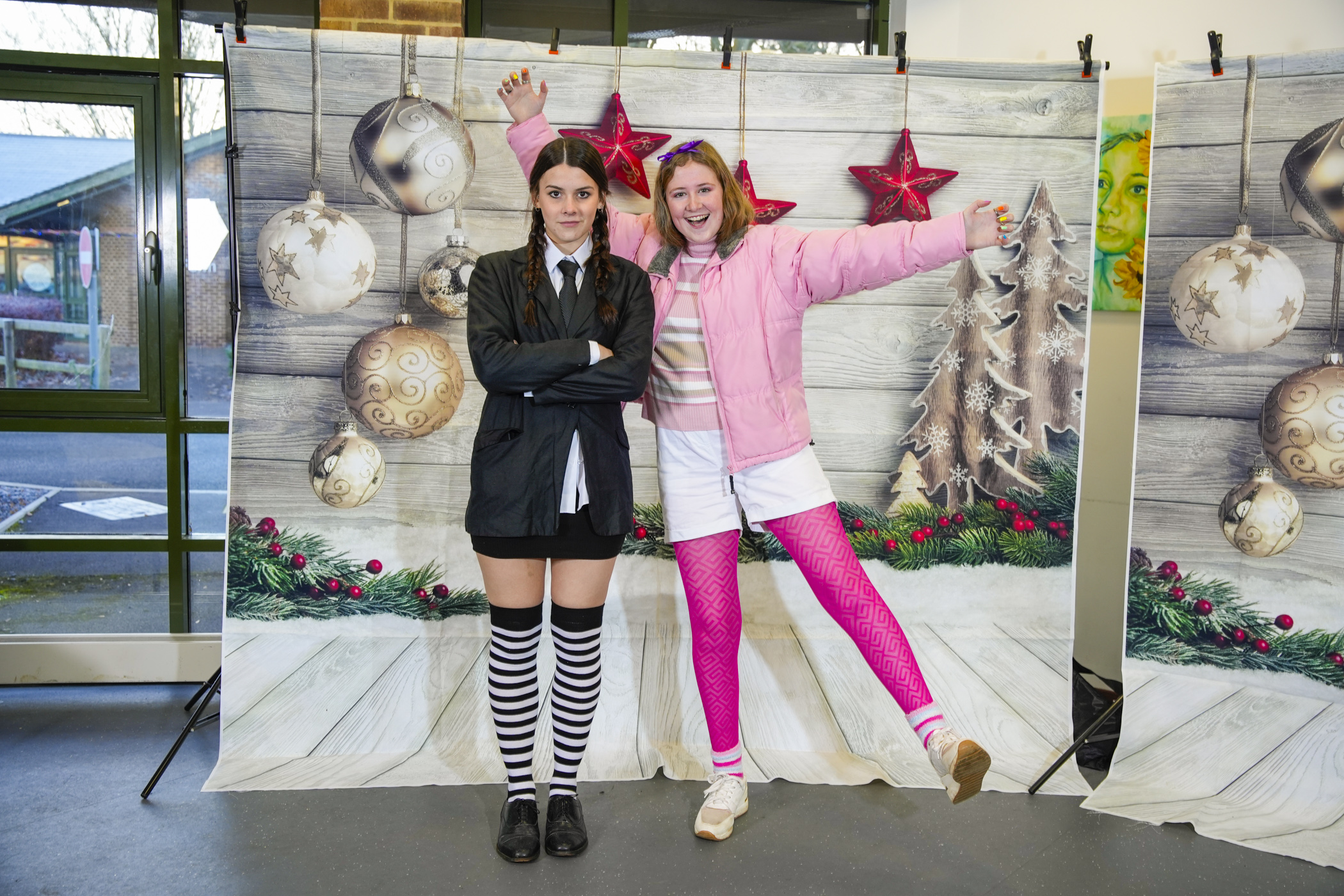
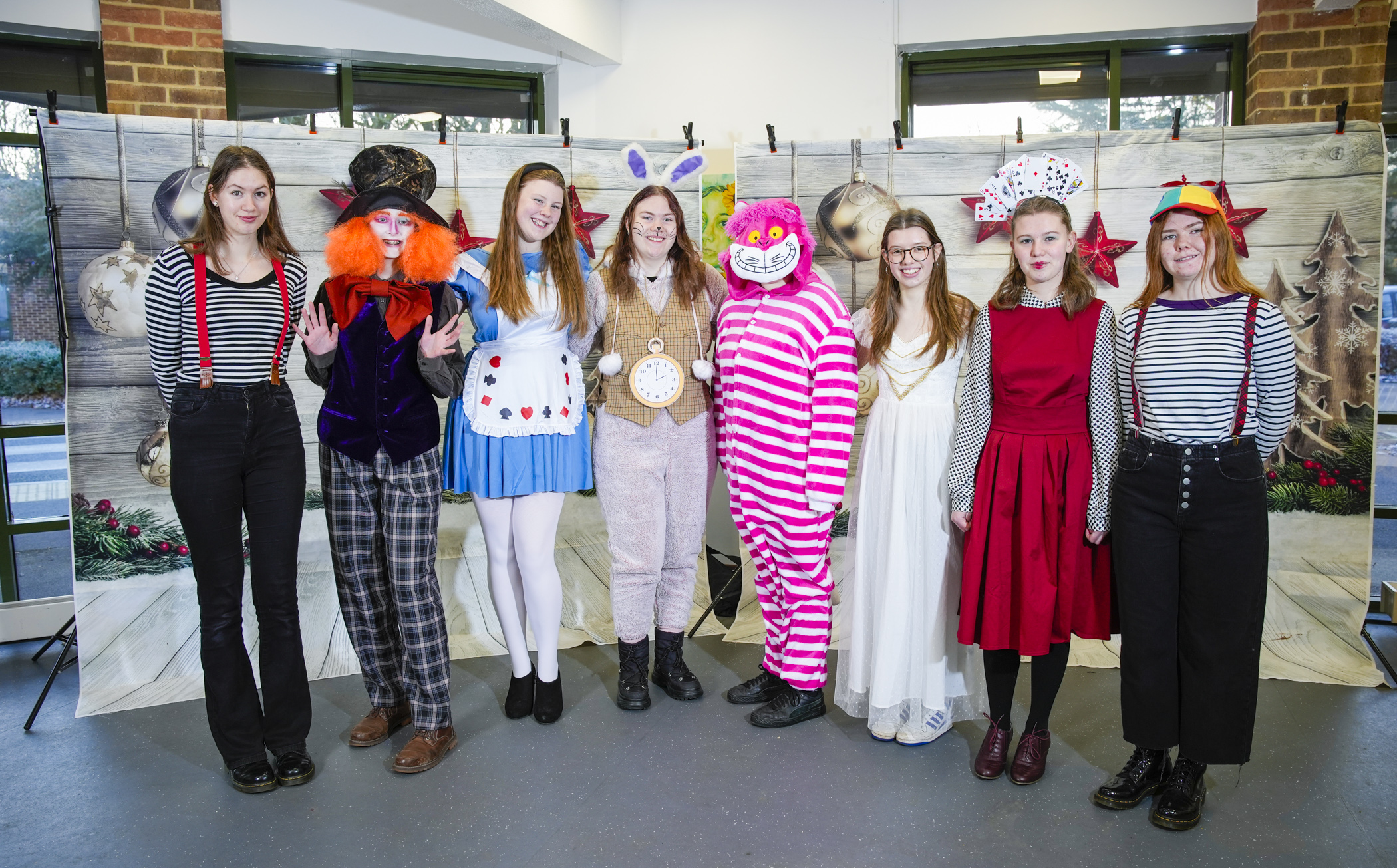
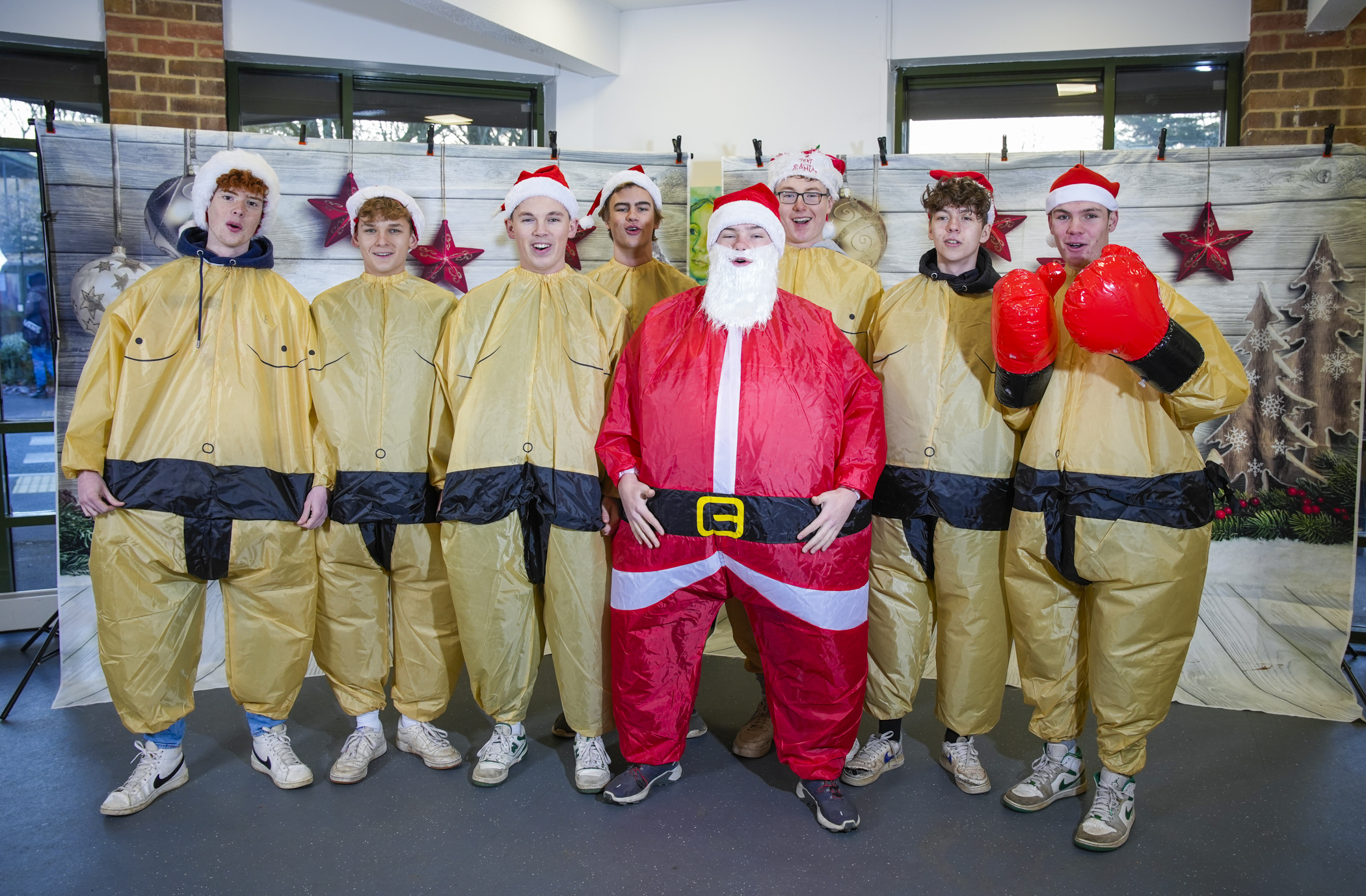
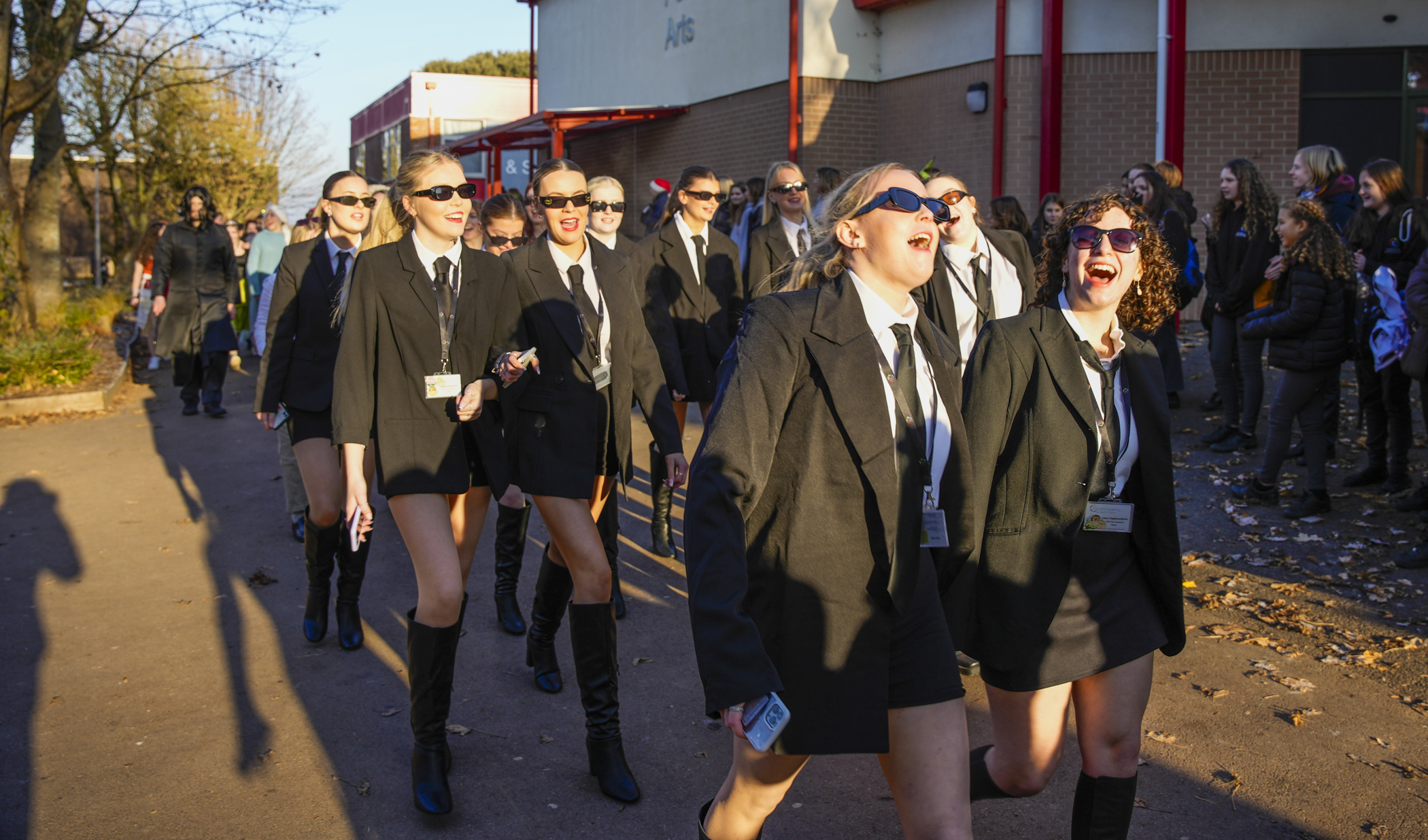
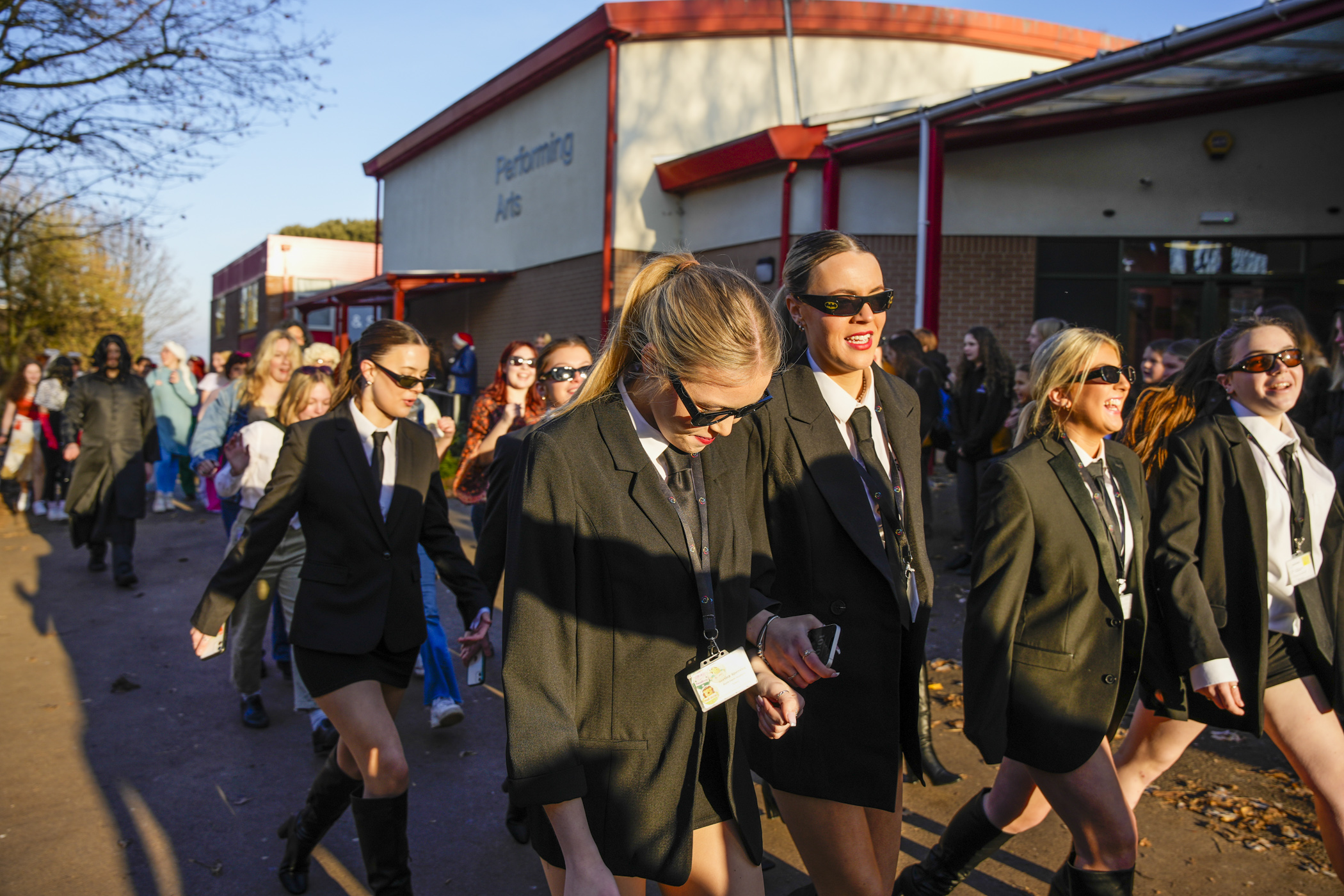
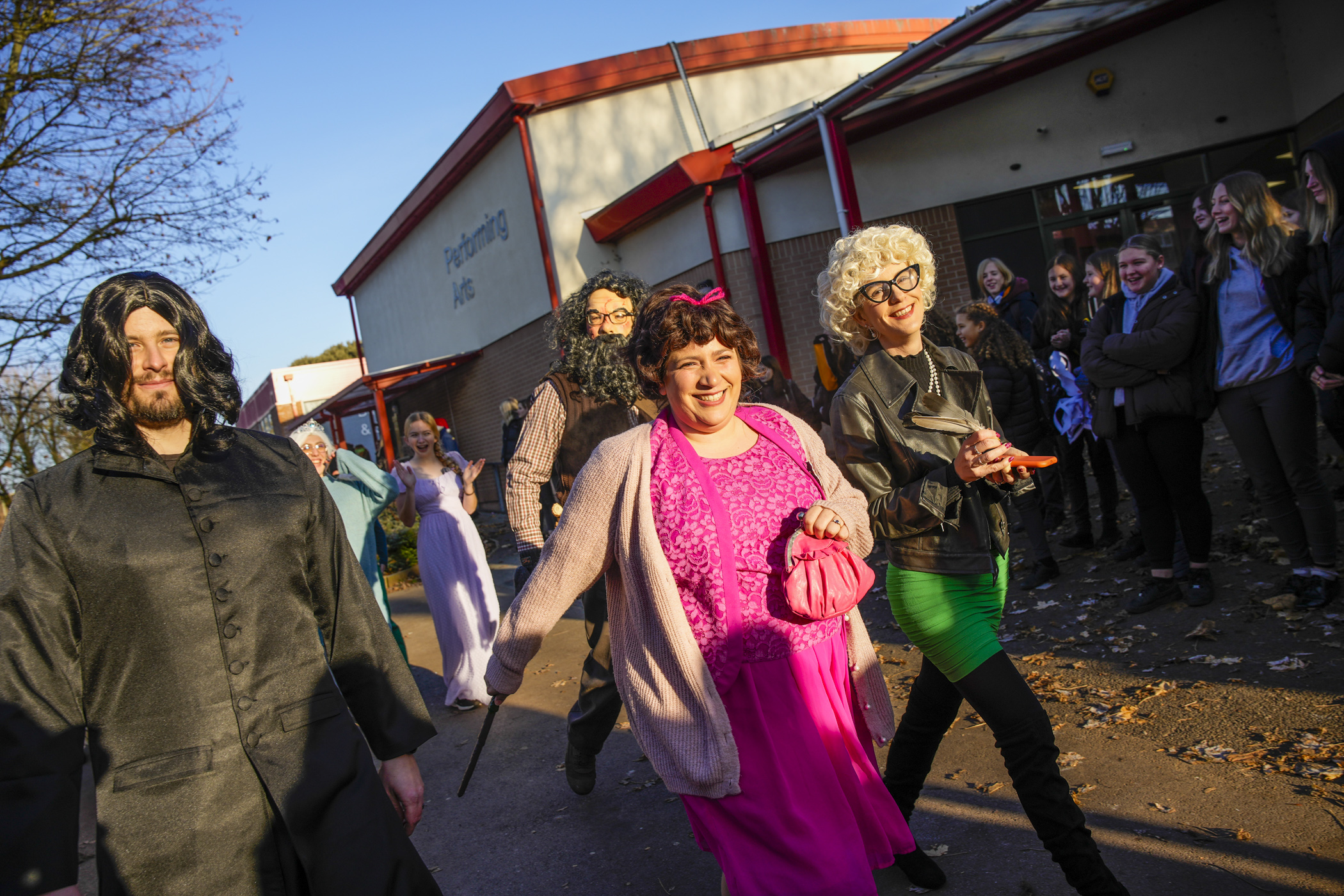
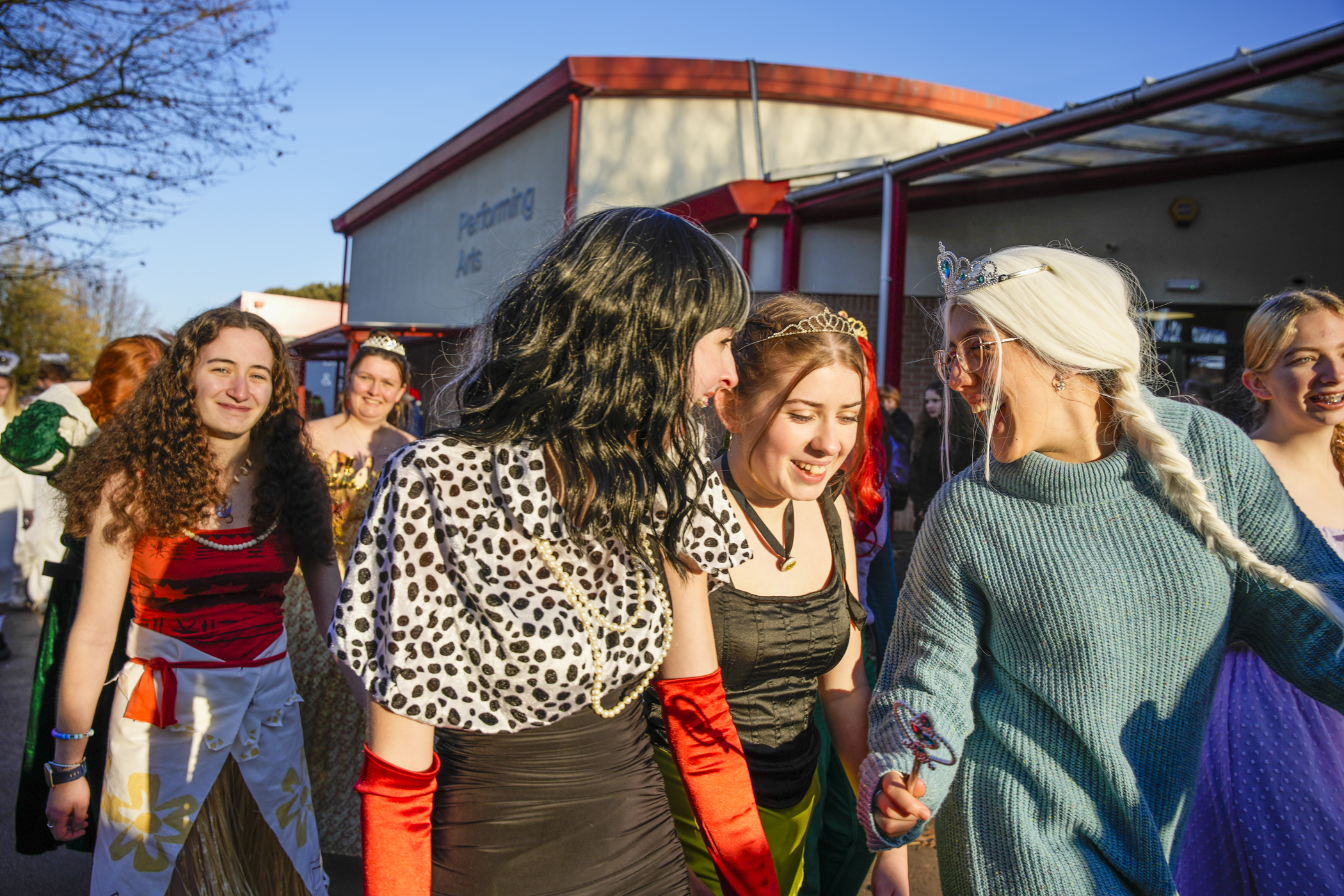
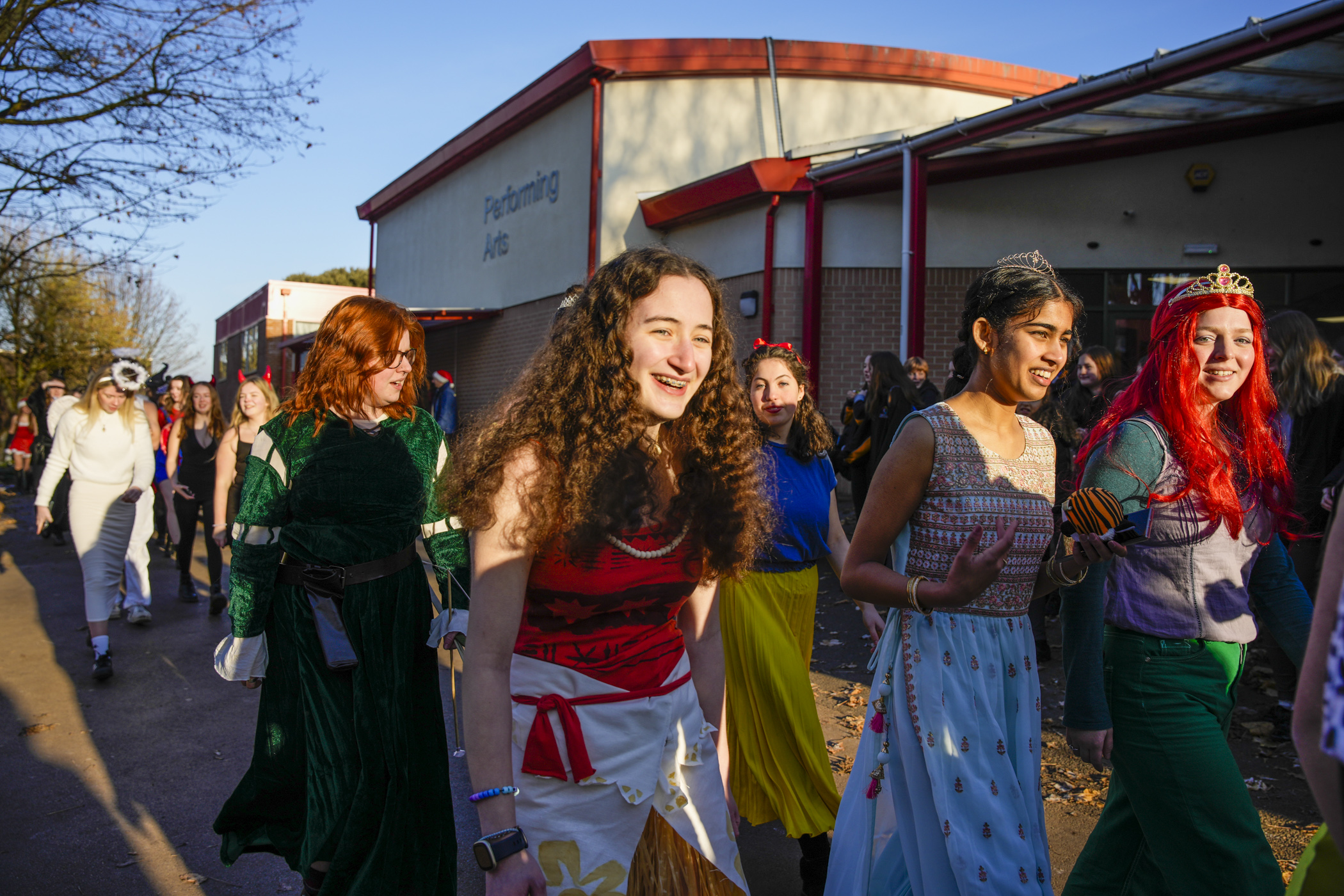
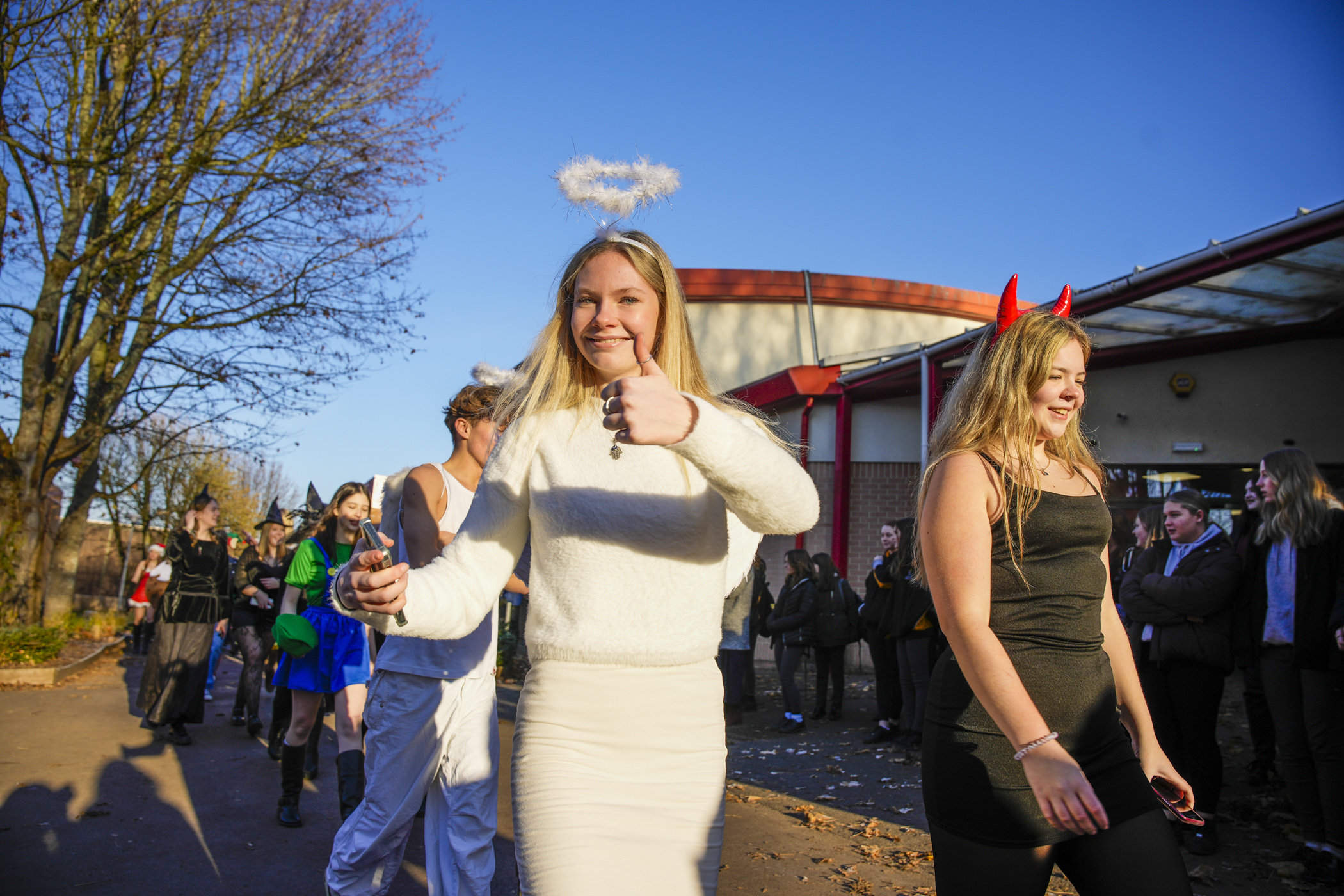
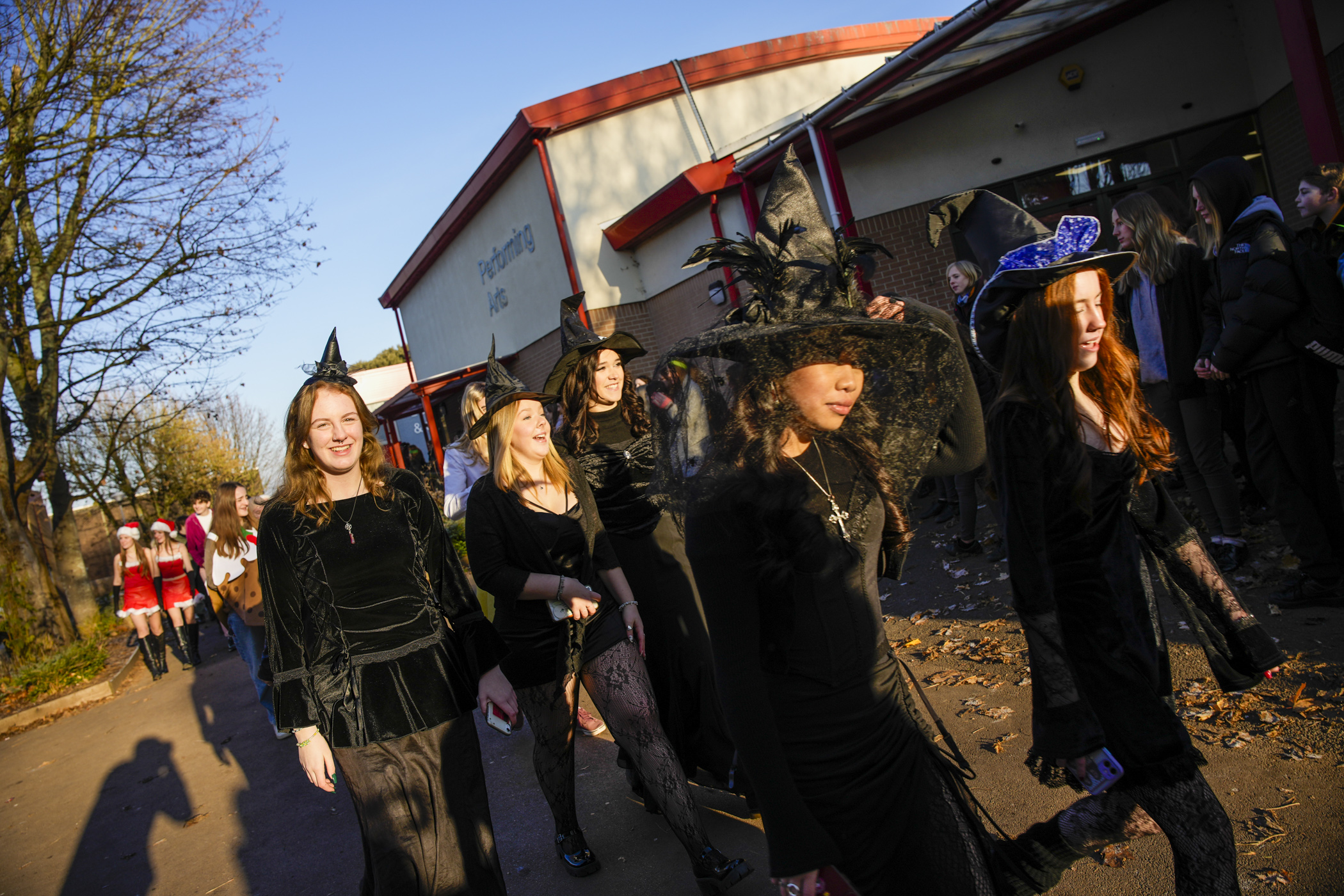
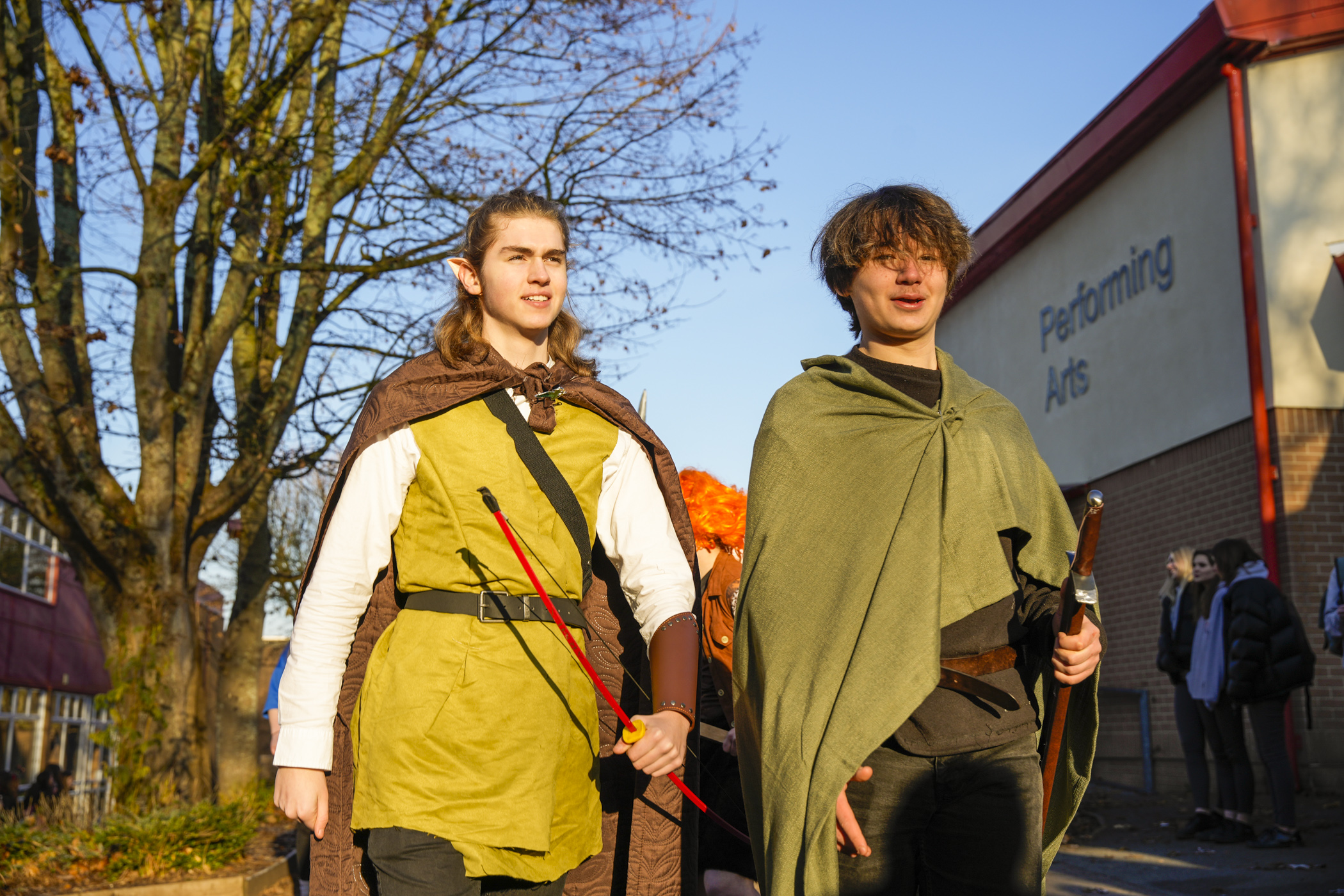
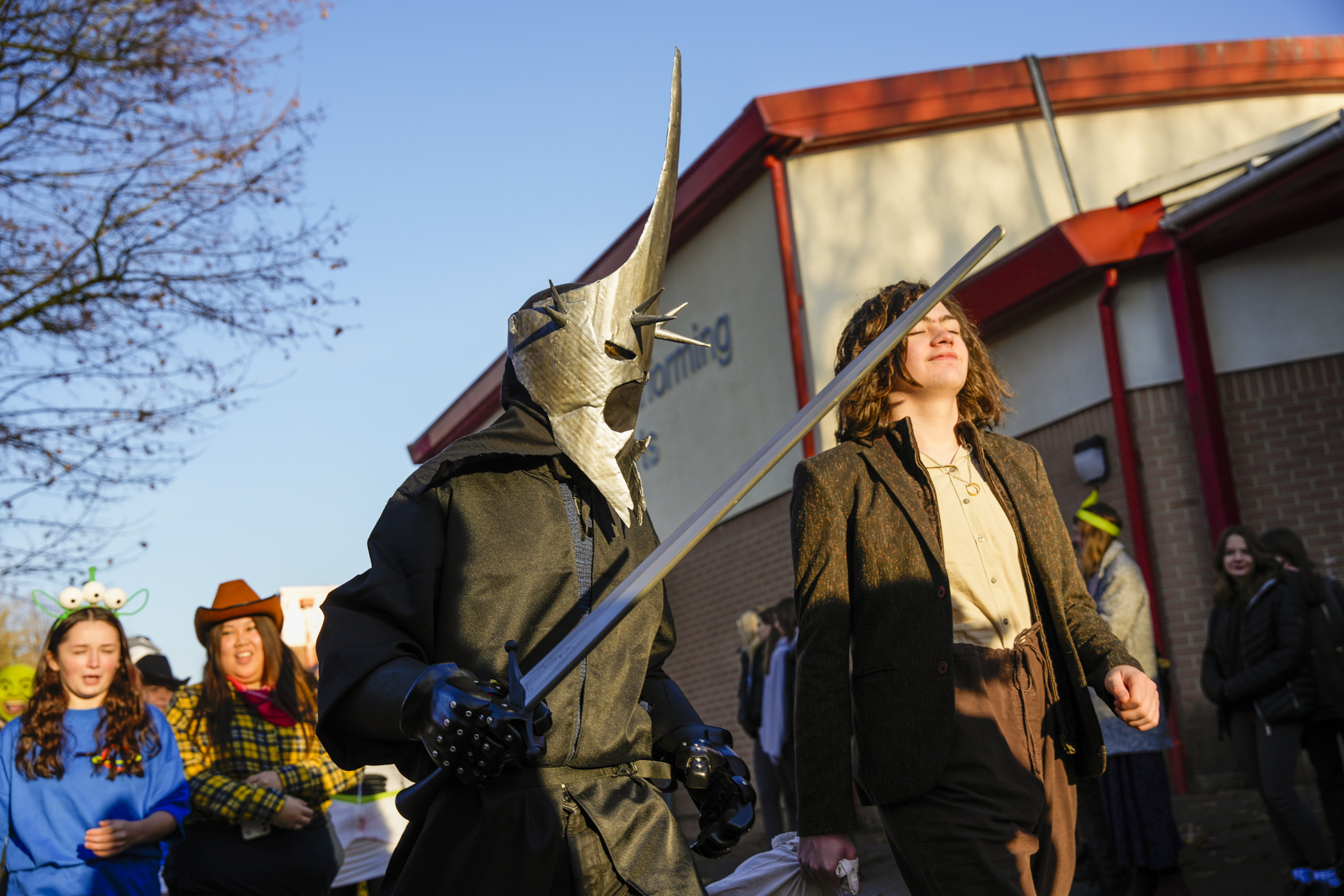
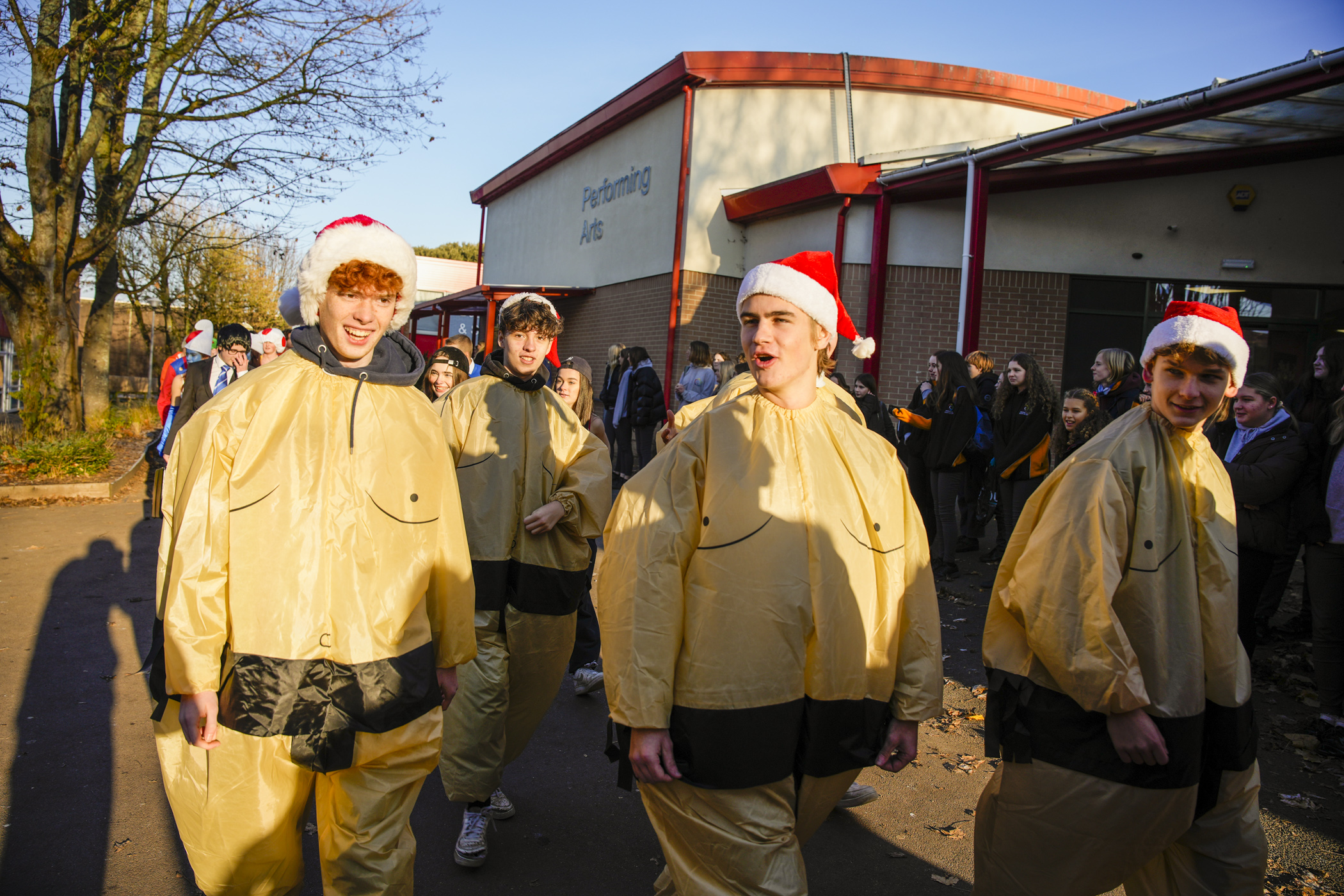
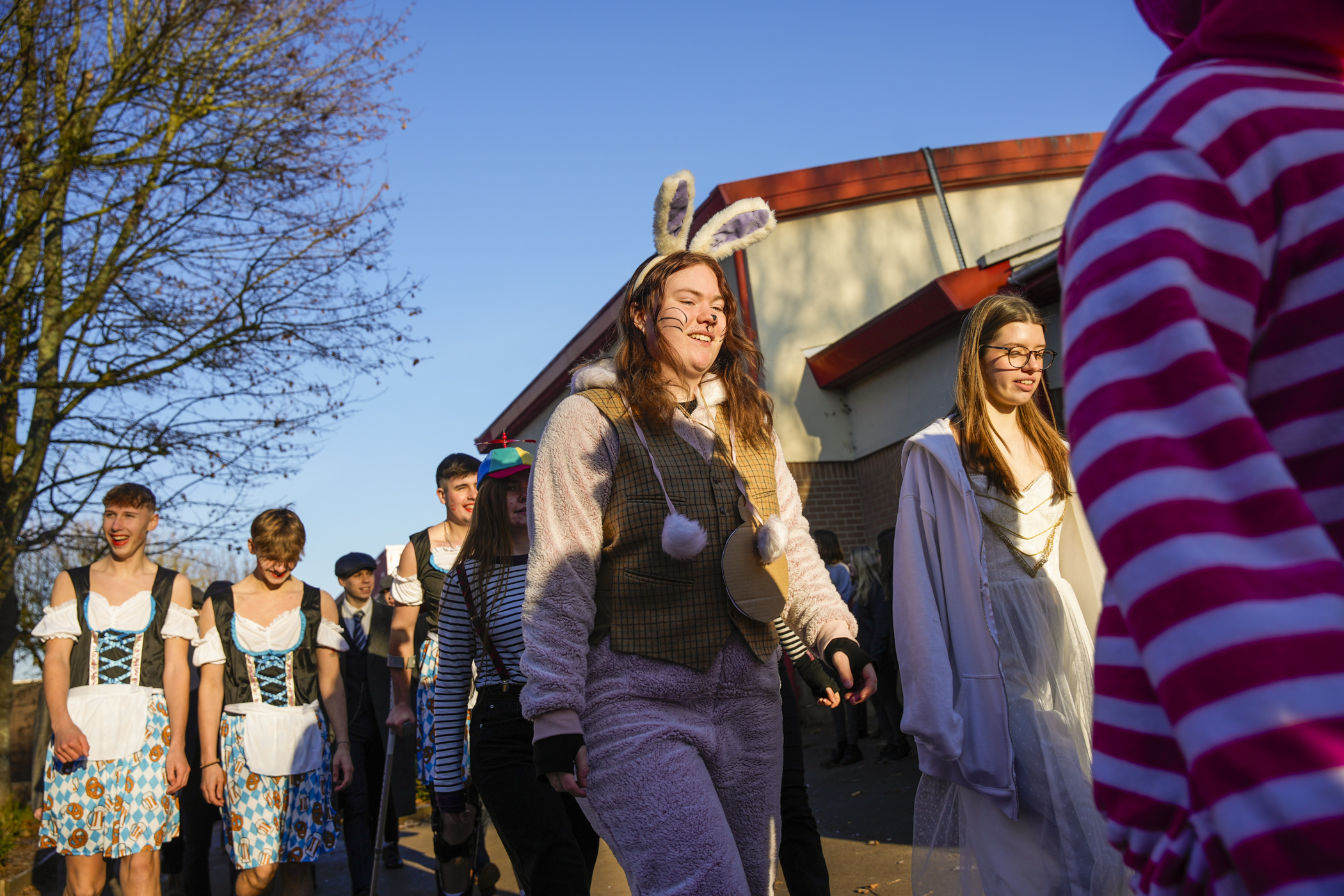
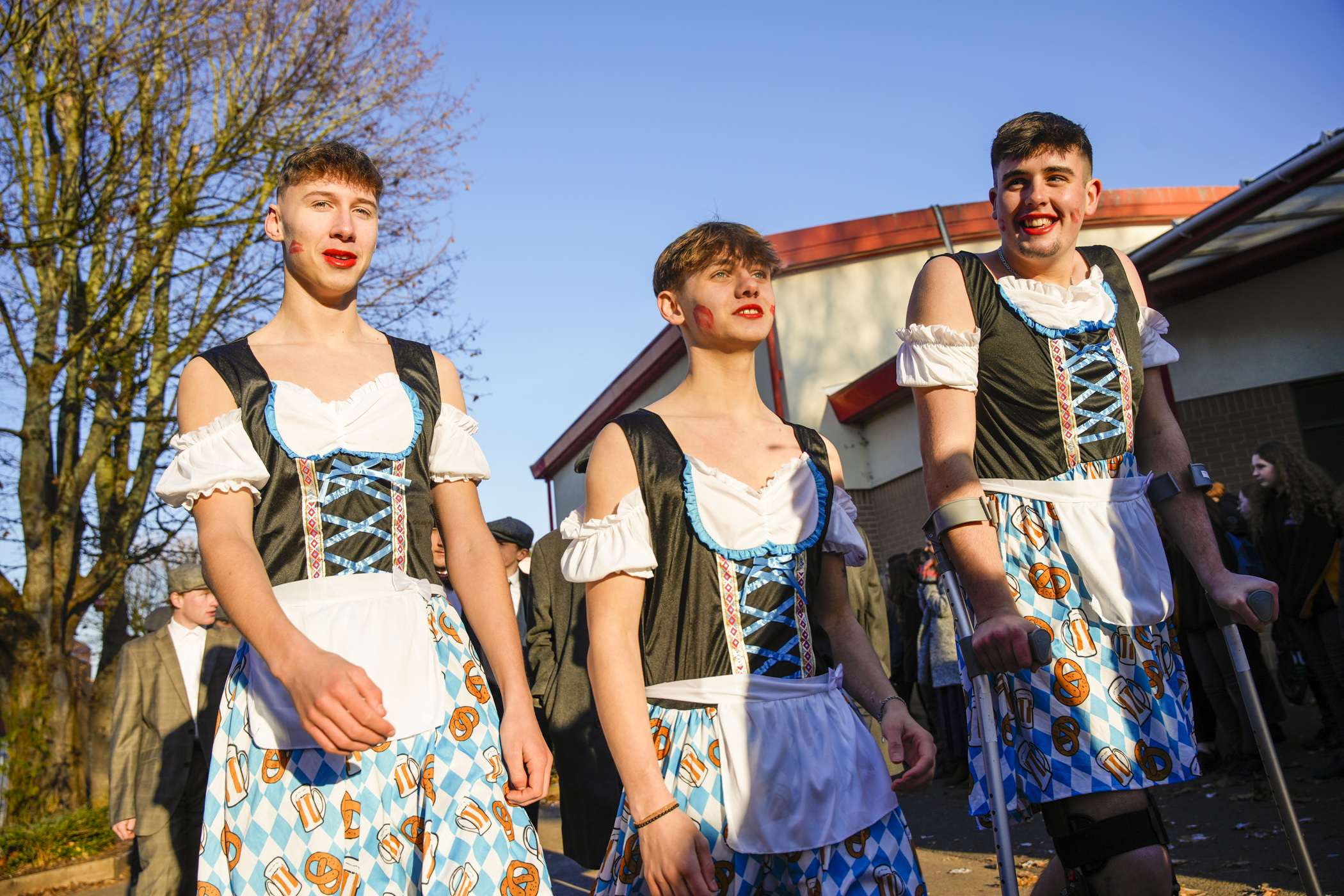
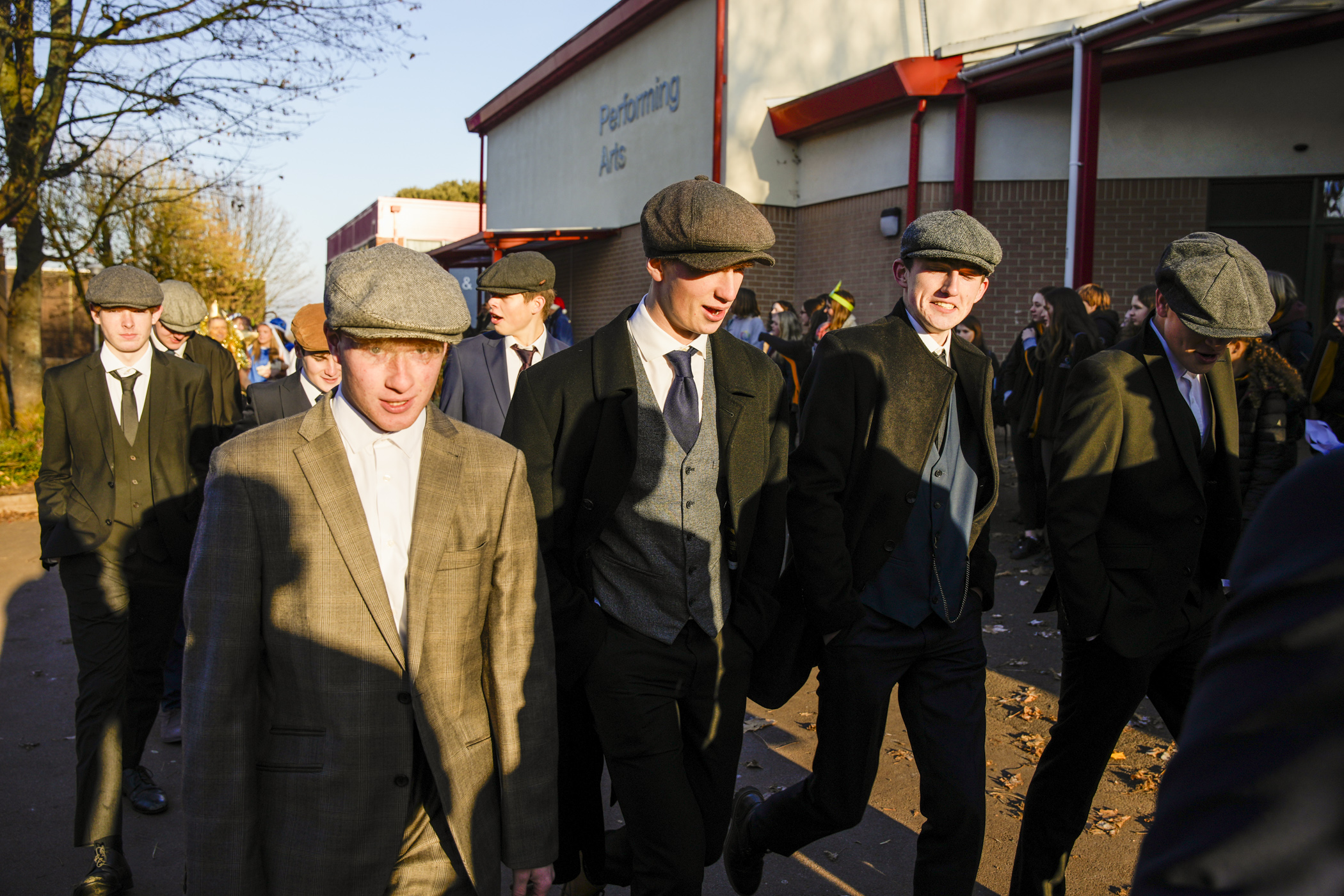
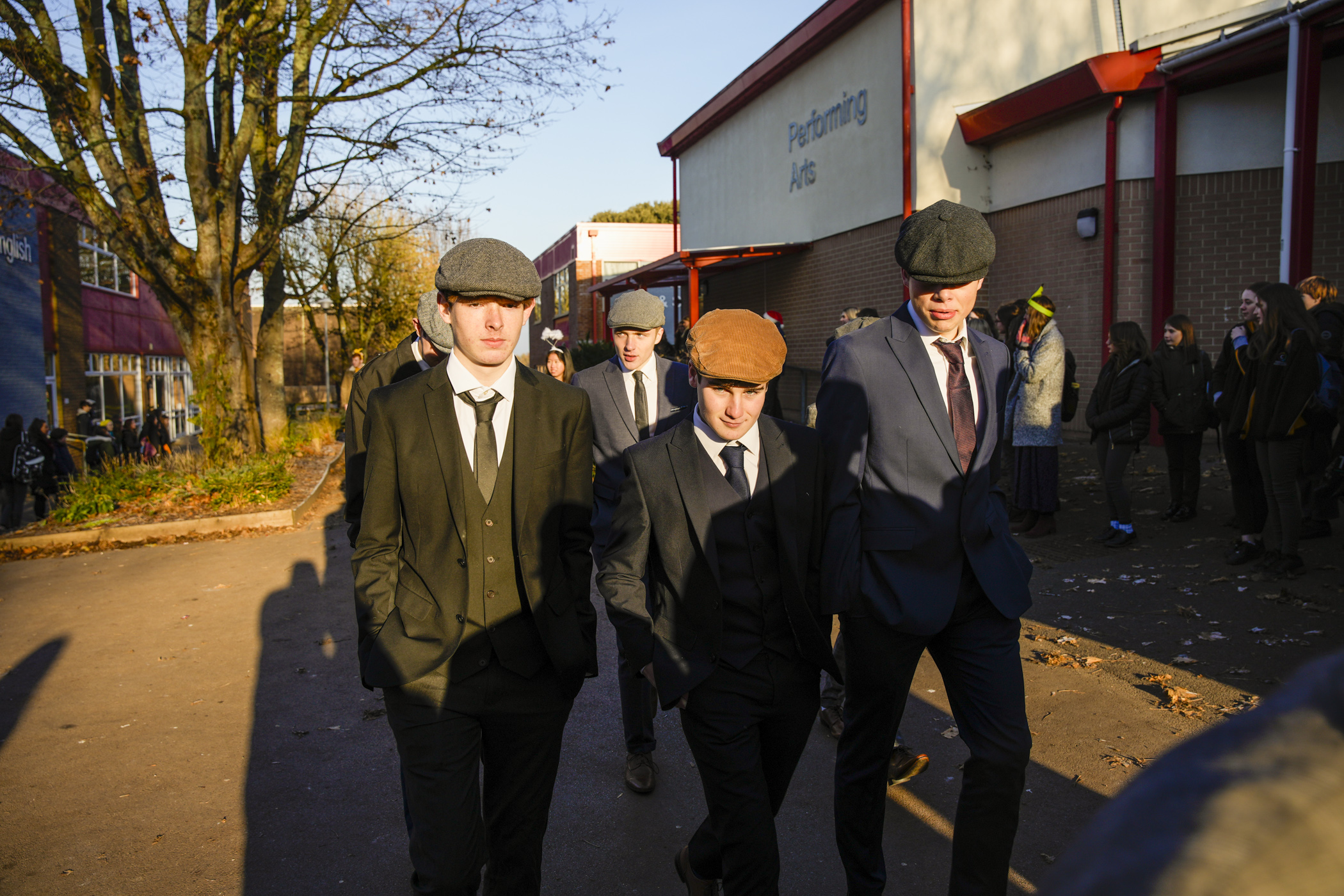
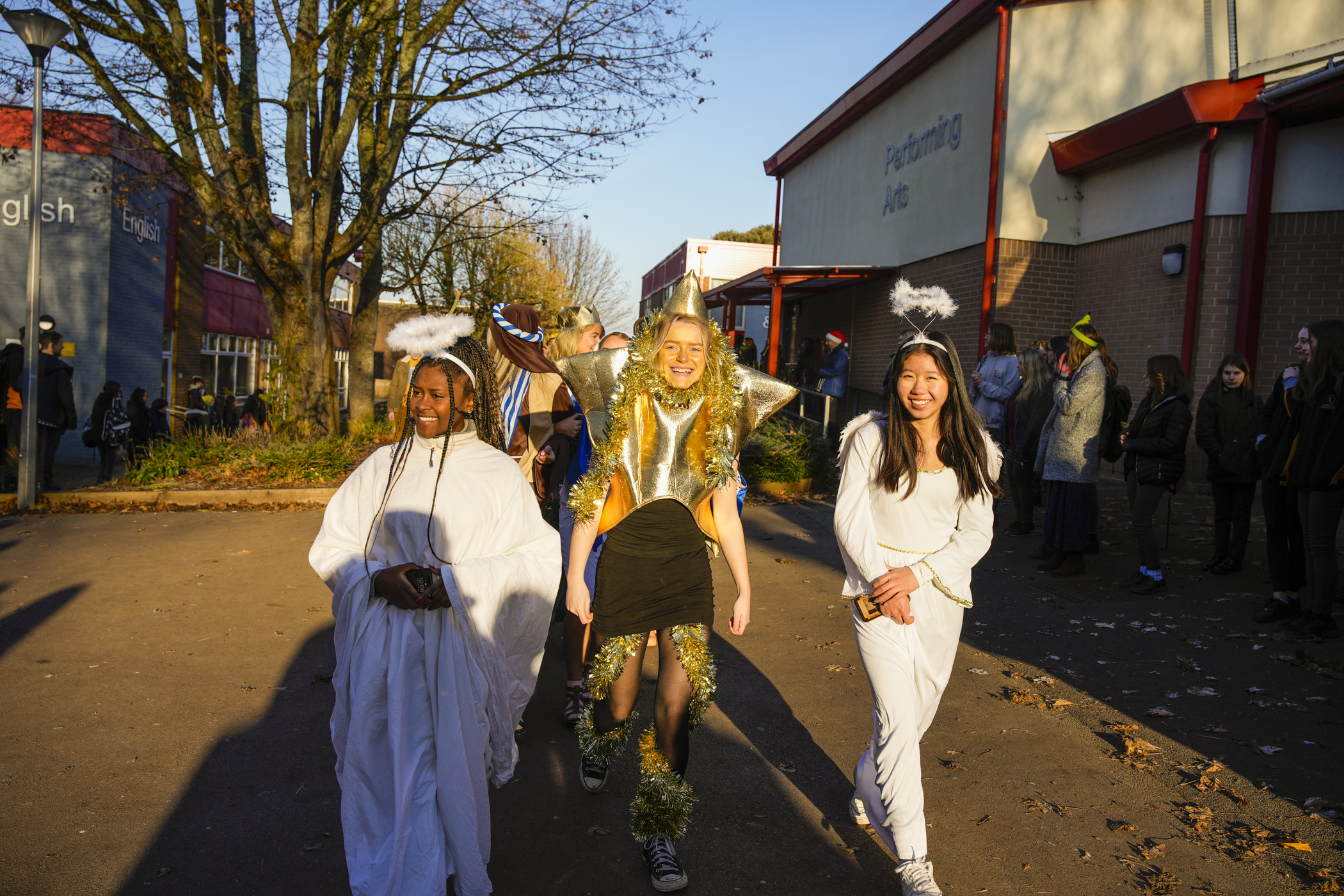
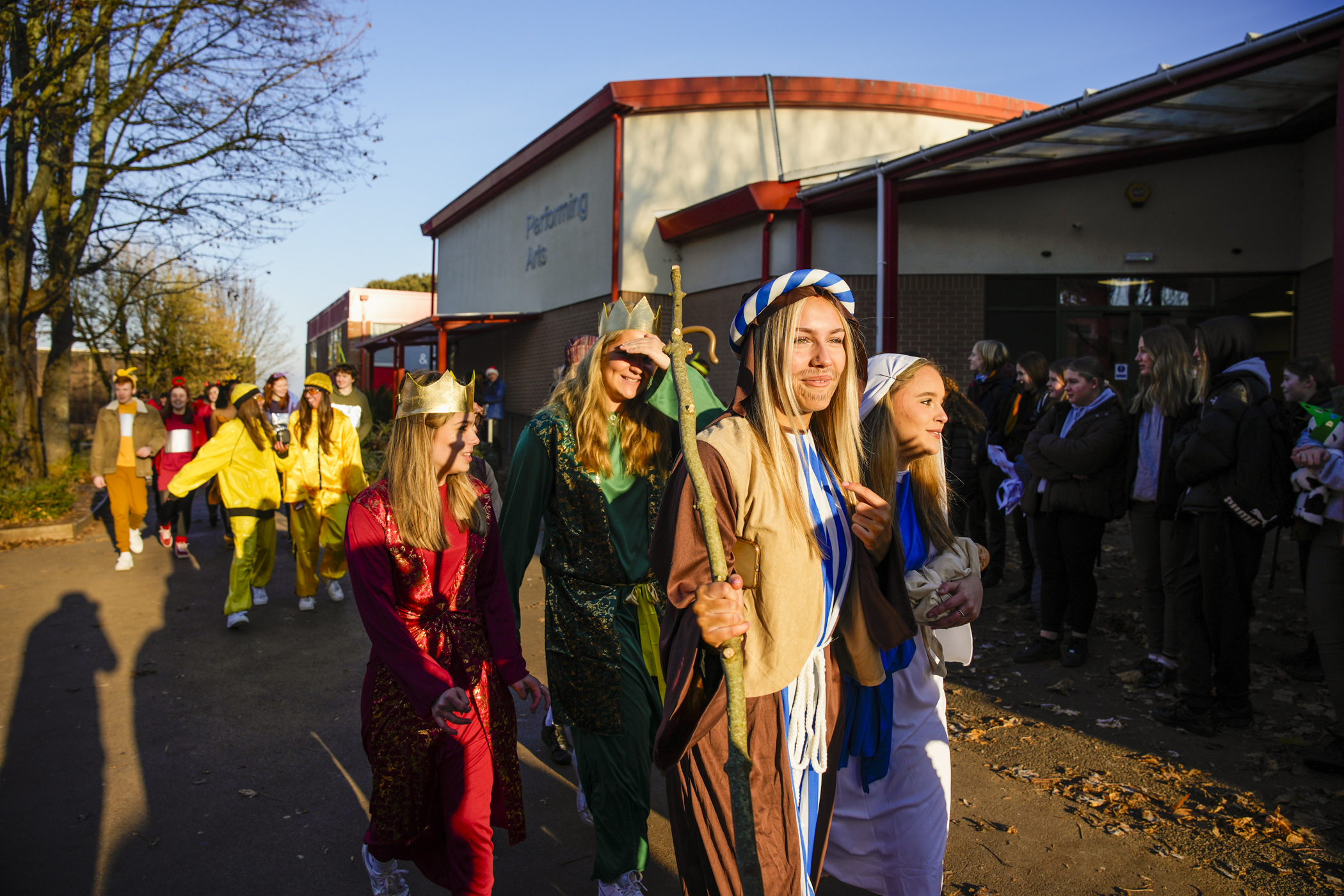
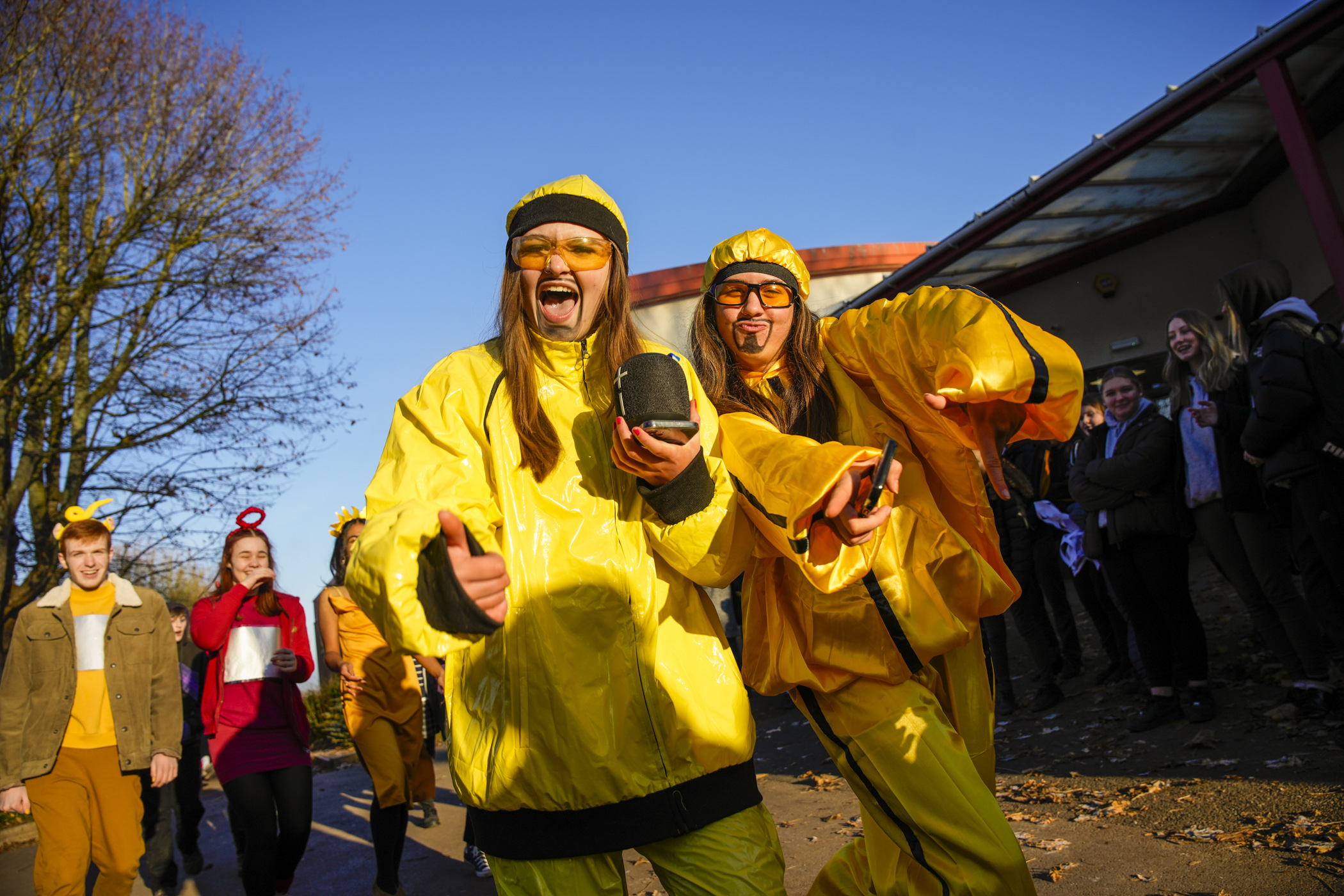
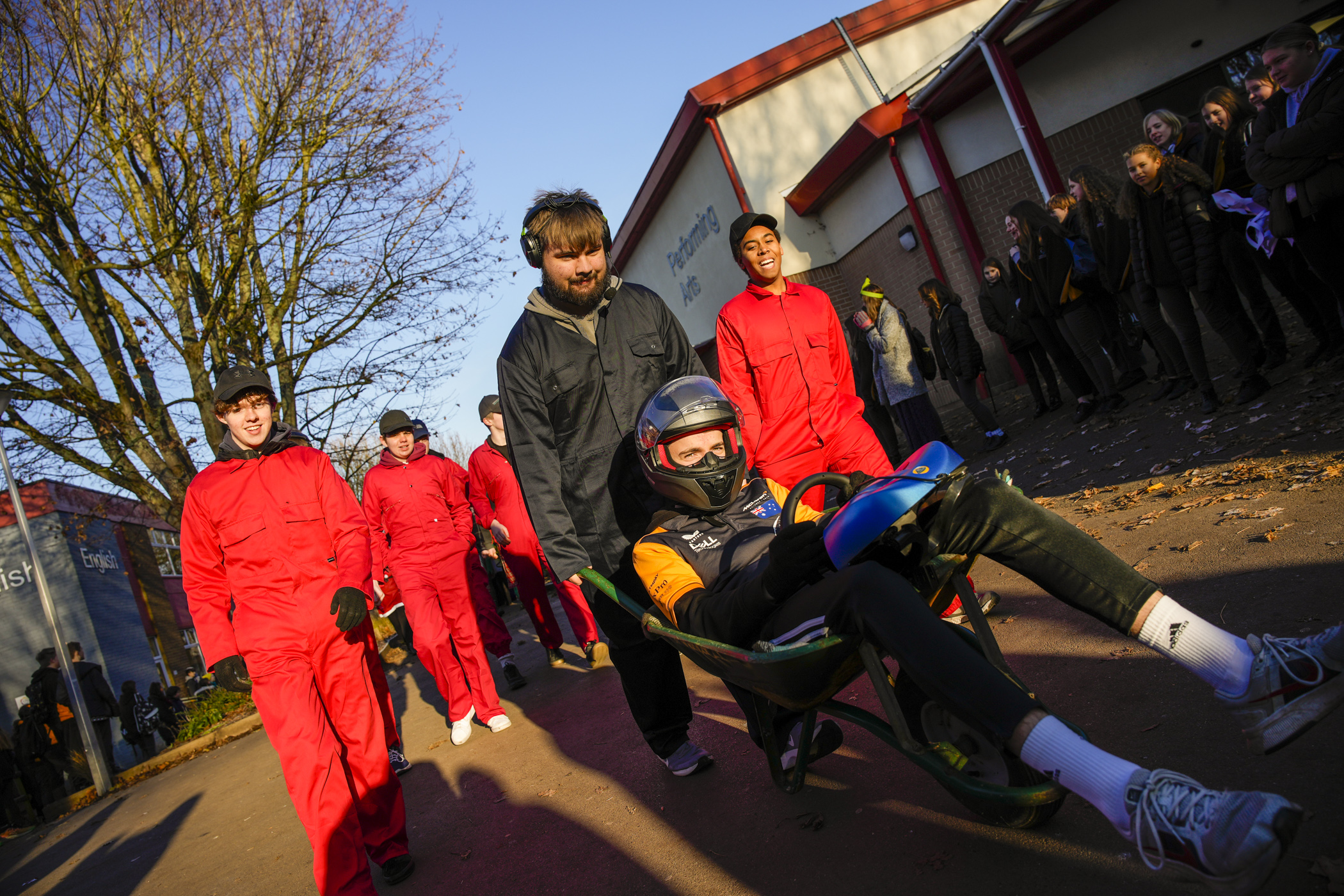
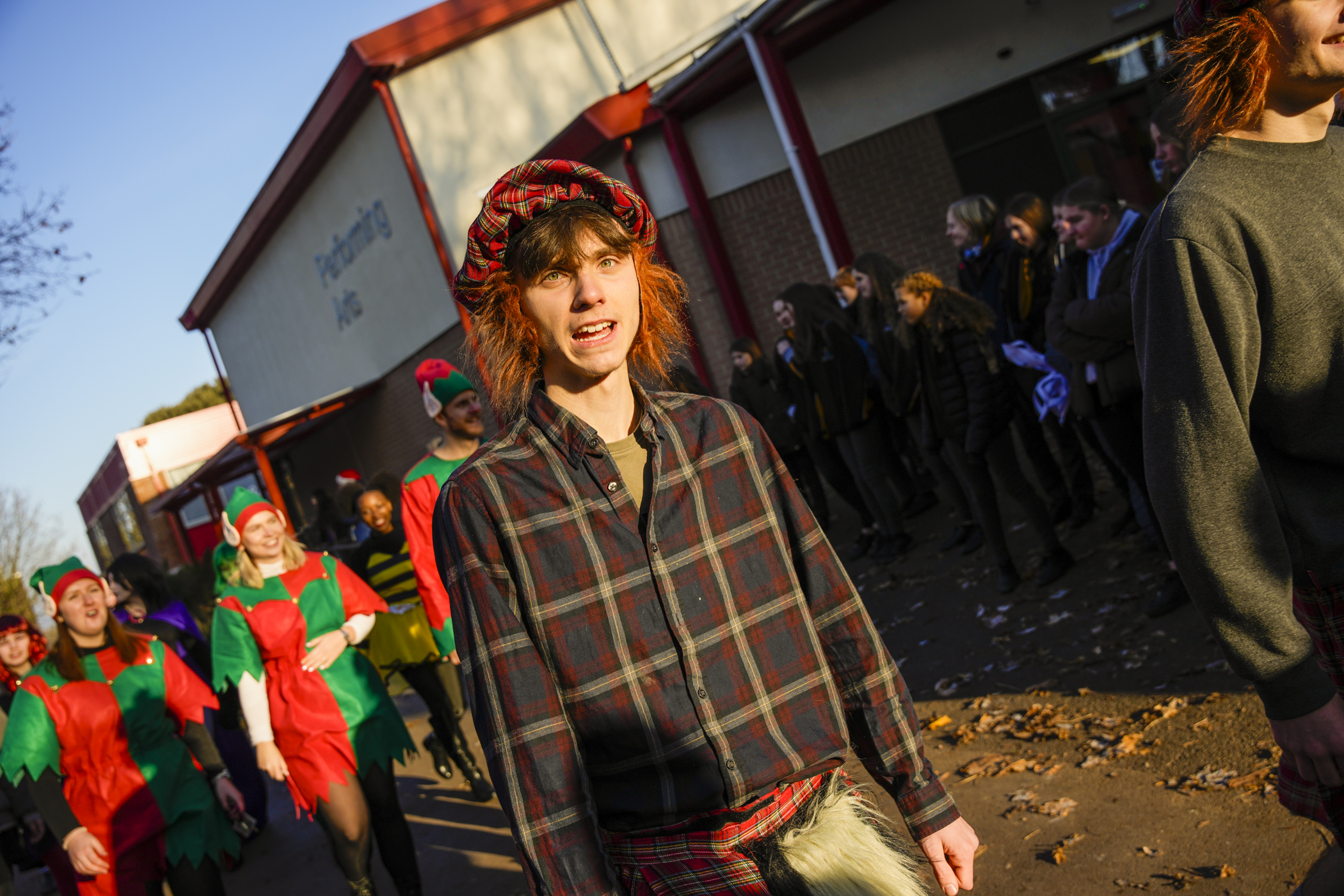
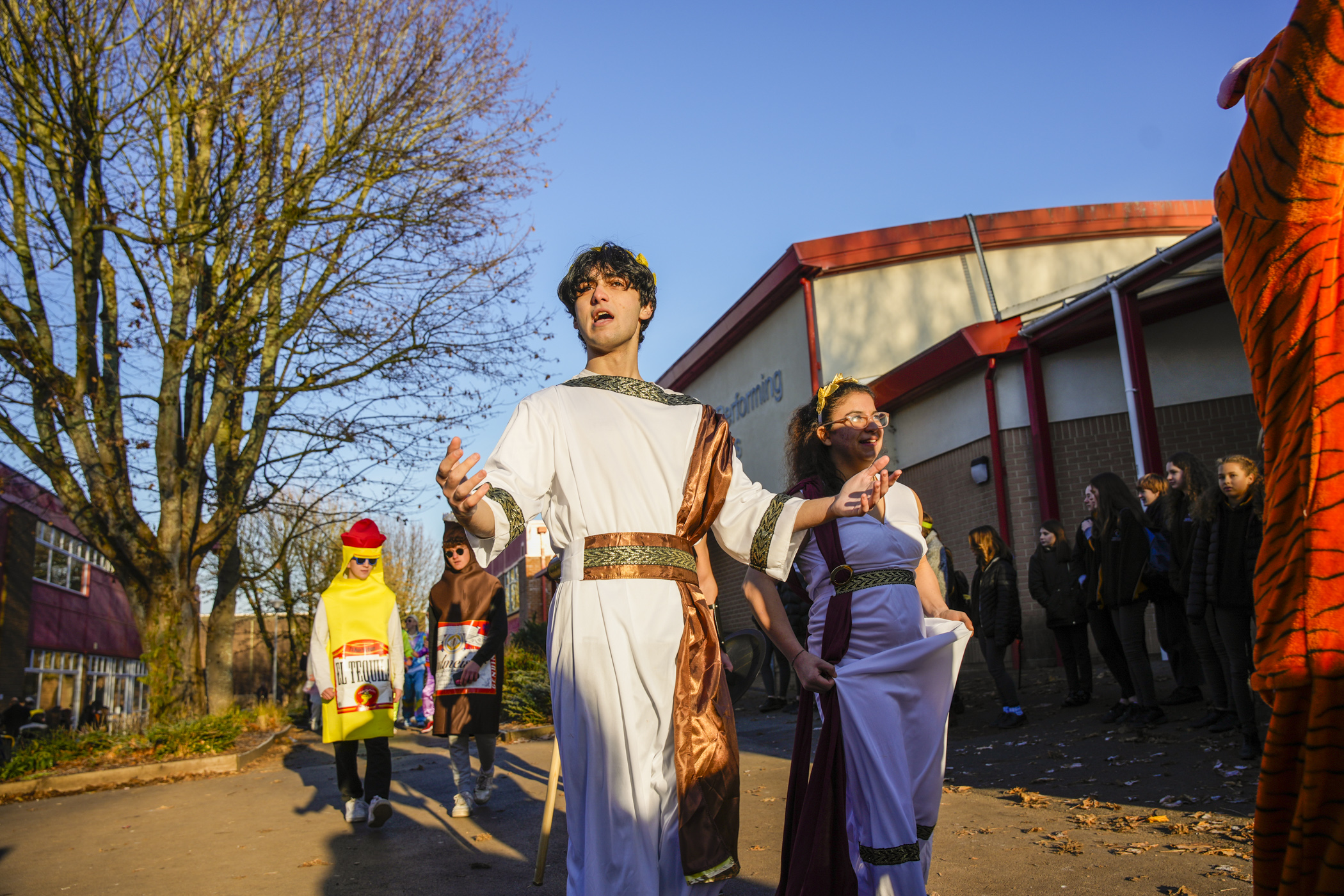
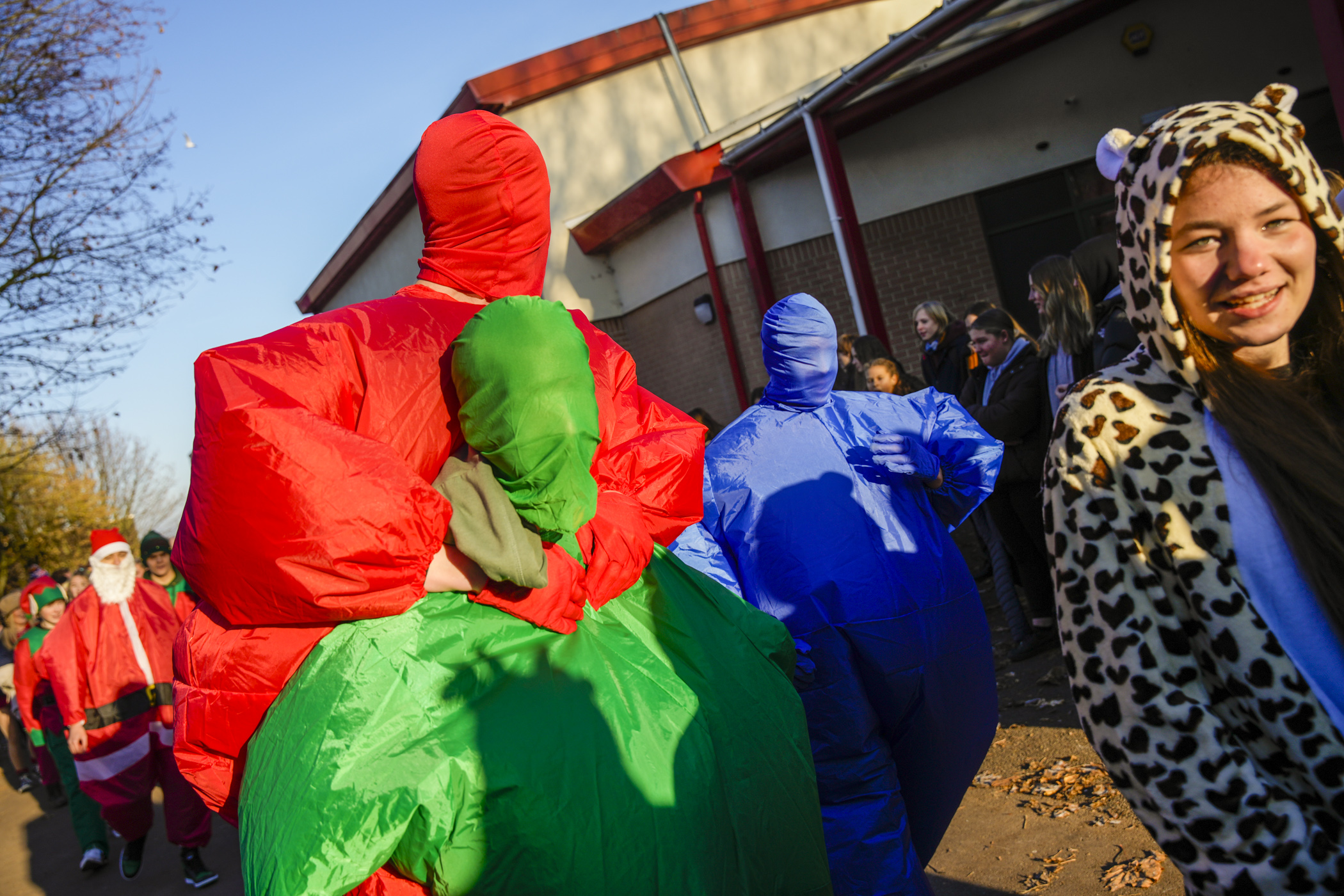
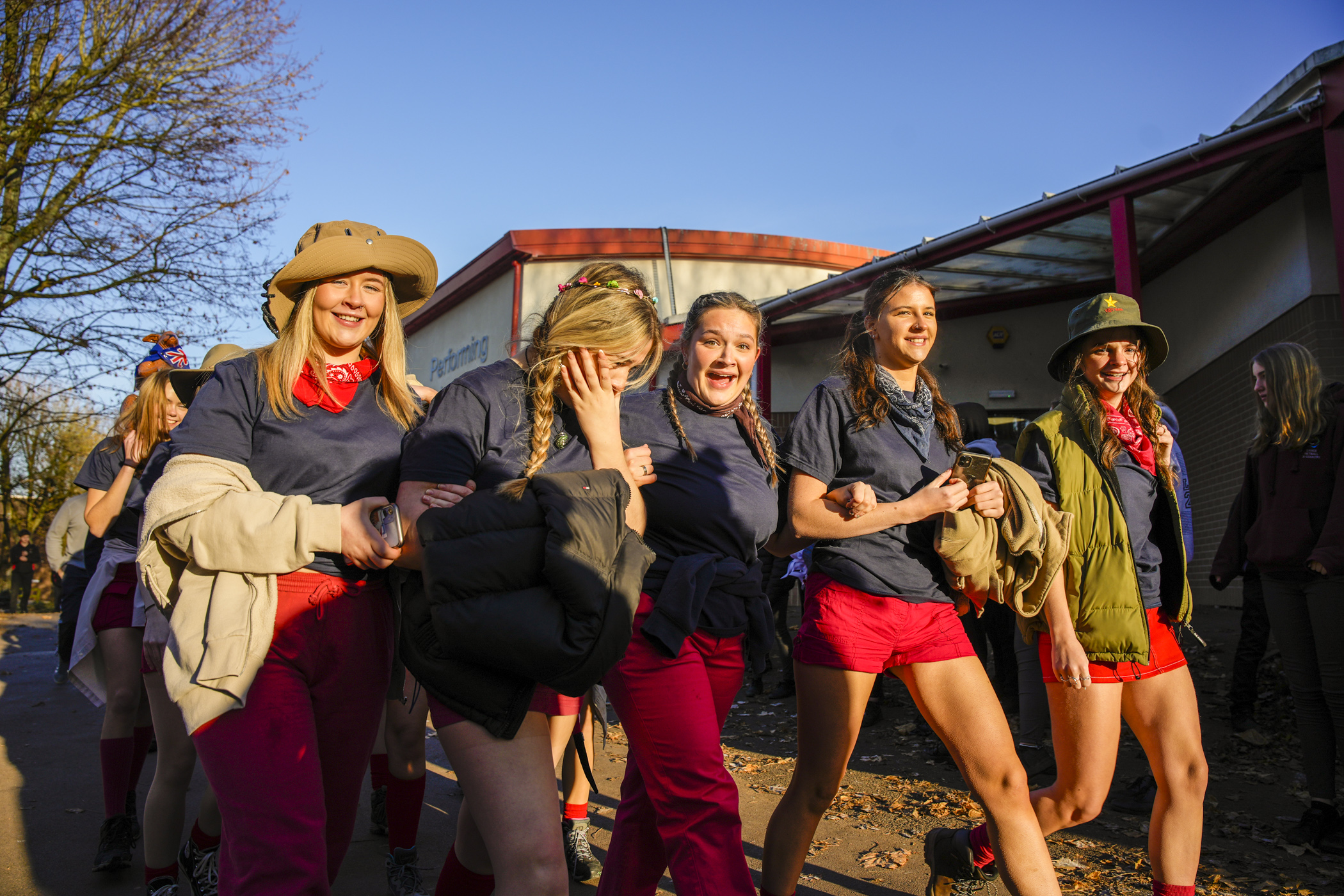
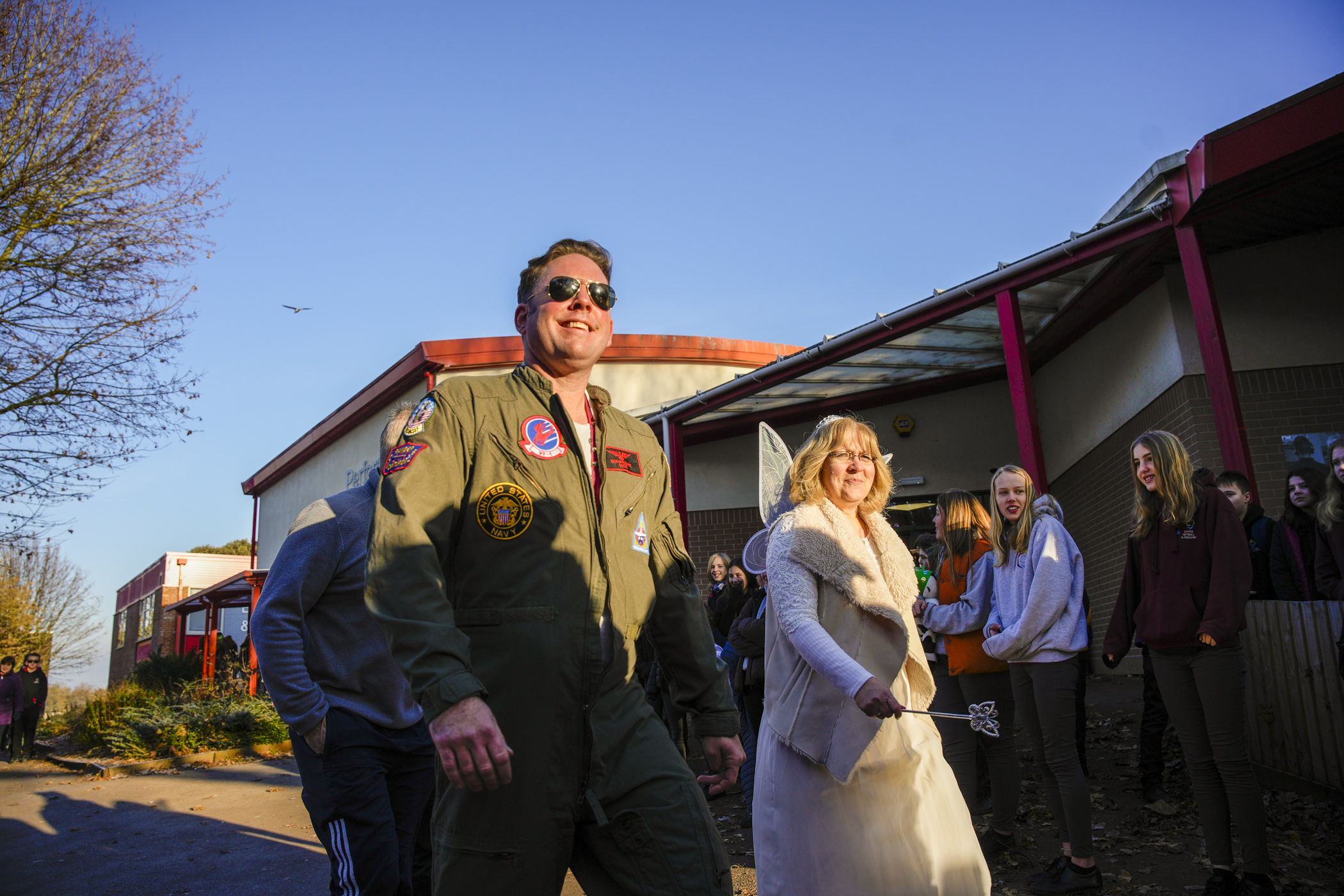
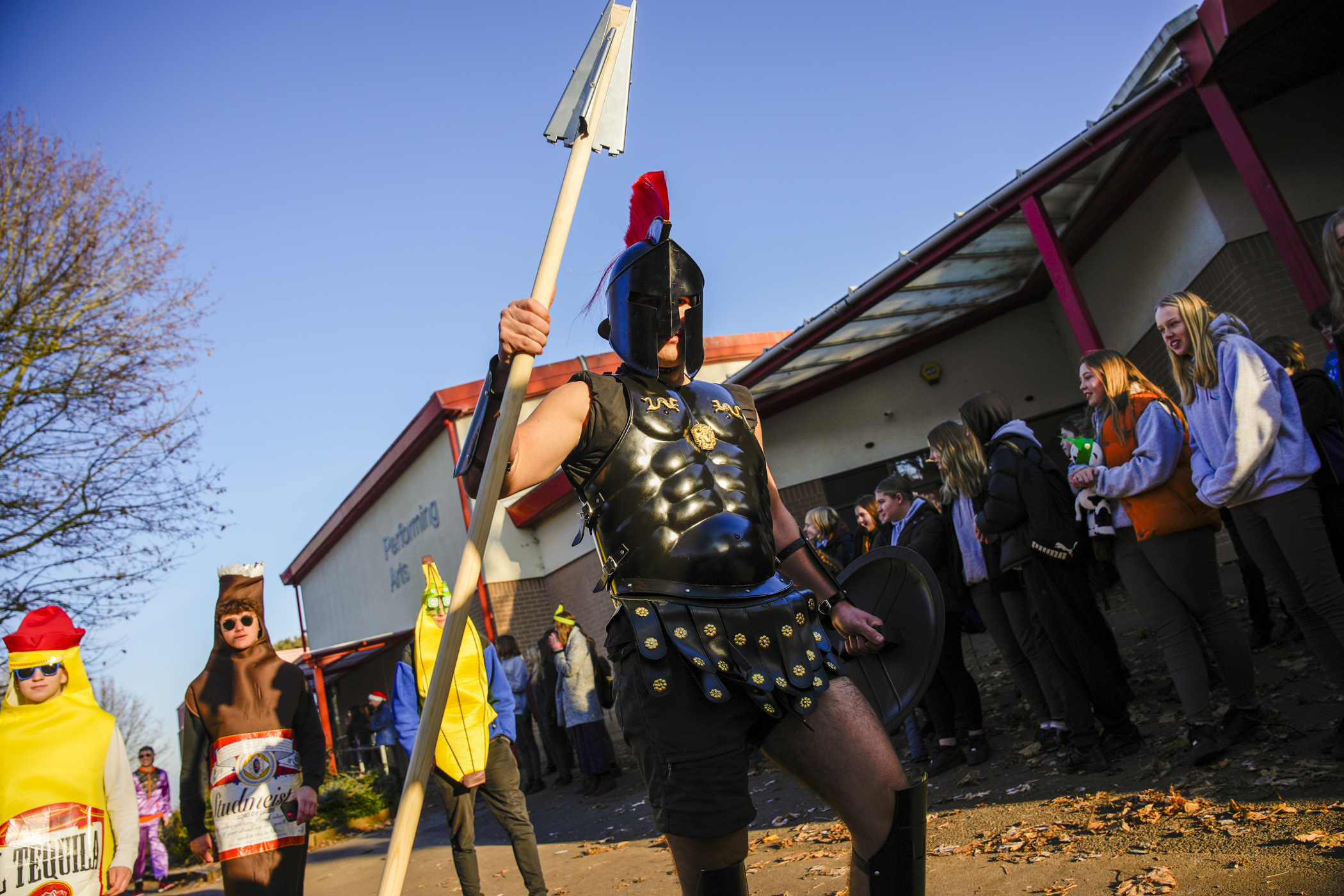
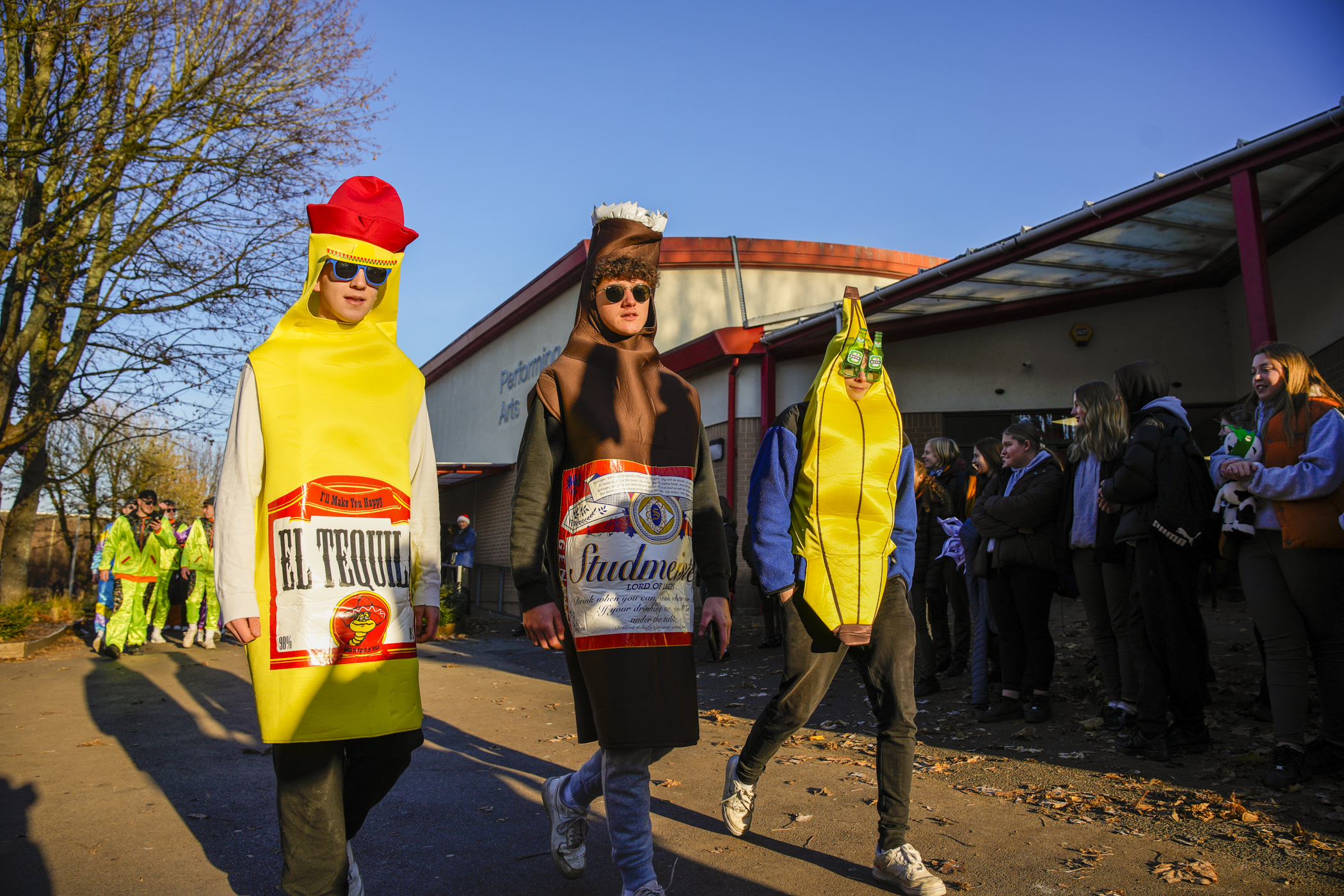
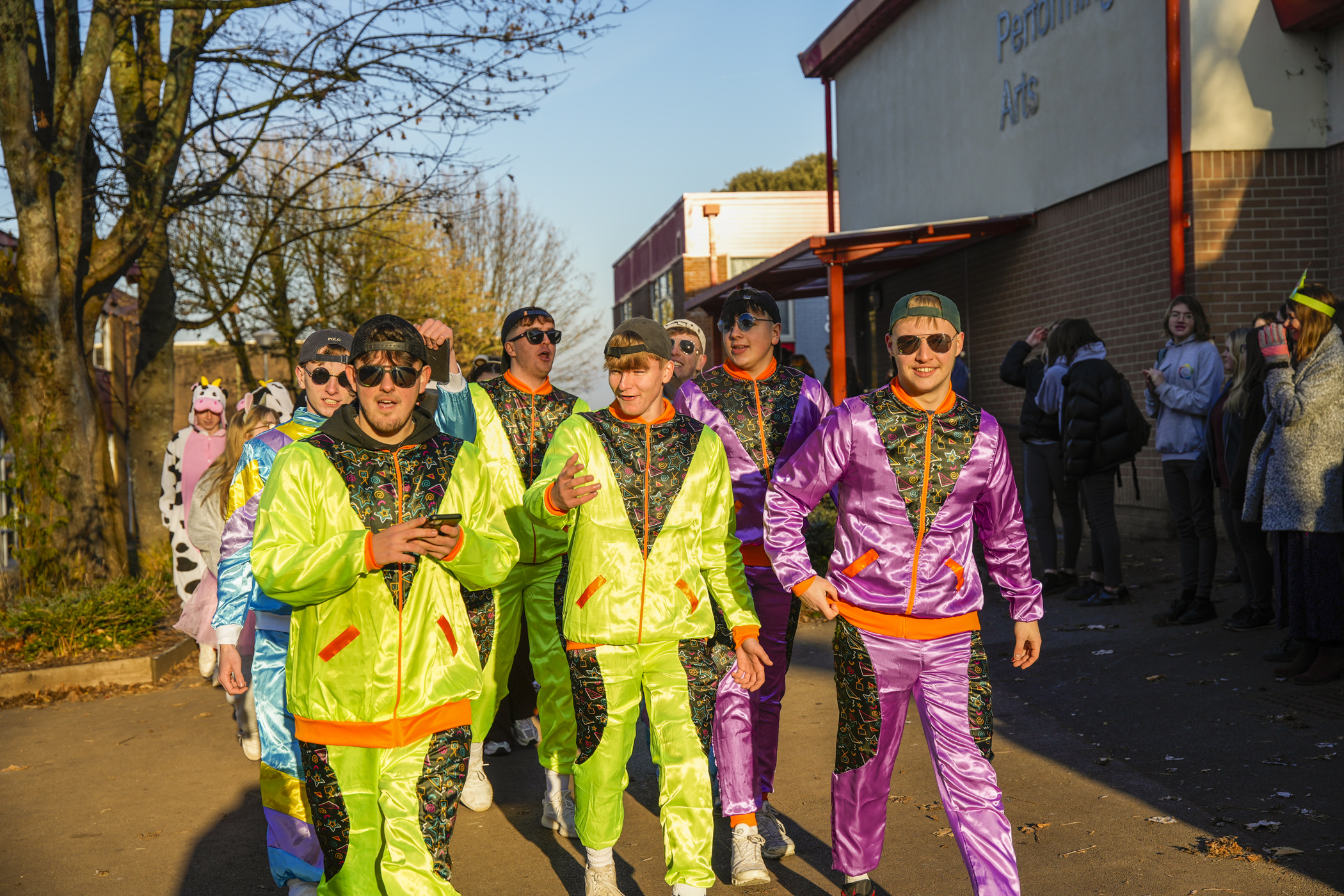
Students remained focused and attentive in lessons, as we ran up towards the last day celebrations. The Sixth Form outdid themselves with their traditional fancy dress parade and revue.

The main school enjoyed celebrations and competitions within their houses, as well as making the trip to local churches for our Christmas assemblies.

The annual Headteacher’s Quiz also went down a storm – congratulations to winning tutor group SRS and the winning house: Stuart. If you fancy a go yourself, you can find the quiz here.

Merry Christmas!

Christmas Concerts 2022

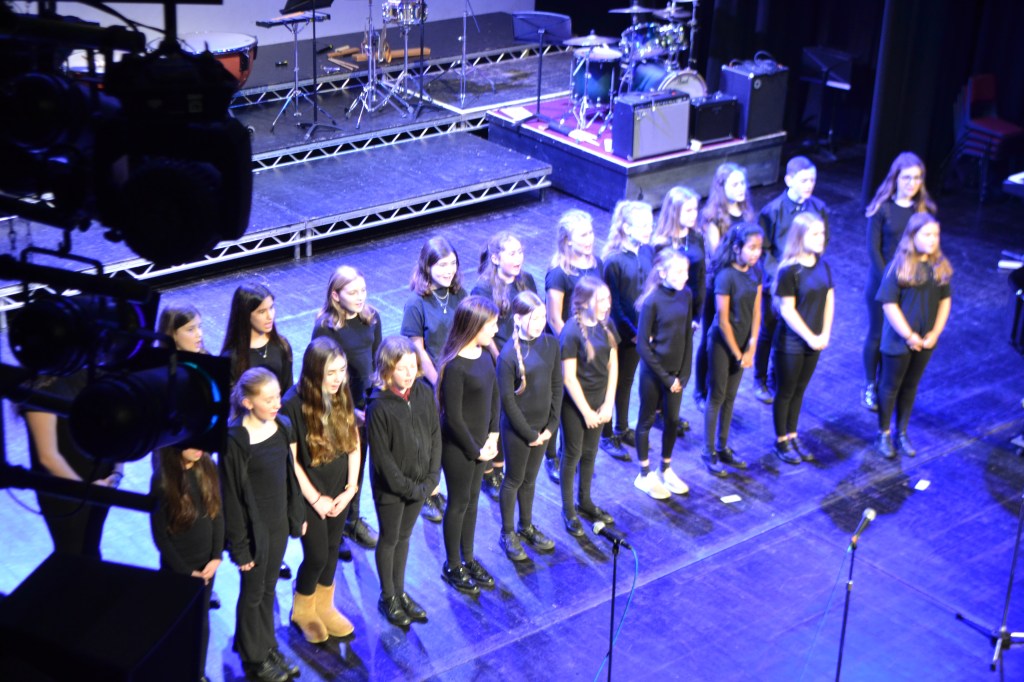
Despite the fact that my TV has been full of Christmas ads since what feels like mid-October, it’s the Churchill Academy & Sixth Form Christmas Concerts that always mark the start of the festive season for me. The tinsel-wrapped instruments, a few festive tunes and (of course!) the nativity story told in song by the massed Junior Choir all help bring the Christmas cheer. It’s the first time I allow my Christmas jumper an outing (I have a new Taylor Swift themed number for 2022!), and our Academy tree is always decked in reception once the concerts have taken place.

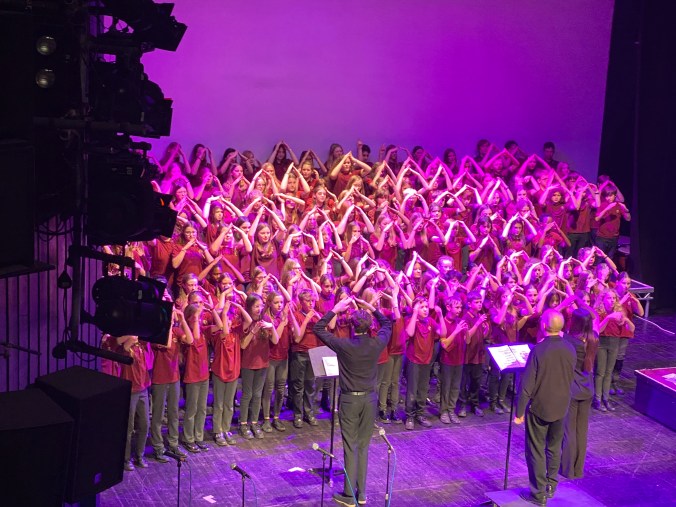
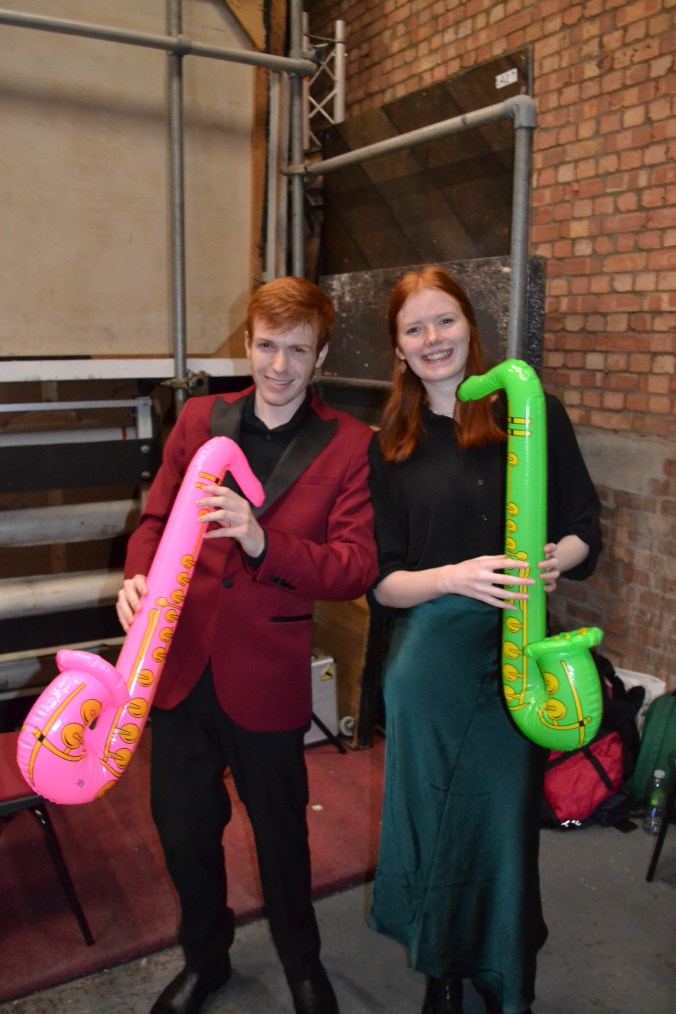
One of my favourite things about this year’s Christmas Concerts was the growing role of student leadership in the performing arts. The show was compered brilliantly by Year 13 students Lois and Will, and the acts included orchestras led and conducted by students, playing music arranged by students. We had a sneak preview of next week’s Year 7-9 production of Grease – the musical, which is completely led by our Sixth Form performing arts students – direction, choreography, musical direction, and organisation. I was privileged to be backstage this year, to see the backstage crew running an exceptionally tight ship under the direction of Year 13 student, Megan. And, of course, the 200+ strong Junior Choir were singing songs written by our youngest students, choreographed expertly (and enthusiastically!) by Sixth Form leaders Oliver and Mair.

Our comperes beyond compare backstage at the Christmas Concert

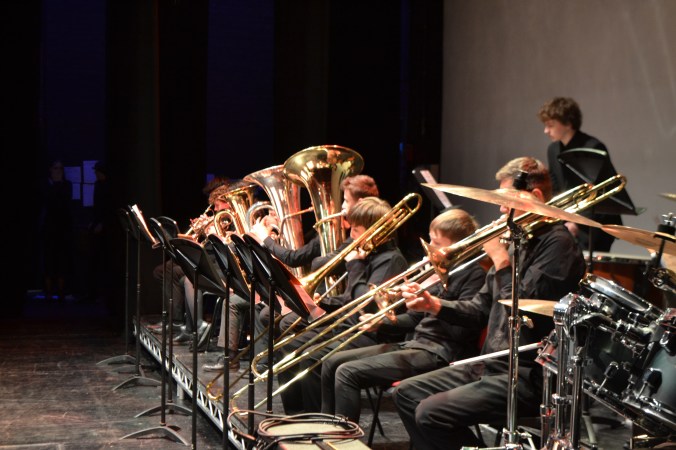
It wasn’t too long ago that singing in schools was limited by public health guidance, which severely disrupted our ability to run choirs and ensembles. We are delighted to see the music performance pathways opened up again, with the new Soul Band wowing the crowd and the Year 7-9 choir making a beautiful sound. Instrumental music continues to be a strength, with two orchestras, Concert Band, flute group, our Brass Monkeys brass group, a saxophone quartet, Jazz Band and the Sixth Form Band all giving great performances, alongside solos from the three finalists from the Junior Young Musician of the Year earlier this term: Lucas, Emilia and the overall winner, Olivia.

We were pleased to pack out the Playhouse for two nights – even though FIFA had scheduled the England vs Wales World Cup tie to clash with the first night – and we hope that audiences were left as uplifted and festive as our staff and students were. I’m still singing the incredibly catchy Junior Choir songs…and I’m sure I’m not the only one!

72 Weeks: going back to New College, Oxford

Over the October half term break, I was delighted to be invited back to New College at Oxford University. I studied English Language and Literature at New College between 1993 and 1996, before going on to train as an English and Media Studies teacher at Nottingham University in 1996-7.

The Chapel of New College, Oxford

New College is, ironically, one of the oldest colleges at Oxford University. Founded in 1379 by William of Wykeham, it was “new” at the time and the name has stuck!

I was invited back to record a podcast called 72 Weeks – so called because that is the average length of time it takes to study for an Oxford University degree (three terms of eight weeks over three years). The podcast brings together two people with a connection through New College, or Oxford more widely, to discuss their experiences and how it has shaped them, in the hope of “demystifying” the Oxford experience and encouraging more people, from more diverse backgrounds, to apply.

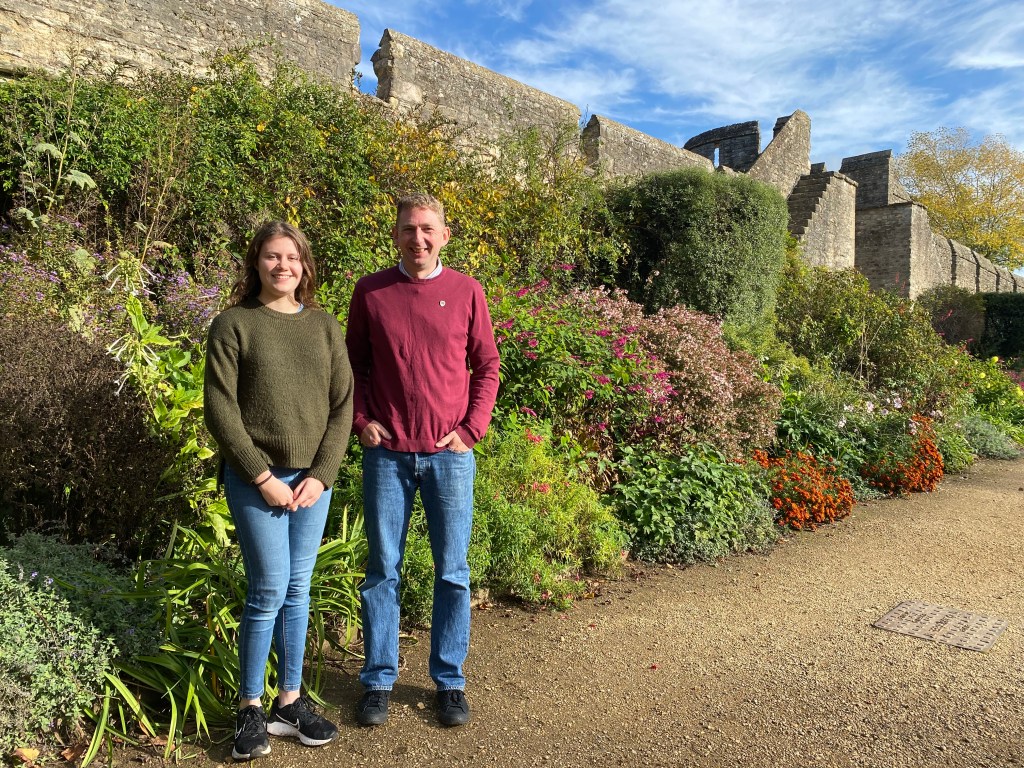
With ex-Churchill student Sarah in the gardens of New College, Oxford, October 2022

It was my great honour to record the podcast with Sarah, who successfully gained a place to read Chemistry at New College from the Sixth Form at Churchill in the summer of 2022. Just three weeks into her Oxford experience, Sarah was already thriving and getting her teeth into some serious Chemistry, as well as playing in the College Orchestra and working to start up a New College Ultimate Frisbee Team! It was lovely to hear Sarah reflecting on her first few weeks at university, as well as her time at Churchill and how that had prepared her for the experience.

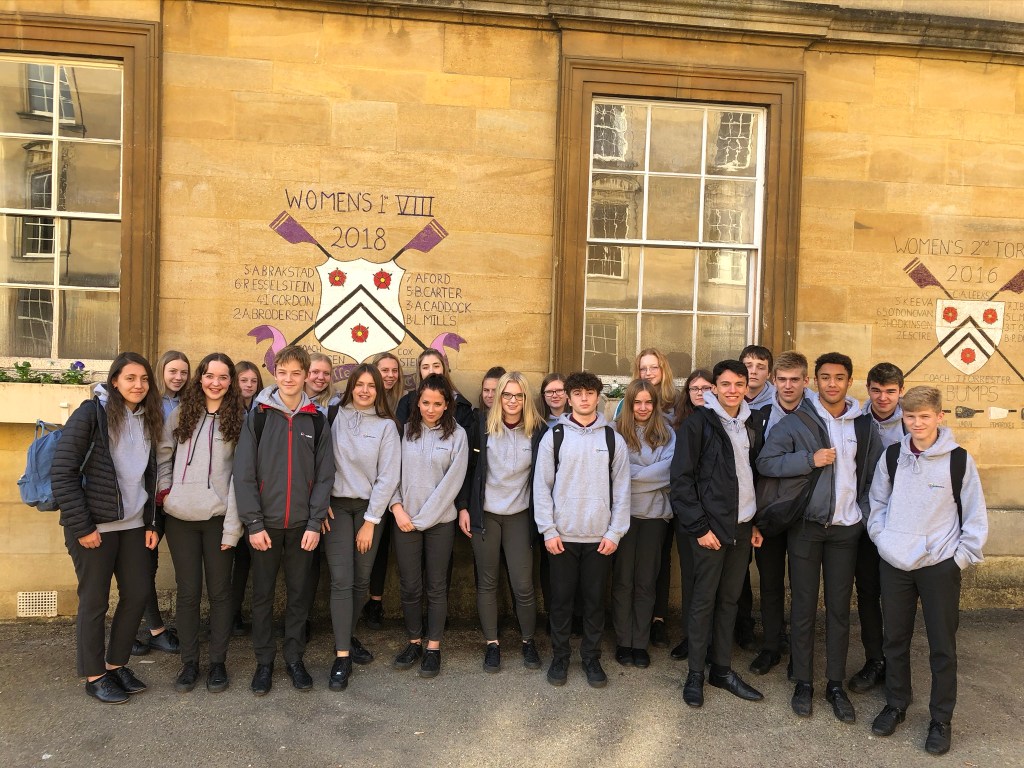
Sarah (and classmates!) visiting New College in October 2019

Exactly three years earlier (almost to the day!) Sarah was part of a group of twenty three high-attaining Year 11 students that I had taken to New College to help them begin the process of thinking about university applications. We had no way of knowing, at the time, that it would be one of the last school visits we did before the pandemic hit, and that these students would not be able to sit their GCSEs the following summer. But Sarah spoke, in the podcast, about how the experience of spending the day at New College helped her to think: “why couldn’t I study here?” and to visualise herself as part of the community. The visit was one small part in helping her along the way of aiming high and putting her application in. Exceeding her offer of A*A*A? That was down to excellent teaching, a love of her subject, and buckets of hard work from Sarah herself!

One of my great driving passions throughout my career, and especially as a Headteacher, is to encourage students to aim high. The elite universities are not, and should not be, the exclusive domain of the independently educated – but the only way the balance of representation is going to shift is if more state-educated students apply. I’m delighted to say that the trends are positive, and I will do all I can to ensure that this continues.

You can listen to the conversation Sarah and I had with Daniel Powell, Outreach and Marketing Officer at New College, at the link below – or search for “72 Weeks” on Spotify, Apple Podcasts, or your favourite podcast platform. I hope you enjoy listening as much as we enjoyed recording it!

Student Leadership Conference 2022

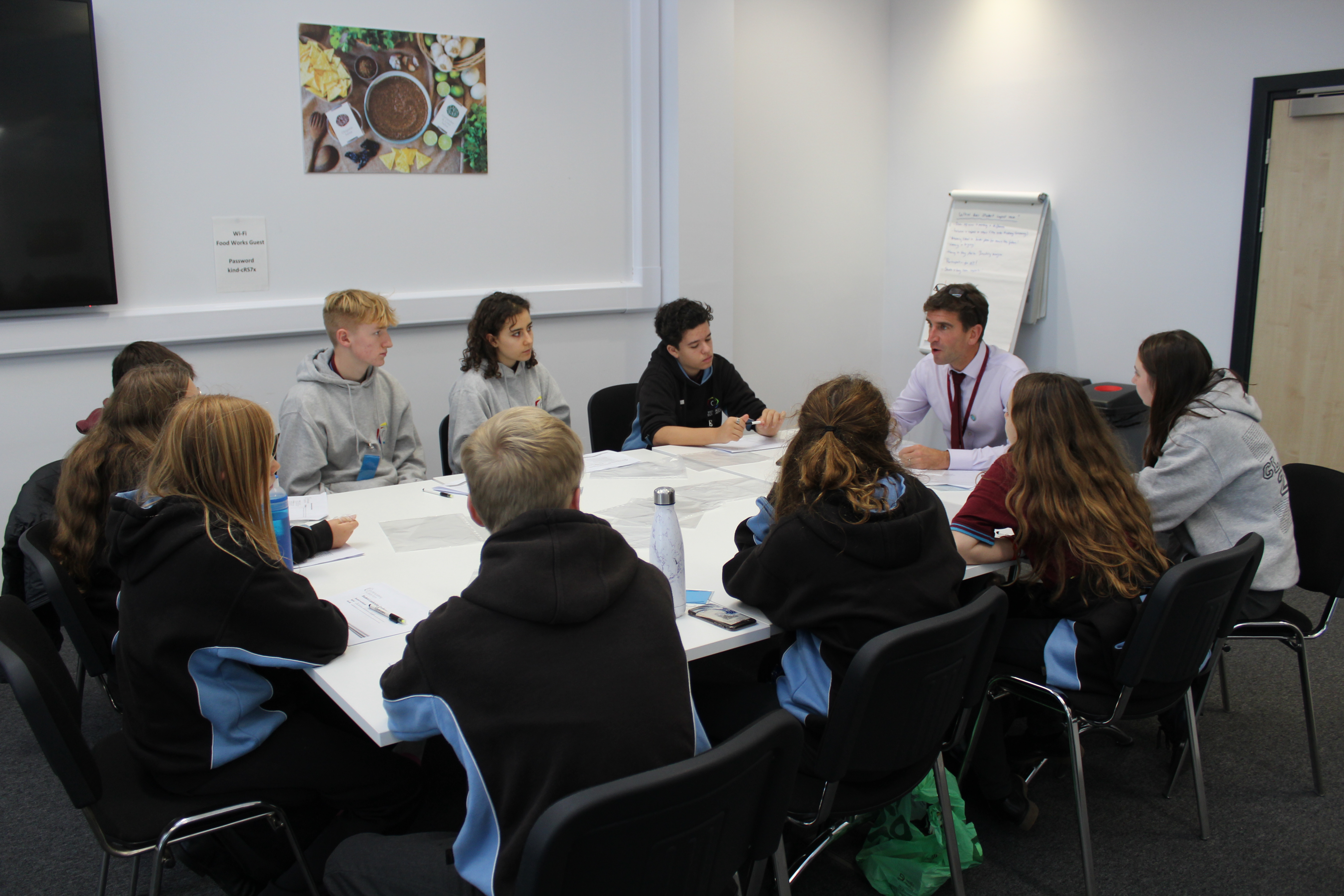
Last Friday, we held our first Student Leadership Conference at the Food Works SW centre on the outskirts of Weston-super-Mare. Following pandemic disruption, it was great to finally realise the vision of this event, which was a great success!

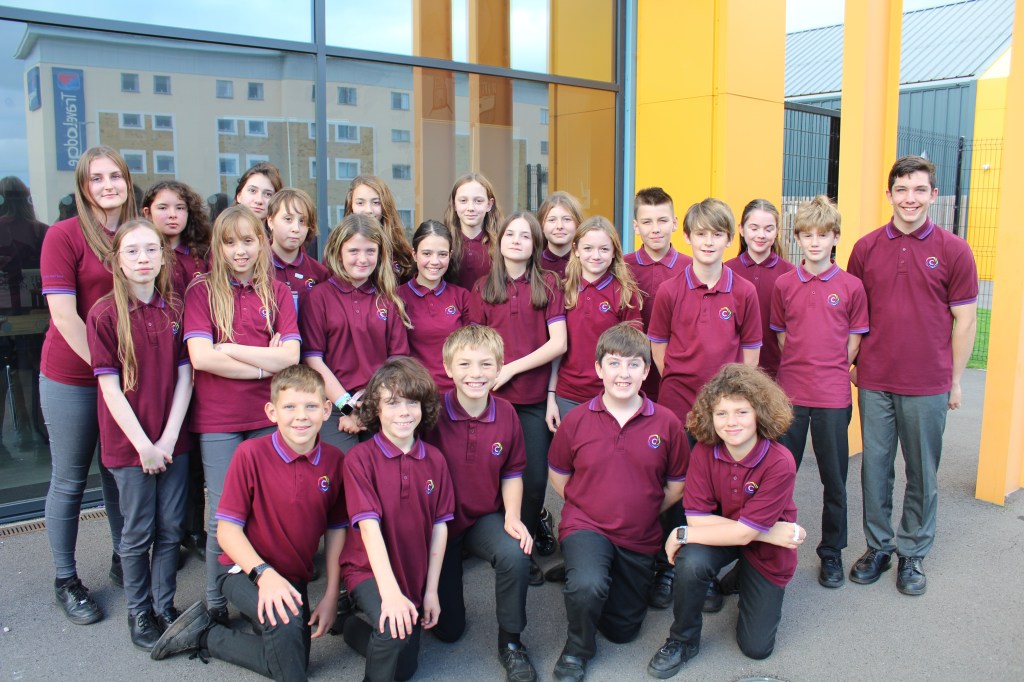
Lancaster House Council outside Food Works SW on our Student Leadership Conference, Friday 11th November 2022

In total, almost ninety student leaders were able to join us in the plush conference meeting rooms of the Food Works SW. On the agenda was a morning of training, to help our student leaders understand more about their role and to build their skills and confidence in delivering on their leadership ambitions. This included sessions on understanding the concept of leadership, and thinking about the best ways to bring about change, as well as training on communication skills and team building.

The afternoon session involved the House Councils working with the Heads of House to develop their plans for the year ahead. These sessions were about taking the theory from the morning and putting it into practice. What did they want to achieve? And how would they go about achieving it?

It was a full day of challenging thinking and participation, but our student leaders rose to the occasion and showed their commitment to their roles. I feel confident that, with their leadership, the Academy will continue to go from strength to strength.

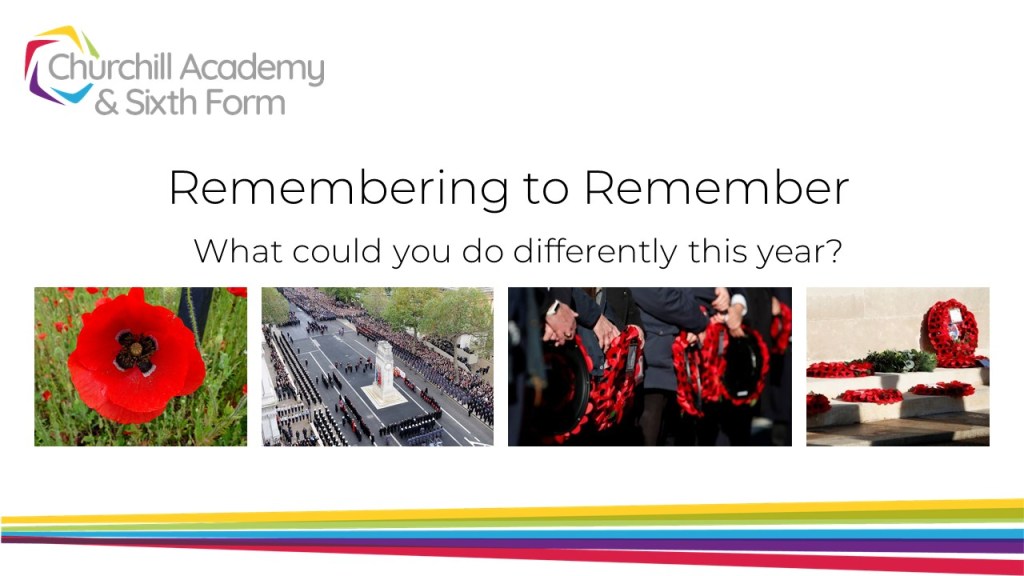
Remembrance 2022: remembering to remember

This week, Mr Slater and Mr Waller have led assemblies on the theme of remembrance, reminding us of the importance of this annual act during the two minutes’ silence at the 11th hour of the 11th day of the 11th month.

The assembly began and ended with a reading of John McCrae’s famous poem, In Flanders Fields, with its poignant plea from “the dead”:

To you from failing hands we throw
    The torch; be yours to hold it high.
    If ye break faith with us who die
We shall not sleep, though poppies grow
        In Flanders fields.

We were reminded of how Remembrance Day, and the two minutes’ silence, began in 1919 to remember those who had lost their lives in the First World War. Since then, the act of remembrance has expanded to include all those who have sacrificed in conflict, so that we may continue to live in freedom.

The poppy itself was a symbol of peace, as the bright red flowers began to grow from the churned up lifeless battlefields of France and Belgium within days of the ceasefire in 1918. Mr Slater and Mr Waller reminded us of the work of the Royal British Legion, who are supported through the purchasing of poppies for remembrance. The Legion supports former members of the Armed Forces and their families to cope with the impact of their service, which can often be life-changing. Their work, in support of those who served, and their families, is truly remarkable.
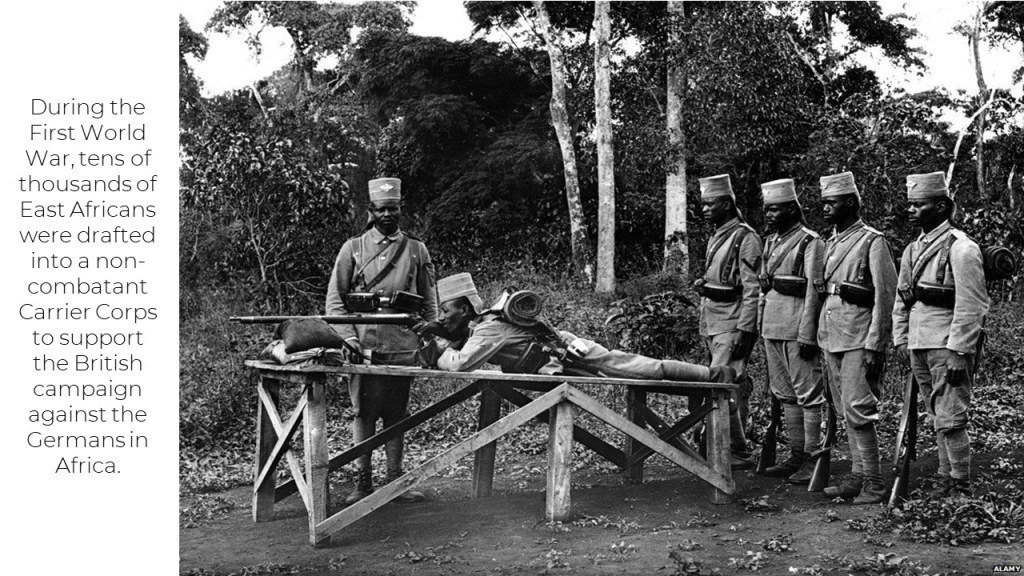
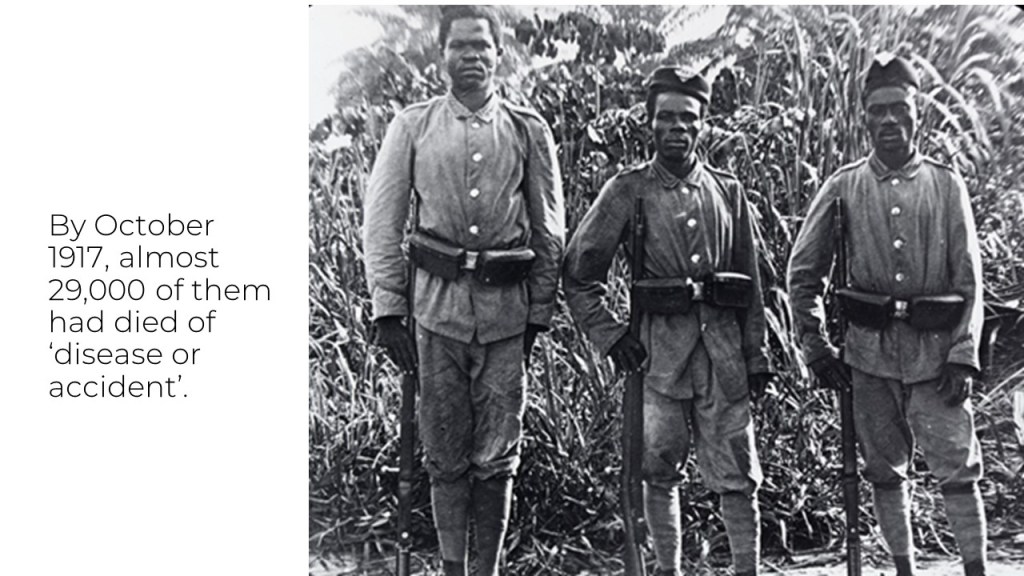
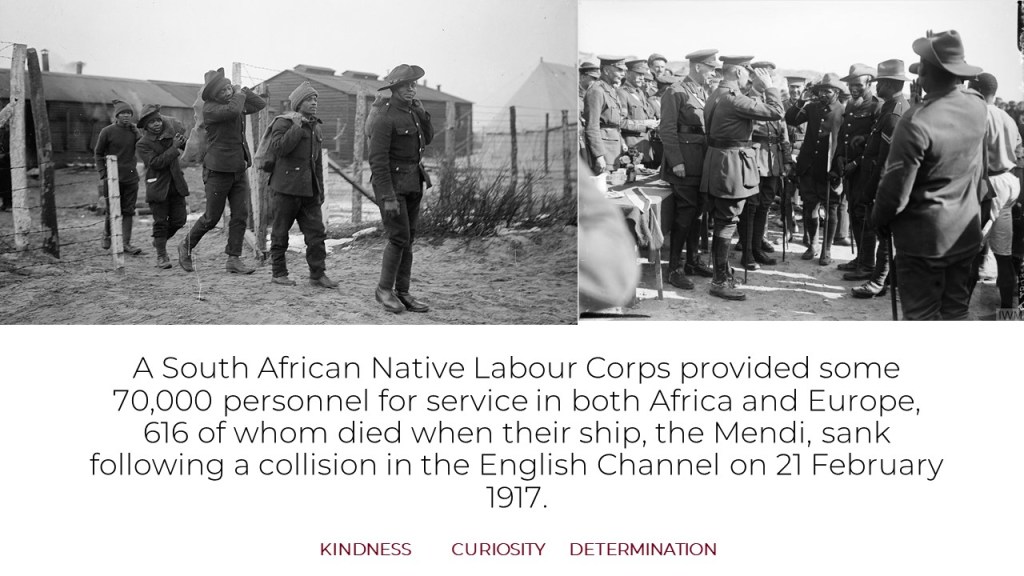
We were also reminded to remember those who are sometimes forgotten – those non-white, non-British servicemen and women who gave their lives for our country in the two World Wars. These people made sacrifices for a country they had often never been to, thousands of miles away, so that we can live in freedom today. For example:

  • Tens of thousands of East Africans were drafted into a non-combatant Carrier Corps to support the British campaign against the Germans in Africa during the First World War. By October 1917, almost 29,000 of them had died.
  • A South African Native Labour Corps provided some 70,000 personnel for service in both Africa and Europe, 616 of whom died when their ship, the Mendi, sank following a collision in the English Channel on 21 February 1917.
  • During the Second World War, some 90 West Indian men serving as aircrew with the RAF were decorated for bravery, including 64 DFCs and 7 DSOs
  • 90,000 West African soldiers travelled more than 6,000 miles to fight in the Burma campaign against the Japanese in WWII
  • By the end of the Second World War the Indian Army, with a strength of over 2.5 million, had become the largest volunteer army in history, and had served on three continents

W e also reflected on those who make sacrifices for us today, in peacetime. The heroic healthcare workers who saw us through the COVID-19 pandemic; the armed forces and emergency services who turn out whenever there is need; those volunteers who give their time and energy to help make our communities better places. You don’t have to give your life for your effort to be remembered.
Finally, our students were asked to think about three things as they mark the two minutes’ silence on Friday:

  • Think of something/someone who has sacrificed something for you
  • Think of something/someone who has sacrificed something for this country
  • Think of something/someone who has sacrificed something for our world

Thank you to Mr Slater and Mr Waller for a really powerful assembly. This remembrance day, who or what will you remember?