Books I have read in 2025

Things have been a bit quieter on the Headteacher’s Blog this year, as I’ve prioritised the weekly newsletter, the Academy website and my termly Headteacher’s Update letters. But I couldn’t let the year end without my annual “what I’ve read” post! Here are the best books I’ve read this year:

Sunrise on the Reaping by Suzanne Collins
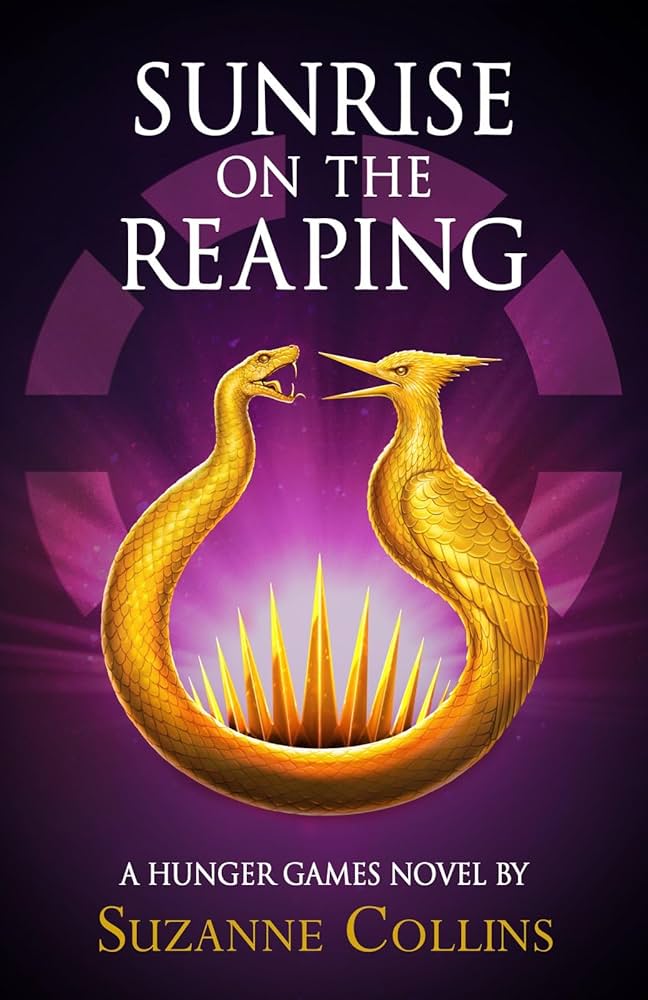
I just love the world of “The Hunger Games” and I’m delighted that Suzanne Collins has chosen to dip into the history of Panem to give us snippets of the world that led up to the events of the original trilogy. I thought The Ballad of Songbirds and Snakes was just brilliant, and this latest instalment, telling the story of Haymitch’s Hunger Games, was a gripping page-turner. The fact that I already knew what happened, as Katniss and Peeta watch the video of the games in Catching Fire, meant that it wasn’t quite as gripping as Ballad of Songbirds and Snakes, but still a really enjoyable read. And I’m looking forward to the film next year!

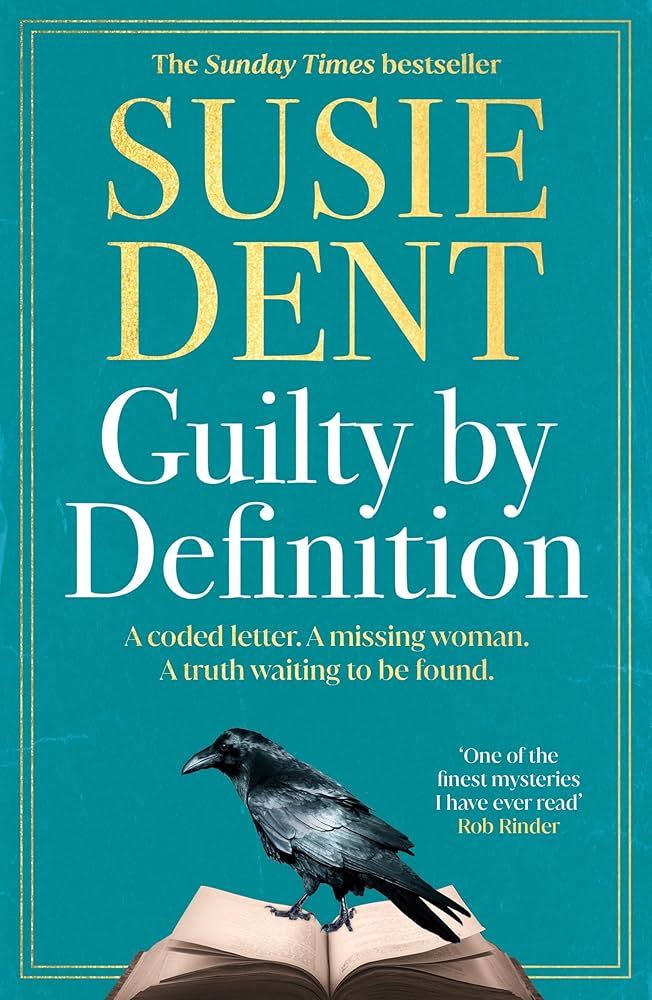
Guilty by Definition by Suzie Dent

As an English teacher, the prospect of a murder mystery written by the resident lexicographer from Countdown where the clues to the crime are all coded in language, etymology and literary references was too exciting to miss! The novel itself was really rewarding, but there are slightly awkward moments where the characters – all of whom are professional linguists – explain the references and meanings of words to one another for the reader’s benefit, in a way that didn’t feel true to how they would actually speak to one another. That aside it was a terrific read!
The Painter’s Daughters by Emily Howes
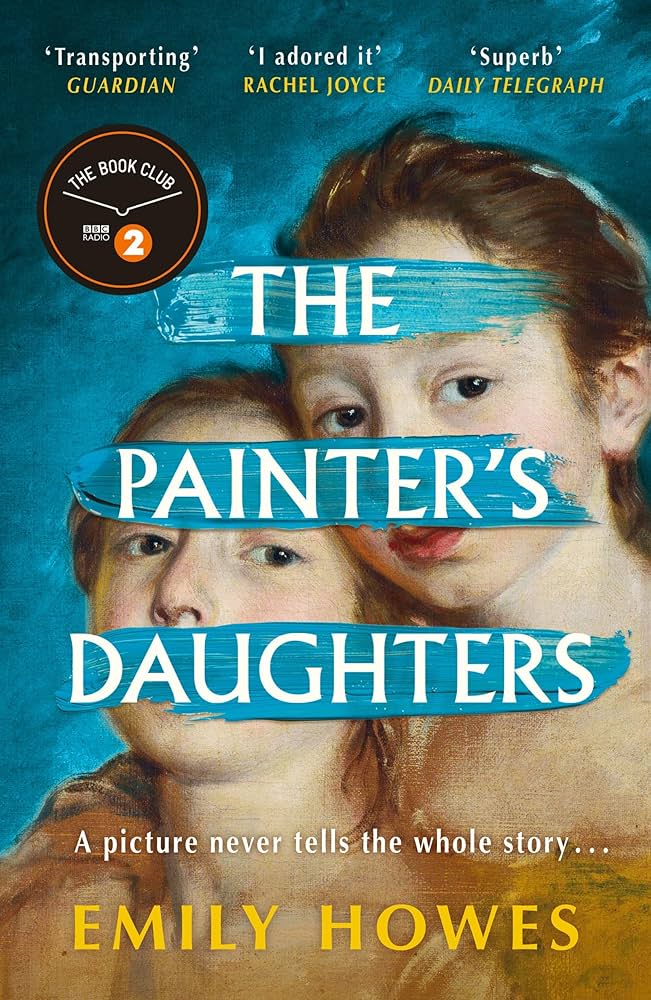
Emily Howes has found a really rich idea for a historical novel, imagining the lives of the two daughters of celebrated eighteenth-century portrait artist Thomas Gainsborough. Gainsborough painted six portraits of his two daughters, and Howes uses these portraits as staging posts to tell their story. The novel deals with mental illness in a time where such conditions were not recognised, the pressures of high society, and the challenges for women to have their voices heard in a world dominated by men. I loved the depiction of Regency Bath as well as Howes’ vivid re-imagining of what might have happened to Peggy and Molly.

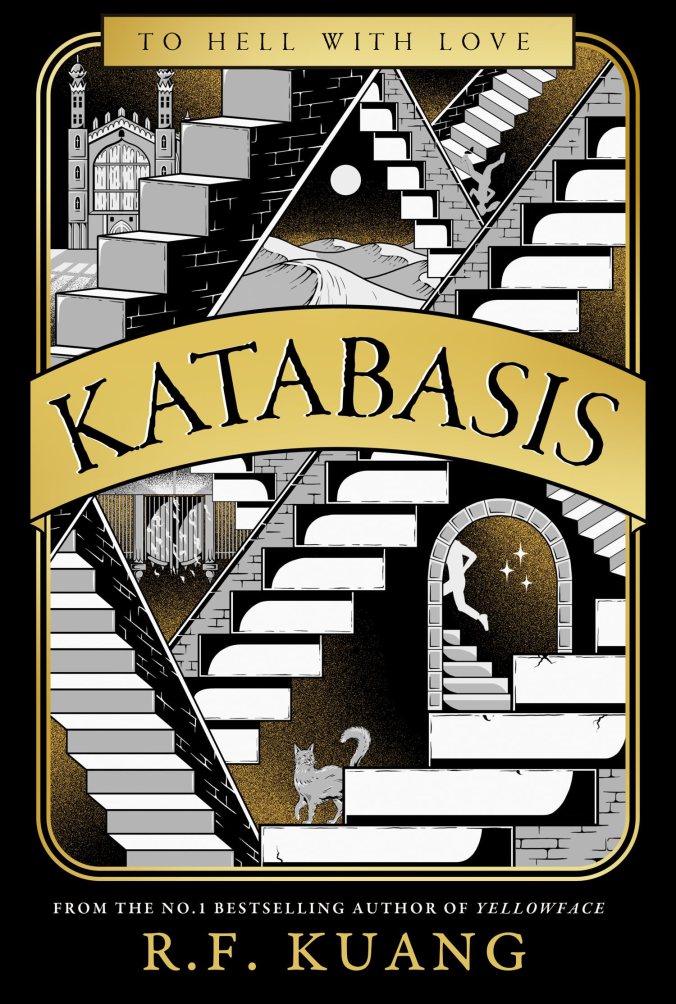
Katabasis by R.F. Kuang

I was looking forward to this one, as I absolutely loved reading Babel when it came out – and Kuang’s latest novel didn’t disappoint. She imagines a world where you can study magic at university. Within the pressurised world of this academic field, two postgraduate students – desperate to complete their doctorates – journey to hell in an attempt to find their Professor, who unfortunately exploded when a spell went wrong. If you’re thinking it sounds absolutely crazy, you’d be right! But Kuang draws the reader into the increasingly frenzied and frantic quest with such skill that it all, somehow, seems quite believable. Brilliant!
Wolf Hall by Hilary Mantel
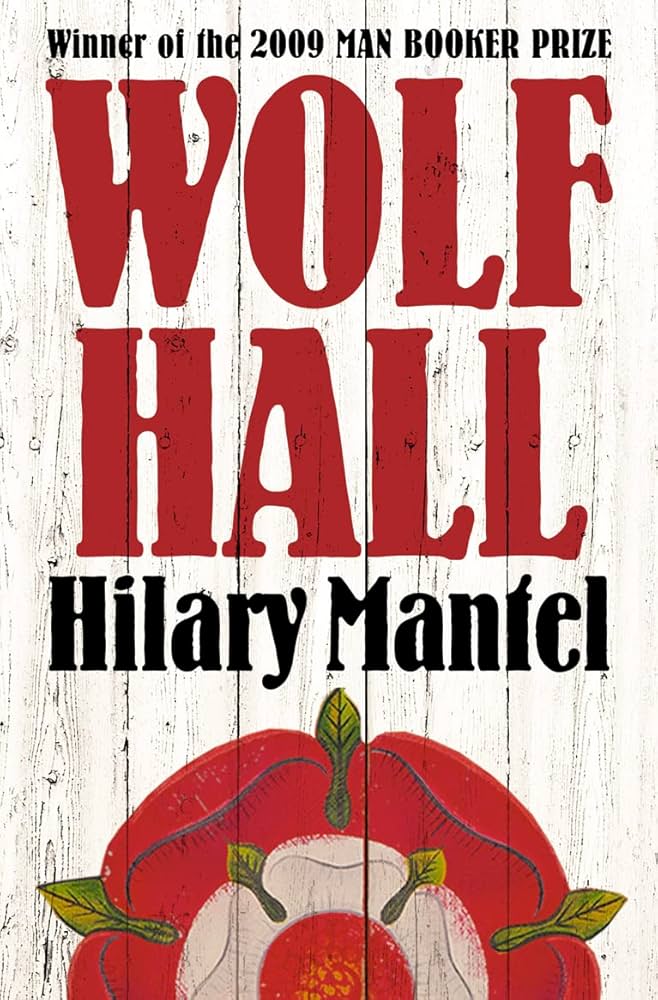
I know, I’m late to the party on this one, but it’s been on my “to read” list for ages and, this summer, I finally got around to reading the book that everyone was talking about a decade ago! You don’t need me to tell you just how brilliant Mantel’s depiction of Thomas Cromwell, advisor to Cardinal Wolsey and, later, King Henry VIII is. Accurate to the historical events of the Tudor period, Mantel fills in the blanks with incredible realism, conjuring the characters with such skill that they live and breathe on the page. Needless to say, I went straight on after this one to read the equally brilliant sequel, Bring up the bodies, which deals with Henry’s marriage to Anne Boleyn.

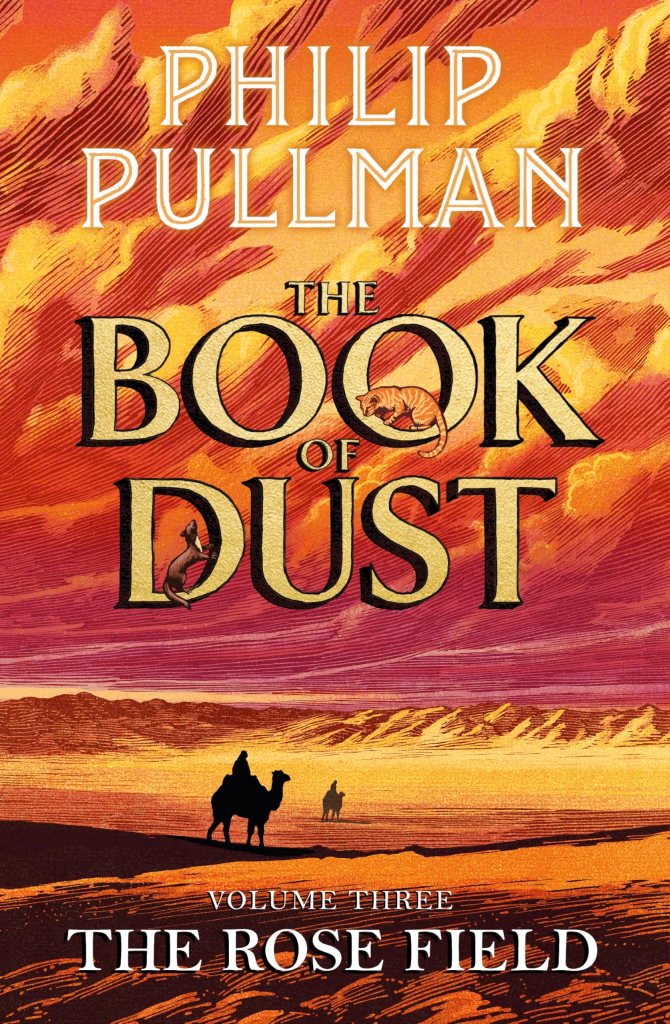
The Rose Field by Phillip Pullman

I think the His Dark Materials trilogy would be a strong contender for my “best books ever written for young adults” award, and I was so excited when Phillip Pullman decided to continue the story of Lyra and her daemon (soul-animal) Pantalaimon in the Book of Dust trilogy. If I’m honest, I found La Belle Sauvage a bit baffling, but The Secret Commonwealth really picked up the pace and I read this final instalment voraciously. Pullman’s imagination brings in gryphons, witches, and lodestone resonators to great effect, but the fantasy elements are really just a background to an exploration of what it is that makes humans human. It is no spoiler to say that the answer is, ultimately, our imagination. Just brilliant.
White Nights by Fyodor Dostoevsky
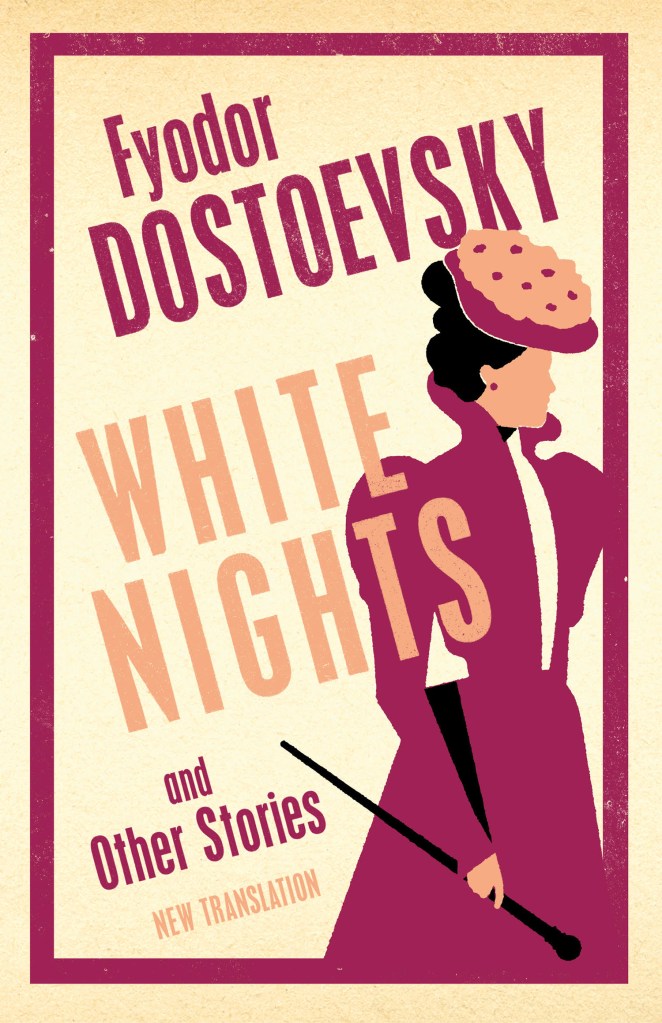
This short novel was recommended to me by a Year 11 student in a Sixth Form interview, who reviewed it very enthusiastically! I admitted that I haven’t read as much Russian literature as maybe I should have done, so set about correcting that with this tale of thwarted love, youthful passion, and frustrated desire. It was every bit as good as my interviewee said it was!

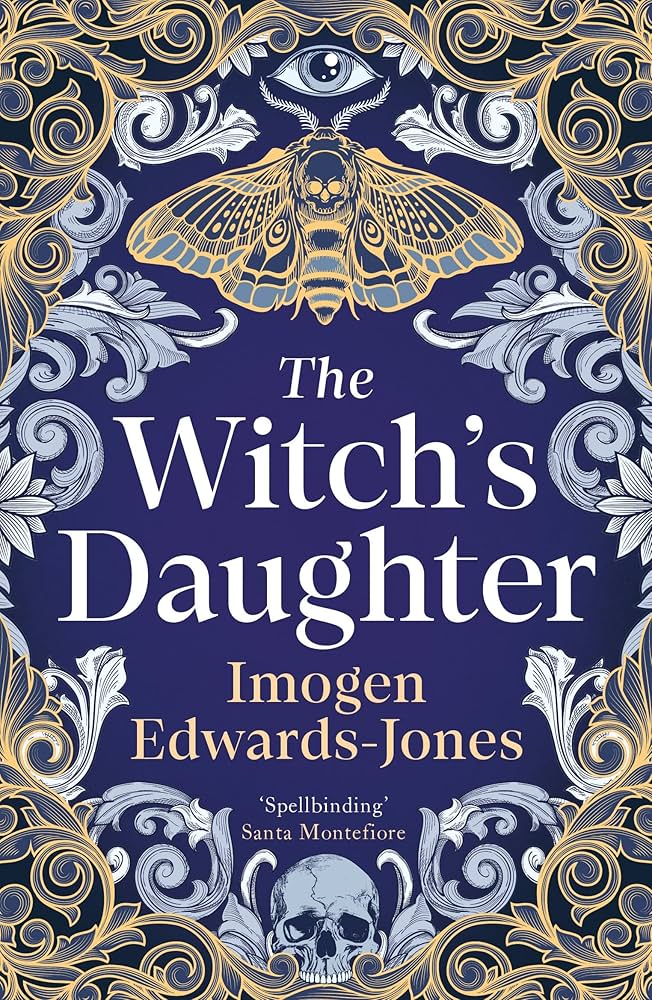
The Witch’s Daughter by Imogen Edwards-Jones

Although my knowledge of Russian literature may be lacking, I did read this historical novel earlier in the year. Set against the backdrop of the 1917 Russian Revolution, this novel tells the story of Nadezhda, whose links to Rasputin and the soon-to-be deposed Romanov family give her a close-up view of the collapse of Tsarist Russia and the formation of the new communist state. I found it a fascinating read and a great insight into a vital period of history.
Looking back, I’ve majored in historical fiction and fantasy this year! Who knows what 2026 will bring. Happy reading!
World Book Day 2025

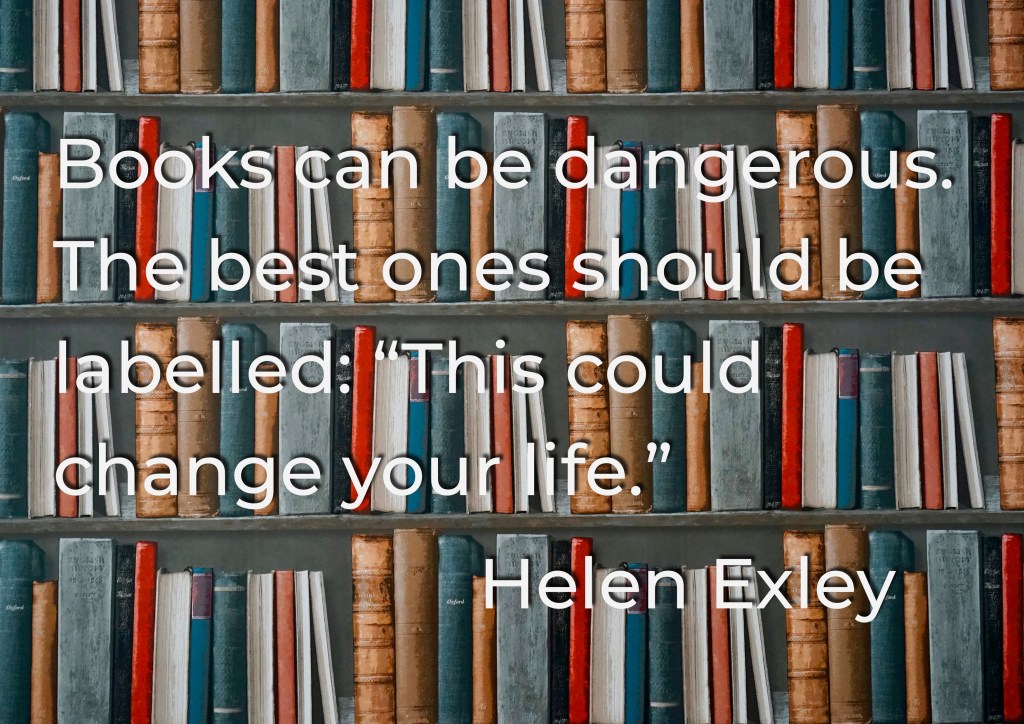
I love reading, and this World Book Day I have been thinking about this quotation from publisher Helen Exley, about how books can change your life. In truth, everything I’ve ever read has woven itself somewhere into the fabric of “me,” shaping my understanding of the world and its people. But a few stand out as having certainly changed my life.

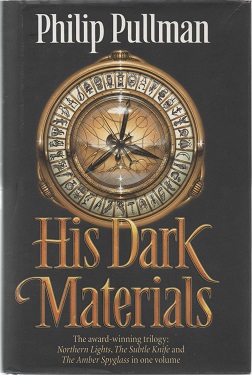
His Dark Materials by Phillip Pullman

When I was studying for a Masters in Children’s Literature at Nottingham University, these books blew my mind. The story of Lyra and Will, young people from two different worlds, brought together to save the universe, is unlike anything I’ve ever read. Passionate, clever, gripping, exciting and thrilling, this is a trilogy I could return to again and again and never get bored. It’s the book that reminds me that children and young people are the hope for us all.

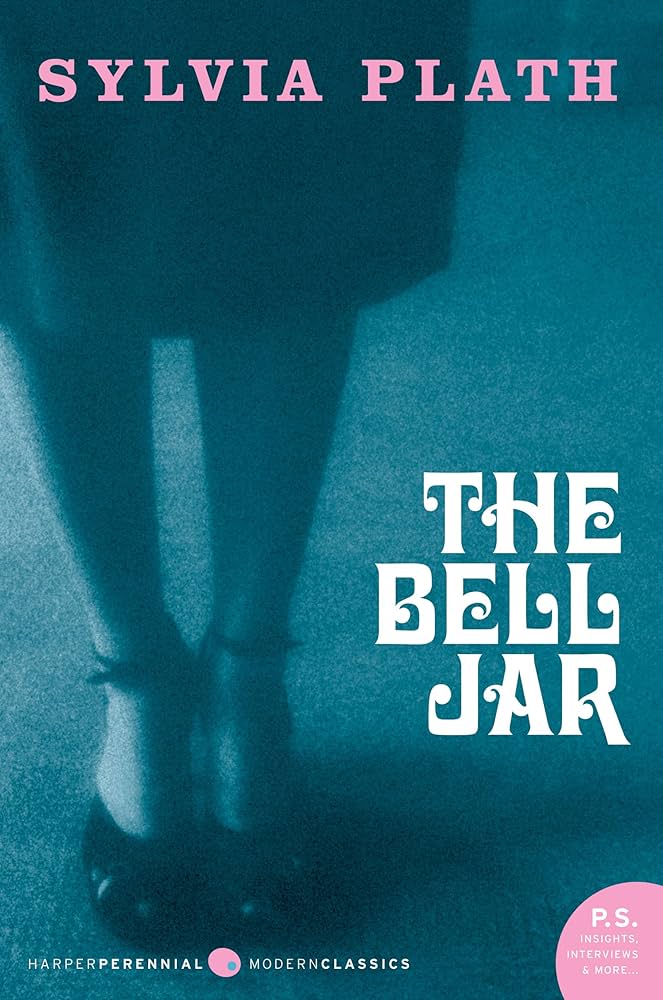
The Bell Jar by Sylvia Plath

I first read The Bell Jar when I was in the Sixth Form, and it changed everything for me. Sylvia Plath’s astonishing semi-autobiographical tale of her struggles with her mental health, her breakdown and subsequent recovery, was a revelation. Not only was the subject matter revolutionary – not least the barbaric treatment of mental health difficulties in the 1950s – but Plath’s writing fizzes off the page in images and phrases that has stuck with me forever.

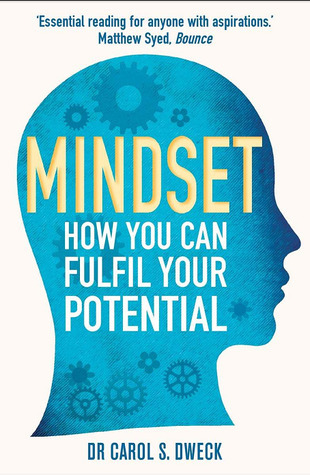
Mindset by Carol Dweck

This book changed the path of my teaching career. Dr Carol Dweck outlines the research that is her life’s work, into how what we think about our own abilities determines the outcomes that we achieve. It has informed my teaching and leadership ever since, and continues to resonate with me today.

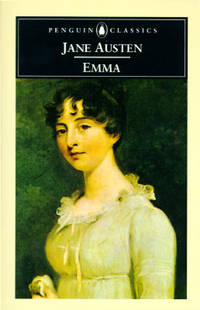
Emma by Jane Austen

“Emma Woodhouse, handsome, clever, and rich, with a comfortable home and happy disposition, seemed to unite some of the best blessings of existence; and had lived nearly twenty-one years in the world with very little to distress or vex her.” So begins Jane Austen’s tale of a spoilt girl who learns that she is not quite as brilliant as she thinks she is – and is so much the better for it. I love Jane Austen’s writing so much: she works with infinite delicacy on “the little bit (two inches wide) of Ivory on which I work with so fine a Brush, as produces little effect after much Labour.” My favourite novel of hers is actually Mansfield Park, but even I must admit that Emma shows her at the height of her powers.

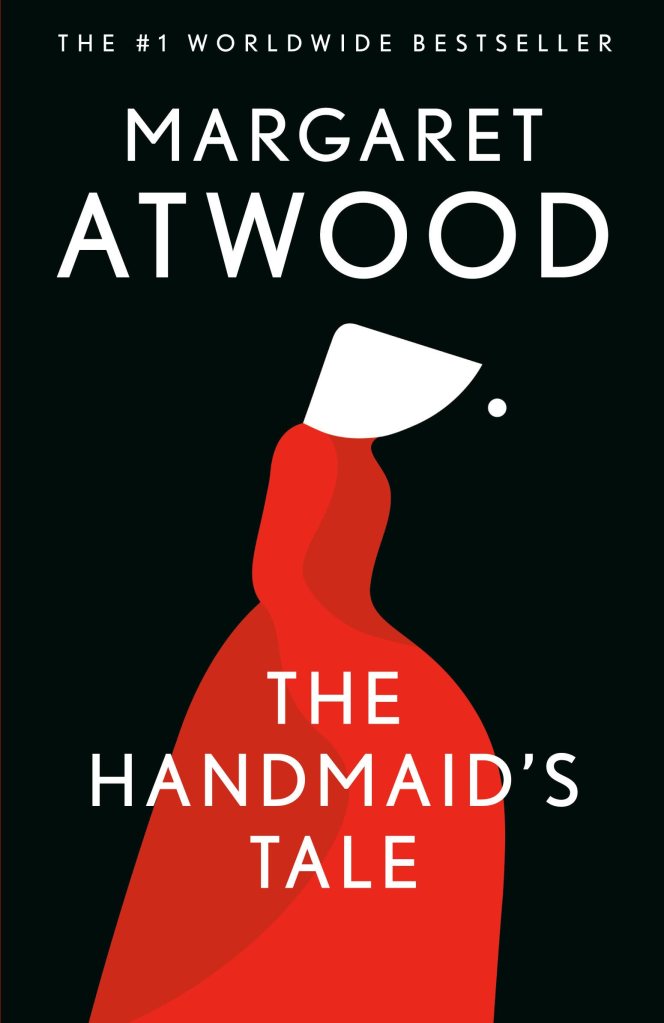
The Handmaid’s Tale by Margaret Atwood

Margaret Atwood’s dystopian novel pushed the boundaries of what a novel could be, and could do. Told in fragments, apparently “discovered” after the collapse of a dystopian civilisation, it pieces together the story of Offred, a “handmaid” in the land of Gilead, where patriarchal ideology has run to extremes. It is an absolutely gripping and terrifying book, and a valuable lesson in how fragile our society is – and how vulnerable to those who seek to divide and rule.

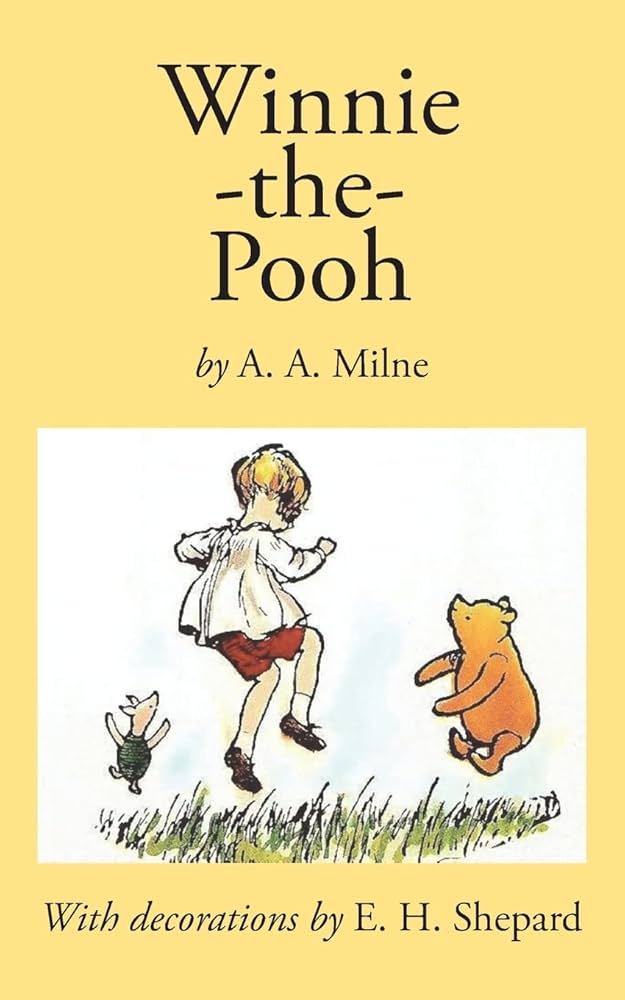
Winnie-the-Pooh by A.A. Milne

The tales of Christopher Robin and his collection of stuffed animals were favourites of mine as a small child, and have stayed with me throughout my life. Sweet, funny, and occasionally profound, I enjoyed reading them to my own children just as much as I enjoyed them myself as a child.

No matter what books you enjoy, reading is a rare and exciting pleasure. And a good book will stay with you for the rest of your life.

Books I have read in 2024

I love to read! Every December I look back at the books I have read over the course of the year, and do a run-down of my favourites. If you’ve read any of these, let me know what you thought – and if you like the sound of any of them, please give them a go. I also love getting book recommendations from students – so please let me know if there’s a book you think I’d enjoy!

Babel by R F Kuang

This was an incredible book. Set in a fictionalised past, the novel explores the legacy of colonialism through the imaginative idea that the gap in meaning between translated words in different languages generates powerful magic. Those that control words, control the world. It’s hard to explain – you have to read it to believe it – but I was totally gripped by the whole thing. It was stunning.

Recommended for KS4 and 5 or adults.

The Goldfinch by Donna Tartt

This book has been on my “to read” list for ages – and in 2024 I finally managed it! It didn’t disappoint. It tells the compelling story of Theodore Decker, who is caught up in a terrorist attack at the age of 13 with life-changing consequences. His life spirals out from this event, as his fate becomes intertwined with a famous painting – the Goldfinch of the title – with unexpected, funny, and tragic consequences. It’s a love story, a coming-of-age story, a thriller, a mystery, and a novel about the far-reaching impact of grief. A tour de force of brilliant writing.

Recommended for KS4 and 5 or adults.

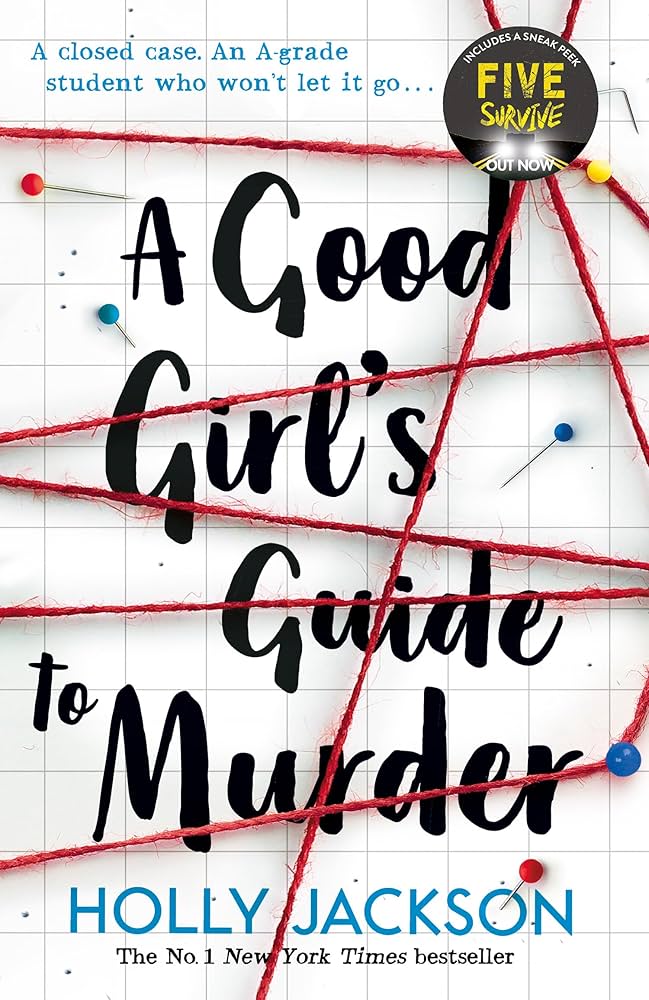
A Good Girls’ Guide to Murder by Holly Jackson

I really enjoyed the BBC adaptation of Holly Jackson’s novel this year, starring Emma Myers (from Wednesday), so I picked up the book – which was even better than the series! It was so good, I read the two sequels (Good Girl, Bad Blood and As Good As Dead) immediately afterwards. It tells the story of Pip Fitz-Amobi, the “good girl” of the title, who sets out to investigate the disappearance of a girl from her school five years earlier. Everyone thinks they know what happened – but Pip’s investigations reveal that things aren’t always as they seem.

Recommended for KS3 and above.

Grace by Cody Keenan

Cody Keenan was President Barack Obama’s chief speech writer. In this incredible memoir, he tells the story of ten crucial days with the President in June 2015, as the United States tried to come to terms with a mass shooting in a church and huge votes on marriage equality and healthcare reform. Between them, Keenan and Obama have to write the words to celebrate America’s progress and capture the nation’s grief and divisions. But nobody expected that, as he delivered the eulogy for Reverend Clementa Pinckney, the President would start to sing.

This unforgettable book gives a peek inside Obama’s White House, and made me cry!

Recommended for anyone interested in politics or writing or history.

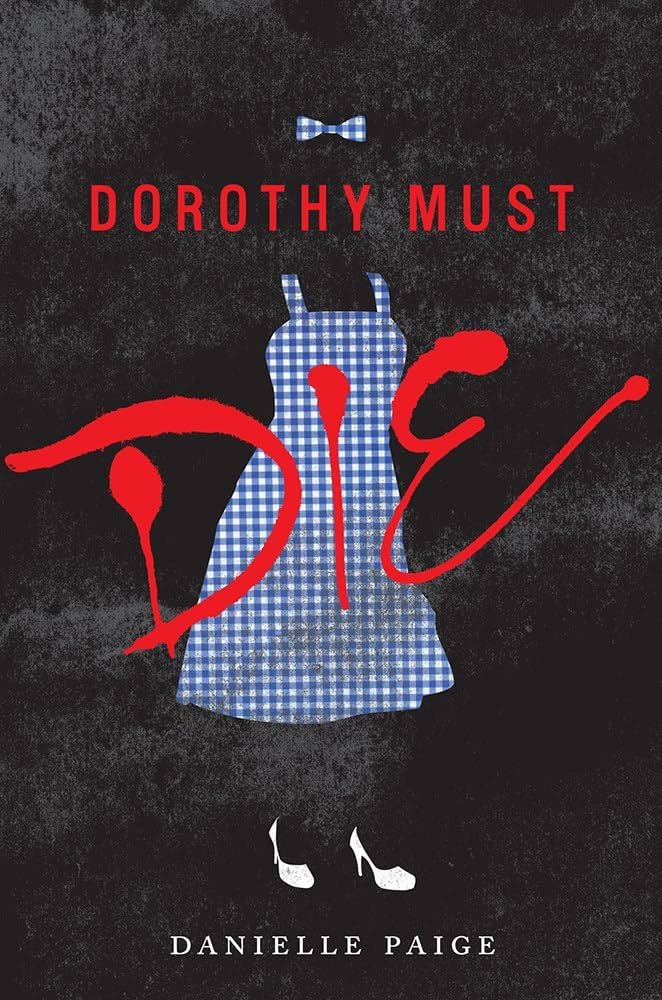
Dorothy Must Die by Danielle Paige

I was gripped by Wicked fever this winter, and in preparation for the movie of my favourite musical I picked up another re-imagining of the events of the Wizard of Oz. Danielle Paige’s book, the first of a trilogy, tells the story of Kansas teenager Amy Gumm, who is caught in a tornado and whisked off to Oz. She’s seen the Judy Garland film, but the land she finds herself in, and the Dorothy she meets, are not at all what she was expecting. Before long, she is in training to harness the magic of Oz to accomplish a terrible mission: to assassinate Dorothy Gale.

This was a fun read – not as good as Wicked, but Amy Gumm is a great narrator.

Recommended for KS3 and above.

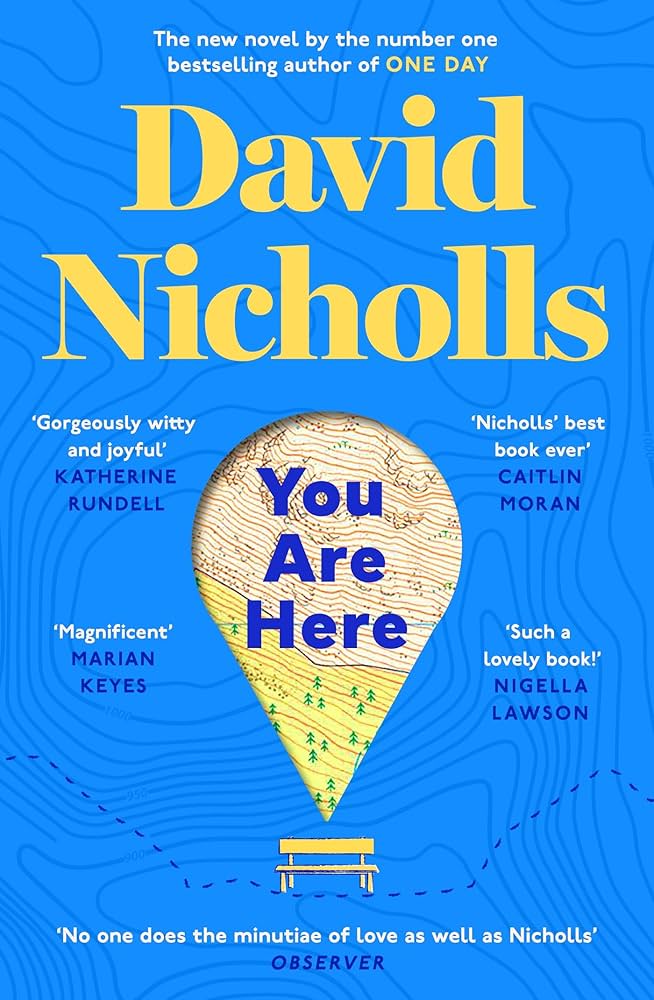
You Are Here by David Nicholls

David Nicholls writes brilliant love stories. I really enjoyed his previous books, especially One Day and Sweet Sorrow, and his latest didn’t disappoint. It follows Marnie and Michael as they set out with a group of mutual friends on a coast-to-coast walk across the north of England. The story is funny, sad, beautiful, poignant and utterly believable – his characters and their journey is absorbing and just wonderful to read. Another triumph!

Recommended for KS4 and above

The Buried Giant by Kazuo Ishiguro

This was a really unusual book! Set in a version of ancient Britain, it follows the journey of married couple Axl and Beatrice as they set off to see their son. But their memories, and those of everyone around them, are patchy and fragmented. Why can they not remember their past? What have they forgotten? Part fable, part allegory, part folk tale, this is a haunting and puzzling story which hints at huge, universal ideas through veil of enigma. For a book about amnesia, it was oddly memorable!

Recommended for KS4 and above

Books I have read in 2023

It’s that time of year again! I am an avid reader, and I like to do an end-of-year round up of the best books I have read each year. In no particular order, this year’s list includes:

Children of Icarus by Caighlan Smith

This was recommended to me by a Year 10 student and I absolutely loved it. Set in an imagined future world of strange high-rise cities, the society has a religion based on Greek myths including Icarus and the Minotaur in the labyrinth. Young people long for the privilege of being chosen for the privilege of entering the labyrinth for the chance to become Icarii…but all is not as it seems. The mysterious narrator of the novel is a fascinating character, who I was endlessly intrigued by. There are more books in this series that I am definitely going to check out!

The Secret History by Donna Tartt

This has been on the shelves at home for a while, and I finally got around to reading it this summer after it was recommended to me. It did not disappoint! It’s one of those books that gives away the main event – a murder – at the very beginning, and then jumps back in time and shows you how that event came to pass. The sense of impending doom therefore seeps into every line, every exchange, as the moment gets closer and closer – and the aftermath is completely unknown. A dark, gripping, thrilling, read.

Femina by Janina Ramirez

I mostly read fiction, and when I read non-fiction it tends to be about education, so this book on medieval history was a departure for me. I found it fascinating as Janina Ramirez told the story of the role of women in the middle ages, pieced together from archaeology and medieval literature. Some of the stories were incredible – and gave me a whole new perspective on this period of history and how we see it.

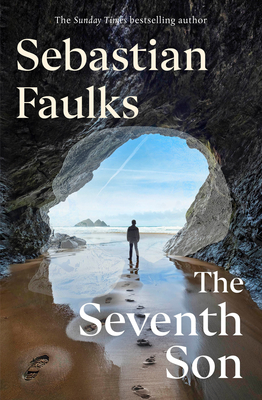
The Seventh Son by Sebastian Faulks

I have read a lot of Sebastian Faulks’ books and always enjoyed them – Birdsong being my favourite! His latest is a really fascinating idea, weaving in surrogacy and genetic engineering with big tech billionaire who thinks his wealth enables him to push the boundaries of ethics beyond the breaking point in the name of “science.” Despite these big ideas, Faulks makes this a profoundly human story, which left me wondering: what does it mean to be a human being? A great read.

Jamaica Inn by Daphne du Maurier

Daphne du Maurier is a new discovery for me over the past couple of years – but I think she’s terrific! Jamaica in is one of her finest. The heroine, Mary Yellan, is a powerful figure – placed in terrifying situations by circumstance, she has the strength of character to stand up against villains and outlaws when all around her seems hopeless. But du Maurier’s evocation of the wild Cornish landscape is what stays with me the most.

Three Poems by Hannah Sullivan

I wanted to read more poetry this year, and this book has been on my list for a while. Hannah Sullivan won the TS Eliot Prize for this debut collection of autobiographical poems. Part narrative, part exploration of self, the poems explore big themes like mortality, motherhood, place, and the passage of time. The poetry itself fizzes with wonderful descriptions and some seemingly effortless rhymes. I loved it.

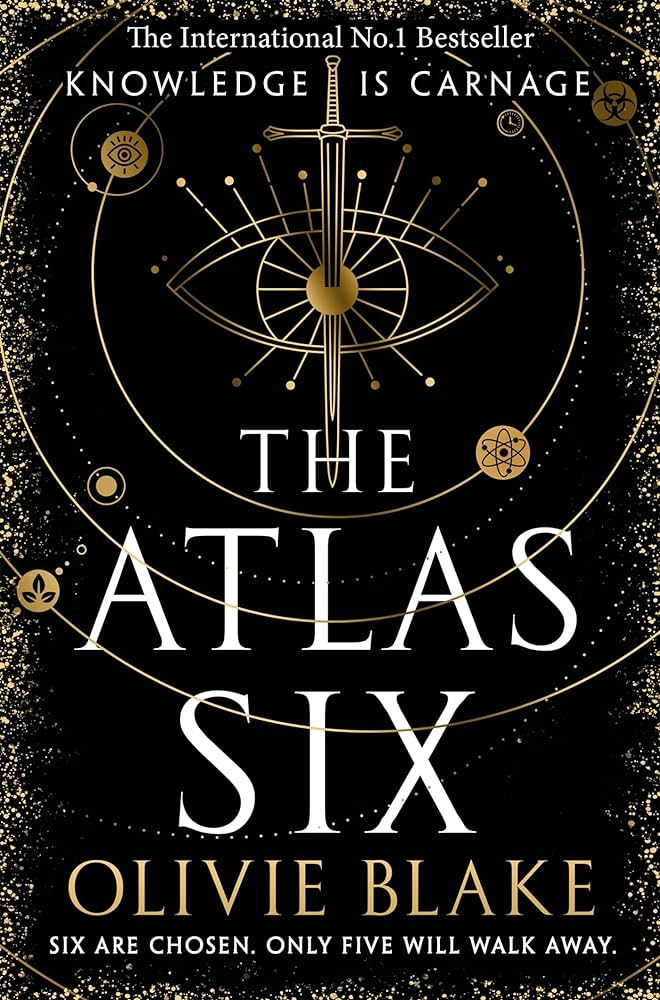
The Atlas Six by Olivie Blake

This is a bit of a cheat, because I haven’t actually finished reading this one yet! I am only part way through – but it is absolutely brilliant. Set in an imagined version of our world where magic is real, six special individuals are invited to try out for membership of a secret society. Mystery and tensions run deep as the magic unfolds…I am totally hooked!

Have you read any of my picks for this year? Or have you got any recommendations for me? I’m always on the look out for my next read!

Books I have read in 2022

This has been a bumper year for books! I have really enjoyed exploring new works by familiar authors, as well as some by writers new to me. Here’s my rundown of some of the titles I’ve found particularly exciting in 2022 – have you read any of them? Let me know if you do, and what you think of them – there’s very little I like more than talking about books!

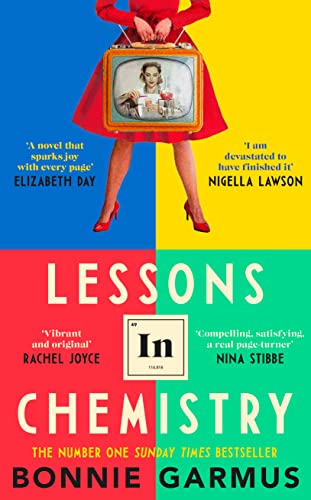
Lessons in Chemistry by Bonnie Garmus

This was a simply wonderful book! Bonnie Garmus’s novel tells the story of brilliant chemist Elizabeth Zott, battling against sexism and social prejudice in 1960s America. Along the way, she accidentally becomes a hugely popular – if reluctant – TV chef with her show Supper at Six, as well as a rower and a mother. The novel also features the most amazing canine character I’ve ever read about.

The novel deals with themes of grief, identity, and a search for truth, all in an arch, wry style which keeps a vein of light in amongst the darkness. The odds are stacked against her – but Elizabeth Zott never gives up.

Gone by Michael Grant

I love a good young adult dystopia, and Michael Grant’s Gone series had me gripped this summer. Set in the fictional town of Perdido Beach, California, the story begins when, without warning, the town is suddenly surrounded by an impenetrable dome which seals it off from the outside world. Inside the dome, every person over the age of 15 has vanished – “gone.”

What follows is reminiscent of Lord of the Flies, as the young people attempt to survive without adult supervision. But there’s a sci-fi twist, as several of the young people begin to develop strange superpowers – the ability to cancel gravity, to create visions, to heal, to teleport and to shoot light from their hands. Are the powers and the dome connected? And what lurks at the bottom of the abandoned mine?

Michael Grant doesn’t pull any punches in the pages that follow. His unflinching style takes in mental health issues, violence, religion and sex; and although it’s a young adult series, there are some horrific moments of brutality and gore. If you can manage those moments, it’s a thought-provoking, page-turning read. I enjoyed it – and devoured the other five books in the series (Hunger, Lies, Plague, Fear and Light) as hungrily as a flesh-eating caterpillar.

To Paradise by Hanya Yanagihara

Hanya Yanagihara’s previous novel, A Little Life, is one of the most unforgettable books I have ever read. I was really excited to read her follow-up, To Paradise – and although I wasn’t sure what to expect, it certainly wasn’t this! The novel tells three separate stories, all set in and around the same building in Washington Square Park, in Greenwich Village, New York. The stories – set in fictionalised and imagined versions of America in 1893, 1993 and 2093 – all feature characters with the same names, weaving themes of love, loyalty and family through the ages.

It’s a novel of breath-taking ambition and scope. The characters didn’t quite land as memorably as those from A Little Life, and I found the fact that they were all called the same names a bit confusing. Having said that, the story was compelling and bold, and the sheer imagination of the invented pasts and future was staggering.

Fire and Blood by George RR Martin

I am a big Game of Thrones fan – both the books and the TV series (except the last season – the less said about that the better). I was very excited about the new House of the Dragon TV series this autumn, and stole this book from my eldest son to try and catch up on the history of Westeros from the arrival of Aegon the Conqueror, through the Dance of the Dragons and beyond.

The story is told through the voice of an imaginary maester of the Citadel, attempting to piece together the history from sources of various reliability and bias. This is almost as much fun as the story itself, with its dragonlords and warrior queens, scheming, intrigue and corruption. The narrative voice gives an extra layer of realism to Martin’s fantasy world, and you still find yourself rooting for the various horrible (and occasionally not-so-horrible) characters who live there.

I found myself reading along with the events of House of the Dragon, and enjoyed both the book and series equally fantastic.

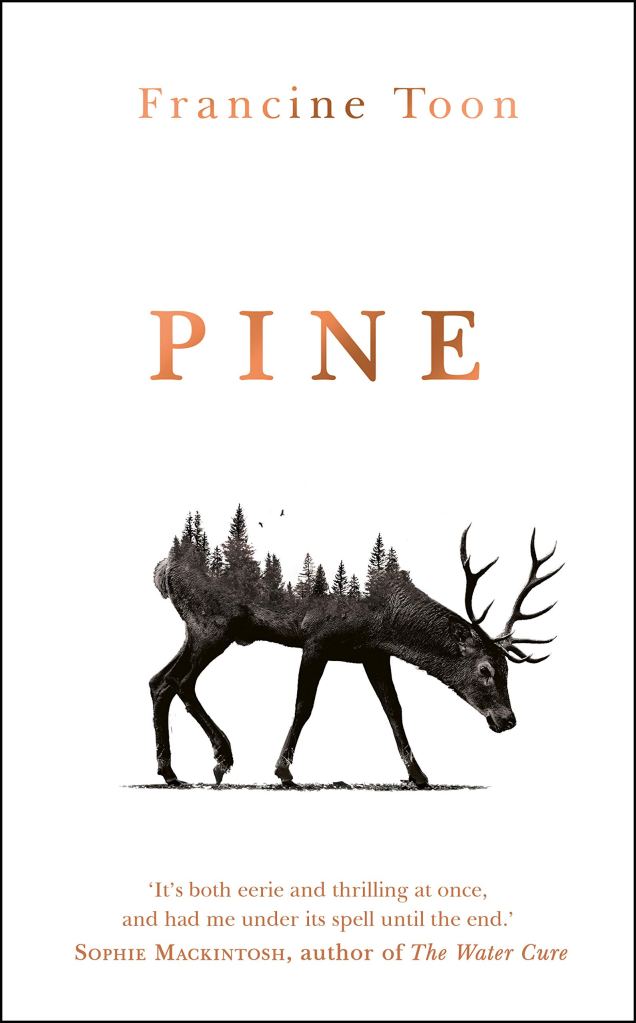
Pine by Francine Toon

I didn’t know what to expect from this book. I didn’t know the writer (I later discovered this is her debut novel) but my daughter had read an extract and I was intrigued. I was rewarded with a spooky ghost story, coupled with a murder mystery, set in the freezing, snowy wilds of the Scottish highlands.

The story is told through the eyes of Lauren, a young girl trying to manage the trials of growing up. She lives with her father, Niall, who has turned to drink in the absence of Lauren’s mother, who disappeared a decade earlier.

Mysterious figures appear and vanish, doors lock and unlock, and stones arrange themselves into patterns. When a local teenager goes missing, the mysteries and secrets in this small rural community assume a frightening urgency.

I found this story haunting and compelling in equal measure. I’ll look out for what Toon writes next!

The Promise by Damon Galgut

I always like to see what the Booker Prize judges see in the novels on their shortlist – and especially those they choose to win each year. Damon Galgut’s The Promise was a gem of a read. The novel spans four decades as the Swart family gather for four successive funerals at their farmstead in Pretoria, South Africa. Ma Swart, the mother of the white family, makes a promise to the black woman who has served her family on her deathbed – that she will own the house and land she has lived in. As the years roll by, and South Africa changes in the background, death takes further members of the family and the promise goes unfulfilled.

The younger memories of the family, Anton and Amor, reject the old, racially segregated South Africa their white family stands for, breaking with the past with a determination to right the wrongs of their predecessors.

What struck me most about this novel was the free-flowing prose style, which flows and follows the thoughts of the characters in twisting flights of fancy and imagination. The plot frequently hangs suspended and unresolved as the characters’ thoughts take us on pages-long detours – but, in the end, it is Amor’s story that stayed with me.

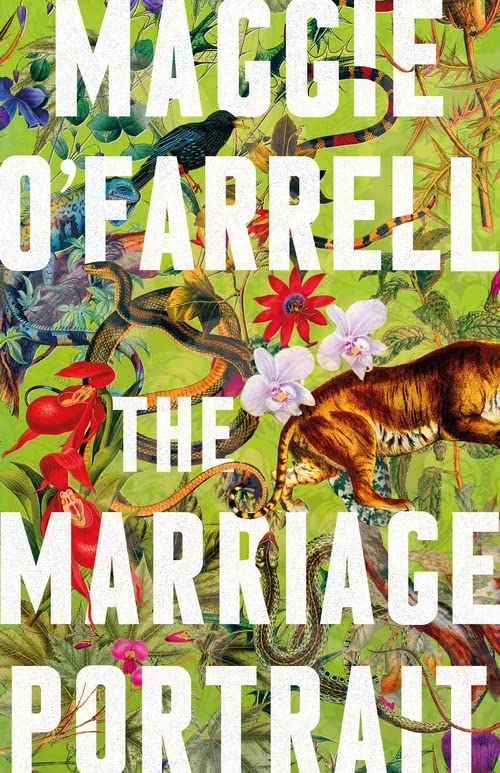
The Marriage Portrait by Maggie O’Farrell

Maggie O’Farrell’s Hamnet was one of my favourite reads of 2021, so I was really looking forward to her next novel when I unwrapped it on my birthday this September. This novel, set in Renaissance Italy, is shaped around the lady described by the callous and powerful Duke in the Robert Browning poem “My Last Duchess.” O’Farrell wonders who this Duchess might have been, how did she end up being the Duke’s “last” Duchess, and who painted this portrait that now hangs, behind a curtain, in his gallery?

The result is a compelling character – Lucrezia – herself a gifted artist, whose impassioned and ferocious inner life is rendered all the more powerful by the fact that she has to hide it to survive, before and after her marriage to Alfonso, Duke of Ferrara. She is an unreliable narrator, so you are always left wondering whether her perception of events and characters around her is accurate or not, as she is never in possession of the full picture.

I found O’Farrell’s style in this novel even more spectacular than her previous work, with the passages early in the book describing Lucrezia’s wedding some of the most stunning I have read this year. The narrative is controlled with a subtlety and deftness of touch of a true genius, the imagery is rich and layered, and I could feel the heat of the seventeenth century Italian sun beating up at me off the pages. Brilliant.