Ten years at Churchill

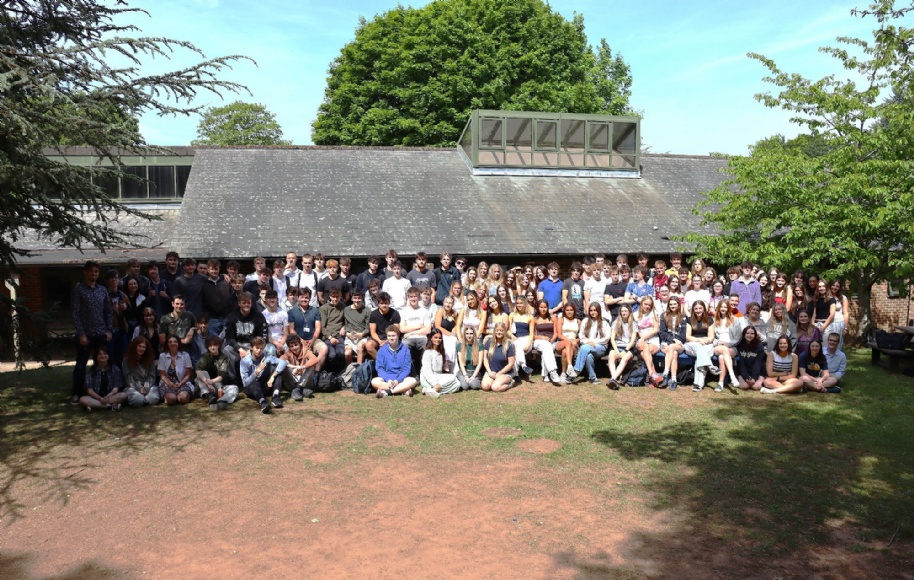
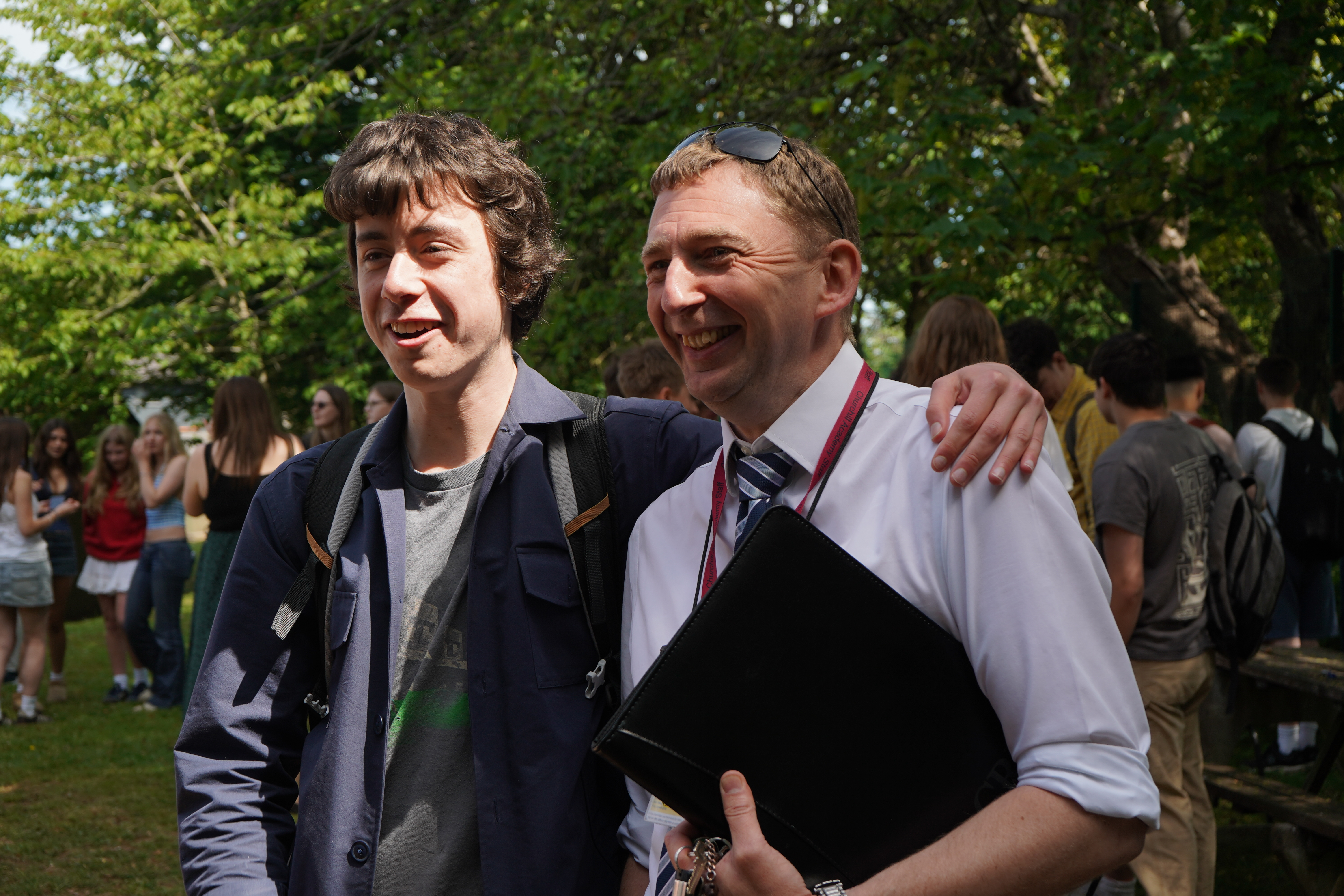
January 2026 marks the tenth anniversary of my first day at Churchill Academy & Sixth Form. My first post on The Headteacher’s Blog was published on January 12th 2016 – along with a photograph of a much younger looking me!
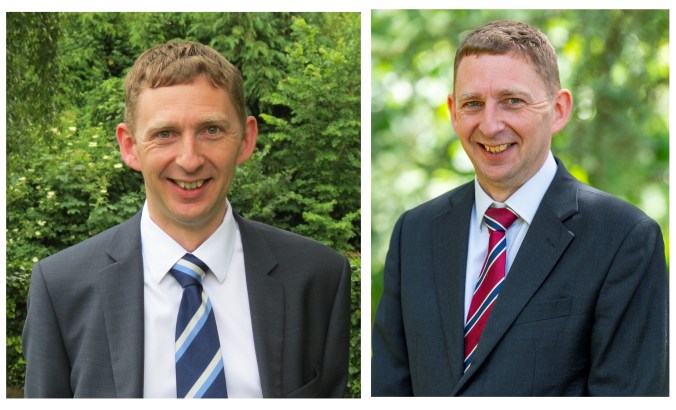
2016 and 2026 – still smiling!

The past decade has been a rollercoaster ride. I can honestly say that taking on the Headship at Churchill was the best decision I ever made. Here are some of my strongest memories of the past ten years.

Our vision, purpose and values

One of the first things I worked on with the staff, students and governors at the Academy was thinking about the question: “why are we here?” I wanted to think carefully about what our school was for, what we believed in, our purpose and our values. The process took the best part of my first full year as Headteacher, and resulted in the adoption of our current values of kindness, curiosity and determination in July 2017, underpinning the Academy’s vision and purpose which were generated at the same time:

  • To inspire and enable young people to make a positive difference
  • To set no limits on what we can achieve

This careful, thoughtful work in 2016-17 has steered us well through times of challenge and times of success in the years that have followed, and will continue to guide us into the next decade.

Changes to the Academy Site

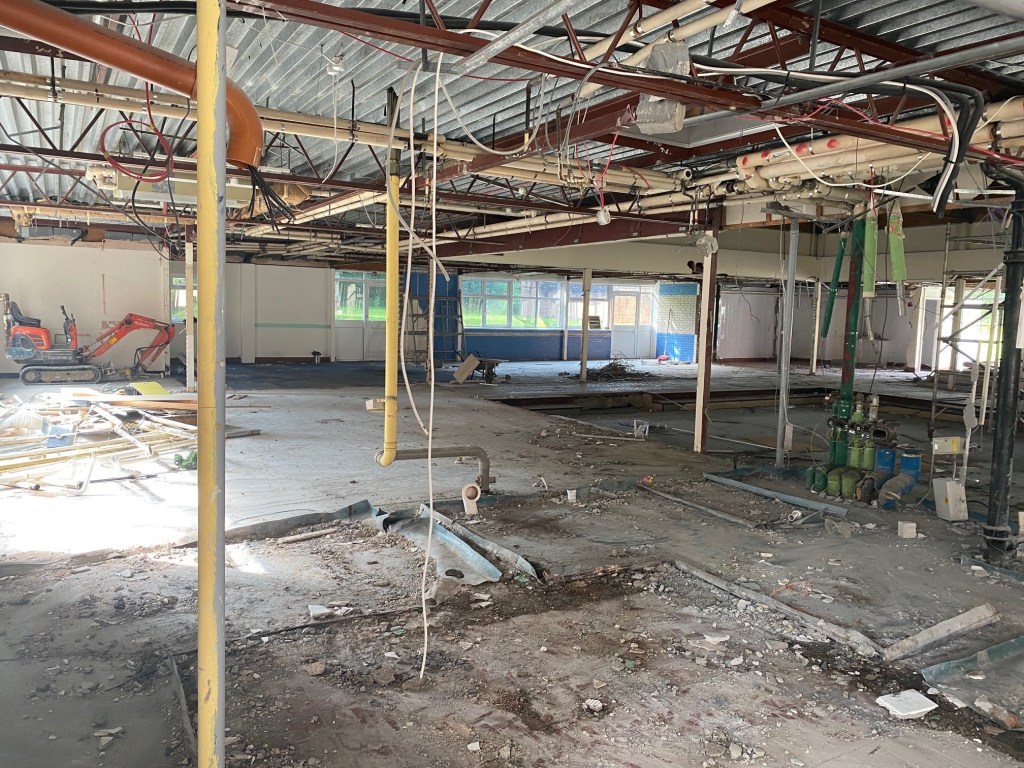
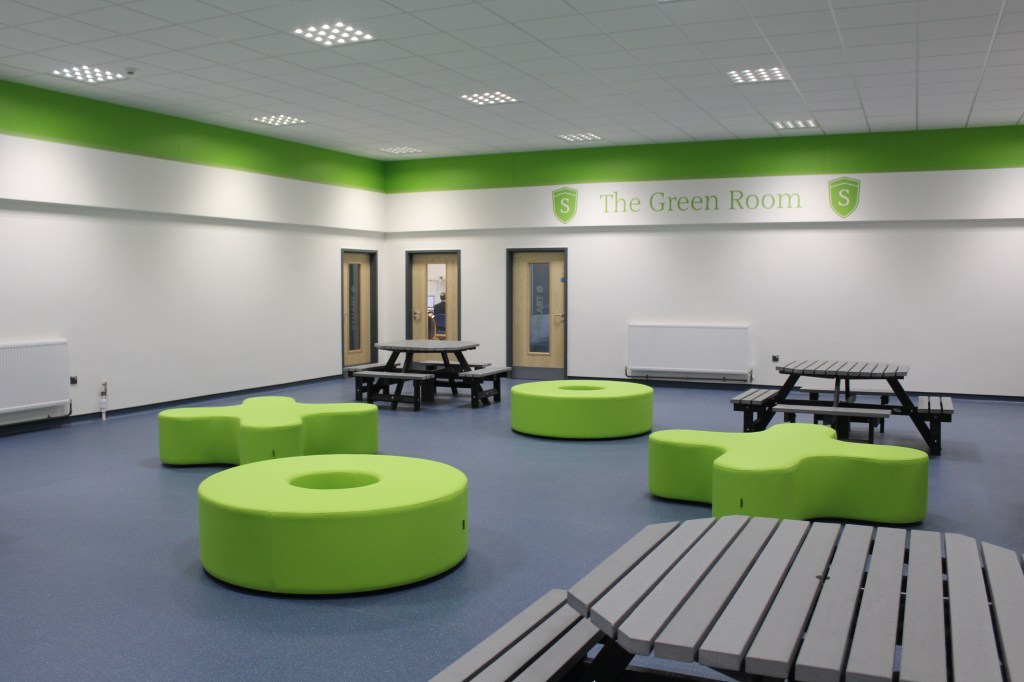
The school I inherited was in a state of some disrepair. The buildings were old, inefficient, and not fit for purpose in delivering a modern, effective education. My predecessor had begun the process of bidding for funding to replace existing buildings, and the first five years of my Headship were very much preoccupied with funding bids, architects’ plans, hard hats and building works. Over the past ten years we have:

These projects have seen close to £20 million invested in the site. The result is a modern, effective learning environment for our students. Our campus is quite transformed and – whilst we are used to it now – visitors who knew it “as it used to be” are often stunned by the changes!

A fifth house

When Churchill was founded in 1956, it had four houses – Hanover, Stuart, Windsor and Tudor – named after the royal houses of England. In 2019 we planned to introduce a fifth house to enable more tailored pastoral care and guidance to be provided and to assist with the organisation of the Academy. And so, Lancaster House was born, coming into being in September 2020 and going on to win Sports Day and the House Cup in summer of 2023. It’s now hard to imagine the Academy without Lancaster House!

Pandemic days
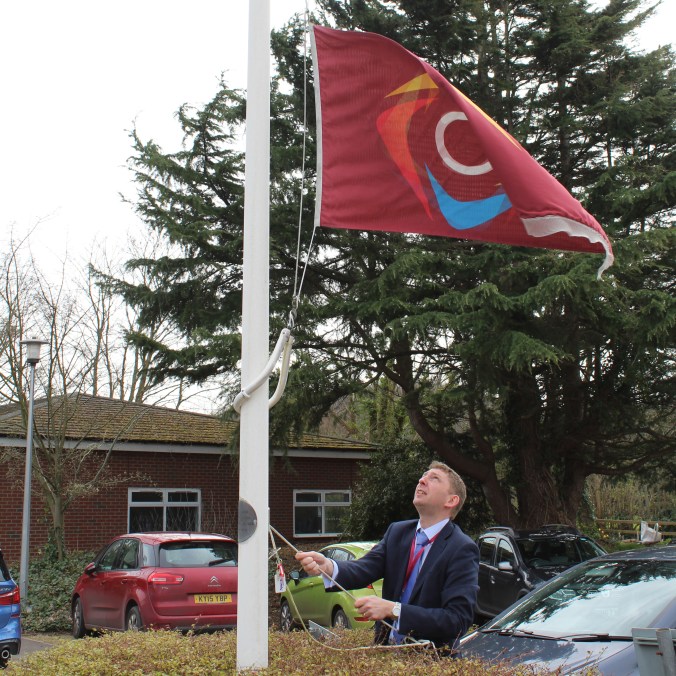
The COVID-19 pandemic was the most significant challenge our school, our country and our planet has faced this century. I look back now on those hectic days of March 2020 as if they were from another lifetime, as we scrambled to keep everyone safe and maintain education as the country locked down. My most vivid memories of that final day before lockdown are of lowering the Academy flag, and then walking the silent, deserted corridors of the school, uncertain about the future, but confident that we would find a way. Somehow.

And we did. We learned a lot about online learning, about the importance of connection, and about how essential community is to our success. We learned that amazing things can happen when we work together with a clear plan – and that a lack of a clear plan is a recipe for disaster. And we are still learning that the pandemic has left a long tail of challenges in our society, our economy, in education, and in the wellbeing of our young people that we are still wrestling with today.

But my overriding memory of that time is how proud I am of the staff, students, and families in our Academy community, who pulled together and achieved amazing things in the most challenging of circumstances.

Performances

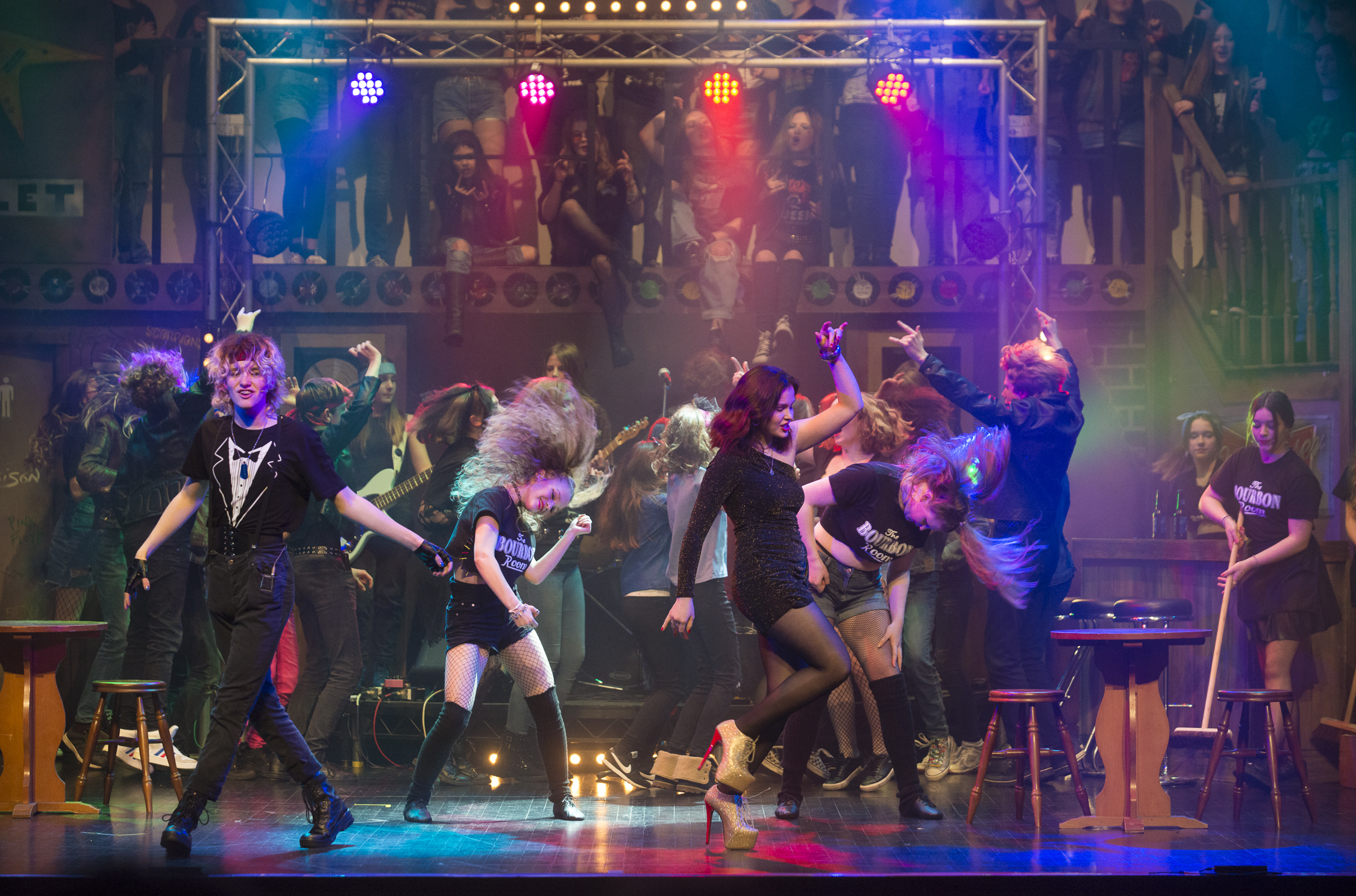
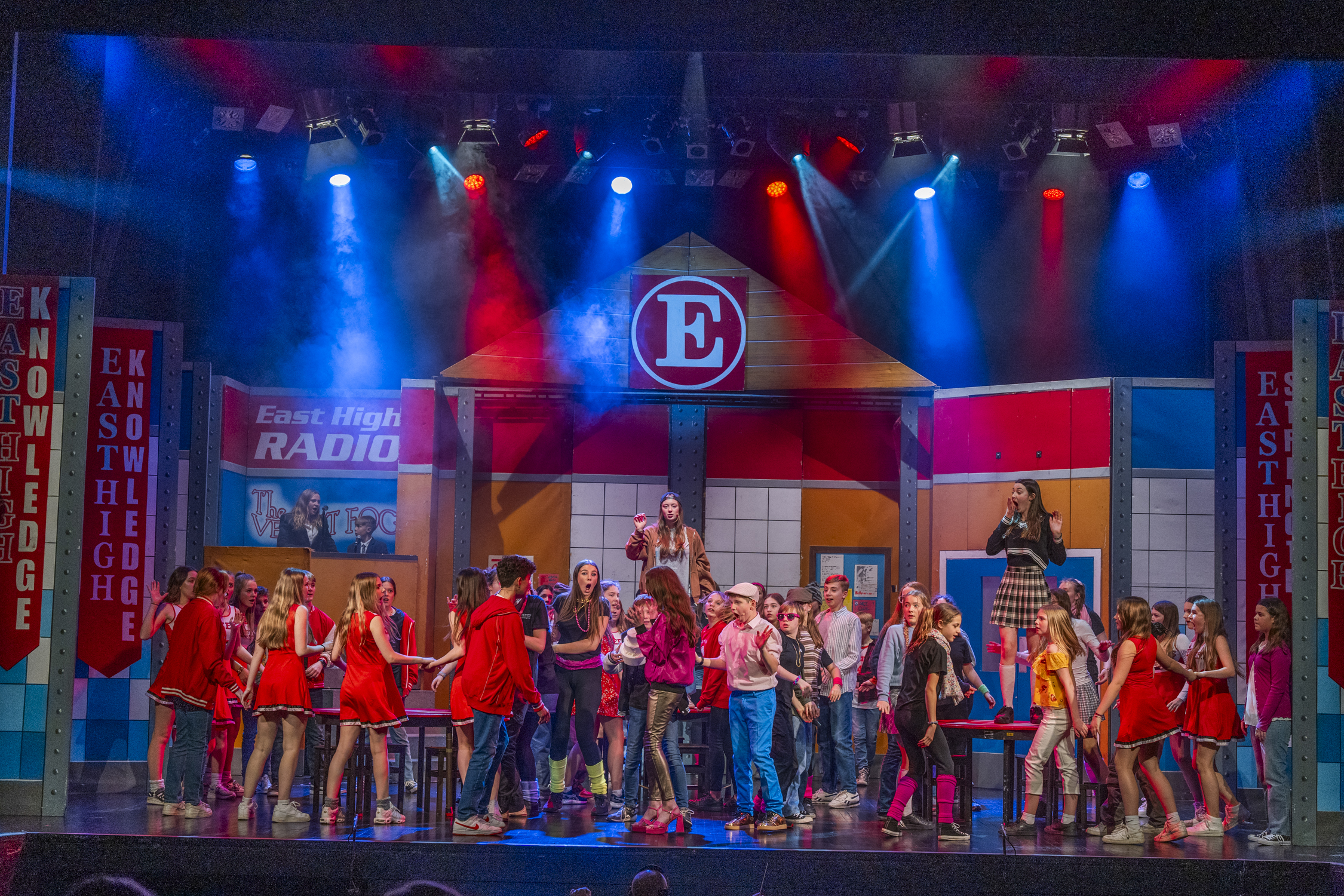
Even before I started as Head at Churchill, I knew the Academy had a reputation for the amazing performing arts. I was determined to ensure that the culture of performance continued to thrive, ensuring that Churchill bucked the national trend of schools where the arts were in decline. Through countless Young Musician of the Year Competitions, Strictly Dance Fevers, Dance Your Socks Off, Christmas, Spring and Autumn Concerts, showcases, and performances of West Side Story, Sweeney Todd, Singin’ in the Rain, Little Shop of Horrors, Rock of Ages, High School Musical, Heathers, Mamma Mia!, Bugsy Malone, We Will Rock You…it’s fair to say the performing arts are in rude health still!


Academy Events
There are lots of highlights in the Academy calendar that come round every year, that I always look forward to. I’ve done ten Sports Days, ten Activities Weeks, sponsored walks, Christmas end-of-terms, Celebrations of Success, Presentation Evenings, Open Evenings…I think we do these showpiece events better than anyone! And I always look forward to them, each and every year!

Adding to the school’s history
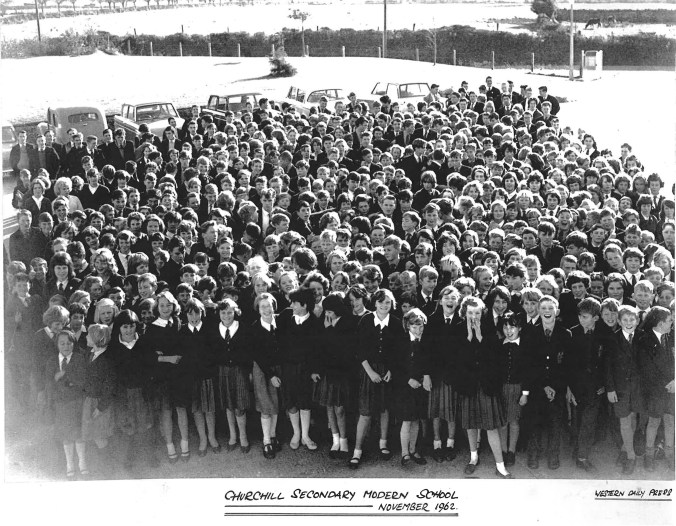
Each Headteacher is a steward of the school they lead. I inherited the School Log Book, giving details of the opening of the school on this site in 1957, and the archive of photographs and records that document its evolution. From Churchill Secondary Modern School, the school later became Churchill Community School, a comprehensive school, Foundation school, an Academy and, more recently, part of the Lighthouse Schools Partnership multi-academy trust. Each step on the journey has moved our school forward, and I’ve been proud to be part of that story.

Lessons learned

Over the course of the past decade, I have learned so much from the wonderful staff, students and families in our Academy community, and from the experiences of ten years in charge of the Academy. I’ve learned that the vision, values and purpose of our school are strong enough to lean on in the toughest of times, and powerful enough to drive us forward to ever greater success. I’ve learned that storms make oaks take deeper root, and that – together – we can achieve anything we put our minds to.

Here’s to the future!
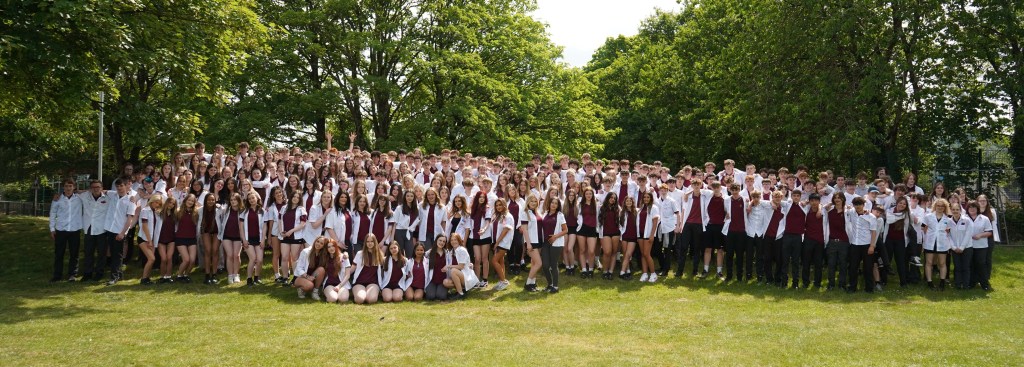
Year 11 Class of 2025

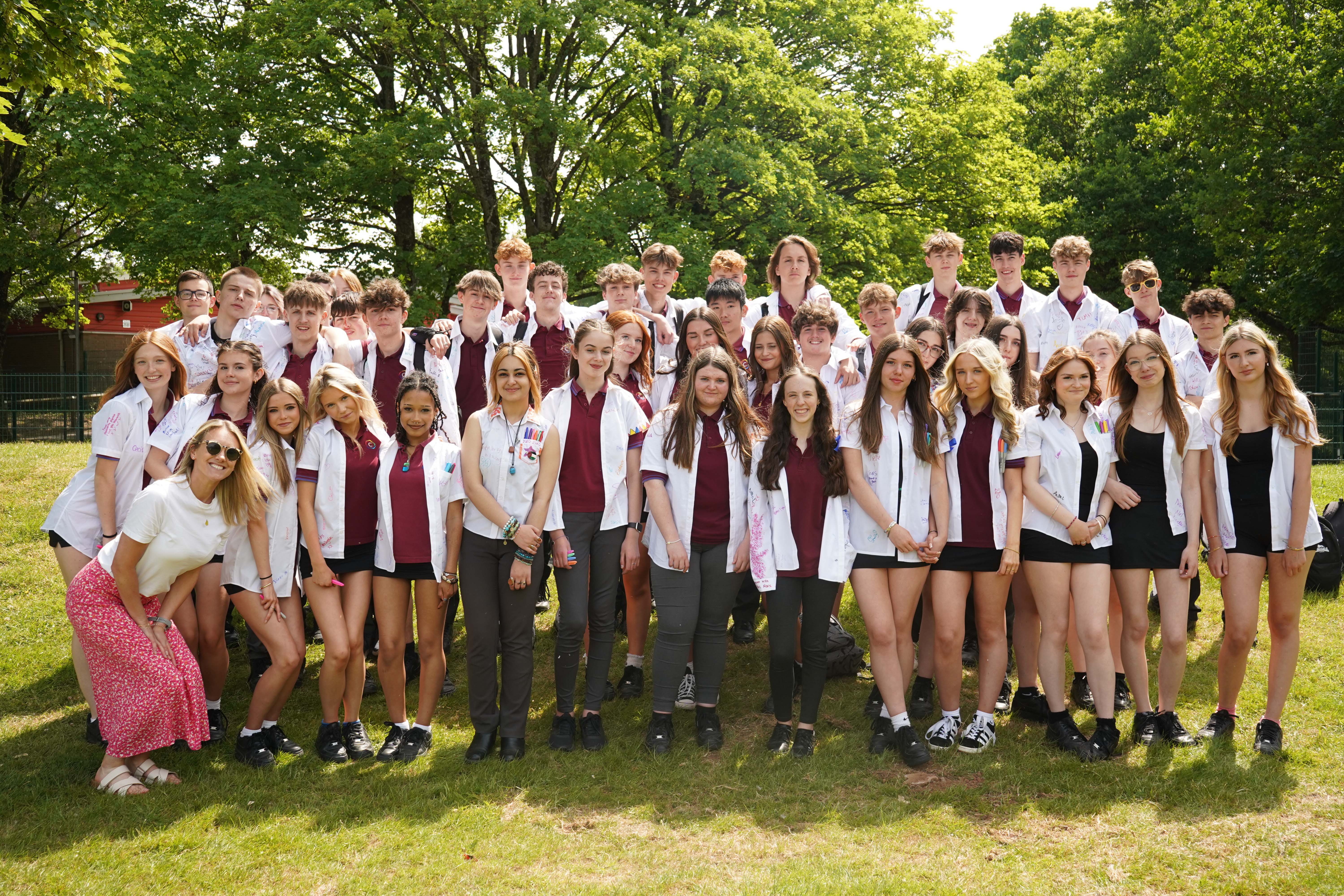
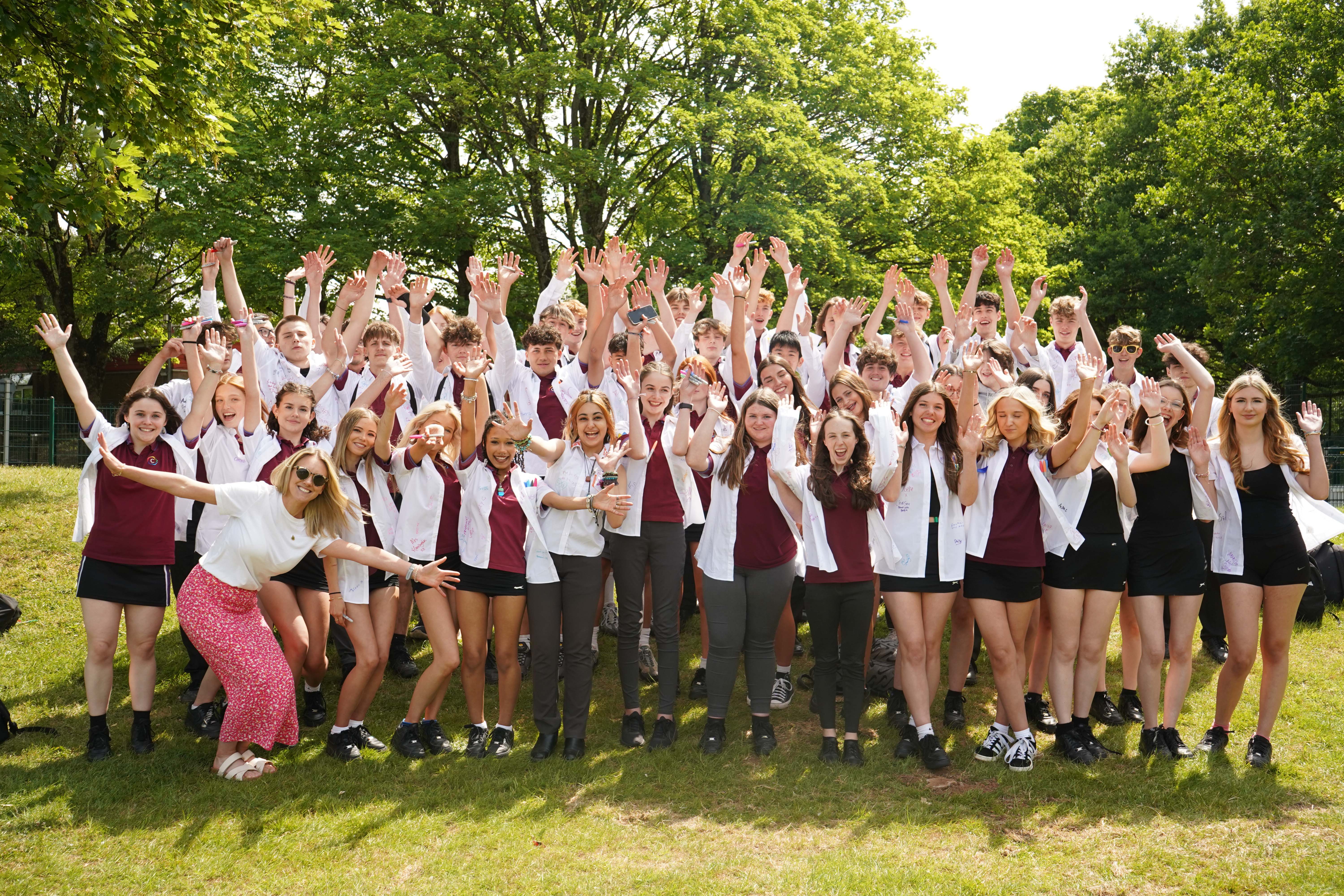
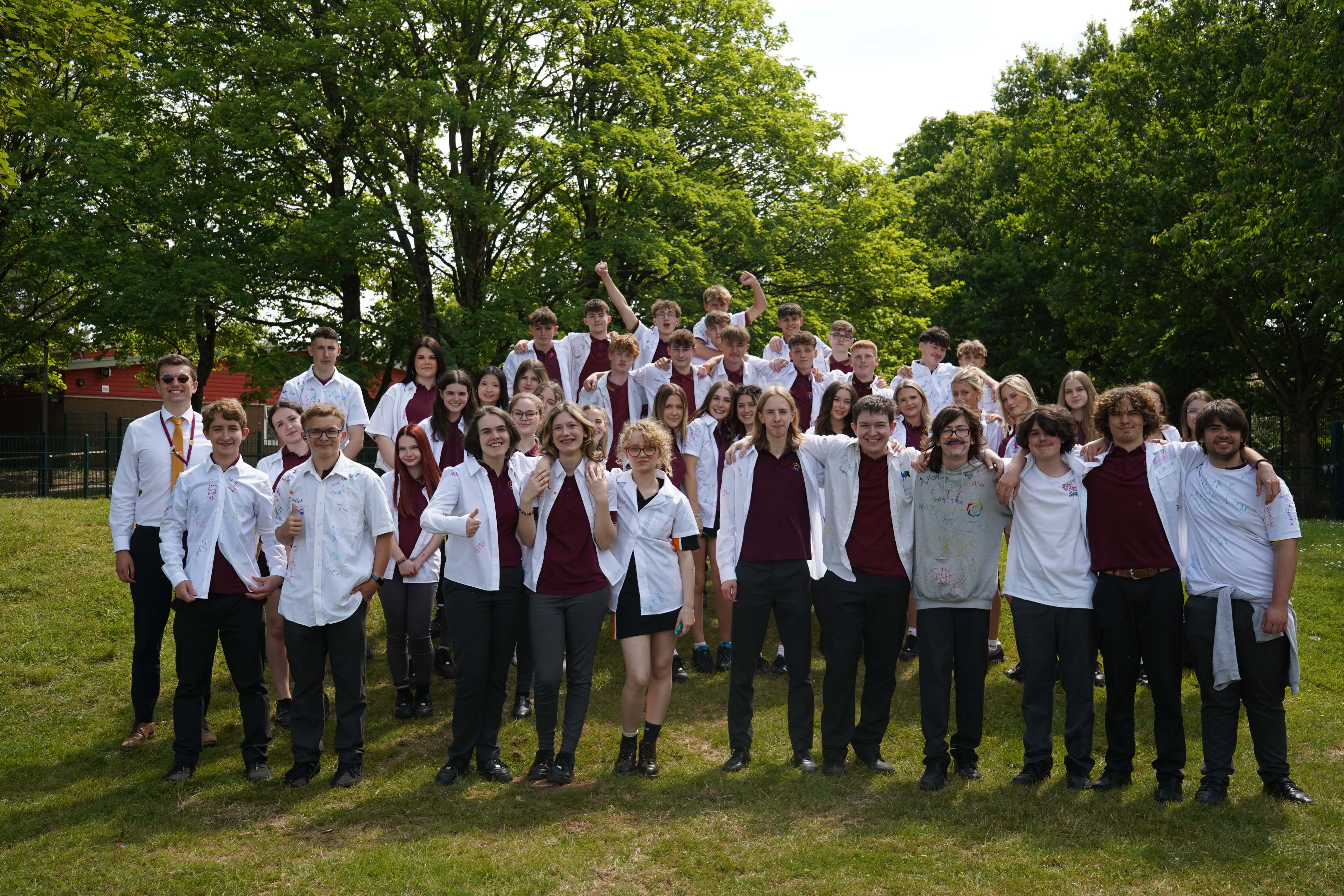
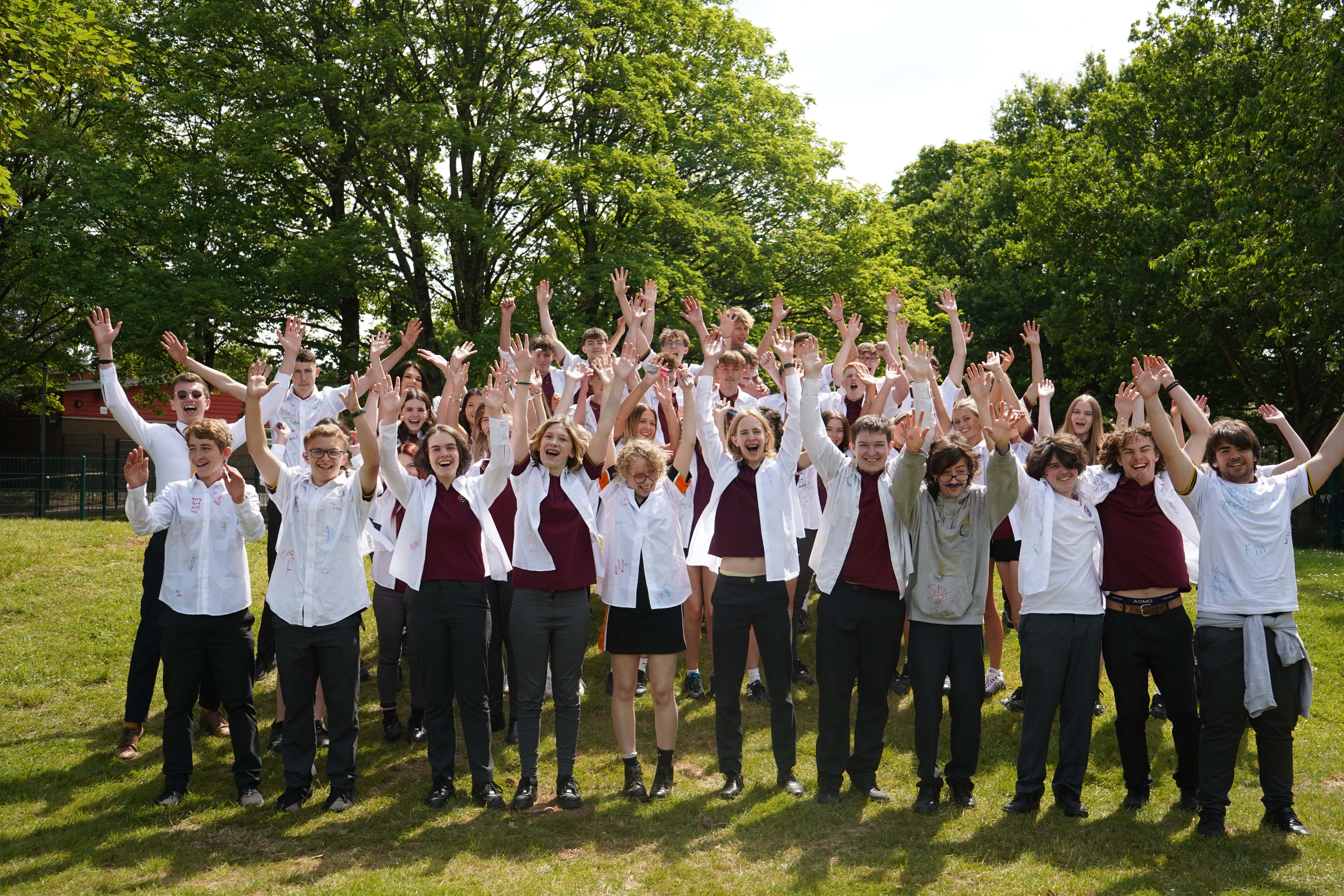
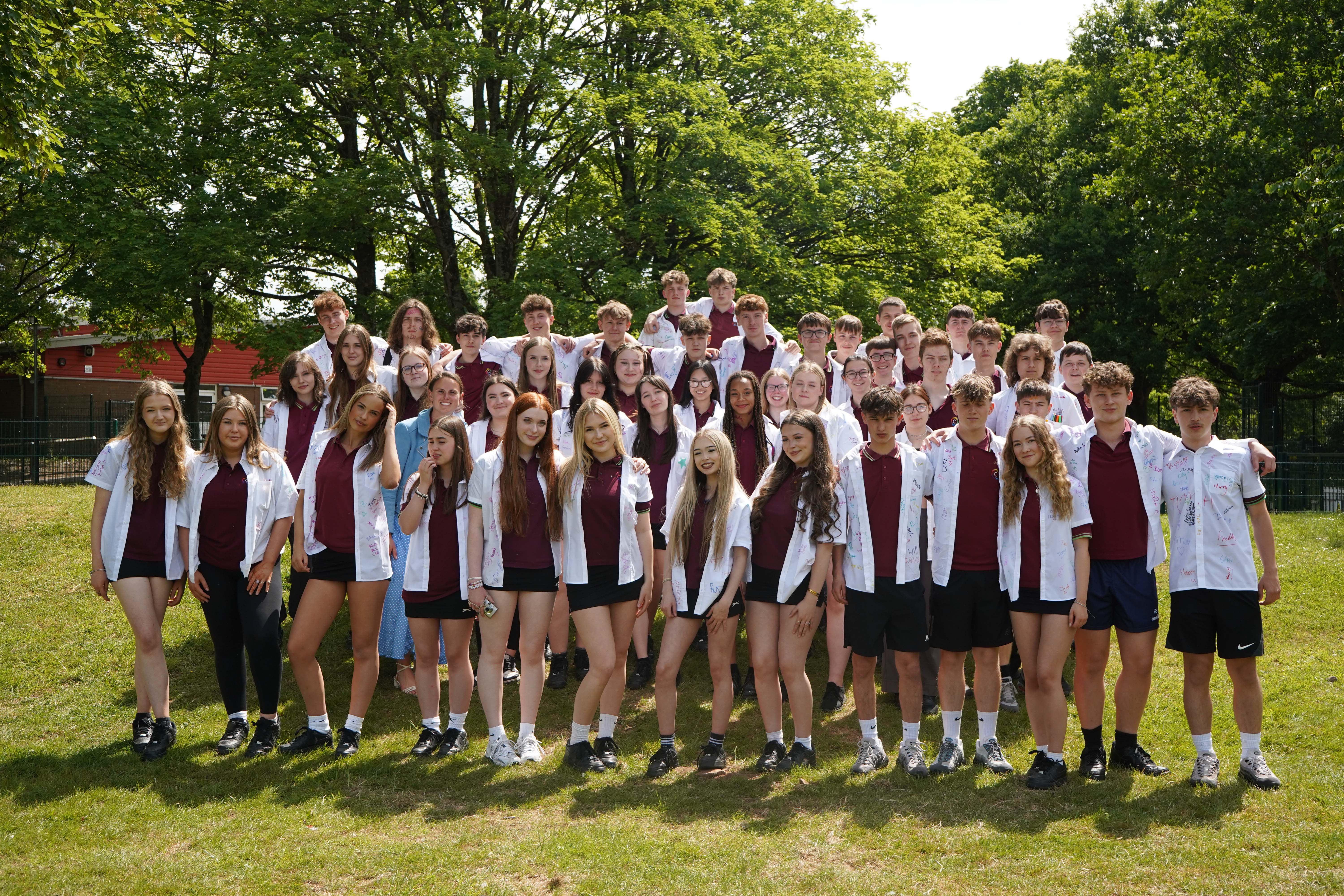
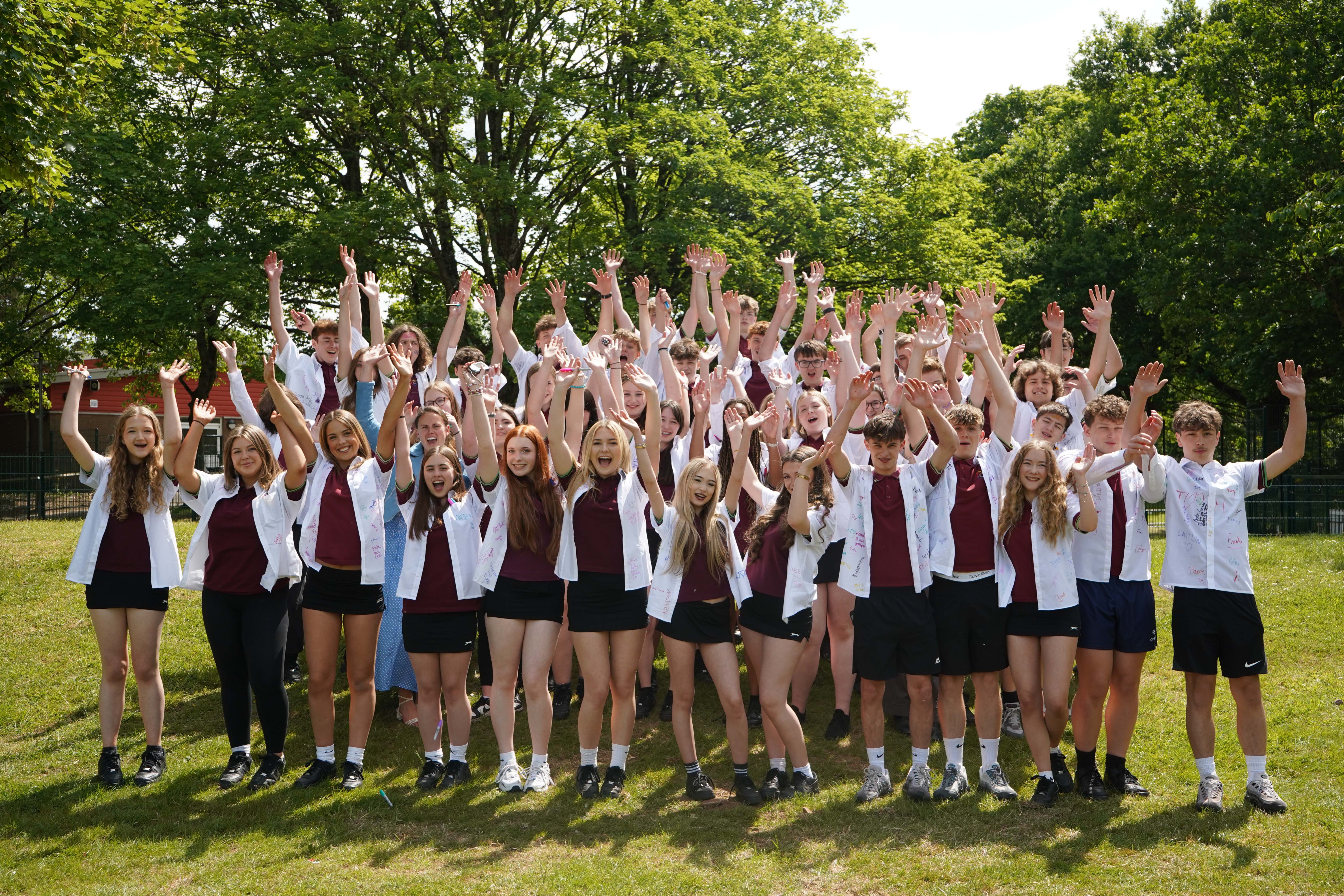
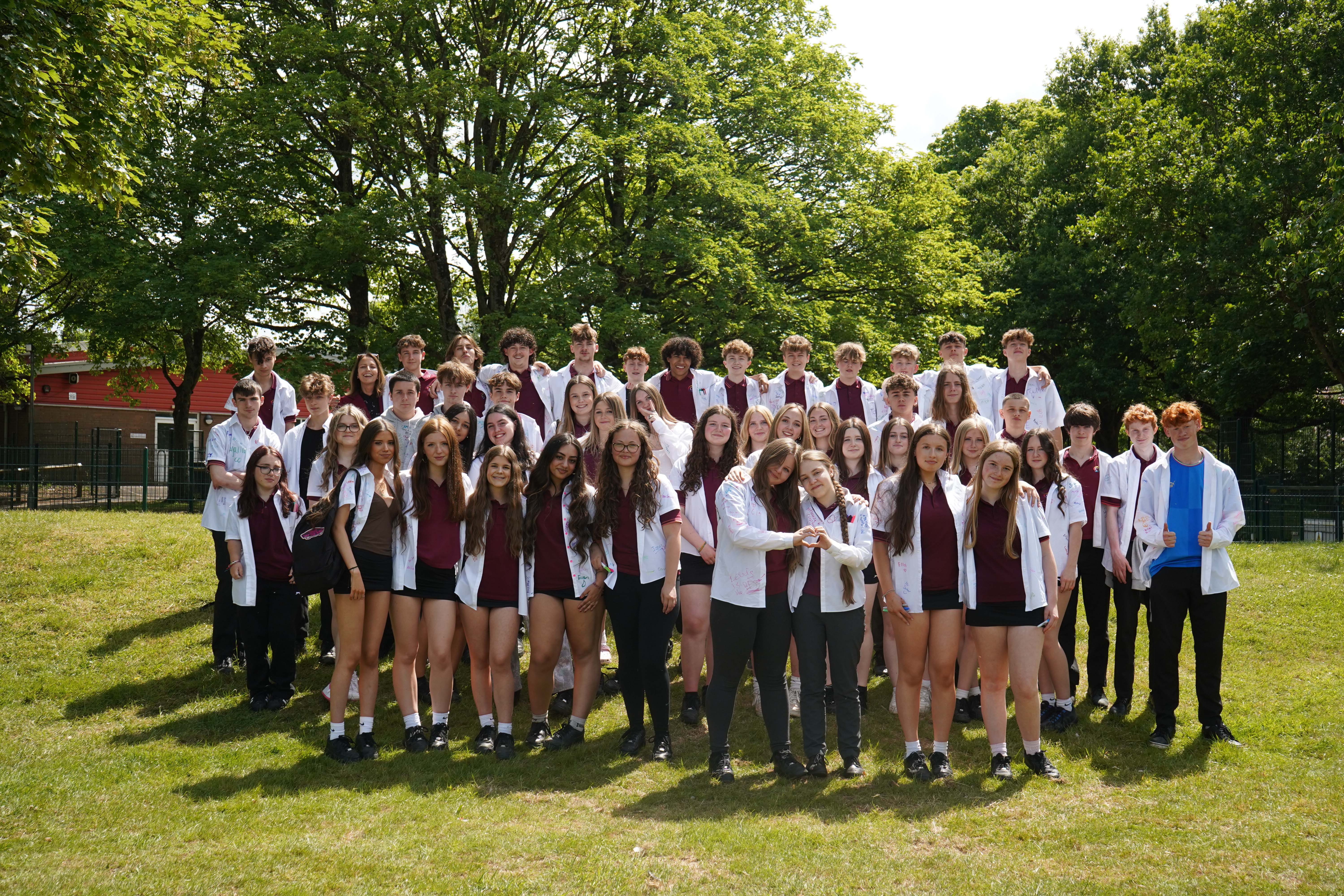
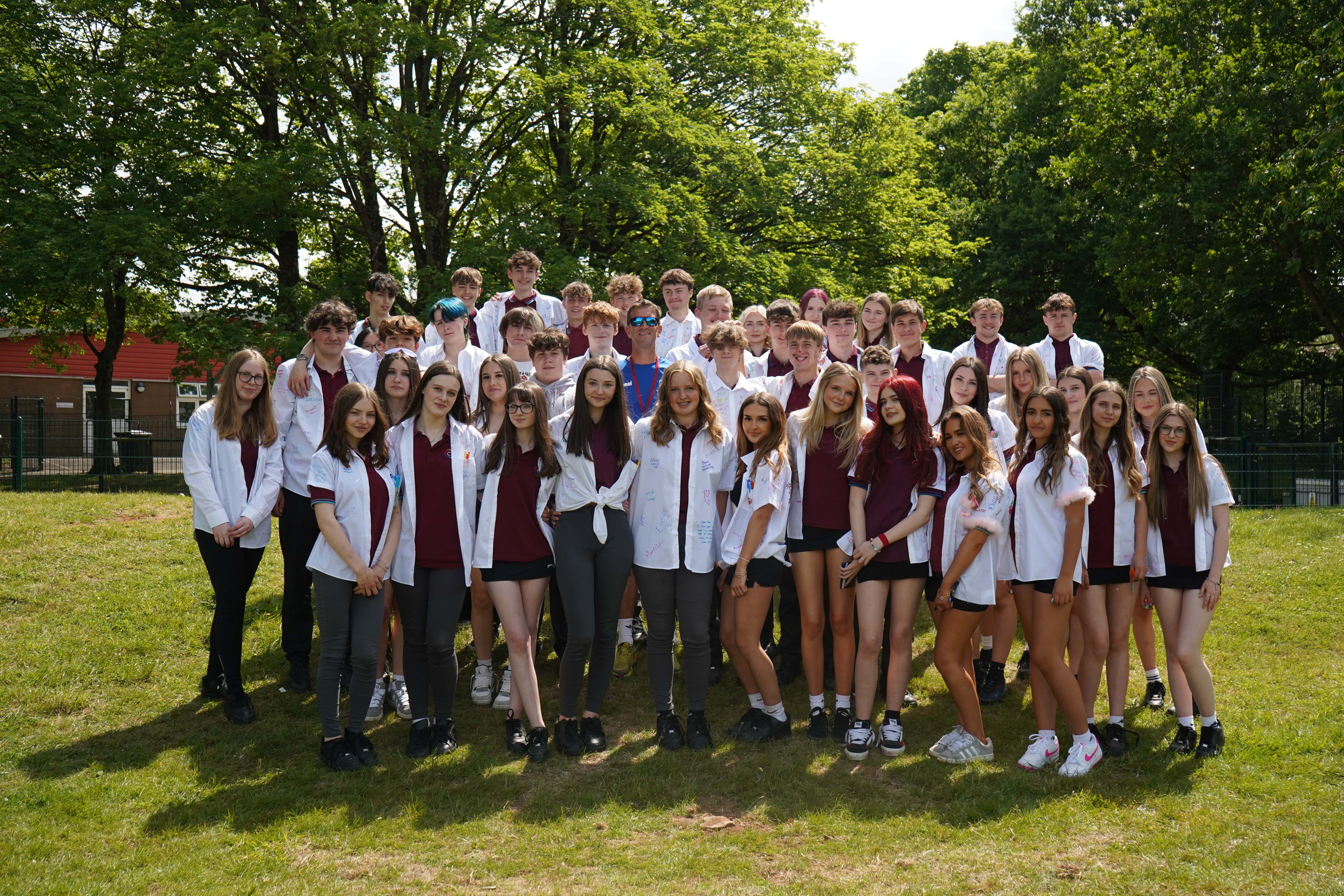
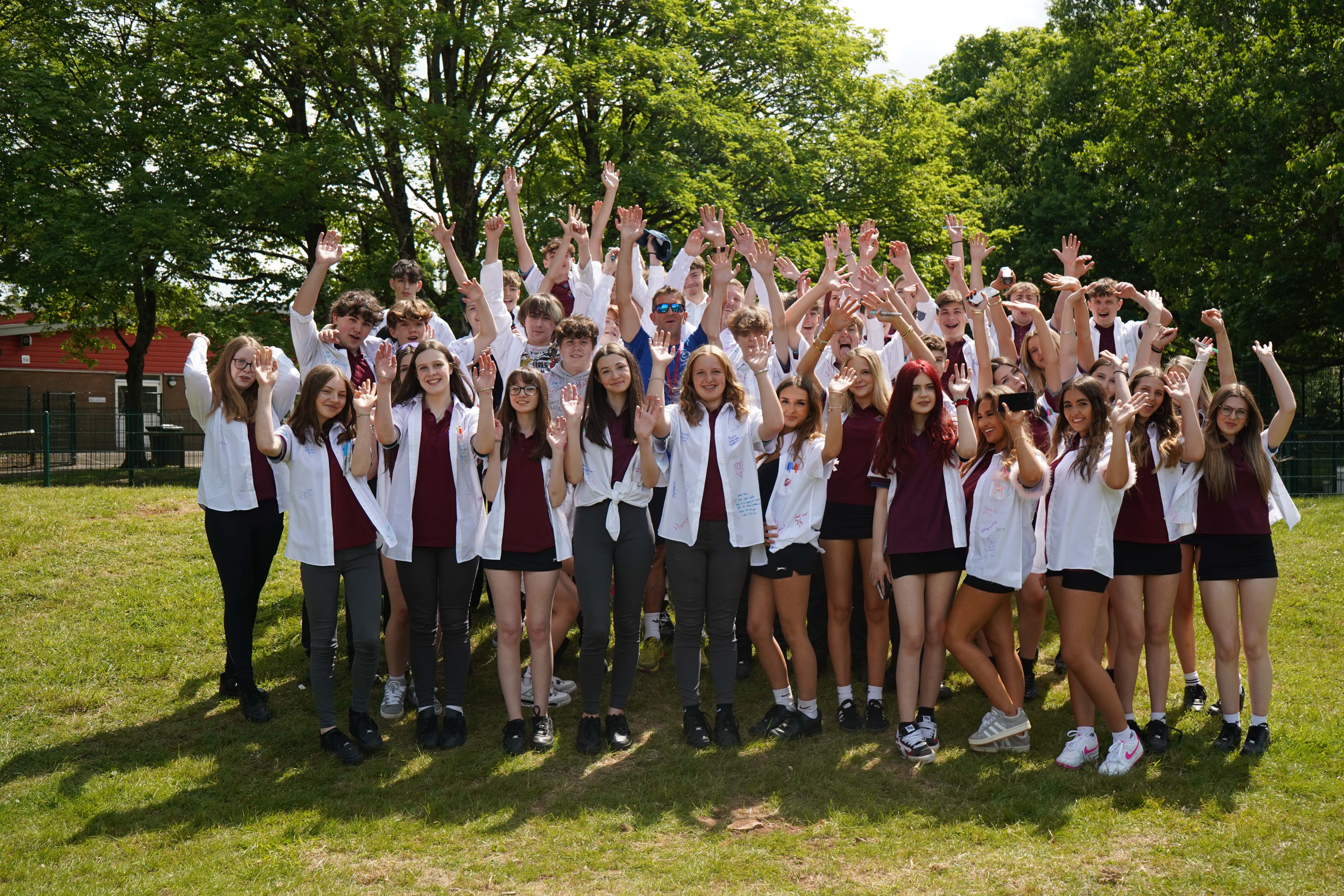
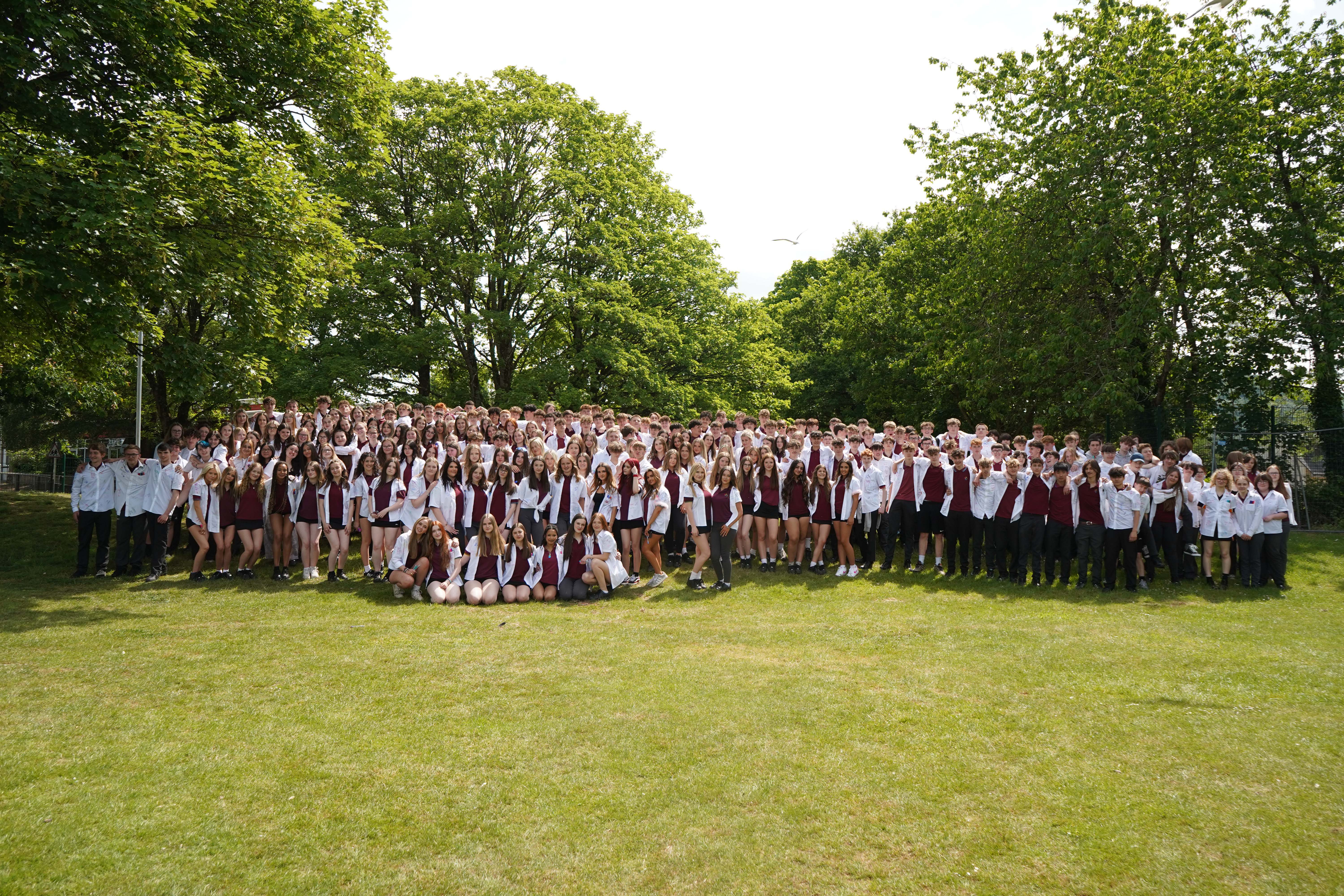
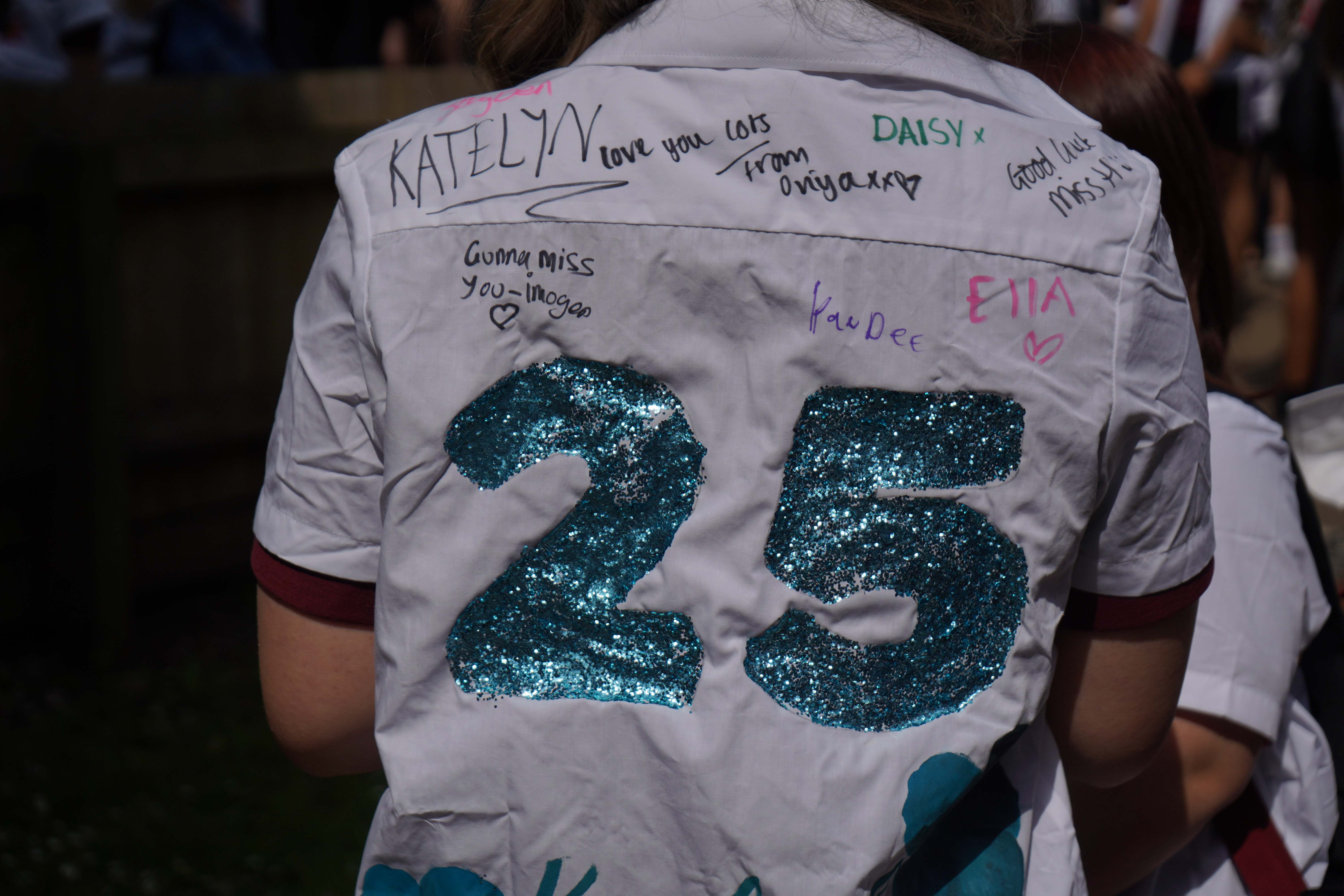
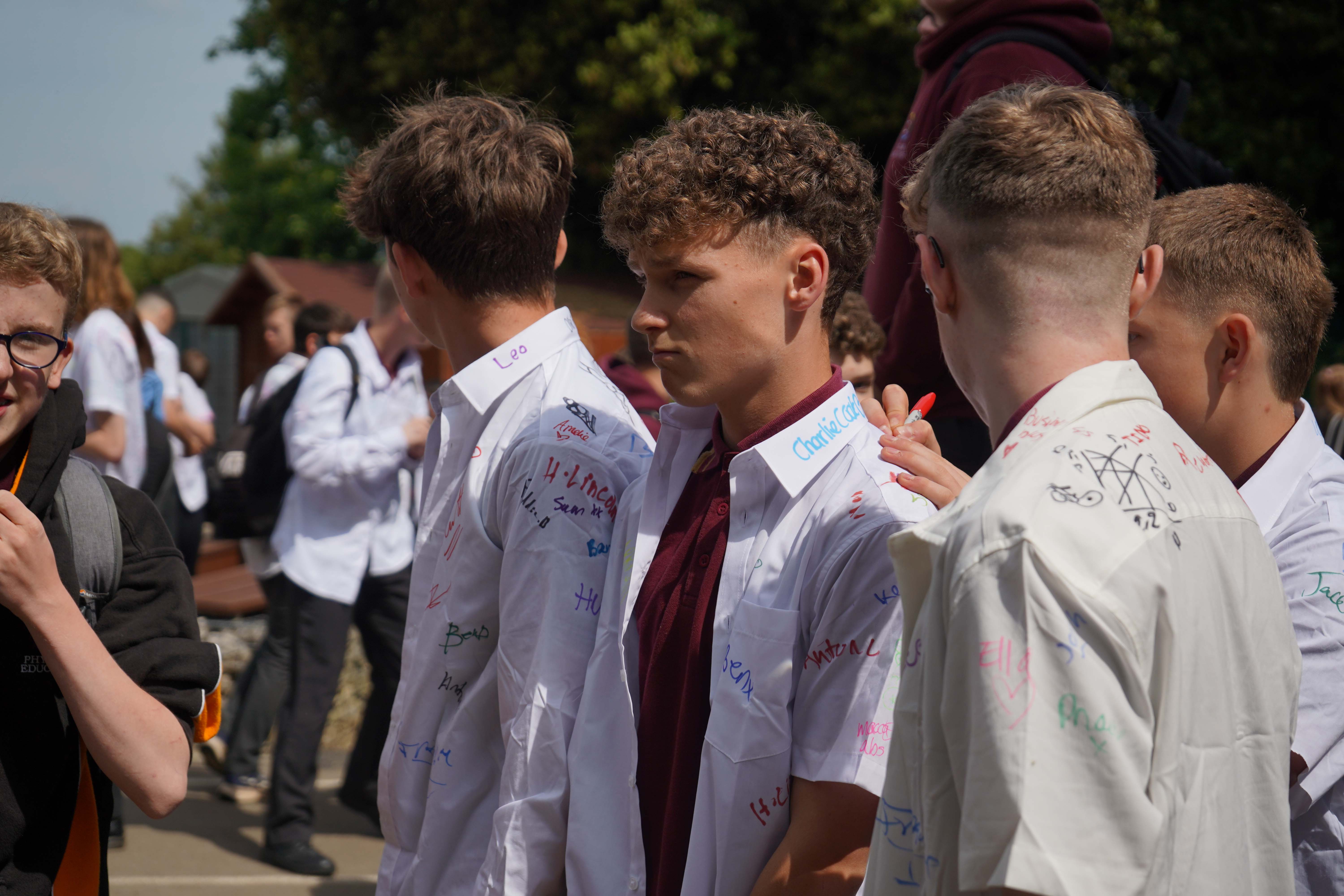
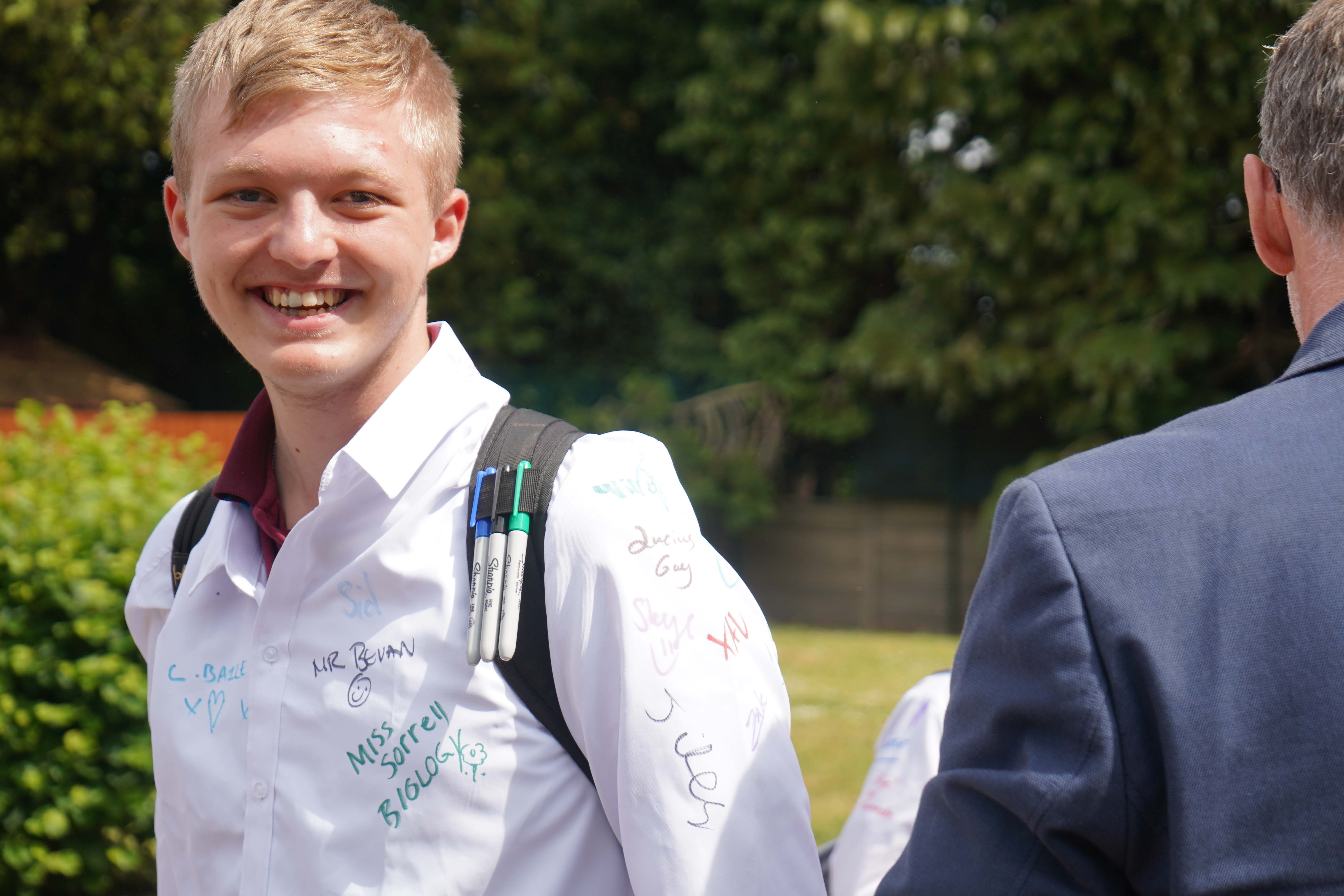
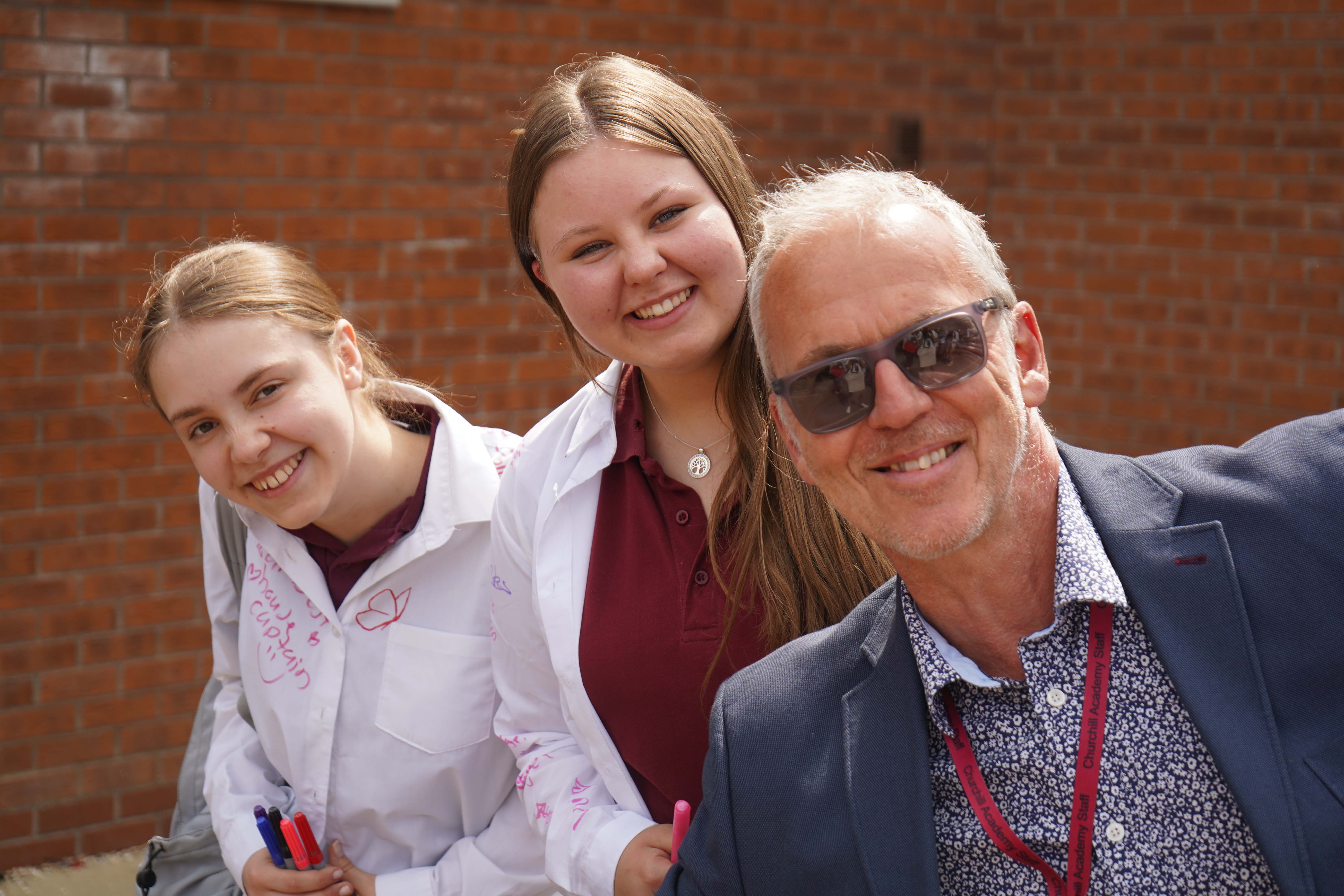
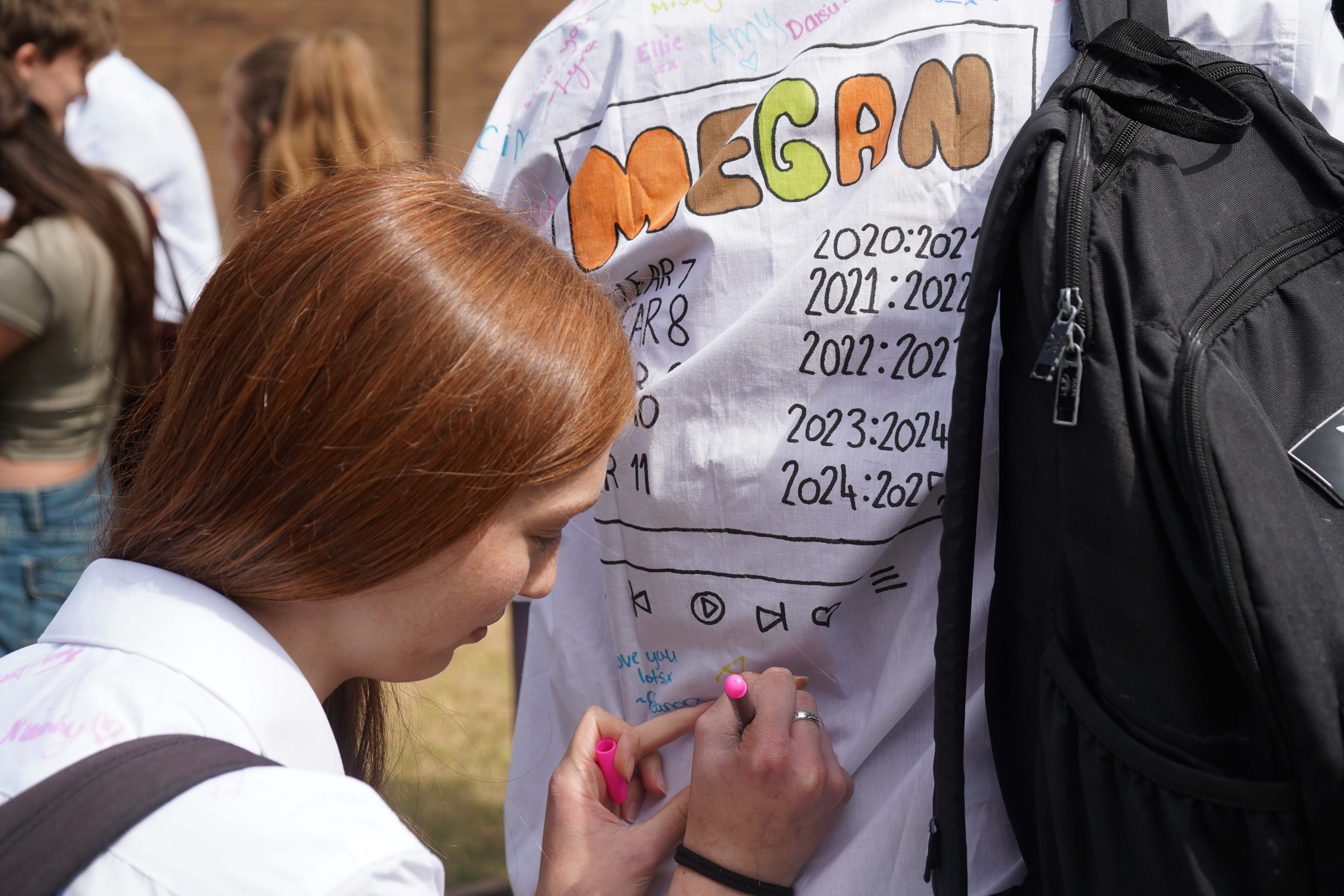
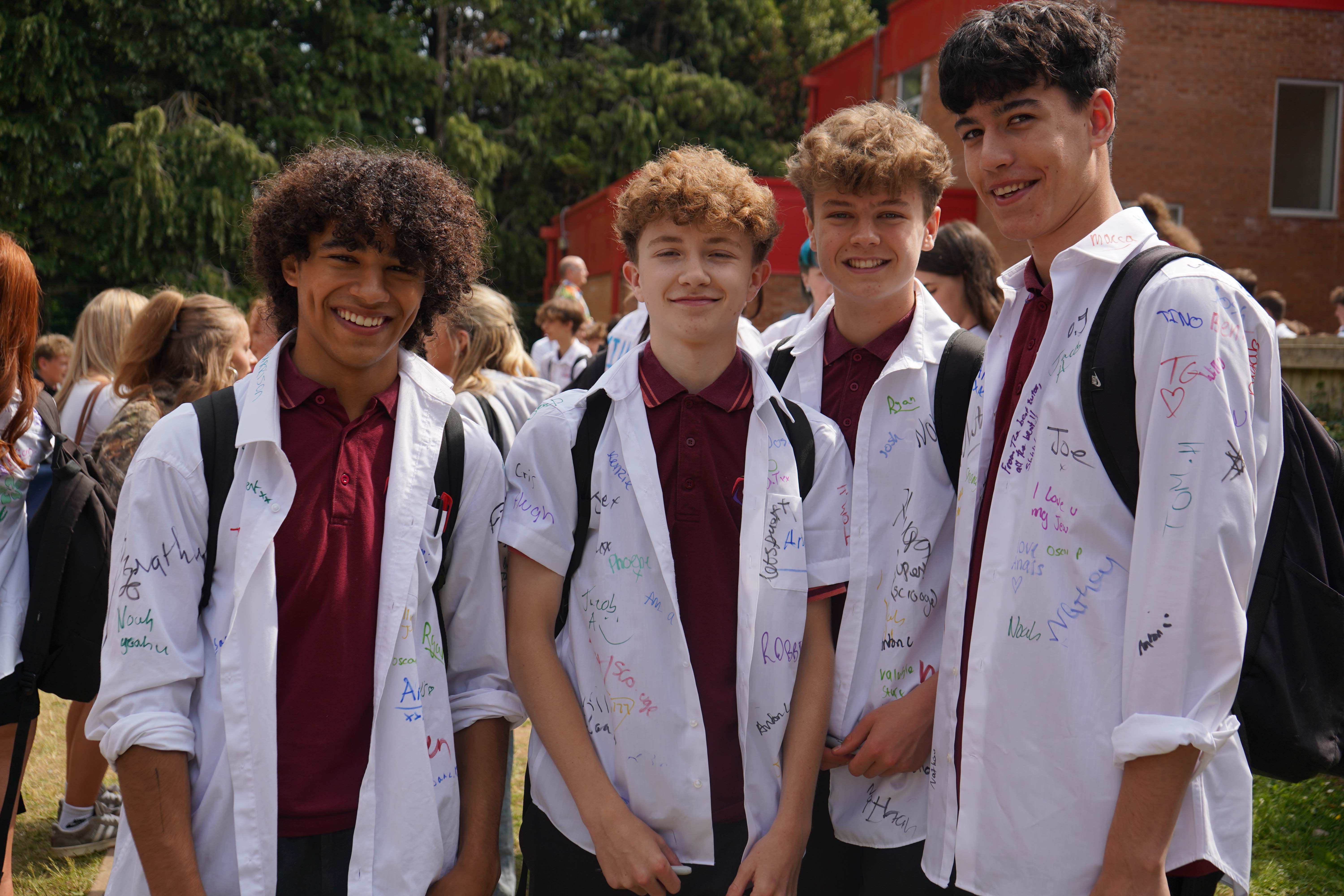
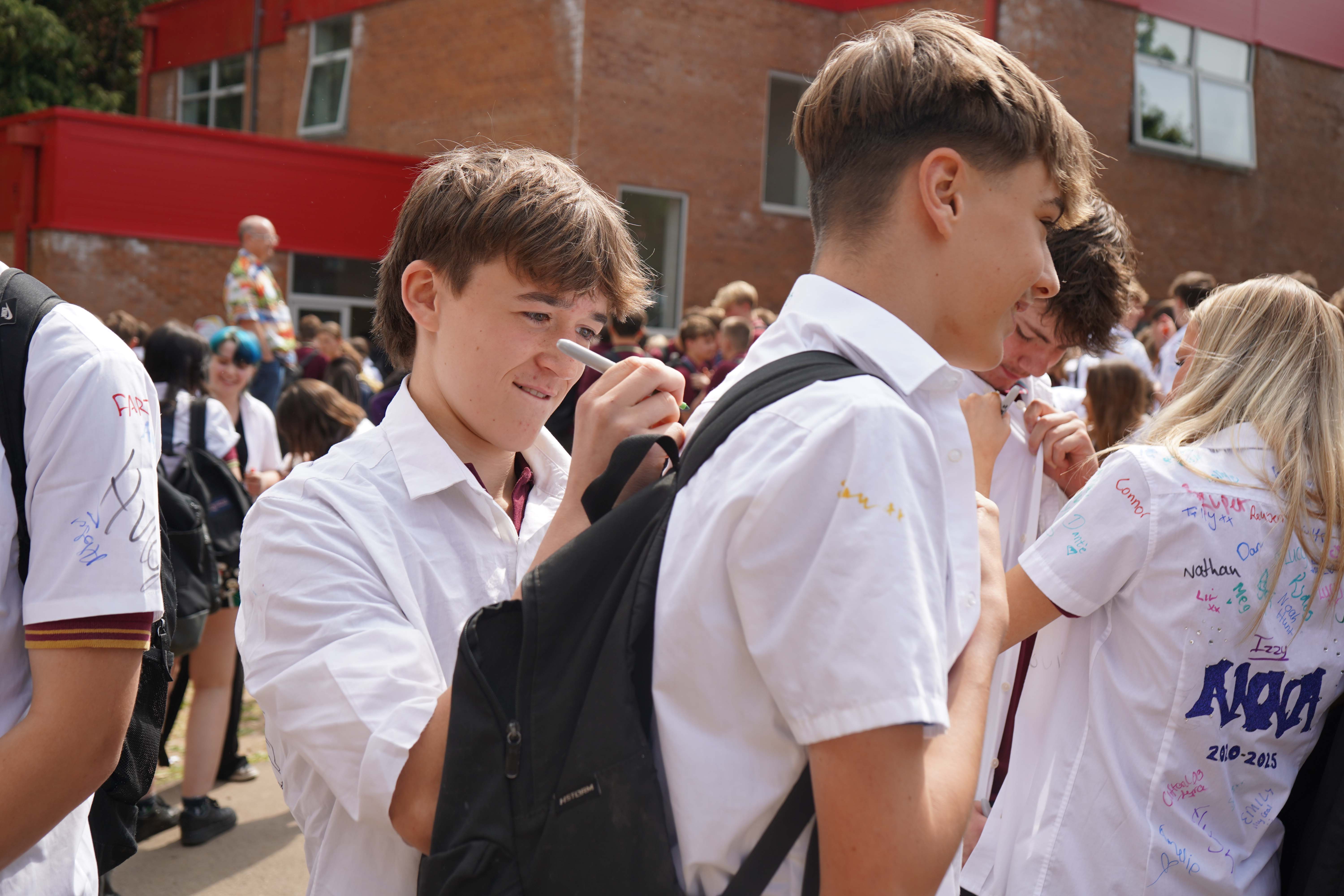
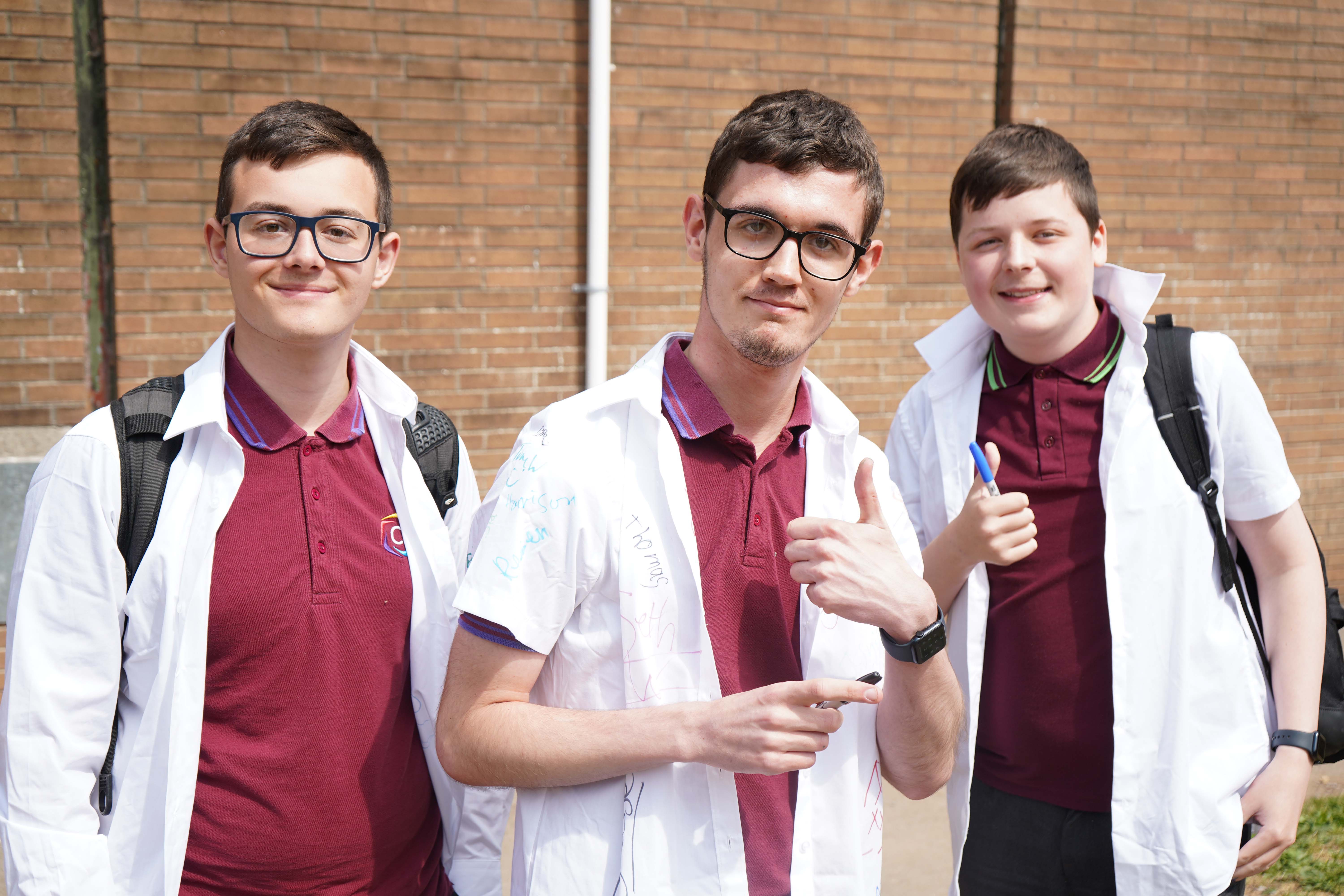
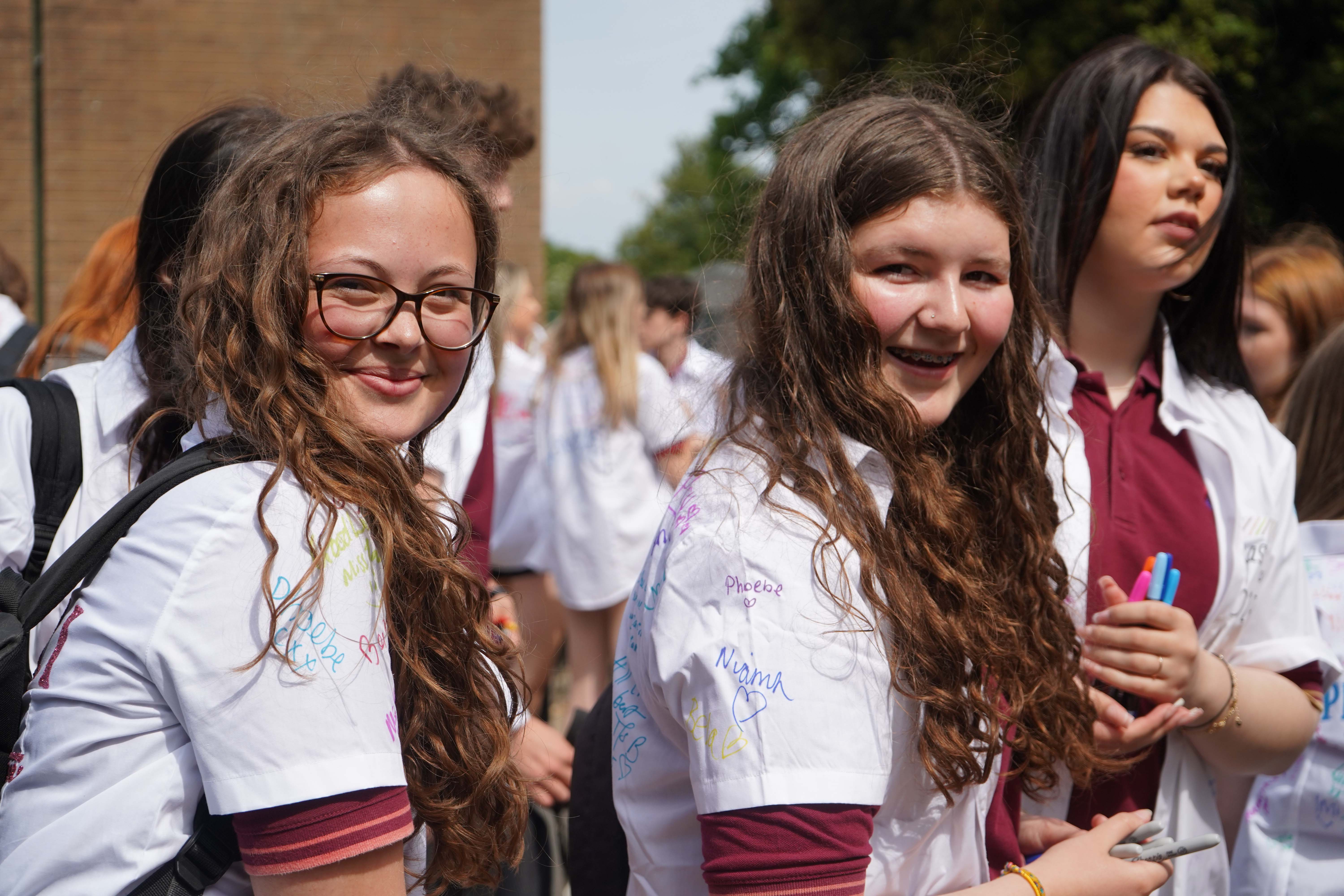
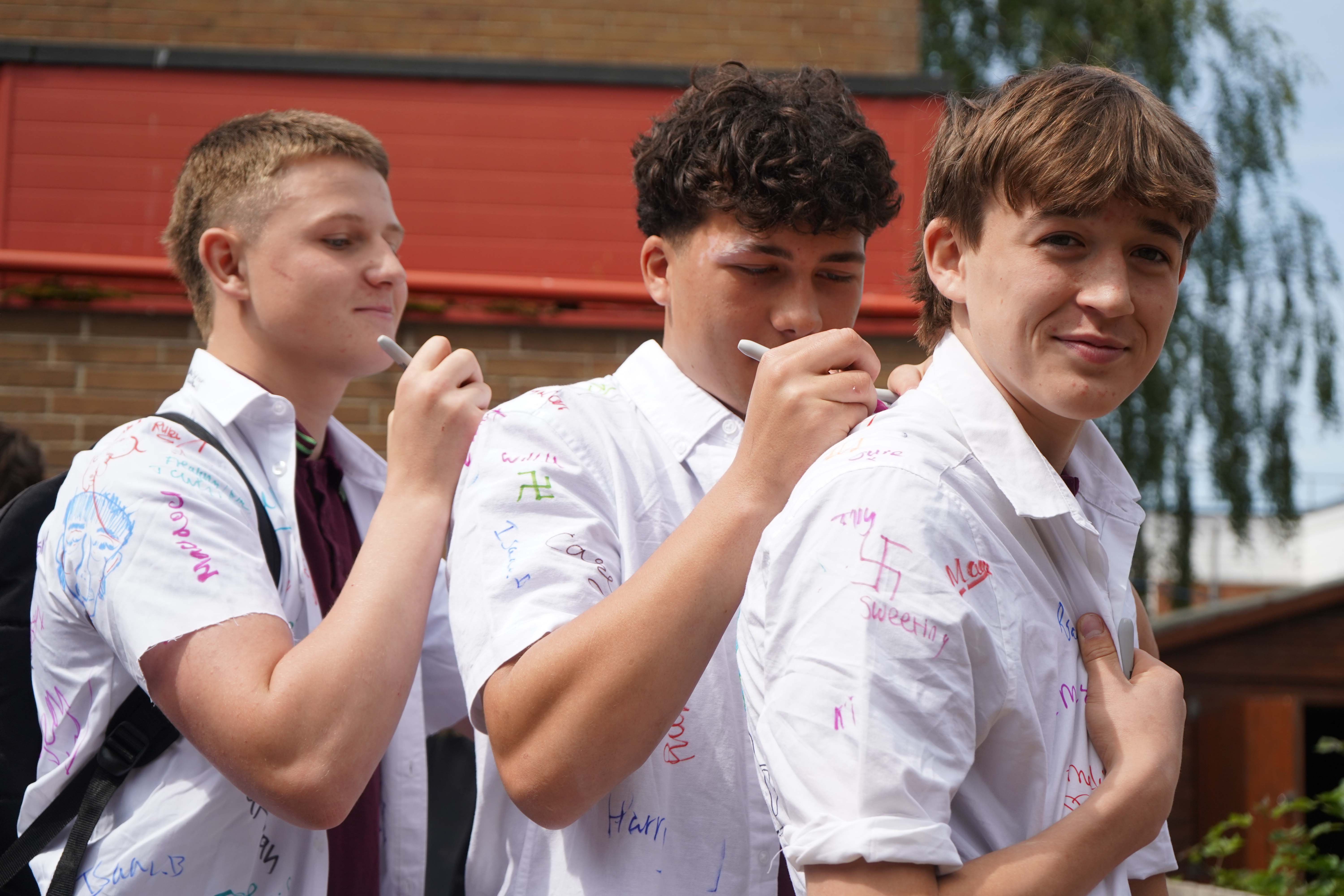
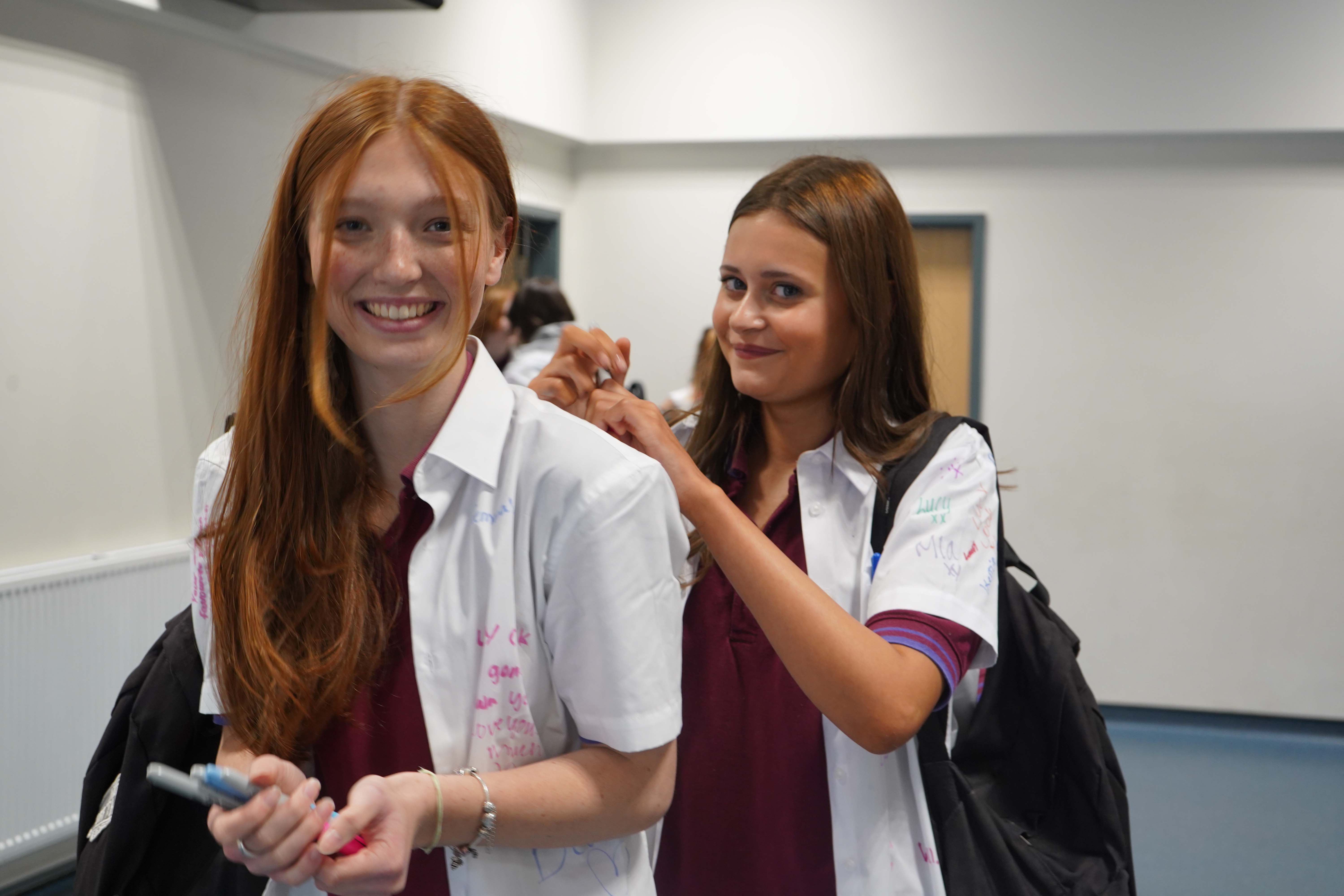
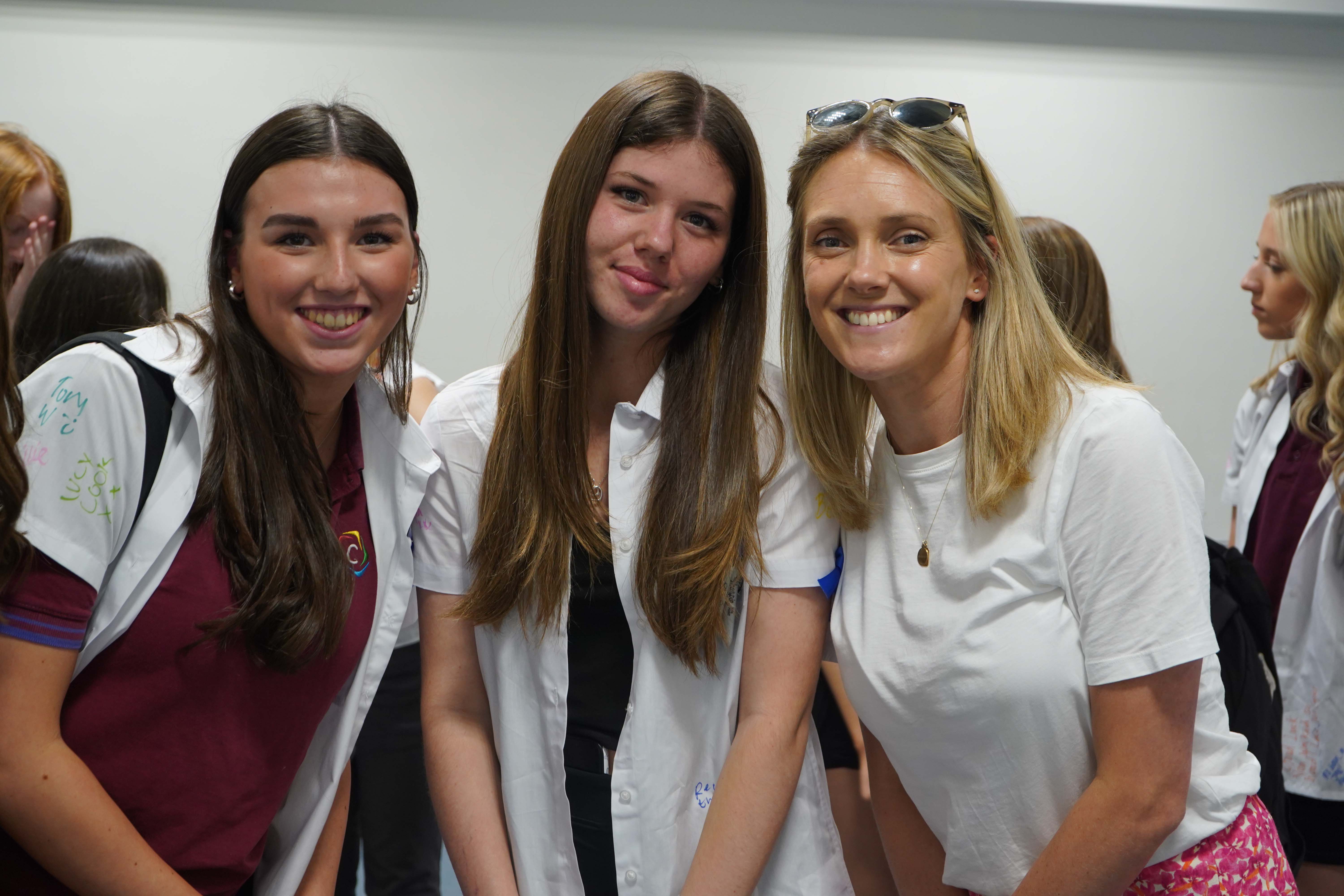
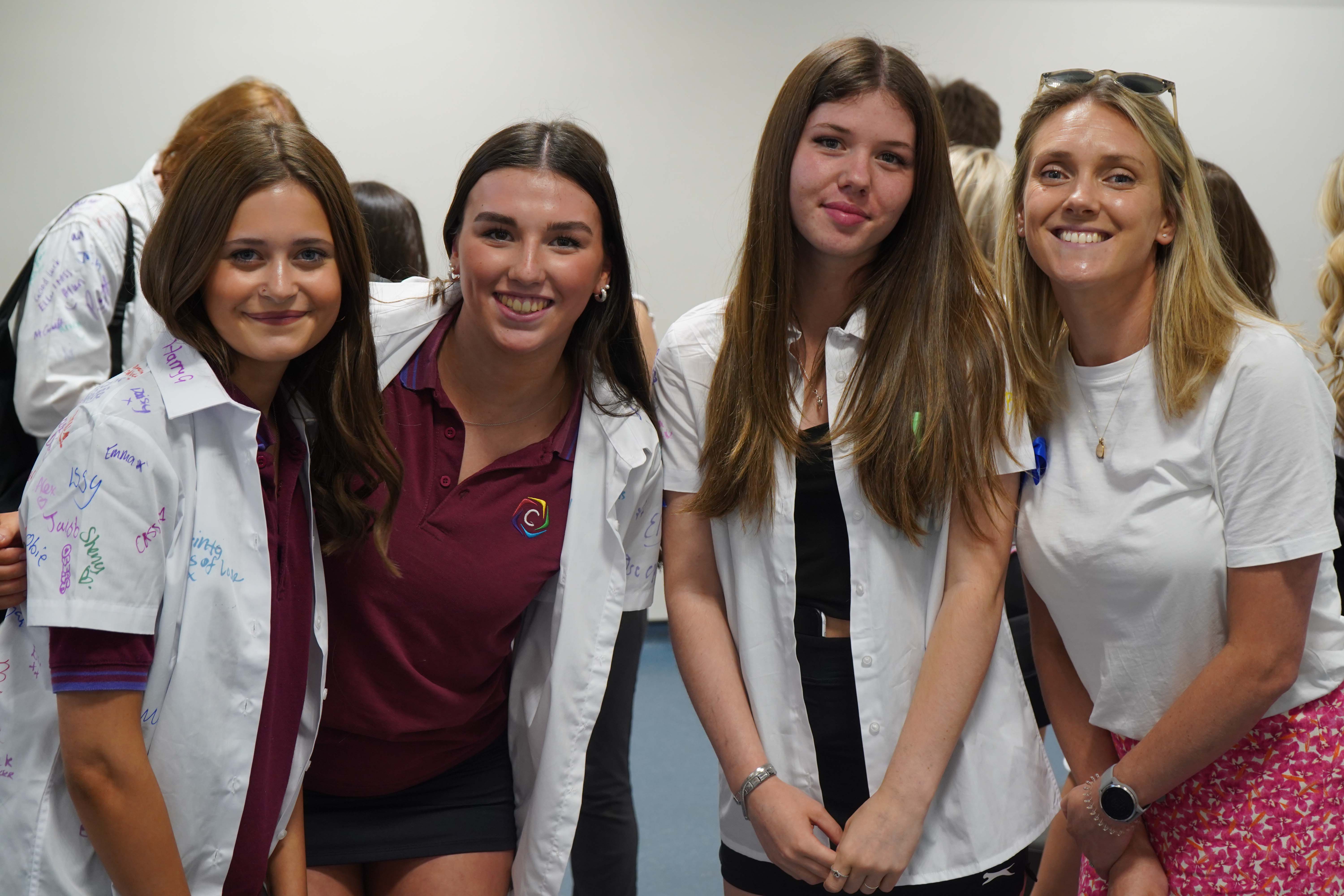
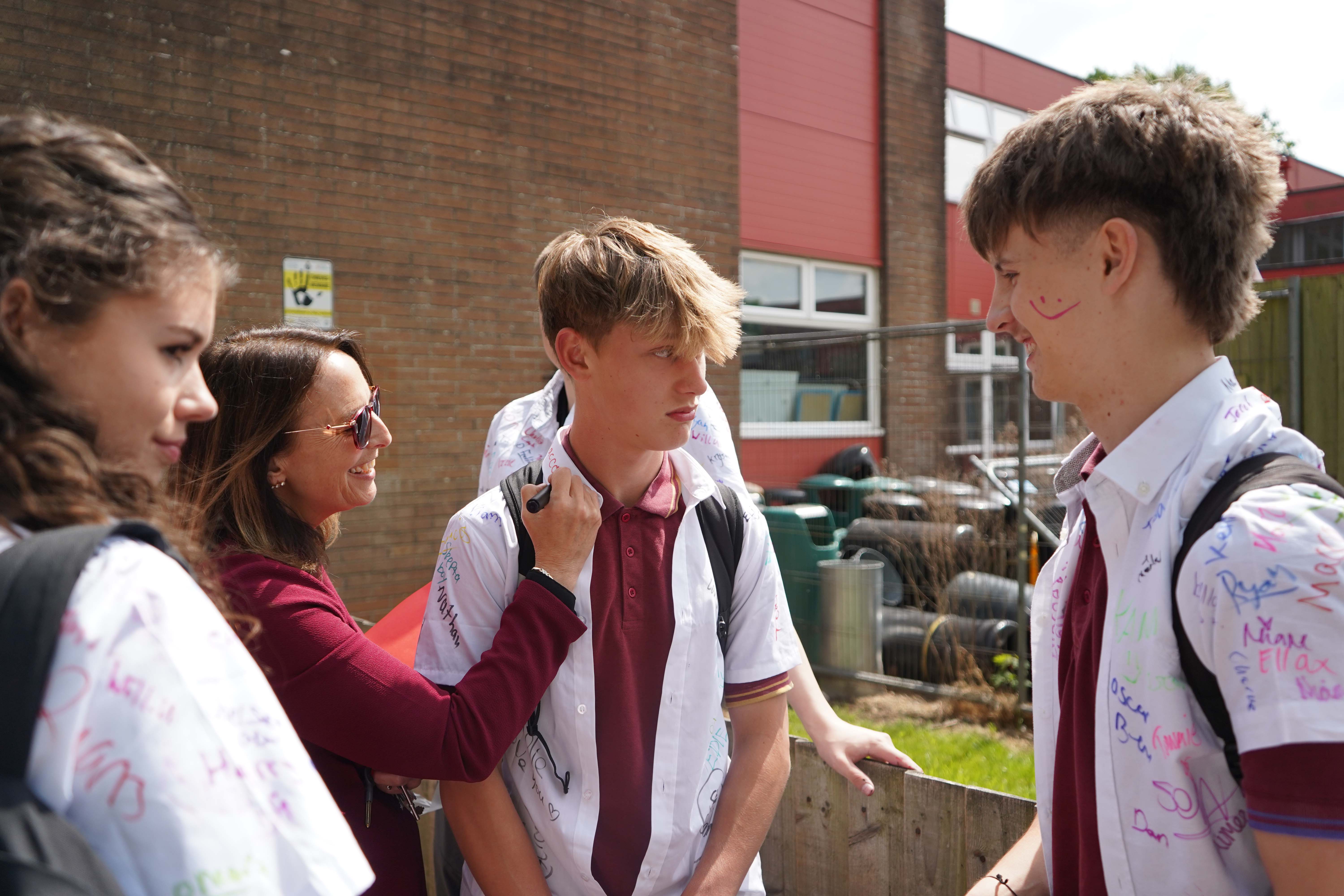
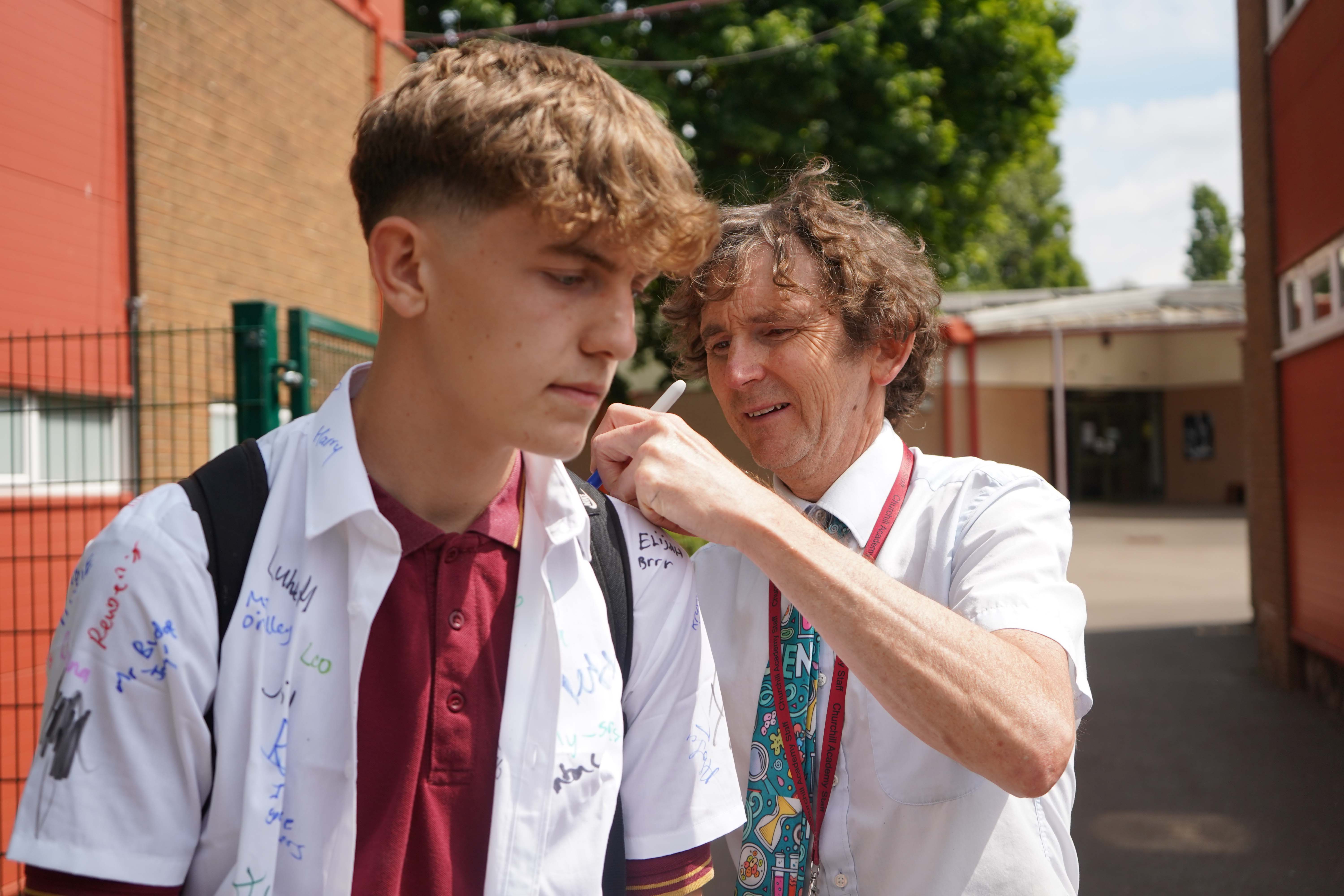
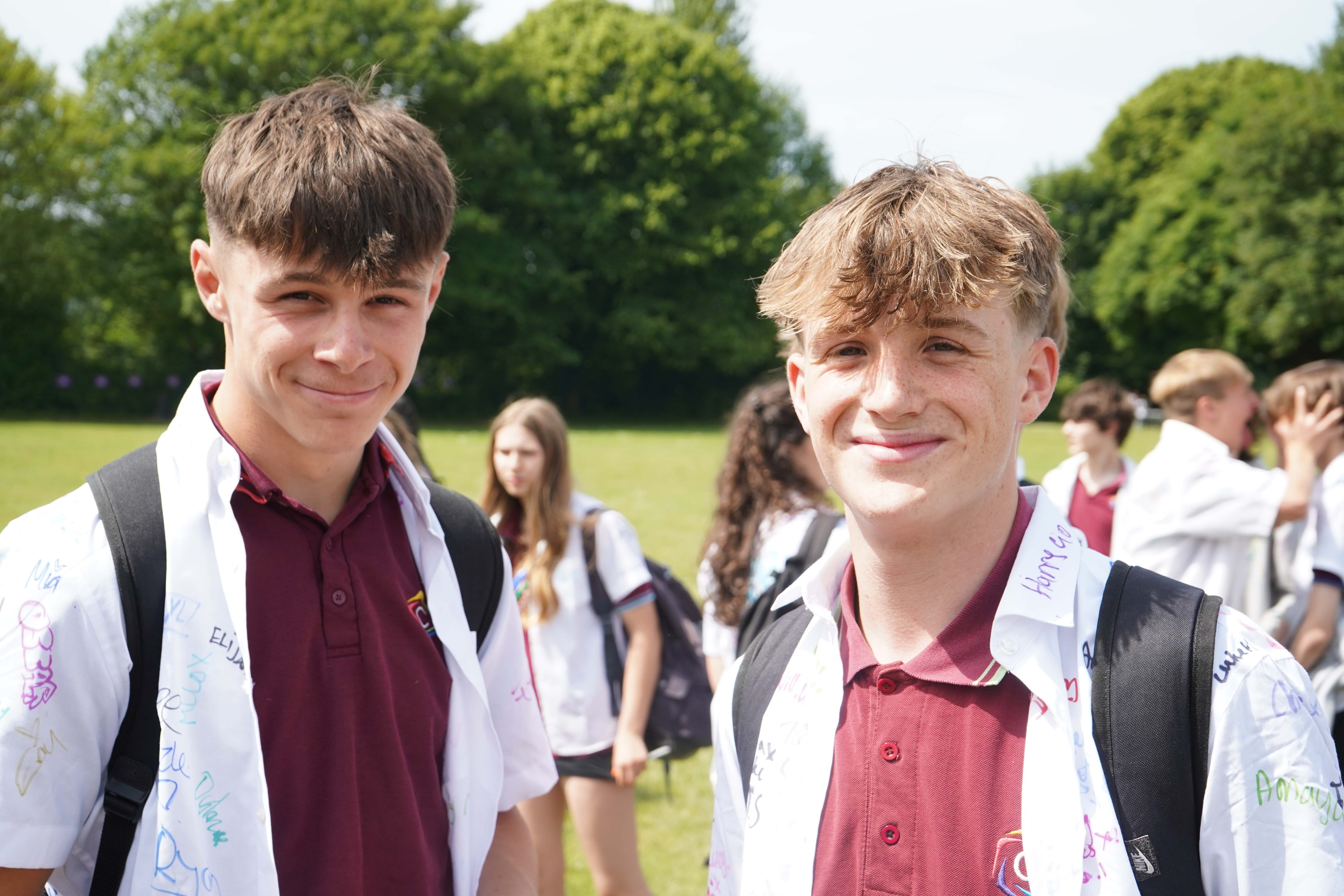
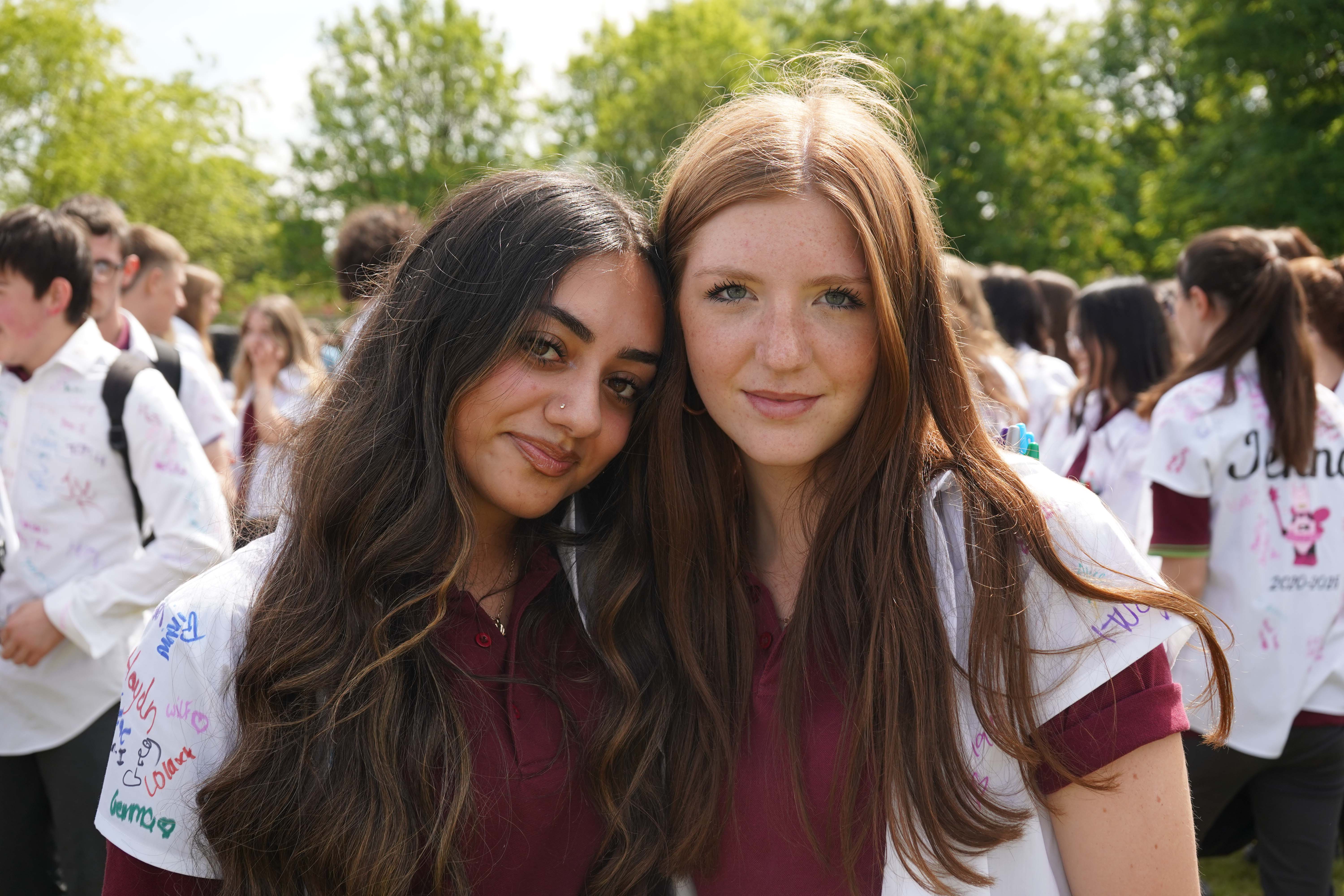
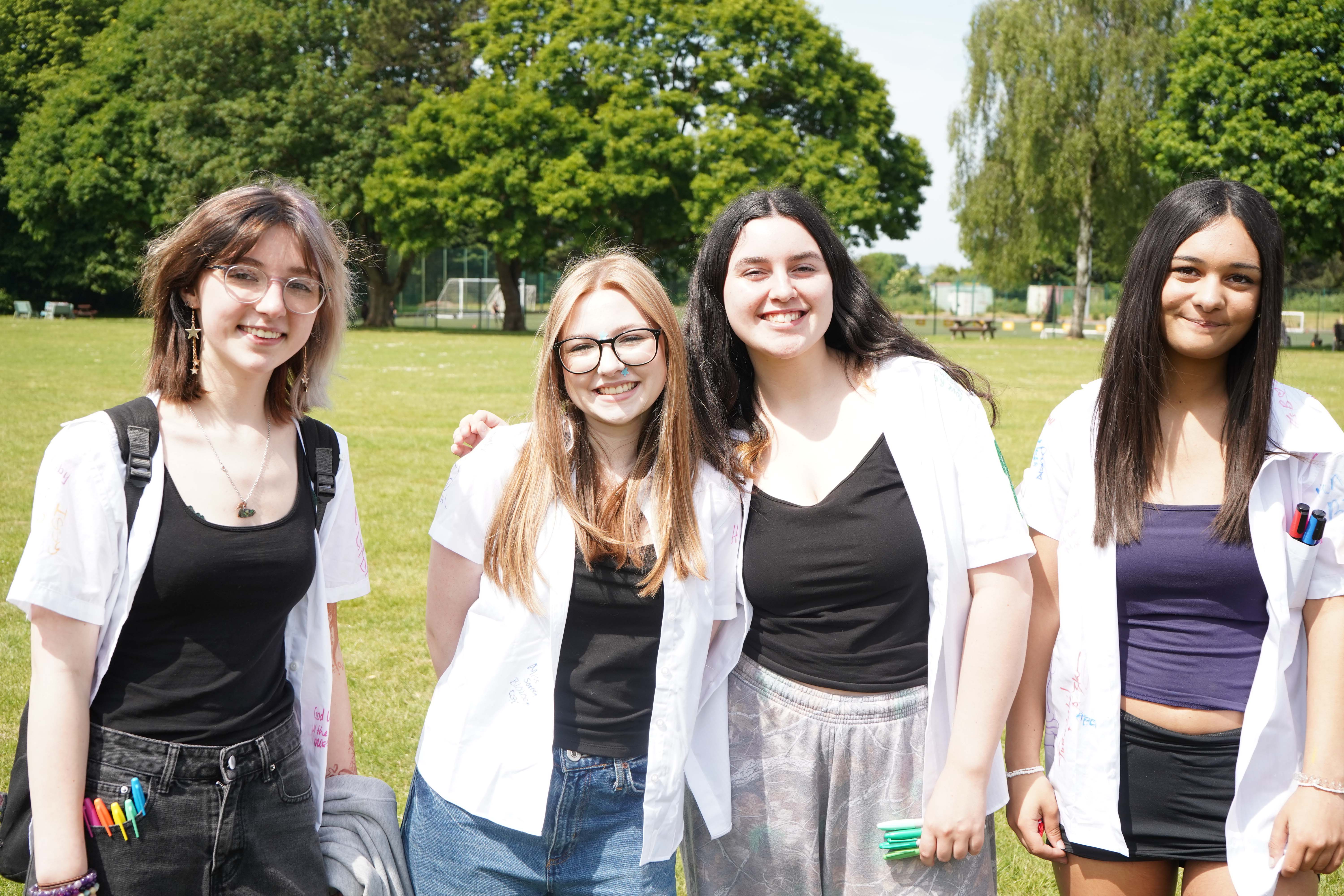
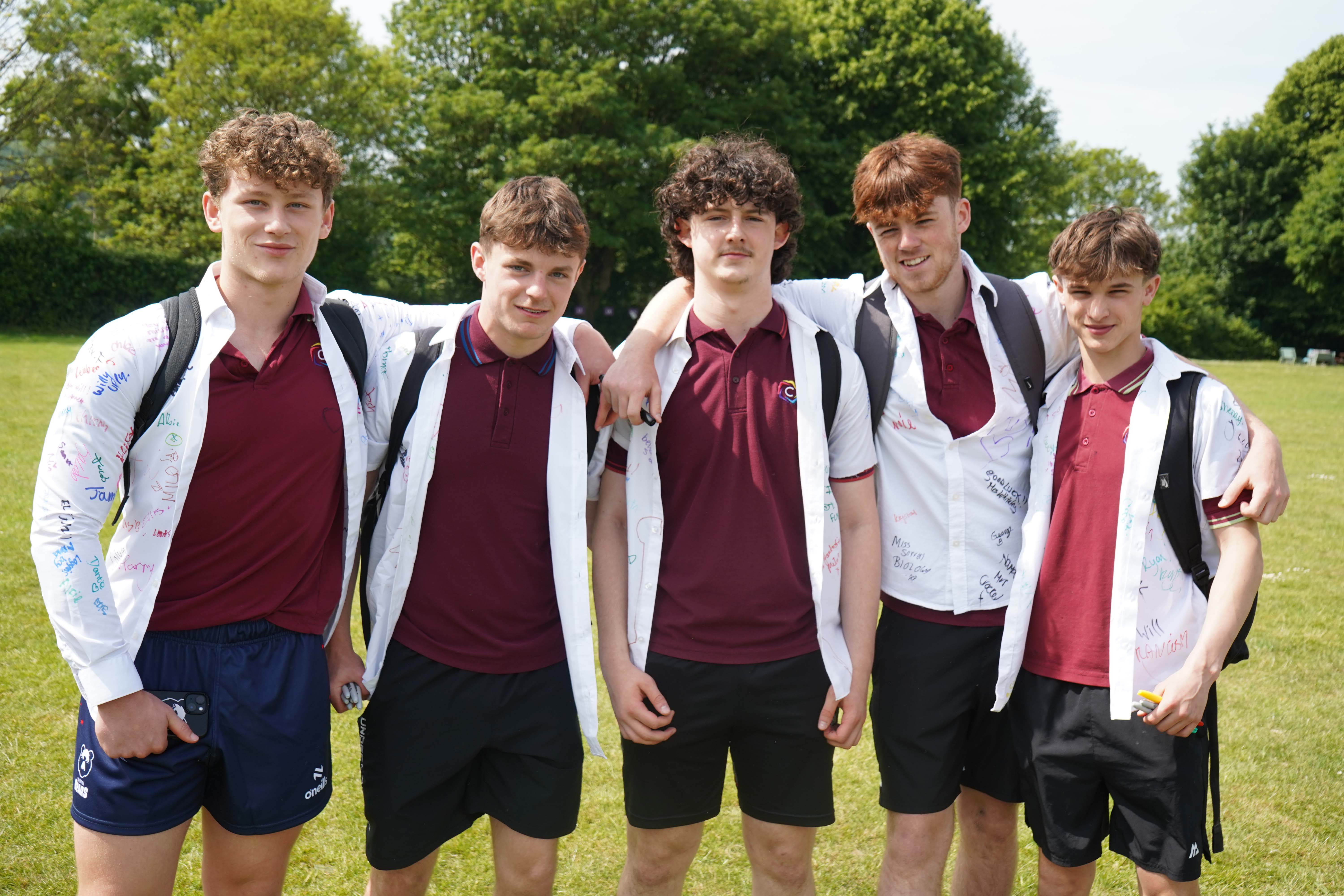
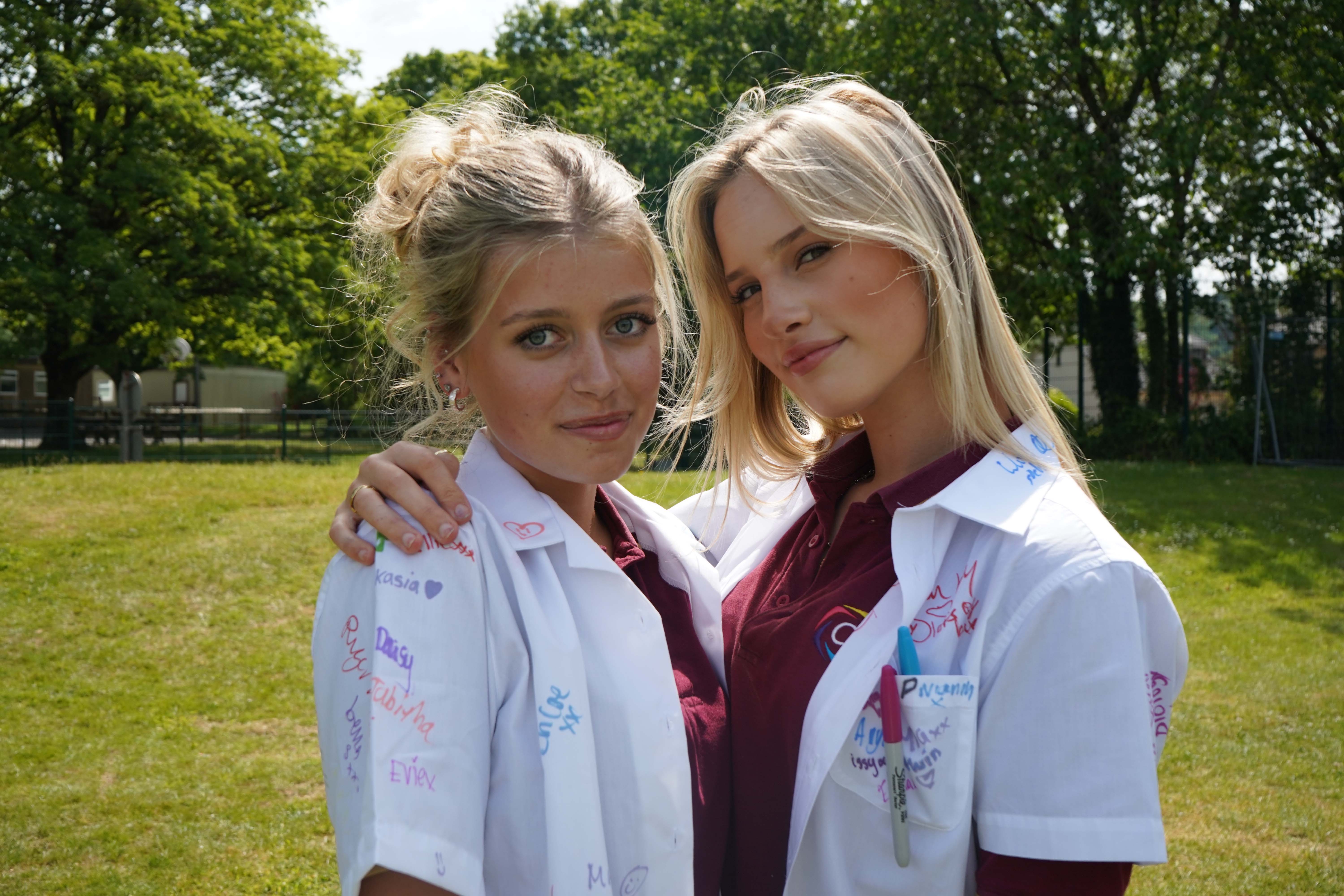
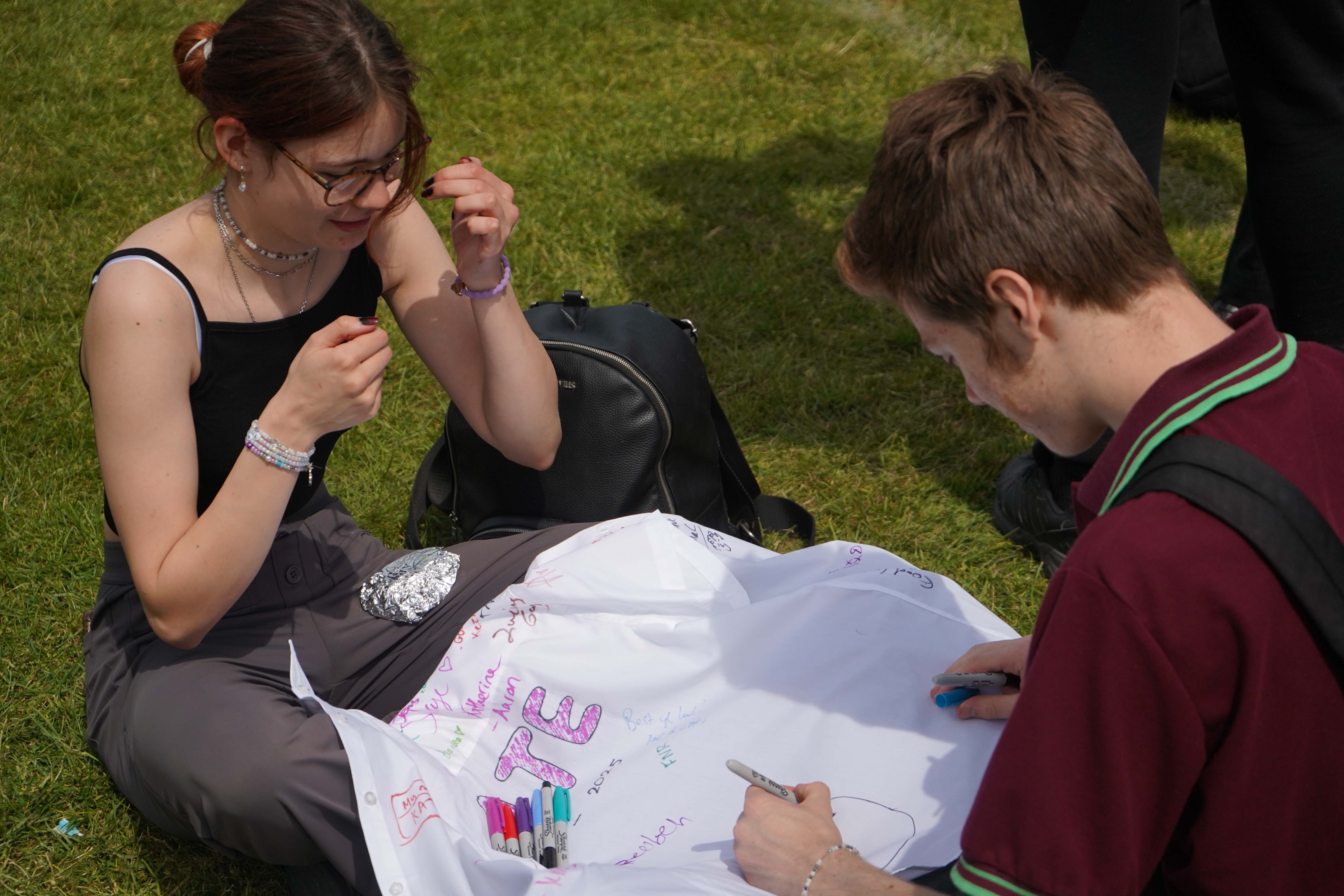
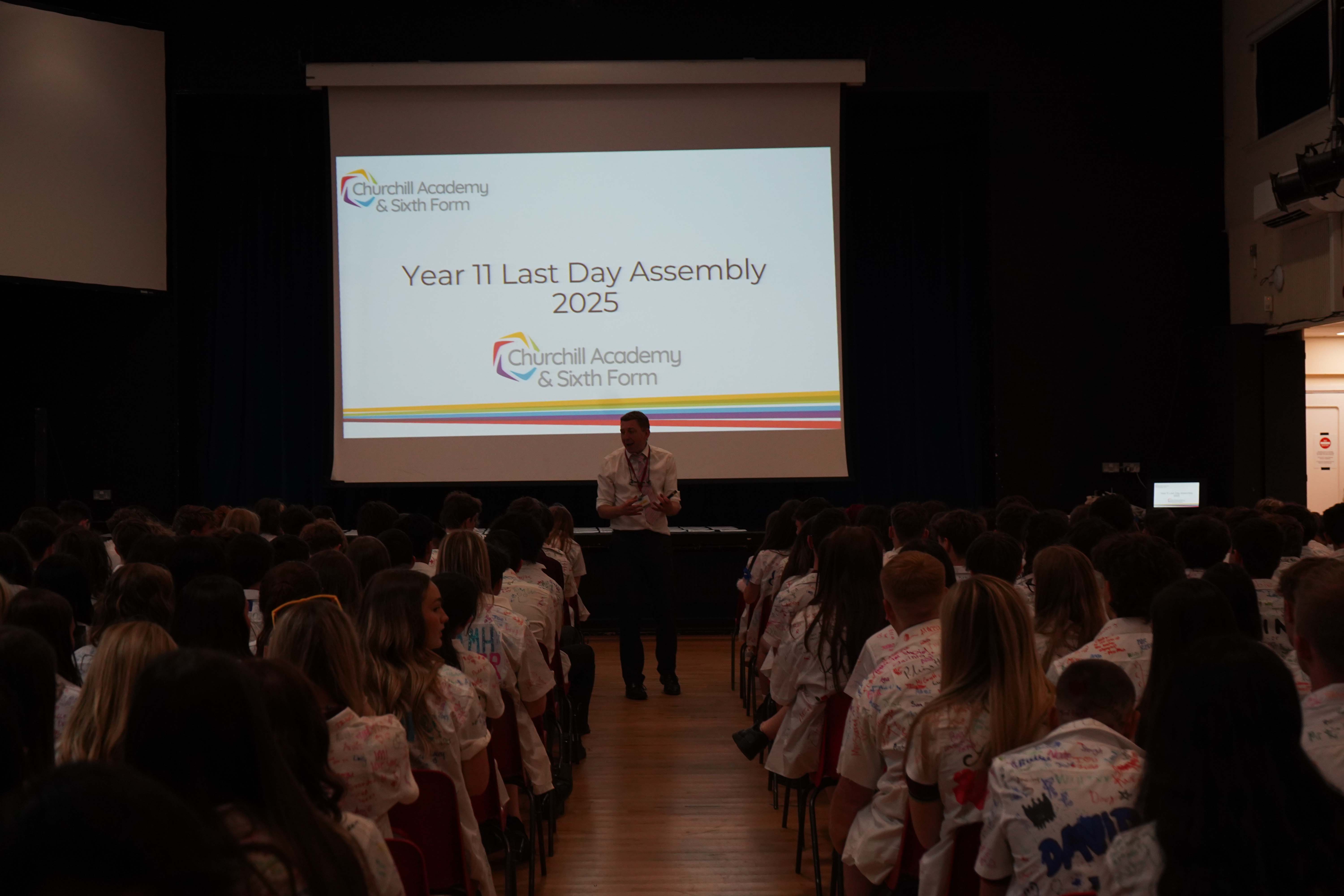
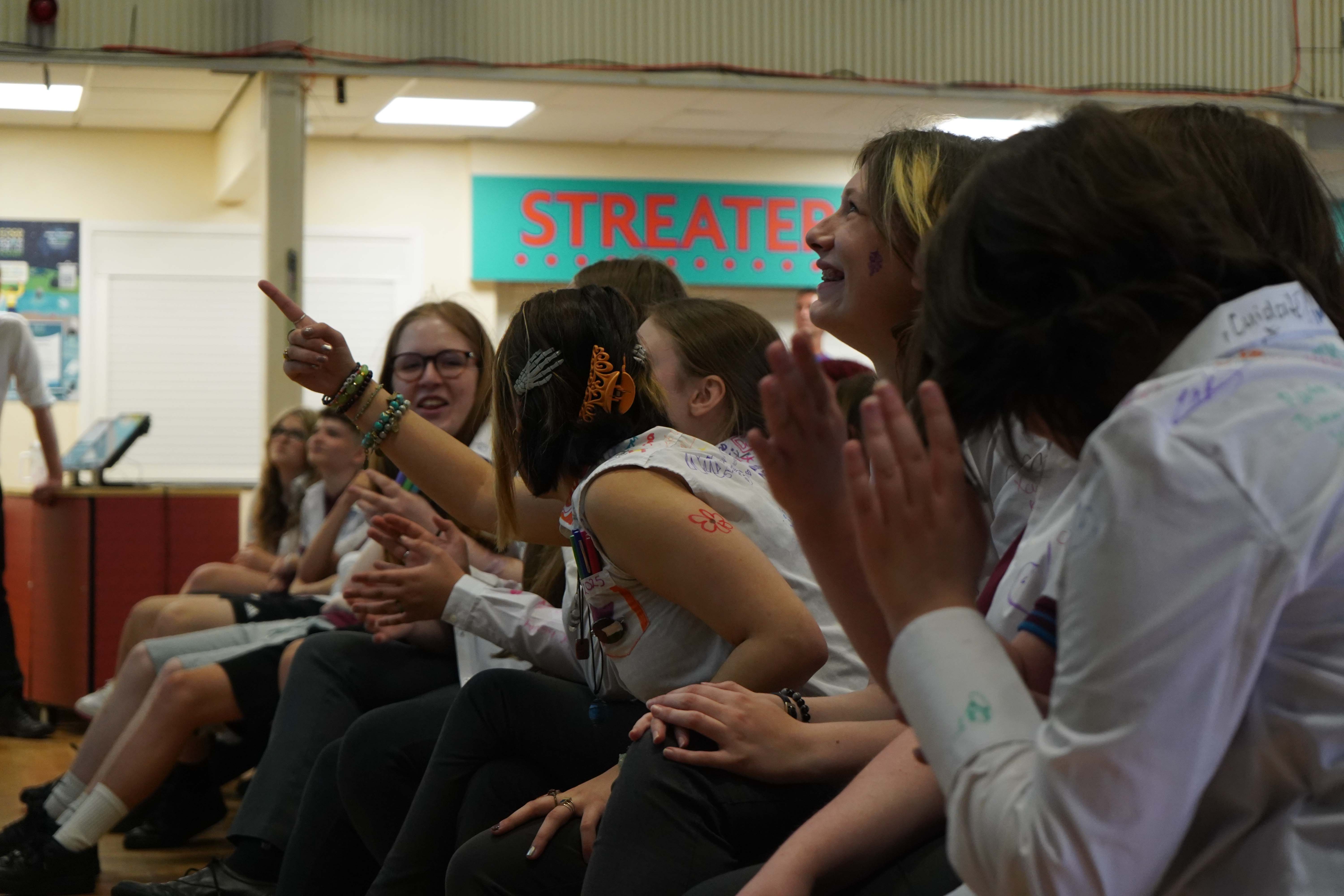
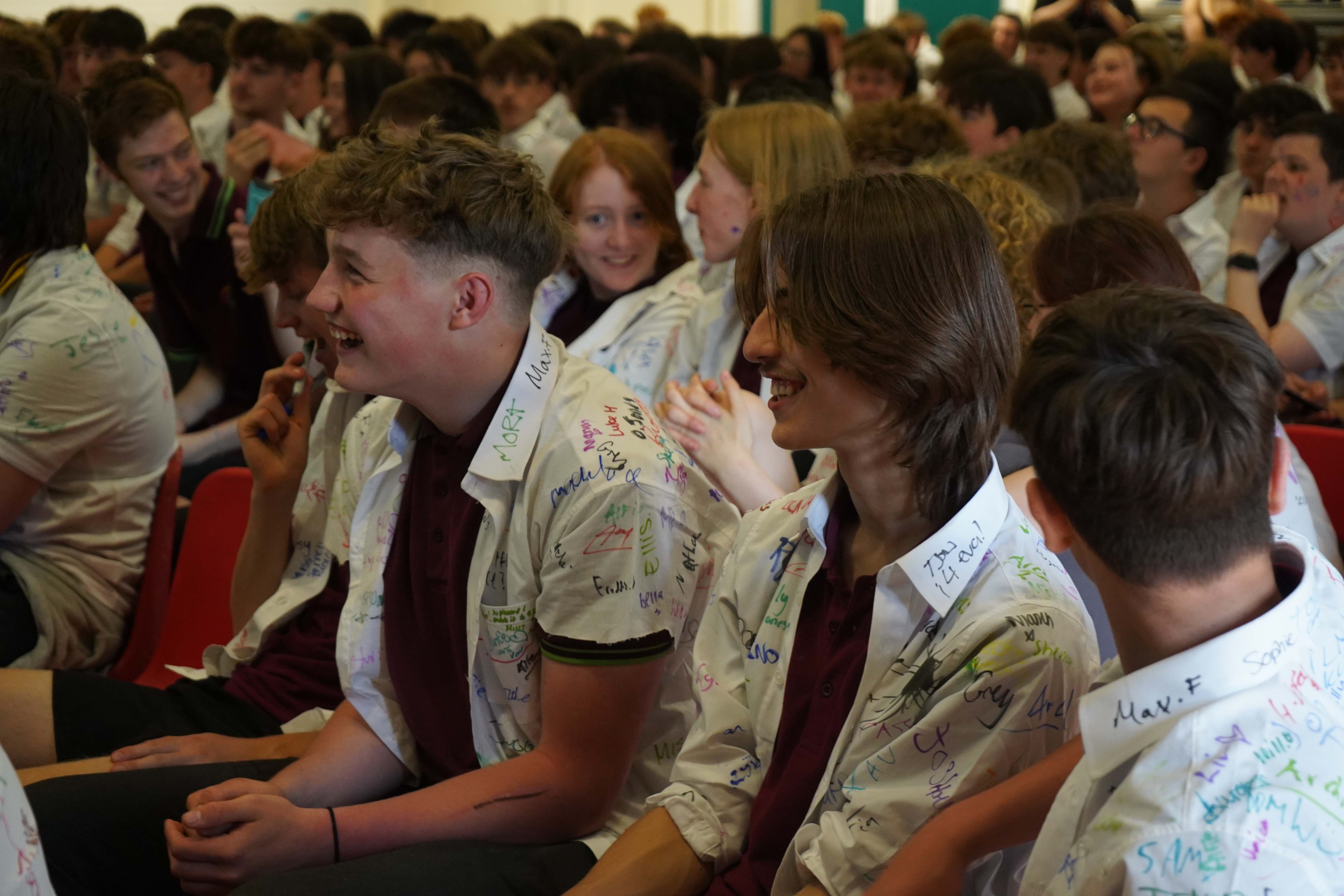
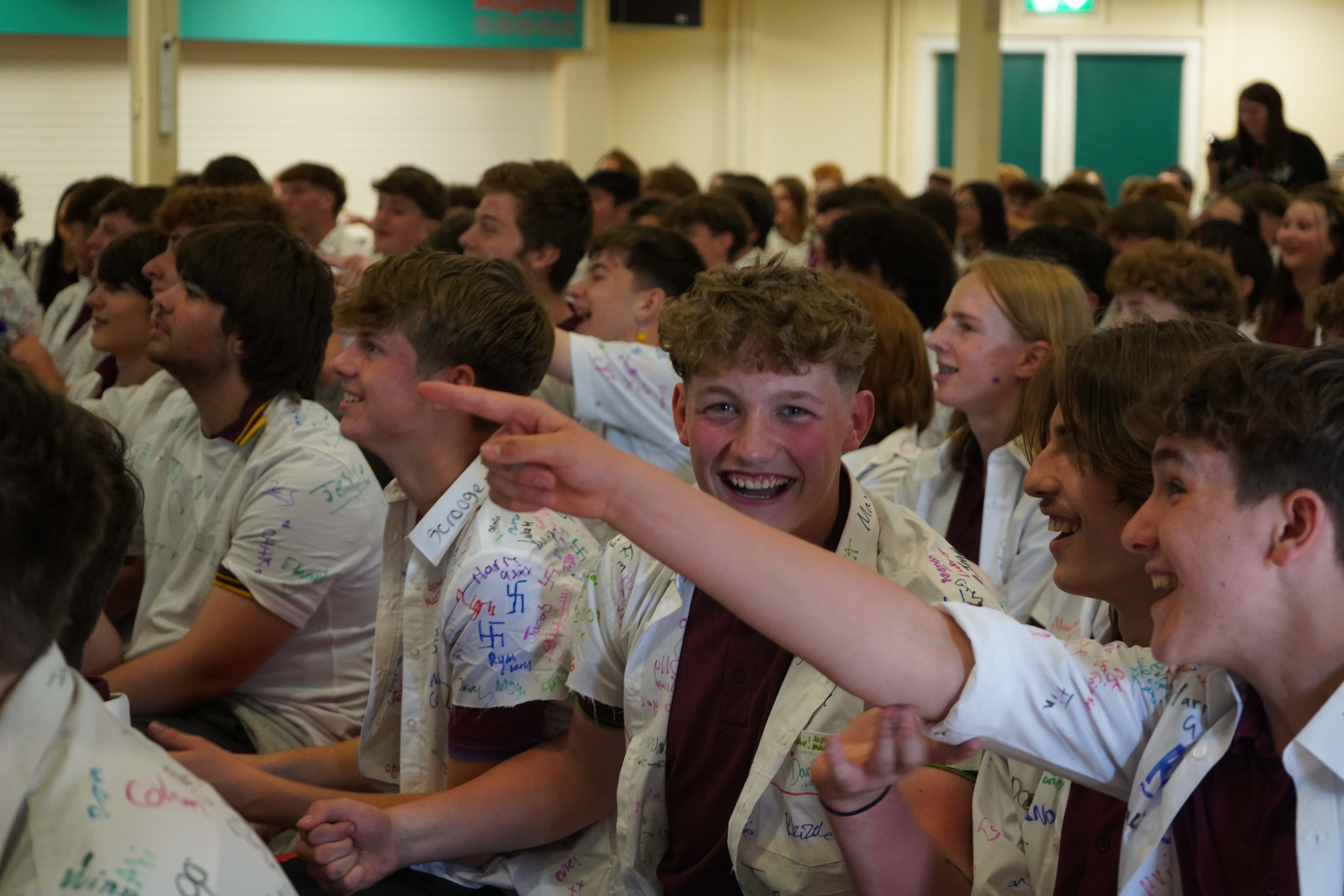
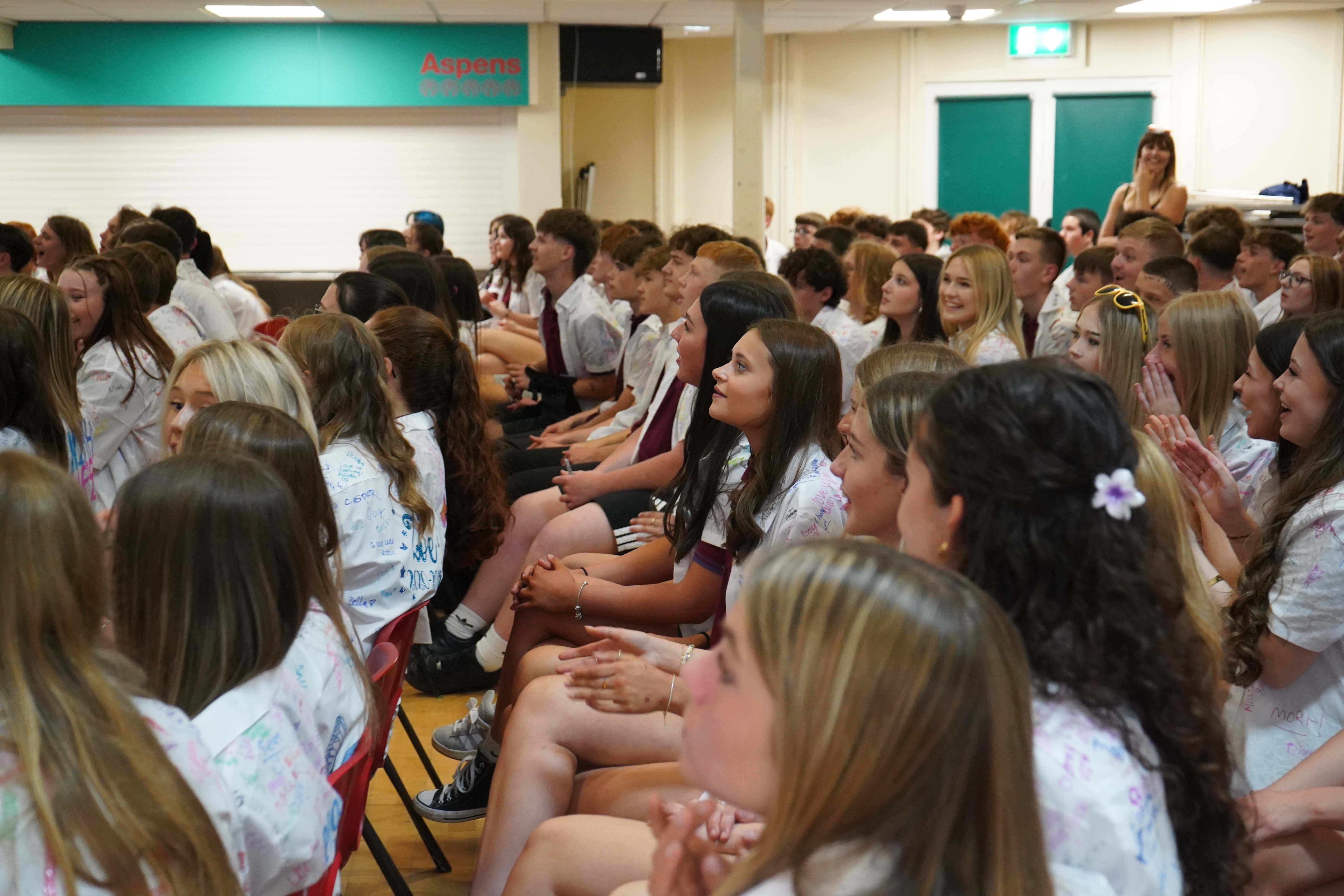
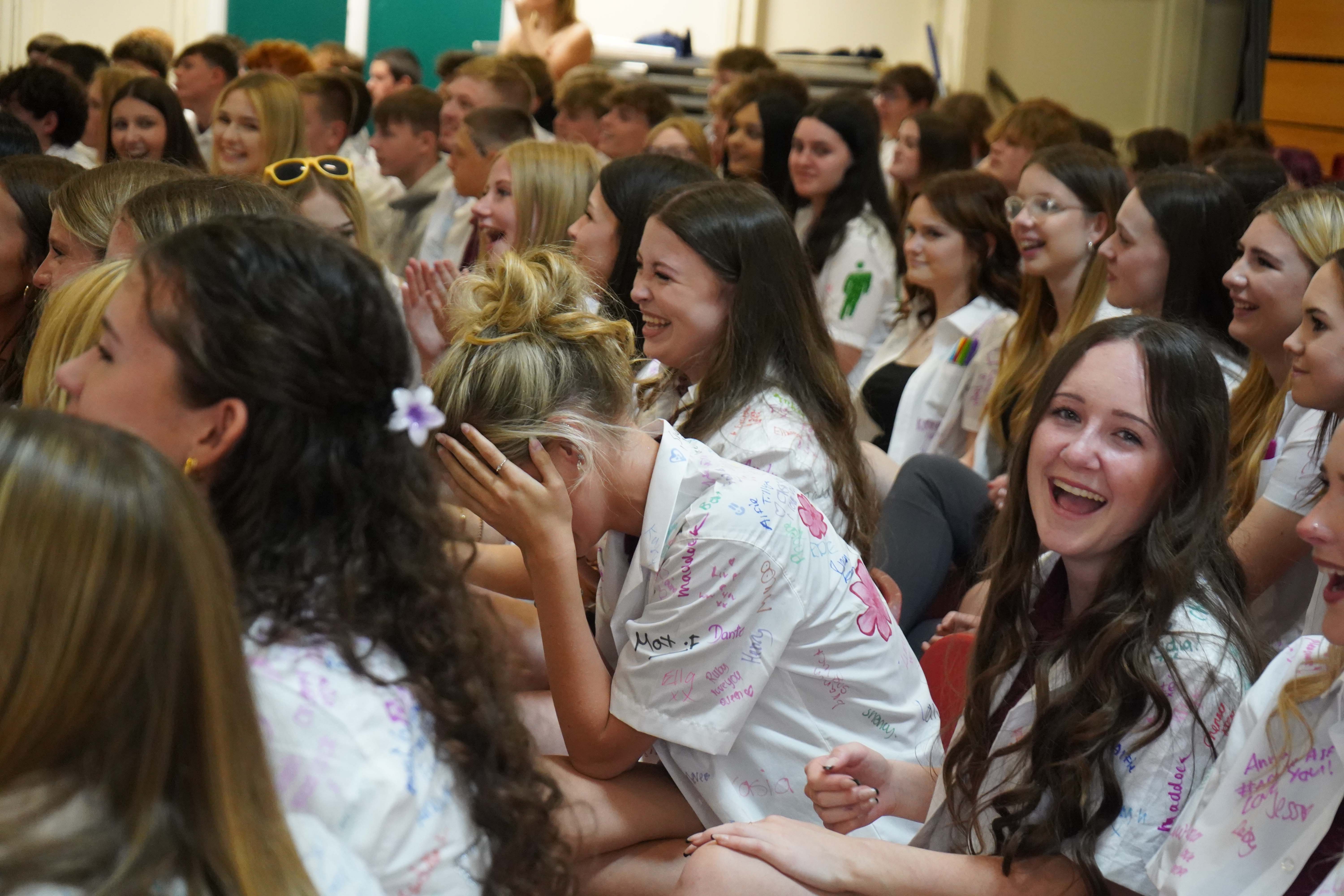
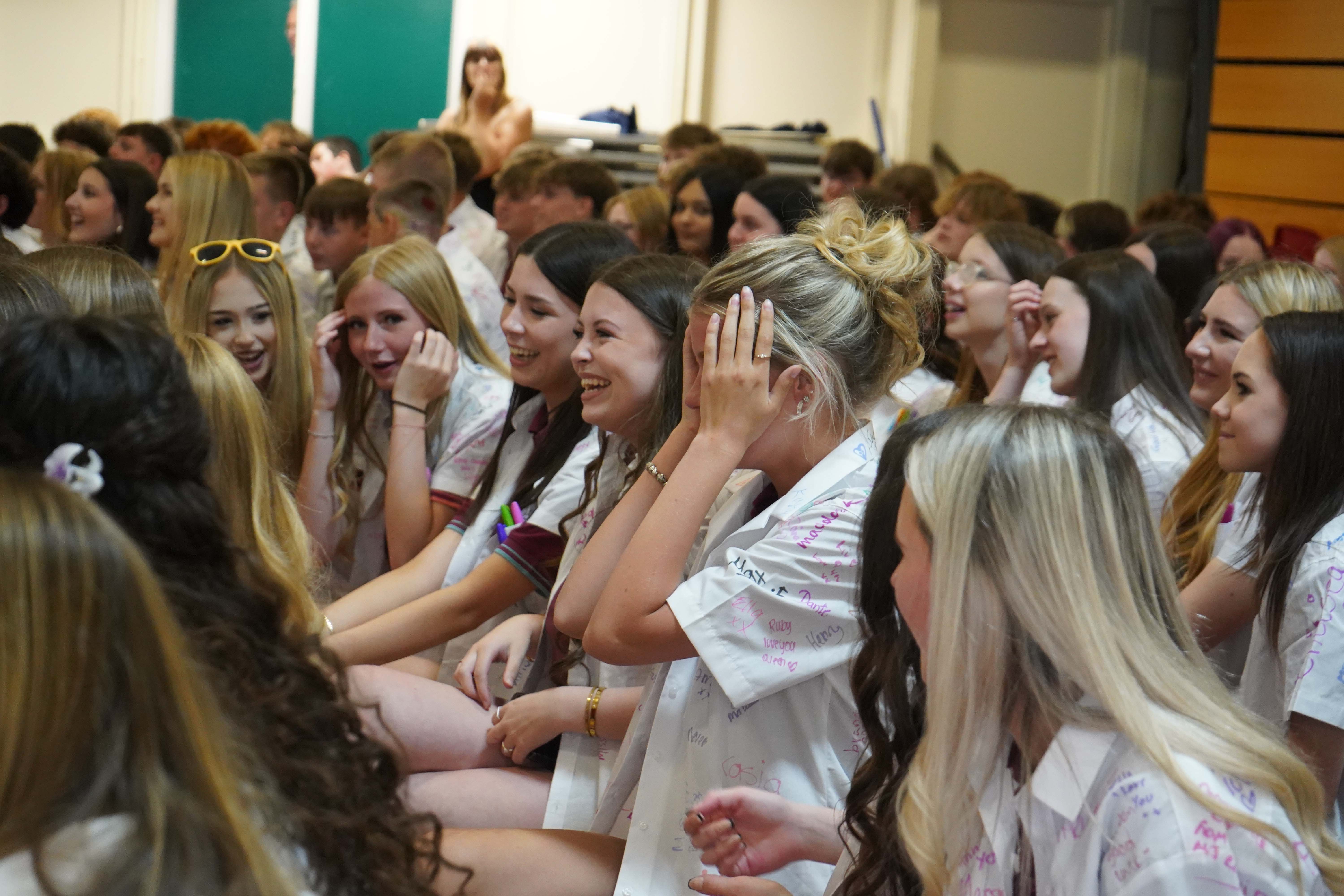
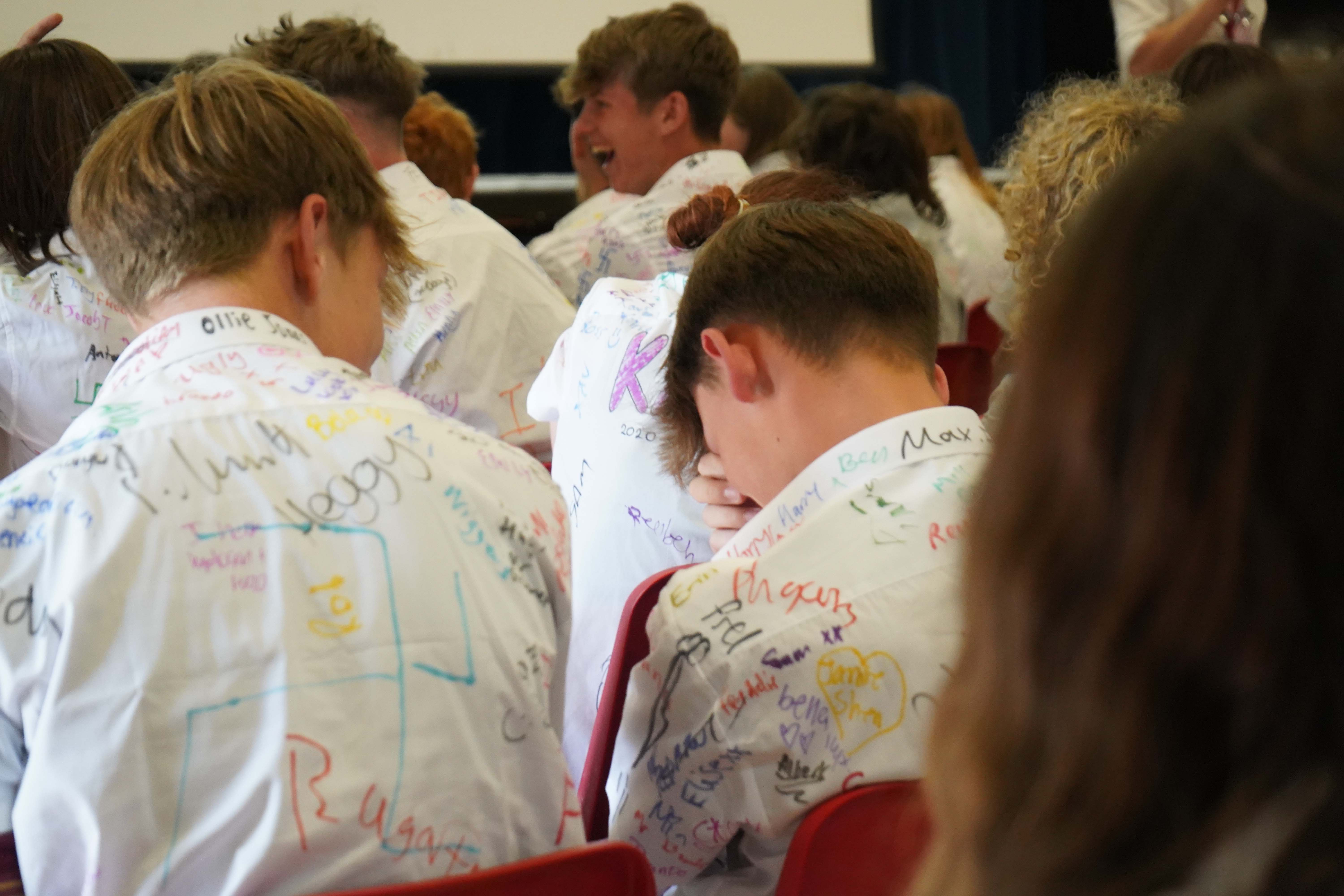
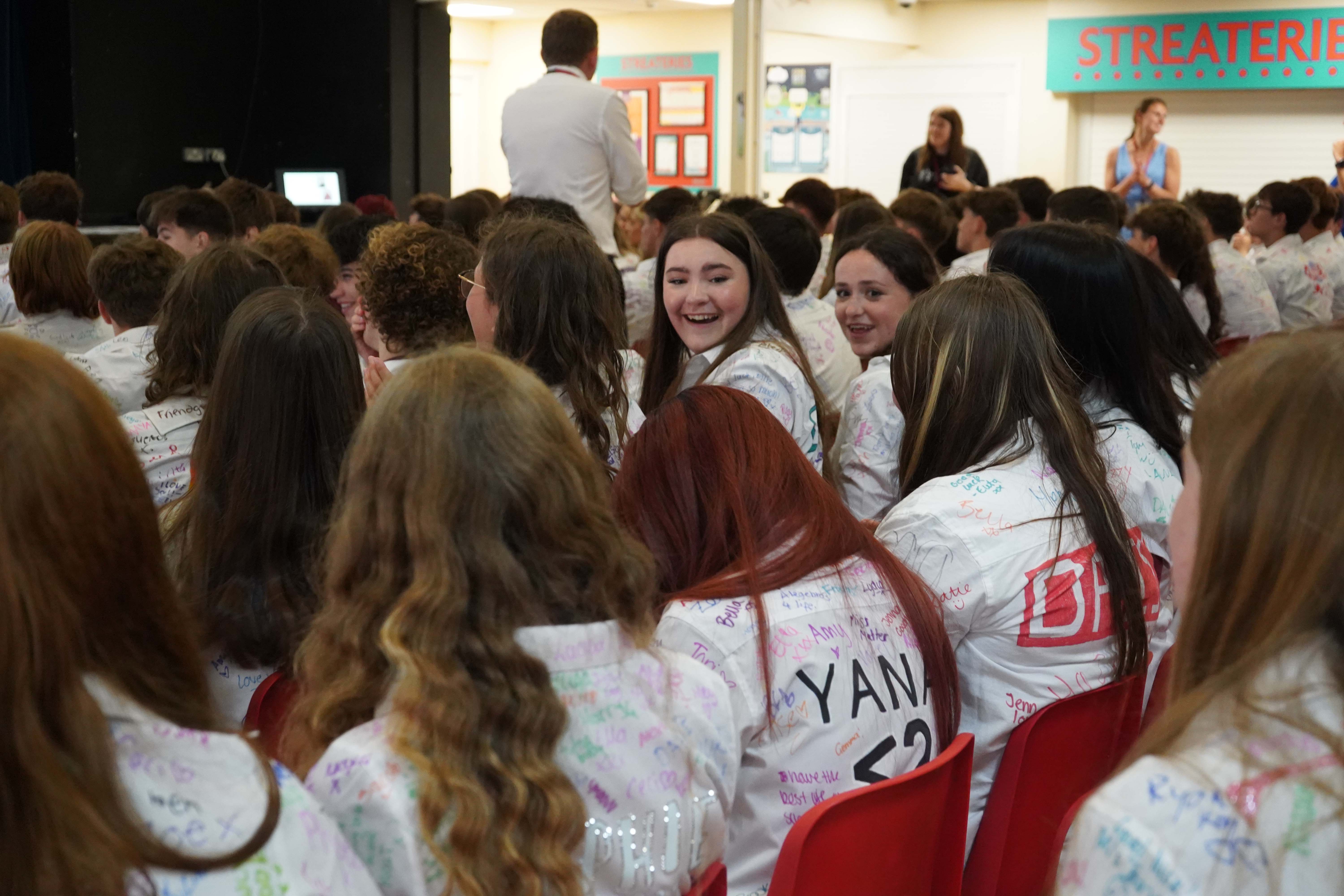
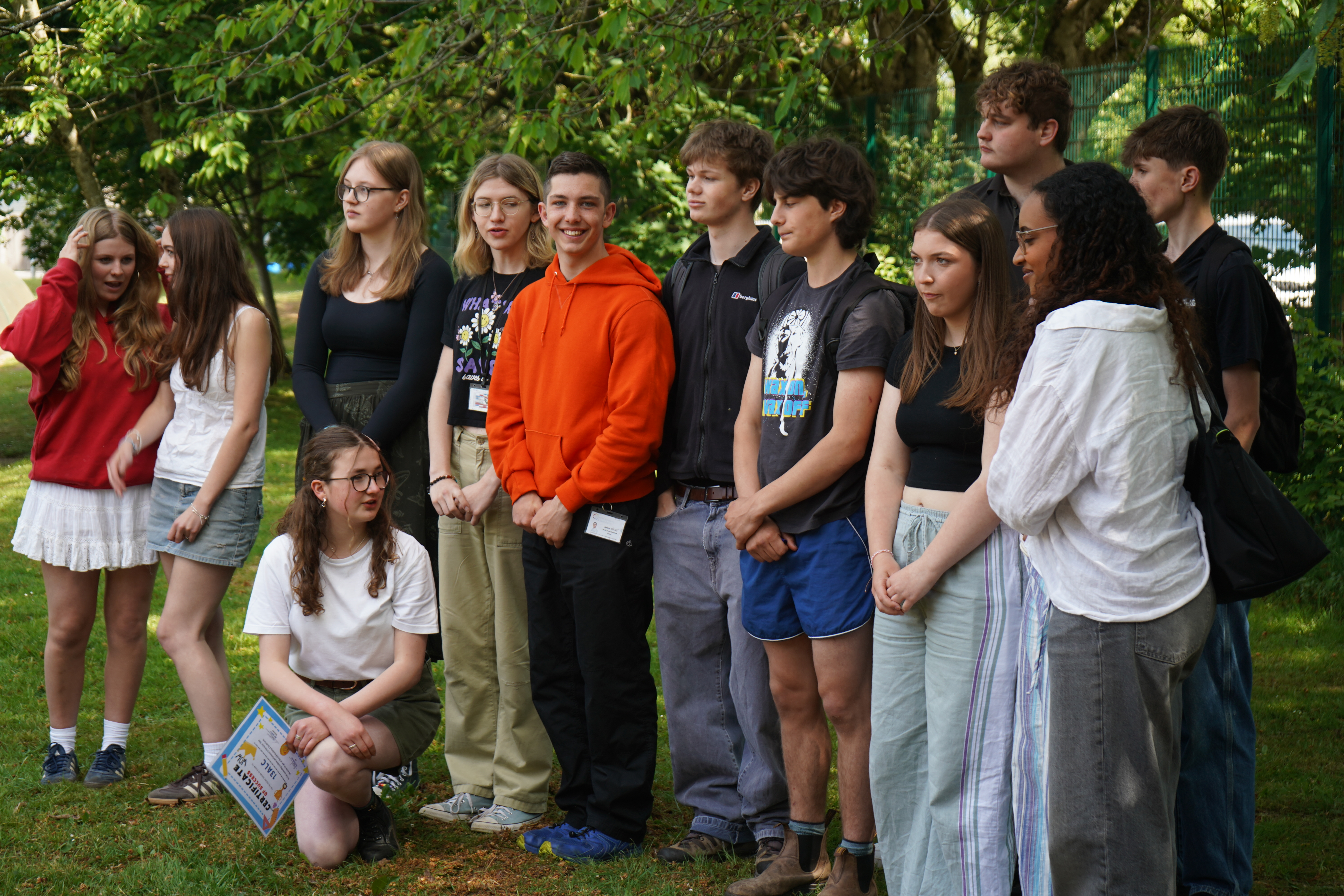
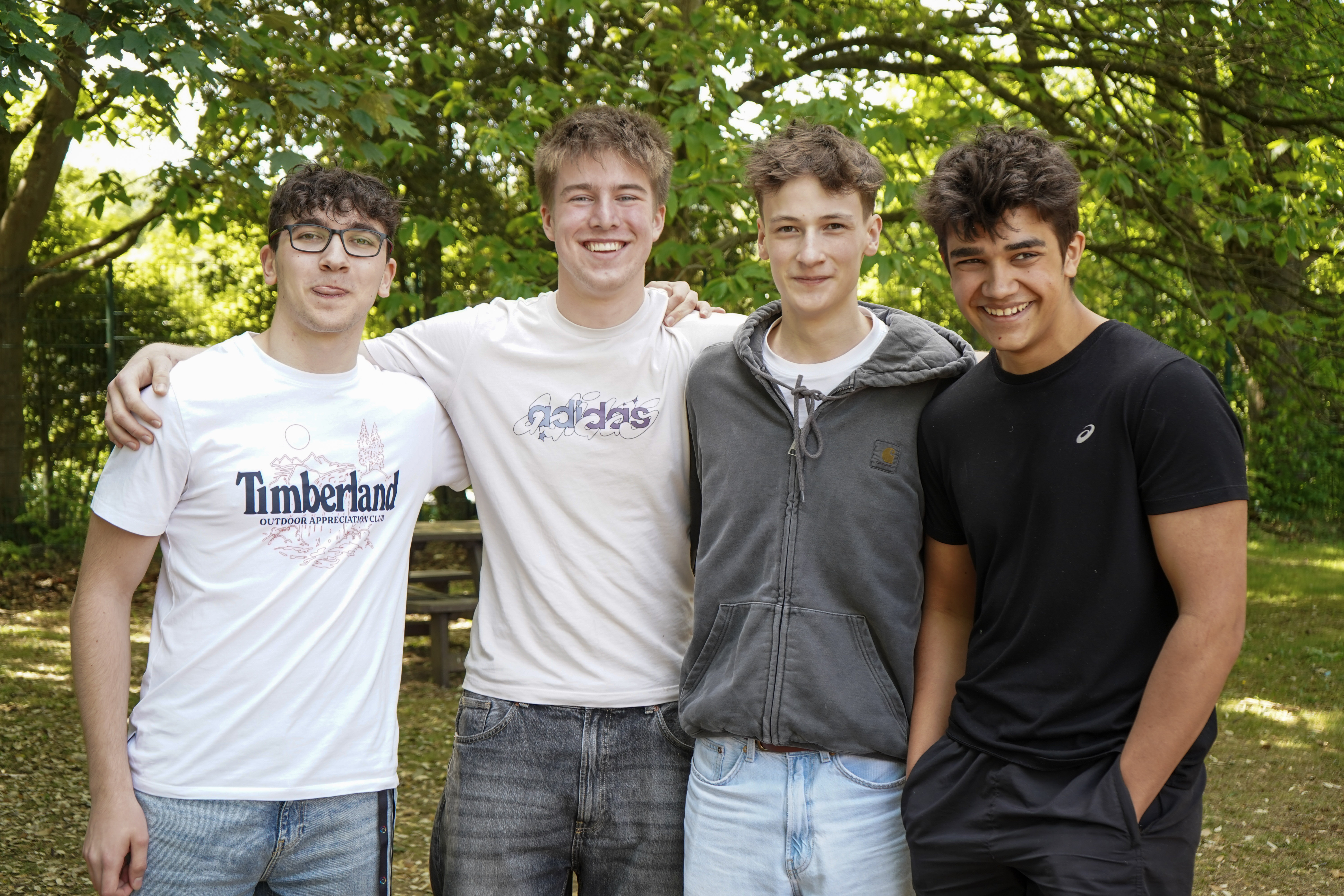
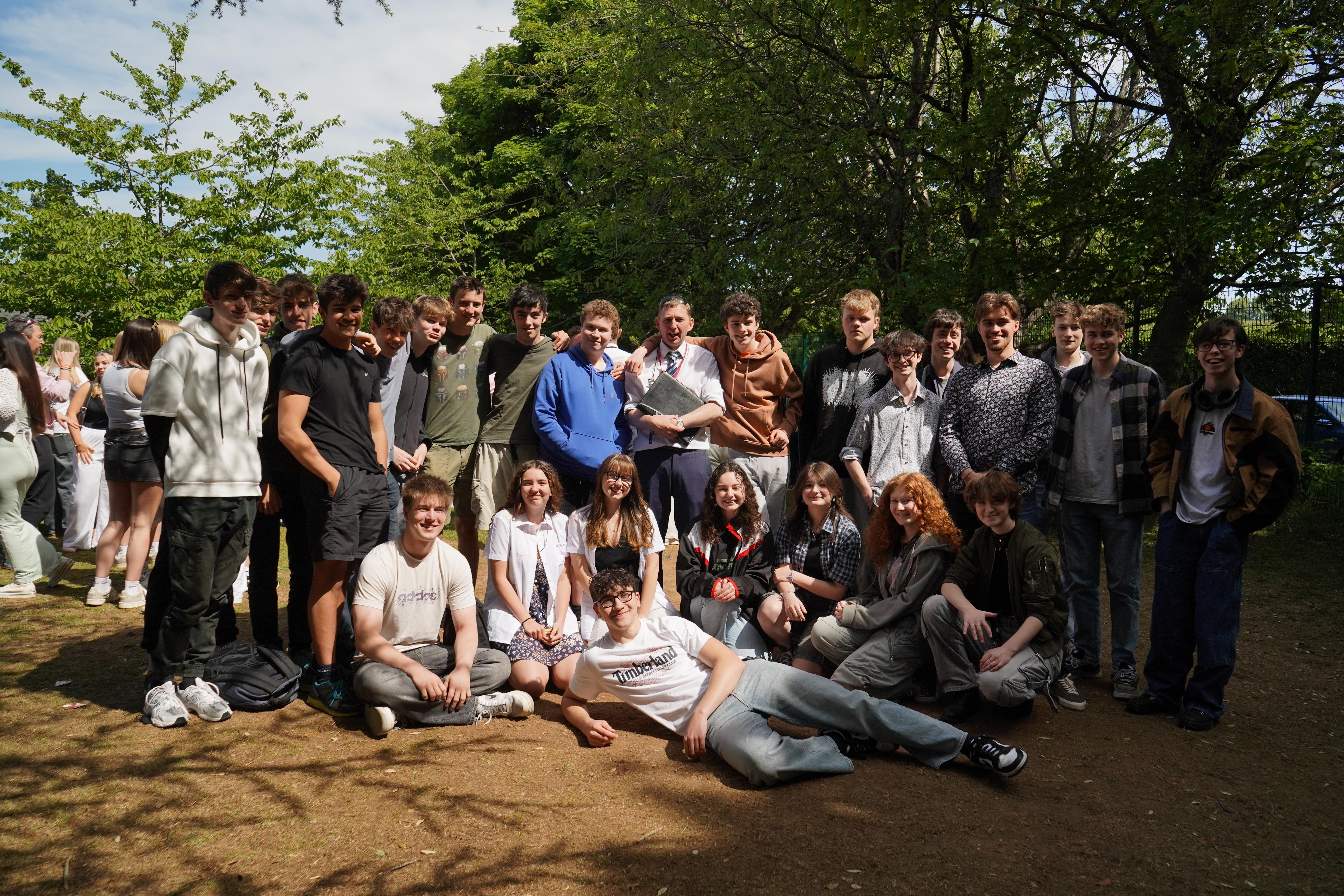
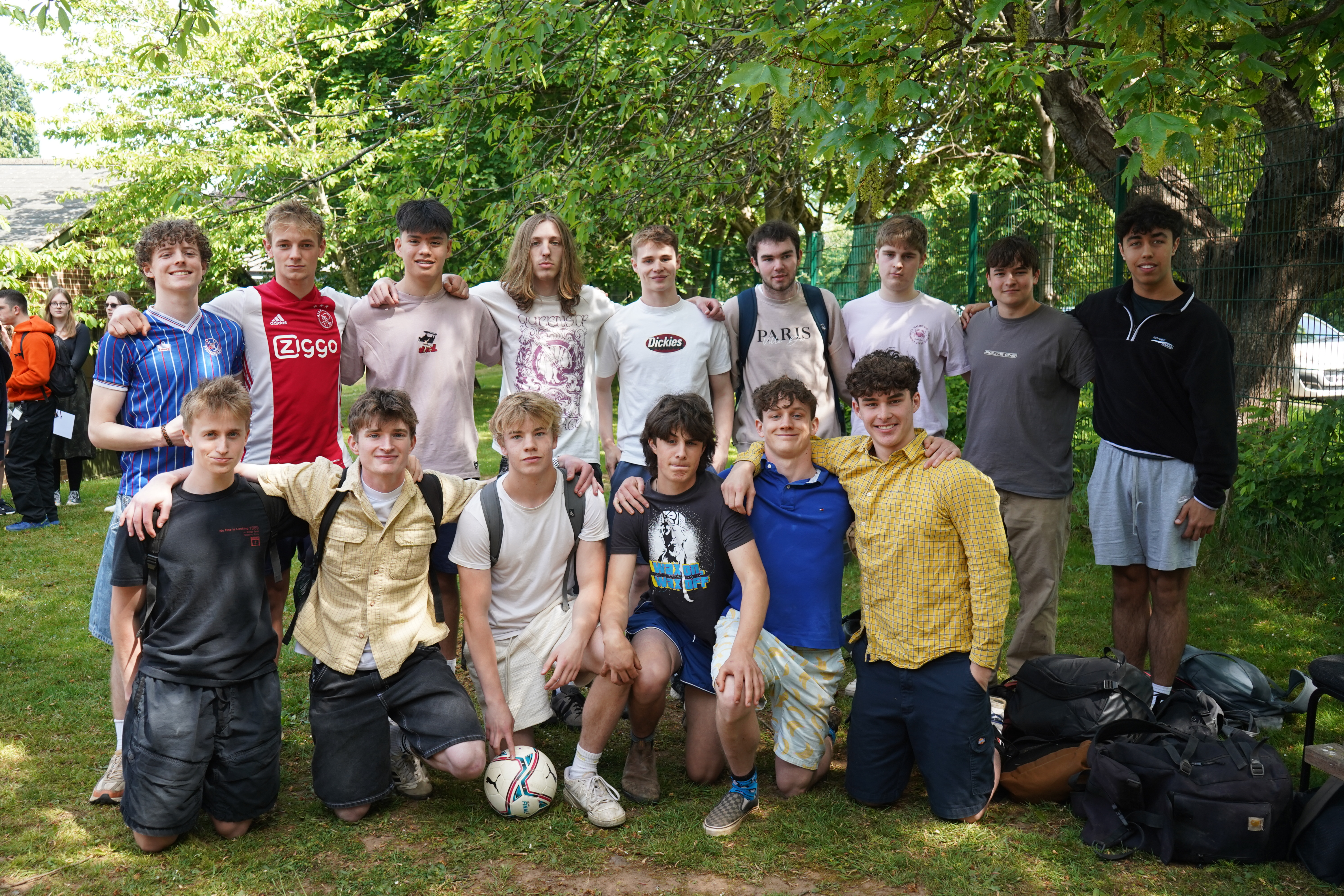
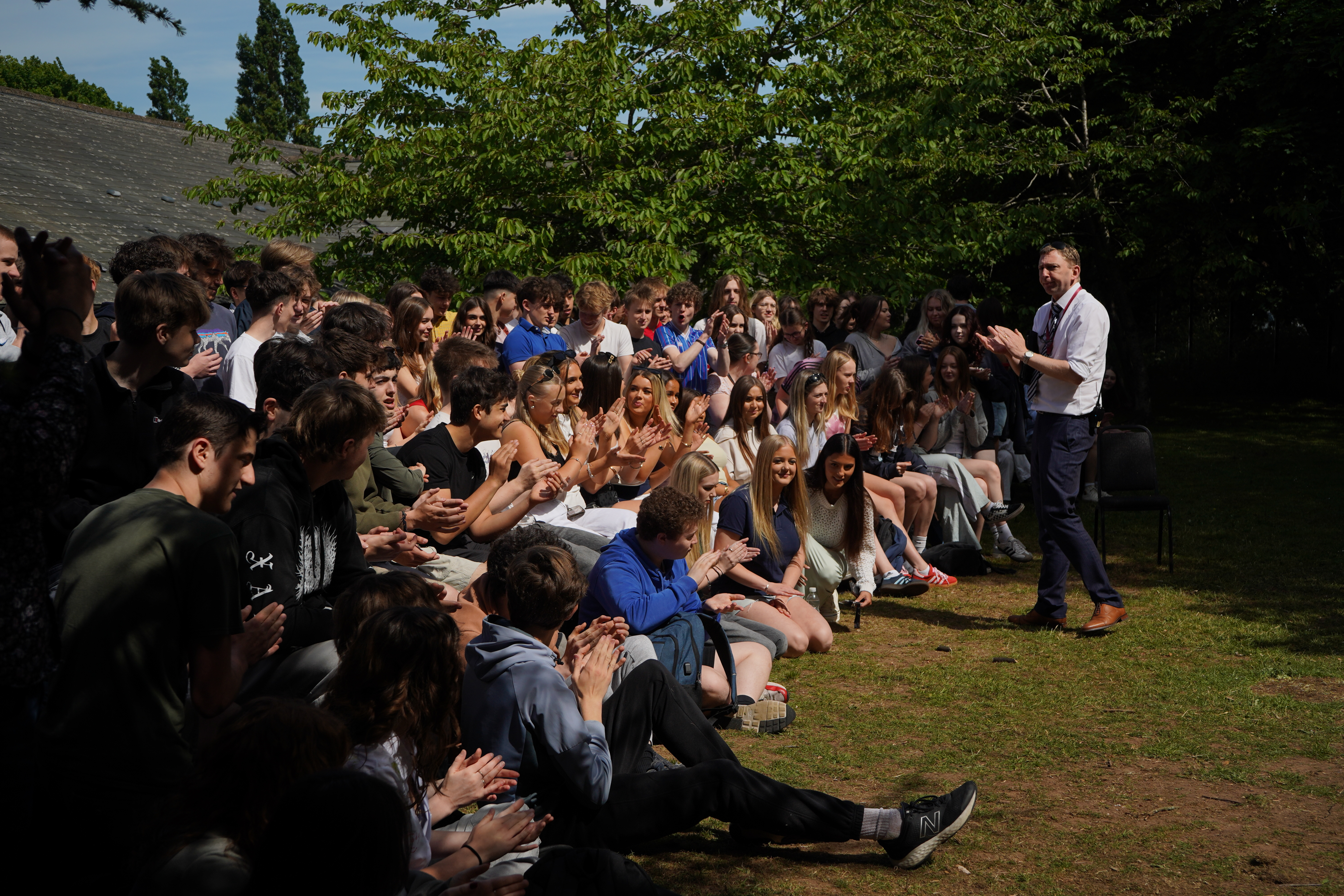
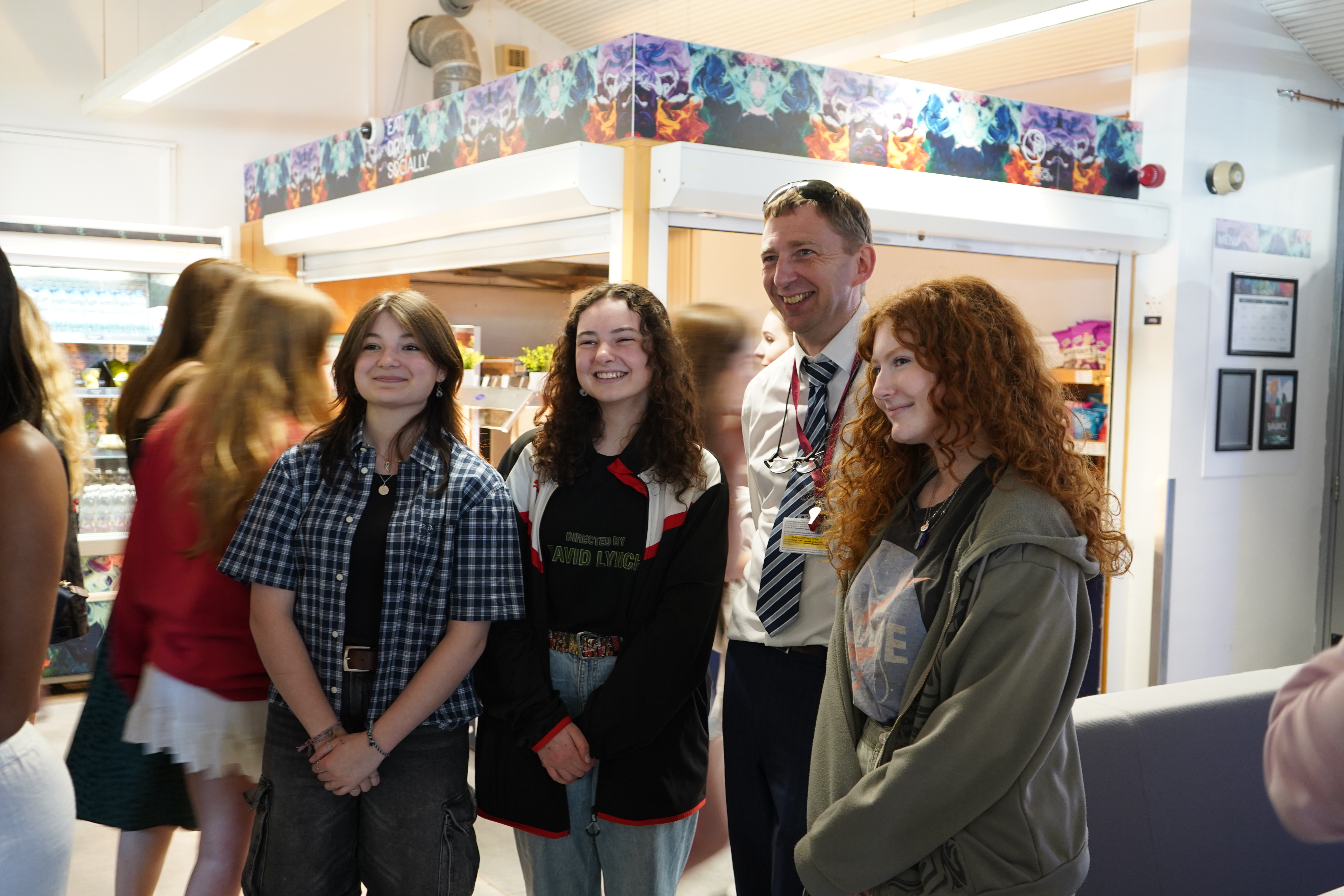
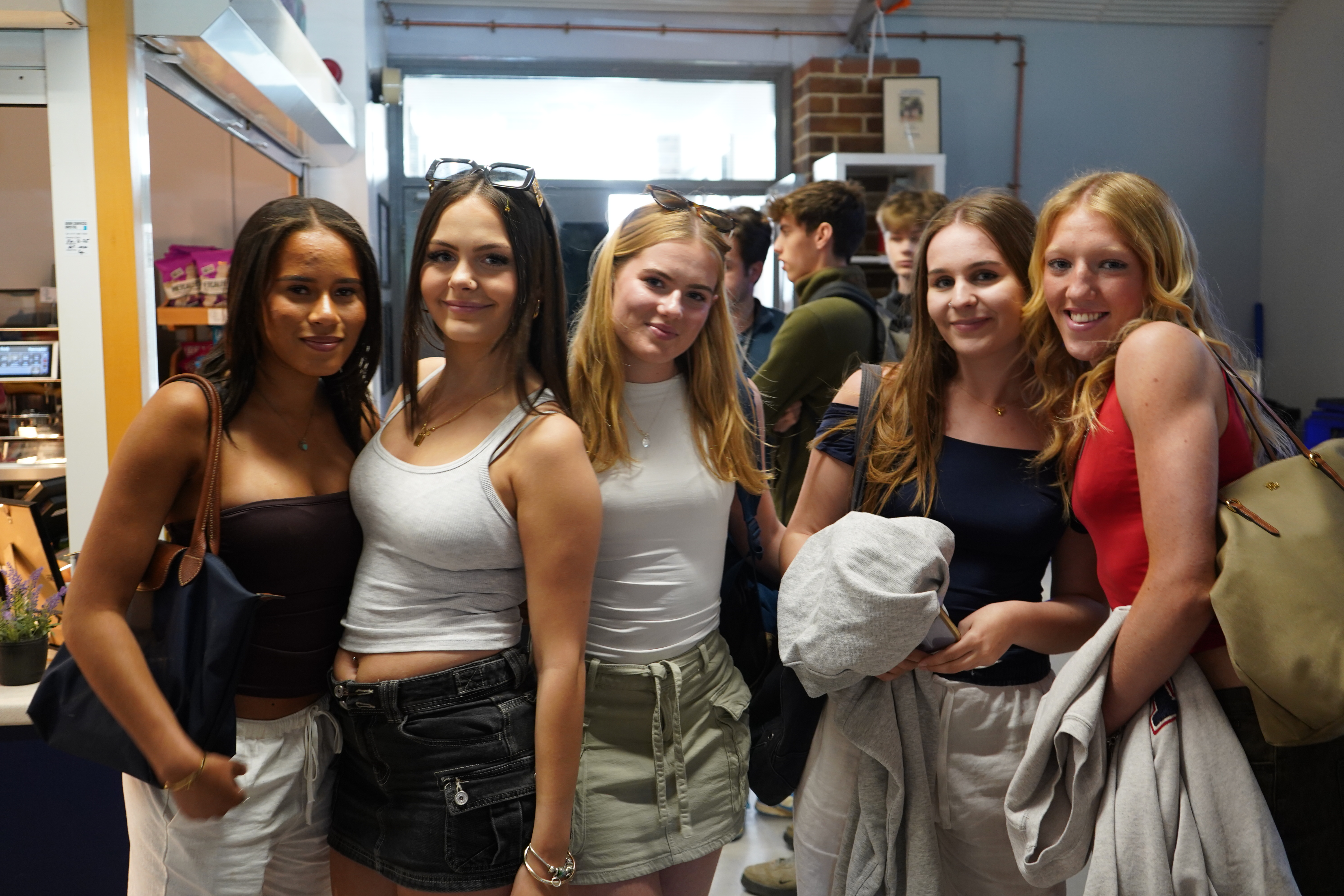
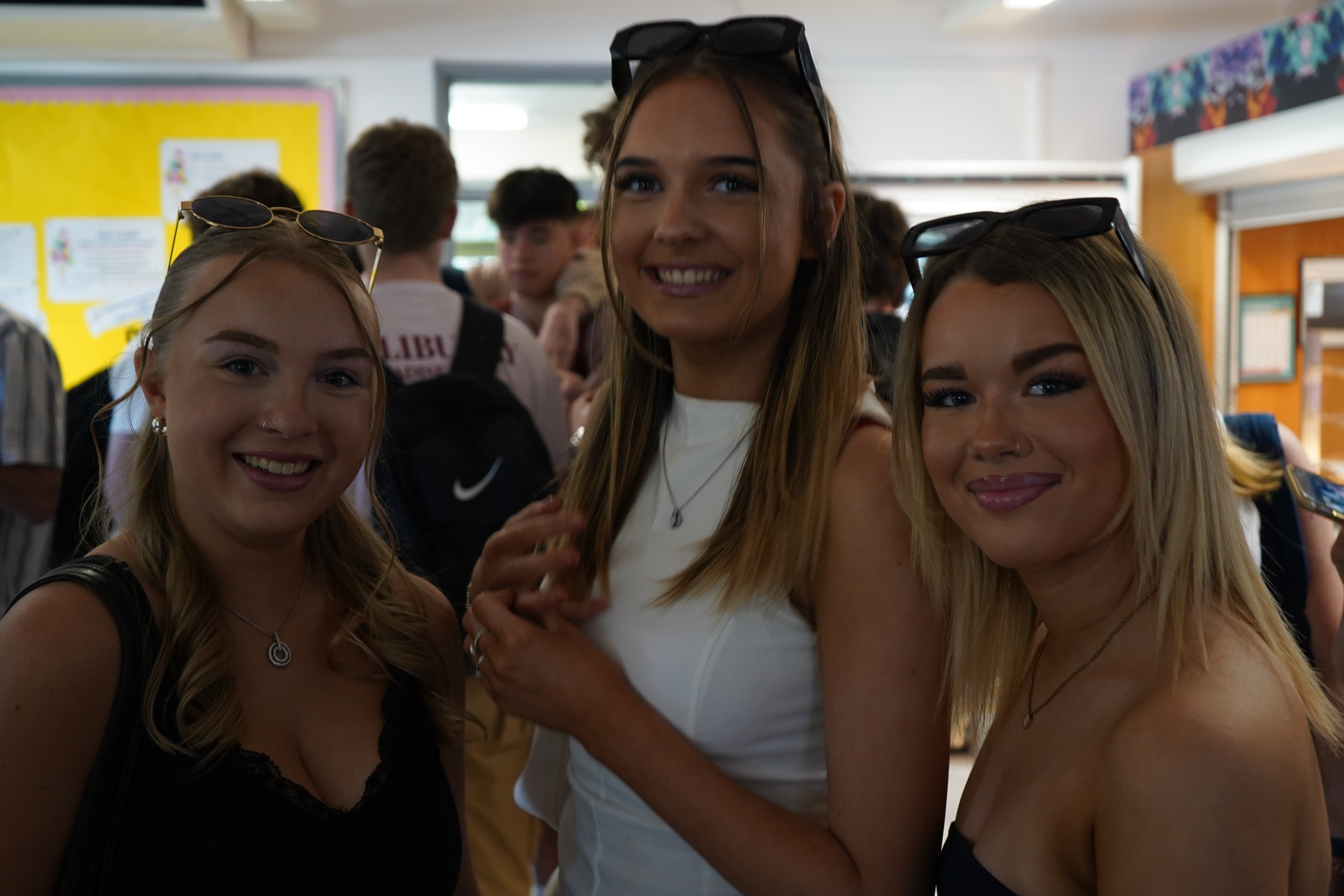
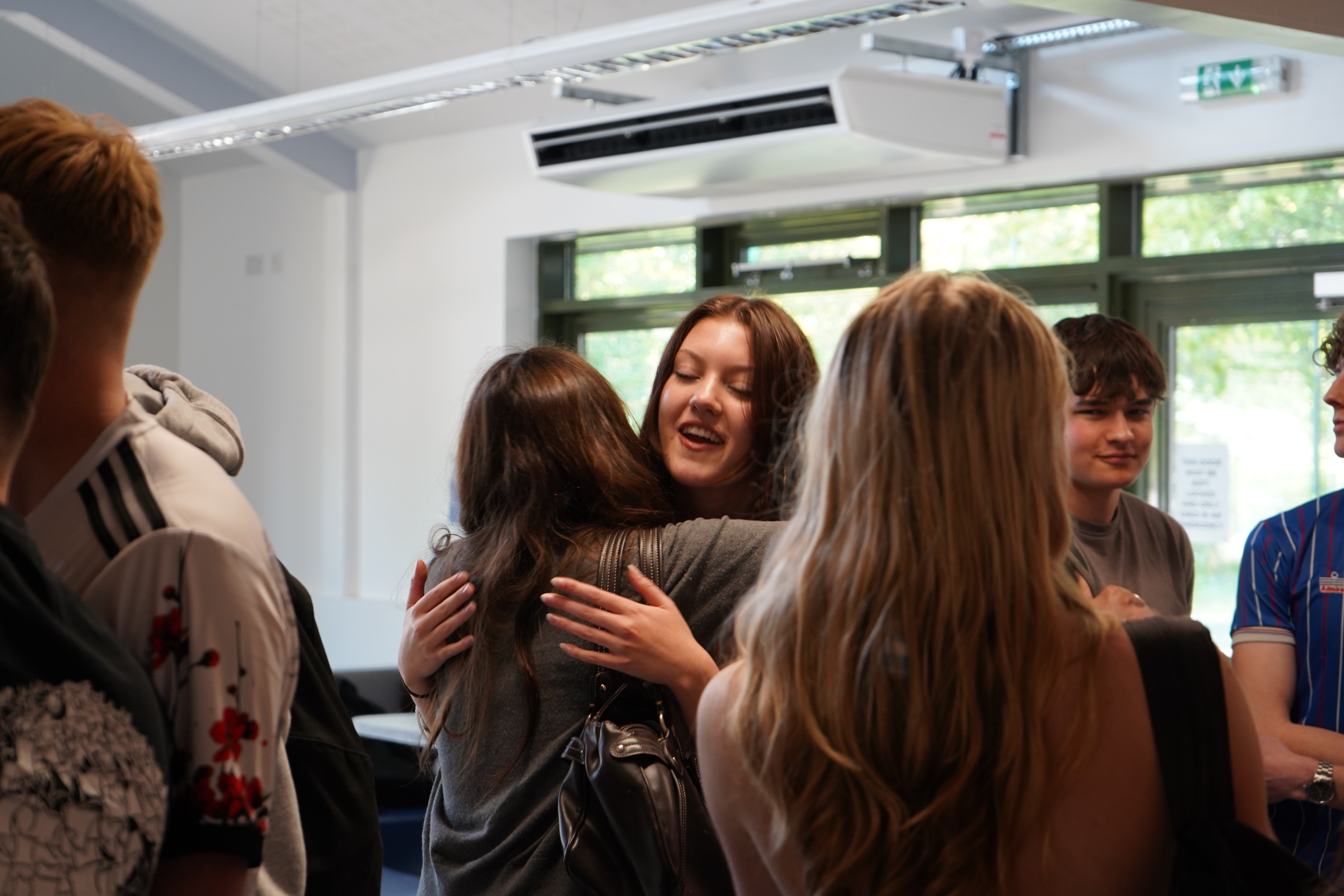
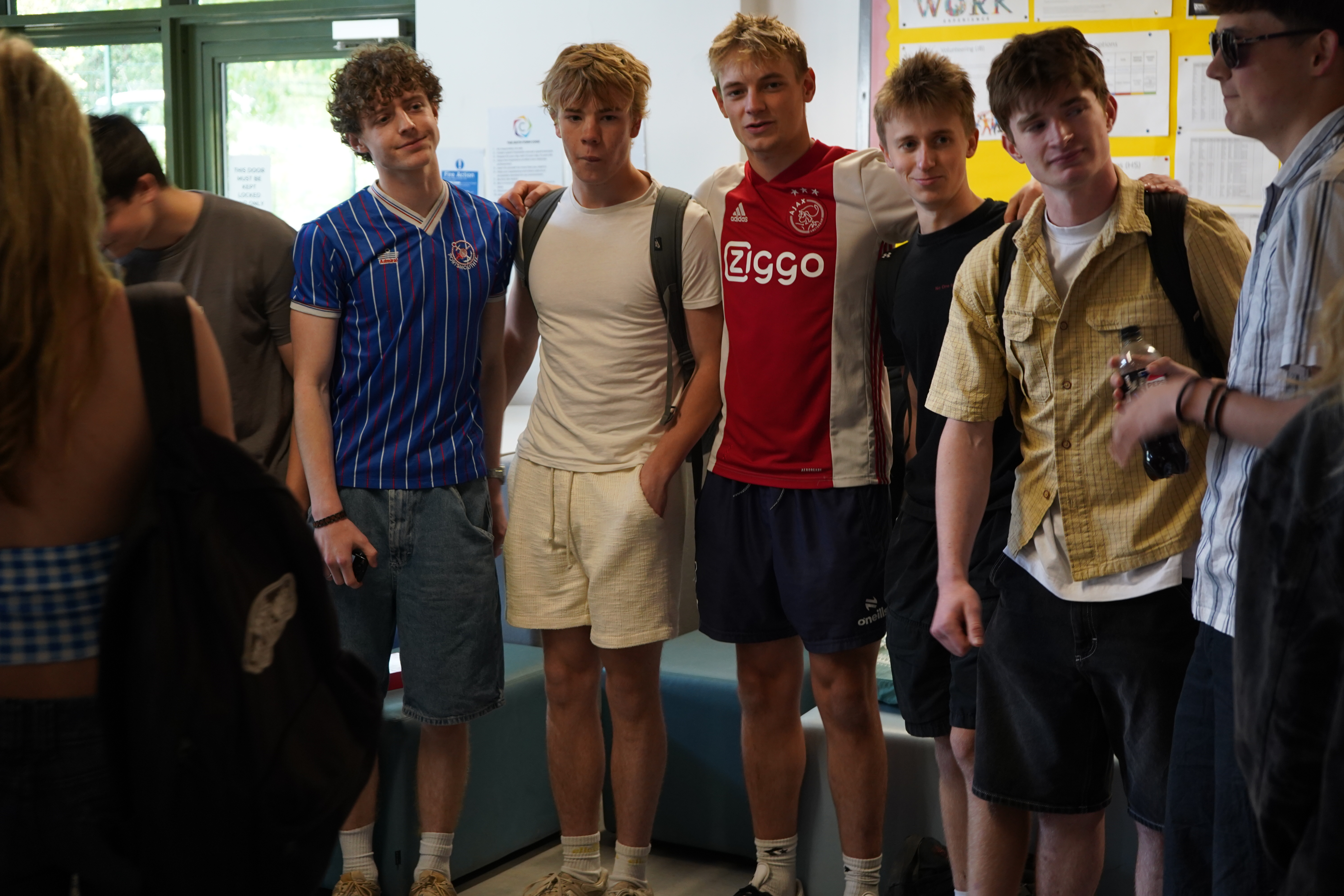
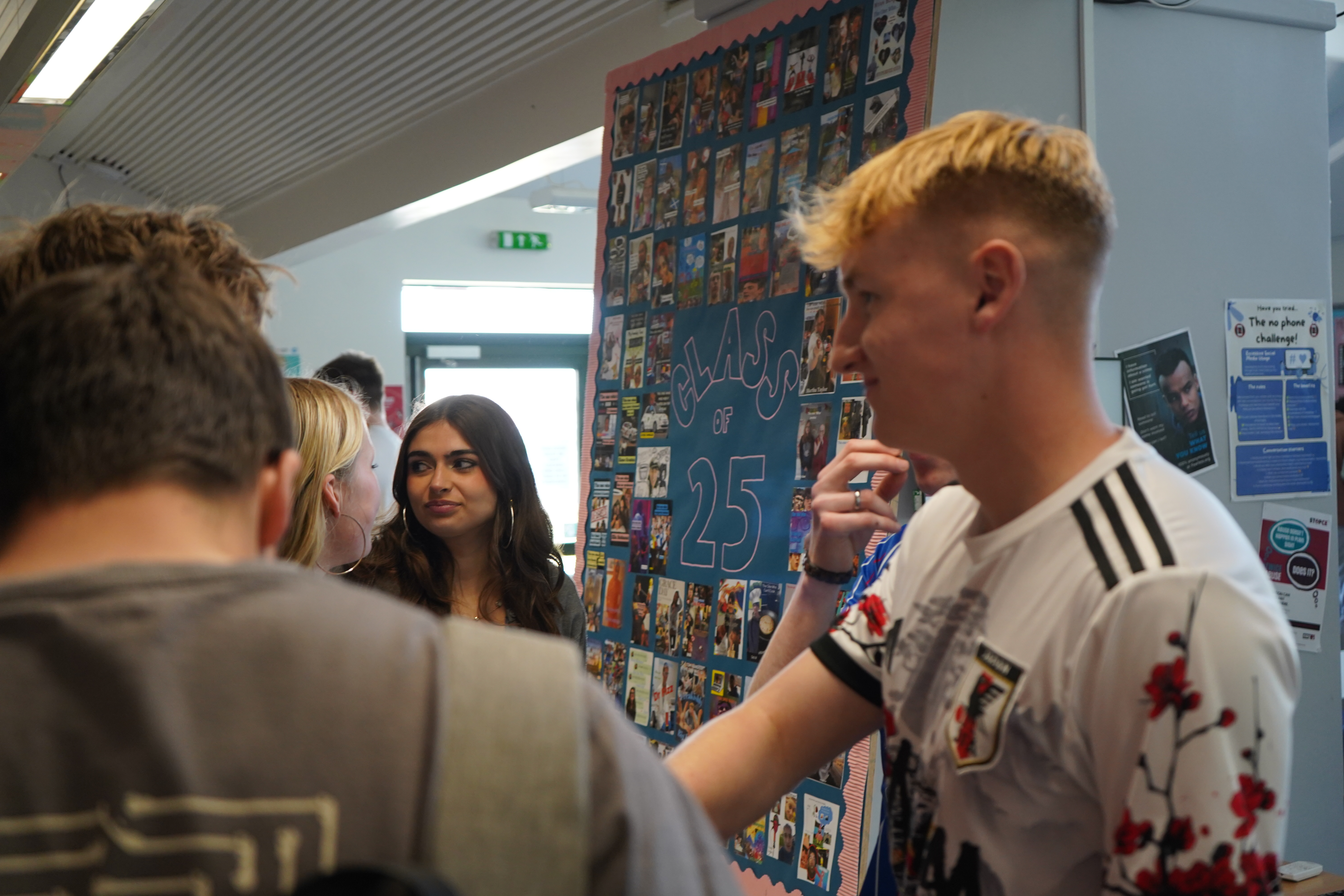
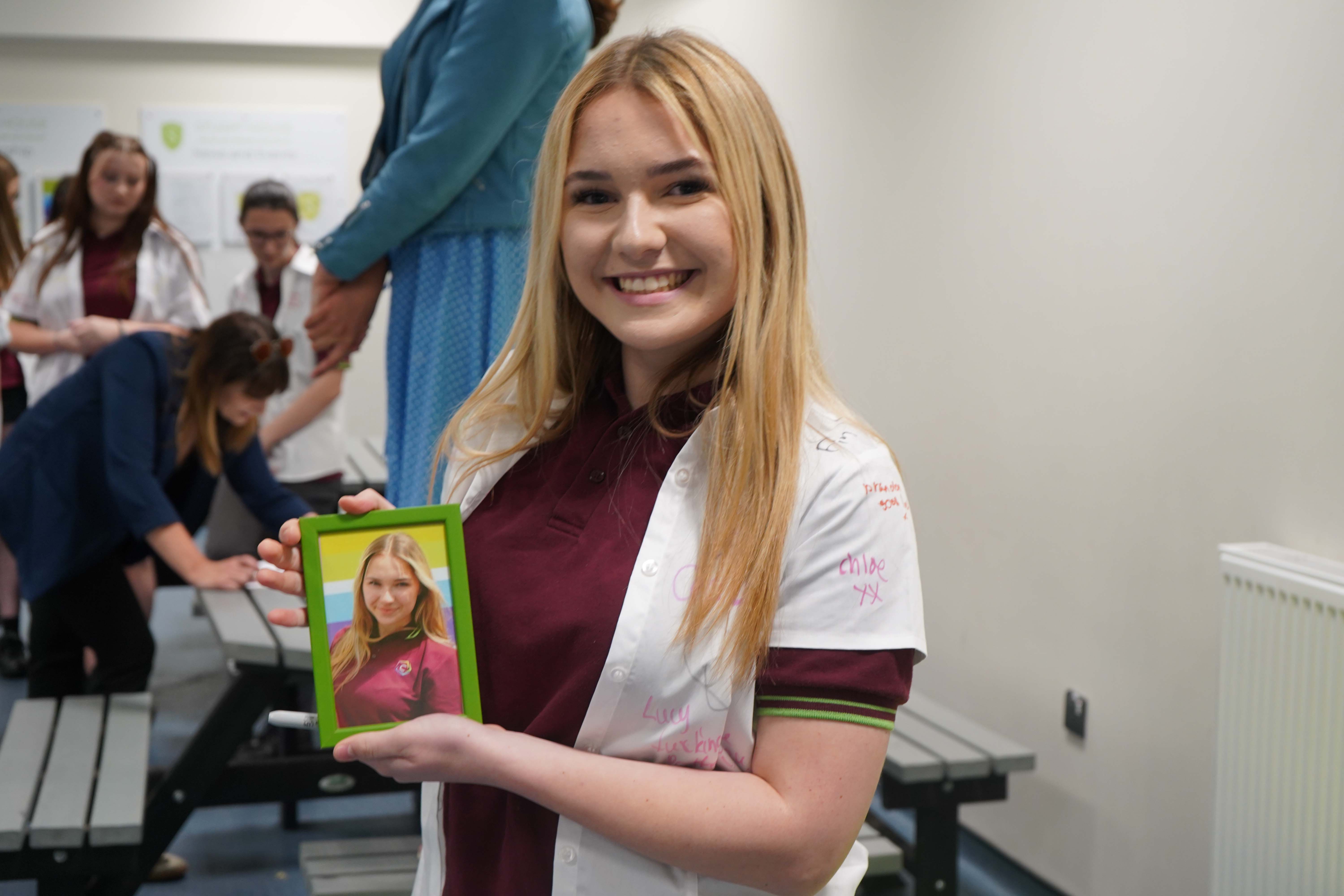
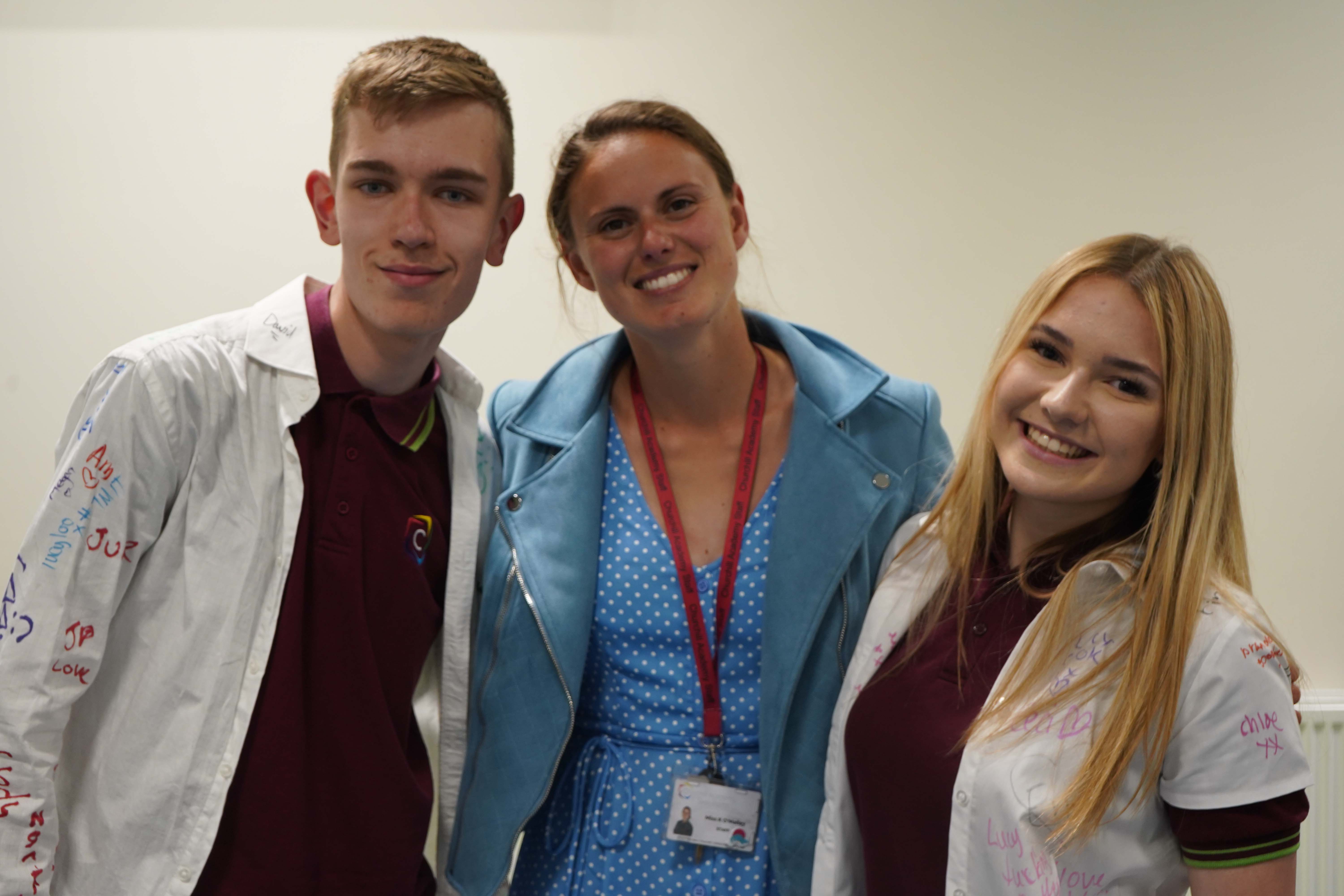
Today we had a fantastic “last day” with our Year 11 Class of 2025. This was particularly important for a group of young people who saw the end of their primary school education disrupted by the COVID-19 pandemic, and joined Churchill Academy & Sixth Form in a world of lateral flow testing, bubbles and isolation protocols. They have come through with flying colours and we did our best to give them a proper send-off!

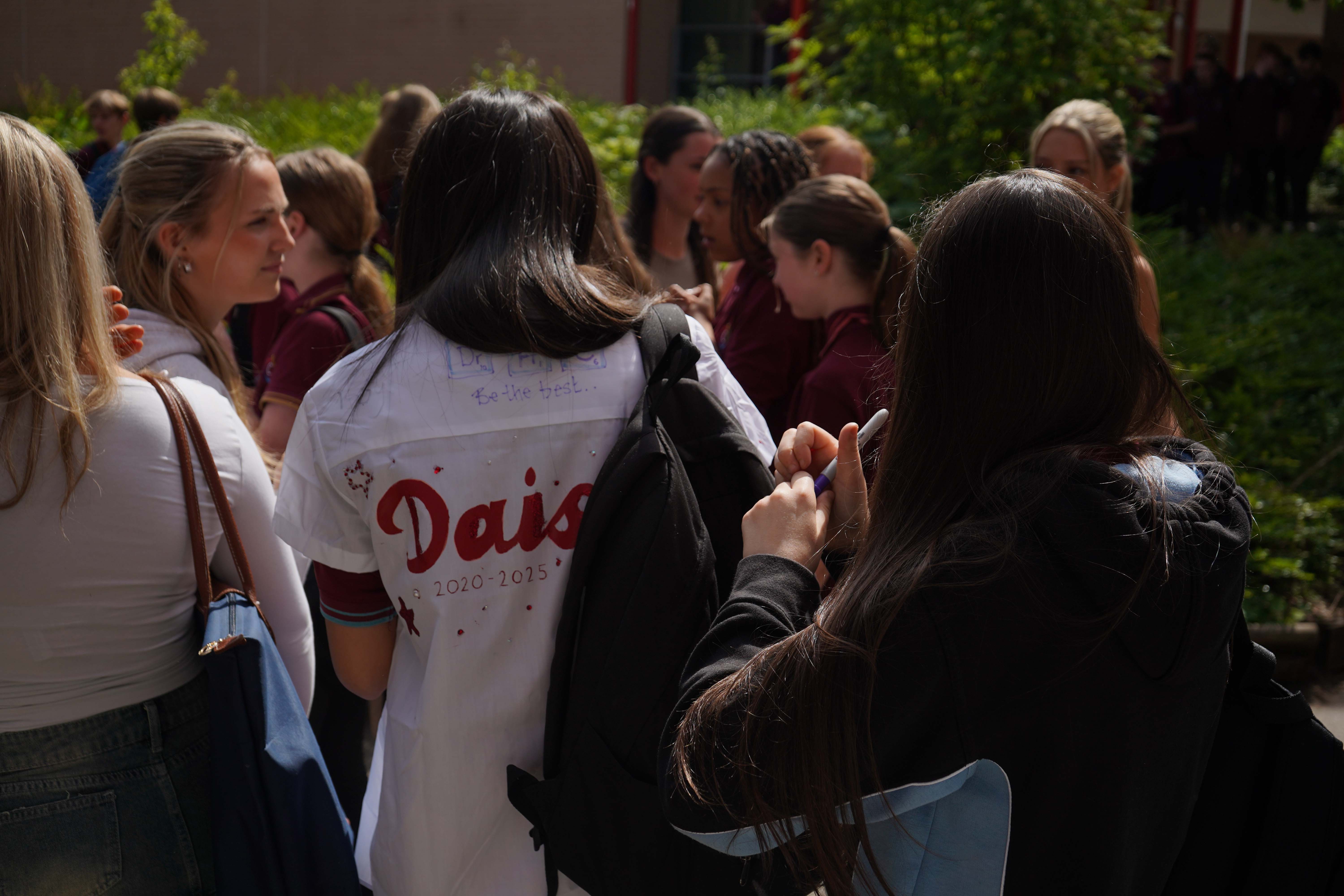
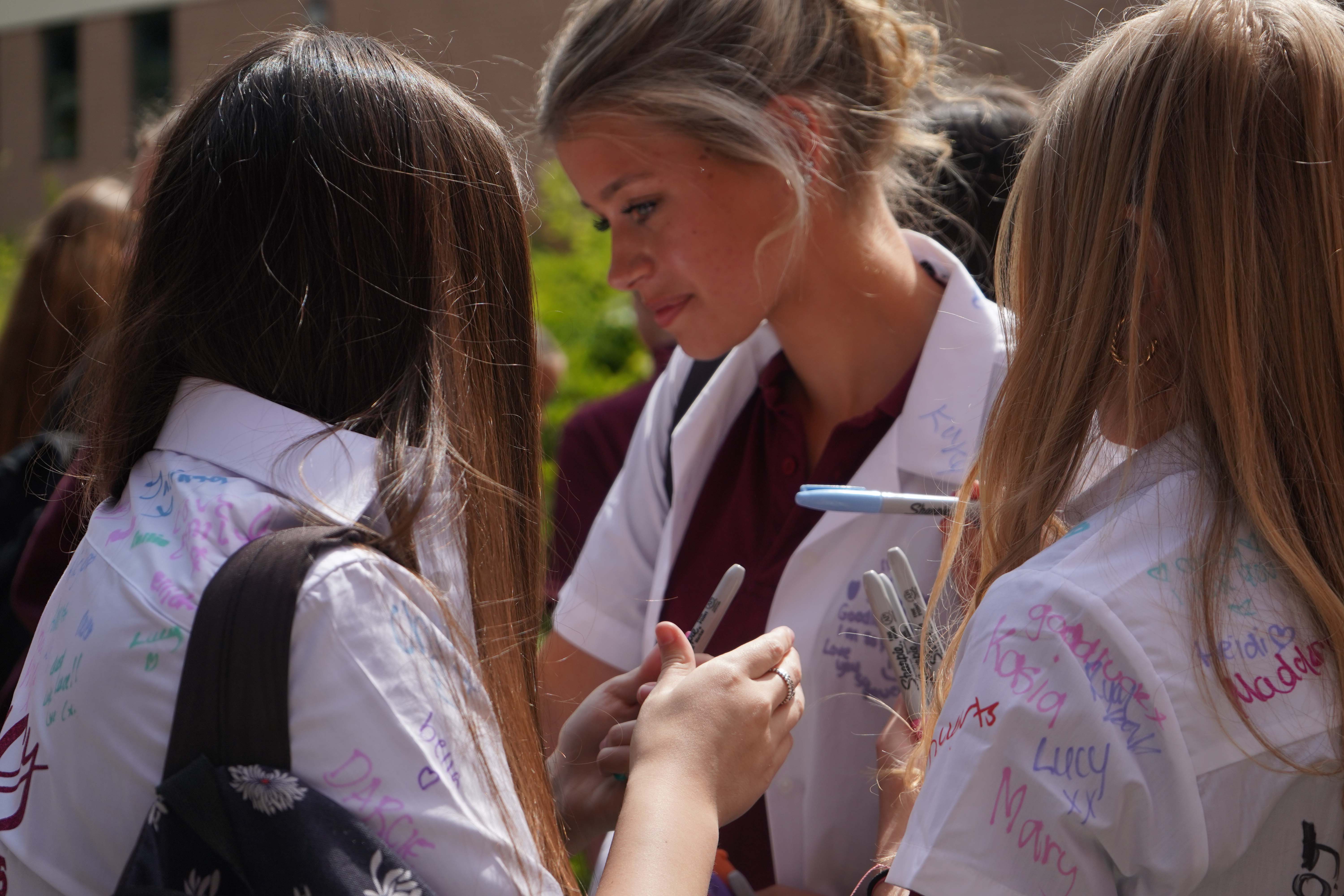
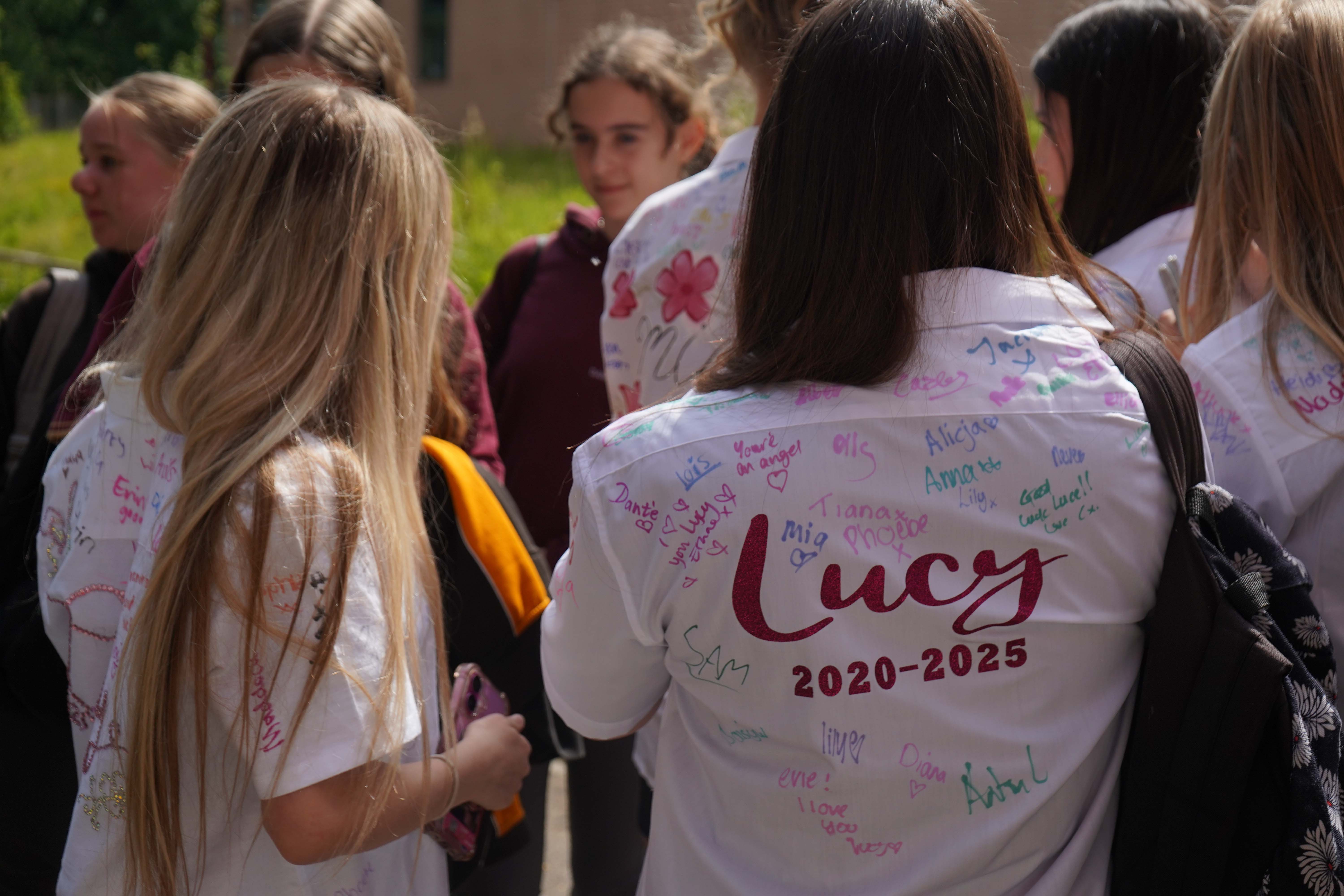
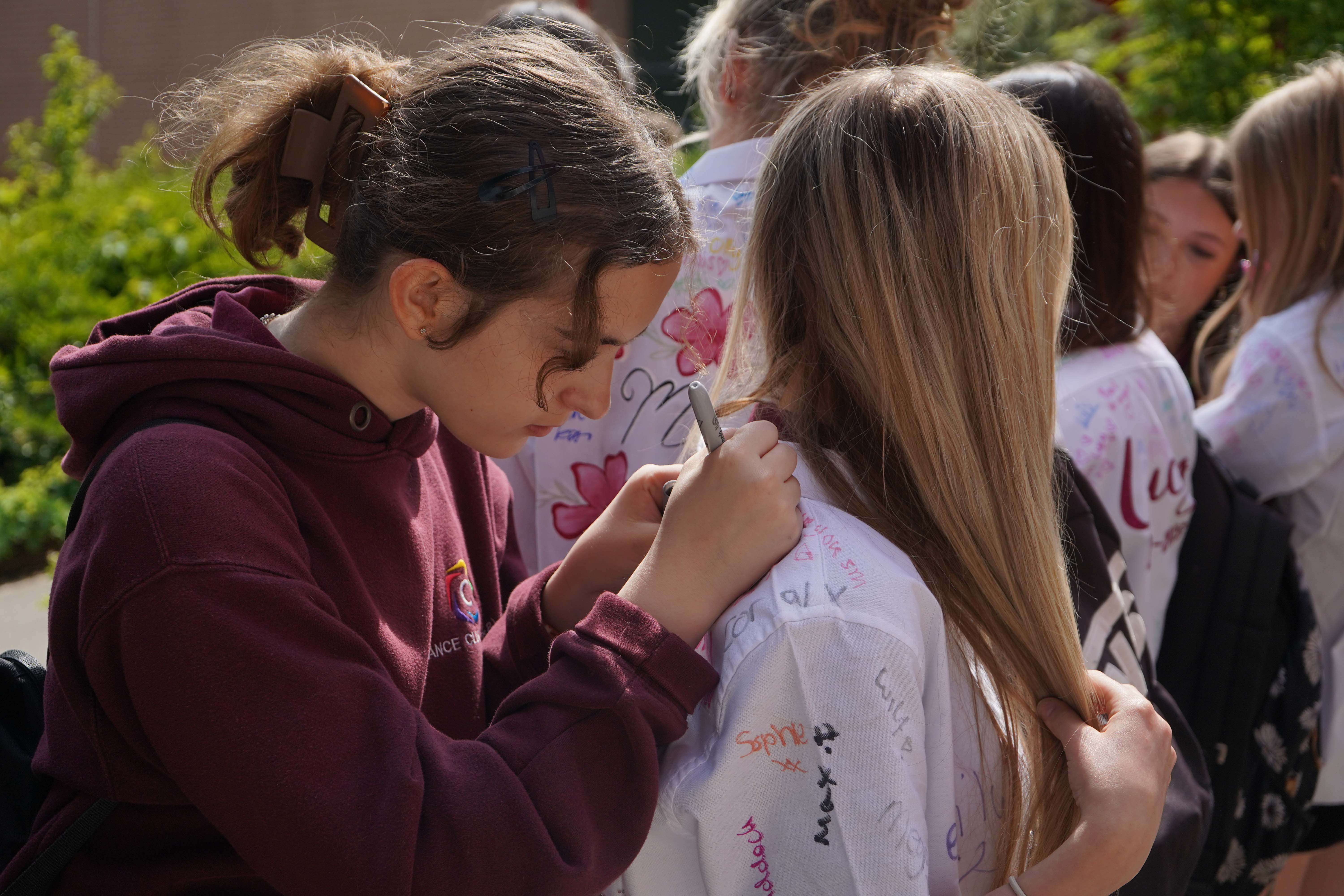
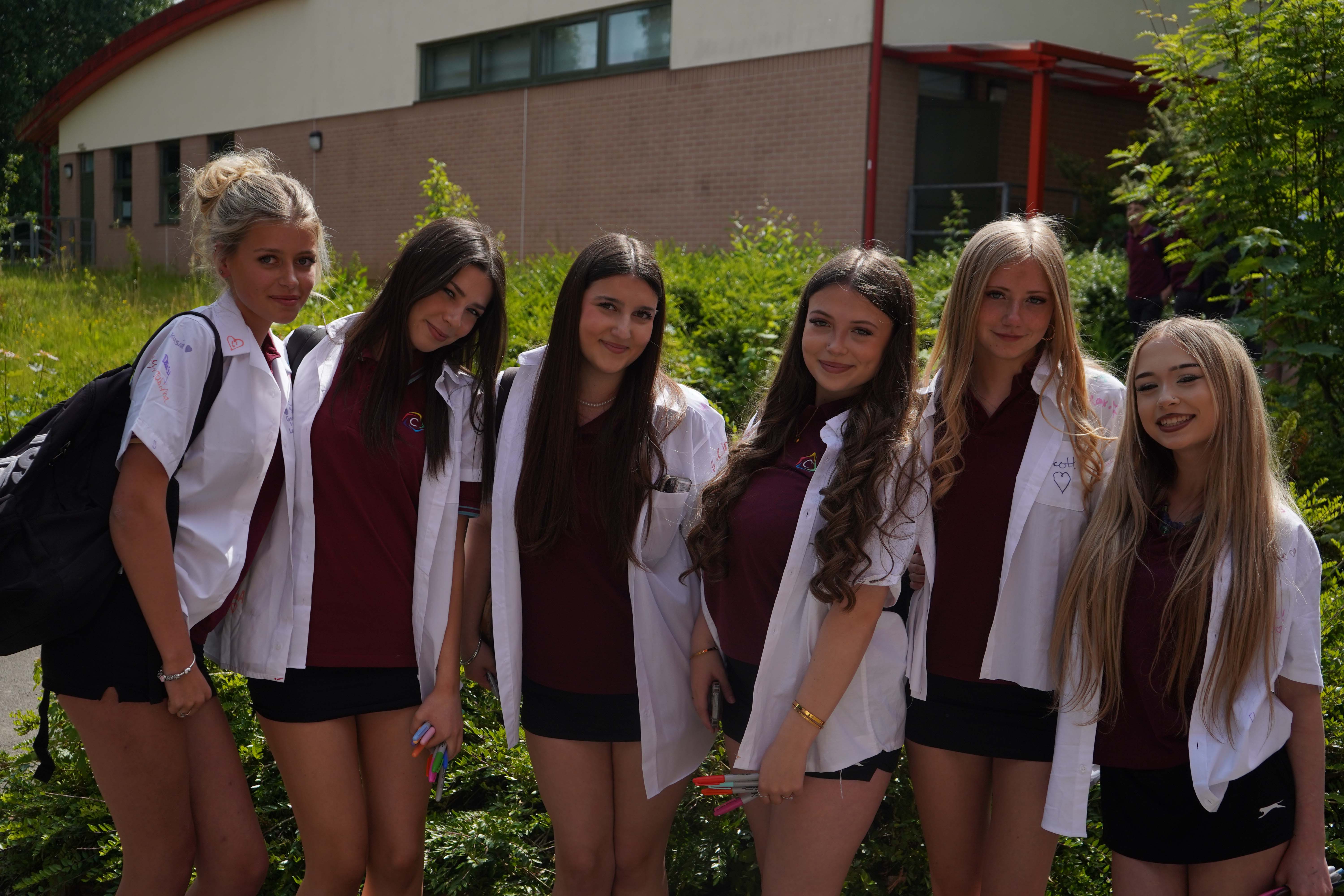
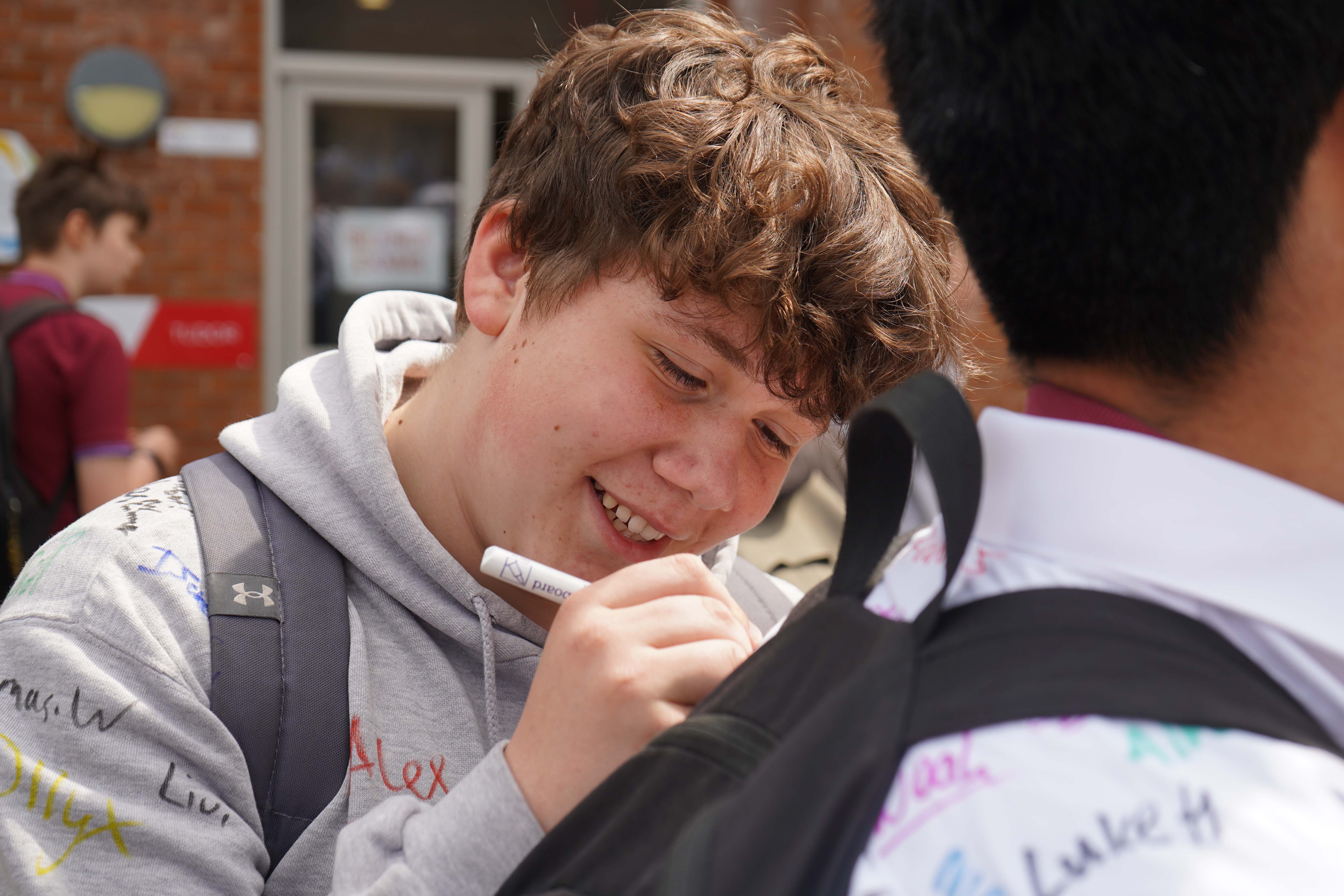
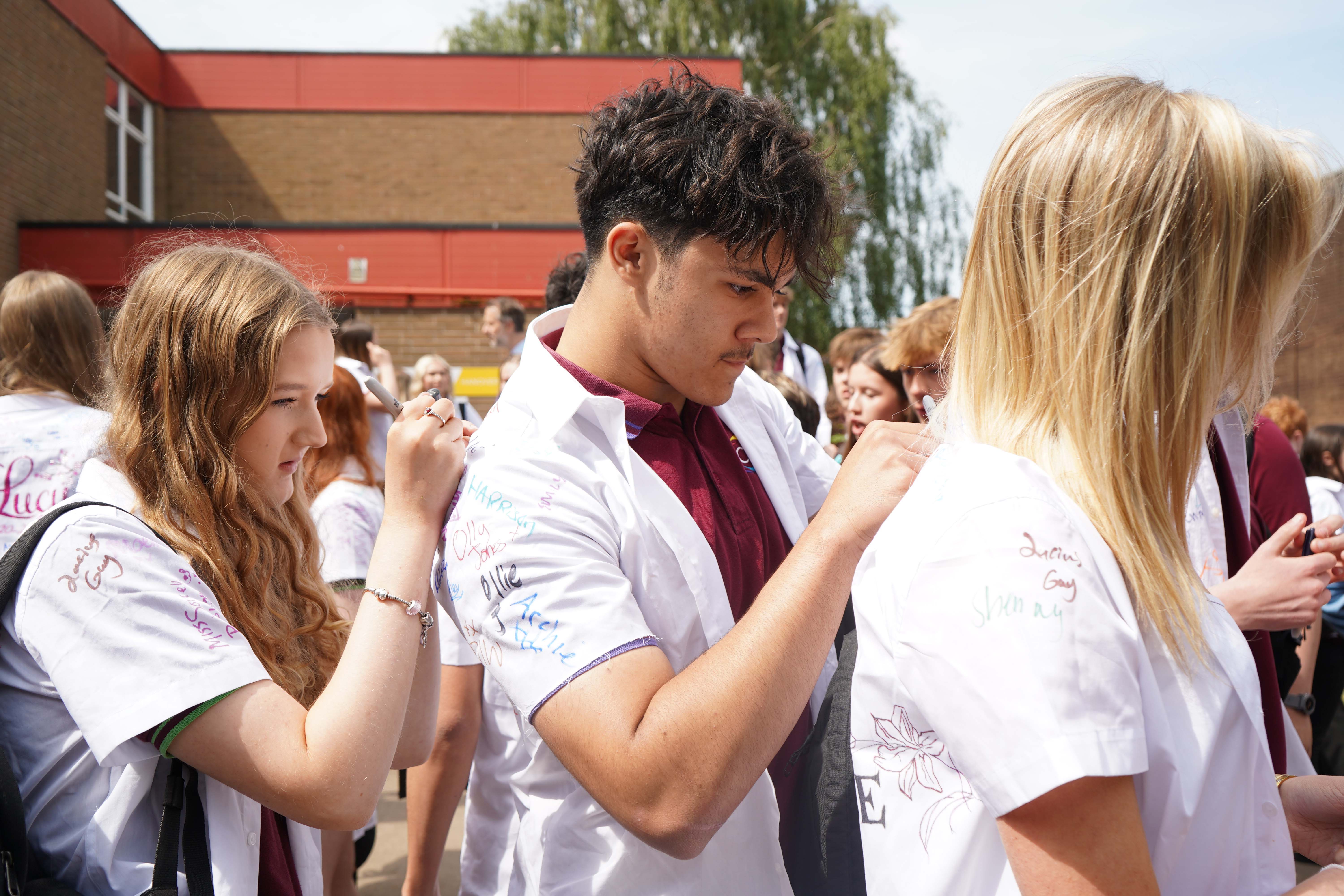
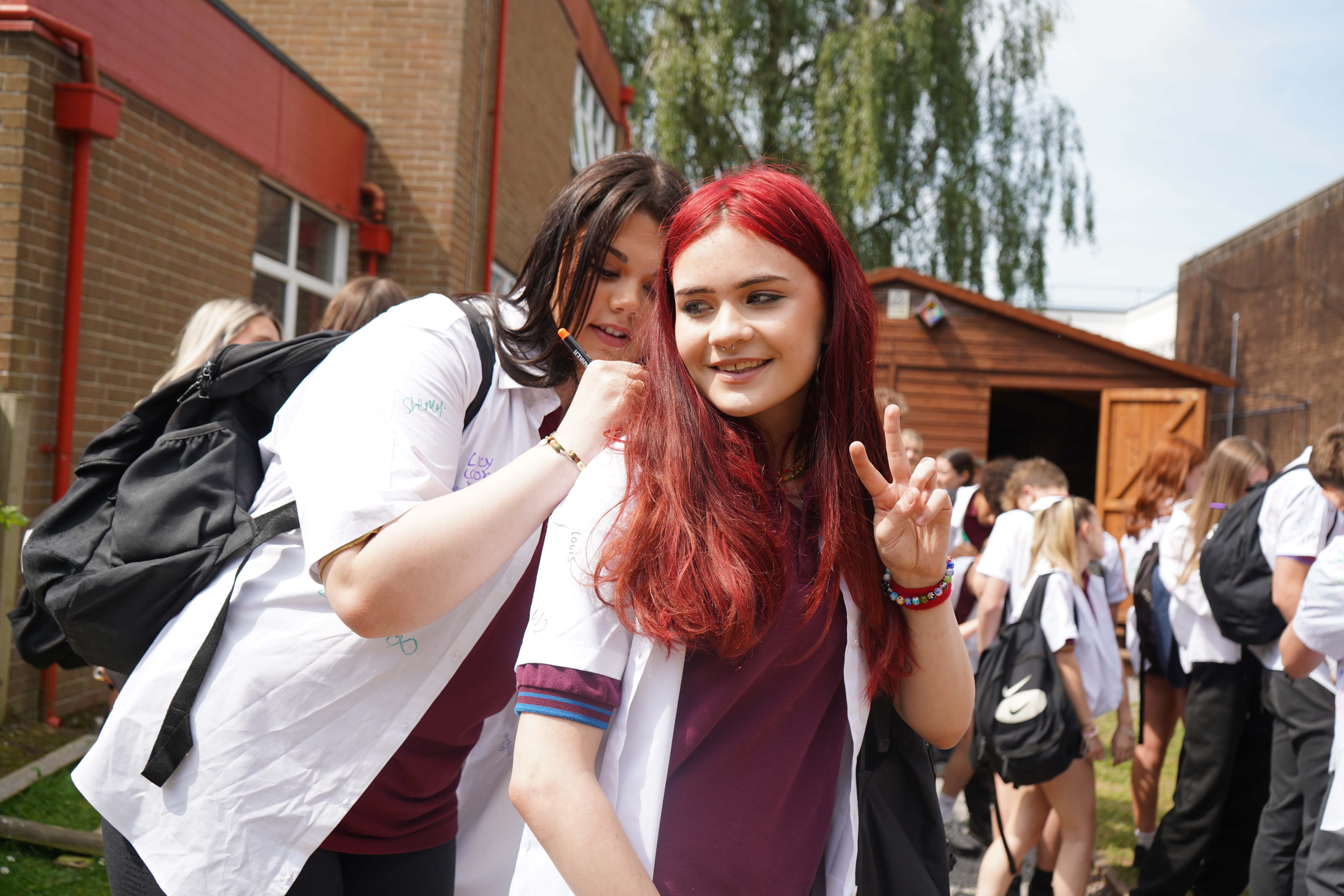
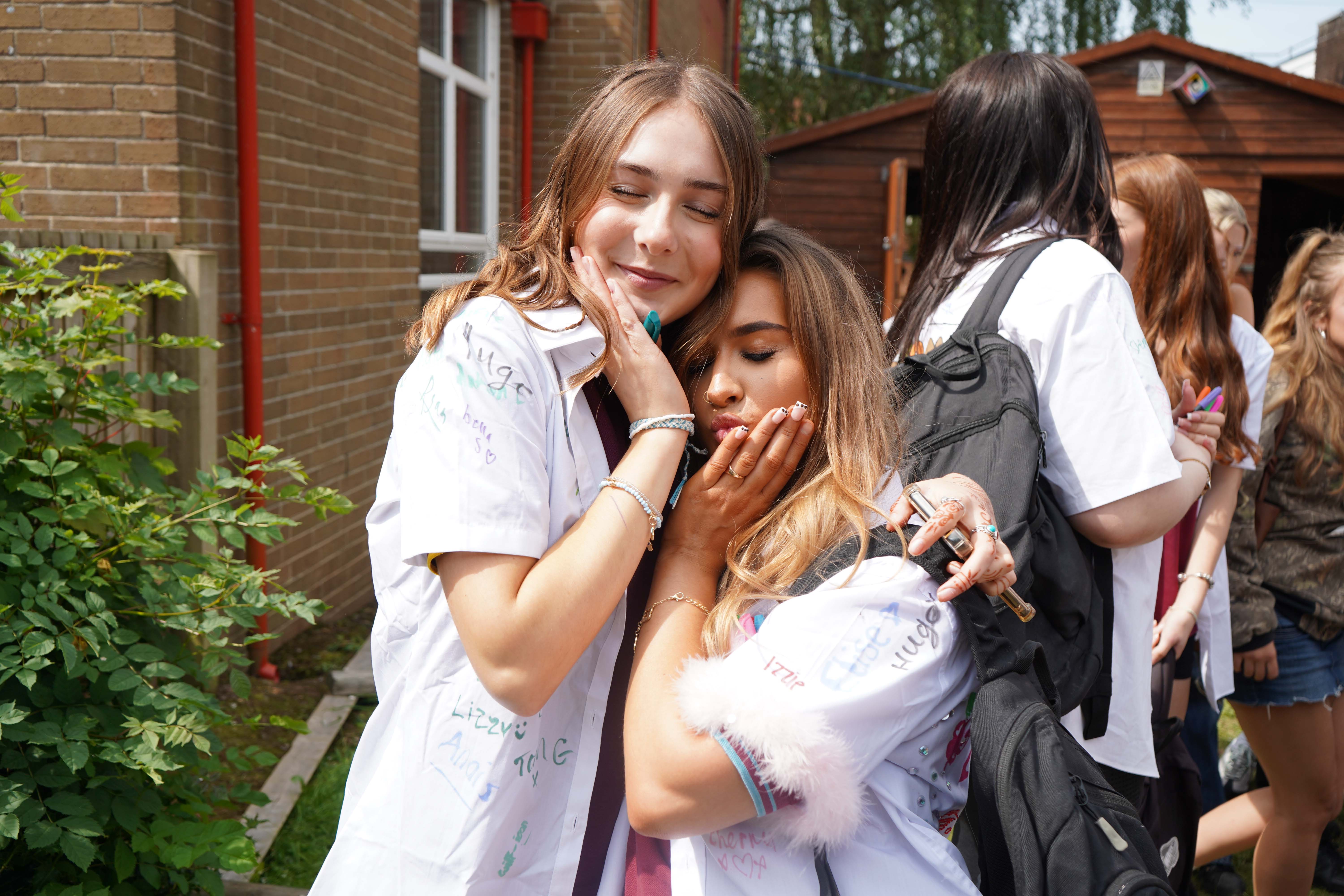
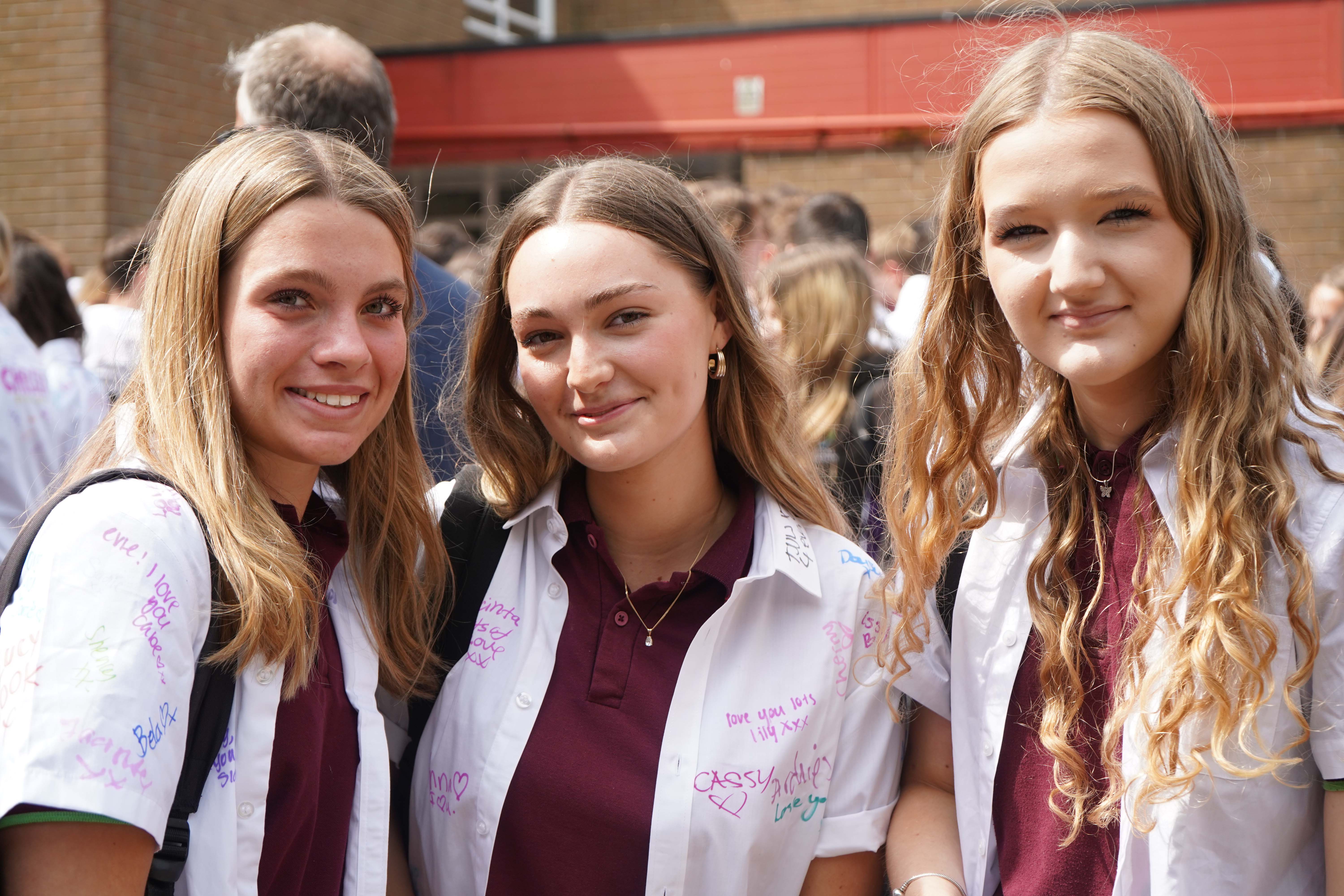
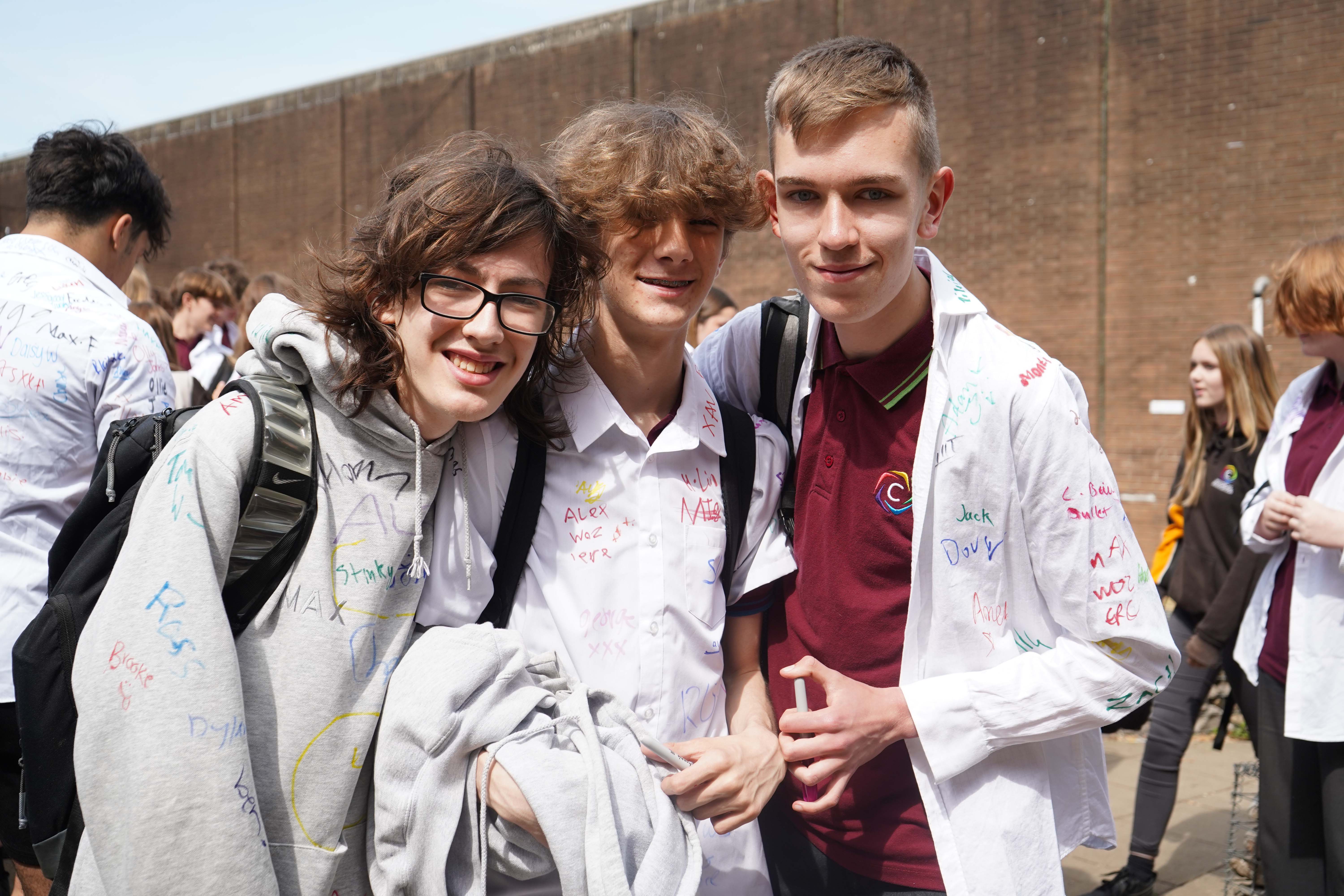
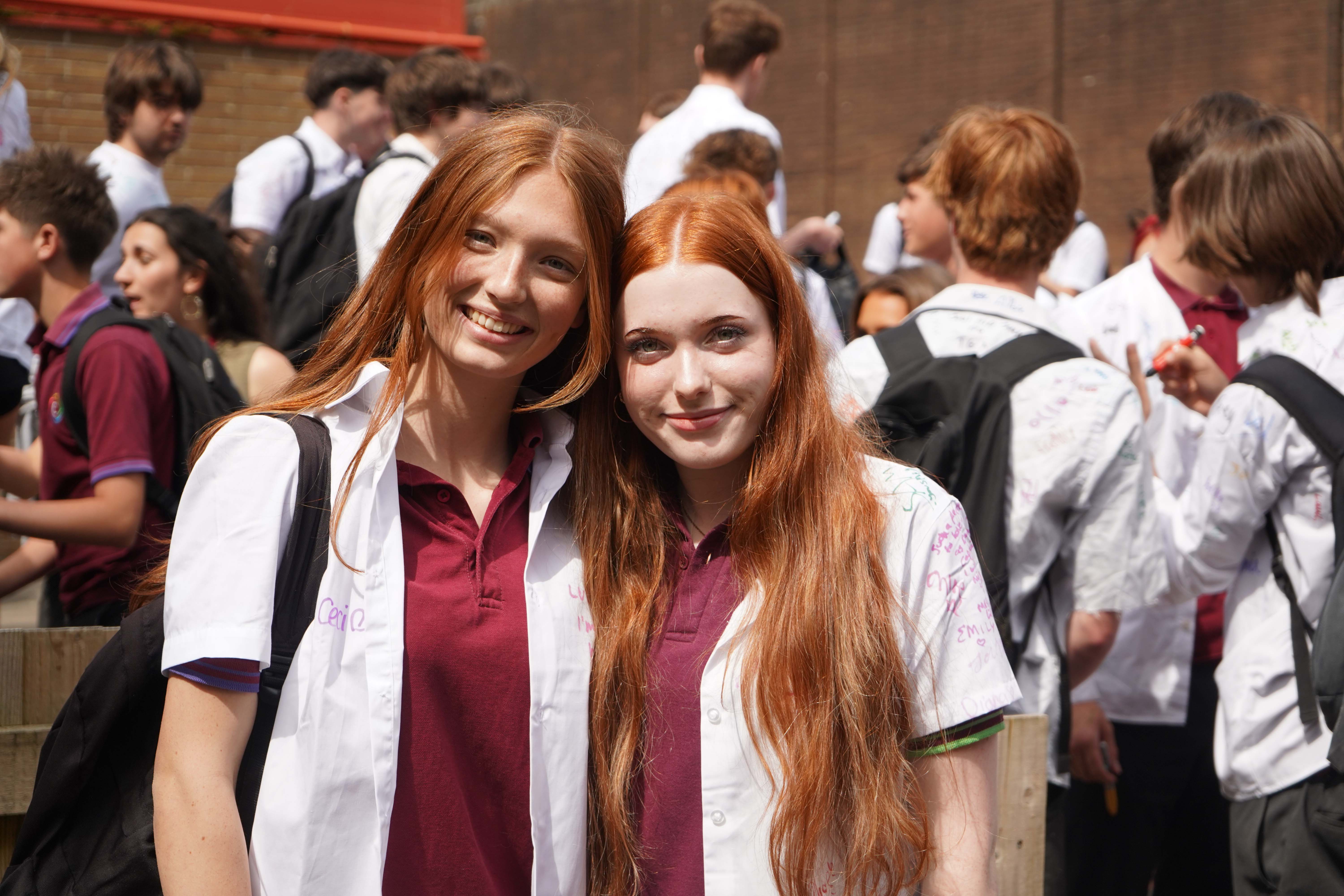
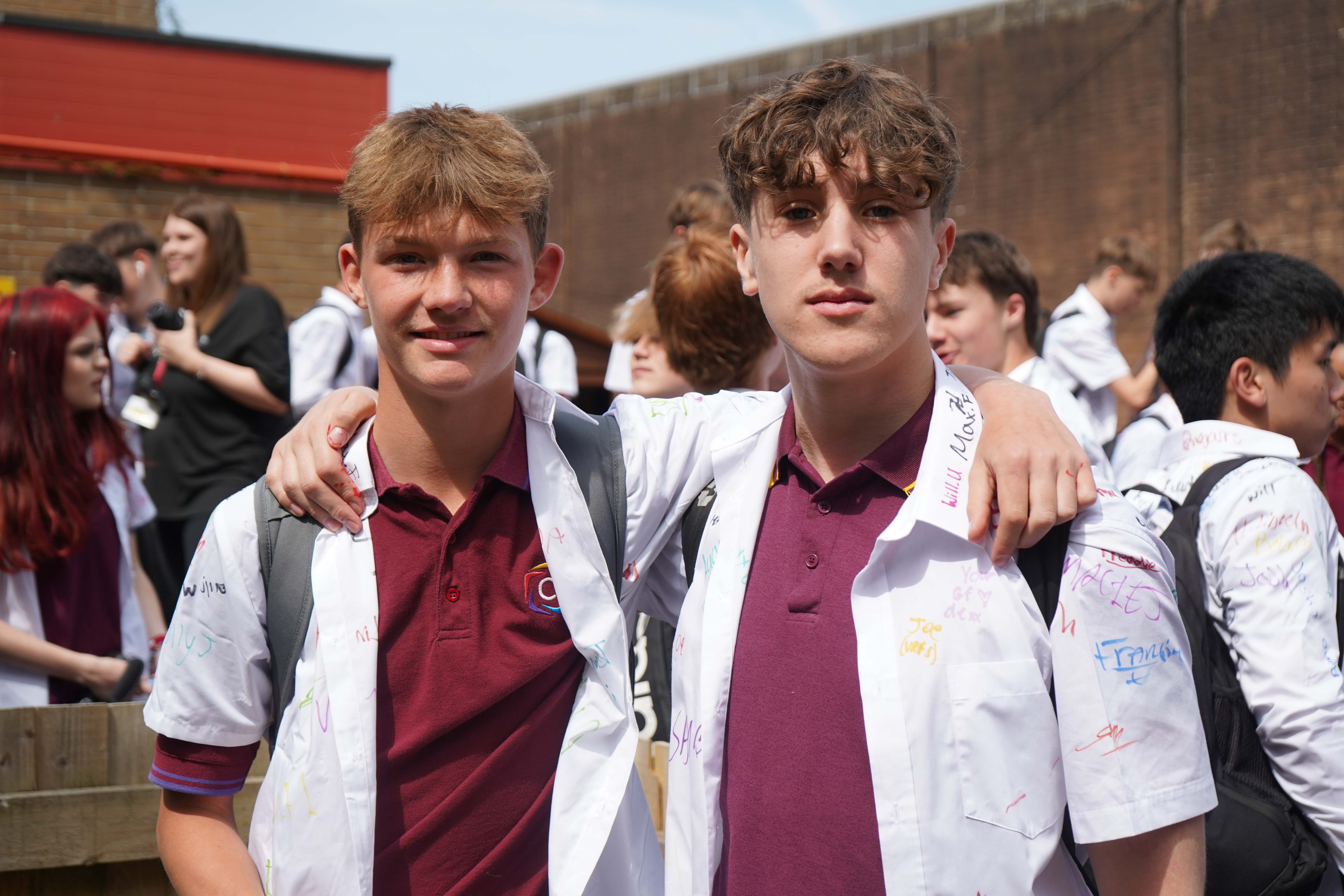
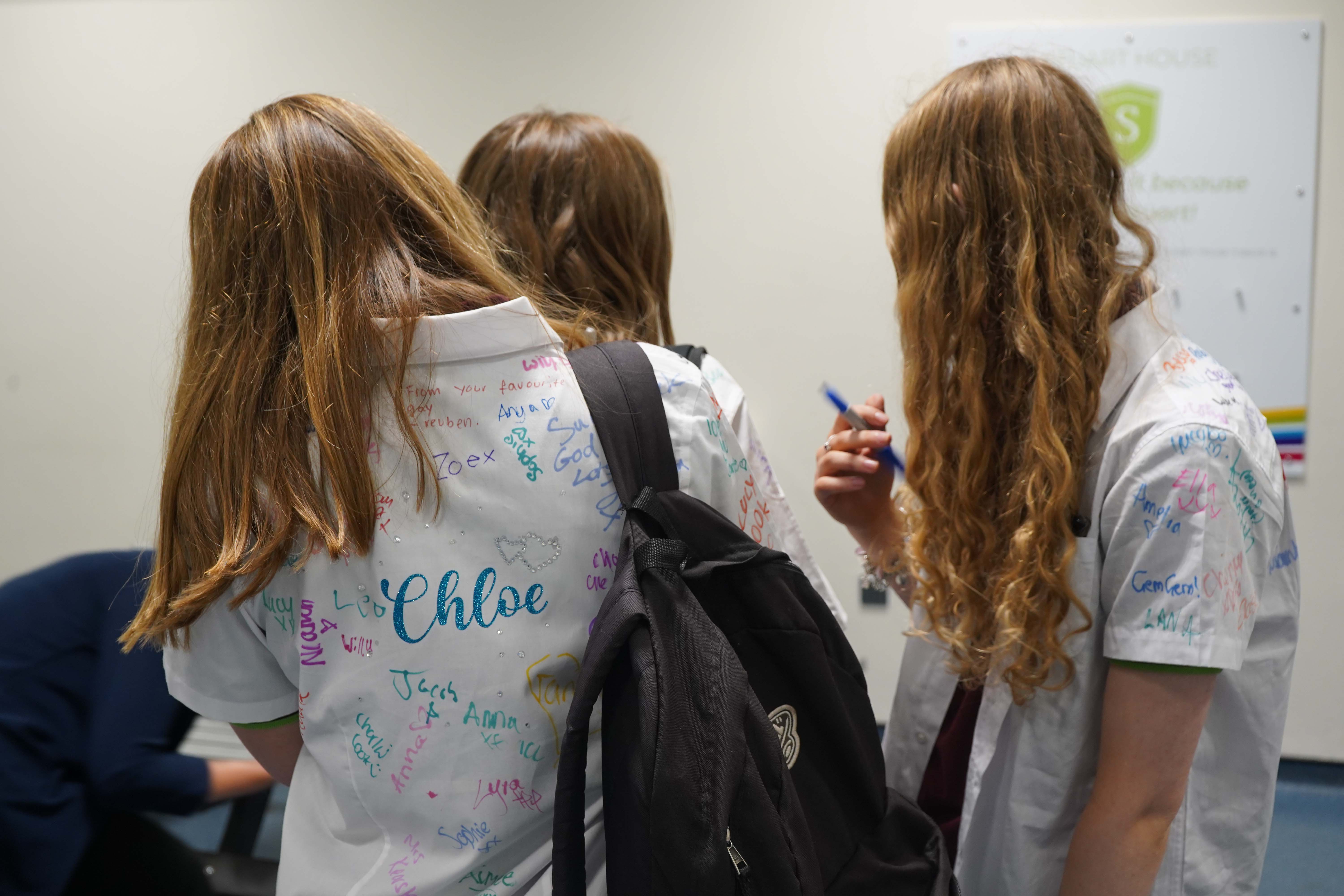
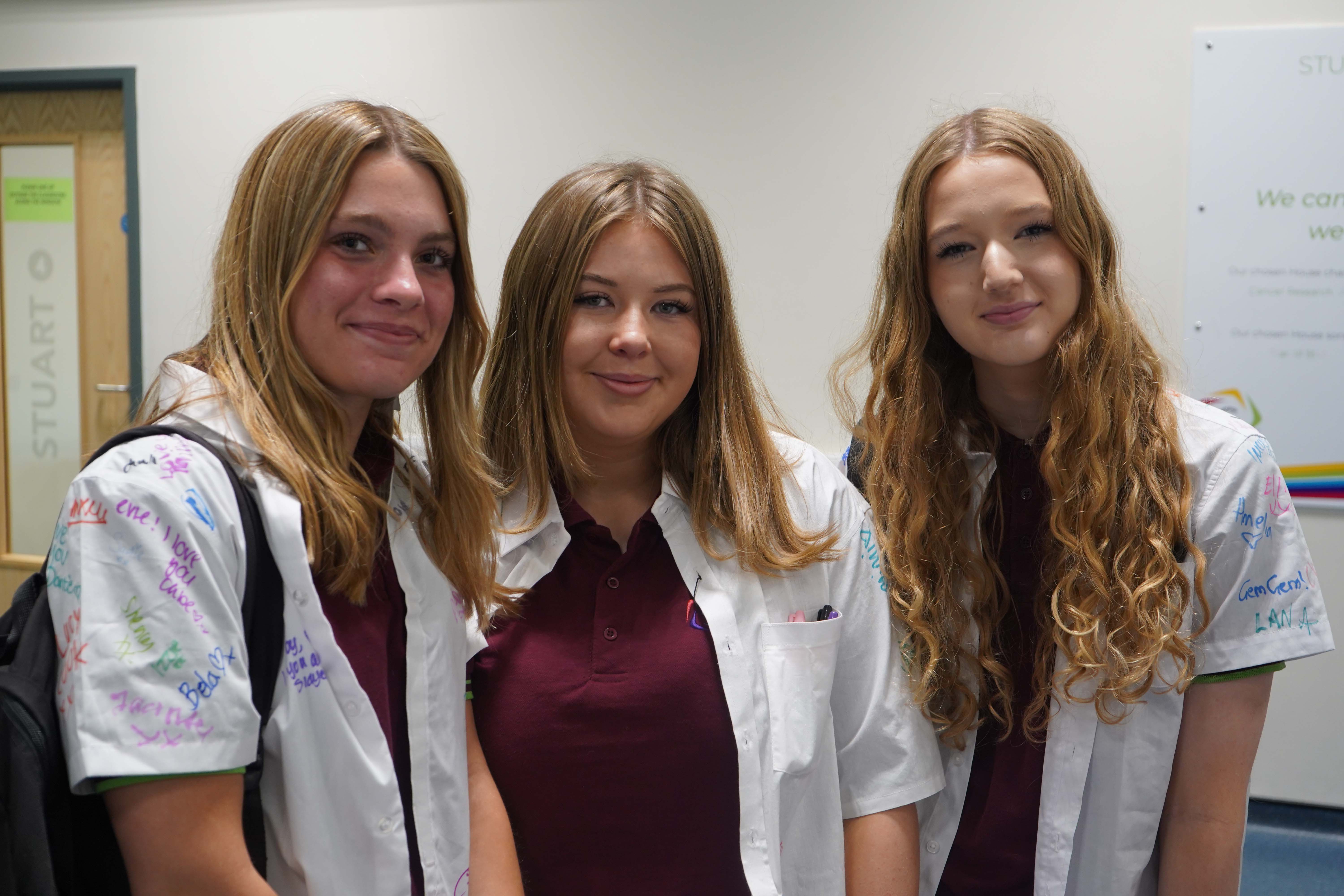
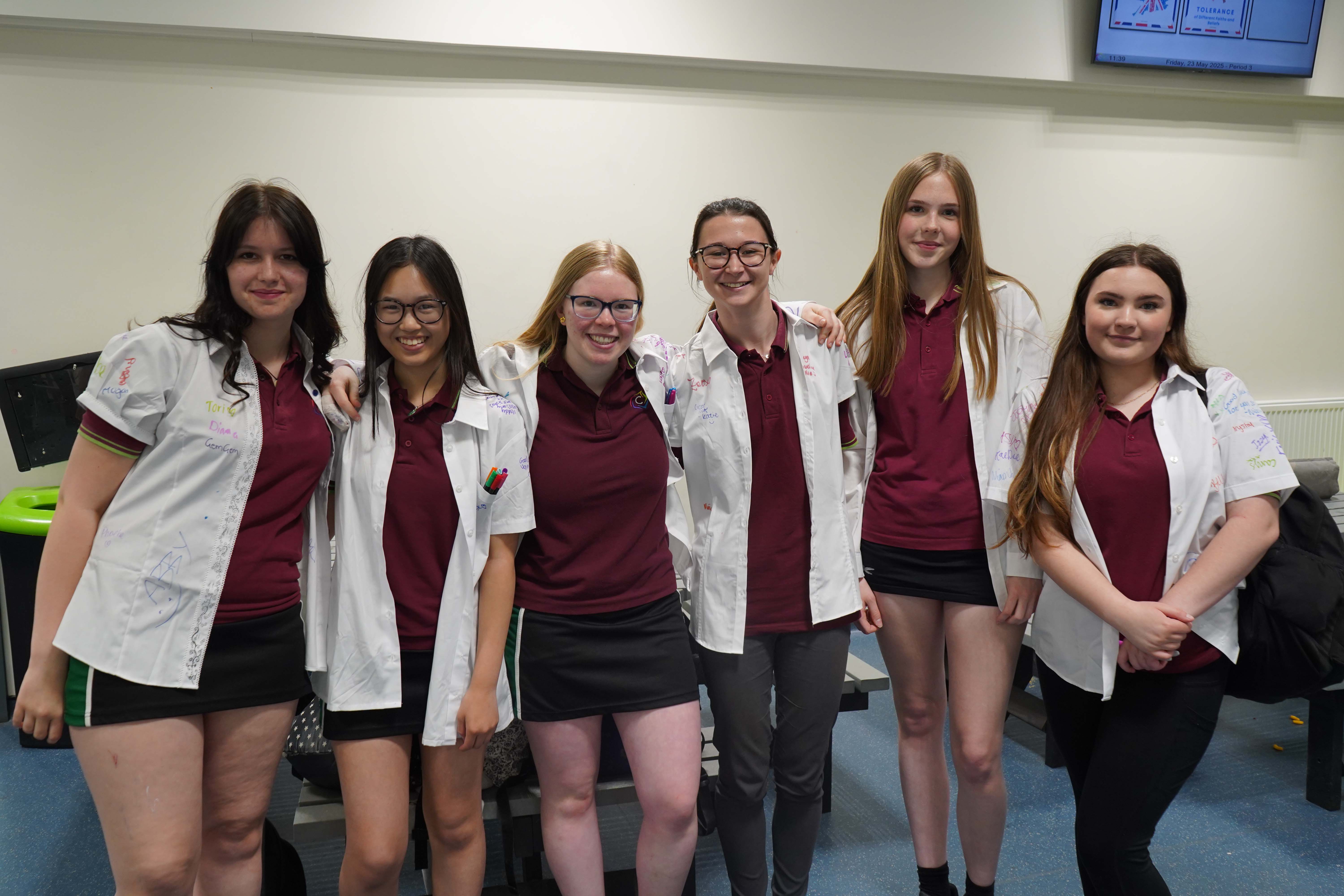
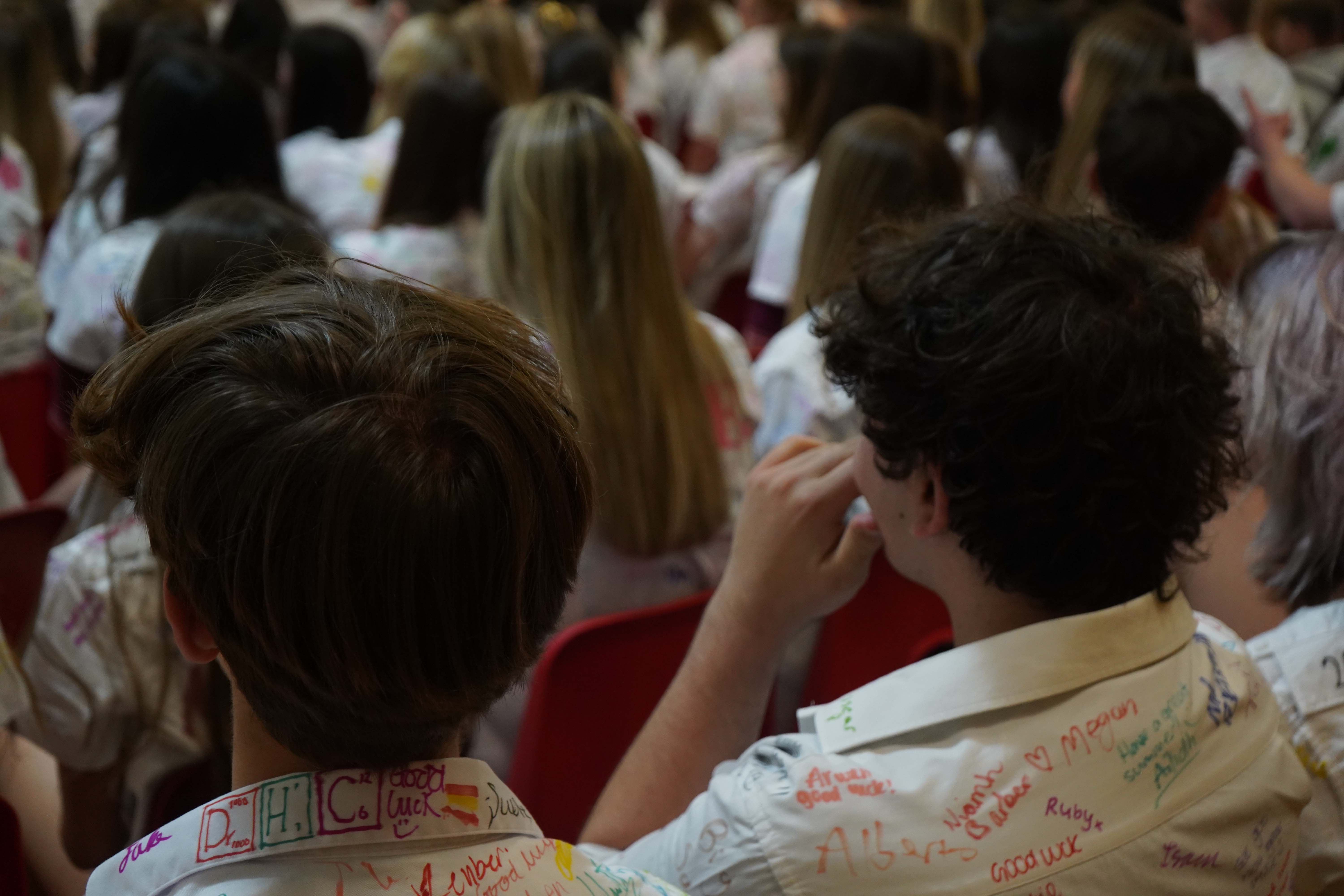
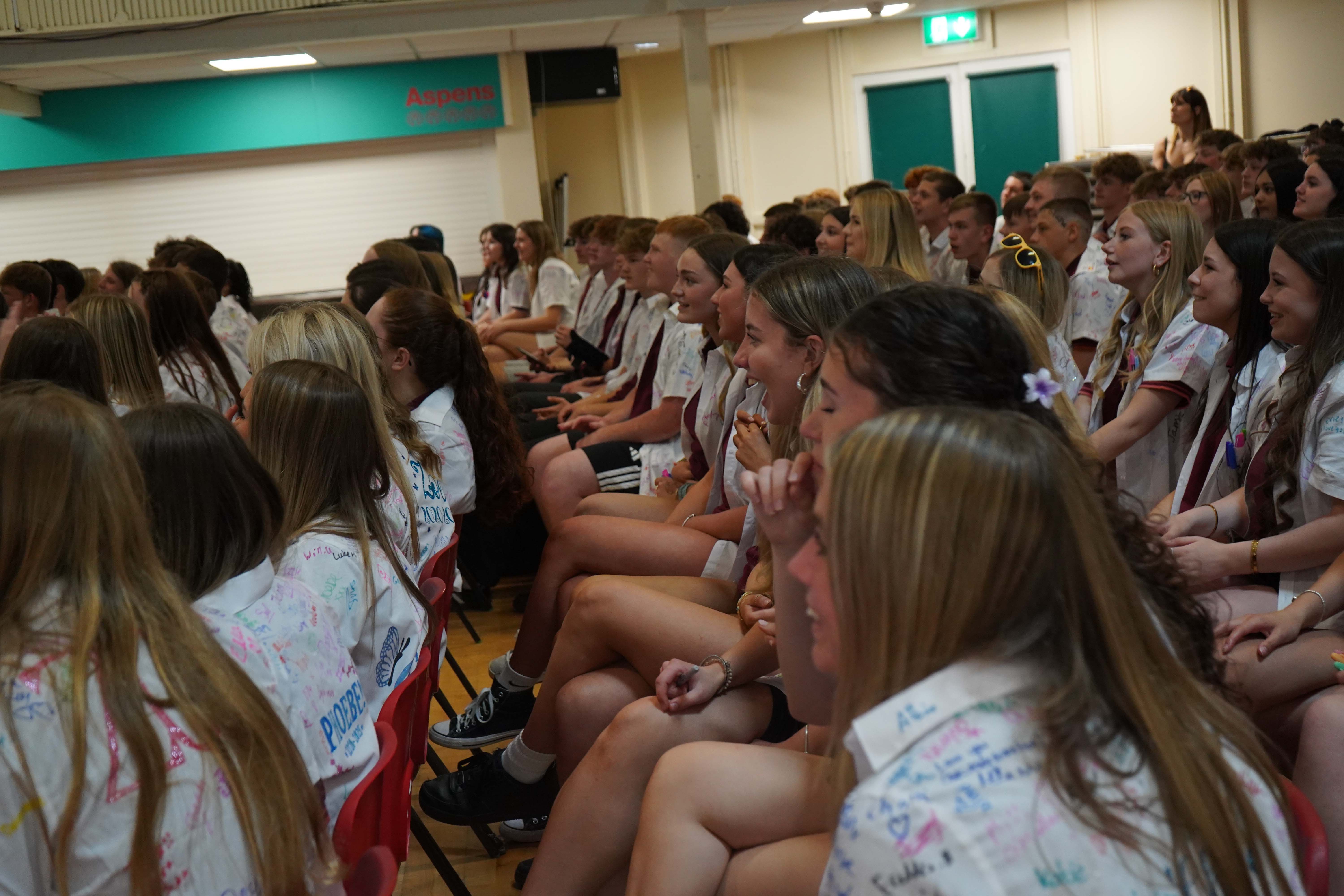
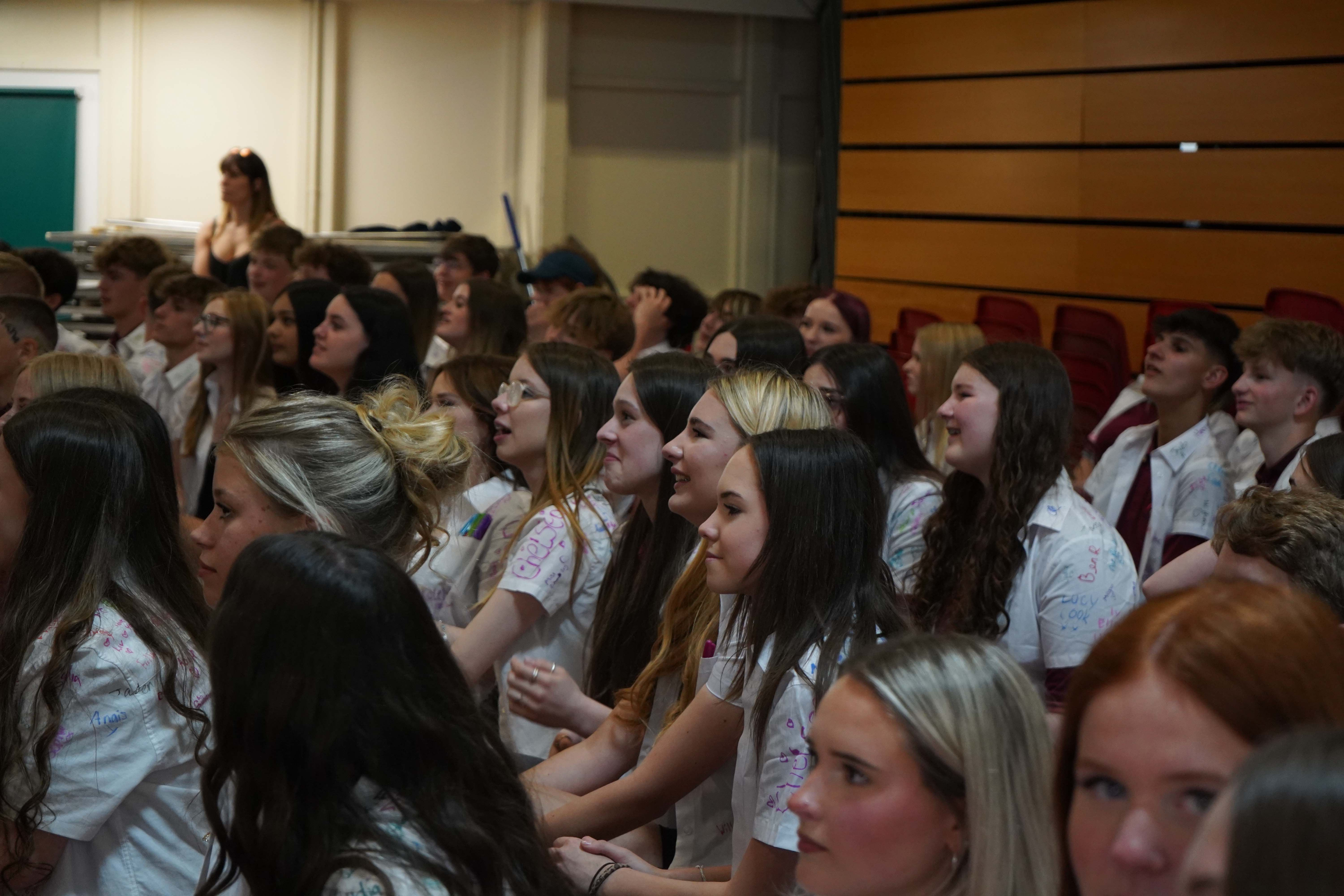
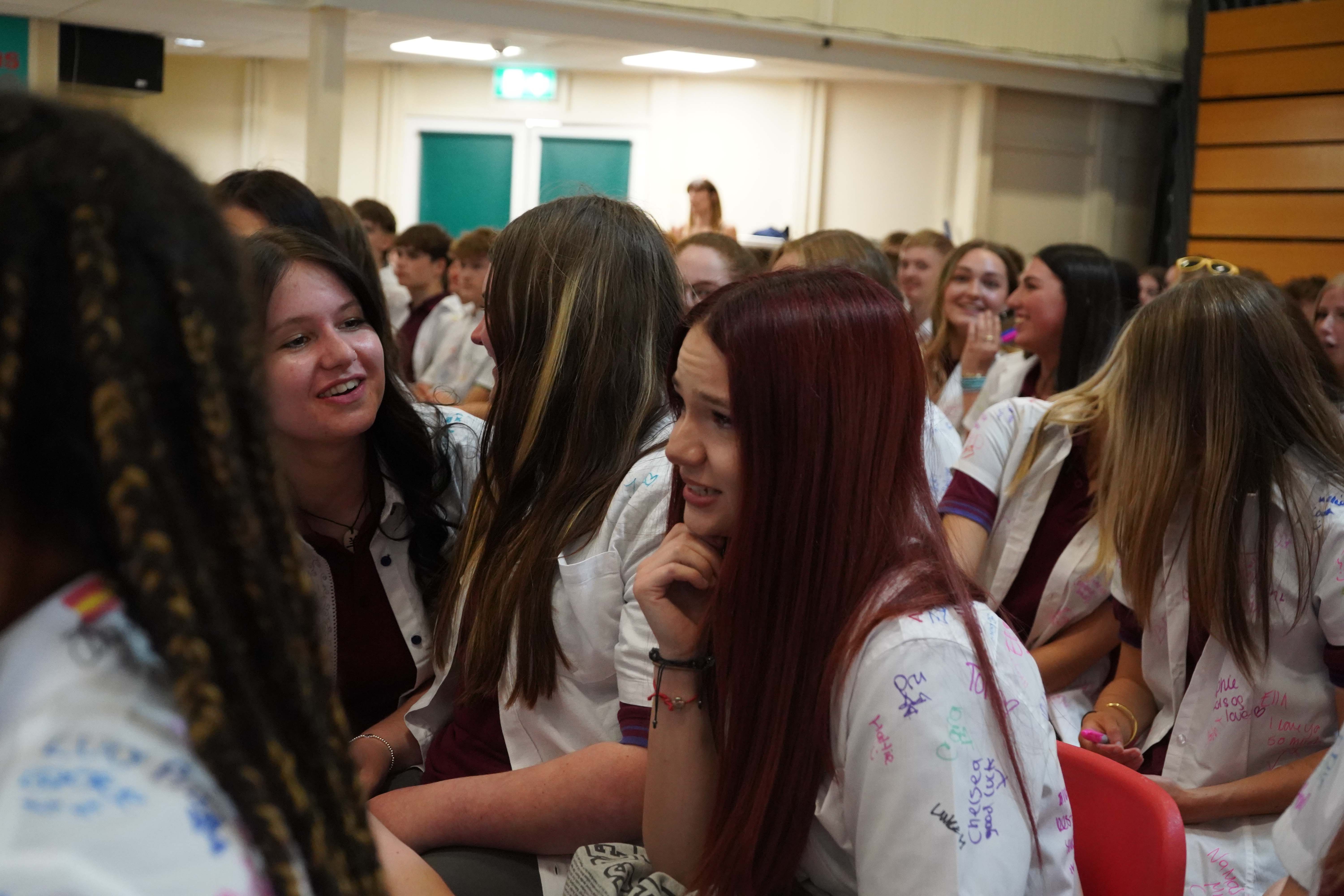
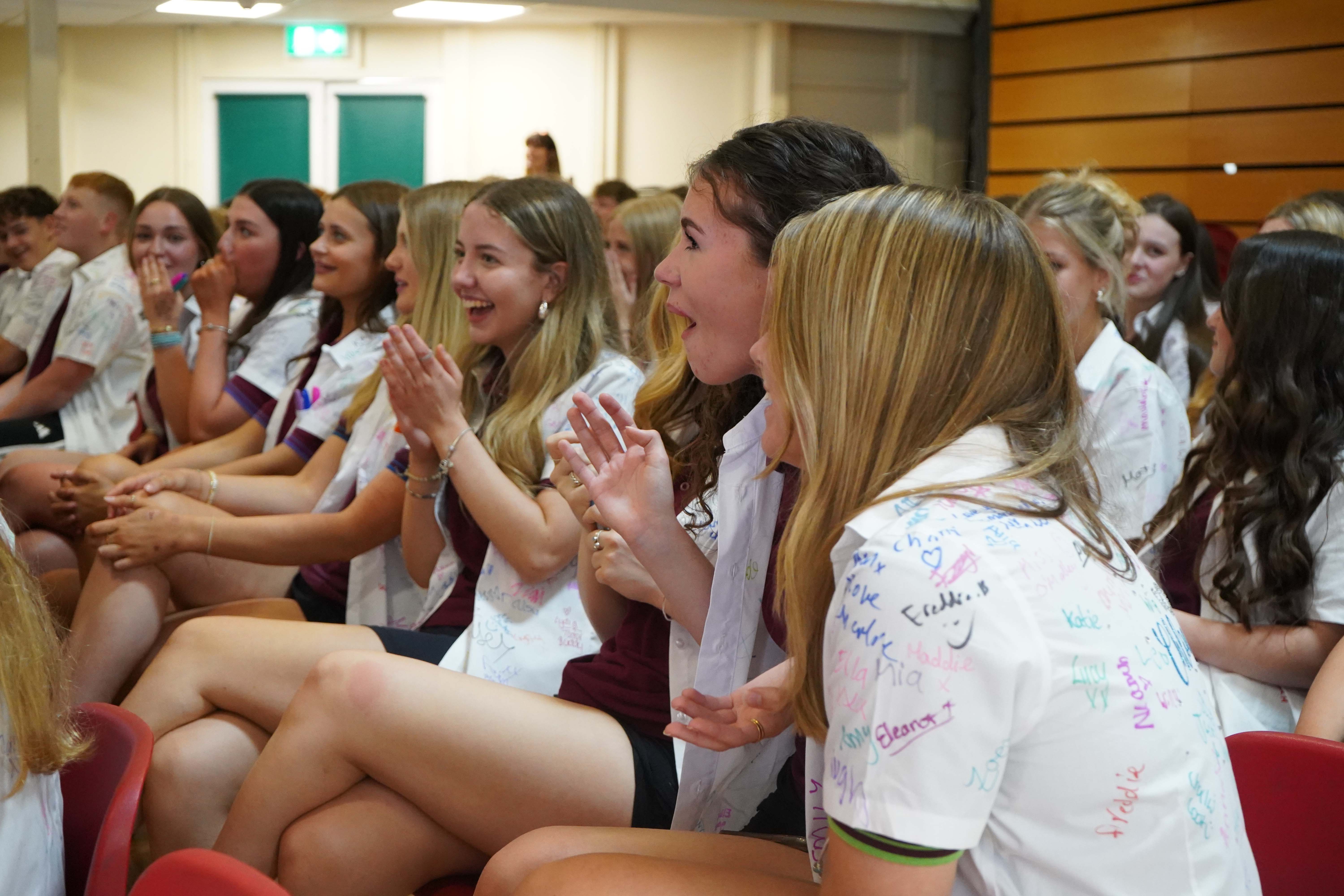
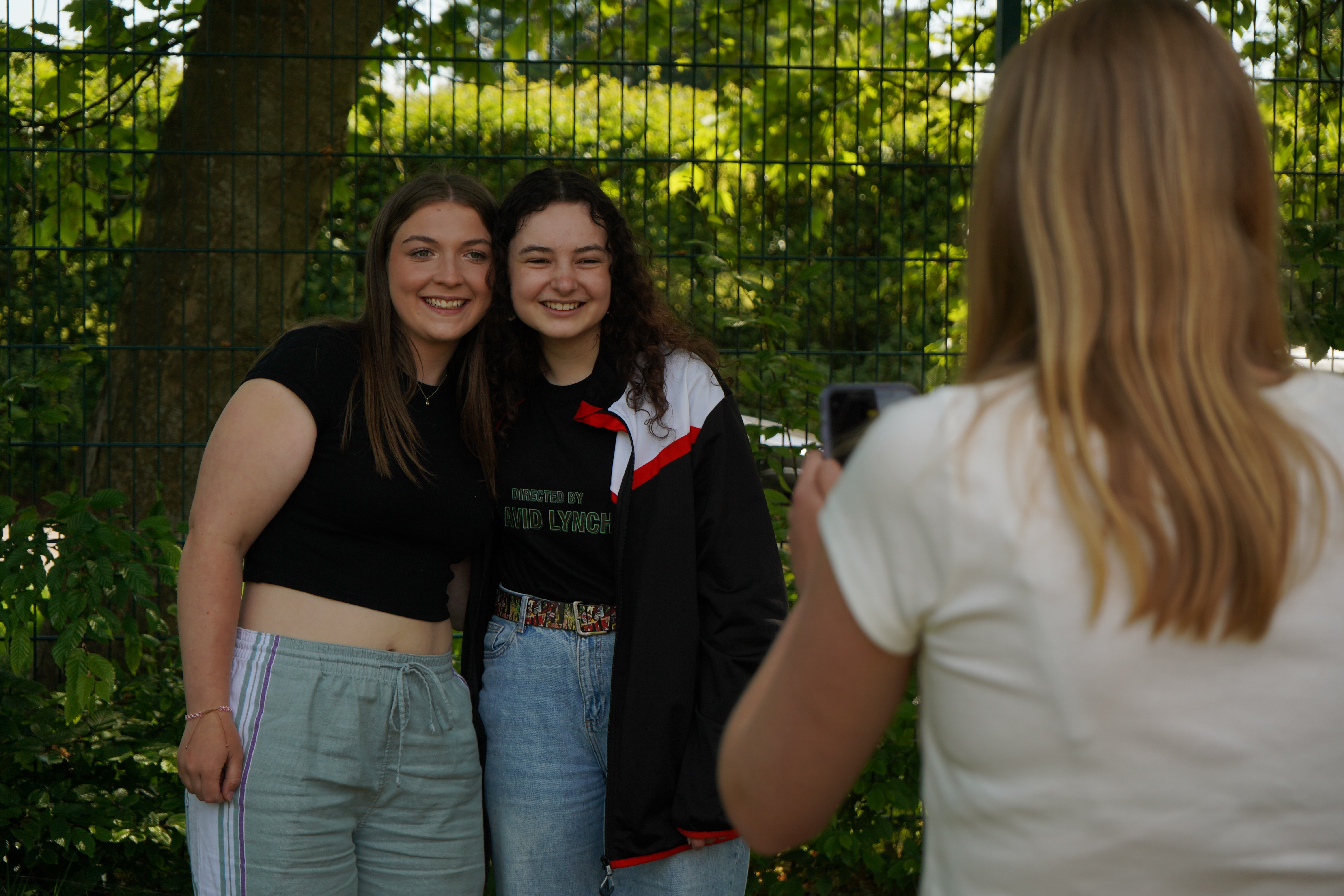
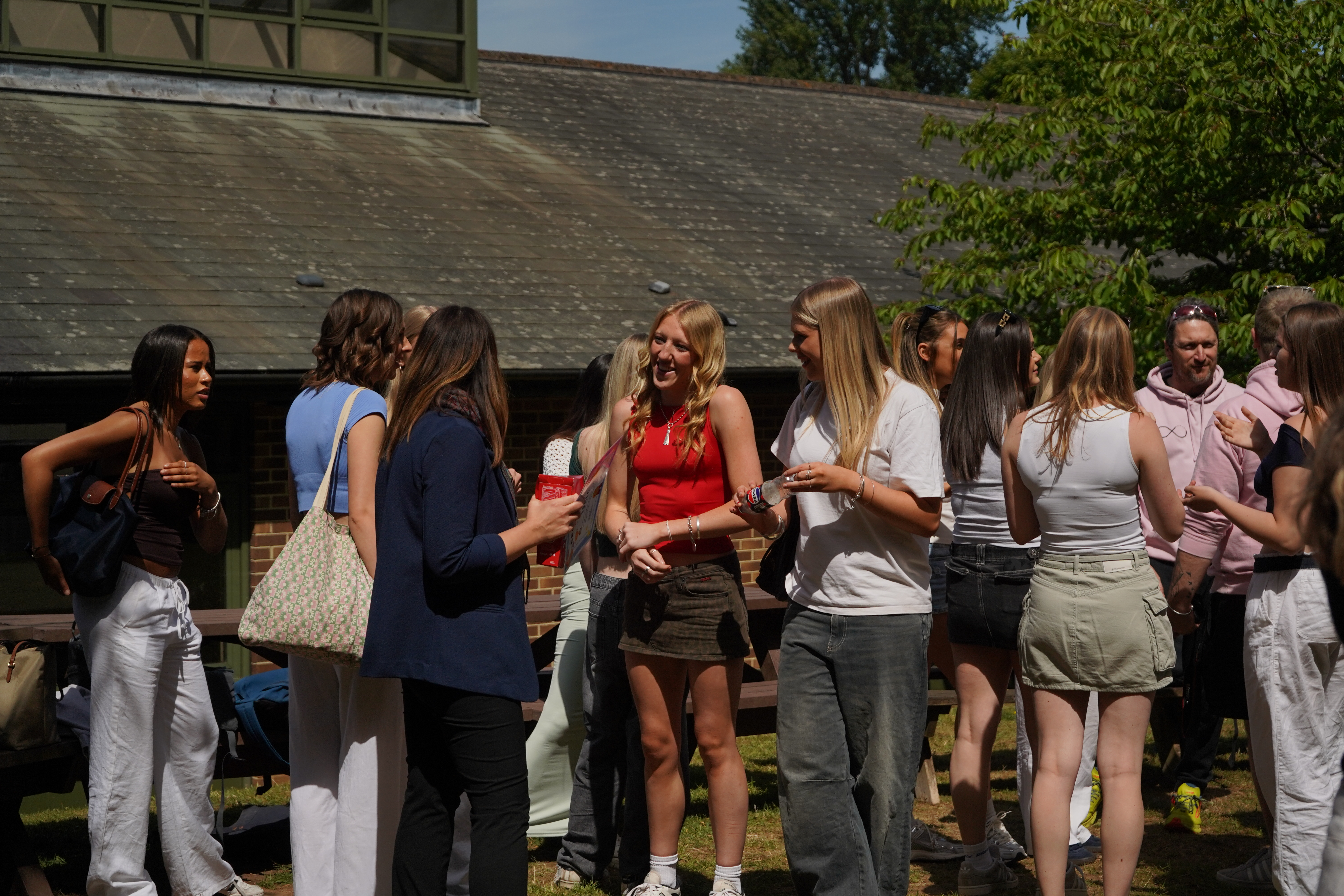
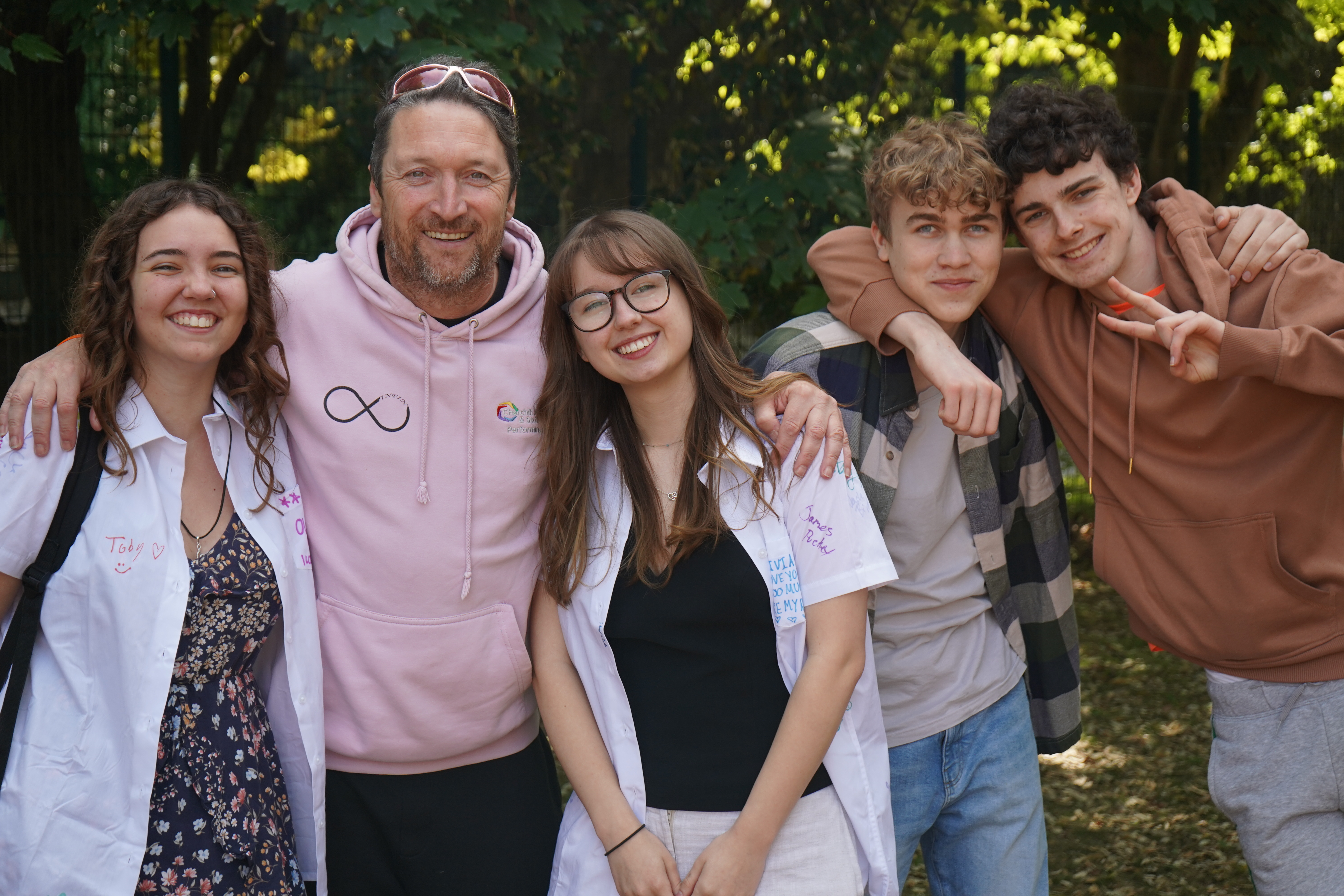
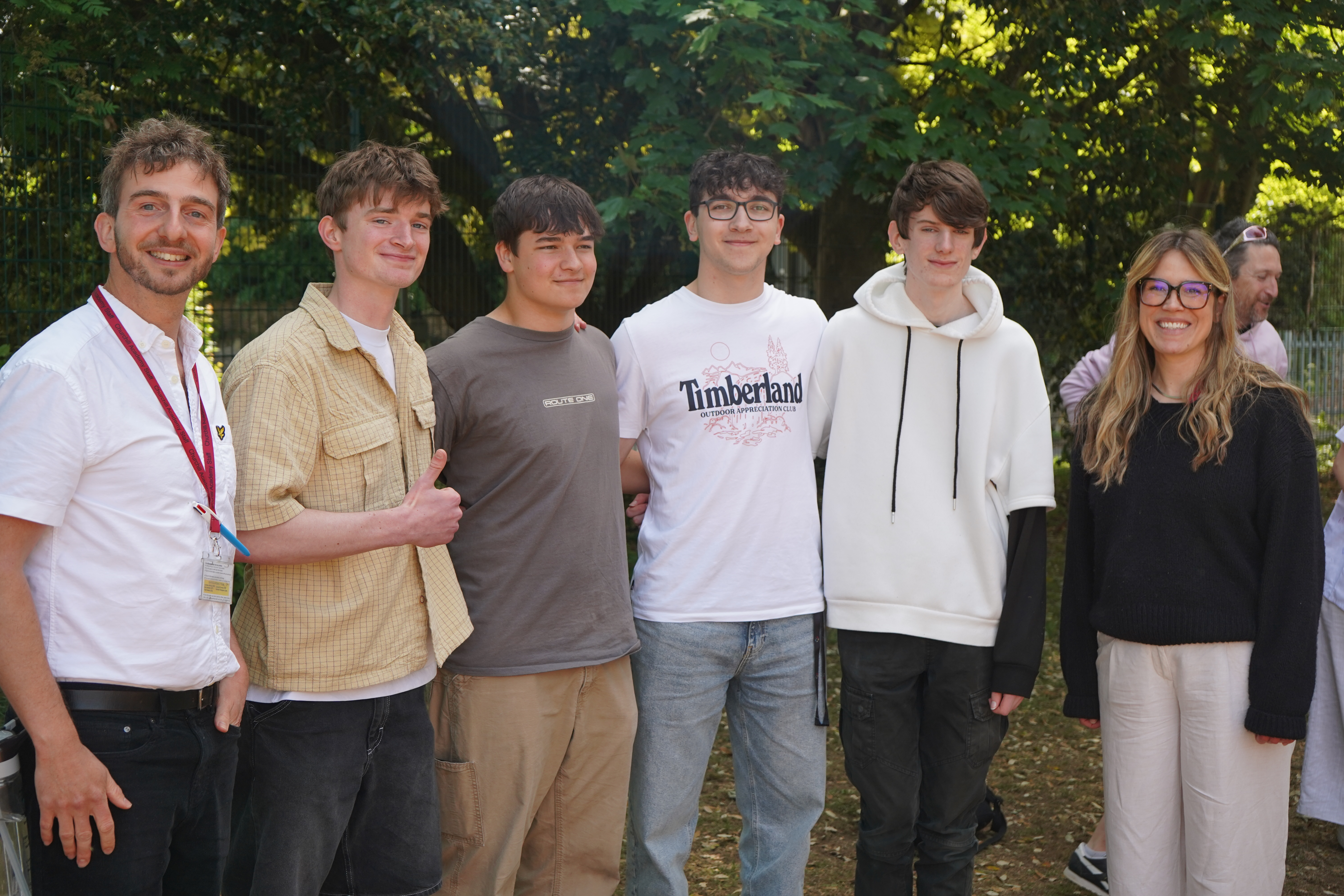
The sun shone, and – once the small matter of an English Language GCSE exam was out of the way – shirts were signed, photos were taken, and smiles were plastered across faces. I gave my traditional leavers’ assembly with its combination of memories, laughs, awards and – hopefully – a few words of wisdom.

The class of 2025 is full of wonderful students – it’s been a privilege to be part of their journey.

Year 13 Class of 2025

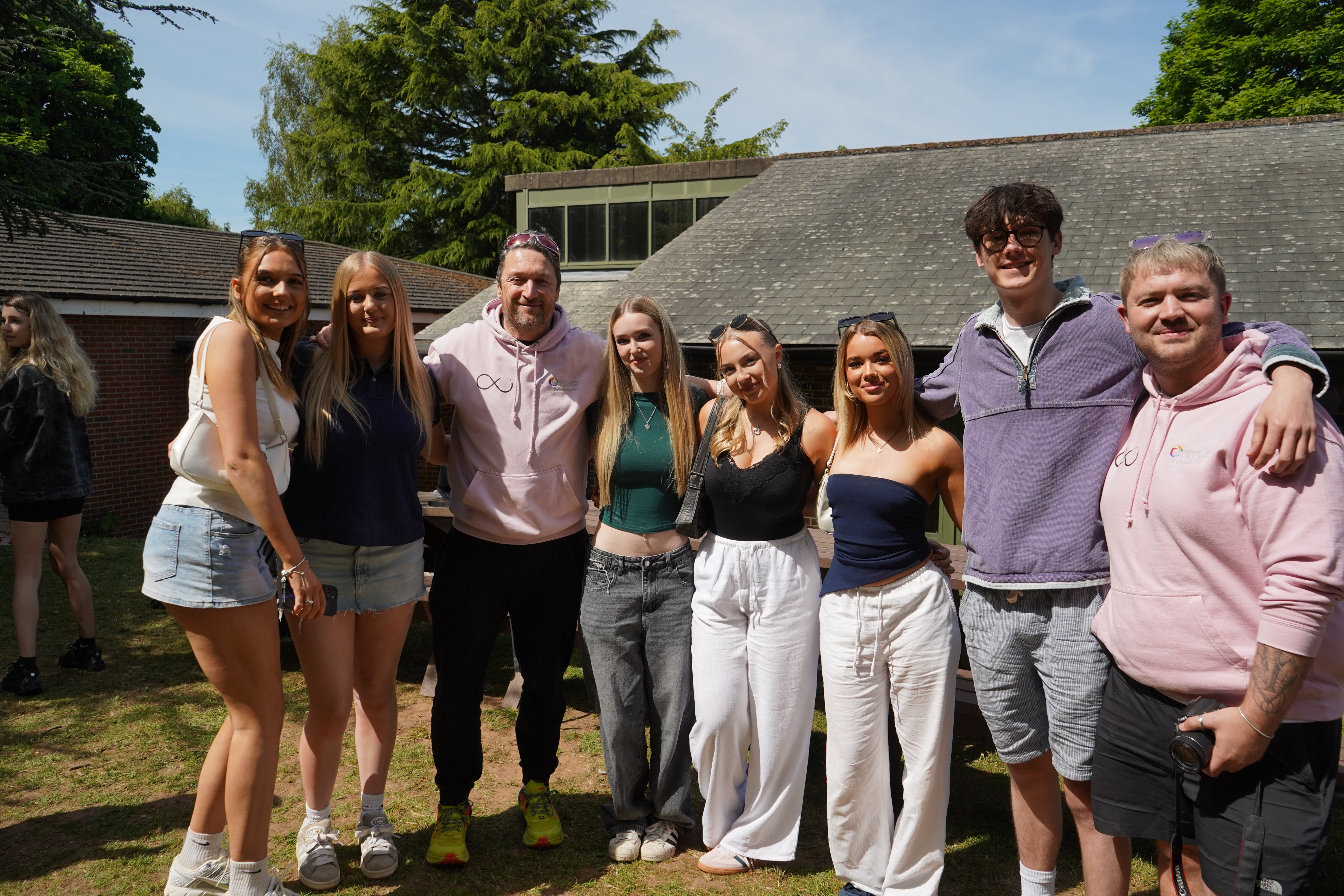
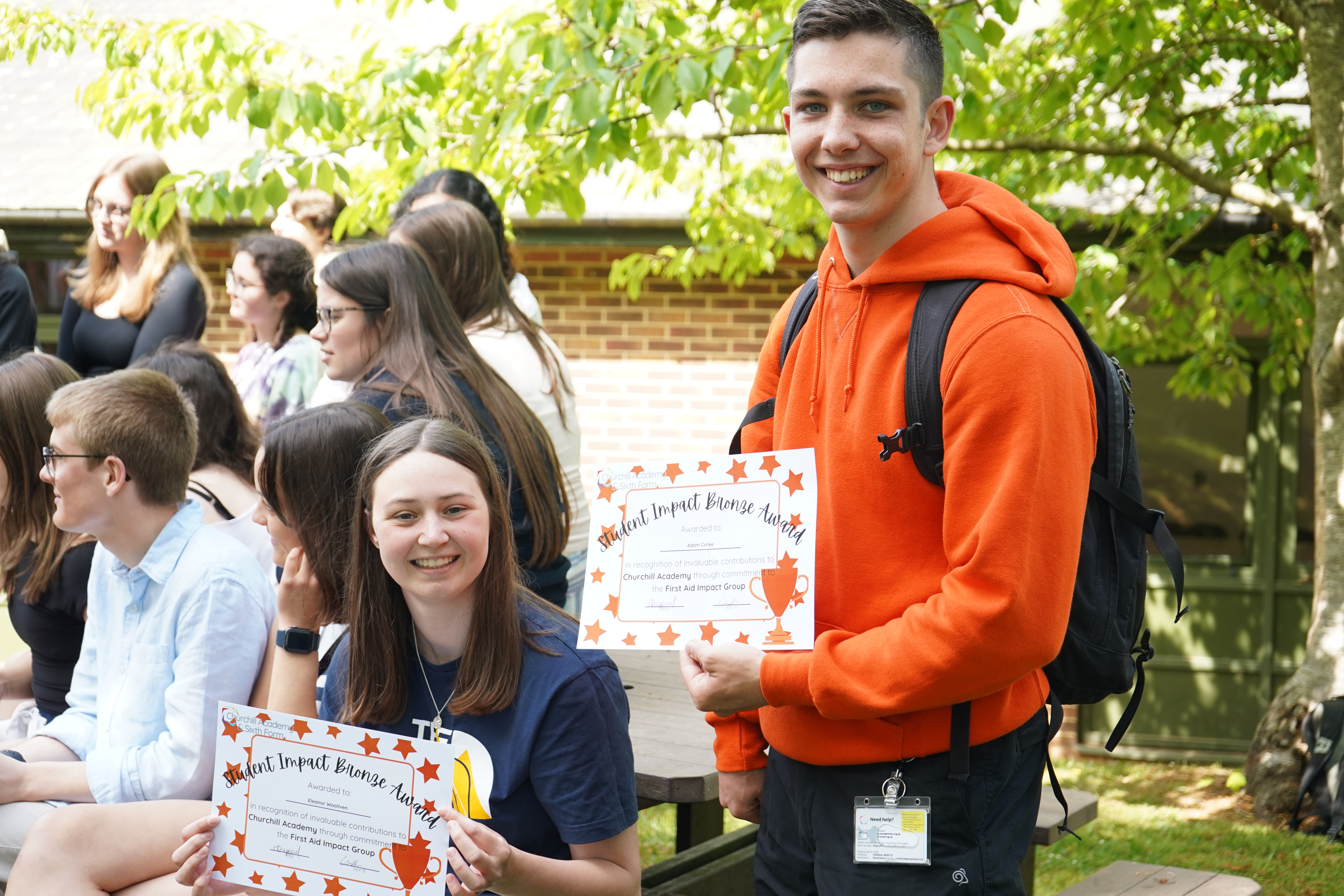
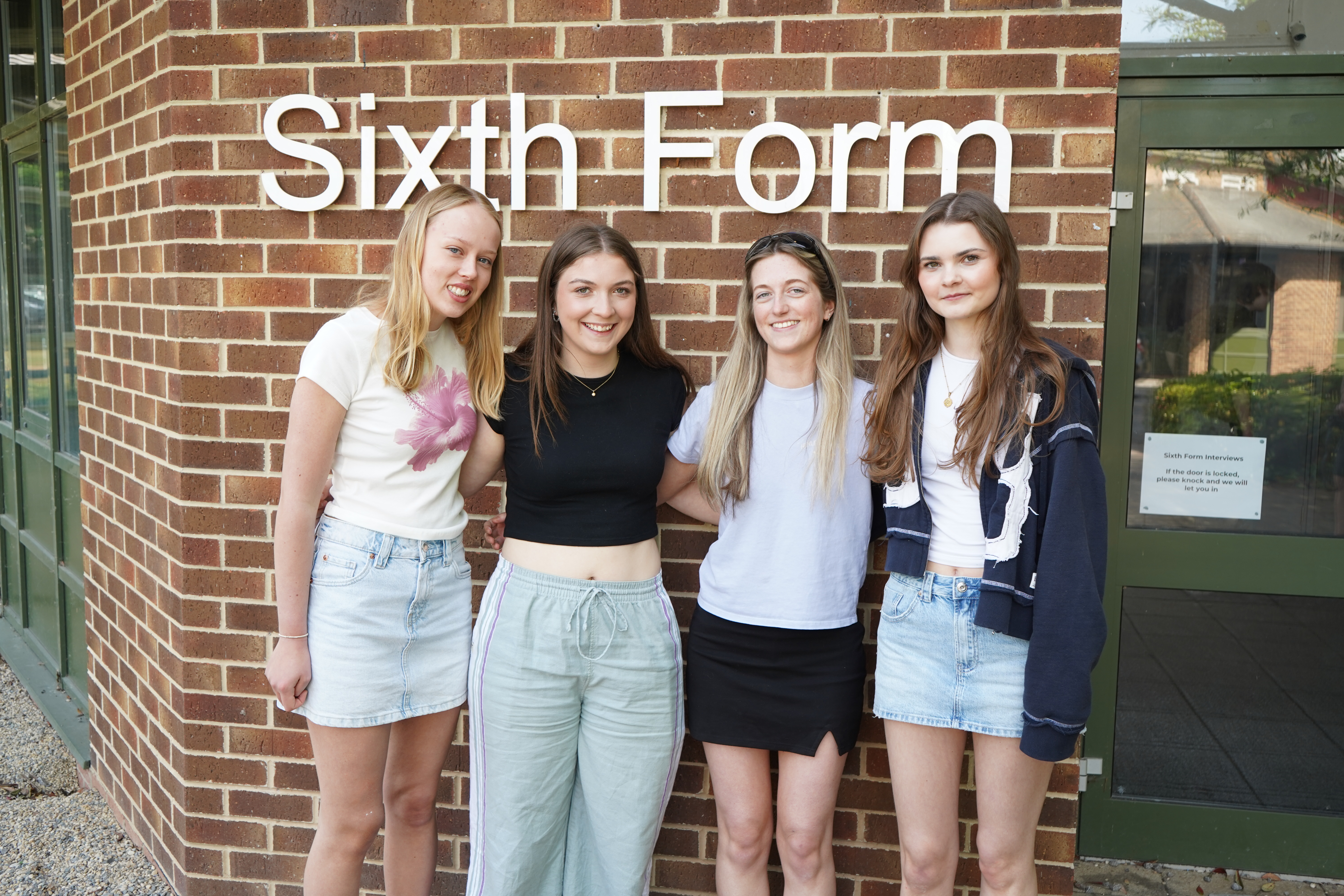
This week we said “farewell” to the Year 13 class of 2025. This wonderful group of students has made a huge contribution to the Academy throughout their time with us. They navigated the pandemic in the early years of their secondary education, but weathered that storm to come through strong into their post-16 phase. Their work in impact groups will leave a lasting legacy at Churchill. We will miss them! We wish the Year 13 class of 2025 well in their exams and beyond.

Manners Makyth Man

In my assemblies at the start of term 5, I spoke to our students about William of Wykeham. William was born the son of a free yeoman in around 1320, over 700 years ago. He rose up through society, the church and politics to become the Bishop of Winchester and Chancellor, responsible for the wealth of the kingdom under King Edward III and then King Richard II, the last Plantagenet monarch.

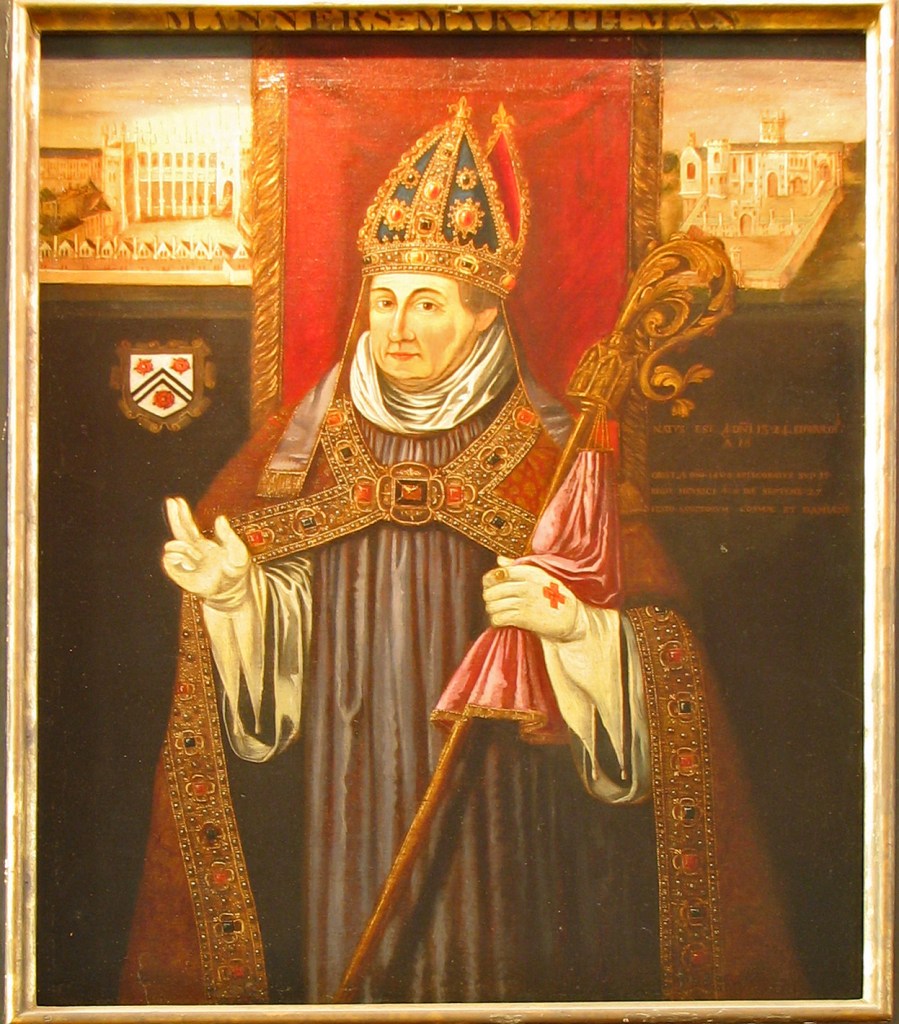
William of Wykeham (source)

As a result, William became a very wealthy man. He wanted to devote his wealth to ensuring that others could rise up from humble origins to great success, so he founded educational institutions including a school in Winchester, where he was Bishop, and a college in the developing university city of Oxford.

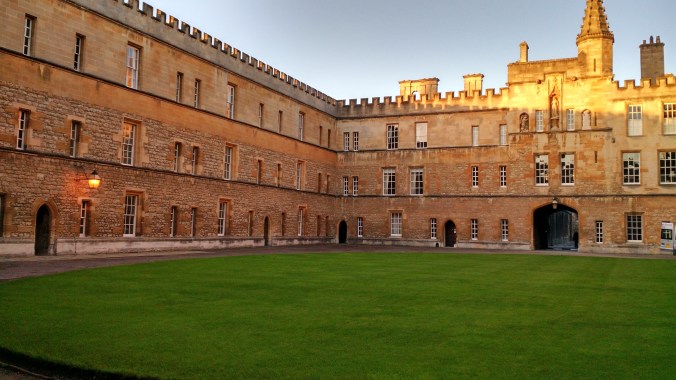
The old quad at New College, Oxford

At the time, the “Saint Mary College of Winchester in Oxenford” was a new college, and this identity stuck; the college is still called New College today, nearly 650 years after it was founded in 1379, which makes it (ironically) one of the oldest colleges in Oxford. William himself is commemorated in a statue over the gate, kneeling in worship of Saint Mary; you can see his restored statue in fresh stone in the image above.

So why are we interested in a Bishop who lived over 600 years ago? The reason is that William’s personal motto, emblazoned across the top of the frame of his portrait, the motto that remains the slogan of New College centuries later, still has resonance today.

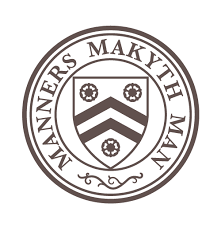
The emblem and motto of William of Wykeham and New College, Oxford: Manners Makyth Man

William’s motto, Manners Makyth Man, were words he lived by. Our manners are “a way of conducting oneself toward others” and “a person’s habitual behaviour or conduct.” That is, the way we treat other people, but also the way we behave by force of habit. Therefore, William’s motto can be translated as:

Manners Makyth Man: The way we behave towards other people makes us who we are

So what do good manners look like? I think there are some basics that are as true today as they have always been, and I went through these with our students in assembly:

  • Polite language
    • Greetings: good morning, good afternoon
    • Gratitude: please and thank you
    • Generosity: is there anything I can help you with?
  • Active listening
    • Show interest
    • Make eye contact
    • Give your full attention
  • Respect
    • Respecting personal space
    • Respecting visitors
    • Offering assistance (e.g. holding doors open)

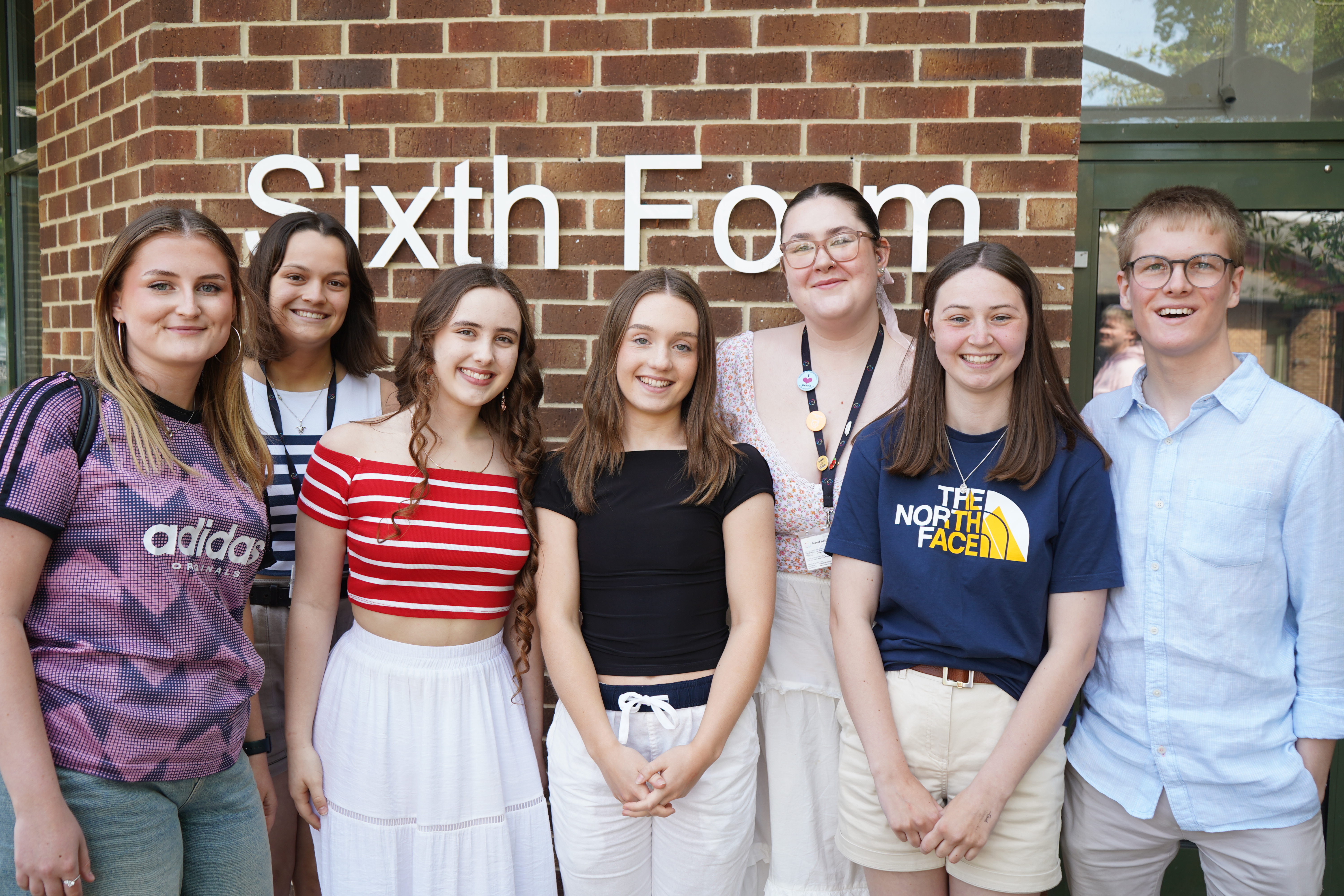
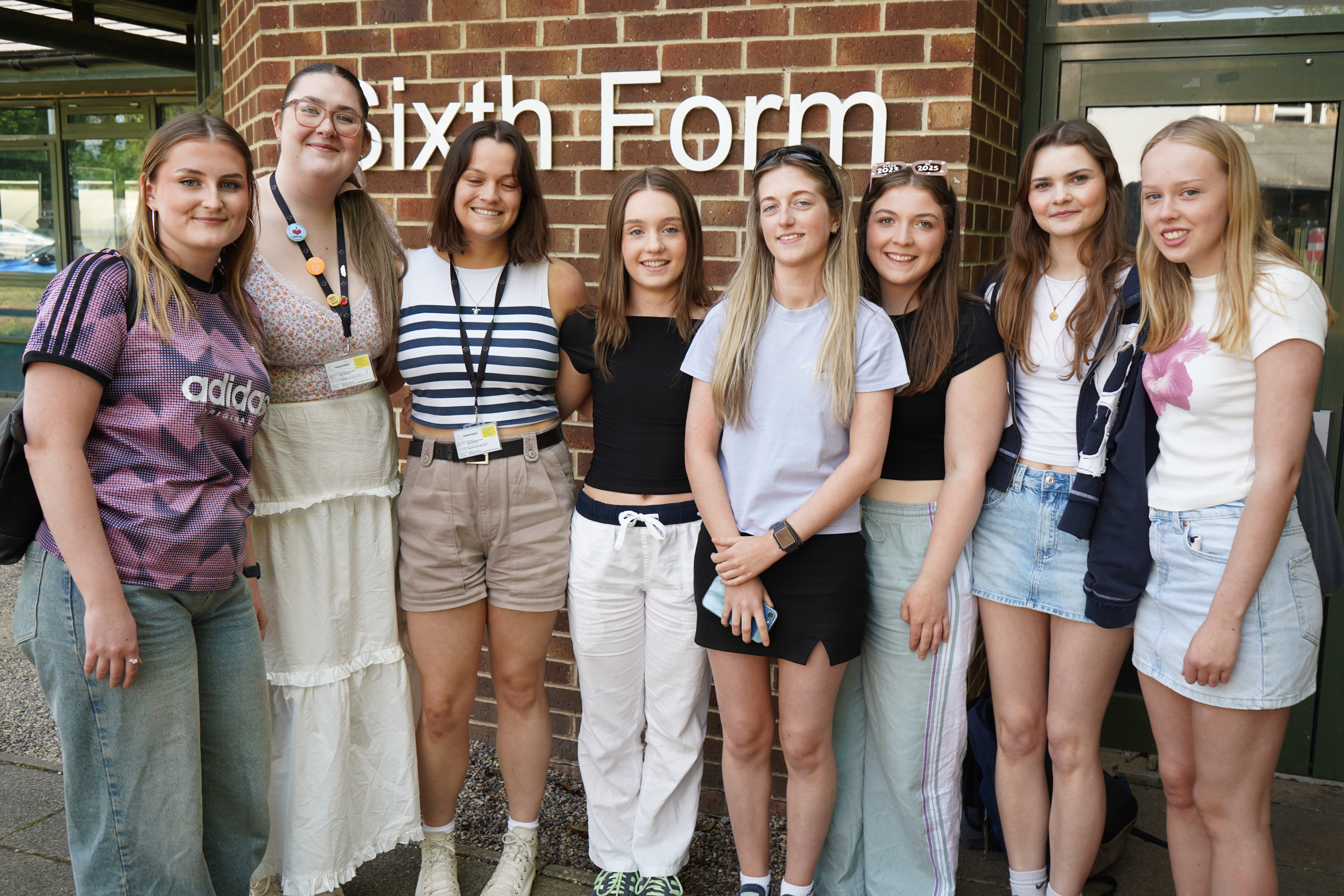
We spent some time talking about how we can show respect in particular when we are meeting with visitors to our Academy – for example with our amazing student ambassadors who regularly give tours to families, candidates, visiting staff and others when they visit Churchill, and never fail to do a wonderful job!

I first encountered William’s motto when I was a student at New College, studying English Language and Literature in the 1990s. That simple creed – Manners Makyth Man – the way we behave towards other people makes us who we are – has stuck with me ever since, and informs my actions to this day. William’s legacy lives on, not just in the educational institutions he founded, but also in the words and ideas he left behind. Let’s all try to make sure that the way we behave towards others leaves a similarly positive, lasting impression.

Using AI: be careful!

Back in November 2023 I published a post on this blog about AI: AI and ChatGPT: friend or foe?. In that post, I talked about the potential benefits, but also the risks, of using AI tools in school work.

This is a fast-moving field and, just this week, we have had updated guidance on the use of AI in assessments from the Joint Council for Qualifications (JCQ), the body that oversees examinations.

This guidance is especially relevant to students in years 10-13 who are studying for public examinations – especially those courses which include a coursework or non-exam assessment (NEA) element. However, building good habits in the correct use of AI is important for all students.

The key points in the JCQ guidance for students are as follows:

  • Work submitted for assessment must be your own and reflect your knowledge, skills, and understanding.
  • Misuse of AI (copying, paraphrasing, or failing to acknowledge AI-generated content) is malpractice
  • AI generated content must be properly referenced and reliance on AI will not earn marks.
  • AI misuse can lead to disqualification or a ban from future qualifications.
  • You must sign a declaration confirming your work is your own. False declarations have serious consequences.
  • Understand and follow your school’s exams policies.
  • Be aware that AI detection tools may be in use, and examiners and assessors can identify AI generated content.

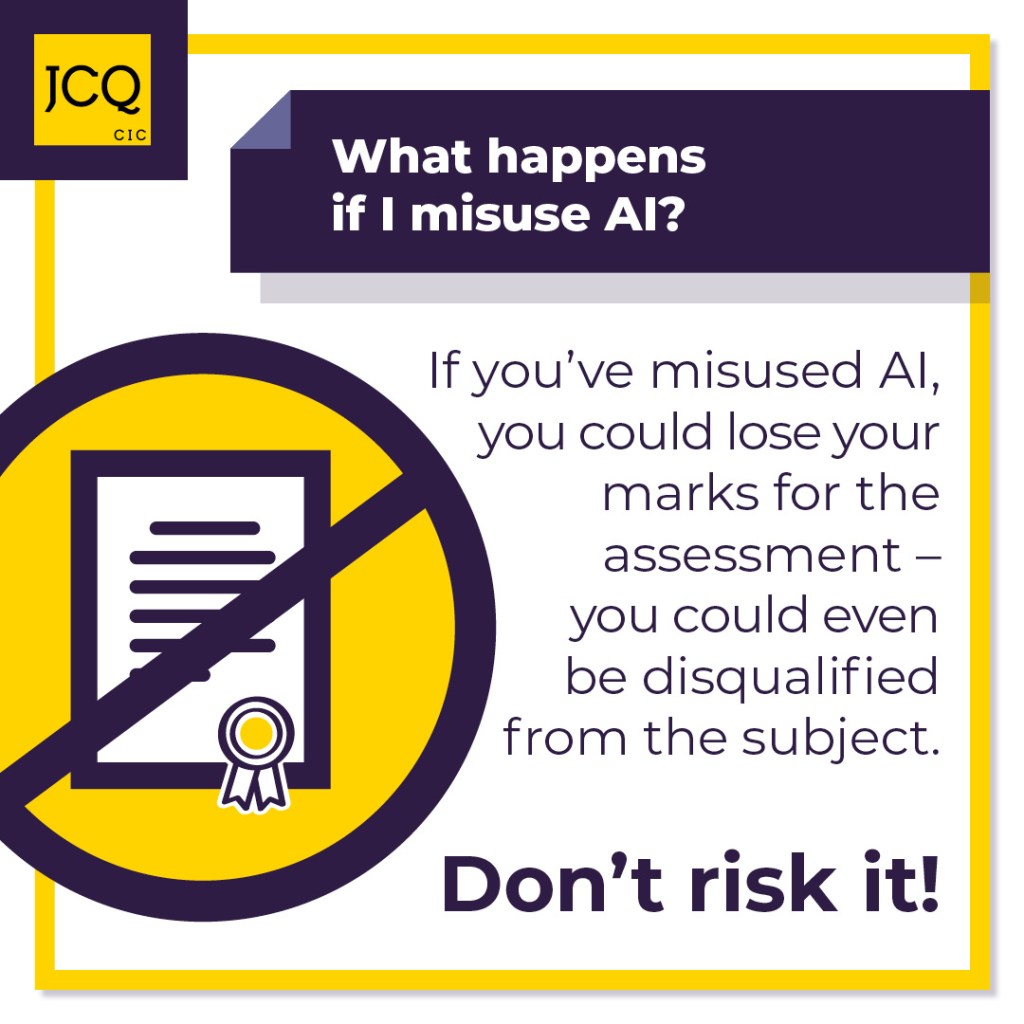
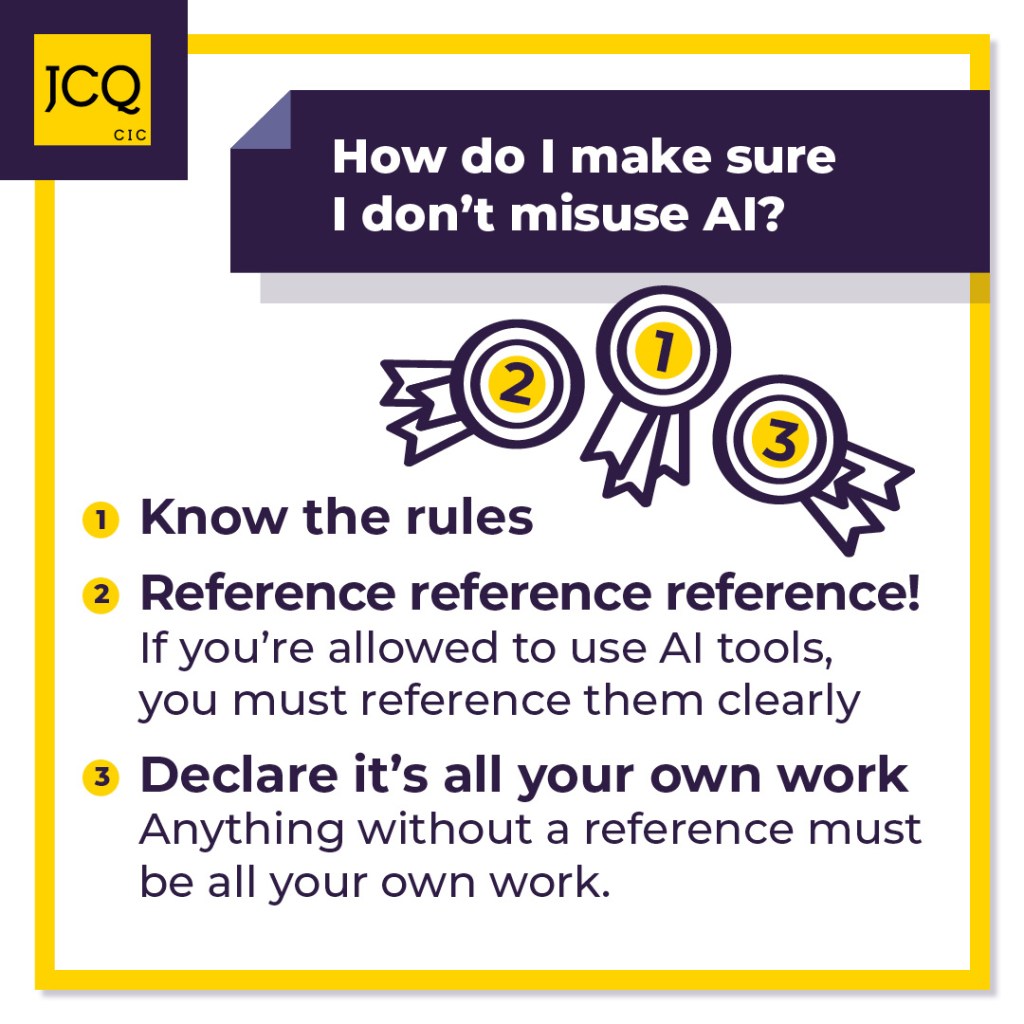
There is a quick guide for students on the JCQ website here, or via the image below.

AI is going to be part of all our lives as we move forward. Learning to use it correctly and properly is essential – and that means making sure we follow the guidance to ensure that the work we submit is our own, not computer generated.

That’s why I wrote this blog all by myself!

Exams: the finishing line

Term 5 is a pressurised term – this year especially. It’s just five weeks from Easter to the May half term, with formal GCSE and A-level exams starting on May 6th. The exams suddenly go from seeming a long way off, to being…well, next week!

The final stretch of exam preparation is about finishing touches. Courses have been finished. Students have the knowledge and skills they need now to tackle the exams ahead of them. This final few days are all about honing exam technique to a sharp point: what exactly do the examiners want to see in an answer to this particular type of question? How can you manipulate what you know to squeeze as many marks as possible out of each part of the paper? How should you manage your time to ensure you leave enough to cover everything fully?

Our teachers are well versed in the art of exam technique. Exam preparation classes across the Academy are full of last-minute reminders about what to include, where, and how. In a exam situation, this is almost as important as the knowledge itself! This year, with our GCSE students, we will also be running subject-specific masterclasses in the days and hours before exams to give our students the final boost into their assessments, and these will continue online when students are on study leave in Term 6.

You can put yourself at an advantage by preparing well. Revision is essential, of course – you can find revision tips in the Revision category on this blog. But just as important is a good night’s sleep, and a healthy meal before an exam. An all-night revision session honestly won’t help as much as you wish it would – the brain works best when well rested and fuelled. Get to bed, sleep well, and have a good breakfast.

Once you’re in the exam itself, there are some general tips that I always swear by:

  • Be sure to answer all the questions – turn every page. Including the back page…yes, every year someone comes out ashen-faced when they realise there were eight questions, not seven.
  • Jot down your key ideas – don’t be afraid to do some rough work, or write down some key notes as soon as the invigilator says “you may begin.” Getting key ideas down will ensure that you remember them!
  • Write something for every question – if you’re not sure, make your best educated guess at the question. If you’ve written something, you’re in with a shout of some marks. If you write nothing – you’re definitely going to score zero.
  • Keep an eye on the time – you know how many questions are on the paper. You know how long you’ve got. Make sure you leave enough time to answer them all.
  • Check – use every minute of the exam. Check for silly mistakes. Check that you’ve written what you think you’ve written. Check for accuracy of spelling, punctuation, and grammar. Give yourself time to add in that extra bit that you forgot the first time through. It could make all the difference.

Exams bring stress and pressure with them – that’s an inevitable part of the process. Managing that pressure is an essential part of succeeding. Being well-prepared is the best way to ensure that the pressure works in your favour, rather than against you.

I hope these last minute tips have been helpful. Above all, I wish all our exam candidates the very best of luck. You deserve it.

M Stars!

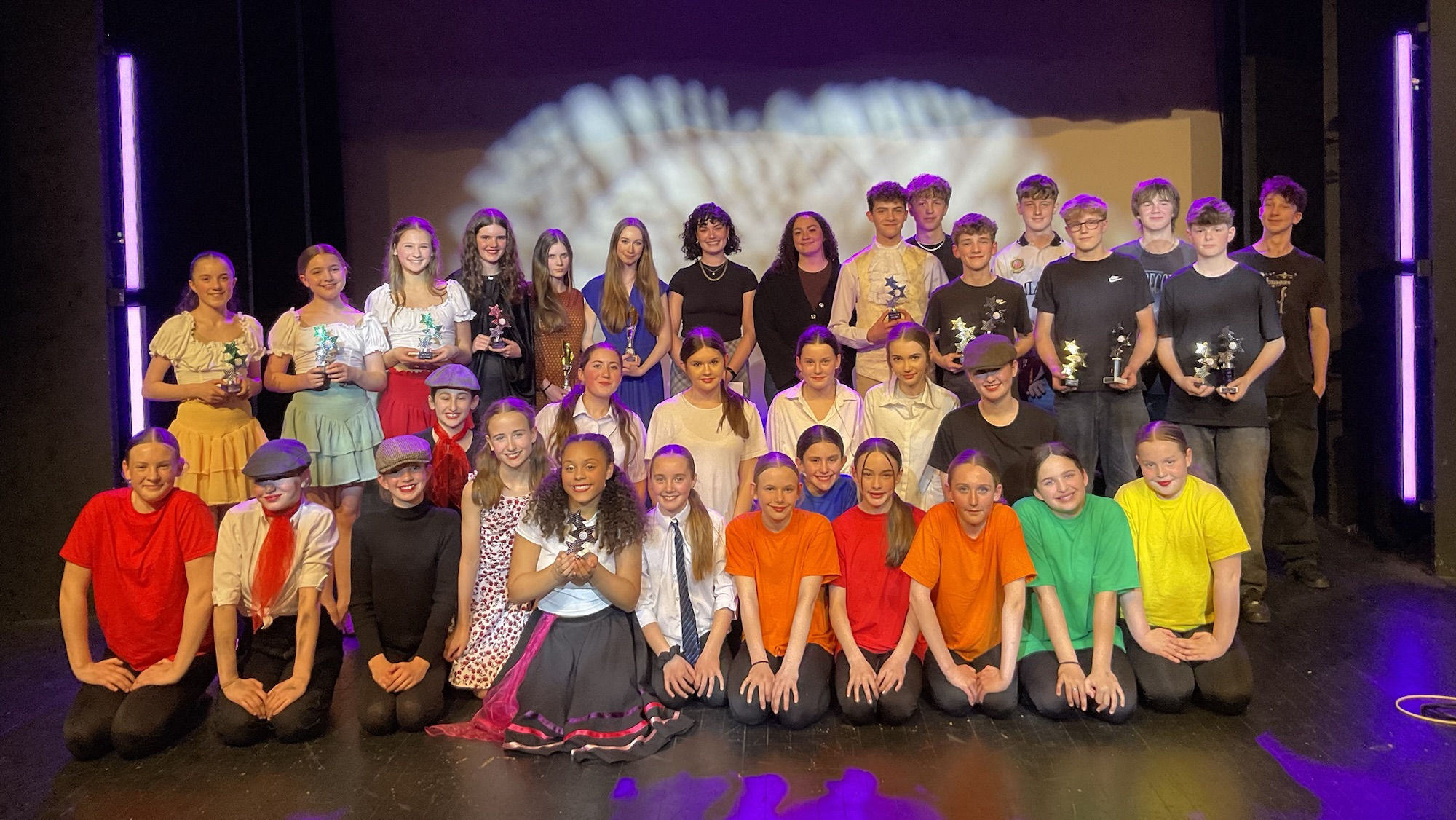
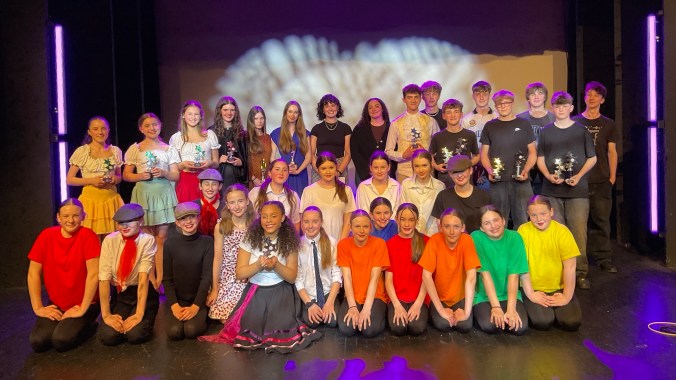
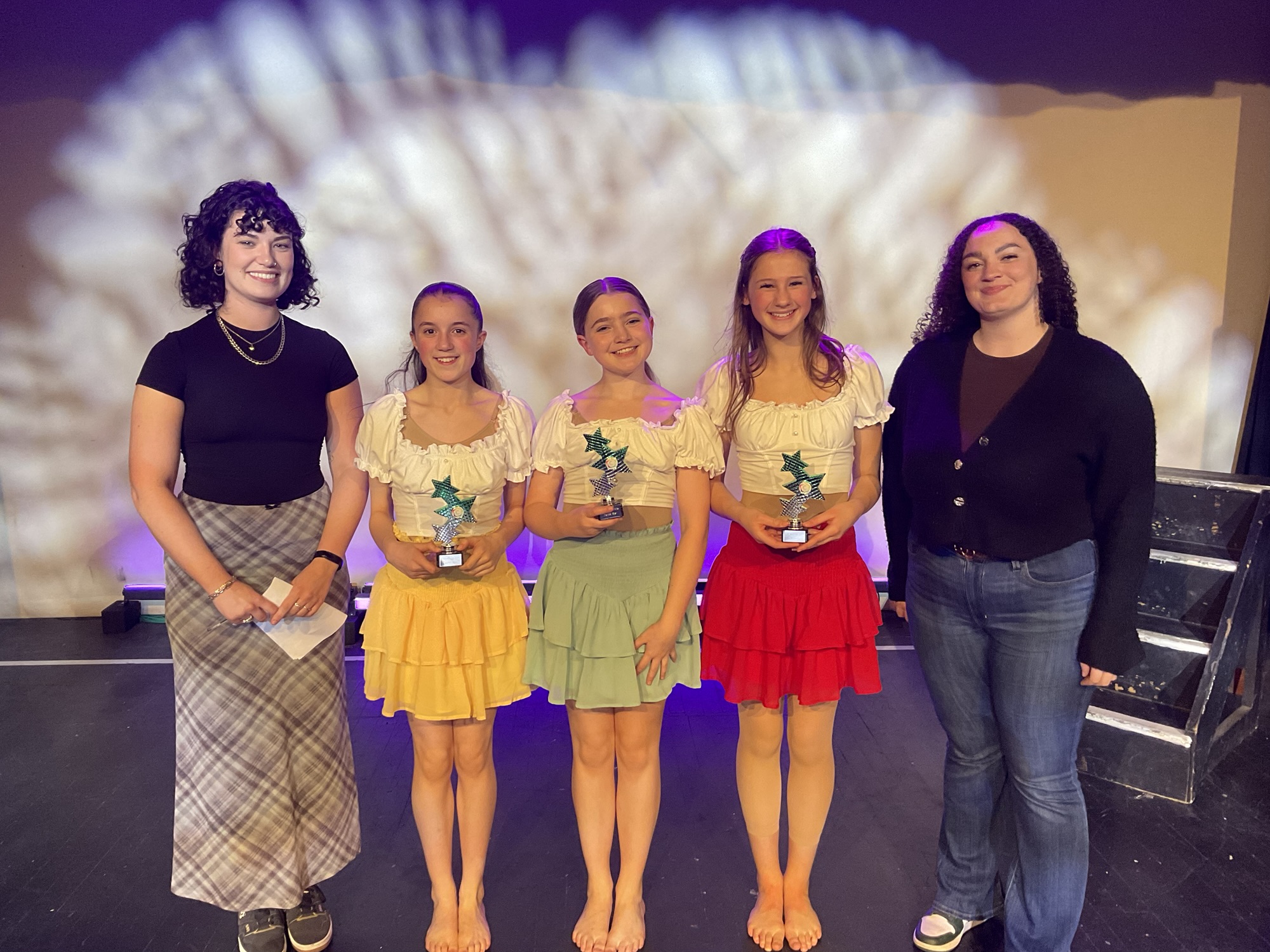
What a night! Following on from the stunning performance of our dancers at Dance Live! with their Let Her Speak piece, Team Performing Arts hit the stage again with the annual celebration of musical theatre that is M Stars!
Expertly hosted by Max, Betty and Madison, the sold-out evening showcased dance, singing and acting; solo, duets, trios and groups; songs from stage, screen and stadium; and students from Year 7 to 13. As a big musicals fan myself, M Stars really hit the spot, including songs from Hamilton, Wicked, Matilda, Grease, Mary Poppins, Tick Tick Boom, Tangled and Frozen amongst many more.

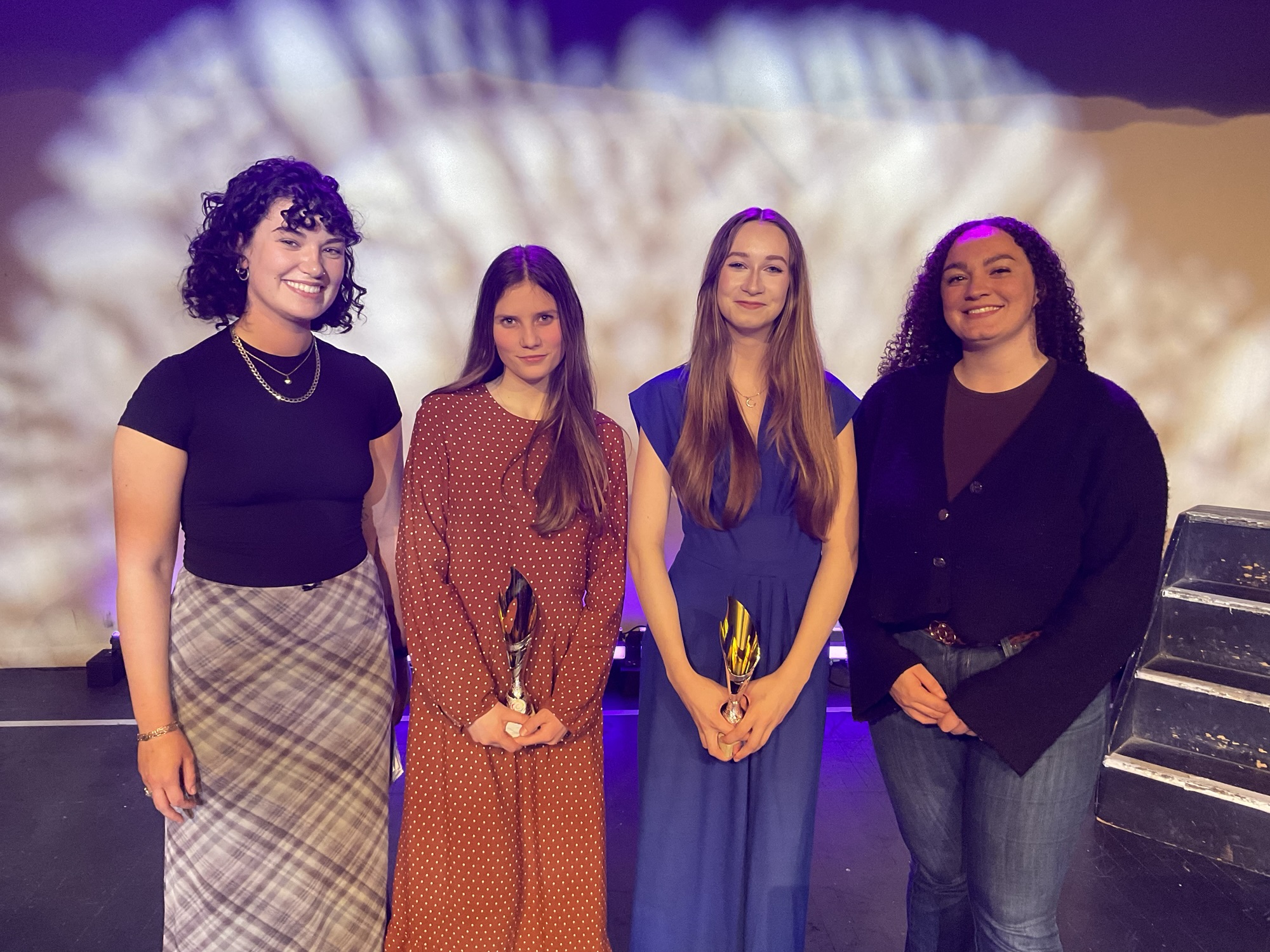
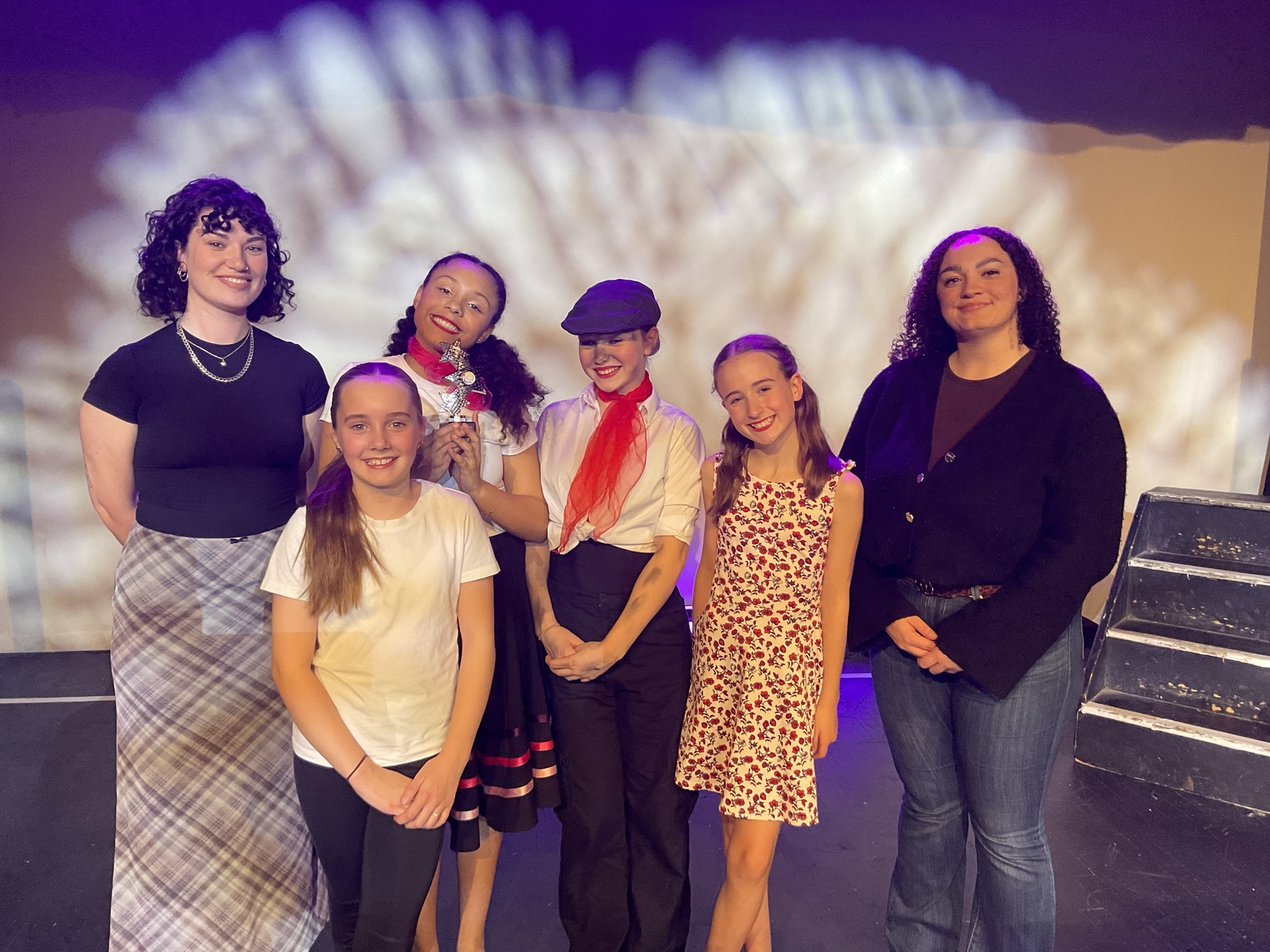
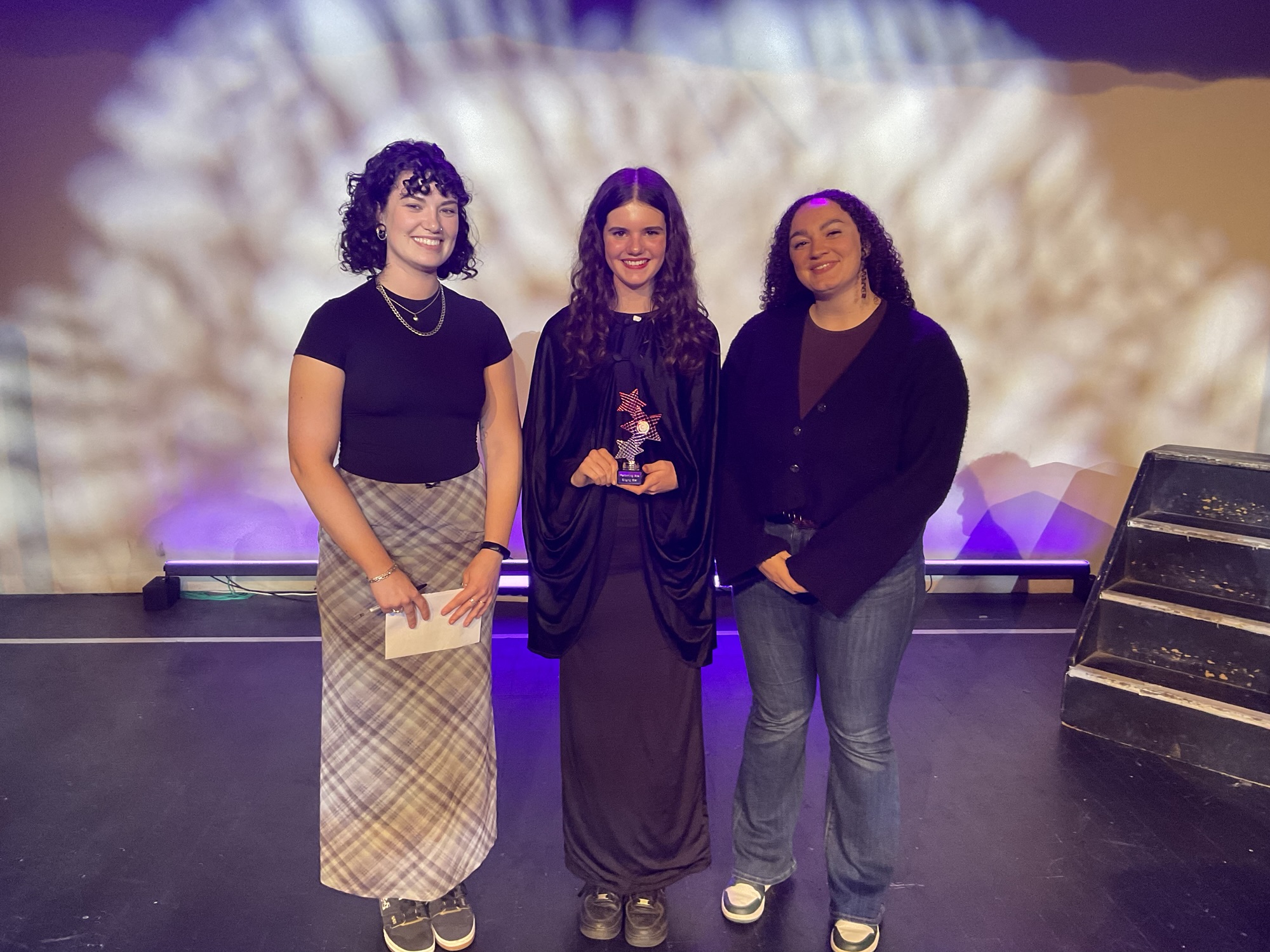
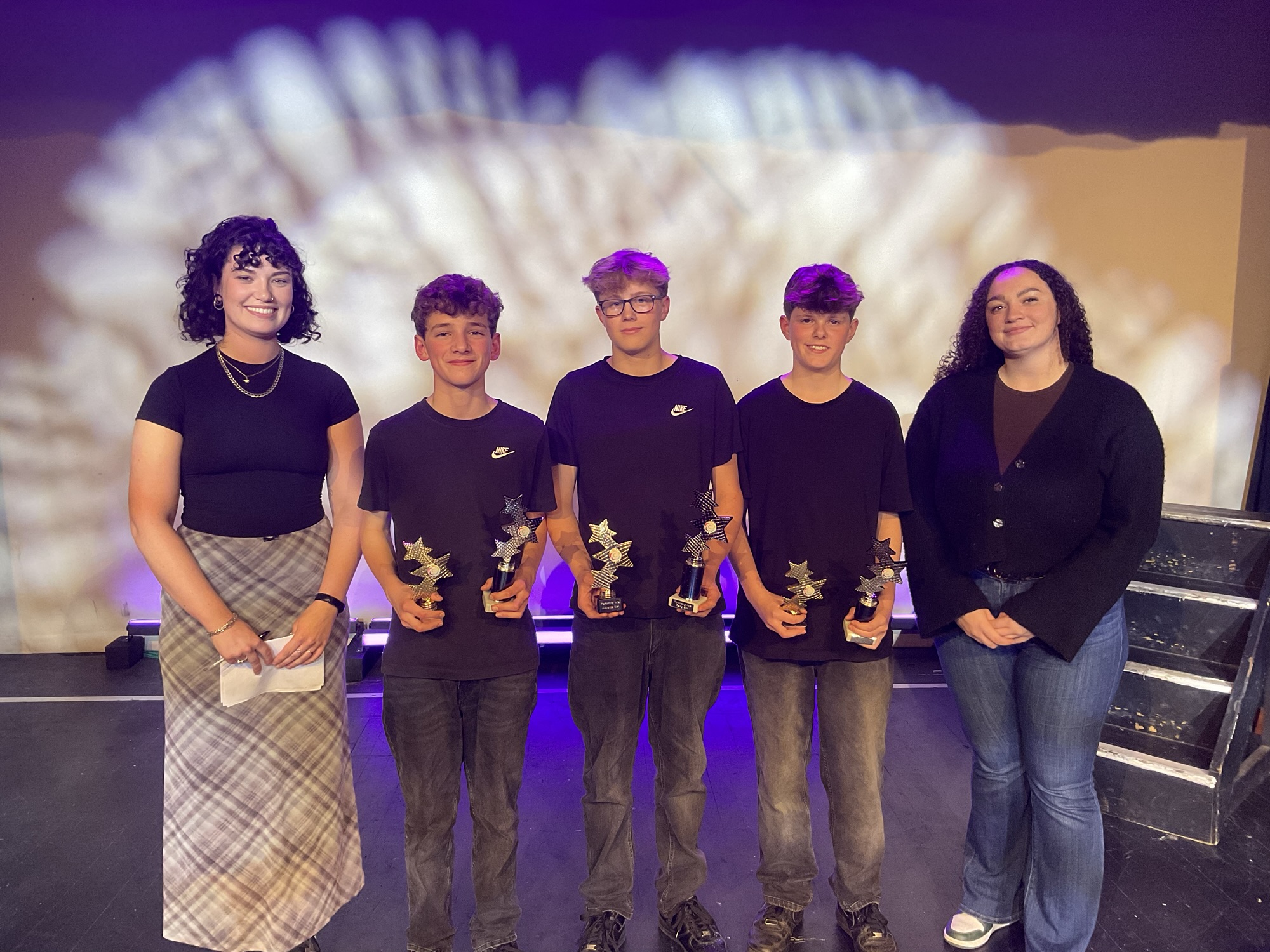
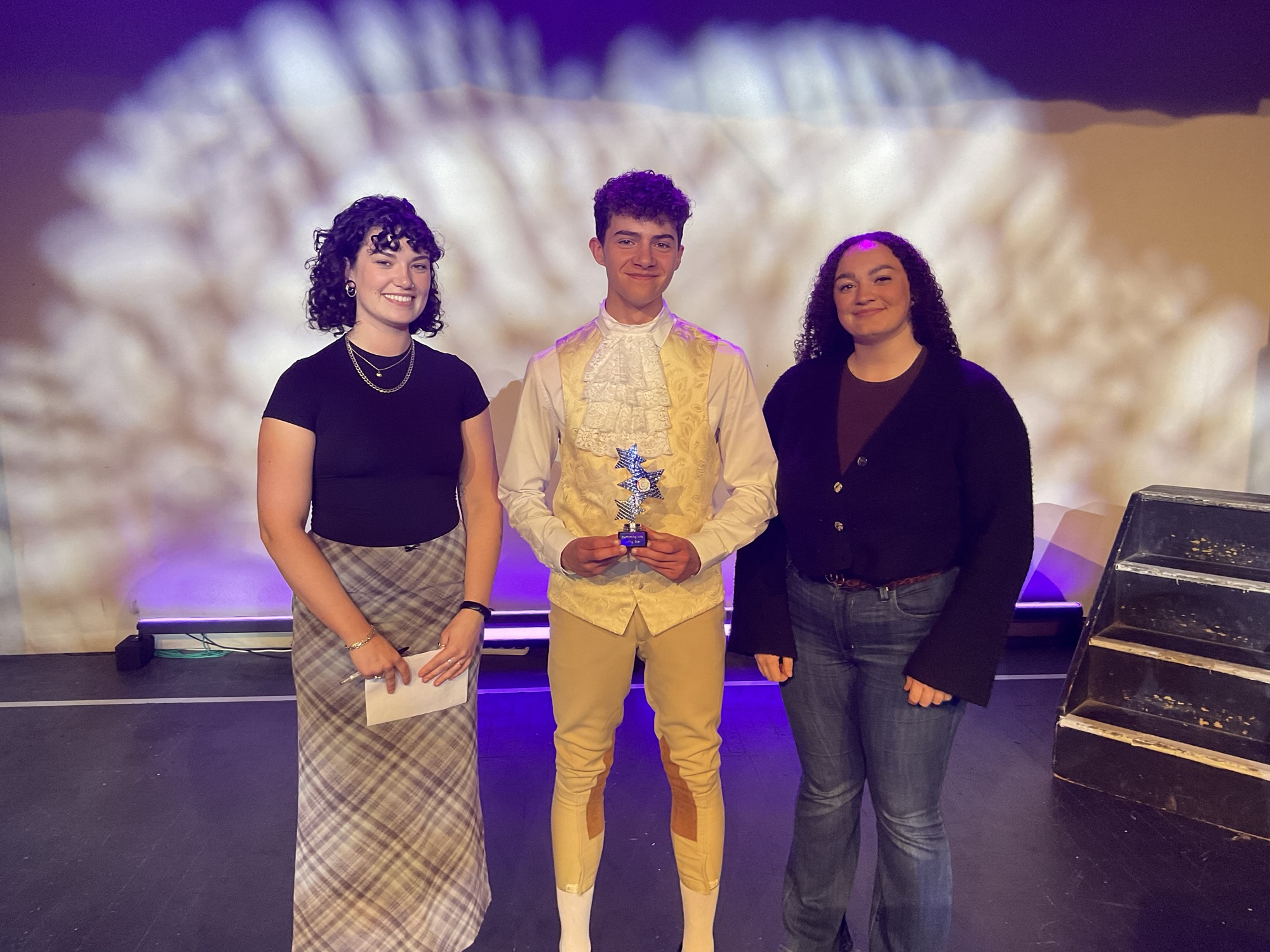
We welcomed back Churchill performing arts alumni Lorin and Tia as our expert guest judges, who awarded the prizes. It really was an impossible choice, such was the array of talent on show – but choose they did! The deserving winners were:

  • Superstar Winners: Anna and Mia
  • Dance Star: Leah, Mati and Flo
  • Rising Star & Audience Award Winners: Billy, Joe and Joey
  • Acting Star: Will
  • Group Star: The Year 7 Dance Club
  • Singing Star: Maisie
  • Music Star: YUNC (The Band)

Thank you to all the performers for a great evening of entertainment!

And, if you haven’t had a chance to see the Dance Live! extravaganza, feast your eyes on this:
The link between attendance, attainment and lifetime earnings

We have long understood the importance of good attendance at school: every moment matters. Over the past week, new research has been published which shows just how much every day at school counts.

The link between attendance and attainment

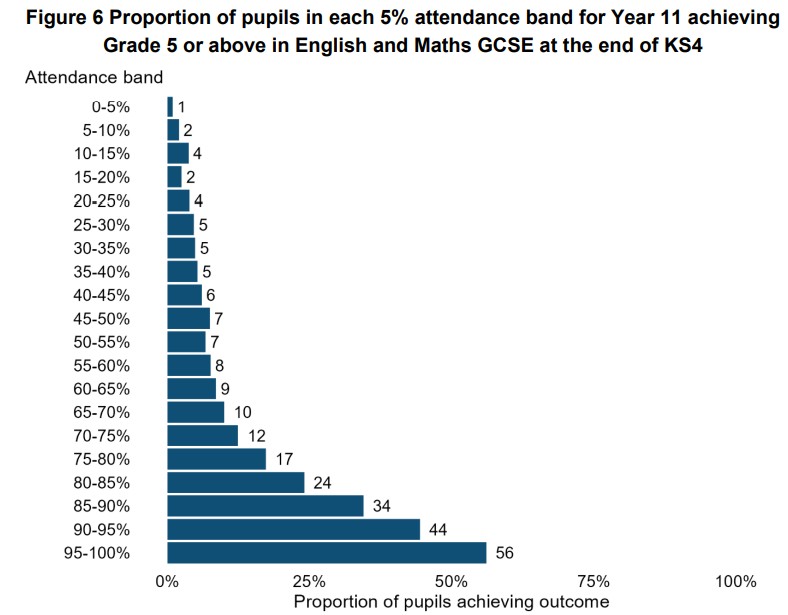
The link between attendance and attainment is at its strongest in secondary school. Year 11 students with near-perfect attendance are almost twice as likely to achieve grade 5 in English and Maths GCSE, compared to similar students attending 90-95% of the time. In other words, missing just 10 extra days a year reduces the likelihood of achieving these grades by around half.

At lower attendance levels, pupils who only attend between 50 and 55% of the time are 1.6 times more likely to achieve 9-5 in Maths and English GCSE than students who are severely absent and attend less than 50% of sessions. Increased attendance from severely absent to 60-65% (equating to approximately an extra 4-6 weeks in school) is associated with double the likelihood of the expected outcome compared with pupils who attend less than 50% of the time.

Improving attendance by just 5% makes a significant difference to academic attainment, as you can see in the chart below:

You can view the full research report here.

The link between school attendance and lifetime earnings

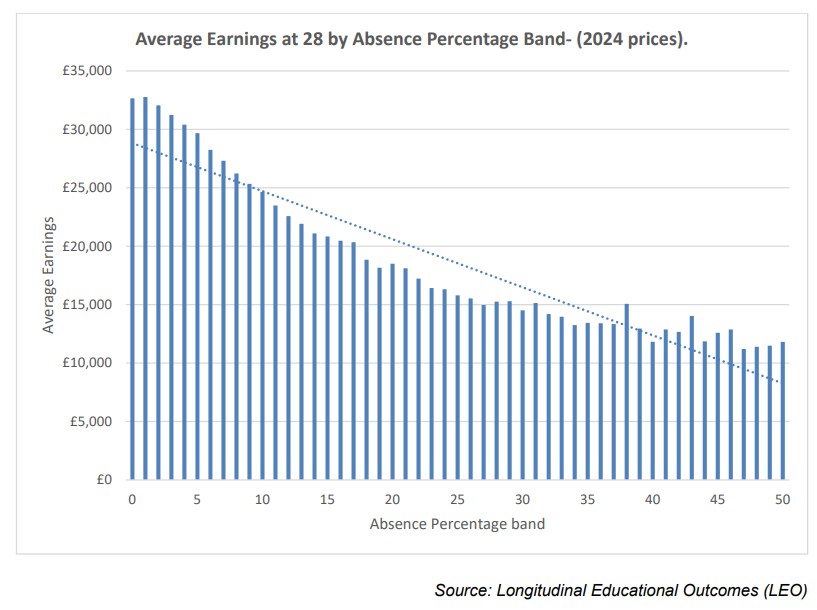
Missing school doesn’t just affect exam results and a child’s time in education. The impact of poor attendance has an impact on future earnings too. Related research has found that, for every day of absence between Years 7 to 11, the typical pupil could miss out on an average of £750 in future lifetime earnings. That’s £750 less for every single day missed.

The research also found that a one day increase in absence in Years 10 and 11 alone is associated with a 0.8% decrease in total yearly pay-as-you-earn earnings and declared self-employed earnings at age 28.

Persistently absent pupils in secondary school could earn £10,000 less at age 28 compared to pupils with near-perfect attendance. The likelihood of being in receipt of benefits increases by 2.7 times for
pupils who are classified as persistently absent (more than 10% absence). This rises to 4.2 times for those who are classified as severely absent (more than 50% absence).

As with attainment, it is clear to see the direct relationship between good attendance at school and higher earnings at the age of 28. You can see the full research report here.

Every day matters

We need to make sure that good attendance at school remains a high priority. We already ask that families only keep children off school when they are genuinely too ill to attend. We ask that you book medical appointments and holidays outside of school time whenever possible. And we ask that you talk to us if you’re having difficulties with attendance. Because every day at school gives you a better chance of good attainment, and greater earning power in adulthood.

Good attendance is an investment in the future. Let’s make it count.

Talking education policy

I am proud to be a member of ASCL – the Association of School and College Leaders. This is a trade union and professional association that represents over 25,000 school and college leaders across the United Kingdom. I was elected to represent the south west region on ASCL’s Council in 2019, and I am also part of ASCL’s Executive Committee as the association’s Honorary Treasurer.

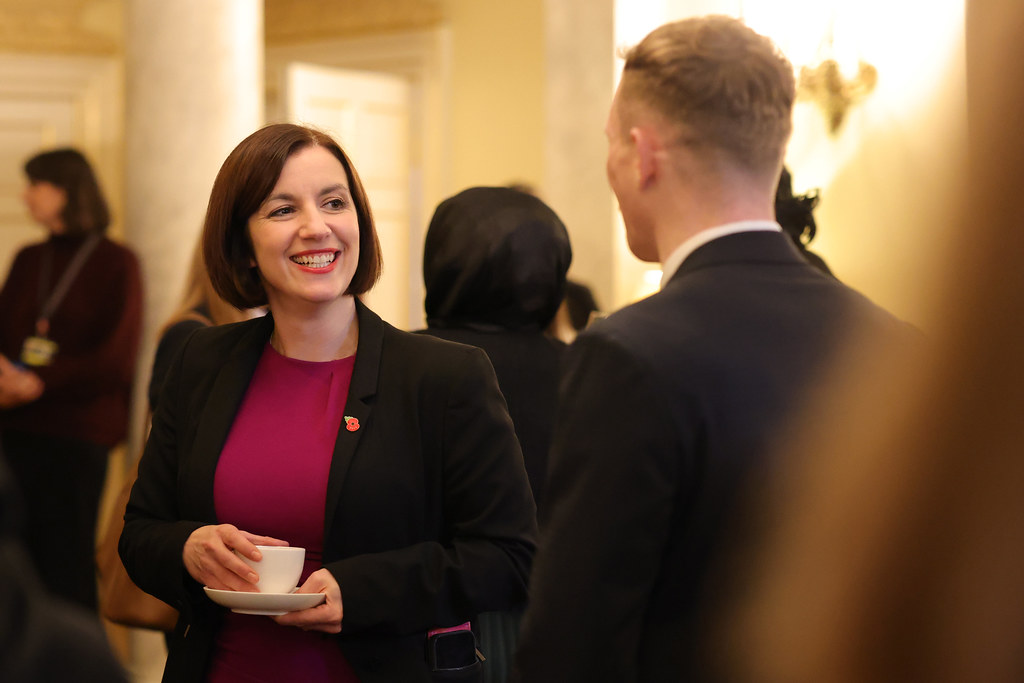
This is a fascinating part of my job, as we think about how best to represent the interests of school and college leaders to those in government and other positions of authority, to influence policy and systems. In this work I have been fortunate to have met with three different Education Secretaries, including meeting with Bridget Phillipson MP, Secretary of State for Education, four times. She has always listened carefully to the representations we make, although the challenges of government are certainly limiting what can be achieved currently.

I have also met with Sir Martyn Oliver, the Chief Inspector at Ofsted, to discuss reforms to the accountability and inspection system. There is a consultation currently open as Sir Martyn is working on “Improving the way Ofsted inspects education.” I have made my views known, but the consultation is open to everyone with an interest in education, including parents and carers, and is open until 28th April.

This weekend I will be in Liverpool with ASCL for further conversations with Bridget Phillipson and Sir Martyn Oliver, and I am also looking forward to hearing from Professor Becky Francis CBE, who is Chair of the Curriculum and Assessment Review. This review is looking at curriculum and assessment in the English school system from reception to Year 13, which is a vital piece of work to refresh and renew the very busy and intensive system that is currently in place. I look forward to hearing what Professor Francis has to say!
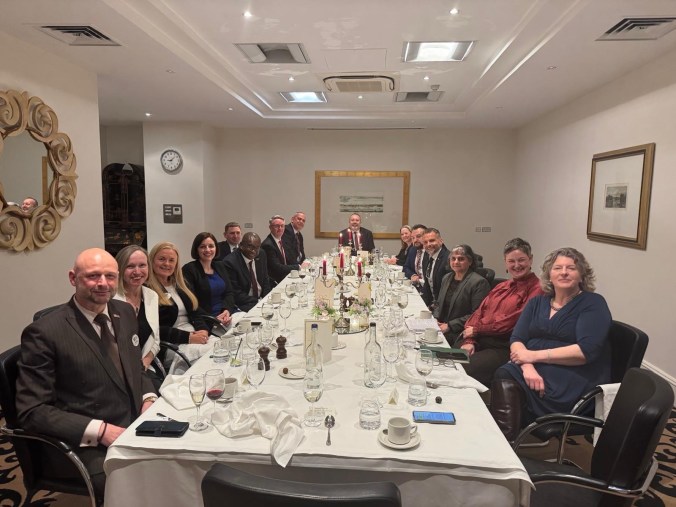
At a recent meeting with Secretary of State Bridget Phillipson and members of ASCL’s Council and policy team

World Book Day 2025

I love reading, and this World Book Day I have been thinking about this quotation from publisher Helen Exley, about how books can change your life. In truth, everything I’ve ever read has woven itself somewhere into the fabric of “me,” shaping my understanding of the world and its people. But a few stand out as having certainly changed my life.

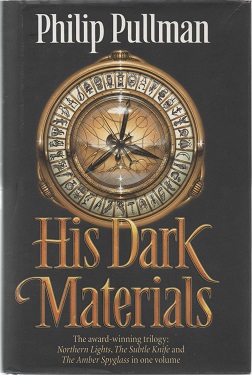
His Dark Materials by Phillip Pullman

When I was studying for a Masters in Children’s Literature at Nottingham University, these books blew my mind. The story of Lyra and Will, young people from two different worlds, brought together to save the universe, is unlike anything I’ve ever read. Passionate, clever, gripping, exciting and thrilling, this is a trilogy I could return to again and again and never get bored. It’s the book that reminds me that children and young people are the hope for us all.

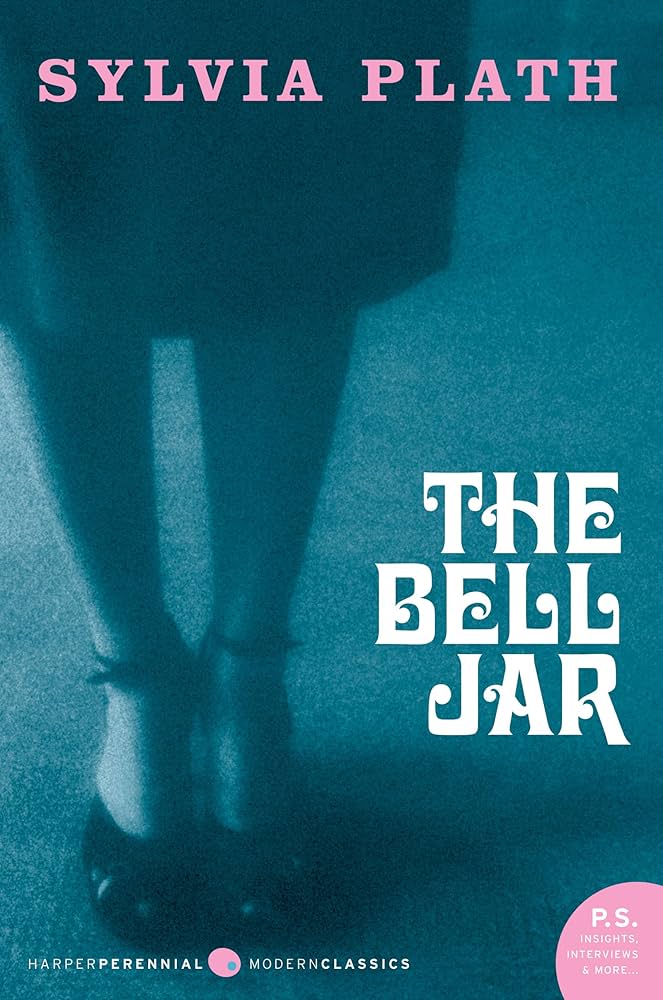
The Bell Jar by Sylvia Plath

I first read The Bell Jar when I was in the Sixth Form, and it changed everything for me. Sylvia Plath’s astonishing semi-autobiographical tale of her struggles with her mental health, her breakdown and subsequent recovery, was a revelation. Not only was the subject matter revolutionary – not least the barbaric treatment of mental health difficulties in the 1950s – but Plath’s writing fizzes off the page in images and phrases that has stuck with me forever.

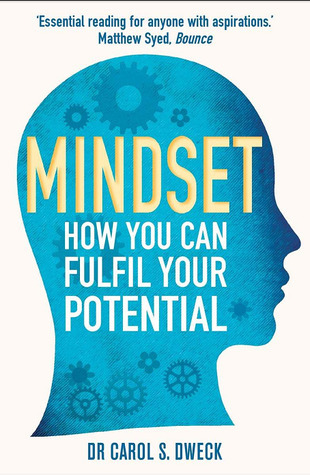
Mindset by Carol Dweck

This book changed the path of my teaching career. Dr Carol Dweck outlines the research that is her life’s work, into how what we think about our own abilities determines the outcomes that we achieve. It has informed my teaching and leadership ever since, and continues to resonate with me today.

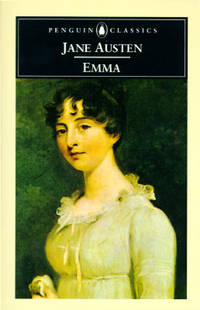
Emma by Jane Austen

“Emma Woodhouse, handsome, clever, and rich, with a comfortable home and happy disposition, seemed to unite some of the best blessings of existence; and had lived nearly twenty-one years in the world with very little to distress or vex her.” So begins Jane Austen’s tale of a spoilt girl who learns that she is not quite as brilliant as she thinks she is – and is so much the better for it. I love Jane Austen’s writing so much: she works with infinite delicacy on “the little bit (two inches wide) of Ivory on which I work with so fine a Brush, as produces little effect after much Labour.” My favourite novel of hers is actually Mansfield Park, but even I must admit that Emma shows her at the height of her powers.

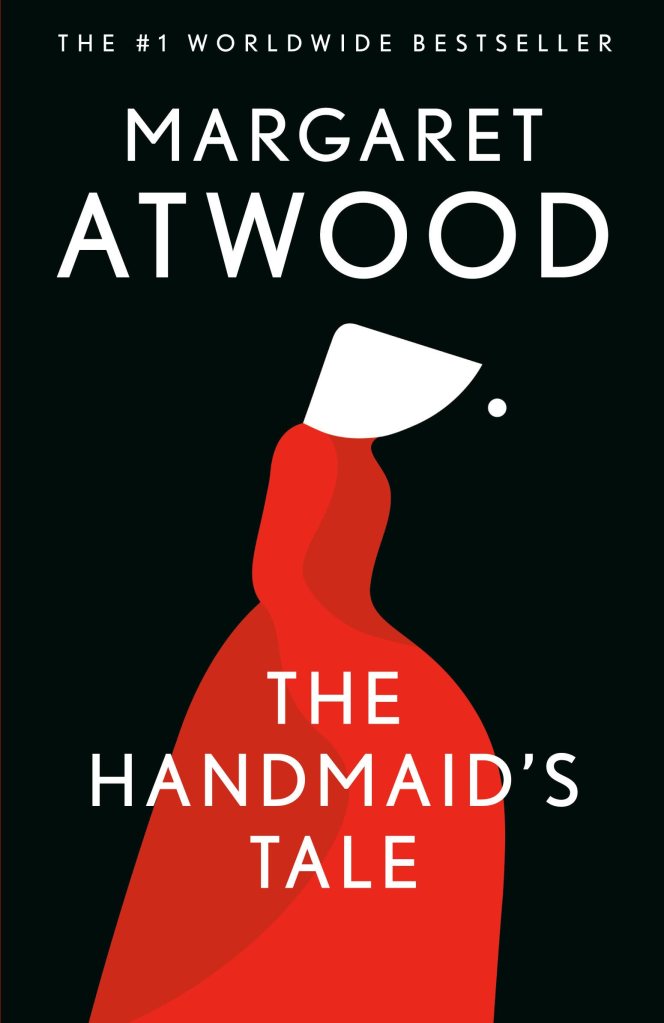
The Handmaid’s Tale by Margaret Atwood

Margaret Atwood’s dystopian novel pushed the boundaries of what a novel could be, and could do. Told in fragments, apparently “discovered” after the collapse of a dystopian civilisation, it pieces together the story of Offred, a “handmaid” in the land of Gilead, where patriarchal ideology has run to extremes. It is an absolutely gripping and terrifying book, and a valuable lesson in how fragile our society is – and how vulnerable to those who seek to divide and rule.

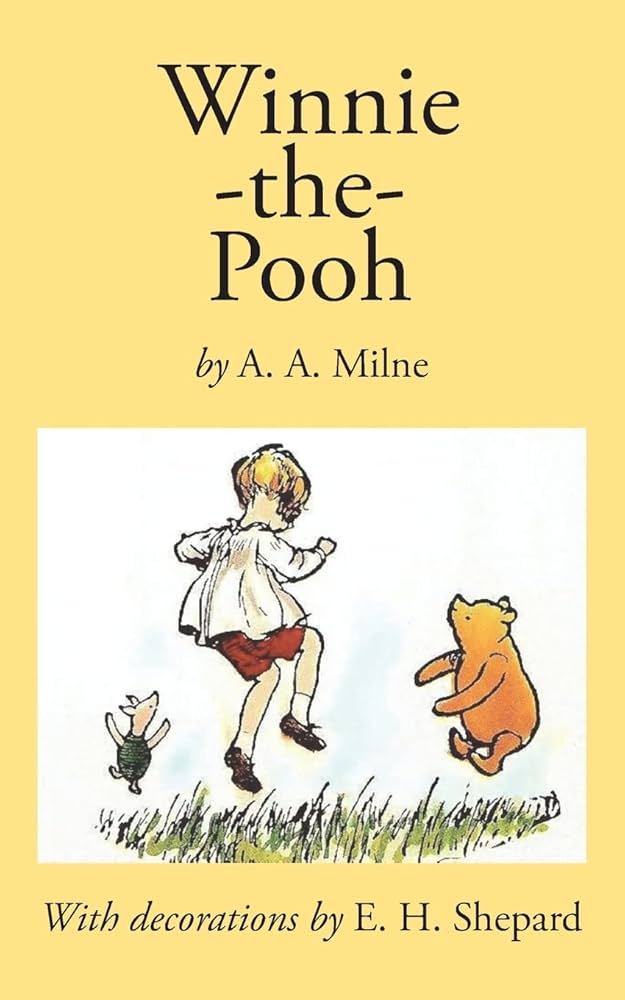
Winnie-the-Pooh by A.A. Milne

The tales of Christopher Robin and his collection of stuffed animals were favourites of mine as a small child, and have stayed with me throughout my life. Sweet, funny, and occasionally profound, I enjoyed reading them to my own children just as much as I enjoyed them myself as a child.

No matter what books you enjoy, reading is a rare and exciting pleasure. And a good book will stay with you for the rest of your life.