Using AI: be careful!

Back in November 2023 I published a post on this blog about AI: AI and ChatGPT: friend or foe?. In that post, I talked about the potential benefits, but also the risks, of using AI tools in school work.

This is a fast-moving field and, just this week, we have had updated guidance on the use of AI in assessments from the Joint Council for Qualifications (JCQ), the body that oversees examinations.

This guidance is especially relevant to students in years 10-13 who are studying for public examinations – especially those courses which include a coursework or non-exam assessment (NEA) element. However, building good habits in the correct use of AI is important for all students.

The key points in the JCQ guidance for students are as follows:

  • Work submitted for assessment must be your own and reflect your knowledge, skills, and understanding.
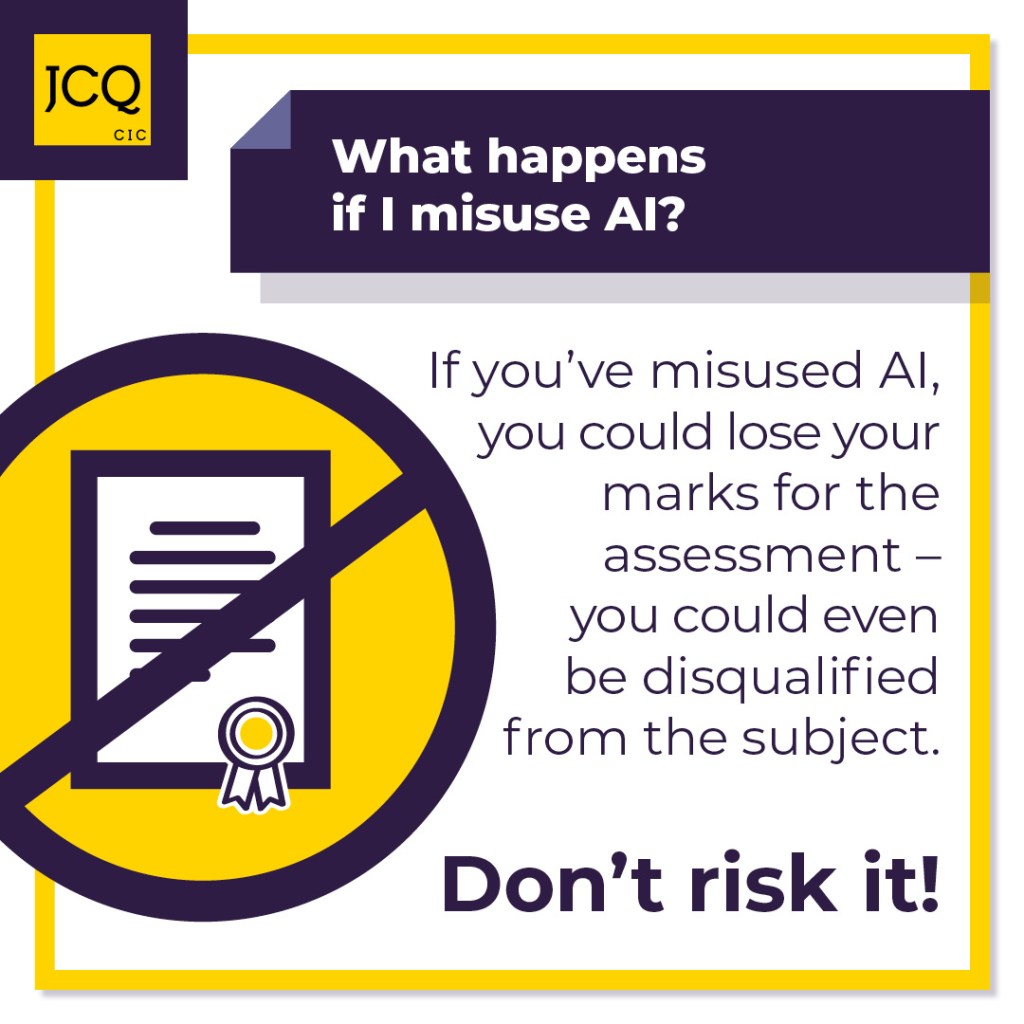
  • Misuse of AI (copying, paraphrasing, or failing to acknowledge AI-generated content) is malpractice
  • AI generated content must be properly referenced and reliance on AI will not earn marks.
  • AI misuse can lead to disqualification or a ban from future qualifications.
  • You must sign a declaration confirming your work is your own. False declarations have serious consequences.
  • Understand and follow your school’s exams policies.
  • Be aware that AI detection tools may be in use, and examiners and assessors can identify AI generated content.

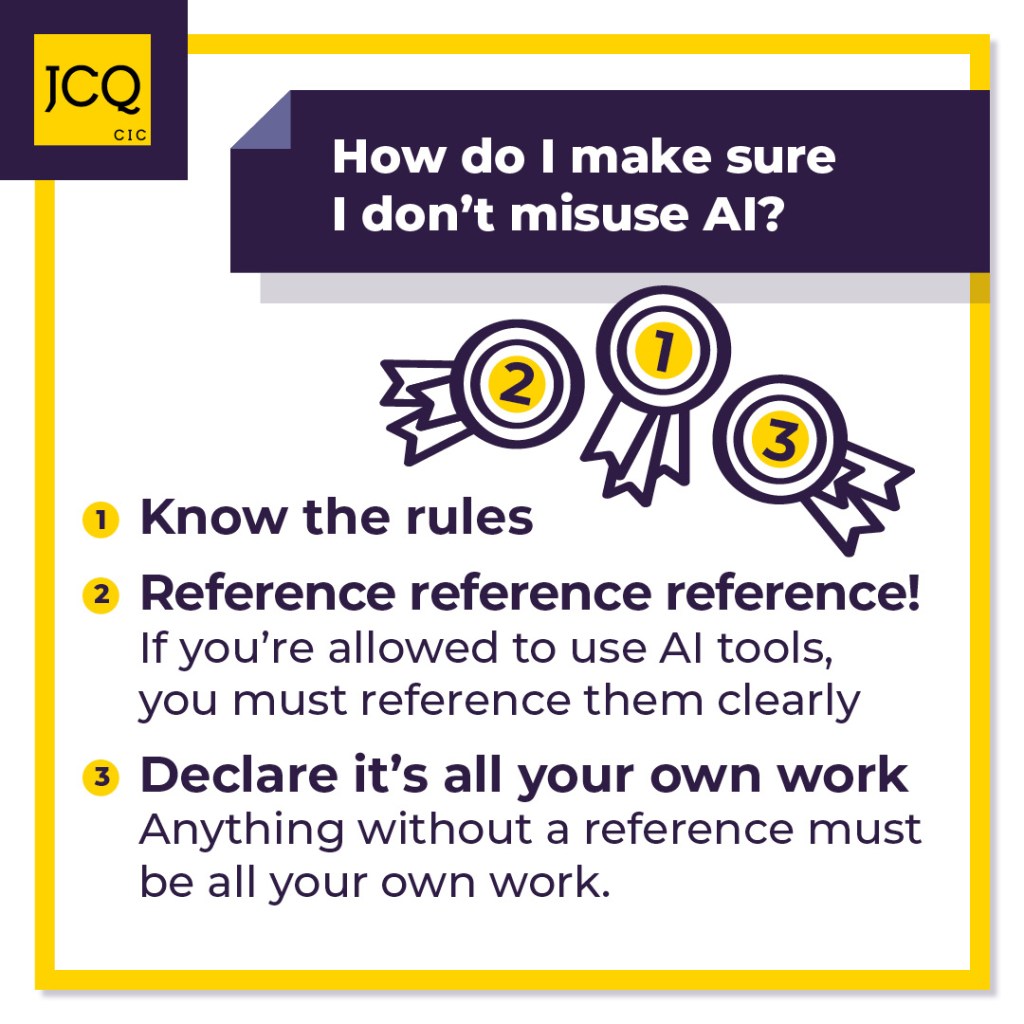
There is a quick guide for students on the JCQ website here, or via the image below.

AI is going to be part of all our lives as we move forward. Learning to use it correctly and properly is essential – and that means making sure we follow the guidance to ensure that the work we submit is our own, not computer generated.

That’s why I wrote this blog all by myself!

Exams: the finishing line

Term 5 is a pressurised term – this year especially. It’s just five weeks from Easter to the May half term, with formal GCSE and A-level exams starting on May 6th. The exams suddenly go from seeming a long way off, to being…well, next week!

The final stretch of exam preparation is about finishing touches. Courses have been finished. Students have the knowledge and skills they need now to tackle the exams ahead of them. This final few days are all about honing exam technique to a sharp point: what exactly do the examiners want to see in an answer to this particular type of question? How can you manipulate what you know to squeeze as many marks as possible out of each part of the paper? How should you manage your time to ensure you leave enough to cover everything fully?

Our teachers are well versed in the art of exam technique. Exam preparation classes across the Academy are full of last-minute reminders about what to include, where, and how. In a exam situation, this is almost as important as the knowledge itself! This year, with our GCSE students, we will also be running subject-specific masterclasses in the days and hours before exams to give our students the final boost into their assessments, and these will continue online when students are on study leave in Term 6.

You can put yourself at an advantage by preparing well. Revision is essential, of course – you can find revision tips in the Revision category on this blog. But just as important is a good night’s sleep, and a healthy meal before an exam. An all-night revision session honestly won’t help as much as you wish it would – the brain works best when well rested and fuelled. Get to bed, sleep well, and have a good breakfast.

Once you’re in the exam itself, there are some general tips that I always swear by:

  • Be sure to answer all the questions – turn every page. Including the back page…yes, every year someone comes out ashen-faced when they realise there were eight questions, not seven.
  • Jot down your key ideas – don’t be afraid to do some rough work, or write down some key notes as soon as the invigilator says “you may begin.” Getting key ideas down will ensure that you remember them!
  • Write something for every question – if you’re not sure, make your best educated guess at the question. If you’ve written something, you’re in with a shout of some marks. If you write nothing – you’re definitely going to score zero.
  • Keep an eye on the time – you know how many questions are on the paper. You know how long you’ve got. Make sure you leave enough time to answer them all.
  • Check – use every minute of the exam. Check for silly mistakes. Check that you’ve written what you think you’ve written. Check for accuracy of spelling, punctuation, and grammar. Give yourself time to add in that extra bit that you forgot the first time through. It could make all the difference.

Exams bring stress and pressure with them – that’s an inevitable part of the process. Managing that pressure is an essential part of succeeding. Being well-prepared is the best way to ensure that the pressure works in your favour, rather than against you.

I hope these last minute tips have been helpful. Above all, I wish all our exam candidates the very best of luck. You deserve it.

The link between attendance, attainment and lifetime earnings

We have long understood the importance of good attendance at school: every moment matters. Over the past week, new research has been published which shows just how much every day at school counts.

The link between attendance and attainment

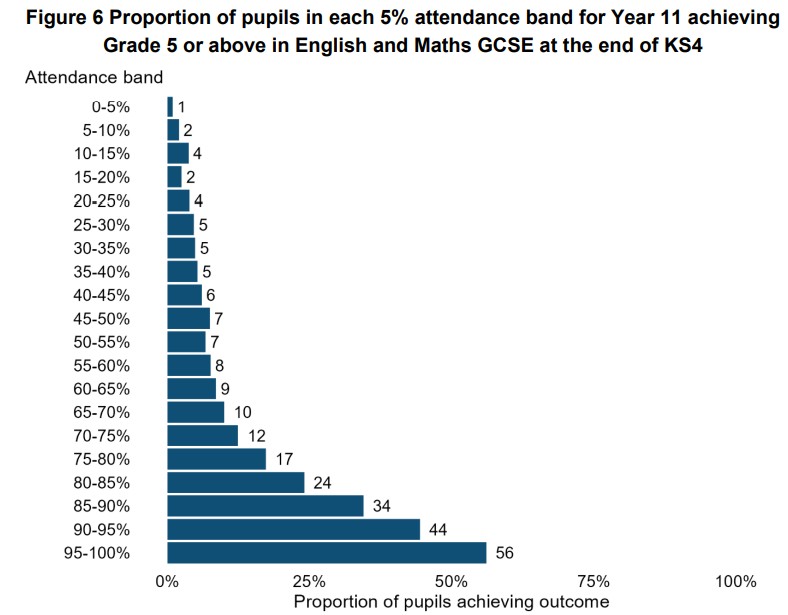
The link between attendance and attainment is at its strongest in secondary school. Year 11 students with near-perfect attendance are almost twice as likely to achieve grade 5 in English and Maths GCSE, compared to similar students attending 90-95% of the time. In other words, missing just 10 extra days a year reduces the likelihood of achieving these grades by around half.

At lower attendance levels, pupils who only attend between 50 and 55% of the time are 1.6 times more likely to achieve 9-5 in Maths and English GCSE than students who are severely absent and attend less than 50% of sessions. Increased attendance from severely absent to 60-65% (equating to approximately an extra 4-6 weeks in school) is associated with double the likelihood of the expected outcome compared with pupils who attend less than 50% of the time.

Improving attendance by just 5% makes a significant difference to academic attainment, as you can see in the chart below:

You can view the full research report here.

The link between school attendance and lifetime earnings

Missing school doesn’t just affect exam results and a child’s time in education. The impact of poor attendance has an impact on future earnings too. Related research has found that, for every day of absence between Years 7 to 11, the typical pupil could miss out on an average of £750 in future lifetime earnings. That’s £750 less for every single day missed.

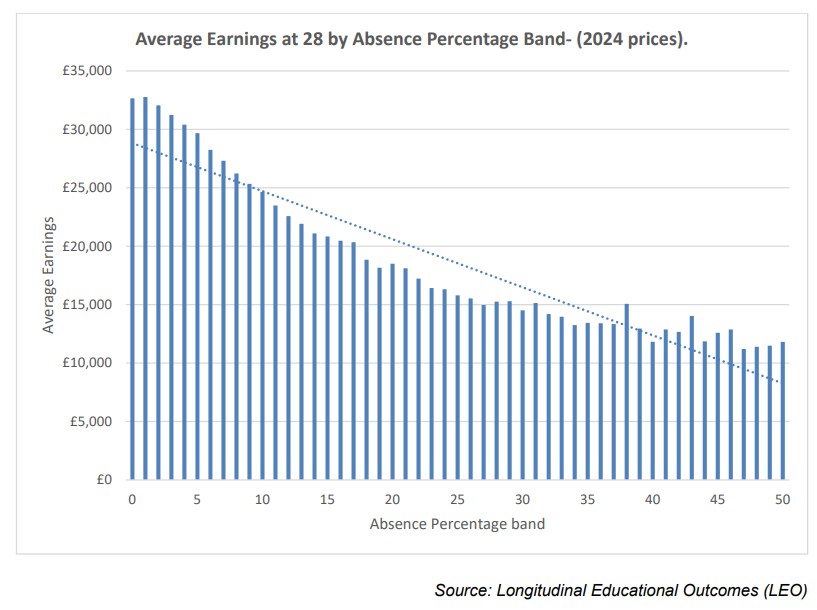
The research also found that a one day increase in absence in Years 10 and 11 alone is associated with a 0.8% decrease in total yearly pay-as-you-earn earnings and declared self-employed earnings at age 28.

Persistently absent pupils in secondary school could earn £10,000 less at age 28 compared to pupils with near-perfect attendance. The likelihood of being in receipt of benefits increases by 2.7 times for
pupils who are classified as persistently absent (more than 10% absence). This rises to 4.2 times for those who are classified as severely absent (more than 50% absence).

As with attainment, it is clear to see the direct relationship between good attendance at school and higher earnings at the age of 28. You can see the full research report here.

Every day matters

We need to make sure that good attendance at school remains a high priority. We already ask that families only keep children off school when they are genuinely too ill to attend. We ask that you book medical appointments and holidays outside of school time whenever possible. And we ask that you talk to us if you’re having difficulties with attendance. Because every day at school gives you a better chance of good attainment, and greater earning power in adulthood.

Good attendance is an investment in the future. Let’s make it count.

World Book Day 2025

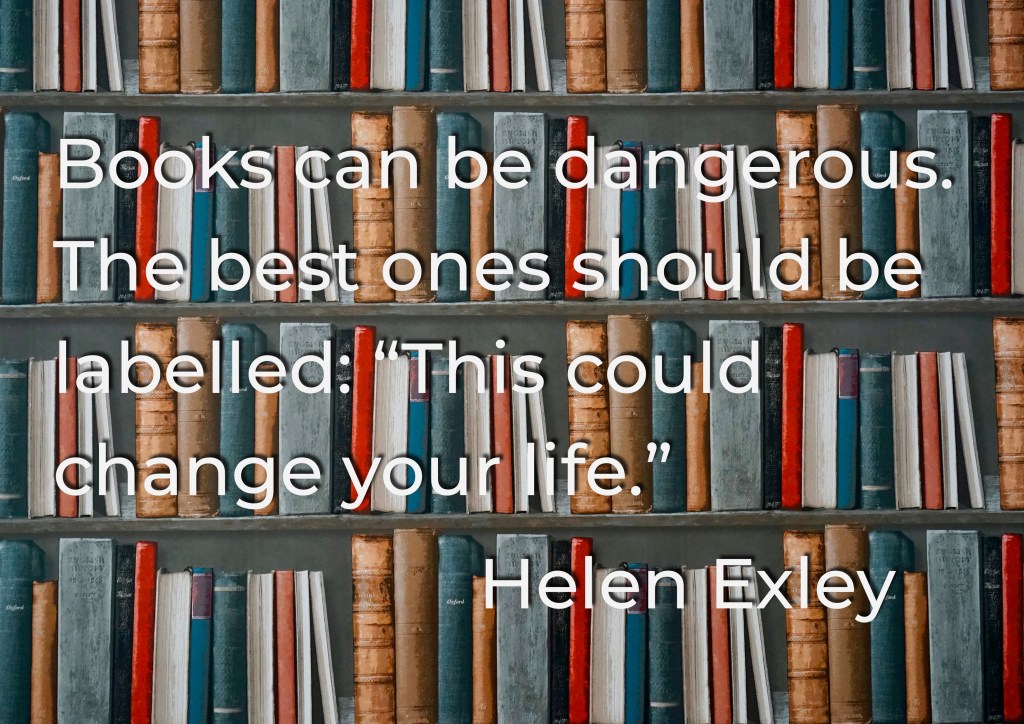
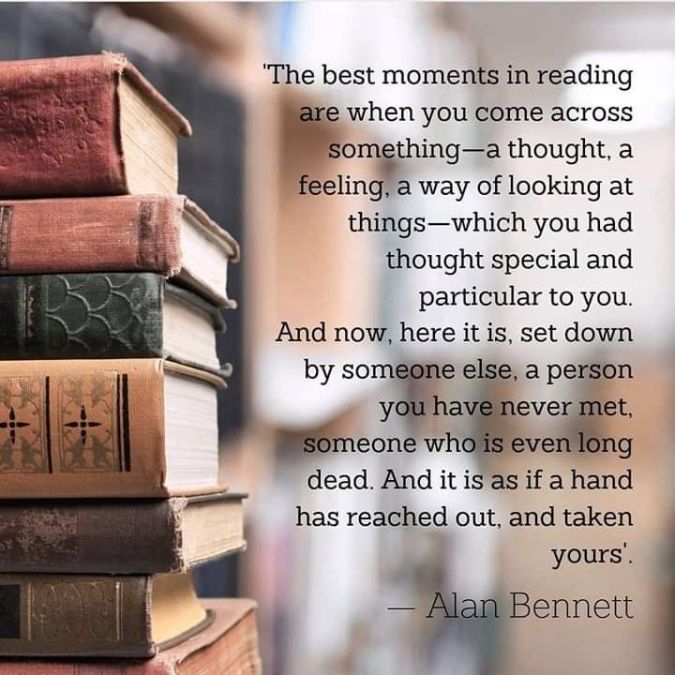
I love reading, and this World Book Day I have been thinking about this quotation from publisher Helen Exley, about how books can change your life. In truth, everything I’ve ever read has woven itself somewhere into the fabric of “me,” shaping my understanding of the world and its people. But a few stand out as having certainly changed my life.

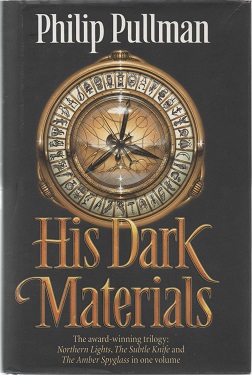
His Dark Materials by Phillip Pullman

When I was studying for a Masters in Children’s Literature at Nottingham University, these books blew my mind. The story of Lyra and Will, young people from two different worlds, brought together to save the universe, is unlike anything I’ve ever read. Passionate, clever, gripping, exciting and thrilling, this is a trilogy I could return to again and again and never get bored. It’s the book that reminds me that children and young people are the hope for us all.

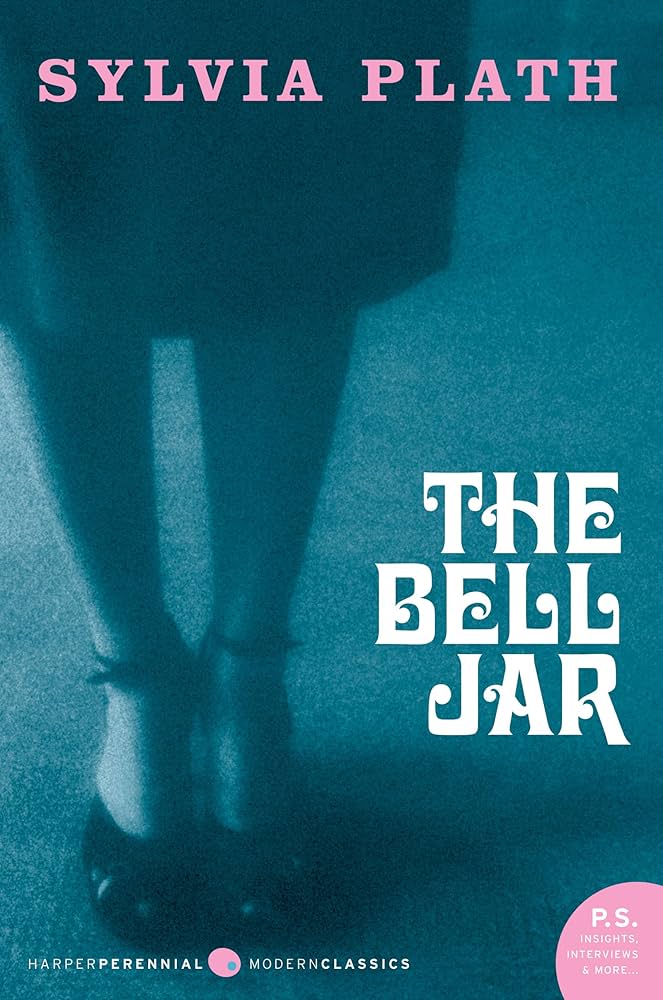
The Bell Jar by Sylvia Plath

I first read The Bell Jar when I was in the Sixth Form, and it changed everything for me. Sylvia Plath’s astonishing semi-autobiographical tale of her struggles with her mental health, her breakdown and subsequent recovery, was a revelation. Not only was the subject matter revolutionary – not least the barbaric treatment of mental health difficulties in the 1950s – but Plath’s writing fizzes off the page in images and phrases that has stuck with me forever.

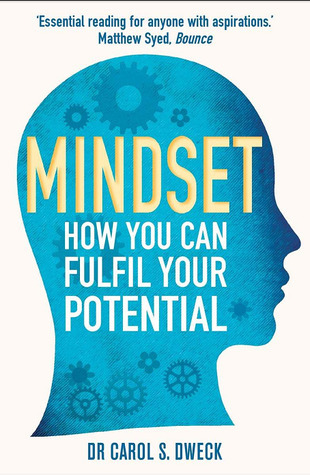
Mindset by Carol Dweck

This book changed the path of my teaching career. Dr Carol Dweck outlines the research that is her life’s work, into how what we think about our own abilities determines the outcomes that we achieve. It has informed my teaching and leadership ever since, and continues to resonate with me today.

Emma by Jane Austen

“Emma Woodhouse, handsome, clever, and rich, with a comfortable home and happy disposition, seemed to unite some of the best blessings of existence; and had lived nearly twenty-one years in the world with very little to distress or vex her.” So begins Jane Austen’s tale of a spoilt girl who learns that she is not quite as brilliant as she thinks she is – and is so much the better for it. I love Jane Austen’s writing so much: she works with infinite delicacy on “the little bit (two inches wide) of Ivory on which I work with so fine a Brush, as produces little effect after much Labour.” My favourite novel of hers is actually Mansfield Park, but even I must admit that Emma shows her at the height of her powers.

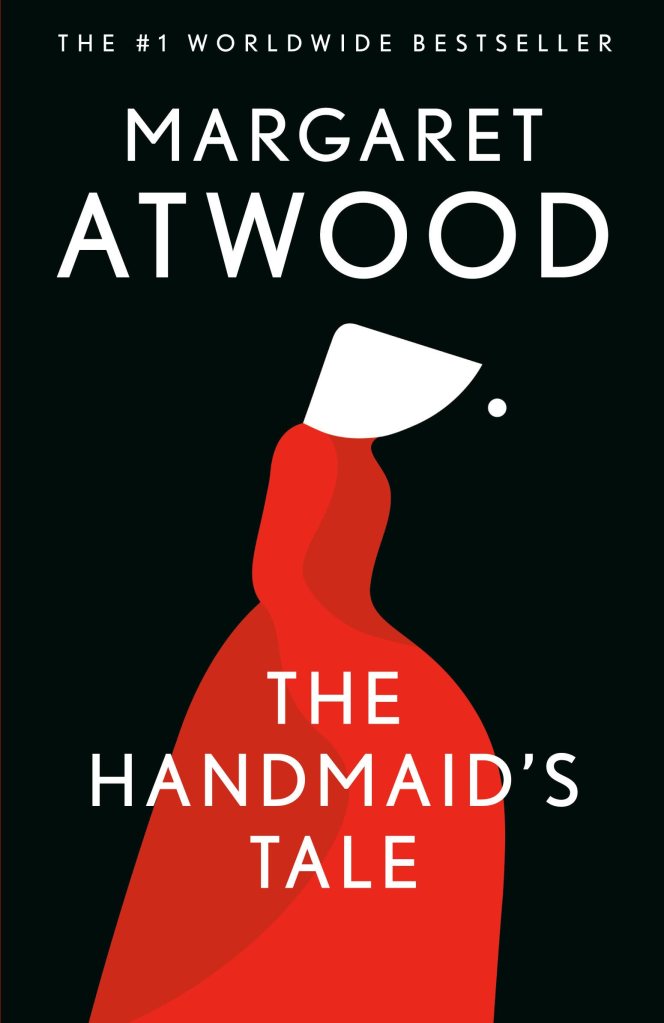
The Handmaid’s Tale by Margaret Atwood

Margaret Atwood’s dystopian novel pushed the boundaries of what a novel could be, and could do. Told in fragments, apparently “discovered” after the collapse of a dystopian civilisation, it pieces together the story of Offred, a “handmaid” in the land of Gilead, where patriarchal ideology has run to extremes. It is an absolutely gripping and terrifying book, and a valuable lesson in how fragile our society is – and how vulnerable to those who seek to divide and rule.

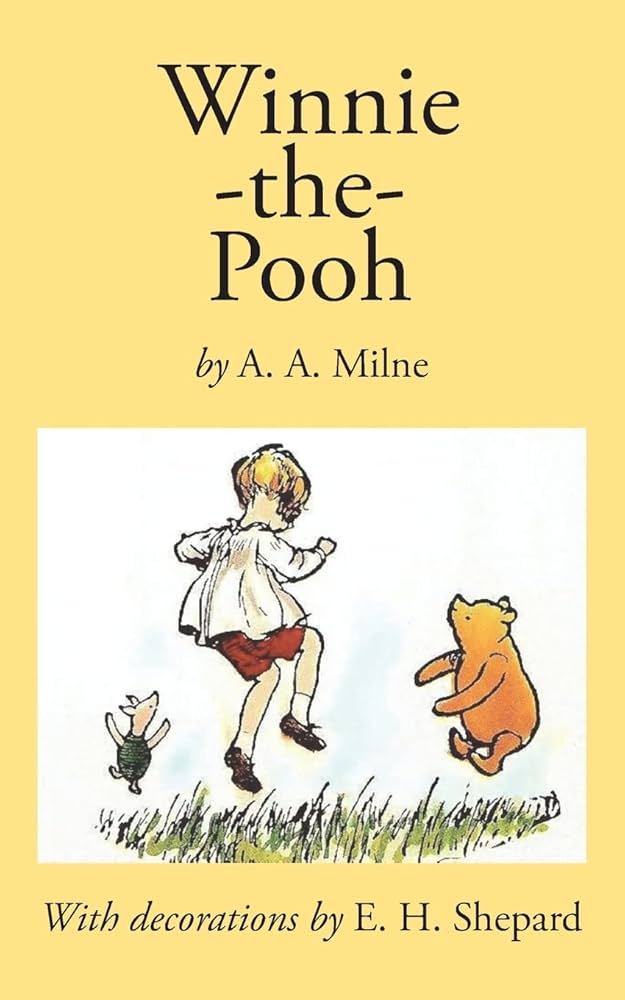
Winnie-the-Pooh by A.A. Milne

The tales of Christopher Robin and his collection of stuffed animals were favourites of mine as a small child, and have stayed with me throughout my life. Sweet, funny, and occasionally profound, I enjoyed reading them to my own children just as much as I enjoyed them myself as a child.

No matter what books you enjoy, reading is a rare and exciting pleasure. And a good book will stay with you for the rest of your life.

Putting it all together

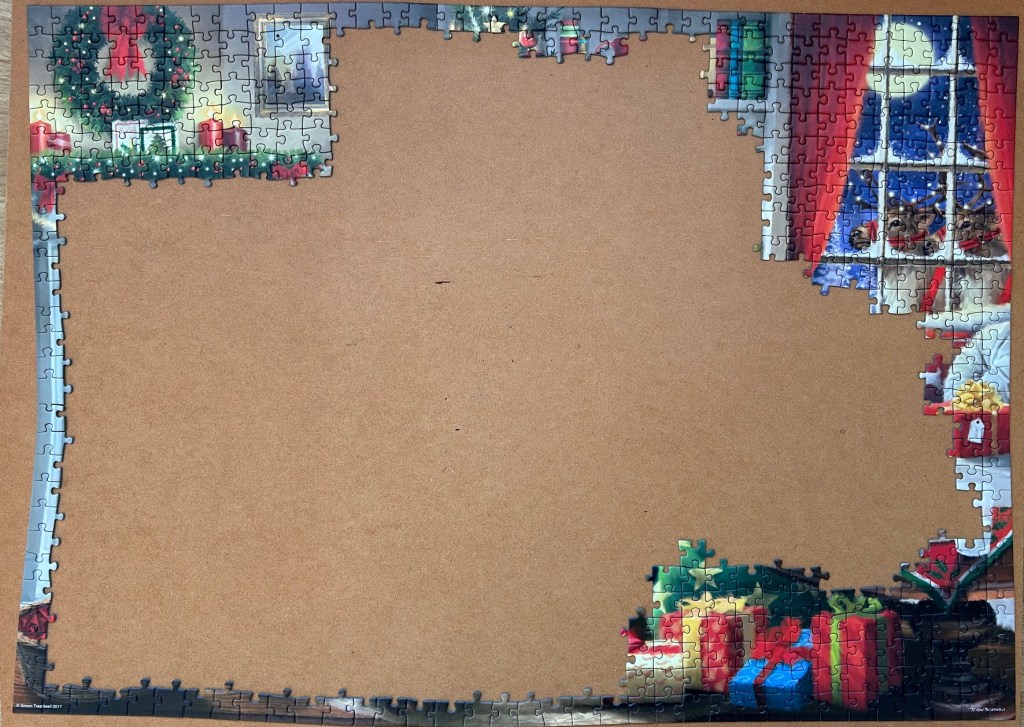
Over the Christmas holidays, my family and I always like to complete a Christmas jigsaw. We have a few 1000 piece sets that we’ve been given over the years, and it’s always a fun challenge to try and put them together to make the complete picture. You can see our progress below!

As we were putting the jigsaw together this Christmas, I was thinking about the Academy: how every piece is different and unique, but every piece needs to be in the right place, to fit, to belong, in order to make the complete picture. We work really hard every day to help ensure that students and staff are slotted in to help make the whole thing work.

But I was also thinking about how every individual is made up of thousands of tiny pieces. These micro-decisions, little things that make up our daily lives in school. I spoke to students in assembly last week about some of these component parts:

  • Lessons: including our favourite lessons and those that we find more challenging. Our curriculum is made up of lots of component parts which all work together to make a strong, deep and broad understanding of our world. Every single piece counts.
  • Social times: ensuring that the Academy is and feels safe, welcoming and friendly for everyone in it, is everyone’s responsibility.
  • Punctuality: we are particularly focused on this important life skill at the moment, and our students are working really hard to make sure that they are on time, every time.
  • Attendance: similarly, we have been really impressed by our students’ efforts to ensure that they attend school every day, every lesson that they are able to.
  • Extra curricular: both within school and beyond, the activities our students are involved in all add up to build their skills, knowledge, character and confidence.
  • Values: our values of kindness, curiosity and determination underpin everything we do, and work together to support character development in our students
  • Wellbeing: linked to last week’s assembly on sleep, we know that looking after ourselves is important. Diet, exercise, sleep and a balanced approach to health and wellbeing are all important.

In our school, and in ourselves, every single piece matters.

2024 in review

As the year draws to a close, I look back on another year on the Headteacher’s Blog. Over 100,000 views, over 20,000 visitors to the blog – it’s been a busy year!

January

January began with a welcome back assembly thinking about resolutions, and an update on the work going on in the Sports Centre to get it ready for our use. The old swimming pool had been drained, and work was underway to get a floor laid as part of the Pool Hall conversion.

January is also the time of year when Year 9 are making choices as part of their options process, which is very nearly upon us once again! And I concluded the month with a blog on the influence of social media, and how we are working with our students to help them manage the online space.

February

February began with a focus on attendance as part of the government’s moments matter: attendance counts campaign. The month was dominated, however, by the preparation for and four barnstorming performances of High School Musical: On Stage at the Playhouse in Weston-super-Mare!

This fantastic production produced memories for life for the casts, crew, band, and everyone in the audiences. I will never forget it!

March and April

In March I wrote three blogs based on assemblies and ideas we had been discussing in school. I wrote about the Academy’s value of curiosity, the theme of my assembly that month, followed by a discussion of neurodiversity which was the theme of Miss O’Malley’s assembly. This was followed by a reflection on the nature of equality, and how we balance the differences between us with the need for equal opportunities. It was a very thoughtful month!

This was followed, in April, by a celebration of our successful Challenge Partners review which emphasised the huge progress we had made over the preceding year.

May

Inevitably, as the summer begins, schools turn their focus onto exams. It was no surprise, therefore, that May began with a reflection on top tips for exam technique. The sunshine also made me think about how, in the end, we make the weather as we set the climate for learning in our school. There was then the opportunity to celebrate the work of our students finding real audiences, in their artwork on display as part of an exhibition celebrating Ukrainian artist Maria Prymachenko and creating podcasts as part of North Somerset’s violence reduction partnership. The month of May ended with the traditional farewells to the Class of 2024.

June and July

The summer term began with the 80th Anniversary of D-Day, before we were into the political upheaval of the general election campaign. The summer solstice came and went and, before we knew it, we were into transition days as we welcomed our newest students to the Academy.

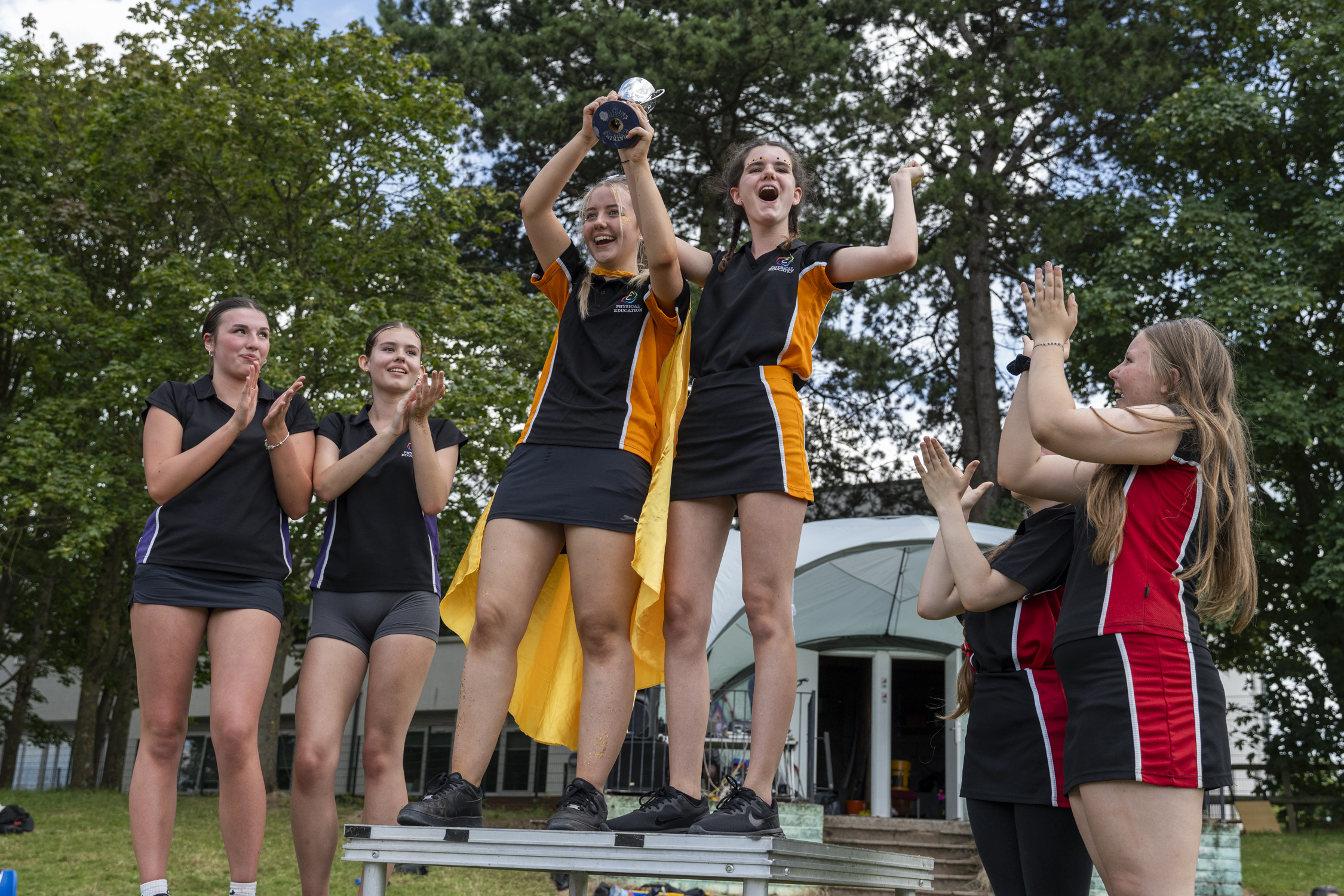
The final month of the academic year was spent celebrating the success of our students at their prom and ball, and in our Academy events. We also had a wonderful activities week, abroad and at home.

Then we were into the final stretch of the year, with a hard-fought Sports Day (congratulations Hanover!) and an even harder-fought House Cup (congratulations Tudor!)

September and October

And so, after a well-deserved summer break, we were back! September’s blogs celebrated our exam results and prize winners, and focused on making a positive difference, before our successful open evening and sixth form open evenings.

Later in term 1, I was reflecting on continuity through change as I looked back on the history of the school, what has changed and what remains the same. I also gave information about the Votes for Schools programme we are using, and backed up my Headteacher’s update letter with a post giving information about our curriculum – including the wider personal development programme beyond the curriculum.

November and December

November began with a moving remembrance day, before we moved into our anti-bullying week with a focus on the theme of respect. I also gave an insight into what happens on an inset day, before explaining more about careers education at Churchill around our successful careers convention at the end of the month.

And so we come right up to date, with last week’s blog post: my annual summary of books I have read this year! We are all looking forward to Christmas, and next week’s final blog post of the year will be a look inside our end of term celebrations with the traditional sixth form fancy dress parade, the eagerly-anticipated Headteacher’s quiz, and much, much more as we see the year out in style!

Thank you for visiting and reading the Headteacher’s blog this year – here’s to another bumper year in 2025!
Books I have read in 2024

I love to read! Every December I look back at the books I have read over the course of the year, and do a run-down of my favourites. If you’ve read any of these, let me know what you thought – and if you like the sound of any of them, please give them a go. I also love getting book recommendations from students – so please let me know if there’s a book you think I’d enjoy!

Babel by R F Kuang

This was an incredible book. Set in a fictionalised past, the novel explores the legacy of colonialism through the imaginative idea that the gap in meaning between translated words in different languages generates powerful magic. Those that control words, control the world. It’s hard to explain – you have to read it to believe it – but I was totally gripped by the whole thing. It was stunning.

Recommended for KS4 and 5 or adults.

The Goldfinch by Donna Tartt

This book has been on my “to read” list for ages – and in 2024 I finally managed it! It didn’t disappoint. It tells the compelling story of Theodore Decker, who is caught up in a terrorist attack at the age of 13 with life-changing consequences. His life spirals out from this event, as his fate becomes intertwined with a famous painting – the Goldfinch of the title – with unexpected, funny, and tragic consequences. It’s a love story, a coming-of-age story, a thriller, a mystery, and a novel about the far-reaching impact of grief. A tour de force of brilliant writing.

Recommended for KS4 and 5 or adults.

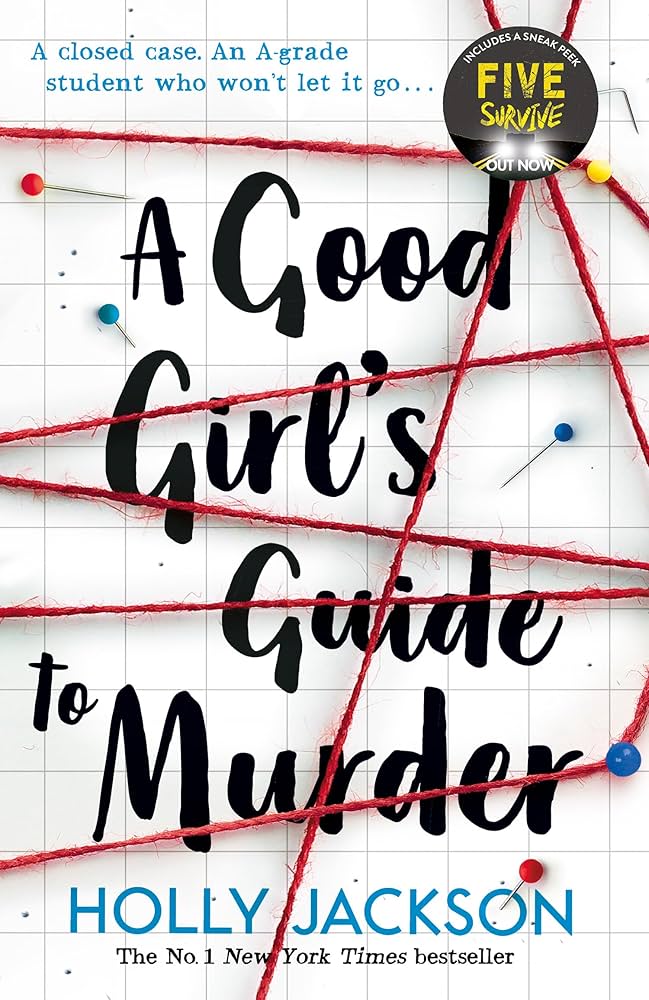
A Good Girls’ Guide to Murder by Holly Jackson

I really enjoyed the BBC adaptation of Holly Jackson’s novel this year, starring Emma Myers (from Wednesday), so I picked up the book – which was even better than the series! It was so good, I read the two sequels (Good Girl, Bad Blood and As Good As Dead) immediately afterwards. It tells the story of Pip Fitz-Amobi, the “good girl” of the title, who sets out to investigate the disappearance of a girl from her school five years earlier. Everyone thinks they know what happened – but Pip’s investigations reveal that things aren’t always as they seem.

Recommended for KS3 and above.

Grace by Cody Keenan

Cody Keenan was President Barack Obama’s chief speech writer. In this incredible memoir, he tells the story of ten crucial days with the President in June 2015, as the United States tried to come to terms with a mass shooting in a church and huge votes on marriage equality and healthcare reform. Between them, Keenan and Obama have to write the words to celebrate America’s progress and capture the nation’s grief and divisions. But nobody expected that, as he delivered the eulogy for Reverend Clementa Pinckney, the President would start to sing.

This unforgettable book gives a peek inside Obama’s White House, and made me cry!

Recommended for anyone interested in politics or writing or history.

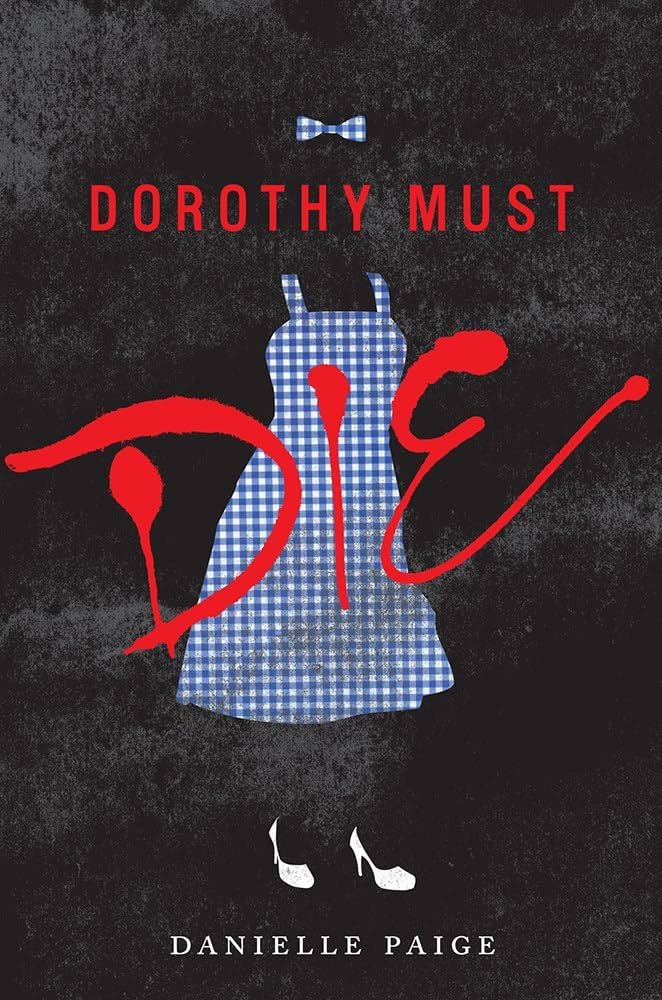
Dorothy Must Die by Danielle Paige

I was gripped by Wicked fever this winter, and in preparation for the movie of my favourite musical I picked up another re-imagining of the events of the Wizard of Oz. Danielle Paige’s book, the first of a trilogy, tells the story of Kansas teenager Amy Gumm, who is caught in a tornado and whisked off to Oz. She’s seen the Judy Garland film, but the land she finds herself in, and the Dorothy she meets, are not at all what she was expecting. Before long, she is in training to harness the magic of Oz to accomplish a terrible mission: to assassinate Dorothy Gale.

This was a fun read – not as good as Wicked, but Amy Gumm is a great narrator.

Recommended for KS3 and above.

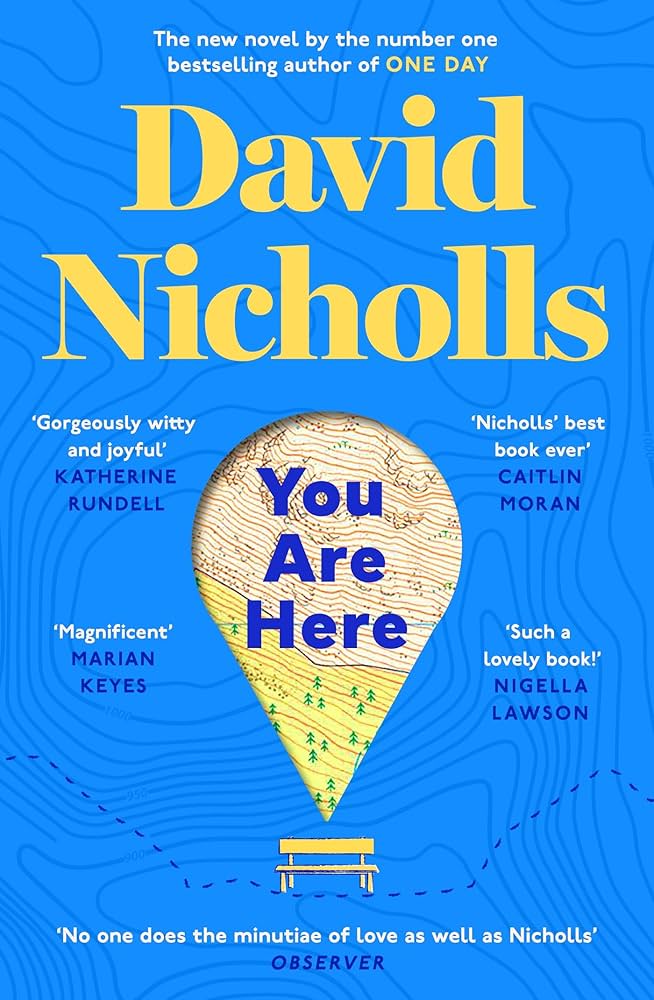
You Are Here by David Nicholls

David Nicholls writes brilliant love stories. I really enjoyed his previous books, especially One Day and Sweet Sorrow, and his latest didn’t disappoint. It follows Marnie and Michael as they set out with a group of mutual friends on a coast-to-coast walk across the north of England. The story is funny, sad, beautiful, poignant and utterly believable – his characters and their journey is absorbing and just wonderful to read. Another triumph!

Recommended for KS4 and above

The Buried Giant by Kazuo Ishiguro

This was a really unusual book! Set in a version of ancient Britain, it follows the journey of married couple Axl and Beatrice as they set off to see their son. But their memories, and those of everyone around them, are patchy and fragmented. Why can they not remember their past? What have they forgotten? Part fable, part allegory, part folk tale, this is a haunting and puzzling story which hints at huge, universal ideas through veil of enigma. For a book about amnesia, it was oddly memorable!

Recommended for KS4 and above

The curriculum and beyond

In the parent survey conducted in April and May of this year, we received some really helpful feedback to help us shape our work. Families were very positive about the improvements we have made to behaviour over the last eighteen months, with a 30% improvement in families agreeing or strongly agreeing that behaviour in the Academy was good or better. 

Parental feedback also suggested that you would like more information about what your child will learn during the year. We have taken this on board and provided much more detail through our information evenings over the course of September. We have also fully updated the information on our website: if you visit https://www.churchill-academy.org/curriculum you will find an overview of our curriculum plan. At the bottom of that page, you will also find a series of curriculum booklets, one for each year group in the main school, giving detailed information about the programme of study in each subject across the course of this academic year. Information about the Sixth Form curriculum can be found on the Sixth Form Course List page. 

The wider curriculum

Lessons at Churchill are supplemented, supported and broadened by a wider curriculum which sits across and around our taught lessons. This includes our programme for PSHE (personal, social, health and economic education) and personal development, and our thriving extra-curricular and enrichment programme. These aspects of education are threaded through our lessons, and also inform our assembly and tutor programme, as well as feeding into extra-curricular activities including our summer activities week. 

PSHE roadmap

To make it easier for families to understand this programme, we have produced a couple of new documents for you. Firstly, our PSHE roadmap shows how the various aspects of our wider curriculum in this area are delivered through lessons, assemblies, tutor times and some off-timetable activities through Year 7 to 11.  You can download a copy of our roadmap from the Academy website by clicking the image above, or via this link.

Personal Development Programme

The second new document is our programme for personal development. There are so many opportunities for our students to develop their skills, knowledge, character and confidence throughout their time at Churchill, and this document is our attempt to draw those threads together to provide an overview for students, staff and families. The document shows how our curriculum, student leadership, house cup, extra-curricular, assembly and PSHE programmes mesh together to support our students as they develop and grow through their time at Churchill. You can download a copy of our personal development programme here.

We hope you find this information useful!

Sixth Form Open Evening 2024

This week we have held our Sixth Form Open Evening, inviting Year 11 students and their families from Churchill and further afield to think about their post-16 destinations. I am really proud of our Sixth Form, which balances the importance of academic study with pastoral care and guidance, personal development and independence, and a rich wider curriculum to broaden and deepen students’ knowledge, skills, character and confidence. We really believe that Sixth Form is more than just the courses you study; it’s the whole experience of a Sixth Form that makes it special.

I have always taught in 11-18 schools which have a Sixth Form attached to them. There is something about the presence of the Year 12 and 13 students in the school community that creates a tangible sense of destination and aspiration for our younger students: the Sixth Formers are positive role models and student leaders. And, for the Sixth Formers themselves, there is that sense of the familiar but also the distinctly different that provides a natural extension of their 11-16 education in a school, but seen through a new lens.

There is also the added incentive for teachers of being able to teach up to A-level. The depth, breadth and challenge of the additional subject knowledge required to teach at advanced level brings additional subject expertise to the faculty. I have always found that this strengthens the teaching in the main school, as teachers know and teach the next steps beyond GCSE, enabling further stretch and challenge. And, for many staff, the opportunity to teach post-16 students alongside the main school curriculum is a great incentive to work at an 11-18 school.

In short, the Sixth Form is the jewel in the crown of our Academy’s offer. You can hear more from our students in the video above, and you can find out more on the Academy website. We look forward to hearing from you!

Votes for Schools

This year we are using a new national programme to help structure some of our assemblies and tutor times: Votes for Schools.

Votes for Schools is a weekly current affairs-based voting platform designed to engage young people in political and social issues. Through weekly discussion and voting, not only are voters learning about the world around them, but they are also becoming active citizens and preparing for participating in our democratic processes as adults.

We have already had some good discussions about cultural appreciation vs cultural appropriation, linked to Black History Month. Families can get involved too – here are some great ways for you to get involved in the conversation!

Check the website

At 4PM every Friday, the latest Vote Topic goes live! Anyone can check the Votes for Schools website – www.votesforschools.com – to see what students across the country will be debating and voting on in the coming school week.

Discuss the topic at home

Ask your child to give arguments for each side of the debate to encourage critical thinking. Votes for Schools produces a weekly Home Information Sheet that can help you with this, which you can download from their website.

Discuss the results

When the new Vote Topic is available, the national results of the previous topic will be too! Why not ask your child how they voted and why, and discuss how the rest of the country voted?

Brush up on your knowledge

You can read up on any topics your child is discussing, or has discussed, to see what your take on it is. For more sensitive topics, Votes for Schools also provide a list of useful resources and organisations where you or your child can find out more or seek support.

Share your ideas and find out more

Please talk to your child about which issues they would like to see discussed at Votes for Schools. You can let them know their thoughts, or encourage them to reach out to Votes for Schools directly. You can email them directly at secondary@votesforschools.com, or visit the website www.votesforschools.com to make suggestions or to find out more.