Welcome Back

Welcome to a new school year! It has been wonderful to see our staff and students back at the Academy this week. Our inset day on Monday was focused on staff training and development to ensure that all colleagues were properly prepared. It was a packed agenda, with an exam results review followed by sessions on our strategic planning, working within the Lighthouse Schools Partnership, behaviour management, safeguarding, and SEND (special educational needs and disabilities), before faculties and houses met with their own specific agendas.

On Tuesday, we welcomed Year 7 and 12 into school – our two “new starter” year groups. Both settled immediately into the routine, with really positive feedback and some excellent learning taking place. Having the Academy to themselves for the day ensured that new students could find their way around and get properly settled, before the rest of the school returned on Wednesday and Thursday.
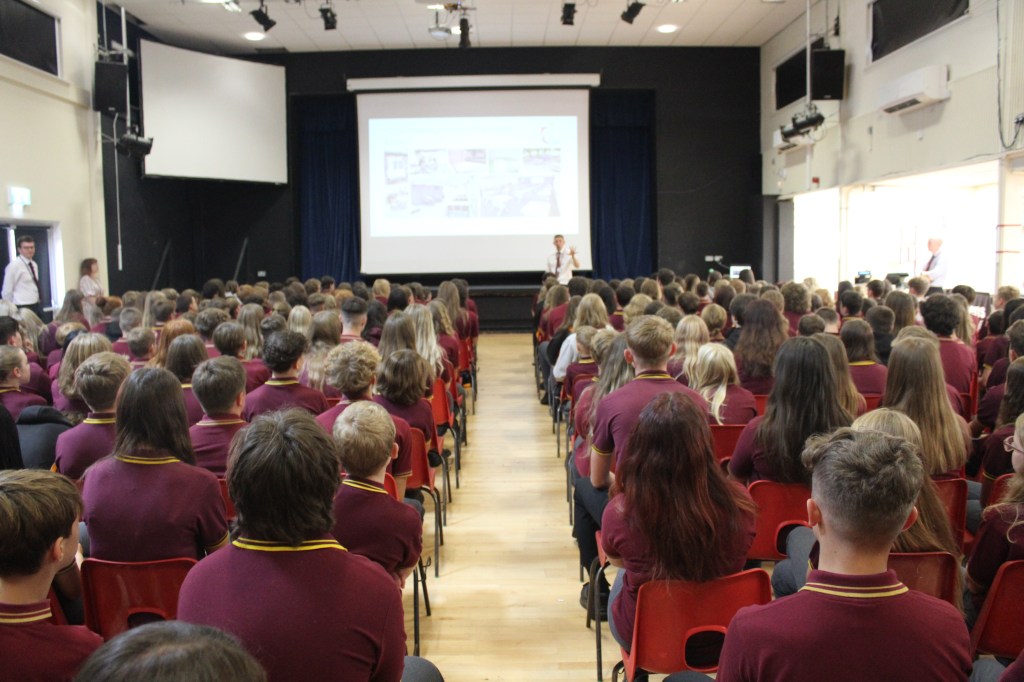
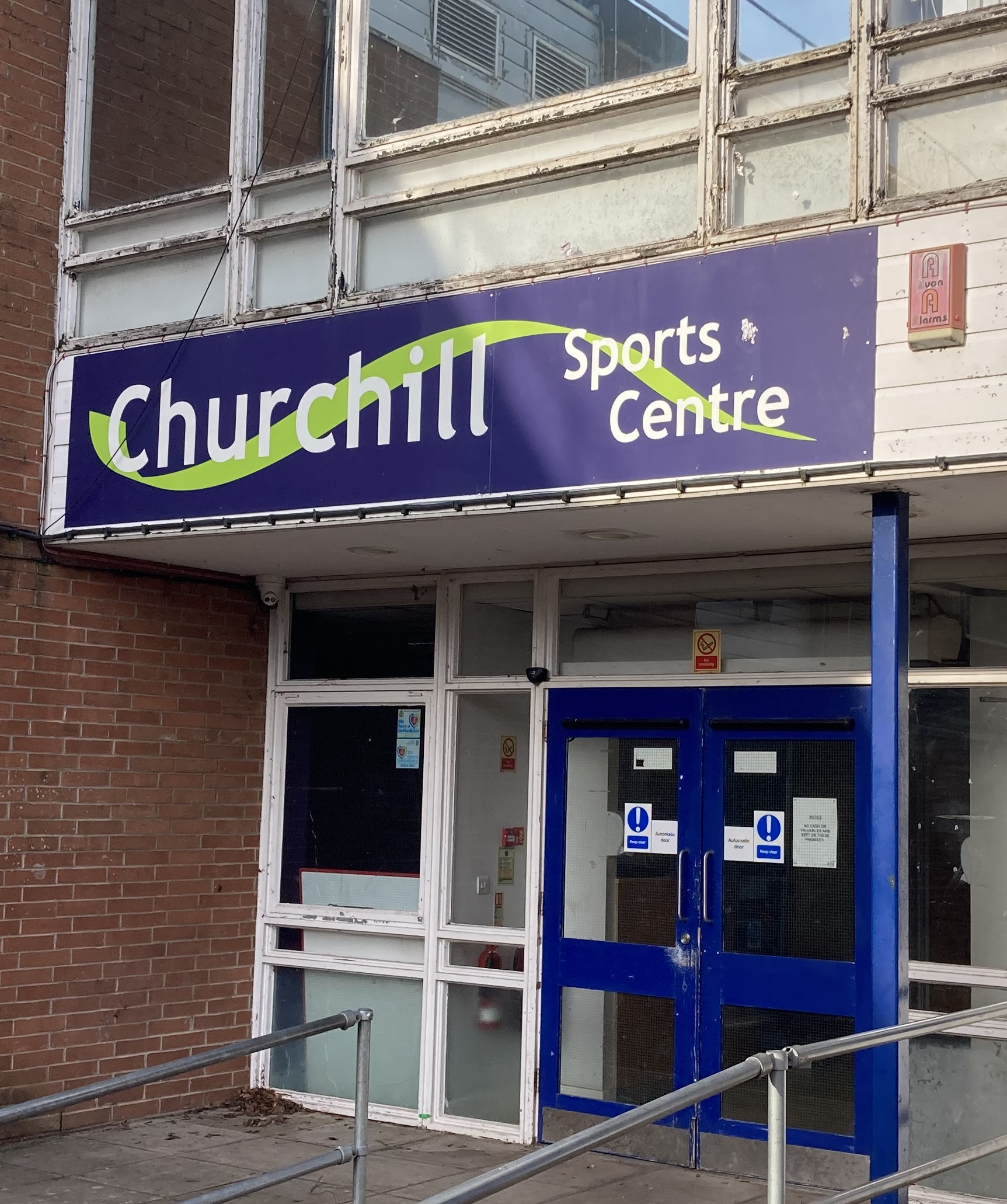
In my “welcome back” assembly on Wednesday, I explained all the work that had gone on over the summer. Our site team and the IT network team have been busy, as have contractors completing projects across the site including improved dining facilities in Windsor, with new flooring and additional seating; the completion of our decarbonisation project in Sixth Form, Hive, Hall & Gymnasium, which means that these areas are all now running air conditioning from a low-carbon air source heat pump. New paving was laid outside the Turing building, additional new social area furniture has been placed around the site (inside and outside), the Windsor and Hanover toilets have been refurbished, the Sports Centre has been emptied with works starting on the roof, windows, doors and the heating system, and there has been lots and lots of painting! As a result the student social areas and circulation space in Lancaster, Stuart and Turing all look fantastic as our students have returned.

As always at the start of each term, I also outlined our expectations of student behaviour, including the new approaches we are taking this academic year. It was fantastic to see such a positive response from the students – and I am very grateful to families for their support in ensuring correct uniform for school.

Although it has been very warm this week, we have got off to a very good start!

The next three years: looking ahead

This week, in my Headteacher’s Update letter, I announced the publication of the Academy’s new strategic plan.

The plan is designed to take us from September 2023 to August 2026, mapping our journey as a school over the coming three years. It is the result of lengthy and painstaking discussions with the governing body, built into the framework from the Lighthouse Schools Partnership and supported by our school improvement partner.

The plan has five aims:

  1. All students demonstrate excellent behaviour, effort and attitudes to learning
  2. Every student enjoys the highest quality of education
  3. The personal development programme ensures that students embody the Academy’s
    vision, values and purpose
  4. Leadership and management is ambitious and persistent in pursuit of our goals
  5. We are fully integrated into the vision, ethos, systems and structures of the Lighthouse
    Schools Partnership to the mutual benefit of the Academy and the Trust

The plan is designed around our existing vision, to set no limits on what we can achieve; our purpose, to inspire and enable young people to make a positive difference; and our values of kindness, curiosity, and determination. It focuses on the young people in our Academy not just in terms of their academic outcomes, but how we can develop them as fully rounded individuals. We plan to focus on their personal development, their behaviour and attitudes, and their wellbeing and mental health by ensuring that they feel a strong sense of safety and belonging in our learning community.

At the same time, we are also looking to our employees. We aim to ensure that our staff are well-trained so they can be the very best that they can be in their roles. We want to focus on their professional development and their wellbeing as part of our People Strategy, so that we can continue to recruit and retain the best staff to support us on our journey.

We are also looking to our role within the Lighthouse Schools Partnership. As a new school in the trust, we have much to do over the coming years to ensure we enjoy the full benefits of being part of this wider family of schools, whilst using our expertise to further strengthen the work of the trust to the mutual benefit of all involved.

As we say in the introduction to the plan, this September marks the beginning of a new phase for Churchill Academy & Sixth Form. We are excited about the future.

The Future of Churchill Sports Centre

We are delighted this week to be able to publish the news that the future of the Sports Centre building has finally been secured.

The Sports Centre, as many of you know, sits within the Churchill Academy & Sixth Form site. When Churchill first became an Academy in 2011, all the land within the site boundary transferred over to the Academy trust – except for the Sports Centre, which remained in the ownership of North Somerset Council and operated as a leisure centre for the local community.

When the pandemic hit in March 2020, the leisure centre closed – and it has not reopened. For the past three years it has remained closed, whilst extensive discussions have taken place between the Academy, the council and the local community about its future. We have all been desperate to find a way to preserve the centre as an asset for the local community, and for the Academy. Since we joined the Lighthouse Schools Partnership on 1st April, the multi-academy trust has also been able to lend its expertise and resources to the discussions.

We are now able to confirm that the Council has agreed to transfer the sports centre building to the Lighthouse Schools Partnership (subject to approval by the executive member), along with a contribution of just over £600,000 towards repairs and building maintenance works that are essential to bring the building back into a fully usable condition. The full cost of these works is over a million pounds; the remainder of the money will come from the Lighthouse Schools Partnership, of which we are now a part.

In January, the council announced that the swimming pool would not reopen, and it has now been drained. This space will be turned into a multi-purpose hall, which we hope to be able to use flexibly for teaching, assemblies, and exams. This will mean that we will no longer have to shut the Academy’s own Sports Hall – and associated changing rooms – during exam seasons, reducing disruption to the PE curriculum and ensuring that we will have changing rooms available for students all year round!

The centre will also provide us with studio space for performing arts, and will become the new base for the PE department. We hope to use the additional space to free up existing Academy resources for much-needed student welfare facilities as well.

Community use has been at the heart of all our discussions over the past three years. An active and engaged group of local residents has been instrumental in campaigning and lobbying for the centre to remain a community resource, and we have been supportive of this ambition. Our Academy sits at the heart of our community, and we are keen to continue to play our part. Once the building is operational again, the facilities will be available to community groups just as our 3G pitch and sports hall have been throughout.

We are grateful to everyone involved in getting us to this point. Council officers have worked with us, as have the local community groups. Mrs Franklin and Mr Bigwood have spent hours locked in talks and discussions, and latterly Louise Malik, Chief Financial and Operating Officer for the Lighthouse Schools Partnership, has devoted many hours to delivering an agreement.

We now have quite a task ahead of us in planning the extensive building works required to repair, refurbish and redecorate the centre, to bring it up to standard for use by our staff, students and the community after three years of uncertainty. We are fortunate that the Lighthouse Schools Partnership will manage this project with us, freeing up valuable time for Academy staff to focus on our students. We anticipate that the centre will re-open in the early part of 2024. We will keep you posted!

The Lighthouse Schools Partnership

The end of this term marks an end and a new beginning for Churchill Academy & Sixth Form. March 31st is our last day as a Single Academy Trust (SAT); at one minute past midnight on 1st April 2023 the Academy will officially become part of the Lighthouse Schools Partnership Multi-Academy Trust.

A multi-academy trust is a charity that has responsibility for running a number of academies. They cannot be run for financial profit and any surplus must be reinvested in the trust. By working in partnership with each other, the schools within a trust can share staff, curriculum expertise and effective teaching practices, and work together to deliver the best outcomes for students. All schools within the trust support each other and the trust is accountable for them all.

Churchill has been an academy since August 2011, when it changed from Churchill Community Foundation School and Sixth Form Centre to Churchill Academy & Sixth Form. That change saw a wholesale shift in the school’s identity: a new logo, a new name, and a new uniform followed. This next chapter in the school’s history does not involve a change of name or identity: there will be very little visible difference on the surface. We will still be called Churchill Academy & Sixth Form; the Academy’s values and ethos will not change; we will keep the same uniform; we will have the same staff.

Behind the scenes, however, we see a great many advantages for our children, families and staff in joining a multi-academy trust. We will be able to share resources and expertise across the Lighthouse Schools Partnership. The central focus of our collaboration will be on the professional development for our staff so that we continually improve in our teaching and learning for the benefit of all our students. There will also be financial benefits in the economies of scale available to us as part of a larger organisation, as well as the opportunity for our students and staff to collaborate on projects across the trust – such as the Student Leadership Conference we attended at Gordano in February.

There will be changes to governance, as our existing Trust Board changes its status to a Local Governing Body reporting to the Lighthouse Schools Partnership Trustees. The Governors will still be responsible for school specific policies, the budget, and standards within Churchill Academy & Sixth Form, but we will be adopting many policies that are common across the Trust.

We were delighted that our local primary schools, Burrington and Wrington, joined Lighthouse in January of this year, followed by Churchill Primary in February; Blagdon Primary and St Andrew’s in Congresbury are already members. Together, we are forming the Churchill Hub of the Lighthouse Schools Partnership, sharing resources and expertise to manage our schools collaboratively. The Churchill Hub is the fourth hub of the trust, joining the Portishead, Backwell and Chew Valley hubs across North Somerset.

Since the decision to join the Lighthouse Schools Partnership was taken in the summer of 2022, we have been working closely with colleagues from across the 29 other schools in the trust. We have worked together on plans for closing the attainment and progress gap for disadvantaged students, improving assessment, provision for students with special educational needs and disabilities, curriculum development and more. We have worked across secondary schools to evaluate and learn from one another in subject-specific visits, and senior leaders from the four secondaries have also begun to develop our plans to move our collaboration forward over the coming years. The staff we have met from across the trust have been open, welcoming and exciting to work with: we look forward to our shared journey together in the future.

Air source heat pumps: the next steps towards net zero

Air source heat pump and air conditioning unit: the unglamorous side of our journey towards net zero

We seek to inspire and enable young people to make a positive difference – this is our purpose as a school. This means that they can make a positive difference to themselves, through the improvements in their learning, behaviour and attitude that they make every day. They can make a positive difference to our Academy, through their presence in our community and the contribution that they make. And they can go on to make a positive difference to the world, as a result of the education they have had at Churchill.

Making a positive difference is also something that we seek to do in the Academy’s environment, and our environmental impact. I have previously written about our net zero target and the steps we have already taken on that journey. More recently, we have completely replaced the heating system in the Performing Arts block (which also houses three art classrooms) to be run entirely off an air source heat pump, which was installed over the winter.

How a heat pump works (diagram from EDF)

An air source heat pump absorbs heat from the air around us and transfers that heat to the inside of the building. Outside air is drawn in over a network of tubes filled with refrigerant gas, which circulates at -28°c to extract heat energy from the air outside. This low temperature refrigerant means that the systems pulls heat from the air, even when the outside temperature is below freezing. The gas passes through a compressor which increases the pressure and temperature, causing it to change from a cold gas to a hot liquid. The compressed hot liquid passes into a heat exchanger, which provides heat to the system. The refrigerant then turns back into a cold gas and starts the cycle all over again.

We are using an air-to-air system, which means that it will also double as a cooling system in hot weather in the summer. This means that the rooms will be kept at a good working temperature all year round – all using low carbon technology.

Net Zero Grant: we’re not finished yet!

I’m also delighted to say that we have been successful in securing a grant from the Department for Net Zero and Energy Security – the Public Sector Decarbonisation Scheme. The grant, totalling £222,430, will allow us to replace gas boilers with air source heat pumps in the Sixth Form and around the Hive and Hall building. It will also pay for other improvements, such as double glazing and external wall insulation.

The work is all scheduled to be completed before September, which will mean that when we return for the new academic year there will be yet another building completely run from renewable energy sources – a further step towards our net zero target.

The project signifies the latest in a long line of energy efficiency and decarbonisation projects that we’ve been working on since 2015. Investments in point of use hot water heating, solar pv, boiler controls and LED lighting have supported a 70% reduction in CO2 emissions across our activity, and we remain committed to our ambition to be net zero carbon by 2030.

Of course, we welcome the grant funding to enable the next stage of our decarbonisation work to continue and look forward to taking another step forward on our sustainability journey. Our students are passionate about a greener future, and we’re striving to lead and deliver on this.

However, we know we have been fortunate with having funding allocated, as many other projects will not have been successful. And, without this grant, we simply couldn’t have afforded to do the work ourselves. As we’ve highlighted in the past, the ambition of school leaders is not always matched by the funding available for capital works or initiatives around decarbonisation. And with the increasing pressure on school budgets from many directions, including rising fuel costs, the question shifts from decarbonising for the good of the planet, to one of simple affordability. Because, the truth is, installing low carbon alternative technology is expensive! If the government is serious about a national move to net zero, it needs to be funded properly for all, and not just those fortunate few who are able to secure the grants.

To Lancaster and back…

It’s been quite a week! Last Friday, myself and three colleagues had made the journey to Birmingham for the ASCL (Association of School and College Leaders) Annual Conference. We were looking forward to two days of professional development and discussions with colleagues. I was especially excited, as I had been asked to do a question and answer session on the main stage with Jay Blades, presenter of The Repair Shop and all round hero of mine! All this was cut short mid-morning by a phone call from Ofsted, announcing they would be inspecting our Academy on Monday and Tuesday.

This was a unique circumstance. Normally, Ofsted phone the day before and turn up to inspect the very next morning. This means they normally phone on a Monday to inspect on Tuesday and Wednesday, or on a Tuesday to inspect on Wednesday and Thursday, and occasionally on a Wednesday to inspect on Thursday and Friday. However, due to the NEU industrial action this week, none of those were possible. So, for one week only, they called on a Friday.

Thanks to the wonders of technology (and the incredibly helpful people from ASCL) we were able to plan the inspection between Churchill and Birmingham, with the senior team separated by 100 miles. We then had the unusual experience of a weekend in between the notification and the inspection, before returning on Monday to meet the inspection team and get started.

There are very strict rules in place which mean that that inspection itself can’t be discussed before the report is published – so I won’t be discussing it here until that time. Suffice to say it was a thorough, testing and very rigorous experience, and no stone was left unturned.

After the intensity of those two days, we were then faced with the peculiar half-life of the school mostly closed due to industrial action by teacher members of the NEU. Our Sixth Formers, and Year 11 students who booked places, made the most of the limited provision we were able to offer, but the quiet lull across the Academy site was in stark contrast to the buzz of the previous days.

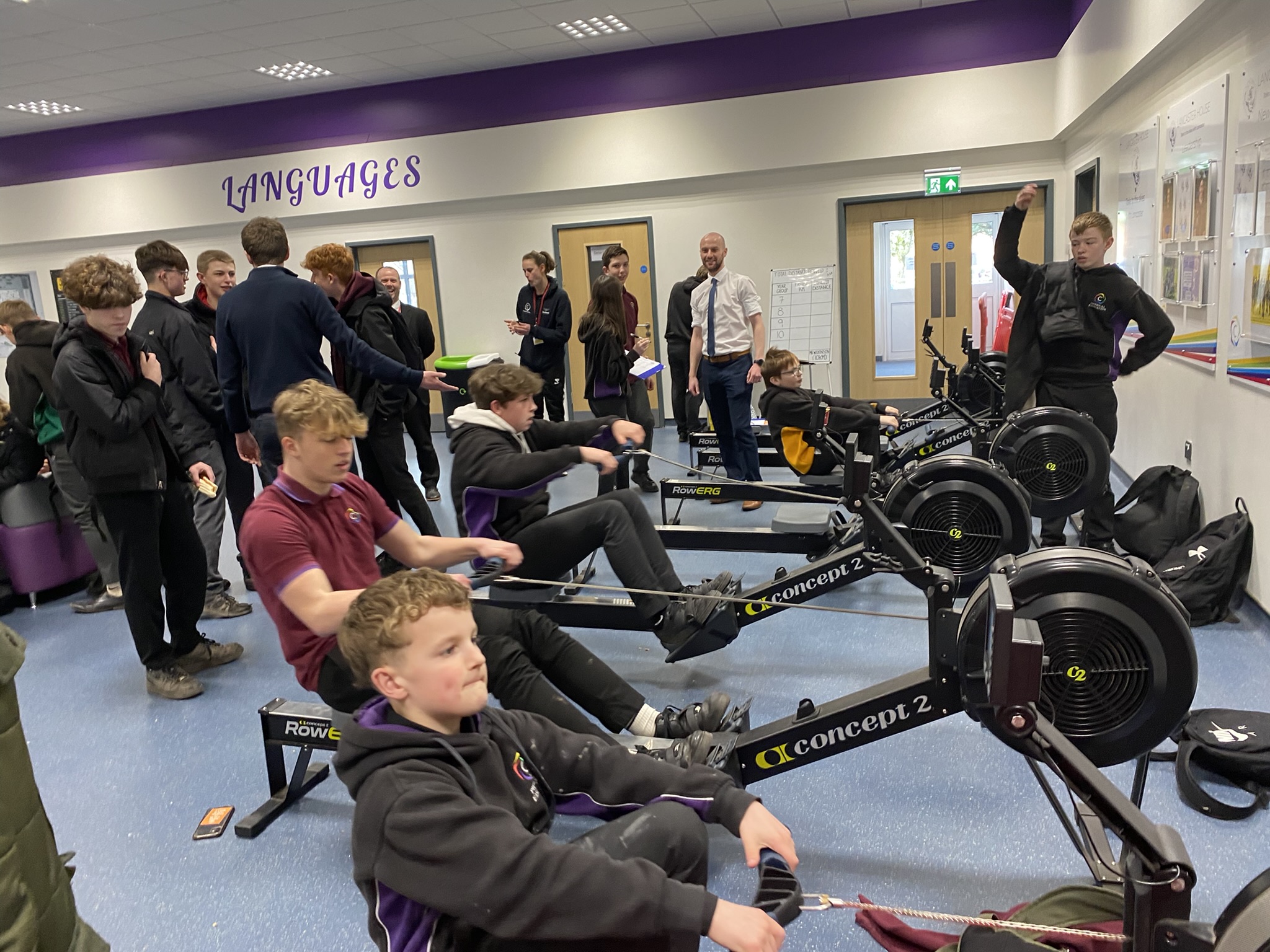
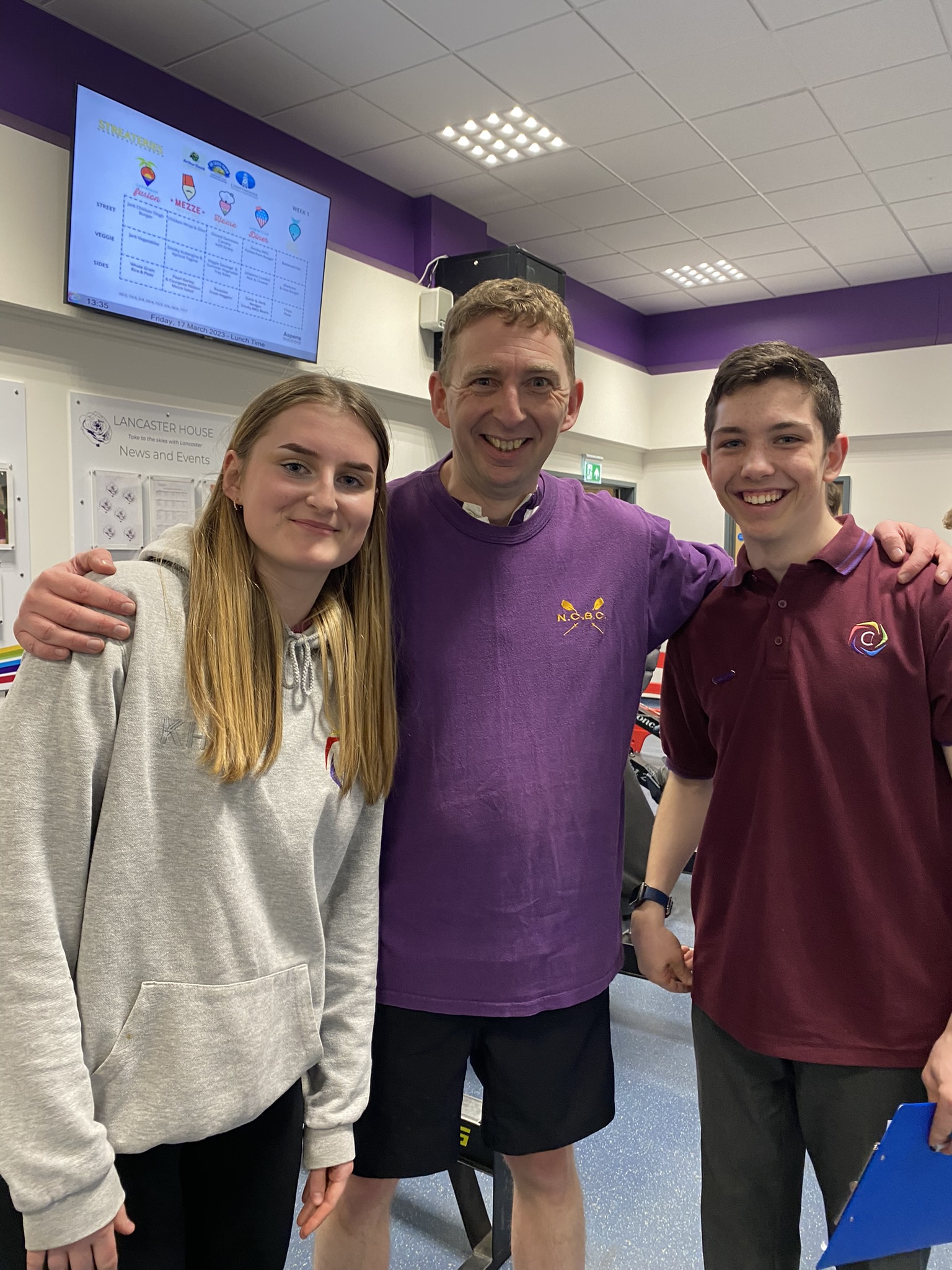
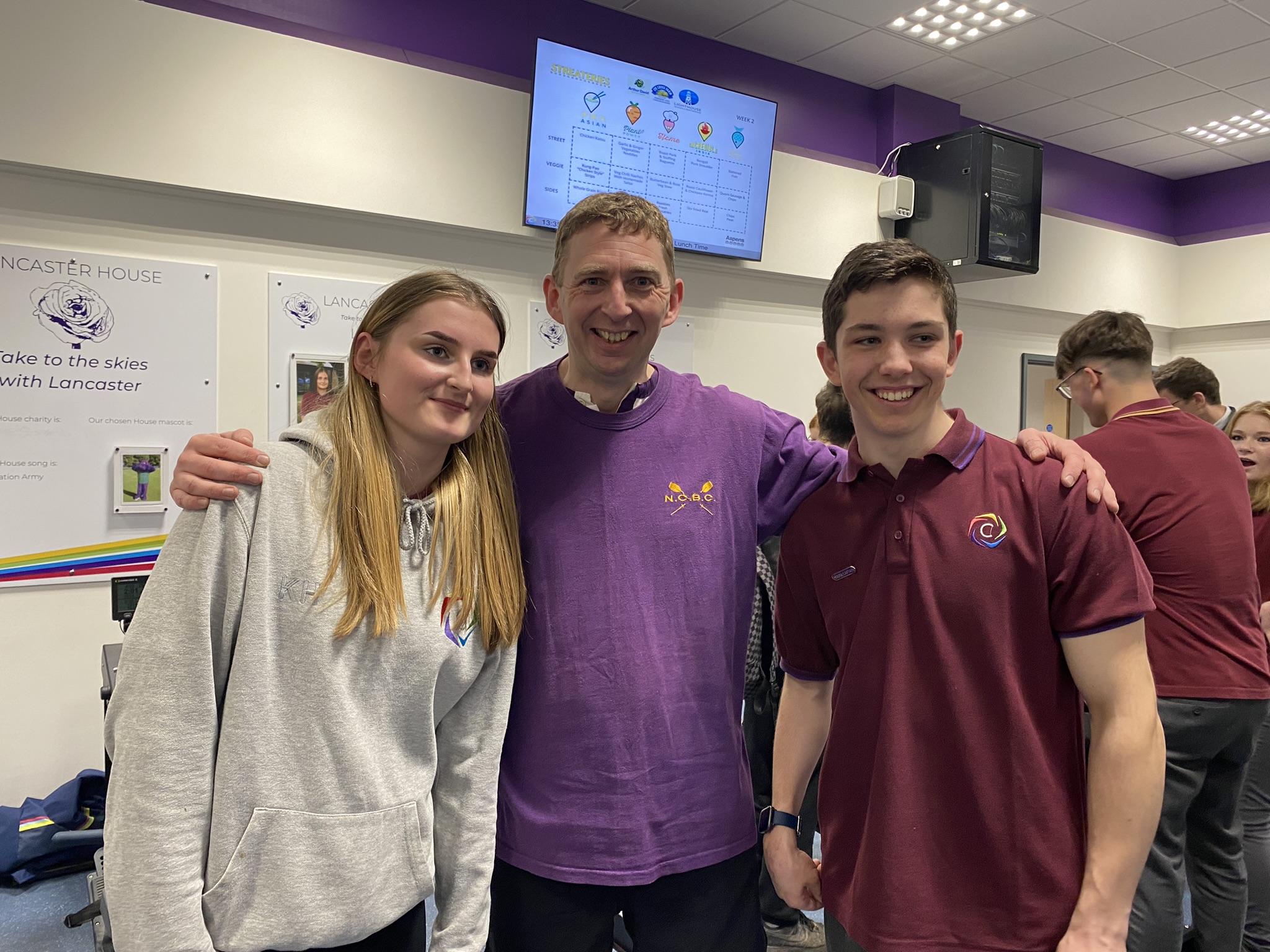
It was wonderful, therefore, to see all our staff and students back on Friday, with the added thrill of Lancaster House’s To Lancaster and back! indoor rowing challenge. Lancaster House students have begun the task of virtually rowing to Lancaster and back – a total of 868km throughout the UK canal ways – in order to raise money for their House charity, the RSPCA. You can sponsor a student directly on the sponsorship forms they have been given or make a donation online by visiting www.justgiving.com/page/tolancasterandback. I used to do a bit of rowing as a university student – but that was a very long time ago, as I found out to my cost when I sat down to add my own kilometre to the total!

Well done to all the students involved – and particularly to Kate, Adam and the Lancaster House Council, for organising this terrific event.

International Women’s Day 2023: Inspirational Sportswomen

Wednesday of this week was International Women’s Day. The last time I celebrated this important day on the Headteacher’s Blog was back in 2017 – so it’s time I did so again, to celebrate some more of my inspirational female role models. This year, I’m focusing on women in sport – and four women who have really inspired me over the past few years.

Victoria Williamson

Victoria Williamson was a Team GB track cyclist, specialising in sprints. She won a bronze medal at the 2013 World Track Championships and was on her way to being a contender for the 2016 Rio Olympics squad. In January 2016 she suffered a horrific crash on the track in a competition in Rotterdam, suffering a broken neck and back, dislocating her pelvis and slipping a disc in her neck. She had to relearn how to walk, rebuilding her strength and condition. Incredibly, in 2019, she returned to the track, competing for Team GB in the Track World Championships. She then switched to winter sport, and is now a member of the Team GB women’s bobsleigh team.

I find Victoria’s story so inspiring: to come back from a devastating crash and life-changing injuries to compete again at world championship level is a tale of such courage, determination and bravery. A true inspiration.

Leah Williamson

I found the whole team of Lionesses an incredible inspiration last year, as they brought football home in style with their victory in the European Championships. Beth Mead, Alessia Russo, Chloe Kelly, Keira Walsh, Millie Bright, Georgia Stanway…and the rest! They were all amazing. But Leah Williamson’s calm, determined captaincy; her leadership of the team on and off the field; and her superb, level-headed approach to the game just blew me away. She’s a truly inspiring role model. And, as far as I’m aware, she’s not related to Victoria Williamson…

Janja Garnbret

I loved watching the new Olympic sport of competitive climbing at the Tokyo Games. I found myself hooked by the disciplines of speed, lead and bouldering – learning all kinds of new terms along the way! In the women’s event, Janja Garnbret absolutely cleaned up.

Her athleticism, determination and skill was simply staggering – she blitzed every discipline. But it was when I watched the documentary The Wall: Climb for Gold on Netflix that I saw the struggle and difficulty behind the scenes of becoming the sports first ever Olympic gold medallist, and this made me admire her all the more. An amazing athlete!

Sky Brown

Sticking with the Olympic theme, I couldn’t complete this post without mentioning the youngest professional skateboarder in the world, who won a bronze medal for Team GB in Toyko at the age of just 13. Her ability to pick herself up when she was down, to keep going with a huge grin on her face, and to celebrate the achievements of her opponents as much as her own, won me over completely.

Who are your female sporting inspirations?

Books I have read in 2022

This has been a bumper year for books! I have really enjoyed exploring new works by familiar authors, as well as some by writers new to me. Here’s my rundown of some of the titles I’ve found particularly exciting in 2022 – have you read any of them? Let me know if you do, and what you think of them – there’s very little I like more than talking about books!

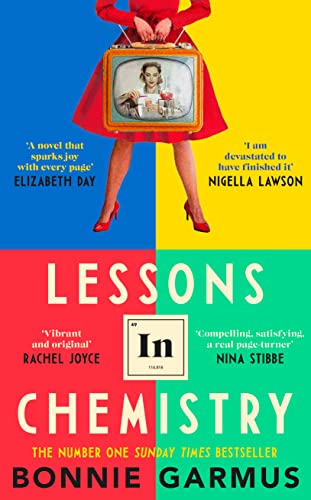
Lessons in Chemistry by Bonnie Garmus

This was a simply wonderful book! Bonnie Garmus’s novel tells the story of brilliant chemist Elizabeth Zott, battling against sexism and social prejudice in 1960s America. Along the way, she accidentally becomes a hugely popular – if reluctant – TV chef with her show Supper at Six, as well as a rower and a mother. The novel also features the most amazing canine character I’ve ever read about.

The novel deals with themes of grief, identity, and a search for truth, all in an arch, wry style which keeps a vein of light in amongst the darkness. The odds are stacked against her – but Elizabeth Zott never gives up.

Gone by Michael Grant

I love a good young adult dystopia, and Michael Grant’s Gone series had me gripped this summer. Set in the fictional town of Perdido Beach, California, the story begins when, without warning, the town is suddenly surrounded by an impenetrable dome which seals it off from the outside world. Inside the dome, every person over the age of 15 has vanished – “gone.”

What follows is reminiscent of Lord of the Flies, as the young people attempt to survive without adult supervision. But there’s a sci-fi twist, as several of the young people begin to develop strange superpowers – the ability to cancel gravity, to create visions, to heal, to teleport and to shoot light from their hands. Are the powers and the dome connected? And what lurks at the bottom of the abandoned mine?

Michael Grant doesn’t pull any punches in the pages that follow. His unflinching style takes in mental health issues, violence, religion and sex; and although it’s a young adult series, there are some horrific moments of brutality and gore. If you can manage those moments, it’s a thought-provoking, page-turning read. I enjoyed it – and devoured the other five books in the series (Hunger, Lies, Plague, Fear and Light) as hungrily as a flesh-eating caterpillar.

To Paradise by Hanya Yanagihara

Hanya Yanagihara’s previous novel, A Little Life, is one of the most unforgettable books I have ever read. I was really excited to read her follow-up, To Paradise – and although I wasn’t sure what to expect, it certainly wasn’t this! The novel tells three separate stories, all set in and around the same building in Washington Square Park, in Greenwich Village, New York. The stories – set in fictionalised and imagined versions of America in 1893, 1993 and 2093 – all feature characters with the same names, weaving themes of love, loyalty and family through the ages.

It’s a novel of breath-taking ambition and scope. The characters didn’t quite land as memorably as those from A Little Life, and I found the fact that they were all called the same names a bit confusing. Having said that, the story was compelling and bold, and the sheer imagination of the invented pasts and future was staggering.

Fire and Blood by George RR Martin

I am a big Game of Thrones fan – both the books and the TV series (except the last season – the less said about that the better). I was very excited about the new House of the Dragon TV series this autumn, and stole this book from my eldest son to try and catch up on the history of Westeros from the arrival of Aegon the Conqueror, through the Dance of the Dragons and beyond.

The story is told through the voice of an imaginary maester of the Citadel, attempting to piece together the history from sources of various reliability and bias. This is almost as much fun as the story itself, with its dragonlords and warrior queens, scheming, intrigue and corruption. The narrative voice gives an extra layer of realism to Martin’s fantasy world, and you still find yourself rooting for the various horrible (and occasionally not-so-horrible) characters who live there.

I found myself reading along with the events of House of the Dragon, and enjoyed both the book and series equally fantastic.

Pine by Francine Toon

I didn’t know what to expect from this book. I didn’t know the writer (I later discovered this is her debut novel) but my daughter had read an extract and I was intrigued. I was rewarded with a spooky ghost story, coupled with a murder mystery, set in the freezing, snowy wilds of the Scottish highlands.

The story is told through the eyes of Lauren, a young girl trying to manage the trials of growing up. She lives with her father, Niall, who has turned to drink in the absence of Lauren’s mother, who disappeared a decade earlier.

Mysterious figures appear and vanish, doors lock and unlock, and stones arrange themselves into patterns. When a local teenager goes missing, the mysteries and secrets in this small rural community assume a frightening urgency.

I found this story haunting and compelling in equal measure. I’ll look out for what Toon writes next!

The Promise by Damon Galgut

I always like to see what the Booker Prize judges see in the novels on their shortlist – and especially those they choose to win each year. Damon Galgut’s The Promise was a gem of a read. The novel spans four decades as the Swart family gather for four successive funerals at their farmstead in Pretoria, South Africa. Ma Swart, the mother of the white family, makes a promise to the black woman who has served her family on her deathbed – that she will own the house and land she has lived in. As the years roll by, and South Africa changes in the background, death takes further members of the family and the promise goes unfulfilled.

The younger memories of the family, Anton and Amor, reject the old, racially segregated South Africa their white family stands for, breaking with the past with a determination to right the wrongs of their predecessors.

What struck me most about this novel was the free-flowing prose style, which flows and follows the thoughts of the characters in twisting flights of fancy and imagination. The plot frequently hangs suspended and unresolved as the characters’ thoughts take us on pages-long detours – but, in the end, it is Amor’s story that stayed with me.

The Marriage Portrait by Maggie O’Farrell

Maggie O’Farrell’s Hamnet was one of my favourite reads of 2021, so I was really looking forward to her next novel when I unwrapped it on my birthday this September. This novel, set in Renaissance Italy, is shaped around the lady described by the callous and powerful Duke in the Robert Browning poem “My Last Duchess.” O’Farrell wonders who this Duchess might have been, how did she end up being the Duke’s “last” Duchess, and who painted this portrait that now hangs, behind a curtain, in his gallery?

The result is a compelling character – Lucrezia – herself a gifted artist, whose impassioned and ferocious inner life is rendered all the more powerful by the fact that she has to hide it to survive, before and after her marriage to Alfonso, Duke of Ferrara. She is an unreliable narrator, so you are always left wondering whether her perception of events and characters around her is accurate or not, as she is never in possession of the full picture.

I found O’Farrell’s style in this novel even more spectacular than her previous work, with the passages early in the book describing Lucrezia’s wedding some of the most stunning I have read this year. The narrative is controlled with a subtlety and deftness of touch of a true genius, the imagery is rich and layered, and I could feel the heat of the seventeenth century Italian sun beating up at me off the pages. Brilliant.

72 Weeks: going back to New College, Oxford

Over the October half term break, I was delighted to be invited back to New College at Oxford University. I studied English Language and Literature at New College between 1993 and 1996, before going on to train as an English and Media Studies teacher at Nottingham University in 1996-7.

The Chapel of New College, Oxford

New College is, ironically, one of the oldest colleges at Oxford University. Founded in 1379 by William of Wykeham, it was “new” at the time and the name has stuck!

I was invited back to record a podcast called 72 Weeks – so called because that is the average length of time it takes to study for an Oxford University degree (three terms of eight weeks over three years). The podcast brings together two people with a connection through New College, or Oxford more widely, to discuss their experiences and how it has shaped them, in the hope of “demystifying” the Oxford experience and encouraging more people, from more diverse backgrounds, to apply.

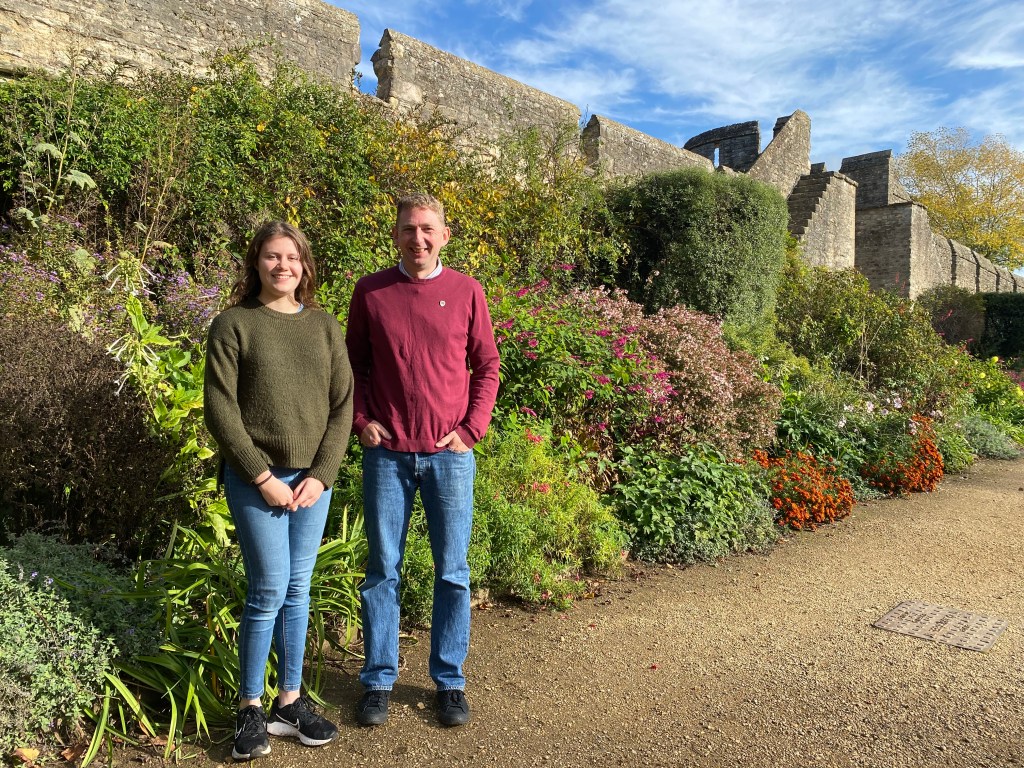
With ex-Churchill student Sarah in the gardens of New College, Oxford, October 2022

It was my great honour to record the podcast with Sarah, who successfully gained a place to read Chemistry at New College from the Sixth Form at Churchill in the summer of 2022. Just three weeks into her Oxford experience, Sarah was already thriving and getting her teeth into some serious Chemistry, as well as playing in the College Orchestra and working to start up a New College Ultimate Frisbee Team! It was lovely to hear Sarah reflecting on her first few weeks at university, as well as her time at Churchill and how that had prepared her for the experience.

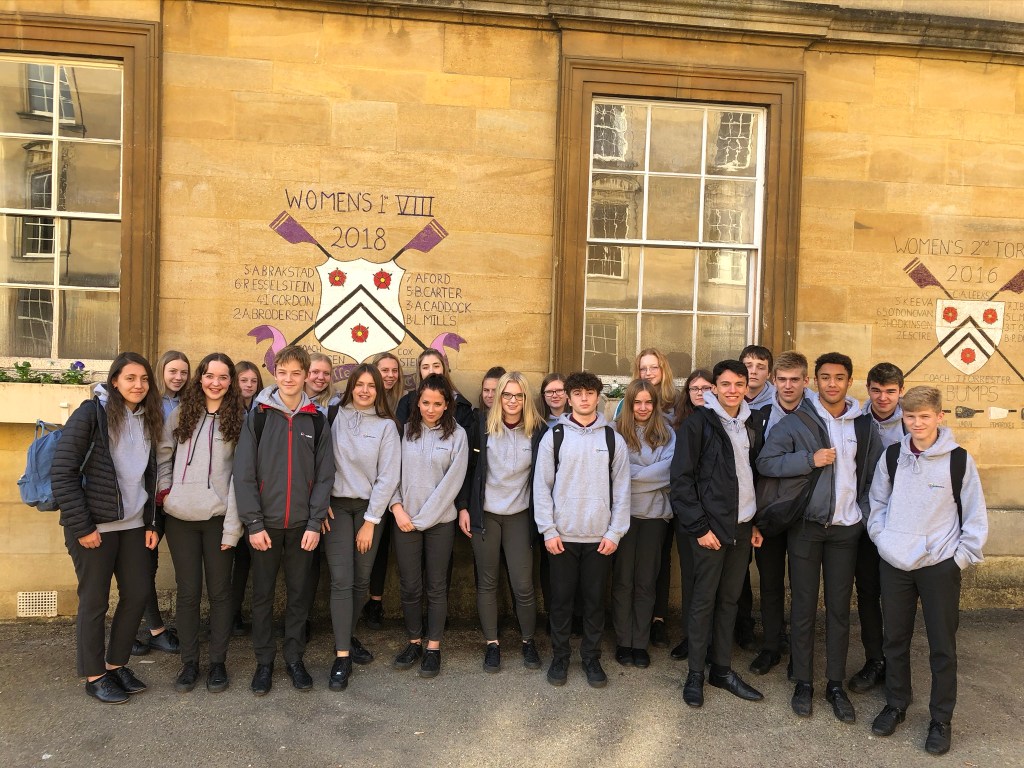
Sarah (and classmates!) visiting New College in October 2019

Exactly three years earlier (almost to the day!) Sarah was part of a group of twenty three high-attaining Year 11 students that I had taken to New College to help them begin the process of thinking about university applications. We had no way of knowing, at the time, that it would be one of the last school visits we did before the pandemic hit, and that these students would not be able to sit their GCSEs the following summer. But Sarah spoke, in the podcast, about how the experience of spending the day at New College helped her to think: “why couldn’t I study here?” and to visualise herself as part of the community. The visit was one small part in helping her along the way of aiming high and putting her application in. Exceeding her offer of A*A*A? That was down to excellent teaching, a love of her subject, and buckets of hard work from Sarah herself!

One of my great driving passions throughout my career, and especially as a Headteacher, is to encourage students to aim high. The elite universities are not, and should not be, the exclusive domain of the independently educated – but the only way the balance of representation is going to shift is if more state-educated students apply. I’m delighted to say that the trends are positive, and I will do all I can to ensure that this continues.

You can listen to the conversation Sarah and I had with Daniel Powell, Outreach and Marketing Officer at New College, at the link below – or search for “72 Weeks” on Spotify, Apple Podcasts, or your favourite podcast platform. I hope you enjoy listening as much as we enjoyed recording it!

The School Sixth Form

I attended an 11-18 school, where the Sixth Form was a natural extension of the main school. At the end of Year 11, it was a smooth transition for me to straight on to the Sixth Form: I knew the teachers, I knew the school, and my friends were all staying on. It made sense!

When I moved into Year 12, however, I was struck by how different the experience felt. The relationship with the teachers shifted significantly: there was still a clear professional respect, but somehow it felt more personalised and connected. The only teacher from my school days that I am still in touch with (thirty years later!) is my A-level English teacher.

I also found a new niche in the Sixth Form as a student leader, working with groups of younger students both in English but also in Drama, where I ended up in charge of the technical theatre team to design and operate lighting for school productions. Whilst I had already been interested in teaching, this experience of working with younger children to help them achieve and deliver a project together really firmed up my career plans.

This is why, in my teaching career, I have always taught in 11-18 schools which have a Sixth Form attached to them. There is something about the presence of the Year 12 and 13 students in the school community that creates a tangible sense of destination and aspiration for our younger students: the Sixth Formers are positive role models. And, for the Sixth Formers themselves, there is that sense of the familiar but also the distinctly different that provides a natural extension of their 11-16 education, on the same site and with the same staff, but seen through a new lens.

There is also the added incentive of A-level teaching, which I have always found fulfilling. The depth, breadth and challenge of the additional subject knowledge required to teach at advance level brings additional subject expertise to the faculty. I have always found that this strengthens the teaching in the main school, as teachers know and teach the next steps beyond GCSE, enabling further stretch and challenge.

We are really proud of our Sixth Form at Churchill. As with the main school, we put achievement at the heart of our provision – but we recognise that an education is about more than just the exam results. That is why the wider offer which being part of a school can provide – leadership and enrichment opportunities, involvement with the community, and the extended curriculum – is so important to us, and such a strong feature of our Sixth Form. The video below really captures how our Sixth Form students feel about this:

2023 Sixth Form Video

We are a Level 3 Sixth Form, offering A-level or equivalent qualifications. The minimum entry requirement to get into Churchill Sixth Form is at least three GCSEs at grade 5 and above and at least two GCSEs at grade 4 and above. Many of the courses also have subject-specific entry criteria. We strongly believe that the vast majority of our main school students can reach the threshold to access this provision, but we also recognise that there are other destinations locally which provide strong alternatives. We provide detailed careers and application advice for students interested in progressing to colleges or other providers for vocational, technical and other post-16 offers: our primary interest is ensuring that students get to the right destination for them. However, if students meet the entry criteria and want to study A-levels or the other Level 3 qualifications we offer, we believe that there is no better place to do it than at our Sixth Form.

This week, our current Year 11 students have had a taster experience on our “Be A Sixth Former For A Day” programme, ahead of our Sixth Form Open Evening next week. We would urge all Year 11 students – whether they currently attend Churchill Academy & Sixth Form or not – to come and find our what our Sixth Form has to offer. We look forward to seeing you!