2024 in review

As the year draws to a close, I look back on another year on the Headteacher’s Blog. Over 100,000 views, over 20,000 visitors to the blog – it’s been a busy year!

January

January began with a welcome back assembly thinking about resolutions, and an update on the work going on in the Sports Centre to get it ready for our use. The old swimming pool had been drained, and work was underway to get a floor laid as part of the Pool Hall conversion.

January is also the time of year when Year 9 are making choices as part of their options process, which is very nearly upon us once again! And I concluded the month with a blog on the influence of social media, and how we are working with our students to help them manage the online space.

February

February began with a focus on attendance as part of the government’s moments matter: attendance counts campaign. The month was dominated, however, by the preparation for and four barnstorming performances of High School Musical: On Stage at the Playhouse in Weston-super-Mare!

This fantastic production produced memories for life for the casts, crew, band, and everyone in the audiences. I will never forget it!

March and April

In March I wrote three blogs based on assemblies and ideas we had been discussing in school. I wrote about the Academy’s value of curiosity, the theme of my assembly that month, followed by a discussion of neurodiversity which was the theme of Miss O’Malley’s assembly. This was followed by a reflection on the nature of equality, and how we balance the differences between us with the need for equal opportunities. It was a very thoughtful month!
This was followed, in April, by a celebration of our successful Challenge Partners review which emphasised the huge progress we had made over the preceding year.

May

Inevitably, as the summer begins, schools turn their focus onto exams. It was no surprise, therefore, that May began with a reflection on top tips for exam technique. The sunshine also made me think about how, in the end, we make the weather as we set the climate for learning in our school. There was then the opportunity to celebrate the work of our students finding real audiences, in their artwork on display as part of an exhibition celebrating Ukrainian artist Maria Prymachenko and creating podcasts as part of North Somerset’s violence reduction partnership. The month of May ended with the traditional farewells to the Class of 2024.

June and July

The summer term began with the 80th Anniversary of D-Day, before we were into the political upheaval of the general election campaign. The summer solstice came and went and, before we knew it, we were into transition days as we welcomed our newest students to the Academy.

The final month of the academic year was spent celebrating the success of our students at their prom and ball, and in our Academy events. We also had a wonderful activities week, abroad and at home.

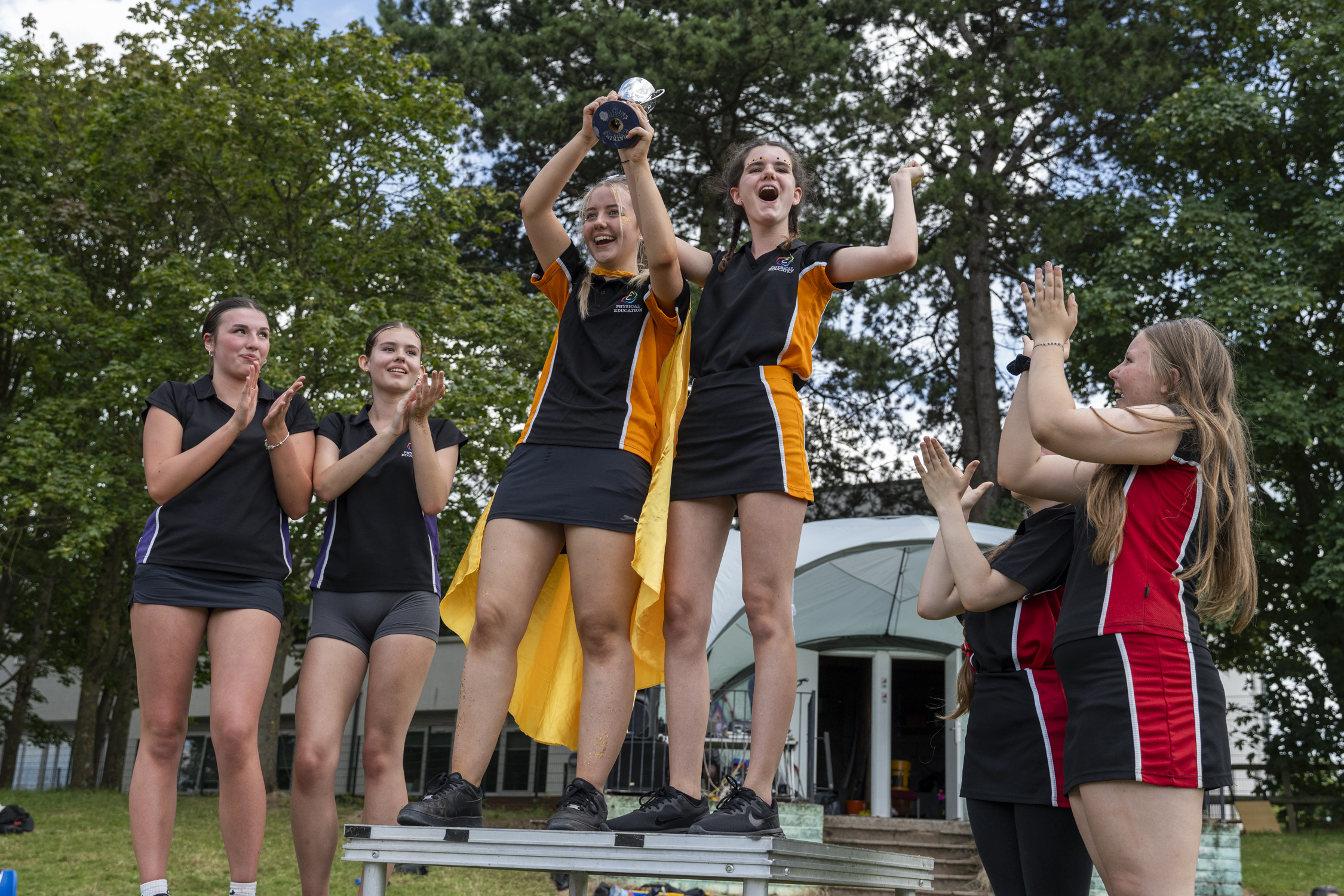
Then we were into the final stretch of the year, with a hard-fought Sports Day (congratulations Hanover!) and an even harder-fought House Cup (congratulations Tudor!)
September and October

And so, after a well-deserved summer break, we were back! September’s blogs celebrated our exam results and prize winners, and focused on making a positive difference, before our successful open evening and sixth form open evenings.

Later in term 1, I was reflecting on continuity through change as I looked back on the history of the school, what has changed and what remains the same. I also gave information about the Votes for Schools programme we are using, and backed up my Headteacher’s update letter with a post giving information about our curriculum – including the wider personal development programme beyond the curriculum.

November and December

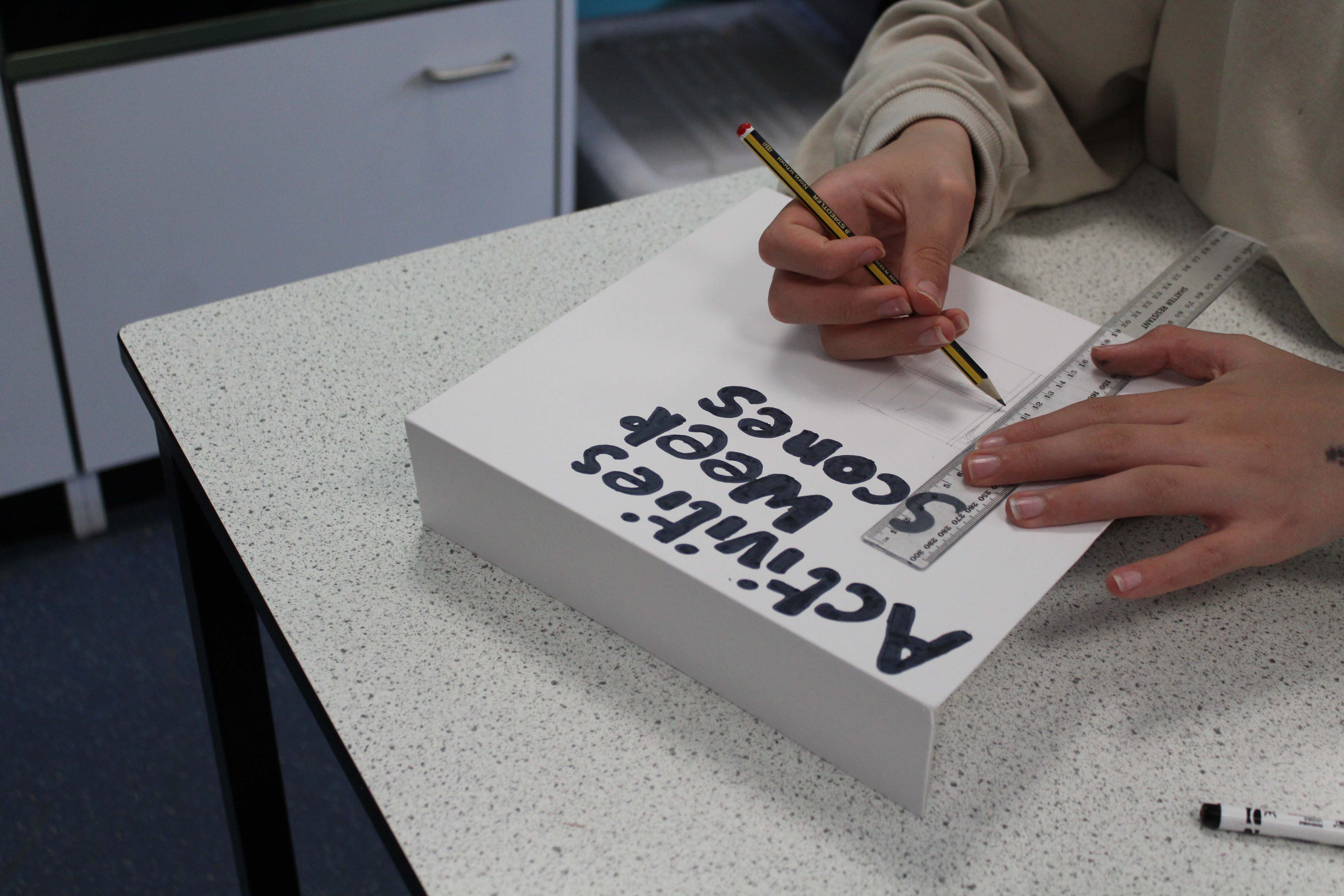
November began with a moving remembrance day, before we moved into our anti-bullying week with a focus on the theme of respect. I also gave an insight into what happens on an inset day, before explaining more about careers education at Churchill around our successful careers convention at the end of the month.

And so we come right up to date, with last week’s blog post: my annual summary of books I have read this year! We are all looking forward to Christmas, and next week’s final blog post of the year will be a look inside our end of term celebrations with the traditional sixth form fancy dress parade, the eagerly-anticipated Headteacher’s quiz, and much, much more as we see the year out in style!

Thank you for visiting and reading the Headteacher’s blog this year – here’s to another bumper year in 2025!
What happens on an inset day? November 2024

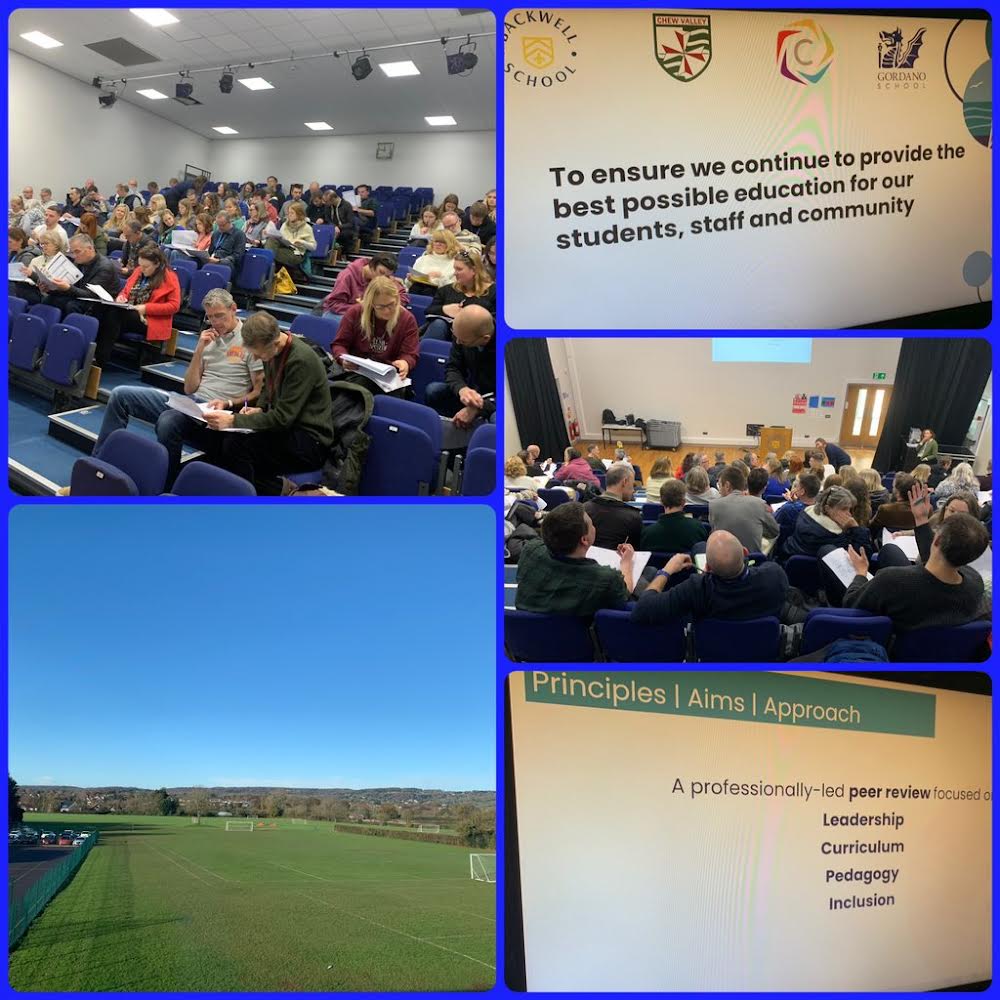
On Wednesday of this week, the four secondary schools in the Lighthouse Schools Partnership shared an inset day. Inset, which stands for “in-service training,” is a valuable opportunity for staff to refine their practice, collaborate, and develop their craft to ensure we provide the best possible education to our students. With staff from Gordano, Backwell, Chew Valley and Churchill all taking part, the day was a great success.

Subject and faculty leaders from across the trust all met at Backwell School. They met in subject groups to share lessons from analysing the summer’s GCSE, A-level and vocational exams results, to share strategies and techniques for ensuring the best possible outcomes for this year’s cohorts. This sharing of subject-specific expertise is invaluable, and all the schools in the trust benefit from these opportunities.

Later in the day, the subject and faculty leaders all came together for training in carrying out middle leadership reviews. This process sees subject experts from across the trust visiting one another’s schools to offer constructive critique, help identify areas of strength and development, and share practice to the benefit of all concerned. It is in these collaborations that the benefit of being part of a bigger trust are really apparent.

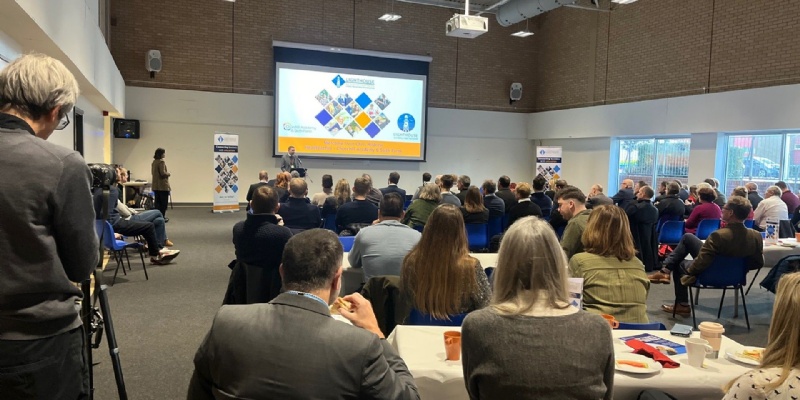
Meanwhile, back at Churchill, the day began early as we hosted the LSP’s business breakfast in the Pool Hall. Over 100 Business Partners and education colleagues attended to network, make connections, and collaborate. The main speaker at the event – Simon Lawrence OBE, General Manager of the National Trust Bristol Portfolio – provided an interesting and insightful reflection on the principles and values of ‘Servant Leadership’ that he has learnt throughout his military and diplomatic career.

Visitors also heard from Chew Valley School Headteacher, Gareth Beynon, who spoke about the importance of the outdoors when it comes to educating our children and young people. The event was closed by Sofia and Toby, from our own Churchill Sixth Form, sharing details of their upcoming trip to Madagascar.

Meanwhile, teaching staff were working on developing their questioning skills using resources from the Lighthouse Schools Partnership’s Pedagogy Framework. Questioning is fundamental teaching strategy, so getting the details right can be really significant in helping students to develop their thinking, practice key skills, and to help check for understanding. This was followed by a series of workshops on different aspects of SEND, to help us work more effectively with students with additional needs.

It was a packed day, with the importance of learning for staff at its heart: a great opportunity to refine and develop our practice across the trust to the benefit of our students. The next trust day – in February 2025 – will bring together all teaching staff from 33 primary and secondary schools in another day of collaborative learning. We can’t wait!

Anti-bullying week 2024: choose respect

The theme of this year’s anti-bullying week is Choose Respect. We have been working with our students on this theme using assemblies and our tutor programme, using the Votes For Schools resources I outlined last term.

In 2018, 98% of young people told the Anti-Bullying Alliance that showing respect to each other is important and that it is possible to be respectful even if you disagree with someone else. Students have been working together to think about how to resolve conflict respectfully.

We have been teaching our students that respectful behaviour is accepting, recognising or admiring another person’s behaviour, achievements or values. It is important to show respectful behaviour to everyone in our world. Displaying respectful behaviour can feel easy when everyone agrees and has the same plans. But when there is conflict, it can be much more challenging.

Facing and dealing with conflict in our lives is part of growing up. But if we don’t resolve issues, they can affect our relationships with other people. Without resolution, behaviours can quickly become toxic or unhealthy. Learning how to handle disagreements respectfully can help you to have more positive relationships. It can also improve your mental health and wellbeing.

Sometimes, when we experience conflict, it can lead to us acting or speaking in a disrespectful way towards someone else. This is often because we feel strongly about something or someone. his can cause further conflict. In the most extreme cases, it could even lead to bullying. While we might not behave this way on purpose, it is important that we recognise when we haven’t chosen to be respectful.

We have been working with our students on the importance of learning to agree to disagree. This is a way of showing respect for someone’s values or ideas, even if you do not agree with them yourself. We have been thinking about different scenarios, and how to approach them respectfully.

Even though conflict might make us feel uncomfortable, it’s a normal part of life. The main thing we need to know is how to respond to conflicts or disagreements and make sure we feel confident we can resolve them. We’ve then encouraged our students to vote in the weekly Votes for Schools poll: “do you know how to resolve conflict respectfully?”

What our students say: the student statement form

We continue to promote kindness to everyone in our community. However, part of growing up is learning how to manage relationships with peers and how best to handle conflicts. Our stance of bullying is clear (see our Anti-Bullying Policy), and we encourage students to let us know when they have worries and concerns.

We introduced our online “Student Statement Form” in 2023 so that students could share their concerns discreetly either in school or from home. This year we have also introduced a system for making sure that all students making a statement receive an email to confirm that their concern has been followed up and appropriate action taken.

In Term 1 this year there were 118 statements submitted about 57 different concerns. This was a mixture of statements from students with a concern and those who had witnessed an incident and wished to support their peers.

All of these reports were followed up by staff and have resulted in a range of follow up work including further monitoring, conversations with the students and their parents , supported mediation, completion of materials to teach about wider issues such as managing friendships, inappropriate language, racism, or homophobia. We have also issued Time Out detentions, Refocus Room sanctions, and Internal or External Suspensions in more serious cases.

Our most recent “Our School” Student Survey showed that students have a good awareness of the Student Statement Form and are confident to use it. We want to make sure that parents and families also know about this system, and how well it is working. If you have a child at Churchill, please can you check that your child knows about the Student Statement Form and encourage them to report any concerns? This will help us to ensure that all our students continue to feel confident and safe in school. Thank you!

Student Leadership Conference 2022

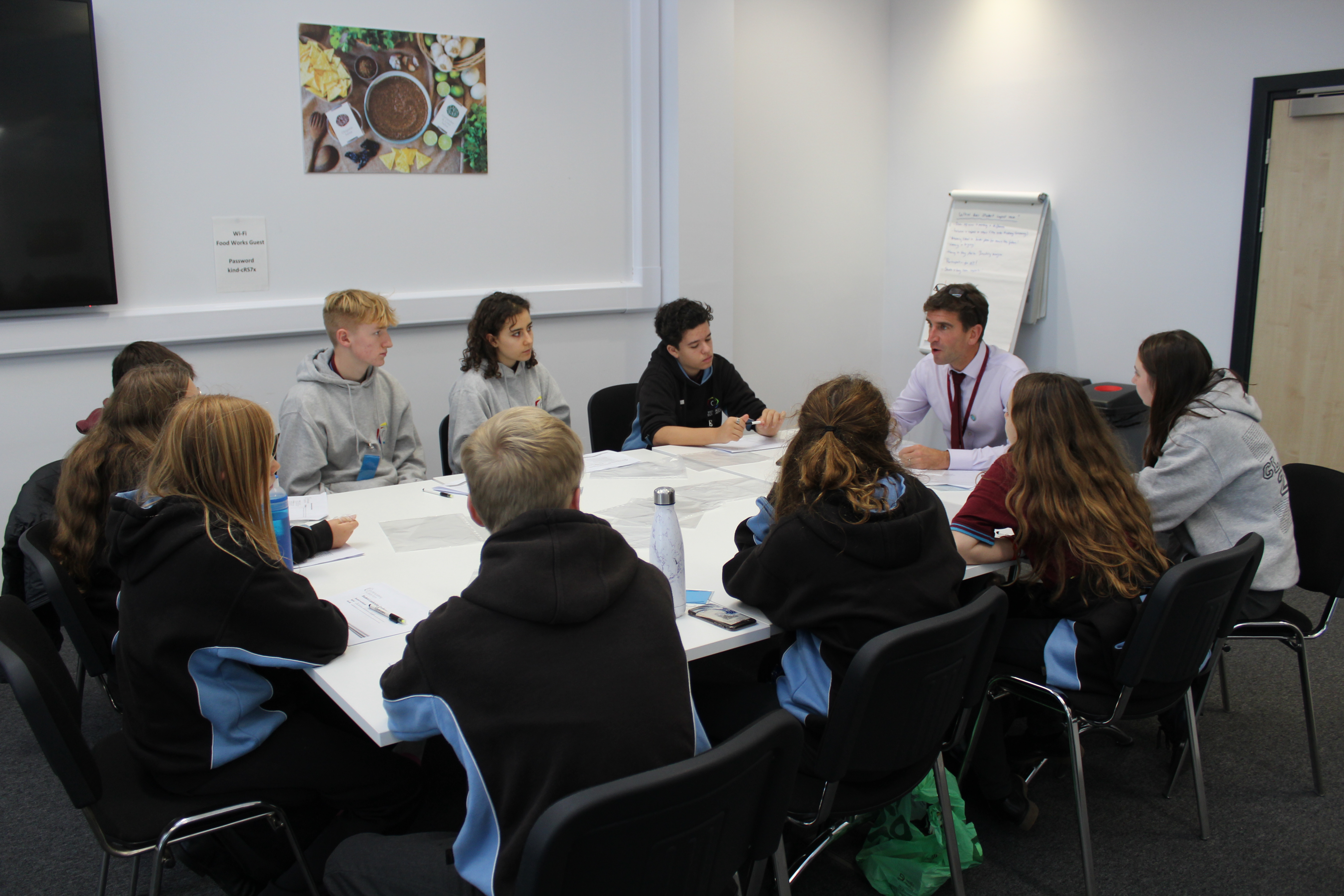
Last Friday, we held our first Student Leadership Conference at the Food Works SW centre on the outskirts of Weston-super-Mare. Following pandemic disruption, it was great to finally realise the vision of this event, which was a great success!

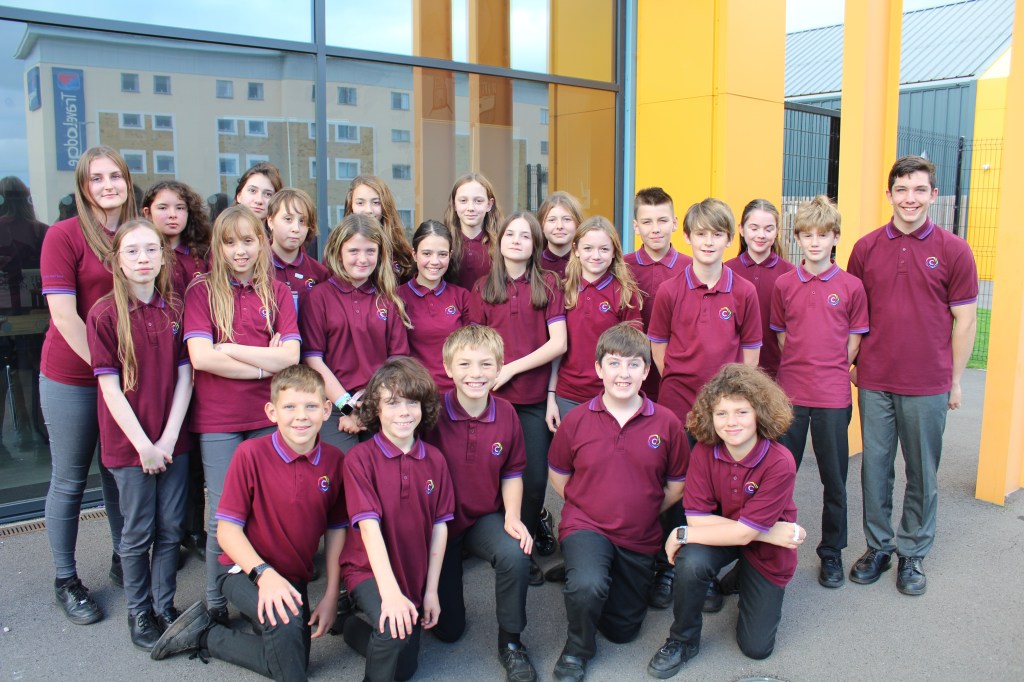
Lancaster House Council outside Food Works SW on our Student Leadership Conference, Friday 11th November 2022

In total, almost ninety student leaders were able to join us in the plush conference meeting rooms of the Food Works SW. On the agenda was a morning of training, to help our student leaders understand more about their role and to build their skills and confidence in delivering on their leadership ambitions. This included sessions on understanding the concept of leadership, and thinking about the best ways to bring about change, as well as training on communication skills and team building.

The afternoon session involved the House Councils working with the Heads of House to develop their plans for the year ahead. These sessions were about taking the theory from the morning and putting it into practice. What did they want to achieve? And how would they go about achieving it?

It was a full day of challenging thinking and participation, but our student leaders rose to the occasion and showed their commitment to their roles. I feel confident that, with their leadership, the Academy will continue to go from strength to strength.

Working with ASCL Council

Since 2019 I have been one of four school leaders representing the south west region on ASCL Council. This has been – and continues to be – a privilege and an honour. In this week’s blog I hope to give you an insight into what it means to work as part of ASCL, especially through the upheaval of the pandemic.

What is ASCL?

ASCL is the Association of School and College Leaders. It is a trade union and a professional association, representing more than 21,500 leaders of primary, secondary and post-16 education from across the UK. ASCL members are responsible for the education of more than four million children and young people and children.

As an organisation, ASCL speaks on behalf of its members, but acts on behalf of children and young people. This has been most clearly seen in the role of ASCL’s General Secretary, Geoff Barton, who is often seen and heard on the news putting the view of schools when an education story hits the headlines.

ASCL’s General Secretary, Geoff Barton

As well as being a trade union which provides advice and support, ASCL works on behalf of it members to shape national education policy- and this is where ASCL Council comes in.

What is ASCL Council?

Council is the policy making body of ASCL. It is made up of elected members, representing all the regions of the UK and all sectors of education, from early years and primary through to further education. The Council meets three times during the academic year to debate ‘hot’ topics, and agree the position that ASCL should take on behalf of it members. These positions are then used to lobby government to try and promote policies that are in the interests of schools and colleges, and point out practical difficulties in policy proposals coming out of government.

The main committees are:

  • Conditions and Employment which includes pay, conditions, recruitment, retention, workload, employer engagement, pensions
  • Funding 
  • Inclusion and Equalities which covers inclusion, equalities, closing the gap for pupils and staff, and performance of groups
  • Leadership and Governance which includes leader and teacher development, governance, inspections, and accountability
  • Curriculum and Assessment which covers curriculum, teaching and learning, assessment, and qualifications – this is the committee that I am a part of.

The work of the elected members of Council is supported by policy specialists. These are people who work specifically for ASCL, to take the views and positions of Council to government ministers and officials, Ofsted, Ofqual, exam boards and anyone else involved in education decision making, to try and influence those decisions for the good of the system.

I stood for election for Council in 2019. My aim was to make sure that the perspective of rural school was represented in policy discussions, which are often made in big cities and don’t always take account of schools in the countryside! I also wanted to play my part in representing my colleagues in the south west at a national level.

What have we done?

Since I have been part of Council, we have discussed such matters as:

  • The role of multi-academy trusts in the future education system
  • What role – if any – artificial intelligence could or should play in assessment and exams
  • The replacements for exams during the pandemic in 2020 and 2021
  • The Department for Education’s guidance on reading
  • The curriculum under the new Ofsted framework
  • How students could and should apply for university places
  • The role of BTECs and T-levels in the post-16 curriculum
  • The balance between central government control and school autonomy through the pandemic and beyond
  • How to ensure that education gives students from disadvantaged backgrounds the opportunity to achieve as well as their non-disadvantaged peers
  • The funding and provision for students with special educational needs and disabilities
  • The fairness of exam grading, where each year a third of students do not achieve a “pass” grade in English and Maths due to the way the system works

And so much more!

I have also been privileged this year to join the ASCL Executive Committee as the organisation’s Assistant Honorary Treasurer. This has given me a seat around the ASCL “top table” and provided me with an even greater insight into the engagement between the education sector and the politicians and officials responsible for the system.

Central to the work of the past few years has been the development and publication of ASCL’s Blueprint for a fairer education system. This key document sets out how we, as school and college leaders, would like to see the education system develop over the coming years

What have I got out of it?

I have had the opportunity to meet the previous Secretary of State for Education, Gavin Williamson, and his successor, Nadhim Zahawi, to discuss policy positions and provide feedback from the “front line” of education. I have also met with Baroness Barran MBE, the Minister for the School System, and Bridget Phillipson, Labour’s Shadow Secretary of State for Education. Often these are “Chatham House Rules” meetings so the discussions can be free and open. What has struck me about all these meetings is how willing the politicians are to listen. Although they don’t always agree with the position we are putting forward, I do see the impact of hearing things from people actually doing the job, day in, day out. So, whilst not all government education policies are received with rapturous applause by the profession or the general public, some of them are considerably better than they would have been due to ASCL’s intervention!

It has been fascinating to be involved in these high-level discussions about policy at a national system level. Thinking about the implications for all schools, not just my own, has made me think about how the education system works as a whole – and how that filters down to the staff, students and families of Churchill Academy & Sixth Form. Being part of this conversation also means that I am well-informed about policy decisions coming down the track, as well as the thinking, aims and intentions behind those decisions.

Council has also enabled me to make connections with school leaders across the country, including in Scotland, Wales, Northern Ireland, to understand how different schools are responding to the pressures and challenges of leading and managing schools today. I have learned a great deal from their approaches – and shared some of Churchill’s excellent practice with them in return. It is a genuine collaboration, and it means that we are able to support one another towards greater success in the future.

Rock of Ages

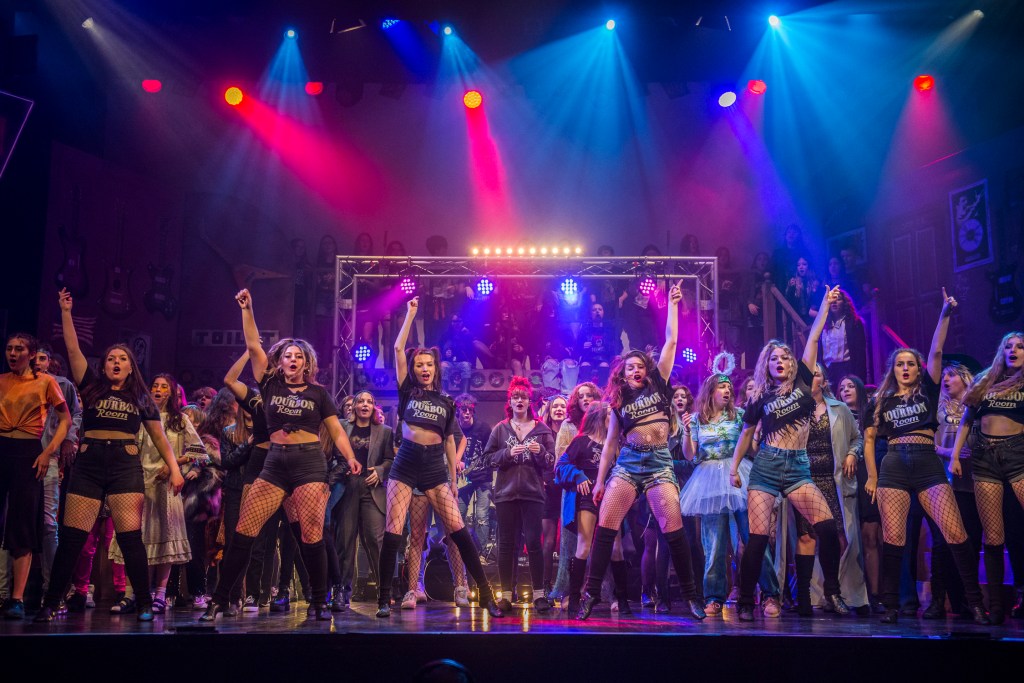
There are many, many privileges in being a Headteacher, but one of the unparalleled joys of the role is seeing your students absolutely smash it out of the park. I’ve seen it on the sports field, I see it in classrooms, I see it in exam results; this week, I saw it as the casts of Rock of Ages melted the faces of enthusiastic audiences from the stage of the Playhouse in Weston-super-Mare.

The musical – which ran in its original version for 2,328 performances on Broadway – is set in the Los Angeles rock scene of the 1980s. Big hair, big egos and rock’n’roll excess are the order of the day, as aspiring rock star Drew (Brett Kelly/Matt Lucas) and wannabe actress Sherrie (Ivana Eamesova/Nina Campbell) try to make it big. Along the way they are variously helped and hindered by the big characters of LA’s Sunset Strip, against a backdrop of a threat to the Strip’s very existence from the wrecking ball of arch efficiency-enthusiast Hilda (Emma Cekaj/Maddie Pole). The whole affair is punctuated by songs from the classic hair-metal bands of the period – Bon Jovi, Whitesnake, Journey and more.

These are some big songs, with big tunes and big notes, which need big performances – and the students delivered. In fact, such is the talent on display that the show had two casts, each as fantastic as the other. Each performance also featured two bands – one on-stage, and one in the orchestra pit – and those bands were different each night as well! They were note perfect, nailing every riff and solo in perfect synchronisation with the on-stage action.

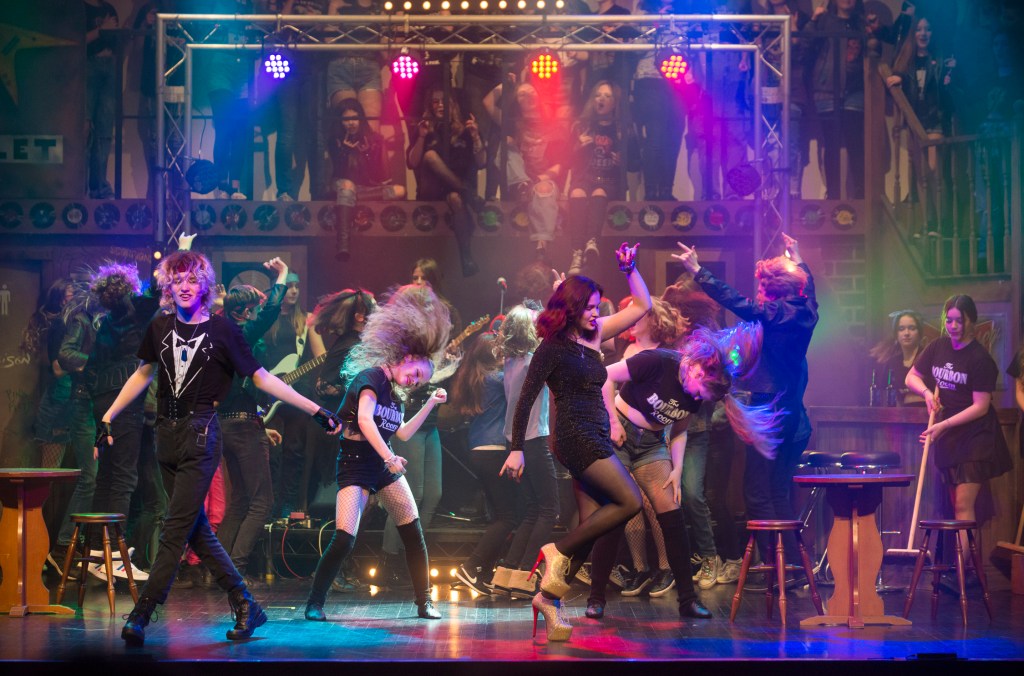
The main cast were simply amazing, but what made the show for me was the strength in depth. The dancers, chorus, and hilarious cameo performances had the audience in raptures. The costumes, make-up and hair (there was some REALLY big hair!) were all amazing, and the behind-the-scenes crew ran the production like a well-oiled machine – sound, lighting, props and set were all exemplary.

One of our priorities over the past few years has been developing leadership skills in our students. Well, here it was: students selling programmes, students directing scenes, students running the bands, running the backstage, running the show. Students working with one another across years, across houses, across friendship groups, supporting one another in a massive team effort. It was no surprise that the other cast was packing the back row of the balcony to cheer on those on stage when they were “off” – that is the spirit which this production has created, and it ran through the theatre like electricity.

I did have a word with Mr Buckley, Director of Performing Arts and this production, about the propensity for his shows to coincide with major incidents. You may recall that Singin’ in the Rain was almost derailed by the Beast from the East snowstorm in 2018; Sweeney Todd went on stage in 2020 just before we were all locked down by the pandemic; and this year’s show coincided with Storm Eunice bringing a red weather warning and winds of over 90mph. Mr Buckley reminded me that correlation is not causation, and that the third Academy value is determination, and that I should take Journey’s advice – “don’t stop believing.” Quite right – the show must go on!

And go on it did – a thrilling, professional-standard performance, sizzling with energy and joy and the release of being on stage in a packed theatre again. I could not be prouder of everyone involved.