Perseverance is defined as “continued effort to do or achieve something, even when this is difficult or takes a long time.” It seems to capture the spirit of our time: our determination to overcome the challenges of the coronavirus pandemic, our commitment to battle against climate change, and to heal the divisions in our society. None of these issues have easy or quick solutions, but we know that the reward will be worth the effort.
The Perseverance Rover on the surface of Mars, pictured with the Ingenuity helicopter (source)
The Cambridge Dictionary was alerted to the currency of “perseverance” in 2021 because people looked it up over 243,000 times. 30,487 of these searches were between February 18 and February 24, after NASA’s Perseverance Rover landed on Mars on February 18. The rover, like Curiosity before it, captures the distinctly human spirit of achieving the apparently impossible: landing a car-sized robot on a planet 380 million kilometres away, and driving it around on the surface. As if that wasn’t enough, Perseverance deployed a tiny helicopter on the surface, which flies around in the Martian atmosphere. It’s called – appropriately enough – Ingenuity.
We can’t help but be inspired by the achievements of the NASA team behind Perseverance and Ingenuity. Although our personal challenges may be more modest than flying a helicopter on the surface of Mars, they are no less worthy or worthwhile. Becoming the best people we can be is not a short or simple task. It takes commitment, effort and time. It requires a “never give up” spirit. This is something we pride ourselves on at Churchill Academy & Sixth Form. It’s why our vision is “to set no limits on what we can achieve.” Because – if we persevere – we can accomplish incredible things.
The COP26 summit is an opportunity to change the world. Leaders are meeting in Glasgow to accelerate action towards the goals of the Paris Agreement and the UN Framework Convention on Climate Change. They will attempt to agree significant actions to reduce carbon emissions, control global warming, and save our planet for future generations. Whether they succeed or not, is out of our hands. But, at Churchill Academy & Sixth Form, we are committed to doing what we can to reduce our impact on the environment, and to improving the prospects of a greener future for our students and those that follow in their footsteps.
Our commitment
We’ve taken the Let’s Go Zero pledge, declaring our aim to become zero carbon by 2030. We know that schools can be the trailblazers for their community, responding to young people’s calls for action. In fact, they can inspire whole communities to tackle the climate crisis. In the coming pivotal ‘climate decade,’ we will be part of Let’s Go Zero’s national network of schools and sustainability organisations, sharing information about how to reach zero carbon, and working with local councils and government to make it happen.
Our ambition
In our aim to achieve net-zero carbon emissions by 2030, we will:
Recycle more waste material than we send to landfill
Achieve the decarbonisation of our heating system on site, reducing reliance on gas
Re-invest financial savings from sustainability initiatives back into programmes that will deliver towards our carbon emission target
We will show Kindness to the environment, demonstrate Curiosity when looking at how to do things differently, and practice Determination to make a positive difference.
Here are some of the things we’ve already done:
The built environment
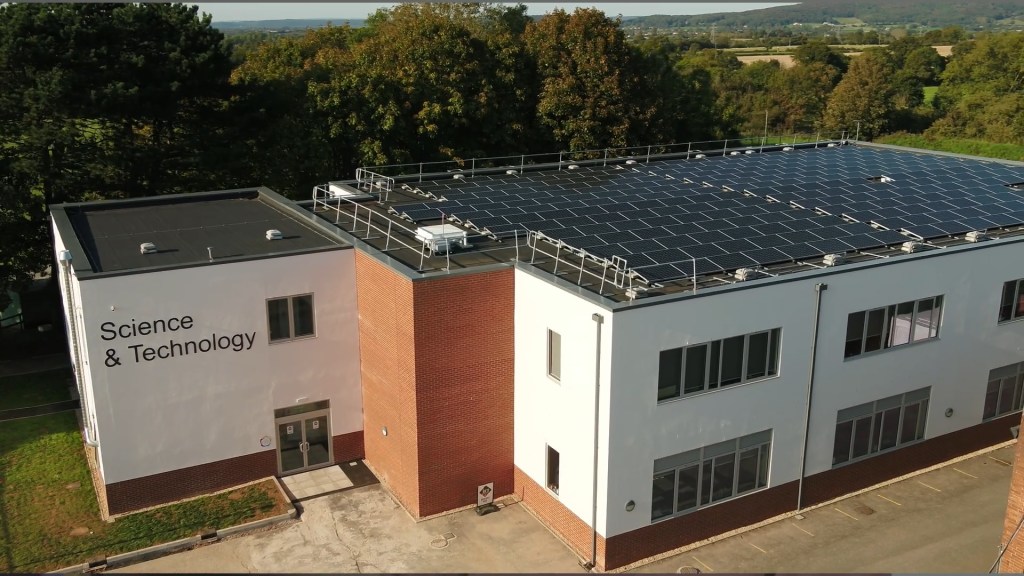
Over the past five years we have transformed the built environment of our Academy. In 2019 we finally demolished the original school building, the 1956 block which was latterly home to Tudor House, Science, IT and Business. The energy-inefficient, single-glazed, concrete building has been replaced by modern, well-insulated facilities including the Alan Turing Building and the Athene Donald Building. Both of these were built with sustainability in mind, not just in their construction methods but as sources of energy generation. The roofs of both blocks are completely covered in solar panels, as you can see in the shot of the Athene Donald Building below:
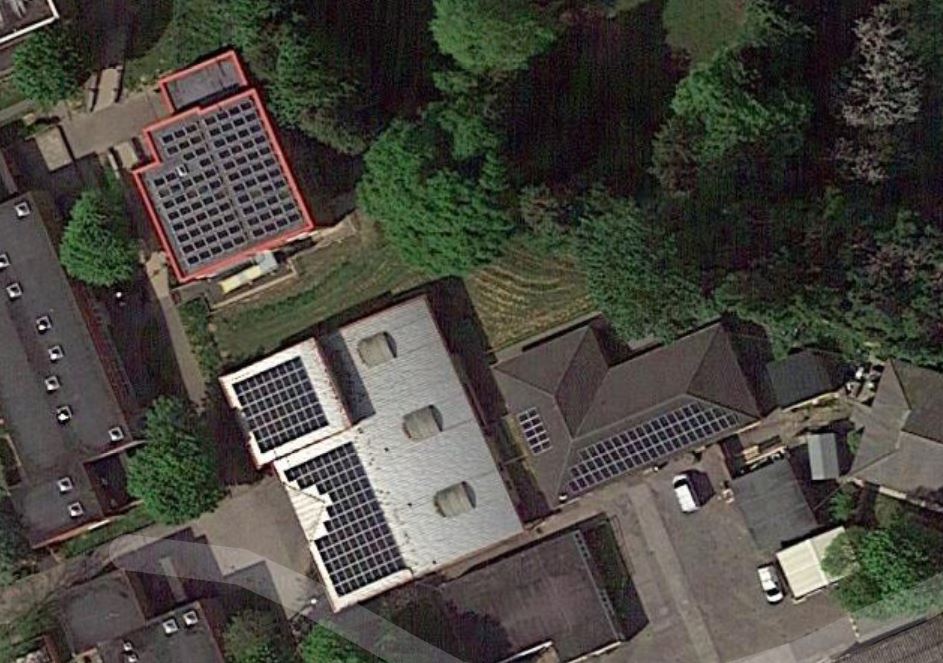
It’s not just the new builds, either. We have solar panels across the roofs of Performing Arts and Music as well, as you can see in the latest Google Maps satellite images of our site:
We are currently halfway through the complete internal rebuild of the Stuart and Lancaster House building, home to languages and humanities. This includes ripping out and completely replacing all the heating, lighting and electrical systems to run as efficiently as possible, as well as ensuring the building is properly insulated and ventilated.
Hot water
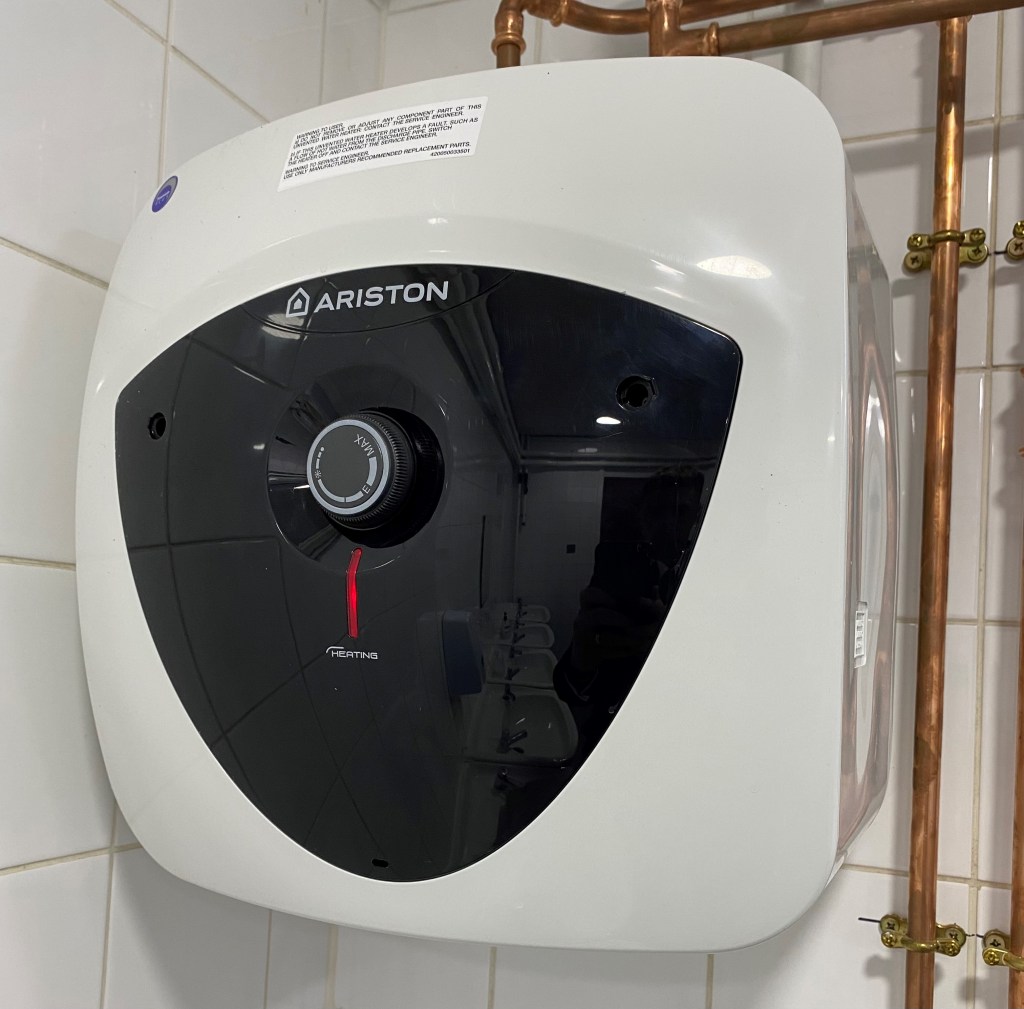
A point-of-use water heater
This is the unglamorous part of decarbonisation! Previously, hot water for the site was provided by tanks, heated by boilers in big boiler room facilities for each separate block. This process was energy-inefficient and wasteful, as it heated large amounts of water whether it was needed or not. Over the past year we have been phasing out these hot water tanks and replacing them with point-of-use water heaters, which only heat water as it is needed. These heaters reduce wasted energy, and also free up spaces which previously housed tanks and boilers for storage. We will continue this work in the future.
Lighting
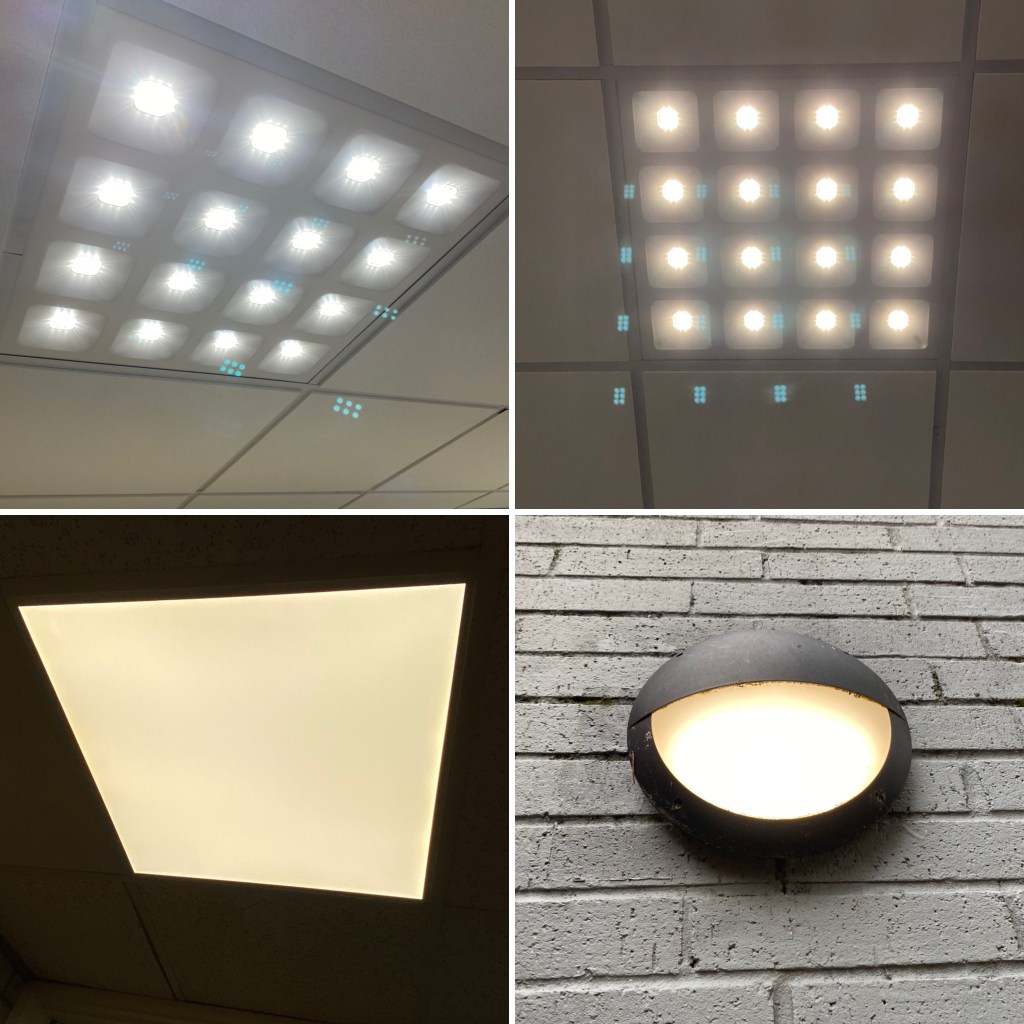
All of our new builds and refurbished facilities have been equipped with LED lighting, and over the past years we have been phasing out any remaining fluorescent tubes to replace them with energy-efficient units. They actually provide better quality light too! Many of our corridor lights are now linked to motion sensors as well, so they are not on unnecessarily, and the external lighting has been upgraded as well. Let there be light!
Recycling
We have always tried to recycle as much waste as possible, and this term we have increased the number of recycling bins on site to encourage pre-sorting of waste as it is thrown away.
The real battle, of course, is reducing the amount of waste we produce in the first place! There is much we can still do in this area, and students and staff are already moving forward with plans to use technology instead of paper, to reduce packaging waste, and to continue our battle against litter.
— Churchill Academy & Sixth Form (@ChurchillAcad) October 27, 2021
The green environment
We are lucky in our rural site, surrounded by trees, fields, orchards, and the Mendip Hills. We do all we can to preserve and enhance our green and pleasant site wherever possible. This includes a massive programme of tree planting across the site, including across our car parks and around the perimeter. We are also keen to encourage biodiversity, working with local partners to ensure the wildlife that shares our environment can continue to flourish.
Great to welcome the Ecologists from @kiergroup to school today to carry out their annual check of our Barn Owl tree box. pic.twitter.com/TauapSGmZ1
— Churchill Academy & Sixth Form (@ChurchillAcad) October 6, 2021
Student Leadership
The student-led Green Team has been operating in the Sixth Form for the past five years. Previously they have introduced reusable and recyclable coffee cups for the Common Room, used the “no power hour” to highlight energy usage, and redeveloped the pond area next to the Sixth Form Centre. This year, the Green Team has great plans – and they’re going whole school, to bring main school students on board too. Look out for further updates later this year!
Energy and CO2 impact so far
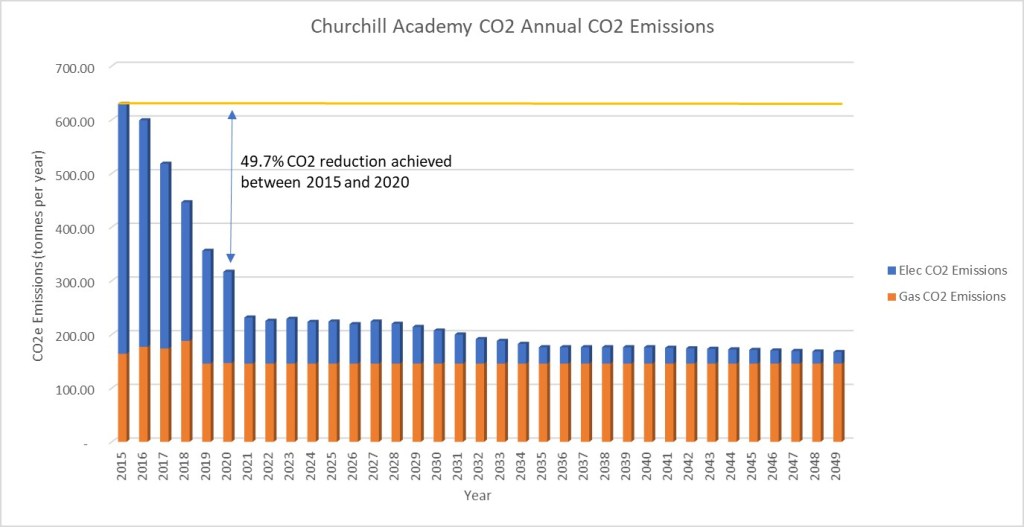
Our CO2 monitoring graph, with future projections
The efforts above have already had a significant impact on our CO2 emissions, which have been cut by half in the past five years. We know there is more to do if we are to achieve our ambition to be an environmentally sustainable institution – in particular, reducing our reliance on gas, and continuing to improve the efficiency of our site. We’re proud of what we’ve achieved so far – but we’re just getting started.
We’ve reached the end of term 1 of the 2021-22 academic year. Whilst he summer holidays seem like an age ago, the term has gone by in a flash!
We began the term at the end of August with on-site testing for students beginning the academic year. The amazing team of staff completed 2664 lateral flow tests over seven days, including 649 tests in one day. This process allowed us to get the term underway as safely as possible.
Our new Year 7 and Year 12 students were the first to start back, getting to grips with their new surroundings, new expectations and new curriculum with great energy and enthusiasm. Before long, they were joined by the returning students in other years, keen to be back and ready to learn. The Academy now has the largest number of students on roll in over a decade, with 1668 students currently attending!
Some of our students have achieved amazing things this term!
I began the year with my “welcome back” assemblies, outlining our expectations and highlighting the Academy’s priorities for the year ahead. Since that point we have seen excellent progress across all our priorities. I have been particularly impressed this year by our student leaders, including the inclusion and diversity group who prepared a thought-provoking assembly for students over recent weeks. Staff have also had some really powerful training in this area, as well as teachers working in small professional development groups to explore ideas around metacognition and self-regulated learning, which we are all putting into practice in our classrooms. This work accompanies the launch of our new curriculum, and I have seen some really fantastic innovative and interesting lessons being taught across the Academy throughout this term. Our fifth priority this year is sustainability – and I have a blog post planned to coincide with the COP26 summit in November to tell you what we have been up to, and what we have planned, as we work towards a greener future.
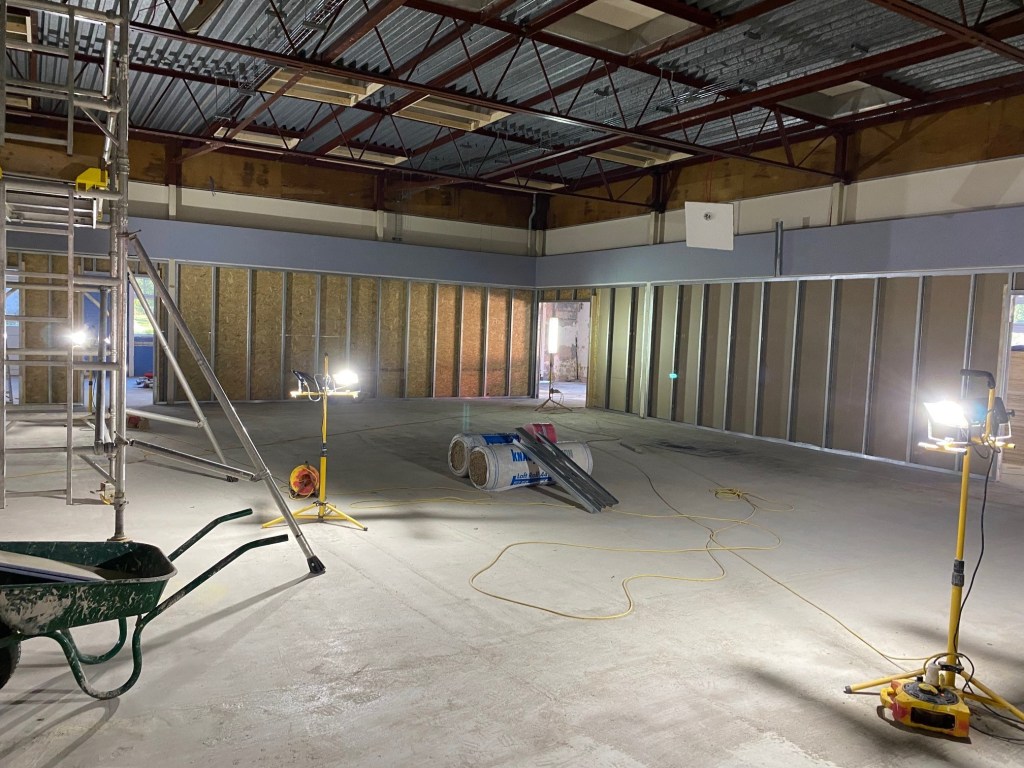
Works have progressed in the redevelopment of our Stuart House building
We are also continuing the redevelopment of our learning environment, with work ongoing in Stuart House to create climate-controlled, sound-insulated, 21st century classrooms for the teaching of History, Geography and RE. Stuart House tutors and Humanities teachers and classes have been really flexible this term as their home base has been completely gutted, but there are positive signs already as the walls are put back in place. We are still on track to reopen these facilities in March 2022!
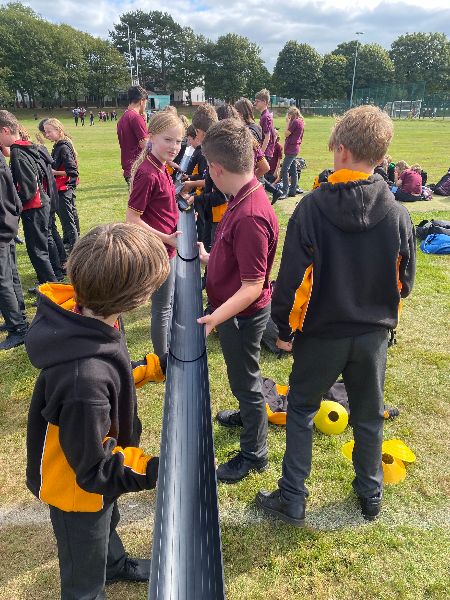
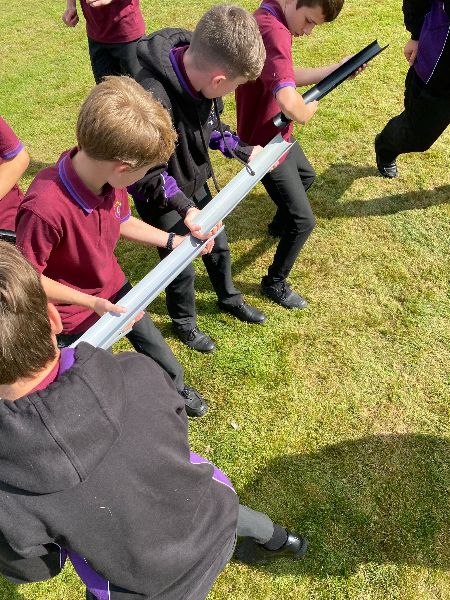
Year 7 taking part in inter-house gutterball in Term 1
One of the real pleasures this term has been the return of our extra-curricular programme. Chess Club was one of the first to get started, and it was soon joined by many more. Our Duke of Edinburgh expeditions have been out and returned safely, and students have finally been able to go back to the theatre! After the end of the school day, the Academy echoes with the sounds of music, dance and drama from Performing Arts, including this year’s production of Rock of Ages which is already sounding terrific. And, of course, extra-curricular PE is back, with training and fixtures most days. You can see our full extra-curricular programme on the Academy website.
— Churchill Academy & Sixth Form (@ChurchillAcad) October 15, 2021
Sadly COVID has continued to cause disruption. This term has seen many students and staff self-isolating with infections, and as a result face coverings were re-introduced for main school students indoors. We are grateful to everyone for doing their bit to help, including staff covering for absent colleagues, families offering support and words of encouragement, and students for adapting to the protective measures without a fuss. Although it has been difficult, we have not been as badly hit as some other schools where lessons have been suspended for entire year groups, and some have been forced to close altogether. Nonetheless, we all need the half term to recover, before we see what November and December have in store for us!
Term 2 is certainly packed. As the nights draw in, we have concerts and celebrations to look forward to. Year 11 will be taking their mock exams, which this year are especially significant in light of the latest announcements around exams in 2022. Before we know it, I will be breaking out the festive knitwear and looking forward to Christmas!
I’d like to thank all the staff, students and families in our Academy community for making this term such a pleasure. A school full of children is a joyous place to be – and Churchill students are simply the best. Enjoy your half term everyone – I will see you in November.
Last week, the exams regulator (Ofqual) and the Department for Education published information about how exams will work in 2022. This included information about adaptations to exams to accommodate the impact of the COVID-19 pandemic on education, the standards which will be used to grade examinations in 2022, results days, and contingency plans in case the pandemic further disrupts education this year. In this week’s blog, I have summarised the key announcements which affect Churchill students taking GCSE, A-level, Cambridge National, BTEC, Cambridge Technical and other qualifications for assessment in summer 2022. I have also recorded a short presentation for students, which you can view below.
Adaptations to exams
Ofqual and the Department for Education have recognised that the pandemic has significantly impacted the educational experience of students over the past two years. To take account of this, the following adaptations will be made to examinations in 2022:
GCSE English literature, history, and geography: there will be optional topic and content for these qualifications. This means that certain topics, normally on the specification for assessment, will not be required for the exams in 2022. At Churchill, this means:
GCSE English literature: the poetry anthology will not be assessed
GCSE history: Elizabethan England 1558-1588 will not be assessed
GCSE geography: paper 1, topic 3: challenges of an urbanising world will not be assessed
GCSE sciences: if necessary, centres will be allowed to deliver practical work in GCSE sciences by demonstration. We will not be using this adaptation at Churchill as we believe it is essential that students taking GCSE sciences experience practical work themselves, rather than simply seeing it demonstrated.
A level sciences: centres will be allowed to assess the Common Practical Assessment Criteria (CPAC) across the minimum number of practical activities required to enable students to demonstrate their competence in A-level biology, chemistry, and physics. We will not be using this adaptation as we believe it is important for our A-level scientists to experience the full range of practical work available to them with our state-of-the-art equipment and facilities in the Athene Donald Building. We believe that this will support their progress and lead to better examination outcomes.
GCSE and A-level art and design and textiles: students taking GCSE, AS and A level art and design (including textiles) will be assessed on their portfolio only, with no final examination.
Advance notice for all other GCSE, AS and A-level subjects: exam boards will provide advanced information about the focus of the content of exams for all GCSE, AS and A-level subjects except GCSE English literature, history, and geography by 7 February 2022 at the latest. This is normally the time by which the majority of courses of study have been completed, and teaching turns to exam preparation and revision. This adaptation means that teachers and candidates will know which topics will and won’t come up in the exams in the summer, enabling revision to focus just on those aspects which will be assessed.
Formula sheets: students will be given a formula sheet for GCSE mathematics and a revised equation sheet for GCSE physics and combined science. This means that they will not need to memorise so many formulae and equations in preparation for the exams – although they will still need to know how and when to use them correctly.
We think that this is a reasonable and fair set of adaptations to take account of pandemic disruption. It will relieve pressure on the intensive revision period through the spring, enabling students and their teachers to focus on the content they will need for their exams in the summer.
Grading standards
There has been much discussion about what standard will be used to assess examinations in 2022. The “standard” essentially means deciding how many candidates should receive each grade in each subject – how many “A” grades, “B” grades and so on there should be (or the equivalent numerical grades at GCSE). A significantly higher number of candidates achieved the top grades nationally in 2020 and 2021 under the Centre Assessed Grades and Teacher Assessed Grades systems used in place of exams, than achieved top grades the last time exams were sat (in 2019).
Ofqual has announced that it intends to get back quickly to how grading was before the pandemic. However, to recognise the disruption from the pandemic, they won’t do it in one jump. Instead, 2022 will be a transition year to reflect that we are in a pandemic recovery period. The standard set by Ofqual for 2022 will reflect a point midway between 2021 and 2019 when it comes to grading, before returning in 2023 to results that are in line with those before the pandemic began. Jo Saxton, the Chief Regulator, explains the rationale for this decision in a blog on Ofqual’s website, which you can read here.
We feel this is a reasonable compromise, with a return to normal exam standards preceded by a transition year which recognises the disruption caused by COVID-19. It means that more top grades will be available to students in 2022 than was the case in 2019, or than will be the case in 2023. All students, across England, will be competing across the same exam papers to achieve those grades.
We do not yet know what this midway point between 2021 and 2019 will look like on a subject-by-subject basis. Exam boards will use data as a starting point, to align their standards in a subject. But the grade boundaries for each subject will be set by the senior examiners after they have reviewed the work produced by students in their exams – these boundaries will not be available to teachers or to candidates in advance.
UCAS predicted grades
For Year 13 students applying to university or other courses through UCAS, teachers have been advised to use the 2019 standards to determine predicted grades. This is because 2019 was the last time clear grade boundaries in each subject were published, so it is the only consistent standard it is possible to use. Here at Churchill we will use existing Year 12 assessments and the 2019 grading standards to generate UCAS predicted grades, although we will follow the regulator’s guidance to give any borderline students the benefit of any doubt in this process. Please remember, however, that UCAS predictions are made by teachers using their professional judgment and experience; they cannot be negotiated upwards by students or their families.
Results Days
Results days will be on:
Thursday 18th August 2022: AS, A-level and other level 3 qualifications
Thursday 25th August 2022: GCSE and other level 2 qualifications
Further details about the format of these days will be released nearer the time.
Contingency Plans
Having learned the lesson of the past two years, I am pleased to confirm that the government is drawing up contingency plans in case the pandemic takes an unexpected turn and exams cannot proceed in summer 2022 as planned. The current proposals are that Teacher Assessed Grades would again be used, but with much clearer guidance on the kinds of evidence that could be used to support the teacher assessment. This is likely to be based around mock exams in the majority of subjects.
At Churchill, we hope and expect that exams will go ahead as planned in 2022. However, all examination candidates, especially those in Year 11 and 13, should prepare for their mock exams as though they were the real thing. Not only will this provide a good evidence base in case of further disruption, but it will put students at a significant advantage in terms of revision and preparation for the summer.
The announcements last week confirm the plan for exams to go ahead in 2022, with some additional support to recognise the disruption to education that students have experienced. We believe these measures are as fair as could be expected in the circumstances.
Our message to students is this: your exams are going ahead. You know what you need to revise, and you will be able to focus this even more as you approach the summer. Listen to the feedback you get from your teachers, and use the revision techniques that you have been given and that will continue to be provided throughout the year. Don’t leave it all until the last minute: you should be revising consistently, a little and often, throughout this year.
Above all, keep a sense of balance and proportion: these exams are important, and we know they really matter, but you also need to look after yourselves. Make sure you are taking regular breaks, maintaining your leisure activities, and talking to someone you trust if you are struggling. We want you to get the best possible results, whilst staying healthy: keeping things in balance and proportion is your top priority. We will do everything we can to support you with this.
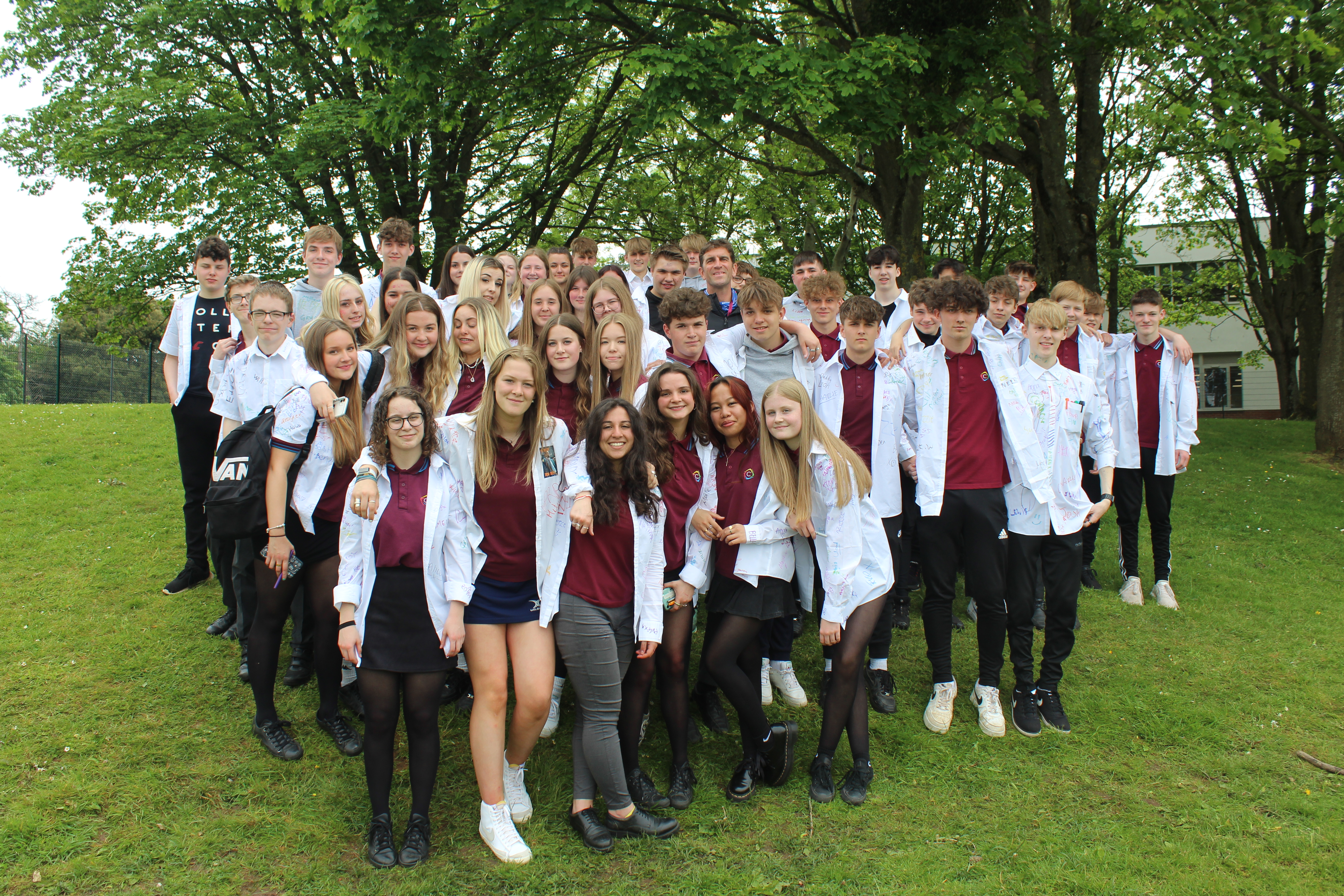
Today we said farewell to the Year 13 class of 2021. These students – whether they have been with us for seven years, or joined us in the Sixth Form – have made a huge contribution to the Academy through their time with us. Their Sixth Form experience has been shaped and scarred by the coronavirus pandemic, but they have borne the trials and tribulations of self-isolations, two national lockdowns and cancelled exams with huge resilience and courage. We hold these students in such high esteem: their potential to go on and make a positive difference in the world is palpable. We wish them well.
Year 13 Class of 2021
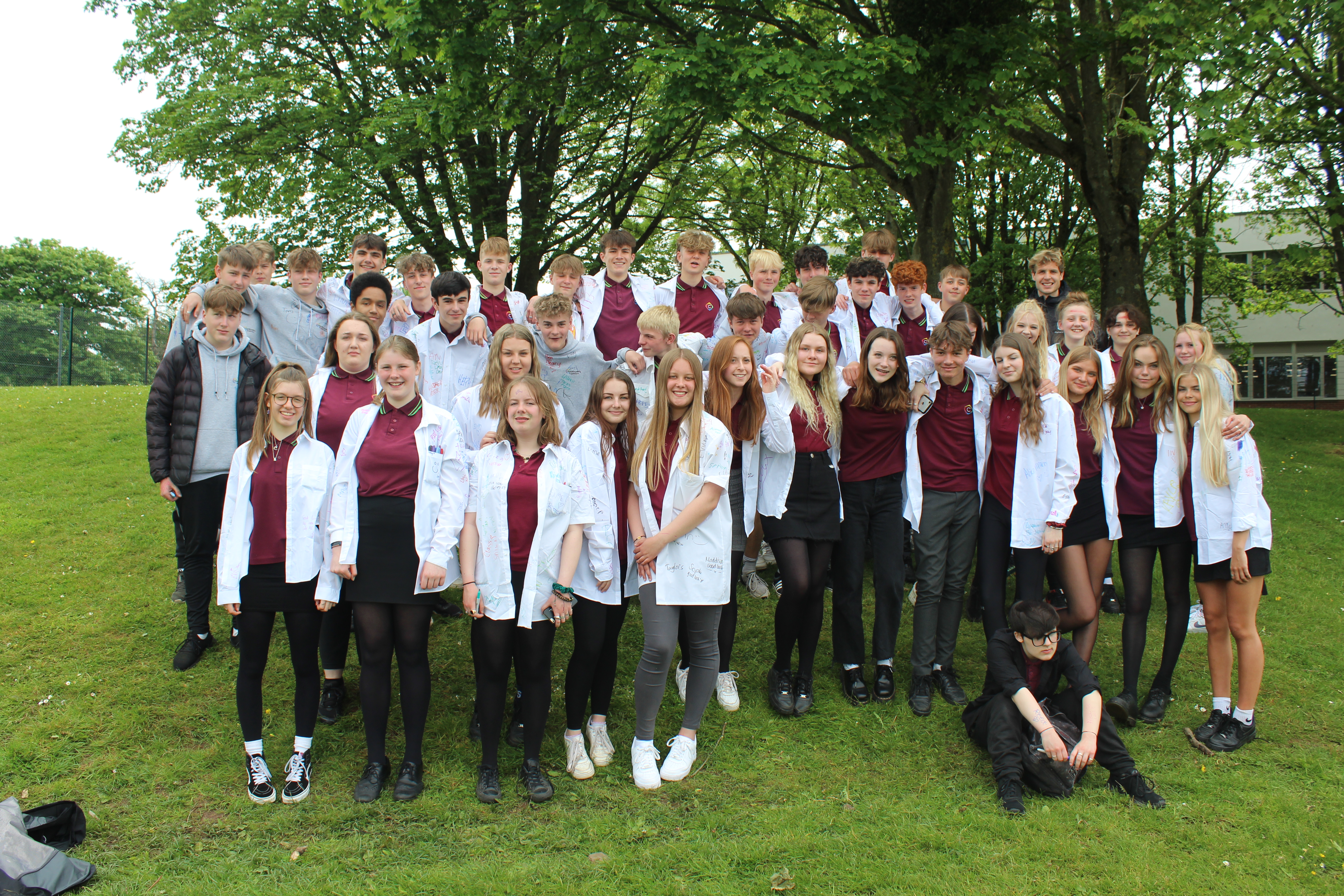
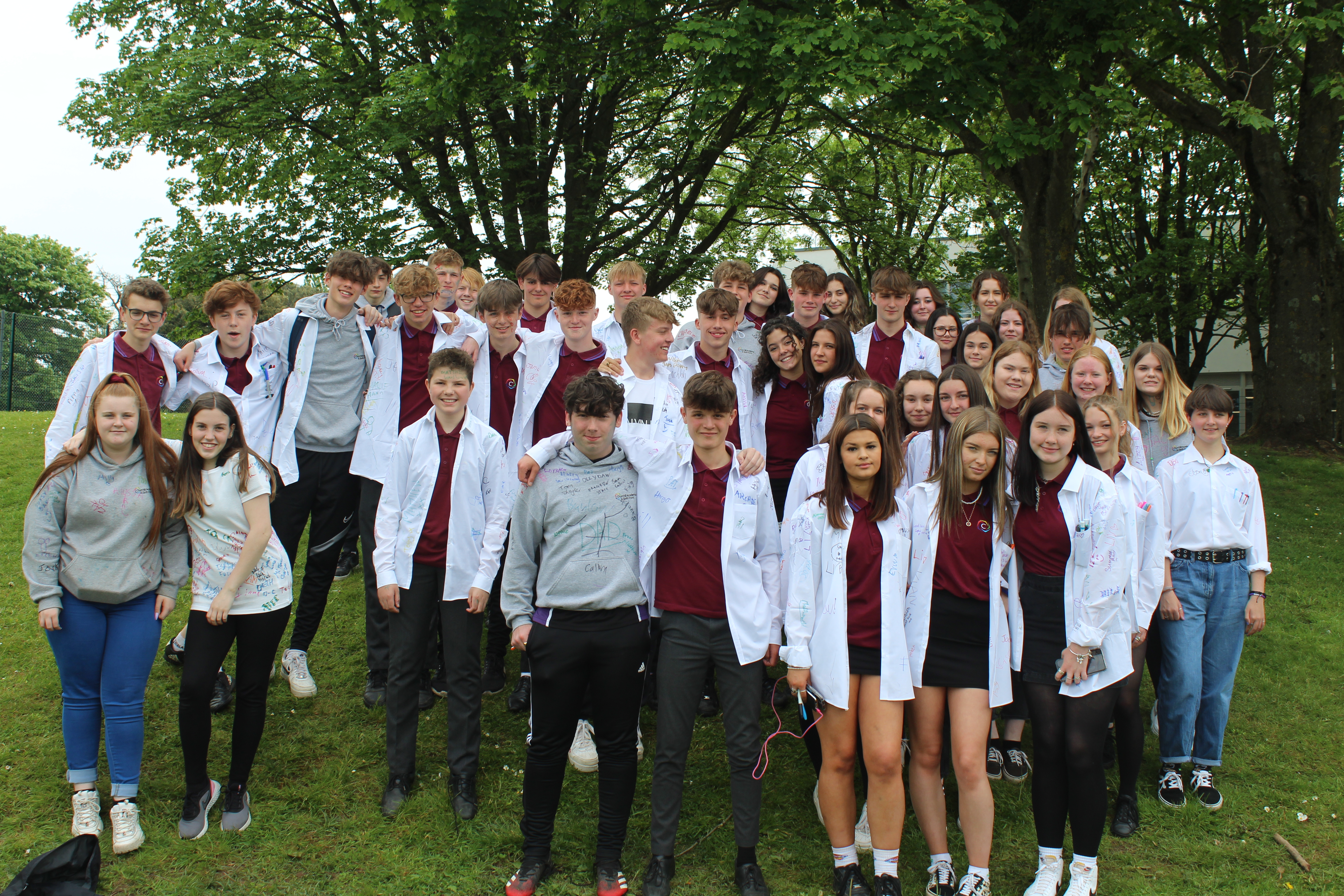
Today has also been the “last day” for our Year 11 class of 2021. Although many of them will be returning in the Sixth Form, today marks the end of their time in the main school and they celebrated in style!
This year group holds a special place in my heart, as they are the first year group to come through the whole of the main school under my Headship. I visited some of them in their primary schools in my first months at Churchill, and welcomed them to the Academy as my first full Year 7 cohort. Many of them wrote to me before they joined us about their hopes and dreams, fears and wishes for the future – letters that I took great pleasure in reading out to them in their leavers’ assembly today!
The Year 11 Class of 2021
Our Year 11 students have also been disrupted by the pandemic, but they are far from the “lost generation” that the media is discussing. They are full of purpose, of positivity, and of potential. They will go on to accomplish great things – of that I am certain.
Little did we know, twelve months ago, what a seismic shift the year ahead would bring. 2020 began as it ends on the Headteacher’s blog, with a bit of “taking stock”. I wrote “into the twenties” on the fourth anniversary of me starting as Headteacher at Churchill. Despite the year we’ve all had, we have continued to progress: we now have 1617 students at the Academy, including 287 in the Sixth Form, and we have seen still more investment in our site and buildings this year with the work to redevelop Lancaster and Stuart House still ongoing. In February, we celebrated the award of “Transforming” status for our work on the Climate for Learning at Churchill.
Our vision – to set no limits on what we can achieve – informed the development of the Academy’s five-year strategic plan over the course of January and February. This vital document is the template for Churchill’s continued progress through to 2025, and will inform the work we do throughout this period. The fact that it stood up to what was to come is testament to the careful thinking and developmental work of the Trustees involved.
I am so glad our students got the opportunity to be on stage in front of a live audience, given what followed so shortly afterwards. We barely had time to announce the introduction of a fifth house for Churchill, before the onrushing tide of the pandemic overwhelmed everything.
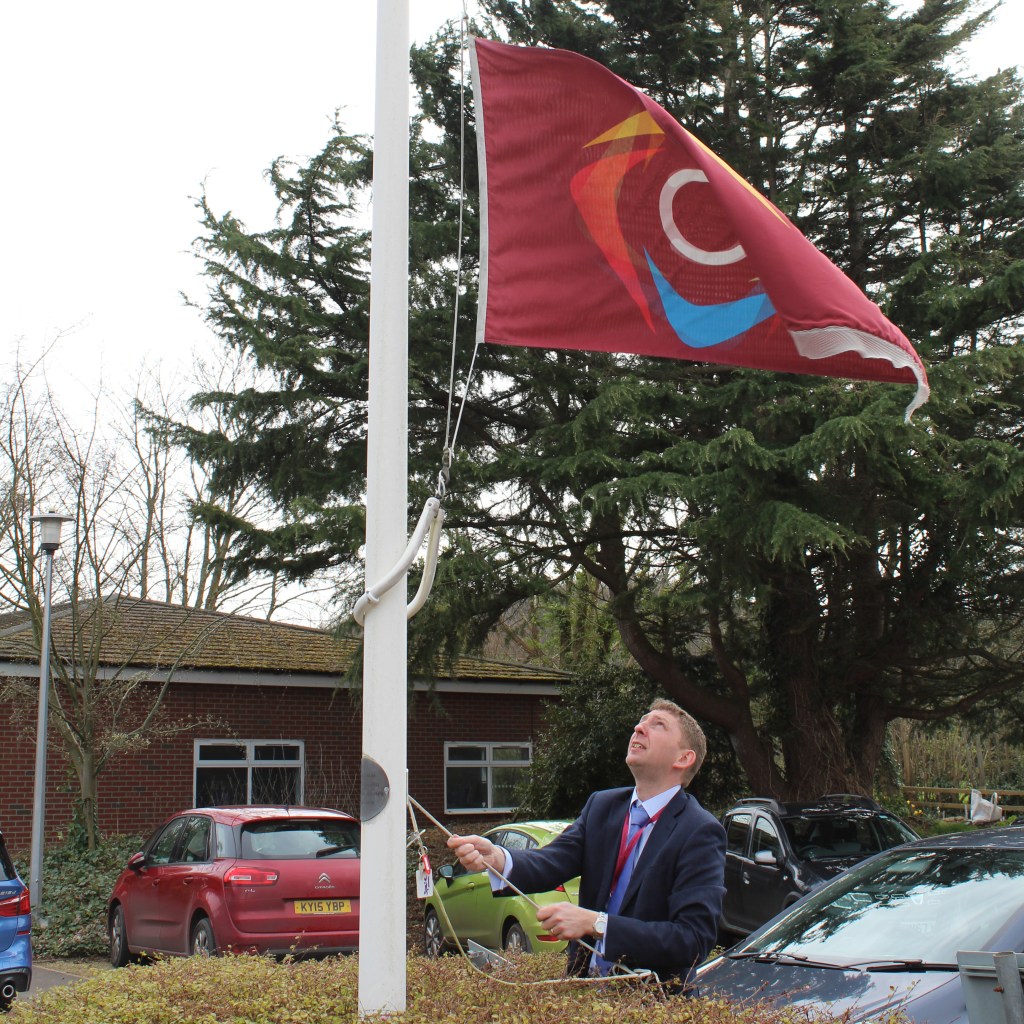
My post Closing for Coronavirus runs through the events of March in detail. Looking back at it now, it seems like a distant dream. I gave an assembly – a physical, in-person assembly – to all students, a year group at a time, on Monday 16th March, running through what we knew at the time and giving the instructions on how to wash hands properly. In the assembly, I said we were “staying open.” On Wednesday 18th, closures were announced. On Friday 20th March, I lowered the Academy flag.
Of course, schools never really closed. We were always open – from Friday 20th March onwards – to vulnerable children and the children of key workers. We stayed open, through Easter and on Bank Holidays, to support the national effort. We kept education going for our students in their homes. And we waited.
April and May: lockdown
I remember those late spring and early summer months, living in lockdown, as a bizarre contradiction. On the one hand, I was constantly gripped by fear: fear of this unknown virus, fear of other people carrying it, fear of everything apparently collapsing around us. But, on the other hand, there was a strange tranquillity: no traffic on the roads, no aeroplanes in the sky, and the surge of nature around us as life went on regardless.
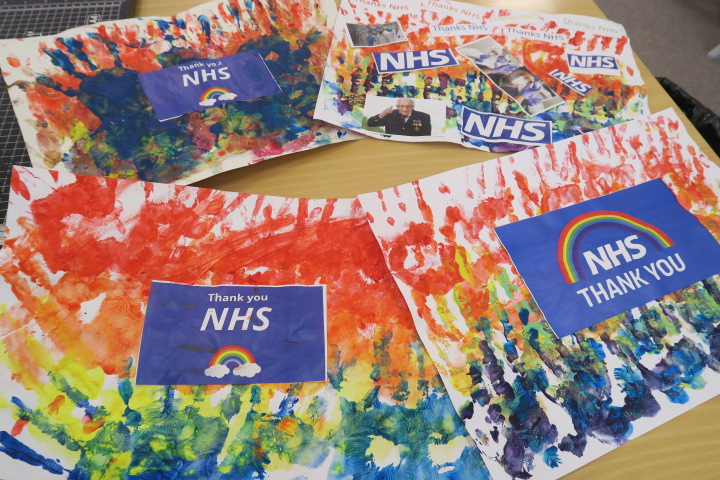
The “clap for carers” brought our local community together, out on the street to share in our admiration for the incredible work of the NHS and key workers. VE Day came and went, and from their homes our musicians put together gospel and chamber choir arrangements, and other performances, collected on the Performing Arts Podcast.
Lockdown Youthful Spirit: Lovely Day
June and July: wider re-opening
As the summer moved on, we welcomed back Year 10 and Year 12 students – our current Year 11 and Year 13s – to Exam Support. Socially distanced, in classes of no more than 15, we saw the first signs that things could – eventually – return to normal. Our students and our staff were fantastic, adapting to this strange new world with DIY haircuts and exceptionally clean hands.
Meanwhile, Frontline (our key worker and vulnerable student provision) continued to expand and develop, making sure that education continued for the students and families who needed it most.
The summer break was strange this year. We had ended July preparing for the full re-opening of schools in September, a simply staggering effort to adjust our normal process onto a covid-secure footing in line with the ever-shifting government guidance. And then, as the summer wore on, the catastrophe of the exam results season hit. I wrote in detail at the time about what had gone wrong with the A-level results. Before the GCSE results were published, the controversial moderation algorithm had been abandoned and students were awarded their Centre Assessed Grades instead. I have never known a more chaotic and uncertain time in all my over twenty years’ experience in education – I still shudder when I think about it.
But we barely had time to take breath from that, before…we were back.
September and October
Raising the new flag: Wednesday 2nd September 2020
The Academy opened its doors in September to all our students again. Things were – and still are – different, with the language of “year group bubbles” and “hands-face-space” becoming quickly familiar. We had our first confirmed case on September 8th, and the impact of the pandemic has continued to be felt across North Somerset ever since. Despite the challenges, our students and staff continue to amaze me with their resilience and energy, as they show all the kindness, curiosity and determination we expect of them – through face coverings, hand sanitiser and disinfectant, through open windows and classroom doors, through year group separations and self-isolations…the Churchill spirit keeps shining through.
We were heartened by the results of our parent survey in October, which were a ringing endorsement of our work so far. And the term ended on a high note as Imogen Beaumont (Year 11) was named as one of the Foyle Young Poets of the Year.
November and December
As the days shortened, the second national lockdown was announced. This time, however, schools stayed open. We were so grateful to have our students with us, and to keep face-to-face education going this time. Many of the aspects of managing a school in a pandemic, which would have been unthinkable merely months ago, have become familiar routines. Our use of technology has been transformed, with Google Classroom now embedded across the Academy and our ability to blend in-class and at-home teaching and learning developing all the time.
And so, as we approach Christmas, we are in a different world. The crowds cheering on the Sixth Form Fancy Dress Parade, the massed Junior Choir at the Christmas Concert, Christmas Dinner in the Academy Hall…these familiar staples from Christmas 2019 are just not possible in our new pandemic normal. But we will not be deterred! It may be different, but it’s still going to happen – and there will be one final post on this blog before the end of term to celebrate Christmas at Churchill 2020.
This has been a year the like of which none of us have ever seen. Let us hope that, over the coming twelve months, we see the retreat of the pandemic and the return of the freedom to do all those things that help make us the school we are: our extra-curricular programme, working across year groups, and the big, showpiece Academy events which give our students their chance to shine. I wish everyone in our Academy community a safe and merry Christmas, and a very happy new year.
I have always found an escape in books, and this year more than any other I have needed that outlet, to be taken away into another world and to lose myself in fiction. Here are ten books I have enjoyed in 2020 – some suitable for students, some for adults. I hope you find it useful!
The Binding by Bridget Collins
Suitable for: Year 11+
This is a beautiful book, laced with magic, where mystical “binders” can remove people’s troublesome memories and imprison them within the pages of hand-made books. But what happens if someone opens the covers to read them?
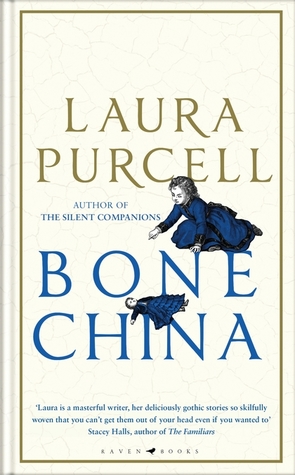
Bone China by Laura Purcell
Suitable for: Year 9+
I’ve really like Laura Purcell’s distinctive brand of spooky Gothic horror. It reminds me of Wilkie Collins or perhaps Daphne du Maurier. This story sees a young nurse, haunted by her past, caring for a mute and paralysed old woman in a mysterious old house, surrounded by bone china. Gradually, the house and the woman’s chilling past is revealed…
Afternoons with the blinds drawn by Brett Anderson
Suitable for: Year 11+
Back in the early 1990s, I was a massive fan of Brett Anderson’s band, Suede. I loved his first book, describing his early life and the origins of the band. This second book races through the band’s ascent to fame, and subsequent disintegration under the pressures of media scrutiny, addiction and egos. Anderson writes so elegantly, that even the squalid parts of his story acquire a seedy glamour. It captures that period of my youth perfectly.
Empress Orchid by Anchee Min
Suitable for: Sixth Form+
This novel tells the story of the last Empress of China, and is based on a true historical story. I knew nothing about it before starting – the book was my Secret Santa present last Christmas! – but I found myself captivated by the secretive, ritualistic world of the Chinese Emperor’s court and the power struggles within.
Noble Conflict by Malorie Blackman
Suitable for Year 9+
I love the “Noughts and Crosses” series, and this latest instalment was recommended to me by my son. It didn’t disappoint, bringing the saga right up to date with plenty of pointed commentary on political corruption and intrigue. If you’re expecting a resolution, thought, you’ll be disappointed – it ends on a terrific cliffhanger!
The Lie Tree by Frances Hardinge
Suitable for: Year 7+
This was a great read during lockdown! It tells the story of Faith, who discovers her father’s dark secret: a mysterious tree that grows in darkness. The fruits of the tree reveal truths – but the tree only grows when fed on lies. But, as Faith discovers, lies themselves can quickly get out of control…
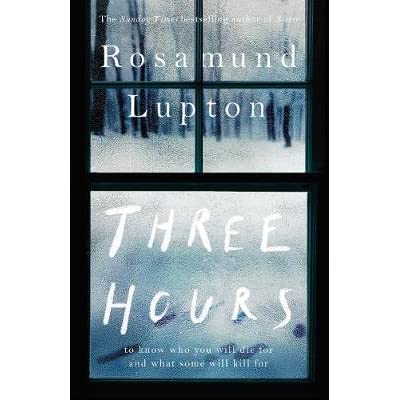
Three Hours by Rosamund Lupton
Suitable for: Year 10+
This book tells the story of a school under attack by terrorist gunmen, in real time. It was absolutely terrifying, ratcheting up the tension with twists and turns a-plenty. As a Headteacher myself, it was like living out my worst nightmares – but in the safety of a book!
A Little Life by Hanya Yanagihara
Suitable for: adults
When Miss Dunne heard I was reading this book, she offered to counsel me when I got to the end. She was right: I don’t think I’ve ever read anything quite as emotionally draining, harrowing and affecting as this epic story, following the lives of four friends who meet in college in America to their lives in New York and beyond. Dealing with trauma, abuse, and self-harm, this is by no means an easy read – but its characters will stay with me forever.
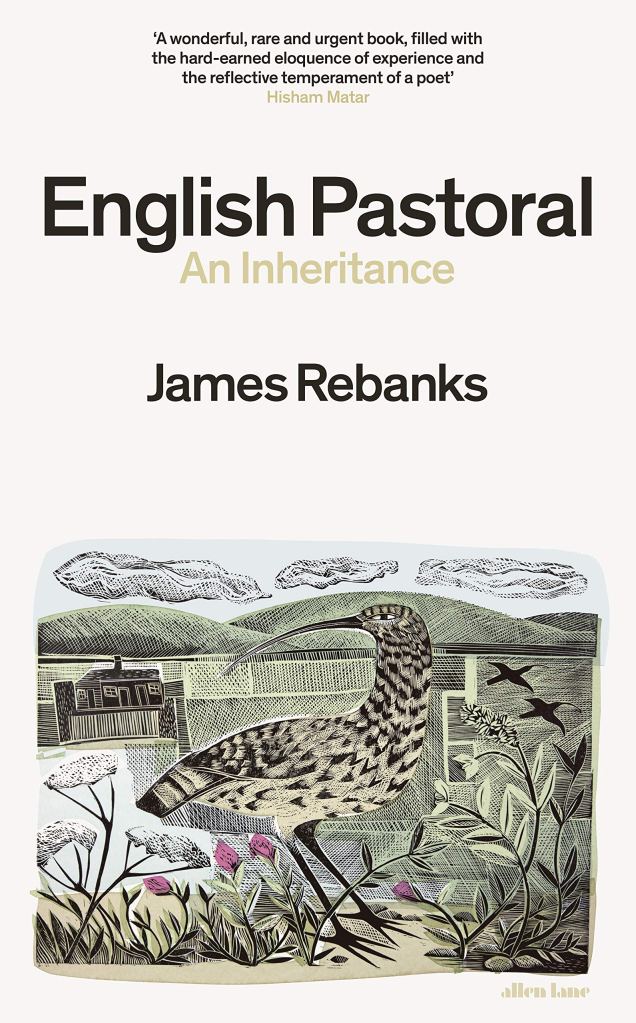
English Pastoral by James Rebanks
Suitable for: Year 9+
This book is part-autobiography, part-manifesto. James Rebanks uses his life story, growing up on a fell farm in the Lake District, to describe how farming has changed over the past forty to fifty years. He describes the damage done to the landscape and the ecosystem by intensive, chemical farming, and how he has adapted his own farm now, as an adult, to work in harmony with nature rather than against it. A powerful, important book.
Where the crawdads sing by Delia Owens
Confession: I haven’t finished this one yet! But I am enjoying the lyrical, atmospheric descriptions of the Carolina marshlands where the heroine, Kya Clark, grows up in isolation. At once terrified of other people, and at the same time yearning for company, this tension drives the story forward. I can’t wait to see how it ends…
If you’ve enjoyed any books in 2020, I’d love to hear about them. I’m always on the lookout for recommendations!
The coronavirus pandemic has meant that more and more of us are spending more and more of our time online. The internet is a blessing in times like these, enabling us to connect, interact, stay in touch and find the help we need, all without leaving our homes. For schools like ours, the ability to harness technology to deliver education when students are not able to be in school has transformed the education landscape.
Although the internet is incredibly useful, there are also risks. We work hard with our students at Churchill to help them understand how to stay safe online, but it is always worth reminding our students – and ourselves – of the basics.
The basics of staying safe online
Google’s Be Internet Awesome curriculum provides a good outline of the fundamentals of safer internet use for students:
Share with care – communicate responsibly
Encourage thoughtful sharing by treating online communication like face-to-face communication; if it isn’t right to say, it isn’t right to post.
Create guidelines about what kind of communication is (and isn’t) appropriate.
Keep personal details about family and friends private.
Don’t fall for fake
Be aware that people and situations online aren’t always as they seem.
Discerning between what’s real and what’s fake is a vital lesson in online safety
Secure your secrets
Create a strong password – you can R3pl@ce le++ers wit# sYmb0ls & n^mb3rs 1ike Thi$
Don’t use the same password on multiple sites
Don’t share anything online that you wouldn’t want your grandma, your teacher or your future employer to see
Be Kind
The Internet is a powerful amplifier that can be used to spread positivity or negativity. Set an example: be kind and spread positivity
Stop the spread of harmful or untrue messages by not passing them on to others
Block unkind or inappropriate behaviour online
Provide support if you see bullying online
When in doubt, talk it out
If you come across something questionable online, talk to a trusted adult
If you know that one of your friends needs help, encourage them to talk to a trusted adult – or ask an adult for help yourself
THINK before you speak (or post online)
Checklist for families
We all want to support our children with their use of the internet, but more often than not they know more about the online world than we do! The following checklist is a helpful way of ensuring that you are doing all you can to support them with being safe online.
I have talked to my child about the sites they use. Show an interest and take note of their favourite sites. Research them, find out how to set the safety features and learn how to report any issues directly to the site.
I have checked that my child has set their profile settings to private. Social networking sites, such as snapchat, are used by children to share information, photos and just about everything they do! They need to think about the information they post as it could be copied and pasted anywhere, without their permission.
I have talked to my child about their online friends. We know that people lie online about who they are and may create fake identities. It is very important children understand this. Whether they are visiting a social network or a gaming site, the safety messages are the same. Ensure that your child never gives out personal information and is only “friends” with people they know and trust in the real world.
I have set appropriate parental controls on my child’s computer, mobile and games console. Filters on computers and mobiles can prevent your child from viewing inappropriate and possibly illegal content. You can activate and change levels depending on your child’s age and abilities. You can also set time restrictions for using the internet or games. Many parents and carers take phones/devices away at a certain time – say 9pm. This has been shown to aid mental well-being too.
Encourage your child to tell you if they are worried about something online – Sometimes children get into situations online where they don’t feel comfortable or see something they don’t want to see. By opening up the communication channels and talking to your child about the internet, their favourite sites and the risks they may encounter, they are more likely to turn to you if they are concerned about something.
If you are concerned that an adult has made inappropriate contact with your child you can report this directly to CEOP or the Police. You can also find help if you think your child is being bullied, or if you’ve come across something on the internet which you think may be illegal. Visit the Safety Centre at www.ceop.police.uk/safety-centre . If in doubt, please contact us at the Academy.
I love poetry. I’ve always thought of it as distilled language: as though ideas have been boiled down and condensed so that only the concentrated essence remains. Because of this, every word in a poem feels somehow as if it’s carrying extra weight, extra resonance, extra value. When reading a poem, my senses are heightened and alerted: it’s a thrilling, exciting feeling.
I first experienced this sensation in an English Literature classroom in the autumn of 1991 (or possibly the spring of 1992) when I first encountered the poetry of Sylvia Plath. I’d always loved books and reading, but when I read Plath it was like I finally understood what all the fuss was about. I remember reading Lady Lazarus and the hairs standing up on my arms and the back of my neck. My teacher lent me his copy of her collection Ariel, and I haven’t looked back since.
My collection of Sylvia Plath books, 29 years after first reading her work
My experience of “waking up” to poetry sounds exactly like the experience of our current Poet Laureate, Simon Armitage. On Desert Island Discs earlier this year, he described vividly his first encounter with the work of Ted Hughes:
“It suddenly struck me, in a very electrifying moment, that the world was a really interesting place. It could be packaged up in these little bundles of language, which, at the end of the day, are only black marks against a white page. But if you put them in the right order, you can make extraordinary things happen in somebody else’s head across thousands of miles, across thousands of years, and in complete silence. And the shock of that realisation and the primitive magic of it has never really left me. I still feel that when I’m looking at a poem: that I’m staring at some kind of circuit board of language, which makes a contactless contact with something in my head. I think I knew at that very moment, that poetry was going to be my thing.”
Over the years, I have taught poetry to hundreds and hundreds of students. I haven’t always succeeded in igniting the same passion in every single one of them! But I hope I have helped some to find the power of poetry, and to enjoy it for themselves – away from having to study it for GCSE.
This last week, I have been blown away to see exactly this happen at Churchill Academy & Sixth Form. At the end of January 2020, Ms Cody from our English Department gave an assembly to all main school students on the theme of “Literature that changed the world.” At least one student was inspired to pick up the books Ms Cody described, to see what all the fuss was about. That student was Imogen Beaumont, who has gone from winning our House Poetry Competition in 2019 to becoming a Foyle Young Poet of the Year 2020.
Some of my collection of Foyle Young Poets anthologies from over the years
I have followed the Foyle Young Poets of the Year Award for over 20 years. Since 1998, the Award has been finding, celebrating and supporting the very best young poets from around the world. It is firmly established as the leading competition for young poets aged between 11 and 17 years old. This year, a staggering 15,966 poems were entered. Young writers from a record-breaking 118 countries entered the competition from as far afield as Afghanistan, Ecuador, Mozambique, North Korea and the Seychelles, and every corner of the UK. From these poems, this year’s judges Keith Jarrett and Maura Dooley selected 100 winners, made up of 15 top poets and 85 commended poets. After Mr Lockett put the entry invitation into our newsletter on 3rd July, Imogen entered. Her poem, The sound of Shakespeare’s women, was chosen as one of the top 15. When you read it, you can see why:
The sound of Shakepeare’s Women
If Juliet was silenced
amongst a patriarchal nightmare and
Lavinia was two limbs down
with no tongue to tell their tale and
Ophelia was driven to madness
with no sense left to speak and
Cordelia was shunned by her father,
her pointless words falling on deaf ears and
Desdemona’s desperate truth
was shouted down by whispered lies,
Then Will’s trying to tell us something.
By Imogen Beaumont
Imogen’s poem is a powerful, skilful piece of writing. She told me she reads a lot of Shakespeare – and you can tell! The poem draws in repeated examples of female characters in Shakepeare’s plays who are variously silenced, ignored, or left voiceless.
Juliet pleads with her father in Romeo and Juliet to listen to her when he plans her marriage to a man she does not love. He ignores her pleas, and she is forced to take desperate measures. Lavinia, in Titus Andronicus, is raped and has her hands cut off and her tongue cut out so she can’t reveal who attacked her. Ophelia is driven mad when Hamlet, who said he loved her, ignores her and hurls abuse at her when she tries to help him. Cordelia tells her father, King Lear, the truth when he asks her to: as a result, she is disinherited and cast out from the family. Othello is tricked into believing his wife, Desdemona, has been unfaithful to him. She tells him again and again that it isn’t true, but he believes the lies and smothers her with a pillow.
Imi’s poem illustrated by award-winning artist and author Chris Riddell
In each case, the inability of the male characters to hear what the women are trying to tell them leads to tragedy. What Imogen does so skilfully is distil those stories down to their concentrated core, and connect them with one final line to our modern day experience. The #MeToo movement and the linked #BelieveHer hashtag show that, today, women’s voices are still too often ignored, silenced, or discounted. It would seem the lesson that Shakespeare was trying to teach over 400 years ago has still not been learned.
Imogen’s powerful voice has found just the right words, in just the right order, to connect ideas across hundreds of years and deliver that electric shock of meaning that only poetry can deliver. It’s a stunning piece of work. I’m really proud that our English teachers have had some small part in unlocking her talent: we can’t wait to see what she’ll write next, or where the next young poet will spring from. Could it be you?
Our Parent Feedback Survey was open from 2nd to 12th October 2020. The aim was to get feedback from families about the September Re-opening, and feelings about the Academy’s handling of the return to school in these challenging times. We also took the opportunity to ask some of our standard Parent Survey questions to compare parent attitudes since the last Parent Survey in June 2019. We were very grateful to receive 291 responses to the survey – and here are the results!
Coming back in September
We asked two questions in this section: firstly, how confident were you about sending your child in to Churchill Academy & Sixth Form at the start of September; and then, how confident you you feel about this now, after a month back at school?
The scale for these questions was from 1 (completely confident) to 5 (not at all confident). The picture was reassuring in September and confidence in our covid-safe protocols has increased over the course of the first month, despite (or potentially because of) two confirmed cases. This is a very encouraging endorsement of the Academy’s approach.
We think you and your teachers have done really well in managing a difficult and ever changing situation.
Parent Survey 2020
Communications
We asked: “how useful have you found the following methods of communication with the Academy since September?”
This is another encouraging set of responses. The newsletter is very popular and successful! Communications from me have also been positively reviewed – including this blog! Similarly our video curriculum presentations have been warmly received, although not all year groups had yet seen these at the time of the survey. It appears that communications from and with the Academy are working well.
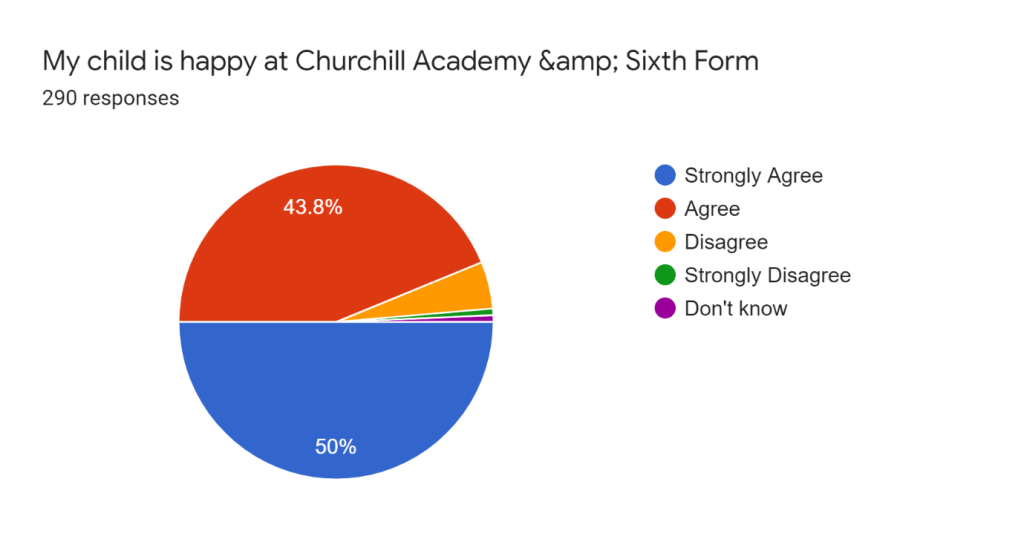
Happiness
A 93.8% positive rating for this question is very encouraging, especially considering the mental health impacts of the pandemic more broadly. The last time we asked this question the response was 92% positive, so more families are telling us their children are happy at Churchill than the last time we asked.
Safety
The proportions here are very similar to the previous question. The slight shift in responses could be down to covid-related issues causing students to feel less safe. A 92% positive response is still very encouraging, with a small group to work on as we continue to build confidence.
I think communication and leadership have been great and as always the atmosphere and commitment of the staff is outstanding.
Parent Survey 2020
Care
This question received a 90.3% positive response, with an increase in the “don’t know” category compared to the previous questions. This is therefore similarly encouraging. The increase in “don’t know” may be accounted for by families new to the school without sufficient experience yet. The last time we asked this question (in 2019) it received an 89% positive response, so again we can see positive progress in this area.
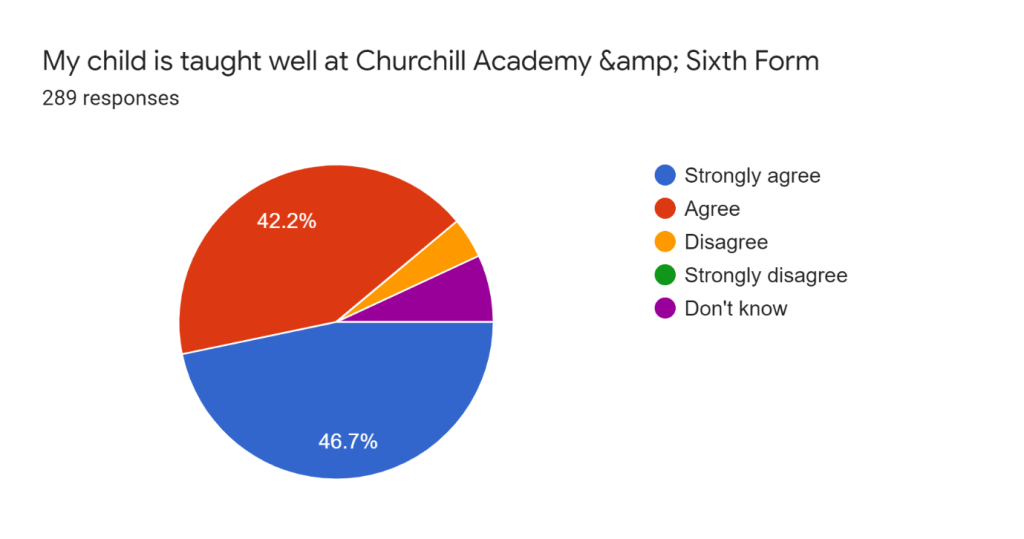
Teaching
There were more “don’t know” responses to this question – we assume this is from lack of experience so early in the term. No respondents strongly disagreed, with only 12 respondents (4.2%) expressing any dissatisfaction with the quality of teaching at the Academy. The last time we asked this question 6% disagreed or strongly disagreed, so it is encouraging to see this proportion declining.
Homework
It was perhaps a little early in the year to get a representative response to this question, especially as we had instructed staff to start with light homework and increase the challenge gradually, particularly with Year 7 students. This would explain the larger “don’t know” response – although the picture is still encouraging.
“I think you are doing a fantastic job in difficult circumstances and I am just glad my children attend a school like Churchill. It is important for my son especially to be in school and have structure to his day and interaction with his teachers. He is much happier in this environment (even if he won’t admit it!)”
Parent Survey 2020
Behaviour
The total proportion of respondents disagreeing or strongly disagreeing with this statement was 10.4%, with a 6.2% “don’t know” response. The last time we asked this question (in 2019) 13% disagreed or strongly disagreed, with 6% “don’t know” responses. It is encouraging to see the proportion disagreeing with this statement declining. Whilst the picture is again encouraging, it shows that we should not be complacent about behaviour as there are still 30 families in our community who need to be convinced.
Bullying
The “don’t know” response to this question is very encouraging – nearly half of our families have no experience of the Academy’s response to bullying. We assume this means that neither they nor their peers have been affected by it. The proportion dissatisfied with the Academy’s response to this vital issue has more than halved since June 2019 – 7.6% compared to 16%. These are still more encouraging signs about the positive progress of our work. We know that bullying can happen – it’s how we deal with it that counts.
Leadership
This is a very large “strongly agree” response from families, which is an endorsement of the leadership offered across the Academy though the pandemic and into the reopening phase. The overall positive response was 93.8%. This is a significant positive swing from the responses in 2019, when 35% responded “strongly agree” and 48% “agree”.
“These are strange and challenging times; however my son’s education will be the best it can be…We appreciate the dedication of the staff, the kindness and care. There is a huge sense of your staff not having jobs but vocations.”
Parent Survey 2020
Responsiveness
The larger “don’t know” response suggests that a fifth of families have not had to raise any issues with the Academy. Where respondents were able to offer a view, 90.5% were satisfied with the Academy’s response.
Values
This is the first time we have asked this question in a parent feedback survey. We will ask it again later in the year as we seek to understand the impact of our values-led culture across the Academy community. The relatively large “don’t know” response indicates that it is perhaps still early for many parents new to the Academy to respond to a question like this – but very few (3.7%) respondents disagreed which is very encouraging.
Would you recommend Churchill?
This is the “gold standard” question for our offer at Churchill. The last time we asked this question (in 2019) the response was 93% positive – it is very encouraging to see the positive progress as our reputation continues to grow.
In Summary
The responses across each of the key questions were very positive. We have seen increases since June 2019 in the headline measures of “would you recommend Churchill to another family” and across the other key areas, demonstrating that families are even more satisfied with Churchill now than they were then.
There were more “don’t know” responses to this survey than the traditional summer poll, reflecting the relative novelty of secondary school to some families whose children have just joined us. This skews some of the data in relation to the summer 2019 responses, but when figures are adjusted to remove “don’t know” answers the trends are still positive.
In relation to covid-19, responses were very encouraging. Families have great faith in the Academy’s response to the pandemic, and that confidence has increased over the first month back. Within the text comments, it is evident that our comprehensive intake reflects a range of views on this issue. We must always be mindful that we serve a community in which this diversity of opinion exists, and the impact that it may have on the students in our classrooms.
Within the plentiful text comments there are many individual issues to pick up and address, but the overall feeling is one of satisfaction, gratitude and pride.
“As the parent of a new student to the Academy, I cannot speak highly enough of the staff and the leadership team. Communication and interactions are exemplary. My daughter settled in straight away and was made very welcome by staff and students alike. I believe that the behaviour of the latter is very much a successful testament to the culture which staff and leadership clearly work hard to develop and maintain. Thank you!”
Parent Survey 2020
The survey feels like a vindication of our work over lockdown and in the reopening phase, and an instruction to “keep doing what you’re doing” – because it is clearly working.






























 The Headteacher's Blog