Manners Makyth Man

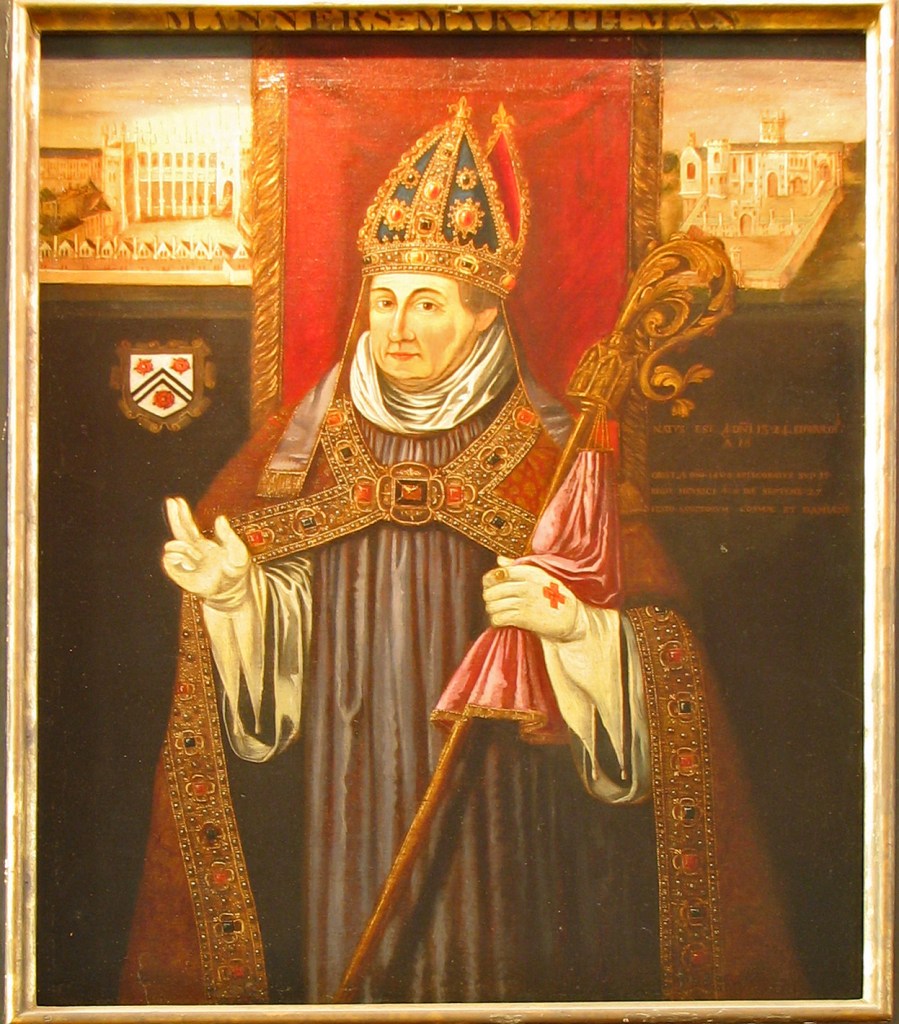
In my assemblies at the start of term 5, I spoke to our students about William of Wykeham. William was born the son of a free yeoman in around 1320, over 700 years ago. He rose up through society, the church and politics to become the Bishop of Winchester and Chancellor, responsible for the wealth of the kingdom under King Edward III and then King Richard II, the last Plantagenet monarch.

William of Wykeham (source)

As a result, William became a very wealthy man. He wanted to devote his wealth to ensuring that others could rise up from humble origins to great success, so he founded educational institutions including a school in Winchester, where he was Bishop, and a college in the developing university city of Oxford.

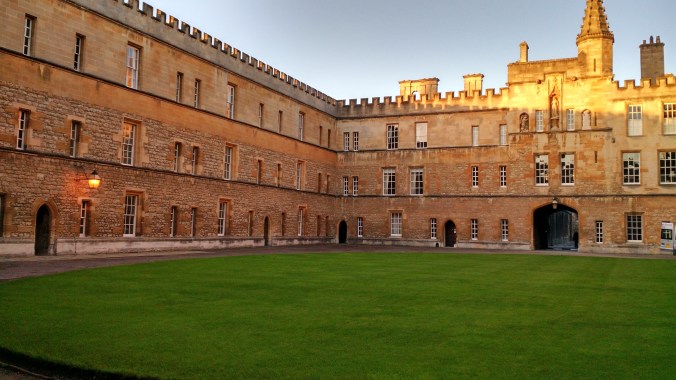
The old quad at New College, Oxford

At the time, the “Saint Mary College of Winchester in Oxenford” was a new college, and this identity stuck; the college is still called New College today, nearly 650 years after it was founded in 1379, which makes it (ironically) one of the oldest colleges in Oxford. William himself is commemorated in a statue over the gate, kneeling in worship of Saint Mary; you can see his restored statue in fresh stone in the image above.

So why are we interested in a Bishop who lived over 600 years ago? The reason is that William’s personal motto, emblazoned across the top of the frame of his portrait, the motto that remains the slogan of New College centuries later, still has resonance today.

The emblem and motto of William of Wykeham and New College, Oxford: Manners Makyth Man

William’s motto, Manners Makyth Man, were words he lived by. Our manners are “a way of conducting oneself toward others” and “a person’s habitual behaviour or conduct.” That is, the way we treat other people, but also the way we behave by force of habit. Therefore, William’s motto can be translated as:

Manners Makyth Man: The way we behave towards other people makes us who we are

So what do good manners look like? I think there are some basics that are as true today as they have always been, and I went through these with our students in assembly:

  • Polite language
    • Greetings: good morning, good afternoon
    • Gratitude: please and thank you
    • Generosity: is there anything I can help you with?
  • Active listening
    • Show interest
    • Make eye contact
    • Give your full attention
  • Respect
    • Respecting personal space
    • Respecting visitors
    • Offering assistance (e.g. holding doors open)

We spent some time talking about how we can show respect in particular when we are meeting with visitors to our Academy – for example with our amazing student ambassadors who regularly give tours to families, candidates, visiting staff and others when they visit Churchill, and never fail to do a wonderful job!

I first encountered William’s motto when I was a student at New College, studying English Language and Literature in the 1990s. That simple creed – Manners Makyth Man – the way we behave towards other people makes us who we are – has stuck with me ever since, and informs my actions to this day. William’s legacy lives on, not just in the educational institutions he founded, but also in the words and ideas he left behind. Let’s all try to make sure that the way we behave towards others leaves a similarly positive, lasting impression.

Assembly: Curiosity

We began the year focusing on our value of kindness, before turning our attention to determination to see us through the dark, cold winter. Last week’s assemblies, as the days lengthen into spring, focused on our value of Curiosity.

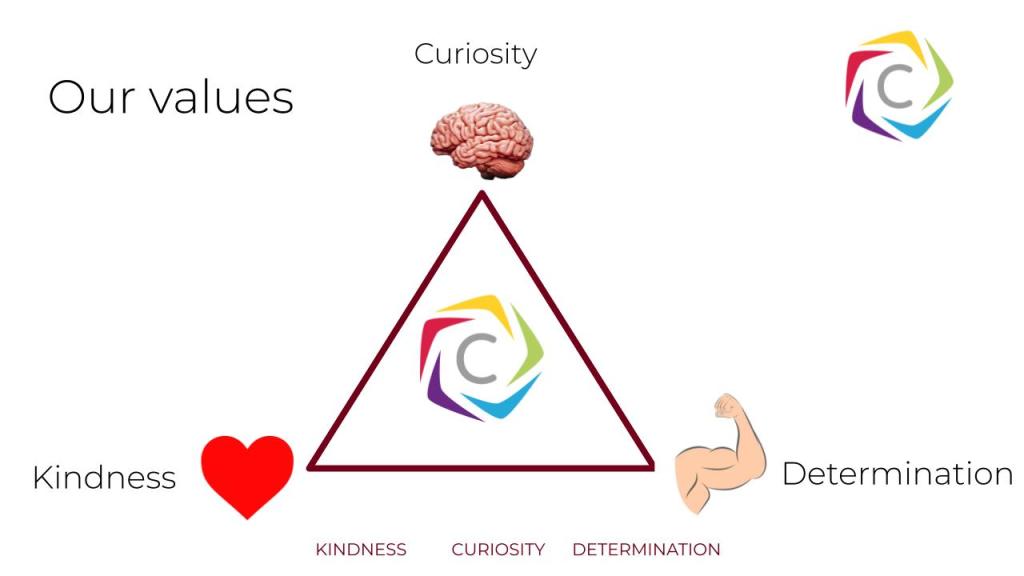
Our three values form three points on a character triangle, based on the work of CharacterLab. Kindness is a strength of the heart; curiosity a strength of the mind; determination a strength of the will. All three work together to support our students to be successful in school, and beyond, in pursuit of Martin Luther King’s maxim: “intelligence plus character – that is the goal of true education.”

Curiosity enables independent thinking and enquiry, and is the basis of human flourishing. Stone age man was driven by curiosity: what happens if I bang these two rocks together? Can I use this animal skin to store water, so I can travel further from the lake? And so on, generation after generation, we have built on the discoveries of our predecessors in a way which is unique to our species. And we are never satisfied, continuing to push the boundaries of what we know, to solve mysteries, to understand more about the world around us and the universe beyond.

It was this curiosity that led Einstein to develop his general theory of relativity – his attempt to explain how and why the universe behaves as it does. He was driven by a passionate desire to understand, to explain, to make sense of things. It is this uniquely human desire that we seek to foster in school.

This desire for discovery continues to this day, with the Curiosity Rover on Mars and recent landings on the moon. We continue to strive to know more, to understand more, to answer questions, to solve problems – and there is always more to learn.

A dopamine molecule

Curiosity has many benefits:

  • Good for our brains and aids memory: the more we learn, the better our brain gets at learning. This is because our broader general knowledge gives us more “anchor points” for new knowledge to hook onto, to connect with, and to secure itself in our memories.
  • Helps us to be empathetic: understanding people who are different to us is essential to help us collaborate and cooperate with one another, to develop our empathy, and to improve our communities.
  • Increases confidence: the more we understand about the world, the more confident we feel within it. We feel most insecure when we are uncertain, when we don’t know what is happening or why, or when we don’t understand things. The more we know, the more confident we feel.
  • Contributes to happiness: when we learn something new, solve a problem, or something slots into place in our mind – that “lightbulb” moment – we feel a little rush of satisfaction. That is the release of dopamine into our system, a chemical designed to reinforce achievements by making us feel happy. So satisfying our curiosity actually makes us happier!

In my assembly, I went through all the ways we can satisfy our curiosity and extend our learning. The first – and most important – is through reading. Reading much, and reading widely, is how humanity has broadened and extended its knowledge over millennia. Using the library to ensure that we are reading books that we are interested in, and which take us beyond what we already know, is a guaranteed way to help us learn!

We are fortunate also to live in the age of the internet, where all the world’s knowledge is at our fingertips. Satisfying our curiosity has never been easier: we can ask Siri, ask Alexa, ask Google, ask ChatGPT. But we must be careful when using these sources, and always be curious about the answers we get back. Information we get online needs to be verified, as its accuracy cannot always be trusted. And AI, whilst it is useful, is subject to similar cautions: the answers we get from AI are only as good as the questions we ask, and the sources that the AI relies on. So there is no substitute for our human curiosity – we mustn’t become lazy, and let the machines think for us.

I concluded with three ways our students can show curiosity in the classroom and beyond:

  • Enquire: Ask questions – “why” and “how” – and actively listen to the answers
  • Explore: read around the subject – find out more
  • Experience: Seek out new experiences, people and challenges

Keeping an open mind allows us, the inheritors of the benefits of millennia of human curiosity, to continue mankind’s constant journey to know and understand more – and to contribute to human progress. What a privilege learning is!

Assembly: British Values

In this week’s assemblies I have been discussing British values with our students. All schools should promote the fundamental British values of democracy, the rule of law, individual liberty, and mutual respect and tolerance of those with different faiths and beliefs – and we are no exception.

Democracy

The idea of democracy has its origins in Ancient Greece, where the concept of Δημοκρατία or dēmokratía originated from the compounding of the words and ideas dēmos (‘people’) and kratos (‘rule’). The Greeks’ idea was that power was vested in the people of a state, where the voice of the people decided the laws of the land. This idea has evolved into the representative democracy we have today, where the people of state have a say through their vote, to elect a representative who will carry their views forward into the government of the country.

In our case, our representatives sit in the Houses of Parliament in the Palace of Westminster. I spoke to students about how our representative democracy works, and how our elected representatives make the laws our country is governed by. I also discussed some of the challenges of democracy, including the difficulty of reaching consensus or agreement when people have different views.

“Democracy is the worst form of government – except for all the others that have been tried.”

Winston Churchill

We moved on with a discussion of Winston Churchill’s famous description of democracy, having lost the general election immediately after leading the nation to victory in the Second World War. Despite its flaws and challenges, democracy is still the best form of government our species has found.

We concluded this section of the assembly with a discussion of the voting age. In our country, people under the age of 18 are not permitted to vote. However, at Churchill we encourage students to engage in the principles of representative democracy through the house and school councils, which are up and running already this term. We also aim, through the education we provide, to ensure that students can make their own minds up about how to cast their vote, when they are old enough, from a position of wisdom and knowledge, based on the ability to distinguish truth and fact from lies and misinformation.

The rule of law

Our elected representatives make the laws that we have to follow. I discussed representations of justice, including the famous statue of Lady Justice on top of the central criminal court at the Old Bailey in London. Lady Justice carries a sword to symbolise that justice should be swift and final; but she also carries scales, to symbolise that justice must weigh up the rights and wrongs of each case to make a fair and balanced decision. These are helpful reminders for all of us in school.

Liberty

There is no better symbol of “liberty” than the Statue of Liberty which stands at the mouth of the harbour in New York City. The statue represents the idea that those people arriving in America were coming to the land of the free, where people were free to live their lives as they chose, and to make their own destiny. This idea of individual liberty – where citizens are free to make choices about how they live their lives, within the bounds of the laws of the land – is central to the UK’s national character. Many countries around the world do not allow their citizens the same degree of liberty that our country does so we must ensure that we do not take this for granted.

Mutual respect and tolerance of those with different faiths and beliefs

As part of our liberty, we must also be tolerant of those with different faiths and beliefs. As a nation we are welcoming to those from different cultures and backgrounds; in Britain people can love who they choose to love; they can follow a religion of their choosing, or they can have no religious faith; we respect those with different abilities or disabilities, hidden or visible, and afford everyone equal rights; in Britain people are free to choose their own identities. This is a luxury not afforded to citizens of all countries on our planet; as with our liberty, we must never take this for granted.

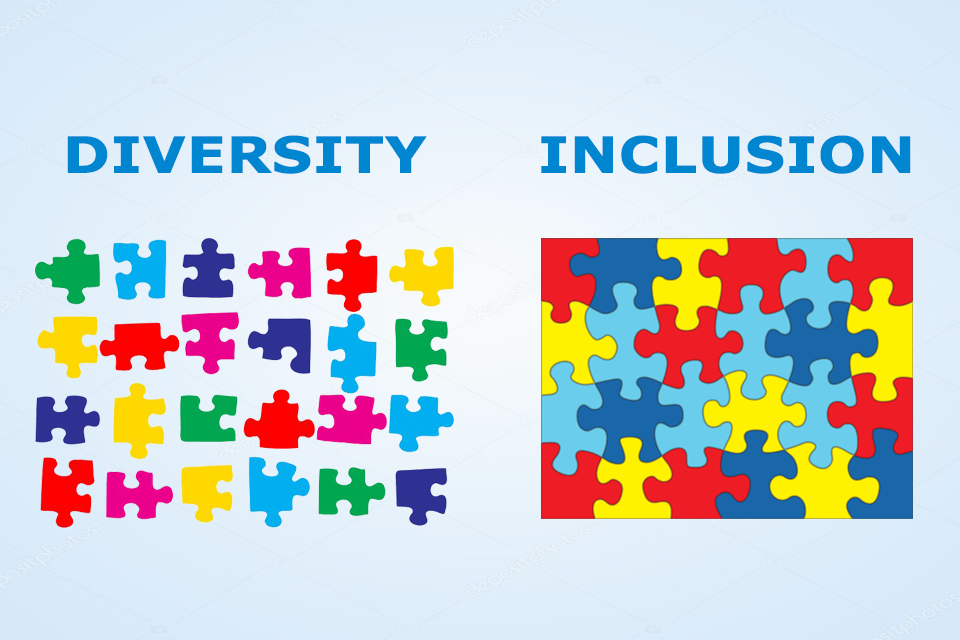
I concluded the assembly with a discussion of the difference between diversity and inclusion. We are all different, but in order to be a successful community we must work together. Individually we are all odd-shaped jigsaw pieces; through collaboration and mutual support, we can bind together in to a coherent and cohesive whole. This is a principle we hold dear in our Academy; through this, we hope to secure Britain’s future as a land which upholds those four key values of democracy, the rule of law, individual liberty, and mutual respect and tolerance of those with different faiths and beliefs – not just now, but forever.

Kindness, Curiosity and Determination

It has been great to welcome the students back to term 6. It’s always a term of transition; with our Year 11 and 13 students off on study leave, the Academy feels a bit emptier. The tutor groups are missing their year elevens, so our year tens are now the senior main school students. The applications for the new house captains are coming in, and everyone is getting ready to welcome our new Year 7 and 12 students on the induction days coming up soon.

In my “welcome back” assemblies this week, I started with a bit of housekeeping. The Site Team and our contractors have been busy over the half term break: putting in replacement fencing, repainting classrooms and toilet areas, relocating one of our food pods, replacing windows, and making sure that everything is looking great for the students’ return. I thanked the students for their much improved use of the facilities, and urged them to ensure that they continue to look after them. There was also an opportunity for reminders about our classroom and social time expectations – and I never miss an opportunity for those!

My assembly this week focused mainly on our three Academy values: kindness, curiosity and determination. As I said in my end-of-term-5 Headteacher’s Update letter, over recent weeks I have been working with our governors on a review of our strategic planning and direction. This has taken us right back to the Academy’s vision, purpose and values, as we have reaffirmed our commitment to being a school in which we inspire and enable young people to make a positive difference, and to set no limits on what we can achieve. All of this work is underpinned by our three values.

This quotation, from aviator Amelia Earhart, guides our thinking about kindness. Kindness adds value because its impact is cumulative: the kinder we are, the kinder others become. The idea of “paying it forward” to create a positive community culture is a key part of this value.

When we first introduced our values, the students articulated what they meant for our behaviour in and around the Academy. Their description of kindness, cited above, captures that key element of our Academy community. It also underlines the fact that we all have a responsibility to that community – a responsibility to keep it healthy by maintaining the values which lie at its heart.

Curiosity is a strength of the mind. The quotation from Plutarch in the slide above emphasises the importance of taking an active role in learning, in seeking out new knowledge and skills: you can’t just wait for knowledge to come to you. You have to go out and get it. We can teach you: but only you can learn.

The students captured this spirit of curiosity in their values statement, which informs our approach to learning, which expects:

  • Determined and consistent effort
  • A hunger to learn new things
  • Challenging ourselves to go beyond what is comfortable
  • Viewing setbacks and mistakes as opportunities to learn and grow
  • Seeking and responding to feedback
  • Encouraging others to succeed

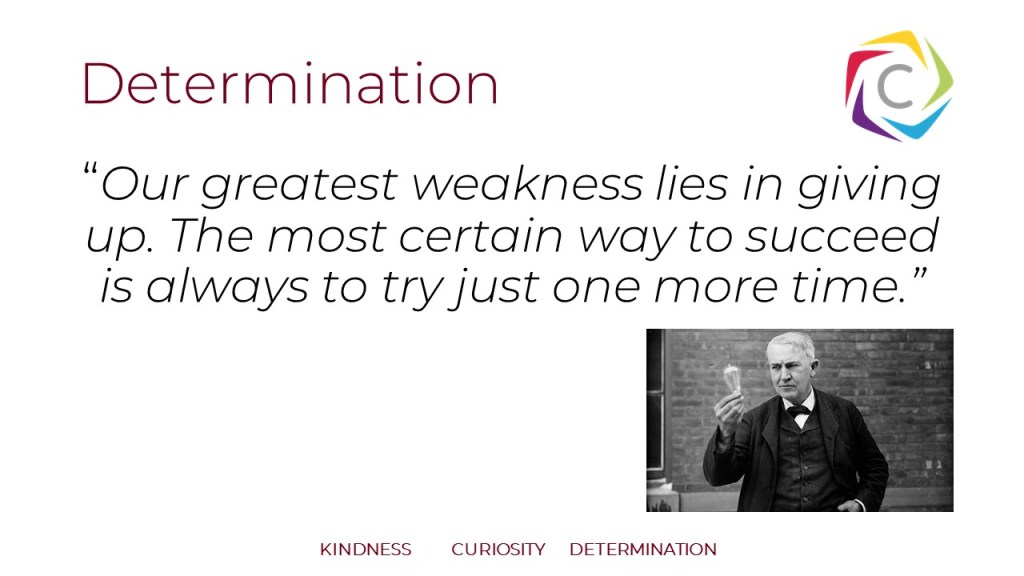
Determination is summed up in this quotation from inventor Thomas Edison, who achieved so much through constant trial and error, refinement and development, prototype after prototype. I have found Edison’s words of huge value to me in my own professional career as an adult: we all face challenges and struggles. If we give up, we are certain to fail. The only way to succeed is to keep trying.

These values form three sides of a character triangle: kindness, a strength of the heart; curiosity, a strength of the mind; determination, a strength of the will. Churchill students, who show all three values, will be well equipped to go out into the world and make a positive difference, setting no limits on what they can achieve.

I concluded the assembly with all the things we have to look forward to over the course of the rest of this term: it’s going to be a busy one!

Assembly: Values and Behaviours

As we return for Term 5, I have taken assemblies for each of the five houses. In my assembly, I have talked about values, and how our values inform our behaviours.

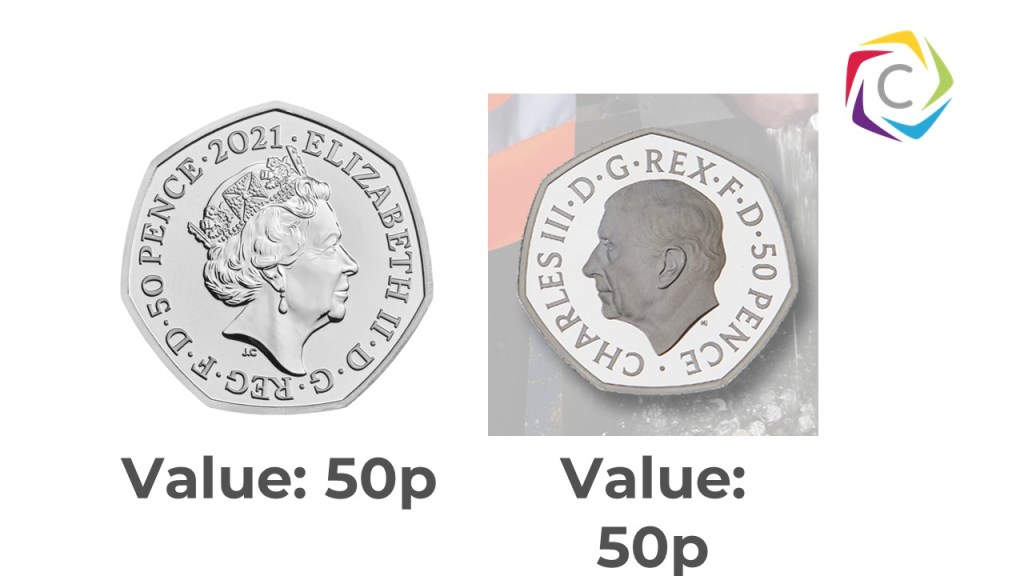
To start with, I discussed the fact that our coins are changing. For the first time in my life, we will have coins with the King’s head on the back rather than the Queen’s head. Yet, despite the coronation of a new monarch, the coins still have the same value; although they look different, they are worth the same.

The same is not true of these coins. The “one pound” coin on the left is no longer legal tender – it is worth less than the one pound coin on the right. Why is this? Simply – we have all been told that this is the case, and we all accept it. The one on the left is worthless, despite it saying “one pound” on the front, because we’ve all been told it’s worthless and we all accept this.

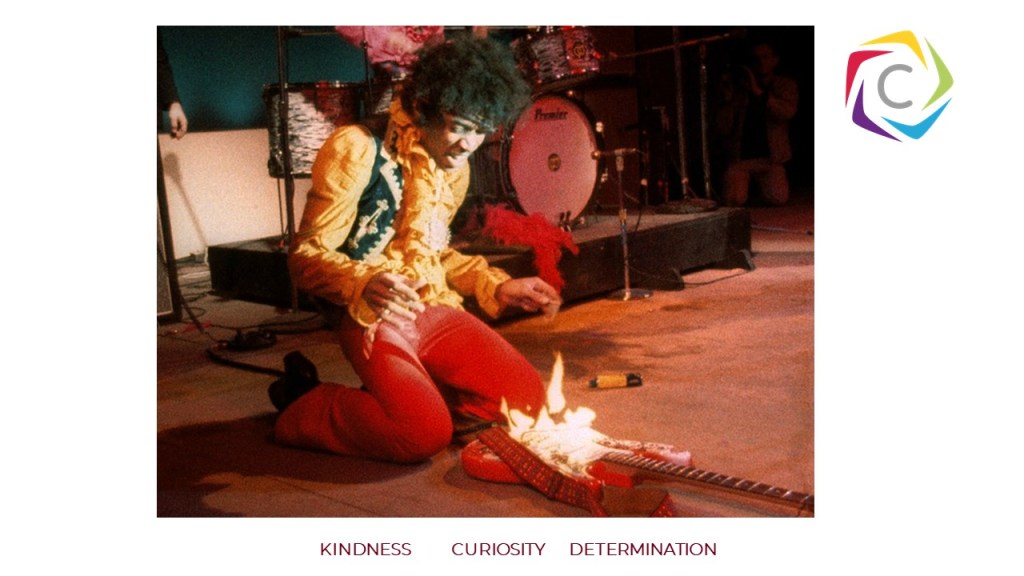
The value of something isn’t always obvious by its appearance. I would love the guitar on the left – a brand new Fender Stratocaster. But the old Fender Stratocaster on the right has no strings, the strap is on the wrong side, and it has been damaged in a fire. The surface is badly scorched and the wood underneath is burnt. It is unplayable – but somebody paid $380,000 for it. Its value is not as a musical instrument, but as a part of rock history.

The guitar was famously doused in lighter fluid and set on fire by Jimi Hendrix at the Monterey festival in 1967. This is what gives it its value – it is an artefact, not an instrument.

Swipe to see the change in value of a Ferrari

The same is not true of a Ferrari however. A brand new Ferrari, whilst worth less than a burnt Hendrix guitar, is worth a lot more new than it is when wrapped around a lamp post. The damage to this valuable asset has not increased its value – it has diminished it. This is not a part of history or culture – it is a testament to someone who needs to drive more carefully and hope they have a good insurance policy. 

So, the value something has is not intrinsic to itself. Rather, it is a shared idea, or a common belief that something has value. At Churchill, our values of kindness, curiosity and determination govern all our actions and inform our behaviours. We work hard to inspire and enable young people to make a positive difference to themselves, to the Academy community, and to the wider world, and to set no limits on what we can achieve.

Professor Carol Dweck picks up this idea of setting no limits on what we can achieve in her work on mindsets. She explains through her research how it is the effort that we put in that ensures we achieve, not our ability. As she says: “no matter what your ability is, effort is what ignites that ability and turns it into accomplishment.”

This idea of effort is something that we think has tremendous value. It is why it is the first of our six “learning values” at Churchill Academy & Sixth Form – the research-informed principles that inform our approach to pedagogy.

The things we value inform the way that we behave. At the start of every long term, in September, January, and now after Easter, I always remind students about our classroom behaviour expectations: the Top 5. This term is no exception. The students are very familiar with these expectations now, but it is no less important that they stick to them if we are to make the most of every moment of lesson time.

We also have a set of five expectations for social time behaviour, and I used this start of term assembly to run through these in detail. In particular, I explained the ways in which we have responded to student feedback with amendments to our uniform policy this year, and changes to the toilets, following student leadership initiatives – and how it is now the students’ responsibility to uphold those standards now that they are established.

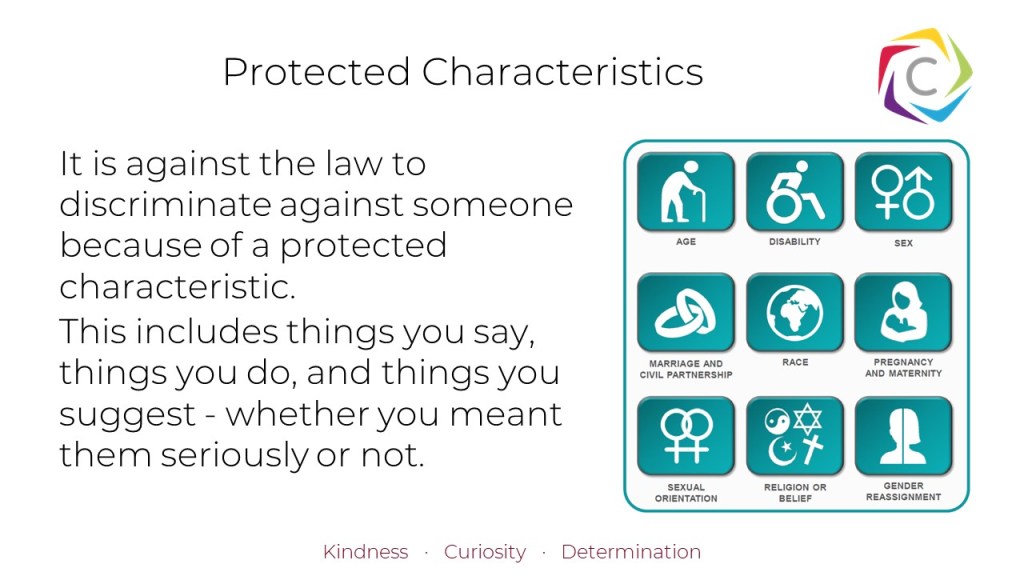
As we moved towards the conclusion of the assembly, I talked about bullying. I explained that, if you say anything that makes anyone feel uncomfortable about who they are, this is wrong and unacceptable – and may also be illegal if it references a protected characteristic. I explained that saying or doing something “as a joke” or as “banter” normalises unacceptable behaviour by making it seem okay in certain situations – but it is never okay. If we see people doing or saying unkind things again and again over time – even “as a joke” – these behaviours can become normalised. And we are all susceptible to normalisation. 

Normalisation refers to social processes through which ideas and actions come to be seen as ‘normal’ and become taken-for-granted or ‘natural’ in everyday life. There are different behavioral attitudes that humans accept as normal, such as grief for a loved one, avoiding danger, and not participating in cannibalism. Our perception of what is ‘normal’ can transform over time – and this can be a force of good and ill.

The video above gives a great example of how bizarre and unusual behaviour, that someone would never normally display, can be influenced by the behaviour of people around you and very quickly become “normal.” Although this is a light hearted example, this principle can be much more serious.

In Nazi Germany in the 1930s we saw hateful, discriminatory and abhorrent attitudes and beliefs “normalised” by society. Pastor Niemoller’s poem shows what can happen if we sit by and let things that we know to be wrong happen around us. We must stand up for what we know to be right. 

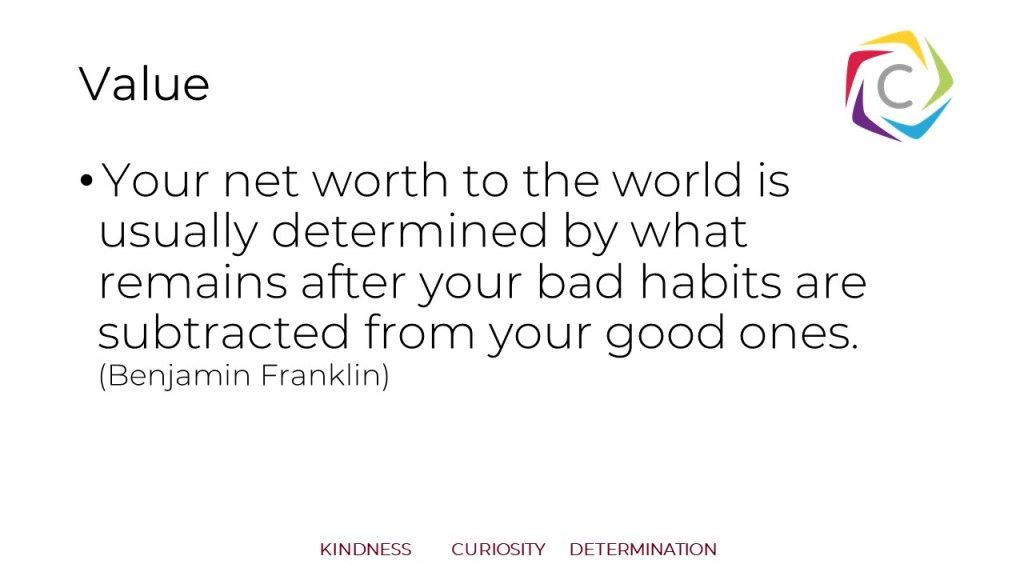
I finished the assembly – as I like to do – with a quotation. This one, from Benjamin Franklin, shows how values and behaviours are interlinked one with the other. Our values inform our behaviours, and our behaviours shape our values.

Year 9 Learning Groups and the Academy Values

Last week’s assembly, coordinated by Mr Davies, explained the people behind the names of this year’s Year 9 learning groups. They are all people with important links to our nearest city, Bristol – and they have all showed the Academy’s values. We hope that these figures from our local history will inspire our current students to similar endeavours of kindness, curiosity, and determination.

Brunel: curiosity and determination

Brunel learning group is named for Isambard Kingdom Brunel, the mechanical and civil engineer who designed the Great Western Railway, Clifton Suspension Bridge, SS Great Britain and numerous significant ships, tunnels and bridges. He was a prominent figure during the Industrial Revolution which began in Britain, and he revolutionised public transport and modern engineering. His endless curiosity led to him finding innovative solutions to engineering problems, and his determination ensured that he overcame the challenges in his way.

Stephenson: kindness and determination

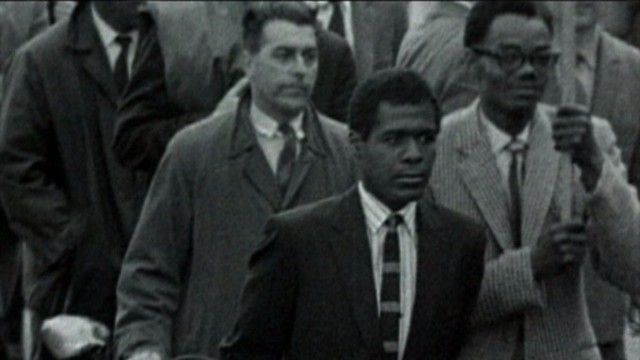
Stephenson learning group is named after the civil rights campaigner Paul Stephenson. He was born in 1937, in Essex. He joined the RAF as the only black cadet in his regiment. Many years later he became a Youth and Community Development Worker in St Pauls, Bristol. It was during this time that he campaigned for a bus boycott as he didn’t accept that the bus company wouldn’t employ black drivers. He decided he was going to do something about this! He fought for black people to be treated fairly in public places in Bristol. With Muhammed Ali, he also set up ‘Muhammed Ali Sports Development Association’ to promote sports development among ethnic minority young people to help develop self-confidence  and social interaction. In 2008 he was given the Freedom of the City of Bristol in recognition of the work he has done to bring the black and white communities together.

Fragapane: determination

Claudia Fragapane is a British artistic gymnast who grew up in Bristol. At the 2014 Commonwealth Games, she was the first English woman to win four gold medals since 1930. In 2015, Fragapane was part of the women’s gymnastics team that won Great Britain’s first-ever team medal, a bronze, at the World Artistic Gymnastics Championships. She competed at the 2016 Summer Olympics in Rio de Janeiro, alongside Churchill Academy alumnus Ruby Harrold. She also finished fourth in Strictly Come Dancing!

Park: curiosity and determination

Nick Park is the famous animator, director and writer behind Wallace and Gromit, Creature Comforts, and Shaun the Sheep. He has been nominated for an Academy Award a total of six times and won four with Creature Comforts (1989), The Wrong Trousers (1993), A Close Shave (1995) and The Curse of the Were-Rabbit (2005). He has also received five BAFTA Awards, including the BAFTA for Best Short Animation for A Matter of Loaf and Death.

He has spent most of his career working for Aardman Animations in the Bristol area. His curiosity has led him to develop a unique and appealing world of claymation animation. Meanwhile, his technique of stop-motion animation – shooting films one frame at a time, moving each model just a fraction between each shot – requires a huge amount of determination!

Blackwell: kindness, determination and curiosity

Elizabeth Blackwell was born in Bristol in 1821, although she moved with her family moved to America when she was 11 years old. She was the first woman to receive a medical degree in the USA in 1847, which required determination and curiosity. As a medical doctor, she showed great kindness when she treated wounded and injured soldiers in the American Civil War, despite strong opposition from male colleagues.

Later, she opened her own medical practices in New York (1852) and in London (1871) where she taught, trained and inspired other female doctors to follow in her footsteps. She retired from medicine in 1877 to work as a social and moral reformer, co-founding the National Health Society.

She showed determination, battled all her life and her successes had been monumental. In 1881, there were only 25 female doctors registered in England and Wales but by 1911 there were 495 registered. Her ambition and success has inspired many generations of female doctors to pursue medical careers and achieve the ‘impossible dream’.

Kenney: determination

Kenney learning group is named after Annie Kenney (1879-1953). Annie Kenney was a key figure in the suffragette movement which campaigned for women to have the vote in the early twentieth century. Kenney was one of the few working class women to rise to prominence in the Suffragette campaign. She became a leading figure in the Women’s Social and Political Union and  spent some years working as an organiser in Bristol. She hit the headlines after being imprisoned for several days for assault and obstruction, after heckling Sir Edward Grey at rally on the issue of votes for women.

Kenney was imprisoned a total of 13 times. She repeatedly went on hunger strike in prison, and underwent brutal force-feeding from the authorities. She remained determined to confront the authorities and highlight the injustice of the treatment of suffragettes by the male-dominated authorities.

When the First World War broke out, Annie Kenney accompanied Emmeline Pankhurst and other suffragettes from the WSPU in ending their activism. Instead, they took on jobs that had previously been done by men, who were now away fighting, in support of the national war effort. Her actions, and those of others in the movement, led to women gaining the vote in 1918.

Dirac: curiosity and determination

Dirac learning group is named after the physicist Paul Dirac, born in Bristol in 1902. Dirac made fundamental contributions to the early development of both quantum mechanics and quantum electrodynamics. Among other discoveries, he formulated the Dirac equation which describes the behaviour of sub-atomic particles called fermions. He also predicted the existence of antimatter. Dirac shared the 1933 Nobel Prize in Physics with Erwin Schrödinger “for the discovery of new productive forms of atomic theory”. He is widely regarded as one of the most significant physicists of the 20th Century.

Brohn: kindness and determination

Diagnosed with breast cancer in 1979, Clifton-born Penny Brohn knew she needed more than just care and treatment for her body: she recognised that she would need support for her “mind, spirit, emotions, heart and soul.” She co-founded a charity centre with her friend Pat Pilkington called the Bristol Cancer Help Centre, which offered patients complementary therapy to support them alongside medical treatment. She showed determination to overcome a great deal of controversy and scepticism to support those living with cancer. Penny Brohn died in 1999, having lived with cancer for 20 years. Her kindness lives on in the work of the charity she co-founded, which provides care to those living with cancer before, during and after treatment.

More: kindness, curiosity and determination

Last but not least, learning group More is named after Hannah More (1745-1833). Hannah More was born in Bristol, where she taught at a school founded by her father and began writing plays. She became known as a poet and playwright, as well as a writer of moral and religious texts, and moved to Wrington in 1802. She campaigned to extend education to the poor, and to girls, who otherwise had no access to schooling. Vitally, More also campaigned against the slave trade. Hannah More is buried beside her sisters at the Church of All Saints in Wrington: you can see a bust of her in the south porch to this day.
Into the twenties: happy new year!

2020 fireworks

As the clock ticked over to midnight on New Year’s Eve, we bid goodbye to the 2010s (the teens?) and welcomed in the 2020s. It feels like the future has arrived! Over the past decade I’ve worked in three schools, moved house twice, had a book published, appeared on TV, and – of course – been appointed as Headteacher of Churchill Academy & Sixth Form.

Mrs McKay reminded me that Monday marked the fourth anniversary of my first day at Churchill in January 2016! Since then our school has seen some big changes:

  • The number of students at Churchill has risen from 1430 to 1581. We have an additional 151 students on our site compared to four years ago
  • The Sixth Form has grown from 256 to 276
  • Level 3 Value Added scores for Sixth Form outcomes have risen from +0.02 in 2016 to +0.17 in 2019
  • The proportion of students gaining a strong pass (grade 5+) in English and Maths GCSE has risen from 52.3% in 2017 to 54.8% in 2019
  • We marked our 60th Anniversary in 2017
  • The Academy has a new vision – to set no limits on what we can achieve – and we have introduced our values of kindness, curiosity and determination.
  • The Athene Donald Building, the Alan Turing Building, new main reception and admin, new staff and sixth form car park, “The Tower,” the Broadwalk, and refurbished classrooms in English and Maths have transformed the site and the learning environment.

Taking stock of all that, I feel very proud of what we have achieved together in four years. We are now developing our planning for the next five years, looking ahead to the next phase of the Academy’s progress and development. The future looks bright!

Happy New Year to everyone in the Churchill Academy & Sixth Form community.

Why are we here?

It’s great to be back for a new year at Churchill! In my start-of-term assembly for each of the Houses, I outlined some practical priorities: some of the key changes to the Academy site which will be taking place this year, and reminders about our expectations of behaviour and conduct.

At the start of the year, however, my most important priority was to take a longer and wider view, and to remind all students why were are here, and what we are trying to achieve together at Churchill.

Our purpose: to inspire and enable young people to make a positive difference


kenya2018(school)

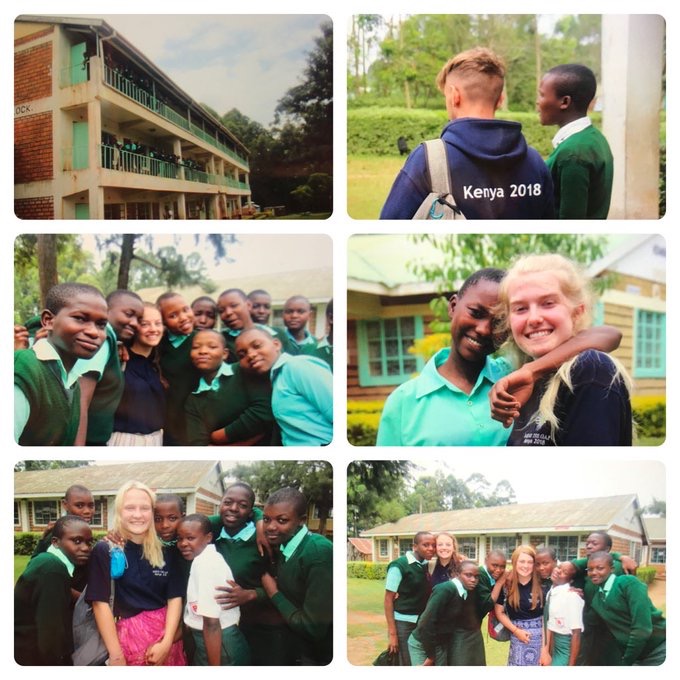
Churchill students working with young people at Rigoma Primary and Secondary School in Kenya, summer 2018 (source)

Our purpose at Churchill is “to inspire and enable young people to make a positive difference.” This can be at a personal level: we can all make a positive difference to ourselves, through the work we do to improve our knowledge, skills and character every day. We can also make a positive difference to others, through helping them when they are finding things difficult and making their experience of school better.
On a wider scale, we can all make a positive difference to the Academy community. This can be in simple, practical ways like keeping the site neat and tidy, but also in less obvious ways by contributing to our positive atmosphere: behaving kindly and respectfully; being ready and eager to learn; and supporting and encouraging one another in our efforts to improve.

Looking up still further, we know that all our young people can make a positive difference in the wider world, both during their time as students here but also after they have left us. Our hope is that, because of the education they have had here, Churchill students will go on to make the world a better place. This is a lofty ambition – but it is what motivates and guides us in the work we do every day.

Our vision: to set no limits on what we can achieve

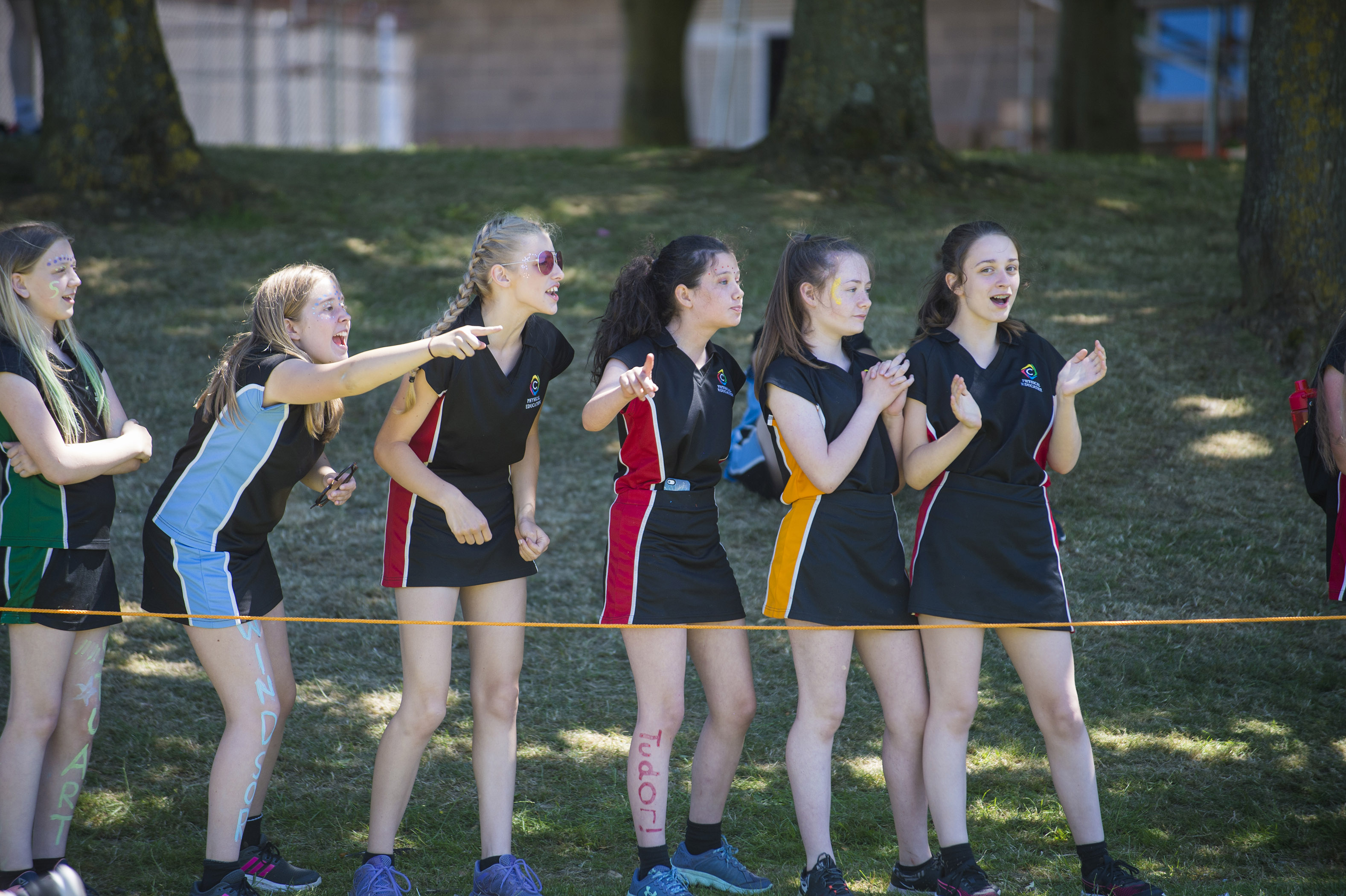
Churchill sports Day 29th June  2018

Sports Day 2018

Our vision at Churchill is “to set no limits on what we can achieve.” Limits can be external, with other people telling you that “you’ll never be able to do X,” or “you’re only capable of Y.” We strive to avoid this kind of talk at Churchill, recognising that it is impossible to know someone’s true potential, and that effort and application make it far more likely that we will achieve our goals.

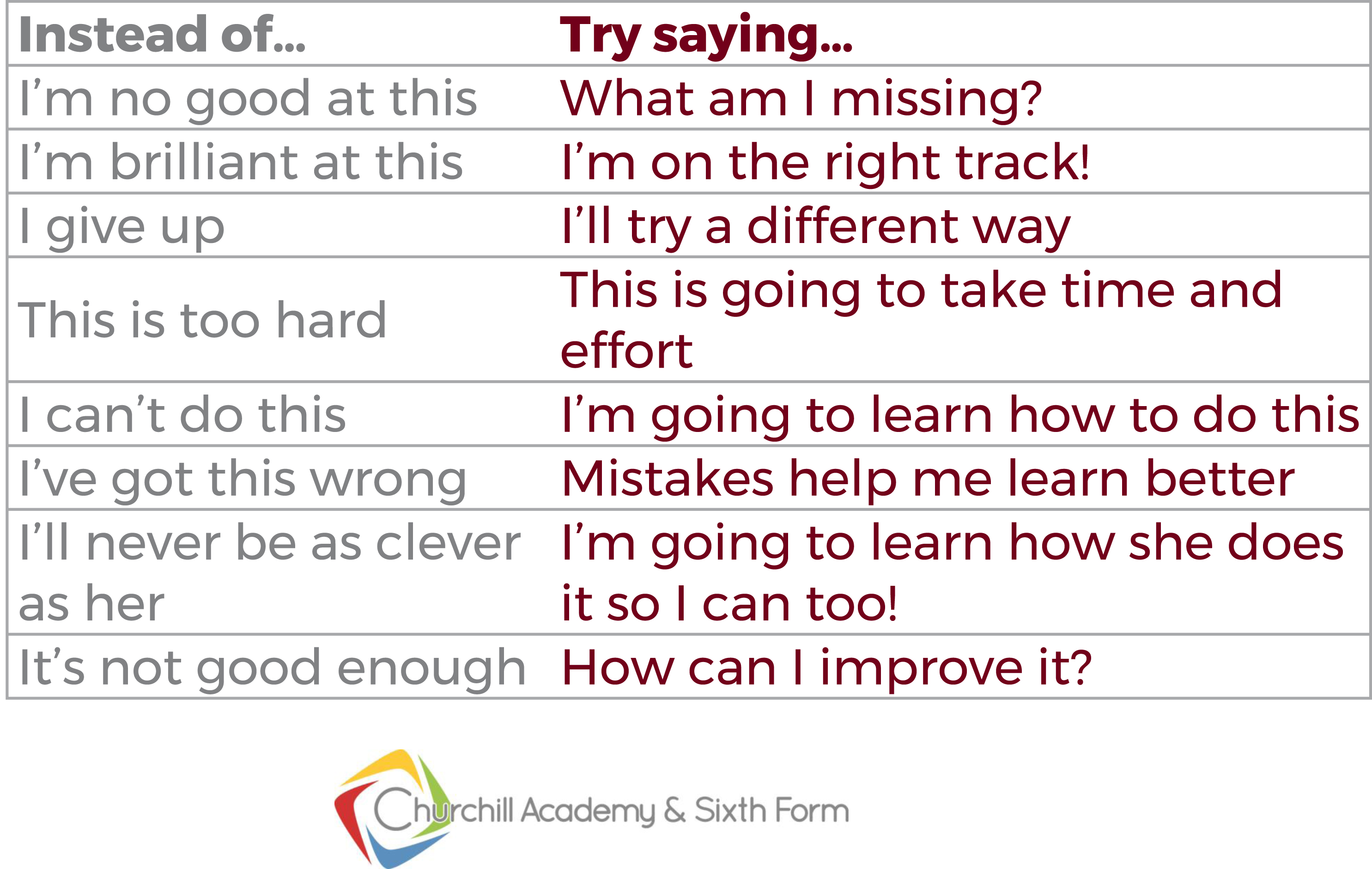
The limits we set ourselves can be far more challenging. We all have a voice inside ourselves that says “it’s too hard,” or “I’ll never be able to do it,” or “I can’t.” At Churchill we try hard to find an inner voice to talk back in, so that we can find a way to overcome those barriers we can set ourselves.

GM Phrases

Our values: kindness, curiosity, determination

Valuescropped

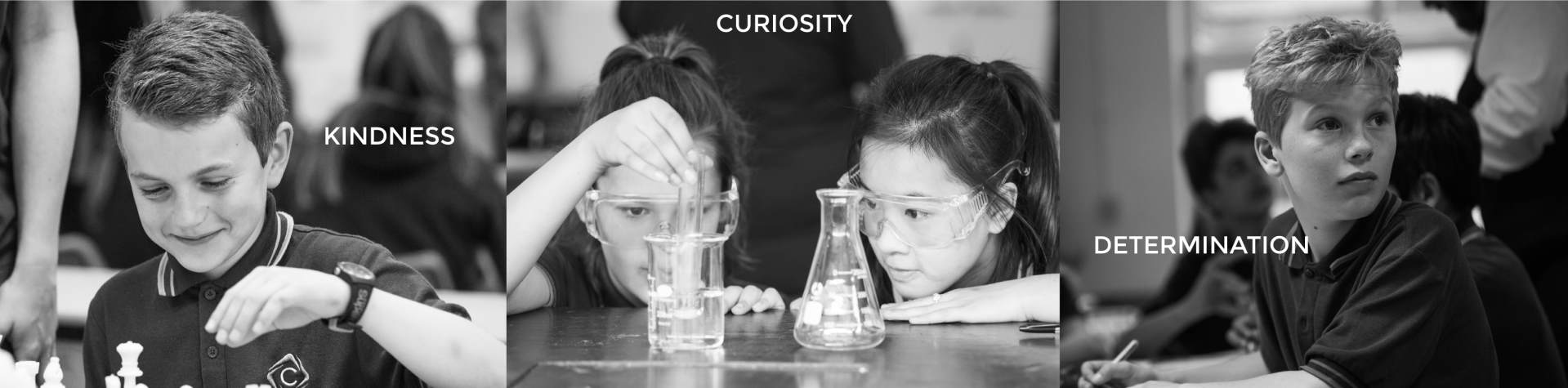
Our three values are based on the character strengths that underpin our vision and our purpose. Developing kindness, curiosity and determination will help us all to reach our goals. Each value reflects a different aspect of our character: kindness is a strength of the heart; curiosity is a strength of the mind; determination is a strength of the will.

Kindness

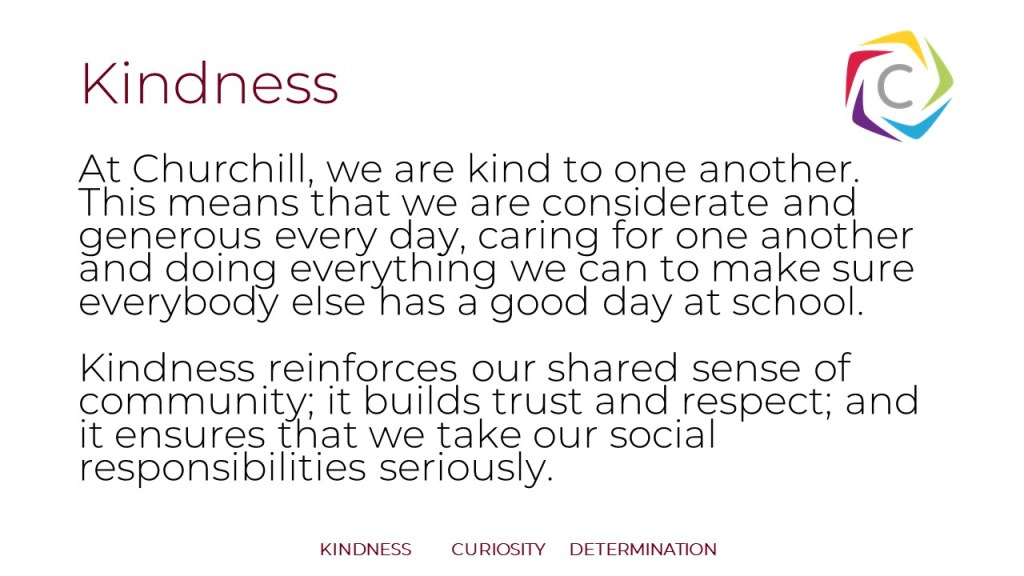
At Churchill, we are kind to one another. This means that we are considerate and generous every day, caring for one another and doing everything we can to make sure everybody else has a good day at school. Kindness reinforces our shared sense of community; it builds trust and respect; and it ensures that we take our social responsibilities seriously.

“A single act of kindness throws out roots in all directions, and the roots spring up and make new trees.” (Amelia Earhart)

Curiosity

At Churchill, we are constantly curious and hungry for new learning. We value enquiring minds and a spirit of exploration. The desire to know or learn something new motivates us to try our hardest in everything we do.
“The mind is not a vessel to be filled, but a fire to be kindled” (Plutarch)

Determination

At Churchill, we are persistent and relentless in the pursuit of our goals – both academic and personal. This determination to keep going when learning is difficult, and to come back and try again when we struggle, helps us to succeed.

“Our greatest weakness lies in giving up. The most certain way to succeed is always to try just one more time.” (Thomas Edison)

It is the interplay between our values, our vision and our purpose that enable us to achieve success. I’m looking forward, this year, to taking further strides towards our shared goals. As Henry Ford said, “if everyone is moving forward together, success takes care of itself.”

Assembly: Value

Slide2

Take a look at the two coins above. They look so different! One, minted in 1988, is tarnished and dull. It’s marked around the edges with the impacts of thousands of other coins in hundreds of pockets, tills, machines and moneyboxes. The 2010 coin is shiny and bright, and the Queen’s profile looks markedly different. Yet both coins have the same value – they are worth exactly the same. The age, condition, and the year they were made makes no difference to what they are worth.

Slide3

These two coins look similar to the pennies. One is old and tarnished, the other shiny and new. But they do not have the same value. Despite the fact that they have the words “one pound” written on the front, the coin on the left is worthless, no longer legal tender, and only the coin on the right is worth £1 now.

Looking at these coins causes me to reflect on how we assign value to things. It seems clear that things are only worth what we agree together they are worth. If we agree, as a society, that one object is worth £1 and another is worthless, then that is the value that these objects have.

In the case of the coins, the condition of the object has no bearing on its value. However, with some other objects this is not the case.

Slide4

In the case of the two guitars above, we have an unusual situation. The brand new guitar on the left is worth much less than the one on the right, despite the fact that the one on the right has been on fire, has a melted scratchplate, and had a broken neck which had to be replaced. That’s because the guitar on the right was set on fire and smashed up by Jimi Hendrix at the 1967 Monterey Pop Festival; it’s appalling condition is a testament to its place in the history of rock’n’roll.

This is not normally the case. As shown above, the value of the £120,000 Ferrari is not increased after it has been driven into a lamppost. In fact, more usually, we need to care for and look after the things we value so that they remain in good condition for us to enjoy.

Over the two years of my Headship to date, I have written three times to the Education and Skills Funding Agency to argue that the students of Churchill Academy and Sixth Form deserve a better learning environment. Twice the ESFA have agreed with the arguments we have presented – we are waiting to hear about the third! – and that is why we have the Alan Turing Building, complete with brand new IT facilities, and the new Science and Technology building under construction. That is why we are renovating and refurbishing classroom and improving the computer equipment across the site. These project all have a significant value – not just the financial resource required to put them in place, but the value they add to the learning experience for our students.

Slide10

We are lucky to learn and work in a beautiful, rural school site, with excellent and improving facilities. It is essential that we all work together to look after this place, ensuring that it is litter-free and kept in an excellent condition.


This slideshow requires JavaScript.

Our values at Churchill determine all of our actions, and there have been many great examples of students demonstrating those values since we launched them in September. Maintaining those excellent habits will ensure that we all continue to contribute positively to the community we are building together.

Slide16

Churchill’s Vision: to set no limits on what we can achieve

Vision and Values

Churchill Academy & Sixth Form’s Vision and Values

Last month I wrote about Churchill’s new values of kindness, curiosity and determination. These values underpin our vision: to set no limits on what we can achieve. Our intention is to unleash that unknown potential that sits within each and every one of our students. We try to ensure that there is always a next step, always an extra challenge, always that encouragement to push yourself further. But we also take time to build confidence, because often the biggest barrier to students’ achievement is not the grown-ups around them telling them they can’t but that nagging voice inside their own mind which says “I can’t do it.” Or “I’ll never be as good as them.” Or “it’s too difficult.” Our whole ethos and approach here at Churchill is to equip students with an inner voice to talk back to themselves, so “I can’t do it” becomes “I can’t do it…yet.” “I’ll never be as good as them,” becomes “I’m going to learn how they do it so I can do it too.” And “it’s too hard” becomes “this is going to take time and effort, but I’m going to learn how.”

GM Phrases

This approach underpins our guiding purpose, to inspire and enable young people to make a positive difference both whilst they are here at the Academy but, perhaps more importantly, after they leave us. An education at Churchill Academy & Sixth Form provides young people with the knowledge, skills, character and confidence to make their own positive contribution. If we do our job right, the world our children will build will be better than the one we live in now.

The vision and purpose lead us to our end result. We have the highest expectations of achievement and progress within the curriculum, because achieving the best possible qualifications brings with it the benefit of choice. But achievement is more than that – it’s about young people finding their identity, their voice, and the self-confidence and determination to take the next step and make their mark.

These principles, underpinned by our values, guide our work at Churchill. We thank all our staff, students and families for supporting us in working towards these ambitious goals.